notification-icon Kailash Mansarovar Tour booking open for 2026

Everest Flight

Everest Flight in Nepal: Ticket Price, Schedule & Booking Guide 2026

Introduction to Everest Flight in Nepal

An Everest flight is one of the most breathtaking aerial experiences in the world. For travelers who dream of seeing Mount Everest closely without trekking for days in the Himalayas, this scenic mountain flight offers the perfect opportunity. Every year, thousands of travelers visit Nepal to enjoy the unforgettable beauty of the Himalayan range directly from the sky.
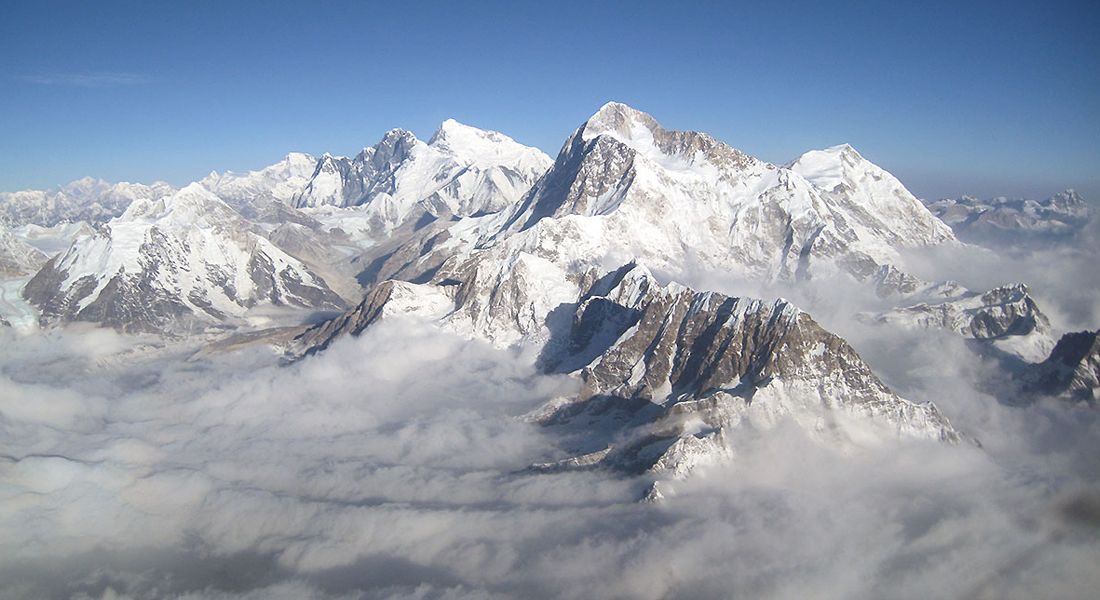
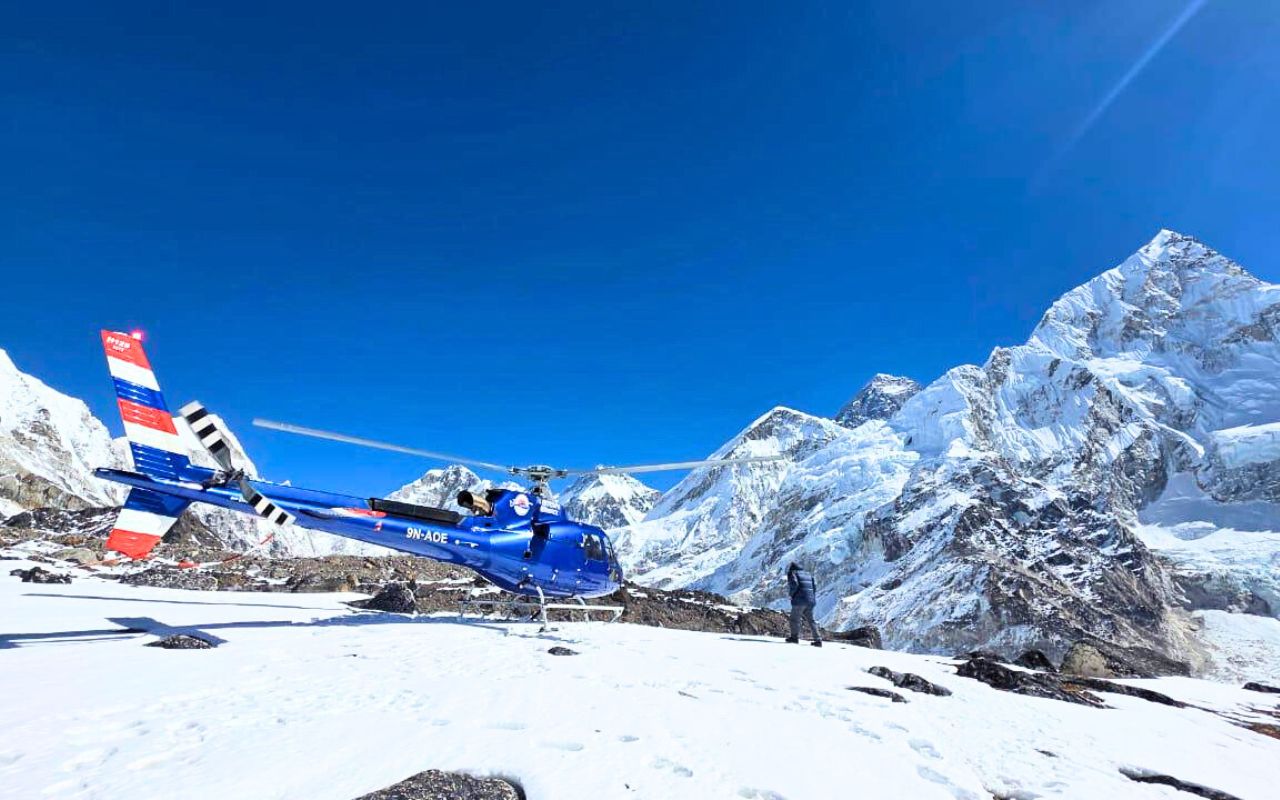
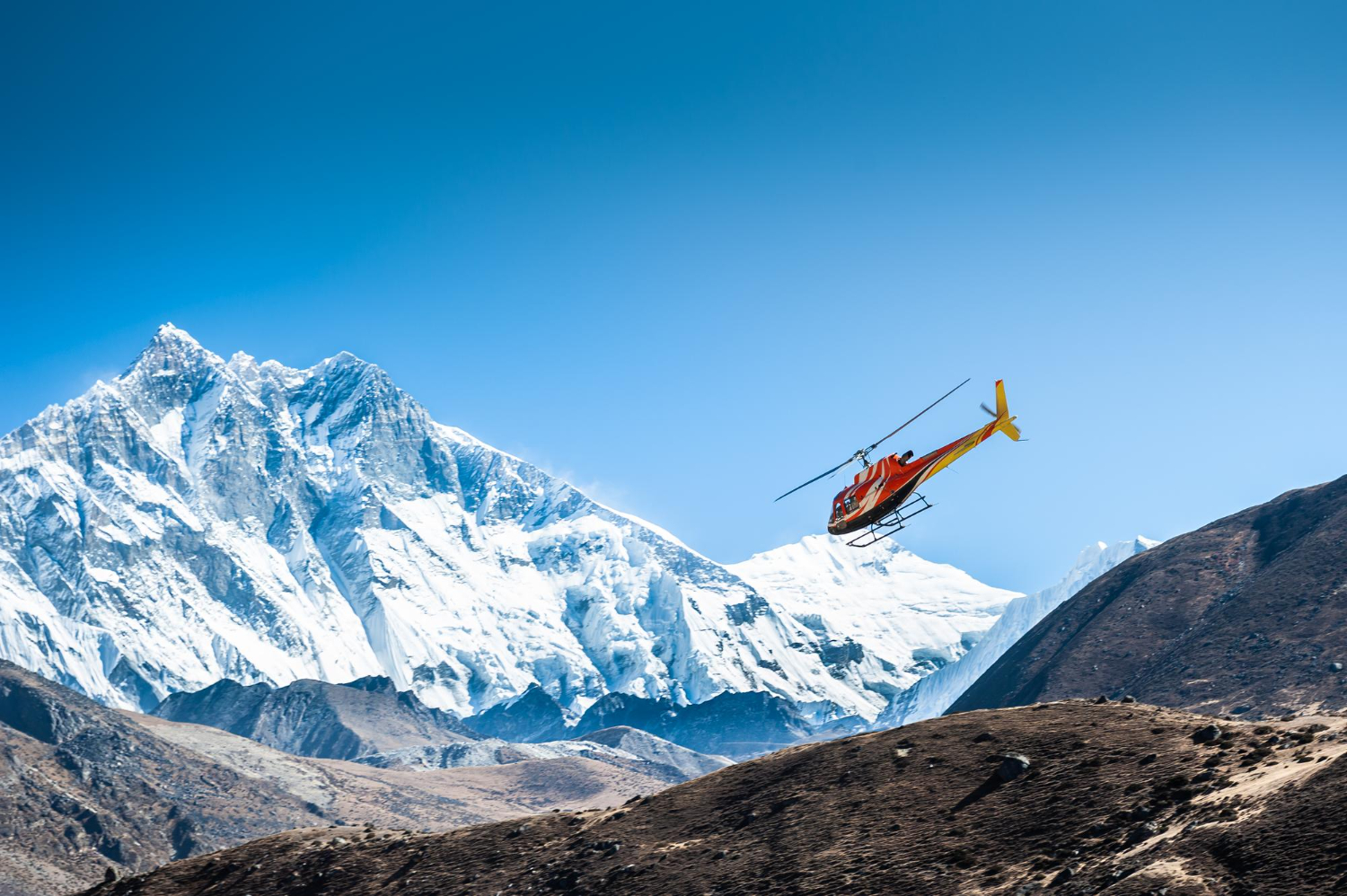
Everest Flight

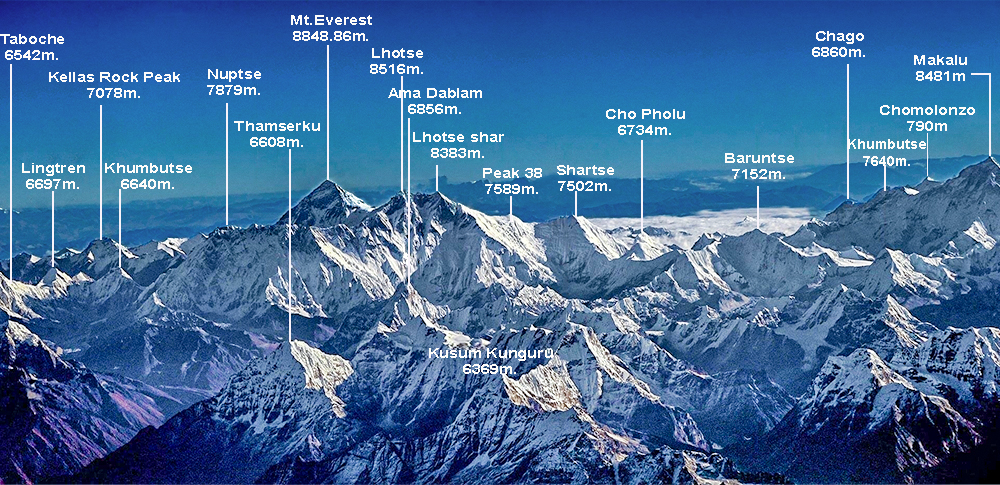
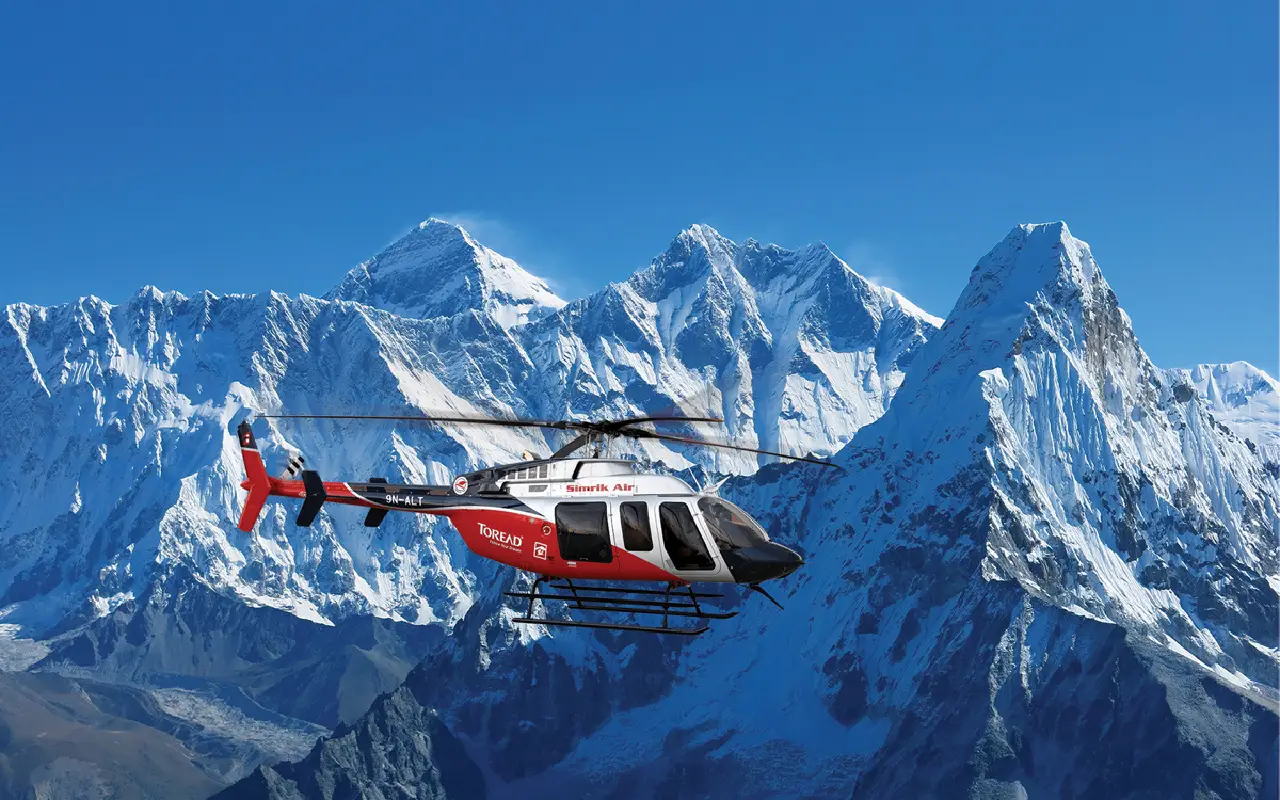
The popular Everest Flight Kathmandu route takes passengers from Kathmandu Airport early in the morning toward the eastern Himalayas, offering panoramic views of snow-covered peaks, including Mount Everest, Lhotse, Makalu, Cho Oyu, and many other legendary mountains.

Whether you are short on time, unable to trek, or simply want a luxurious Himalayan experience, an Everest Flight Nepal tour is truly a once-in-a-lifetime journey.

What is an Everest flight?

An Everest Flight is a scenic mountain flight operated from Kathmandu that flies close to Mount Everest and the surrounding Himalayan peaks. The flight usually lasts around 45 minutes to 1 hour and provides window-seat views for every passenger.

Most mountain flights are operated during sunrise because the weather is generally clear in the early morning. As the aircraft approaches the Himalayas, passengers can witness incredible views of glaciers, deep valleys, alpine landscapes, and the world’s tallest mountains.

The experience is ideal for:

  • Families
  • Senior travelers
  • Luxury tourists
  • Photographers
  • Pilgrims visiting Nepal
  • Travelers with limited trekking time

Unlike trekking routes that require physical endurance, the Everest mountain flight allows anyone to experience the grandeur of the Himalayas comfortably.

Why Choose an Everest Flight Tour?

1. Witness Mount Everest closely.

The biggest attraction of the Mount Everest Flight Tour Price package is the opportunity to witness Mount Everest from a close distance without trekking for weeks. Many passengers consider it one of the best scenic flights in the world.

2. Perfect for Short Travelers

If you only have a few days in Nepal, the Everest flight gives you the Himalayan experience within a single morning.

3. Safe and Comfortable Experience

The aircraft used for mountain flights are specially designed for scenic Himalayan tours and are operated by experienced pilots familiar with Nepal’s mountain weather conditions.

4. Amazing Photography Opportunity

The golden morning sunlight over the Himalayas creates stunning photography moments that are impossible to forget.

Everest Flight Kathmandu Route

The typical Everest Flight Kathmandu route starts from Tribhuvan International Airport in Kathmandu. The aircraft heads east toward the Himalayan region and flies parallel to the mountain range.

During the flight, passengers usually see:

  • Langtang Lirung
  • Gauri Shankar
  • Melungtse
  • Cho Oyu
  • Mount Everest
  • Lhotse
  • Makalu
  • Nuptse

Most airlines provide a mountain map or brochure so travelers can identify each peak during the flight.

Passengers are also often invited into the cockpit for a direct front-view experience of Mount Everest.

Everest Flight Ticket Price in Nepal

One of the most searched terms online is “Kathmandu to Mount Everest Flight Ticket Price” because travelers want to know the overall cost before booking.

The ticket price generally depends on:

  • Airline company
  • Tourist season
  • Availability
  • Nationality
  • Hotel transfer inclusion

Average Everest Flight Ticket Price

Package Type Approximate Price
Standard Everest Flight USD 220 – USD 280
Luxury Mountain Flight USD 300 – USD 450
Private Charter Everest Flight USD 2500+

The Mount Everest Flight Tour price may also include the following:

  • Airport transfers
  • Hotel pickup and drop
  • Flight certificate
  • Window seat guarantee

Prices can slightly increase during peak tourism seasons like

  • March to May
  • September to November

Yeti Airlines Everest Flight

The Yeti Airlines Everest Flight is one of the most popular mountain flight services in Nepal. Known for reliable operations and excellent customer service, Yeti Airlines offers daily scenic flights from Kathmandu.
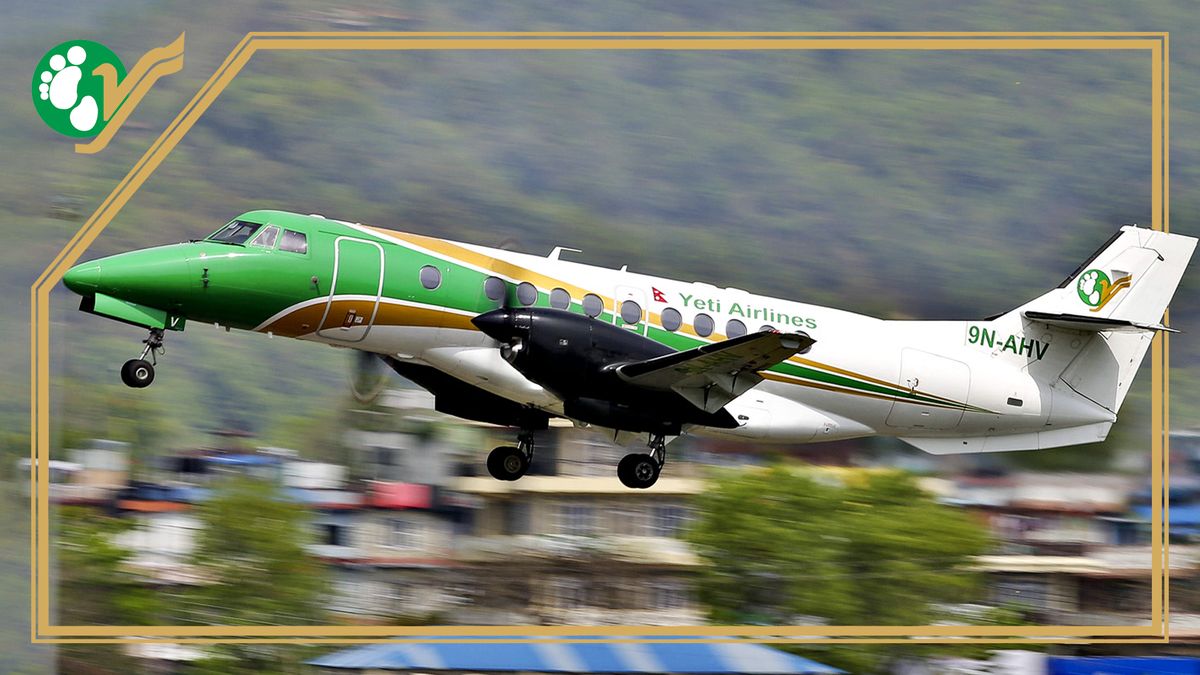
Everest Flight

Features of Yeti Airlines’ Everest Flight

  • Guaranteed window seats
  • Experienced mountain pilots
  • Clear mountain-view routes
  • Flight certificates for passengers
  • Comfortable aircraft

Many tourists choose Yeti Airlines because of its strong reputation in Nepal’s domestic aviation industry.

The airline generally operates early morning departures when visibility is highest.

Shree Airlines Everest Flight

Another growing option for scenic mountain tours is the Shree Airlines Everest Flight service. Shree Airlines has become popular among travelers looking for comfortable and affordable Everest sightseeing flights.
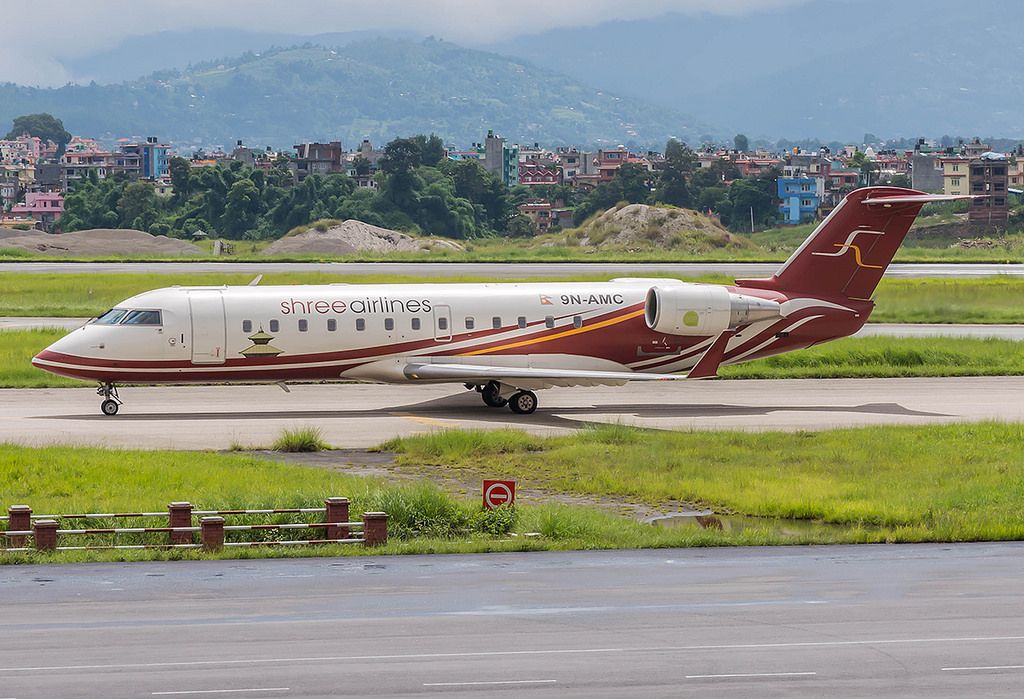
Everest Flight

Highlights of Shree Airlines’ Everest Flight

  • Affordable mountain flight packages
  • Modern aircraft
  • Excellent mountain visibility
  • Professional cabin crew
  • Smooth flying experience

The airline offers a similar route to other Everest mountain flights and provides panoramic Himalayan views from both sides of the aircraft.

Everest Flight Schedule

The Everest flight schedule mainly depends on weather conditions because visibility is extremely important for scenic mountain tours.

Typical Flight Timing

Flight Session Timing
Early Morning Flights 6:00 AM – 9:00 AM

Morning flights are preferred because

  • The weather is clearer
  • Wind conditions are stable
  • Mountain visibility is better

Flights may sometimes be delayed or canceled due to:

  • Heavy clouds
  • Rain
  • Strong winds
  • Poor visibility

Therefore, travelers are recommended to keep at least one extra day in Kathmandu for flexibility.

Best Time for Everest Flight Nepal

The best seasons for an Everest Flight Nepal experience are the following:

Spring Season (March to May)

Spring offers:

  • Clear skies
  • Warm temperatures
  • Excellent mountain visibility
  • Beautiful Himalayan landscapes

Autumn Season (September to November)

Autumn is considered the best overall season because

  • Weather remains stable
  • Visibility is crystal clear
  • Snow peaks look spectacular

Winter flights are also possible and often provide stunning snowy mountain scenery, although temperatures are colder.

Monsoon months from June to August are less recommended because cloud cover may reduce visibility.

Everest Flight Booking Guide

If you are planning a flight booking, it is recommended to reserve your ticket in advance during peak travel seasons.

How to Book Flight

1. Choose a Reliable Airline

Popular choices include:

  • Yeti Airlines
  • Shree Airlines
  • Buddha Air

2. Select Your Travel Date

Always keep one backup day because flights can be affected by weather.

3. Confirm Hotel Transfers

Many tour companies include airport pickup and drop services.

4. Check Cancellation Policies

Mountain weather can change quickly, so flexible booking policies are important.

5. Book Through Trusted Operators

Booking through experienced Nepal travel agencies can make the process easier and more secure.

What to Expect During the Flight

The overall experience is smooth, exciting, and unforgettable.

Before the Flight

  • Early hotel pickup
  • Airport check-in
  • Security procedures
  • Boarding the aircraft

During the Flight

Passengers enjoy:

  • Continuous Himalayan views
  • Pilot announcements about peaks
  • Photography opportunities
  • Cockpit viewing opportunities

After the Flight

Most airlines provide:

  • Flight certificates
  • Souvenir materials
  • Hotel drop-off

The entire experience usually finishes within 3 to 4 hours, including transfers.

Is Flight Safe?

Yes, scenic mountain flights in Nepal are generally considered safe. Airlines operating Everest flights have experienced pilots trained specifically for mountain aviation.

Safety measures include:

  • Strict weather monitoring
  • Regular aircraft maintenance
  • Controlled flight paths
  • Professional aviation standards

Flights only operate when weather conditions are suitable for safe navigation and visibility.

Everest Trek vs. Flight

Many travelers compare an Everest scenic flight with trekking to Everest Base Camp.

Flight

  • Comfortable experience
  • No physical effort
  • Suitable for all age groups
  • Completed within one hour

Trek

  • Requires 10–14 days
  • Physically demanding
  • Adventure-focused
  • Close mountain immersion

For travelers who cannot trek but still wish to see Mount Everest, the Everest flight is the perfect alternative.
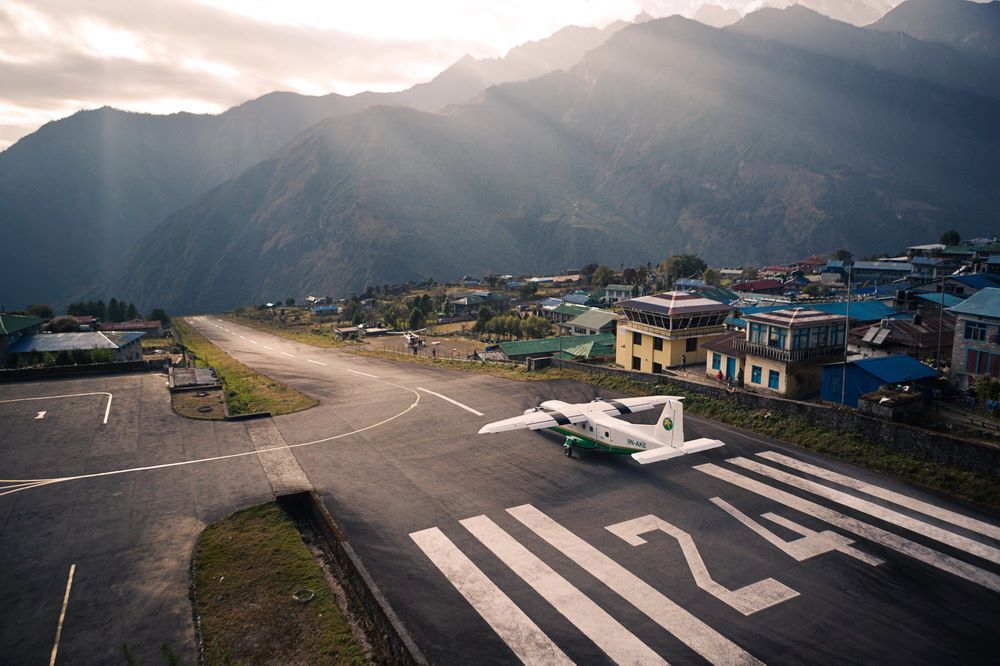
Everest Flight
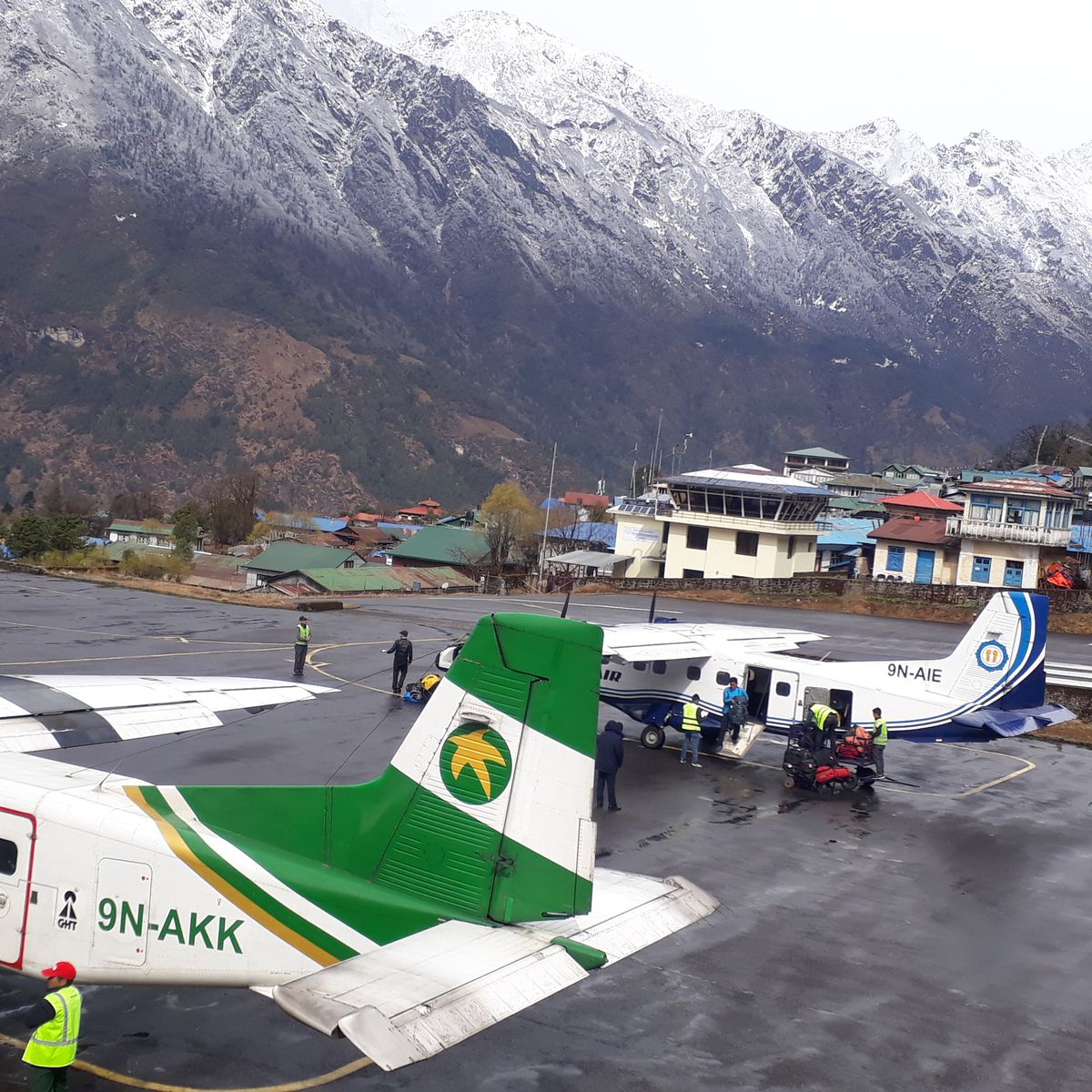
lukla Airport

Tips for the Best Everest Flight Experience

To maximize your experience, follow these simple tips:

Choose a Window Seat

Most airlines guarantee window seats for mountain flights.

Carry a camera.

The Himalayan views are truly spectacular.

Dress warmly.

Kathmandu mornings can be chilly.

Keep Your Schedule Flexible

Weather delays are common in Nepal.

Book During Peak Seasons

Autumn and spring provide the clearest mountain views.

Who Should Take an Everest Flight?

An Everest mountain flight is ideal for

  • Senior travelers
  • Families with children
  • Luxury travelers
  • Short-time visitors
  • Non-trekkers
  • Honeymoon couples
  • Photography enthusiasts

Even travelers who have already trekked in Nepal often choose scenic flights for a different Himalayan perspective.

Why Everest Flight Nepal is Worth It

The Himalayas are among the greatest natural wonders on Earth, and witnessing Mount Everest from the sky is a truly emotional experience. The dramatic landscapes, towering snow peaks, and peaceful atmosphere create unforgettable memories for every traveler.

The combination of convenience, comfort, and extraordinary scenery makes the Everest scenic flight one of Nepal’s top tourism activities.

Whether you choose the Yeti Airlines flight, the Shree Airlines flight, or another mountain flight operator, the journey promises a spectacular aerial adventure above the roof of the world.

Conclusion

A flight is one of the best ways to experience the beauty of the Himalayas within a short time. From understanding the flight ticket price to comparing airlines, checking the Everest flight schedule, and completing your Everest flight booking, planning the trip is relatively simple and highly rewarding.

The stunning aerial views of Mount Everest and the surrounding Himalayan giants make this experience unforgettable for travelers visiting Nepal. Whether you are an adventure lover, photographer, or first-time visitor, an Everest mountain flight should definitely be included in your Nepal travel bucket list.

Frequently Asked Questions (FAQs) About Everest Flight

1. What is an Everest flight?

An Everest Flight is a scenic mountain flight from Kathmandu that allows travelers to see Mount Everest and other Himalayan peaks from the air without trekking.

2. How long does the flight last?

The flight usually lasts around 45 minutes to 1 hour, depending on weather conditions and the flight route.

3. What is the Kathmandu to Mount Everest ticket price?

The average Kathmandu to Mount Everest ticket price ranges between USD 220 and USD 280 per person for standard mountain flights.

4. Which airlines operate flights in Nepal?

Popular airlines operating flights in Nepal include the following:

  • Yeti Airlines
  • Shree Airlines
  • Buddha Air

5. Is a window seat guaranteed during the flight?

Yes, most airlines guarantee a window seat for every passenger to ensure clear mountain views throughout the journey.

6. What is the best time for an Everest flight in Nepal?

The best seasons for an Everest Flight Nepal experience are the following:

  • Spring (March to May)
  • Autumn (September to November)

These seasons usually offer the clearest mountain visibility.

7. What time do flights usually depart?

Most Everest Flight Schedule timings are between 6:00 AM and 9:00 AM because mornings generally have better weather and clearer skies.

8. Can flights be canceled?

Yes, flights can be delayed or canceled due to bad weather, strong winds, or poor visibility in the Himalayan region.

9. Is the flight safe?

Yes, Everest flights are considered safe. Airlines use experienced mountain pilots and follow strict aviation safety procedures.
Top 3 Affordable Trekking Packages in Nepal for 2026

Top 3 Affordable Trekking Packages in Nepal for Budget Travelers

Nepal is one of the most beautiful Himalayan destinations in the world and a paradise for adventure lovers. Known for its breathtaking mountains, diverse landscapes, rich culture, and warm hospitality, Nepal attracts thousands of trekkers every year. From snow-capped peaks and peaceful villages to ancient monasteries and dense forests, the country offers unforgettable trekking experiences for travelers of every age and budget.

For adventure seekers looking for affordable trekking packages, Nepal is the perfect destination. Whether you are searching for cheap trekking packages in Nepal, short Himalayan adventures, or long mountain expeditions, there are plenty of budget-friendly trekking routes available.

Affordable Trekking Packages

Many travelers believe trekking in Nepal is expensive, but the reality is quite different. With proper planning and the right trekking agency, you can enjoy amazing Himalayan adventures through Budget Trekking Packages without spending a huge amount of money.

In this guide, we will explore the top 3 affordable trekking packages in Nepal that provide incredible mountain scenery, authentic local culture, and memorable adventure experiences at reasonable prices.

Why Choose Affordable Trekking Packages in Nepal?

Nepal is globally famous for its trekking routes because it offers the following:

  • Spectacular Himalayan views
  • Budget-friendly accommodations
  • Affordable local food
  • Friendly mountain communities
  • Diverse trekking routes
  • Rich cultural experiences

Compared to trekking destinations in Europe or South America, Nepal provides excellent value for money. Many travelers choose Affordable Nepal Trekking Tours because they can experience world-class mountain adventures at relatively lower costs.

The country has trekking options suitable for:

  • Beginners
  • Solo travelers
  • Families
  • Students
  • Budget backpackers
  • Experienced trekkers

If you are searching for low-cost trekking in Nepal, the following trekking packages are among the best options.

1. Upper Mustang Trek – A Hidden Himalayan Kingdom

Overview of Upper Mustang Trek

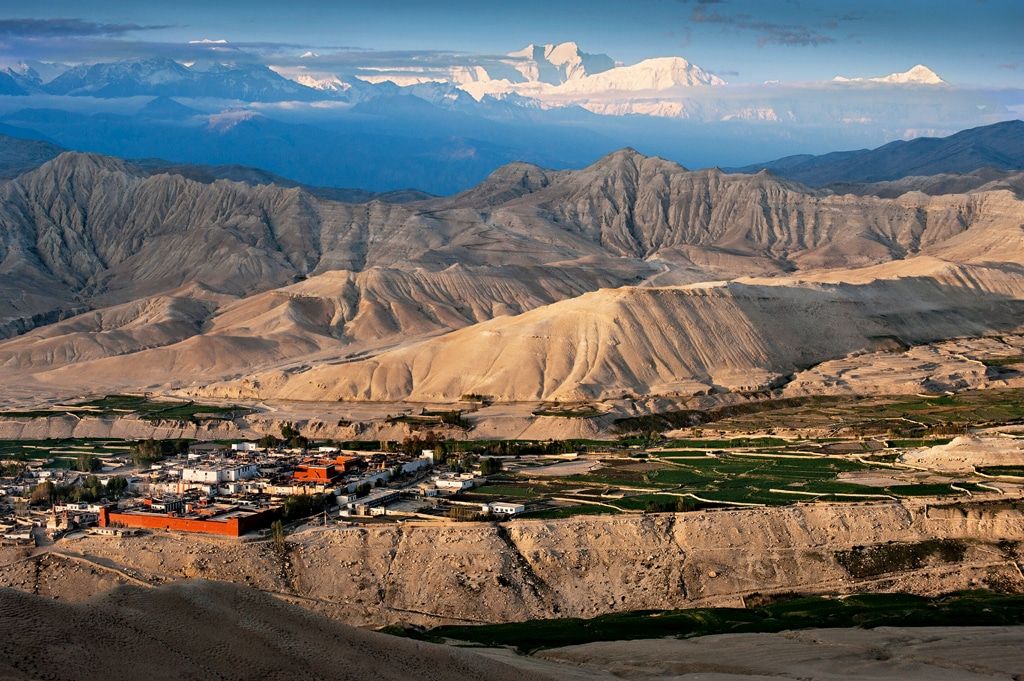
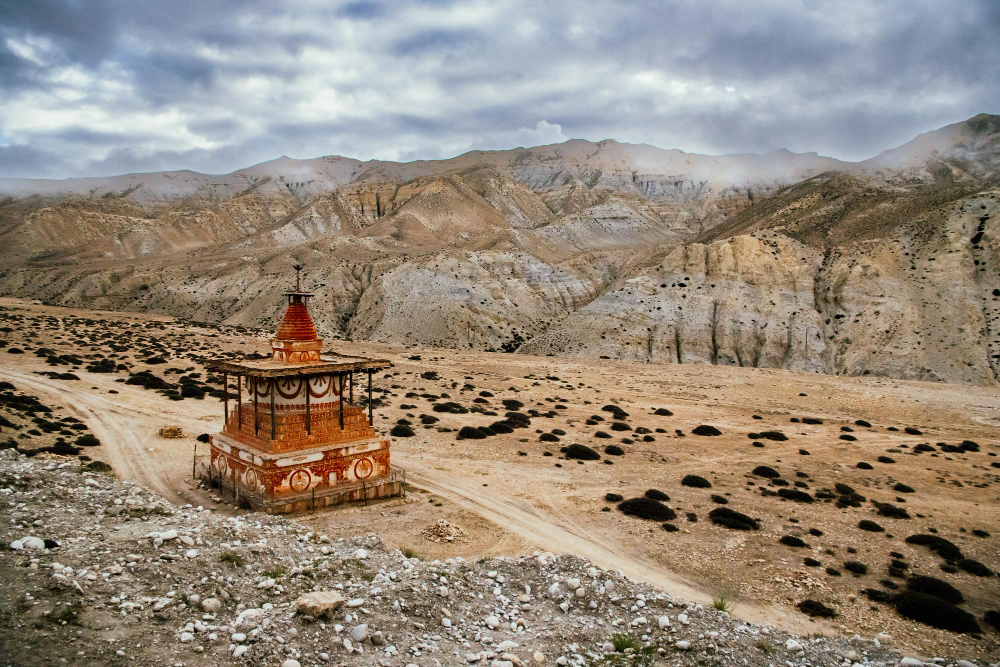
The Upper Mustang Trek is one of Nepal’s most fascinating trekking adventures. Located in the rain-shadow region behind the Annapurna and Dhaulagiri ranges, Upper Mustang offers a completely different landscape compared to other trekking regions in Nepal.
This trekking route was once a restricted kingdom and still preserves ancient Tibetan culture, centuries-old monasteries, caves, and traditional villages.


Affordable Trekking Packages

The trek is ideal for travelers looking for unique landscapes, cultural exploration, and peaceful trekking trails.

Why Upper Mustang is One of the Best Affordable Trekking Packages

Although Upper Mustang requires a special permit, many trekking agencies now provide budget trekking packages that make the trip more accessible for travelers.

The trek offers:

  • Stunning desert-like mountain scenery
  • Ancient Lo Manthang Kingdom
  • Tibetan Buddhist monasteries
  • Unique Himalayan culture
  • Traditional villages
  • Peaceful trekking routes

Travelers can enjoy both natural beauty and cultural experiences during the journey.

Major Attractions of Upper Mustang Trek

Lo Manthang

Lo Manthang is the ancient walled capital of Upper Mustang. It is one of the most culturally preserved Himalayan settlements in Nepal.

Ancient Monasteries

The region is filled with centuries-old monasteries, prayer flags, chortens, and Buddhist caves.

Unique Landscapes

Unlike green trekking regions, Upper Mustang features dramatic cliffs, dry valleys, colorful rock formations, and desert-like terrain.

Difficulty Level

The Upper Mustang Trek is considered a moderate trek suitable for:

  • Beginners with basic fitness
  • Experienced trekkers
  • Cultural travelers

Best Time for Upper Mustang Trek

The ideal seasons are:

  • March to May
  • September to November

Unlike other trekking regions, Upper Mustang is also suitable during the monsoon season because the region receives less rainfall.

Essential Packing List

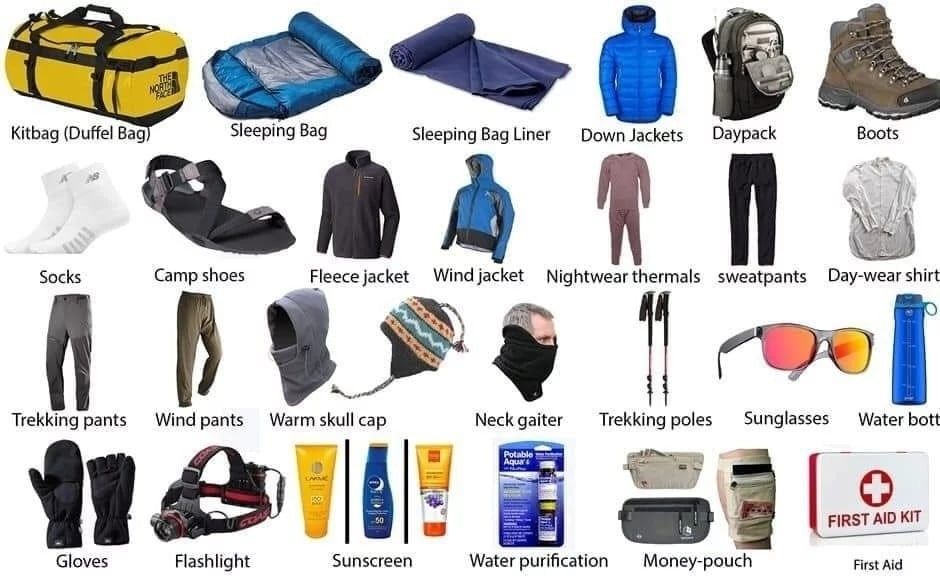
Travelers should carry:

  • Waterproof jacket
  • Warm clothing
  • Trekking boots
  • Water bottle
  • Sunglasses
  • Power bank
  • Headlamp
  • Extra innerwear

You can also read our internal guide on the Upper Mustang trek for detailed preparation tips.

2. Everest Base Camp Trek – The Ultimate Himalayan Adventure

Introduction to Everest Base Camp Trek

The Everest Base Camp Trek is one of the most iconic trekking adventures in the world. Every year, thousands of trekkers visit Nepal to witness the majestic Mount Everest closely.

Despite its global popularity, many agencies now offer cheap trekking packages in Nepal for Everest Base Camp, making this dream adventure possible for budget travelers.

Affordable Trekking Packages

The trek combines:

  • Adventure
  • Himalayan scenery
  • Sherpa culture
  • Buddhist heritage
  • High mountain landscapes

Why EBC is Among the Best Affordable Nepal Trekking Tours

The Everest Base Camp Trek offers a life-changing experience for travelers seeking mountain adventure.

Highlights include:

  • Stunning views of Mount Everest
  • Traditional Sherpa villages
  • Namche Bazaar
  • Tengboche Monastery
  • Khumbu Glacier
  • Himalayan sunrise views

Travelers can also experience authentic mountain hospitality during the trek.

Major Attractions of Everest Base Camp Trek

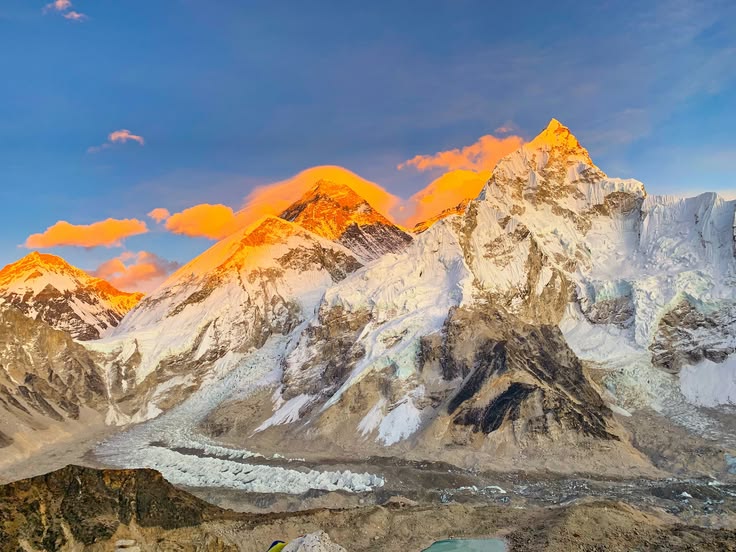
Mount Everest

The world’s highest mountain is the biggest attraction of the trek.

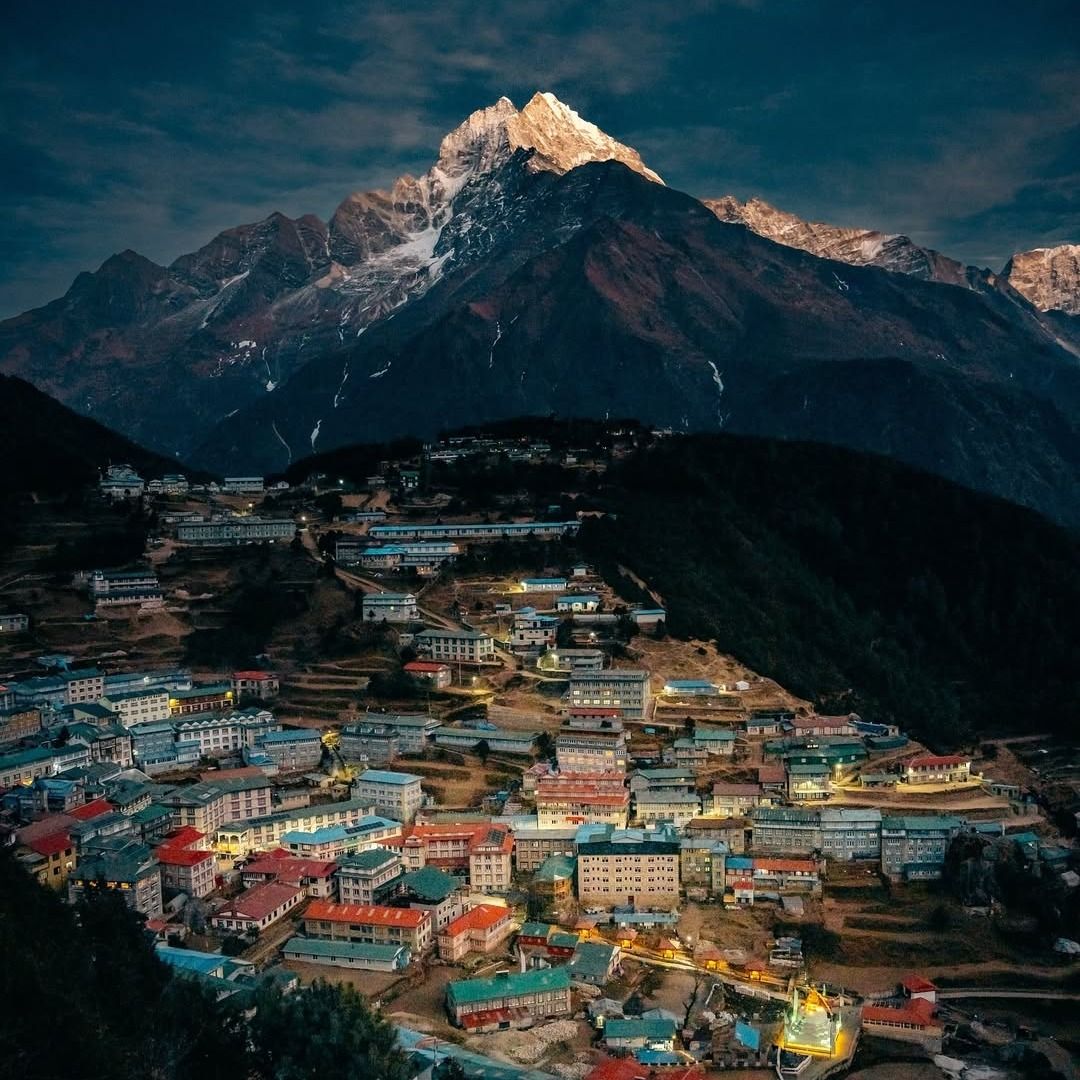
Namche Bazaar

Known as the gateway to Everest, Namche Bazaar is a beautiful mountain town filled with cafes, lodges, bakeries, and local markets.

Tengboche Monastery

One of the most famous Buddhist monasteries in the Everest region.

Kala Patthar

Kala Patthar offers one of the best panoramic views of Mount Everest.

Trek Difficulty

The Everest Base Camp Trek is considered moderately difficult because of:

  • High altitude
  • Long walking hours
  • Cold weather

However, with proper acclimatization and preparation, beginners can also complete the trek successfully.

Accommodation and Food

Many budget trekking packages include the following:

  • Tea house accommodation
  • Three meals per day
  • Guide services
  • Trekking permits

Trekkers can enjoy local Sherpa dishes, soups, noodles, rice meals, and Tibetan bread during the journey.

Best Time for Everest Base Camp Trek

The best trekking seasons are:

  • Spring (March to May)
  • Autumn (September to November)

These seasons provide excellent mountain visibility and stable weather.

Everest Trekking Cost

Many travelers assume Everest trekking is expensive, but several agencies now provide low-cost trekking in Nepal options for Everest Base Camp.

Budget EBC packages usually range from

  • USD 900 – USD 1400

The cost generally depends on the following:

  • Trek duration
  • Flight inclusion
  • Accommodation type
  • Guide and porter services

Useful Trekking Resources

You can also check:

  • Everest trekking permits
  • Lukla flight information
  • Altitude sickness prevention tips

3. Annapurna Base Camp Trek – Best Budget Trek in Nepal

Introduction to Annapurna Base Camp Trek

The Annapurna Base Camp Trek, also known as the ABC Trek, is one of the most scenic and beginner-friendly trekking routes in Nepal.

Among all affordable trekking packages, the Annapurna Base Camp Trek is often considered the best value-for-money Himalayan adventure.

Affordable Trekking Packages

The trek takes travelers through:

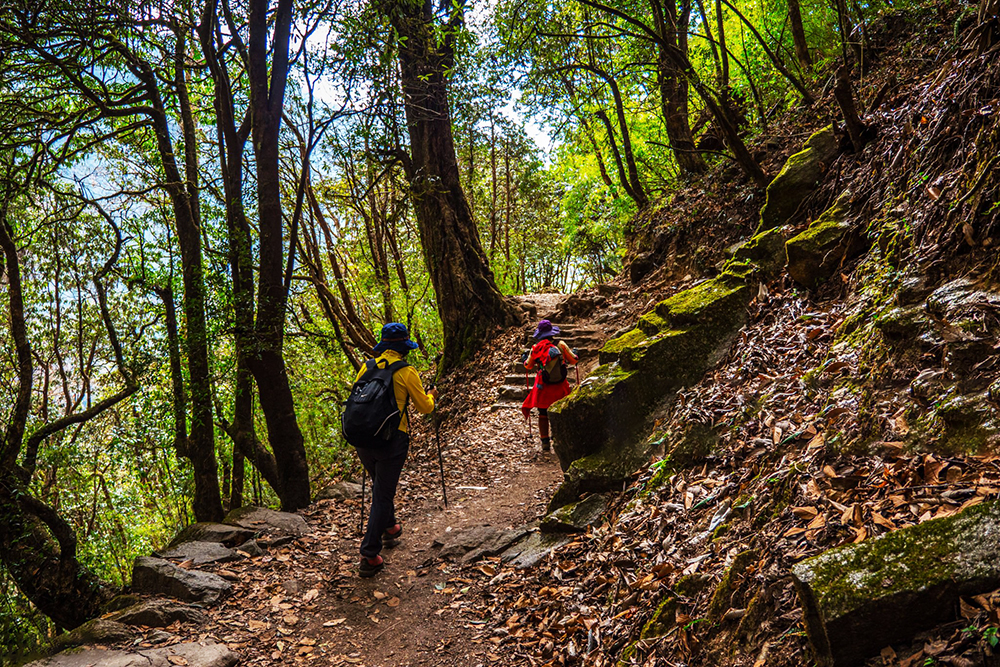
  • Rhododendron forests
  • Traditional Gurung villages
  • Waterfalls
  • Terraced farmlands
  • Snow-covered mountains

Why ABC Trek is Perfect for Budget Travelers

The Annapurna region has excellent trekking infrastructure, which helps reduce overall trekking costs.

Travelers can find:

  • Affordable tea houses
  • Budget-friendly meals
  • Easy transportation access
  • Shorter trekking duration

This makes ABC one of the best cheap trekking packages in Nepal for beginners and backpackers.

Highlights of Annapurna Base Camp Trek

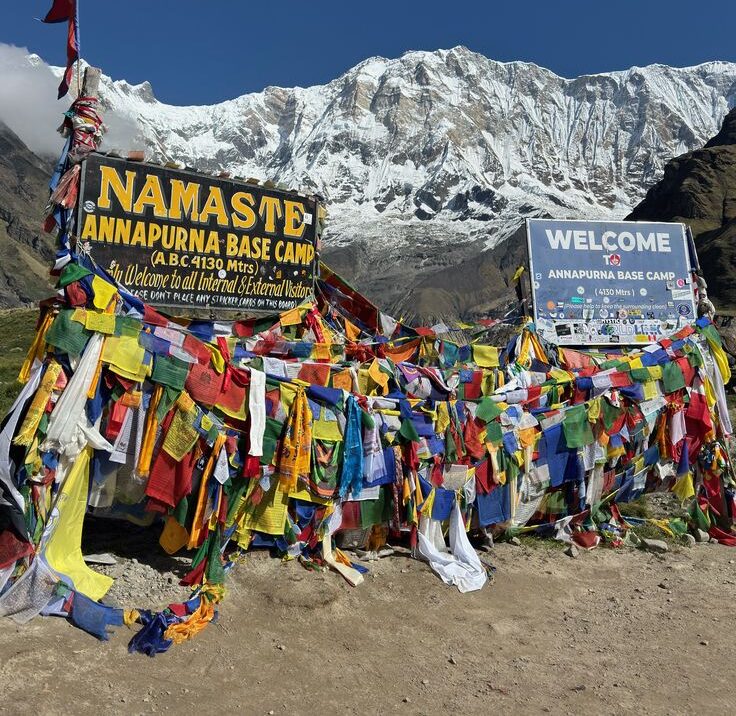
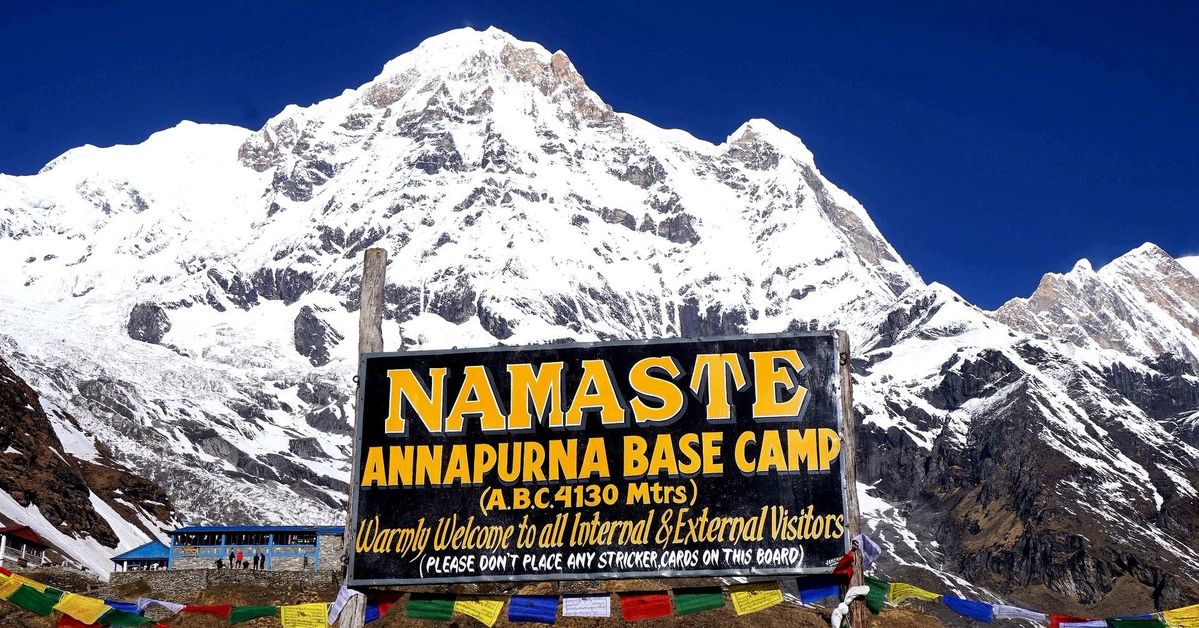
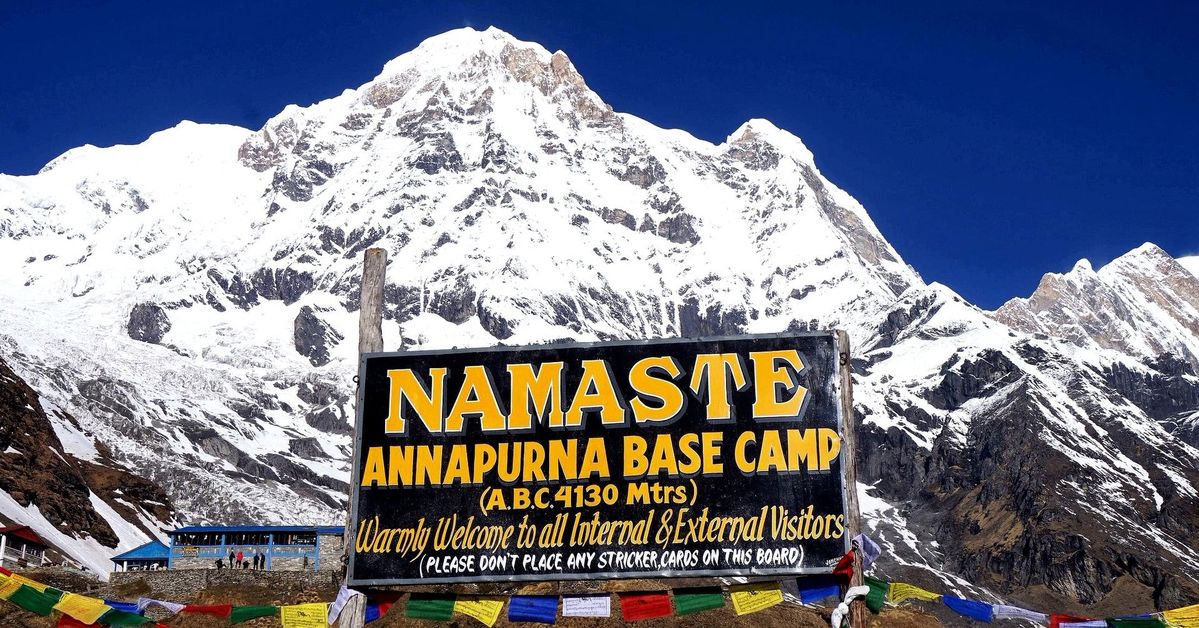
Annapurna Base Camp

The base camp offers breathtaking 360-degree views of the following:

  • Annapurna I
  • Machhapuchhre
  • Hiunchuli
  • Annapurna South

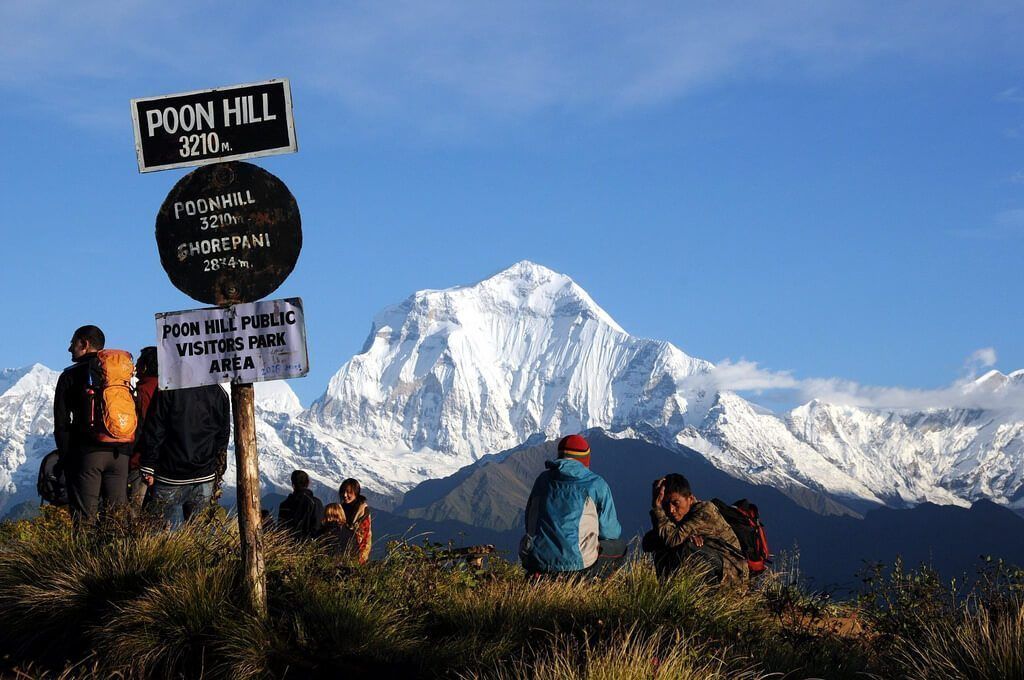
Poon Hill Sunrise

Trekkers can witness one of Nepal’s most famous sunrise views from Poon Hill.

Gurung Culture

The route passes through traditional villages where travelers can experience local hospitality and culture.

Trek Difficulty

The Annapurna Base Camp Trek is considered relatively easy compared to the Everest Base Camp Trek.

It is suitable for:

  • Beginners
  • Families
  • Couples
  • Solo travelers

Accommodation Experience

Trekkers can stay in the following:

  • Local tea houses
  • Mountain lodges
  • Community homestays

This creates a more authentic and affordable trekking experience.

Best Time for ABC Trek

The best seasons include:

  • March to May
  • September to November

During spring, rhododendron forests bloom beautifully along the trekking route.

Annapurna Trek Cost

ABC Trek is one of the most affordable Himalayan adventures.
Typical package cost:

  • USD 500 – USD 900

Most packages include:

  • Permits
  • Accommodation
  • Meals
  • Guide services

For the permit, you can visit the official sites of NTNC.

Tips to Find the Best Affordable Trekking Packages

Choosing the right trekking package can help save money while ensuring a safe and enjoyable adventure.

Compare Multiple Agencies

Always compare:

  • Itinerary
  • Services included
  • Accommodation
  • Transportation
  • Reviews

Travel in Groups

Group trekking can significantly reduce overall costs.

Choose Local Operators

Local Nepalese agencies often provide better prices than international companies.
Travel During Shoulder Seasons

Traveling slightly before or after peak seasons may reduce trekking costs.
Responsible and Eco-Friendly Trekking in Nepal

Nepal is one of the world’s leading ecotourism destinations. Trekkers should help preserve the Himalayan environment by:
  • Avoiding plastic waste
  • Respecting local culture
  • Supporting local businesses
  • Following trekking regulations

You can learn more about sustainable tourism from the official Nepal tourism website.

Conclusion

Nepal is truly a paradise for trekking enthusiasts looking for unforgettable Himalayan adventures without spending a fortune. Whether you choose the culturally rich Upper Mustang Trek, the legendary Everest Base Camp Trek, or the scenic Annapurna Base Camp Trek, each journey offers unique experiences and breathtaking mountain views.

These affordable trekking packages allow travelers to explore the beauty of the Himalayas while staying within budget. From beginners to experienced trekkers, Nepal provides some of the best budget trekking packages and affordable Nepal trekking tours in the world.

If you are searching for cheap trekking packages in Nepal or planning a low-cost trekking in Nepal adventure, these top three trekking destinations should definitely be on your travel list.

Frequently Asked Questions (FAQs)

1. Which is the most affordable trekking package in Nepal?

The Annapurna Base Camp Trek is considered one of the most affordable trekking packages in Nepal.

2. Are budget trekking packages safe in Nepal?

Yes, most licensed trekking agencies provide safe and reliable budget trekking services.

3. What is the best time for trekking in Nepal?

Spring (March–May) and autumn (September–November) are the best trekking seasons.

4. Can beginners do trekking in Nepal?

Yes, many trekking routes like Annapurna Base Camp and Poon Hill are suitable for beginners.

5. How much does a budget trekking package cost in Nepal?

Budget trekking packages generally range from USD 500 to USD 1400 depending on the trekking region and duration.

6. Which trek is better for beginners: ABC or EBC?

ABC Trek is easier and more suitable for beginners compared to Everest Base Camp Trek.

7. Is Upper Mustang Trek expensive?

Upper Mustang is slightly more expensive due to special permit fees, but budget packages are available.

8. Do trekking packages include food and accommodation?

Most trekking packages include accommodation, meals, permits, guides, and transportation.

9. Can I do trekking in Nepal without a guide?

Some regions allow independent trekking, but hiring a guide is highly recommended for safety and local support.

10. What should I pack for trekking in Nepal?

You should pack warm clothing, trekking boots, waterproof jackets, water bottles, and essential trekking gear.

HOLI : The Festival of Colors, Traditions, Celebration & Meaning

Holi Festival 2026

Introduction to the Holi

The Holi Festival is one of the most joyful and colorful celebrations in South Asia, especially in Nepal and India. Known worldwide as the Festival of Colors, Holi symbolizes happiness, unity, love, and the victory of good over evil. Every year, millions of people gather with friends and families to celebrate by throwing colorful powders, dancing to music, sharing sweets, and enjoying cultural traditions.

The excitement around Holi 2026 is already growing as travelers and locals prepare to participate in this vibrant celebration. Beyond the fun and colors, Holi carries deep spiritual and cultural importance rooted in Hindu mythology and ancient traditions.

Holi Festival
Holi Festival

Whether you are planning to celebrate in Nepal, India, or anywhere else in the world, this guide will help you understand the meaning, history, rituals, and celebrations associated with the festival.

What is the Holi Festival?

The Holi Festival is a Hindu spring festival celebrated during the full moon day of the month of Falgun, usually in March. It marks the arrival of spring, the end of winter, and the triumph of positivity over negativity.

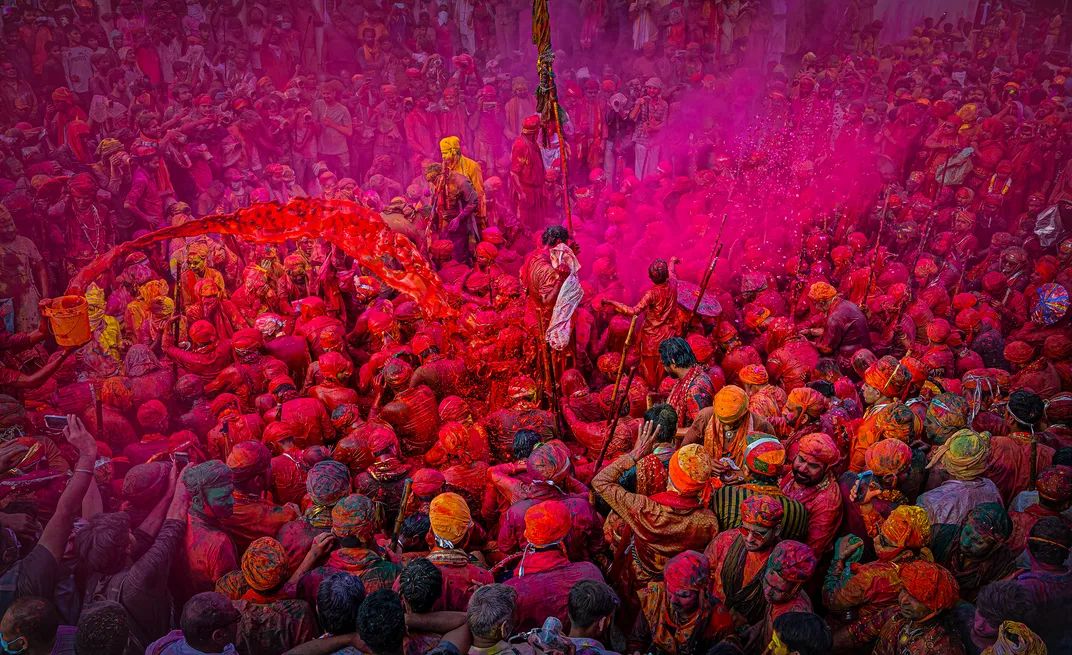
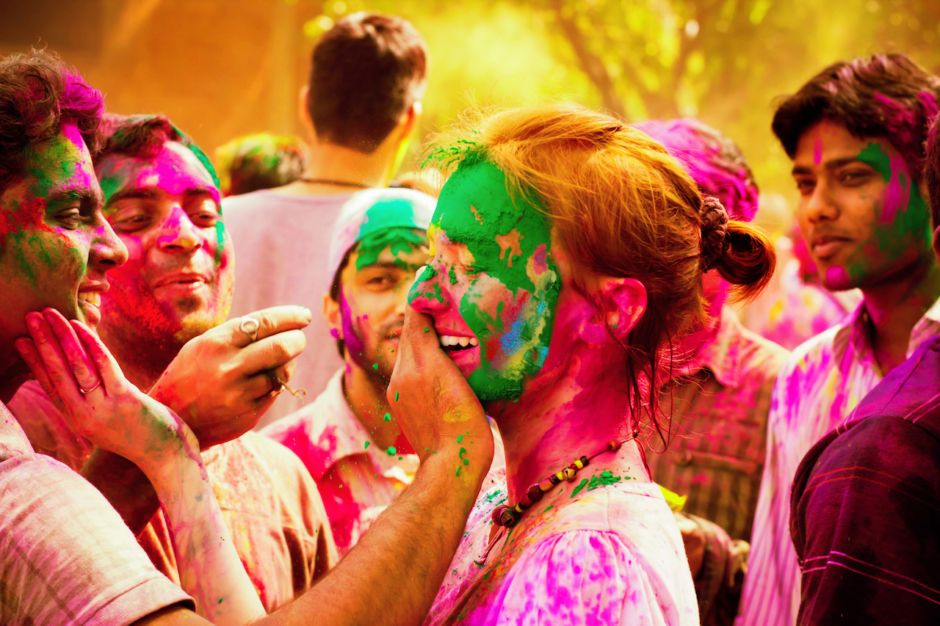
People celebrate by applying colored powders called “gulal,” splashing water, singing traditional songs, dancing, and enjoying festive foods. The festival creates an atmosphere where social barriers disappear, and people come together in joy and harmony.

Today, the festival is celebrated globally, attracting tourists and cultural enthusiasts from around the world.

History and Mythology Behind Holi

The origins of the Holi festival are deeply connected to Hindu mythology. One of the most famous stories associated with Holi is the legend of Prahlad and Holika.

The Story of Holika Dahan

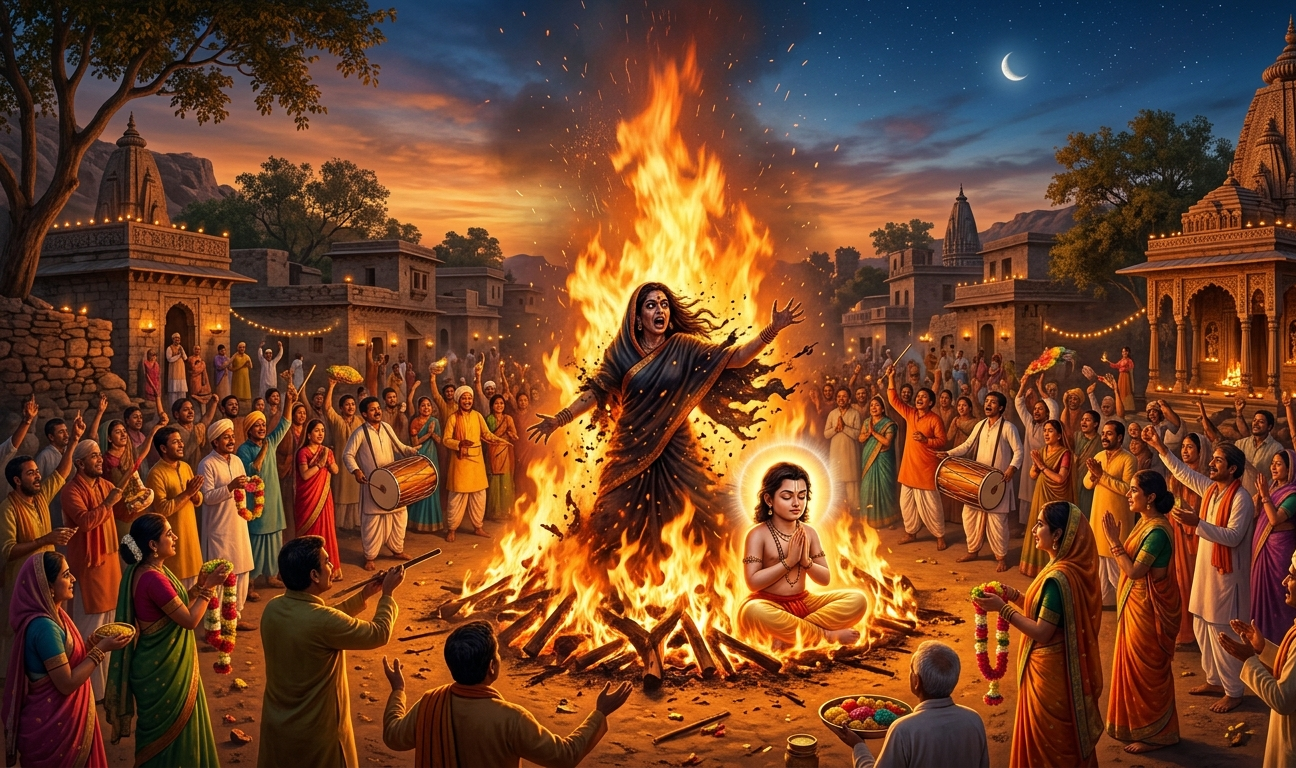
The ritual of Holika Dahan takes place the night before Holi. According to Hindu mythology, there was a demon king named Hiranyakashipu who wanted everyone to worship him. However, his son Prahlad remained devoted to Lord Vishnu.

Angered by Prahlad’s devotion, the king asked his sister Holika to kill Prahlad. Holika possessed a magical cloak that protected her from fire. She sat with Prahlad inside a burning fire, believing she would survive while Prahlad would perish.

Holi Festival

Instead, due to divine protection, Prahlad survived, and Holika was burned to ashes. This event symbolizes the victory of good over evil and is remembered through the ritual of Holika Dahan.

During Holika Dahan, people light bonfires, offer prayers, and gather with family and friends to celebrate positivity and spiritual cleansing.

Why is Holi Called the Festival of Colors?

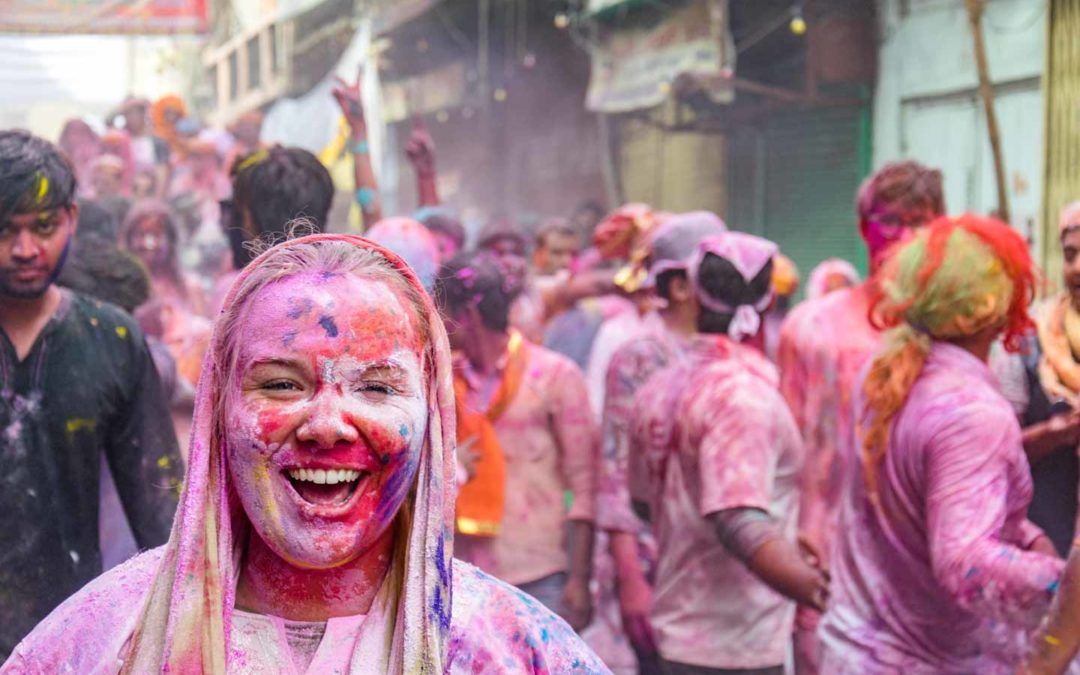
The term “Festival of Colors” comes from the playful tradition of throwing colored powders and water at one another. Colors symbolize happiness, love, peace, and the beauty of life.

Different colors also hold symbolic meanings:

  • Red represents love and fertility
  • Yellow symbolizes knowledge and learning
  • Green signifies growth and harmony
  • Blue represents divine energy
  • Pink reflects happiness and friendship

The colorful celebration transforms streets, temples, and public squares into lively scenes full of excitement and joy.

Holi Festival Celebration in Nepal

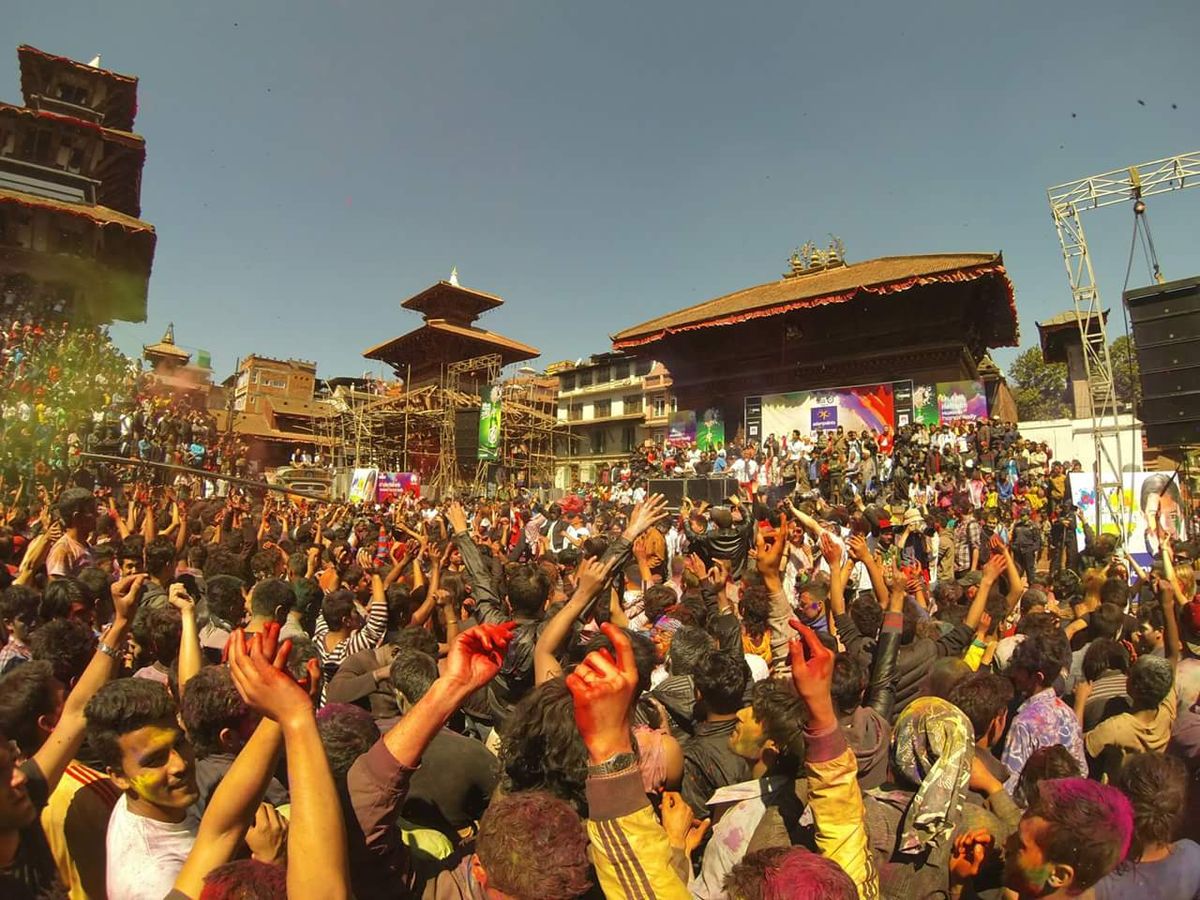
In Nepal, the Holi Festival is celebrated with great enthusiasm across Kathmandu, Pokhara, Bhaktapur, and the Terai regions. The celebrations usually begin with the installation of the ceremonial “Chir” pole in Kathmandu Durbar Square.

People gather in open areas, dance to music, throw colors, and enjoy festive foods with family and friends. Tourists visiting Nepal during Holi often describe it as one of the most unforgettable cultural experiences.


Holi Festival
Holi, Basantpur

Holi Celebration in India

India celebrates Holi in different styles depending on the region. Cities like Mathura, Vrindavan, Jaipur, Delhi, and Varanasi host grand celebrations that attract international travelers.

Famous Holi Celebrations in India

Mathura and Vrindavan’s Holi

These cities are associated with Lord Krishna and are famous for traditional Holi celebrations filled with music, dance, and religious rituals.

Lathmar Holi in Barsana

Women playfully hit men with sticks while men protect themselves with shields, creating a unique and entertaining celebration.

Royal Holi in Jaipur

Jaipur organizes cultural performances, elephant parades, and traditional celebrations during Holi.

For more exploration visit Nepal Tourism Board & Incredible India Tourism

Holi 2026 Date and Celebration

Holi 2026 will be celebrated in March, with Holika Dahan taking place the evening before the main color celebration.

The exact dates may vary slightly depending on lunar calendars and regional traditions.

How People Celebrate Holi 2026

The day typically begins with people gathering outdoors with colored powders and water balloons. Music, dance, and festive foods become central to the celebration.

Common Holi traditions include:

  • Applying colors to friends and family
  • Sharing sweets and festive meals
  • Dancing to traditional and modern music
  • Visiting relatives and neighbors
  • Participating in community events

Traditional Foods During Holi

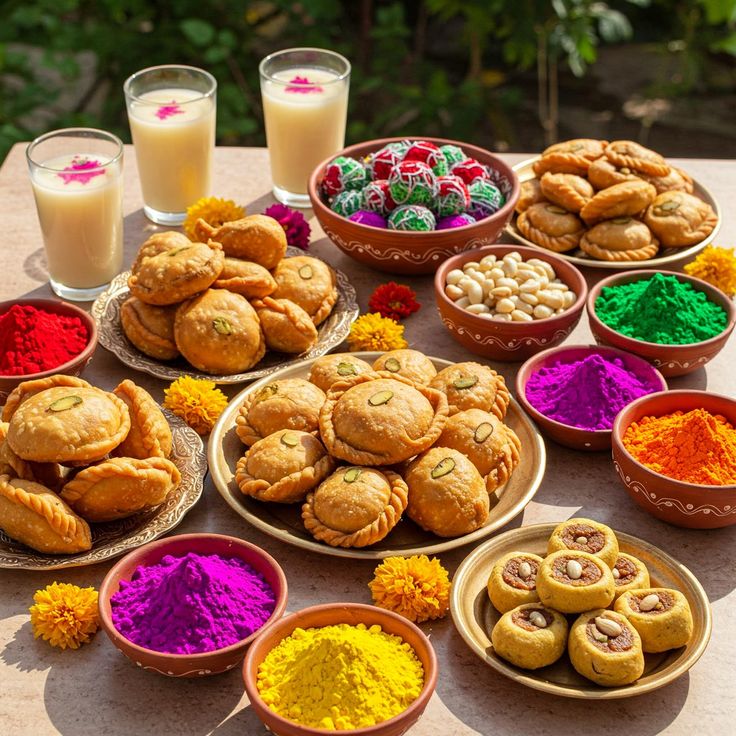
Food is an important part of the Holi Festival celebration. Families prepare delicious sweets and snacks to share with guests and neighbors.

Holi Festival

Gujiya

A sweet dumpling filled with nuts and khoya.

Malpua

Traditional pancakes served with syrup.

Dahi Bhalla

Soft lentil dumplings served with yogurt and chutney.

Puran Poli

A sweet flatbread popular in many Indian regions.

Sel Roti

In Nepal, many families prepare sel roti and festive snacks during celebrations.

The sharing of food strengthens bonds and spreads happiness during the festival.

Cultural Importance of  Holi Wishes

During the festival, people greet each other with “Happy Holi” and exchange warm wishes for prosperity, happiness, and peace.

Social media platforms become filled with colorful photos, festive videos, and greetings. Businesses, travel companies, and bloggers also create Holi-themed content to connect with audiences during the season.

Example Holi Wishes

  • Happy Holi! May your life be filled with colors of happiness and success.
  • Wishing you a joyful and colorful Holi Festival 2026.
  • May this festival bring positivity and prosperity to your life.

Eco-Friendly Holi Celebration Tips

While Holi is a joyful festival, modern celebrations sometimes create environmental concerns due to chemical colors and water waste.

Tips for an Eco-Friendly Holi

  • Use natural herbal colors
  • Avoid wasting excessive water
  • Wear old, comfortable clothing
  • Protect your skin and hair with oil
  • Respect personal boundaries during celebrations
  • Clean public spaces after festivities

Eco-friendly celebrations help preserve the spirit of Holi while protecting the environment.

Best Places in the World to Experience the Festival of Colors

Although Holi originated in South Asia, many countries now organize colorful Holi events inspired by the traditional festival.

  • Nepal
  • India
  • United States
  • United Kingdom
  • Australia
  • Canada
Holi Festival
Foreigner in Holi

Many cultural organizations and communities host music festivals, color runs, and Holi-themed events worldwide.

Travel Tips for Holi Visitors

If you are traveling during the Holi Festival, preparation is important for a comfortable experience.

Essential Holi Travel Tips

  • Wear white clothes for colorful photos
  • Protect electronic devices from water and powder
  • Carry sunglasses and sunscreen
  • Keep valuables safe
  • Stay hydrated throughout the celebration
  • Respect local customs and traditions

Travelers visiting Nepal and India during Holi often combine the festival experience with cultural tours and sightseeing adventures.

Photography During Holi Festival

Holi provides incredible opportunities for photography due to its vibrant colors and energetic atmosphere.

Holi Festival

Holi Photography Tips

  • Use waterproof protection for cameras
  • Capture candid emotions and celebrations
  • Shoot during daylight for vivid colors
  • Focus on cultural rituals and traditions
  • Respect people before taking close-up portraits

The visual beauty of the festival makes it one of the most photographed cultural festivals in the world.

Modern Influence of the Holi

Today, the Holi Festival has evolved into a global cultural event. Music festivals, social gatherings, tourism campaigns, and international celebrations continue to spread awareness about this ancient tradition.

Brands, influencers, and travel companies often create campaigns around Holi 2026 because of its colorful and joyful appeal.

Despite modernization, the core message of Holi remains unchanged: love, forgiveness, friendship, and positivity.

Conclusion

The Holi Festival is far more than a celebration of colors. It is a festival that represents joy, spiritual victory, cultural unity, and human connection. From the ritual of Holika Dahan to the vibrant streets filled with music and colors, Holi creates unforgettable memories for people of all ages.

Whether you celebrate in Nepal, India, or another part of the world, it offers an opportunity to spread happiness, reconnect with loved ones, and welcome positivity into life.

As Holi 2026 approaches, people across the globe are preparing once again to celebrate this extraordinary festival with excitement and enthusiasm.

Frequently Asked Questions (FAQs)

What is Holi?

The Holi Festival is a Hindu spring festival celebrated with colors, music, dance, and cultural traditions symbolizing the victory of good over evil.

Why is Holi called the Festival of Colors?

Holi is called the Festival of Colors because people celebrate by throwing colorful powders and water at one another as a symbol of joy and unity.

What is Holika Dahan?

Holika Dahan is a ritual bonfire celebrated the night before Holi, representing the victory of good over evil based on Hindu mythology.

When is Holi 2026?

Holi 2026 will be celebrated in March according to the Hindu lunar calendar.

How is Holi celebrated in Nepal?

In Nepal, Holi is celebrated with colors, music, dancing, water fights, and social gatherings in cities like Kathmandu and Pokhara.

What should I wear during the Holi festival?

People usually wear old white clothes during Holi because colors can permanently stain fabrics.

Is Holi safe for tourists?

Yes, Holi is generally safe and enjoyable for tourists when celebrated respectfully and responsibly.

Popular Holi foods include gujiya, malpua, dahi bhalla, sel roti, and festive sweets.

Nepal Trekking Tour: Best Adventure Packages for Everest & Himalayas

Ultimate Guide to Trekking in Nepal, Tours & Packages

Introduction to Trekking

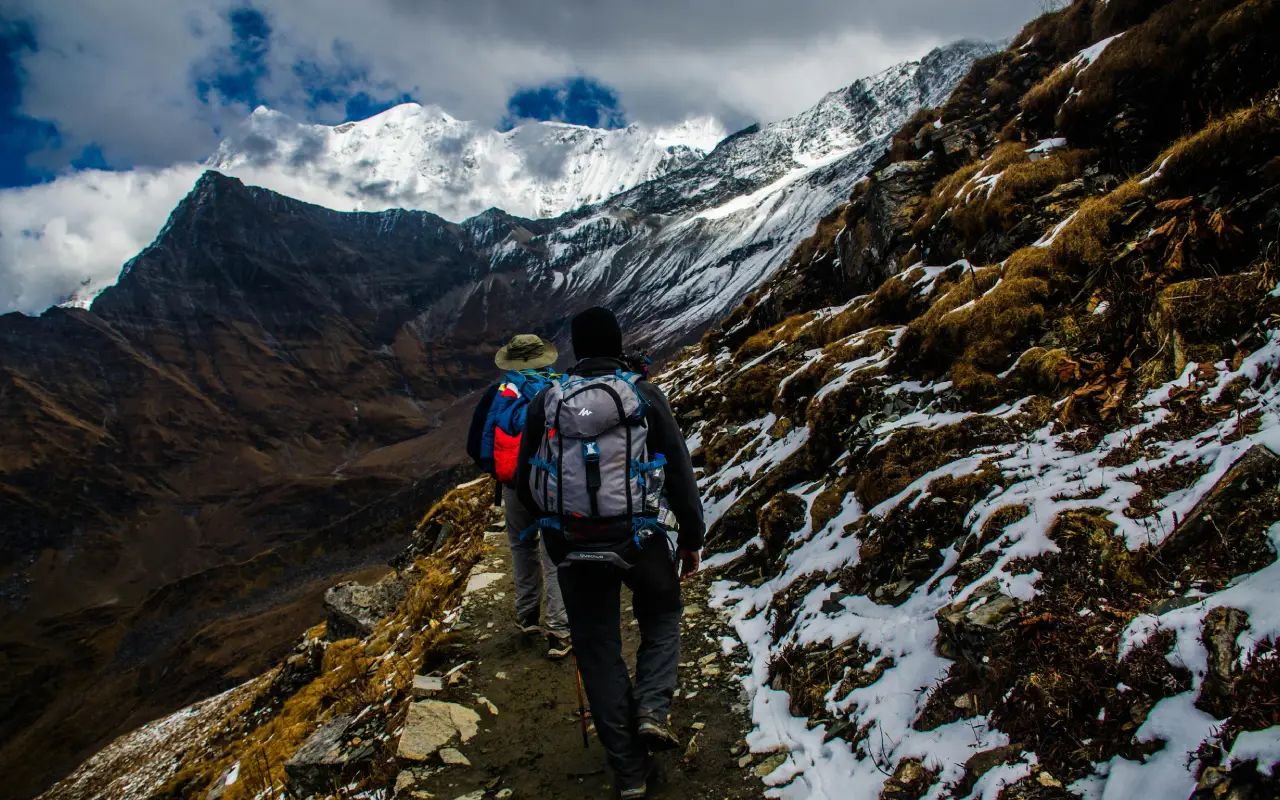
Trekking is one of the most popular adventure activities in the world, attracting thousands of travelers every year. Surrounded by the majestic Himalayas, Nepal offers some of the most scenic, challenging, and rewarding trekking routes on the planet.

From beginner-friendly trails to extreme high-altitude expeditions, trekking gives travelers a chance to experience snow-capped mountains, ancient villages, rich culture, and breathtaking landscapes all in one journey.

Nepal trekking
Trekking

Whether you are looking for adventure, cultural exploration, or spiritual experience, Nepal trekking tours provide something for everyone. The country is home to legendary routes like the Everest region and the Annapurna region, making it a global trekking paradise.

Why Nepal is the Best Destination for Trekking

Nepal is globally recognized as the top trekking destination due to its natural beauty and diverse trails. Here’s why millions choose Nepal every year:

  • Home to 8 of the world’s 14 highest mountains
  • Rich cultural heritage and traditional villages
  • Wide range of trekking difficulty levels
  • Affordable and customizable trekking packages
  • Friendly local guides and experienced trekking companies

The combination of nature and culture makes Nepal unique compared to other trekking destinations.

There are many trekking tours available in Nepal depending on your fitness level, budget, and travel time. Below are the most famous trekking routes in Nepal.

Everest Region Trekking

The Everest region is the most iconic trekking area in the world. The highlight is the legendary

Top 10 places to visit in nepal in 2026

Everest Base Camp Trek

The EBC trek is one of the most famous trekking adventures globally. It takes you to the base of Mount Everest, the highest mountain on Earth.

Key Highlights:

  • View of Mount Everest (8,848m)
  • Scenic flight to Lukla airport
  • Sherpa culture and monasteries
  • Namche Bazaar (gateway to Everest)
  • Tengboche Monastery

Trekkers experience breathtaking Himalayan views, including peaks like Ama Dablam, Lhotse, Nuptse, and Thamserku.

This trek is challenging but rewarding, making it a dream journey for adventure lovers.

Annapurna Region Trekking

Another world-famous route is the following:

Nepal trekking

Annapurna Base Camp Trek

The Annapurna Base Camp trek is known for its beautiful landscapes and diverse terrain. Unlike Everest, this trek is slightly easier and suitable for beginners and intermediate trekkers.

Key Highlights:

This trek is one of the most popular trekking experiences in Nepal due to its accessibility and stunning mountain scenery.

Types of Trekking Packages

Different travelers require different trekking styles. That’s why many companies offer flexible trekking packages based on time, comfort, and budget.

1. Budget Trekking Packages

  • Basic tea house accommodation
  • Local meals included
  • Ideal for backpackers

2. Standard Trekking Packages

  • Comfortable lodges
  • Guided trekking support
  • Transportation included

3. Luxury Trekking Packages

  • Premium lodges or hotels
  • Helicopter return options
  • Private guides and porters

4. Custom Trekking Packages

  • Fully personalized itinerary
  • Flexible duration
  • Tailored routes

These packages make trekking tours suitable for all types of travelers.

Best Time for Trekking in Nepal

The best seasons for trekking are the following:

Spring (March to May)

  • Blooming rhododendrons
  • Clear mountain views
  • Stable weather

Autumn (September to November)

  • Best visibility
  • Dry weather
  • Peak trekking season

Winter and monsoon trekking is also possible but more challenging.

Culture and Experience During Trekking in Nepal

One of the highlights of Nepal trekking is cultural immersion. Along the trails, you will encounter:

  • Buddhist monasteries
  • Hindu temples
  • Local mountain communities
  • Traditional food and lifestyle

Trekkers often stay in tea houses run by local families, offering a warm cultural experience alongside the adventure.

Safety and Preparation for Trekking

Before starting your journey, preparation is important for a safe experience.

Nepal trekking

Essential Tips:

  • Acclimatize properly to avoid altitude sickness
  • Hire licensed guides for remote treks
  • Carry proper trekking gear
  • Stay hydrated during the trek
  • Choose reliable trekking packages

Safety is always a priority in high-altitude trekking regions like Everest and Annapurna.

Why Choose Professional Trekking Packages

Booking professional Nepal trekking packages ensures a stress-free and well-organized experience.

Benefits:

  • Expert local guides
  • Safe and planned itineraries
  • Permit arrangements included
  • Emergency support
  • Comfortable accommodation

Professional operators ensure your Nepal trekking tours are smooth and enjoyable from start to finish.

Everest Base Camp Trek vs Annapurna Base Camp Trek

Many travelers compare these two iconic routes.

EBC Trek:

  • More challenging
  • Higher altitude
  • Best for experienced trekkers
  • Iconic Everest views

Annapurna Base Camp Trek:

  • Moderate difficulty
  • Shorter duration
  • Lush forests and cultural diversity
  • Suitable for beginners

Both are incredible trekking experiences in Nepal, depending on your fitness and preference.

Cost of Nepal Trekking Packages

The cost of trekking packages varies depending on the following:

  • Trek duration
  • Accommodation type
  • Guide and porter services
  • Transportation
  • Region (Everest or Annapurna)

On average:

  • Budget treks: $700 – $1200
  • Standard treks: $1200 – $2000
  • Luxury treks: $2000+

Responsible Trekking in Nepal

Sustainable tourism is important in preserving Nepal’s natural beauty.

Responsible Trekking Tips:

  • Avoid plastic waste
  • Respect local culture
  • Use eco-friendly products
  • Support local businesses
  • Follow trekking guidelines

Responsible tourism ensures future generations can enjoy Nepal trekking experiences.

Conclusion

Trekking is a life-changing adventure that combines natural beauty, cultural richness, and thrilling mountain experiences. Whether you choose the legendary Everest Base Camp trek or the scenic Annapurna Base Camp trek, every journey offers unforgettable memories.

With well-designed trekking tours and customizable trekking packages, travelers of all levels can explore the Himalayas safely and comfortably.

If you are planning your next adventure, Nepal should be at the top of your list.

Frequently Asked Questions (FAQs)

What are the best trekking routes in Nepal?

Popular routes include the EBC trek, Annapurna Base Camp trek, Langtang Valley, and Upper Mustang.

How difficult is the EBC trek?

The EBC trek is moderately difficult and requires good fitness due to high altitude.

Is the Annapurna Base Camp trek suitable for beginners?

Yes, the Annapurna Base Camp trek is considered beginner-friendly compared to Everest routes.

What is included in Nepal trekking packages?

Most packages include guides, accommodation, meals, permits, and transportation.

When is the best time for trekking tours in Nepal?

Spring (March–May) and autumn (September–November) are the best seasons.

How much does trekking cost in Nepal?

Costs range from $700 to $2000+, depending on package type and duration.

Cheap Everest Base Camp Trek in Nepal: Save Money & Explore Everest

Everest Base Camp Trekking: 14 Days Guide, Cost, Tips & Complete Planning

Introduction

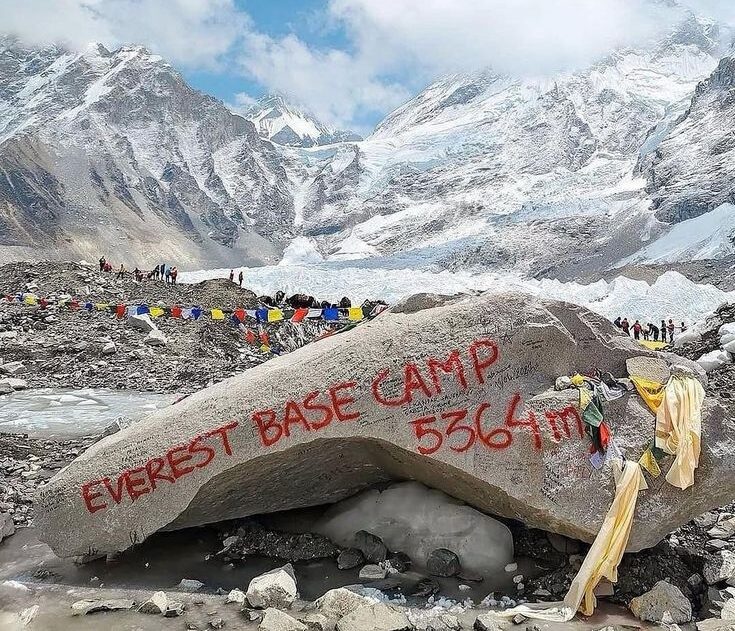
Everest Base Camp is one of the most iconic trekking adventures in the world. Every year, thousands of adventure lovers travel to Nepal to experience the breathtaking Himalayas, Sherpa culture, and the ultimate goal of reaching the base of Mount Everest (8,848.86 m).

This complete guide will help you understand everything about EBC trekking, including the Everest Base Camp trek cost, 14-day itinerary, packing list, difficulty level, and how to do a cheap EBC trek without compromising safety.

What is Everest Base Camp trekking?

EBC is a high-altitude adventure trek located in the Everest region of Nepal inside Sagarmatha National Park.

During the journey, trekkers pass through:

  • Lukla (gateway to Everest)
  • Namche Bazaar (Sherpa capital)
  • Tengboche Monastery
  • Dingboche valley
  • Lobuche and Gorakshep
  • Everest Base Camp (5,364m)

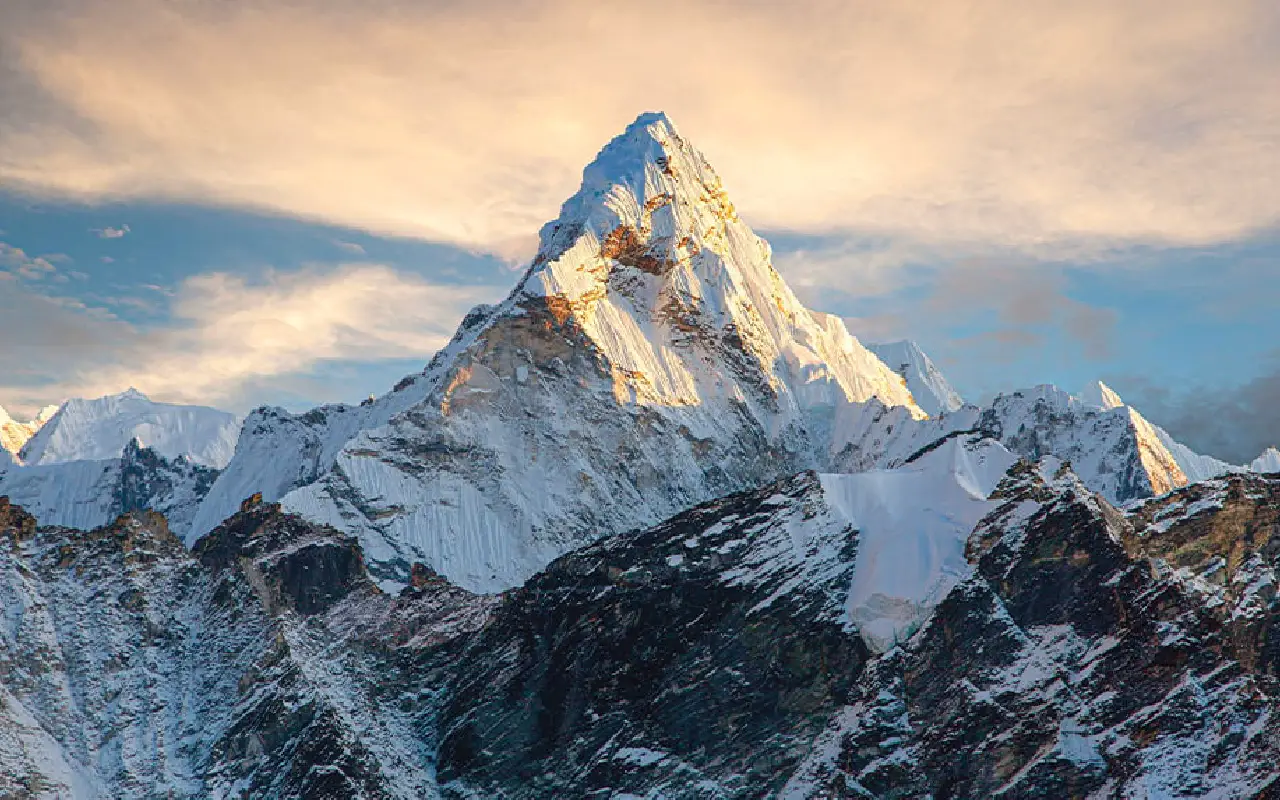
This trek offers unmatched views of:

  • Mount Everest
  • Lhotse
  • Nuptse
  • Ama Dablam
everest base camp trekking
Mt. Everest

Everest Base Camp Trek 14 Days Itinerary

The most popular route is the Everest Base Camp trek, 14 days, designed for proper acclimatization.

Day-by-Day Itinerary:

Day Route
Day 1 Arrival in Kathmandu
Day 2 Fly to Lukla and trek to Phakding
Day 3 Trek to Namche Bazaar
Day 4 Acclimatization in Namche
Day 5 Trek to Tengboche
Day 6 Trek to Dingboche
Day 7 Acclimatization in Dingboche
Day 8 Trek to Lobuche
Day 9 Trek to Gorakshep & Everest Base Camp
Day 10 Hike to Kala Patthar and return
Day 11 Trek back to Pheriche
Day 12 Trek to Namche Bazaar
Day 13 Trek to Lukla
Day 14 Fly back to Kathmandu

This itinerary ensures safety and reduces altitude sickness risk.

Everest Base Camp Trek Cost (Full Breakdown)

The Everest Base Camp trek cost depends on service type, season, and comfort level.

Average Cost Range:

Package Type Cost (USD)
Budget Trek $900 – $1200
Standard Trek $1200 – $1800
Luxury Trek $2000 – $3500

Everest Base Camp Trek Price Includes:

  • Domestic flights (Kathmandu–Lukla)
  • Trekking permits (TIMS & National Park)
  • Guide and porter services
  • Tea house accommodation
  • Meals during trekking

Everest Base Camp Trek Cost in Rupees

For South Asian trekkers, the Everest Base Camp trek cost in rupees is:

NPR 120,000 – NPR 250,000

Cost varies depending on:

  • Season (peak vs off-season)
  • Accommodation type
  • Guide/porter requirement

Everest Base Camp Trek Cost for Nepali

The Everest Base Camp trek cost for Nepali citizens is more affordable:

NPR 80,000 – NPR 150,000

Why is it cheaper for Nepali trekkers?

  • No international flight required
  • Local pricing benefits
  • Flexible transport options
  • Lower guide/porter rates

Cheap Everest Base Camp Trek Options

If you are looking for a cheap EBC trek, here are proven ways:

Cost-saving tips:

  • Join group trekking packages
  • Avoid luxury lodges
  • Travel in off-season (monsoon/winter deals)
  • Book directly with local agencies
  • Carry your own gear instead of renting

This can reduce total cost by 20–40%.

Everest Base Camp Difficulty Level

Everest Base Camp trekking is considered moderate to difficult.

Main challenges:

  • High altitude (up to 5,364m)
  • Long walking hours (5–7 hours/day)
  • Cold temperatures
  • Risk of altitude sickness

Fitness requirement:

  • Basic cardio fitness
  • 2–3 months training recommended

everest base camp trekking

Best Time for EBC Trekking

Spring (March–May)

  • Best weather conditions
  • Rhododendron flowers
  • Clear mountain views

Autumn (September–November)

  • Peak trekking season
  • Best visibility
  • Stable climate

Food and Accommodation on the Trek

During Everest Base Camp trekking, you stay in tea houses.

Typical food includes:

  • Dal Bhat (most popular)
  • Noodles and soups
  • Pasta and fried rice
  • Tea, coffee, snacks

Accommodation:

  • Basic twin-sharing rooms
  • Shared bathrooms
  • Warm blankets in colder areas

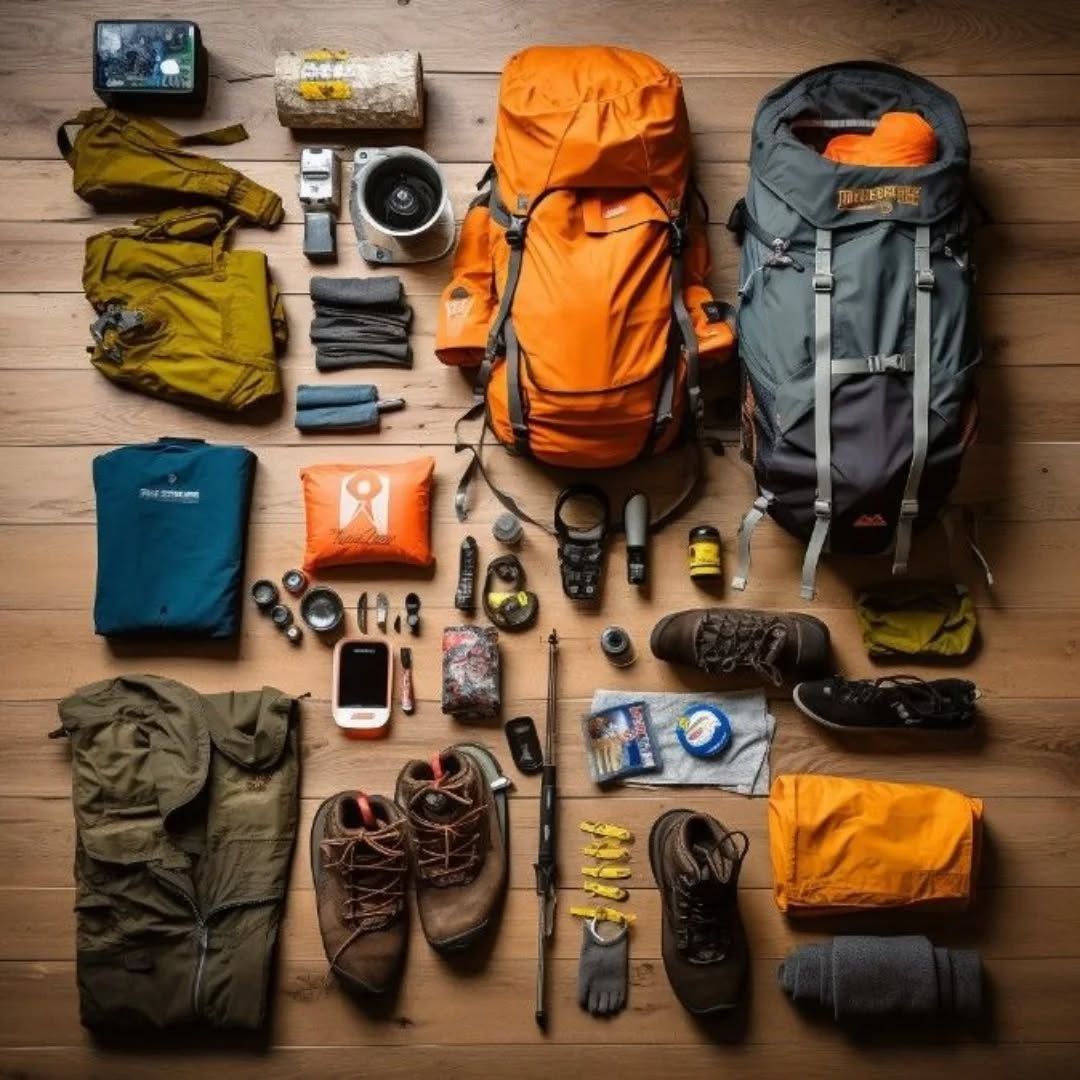
Everest Base Camp Trek Packing List

Essential items:

  • Trekking boots
  • Down jacket
  • Sleeping bag (-20°C recommended)
  • Trekking poles
  • Water bottles + purification tablets
  • Sunglasses & sunscreen
  • First aid kit

Clothing:

  • Thermal layers
  • Waterproof jacket
  • Gloves and woolen hat

Safety Tips for Everest Base Camp Trekking

  • Walk slowly and maintain steady pace
  • Stay hydrated daily
  • Avoid alcohol during trek
  • Acclimatize properly
  • Follow guide instructions
  • Carry altitude sickness medicine

Common Mistakes to Avoid

  • Rushing altitude gain
  • Carrying heavy luggage
  • Ignoring acclimatization days
  • Not buying travel insurance
  • Poor physical preparation

Everest Base Camp Trek Cost Comparison Table

Factor Low Cost Medium High Cost
Accommodation Basic tea house Standard lodge Luxury lodge
Guide/Porter Optional Included Private guide
Food Simple meals Balanced menu Premium food
Total Cost Lowest Moderate High

FAQ – EBC Trekking

1. How long is the Everest Base Camp trek?

It takes 12–14 days depending on the itinerary.

2. What is the Everest Base Camp trek cost?

It ranges from $900 to $3500, depending on package type.

3. Is the Everest Base Camp trek difficult?

Yes, it is moderately difficult due to altitude and long walking days.

4. What is the cheap Everest Base Camp trek option?

Group trekking and budget tea house stays are the cheapest options.

5. What is the Everest Base Camp trek cost in rupees?

Around NPR 120,000 – NPR 250,000.

6. What is the Everest Base Camp trek cost for Nepalis?

Around NPR 80,000 – NPR 150,000.

Conclusion

EBC trekking is a life-changing adventure that offers stunning Himalayan views, cultural richness, and unforgettable experiences. Whether you choose a cheap Everest Base Camp trek or a luxury package, proper planning ensures a safe and successful journey.

7 Amazing Best Trek in Nepal for Adventure Lovers

Best Trek in Nepal Himalayan Adventure

Introduction

Nepal is a dream destination for trekkers and mountain lovers from around the world. Home to the world’s highest peaks, ancient Himalayan trails, and breathtaking landscapes, Nepal offers unforgettable trekking experiences for beginners and professional hikers alike. From the legendary Everest region to peaceful trails near Kathmandu Valley, trekking in Nepal combines adventure, culture, and natural beauty.

Best Trek in Nepal

If you are searching for the best trek in Nepal, looking for the top 10 trekking companies in Nepal, or exploring the best trekking places in Kathmandu, this complete guide will help you discover the perfect trekking destination for your next Himalayan adventure.

Whether you want high-altitude adventure, cultural experiences, or short scenic hikes, Nepal has something for everyone.

Why Nepal is the Best Trekking Destination in the World

Nepal is globally famous for trekking because of the following:

  • The Himalayan mountain range
  • Diverse trekking routes
  • Rich Sherpa and Himalayan culture
  • Affordable trekking packages
  • Friendly local hospitality
  • UNESCO World Heritage Sites

Every trekking route in Nepal offers unique experiences. Some trails take you to the base of Mount Everest, while others lead through forests, rivers, monasteries, and remote mountain villages.

This is why many travelers consider Nepal the ultimate trekking paradise.

1. Everest Base Camp Trek – The Most Famous Trek in Nepal

When people search for the best trek in Nepal, the Everest Base Camp Trek usually tops the list.

The Everest Base Camp Trek takes you to the foot of Mount Everest at 5,364 meters. Along the trail, trekkers enjoy stunning views of:

  • Mount Everest
  • Ama Dablam
  • Lhotse
  • Nuptse

Best Trek in Nepal

Highlights:

  • Scenic Lukla flight
  • Sherpa culture
  • Namche Bazaar
  • Tengboche Monastery
  • Kala Patthar sunrise view

Difficulty:

Moderate to difficult

Best Season:

Spring and Autumn

This trek is ideal for adventure seekers who want the ultimate Himalayan experience.

2. Annapurna Base Camp Trek

Another contender for the best trek in Nepal is the Annapurna Base Camp Trek.

This trek offers:

  • Beautiful rhododendron forests
  • Gurung villages
  • Hot springs
  • Panoramic mountain views

Unlike Everest, Annapurna Base Camp provides a more diverse landscape and easier accessibility.

Best Trek in Nepal

Major Attractions:

  • Annapurna Sanctuary
  • Machapuchare Base Camp
  • Jhinu Hot Springs

Difficulty:

Moderate

This trek is perfect for trekkers looking for a balance between culture and mountain scenery.

3. Langtang Valley Trek

The Langtang Valley Trek is one of the most underrated trekking adventures in Nepal.

Located close to Kathmandu, this trek is famous for:

  • Tamang culture
  • Snow-covered peaks
  • Peaceful trekking trails
  • Wildlife and forests

Best Trek in Nepal

Why Choose the Langtang Trek?

  • Less crowded than Everest
  • Shorter trekking duration
  • Budget-friendly

For travelers searching for affordable Himalayan trekking, Langtang is an excellent option.

4. Mardi Himal Trek

Mardi Himal Trek has rapidly become one of the best treks in Nepal for short trekking adventures.

Highlights:

  • Stunning Annapurna views
  • Quiet trails
  • Short itinerary
  • Ideal for beginners

The trail passes through forests, ridges, and beautiful villages before reaching Mardi Himal Base Camp.

Best Trek in Nepal

Duration:

5–7 days

This trek is perfect for travelers with limited time.

5. Manaslu Circuit Trek

The Manaslu Circuit Trek is one of Nepal’s most adventurous trekking routes.

Why It’s Special:

  • Remote mountain villages
  • Tibetan-influenced culture
  • Less crowded trails
  • High mountain passes

Best Trek in Nepal

Main Highlight:

Crossing Larkya La Pass (5,106m)

This trek is recommended for experienced trekkers seeking remote Himalayan experiences.

6. Ghorepani Poon Hill Trek

If you are a beginner searching for the best trek in Nepal, the Ghorepani Poon Hill Trek is highly recommended.

Highlights:

  • Easy trekking route
  • Beautiful sunrise from Poon Hill
  • Family-friendly trek
  • Rhododendron forests

Best Trek in Nepal

Best For:

  • Beginners
  • Families
  • Short trekking holidays

The sunrise over the Annapurna and Dhaulagiri ranges is unforgettable.

7. Upper Mustang Trek

The Upper Mustang Trek offers a completely different trekking experience in Nepal.

This region resembles Tibetan desert landscapes and ancient Himalayan kingdoms.

Best Trek in Nepal

Major Attractions:

  • Lo Manthang
  • Ancient monasteries
  • Desert landscapes
  • Unique Tibetan culture

Difficulty:

Moderate

Upper Mustang is ideal for trekkers seeking culture and history.

Best Trekking Places in Kathmandu

Not every traveler has time for long Himalayan treks. Fortunately, there are several best trekking places in Kathmandu for short hikes and day trips.

Shivapuri National Park Trek

One of the most popular trekking places near Kathmandu.

Best Trek in Nepal

Highlights:

  • Forest trails
  • Bird watching
  • Himalayan views
  • Easy accessibility

Perfect for one-day hiking adventures.

Nagarkot Hiking Trail

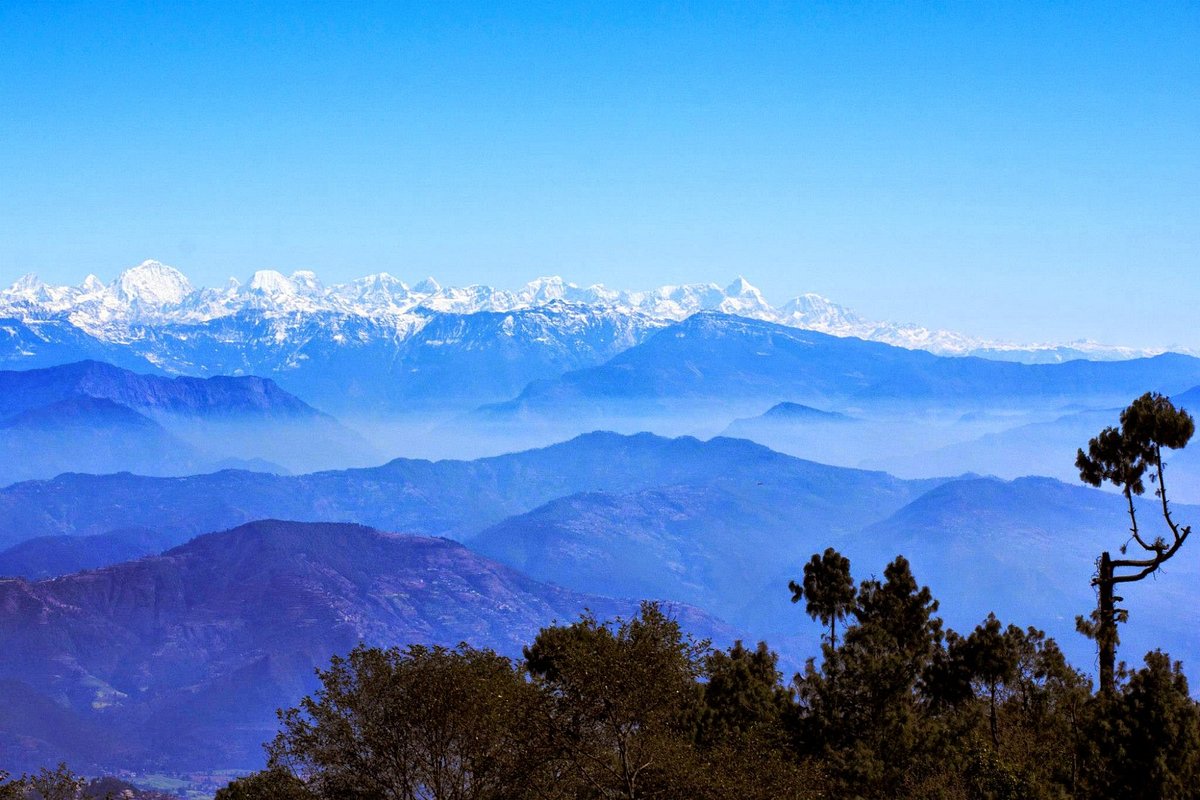
Nagarkot is famous for sunrise and mountain views.

Best Trek in Nepal

Why Visit?

  • Easy hike near Kathmandu
  • Beautiful Himalayan panorama
  • Peaceful environment

Many travelers combine Nagarkot with short trekking routes.

Champadevi Hike

Champadevi is among the best short trekking places in the Kathmandu Valley.

Best Trek in Nepal

Features:

  • Spiritual sites
  • Forest trekking
  • Kathmandu Valley views

Ideal for weekend hiking trips.

How to Choose the Top 10 Trekking Companies in Nepal

Choosing the right trekking agency is important for safety and experience.

When searching for the top 10 trekking companies in Nepal, consider:

  • Government license
  • Experienced guides
  • Positive reviews
  • Safety measures
  • Transparent pricing

Why Hire a Trekking Company in Nepal?

Professional trekking companies provide:

  • Experienced guides
  • Porter services
  • Accommodation booking
  • Permit arrangements
  • Emergency support

Hiring a reliable trekking company makes your journey safer and more comfortable.

Top 10 Trekking Companies in Nepal – What to Look For

Before booking, compare:

  • Trekking package inclusions
  • Guide experience
  • Insurance policies
  • Customer testimonials
  • Trekking route expertise

A good trekking company helps you avoid logistical problems during high-altitude trekking.

Best Season for Trekking in Nepal

Spring (March–May)

  • Clear skies
  • Rhododendron flowers
  • Stable weather

Autumn (September–November)

  • Best visibility
  • Perfect trekking conditions
  • Peak trekking season

Trekking Cost in Nepal

The cost depends on:

  • Trekking region
  • Duration
  • Accommodation type
  • Guide and porter services

Average Trekking Cost:

Trek Type Approximate Cost
Budget Trek $500–$1000
Standard Trek $1000–$2500
Luxury Trek $3000+

Essential Packing List for Trekking in Nepal

Important Gear:

  • Trekking boots
  • Down jacket
  • Thermal wear
  • Backpack
  • Water bottle
  • Trekking poles

Health Essentials:

  • Sunscreen
  • First aid kit
  • Altitude medicine

Packing correctly is important for a successful trek.

Trekking Safety Tips

  • Walk slowly at high altitude
  • Stay hydrated
  • Acclimatize properly
  • Avoid alcohol during trekking
  • Hire experienced guides

Safety should always be your priority during Himalayan trekking.

Why Nepal Continues to Attract Trekkers Worldwide

Nepal is more than mountains. It offers:

  • Warm hospitality
  • Spiritual culture
  • Adventure opportunities
  • Unique landscapes

From Everest Base Camp to short hikes near Kathmandu, every trail tells a different story.

FAQ – Best Trek in Nepal

1. What is the best trek in Nepal?

The Everest Base Camp Trek is considered the best trek in Nepal because of its iconic mountain scenery and adventure experience.

2. Which is the easiest trek in Nepal?

The Ghorepani Poon Hill Trek is one of the easiest and most beginner-friendly treks.

3. What are the best trekking places in Kathmandu?

Shivapuri, Nagarkot, and Champadevi are among the best trekking places in Kathmandu.

4. How do I choose the top 10 trekking companies in Nepal?

Check reviews, guide experience, licenses, and safety standards before booking.

5. What is the best season for trekking in Nepal?

Spring and Autumn are the best seasons due to clear weather and mountain visibility.

Useful Resources for Trekking in Nepal (External References)

To help you plan your trip better, here are some trusted external resources for trekking information, permits, and travel guidance in Nepal.

Official Trekking Information & Permits

Trekking Guides & Safety Information

Travel Planning & Weather Updates

  • Mountain Forecast
    Get accurate weather forecasts for Everest, Annapurna, and other trekking regions.

Conclusion

Nepal is truly one of the greatest trekking destinations in the world. Whether you want to explore Everest Base Camp, Annapurna, Langtang, or the best trekking places in Kathmandu, every trekking route offers unforgettable experiences.

Finding the best trek in Nepal depends on your fitness, time, and adventure goals. Likewise, selecting one of the top 10 trekking companies in Nepal ensures a safer and more organized journey.

From short Kathmandu hikes to high Himalayan expeditions, Nepal promises adventure, culture, and memories that last forever.

Everest Base Camp Trekking Weather, Season!

Introduction: A Journey Beyond Expectations

Everest Base Camp, Nepal, has always fascinated travelers from around the world. Among all trekking routes in Nepal, the adventure leading to Everest Base Camp stands as the most iconic. The region surrounding the world’s highest peak offers more than just mountain views; it provides a deep connection with nature, culture, and human endurance.

When people plan an adventure to the Himalayas, they often search for the experience known as Everest Base Camp Nepal trekking. However, most beginners underestimate how complex this journey can be. It is not just a simple walk in the mountains but a carefully structured high-altitude expedition that demands preparation and awareness.

everest base camp nepal

This guide explains important insights that many trekkers only learn after arriving in the region. These insights can help transform a difficult journey into a safe and enjoyable experience at Everest Base Camp, Nepal.

Secret 1: Mountain Weather Determines Everything

One of the most critical factors that influences your trekking experience is weather conditions in the Himalayas. The climate changes rapidly in high-altitude regions, and understanding this pattern is essential before starting your journey.

The best conditions are usually found during spring and autumn. During these periods, skies are clearer, visibility is better, and temperatures are more stable. However, even in good seasons, sudden changes can occur without warning.

everest base camp nepal

In contrast, winter brings extreme cold, often dropping far below freezing temperatures. Snowfall can block paths and make travel more difficult. Monsoon season brings heavy rainfall, which may lead to landslides and delays in transportation.

Understanding these patterns helps travelers plan better and reduces unnecessary risks at Everest Base Camp, Nepal. Many experienced trekkers carefully study seasonal conditions before finalizing their travel dates. you can also check the detail from the official https://ntb.gov.np

Secret 2: The trek duration is designed for human safety.

The standard journey to Everest Base Camp, Nepal, usually follows a 14-day structure. This timeline is not random; it is based on human physiological adaptation to high altitude.

As trekkers move higher into the mountains, oxygen levels gradually decrease. Without proper acclimatization, the body struggles to adjust, which may lead to altitude-related discomfort.

everest base camp nepal

The structured itinerary includes rest days at important locations such as Namche Bazaar and Dingboche. These stops are designed to help the body adjust naturally to the changing environment.

Instead of rushing, this gradual ascent allows trekkers to experience the landscape while minimizing health risks. Each stage of the journey plays an important role in ensuring safety and success.

Secret 3: Altitude Adaptation Matters More Than Physical Strength

Many people assume that physical fitness is the most important requirement for high mountain trekking. While fitness is helpful, it is not the main factor that determines success.

The real challenge comes from altitude. As elevation increases, oxygen levels drop significantly. Even physically strong individuals can feel exhausted or unwell if their body does not adapt properly.

everest base camp nepal

The best way to handle this is by maintaining a slow and steady pace. Hydration also plays a key role, as the body loses more water at higher elevations. Rest days are equally important and should never be ignored.

Proper adaptation allows trekkers to continue their journey comfortably and reduces the risk of altitude-related complications.

Secret 4: Packing Light Improves Performance

One of the most overlooked aspects of trekking preparation is packing strategy. Many travelers tend to carry unnecessary items, which makes the journey more difficult.

The key to a successful Himalayan trek is simplicity. Clothing should be layered instead of heavy single pieces. This allows flexibility in changing weather conditions.

everest base camp nepal

Essential items include warm clothing, waterproof protection, and reliable trekking footwear. Equipment such as trekking poles and sleeping bags designed for cold temperatures are also important.

Carrying less weight allows better movement, reduces fatigue, and improves overall trekking efficiency.

Secret 5: Hidden Expenses Can Impact Your Budget

Planning a mountain adventure involves more than just booking a package. Many trekkers underestimate additional expenses that arise during the journey.

Costs such as transportation to the starting point, food at higher elevations, accommodation in remote villages, and essential services like charging devices or internet access can increase total spending.

As altitude increases, prices naturally rise because supplies are transported manually or by animals. Being prepared for these expenses helps avoid financial stress during the journey.

Secret 6: Local Culture Enriches the Experience

Everest Base Camp, Nepal, is home to unique cultural traditions. Local communities have lived in these mountains for generations and have developed a deep spiritual connection with nature.

everest base camp nepal
Namche Bazaar

Monasteries, prayer flags, and traditional villages are common sights along the trail. These cultural elements add depth to the trekking experience and allow travelers to understand the lifestyle of mountain communities.

Respecting local customs and traditions enhances the journey and creates meaningful interactions with local people.

Secret 7: The Final Stage is a Mental Challenge

As trekkers approach the final destination near the Everest Base Camp, Nepal, physical exhaustion becomes less important than mental strength.

The terrain becomes more rugged, and the air becomes thinner. Despite these challenges, determination plays the most important role in reaching the destination.

Reaching the base of the world’s highest mountain is a powerful emotional moment that stays with travelers for a lifetime.

Everest Base Camp, Nepal, attracts travelers from all over the world due to its unique combination of natural beauty, cultural richness, and physical challenge.

It offers an experience that goes beyond tourism and becomes a personal transformation journey.

Preparation Tips for a Safe Journey

Proper preparation increases the chances of a successful expedition. Training before the journey should include cardiovascular exercises, strength building, and long-distance walking practice.

Mental preparation is equally important, as high-altitude environments can be mentally demanding.

Weather Conditions Overview

Temperature changes significantly depending on altitude and season. At higher elevations, conditions become colder and more unpredictable. Understanding these patterns helps travelers prepare better.

Frequently Asked Questions About Everest Base Camp Nepal

What is this trek about?

It is a high-altitude journey to Everest Base Camp, Nepal.

How difficult is it?

It is moderately challenging due to altitude conditions.

Do beginners complete it?

Yes, with proper preparation and guidance.

What is the best season?

Spring and autumn are considered ideal.

Is altitude sickness common?

Yes, but it can be managed with proper acclimatization.

Conclusion

The journey to Everest Base Camp, Nepal, is one of the most rewarding adventures in the world. With proper understanding, preparation, and patience, it becomes an unforgettable experience that combines natural beauty and personal achievement.

10 Powerful Everest Mountain Flight Secrets You Must Know

Introduction to Everest Mountain Flight

The Everest mountain flight is one of the most breathtaking aerial experiences in the world, offering travelers a close-up view of the Himalayas without trekking. This scenic journey is widely known as the Everest scenic flight, which departs mainly from Kathmandu and provides a panoramic view of Mount Everest and surrounding peaks.

everest mountain flight

For travelers who cannot complete long treks, this Everest flight from Kathmandu offers a perfect alternative to witness the grandeur of the world’s highest mountain. Whether referred to as the Mount Everest scenic flight or a Himalayan aerial tour, the experience remains unforgettable.

Nepal is globally famous for Everest Base Camp trekking, but the Everest mountain flight has become equally popular due to its convenience, safety, and spectacular visibility.

The scenic flight experience has gained massive popularity among international tourists for several reasons:

  • No physical fitness required
  • View of multiple Himalayan peaks in just 1 hour
  • Guaranteed sight of Mount Everest (weather permitting)
  • Luxury and comfort in a short time
  • Perfect for time-limited travelers

Unlike trekking, this aerial journey allows visitors to experience the Himalayas in a stress-free and comfortable way.

Everest Flight from Kathmandu – How It Works

The Everest flight from Kathmandu typically operates early in the morning when the skies are clearest. Airlines such as Buddha Air and Yeti Airlines operate daily flights depending on weather conditions.

everest mountain flight

Flight Process:

  • Arrival at Tribhuvan International Airport
  • Boarding a small sightseeing aircraft
  • Window seat for every passenger
  • Flight along Himalayan range
  • View of Everest, Lhotse, Makalu, Cho Oyu
  • Return to Kathmandu after 50–60 minutes

Every passenger gets a guaranteed window seat, making this one of the best aerial experiences in Nepal.

Best Time for Everest Mountain Flight

The best season for this aerial journey is

  • March to May (Spring)
  • September to November (Autumn)

These seasons offer clear skies, perfect visibility, and minimal weather disruptions.

Winter flights also operate, but cloud cover may reduce visibility during the experience.

What You Will See on the Flight

During your Everest flight from Kathmandu, you will witness:

everest mountain flight

The highlight is, of course, Mount Everest itself, making this journey a once-in-a-lifetime experience.

Safety of the Everest Mountain Flight

Safety is a major priority during this Himalayan flight experience. The aircraft used are small but highly maintained, and pilots are experienced in mountain routes.

Important safety points:

  • Regular aircraft maintenance
  • Experienced mountain pilots
  • Weather monitoring before takeoff
  • Oxygen systems onboard

This ensures a smooth and safe journey for all passengers.

Everest Mountain Flight Ticket Price (2026 Update)

The cost varies depending on airline, season, and booking platform. On average, prices are:

  • Foreign tourists: USD 180 – 250
  • SAARC nationals: USD 150 – 200
  • Nepali citizens: NPR 12,000 – 15,000

This scenic flight is considered premium due to guaranteed window seating and special Himalayan routing.

Booking early is highly recommended, especially during peak trekking seasons when demand increases significantly.

How to Book Everest Flight from Kathmandu

Booking is simple and can be done through:

1. Airlines Direct Booking

2. Travel Agencies

3. Hotel Concierge Services

Many hotels in Kathmandu also arrange this scenic Himalayan flight.

It is recommended to book at least 1–2 days in advance during peak seasons.

Tips for Best Experience

To make your Himalayan flight more enjoyable:

  • Choose early-morning flights for best visibility
  • Sit on the left side for better mountain views
  • Carry a fully charged camera
  • Avoid foggy winter mornings
  • Confirm weather before departure

These small steps significantly improve your overall experience.

Common Mistakes to Avoid

❌ Booking last minute
Flights get full quickly in peak season.

❌ Ignoring weather forecast
Cloudy weather can block mountain views.

❌ Expecting wrong seat advantage
All seats are good, but direction matters slightly.

❌ Not preparing camera early
Mount Everest appears suddenly.

Avoiding these mistakes ensures a memorable journey.

Duration of the Flight

  • Total flight time: 50–60 minutes
  • Mountain viewing time: 30–40 minutes

Despite being short, this scenic experience covers a vast Himalayan range.

Why This Flight is Worth It

  • See 8,000m+ peaks in under 1 hour
  • No trekking required
  • Safe for all age groups
  • Ideal for luxury travel
  • Perfect for photography lovers

Photography Tips

  • Use fast shutter speed
  • Avoid window reflections
  • Keep camera steady
  • Use burst mode
  • Clean window area if possible

Weather Conditions

Weather plays a key role in flight success. Flights operate only when:

  • Visibility is clear
  • Wind conditions are stable
  • No heavy cloud cover

Morning flights offer the best chance of clear Himalayan views.

Who Should Take This Flight?

  • Time-limited travelers
  • Elderly tourists
  • Families
  • Luxury travelers
  • Photographers

Everest Mountain Flight vs Trekking

Feature Flight Trekking
Time 1 hour 12–14 days
Effort None High
Cost Moderate High
Experience Aerial view Ground experience

FAQs

❓ What is this flight?
A scenic flight from Kathmandu showing Everest and Himalayan peaks.

❓ Is it safe?
Yes, with experienced pilots and maintained aircraft.

❓ Duration?
Around 50–60 minutes.

❓ Best season?
Spring and autumn.

Conclusion

The Mount Everest flight is one of the most unforgettable travel experiences in Nepal. Whether called a scenic flight from Kathmandu or a Himalayan aerial journey, it offers breathtaking views that stay with you forever.

For travelers who want to witness the Himalayas in comfort, this experience is the perfect choice and a highlight of any Nepal trip.

Teej Festival in Nepal 2026: Traditions, Songs, Photos & Pashupatinath Celebration

Introduction

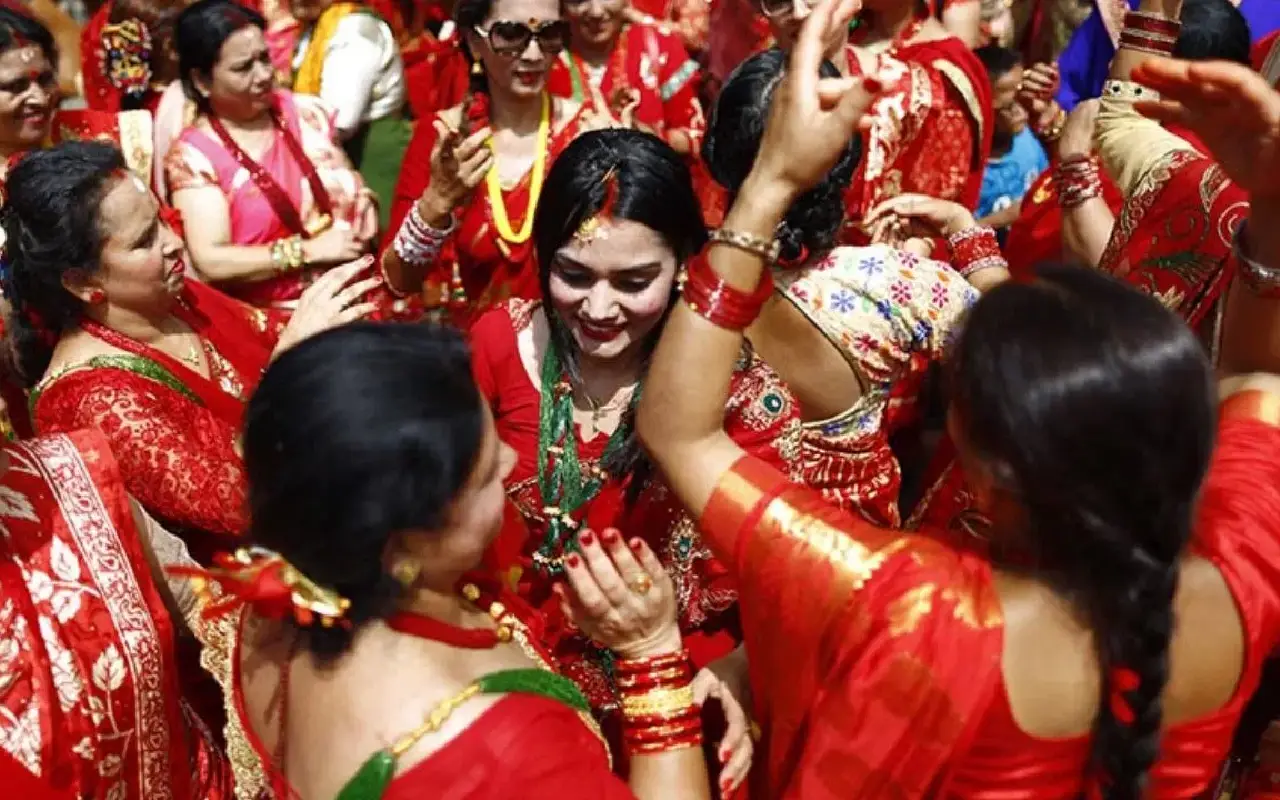
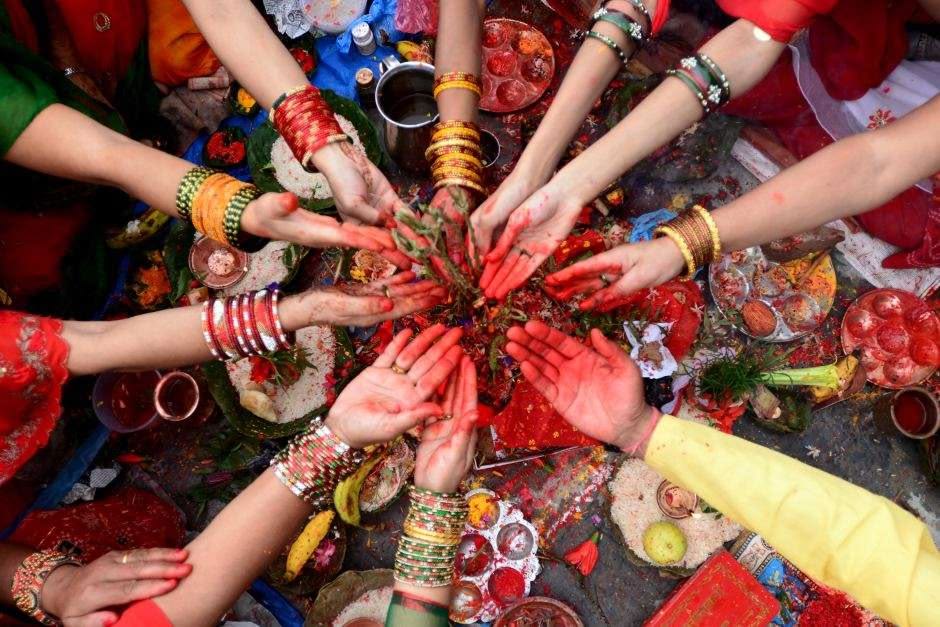
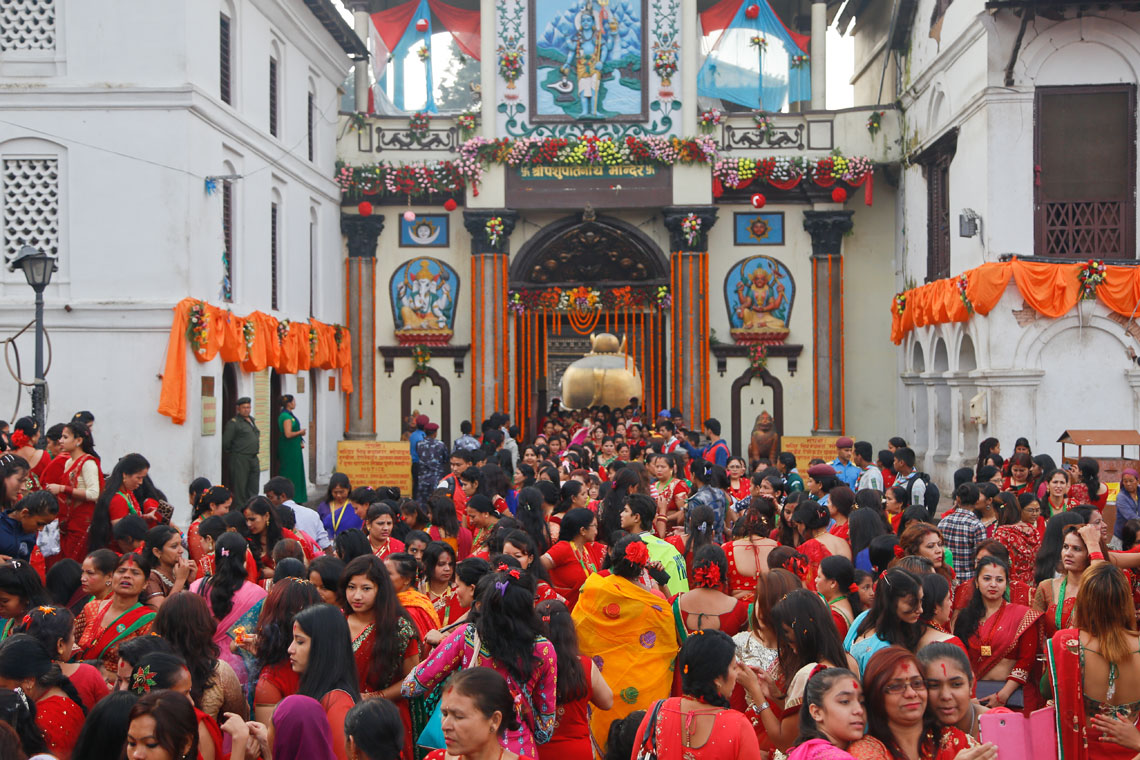
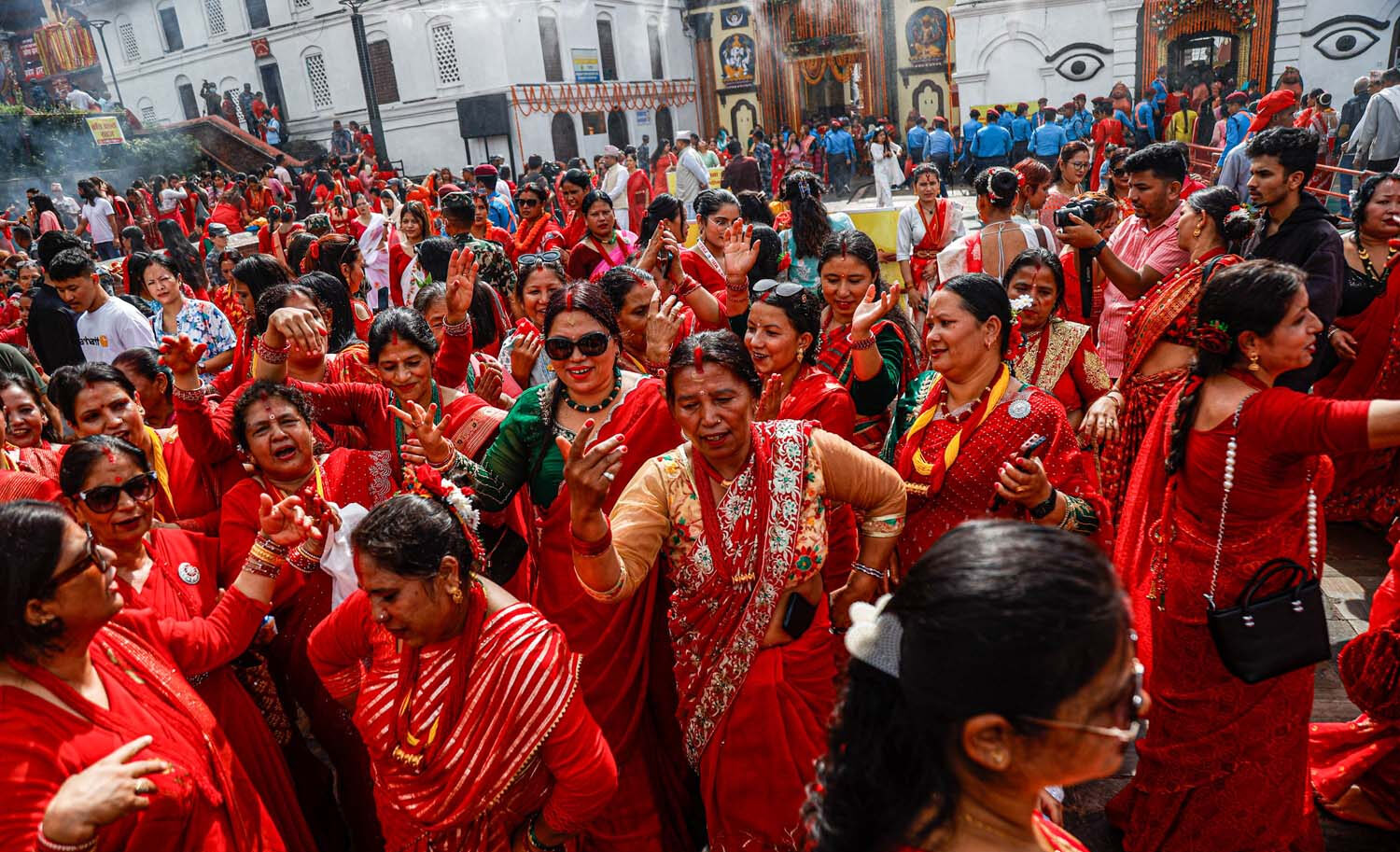
The Teej festival is one of the most important cultural and religious celebrations observed mainly by Hindu women in Nepal and parts of India. This celebration blends devotion, tradition, music, fasting, and social bonding into one meaningful cultural event.

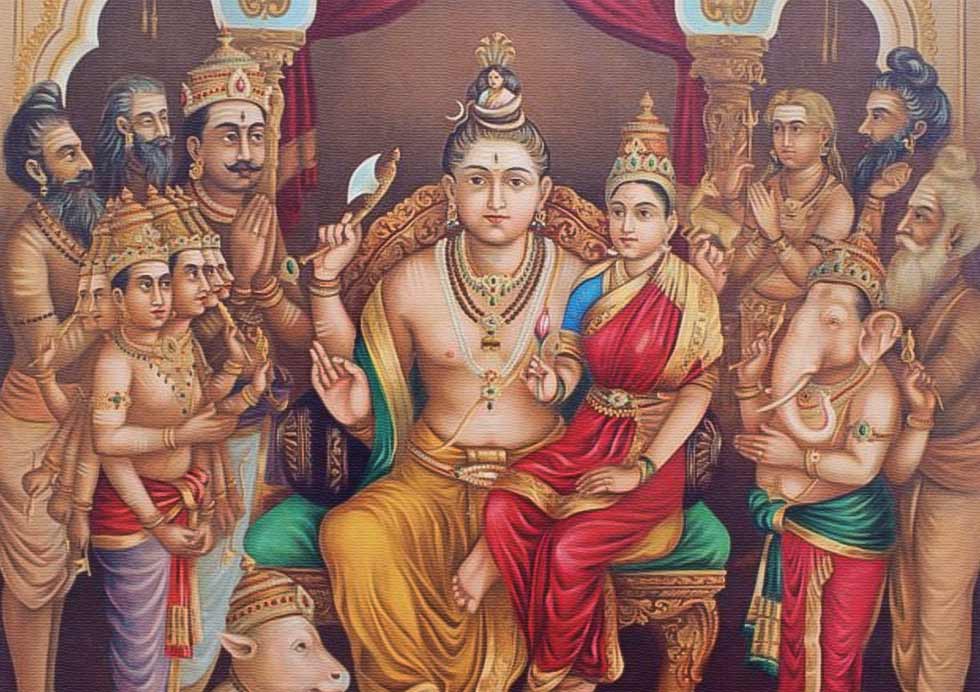
The festival is dedicated to Lord Shiva and Goddess Parvati, symbolizing love, marriage, and spiritual devotion. Women participate by wearing red sarees, singing traditional songs, and sharing cultural moments through photography and gatherings that reflect deep cultural pride.

teej

In Nepal, this celebration has become one of the most visually rich festivals where temples, streets, and communities come alive with energy, devotion, and unity.

History and Mythological Significance

The origin of this festival comes from Hindu mythology. Goddess Parvati is believed to have performed deep meditation and strict fasting for many years to win Lord Shiva as her husband.

teej

This story represents devotion, patience, sacrifice, spiritual strength, and marital harmony. Because of this, the festival holds deep emotional and cultural importance for women across generations.

Cultural Importance in Nepal

In Nepal, this festival is more than a religious event. It is a cultural celebration where women gather in groups, share food, sing traditional songs, and participate in dance programs.

Major cities like Kathmandu, Lalitpur, and Pokhara become highly active during this period. The Pashupatinath Temple attracts thousands of devotees.

This celebration strengthens social bonding, female unity, cultural identity, and traditional values

Festival Timing and Date

The festival date is determined by the Hindu lunar calendar and usually falls between August and September every year.

The celebration is observed in three main stages: Dar Khane Din (feast before fasting), the main fasting day, and Parana (fast-breaking ritual). Each stage carries deep cultural and spiritual meaning.

Teej at Pashupatinath Temple

The celebration of Teej at Pashupatinath Temple in Kathmandu is one of the most important religious gatherings in Nepal. Every year, thousands of Hindu women visit this sacred temple to worship Lord Shiva and participate in fasting rituals, prayers, and cultural activities.

Pashupatinath Temple is considered the most sacred Shiva temple in Nepal, and it becomes the main center of devotion during Teej. The temple area is filled with red-clad women, devotional chanting, traditional songs, and spiritual energy that reflects deep cultural and religious significance.

teej

Learn more about the sacred history and travel details of Pashupatinath Temple in Kathmandu in our complete guide.

Religious Importance of Pashupatinath During Teej

During Teej, devotees believe that offering prayers at Pashupatinath Temple brings blessings from Lord Shiva and Goddess Parvati. Women observe fasting and pray for the long life, happiness, and well-being of their husbands and families.

Unmarried girls also visit the temple to pray for a good future partner and a happy married life. The spiritual belief associated with the temple makes it the most visited pilgrimage site during this festival.

Crowds and Atmosphere

The atmosphere at Pashupatinath during Teej is extremely vibrant and energetic. Long queues of women dressed in red sarees are seen waiting for the darshan of Lord Shiva.

The entire temple complex becomes a cultural gathering space filled with traditional music, emotional songs, and festive celebrations. Security arrangements and crowd management are increased due to the large number of visitors.

Traditional Songs and Cultural Music

One of the most important cultural elements of this festival is traditional songs sung by women in groups. These songs reflect emotions, personal experiences, and social traditions.

The lyrics often express love, marriage, separation, happiness, and devotion. In modern times, these musical performances are widely shared on digital platforms, making the celebration more popular among younger generations.

Music is not only entertainment but also emotional storytelling and cultural expression.

Festival Photography and Visual Culture

Photography plays an important role in this celebration. Cultural images usually show women wearing red sarees, green bangles, and traditional jewelry while dancing, singing, or praying.

teej

Common scenes include group dancing, temple gatherings, cultural programs, and family celebrations. These visuals are widely shared on social media platforms and help preserve cultural identity.

Rituals and Traditions

The festival includes several important traditions. Women wear red attire as a symbol of love and marital happiness. Many observe strict fasting without food or water, while others follow lighter fasting styles depending on health and choice.

Devotees worship Lord Shiva and Goddess Parvati for blessings, family well-being, and happiness. Group singing, dancing, and temple visits are also key parts of the celebration.

Importance of Fasting

Fasting during this Teej festival represents discipline, devotion, and purification. Some women observe strict fasting without food or water, while others choose fruit-based or flexible fasting styles.

The purpose is to gain spiritual strength, emotional balance, and religious devotion. It is considered one of the most meaningful practices of the entire celebration.

Modern Changes in the Festival

Today, the Teej festival has evolved with modern influences. It now includes public cultural programs, social media celebrations, music releases, and community events.

Despite modernization, traditional rituals and cultural values remain strong. The festival continues to preserve its spiritual essence while adapting to modern lifestyles.

Common Mistakes During Celebration

Common mistakes include ignoring health during fasting, improper preparation, overexertion, and losing focus on the spiritual meaning of the festival.

Health Tips for Fasting

It is recommended to eat light meals before fasting, stay hydrated in advance, avoid physical strain, and break the fast slowly and carefully.

Where It Is Celebrated

The Teej festival is widely celebrated in Kathmandu, especially at Pashupatinath Temple, as well as in Lalitpur, Pokhara, rural regions of Nepal, and parts of India.

FAQ Section

What is the Teej Festival?

It is a Hindu festival dedicated to Lord Shiva and Goddess Parvati, celebrated mainly by women.

What is a Teej song?

It refers to traditional cultural songs sung during the Teej celebration.

What is a Teej photo?

It refers to cultural images showing women in traditional attire during celebrations.

What is the Teej date?

It is the festival date based on the Hindu lunar calendar, usually between August and September.

Conclusion

The Teej festival is one of the most meaningful cultural celebrations in Nepal. It combines devotion, tradition, music, fasting, and community bonding into a powerful cultural experience.

From traditional Teej songs to cultural photography, fasting rituals, and festival timing, this celebration reflects deep emotional, cultural, and spiritual values.

It continues to evolve with modern influences while preserving its traditional essence, making it one of the most important festivals in Hindu culture.

Visit the full guide to Pashupatinath Temple in Kathmandu for detailed travel information.

Nepali Culture: A Complete Guide to Traditions and Lifestyle

Nepali Culture & Traditions

Nepal is one of the most diverse and vibrant nations in all of Asia. Nestled between China and India, the country is home to over 125 ethnic groups, each contributing their own language, festivals, rituals, and artistic expressions. Whether you are a traveler, a student, or simply someone curious about the world, understanding Nepali culture opens a window into centuries of rich tradition and living heritage.

From the colorful traditional dress worn during festivals to the graceful movements of folk dance performed at ceremonies, every element of this culture tells a story. In this guide, we explore the most fascinating aspects of Nepali culture: the traditions, the clothing, the dances, and the values that hold this beautiful nation together.

Nepali Culture

Discover Nepal’s vibrant culture through these must-experience festivals in this complete travel guide by The Nepal Trekking Company

1. Overview of Nepali Culture

At its heart, Nepal’s traditions are deeply rooted in Hinduism and Buddhism, the two dominant religions practiced across the country. These faiths have shaped everything from architecture and art to daily rituals and social customs. Temples, stupas, and monasteries are not just places of worship; they are living centers of community life where the essence of Nepali culture unfolds every day.

The concepts of Dharma (righteous living) and Karma (the law of cause and effect) are deeply woven into the everyday lives of people here. Respect for elders, hospitality toward guests, and devotion to deities are core values that define this society across all communities.

Nepali Culture

For official information about Nepali culture, traditions, and festivals, visit the Nepal Tourism Board

2. Nepali Culture Dress — Traditional Clothing That Tells a Story

One of the most visually striking aspects of Nepali culture is its traditional clothing. Nepali cultural dress varies significantly from one ethnic group to another, reflecting the incredible diversity of the nation. However, some styles have become widely recognized symbols of national identity.

Nepali Culture

Daura Suruwal — The National Dress

The Daura Suruwal is the national dress of Nepal for men. The Daura is a double-breasted shirt with ties, while the Suruwal is a pair of fitted trousers. Worn with a Dhaka topi (a traditional cap), this outfit is mandatory attire in government offices and is commonly seen during festivals and formal occasions. It remains one of the most iconic elements of Nepali cultural dress today.

Gunyo Cholo — Traditional Dress for Women

For women, the Gunyo Cholo holds a special place in traditional Nepali fashion. It is typically worn by young girls during the Ihi or Ehee coming-of-age ceremony among Newari communities. The sari remains the most commonly worn Nepali cultural dress for women across many ethnic groups, especially during religious ceremonies and weddings.

Ethnic Diversity in Traditional Clothing

The Sherpa community of the Himalayas wears thick woolen robes called “chubas” to stay warm in high-altitude regions. The Tharu people of the Terai region have their own distinct style of dress, characterized by colorful blouses and skirts adorned with intricate embroidery. This incredible diversity in Nepali cultural dress is a beautiful reflection of how rich and varied the nation’s heritage truly is.

3. Nepali Culture Dance — Movement, Devotion, and Celebration

Dance is an inseparable part of life in Nepal. Nepali culture dance forms have been passed down through generations and are performed during festivals, rituals, weddings, and religious ceremonies. These performances are not merely entertainment—they are acts of devotion, storytelling, and community bonding.

Deuda Dance — The Folk Dance of the West

The Deuda is one of the most beloved Nepali cultural dance forms, originating from the Sudurpashchim (far-western) region. Performed in a circular formation, men and women dance together while singing folk songs. It is especially prominent during festivals like Tihar and Gaura and is a powerful symbol of community spirit.

Nepali Culture

Charya Nritya — The Sacred Buddhist Dance

Charya Nritya is a classical Nepali cultural dance form rooted in Vajrayana Buddhism. Originating with the Newari community of the Kathmandu Valley, this meditative dance is performed as a spiritual practice. Each hand gesture (mudra) and body movement carries deep symbolic meaning, making it one of the most unique traditional dance forms in the world.

Nepali Culture

Maruni Dance — Festive Grace and Elegance

The Maruni is a popular Nepali cultural dance traditionally associated with the Magar and Gurung communities. Performed during Tihar (the festival of lights), it features graceful circular movements accompanied by traditional instruments like the madal and sarangi. Today, Maruni has become widely performed across Nepal and is an important part of national cultural programs.

Nepali Culture

Lakhe Dance — The Demon Dance of Indra Jatra

The Lakhe dance is performed during the Indra Jatra festival in Kathmandu. Dancers wear elaborate demon masks and colorful costumes, moving energetically through the streets to the beat of traditional drums. As one of the most dramatic Nepali cultural dance performances, the Lakhe is a beloved symbol of Kathmandu’s Newari heritage.

Nepali Culture

Learn more about the cultural significance of Charya Nritya on the UNESCO Intangible Cultural Heritage page.

4. Festivals — The Heartbeat of Nepal

Nepal is often called the “Land of Festivals,” and for good reason. The country celebrates hundreds of festivals throughout the year, each with its own rituals, foods, traditional dress, and dance performances. Festivals are where Nepali culture, dress, and Nepali cultural dances come together most vividly.

  • Dashain — The biggest celebration in Nepal, honoring the victory of good over evil. Families gather, elders give tika (blessings), and traditional games like swings are played.
  • Tihar — A five-day festival of lights where dance forms like Deuda and Maruni are widely performed. Each day honors a different animal before culminating in the celebration of brothers and sisters.
  • Indra Jatra — An eight-day festival unique to Kathmandu, featuring the famous Lakhe dance, chariot processions of Kumari (the living goddess), and traditional music.
  • Holi — The festival of colors celebrated with great joy across the country, reflecting the Hindu influence on Nepali culture.
Nepali Culture

Explore the beauty, traditions, and celebrations of Nepal with this detailed festival travel guide from The Nepal Trekking Company

5. Food — Flavors of the Mountains

Food is a central part of daily life in Nepal. The most iconic dish is Dal Bhat—lentil soup served with steamed rice and vegetable curry. Eaten twice a day in most households, it is considered the backbone of the nation’s culinary identity. Other popular dishes include momo (dumplings), sel roti (ring-shaped rice bread), and dhindo (buckwheat porridge) from the hilly regions—all deeply tied to Nepali culture and tradition.

Nepali Culture

Discover the rich flavors of Nepalese cuisine through this detailed food guide by Lonely Planet.

6. Religion and Spirituality

Religion is the backbone of Nepali culture. About 81% of Nepalis identify as Hindu, making Nepal one of the most predominantly Hindu nations in the world. Buddhism is the second major religion and has had an equally profound influence, particularly in the northern mountain regions and among the Newari community of Kathmandu. The peaceful coexistence of these two faiths is one of the most admirable and defining features of Nepali culture.

Nepali Culture

7. Art and Architecture — Visual Expressions of Heritage

The art and architecture of Nepal are stunning visual representations of the country’s identity. The Kathmandu Valley is home to seven UNESCO World Heritage Sites, including Pashupatinath Temple, Boudhanath Stupa, Swayambhunath, and the Durbar Squares of Kathmandu, Patan, and Bhaktapur. These monuments reflect the artistic genius embedded in Nepali culture across different historical periods.

Traditional art forms include Thangka paintings (intricate Buddhist scroll paintings), Paubha (Newari religious paintings), wood carving, metalwork, and pottery—all of which continue to be practiced today.

Experience the cultural richness and heritage of Nepal’s capital with this detailed Kathmandu City Tour Package from The Nepal Trekking Company.

8. Music — The Soul of Tradition

Music and dance are deeply intertwined in Nepal. Traditional instruments include the madal (a two-headed drum), sarangi (a string instrument), bansuri (a bamboo flute), and dhimay (a ceremonial drum). Folk music genres such as Lok Dohori—a call-and-response singing style between men and women—are immensely popular and a vital expression of Nepali culture. The Gandharba community has preserved these musical traditions for generations.

9. Family Values and Social Structure

Family is the foundation of society in Nepal. Joint family systems, where multiple generations live under one roof, remain common in many parts of the country. Elders are deeply respected, and their blessings are sought at every major life event—from birth and marriage to new business ventures. The practice of touching the feet of elders (Dhog garnu) is an everyday expression of respect deeply embedded in Nepali culture.

10. Modern Nepal — Tradition Meets the Contemporary World

Today, Nepal is experiencing an exciting cultural evolution. Young Nepalis are embracing global influences in music, fashion, and technology while showing a strong desire to preserve their roots. Social media has played a huge role in spreading awareness of Nepali culture, dance, Nepali cultural dress, and traditional festivals to a global audience. Organizations working to document Nepali cultural images and preserve living traditions are thriving, ensuring future generations remain connected to their heritage.

Promote the protection and preservation of Nepal’s rich cultural identity through initiatives like the Nepal Academy, which works to safeguard language, literature, and heritage.

Frequently Asked Questions About Nepali Culture

Q1. What is Nepali culture known for?

Nepali culture is known for its incredible diversity, religious harmony, colorful festivals, traditional dress, and classical dance forms. It is shaped by Hindu and Buddhist traditions across more than 125 ethnic groups.

Q2. What is the traditional Nepali cultural dress?

The national Nepali cultural dress for men is the Daura Suruwal with a Dhaka topi. For women, the sari is widely worn, while the gunyo cholo is reserved for ceremonial occasions. Each ethnic community also has its own distinct traditional clothing.

Q3. What are the main Nepali cultural dance forms?

The main Nepali cultural dance forms include Deuda, Charya Nritya, Maruni, and Lakhe. Each reflects a unique aspect of Nepal’s heritage and is performed during festivals and ceremonies.

Q4. What religion does Nepali culture follow?

Nepali culture is predominantly Hindu (~81%), with Buddhism as the second major religion. The blending of both faiths has deeply shaped Nepal’s art, festivals, architecture, and daily life.

Q5. What are the biggest festivals in Nepali culture?

The biggest festivals are Dashain and Tihar. Others include Holi, Indra Jatra, Buddha Jayanti, Teej, and Lhosar—each featuring traditional music, Nepali cultural dance, and special dress.

Q6. Where can I find Nepali cultural images?

Authentic Nepali cultural images can be found on the Nepal Tourism Board website (welcomenepal.com), UNESCO’s heritage pages, and travel photography platforms. Instagram also has thousands of high-quality Nepali cultural images from travelers and locals.

Conclusion

Nepal’s traditions are a living, breathing tapestry of beliefs and artistic expressions that have endured for centuries. From the intricate embroidery of Nepali cultural dress to the devotional movements of Nepali cultural dance, from towering Himalayan temples to the warmth of a shared Dal Bhat meal, every element reflects the resilience and spirit of the Nepali people.

Whether you are planning a visit or simply want to learn more, we hope this guide has given you a deeper appreciation for what makes Nepali culture so truly special.