
- Mt. Kailash Tour
- Kailash Mansarovar Overland Tour
- Kailash Mansarovar Yatra by Helicopter – Complete Spiritual Journey Guide
- Kailash Yatra via Lucknow
- Kailash Mansarovar Tour via Lhasa
- Kailash Lhasa EBC Tour From Beijing
- Kailash Heli Tour via Kerung: Complete Spiritual Journey Guide
- Kailash Tour via Lhasa In Kerung Out
- Lhasa EBC Kailash Tour
- Kailash Heli Tour
- Kailash Mansarovar Yatra from Nepal 2027: Cost & Itinerary
- Kailash Nandi Kora
- Kailash Tour via Humla Simikot – 20 Days
- Mount Kailash Tour: 7 Amazing Experiences in 2027
- Trekking
-
-
- Everest Region
- Luxury Everest Base Camp Trek: 7 Unforgettable Highlights
- Everest Base Camp Trek 2026: Cost, Route, and Complete Guide
- Everest Three Passes Trek 2027: Cost, Route & Itinerary
- Everest Base Camp Short Trek
- Everest Panorama Trek: Amazing 10-Day Cost & Itinerary
- Everest Base Camp Island Peak Trek: Complete 19-Day Guide
- Gokyo Valley Trekking 2027: Easy Guide to Cost & Itinerary
- Mera Peak Climbing 2027: Complete Cost & Itinerary Guide
- Rolwaling Valley Trek: 23-Day Itinerary, Cost, Permits & Difficulty
- Dolpo Region Trek
- Everest Region
-
- Annapurna Region
- Annapurna Base Camp Trekking
- Annapurna Circuit Trek
- Annapurna Base Camp Trek: 7 Amazing Cost & Route Tips
- Mardi Himal Trek: 7 Amazing Highlights & Complete Guide
- Annapurna Alternative Combine Trek: 18 Amazing Days
- Mohare Dada Trek
- Ghorepani Poon Hill Trek: 7 Unforgettable Highlights
- Khopra Ridge Community Trek: 13-Day Ultimate Adventure
- Damodar Kunda Trek: 10-Day Ultimate Sacred Adventure
- Upper Mustang Trek: 10 Amazing Sights : Ultimate Guide
- Jomsom Muktinath Trek: Amazing 12-Day Ultimate Guide
- Ghale Gaun Trek: 7 Amazing Reasons : Ultimate Guide
- Dhampus Sarangkot Trek: 7 Incredible Experiences
- Dhaulagiri Region
- Annapurna Region
-
-
- Tours
-
-
- Day Tours
- Rickshaw–a three-wheeler Tour
- Pharping Dakshinkali Day Tour: 7 Amazing Highlights
- Historical Tour: 7 Amazing Places to Explore
- Kathmandu Temple Tour: 7 Amazing Spiritual Places
- Nagarkot Tour
- Bhaktapur City Tour: 7 Amazing Places to Explore
- Kathmandu City Tour – Complete Heritage & Cultural Experience in Nepal
- Chandragiri Hill: A Scenic Himalayan Escape Near Kathmandu
- Chitlang Hiking
- Shivapuri to Sundarijal Day Hiking
- Kulekhani Dam Day Tour — Complete Travel Guide
- Day Tours
-
- Package Tours
- Mustang Tour on Jeep
- Nepal Tour Package for Nepali: 12 Amazing Destinations to Explore (2026)
- Muktinath Tour: Complete Guide to Nepal’s Sacred Himalayan Pilgrimage
- 3N,4D Kathmandu Pilgrimage Tour
- Nepal Buddhist Pilgrimage Tour: 7 Sacred Sites Not to Miss
- 6D Nepal Pilgrimage Tour: 7 Amazing Sacred Places
- 7 Nights, 8 Days Nepal Tour
- Districts tour of Nepal
- Janakpur Tour Package: Price, Family Tour & Travel Guide from Kathmandu 2026
- Short Hike in Nepal: 7 Best Easy Treks for Beginners
- Package Tours
-
-
- Outbound
-
- Activities
- Climbing
- Bungee Jumping in Nepal
- Heli Skiing Adventure in the Himalayas
- Canoeing in Nepal
- Mountain Flight in Nepal
- Zip Flyer in Pokhara: The Ultimate Adventure Experience
- Paragliding in Pokhara: 7 Amazing Reasons to Experience Nepal’s Best Adventure
- Kathmandu Cycling Tour: 9 Amazing Adventures
- Rafting
- Rock Climbing
- Company
- Travel Info
- Travel Insurance
- Recommended Medical Kit
- Nepal Visa Information
- Flight delays and cancellation in Nepal
- Electricity in Nepal: Rates, Bill Check, Calculator and NEA Services
- Trekking Equipment Checklist: 40 Essential Items
- Best Kailash season in Tibet
- Best Trekking season in Nepal
- Trekking in Nepal 2027: 15 Best Himalayan Adventures
- Blogs
- Contact


WhatsApp
+977-9851035239

Email Us
[email protected]
Flight delays and cancellation in Nepal
Flight Delays and Cancellation in Nepal Today: Comprehensive Guide
Flight delays and cancellation in Nepal today remain one of the most pressing concerns for both tourists and business travelers visiting this beautiful Himalayan nation. Nepal’s unique geographical landscape, combined with specific climatic patterns and airport infrastructure limitations, creates a complex situation that affects travelers regularly. Understanding the reasons behind these disruptions and knowing how to manage them can significantly improve your travel experience.
Understanding Flight Delays and Cancellation in Nepal Today
Flight delays and cancellation in Nepal today occur for multiple interconnected reasons that extend beyond simple weather inconveniences. The phenomenon is deeply rooted in Nepal’s challenging terrain, unpredictable climatic conditions, and the infrastructure constraints of the country’s primary aviation hub, Tribhuvan International Airport.
The country experiences distinct seasons that dramatically impact flight operations. Flight delays and cancellation in Nepal today are most frequent during specific periods of the year when environmental factors create unsafe flying conditions. This seasonality affects not just domestic operations but also international flights, making it essential for all travelers to understand these patterns before booking their journeys.
Climatic Factors Behind Flight Delays and Cancellation in Nepal
Weather Conditions and Seasonal Patterns
The primary cause of flight delays and cancellation in Nepal today relates directly to climatic variability. Nepal’s difficult mountainous terrain creates unpredictable weather patterns that aviation authorities take extremely seriously. Heavy rain, high winds, and blinding fog are the main weather phenomena that lead to operational disruptions.
The winter months, particularly mid-January to end February, represent the most problematic period for all domestic air carriers in Nepal. During this period, flight delays and cancellations in Nepal today become almost routine. The temperature inversions and atmospheric conditions during winter create persistent fog layers at high altitudes where many airports operate. This fog is not merely a visibility issue; it represents a genuine safety hazard that cannot be overcome by standard instrumental approaches.

Monsoon season, typically June through September, presents another challenge. While slightly more predictable than winter, monsoon flights are not guaranteed. Heavy rain during monsoon season can lead to flight delays or even cancellation without warning. Travelers sometimes experience cancellations hours before departure, creating scheduling nightmares.
Conversely, summer and spring seasons offer the most reliable flight operations. From March to May and September to November, the likelihood of flight delays and cancellation in Nepal today decreases significantly. Flight status in Nepal during these periods shows much higher reliability, and flights typically take off and land on schedule.
International Flight Delays and Cancellation in Nepal
Impact on Long-Haul Connections
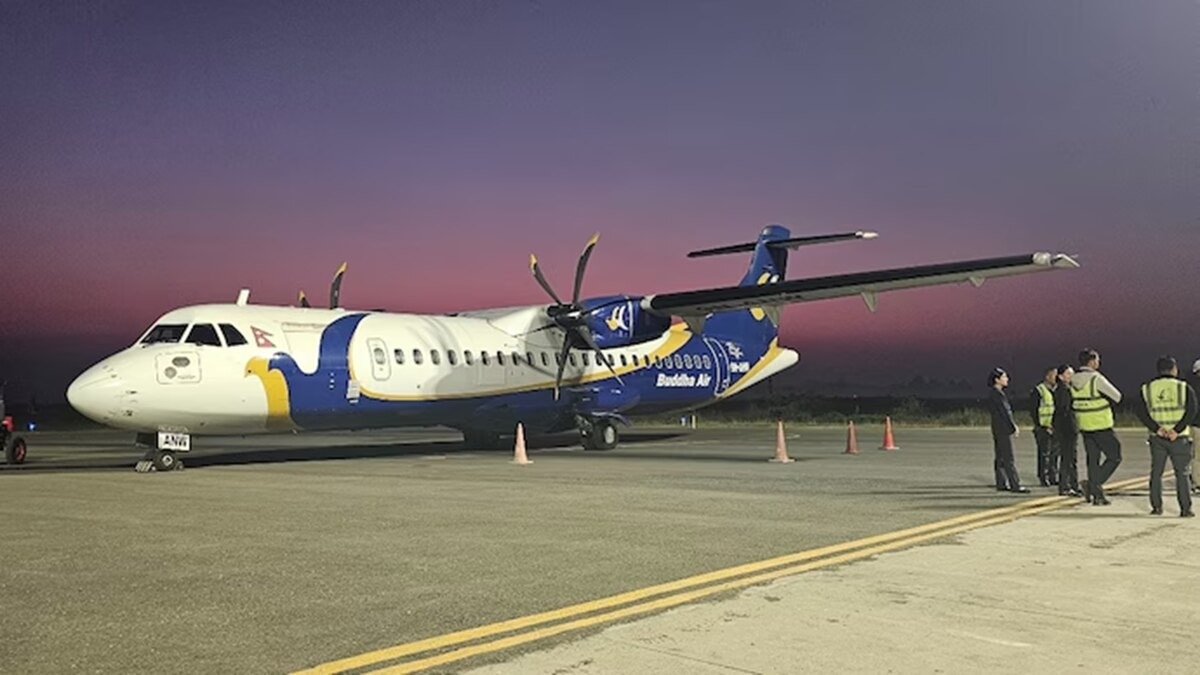
International flight delays and cancellation in Nepal affect passengers connecting through Tribhuvan International Airport from cities like Kathmandu to international destinations. While international flights to and from Tribhuvan International Airport are generally more stable than domestic operations, they still experience disruptions due to the same weather patterns.
International flight delays and cancellation in Nepal can create cascading problems for passengers with connecting flights. A two-hour delay on a domestic segment can cause passengers to miss international departures, resulting in rebooked flights and additional costs. International flight delays and cancellation in Nepal also impact cargo operations and freight-dependent businesses.
 "Flight delays and cancellation in Nepal 2")
The airport’s limitation in offering instrumental landing systems for certain operations means that even international carriers must sometimes divert to alternative airports or delay departures awaiting improved conditions.
Domestic Flight Delays and Cancellation in Nepal
Regional Route Vulnerabilities
Domestic flight delays and cancellation in Nepal affect routes throughout the country, but certain destinations experience higher disruption rates. Domestic flight delays and cancellation in Nepal are particularly severe on mountain routes where airports operate at high altitudes with limited navigation aids.
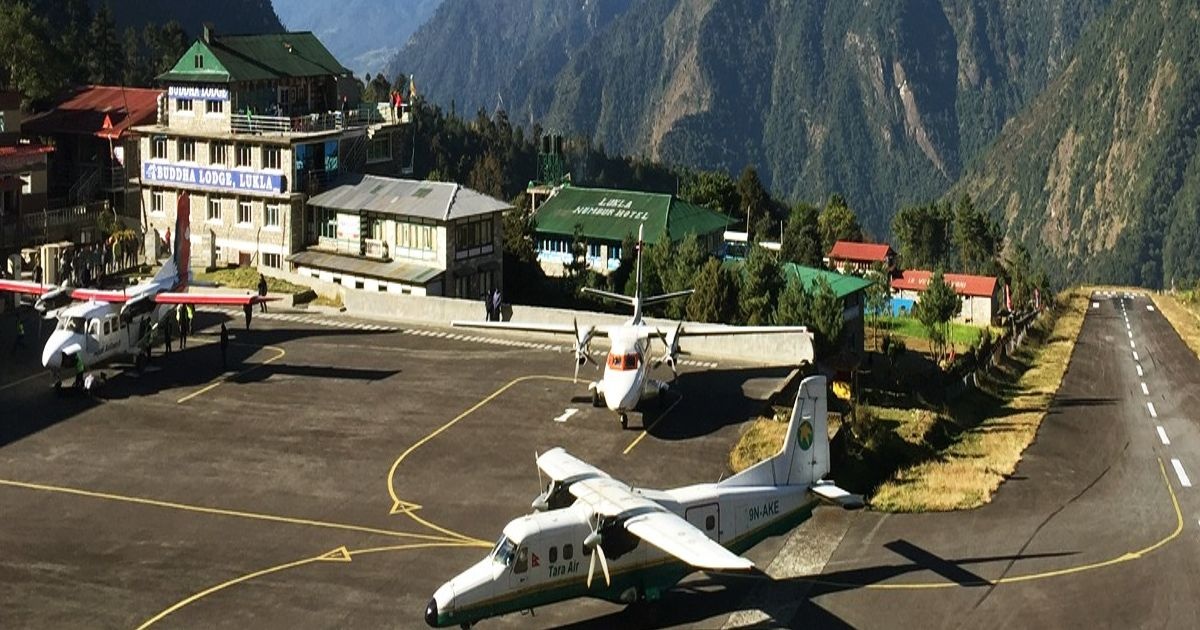
The Lukla Airport route deserves special attention when discussing domestic flight delays and cancellation in Nepal. Located at 2,860 meters’ elevation on a mountainside, Lukla Airport is the only gateway to Mount Everest. Domestic flight delays and cancellation in Nepal on this route are frequent, but the consequences are severe. Missing a Lukla flight means missing your entire trekking expedition since road alternatives do not exist.
Other significantly affected domestic routes include flights to Pokhara and Chitwan, though these destinations offer road transport alternatives. Domestic flight delays and cancellation in Nepal on these routes, while still disruptive, are less catastrophic for travelers’ plans.
Infrastructure Limitations at Tribhuvan International Airport
The Instrumental Landing System Gap
A critical factor in flight delays and cancellation in Nepal today is the infrastructure limitation at Tribhuvan International Airport. The airport lacks an instrument landing system for domestic flights, which means pilots cannot land in poor visibility conditions using instrument guidance alone.
This infrastructure gap is the primary reason the Tribhuvan International Airport flight schedule today shows cancellations during adverse weather. Flight status in Nepal at Tribhuvan International Airport is heavily dependent on visual meteorological conditions. When cloud ceilings drop below minimum safe levels, aircraft cannot land safely regardless of other considerations.
The absence of sophisticated navigation aids means that the Tribhuvan International Airport flight schedule today must be conservative during marginal weather conditions. This conservative approach protects passenger safety but creates the flight delays and cancellations that disrupt travel plans.
The Tribhuvan International Airport flight schedule today operates with older instrumentation that served well in previous decades but cannot match modern airport capabilities. Upgrade projects have been proposed, but implementation remains slow due to funding and logistical constraints.
Seasonal Flight Reliability Assessment
Winter Season: High Disruption Period
The winter season, particularly from mid-January to the end of February, is considered the bad time for all domestic air carriers in Nepal. During this period, Flight Status Nepal shows elevated delays and cancellations. The persistent fog layer that forms at altitude creates a situation where visual landing is nearly impossible for days at a time.
Flight delays more often occur than outright cancellations during early winter, but by late January and February, flight status in Nepal frequently shows cancellations. Airlines maintain flight schedules optimistically, but many flights never depart due to unimproved conditions.
Monsoon Season: Moderate Disruption
Monsoon flights are not that guaranteed because the heavy rain patterns are unpredictable. Unlike winter, which has consistent fog, monsoon season brings sudden downpours that can last hours or clear within minutes. Flight status in Nepal during monsoon season reflects this unpredictability, with sudden cancellations common even after passengers board.
Spring and Summer: Optimal Operations
The period from late February through May represents the best flying weather in Nepal. Flight status in Nepal during spring shows minimal disruptions. The clear skies, stable atmospheric conditions, and good visibility make this the most reliable season for Tribhuvan International Airport’s flight schedule today.
Similarly, fall season from September through November offers excellent flight conditions. Flight status in Nepal during these months shows high reliability, with most flights operating on schedule. Find out more about the weather in Nepal.
Impact on Nepal’s Tourism Industry
Flight delays and cancellation in Nepal today create substantial challenges for the tourism industry. Tourism represents a significant economic sector, and flight disruptions directly impact visitor satisfaction and travel expenditure.
Many tourists come to Nepal with fixed vacation periods. Flight delays and cancellation in Nepal today often force tourists to alter their planned itineraries significantly. A three-day delay in returning home can cost travelers money in additional hotel stays and connecting flight rebooking.
The impact is particularly severe for trekking and mountaineering tourism. Tourists heading to Lukla for Everest Base Camp treks represent a high-value market segment. Flight delays and cancellations in Nepal today affecting Lukla routes can completely derail expeditions that have been planned for months.
Tour operators absorb many costs associated with flight delays and cancellation in Nepal today. Hotel rebookings, guide delays, and porter scheduling all create additional expenses that reduce profit margins and sometimes require operators to absorb losses.
Alternative Transportation Solutions
Road Transport Options
For popular tourist destinations like Pokhara and Chitwan, road transport provides viable alternatives when flight delays and cancellation in Nepal today disrupt flight plans. The road infrastructure to Pokhara has improved significantly, making the eight-hour drive a manageable alternative to the one-hour flight.
Chitwan National Park is similarly accessible by road, with the journey taking approximately five to six hours from Kathmandu. These alternatives, while longer and more tiring, provide reliable options when flight status in Nepal shows cancellations.
Helicopter Charter Solutions
For Lukla and other mountain destinations without road access, helicopter charter represents the only alternative when flight delays and cancellation in Nepal today prevent standard flights. Some tour operators, including Leaf Holidays Treks, maintain helicopter charter agreements for situations where flight delays and cancellation in Nepal today would otherwise strand trekkers.
Helicopter charter services cost significantly more than standard flights, typically ranging from 3,000 to 5,000 USD per charter for Lukla routes. However, travelers with comprehensive travel insurance may claim these emergency charter costs, making the expense manageable. An Everest charter helicopter tour is offered by our leaf vacation. Find out more about it.
Practical Strategies for Travelers
Planning for Flight Delays and Cancellation in Nepal Today
Travelers should build buffer days into their Nepal itinerary. An extra day in Nepal is highly recommended for all travelers, particularly those planning to fly to mountain destinations. This extra day provides flexibility when flight delays and cancellation in Nepal today disrupt original plans.
When booking Lukla flights, travelers should plan to arrive in Kathmandu at least one day before their scheduled flight, then plan departure from Lukla with at least one flexible day before connecting international flights.
Travel Insurance Considerations
Comprehensive travel insurance that covers flight delays and cancellation in Nepal today should be obtained before departure. Insurance policies vary significantly, so specific review of coverage for weather-related disruptions is essential.
Documentation of flight delays and cancellation in Nepal today is important for insurance claims. Keep all flight confirmations, cancellation notices, and receipts for alternative transportation or accommodations.
Frequently Asked Questions About Flight Delays and Cancellation in Nepal Today
Q: What months should I avoid flying to Nepal if I’m concerned about flight delays?
A: Mid-January through February presents the highest risk for flight delays and cancellation in Nepal today. Additionally, June through August during monsoon season carries disruption risk. Plan your trips for March through May or September through November for the most reliable flight status in Nepal.
Q: Is Lukla flight cancellation common?
A: Yes, Lukla flights experience cancellation in approximately 20-30% of cases during winter and monsoon seasons. Even during good seasons, some cancellations occur due to the airport’s limitations.
Q: Can Tribhuvan International Airport improve its flight delays and cancellation rate?
A: Installation of an instrumental landing system would significantly reduce flight delays and cancellation in Nepal today. However, implementation requires substantial investment and technical expertise that Nepal is gradually developing.
Q: What should I do if my flight is cancelled?
A: Contact your airline immediately to explore rebooking options. Consider alternative transportation if time permits. If you booked through a tour operator, notify them immediately. For Lukla, consider a helicopter charter if time-sensitive.
Q: Is travel insurance worth the cost given flight delays and cancellation in Nepal today?
A: Yes, given the frequency of disruptions and the high cost of rebooking flights or helicopter charters, travel insurance provides essential financial protection.
Q: How much notice do airlines provide about flight delays and cancellation in Nepal today?
A: Notice varies considerably. Some cancellations are called 24 hours in advance, while others are called only hours before scheduled departure when weather conditions deteriorate unexpectedly.
Conclusion
Flight delays and cancellation in Nepal today result from a complex interplay of geographical, meteorological, and infrastructure factors. Nepal’s dramatic mountain terrain creates genuine safety challenges that make conservative operational practices necessary. While frustrating for travelers, the safety-focused approach prevents accidents in one of the world’s most challenging aviation environments.
Understanding seasonal patterns, planning appropriate buffer time, and securing travel insurance can substantially mitigate the disruption caused by flight delays and cancellation in Nepal today. The Nepalese aviation industry continues working toward infrastructure improvements that will eventually reduce disruption frequency.
For travelers planning trips to Nepal, particularly to mountain destinations, accepting the reality of potential flight delays and cancellation in Nepal today is essential. Building flexibility into your itinerary, maintaining realistic expectations about flight status in Nepal, and having contingency plans ensures that weather disruptions enhance your adventure rather than ruin your vacation. With proper planning and realistic expectations, the stunning beauty of Nepal and its trekking opportunities remain accessible despite the infrastructure challenges that occasionally delay your journey.

- Terms & Conditions
- Best Trekking season in Nepal
- Travel Insurance
- Nepal Visa Information
- Flight delays and cancellation in Nepal
- Electricity in Nepal: Rates, Bill Check, Calculator and NEA Services
- Trekking Equipment Checklist: 40 Essential Items
- Best Kailash season in Tibet
- Trekking in Nepal 2027: 15 Best Himalayan Adventures
- Recommended Medical Kit

Need Help?
Ask to Travel Expert