
- Mt. Kailash Tour
- Kailash Mansarovar Overland Tour
- Kailash Mansarovar Yatra by Helicopter – Complete Spiritual Journey Guide
- Kailash Yatra via Lucknow
- Kailash Mansarovar Tour via Lhasa
- Kailash Lhasa EBC Tour From Beijing
- Kailash Heli Tour via Kerung: Complete Spiritual Journey Guide
- Kailash Tour via Lhasa In Kerung Out
- Lhasa EBC Kailash Tour
- Kailash Heli Tour
- Kailash Mansarovar Yatra from Nepal 2027: Cost & Itinerary
- Kailash Nandi Kora
- Kailash Tour via Humla Simikot – 20 Days
- Mount Kailash Tour: 7 Amazing Experiences in 2027
- Trekking
-
-
- Everest Region
- Luxury Everest Base Camp Trek: 7 Unforgettable Highlights
- Everest Base Camp Trek 2026: Cost, Route, and Complete Guide
- Everest Three Passes Trek 2027: Cost, Route & Itinerary
- Everest Base Camp Short Trek
- Everest Panorama Trek: Amazing 10-Day Cost & Itinerary
- Everest Base Camp Island Peak Trek: Complete 19-Day Guide
- Gokyo Valley Trekking 2027: Easy Guide to Cost & Itinerary
- Mera Peak Climbing 2027: Complete Cost & Itinerary Guide
- Rolwaling Valley Trek: 23-Day Itinerary, Cost, Permits & Difficulty
- Dolpo Region Trek
- Everest Region
-
- Annapurna Region
- Annapurna Base Camp Trekking
- Annapurna Circuit Trek
- Annapurna Base Camp Trek: 7 Amazing Cost & Route Tips
- Mardi Himal Trek: 7 Amazing Highlights & Complete Guide
- Annapurna Alternative Combine Trek: 18 Amazing Days
- Mohare Dada Trek
- Ghorepani Poon Hill Trek: 7 Unforgettable Highlights
- Khopra Ridge Community Trek: 13-Day Ultimate Adventure
- Damodar Kunda Trek: 10-Day Ultimate Sacred Adventure
- Upper Mustang Trek: 10 Amazing Sights : Ultimate Guide
- Jomsom Muktinath Trek: Amazing 12-Day Ultimate Guide
- Ghale Gaun Trek: 7 Amazing Reasons : Ultimate Guide
- Dhampus Sarangkot Trek: 7 Incredible Experiences
- Dhaulagiri Region
- Annapurna Region
-
-
- Tours
-
-
- Day Tours
- Rickshaw–a three-wheeler Tour
- Pharping Dakshinkali Day Tour: 7 Amazing Highlights
- Historical Tour: 7 Amazing Places to Explore
- Kathmandu Temple Tour: 7 Amazing Spiritual Places
- Nagarkot Tour
- Bhaktapur City Tour: 7 Amazing Places to Explore
- Kathmandu City Tour – Complete Heritage & Cultural Experience in Nepal
- Chandragiri Hill: A Scenic Himalayan Escape Near Kathmandu
- Chitlang Hiking
- Shivapuri to Sundarijal Day Hiking
- Kulekhani Dam Day Tour — Complete Travel Guide
- Day Tours
-
- Package Tours
- Mustang Tour on Jeep
- Nepal Tour Package for Nepali: 12 Amazing Destinations to Explore (2026)
- Muktinath Tour: Complete Guide to Nepal’s Sacred Himalayan Pilgrimage
- 3N,4D Kathmandu Pilgrimage Tour
- Nepal Buddhist Pilgrimage Tour: 7 Sacred Sites Not to Miss
- 6D Nepal Pilgrimage Tour: 7 Amazing Sacred Places
- 7 Nights, 8 Days Nepal Tour
- Districts tour of Nepal
- Janakpur Tour Package: Price, Family Tour & Travel Guide from Kathmandu 2026
- Short Hike in Nepal: 7 Best Easy Treks for Beginners
- Package Tours
-
-
- Outbound
-
- Activities
- Climbing
- Bungee Jumping in Nepal
- Heli Skiing Adventure in the Himalayas
- Canoeing in Nepal
- Mountain Flight in Nepal
- Zip Flyer in Pokhara: The Ultimate Adventure Experience
- Paragliding in Pokhara: 7 Amazing Reasons to Experience Nepal’s Best Adventure
- Kathmandu Cycling Tour: 9 Amazing Adventures
- Rafting
- Rock Climbing
- Company
- Travel Info
- Travel Insurance
- Recommended Medical Kit
- Nepal Visa Information
- Flight delays and cancellation in Nepal
- Electricity in Nepal: Rates, Bill Check, Calculator and NEA Services
- Trekking Equipment Checklist: 40 Essential Items
- Best Kailash season in Tibet
- Best Trekking season in Nepal
- Trekking in Nepal 2027: 15 Best Himalayan Adventures
- Blogs
- Contact


WhatsApp
+977-9851035239

Email Us
[email protected]
Electricity in Nepal: Rates, Bill Check, Calculator and NEA Services
Electricity in Nepal is mainly supplied through hydropower, with the Nepal Electricity Authority managing generation, transmission, distribution, and consumer services across the country. As electricity access continues to expand, people commonly search for the electricity price in Nepal per unit, online bill checking, payment methods, meter reading, electricity rates, and Nepal Electricity Authority contact information.
This guide explains how electricity billing works in Nepal, how to check your NEA bill online, where to find the latest tariff rates, and how to calculate your estimated monthly electricity bill.
What Is the Nepal Electricity Authority?
The Nepal Electricity Authority, commonly known as NEA, is the government-owned organization responsible for the electricity system in Nepal. Its services include:
- Electricity generation
- Transmission and distribution
- New electricity connections
- Meter installation and replacement
- Electricity bill collection
- Power outage management
- Consumer complaints and support
- Electricity tariff information
- Hydropower project development
Consumers can use the official Nepal Electricity Authority website to check notices, consumer services, tariff information, bill payment options, and contact details.
NEA also publishes important notices about planned power interruptions, new connections, meter services, recruitment, tariff changes, and other electricity-related matters.
 =
What Is the Main Source of Electricity in Nepal?
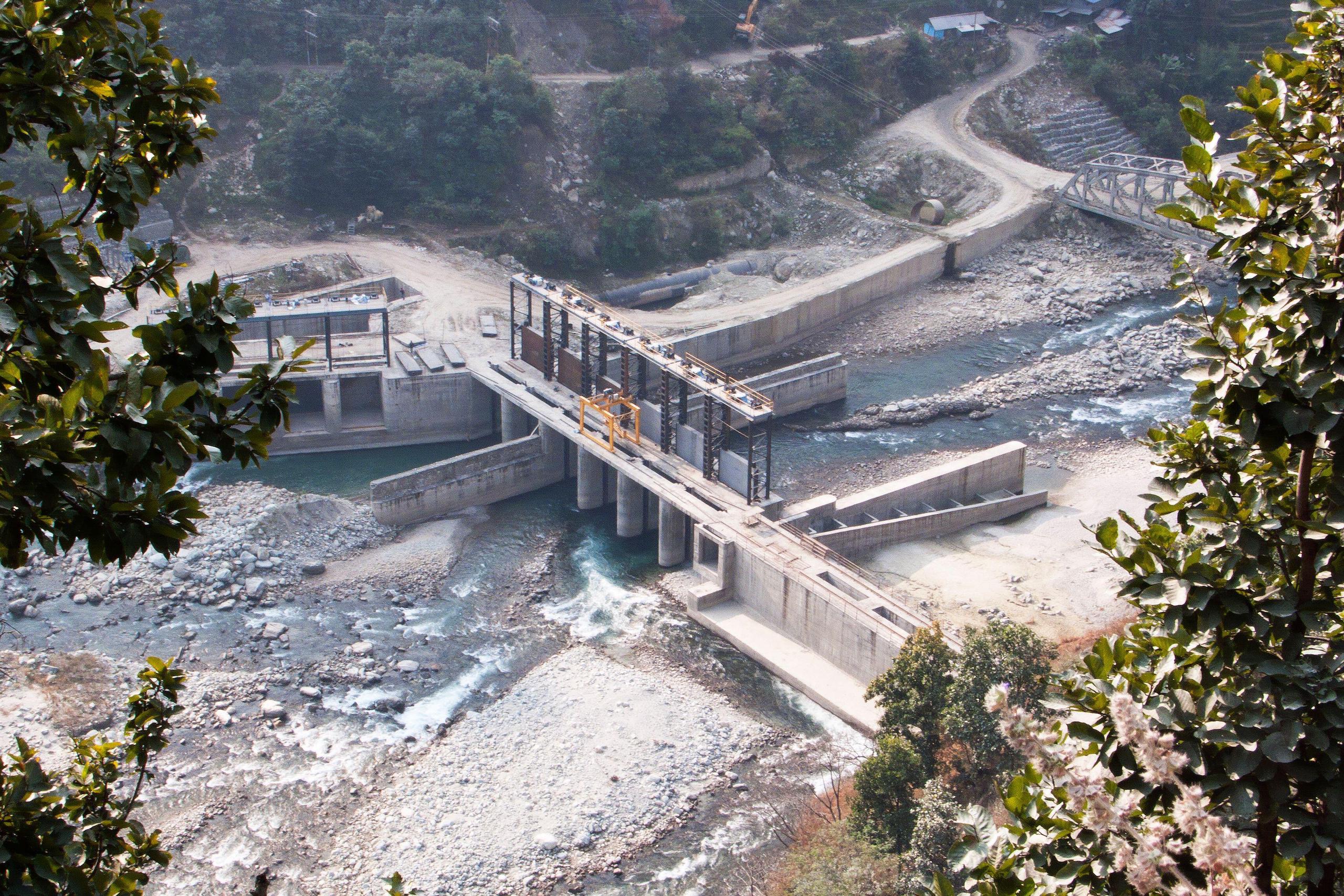
Hydropower is the main source of electricity in Nepal. The country has many rivers and steep geographic landscapes, creating strong potential for hydropower generation.
Electricity in Nepal is also supported by:
- Run-of-river hydropower projects
- Storage hydropower projects
- Solar energy
- Electricity imports and exports
- Alternative and decentralized energy systems
Nepal has increased its electricity generation capacity significantly in recent years. According to the World Bank’s Nepal electricity data, electricity access has reached most of the population.
The World Bank’s electricity sector report on Nepal also highlights the growth of domestic electricity generation and new hydropower and solar projects under development.
What Is the Price of One Unit of Electricity in Nepal?
The electricity price in Nepal per unit depends on several factors, including:
- Monthly electricity consumption
- Consumer category
- Meter capacity
- Domestic or commercial connection
- Voltage level
- Time-of-use system
- Minimum monthly charge
- Government-approved tariff structure
One unit of electricity is generally equal to one kilowatt-hour (kWh). If a household uses a 1,000-watt appliance for one hour, it consumes approximately one unit of electricity.
Nepal uses a progressive tariff system for many domestic consumers. This means the rate may increase when monthly consumption moves into a higher usage slab. The final bill may include both a minimum charge and an energy charge.
Because electricity tariffs may change, consumers should confirm the latest rates through the NEA consumer tariff page or the Electricity Regulatory Commission tariff calculator.
Older searches such as “Nepal electricity bill rate 2080” refer to a previous Nepali fiscal period. Those rates may not represent the current tariff, so always check the latest official information before calculating your bill.
How Is the Electricity Bill in Nepal Calculated?
The electricity bill in Nepal is usually calculated using the following factors:
- Total units consumed during the billing period
- Applicable rate for each consumption slab
- Minimum monthly charge
- Service charges
- Government taxes or other approved charges
- Any previous balance or adjustment
For example, a household using a small number of units may pay a minimum charge plus the applicable energy charge. A household with higher consumption may pay different rates for different portions of its total usage.
This is known as a slab-based or progressive billing system. The first group of units may be charged at one rate, while additional units fall into higher tariff slabs.
The final amount can vary according to the meter type and consumer category. Therefore, an online electricity bill calculator provides an estimate, while the official NEA bill remains the final payable amount.
Electricity Bill Calculator Nepal
You can use the official Electricity Regulatory Commission bill calculator to estimate your monthly electricity bill.
The calculator may ask for details such as
- Connection type
- Fuse capacity
- Consumer category
- Monthly units consumed
- Voltage level
- Season
- Peak and off-peak consumption for applicable connections
To estimate your electricity bill:
- Check the previous meter reading.
- Record the current meter reading.
- Subtract the previous reading from the current reading.
- Enter the total units into the calculator.
- Select your consumer category and connection type.
- Review the estimated bill amount.
The calculator should be used as a guide. The final electricity bill may also include minimum charges, taxes, adjustments, or outstanding balances.
How to Check an Electricity Bill in Nepal Online
Consumers can check their electricity bill online by using available NEA services or approved payment platforms. You may need the following information:
- NEA counter name
- Consumer number
- Consumer ID
- Customer account details
- Meter or connection information
The NEA official website provides access to consumer services, bill payment links, and other electricity-related information.
Some NEA consumer services are also being provided through online portals. The NEA RMS consumer portal allows eligible consumers to view bill-related information and consumer details online.
Availability may depend on the distribution center and the location of the consumer. If the online service does not recognize your account, contact your local NEA distribution office.
How to Pay an Electricity Bill Online in Nepal
You can pay an electricity bill in Nepal through several options, including:
- NEA counters
- Commercial banks
- Mobile banking
- Internet banking
- Digital wallets
- ConnectIPS
- Approved payment platforms
The NEA FAQ page explains common payment options and states that consumers generally need their consumer number to complete a payment.
Some consumers may also use the NIMB NEA online payment service or their own bank’s electricity payment facility.
Before making payment, carefully check:
- Consumer number
- Counter or distribution center
- Outstanding amount
- Current bill amount
- Payment confirmation
- Transaction reference number
Always save the payment receipt or screenshot until the amount is reflected in your account.
Nepal Electricity Authority Phone Number and Contact Details
The correct NEA phone number depends on your local distribution center. Consumers should contact the relevant office for:
- Power failure complaints
- Meter problems
- New connection applications
- Billing errors
- Name transfer
- Disconnection or reconnection
- Low voltage
- Damaged electrical equipment
- Planned maintenance information
The NEA telephone directory and notice section provides consumer service information and distribution center contacts.
For immediate safety concerns, stay away from fallen electric wires and report the problem to NEA or the relevant emergency authority. Do not attempt to repair live electrical equipment yourself.
How to Read an Electricity Meter in Nepal
A traditional electricity meter records the amount of electricity consumed by the household. To calculate your usage:
Current meter reading − Previous meter reading = Units consumed
For example:
- Previous reading: 12,450
- Current reading: 12,520
- Total usage: 70 units
Digital meters may display additional information, including voltage, current, power factor, and total consumption. If the meter reading appears unusually high, check for:
- Faulty appliances
- Damaged wiring
- Electrical leakage
- Incorrect meter readings
- Unusually high appliance use
- Meter or connection problems
Contact NEA if the reading does not match your actual consumption.
Electricity Consumption in Nepal
Electricity consumption in Nepal has increased because of:
- Population growth
- Urbanization
- New businesses and industries
- Electric cooking
- Water pumps
- Electric heaters
- Computers and office equipment
- Electric vehicles
- Wider electricity access
Many households are replacing gas and traditional fuel with induction cookers, electric rice cookers, water heaters, and other appliances.
Electric vehicles are also increasing electricity demand. Charging stations, electric buses, electric cars, and electric scooters are becoming more common in Nepal.
You can read more about [electric vehicles in Nepal](/electric-vehicles-in-nepal/) and [electricity-saving appliances](/energy-saving-appliances-in-nepal/) through our related guides.
How to Reduce Your Electricity Bill
You can reduce your monthly electricity bill by using appliances efficiently.
Useful steps include:
- Switch off lights when leaving a room.
- Use LED bulbs instead of traditional bulbs.
- Unplug chargers and devices when they are not required.
- Choose energy-efficient appliances.
- Avoid running water heaters unnecessarily.
- Use induction cookers efficiently.
- Clean air conditioner filters regularly.
- Do not overload extension boards.
- Repair damaged wires and switches.
- Monitor your meter reading every month.
- Use natural daylight whenever possible.
Energy-efficient habits can reduce electricity consumption and improve household safety.
Electricity Safety Tips for Homes
Electricity should always be handled carefully. Follow these safety guidelines:
- Keep electrical appliances away from water.
- Do not touch switches with wet hands.
- Replace damaged wires immediately.
- Avoid using overloaded sockets.
- Keep children away from open sockets.
- Use the correct fuse and circuit protection.
- Do not connect illegal wires.
- Hire a qualified electrician for repairs.
- Switch off the main supply during serious electrical faults.
- Report fallen or exposed wires to NEA immediately.
For technical standards and electricity-related regulations, refer to the Department of Electricity Development and the Electricity Regulatory Commission.
Future of Electricity Generation in Nepal
Nepal has significant potential for hydropower development. New projects are being proposed and constructed across different river basins.
The future electricity system may include:
- Large hydropower projects
- Storage hydropower
- Solar power
- Cross-border electricity trade
- Electric cooking
- Electric transport
- Smart meters
- Digital billing systems
- Improved transmission lines
- Rural electrification
- Industrial electricity supply
The Department of Electricity Development hydropower information page provides information about hydropower applications and projects in Nepal.
The World Bank electricity supply improvement project also describes projects aimed at improving electricity distribution and supply reliability in Nepal.
Frequently Asked Questions
What is the main source of electricity in Nepal?
Hydropower is the main source of electricity in Nepal because the country has many rivers, steep terrain and high water-flow potential. Solar energy and electricity imports also support the national system.
What is the price of one unit of electricity in Nepal?
The price varies according to consumption, meter capacity, consumer category and the applicable NEA tariff. Check the latest official tariff rates before calculating your bill.
How can I check my electricity bill in Nepal online?
Use the NEA website, an available NEA consumer portal or an approved bank and digital-payment platform. You normally need your consumer number and distribution-centre details.
How can I calculate my electricity bill in Nepal?
Use the official Electricity Regulatory Commission calculator, enter your connection details and monthly consumption, and review the estimated amount.
What information is needed to pay an NEA bill online?
You may need your consumer number, counter name, consumer ID and payment account details. Requirements can differ between payment platforms.
Why has my electricity bill increased?
Higher bills may result from increased appliance use, water heaters, induction cookers, electric vehicles, faulty wiring, meter issues or movement into a higher consumption slab.
What should I do during a power outage?
Check whether the outage affects only your property or the wider area. If the problem continues, contact your local NEA distribution centre using the relevant contact number.
Is Nepal’s electricity tariff the same for every consumer?
No. Tariffs can differ according to domestic, commercial, industrial and other consumer categories. Meter capacity, voltage level and usage slabs may also affect the bill.
Conclusion
Electricity in Nepal is becoming more accessible, digital and important for households, businesses and transportation. Understanding the electricity price in Nepal per unit, checking your NEA bill online and monitoring monthly consumption can help you manage electricity costs more effectively.
For accurate information, always confirm current tariffs, payment procedures and consumer services through the Nepal Electricity Authority and Electricity Regulatory Commission. Tariffs and online services may change, so avoid relying on old information such as Nepal electricity bill rate 2080 without checking the latest official update.
Planning a trip to Nepal? Understanding electricity availability and charging options can help you prepare for your journey, especially when visiting remote trekking areas. Leaf Holidays Treks & Expedition organizes trekking and cultural tours in Nepal, Tibet and Bhutan. Before departure, ask our team about charging facilities along your itinerary so you can plan what adapters, spare batteries and power banks to bring.

- Terms & Conditions
- Best Trekking season in Nepal
- Travel Insurance
- Nepal Visa Information
- Flight delays and cancellation in Nepal
- Electricity in Nepal: Rates, Bill Check, Calculator and NEA Services
- Trekking Equipment Checklist: 40 Essential Items
- Best Kailash season in Tibet
- Trekking in Nepal 2027: 15 Best Himalayan Adventures
- Recommended Medical Kit

Need Help?
Ask to Travel Expert