
- Mt. Kailash Tour
- Kailash Mansarovar Overland Tour
- Kailash Mansarovar Yatra by Helicopter – Complete Spiritual Journey Guide
- Kailash Yatra via Lucknow
- Kailash Mansarovar Tour via Lhasa
- Kailash Lhasa EBC Tour From Beijing
- Kailash Heli Tour via Kerung: Complete Spiritual Journey Guide
- Kailash Tour via Lhasa In Kerung Out
- Lhasa EBC Kailash Tour
- Kailash Heli Tour
- Kailash Mansarovar Yatra from Nepal 2027: Cost & Itinerary
- Kailash Nandi Kora
- Kailash Tour via Humla Simikot – 20 Days
- Mount Kailash Tour: 7 Amazing Experiences in 2027
- Trekking
-
-
- Everest Region
- Luxury Everest Base Camp Trek: 7 Unforgettable Highlights
- Everest Base Camp Trek 2026: Cost, Route, and Complete Guide
- Everest Three Passes Trek 2027: Cost, Route & Itinerary
- Everest Base Camp Short Trek
- Everest Panorama Trek: Amazing 10-Day Cost & Itinerary
- Everest Base Camp Island Peak Trek: Complete 19-Day Guide
- Gokyo Valley Trekking 2027: Easy Guide to Cost & Itinerary
- Mera Peak Climbing 2027: Complete Cost & Itinerary Guide
- Rolwaling Valley Trek: 23-Day Itinerary, Cost, Permits & Difficulty
- Dolpo Region Trek
- Everest Region
-
- Annapurna Region
- Annapurna Base Camp Trekking
- Annapurna Circuit Trek
- Annapurna Base Camp Trek: 7 Amazing Cost & Route Tips
- Mardi Himal Trek: 7 Amazing Highlights & Complete Guide
- Annapurna Alternative Combine Trek: 18 Amazing Days
- Mohare Dada Trek
- Ghorepani Poon Hill Trek: 7 Unforgettable Highlights
- Khopra Ridge Community Trek: 13-Day Ultimate Adventure
- Damodar Kunda Trek: 10-Day Ultimate Sacred Adventure
- Upper Mustang Trek: 10 Amazing Sights : Ultimate Guide
- Jomsom Muktinath Trek: Amazing 12-Day Ultimate Guide
- Ghale Gaun Trek: 7 Amazing Reasons : Ultimate Guide
- Dhampus Sarangkot Trek: 7 Incredible Experiences
- Dhaulagiri Region
- Annapurna Region
-
-
- Tours
-
-
- Day Tours
- Rickshaw–a three-wheeler Tour
- Pharping Dakshinkali Day Tour: 7 Amazing Highlights
- Historical Tour: 7 Amazing Places to Explore
- Kathmandu Temple Tour: 7 Amazing Spiritual Places
- Nagarkot Tour
- Bhaktapur City Tour: 7 Amazing Places to Explore
- Kathmandu City Tour – Complete Heritage & Cultural Experience in Nepal
- Chandragiri Hill: A Scenic Himalayan Escape Near Kathmandu
- Chitlang Hiking
- Shivapuri to Sundarijal Day Hiking
- Kulekhani Dam Day Tour — Complete Travel Guide
- Day Tours
-
- Package Tours
- Mustang Tour on Jeep
- Nepal Tour Package for Nepali: 12 Amazing Destinations to Explore (2026)
- Muktinath Tour: Complete Guide to Nepal’s Sacred Himalayan Pilgrimage
- 3N,4D Kathmandu Pilgrimage Tour
- Nepal Buddhist Pilgrimage Tour: 7 Sacred Sites Not to Miss
- 6D Nepal Pilgrimage Tour: 7 Amazing Sacred Places
- 7 Nights, 8 Days Nepal Tour
- Districts tour of Nepal
- Janakpur Tour Package: Price, Family Tour & Travel Guide from Kathmandu 2026
- Short Hike in Nepal: 7 Best Easy Treks for Beginners
- Package Tours
-
-
- Outbound
-
- Activities
- Climbing
- Bungee Jumping in Nepal
- Heli Skiing Adventure in the Himalayas
- Canoeing in Nepal
- Mountain Flight in Nepal
- Zip Flyer in Pokhara: The Ultimate Adventure Experience
- Paragliding in Pokhara: 7 Amazing Reasons to Experience Nepal’s Best Adventure
- Kathmandu Cycling Tour: 9 Amazing Adventures
- Rafting
- Rock Climbing
- Company
- Travel Info
- Travel Insurance
- Recommended Medical Kit
- Nepal Visa Information
- Flight delays and cancellation in Nepal
- Electricity in Nepal: Rates, Bill Check, Calculator and NEA Services
- Trekking Equipment Checklist: 40 Essential Items
- Best Kailash season in Tibet
- Best Trekking season in Nepal
- Trekking in Nepal 2027: 15 Best Himalayan Adventures
- Blogs
- Contact


WhatsApp
+977-9851035239

Email Us
[email protected]
3N,4D Kathmandu Pilgrimage Tour


Trip Duration
4 Days
Trip Difficulty
Easy
Max. Altitude
1,300m. / 4,265ft.
Activity
Cultural and spiritual tour and overland drive
Destination
Nepal
Group Size
2-100+
Accommodation
3-5-star hotel in kathmanduHighlights of 3N,4D Kathmandu Pilgrimage Tour
- Pashupatinath Temple (major temple of Lord Shiva)
- Gujeshori Temple (Shakti Peeth)
- Budhanilkantha (Jal Narayan)
- Swayambhunath Stupa (Monkey Temple)
- Dakshinkali Temple (Goddess kali temple)
- Chandragiri Hill
Price starts
US$ 200
We offer group discounts
-
1 -
4 person
US$ 250
-
5 -
15 person
US$ 200
-
16 over
9999
US$ 150
Total Cost:
US$ 250
Need Help?
Ask to Travel Expert
Trip Overview of 3N,4D Kathmandu Pilgrimage Tour
Kathmandu is a living spiritual landscape where temple bells, Buddhist chants, butter lamps, incense, and daily rituals shape the rhythm of life. A Kathmandu Pilgrimage Tour brings travelers close to this heritage through Hindu temples, ancient Buddhist stupas, and peaceful monasteries. Every sacred site tells a different story, yet together they express the religious harmony that has defined the Kathmandu Valley for centuries.
Suitable for pilgrims, families, senior travelers, and cultural explorers, a well-planned Kathmandu Pilgrimage Tour connects seven important places without demanding trekking. It is an opportunity to slow down and experience Nepal through faith, history, and human connection.
Why Choose a Kathmandu Pilgrimage Tour?
The Kathmandu Valley holds an exceptional concentration of sacred architecture. Hindu shrines stand near Buddhist monuments, and followers of both traditions often share festivals and ritual spaces. UNESCO recognizes the valley as one World Heritage property with seven monument zones, including Pashupati, Swayambhu, Boudhanath, and Changu Narayan. This makes a Kathmandu Pilgrimage Tour valuable for spiritual devotion and cultural discovery.
Although distances are short, traffic, site rules, and festival crowds can complicate independent travel. Organized Kathmandu Pilgrimage Tour Packages usually arrange transport, a guide, and suitable visiting times. Unlike a general city excursion, a Kathmandu religious tour also explains the meaning behind rituals, offerings, and sacred architecture.
Seven Sacred Sites on a Kathmandu Pilgrimage Tour
The following seven destinations are included on the Nepal Tourism Board’s official list of pilgrimage sites in Kathmandu. Together, they give a balanced introduction to Shaivism, Shaktism, Vaishnavism, and Buddhist traditions.
Each stop gives the Kathmandu Pilgrimage Tour its own spiritual character.
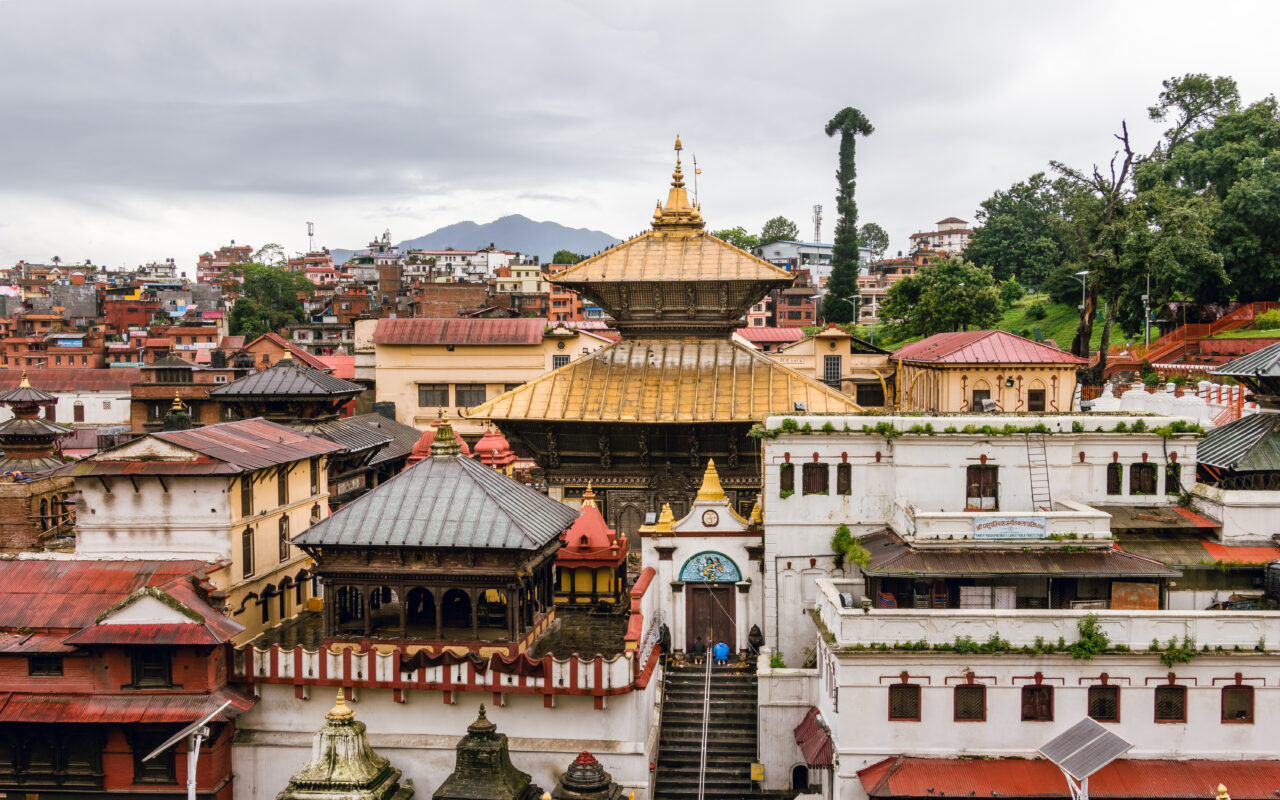
1. Pashupatinath Temple
Pashupatinath is the spiritual heart of a Kathmandu Pilgrimage Tour. Dedicated to Lord Shiva, the complex stands beside the sacred Bagmati River and is regarded by the Nepal Tourism Board as Nepal’s most revered Hindu temple. Its shrines, courtyards, and cremation ghats remain part of daily religious life.
Hindus may enter the main temple, while non-Hindu visitors can observe the principal structure and rituals from designated areas across the river. Photography and leather items are restricted in parts of the complex, so visitors should follow posted instructions and their guide’s advice. The official Pashupatinath information is worth checking before arrival because access procedures may change during major events.
Morning worship is calm, while the evening Bagmati Aarati creates a powerful atmosphere of lamps, music, and prayer. Maha Shivaratri draws immense numbers of devotees and sadhus, but an ordinary day gives travelers more space for reflection.
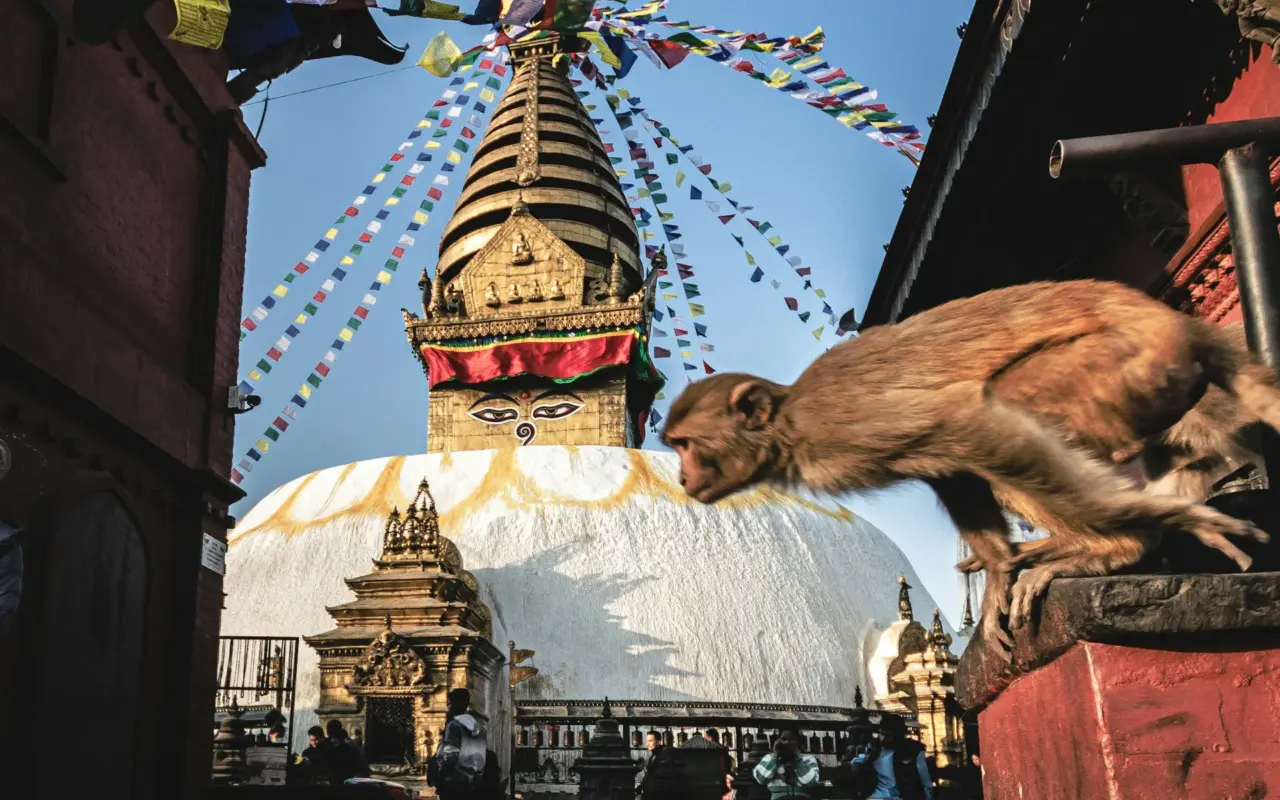
2. Swayambhunath Stupa
Set on a hill west of central Kathmandu, Swayambhunath is among Nepal’s holiest Buddhist sites. Its white dome, gilded spire, and painted Buddha eyes overlook the valley, while prayer wheels and smaller shrines surround the stupa.
Swayambhunath is especially meaningful on a Kathmandu Pilgrimage Tour because it demonstrates the valley’s religious harmony. Buddhist chaityas and monasteries share the hill with Hindu deities and the Harati temple. Devotees from different backgrounds circumambulate the stupa and light lamps and offer prayers within the same sacred landscape.
Visitors may climb the steep eastern staircase or use the vehicle road for easier access. The Nepal Tourism Board’s Swayambhunath guide describes it as one of Nepal’s oldest stupas. Early morning brings fewer visitors and the gentle sound of prayer wheels.
3. Boudhanath Stupa
Boudhanath is one of the most recognizable landmarks in Nepal and a major center of Tibetan Buddhist life. UNESCO identifies it as the country’s largest stupa. Monasteries, traditional shops, and rooftop cafés surround the enormous white dome, creating a district where devotion continues from dawn until evening.
During a Kathmandu Pilgrimage Tour, travelers join monks, residents, and pilgrims walking clockwise around the stupa. Some spin prayer wheels, recite mantras, or perform full-body prostrations. Others sit quietly and watch pigeons circle the golden spire. The experience feels active yet meditative, particularly at sunrise or after sunset when butter lamps glow around the monument.
Boudhanath should be approached as a place of worship rather than merely a photographic attraction. Walk clockwise, avoid interrupting prayers, and request permission before photographing people closely. The experience shows why Buddhist practice is essential to a Kathmandu religious tour.
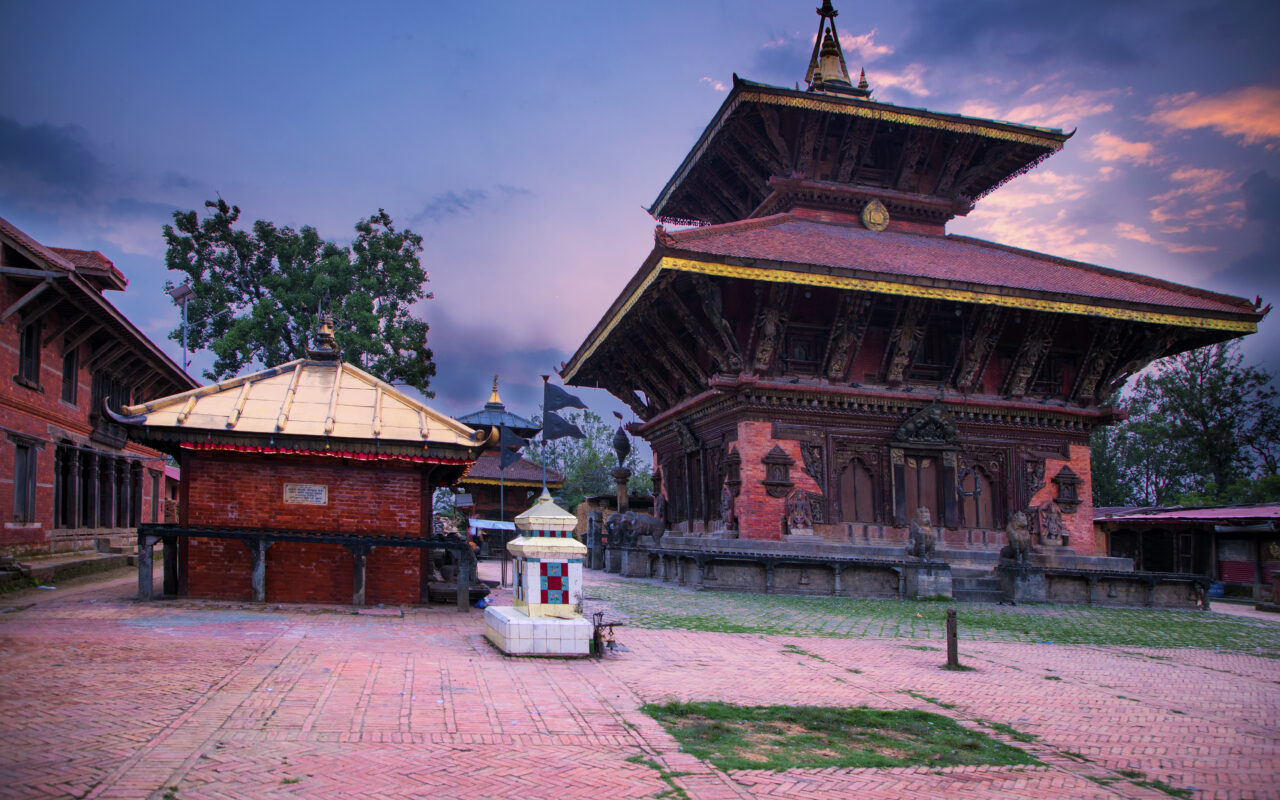
4. Changu Narayan Temple
Changu Narayan stands on a ridge east of Kathmandu and is dedicated to Lord Vishnu. The sacred complex is surrounded by a traditional settlement, courtyards, and finely carved stone, wood, and metal art. UNESCO notes that the site contains one of the earliest inscriptions in the valley, dating from the fifth century.
The temple provides a quieter contrast to central Kathmandu. On a Kathmandu Pilgrimage Tour, the drive reveals farmland, villages, and the changing edge of the valley. Visitors then walk through a small heritage street to the temple area.
Carvings depict different manifestations of Vishnu and demonstrate the skill of Newar craftspeople. A guide can identify the figures and explain their religious symbolism, making this an essential stop on a Kathmandu Temple tour.
5. Budhanilkantha Temple
Budhanilkantha, also known as Jal Narayan, is located below the forested Shivapuri hills. Its central image shows Lord Vishnu reclining on the coils of the cosmic serpent Shesha in a sunken water pool. The large stone figure, garlands, and reflective water create a distinctive setting unlike any other stop on the Kathmandu Pilgrimage Tour.
Devotees arrive with flowers, tika, and incense, especially during Haribodhini Ekadashi. Non-Hindu visitors may need to observe from outside the closest ritual area, but the image remains visible. Budhanilkantha adds the Vaishnav tradition to a journey that also explores Shiva, Shakti, and Buddhist sacred places.
6. Dakshinkali Temple
Dakshinkali is a powerful shrine dedicated to Goddess Kali, situated south of Kathmandu near a wooded river gorge. The temple attracts many devotees, particularly on Tuesdays and Saturdays. The atmosphere can be intense, with bells, offerings, and worship taking place in a compact sacred area.
This stop introduces the Shakti tradition to the Kathmandu Pilgrimage Tour. Visitors should know that animal sacrifice is part of worship on certain days and during important festivals. Travelers who may find this distressing can discuss timing or viewing options with their tour operator before departure. Being informed allows each guest to approach the site with respect rather than surprise.
The drive to Dakshinkali moves beyond the dense city into greener surroundings. A sensitive guide can explain its symbolism and customs without reducing them to spectacle.
7. Kapan Monastery
Kapan Monastery sits on a hill north of Boudhanath and offers a quiet Buddhist conclusion to the seven-site journey. Known as a center for the study and practice of Tibetan Buddhism, it attracts monks, students, and international visitors interested in meditation and Buddhist philosophy.
Kapan gives the Kathmandu Pilgrimage Tour a contemplative dimension. Depending on the schedule, visitors may walk through permitted areas or attend an available teaching. It is an active religious institution, so silence, modest dress, and respect for restricted spaces are essential. After the energy of major temples and stupas, its calm grounds encourage inward attention.
The Spiritual Character of Kathmandu Valley
One of the most memorable qualities of a Kathmandu pilgrimage tour is the natural coexistence of Hindu and Buddhist traditions. Shared artistic styles, overlapping deities, and community festivals show that belief in the valley cannot always be divided into simple categories. At Swayambhunath, Hindu and Buddhist shrines occupy the same hill. At Boudhanath, local residents, Tibetan communities, and international practitioners move together around the stupa.
The UNESCO Kathmandu Valley listing includes three historic urban centers and four major religious ensembles. Its temples, stupas, and traditional settlements represent centuries of artistic and spiritual development. A Kathmandu Pilgrimage Tour reveals this heritage through living rituals rather than museum displays alone.
Best Time for a Kathmandu Pilgrimage Tour
Kathmandu can be visited throughout the year, but autumn and spring usually offer comfortable weather. October and November often bring clearer skies and major Hindu festivals; March and April provide mild temperatures. Popular months can be busy, so early starts are worthwhile.
Winter mornings are cold, yet afternoons are often suitable for sightseeing. A winter Kathmandu Pilgrimage Tour can feel calmer than peak season. Carry warm layers because shoes must be removed at many sacred spaces.
The summer monsoon brings rain and wet roads, but temples remain active and the valley turns green. Festival dates follow lunar calendars and change yearly. Maha Shivaratri, Buddha Jayanti, Teej, Dashain, and Tihar can enrich a Kathmandu religious tour, although crowds and traffic increase.
What to Expect from Kathmandu Pilgrimage Tour Packages
Reliable Kathmandu Pilgrimage Tour Packages combine spiritual access with practical comfort. Typical arrangements may include airport transfers, accommodation, breakfast, private transport, a licensed guide, and assistance at heritage sites. Confirm exactly what is covered before paying.
Entrance fees are not always included. The Nepal Tourism Board publishes current Kathmandu Valley heritage-site fees, but prices and access rules can change. A transparent operator should state whether fees, special worship, donations, meals, and personal expenses are included or paid separately.
This clarity helps travelers budget for the Kathmandu Pilgrimage Tour confidently.
The best Kathmandu pilgrimage tour packages allow time for darshan, circumambulation, and quiet observation. They also consider walking ability, hotel preferences, and religious priorities. When comparing options, check the operator’s registration, guide experience, vehicle quality, cancellation terms, and emergency support rather than choosing by price alone.
Planning a Comfortable Kathmandu Pilgrimage Tour Itinerary
A sensible Kathmandu Pilgrimage Tour Itinerary groups sites by location. Pashupatinath and Boudhanath are close enough to visit on the same side of the city, while Budhanilkantha and Kapan Monastery fit naturally together in the north. Changu Narayan requires additional driving toward the eastern valley, and Dakshinkali lies to the south.
Trying to cover all seven sites in one day would sacrifice the reflective quality of the journey. A multi-day Kathmandu Pilgrimage Tour balances worship, interpretation, and rest while allowing for traffic and festival crowds.
Morning is often best for Hindu temples, while Boudhanath is especially atmospheric early or late in the day. Monastery visits must follow public schedules. Leave room for a local procession, a conversation with a devotee, or a quiet tea near a stupa. A strong Kathmandu Pilgrimage Tour Itinerary provides structure without removing discovery.
Temple Etiquette and Responsible Travel
Respectful behavior is central to a rewarding Kathmandu Pilgrimage Tour. Cover shoulders and knees, and wear shoes that are easy to remove. Some temples admit only Hindus to the innermost area; other visitors should observe from designated locations.
Walk clockwise around stupas and sacred structures unless local directions indicate otherwise. Do not touch statues, offerings, prayer objects, or worshippers. Ask before taking close photographs, and never photograph cremation rituals as entertainment. At Pashupatinath, photography is prohibited in restricted areas, so follow signs and guide instructions.
Carry small cash for approved entrance fees and optional offerings, but avoid displaying large amounts. Do not pressure children, monks, sadhus, or devotees to pose. A Kathmandu Temple tour becomes more meaningful when travelers pause to notice the sound, movement, and intention around them instead of rushing for photographs.
Prepare for Your Kathmandu Pilgrimage Tour
Pack modest clothing suitable for changing temperatures. Carry comfortable footwear, a scarf, sun protection, a refillable bottle, medication, and seasonal rainwear. Socks are useful because shoes must be removed at many temples.
Keep a copy of passport and visa details separate from the originals, and confirm transfers and emergency contacts. If you want a special puja, discuss it with the operator in advance.
Before beginning the Kathmandu Pilgrimage Tour, tell your guide about dietary restrictions, mobility concerns, and religious priorities. Preparation creates more time for devotion and fewer avoidable problems.
A Meaningful Journey Through Sacred Kathmandu
A Kathmandu Pilgrimage Tour reveals a capital where spirituality is woven into streets, rivers, hills, and neighborhood life. Pashupatinath expresses devotion to Shiva; Swayambhunath and Boudhanath carry centuries of Buddhist practice; Changu Narayan celebrates Vishnu through worship and art; Budhanilkantha offers a remarkable sacred image; Dakshinkali represents the power of the Goddess; and Kapan Monastery creates space for contemplation.
Together, these places offer more than a checklist. They introduce the beliefs and rituals that have shaped the valley. With considerate planning, an informed guide, and respectful behavior, a Kathmandu Pilgrimage Tour can be comfortable, educational, and deeply personal.
Whether you travel for darshan, meditation, heritage, or curiosity, Kathmandu invites you to listen as much as you look. Choose a journey that allows time for prayer, conversation, and stillness. The result will not simply be another holiday memory but a richer understanding of Nepal’s living spiritual heart.
Detail Itinerary of 3N,4D Kathmandu Pilgrimage Tour
Day 01: Arrival in Kathmandu
Our airport representative will pick you up and transfer you to the hotel. Your hotel will be in a touristic area. After checking in at the hotel, we will make a brief about your trip. Overnight at a hotel.
Highest Altitude
1300m. (Kathmandu)
Accommodation
HotelDay 02: Kathmandu city sightseeing.
After enjoying your breakfast, we shall take you to a major sightseeing place in Kathmandu. In your tour you will get historical temple, mountains and monastery, places UNESCO world heritage site like pashupatinath, Gujeshori (Shakti peeths), Budhanilkhantha (Jal Narayan) and Swayambhunath. After being guided to those places, you will be back at the hotel. Overnight at a hotel.
Highest Altitude
1300m. (Kathmandu)
Accommodation
HotelDay 03: Visit Dakshinkali Temple and Chandragiri Hill
After breakfast, visit Dakshinkali Temple, located 22 km from Kathmandu and dedicated to Goddess Kali. Continue to Chandragiri and take a 16-minute cable-car ride to Chandragiri Hill (2,551 m). Enjoy panoramic Himalayan views and visit Bhaleshwor Mahadev Temple before returning to the hotel. Overnight at the hotel.
Highest Altitude
2551m. (Chandragiri)
Accommodation
HotelDay 04: Final Departure to international airport.
After breakfast, our guide will make your final departure to Tribhuvan International Airport for your home country or connect to the next destination.
Highest Altitude
1300m. (Kathmandu)
Accommodation
Hotel
- The itinerary may change due to traffic, weather or local conditions.
- Temple visits depend on opening hours and religious ceremonies.
- The order of destinations may change without affecting the overall experience.
- Inner access at certain temples is limited to Hindu visitors.
- Photography may be prohibited inside some sacred sites.
- Special puja, offerings and donations may cost extra.
Includes and Excludes
What is included?
- Pick up and drop at an international airport.
- An experienced government licensed holder cultural tour guide
- 3 nights of hotel accommodation in Kathmandu
- All meals: breakfast, lunch, and dinner
- All grounded transportation as per itinerary by private vehicle.
- Chandragiri cable car ticket
What is excluded?
- Personal expenses
- Extra night accommodation
- Any international flights
- Tips to guide the driver
Trip Reviews
Price starts
US$ 200
Need Help?
Ask to Travel Expert