
- Mt. Kailash Tour
- Kailash Mansarovar Overland Tour
- Kailash Mansarovar Yatra by Helicopter – Complete Spiritual Journey Guide
- Kailash Yatra via Lucknow
- Kailash Mansarovar Tour via Lhasa
- Kailash Lhasa EBC Tour From Beijing
- Kailash Heli Tour via Kerung: Complete Spiritual Journey Guide
- Kailash Tour via Lhasa In Kerung Out
- Lhasa EBC Kailash Tour
- Kailash Heli Tour
- Kailash Mansarovar Yatra from Nepal 2027: Cost & Itinerary
- Kailash Nandi Kora
- Kailash Tour via Humla Simikot – 20 Days
- Mount Kailash Tour: 7 Amazing Experiences in 2027
- Trekking
-
-
- Everest Region
- Luxury Everest Base Camp Trek: 7 Unforgettable Highlights
- Everest Base Camp Trek 2026: Cost, Route, and Complete Guide
- Everest Three Passes Trek 2027: Cost, Route & Itinerary
- Everest Base Camp Short Trek
- Everest Panorama Trek: Amazing 10-Day Cost & Itinerary
- Everest Base Camp Island Peak Trek: Complete 19-Day Guide
- Gokyo Valley Trekking 2027: Easy Guide to Cost & Itinerary
- Mera Peak Climbing 2027: Complete Cost & Itinerary Guide
- Rolwaling Valley Trek: 23-Day Itinerary, Cost, Permits & Difficulty
- Dolpo Region Trek
- Everest Region
-
- Annapurna Region
- Annapurna Base Camp Trekking
- Annapurna Circuit Trek
- Annapurna Base Camp Trek: 7 Amazing Cost & Route Tips
- Mardi Himal Trek: 7 Amazing Highlights & Complete Guide
- Annapurna Alternative Combine Trek: 18 Amazing Days
- Mohare Dada Trek
- Ghorepani Poon Hill Trek: 7 Unforgettable Highlights
- Khopra Ridge Community Trek: 13-Day Ultimate Adventure
- Damodar Kunda Trek: 10-Day Ultimate Sacred Adventure
- Upper Mustang Trek: 10 Amazing Sights : Ultimate Guide
- Jomsom Muktinath Trek: Amazing 12-Day Ultimate Guide
- Ghale Gaun Trek: 7 Amazing Reasons : Ultimate Guide
- Dhampus Sarangkot Trek: 7 Incredible Experiences
- Dhaulagiri Region
- Annapurna Region
-
-
- Tours
-
-
- Day Tours
- Rickshaw–a three-wheeler Tour
- Pharping Dakshinkali Day Tour: 7 Amazing Highlights
- Historical Tour: 7 Amazing Places to Explore
- Kathmandu Temple Tour: 7 Amazing Spiritual Places
- Nagarkot Tour
- Bhaktapur City Tour: 7 Amazing Places to Explore
- Kathmandu City Tour – Complete Heritage & Cultural Experience in Nepal
- Chandragiri Hill: A Scenic Himalayan Escape Near Kathmandu
- Chitlang Hiking
- Shivapuri to Sundarijal Day Hiking
- Kulekhani Dam Day Tour — Complete Travel Guide
- Day Tours
-
- Package Tours
- Mustang Tour on Jeep
- Nepal Tour Package for Nepali: 12 Amazing Destinations to Explore (2026)
- Muktinath Tour: Complete Guide to Nepal’s Sacred Himalayan Pilgrimage
- 3N,4D Kathmandu Pilgrimage Tour
- Nepal Buddhist Pilgrimage Tour: 7 Sacred Sites Not to Miss
- 6D Nepal Pilgrimage Tour: 7 Amazing Sacred Places
- 7 Nights, 8 Days Nepal Tour
- Districts tour of Nepal
- Janakpur Tour Package: Price, Family Tour & Travel Guide from Kathmandu 2026
- Short Hike in Nepal: 7 Best Easy Treks for Beginners
- Package Tours
-
-
- Outbound
-
- Activities
- Climbing
- Bungee Jumping in Nepal
- Heli Skiing Adventure in the Himalayas
- Canoeing in Nepal
- Mountain Flight in Nepal
- Zip Flyer in Pokhara: The Ultimate Adventure Experience
- Paragliding in Pokhara: 7 Amazing Reasons to Experience Nepal’s Best Adventure
- Kathmandu Cycling Tour: 9 Amazing Adventures
- Rafting
- Rock Climbing
- Company
- Travel Info
- Travel Insurance
- Recommended Medical Kit
- Nepal Visa Information
- Flight delays and cancellation in Nepal
- Electricity in Nepal: Rates, Bill Check, Calculator and NEA Services
- Trekking Equipment Checklist: 40 Essential Items
- Best Kailash season in Tibet
- Best Trekking season in Nepal
- Trekking in Nepal 2027: 15 Best Himalayan Adventures
- Blogs
- Contact


WhatsApp
+977-9851035239

Email Us
[email protected]
7 Amazing Kathmandu Valley and Bardia National Park Tour Experiences


Trip Duration
8 Days
Trip Difficulty
Easy
Activity
tour, sightseeing
Destination
Nepal
Group Size
2-15 Pax
Accommodation
3-4-star hotel in Kathmandu, Normal hotel during tourHighlights of 7 Amazing Kathmandu Valley and Bardia National Park Tour Experiences
- Explore the UNESCO-listed heritage sites of Kathmandu Valley
- Visit Kathmandu, Patan, and Bhaktapur Durbar Squares
- Discover the sacred Swayambhunath and Boudhanath stupas
- Experience the spiritual atmosphere of Pashupatinath Temple
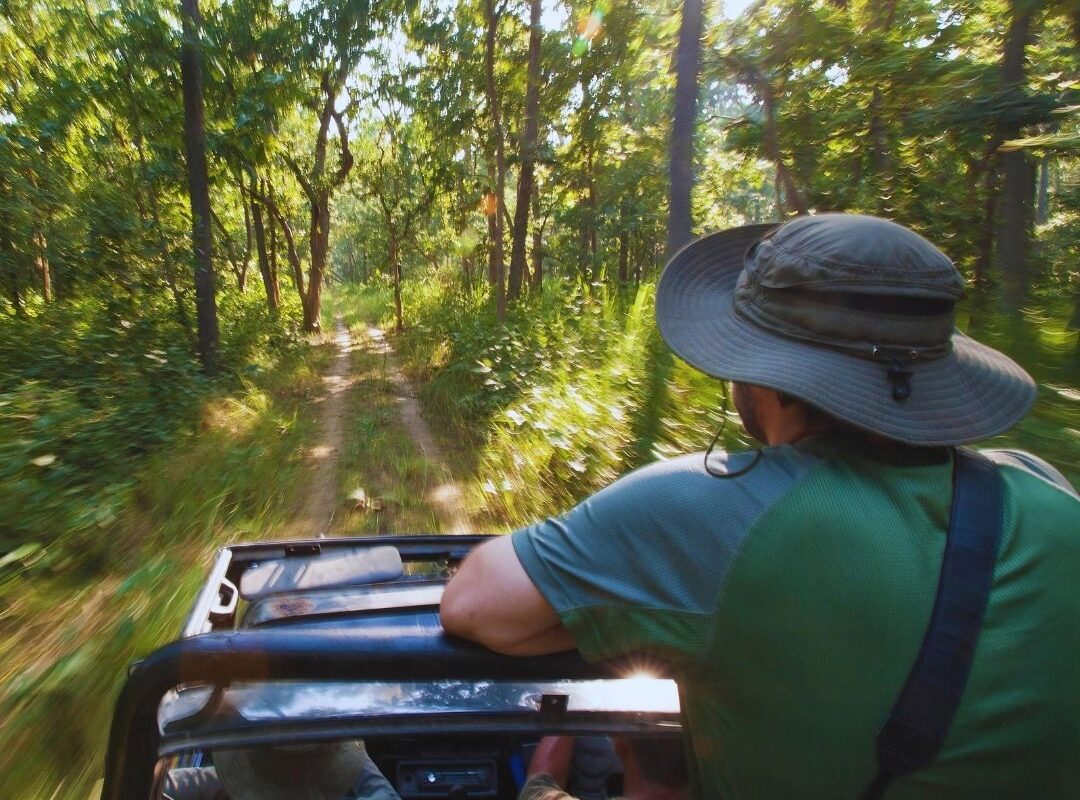
- Enjoy an exciting jeep safari inside Bardia National Park
- Join a guided jungle walk with an experienced naturalist
- Search for Bengal tigers and greater one-horned rhinoceroses
- Observe wild elephants, deer, crocodiles, and diverse birdlife
- Explore the beautiful forests, grasslands, and river habitats of Bardia
- Experience the traditional lifestyle and culture of the Tharu community
- Enjoy comfortable hotels and peaceful jungle-resort accommodation
- Combine Nepal’s cultural heritage and wildlife adventure in eight days
Price starts
US$ 350
We offer group discounts
-
1 -
4 person
US$ 400
-
5 -
10 person
US$ 350
-
11 over
9999
US$ 300
Total Cost:
US$ 400

Need Help?
Ask to Travel Expert
Trip Overview of 7 Amazing Kathmandu Valley and Bardia National Park Tour Experiences
The Kathmandu Valley and Bardia National Park Tour combines two completely different sides of Nepal in one rewarding eight-day journey. It begins among the ancient temples, royal courtyards, and sacred monuments of Kathmandu before continuing into the forests and grasslands of western Nepal.
This thoughtfully designed journey is ideal for travellers who want more than a standard city holiday or wildlife safari. The Kathmandu Valley and Bardia National Park Tour connects Nepal’s cultural heritage with its untamed natural beauty, allowing visitors to explore historic cities, observe traditional lifestyles, and search for rare wildlife.
Kathmandu introduces you to Nepal’s spiritual and architectural legacy, while Bardia offers peaceful forests, river habitats, and exciting jungle activities. Together, these destinations create a balanced holiday filled with history, culture, nature, and adventure.
The Kathmandu Valley and Bardia National Park Tour is particularly suitable for families, couples, photographers, wildlife enthusiasts, and first-time visitors. With comfortable accommodation, guided sightseeing, and professionally managed activities, the tour offers an accessible way to experience two of Nepal’s most fascinating regions.
Why Choose the Kathmandu Valley and Bardia National Park Tour?
Many Nepal holidays focus entirely on mountain trekking, but Nepal offers much more than high-altitude trails. The Kathmandu Valley and Bardia National Park Tour is designed for travelers who want to understand the country through its people, monuments, religious traditions, and wildlife.
Kathmandu Valley contains an extraordinary concentration of temples, stupas, palaces, courtyards, and traditional settlements. Bardia, by contrast, provides wide natural spaces where forests, grasslands, and rivers support an impressive variety of wildlife.
The Kathmandu Valley and Bardia National Park Tour creates a smooth transition from the lively capital to the quiet western Terai. One day may be spent exploring a centuries-old palace square, while another may involve following animal tracks through the jungle with a trained nature guide.
This contrast is the tour’s greatest strength. Travellers experience Nepal’s artistic past, living traditions, and conservation landscapes without undertaking a demanding trek.
Kathmandu Valley: Nepal’s Cultural Heart
Kathmandu Valley has been an important center of trade, religion, craftsmanship, and political life for centuries. The valley contains three historic cities—Kathmandu, Patan, and Bhaktapur—each with a distinctive character.
The Kathmandu Valley World Heritage property consists of seven monument zones: the Durbar Squares of Kathmandu, Patan, and Bhaktapur; the Buddhist sites of Swayambhu and Boudhanath; and the Hindu sites of Pashupatinath and Changu Narayan.
During the Kathmandu Valley and Bardia National Park Tour, visitors can explore several of these remarkable places with a knowledgeable cultural guide. The experience is not limited to looking at old buildings. You will also encounter active shrines, traditional markets, artisans, pilgrims, and neighborhoods where religious practices remain part of everyday life.
Kathmandu Durbar Square
Kathmandu Durbar Square is one of the capital’s most important historic areas. Its courtyards, temples, and former royal buildings reveal the artistic and political history of the city.
Walking through the square allows travelers to notice details that are easily missed from a vehicle. Carved wooden windows, guardian statues, brick courtyards, and traditional rooflines demonstrate the skill of generations of Newar craftspeople.
A guided visit during the Kathmandu Valley and Bardia National Park Tour provides useful context about the monuments, royal history, and local traditions. The surrounding streets also offer an energetic introduction to Kathmandu through markets, small shrines, and local businesses.
Swayambhunath Stupa
Swayambhunath stands on a hill overlooking Kathmandu. Often called the Monkey Temple, the site is respected by both Buddhist and Hindu communities.
Prayer wheels, shrines, fluttering prayer flags, and the white dome of the stupa create a deeply spiritual atmosphere. The hilltop also provides extensive views across Kathmandu Valley when visibility is clear.
Swayambhunath adds an important religious dimension to the Kathmandu Valley and Bardia National Park Tour. Visitors should walk clockwise around the stupa, dress respectfully, and avoid disturbing worshippers.
Boudhanath Stupa
Boudhanath is one of Nepal’s most significant Buddhist pilgrimage destinations. The large white stupa is surrounded by monasteries, prayer-wheel corridors, shops, and rooftop cafés.
Pilgrims and visitors walk clockwise around the monument while monks, local residents, and travelers gather in the surrounding area. Early morning and late afternoon are especially atmospheric.
A visit to Boudhanath allows the Kathmandu Valley and Bardia National Park Tour to present Nepal’s living Buddhist culture rather than treating religious monuments only as sightseeing attractions.
Pashupatinath Temple
Pashupatinath is among the most sacred Hindu temple complexes in Nepal. Located beside the Bagmati River, it is a major destination for devotees of Lord Shiva.
Only Hindus may enter the main temple, but other visitors can observe the broader complex from permitted areas. Temples, shrines, ritual spaces, and cremation ghats make this a culturally sensitive location.
Your guide will explain appropriate behavior during the visit. Photography should be handled carefully, especially near funeral ceremonies. The Kathmandu Valley and Bardia National Park Tour encourages respectful cultural observation at every religious site.
Patan Durbar Square
Patan, also known as Lalitpur, is celebrated for metalwork, stone sculpture, traditional architecture, and Buddhist heritage. Its Durbar Square contains temples, palace courtyards, and museums within a compact, pedestrian-friendly area.
The surrounding lanes reveal workshops, courtyards, and traditional homes. Patan therefore offers both monumental architecture and an opportunity to observe living craftsmanship.
Including Patan in the Kathmandu Valley and Bardia National Park Tour adds depth to the cultural experience. It demonstrates how historic skills and artistic traditions remain connected to modern community life.
Bhaktapur Durbar Square
Bhaktapur has preserved much of its traditional urban character. Brick streets, temple squares, pottery areas, and carved wooden façades create an atmosphere different from central Kathmandu.
Highlights may include Bhaktapur Durbar Square, Taumadhi Square, Nyatapola Temple, Dattatreya Square, and Pottery Square. Visitors may also taste local specialties such as juju dhau, a rich yoghurt traditionally associated with Bhaktapur.
The Kathmandu Valley and Bardia National Park Tour uses guided exploration to connect Bhaktapur’s monuments with the daily lives of local residents. This makes the visit more meaningful than a quick photographic stop.
Bardia National Park: Nepal’s Wild Western Frontier
After exploring Kathmandu, the journey continues toward Bardia National Park in western Nepal. Bardia is known for its quieter atmosphere, large wilderness areas, and rewarding wildlife experiences.
Compared with Nepal’s more heavily visited destinations, Bardia often feels remote and unhurried. Sal forests, riverine woodland, grasslands, and waterways form habitats for a wide range of animals and birds.
The Kathmandu Valley and Bardia National Park Tour gives travelers enough time to settle into this natural environment. Wildlife activities are conducted with experienced guides who understand animal behavior, park regulations, and safe viewing practices.
The Nepal Tourism Board’s Bardia information is useful for understanding the destination, while current park regulations and conservation notices should be confirmed through Nepal’s Department of National Parks and Wildlife Conservation before travelling.
Wildlife You May Encounter in Bardia
Bardia is one of Nepal’s leading wildlife destinations. It supports Bengal tigers, greater one-horned rhinoceroses, wild elephants, leopards, deer, monkeys, crocodiles, and numerous bird species.
However, Bardia is a genuine wilderness rather than a zoo. Animal sightings can never be guaranteed. Weather, water availability, season, vegetation, time of day, and simple luck influence every safari.
This unpredictability makes the Kathmandu Valley and Bardia National Park Tour exciting. A fresh footprint, alarm call, or movement in tall grass may become one of the most memorable moments of the journey.
Bengal Tigers
The Bengal tiger is one of Bardia’s most sought-after animals. Spotting one requires patience, silence, and the guidance of experienced naturalists.
Even when a tiger is not seen directly, travellers may find tracks, scratch marks, or other signs of its presence. Guides interpret these clues and explain how tigers use their territory.
The possibility of observing a tiger in its natural habitat gives the Kathmandu Valley and Bardia National Park Tour a powerful sense of adventure. Responsible operators never chase, feed, or disturb wildlife to create sightings.
Greater One-Horned Rhinoceroses
Greater one-horned rhinoceroses may be found in suitable grassland, forest, and wetland habitats. Their large size makes them impressive, but visitors must always maintain a safe distance.
A trained guide understands how to respond if a rhino is nearby. Travellers should remain quiet, avoid sudden movement, and follow instructions immediately.
Seeing a rhinoceros can become a defining memory of the Kathmandu Valley and Bardia National Park Tour, but guest safety and animal welfare must remain the priority.
Wild Elephants and Other Mammals
Wild elephants occasionally move through the Bardia landscape. They are magnificent but potentially dangerous animals, and sightings must be managed with great care.
Other mammals may include spotted deer, hog deer, sambar deer, wild boar, langurs, rhesus macaques, jackals, and otters. Smaller animals often become fascinating subjects once guides begin explaining their behavior and ecological roles.
The Kathmandu Valley and Bardia National Park Tour values the whole ecosystem instead of focusing only on famous species.
Crocodiles and River Wildlife
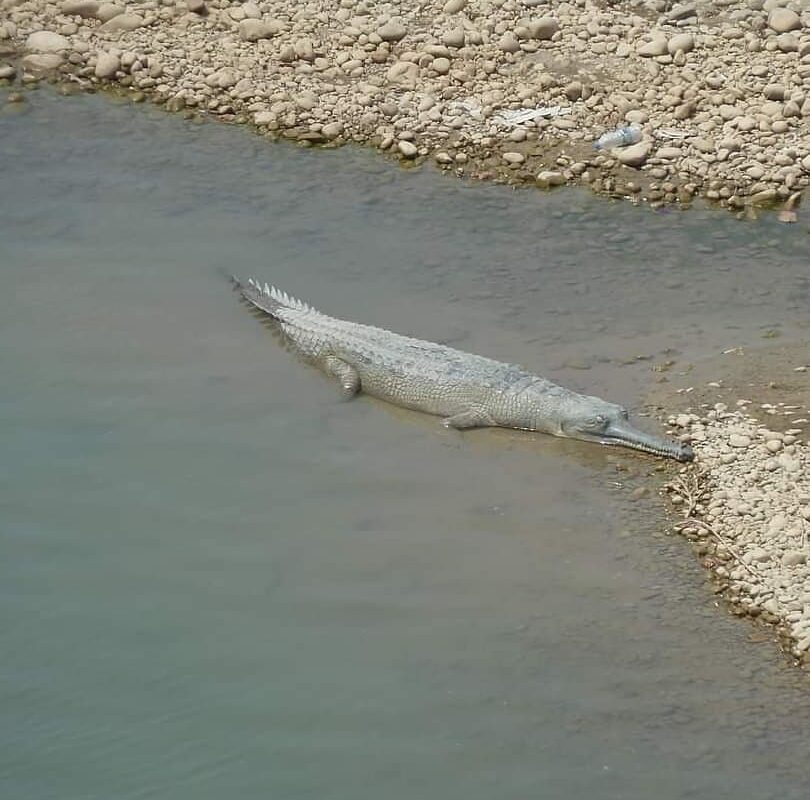
The Karnali River system and associated waterways support aquatic wildlife, including crocodiles and various fish species. Depending on the route and conditions, visitors may have opportunities to observe gharials or mugger crocodiles.
Some areas are also associated with freshwater dolphins, although sightings are uncommon and never assured. River activities depend on water levels, weather, and local regulations.
These habitats add variety to the Kathmandu Valley and Bardia National Park Tour and demonstrate how forests, grasslands, and river systems work together.
Birdwatching in Bardia
Bardia is an excellent destination for birdwatching. Forest edges, grasslands, wetlands, and rivers attract many resident and migratory species.
Hornbills, kingfishers, bee-eaters, eagles, owls, woodpeckers, and waterbirds may be observed depending on the season. Early mornings are particularly rewarding because birds are active and temperatures are comfortable.
Birdwatching gives every traveler something to enjoy, even when larger mammals remain hidden. Carrying binoculars can significantly improve the Kathmandu Valley and Bardia National Park Tour experience.
Jungle Activities During the Tour
Wildlife exploration in Bardia may involve several activities. Their availability depends on weather, park rules, season, and the selected package.
Guided Jungle Walk
A guided jungle walk provides an intimate view of the forest. Travelling on foot allows visitors to notice tracks, plants, insects, bird calls, and subtle signs of animal activity.
Walking safaris must be led by qualified guides. Guests should wear neutral-colored clothing, sturdy closed shoes, and long trousers. Strong perfumes and bright garments should be avoided.
A jungle walk makes the Kathmandu Valley and Bardia National Park Tour more immersive, but every participant must follow the guide’s instructions without delay.
Jeep Safari
A jeep safari allows travelers to cover a larger area and explore different habitats within a limited time. It may be particularly suitable for families, senior travellers, and visitors who prefer not to walk for extended periods.
The vehicle provides an elevated viewing position and space for cameras or binoculars. Nevertheless, travellers must remain quiet and avoid blocking trails or disturbing animals.
A professionally operated safari adds comfort and range to the Kathmandu Valley and Bardia National Park Tour.
River and Nature Excursions
River-based excursions may be available when conditions are suitable. These activities can provide opportunities to observe crocodiles, waterbirds, and riverside landscapes.
Safety equipment and instructions should be provided before departure. Activities may be modified or cancelled when water levels or weather conditions are unsuitable.
Flexibility is essential throughout the Kathmandu Valley and Bardia National Park Tour because nature determines what is possible.
Tharu Culture Near Bardia
The communities surrounding Bardia contribute greatly to the region’s identity. Tharu people have lived in Nepal’s Terai for generations and maintain distinctive traditions, architecture, agricultural practices, food, and celebrations.
A responsible village visit should create respectful interaction rather than turning local life into a performance. Travellers can learn about traditional houses, farming, clothing, music, and community relationships with the surrounding environment.
Some tour programs include a Tharu cultural presentation in the evening. When organized responsibly, this can support local performers and help preserve cultural traditions.
The Kathmandu Valley and Bardia National Park Tour therefore includes two very different cultural environments: the urban Newar heritage of Kathmandu Valley and the Tharu traditions of the western Terai.
Seven Amazing Experiences on the Tour
Explore UNESCO World Heritage Sites.
The first major experience is exploring Kathmandu Valley’s monument zones. Ancient squares, temples, and stupas introduce Nepal’s artistic, religious, and architectural traditions.
This cultural foundation gives meaning to the Kathmandu Valley and Bardia National Park Tour before the journey enters Nepal’s wilderness.
Walk Through Historic Newar Settlements
Kathmandu, Patan, and Bhaktapur are living cities rather than abandoned historic sites. Their courtyards, shrines, workshops, and markets reveal how heritage remains part of daily life.
Walking through these neighborhoods allows travelers to observe details that cannot be appreciated from a vehicle.
Experience a Peaceful Western Nepal Journey
Travelling from Kathmandu to Bardia reveals Nepal’s changing landscapes. Hills gradually give way to the warmer plains of the Terai.
The transition strengthens the sense of adventure and shows why the Kathmandu Valley and Bardia National Park Tour is more diverse than a single-destination holiday.
Search for Wildlife With Naturalist Guides
Tracking animals requires attention and patience. Guides listen for alarm calls, examine footprints, and study movement around water sources and forest edges.
Their knowledge makes the wildlife component safer, more educational, and more rewarding.
Discover Bardia’s Rivers and Forests.
Bardia’s natural beauty extends beyond its famous mammals. Rivers, grasslands, and sal forests create peaceful landscapes that are valuable in their own right.
Slow observation often produces the most meaningful moments of the Kathmandu Valley and Bardia National Park Tour.
Learn About Tharu Culture
Meeting local community members allows visitors to understand how people have adapted to the Terai environment. Traditional architecture, food, and cultural performances provide insight into regional life.
These encounters should always be approached with curiosity, permission, and respect.
Enjoy Culture and Nature in One Holiday
The most important experience is the combination itself. Few Nepal itineraries move so smoothly from sacred heritage sites to remote wildlife habitats.
The Kathmandu Valley and Bardia National Park Tour is therefore suitable for travellers who want a complete introduction to Nepal without committing to a strenuous mountain trek.
Best Time for the Kathmandu Valley and Bardia National Park Tour
The best travel period depends on your priorities. Autumn, winter, and spring generally offer the most comfortable conditions, but each season has its own character.
Autumn: October to November
Autumn usually brings clearer skies, comfortable temperatures, and good sightseeing conditions. Kathmandu’s heritage sites are enjoyable to explore, while Bardia becomes increasingly suitable for jungle activities after the monsoon.
This is a popular period, so advance reservations are recommended.
Winter: December to February
Winter mornings and evenings can be cold in Kathmandu, but daytime sightseeing is often pleasant. Bardia is generally warmer than the capital, although early safari departures may still feel chilly.
Layered clothing is useful during a winter Kathmandu Valley and Bardia National Park tour.
Spring: March to April
Spring brings warmer temperatures, colorful vegetation, and active birdlife. The season is well suited to both cultural sightseeing and wildlife activities.
As temperatures rise, lightweight clothing, sun protection, and good hydration become increasingly important.
Monsoon and Hotter Months
Heavy rain may affect roads, trails, and wildlife activities during the monsoon. Hot pre-monsoon periods can also make midday activities uncomfortable.
The Kathmandu Valley and Bardia National Park Tour can still operate at different times of year, but itinerary flexibility becomes especially important outside the main seasons. Check the Department of Hydrology and Meteorology for current weather information before departure.
Kathmandu Valley and Bardia National Park Tour Difficulty
This is an easy-to-moderate cultural and wildlife holiday. It does not involve high-altitude trekking or technical climbing.
However, participants may spend several hours walking through heritage areas, travelling by road, and taking part in outdoor jungle activities. Some paths can be uneven, dusty, muddy, or slippery.
Travellers should be comfortable walking at a relaxed pace and getting into or out of safari vehicles. Anyone with mobility limitations should discuss requirements before booking so that the Kathmandu Valley and Bardia National Park Tour can be adjusted appropriately.
Accommodation During the Tour
Accommodation in Kathmandu generally consists of a comfortable hotel with access to restaurants, shops, and major attractions. In Bardia, guests usually stay at a jungle lodge or resort near the national park.
Rooms and facilities vary according to the selected package. Travellers should confirm whether air conditioning, private bathrooms, hot showers, Wi-Fi, and backup electricity are available.
The best accommodation is not always the most luxurious. A well-managed lodge with trained guides, responsible environmental practices, and strong community connections can greatly improve the Kathmandu Valley and Bardia National Park Tour.
Food and Drinking Water
Kathmandu offers Nepali, Newari, Indian, Tibetan, and international cuisine. Bardia lodges commonly serve Nepali meals alongside simple continental or regional dishes.
Dal bhat is a practical choice because it combines rice, lentils, vegetables, and seasonal side dishes. Travellers may also try momo, thukpa, curries, and local Tharu food when responsibly prepared.
Drink purified, filtered, or sealed bottled water. Avoid untreated tap or river water. Reusable bottles with reliable purification systems can reduce plastic waste during the Kathmandu Valley and Bardia National Park Tour.
What to Pack
Pack light, practical clothing suitable for cultural visits, road travel, and jungle activities.
Recommended items include:
- Lightweight, breathable clothing
- Long-sleeved shirts and long trousers
- Comfortable walking shoes
- Light jacket or fleece
- Rain jacket
- Sun hat and sunglasses
- Sunscreen and lip balm
- Insect repellent
- Reusable water bottle
- Binoculars
- Camera and spare batteries
- Small daypack
- Personal medication
- Basic first-aid supplies
- Passport and travel documents
- Power bank
- Neutral-colored clothes for jungle activities
Avoid camouflage-pattern clothing because it may create confusion with official uniforms. Bright colors are also less suitable for wildlife observation.
Safety and Responsible Wildlife Viewing
Safety depends on following professional instructions. Wild animals are unpredictable, and even apparently calm animals may react when approached.
Never leave a vehicle without permission, walk away from the group, feed wildlife, or make loud noises to attract an animal. Keep a safe distance and allow the guide to determine when it is appropriate to move.
The Kathmandu Valley and Bardia National Park Tour should never promise guaranteed tiger, rhino, or elephant sightings. Ethical wildlife tourism respects natural behavior and accepts that animals may remain hidden.
Travel insurance should cover medical treatment, trip interruption, and emergency transportation. Guests should also inform the operator about allergies, mobility concerns, or medical conditions before departure.
Responsible Cultural Travel
Respect is equally important at cultural sites. Dress modestly, remove shoes where required, and walk clockwise around Buddhist stupas and prayer structures.
Ask permission before photographing people, monks, ceremonies, or private homes. Avoid interrupting worship or touching sacred objects.
Purchasing locally produced crafts, eating at local restaurants, and using trained local guides can help tourism revenue reach communities. These practices make the Kathmandu Valley and Bardia National Park Tour more beneficial to hosts as well as visitors.
Who Should Book This Tour?
The Kathmandu Valley and Bardia National Park Tour is suitable for:
- First-time visitors to Nepal
- Families seeking an educational holiday
- Couples wanting culture and nature
- Wildlife and birdwatching enthusiasts
- Photographers
- Senior travellers with reasonable mobility
- Travellers who prefer not to trek at high altitude
- Small private groups
- Students and cultural researchers
- Visitors seeking a quieter national park experience
The tour can be customized for different interests. Photographers may request longer wildlife sessions, while families may prefer shorter activities and additional rest periods.
Why an Eight-Day Tour Works Well
Eight days allow enough time to experience Kathmandu’s important cultural sites, travel to western Nepal, and participate in several wildlife activities without making the program unnecessarily long.
The schedule can include arrival and departure support, guided heritage sightseeing, transfers, and multiple days around Bardia. It also provides some flexibility for weather, road conditions, and wildlife activity.
Because you already have a detailed itinerary, it should be published separately beneath the main blog. This keeps the main content informative while allowing readers to review the exact daily program before booking the Kathmandu Valley and Bardia National Park Tour.
Planning and Booking Tips
Before confirming the tour, check what is included in the package. Ask whether the quoted price covers airport transfers, domestic transport, accommodation, meals, guides, park entry permits, heritage entrance fees, and jungle activities.
Also confirm the cancellation policy, luggage allowance, room category, and transportation type. Park and monument fees may change, so travelers should check the latest Nepal Tourism Board travel information or request an updated quotation from the tour operator.
Book earlier during autumn and spring, particularly when domestic flights or specific jungle lodges are required. Share passport information, dietary preferences, and medical details accurately.
Why Choose a Guided Tour?
A guided program reduces logistical difficulty and adds meaning to each destination. Cultural guides explain the history and symbolism of Kathmandu’s monuments, while nature guides interpret tracks, calls, vegetation, and animal behavior in Bardia.
Transportation, accommodation, and permits can also be coordinated in advance. This leaves travelers free to concentrate on the experience.
A professionally organized Kathmandu Valley and Bardia National Park Tour provides valuable support when weather, road conditions, or wildlife regulations require changes.
Conclusion
The Kathmandu Valley and Bardia National Park Tour presents Nepal as a country of remarkable variety. Ancient palace squares, Buddhist stupas, and Hindu temples reveal centuries of cultural achievement, while the forests and rivers of Bardia protect some of South Asia’s most impressive wildlife.
This is not simply a sightseeing holiday. It is an opportunity to understand how history, religion, communities, and conservation shape modern Nepal.
From walking through Bhaktapur’s brick-paved squares to listening for wildlife in the forests of Bardia, every stage offers a new atmosphere. The eight-day duration provides a practical balance between exploration and comfort.
For travellers searching for heritage, wildlife, and authentic local experiences in a single journey, the Kathmandu Valley and Bardia National Park Tour is an exceptional choice. It offers the energy of Nepal’s historic capital, the peaceful character of the western Terai, and the excitement of entering a genuine wildlife habitat.
Choose the Kathmandu Valley and Bardia National Park Tour for a meaningful Nepal holiday where ancient culture meets untamed nature.
Detail Itinerary of 7 Amazing Kathmandu Valley and Bardia National Park Tour Experiences
Day 01: Pickup from Airport –Hotel
Welcome to the city of temples, Kathmandu, from where your adventure land of mountains, Nepal, comes to be to start. After clearing through immigration and customs at the airport, you will be received by our pleasant staff and moved to our guesthouse in the vibrant city, Thamel. Hovering around that territory, you can explore distinctive shops in each footstep to fulfill your needs. The remaining afternoon is yours. Check in at the hotel.

Highest Altitude
1300m. (kathmandu)
Accommodation
HotelDay 02: Sightseeing of Kathmandu Durbar Square and Lalitpur Square including Pashupatinath, Swayambhunath(Monkey Temple) and Boudhanath
Begin the day with a hotel pickup and visit Swayambhunath, also known as the Monkey Temple. Continue to Boudhanath Stupa and the sacred Pashupatinath Temple beside the Bagmati River. Later, explore Patan Durbar Square, including Krishna Mandir, Bhimsen Temple, and its historic palace courtyards. Return to the hotel after sightseeing.
Highest Altitude
1300m. (Kathmandu)
Accommodation
HotelDay 03: Kathmandu to Bhaktapur Durbar Square, Changu Narayan (1500m.) and then to Nagarkot (2175m.)
After breakfast, drive to Bhaktapur Durbar Square and explore its historic attractions, including the 55-Window Palace, Golden Gate, and Nyatapola Temple. Continue to Changu Narayan Temple before travelling to Nagarkot. Enjoy beautiful sunset and Himalayan views, followed by an overnight stay in Nagarkot.
Highest Altitude
2175m. (Nagarokot)
Accommodation
HotelDay 04: Fly to Nepalgunj, drive to Bardia National Park (300m/1000ft): 1 hour flight; 90km, 2 hours drive
In the dawn we can foretaste sunrise outlooks amidst the Himalayas. After breakfast we will drive to Tribhuvan International Airport located in Kathmandu to have a flight to Nepalgunj located in the western Development Region. Upon your arrival at Nepalgunj airport, our company representative will address you. This national park is 90 km (2 hours drive) away from Nepalgunj. We will check in at our resort. After refreshment we will go towards visiting local inhabitants of Tharu village. We will visit the Bardia National Park visitor center and its crocodile farm. Overnight stay in Bardia National Park.
Accommodation
HotelDay 05: Bardia National Park: jungle safari, cultural exposure
Post breakfast we will enter on a real journey aided by a nature guide and a porter. The dense forest of Bardia is home to many wild faunas, such as Bengal tigers, leopards, spotted deer, swamp deer, hog deer, and so on. On the way we can find towers where we can wait for gullible wildlife creatures to pass across us. Our professional nature guide will help us to discover wildlife on the way. Overnight stay in Bardia National Park. After dinner we will witness traditional Tharu dance.
Day 06: Bardia National Park: float safari, bird-watching, cultural dance program
After breakfast, drive to Chisapani near the Karnali River for a guided wildlife float safari. Enjoy river landscapes while searching for crocodiles, dolphins, and colorful resident and migratory birds. In the evening, experience a traditional Tharu cultural program before dinner and an overnight stay near Bardia National Park.
Day 07: Elephant-back Safari, and fly to Kathmandu
Post breakfast, we will return back to the Elephant safari, which is so astonishing because elephants help to protect us from the danger that could be encountered on the way due to wildlife. An elephant is being ridden by a mammoth friend, so we do not need to worry. Generally, elephants head towards the northwest, so we can have a glance at birds, deer, rhinos, monkeys, and so on. The company representative of Leaf Holidays will pick us up from the airport and transfer us to our hotel. Overnight stay in Kathmandu.
Highest Altitude
1300m. (Kathmandu)
Accommodation
HotelDay 08: Final Departure Day
After breakfast, our Tibet guide will make you transfer to the airport for a flight to Kathmandu or the next destination.
Highest Altitude
1300m. (Kathmandu)
Accommodation
Hotel
- The itinerary may change due to weather, road conditions, flight schedules, or park regulations.
- Wildlife sightings depend on natural conditions and cannot be guaranteed.
- Follow the nature guide’s instructions during jungle walks, safaris, and river activities.
- Wear comfortable walking shoes and neutral-colored clothing in Bardia.
- Carry sunscreen, insect repellent, a hat, and a reusable water bottle.
- Maintain a safe distance from wildlife and never feed or disturb animals.
- Heritage-site and national-park entrance fees depend on the selected package.
- Domestic flight delays may occur because of weather or operational conditions.
- Inform the tour operator about dietary needs or medical conditions in advance.
- Accommodation and activities may be replaced with similar alternatives when necessary.
Includes and Excludes
What is included?
- Pickups and drops from hotels and airports
- Hotel in Kathmandu and jungle resort in Bardia National Park
- All meals in Bardia, breakfast (only) in Kathmandu
- Welcome and farewell dinners
- Transportation in a comfortable private vehicle(s)
- Domestic flights to Nepalganj and back
- English-speaking, trained, and experienced local guide
- Heritage sites and national park entrance fees
- All jungle activities in Bardia National Park as mentioned in the itinerary
- All government and local taxes
What is excluded?
- Nepalese visa fee
- Airfare for international flights
- Lunch and dinner in Kathmandu
- Extra night accommodation if required
- Excess baggage charges
- Personal expenses
- Travel insurance
Trip Information
| Trip Information | Details |
|---|---|
| Duration | 8 days |
| Trip difficulty | Easy |
| Maximum altitude | Approximately 1,400 meters |
| Group size | 1–15 participants |
| Destinations | Kathmandu Valley and Bardia National Park |
| Accommodation | Hotels in Kathmandu and a jungle resort in Bardia |
| Meals | Breakfast in Kathmandu and meals according to the Bardia package |
| Activities | Cultural sightseeing, jeep safari, jungle walk, birdwatching, and village visit |
| Transportation | Private tourist vehicle and domestic flight or road transfer |
| Best seasons | October–April |
| Tour type | Cultural and wildlife tour |
| Starting point | Kathmandu |
| Ending point | Kathmandu |
Frequently Asked Questions
How long is the Kathmandu Valley and Bardia National Park Tour?
The tour lasts eight days, including cultural sightseeing in Kathmandu Valley, transportation, and wildlife activities in Bardia National Park.
What is the difficulty level of this tour?
The tour is easy and suitable for most travelers with normal physical fitness. It does not involve high-altitude trekking or technical climbing.
What is the best time to visit Bardia National Park?
October to April generally offers comfortable weather for cultural sightseeing and wildlife activities. Conditions and wildlife visibility vary by season.
Which places are visited in Kathmandu Valley?
The tour may include Swayambhunath, Boudhanath, Pashupatinath, Patan Durbar Square, Bhaktapur Durbar Square, Changu Narayan, and Nagarkot.
Which wildlife can be seen in Bardia National Park?
Bardia is home to Bengal tigers, greater one-horned rhinoceroses, wild elephants, deer, crocodiles, monkeys, and numerous bird species. Sightings cannot be guaranteed.
Are jungle activities included in the tour?
The package may include a jeep safari, guided jungle walk, birdwatching, river excursion, and Tharu cultural program. Confirm the final inclusions before booking.
Is the tour suitable for children and senior travellers?
Yes, it can be suitable for children and senior travellers. Activities can be adjusted according to age, mobility, and comfort.
What type of accommodation is provided?
Guests generally stay in comfortable hotels in Kathmandu and Nagarkot and a jungle lodge or resort near Bardia National Park.
Are meals included in the package?
Breakfast is generally included in Kathmandu, while meals in Bardia depend on the selected package. Check the final quotation for exact meal inclusions.
Is a tiger sighting guaranteed in Bardia?
No. Bardia is a natural wildlife habitat, so tiger and other animal sightings depend on season, weather, animal movement, and luck.
What should I pack for the tour?
Pack comfortable walking shoes, neutral-colored clothing, long trousers, a light jacket, sunscreen, insect repellent, a hat, binoculars, and personal medication.
Do I need travel insurance?
Travel insurance covering medical treatment, trip interruption, and emergency transportation is strongly recommended.
Can the itinerary be customized?
Yes. The Kathmandu Valley and Bardia National Park Tour itinerary can be adjusted according to your travel dates, group size, interests, and preferred activities.
Are park permits and heritage entrance fees included?
This depends on the selected package. Confirm whether national park permits and heritage-site entrance fees are included before booking.
Trip Reviews
Price starts
US$ 350
Need Help?
Ask to Travel Expert