
- Mt. Kailash Tour
- Kailash Mansarovar Overland Tour
- Kailash Mansarovar Yatra by Helicopter – Complete Spiritual Journey Guide
- Kailash Yatra via Lucknow
- Kailash Mansarovar Tour via Lhasa
- Kailash Lhasa EBC Tour From Beijing
- Kailash Heli Tour via Kerung: Complete Spiritual Journey Guide
- Kailash Tour via Lhasa In Kerung Out
- Lhasa EBC Kailash Tour
- Kailash Heli Tour
- Kailash Mansarovar Yatra from Nepal 2027: Cost & Itinerary
- Kailash Nandi Kora
- Kailash Tour via Humla Simikot – 20 Days
- Mount Kailash Tour: 7 Amazing Experiences in 2027
- Trekking
-
-
- Everest Region
- Luxury Everest Base Camp Trek: 7 Unforgettable Highlights
- Everest Base Camp Trek 2026: Cost, Route, and Complete Guide
- Everest Three Passes Trek 2027: Cost, Route & Itinerary
- Everest Base Camp Short Trek
- Everest Panorama Trek: Amazing 10-Day Cost & Itinerary
- Everest Base Camp Island Peak Trek: Complete 19-Day Guide
- Gokyo Valley Trekking 2027: Easy Guide to Cost & Itinerary
- Mera Peak Climbing 2027: Complete Cost & Itinerary Guide
- Rolwaling Valley Trek: 23-Day Itinerary, Cost, Permits & Difficulty
- Dolpo Region Trek
- Everest Region
-
- Annapurna Region
- Annapurna Base Camp Trekking
- Annapurna Circuit Trek
- Annapurna Base Camp Trek: 7 Amazing Cost & Route Tips
- Mardi Himal Trek: 7 Amazing Highlights & Complete Guide
- Annapurna Alternative Combine Trek: 18 Amazing Days
- Mohare Dada Trek
- Ghorepani Poon Hill Trek: 7 Unforgettable Highlights
- Khopra Ridge Community Trek: 13-Day Ultimate Adventure
- Damodar Kunda Trek: 10-Day Ultimate Sacred Adventure
- Upper Mustang Trek: 10 Amazing Sights : Ultimate Guide
- Jomsom Muktinath Trek: Amazing 12-Day Ultimate Guide
- Ghale Gaun Trek: 7 Amazing Reasons : Ultimate Guide
- Dhampus Sarangkot Trek: 7 Incredible Experiences
- Dhaulagiri Region
- Annapurna Region
-
-
- Tours
-
-
- Day Tours
- Rickshaw–a three-wheeler Tour
- Pharping Dakshinkali Day Tour: 7 Amazing Highlights
- Historical Tour: 7 Amazing Places to Explore
- Kathmandu Temple Tour: 7 Amazing Spiritual Places
- Nagarkot Tour
- Bhaktapur City Tour: 7 Amazing Places to Explore
- Kathmandu City Tour – Complete Heritage & Cultural Experience in Nepal
- Chandragiri Hill: A Scenic Himalayan Escape Near Kathmandu
- Chitlang Hiking
- Shivapuri to Sundarijal Day Hiking
- Kulekhani Dam Day Tour — Complete Travel Guide
- Day Tours
-
- Package Tours
- Mustang Tour on Jeep
- Nepal Tour Package for Nepali: 12 Amazing Destinations to Explore (2026)
- Muktinath Tour: Complete Guide to Nepal’s Sacred Himalayan Pilgrimage
- 3N,4D Kathmandu Pilgrimage Tour
- Nepal Buddhist Pilgrimage Tour: 7 Sacred Sites Not to Miss
- 6D Nepal Pilgrimage Tour: 7 Amazing Sacred Places
- 7 Nights, 8 Days Nepal Tour
- Districts tour of Nepal
- Janakpur Tour Package: Price, Family Tour & Travel Guide from Kathmandu 2026
- Short Hike in Nepal: 7 Best Easy Treks for Beginners
- Package Tours
-
-
- Outbound
-
- Activities
- Climbing
- Bungee Jumping in Nepal
- Heli Skiing Adventure in the Himalayas
- Canoeing in Nepal
- Mountain Flight in Nepal
- Zip Flyer in Pokhara: The Ultimate Adventure Experience
- Paragliding in Pokhara: 7 Amazing Reasons to Experience Nepal’s Best Adventure
- Kathmandu Cycling Tour: 9 Amazing Adventures
- Rafting
- Rock Climbing
- Company
- Travel Info
- Travel Insurance
- Recommended Medical Kit
- Nepal Visa Information
- Flight delays and cancellation in Nepal
- Electricity in Nepal: Rates, Bill Check, Calculator and NEA Services
- Trekking Equipment Checklist: 40 Essential Items
- Best Kailash season in Tibet
- Best Trekking season in Nepal
- Trekking in Nepal 2027: 15 Best Himalayan Adventures
- Blogs
- Contact


WhatsApp
+977-9851035239

Email Us
[email protected]
Lower Dolpo Trek: 10 Unforgettable Himalayan Wonders


Trip Duration
18 Days
Trip Difficulty
Moderate
Max. Altitude
5,238m. / 17,185ft.
Activity
Trekking, Hiking & Sightseeing
Destination
Nepal
Group Size
2-15 Pax
Accommodation
3-4 star hotel in kathmandu, Normal hotel in TrekkingHighlights of Lower Dolpo Trek: 10 Unforgettable Himalayan Wonders
- Admire the brilliant turquoise water and dramatic cliffs of Shey Phoksundo Lake.
- Explore Ringmo village and discover its traditional stone houses, prayer flags, and Bon heritage.
- Experience the distinctive Tibetan-influenced culture and ancient monasteries of the Dho Tarap Valley.
- Cross the challenging Numa La Pass at an altitude of approximately 5,200 meters.
- Complete the demanding Baga La Pass crossing while enjoying panoramic Himalayan scenery.
- Trek through the protected wilderness of Shey-Phoksundo National Park.
- Witness the impressive Phoksundo Waterfall and walk through the beautiful Suligad Valley.
- Discover ancient Bon and Tibetan Buddhist traditions preserved in remote Himalayan communities.
- Visit isolated settlements such as Tarakot, Dho Tarap, and Ringmo.
- Enjoy genuine wilderness, peaceful trails, and exceptional Himalayan solitude away from crowded trekking routes.
Price starts
US$ 1900
We offer group discounts
-
2 -
4 person
US$ 2200
-
5 -
10 person
US$ 1900
-
11 over
9999
US$ 1750
Total Cost:
US$

Need Help?
Ask to Travel Expert
Trip Overview of Lower Dolpo Trek: 10 Unforgettable Himalayan Wonders
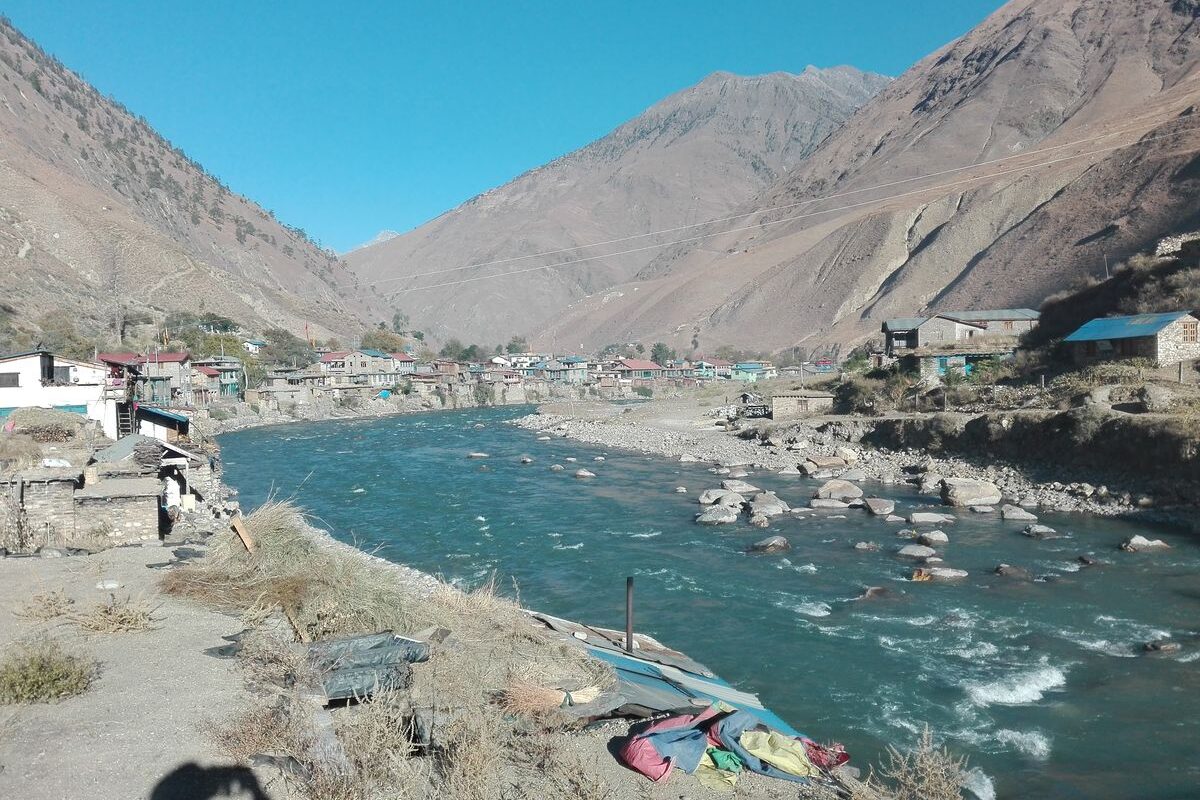
The Lower Dolpo Trek is an extraordinary journey through one of Nepal’s most remote and culturally preserved Himalayan regions. Far from the crowded trails of Everest and Annapurna, it combines deep river valleys, ancient villages, high mountain passes, sacred monasteries, and the brilliant turquoise water of Phoksundo Lake. Every stage reveals a quieter and more traditional side of Nepal.
Located in Dolpa District in western Nepal, the route passes through landscapes influenced by both the high Himalaya and the Tibetan Plateau. Trekkers encounter stone-built settlements, yak pastures, mani walls, chortens, and communities where Bon and Tibetan Buddhist traditions remain part of everyday life. The Lower Dolpo Trek is therefore much more than a physical challenge; it is a cultural and wilderness experience.
This guide explains the route, distance, difficulty, permits, cost, best seasons, accommodation, food, safety, and preparation. The detailed 18-day Lower Dolpo Trek itinerary can remain as a separate section of your package page.
Why Choose the Lower Dolpo Trek?
The Lower Dolpo Trek is ideal for travellers who want a demanding Himalayan journey without the heavy traffic found on Nepal’s best-known routes. It provides genuine solitude, changing terrain, and close contact with communities that have retained distinctive language, architecture, and spiritual practices.
The classic circuit normally begins after flights from Kathmandu to Nepalgunj and onward to Juphal. From the trailhead, trekkers move through Dunai and Tarakot towards Dho Tarap, cross Numa La and Baga La, descend to Ringmo and Phoksundo Lake, and eventually return to Juphal. This combination of culture, altitude, and scenery gives the Lower Dolpo Trek Nepal experience its exceptional character.
The journey is also a practical alternative for experienced trekkers who want to explore Dolpo without entering the longer and more expensive Upper Dolpo restricted zone. It still requires careful organization, but its permit structure is more accessible than an extended Upper Dolpo expedition.
10 Unforgettable Lower Dolpo Trek Highlights
Phoksundo Lake
Phoksundo Lake is the visual centrepiece of the Lower Dolpo Trek. Its intense turquoise color changes with the light, while steep cliffs and dry mountain slopes rise directly above the water. Located at approximately 3,600 meters, the lake creates a remarkable contrast between water, rock, and the Himalayan sky.
Trekkers usually spend time near Ringmo village, allowing them to appreciate the lake at different hours instead of treating it as a quick viewpoint. Sunrise, late-afternoon light, and quiet walks near the shoreline all reveal a different atmosphere.
Ringmo Village
Ringmo is a traditional settlement near Phoksundo Lake. Stone houses, narrow paths, prayer flags, and cultivated plots reflect the resourceful lifestyle of people living in an isolated mountain environment. A nearby Bon monastery adds cultural depth to the visit.
The village should be explored respectfully. Ask permission before photographing residents, entering religious spaces, or recording ceremonies. Thoughtful behavior helps ensure that tourism supports rather than disrupts the community.
Dho Tarap Valley
Dho Tarap lies on a broad high-altitude plateau and is one of the most culturally important stops on the Lower Dolpo Trek. Its traditional homes, fields, monasteries, and surrounding grazing land reveal how local communities have adapted to a severe climate.
An acclimatisation day here is valuable for both safety and cultural exploration. Slow walks around the settlement allow trekkers to observe local agriculture, visit religious sites, and prepare for the higher passes ahead.
Numa La Pass
Numa La is one of the main physical challenges of the route. Depending on the map and trail variation used, its reported altitude is roughly 5,200 meters or slightly higher. The ascent requires an early start, steady pacing, and favorable weather.
From the pass, trekkers can see sweeping ridges, dry valleys, and distant Himalayan peaks. Crossing Numa La gives the Lower Dolpo Trek a genuine expedition character and should never be rushed.
Baga La Pass
Baga La is another major crossing, generally reported at around 5,070 meters, although published measurements vary. Its exposed terrain, cold wind, and possible snow make it a demanding day.
The descent gradually leads towards greener valleys and the Phoksundo region. Completing two passes above 5,000 metres on one journey makes the Lower Dolpo Trek suitable for well-prepared trekkers rather than casual walkers.
Shey-Phoksundo National Park
Much of the Lower Dolpo Trek passes through Shey-Phoksundo National Park. The protected area contains forests, alpine meadows, dry trans-Himalayan terrain, rivers, and high mountain habitats.
According to the Nepal Tourism Board, the park supports Himalayan tahr, musk deer, ghoral, marmot, Himalayan black bear, and more than 200 bird species. Wildlife sightings are never guaranteed, but tracks, birdlife, and changing vegetation enrich the experience.
Phoksundo Waterfall and Suligad Valley
The approach to Phoksundo includes forested paths, suspension bridges, and the dramatic Suligad Valley. A viewpoint above the trail reveals the powerful Phoksundo waterfall and offers the first distant impression of the lake.
This section demonstrates the remarkable diversity of the Lower Dolpo Trek. Dry highlands and exposed passes may dominate the journey, but lower valleys contain pine, birch, juniper, and riverside vegetation.
Bon and Tibetan Buddhist Heritage
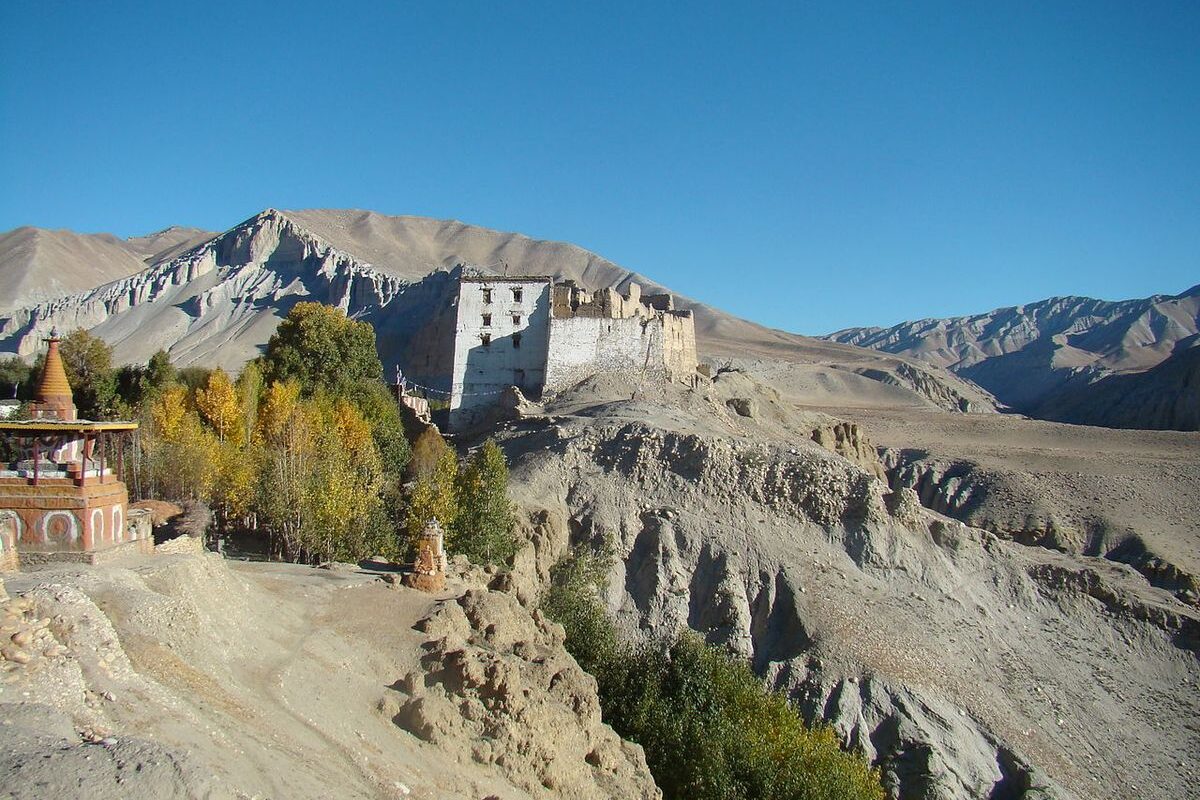
Religion is visible throughout the trail in monasteries, chortens, manor walls, prayer flags, and local rituals. Bon practices coexist with Tibetan Buddhist traditions, creating a spiritual landscape that feels inseparable from the mountains.
Trekkers should follow the guide’s instructions around sacred places. Walk in the locally appropriate direction, avoid touching religious objects, and ask before taking photographs inside monasteries.
Remote Himalayan Villages
Settlements such as Tarakot, Dho Tarap, and Ringmo give the Lower Dolpo Trek its human dimension. Traditional architecture, barley fields, livestock, and seasonal trade show how families maintain livelihoods far from major roads and cities.
These villages are not museum displays. They are living communities, and visitors should approach them with curiosity, patience, and respect. Buying local products and using community services can direct tourism income into the region.
True Wilderness and Solitude
The Lower Dolpo Trek receives far fewer visitors than the Everest Base Camp or Annapurna routes. Long trail sections may pass without another trekking group, creating a strong sense of space and isolation.
This solitude is deeply rewarding, but it also increases the importance of professional logistics. Communication, medical care, and evacuation options are limited, so every Lower Dolpo Trek should be organized with safety in mind.
Lower Dolpo Trek Nepal Route Overview
The standard Lower Dolpo Trek Nepal route uses Juphal as both the entry and exit point. Travellers usually fly from Kathmandu to Nepalgunj, stay overnight, and then take a weather-dependent mountain flight to Juphal. Walking commonly begins by descending towards Dunai.
The circuit then follows the Thuli Bheri and Tarap river systems through Tarakot, Laini, and Nawarpani before reaching Dho Tarap. After proper acclimatisation, the route climbs towards Numa La, crosses the high pass, and continues towards the base of Baga La. The second pass leads towards Yak Kharka, Ringmo, and Phoksundo Lake.
The return section generally descends through forested valleys and settlements such as Chhepka or Shyanta before reaching Juphal. Campsites and overnight stops can change because of trail damage, water availability, group condition, or weather. A final route map should always match the booked Lower Dolpo Trek itinerary.
Lower Dolpo Trek Distance and Duration
The Lower Dolpo Trek distance is not identical for every package. Routes described under the same name may use different camps, side trips, and approaches to Phoksundo Lake. GPS readings also vary when they include exploration walks or only measure the principal trail.
For an 18-day program, the actual trekking section commonly lasts around 12 to 14 days after accounting for arrival, domestic flights, and preparation. Many classic circuits are estimated at roughly 120 to 170 kilometers, but the operator should measure and confirm the final route before publishing an exact Lower Dolpo Trek Distance.
Daily walking commonly ranges from five to eight hours. A shorter kilometer count on a pass day may take longer than a greater distance in a lower valley because of altitude, loose ground, snow, and steep gradients. Duration and elevation gain are therefore more useful than distance alone.
Lower Dolpo Trek Difficulty and Maximum Altitude
The Lower Dolpo Trek is strenuous. Trekkers face consecutive walking days, basic camps, river valleys, and two major passes above 5,000 metres. The combination of altitude and remoteness makes the journey more demanding than a conventional teahouse trek.
Previous Himalayan experience is highly recommended. Participants should be comfortable walking six or more hours on uneven terrain while carrying a daypack. They must also accept cold nights, limited washing facilities, and changes to the planned schedule.
Fitness does not prevent altitude sickness. Gradual ascent, rest, hydration, and honest communication with the guide remain essential. Headache, nausea, dizziness, unusual fatigue, poor coordination, or breathlessness at rest must be reported immediately. The correct response may involve rest, assessment, or descent.
Best Time for the Lower Dolpo Trek
March to May and September to October are generally the most reliable seasons for the Lower Dolpo Trek. Nepal Tourism Board park information also identifies spring and autumn as the principal visiting periods.
Spring normally brings improving temperatures, longer daylight, and flowering vegetation in lower valleys. Snow can still remain on Numa La and Baga La, especially during early departures.
Autumn often offers clearer skies and stable views after the monsoon. Nights become colder later in October, and early snowfall can affect exposed sections. Dolpo lies partly in a rain shadow, but summer travel can still face cloudy flights, rain on access routes, and landslides. Winter is exceptionally cold, and high passes may become unsafe.
Lower Dolpo Trek Permit Requirements
The Lower Dolpo Trek enters a restricted area, so foreign visitors need a special trekking permit. The current Department of Immigration fee schedule lists USD 20 per person for the first week and USD 5 per person per additional day beyond one week. Fees and administrative rules can change, so they should be reconfirmed before booking.
The official trekking permit guidance states that restricted-area travellers must remain on the authorised route, carry their permit, and present it when requested. Permit dates must therefore match the final travel program.
The journey also requires entry to Shey-Phoksundo National Park. The current national park fee schedule lists NPR 3,000 for foreign nationals, NPR 1,500 for SAARC nationals, and NPR 100 for Nepali visitors per entry. Travellers under ten receive the listed child exemption.
Lower Dolpo is included in the Nepal Tourism Board’s routes requiring a licensed guide and an agency-issued TIMS card. The current TIMS requirements list NPR 2,000 for most foreign visitors and NPR 1,000 for SAARC nationals. A registered trekking agency should arrange and verify all documents.
Lower Dolpo Trek Cost
The Lower Dolpo Trek cost is higher than a standard lodge-based trek because the route needs restricted-area paperwork, domestic flights, a licensed guide, staff support, and camping logistics. Food, fuel, and equipment must be transported into valleys where replacement supplies are limited.
There is no single Lower Dolpo Trek cost that applies to every departure. Price depends on group size, service level, number of trekking days, staff ratio, accommodation in Kathmandu and Nepalgunj, baggage allowance, and whether the package uses full camping or a hybrid of camps and local lodges.
When comparing quotations, request an itemized list covering permits, TIMS, park entry, domestic flights, airport transfers, hotels, meals, tents, group equipment, guides, cooks, porters or pack animals, staff insurance, and taxes. Confirm whether rescue deposits, personal equipment, extra nights caused by flight delays, beverages, and tips are excluded.
A cheap Lower Dolpo Trek cost may leave out essential services or underestimate remote logistics. Safety, fair staff treatment, and reliable equipment should carry more weight than the lowest advertised price.
Accommodation During the Lower Dolpo Trek
The Lower Dolpo Trek is best treated as a camping or hybrid expedition. Basic lodges may operate in Juphal, Dunai, Tarakot, Dho Tarap, Ringmo, and selected lower settlements, but quality and availability vary.
Remote camps near the high passes have no permanent accommodation. A supported group normally carries sleeping tents, a dining shelter, kitchen equipment, and toilet arrangements. Travellers need a warm sleeping bag and must be comfortable with simple facilities.
Hotels in Kathmandu and Nepalgunj are considerably more comfortable. Package descriptions should identify which nights use hotels, lodges, homestays, and tents so guests understand the service level before departure.
Food and Drinking Water
Meals must provide enough energy for continuous walking at altitude. Camping menus often include porridge, eggs, bread, rice, lentils, vegetables, potatoes, pasta, noodles, soup, and hot drinks. Fresh options become more limited as the Lower Dolpo Trek moves away from larger settlements.
Dietary requirements should be discussed during booking. The crew needs advance notice because specialty foods cannot be purchased easily after entering the remote valleys.
Water from taps, rivers, and streams must be boiled, filtered, or chemically treated. Carry at least two reusable bottles and avoid disposable plastic. Good hydration supports performance, although drinking water alone cannot prevent altitude illness.
Training and Physical Preparation
Begin training at least eight to twelve weeks before the Lower Dolpo Trek. Build cardiovascular endurance through hiking, running, cycling, swimming, or stair climbing. Add leg, core, and back exercises to improve stability on long ascents and descents.
Weekend hikes should gradually become longer and include a loaded daypack. Consecutive training days are particularly useful because the trek requires sustained effort rather than one difficult walk.
Break in trekking boots before travelling. New footwear can cause blisters and discomfort that become difficult to manage in remote conditions. Anyone with a medical condition should discuss the planned altitude and exertion with a qualified healthcare professional.
Essential Packing List
Equipment for the Lower Dolpo Trek must handle cold passes, strong sun, rain, and freezing camps. Essential items include:
- Broken-in trekking boots with ankle support
- Waterproof jacket and trousers
- Down jacket, fleece, and thermal base layers
- Warm sleeping bag suitable for sub-zero conditions
- Insulated gloves, warm hat, and sun hat
- Trekking poles for steep or loose terrain
- UV-protection sunglasses and high-SPF sunscreen
- Headlamp with spare batteries
- Reusable bottles and water-treatment method
- Personal medicines and basic first-aid supplies
- Power bank, dry bags, and waterproof pack cover
- Duffel bag for porter or pack-animal transport
Pack efficiently because baggage limits apply on domestic flights and every kilogram must be carried along the trail. The agency should state the allowed duffel weight and identify which camping items it provides.
Culture and Responsible Trekking
Respectful behavior is essential throughout the Lower Dolpo Trek. Dress modestly in villages, ask permission before photographing people, and follow the guide’s advice inside monasteries. Do not touch sacred objects or interrupt ceremonies.
Carry batteries, plastic, wipes, and hygiene waste back to a suitable disposal point. Use established camps, keep soap away from water sources, and never collect plants, fossils, stones, or religious objects from the national park.
Choose an operator that provides fair wages, safe loads, suitable clothing, and insurance for its staff. Responsible travel protects both the Lower Dolpo Trek environment and the people who make the expedition possible.
Health, Safety, and Travel Insurance
Comprehensive travel insurance is essential for the Lower Dolpo Trek. The policy should cover trekking above the maximum route altitude, emergency medical treatment, trip interruption, and helicopter evacuation from a remote area.
Read altitude exclusions carefully and carry the insurer’s emergency contact details. Rescue normally requires coordination among the guide, trekking agency, and insurance provider; it should not be treated as an automatic taxi service.
The group should carry a first-aid kit and dependable communication equipment. Domestic flight delays are common enough to justify buffer days, and travelers should avoid booking a tight international connection immediately after the planned return from Juphal.
How to Reach the Lower Dolpo Trailhead
The usual access for the Lower Dolpo Trek involves a flight from Kathmandu to Nepalgunj followed by a smaller aircraft to Juphal. Weather and visibility can delay or cancel the mountain sector.
Keep essential medication, documents, and one change of clothing in hand luggage. Baggage limits on small aircraft are restrictive, and excess weight may be charged or refused.
Road alternatives take much longer and remain dependent on local conditions. The operator should confirm the current transport plan shortly before departure and retain enough flexibility to respond to disruptions.
Is the Lower Dolpo Trek Right for You?
Choose the Lower Dolpo Trek if you have strong fitness, patience, and a genuine interest in remote nature and Himalayan culture. You should be comfortable with camping, long walking days, cold nights, and limited connectivity.
It may not suit travellers who need luxury accommodation, a fixed schedule, or quick access to medical facilities. A shorter Phoksundo Lake trek can be a better choice for those who want to see the region without crossing both high passes.
For properly prepared travellers, however, the Lower Dolpo Trek offers something increasingly rare: a demanding journey where landscape, culture, and solitude remain closely connected.
Conclusion
The Lower Dolpo Trek brings together Phoksundo Lake, Dho Tarap, Ringmo, Numa La, Baga La, and the protected wilderness of Shey-Phoksundo National Park. Its beauty comes not from one attraction but from the continuous transition between deep valleys, high plateaus, sacred sites, and remote communities.
Success depends on realistic pacing, correct permits, professional support, acclimatization, and respect for local culture. Prepare thoroughly, choose an experienced operator, and allow flexibility for mountain conditions. With those foundations, the Lower Dolpo Trek becomes one of Nepal’s most unforgettable Himalayan adventures.
Detail Itinerary of Lower Dolpo Trek: 10 Unforgettable Himalayan Wonders
Day 01: Arrival in Kathmandu (1300m/4264ft)
Upon arrival at the airport of Kathmandu, Nepal, our company representative will drop you off at a hotel residing in the vibrant city of Thamel, Kathmandu. Overnight stay in Kathmandu.
Highest Altitude
1300m. (Kathmandu)
Meals
BB
Accommodation
HotelDay 02: Kathmandu: Sightseeing and Trek Preparation
After breakfast, we will have a sight visit of Pashupatinath Temple, Monkey Temple, Kathmandu, Bhaktapur, and Lalitpur Durbar Square, respectively. The great thing about these places is that all of them are listed on the UNESCO World Heritage Sites. These places will certainly lure your heart. At noon, we have a short chit-chat with the group leader to ask our query regarding this adventure trip. Overnight stay here
Highest Altitude
1300m. (Kathmandu)
Accommodation
HotelDay 03: Fly from Kathmandu to Nepalgunj: 1 hour
After breakfast and some activities in Kathmandu, we will have a one-hour flight from Kathmandu to Nepalgunj, located in the western region of Nepal. In there we can witness the local market and mini zoo. We can stroll around there at dusk for shopping also. Overnight stay there.
Day 04: Fly from Nepalgunj to Jhupal (Dolpo) (2,320m/7,610ft) and trek to Dunai (2,850m/9,348ft): 45 mins flight, 2-3 hours trek
After breakfast we fly to Jhupal, from where we can foretaste Dhaulagiri and Annapurna peaks in their north direction. This is the place from where our exact trip starts, walking through a terraced farm to the narrow gorge of the Bheri River. We will walk through Dunai, which is the administrative headquarters of the Dolpo region. Today we will camp near here in a small village.
Day 05: Dunai to Tarakot (2,543m/8,341ft): 5-6 hours
Post breakfast we will continue our trek through the southern bank of the Seti River, heading upward on an easy trail. On the way we can witness the path built over the 7-meter-high area above the river, pines, isolated village, suspension bridge, and so on. After walking for a few hours, we will reach Tarakot, residing in the south of the Bheri River. Overnight stay here.
Day 06: Tarakot to Laini (3,160 m/10,365 ft): 6-7 hours
Post breakfast we have to walk twice through the Tarap Chu River before we reach Sandul Gompa. This Gompa is the breaking point between Barbung River and Tarap Chu River. We will continue walking on these trails, foretasting rural villages and tracing farms on the way. After ascending and descending for some hours, we will finally arrive at Laini. Overnight stay in Laini.
Day 07: Laini to Nawarpani (3,545m/11,627 ft): 5-6 hours
Post breakfast we will continue our trip through a steep trail along the switchback above the Tarap Chu River. This trail can be amazing because on the way we can jump from one side to another because of the narrow gorge. We have to go with robust to ascend and descend in order to reach the bank of the Chyugur River, from where we can easily reach Nawarpani. Overnight stay here.
Day 08: Nawarpani to Do Tarap (4,090m/13,415ft): 7-8 hours
Post breakfast we ascend towards Kamattarka, which is the confluence of the Tarap Chu and Lang Rivers. On the way we will cross a narrow gorge, and we will be welcomed by wild roses and the dry inner Himalayan Valley. After walking for several hours we will reach the village known as Dho Tarap, surrounded by irregular stones. In this valley we can find people of the Bon Po and Chaiba religions. The trap is mostly habituated by Magars from generation to generation, and there is some Tibetan too. Overnight stay here.
Day 09: Rest Day at Do Tarap for acclimatization
On these days we can rest and can stroll around monasteries near here. We can feel the cultural difference between ours and the local habitat, which will certainly provide a new vibe in our bodies in the days to come. The Dolpo people wear homespun clothing that is sometimes dyed a maroon color, and they favor the Tibetan style somba or dhocha (boots with upturned toes) for footwear. Both men and women often wear religious amulets and strings of coral, amber, and turquoise. Overnight stay here.
Day 10: Trek to Numa La Base Camp (4440m/14,563 ft): 6-7 hours walk
Post breakfast we will trek towards the Upper Tarap Valley, witnessing vigorous grasslands on both sides of the river, which itself is a fascinating part of an inner Dolpo. We will walk along the Tarap Chu River to have a pleasant glance of this vast valley and its plains along with the high mountains. After a few hours of walking, we will reach the Village of Tokyu, which houses a monastery of the Chia sect. After viewing the monastery for minutes, we will walk through a rough trail to reach Numa La Base Camp. Overnight stay here.
Day 11: Cross Numa La pass (5,190m/17,023ft), camp at Pelung Tang (4465m/14,645 ft): 6-7 hours
Post breakfast, we will start crossing the Numa La Pass on a steep trail until and unless we reach the top crest of the pass. Though this day trek might be the most difficult and longest one, it will pay us with the incredible scenario of the barren mountains of Dhaulagiri (8167 m). After we reach there, we will descend towards our camp at Pelung Tang.
Day 12: Cross Baga La pass (5,070m/16,630ft), trek to Dajok Tang (4,080m/13,382ft): 6 hours
Post breakfast we will start our steep climb up to the top of the Baga La pass, from where we can witness snow-capped mountains, Mount Kanjirowa, and dry landscapes. We rest there for some period of time and take some pictures also. Afterwards, sometimes we descend to Dajok Tang for an overnight stay.
Day 13: Dajok Tang to Ringmo (3,600m/11,808ft): 3-4 hours
Post breakfast we will walk, passing amazing pine forests and alpine vegetation. After ascending and descending on a good trail for some hours, we will reach a village called Ringmo. Overnight stay in Ringmo Village.
Day 14: Hike to Phoksundo Lake
Post breakfast today we will camp at Phoksundo Lake and witness the scenario that the lake gives to us. We can see Yak Caravans moving in and out of Ringmo village towards the Tibetan border. On the way reaching Phoksundo Lake, we can witness monasteries, which is fascinating. When we reach there, we can have a stroll around on the tranquil shore of the lake.
Day 15: Phoksundo Lake to Shyanta (2520m/8265 ft): 5-6 hours walk
Post breakfast we will go downhill towards Chepka. From this place trail we can find overhanging rocks. On the way we can find many medicinal minerals, which are believed to be used to cure almost any problem. Before ascending towards Shyanta, we have to pass villages. Overnight stay in Shyanta.
Day 16: Shyanta to Jhupal
Post breakfast we will head from Shyanta to Jhipal, surrounded by a birch tree. This trail is the utmost one, so caution needs to be taken. From a top ridge we can see a fascinating glance of the mountain above us and Jhupal village below. In the afternoon we reach there, and we can stroll around there or take a rest. Overnight stay in Jhupal.
Day 17: Fly to Nepalgunj, fly to Kathmandu
Post breakfast we will have a flight from Jhupal to Nepalgunj. We wait there until we have a flight from Nepalgunj to Kathmandu. On reaching the airport, we will be transferred to our hotel. In the afternoon we sort our things, such as mail, videos, images, and so on. At night we will be served dinner by our company as a farewell dinner. Overnight stay in Kathmandu.
Day 18: Final departure
This is the final day of our trip in Nepal. The company representative of Leaf Holidays will drop us to an airport before 3 hours in an airport.
Includes and Excludes
What is included?
- Airport pickups and drops in a private vehicle
- Hotel accommodation in Kathmandu with breakfast
- Teahouse accommodation during the trek
- All meals (breakfast, lunch, and dinner) during the trek
- Welcome and farewell dinners
- All ground transportation on a comfortable private vehicle as per the itinerary
- Domestic flights (Kathmandu-Nepalgunj-Jhupal round trip)
- Guided city tour in Kathmandu by private vehicle
- Entrance fees for sightseeing/monument visits as per the itinerary
- An experienced, English-speaking, and government-licensed trek leader and assistant trek leader (4 trekkers: 1 assistant guide)
- Porter service (2 trekkers: 1 porter)
- Staff costs, including their salary, insurance, equipment, domestic airfare, food, and accommodation
- Down jacket and sleeping bag
- All necessary paperwork and trekking permits (National Park Permit, TIMS)
- Medical kit (carried by your trek leader)
- All government and local taxes
What is excluded?
- Nepalese visa fee
- Excess baggage charge(s)
- Extra night accommodation in Kathmandu because of early arrival, late departure, or early return from the mountain (due to any reason) than the scheduled itinerary
- Lunch and evening meals in Kathmandu
- International flights
- Travel and rescue insurance
- Personal expenses (phone calls, laundry, bar bills, battery recharge, extra porter, bottle or boiled water, shower, etc.)
- Tips for guide(s), porter(s), and driver(s)
Trip Information
Destination: Lower Dolpo, Nepal
Region: Dolpa District, Karnali Province
Duration: 18 days
Trip type: Camping and basic lodge trek
Trekking difficulty: Strenuous
Maximum altitude: Approximately 5,200 meters at Numa La Pass
Estimated trekking distance: Approximately 120–170 kilometers, depending on the selected route and campsites
Daily walking time: Approximately 5–8 hours
Major attractions: Shey Phoksundo Lake, Ringmo village, Dho Tarap, Numa La Pass, Baga La Pass, and Phoksundo Waterfall
Starting point: Juphal
Ending point: Juphal
Access route: Kathmandu–Nepalgunj–Juphal by domestic flights
Best seasons: March to May and September to October
Accommodation: Hotels in Kathmandu and Nepalgunj; tents or basic local lodges during the trek
Meals: Breakfast in the cities and full-board meals during the trekking period
Required permits: Lower Dolpo Restricted Area Permit, Shey-Phoksundo National Park entry permit, and TIMS card where applicable
Guide requirement: A licensed trekking guide and authorized trekking agency are required for the restricted area.
Transportation: Airport transfers, domestic flights, and trekking
Fitness level: Strong physical fitness and previous multi-day trekking experience are recommended.
Main activities: high-altitude trekking, cultural exploration, monastery visits, nature observation, and photography
Landscape: River valleys, alpine forests, dry plateaus, traditional villages, high mountain passes, and turquoise lakes
Culture: Bon religion and Tibetan Buddhist traditions
Accommodation standard: Comfortable city hotels with simple and remote facilities during the trek
Electricity and charging: Limited and not guaranteed in remote settlements
Internet and mobile network: Unreliable or unavailable across much of the route
Drinking water: Boiled or properly treated water should be used throughout the trek.
Travel insurance: Insurance covering trekking above 5,000 metres and emergency helicopter evacuation is essential.
Recommended preparation: Eight to twelve weeks of cardiovascular, strength, and endurance training
Important consideration: Domestic flights and trekking schedules may change because of weather, trail conditions, or safety requirements
Frequently Asked Questions
How difficult is the Lower Dolpo Trek?
The Lower Dolpo Trek is considered a strenuous trek because it involves long walking days, remote terrain, basic facilities, and two major mountain passes above 5,000 metres. Previous Himalayan trekking experience and good physical fitness are highly recommended.
How long is the Lower Dolpo Trek?
A complete Lower Dolpo Trek program commonly takes around 18 days, while the actual trekking portion may take approximately 12 to 14 days, depending on the chosen route, acclimatization schedule, domestic flights, and overnight stops.
What is the Lower Dolpo Trek distance?
The exact Lower Dolpo Trek distance varies according to the itinerary and route variation. Many classic circuits are estimated at approximately 120 to 170 kilometers. Side trips, campsites, and exploration walks can change the total distance.
What is the maximum altitude of the Lower Dolpo Trek?
The trek crosses two major high-altitude passes. Numa La is around 5,200 metres or slightly higher, while Baga La is generally reported at around 5,070 metres. Altitude figures can vary slightly depending on the map or trail measurement used.
What is the best time for the Lower Dolpo Trek?
The best seasons for the Lower Dolpo Trek are generally March to May and September to October. Spring offers improving temperatures and longer daylight, while autumn usually provides clearer skies and stable mountain views.
Do I need permits for the Lower Dolpo Trek?
Yes. Foreign trekkers require a restricted-area trekking permit, entry to Shey-Phoksundo National Park, and the applicable TIMS card. The route must also be undertaken with a licensed guide through a registered trekking agency. Permit fees and regulations should always be reconfirmed before departure.
How much does the Lower Dolpo Trek cost?
There is no fixed Lower Dolpo Trek cost because the final price depends on group size, trekking duration, domestic flights, permits, accommodation, camping arrangements, staff support, meals, equipment, and service level. Remote logistics generally make this trek more expensive than conventional lodge-based trekking routes in Nepal.
What type of accommodation is available during the trek?
The Lower Dolpo Trek is best considered a camping or hybrid trekking expedition. Basic lodges may be available in settlements such as Juphal, Dunai, Tarakot, Dho Tarap, and Ringmo, while remote sections near the high passes usually require camping.
What food is available during the Lower Dolpo Trek?
Meals commonly include rice, lentils, vegetables, potatoes, noodles, pasta, soup, bread, eggs, porridge, and hot drinks. Food options become more limited in remote areas, so travelers with special dietary requirements should inform their trekking agency in advance.
Is travel insurance necessary for the Lower Dolpo Trek?
Yes. Comprehensive travel insurance is essential and should cover high-altitude trekking, emergency medical treatment, trip interruption, and helicopter evacuation from remote areas. Travellers should carefully check altitude restrictions in their insurance policy.
How do I reach the Lower Dolpo Trek starting point?
The usual route involves flying from Kathmandu to Nepalgunj and then taking a smaller mountain flight to Juphal, which serves as the main entry point for the trek. Flights to Juphal are weather-dependent and may occasionally be delayed or cancelled.
Is the Lower Dolpo Trek suitable for beginners?
The trek is generally better suited to experienced and physically prepared trekkers because of its altitude, remoteness, long walking days, limited facilities, and challenging high passes. Beginners may find a shorter Phoksundo Lake trek more suitable.
What are the main highlights of the Lower Dolpo Trek?
Major highlights include Phoksundo Lake, Ringmo Village, Dho Tarap Valley, Numa La Pass, Baga La Pass, Shey-Phoksundo National Park, Phoksundo Waterfall, remote Himalayan villages, and Bon and Tibetan Buddhist heritage.
Do I need to train before the Lower Dolpo Trek?
Yes. It is recommended to begin physical preparation around 8 to 12 weeks before departure. Cardiovascular exercise, hiking, stair climbing, strength training, and practice walks with a loaded daypack can help prepare the body for consecutive trekking days.
Is altitude sickness a concern on the Lower Dolpo Trek?
Yes. Because the route crosses above 5,000 meters, altitude sickness is a serious consideration. Gradual ascent, acclimatization, hydration, rest, and immediate communication with the guide when symptoms appear are essential for safe trekking.
Trip Reviews
Price starts
US$ 1900
Need Help?
Ask to Travel Expert
You May Also Like
Similar Trips
Upper Dolpo Trek: 12 Unforgettable Himalayan Wonders
 25 Days
 USD 2200