
- Mt. Kailash Tour
- Kailash Mansarovar Overland Tour
- Kailash Mansarovar Yatra by Helicopter – Complete Spiritual Journey Guide
- Kailash Yatra via Lucknow
- Kailash Mansarovar Tour via Lhasa
- Kailash Lhasa EBC Tour From Beijing
- Kailash Heli Tour via Kerung: Complete Spiritual Journey Guide
- Kailash Tour via Lhasa In Kerung Out
- Lhasa EBC Kailash Tour
- Kailash Heli Tour
- Kailash Mansarovar Yatra from Nepal 2027: Cost & Itinerary
- Kailash Nandi Kora
- Kailash Tour via Humla Simikot – 20 Days
- Mount Kailash Tour: 7 Amazing Experiences in 2027
- Trekking
-
-
- Everest Region
- Luxury Everest Base Camp Trek: 7 Unforgettable Highlights
- Everest Base Camp Trek 2026: Cost, Route, and Complete Guide
- Everest Three Passes Trek 2027: Cost, Route & Itinerary
- Everest Base Camp Short Trek
- Everest Panorama Trek: Amazing 10-Day Cost & Itinerary
- Everest Base Camp Island Peak Trek: Complete 19-Day Guide
- Gokyo Valley Trekking 2027: Easy Guide to Cost & Itinerary
- Mera Peak Climbing 2027: Complete Cost & Itinerary Guide
- Rolwaling Valley Trek: 23-Day Itinerary, Cost, Permits & Difficulty
- Dolpo Region Trek
- Everest Region
-
- Annapurna Region
- Annapurna Base Camp Trekking
- Annapurna Circuit Trek
- Annapurna Base Camp Trek: 7 Amazing Cost & Route Tips
- Mardi Himal Trek: 7 Amazing Highlights & Complete Guide
- Annapurna Alternative Combine Trek: 18 Amazing Days
- Mohare Dada Trek
- Ghorepani Poon Hill Trek: 7 Unforgettable Highlights
- Khopra Ridge Community Trek: 13-Day Ultimate Adventure
- Damodar Kunda Trek: 10-Day Ultimate Sacred Adventure
- Upper Mustang Trek: 10 Amazing Sights : Ultimate Guide
- Jomsom Muktinath Trek: Amazing 12-Day Ultimate Guide
- Ghale Gaun Trek: 7 Amazing Reasons : Ultimate Guide
- Dhampus Sarangkot Trek: 7 Incredible Experiences
- Dhaulagiri Region
- Annapurna Region
-
-
- Tours
-
-
- Day Tours
- Rickshaw–a three-wheeler Tour
- Pharping Dakshinkali Day Tour: 7 Amazing Highlights
- Historical Tour: 7 Amazing Places to Explore
- Kathmandu Temple Tour: 7 Amazing Spiritual Places
- Nagarkot Tour
- Bhaktapur City Tour: 7 Amazing Places to Explore
- Kathmandu City Tour – Complete Heritage & Cultural Experience in Nepal
- Chandragiri Hill: A Scenic Himalayan Escape Near Kathmandu
- Chitlang Hiking
- Shivapuri to Sundarijal Day Hiking
- Kulekhani Dam Day Tour — Complete Travel Guide
- Day Tours
-
- Package Tours
- Mustang Tour on Jeep
- Nepal Tour Package for Nepali: 12 Amazing Destinations to Explore (2026)
- Muktinath Tour: Complete Guide to Nepal’s Sacred Himalayan Pilgrimage
- 3N,4D Kathmandu Pilgrimage Tour
- Nepal Buddhist Pilgrimage Tour: 7 Sacred Sites Not to Miss
- 6D Nepal Pilgrimage Tour: 7 Amazing Sacred Places
- 7 Nights, 8 Days Nepal Tour
- Districts tour of Nepal
- Janakpur Tour Package: Price, Family Tour & Travel Guide from Kathmandu 2026
- Short Hike in Nepal: 7 Best Easy Treks for Beginners
- Package Tours
-
-
- Outbound
-
- Activities
- Climbing
- Bungee Jumping in Nepal
- Heli Skiing Adventure in the Himalayas
- Canoeing in Nepal
- Mountain Flight in Nepal
- Zip Flyer in Pokhara: The Ultimate Adventure Experience
- Paragliding in Pokhara: 7 Amazing Reasons to Experience Nepal’s Best Adventure
- Kathmandu Cycling Tour: 9 Amazing Adventures
- Rafting
- Rock Climbing
- Company
- Travel Info
- Travel Insurance
- Recommended Medical Kit
- Nepal Visa Information
- Flight delays and cancellation in Nepal
- Electricity in Nepal: Rates, Bill Check, Calculator and NEA Services
- Trekking Equipment Checklist: 40 Essential Items
- Best Kailash season in Tibet
- Best Trekking season in Nepal
- Trekking in Nepal 2027: 15 Best Himalayan Adventures
- Blogs
- Contact


WhatsApp
+977-9851035239

Email Us
[email protected]
Jomsom Muktinath Trek: Amazing 12-Day Ultimate Guide


Trip Duration
12 Days
Trip Difficulty
Moderate
Activity
Trekking, Hiking & Sightseeing
Destination
Nepal
Group Size
2-20 Pax
Accommodation
: 3-4 star hotel in kathmandu, Normal hotel in TrekkingHighlights of Jomsom Muktinath Trek: Amazing 12-Day Ultimate Guide
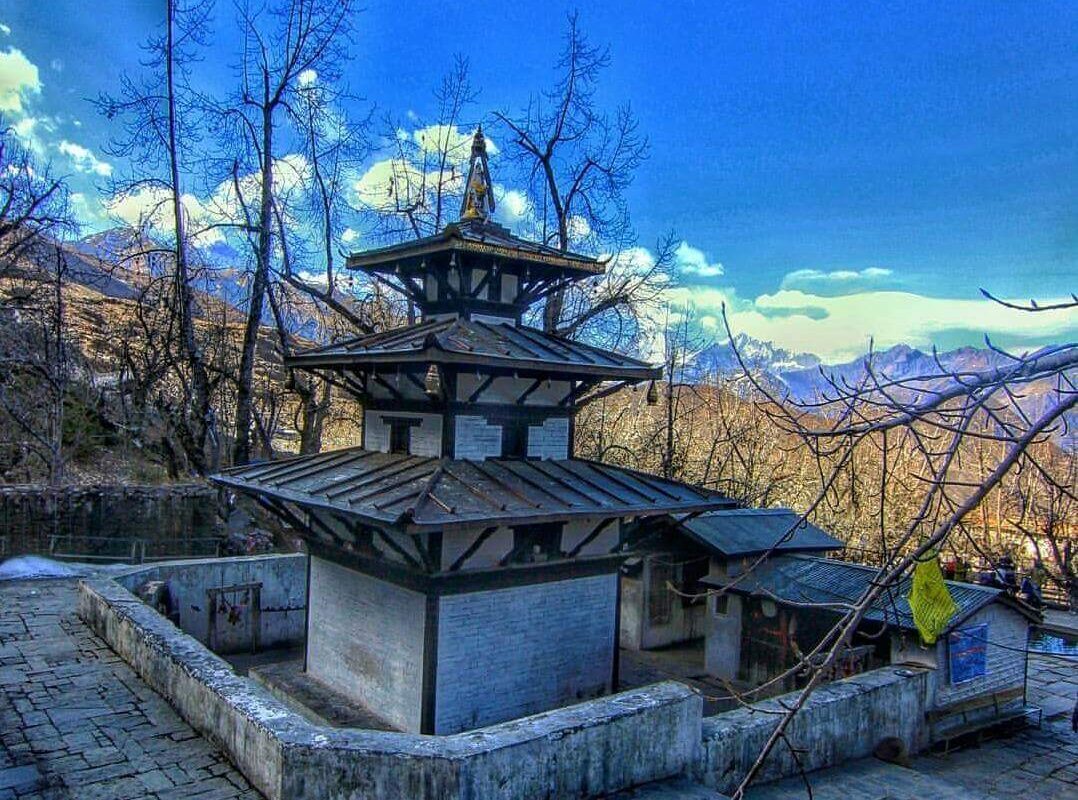
- Visit the sacred Muktinath Temple and its 108 water spouts.
- Experience a pilgrimage site respected by Hindus and Buddhists.
- Walk through the scenic Kali Gandaki Valley.
- Explore traditional villages such as Marpha, Tukuche, Jomsom, and Kagbeni.
- Enjoy views of Dhaulagiri, Nilgiri, Annapurna, and Tukuche Peak.
- Discover the Tibetan-influenced culture and Thakali hospitality of Mustang.
- Taste local Thakali food and traditional apple products.
- Experience the distinctive dry and windswept landscape of Lower Mustang.
- Visit ancient monasteries, chortens, prayer wheels, and mani walls.
- Enjoy a moderate Himalayan trek suitable for active beginners.
Price starts
US$ 750
We offer group discounts
-
1 -
4 person
US$ 900
-
5 -
10 person
US$ 750
-
11 over
9999
US$ 700
Total Cost:
US$ 900
Need Help?
Ask to Travel Expert
Trip Overview of Jomsom Muktinath Trek: Amazing 12-Day Ultimate Guide
The Jomsom Muktinath Trek is a remarkable journey through the deep Kali Gandaki Valley, traditional Thakali villages, and the dry mountain landscapes of Mustang. Combining Himalayan adventure with an important spiritual destination, the route attracts trekkers, pilgrims, photographers, and cultural travelers.
The journey leads to Muktinath Temple, one of Nepal’s most sacred pilgrimage sites for both Hindus and Buddhists. Along the way, travelers experience apple orchards, ancient villages, Buddhist monuments, and impressive views of Dhaulagiri, Nilgiri, and the Annapurna range.
Although the Jomsom Muktinath Trek does not reach the extreme elevations of Everest Base Camp or the Annapurna Circuit, trekkers must still prepare for changing weather, strong wind, long walking days, and an altitude of approximately 3,800 meters at Muktinath.
This complete guide explains the route, distance, cost, difficulty, transportation, permits, accommodation, food, and best trekking seasons. It also provides a useful overview for travelers planning a 12-day Jomsom Muktinath Trek itinerary.
What Is the Jomsom Muktinath Trek?
The Jomsom Muktinath Trek is a scenic and culturally important trekking route in Nepal’s Mustang District. It follows sections of the Kali Gandaki Valley before reaching Muktinath Temple beneath the Thorong La mountain pass.
The route combines accessible mountain walking with distinctive Mustang scenery. Lower sections may pass through green hills and forests, while the landscape around Jomsom, Kagbeni, and Muktinath becomes increasingly dry and windswept.
The Jomsom Muktinath Trek can be arranged in several ways. Some travellers begin walking from the lower Annapurna foothills, while others fly or drive to Jomsom and complete a shorter route through Kagbeni and Muktinath.
A 12-day program provides enough time to combine trekking with cultural exploration, transportation, and gradual altitude gain.
Where Are Jomsom and Muktinath Located?
Jomsom is the administrative center of Mustang District in Gandaki Province. It sits beside the Kali Gandaki River at an elevation of approximately 2,700 meters and serves as an important transport and trekking hub.
Muktinath is situated northeast of Jomsom at approximately 3,800 meters. It lies within Baragung Muktichhetra Rural Municipality near the traditional village of Ranipauwa.
The Jomsom Muktinath Trek connects these destinations through one of Nepal’s most historically important travel corridors. The surrounding region forms part of the Annapurna Conservation Area.
The official Annapurna region guide describes the area as one of Nepal’s most diverse trekking destinations, with routes ranging from short journeys to the complete Annapurna Circuit.
Why Choose the Jomsom Muktinath Trek?
The Jomsom Muktinath Trek offers an excellent balance of natural scenery, cultural encounters, and religious importance. It is shorter and generally less demanding than many high-altitude treks but still provides an authentic Himalayan experience.
One of the main attractions is the changing landscape. Trekkers move from cultivated hills and river valleys into the arid terrain of Mustang, where eroded cliffs and open plateaus resemble the Tibetan landscape.
The route is also flexible. Flights, roads, and trekking trails connect several important settlements, allowing the Jomsom Muktinath Trek to be adjusted according to available time, fitness, and weather.
For pilgrims, reaching Muktinath is the spiritual center of the journey. For trekkers, the combination of Dhaulagiri, Nilgiri, Annapurna, and the Kali Gandaki Valley makes the trail visually rewarding.
Religious Importance of Muktinath
Muktinath is sacred to both Hindus and Buddhists. Hindus worship the site as Mukti Kshetra, meaning the place of liberation, and associate it with Lord Vishnu. Buddhists connect the site with Avalokiteshvara and regard the area as spiritually significant.
The main temple contains an image of Lord Vishnu. Behind the temple are 108 water spouts where pilgrims traditionally take a ritual bath, despite the cold mountain temperature.
The nearby Jwala Mai Temple contains natural flames associated with underground gas and water. This combination of fire, earth, and water contributes to the site’s religious importance.
The Nepal Tourism Board’s pilgrimage information identifies Muktinath as an important trans-Himalayan pilgrimage destination respected by both religious traditions.
Completing the Jomsom-Muktinath Trek allows travelers to experience this sacred place gradually rather than arriving only for a brief temple visit.
Cultural Experience in Mustang
Culture is an important part of the Jomsom Muktinath Trek. Mustang has been shaped by trade, migration, Tibetan Buddhism, and the difficult geography of the trans-Himalayan region.
Thakali communities are especially prominent around Marpha, Tukuche, and Jomsom. They are known for their hospitality, distinctive cuisine, traditional architecture, and historical involvement in the salt trade.
Farther north, Kagbeni displays a stronger Tibetan cultural influence. Narrow alleys, mud-brick houses, Buddhist chortens, and prayer wheels give the village a medieval atmosphere.
Travelers should respect local customs throughout the Jomsom Muktinath Trek. Ask before photographing residents, religious ceremonies, or monastery interiors. Walk clockwise around chortens and mani walls unless local guidance says otherwise.
The Kali Gandaki Valley
The Kali Gandaki Valley is the geographical heart of the Jomsom Muktinath Trek. The river runs between the Annapurna and Dhaulagiri massifs, creating one of the world’s deepest mountain valleys when measured from the surrounding summits.
The broad riverbed contains smooth stones and fossils carried down from the high Himalayas. Shaligram fossils found within the river system are considered sacred manifestations of Lord Vishnu by Hindu devotees.
Villages developed along this valley because it historically connected Nepal’s middle hills with Mustang and Tibet. Traders once transported salt, grain, and other goods along the same corridor now followed by trekkers and vehicles.
Walking beside the river gives the Jomsom Muktinath Trek a strong sense of geography and history. However, trekkers should be prepared for wind that becomes stronger later in the day.
Major Places Along the Route
Marpha
Marpha is one of the most attractive villages connected with the Jomsom Muktinath Trek. It is known for its whitewashed stone houses, paved lanes, Buddhist monastery, and apple products.
Sheltered courtyards and narrow lanes protect the settlement from Mustang’s powerful wind. Visitors can try fresh apples, dried fruit, juice, and locally produced apple brandy.
Tukuche
Tukuche was historically an important trading settlement along the Kali Gandaki route. Traditional houses, old trading buildings, and views of Tukuche Peak give the village a distinctive character.
The settlement provides insight into the commercial history that shaped communities along the Jomsom Muktinath Trek.
Jomsom
Jomsom contains hotels, shops, banks, medical facilities, transport services, and a small airport. It is one of the most developed settlements on the route and serves as a practical base for exploring lower Mustang.
Many shorter versions of the Jomsom Muktinath Trek begin or finish here.
Kagbeni
Kagbeni stands near the confluence of the Kali Gandaki and Jhong rivers. The village is known for its traditional houses, monastery, prayer wheels, and narrow alleyways.
It is also the gateway to restricted Upper Mustang. Travellers following the standard Jomsom Muktinath Trek remain outside the restricted zone unless their itinerary specifically enters Upper Mustang.
Muktinath and Ranipauwa
Ranipauwa is the main settlement below Muktinath Temple. It provides lodges, restaurants, shops, and transport services.
From Ranipauwa, pilgrims and trekkers walk uphill to the temple complex. The final approach is one of the most meaningful sections of the Jomsom Muktinath Trek.
Mountain Views and Natural Scenery
The Jomsom Muktinath Trek provides views of several major Himalayan peaks. Dhaulagiri, which rises to 8,167 meters, dominates the western side of the Kali Gandaki Valley.
Nilgiri appears much closer to the route, particularly around Jomsom and Marpha. Depending on the selected trail, travelers may also see Annapurna I, Annapurna South, Tukuche Peak, and sections of the wider Annapurna range.
The scenery is not limited to snow-covered mountains. Apple orchards, pine forests, river cliffs, dry plateaus, and colorful rock formations create constant variety.
Morning usually provides the clearest mountain visibility. Clouds and wind often increase later in the day, so early starts are recommended throughout the Jomsom Muktinath Trek.
Jomsom Muktinath Trek Distance
The Jomsom Muktinath Trek distance depends on where walking begins and which route is selected. A direct journey between Jomsom and Muktinath is considerably shorter than a complete route beginning in the lower Annapurna foothills.
The road distance from Jomsom to Muktinath is approximately 20–25 kilometers. A walking route through Kagbeni may cover roughly 25–30 kilometers because trekking paths do not always follow the road directly.
A complete 12-day Jomsom Muktinath Trek may cover approximately 80–120 kilometers of walking, depending on whether it includes places such as Ghorepani, Tatopani, Ghasa, Tukuche, and Marpha.
Travelers should confirm the exact Jomsom Muktinath Trek distance from their day-by-day program rather than relying on one general online figure.
Jomsom Muktinath Trek Itinerary Overview
A 12-day Jomsom Muktinath Trek itinerary generally includes arrival, transportation, trekking, cultural exploration, and departure.
Some programs begin from Pokhara and travel toward the lower Kali Gandaki Valley before continuing through Tatopani, Ghasa, Marpha, and Jomsom. Other routes use a flight to Jomsom and spend more time exploring Mustang.
After reaching Jomsom, the journey normally continues through Kagbeni toward Muktinath. The return may follow the same valley, use a vehicle, or include a flight from Jomsom to Pokhara.
The best Jomsom Muktinath Trek itinerary depends on fitness, season, transportation, and personal interests. A longer walking approach provides greater landscape diversity, while a shorter version focuses more directly on Mustang and Muktinath.
Jomsom Muktinath Trek Difficulty
The Jomsom Muktinath Trek difficulty is generally considered easy to moderate. The route does not require technical climbing, mountaineering equipment, or the crossing of a high mountain pass.
However, daily walking can still be physically tiring. Uneven paths, long descents, dusty roads, and strong wind require reasonable endurance.
The highest major destination is Muktinath at approximately 3,800 meters. This elevation is high enough for some travelers to experience headaches, fatigue, disturbed sleep, or reduced appetite.
Overall, the Jomsom Muktinath Trek difficulty level is suitable for active beginners, families with older children, and experienced walkers seeking a less strenuous Himalayan journey. Proper preparation and a gradual pace remain important.
Altitude and Acclimatization
Jomsom stands at approximately 2,700 meters, while Kagbeni is around 2,800 meters. Muktinath and Ranipauwa reach approximately 3,700–3,800 meters.
This gradual elevation gain supports acclimatization, especially when travelers walk rather than drive quickly from lower areas.
Altitude sickness is less common here than on treks reaching above 5,000 meters, but it remains possible. Travelers should report headaches, dizziness, nausea, or unusual fatigue immediately.
During the Jomsom Muktinath Trek, drink sufficient water, avoid excessive alcohol, and maintain a comfortable pace. Anyone experiencing worsening symptoms should stop ascending and follow professional medical or guide advice.
Best Time for the Jomsom Muktinath Trek
Spring and autumn are the most popular seasons for the Jomsom Muktinath Trek.
Spring Season
Spring lasts from March to May. Temperatures gradually become warmer, mountain views are often clear in the morning, and lower trails may contain blooming rhododendrons.
April and May are popular months, although afternoon wind can be strong in the Kali Gandaki Valley.
Autumn Season
Autumn runs from late September through November. After the monsoon, the air is usually cleaner, and Himalayan visibility improves.
October and November offer comfortable daytime temperatures, although mornings and nights become cold at higher elevations.
Monsoon Season
Mustang lies partly within the Himalayan rain shadow, so it receives less rainfall than Pokhara and lower Annapurna. The Jomsom Muktinath Trek is therefore more practical during the monsoon than many other Nepal routes.
However, rain can still affect lower trails, roads, and flights. Landslides may disrupt transportation between Pokhara, Beni, and Jomsom.
Winter Season
December and early January can provide clear skies and fewer visitors. Temperatures around Jomsom and Muktinath become very cold, and snow may affect roads or trails.
Winter trekkers need appropriate clothing and should confirm accommodation and transportation before departure.
Accommodation Along the Route
The Jomsom Muktinath Trek is a teahouse journey, so camping equipment is not normally required.
Villages provide guesthouses with twin rooms, mattresses, pillows, and blankets. Bathrooms may be private or shared depending on the location and room category.
Jomsom, Marpha, Kagbeni, and Ranipauwa offer a wider selection of accommodation. Smaller settlements may provide only basic rooms and limited services.
Hot showers, charging, and Wi-Fi are available at many lodges but may require additional payment. Electricity and internet connections can be disrupted by weather or technical problems.
Carrying a sleeping bag is recommended for the Jomsom Muktinath Trek, particularly during late autumn and winter.
Food and Drinking Water
Teahouses serve Nepali, Tibetan, Indian, and simple international meals. Dal bhat is a popular choice because it provides rice, lentil soup, vegetables, and enough energy for trekking.
Other meals may include momos, noodles, soup, fried rice, potatoes, pasta, porridge, and eggs. Thakali meals are especially popular in the Mustang region.
Food prices increase gradually with elevation and transportation difficulty. Locally produced meals are usually fresher and more sustainable than heavily imported choices.
Safe drinking water is available at lodges. Water should be boiled, filtered, or treated before consumption.
Travelers completing the Jomsom Muktinath Trek should carry reusable bottles and a purification method rather than depending on single-use plastic bottles.
Jomsom Muktinath Trek Cost
The Jomsom Muktinath Trek cost varies according to duration, transportation, accommodation, guide services, and group size.
A complete 12-day package generally includes hotels, teahouse accommodation, selected meals, permits, guides, local transportation, and airport transfers. Domestic flights can increase the total cost considerably.
International travelers may find organized 12-day packages within a broad range of approximately USD 800–1,500 per person. The final Jomsom Muktinath Trek price depends on the service category and what the package includes.
Luxury hotels, private vehicles, domestic flights, and single rooms increase the price. Larger groups may receive a lower per-person cost because guide and vehicle expenses are shared.
Before booking the Jomsom Muktinath Trek, request a written list of inclusions and exclusions rather than comparing only the advertised price.
Muktinath Tour Package Cost for Nepali Travellers
The Muktinath tour package cost for Nepali travelers depends heavily on whether the trip is completed by bus, shared jeep, private jeep, flight, or trekking.
A short road-based pilgrimage from Pokhara may cost significantly less than a full 12-day trek. Basic group packages can include transportation, simple accommodation, and meals, while private packages provide greater flexibility and comfort.
Season, group size, and vehicle availability can change the price. Festival periods and public holidays may increase transport and hotel demand.
Nepali travelers planning the Jomsom Muktinath Trek should compare the number of days, room category, meals, permits, and emergency support included in each quotation.
Jomsom to Muktinath Jeep Fare
The Jomsom to Muktinath jeep fare changes according to the season, road condition, passenger demand, and whether the vehicle is shared or private.
Shared jeeps are generally the most economical option. A private jeep costs more but allows flexible departure times and stops.
Local fares are not always fixed online and may change without notice. Travelers should confirm the current rate at the Jomsom transport counter, through their hotel, or with a registered local operator.
A jeep normally follows the route through Ekle Bhatti and Kagbeni before continuing toward Ranipauwa. Travel time depends on road and weather conditions.
Travelers using a jeep during the Jomsom Muktinath Trek should keep extra time for delays caused by landslides, road repairs, or heavy traffic.
Muktinath Helicopter Tour from Kathmandu
A Muktinath helicopter tour from Kathmandu is designed for pilgrims with limited time or travelers unable to complete a multiday journey.
The cost depends on charter type, aircraft capacity, fuel prices, landing conditions, and whether the flight is private or shared. Weather can affect departure and landing schedules.
Because helicopter travel has different search intent and pricing from the Jomsom Muktinath Trek, detailed helicopter information should be published on a separate tour page.
Travelers should book only through licensed aviation or travel companies and confirm baggage limits, waiting time, cancellation terms, and refund policies.
Permits Required for the Trek
The Jomsom Muktinath Trek lies inside the Annapurna Conservation Area. Foreign visitors generally require an Annapurna Conservation Area Permit.
Current applications and fees are available through the official NTNC online permit system. Permits should be carried throughout the journey and presented at conservation checkpoints when requested.
Additional trekking documentation may be required depending on current rules and how the trip is organized. Travelers should confirm the latest requirements before departure.
The standard Jomsom–Kagbeni–Muktinath route does not normally require an Upper Mustang Restricted Area Permit. However, entering the restricted region north of Kagbeni requires separate authorization.
Do You Need a Guide?
A licensed guide is recommended for the Jomsom Muktinath Trek, even though the route contains established villages, roads, and teahouses.
A guide assists with navigation, accommodation, permits, cultural communication, and changes caused by weather or transportation problems.
Current trekking rules may vary according to nationality, route, and permit category. Confirm the latest requirements through the Nepal Tourism Board or a registered trekking agency.
A guide is especially valuable for families, first-time visitors, and travelers completing a longer 12-day Jomsom Muktinath Trek itinerary.
Physical Preparation
Preparing for the Jomsom Muktinath Trek should begin at least four to six weeks before departure.
Regular walking is the most useful training. Gradually increase distance and include hills or staircases to prepare the legs for ascents and descents.
Cycling, swimming, and jogging can improve cardiovascular endurance. Squats, lunges, step-ups, and core exercises increase stability on uneven ground.
Previous high-altitude experience is helpful but not essential. The most important preparation for the Jomsom Muktinath Trek is developing enough endurance to walk comfortably for several consecutive days.
Essential Packing List
Essential items for the Jomsom Muktinath Trek include:
- Comfortable and broken-in trekking boots
- Lightweight lodge shoes
- Moisture-wicking base layers
- Warm fleece or insulated jacket
- Waterproof jacket and trousers
- Comfortable trekking trousers
- Thermal layers for cold nights
- Warm hat, sun hat and gloves
- UV-protection sunglasses
- Sleeping bag suitable for the season
- Trekking poles
- Reusable water bottles
- Water filter or purification tablets
- Headlamp with spare batteries
- Sunscreen and lip balm
- Personal first-aid supplies
- Regular medication
- Power bank and charging cables
- Toiletries and quick-drying towel
- Waterproof backpack cover
- Passport, permits and insurance documents
- Sufficient Nepalese cash
Mustang is known for strong wind and intense sunlight, so wind protection, sunglasses, and sunscreen are particularly important.
Avoid unnecessary weight. A lighter backpack makes the Jomsom Muktinath Trek more comfortable and reduces pressure on the knees.
Health and Safety
The Jomsom Muktinath Trek is generally considered safe when travelers prepare properly and follow local advice.
Start walking early because winds in the Kali Gandaki Valley often become stronger during the afternoon. Early starts also provide clearer mountain views and extra time for unexpected delays.
Remain hydrated and protect yourself from sunlight. The dry air and wind can increase dehydration without making travelers feel excessively sweaty.
Do not walk alone after dark or take unmarked shortcuts. Inform your guide or lodge owner before leaving the main route.
Carry basic first-aid supplies and know where medical assistance is available. Jomsom has more facilities than smaller settlements, but serious emergencies may require evacuation.
Travel Insurance
Travel insurance for the Jomsom Muktinath Trek should cover trekking up to at least 4,000 meters, emergency evacuation, medical treatment, and trip interruption.
Domestic flights between Pokhara and Jomsom are weather-sensitive, so insurance covering delays and cancellations can be valuable.
Read the policy carefully because some standard travel plans exclude trekking or high-altitude activities.
Carry printed and digital copies of the insurance certificate. Share the emergency contact details with your trekking guide or travel companion.
Responsible Trekking
Responsible travel protects the natural and cultural environment of the Jomsom Muktinath Trek.
Carry non-biodegradable waste to a suitable disposal point and avoid unnecessary single-use plastic. Refill reusable bottles with properly treated water.
Do not remove Shaligram fossils, religious objects, plants, or archaeological materials from protected and culturally sensitive locations.
Use water, electricity, and heating resources carefully. These services can be limited and expensive in mountain settlements.
Support local lodges, restaurants, guides, porters, and village businesses throughout the Jomsom Muktinath Trek.
Always ask permission before photographing people or religious ceremonies. At Muktinath, avoid blocking pilgrims and behave respectfully around temples and sacred water spouts.
Who Should Choose This Trek?
The Jomsom Muktinath Trek is suitable for beginners with reasonable fitness, families with older children, religious pilgrims, and experienced travelers seeking a moderate Himalayan journey.
It is an excellent option for visitors interested in culture and spirituality as much as mountain scenery.
The route may not suit travelers expecting luxury accommodation at every stop or completely smooth transportation. Roads, flights, and weather in Mustang can be unpredictable.
Anyone prepared for simple lodges, several hours of daily walking, and changing mountain conditions can find the Jomsom Muktinath Trek highly rewarding.
What Makes the Trek Special?
The Jomsom Muktinath Trek combines experiences that are rarely found within one relatively accessible route.
Travelers walk through the Kali Gandaki Valley, visit traditional Thakali and Tibetan-influenced settlements, view major Himalayan peaks, and reach a temple sacred to two religions.
The landscape changes from green lower valleys to the dry cliffs and open plateaus of Mustang. Villages such as Marpha and Kagbeni add cultural depth to the mountain journey.
Most importantly, the Jomsom Muktinath Trek can be experienced as both a pilgrimage and an adventure. Every traveller may have a different reason for reaching Muktinath, but the journey creates a shared appreciation for the landscape and communities of Mustang.
Conclusion
The Jomsom Muktinath Trek is one of Nepal’s most rewarding combinations of natural beauty, cultural discovery, and spiritual travel.
Its moderate difficulty makes it accessible to active beginners, while the Kali Gandaki Valley, Mustang villages, and Himalayan views provide enough variety for experienced trekkers.
A well-planned 12-day journey allows travelers to walk at a comfortable pace, explore important villages, and adjust gradually to the altitude before reaching Muktinath.
Costs and transportation depend on the selected route, service level, and season. Travelers should compare package inclusions carefully and maintain flexibility for weather-related changes.
For anyone seeking a meaningful Himalayan experience without attempting an extreme expedition, the Jomsom Muktinath Trek is an outstanding choice.
Detail Itinerary of Jomsom Muktinath Trek: Amazing 12-Day Ultimate Guide
Day 01: Arrival in Kathmandu
You will begin your journey to the Himalayas by taking a flight to Kathmandu. Once you arrive, our representatives will meet you at the airport and take you to your hotel for check-in. You will have the rest of the day to relax and rest at the hotel. You will be staying overnight at the hotel.
Day 02: Sightseeing of Kathmandu and Bhaktapur city
You will be taken on a guided tour to four UNESCO World Heritage sites in Kathmandu. The first is the Kathmandu Durbar Square with ancient palaces of the kings who once ruled Kathmandu. The second site is Pashupatinath; it is a holy symbol of Lord Shiva and also a famous funeral site for Hindus.
The third is Boudhanath, a major pilgrimage site for Buddhists with more than 50 monasteries nearby. The last site is Swayambhu, also known as the Monkey Temple because of the many monkeys living there. Bhaktapur Durbar Square and Patan Durbar Square are also part of the tour and are known for their unique temples and local lifestyle. You will spend the night in Kathmandu.
Day 03: Fly to Pokhara & Pokhara Sightseeing
Today, we will take an early morning flight to Pokhara and enjoy breathtaking views of the Himalayas from the airplane window. After some rest, we will explore the beautiful Pokhara Valley and its famous attractions, including Phewa Lake and the World Peace Pagoda. We will also admire the stunning views of the Himalayan mountain range, including Dhaulagiri, Manaslu, Machhapuchhare, and the peaks of Annapurna. In the evening, we will explore the lakeside area and spend the night in a hotel in Pokhara.
Day 04: Fly to Jomsom (2713m) & trek to Kagbeni (2,810m)
We will take an early morning flight to Jomsom, which is the district headquarters of Mustang. The flight will give us a breathtaking view of the Annapurna and Dhaulagiri mountains. After a short break and breakfast in Jomsom, we will start trekking towards Kagbeni.
Along the way, we will see dry rocky hills, the Kaligandaki River, snow-capped mountains like Dhaulagiri, Nilgiri, Tukuche Peak, and beautiful farmlands with apple gardens. After about three hours of trekking, we will reach Kagbeni, where we will visit an old monastery and a Hindu temple on the Kaligandaki riverside. We will spend the night in a guest house in Kagbeni.
Day 05: Kagbeni to Muktinath (3710m)
Today, we will trek towards our destination, Muktinath. The trek offers many beautiful and scenic spots on the way. We will climb up steeply from Kagbeni to Khingar, passing through a desert landscape. We will also see amazing snow-capped mountains and desert mountains from Jarkot Village.
After a 4-hour trek, we will reach Muktinath, which is an important pilgrimage site for both Hindus and Buddhists. There is a Vishnu temple and a monastery nearby, and we will explore them. We will also visit nearby villages and enjoy beautiful mountain views. Muktinath showcases the religious harmony in Nepal, and we will spend the night there.
Day 06: Muktinath to Marpha (2665m)
Today, we visit Muktinath Temple and do some worshiping in the morning. After having breakfast, we start descending through Ranipauwa village to Kagbeni and then to Jomsom. During our journey, we get to see the beautiful scenery of Mt. Dhaulagiri and Mt. Nilgiri. We cross several farmlands and arrive at Marpha in the late afternoon. Marpha is well-known for its apples, and we can enjoy different apple products and the famous apple brandy. An overnight stay will be at Marpha.
Day 07: Trek to Lete [2470m]
After having breakfast, we start our trek towards Lete village. We will encounter many traditional villages of the Thakali people and see numerous apple gardens along the way. The stunning 360-degree panoramic view of the Himalayan peaks, including Dhaulagiri, Tukuche Peak, the three Nilgiris, Fang, and Annapurna I, is breathtaking.
We will cross a river on the way to Kokhethanti and also pass through a newly constructed road before reaching Kalopani. We will see the Sebacton trees, known for their famous fruit juice in the area. We will spend the night at Lete.
Day 08: Trek to Tatopani [1160m]
Today, we trek downhill to Tatopani, a natural hot spring water spot. We pass through lush subtropical forests and see the beautiful Rupse Chahara waterfall. We also cross the deepest gorge in the trail, located at Dana Bridge. This area is famous for its orange farms, and we’ll encounter many traditional villages along the way. At Tatopani, we get to relax and take a refreshing bath in the natural hot springs. We’ll spend the night at Tatopani.
Day 09: Trek to Ghorepani [2775m]
After breakfast, we start trekking to Ghorepani. We will see the lifestyle of people living in midland villages of Nepal, like Ghara and Sikha, where farming is done on terraced and inclined lands. The trail gradually ascends, passing through forests of rhododendron, birch, magnolia, and meadows. As we climb higher, we get to see stunning views of the peaks ahead. We will spend the night at Ghorepani, as we have an early morning climb to Poon Hill the next day.
Day 10: Ghorepani to Pokhara via Uleri, Hille & Nayapul
Early morning, we hike for an hour to reach Poon Hill and enjoy the mesmerizing sunrise view. We witness the breathtaking beauty of mountains like Mt. Dhaulagiri, Mt. Annapurna I, Mt. Nilgiri, and Mt. Annapurna South.
After returning to the guest house and having breakfast, we trek downhill towards Nayapul. During this trek, we pass through a beautiful rhododendron forest and encounter various waterfalls, wild animals, and villages like Uleri, Tikhedhunga, Hille, Sule, and Birethati (checkpoint for permit and team verification). Finally, we arrive at Nayapul and drive to Pokhara, a city of lakes.
Day 11: Drive/fly back to Kathmandu
If we prefer to drive back to Kathmandu, we can enjoy the beautiful scenery from the left side of the vehicle. Once we reach Kathmandu, we will be taken to our hotel to rest. Alternatively, we can take a 25-minute flight back to Kathmandu.
If we choose to stay in Pokhara, we can spend half a day sightseeing and shopping before catching our flight in the afternoon. At the end of the trip, we will have a nice dinner at the hotel and share our experiences with each other. Our trip officially ends today, and we will spend the night at the hotel.
Day 12: Transfer to the airport for the final departure
Our company representative will accompany you to the airport around 2 hours before your scheduled flight. We hope that you had a wonderful experience in Nepal and enjoyed your trekking adventure. We look forward to welcoming you back to the Himalayas in the future.

- Walking times, distances, and elevations are approximate.
- The itinerary may change because of weather or trail or road conditions.
- Pokhara–Jomsom flights are weather-dependent and may be delayed or cancelled.
- Alternative road transport may be arranged when flights are unavailable.
- Mountain views depend on visibility and weather conditions.
- Accommodation includes hotels and basic teahouses.
- Trekking routes may be adjusted according to participants’ fitness and health.
- Walk slowly, remain hydrated, and report altitude-related symptoms immediately.
- Jeep fares, flight schedules, and local transportation costs may change.
- Follow your guide’s instructions throughout the trek.
Includes and Excludes
What is included?
- Airport pickups and drops in a private vehicle
- Hotel accommodation in Kathmandu with Bed and breakfast
- Teahouse accommodation during the trek
- All meals (breakfast, lunch and dinner) during the trek
- Welcome and farewell dinners
- All ground transportation on a comfortable private vehicle as per the itinerary
- An experienced, English-speaking and government-licensed holder Guide and Porter service (2 trekkers: 1 porter)
- Staff costs including their salary, insurance, equipment, domestic airfare, food and accommodation
- Down jacket (to be returned after trip completion)
- All necessary paperwork and trekking permits (National Park Permit, TIMS)
- All government and local taxes
What is excluded?
- Nepalese visa fee
- Excess baggage charge(s)
- Extra night accommodation in Kathmandu because of early arrival, late departure
- Emergency expenses like rescues, emergency medical treatment.
- Personal insurance charges.
- International flights
- Travel and rescue insurance
- Personal expenses (phone calls, laundry, bar bills, battery recharge, extra porters, bottle or boiled water, shower, etc.)
- Tips for guide(s), porter(s) and driver(s)
Trip Information
| Trip Details | Information |
|---|---|
| Destination | Jomsom and Muktinath, Mustang |
| Trip Duration | 12 Days |
| Maximum Altitude | Approximately 3,800 metres at Muktinath |
| Trek Difficulty | Easy to Moderate |
| Trekking Region | Annapurna and Lower Mustang |
| Starting Point | Pokhara or the lower Annapurna region |
| Ending Point | Jomsom or Pokhara |
| Best Seasons | March–May and September–November |
| Accommodation | Hotels and teahouses |
| Meals | Nepali, Thakali, Tibetan and standard trekking meals |
| Transportation | Road transport, domestic flights and trekking |
| Permit Required | Annapurna Conservation Area Permit |
| Guide | A licensed trekking guide recommended |
| Trek Type | Teahouse, cultural and pilgrimage trek |
| Major Attractions | Muktinath, Kagbeni, Marpha and Kali Gandaki Valley |
| Mountain Views | Dhaulagiri, Nilgiri, Annapurna and Tukuche Peak |
Frequently Asked Questions
How long does the Jomsom Muktinath Trek take?
The complete itinerary takes approximately 12 days, including transportation, trekking, cultural exploration, and the return journey.
How difficult is the Jomsom Muktinath Trek?
The trek has an easy-to-moderate difficulty level. It is suitable for active beginners with reasonable physical fitness.
What is the highest altitude of the trek?
Muktinath is the highest major destination at approximately 3,800 meters above sea level.
What is the Jomsom Muktinath Trek distance?
The complete 12-day route may cover approximately 80–120 kilometers. The exact distance depends on the starting point and selected trail.
How far is Muktinath from Jomsom?
The road distance is approximately 20–25 kilometers. A walking route through Kagbeni may cover around 25–30 kilometers.
When is the best time for the trek?
The best seasons are spring from March to May and autumn from September to November.
Is the trek suitable for beginners?
Yes. Beginners can complete the trek with proper preparation, a comfortable walking pace, and suitable trekking equipment.
What permits are required?
Foreign travellers generally require an Annapurna Conservation Area Permit. Additional documentation may depend on current trekking regulations.
Do I need an Upper Mustang permit?
No restricted-area permit is normally required for the standard Jomsom, Kagbeni, and Muktinath route. It is required when traveling north of Kagbeni into Upper Mustang.
Is a trekking guide required?
Travelers should verify current trekking regulations before departure. Hiring a licensed guide is recommended for navigation, safety, and cultural information.
What accommodation is available?
Hotels and teahouses provide basic rooms, meals, and shared or private bathroom facilities along the route.
Is altitude sickness a concern?
Altitude sickness is possible because Muktinath reaches approximately 3,800 meters. Walk slowly, stay hydrated, and report symptoms immediately.
How much does the Jomsom Muktinath Trek cost?
The price varies according to duration, accommodation, transportation, guide services, and group size. A complete package may cost approximately USD 800–1,500 for international travelers.
What is the Jomsom to Muktinath jeep fare?
The fare depends on the season, road condition, and whether the jeep is shared or private. Confirm the current price locally before traveling.
Can Nepali travellers complete the trek without a permit?
Nepali citizens generally do not need an ACAP entry permit, but they should carry valid government-issued identification.
Trip Reviews
Price starts
US$ 750
Need Help?
Ask to Travel Expert