
- Mt. Kailash Tour
- Kailash Mansarovar Overland Tour
- Kailash Mansarovar Yatra by Helicopter – Complete Spiritual Journey Guide
- Kailash Yatra via Lucknow
- Kailash Mansarovar Tour via Lhasa
- Kailash Lhasa EBC Tour From Beijing
- Kailash Heli Tour via Kerung: Complete Spiritual Journey Guide
- Kailash Tour via Lhasa In Kerung Out
- Lhasa EBC Kailash Tour
- Kailash Heli Tour
- Kailash Mansarovar Yatra from Nepal 2027: Cost & Itinerary
- Kailash Nandi Kora
- Kailash Tour via Humla Simikot – 20 Days
- Mount Kailash Tour: 7 Amazing Experiences in 2027
- Trekking
-
-
- Everest Region
- Luxury Everest Base Camp Trek: 7 Unforgettable Highlights
- Everest Base Camp Trek 2026: Cost, Route, and Complete Guide
- Everest Three Passes Trek 2027: Cost, Route & Itinerary
- Everest Base Camp Short Trek
- Everest Panorama Trek: Amazing 10-Day Cost & Itinerary
- Everest Base Camp Island Peak Trek: Complete 19-Day Guide
- Gokyo Valley Trekking 2027: Easy Guide to Cost & Itinerary
- Mera Peak Climbing 2027: Complete Cost & Itinerary Guide
- Rolwaling Valley Trek: 23-Day Itinerary, Cost, Permits & Difficulty
- Dolpo Region Trek
- Everest Region
-
- Annapurna Region
- Annapurna Base Camp Trekking
- Annapurna Circuit Trek
- Annapurna Base Camp Trek: 7 Amazing Cost & Route Tips
- Mardi Himal Trek: 7 Amazing Highlights & Complete Guide
- Annapurna Alternative Combine Trek: 18 Amazing Days
- Mohare Dada Trek
- Ghorepani Poon Hill Trek: 7 Unforgettable Highlights
- Khopra Ridge Community Trek: 13-Day Ultimate Adventure
- Damodar Kunda Trek: 10-Day Ultimate Sacred Adventure
- Upper Mustang Trek: 10 Amazing Sights : Ultimate Guide
- Jomsom Muktinath Trek: Amazing 12-Day Ultimate Guide
- Ghale Gaun Trek: 7 Amazing Reasons : Ultimate Guide
- Dhampus Sarangkot Trek: 7 Incredible Experiences
- Dhaulagiri Region
- Annapurna Region
-
-
- Tours
-
-
- Day Tours
- Rickshaw–a three-wheeler Tour
- Pharping Dakshinkali Day Tour: 7 Amazing Highlights
- Historical Tour: 7 Amazing Places to Explore
- Kathmandu Temple Tour: 7 Amazing Spiritual Places
- Nagarkot Tour
- Bhaktapur City Tour: 7 Amazing Places to Explore
- Kathmandu City Tour – Complete Heritage & Cultural Experience in Nepal
- Chandragiri Hill: A Scenic Himalayan Escape Near Kathmandu
- Chitlang Hiking
- Shivapuri to Sundarijal Day Hiking
- Kulekhani Dam Day Tour — Complete Travel Guide
- Day Tours
-
- Package Tours
- Mustang Tour on Jeep
- Nepal Tour Package for Nepali: 12 Amazing Destinations to Explore (2026)
- Muktinath Tour: Complete Guide to Nepal’s Sacred Himalayan Pilgrimage
- 3N,4D Kathmandu Pilgrimage Tour
- Nepal Buddhist Pilgrimage Tour: 7 Sacred Sites Not to Miss
- 6D Nepal Pilgrimage Tour: 7 Amazing Sacred Places
- 7 Nights, 8 Days Nepal Tour
- Districts tour of Nepal
- Janakpur Tour Package: Price, Family Tour & Travel Guide from Kathmandu 2026
- Short Hike in Nepal: 7 Best Easy Treks for Beginners
- Package Tours
-
-
- Outbound
-
- Activities
- Climbing
- Bungee Jumping in Nepal
- Heli Skiing Adventure in the Himalayas
- Canoeing in Nepal
- Mountain Flight in Nepal
- Zip Flyer in Pokhara: The Ultimate Adventure Experience
- Paragliding in Pokhara: 7 Amazing Reasons to Experience Nepal’s Best Adventure
- Kathmandu Cycling Tour: 9 Amazing Adventures
- Rafting
- Rock Climbing
- Company
- Travel Info
- Travel Insurance
- Recommended Medical Kit
- Nepal Visa Information
- Flight delays and cancellation in Nepal
- Electricity in Nepal: Rates, Bill Check, Calculator and NEA Services
- Trekking Equipment Checklist: 40 Essential Items
- Best Kailash season in Tibet
- Best Trekking season in Nepal
- Trekking in Nepal 2027: 15 Best Himalayan Adventures
- Blogs
- Contact


WhatsApp
+977-9851035239

Email Us
[email protected]
Damodar Kunda Trek: 10-Day Ultimate Sacred Adventure


Trip Duration
10 Days
Trip Difficulty
Moderate
Max. Altitude
3,500m. / 11,483ft.
Activity
Trekking, Hiking & Sightseeing
Destination
Nepal
Group Size
2-15 Pax
Accommodation
3-4 star hotel in kathmandu, Normal hotel in TrekkingHighlights of Damodar Kunda Trek: 10-Day Ultimate Sacred Adventure
- Holy Damodar Kunda Lake
- Mystical landscape having low vegetation
- Amazing rain Shadow area where rain not often falls even in monsoon
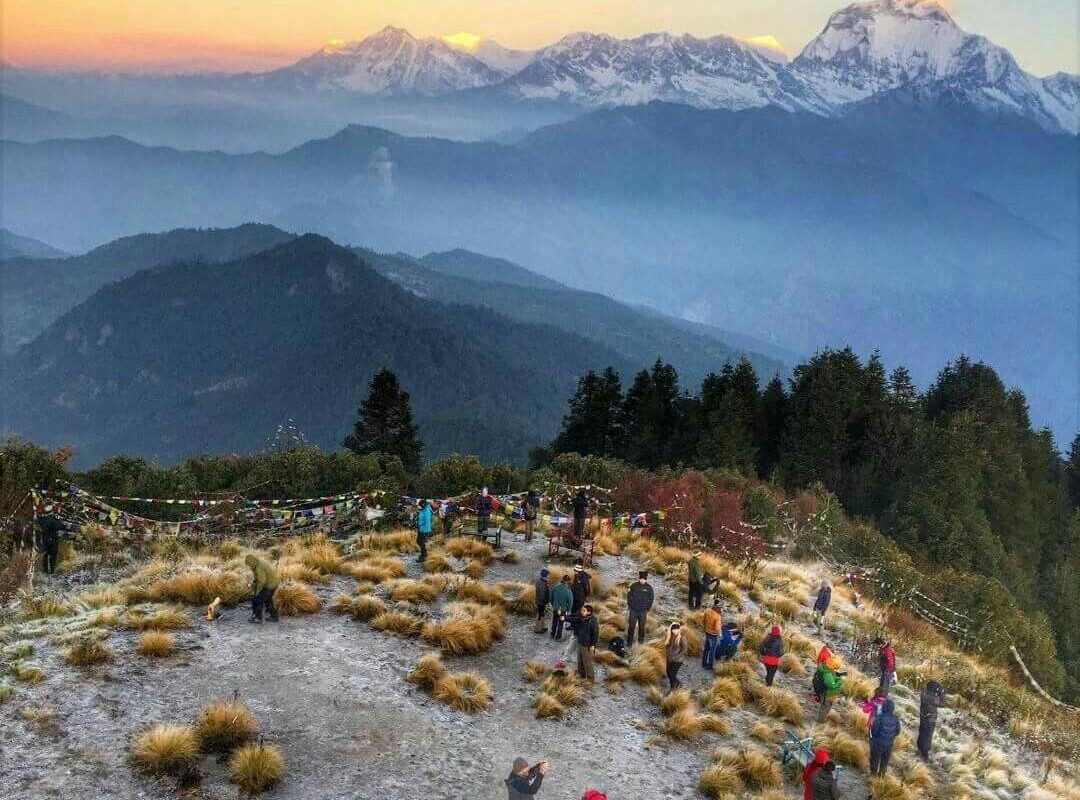
- Terrific panorama of Annapurna range, Damodar Himal, Muktinath Himal
- Ancient and isolated villages
- Enjoy the view of the Tibetan Plateau.
Price starts
US$ 1350
We offer group discounts
-
2 -
4 person
US$ 1500
-
5 -
10 person
US$ 1350
-
11 over
9999
US$ 1300
Total Cost:
US$

Need Help?
Ask to Travel Expert
Trip Overview of Damodar Kunda Trek: 10-Day Ultimate Sacred Adventure
The Damodar Kunda Trek is a remote spiritual journey through the arid valleys, ancient settlements, and high-altitude landscapes of Upper Mustang. Located close to the Tibetan Plateau, Damodar Kunda is a collection of sacred lakes associated with Lord Vishnu and the source region of the Kali Gandaki River.
Unlike Nepal’s busy teahouse routes, the Damodar Kunda Trek passes through isolated terrain with limited accommodation, unpredictable weather, and long walking days. Its combination of religious importance, Tibetan-influenced culture, and dramatic Himalayan scenery makes it one of Nepal’s most distinctive pilgrimages.
The journey is suitable for experienced trekkers, pilgrims, and adventure travelers who are physically prepared for elevations approaching 5,000 meters. The Damodar Kunda Trek normally requires restricted-area permits, professional logistical support, and careful acclimatization.
This complete guide explains the location, route, difficulty, permits, seasons, distances, accommodation, and preparation required for Damodar Kund, Nepal, trekking.
What Is the Damodar Kunda Trek?
The Damodar Kunda Trek is a challenging high-altitude journey to a group of sacred lakes below Damodar Himal in Nepal’s Mustang District. The route crosses the rain-shadow landscape of Upper Mustang, where eroded cliffs, deep canyons, and ancient settlements create scenery unlike Nepal’s greener trekking regions.
The pilgrimage destination consists of several small lakes rather than one large body of water. Hindu devotees connect Damodar Kunda with Lord Vishnu and consider the surrounding Kali Gandaki region sacred because of the presence of Shaligram fossils.
For trekkers, the Damodar Kunda Trek combines spiritual significance with an isolated Himalayan environment. The route moves beyond the better-known settlements of Upper Mustang into areas where permanent habitation and visitor facilities are extremely limited.
Where Is Damodar Kunda Located in Nepal?
Damodar Kunda is located in the Lo-Ghekar Damodarkunda Rural Municipality of Mustang District in Gandaki Province. It lies north of Muktinath and east of Lo Manthang, close to the Tibetan Plateau.
When viewing Damodar Kunda on a map of Nepal, the lakes appear in the remote northern part of the country between the Annapurna–Mustang region and the international border with China. The surrounding terrain belongs to the trans-Himalayan rain-shadow zone.
The Damodar Kunda Trek commonly enters Upper Mustang through Kagbeni before continuing through ancient settlements and isolated valleys. Depending on the chosen route, travelers may approach the lakes through Lo Manthang or via settlements farther south and east.
Official tourism information identifies Damodar Kunda as an important pilgrimage site in Mustang and describes its association with the Kali Gandaki River and sacred Shaligram fossils.
Religious Importance of Damodar Kunda
Religion is central to the Damodar Kunda Trek. Hindu tradition associates the sacred lakes with Lord Vishnu, who is worshipped as Damodar. Pilgrims believe that bathing in the water and worshipping at the site can cleanse sins and bring spiritual merit.
The region also has strong connections with Muktinath, another sacred place respected by both Hindus and Buddhists. Many pilgrims combine Muktinath and Damodar Kunda within one spiritual journey through Mustang.
Shaligrams found in the Kali Gandaki basin are dark ammonite fossils regarded by Hindu devotees as manifestations of Lord Vishnu. Their religious importance gives the Damodar Kunda Trek meaning beyond its landscape and physical challenge.
Visitors should behave respectfully around the lakes. Religious offerings should not be disturbed, and soap, chemicals, or waste must never be introduced into the sacred water.
Why Choose the Damodar Kunda Trek?
The Damodar Kunda Trek is designed for travelers who want more than a conventional mountain holiday. It combines pilgrimage, high-altitude adventure, archaeology, culture, and one of Nepal’s most unusual landscapes.
Upper Mustang remained geographically and culturally isolated for centuries. Its fortified settlements, cave complexes, monasteries, mani walls, and Tibetan-influenced traditions still shape daily life throughout the region.
The route also offers exceptional solitude. Once the Damodar Kunda Trek moves beyond major settlements, trekkers may walk for hours without meeting another group. This isolation creates a powerful atmosphere but also increases the need for experienced guides and reliable logistical planning.
The journey is especially rewarding for photographers, cultural travelers, experienced hikers, and pilgrims seeking a sacred destination away from large crowds.
Landscapes of Upper Mustang
The scenery along the Damodar Kunda Trek is noticeably different from the forested routes of Everest, Langtang, and lower Annapurna. Mustang lies behind the main Himalayan range and receives considerably less monsoon rainfall.
Wind and erosion have shaped the region into a landscape of colorful cliffs, deep ravines, narrow canyons, and exposed plateaus. Shades of red, grey, brown, and yellow change throughout the day as sunlight moves across the rock.
The Damodar Kunda Trek also provides distant views of peaks such as Nilgiri, Annapurna, Dhaulagiri, and Damodar Himal. These mountains appear above an arid landscape that often resembles the Tibetan Plateau.
Despite the dry environment, seasonal streams, alpine plants, and grazing areas support local communities and wildlife. Trekkers should remain on established trails to protect this fragile terrain.
Ancient Villages and Tibetan-Influenced Culture
The Damodar Kunda Trek passes through a region where language, religion, architecture, and clothing reflect centuries of cultural exchange with Tibet.
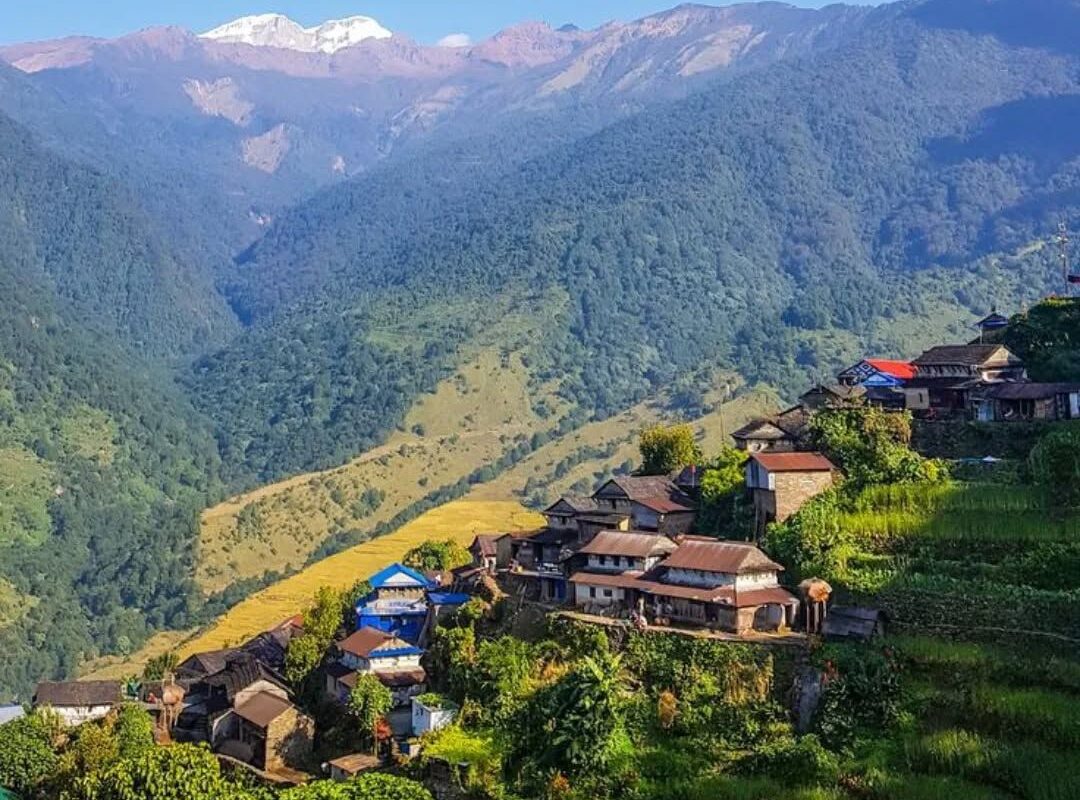
Villages are constructed from stone, mud, and timber to protect residents from cold temperatures and strong wind. Narrow alleys, flat-roofed houses, prayer flags, and traditional courtyards give many settlements a timeless appearance.
Buddhist monasteries, chortens, and mani walls appear along the route. Trekkers should always pass mani walls and religious monuments clockwise unless local guidance indicates otherwise.
Travelers completing the Damodar Kunda Trek should ask permission before entering monasteries or photographing residents. A small donation is appreciated when visiting religious buildings maintained by local communities.
Lo Manthang and the Walled City
Lo Manthang is one of the cultural highlights connected with the Damodar Kunda Trek. The historic walled settlement served as the capital of the former Kingdom of Lo and contains monasteries, traditional homes, and narrow lanes.
Many 15-day routes include time in Lo Manthang before approaching Damodar Kunda. This provides an opportunity to acclimatize while exploring the cultural center of Upper Mustang.
The settlement’s monasteries preserve religious artwork, statues, and manuscripts. Visitors should follow local rules because photography may be restricted inside certain buildings.
Connecting Lo Manthang with the Damodar Kunda Trek creates a balanced journey involving both cultural exploration and remote wilderness.
Damodar Kunda Itinerary Overview
A practical Damodar Kunda itinerary generally requires around 15 days, although the duration depends on the approach, transportation, acclimatization, and route conditions.
The journey usually begins with travel from Kathmandu to Pokhara, followed by a flight or road journey toward Jomsom. From there, travelers enter the Kali Gandaki corridor and continue toward Upper Mustang.
A typical Damodar Kunda trek may include Kagbeni, Chele, Ghami, Tsarang, and Lo Manthang before entering the more isolated area around Damodar Kunda. Alternative routes may approach through Yara, Luri, Tangge, or other settlements.
Enough time must be reserved for acclimatization and weather delays. A rushed Damodar Kunda itinerary increases exhaustion and altitude risk, especially when the route climbs above 4,000 meters.
Damodar Kunda Trek Difficulty
The Damodar Kunda Trek is considered strenuous because of its altitude, isolation, variable terrain, and limited facilities. Although it does not normally involve technical climbing, participants require strong endurance and previous multiday hiking experience.
Walking days may involve steep ascents, river crossings, loose ground, and extended sections without shade. Strong afternoon winds are common in Mustang and can make exposed terrain more tiring.
The most demanding parts of the Damodar Kunda Trek enter elevations where oxygen levels are significantly lower than at sea level. Cold nights, simple camps, and limited recovery facilities increase the physical challenge.
Trekkers should prepare for consecutive walking days rather than judging the journey by one difficult section. Consistency, patience, and responsible pacing are essential.
Altitude and Acclimatization
Damodar Kunda is commonly placed at approximately 4,800–4,900 meters by trekking maps and route descriptions, although published elevations vary. Trekkers should rely on their guide’s current route data rather than planning around one unverified figure.
Altitude sickness can affect anyone completing the Damodar Kunda Trek, regardless of age, strength, or previous fitness. Possible symptoms include headache, nausea, dizziness, poor sleep, unusual fatigue, and reduced appetite.
Mild symptoms must be monitored, and travelers should not continue ascending when their condition is worsening. Serious symptoms require immediate descent and professional medical assistance.
A well-designed Damodar Kunda trek includes gradual elevation gain and sufficient acclimatization. Hydration, proper meals, and slow walking support the body, but none of these measures guarantee protection from altitude illness.
Muktinath to Damodar Kunda, Nepal: Distance
The Muktinath to Damodar Kunda, Nepal, distance does not have one universal measurement because trekking routes, seasonal crossings, and starting points vary.
The approximate walking distance is often estimated at around 60–75 kilometers, depending on whether the journey follows the direct pilgrimage approach or connects with settlements in Upper Mustang. The actual route can be longer when acclimatization stops and cultural detours are included.
Travelers should not plan the Damodar Kunda Trek using straight-line map distance. Mountain trails rarely follow a direct line, and daily progress depends on elevation gain, river conditions, and available camping areas.
A registered local operator can provide updated GPS-based distances for the exact route being used.
Lo Manthang to Damodar Kunda Distance
The Lo Manthang to Damodar Kunda distance also varies according to the selected approach. Routes may travel through Yara, Luri, Ghuma Thanti, or other remote locations before reaching the lakes.
Depending on trail selection, the walking route may cover approximately 55–70 kilometers. It usually requires several days because of the elevation, difficult terrain, and need for safe acclimatization.
Including Lo Manthang in the Damodar Kunda Trek allows travelers to experience the cultural heart of Upper Mustang before entering the isolated alpine landscape.
Trail conditions may change after snow, rainfall, or landslides. Distances should therefore be treated as planning estimates rather than guaranteed measurements.
Jomsom to Damodar Kunda Distance
The Jomsom to Damodar Kunda distance is greater because Jomsom lies south of the restricted Upper Mustang region. A complete trekking approach commonly exceeds 90 kilometers and can be considerably longer depending on the route.
Most travellers do not attempt to cover this distance directly. The journey is divided across villages and acclimatization stops, allowing participants to adjust gradually to the altitude.
Jomsom serves as an important gateway for the Damodar Kunda Trek because it is connected with Pokhara by air and road. However, mountain flights are sensitive to wind and weather, so flexible scheduling is essential.
Road expansion has changed access in parts of Mustang, but the remote section near Damodar Kunda still requires careful trekking or expedition-style support.
Best Time for Damodar Kunda Trek
The best time for the Damodar Kunda Trek is generally from May to September. Upper Mustang lies in the Himalayan rain shadow, making it more suitable for summer travel than many trekking regions of Nepal.
May and June usually provide relatively stable conditions, longer daylight, and manageable temperatures. Snow may remain on higher sections early in the season, so current trail reports are important.
July and August coincide with Nepal’s monsoon, but Upper Mustang receives less rainfall than areas south of the Himalayas. These months also attract pilgrims during the sacred full-moon period of Shravan.
September can offer clearer skies and improving mountain visibility. However, temperatures begin dropping as autumn progresses.
The Damodar Kunda Trek is normally avoided during winter because heavy snow, extreme cold, and closed high routes may make the journey unsafe or impossible.
Weather and Temperature
Weather on the Damodar Kunda trek can change rapidly. Sunny mornings may be followed by powerful wind, clouds, or sudden snowfall at higher elevations.
Daytime temperatures can feel warm under direct sunlight, while shaded areas and nights remain cold. Wind chill may make the temperature feel significantly lower than the forecast.
Trekkers need layered clothing that can be adjusted throughout the day. A warm insulated jacket, thermal base layers, a waterproof shell, gloves, and a winter hat are essential.
Weather delays should be expected rather than treated as unusual. A flexible schedule allows the Damodar Kunda Trek team to wait when passes, rivers, or exposed trails become unsafe.
Accommodation and Camping
Accommodation varies across the Damodar Kunda Trek. Jomsom, Kagbeni, Lo Manthang, and established villages offer teahouses or guesthouses, while remote sections may require camping.
Village rooms are generally simple, with twin beds, blankets, and shared bathrooms. Hot showers, charging, and internet access may require additional payment and are not always reliable.
Beyond the permanent settlements, the Damodar Kunda Trek may depend on tents, kitchen staff, food supplies, and camping equipment. Camps must be placed in safe locations with access to water and protection from wind.
A warm sleeping bag rated for freezing conditions is essential. Travelers should confirm whether tents, mattresses, meals, and porter services are included in their trekking package.
Food and Drinking Water
Teahouses serve dal bhat, noodles, soup, potatoes, rice, eggs, Tibetan bread, and other basic meals. Food choices become limited as the Damodar Kunda Trek enters remote terrain.
Camping groups normally travel with kitchen staff and essential food supplies. Meals should provide enough carbohydrates, protein, and energy for long walking days.
Water must always be boiled, filtered, or chemically treated before drinking. Clear-looking Himalayan water can still contain microorganisms capable of causing illness.
Reusable bottles and purification equipment reduce plastic waste. Travelers undertaking the Damodar Kunda Trek should drink regularly because dehydration can worsen fatigue and altitude-related discomfort.
Permits Required for Damodar Kunda Trek
Upper Mustang is a restricted trekking region. Foreign visitors require a restricted-area trekking permit issued through Nepal’s Department of Immigration and arranged by an authorized trekking agency.
According to the current Nepal trekking permit information, Lo Manthang and Lo-Ghekar, Damodarkunda rural municipalities, fall within the restricted Upper Mustang zone. The listed fee is USD 50 per person per day.
Permit fees and regulations can change, so travelers should confirm the current amount before booking the Damodar Kunda Trek. The restricted-area permit must be carried throughout the journey and presented at checkpoints.
An Annapurna Conservation Area Permit may also be required. Applications and current fees can be checked through the official NTNC online permit system.
Guide and Group Requirements
The Damodar Kunda Trek should be arranged through a government-authorized trekking agency. Restricted-area permits are not normally issued for independent solo trekking.
A licensed guide is essential for navigation, permit compliance, communication, and emergency decisions. The remote route contains trail junctions and camping locations that may not be clearly marked.
Groups also require appropriate support staff, particularly when camping. Porters, cooks, and animal transport may be needed to carry food, tents, fuel, and safety equipment.
Travelers should choose a company experienced specifically in Upper Mustang and the Damodar Kunda Trek rather than relying only on general trekking experience.
Physical Preparation
Preparation for the Damodar Kunda Trek should begin at least six to eight weeks before departure. Regular hiking with elevation gain is the most effective form of training.
Participants should gradually increase distance while carrying a daypack. Stair climbing, running, cycling, and swimming can improve cardiovascular endurance.
Strength exercises such as squats, lunges, calf raises, step-ups, and planks prepare the legs and core for uneven ground and consecutive walking days.
Good fitness does not eliminate altitude risk, but it helps travelers avoid unnecessary exhaustion. The Damodar Kunda Trek becomes more enjoyable when the body is prepared for sustained activity.
Essential Packing List
Packing for the Damodar Kunda Trek requires preparation for intense sunlight, strong wind, freezing nights, and basic camping conditions.
Essential items include:
- Broken-in waterproof trekking boots
- Lightweight lodge or camp shoes
- Moisture-wicking base layers
- Warm fleece jacket
- Insulated down jacket
- Waterproof and windproof outer shell
- Comfortable trekking trousers
- Thermal leggings
- Warm gloves and insulated hat
- Wide-brimmed sun hat
- UV-protection sunglasses
- High-SPF sunscreen and lip balm
- Sub-zero sleeping bag
- Trekking poles
- Headlamp with spare batteries
- Reusable water bottles
- Water filter or purification tablets
- Personal first-aid supplies
- Regular prescription medication
- Power bank and charging cables
- Waterproof backpack cover
- Quick-drying towel and toiletries
- Passport, permits and insurance copies
- Sufficient cash in Nepalese rupees
Avoid unnecessary weight, but do not remove essential cold-weather equipment. Conditions during the Damodar Kunda Trek can become severe without warning.
Health and Safety
Safety planning is essential because the Damodar Kunda Trek travels through remote areas with limited medical facilities and phone coverage.
Participants should disclose medical conditions to their trekking operator and consult a qualified doctor before traveling. Personal medication must be carried in sufficient quantity, with extra supplies for possible delays.
A comprehensive first-aid kit, communication device, and emergency plan should be available within the group. Guides must monitor weather, trail conditions, and participant health throughout the journey.
Travelers should never separate from the group or continue alone. On the Damodar Kunda Trek, a minor injury or navigation error can become serious because help may be several hours or days away.
Travel Insurance
Travel insurance must cover high-altitude trekking up to the maximum elevation included in the Damodar Kunda Trek.
The policy should include emergency helicopter evacuation, hospitalization, medical treatment, trip interruption, delayed flights, and lost baggage. Standard travel policies may exclude trekking above a specified altitude.
Read the policy conditions carefully and obtain written confirmation when necessary. Carry printed and digital copies of the insurance certificate and emergency contact numbers.
Insurance cannot remove risk, but it can protect travelers from major financial and logistical problems during the Damodar Kunda Trek.
Responsible Trekking
The fragile desert environment of Upper Mustang requires careful behavior. Every Damodar Kunda Trek group should carry non-biodegradable waste back to an appropriate disposal point.
Single-use plastic should be minimized, and reusable water bottles should be used whenever possible. Batteries, wipes, wrappers, and hygiene products must never be left behind.
Water and fuel are limited in remote areas. Camping teams should use resources responsibly and avoid damaging vegetation for firewood.
Respect for local people is equally important. Ask permission before taking Damodar Kunda photos of residents, monasteries, religious ceremonies, or private homes.
Responsible conduct protects the cultural and natural character that makes the Damodar Kunda Trek special.
Photography on the Damodar Kunda Trek
Damodar Kunda photos often show turquoise water, barren mountain slopes, prayer flags, ancient villages, and the dramatic cliffs of Upper Mustang.
Morning and late-afternoon light create the best colors across the dry landscape. A wide-angle lens captures valleys and mountain formations, while a telephoto lens isolates monasteries, wildlife, and distant peaks.
Carry spare batteries because cold weather reduces battery life. A protective bag is useful against dust, wind, and sudden rain.
Drone users must obtain all required permissions before traveling. Restricted zones, conservation regulations, and local religious sensitivities may limit aerial photography during the Damodar Kunda Trek.
Communication, Electricity and Money
Mobile coverage is available around some established settlements but becomes unreliable in remote areas. Travelers should not depend on continuous internet access during the Damodar Kunda Trek.
Solar charging may be available in villages, often for an additional fee. Carrying a high-capacity power bank helps protect communication and camera equipment.
ATMs are not available along most of the route. Travelers should carry sufficient Nepalese cash for drinks, charging, showers, monastery donations, and personal expenses.
Money should be divided between secure bags rather than kept in one location. Payment cards cannot be relied upon during the Damodar Kunda Trek.
Who Should Choose This Trek?
The Damodar Kunda Trek is best suited to experienced hikers, religious pilgrims, and travelers comfortable with basic facilities and isolated environments.
It is not an ideal first Himalayan trek for someone without hiking experience. The altitude, camping requirements, and limited emergency access demand physical and mental preparation.
Travelers seeking luxury lodges, short walking days, or continuous connectivity may prefer a more developed route. Those who value spirituality, solitude, and cultural discovery are more likely to appreciate the journey.
With appropriate preparation and professional support, the Damodar Kunda Trek offers an experience rarely matched by Nepal’s busier trails.
What Makes Damodar Kunda Special?
Damodar Kunda is more than a remote destination on a map. It is a sacred landscape where religion, geology, and Himalayan geography meet.
The journey connects the Kali Gandaki corridor, ancient Mustang settlements, the former kingdom of Lo, and the isolated lakes below Damodar Himal.
Few trekking routes combine such strong spiritual meaning with a demanding expedition-style experience. Reaching the lakes requires patience, endurance, and respect for the environment.
This combination of pilgrimage and adventure gives the Damodar Kunda Trek its distinctive identity.
Conclusion
The Damodar Kunda Trek is one of Nepal’s most remote and spiritually meaningful journeys. It leads through the ancient settlements and desert valleys of Upper Mustang before reaching sacred lakes beneath Damodar Himal.
The route demands strong fitness, proper acclimatization, restricted-area permits, and professional logistical support. Travelers must also prepare for limited accommodation, camping, cold weather, and rapidly changing trail conditions.
In return, the Damodar Kunda Trek offers remarkable solitude, Tibetan-influenced culture, sacred Shaligram traditions, and landscapes that feel entirely different from Nepal’s popular trekking regions.
For experienced travelers and pilgrims seeking a genuine high-altitude adventure, the Damodar Kunda Trek is an unforgettable journey into the spiritual heart of Mustang.
Detail Itinerary of Damodar Kunda Trek: 10-Day Ultimate Sacred Adventure
Day 01: Arrival In Kathmandu (Altitude:1,400m)
Our team representatives will pick you up from the Tribhuvan International Airport and transfer you to the hotel in Kathmandu. A briefing of the trek will be conducted, and you will spend the night at a hotel in Kathmandu.
Day 02: Sightseeing in Kathmandu (Altitude:1,400m)
Begin the day with a visit to the famous places in the Kathmandu valley, including the Pashupatinath Temple, Syambhunath, and Bouddhanath. After the tour, you will return to the hotel.
Day 03: Drive or fly to Pokhara (Altitude:827m)
You can drive or fly to Pokhara; the choice is yours. If you prefer flying, take a flight from Tribhuvan International to Pokhara Airport. If you prefer to drive, you will travel in a private vehicle with a scenic view of landscapes. Overnight stay in Pokhara.
Day 04: Fly to Jomsom, drive to Yara (Altitude: Jomsom 2,713m, Yara 3,500m)
Take a flight to Jomsom, a town in Mustang district, and then drive to Yara, 8-9 hours’ drive through the way of Kali Gandaki by exploring the scenic beautiful mountains which include the Tibetan landscapes and local valleys of Mustang we will reach Yara and spend our night there in yara.
Day 05: Trek to Damodar Kunda (Altitude: Yara 3,500m)
Today after breakfast your trek begins. Walk for about 7 hours from Yara to reach Damodar Kunda, a sacred pilgrimage site known for religious significance. You can see scenic mountains like Bhrikuti Mountain, Lokala Mountain, and different mountains of the Annapurna range. 3 kundas are located where they are: Tamakunda, Dhudkunda, and Chakrakhund, which is known as Damador Kunda. Spend the night there in Dharmasala.
Day 06: Trek back to Yara (Altitude: Yara 3,500m)
After waking up, perform puja at Kunda. After the completion of puja, we will have breakfast at Dharmasala and begin our trek to Yara with the beautiful trails along the way. After reaching Yara, spend the night in Yara.
Day 07: Drive back to Jomsom (Altitude: 2,713m)
Today, after having some breakfast, we will start our drive to Jomsom, enjoying the scenic view of mountains like Dhaulagiri, Mustang Himal, Tukuche Peak, and many more. You will be surrounded by places like the Annapurna Himalayas and Mustang valleys. Overnight stay in Jomsom.
Day 08: Fly back to Pokhara (Altitude:827m)
Today we will fly to Pokhara and explore the beautiful lakeside during the nighttime in Pokhara. Spend the night in Pokhara.
Day 09: Drive back to Kathmandu (Altitude:1,400m)
After having breakfast, we will return to Kathmandu by road from Pokhara, enjoying the wonderful views of the landscapes along the way. After reaching Kathmandu, you’ll have dinner and spend the night in Kathmandu.
Day 10: Final departure, returning to own destination (Altitude:1,400m)
Our team member will drop you at Tribhuvan International Airport and return to your home destination.

- Walking times, distances, and elevations are approximate.
- The itinerary may change due to weather or trail or road conditions.
- Vehicle support is used between selected Upper Mustang settlements.
- The final approach to Damodar Kunda requires camping.
- The route may be adjusted for proper acclimatization and safety.
- Pokhara–Jomsom flights may be delayed or cancelled due to bad weather.
- Permit regulations and fees may change without prior notice.
- Follow your guide’s instructions throughout the journey.
Includes and Excludes
What is included?
- Airport pickups and drops in a private vehicle
- Hotel accommodation in Kathmandu with Bed and breakfast
- Teahouse accommodation during the trek
- All meals (breakfast, lunch and dinner) during the trek
- All ground transportation on a comfortable private vehicle as per the itinerary
- Domestic flights (Kathmandu-Lukla-Kathmandu)
- An experienced, English-speaking, and government-licensed holder Guide and Porter service (2 trekkers: 1 porter)
- Staff costs including their salary, insurance, equipment, domestic airfare, food and accommodation
- Down jacket
- All necessary paperwork and trekking permits (National Park Permit, TIMS)
- Medical kit (carried by your trek leader)
- All government and local taxes
What is excluded?
- Nepalese visa fee
- Excess baggage charge(s)
- Extra night accommodation in Kathmandu because of early arrival, late departure, early return from mountain (due to any reason) than the scheduled itinerary
- Emergency expenses like rescues and emergency medical treatment.
- Personal insurance charges.
- International flights
- Travel and rescue insurance
- Personal expenses (phone calls, laundry, bar bills, battery recharge, extra porters, bottle or boiled water, shower, etc.)
- Tips for guide(s), porter(s) and driver(s)
Trip Information
| Trip Details | Information |
|---|---|
| Destination | Damodar Kunda, Upper Mustang |
| Trip Duration | 15 Days |
| Maximum Altitude | Approximately 4,800–4,900 metres |
| Trek Difficulty | Strenuous |
| Best Season | May to September |
| Starting Point | Jomsom |
| Ending Point | Jomsom |
| Accommodation | Hotels, teahouses and tented camps |
| Meals | Local meals and freshly prepared camping meals |
| Trekking Region | Upper Mustang, Nepal |
| Transportation | Domestic flights, private vehicles and trekking |
| Permits Required | Upper Mustang Restricted Area Permit and ACAP |
| Guide Requirement | Licensed guide and authorized trekking agency |
| Group Requirement | Minimum two trekkers for the restricted area |
| Major Attractions | Damodar Kunda, Lo Manthang, Luri Gompa and Kali Gandaki Valley |
| Religion | Sacred to Hindu and Buddhist pilgrims |
| Mountain Views | Nilgiri, Annapurna, Dhaulagiri and Damodar Himal |
| Trek Type | Pilgrimage, cultural and high-altitude adventure |
Frequently Asked Questions
Where is Damodar Kunda located in Nepal?
Damodar Kunda is located in Lo-Ghekar Damodarkunda Rural Municipality in the Upper Mustang region of Gandaki Province, Nepal.
How long does the Damodar Kunda Trek take?
The complete journey usually takes around 15 days, including transportation, acclimatization, trekking, and the return journey.
How difficult is the Damodar Kunda Trek?
The trek is strenuous because of its high altitude, isolated trails, long walking days, and limited accommodation.
What is the altitude of Damodar Kunda?
Damodar Kunda is commonly placed at approximately 4,800–4,900 meters, although recorded elevations vary between maps and route descriptions.
When is the best time for the Damodar Kunda Trek?
The best period is generally from May to September, when the high trails are more accessible and Upper Mustang receives comparatively little monsoon rainfall.
What permits are required?
Foreign trekkers require an Upper Mustang Restricted Area Permit and an Annapurna Conservation Area Permit.
Can I trek to Damodar Kunda alone?
Independent solo trekking is not permitted in the restricted Upper Mustang region. The permit must be arranged through an authorized trekking agency.
Is a guide required?
Yes. A licensed guide is required for the restricted area and is essential for navigation, permit compliance, and safety.
What accommodation is available?
Hotels and teahouses are available in established settlements, while tented camping is required near Damodar Kunda.
Is the trek suitable for beginners?
It is not recommended as a first Himalayan trek. Participants should have good fitness, previous multiday hiking experience, and proper high-altitude preparation.
Is altitude sickness a concern?
Yes. The route approaches 5,000 meters, so trekkers must ascend gradually, stay hydrated, and report symptoms immediately.
What is the distance from Jomsom to Damodar Kunda?
The complete trekking approach commonly exceeds 90 kilometers, but the exact distance varies according to the chosen route and stopping points.
What is the distance from Lo Manthang to Damodar Kunda?
The walking distance is approximately 55–70 kilometers, depending on the route through Yara, Luri, or other remote locations.
What is the distance from Muktinath to Damodar Kunda?
The approximate walking distance is around 60–75 kilometers, although seasonal trails and the selected approach can change the total distance.
Is travel insurance necessary?
Yes. Insurance should cover high-altitude trekking, medical treatment, trip interruption, and emergency helicopter evacuation.
Why is Damodar Kunda sacred?Hindus associate the lakes with Lord Vishnu in his Damodar form. The surrounding Kali Gandaki region is also famous for sacred Shaligram fossils. Select 77 more words to run Humanizer.
Trip Reviews
Price starts
US$ 1350
Need Help?
Ask to Travel Expert