
- Mt. Kailash Tour
- Kailash Mansarovar Overland Tour
- Kailash Mansarovar Yatra by Helicopter – Complete Spiritual Journey Guide
- Kailash Yatra via Lucknow
- Kailash Mansarovar Tour via Lhasa
- Kailash Lhasa EBC Tour From Beijing
- Kailash Heli Tour via Kerung: Complete Spiritual Journey Guide
- Kailash Tour via Lhasa In Kerung Out
- Lhasa EBC Kailash Tour
- Kailash Heli Tour
- Kailash Mansarovar Yatra from Nepal 2027: Cost & Itinerary
- Kailash Nandi Kora
- Kailash Tour via Humla Simikot – 20 Days
- Mount Kailash Tour: 7 Amazing Experiences in 2027
- Trekking
-
-
- Everest Region
- Luxury Everest Base Camp Trek: 7 Unforgettable Highlights
- Everest Base Camp Trek 2026: Cost, Route, and Complete Guide
- Everest Three Passes Trek 2027: Cost, Route & Itinerary
- Everest Base Camp Short Trek
- Everest Panorama Trek: Amazing 10-Day Cost & Itinerary
- Everest Base Camp Island Peak Trek: Complete 19-Day Guide
- Gokyo Valley Trekking 2027: Easy Guide to Cost & Itinerary
- Mera Peak Climbing 2027: Complete Cost & Itinerary Guide
- Rolwaling Valley Trek: 23-Day Itinerary, Cost, Permits & Difficulty
- Dolpo Region Trek
- Everest Region
-
- Annapurna Region
- Annapurna Base Camp Trekking
- Annapurna Circuit Trek
- Annapurna Base Camp Trek: 7 Amazing Cost & Route Tips
- Mardi Himal Trek: 7 Amazing Highlights & Complete Guide
- Annapurna Alternative Combine Trek: 18 Amazing Days
- Mohare Dada Trek
- Ghorepani Poon Hill Trek: 7 Unforgettable Highlights
- Khopra Ridge Community Trek: 13-Day Ultimate Adventure
- Damodar Kunda Trek: 10-Day Ultimate Sacred Adventure
- Upper Mustang Trek: 10 Amazing Sights : Ultimate Guide
- Jomsom Muktinath Trek: Amazing 12-Day Ultimate Guide
- Ghale Gaun Trek: 7 Amazing Reasons : Ultimate Guide
- Dhampus Sarangkot Trek: 7 Incredible Experiences
- Dhaulagiri Region
- Annapurna Region
-
-
- Tours
-
-
- Day Tours
- Rickshaw–a three-wheeler Tour
- Pharping Dakshinkali Day Tour: 7 Amazing Highlights
- Historical Tour: 7 Amazing Places to Explore
- Kathmandu Temple Tour: 7 Amazing Spiritual Places
- Nagarkot Tour
- Bhaktapur City Tour: 7 Amazing Places to Explore
- Kathmandu City Tour – Complete Heritage & Cultural Experience in Nepal
- Chandragiri Hill: A Scenic Himalayan Escape Near Kathmandu
- Chitlang Hiking
- Shivapuri to Sundarijal Day Hiking
- Kulekhani Dam Day Tour — Complete Travel Guide
- Day Tours
-
- Package Tours
- Mustang Tour on Jeep
- Nepal Tour Package for Nepali: 12 Amazing Destinations to Explore (2026)
- Muktinath Tour: Complete Guide to Nepal’s Sacred Himalayan Pilgrimage
- 3N,4D Kathmandu Pilgrimage Tour
- Nepal Buddhist Pilgrimage Tour: 7 Sacred Sites Not to Miss
- 6D Nepal Pilgrimage Tour: 7 Amazing Sacred Places
- 7 Nights, 8 Days Nepal Tour
- Districts tour of Nepal
- Janakpur Tour Package: Price, Family Tour & Travel Guide from Kathmandu 2026
- Short Hike in Nepal: 7 Best Easy Treks for Beginners
- Package Tours
-
-
- Outbound
-
- Activities
- Climbing
- Bungee Jumping in Nepal
- Heli Skiing Adventure in the Himalayas
- Canoeing in Nepal
- Mountain Flight in Nepal
- Zip Flyer in Pokhara: The Ultimate Adventure Experience
- Paragliding in Pokhara: 7 Amazing Reasons to Experience Nepal’s Best Adventure
- Kathmandu Cycling Tour: 9 Amazing Adventures
- Rafting
- Rock Climbing
- Company
- Travel Info
- Travel Insurance
- Recommended Medical Kit
- Nepal Visa Information
- Flight delays and cancellation in Nepal
- Electricity in Nepal: Rates, Bill Check, Calculator and NEA Services
- Trekking Equipment Checklist: 40 Essential Items
- Best Kailash season in Tibet
- Best Trekking season in Nepal
- Trekking in Nepal 2027: 15 Best Himalayan Adventures
- Blogs
- Contact


WhatsApp
+977-9851035239

Email Us
[email protected]
Everest base camp trip via Lhasa



Trip Duration
11 Days
Trip Difficulty
Moderate
Activity
Trekking, Hiking & Sightseeing
Destination
Nepal, Tibet
Group Size
2-20 Pax
Accommodation
3–4-star hotel in kathmandu, Normal hotel in TrekkingHighlights of Everest base camp trip via Lhasa
- Experience an unforgettable Everest Base Camp trip via Lhasa through the heart of Tibet.
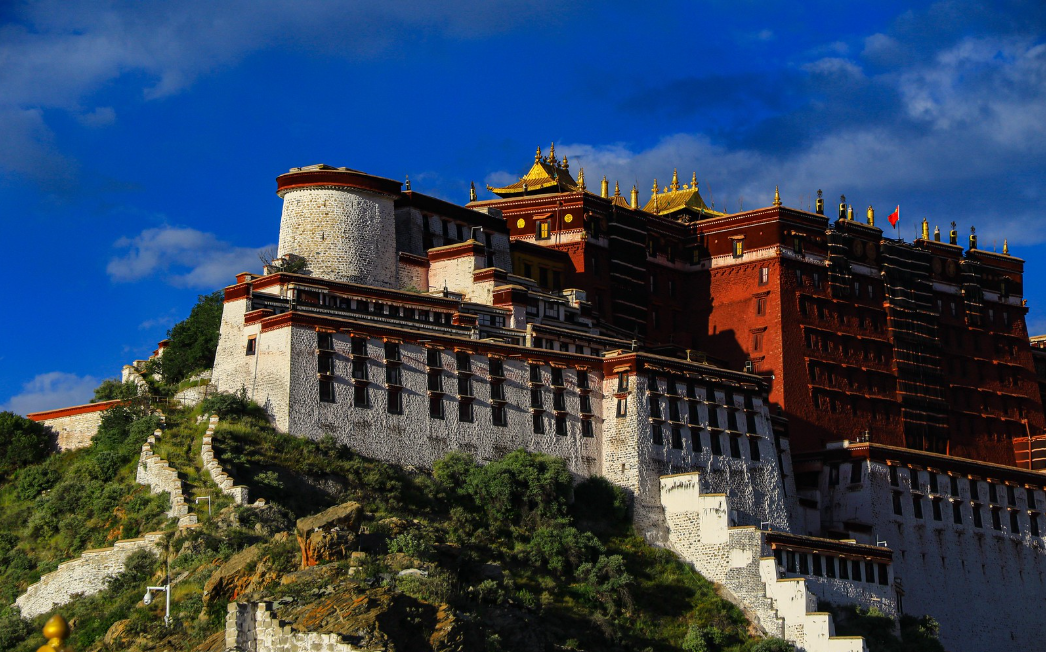
- Explore the iconic Potala Palace, a UNESCO World Heritage Site.
- Visit the sacred Jokhang Temple, the spiritual center of Tibetan Buddhism.
- Walk through the vibrant Barkhor Street and experience authentic Tibetan culture.
- Discover the historic Drepung Monastery and Sera Monastery, famous for monk debate sessions.
- Admire the breathtaking turquoise waters of Yamdrok Lake.
- Witness the spectacular Karola Glacier up close.
- Visit Tashilhunpo Monastery, the traditional seat of the Panchen Lama.
- Explore the world’s highest monastery, Rongbuk Monastery.
- Enjoy breathtaking panoramic views of the Mount Everest North Face.
- Travel along the legendary Friendship Highway across the Tibetan Plateau.
- Experience a scenic Kathmandu to Lhasa overland tour through dramatic Himalayan landscapes.
- Discover Tibetan culture, ancient monasteries, picturesque valleys, and traditional villages.
- Travel with experienced guides, comfortable transportation, and well-planned accommodations.
- Capture unforgettable photographs of the Himalayas, glaciers, sacred lakes, and Everest Base Camp.
Price starts
US$ 1600
We offer group discounts
-
1 -
5 person
US$ 1800
-
6 -
10 person
US$ 1600
-
11 over
9999
US$ 1500
Total Cost:
US$ 1800

Need Help?
Ask to Travel Expert
Trip Overview of Everest base camp trip via Lhasa
An Everest Base Camp trip via Lhasa is one of the most rewarding journeys for travelers seeking a combination of breathtaking Himalayan scenery, Tibetan Buddhist culture, and unforgettable road adventures. Unlike traditional trekking routes, this journey allows you to experience the world’s highest mountain from the spectacular northern side while exploring the spiritual heart of Tibet. From the magnificent Potala Palace in Lhasa to the majestic Mount Everest North Face, every destination offers a unique blend of history, culture, and natural beauty.
This remarkable adventure begins in Nepal before entering Tibet through a scenic overland route or by flight to Lhasa. Many travelers choose the Kathmandu to Lhasa Overland Tour because it provides a gradual altitude gain, allowing better acclimatization while showcasing dramatic Himalayan landscapes, pristine lakes, and ancient monasteries along the historic Friendship Highway. Every stop introduces visitors to the rich traditions of Tibetan Buddhism and the remarkable heritage preserved for centuries.
A well-planned Everest Base Camp tour offers much more than mountain views. Travelers can discover UNESCO World Heritage Sites, sacred temples, vibrant Tibetan markets, peaceful monasteries, and picturesque valleys before reaching the legendary Everest Base Camp on the Tibetan Plateau. Along the journey, you’ll encounter welcoming Tibetan communities, colorful prayer flags, yak pastures, and panoramic viewpoints that make this one of Asia’s most extraordinary travel experiences.
Whether you are an adventure enthusiast, photographer, pilgrim, or cultural traveler, an Everest Base Camp trip via Lhasa promises memories that last a lifetime. This guide covers everything you need to know, including the Everest Base Camp Trip via Lhasa Price, major attractions, travel permits, the best time to visit, accommodation, transportation, travel tips, and practical information to help you plan an unforgettable Himalayan adventure.
Why Choose an Everest Base Camp Trip via Lhasa?
Choosing an Everest Base Camp trip via Lhasa offers a completely different experience from trekking to Everest Base Camp in Nepal. Instead of days of physically demanding hiking, travelers enjoy comfortable road travel across the Tibetan Plateau while visiting some of Tibet’s most significant cultural and religious landmarks.
The journey combines stunning mountain scenery with centuries-old Buddhist heritage, making it ideal for travelers who wish to experience both culture and nature in a single trip. As you travel from Lhasa towards Everest Base Camp, the landscape gradually transforms from historic cities and monasteries into vast alpine grasslands, crystal-clear lakes, dramatic mountain passes, and the towering Himalayan peaks.
One of the biggest advantages of this route is gradual acclimatization. Travelers spend several days exploring Lhasa before continuing towards Everest Base Camp, significantly reducing the chances of altitude sickness compared to arriving directly at high elevations.
Some of the major reasons to choose an Everest Base Camp trip via Lhasa include:
- Comfortable overland journey across the Tibetan Plateau
- Explore the iconic Potala Palace and Jokhang Temple
- Visit sacred Tibetan monasteries
- Experience authentic Tibetan Buddhist culture
- Drive along the spectacular Friendship Highway
- Witness breathtaking views of Mount Everest’s North Face
- Visit the world’s highest monastery, Rongbuk Monastery
- Excellent opportunities for landscape and cultural photography
- Comfortable hotels throughout the journey
- Professional Tibetan guides and organized transportation
For travelers looking for a once-in-a-lifetime Himalayan adventure, few experiences compare with an Everest Base Camp trip via Lhasa.
Top Attractions During an Everest Base Camp Trip via Lhasa
1. Potala Palace
No Everest Base Camp trip via Lhasa is complete without visiting the magnificent Potala Palace. Standing proudly above Lhasa, this architectural masterpiece served as the winter residence of the Dalai Lamas for centuries and remains Tibet’s most recognizable landmark.
Originally constructed during the 7th century by King Songtsen Gampo and expanded during the 17th century, the palace contains more than one thousand rooms filled with priceless Buddhist statues, sacred scriptures, murals, chapels, and historical artifacts.
Recognized as a UNESCO World Heritage Site, Potala Palace reflects the remarkable artistic, cultural, and religious heritage of Tibet. Visitors can admire its impressive white and red palaces while learning about Tibetan history and Buddhism.
According to the UNESCO World Heritage Centre, Potala Palace is one of Asia’s most significant cultural monuments and remains an important pilgrimage destination for Buddhists from around the world.
2. Jokhang Temple
Located in the heart of Lhasa, Jokhang Temple is considered the most sacred temple in Tibet. Built during the 7th century, it houses the famous statue of the twelve-year-old Buddha and attracts thousands of pilgrims every year.
During an Everest Base Camp Tour, visiting Jokhang Temple offers a fascinating insight into Tibetan spiritual life. Pilgrims can be seen walking clockwise around the temple while spinning prayer wheels and offering prayers, creating an unforgettable cultural atmosphere.
The temple’s beautiful architecture, ancient murals, and religious significance make it one of the highlights of every Everest Base Camp trip via Lhasa.
3. Barkhor Street
Surrounding Jokhang Temple is the lively Barkhor Street, one of Tibet’s oldest traditional markets. The circular pilgrimage route is lined with Tibetan handicraft shops, prayer flags, jewelry, antiques, local restaurants, and traditional tea houses.
Walking through Barkhor Street allows travelers to experience everyday Tibetan life while shopping for authentic souvenirs and interacting with local residents. The atmosphere is especially vibrant during festivals and religious celebrations.
For photographers and cultural travelers, Barkhor Street offers countless opportunities to capture the unique traditions and architecture that define Tibet.
4. Drepung and Sera Monasteries
Before leaving Lhasa, most Everest Base Camp trips via Lhasa itineraries include visits to Drepung Monastery and Sera Monastery, two of Tibet’s largest centers of Buddhist learning.
Drepung Monastery was once home to more than 10,000 monks and played a central role in Tibetan Buddhism. Visitors can explore its impressive assembly halls, chapels, libraries, and peaceful courtyards while learning about monastic life.
Sera Monastery is famous for its lively monk debate sessions, where monks discuss Buddhist philosophy using expressive hand gestures and traditional debating techniques. Watching these debates is one of the most memorable cultural experiences in Tibet.
5. Yamdrok Lake
One of the most scenic stops during an Everest Base Camp trip via Lhasa is Yamdrok Lake, one of Tibet’s three sacred lakes. Its brilliant turquoise waters contrast beautifully with the surrounding snow-capped mountains and rolling grasslands.
Located at an altitude of approximately 4,441 meters, Yamdrok Lake is considered sacred by Tibetan Buddhists and is believed to be the spiritual home of protective deities.
The breathtaking scenery makes Yamdrok Lake one of the most photographed locations during the journey and an unforgettable highlight of every Everest Base Camp Tour.
6. Karola Glacier
Continuing your Everest Base Camp Trip via Lhasa, you’ll reach the spectacular Karla Glacier, one of Tibet’s most accessible glaciers. Rising to an elevation of approximately 5,560 meters, the glacier descends dramatically from the mountainside, creating an unforgettable landscape of ice, rock, and snow.
Unlike many glaciers that require long hikes, Karola Glacier can be viewed directly from the highway, making it one of the most popular photography stops during the journey. The surrounding Himalayan scenery offers incredible panoramic views and showcases the raw beauty of the Tibetan Plateau.
For many travelers, Karola Glacier marks the transition from cultural sightseeing to the high-altitude wilderness that characterizes the remainder of the Everest Base Camp Trip via Lhasa.
7. Shigatse—Tibet’s Second Largest City
Shigatse is the second-largest city in Tibet and an important stop before reaching Everest Base Camp. Located on the banks of the Yarlung Tsangpo River, the city serves as the traditional seat of the Panchen Lamas and is home to the magnificent Tashilhunpo Monastery.
Founded in 1447, Tashilhunpo Monastery is one of Tibet’s most significant religious institutions. Visitors can admire its golden-roofed temples, ancient Buddhist scriptures, colorful murals, and the impressive statue of the Future Buddha (Maitreya).
Besides its religious importance, Shigatse provides modern hotels, restaurants, and local markets, making it an ideal overnight stop during an Everest Base Camp Tour before continuing towards the world’s highest mountain.
8. Rongbuk Monastery
One of the most unforgettable highlights of an Everest Base Camp trip via Lhasa is Rongbuk Monastery, the highest monastery in the world at an altitude of approximately 5,000 meters.
Built in 1902, Rongbuk Monastery is surrounded by dramatic Himalayan peaks and offers one of the closest viewpoints of Mount Everest’s North Face. The peaceful atmosphere, colorful prayer flags, and panoramic mountain scenery create a deeply spiritual experience for visitors.
Many travelers choose to spend the night near Rongbuk Monastery to enjoy spectacular sunrise and sunset views over Mount Everest. The monastery also provides one of the best opportunities to appreciate the scale and beauty of the Himalayas before visiting Everest Base Camp.
9. Mount Everest North Face
The ultimate destination of every Everest Base Camp Trip via Lhasa is the magnificent Mount Everest North Face, standing at an elevation of 8,848.86 meters as the highest mountain on Earth.
Unlike the trekking route in Nepal, the Tibetan side allows visitors to drive remarkably close to Everest Base Camp, making this journey suitable for travelers of all ages. From the viewing platform, visitors enjoy breathtaking panoramic views of Everest’s towering summit, glaciers, and surrounding Himalayan peaks.
Standing before the world’s highest mountain is an unforgettable experience that attracts photographers, mountaineers, pilgrims, and adventure lovers from around the globe. The peaceful surroundings and dramatic landscape make Everest Base Camp one of the most extraordinary destinations in Asia.
Everest Base Camp Trip via Lhasa Price
The Everest Base Camp Trip via Lhasa Price varies depending on several factors, including the travel season, group size, accommodation standard, transportation, and sightseeing inclusions. Travelers joining group departures generally enjoy lower prices, while private tours provide greater flexibility and personalized services.
Most packages include airport transfers, accommodation, transportation, an English-speaking Tibetan guide, sightseeing, permits, and government taxes. Additional expenses may include international flights, meals not mentioned in the itinerary, travel insurance, and personal expenses.
When comparing packages, always check what is included to ensure you receive the best value for your investment.
Everest Base Camp Trip via Lhasa Cost
The overall Everest Base Camp trip via Lhasa Cost depends on the duration of the tour, hotel category, permit fees, and seasonal demand. Spring and autumn are considered peak travel seasons, resulting in slightly higher prices due to favorable weather conditions.
Budget-conscious travelers can reduce costs by joining scheduled group departures instead of booking private tours. Deluxe accommodation, upgraded transportation, and optional activities may also affect the final tour cost.
Choosing a reliable operator ensures transparent pricing and quality service throughout your journey.
Kathmandu to Lhasa Overland Tour
Many travelers combine their Everest Base Camp trip via Lhasa with a Kathmandu to Lhasa overland tour, creating one of the most scenic road adventures in the Himalayas.
The journey begins in Kathmandu before crossing the Gyirong Border into Tibet. From there, travelers follow the historic Friendship Highway, passing snow-capped mountains, turquoise lakes, remote Tibetan villages, and centuries-old monasteries before arriving in Lhasa.
This overland route allows gradual altitude acclimatization while providing opportunities to experience authentic Tibetan culture and breathtaking Himalayan landscapes. For travelers seeking a more immersive experience, the Kathmandu to Lhasa Overland Tour remains one of the best ways to enter Tibet.
Tibet Tour Package Cost
The Tibet Tour Package cost depends on factors such as travel duration, hotel category, transportation, permit processing, and group size. Standard packages usually include accommodation, licensed guides, transportation, sightseeing, and required permits.
Travelers planning an Everest Base Camp trip via Lhasa should choose licensed tour operators that provide clear pricing, experienced guides, and comprehensive support throughout the journey.
Before confirming your booking, carefully review all package inclusions, exclusions, cancellation policies, and permit requirements to avoid unexpected expenses.
ROUTE MAP
Best Time for an Everest Base Camp Trip via Lhasa
An Everest Base Camp trip via Lhasa can be enjoyed throughout much of the year, but the best seasons are spring (April to May) and autumn (September to October). These months offer stable weather, clear skies, comfortable temperatures, and exceptional visibility of the Himalayan peaks, making them ideal for sightseeing and photography.
Spring transforms the Tibetan Plateau with blooming alpine flowers and pleasant daytime temperatures, while autumn provides crisp mountain air and spectacular panoramic views of the Mount Everest North Face. During these seasons, travelers can comfortably explore Lhasa, monasteries, lakes, and Everest Base Camp without extreme weather conditions.
Summer (June to August) is also suitable for travel, although occasional rainfall may occur in parts of Nepal before entering Tibet. Winter (November to March) offers fewer tourists and peaceful sightseeing opportunities, but temperatures can drop significantly, especially around Everest Base Camp. Regardless of the season, a well-planned Everest Base Camp Tour provides unforgettable experiences across the Tibetan Plateau.
What Makes an Everest Base Camp Trip via Lhasa Unique?
Unlike traditional trekking routes, an Everest Base Camp Trip via Lhasa combines cultural exploration with one of the world’s most scenic road journeys. Travelers experience Tibet’s most important monasteries, sacred temples, historic cities, and breathtaking landscapes before arriving at the foot of Mount Everest.
The journey follows the legendary Friendship Highway, passing through beautiful valleys, high mountain passes, turquoise lakes, and remote Tibetan villages. Along the way, you’ll witness centuries-old Buddhist traditions, colorful prayer flags, yak caravans, and spectacular Himalayan scenery that few destinations can match.
Another major advantage is the opportunity to acclimatize gradually. Spending several days exploring Lhasa before traveling toward Everest Base Camp allows visitors to adjust to the altitude while enjoying famous attractions such as Potala Palace, Jokhang Temple, Barkhor Street, Yamdrok Lake, and Rongbuk Monastery.
For travelers seeking adventure, spirituality, photography, and cultural discovery, an Everest Base Camp trip via Lhasa offers a truly once-in-a-lifetime experience.
Travel Tips for an Everest Base Camp Trip via Lhasa
Planning ahead is essential for a successful Everest Base Camp trip via Lhasa. Since Tibet lies at a high altitude, travelers should stay well hydrated, avoid excessive physical activity during the first few days, and allow enough time for acclimatization in Lhasa.
Carry warm layered clothing, sunglasses, sunscreen, gloves, a reusable water bottle, and any personal medications. Weather conditions can change quickly, particularly near Everest Base Camp, so being prepared for cold temperatures is important even during summer.
International travelers must obtain a valid passport, a Chinese visa (where applicable), and a Tibet Travel Permit before entering Tibet. Booking through the best Tibet tour company ensures that all permits, transportation, accommodations, and sightseeing arrangements are handled professionally.
While visiting monasteries and temples, dress respectfully, maintain silence where appropriate, and ask permission before taking photographs inside religious buildings. Respecting local customs enhances your experience and supports sustainable tourism in Tibet.
Conclusion
An Everest Base Camp trip via Lhasa is one of the most spectacular Himalayan journeys, combining breathtaking mountain landscapes with Tibet’s rich spiritual and cultural heritage. From the magnificent Potala Palace and sacred Jokhang Temple to the turquoise waters of Yamdrok Lake, the peaceful surroundings of Rongbuk Monastery, and the unforgettable views of Mount Everest North Face, every destination creates lasting memories.
Whether you choose a complete Everest Base Camp Tour, compare the Everest Base Camp Trip via Lhasa Price, or travel through the scenic Kathmandu to Lhasa Overland Tour, this adventure offers an incredible combination of history, culture, and natural beauty. The carefully planned journey allows travelers to experience Tibet’s most iconic landmarks while enjoying comfortable transportation and gradual altitude acclimatization.
For anyone dreaming of standing before the world’s highest mountain while exploring one of Asia’s most fascinating destinations, an Everest Base Camp Trip via Lhasa is an unforgettable travel experience that belongs on every adventurer’s bucket list.
Detail Itinerary of Everest base camp trip via Lhasa
Day 01: Kathmandu arrival.
Upon your arrival in Kathmandu, our company representative will receive you from the airport and drop you off at the hotel. Overnight stay at a hotel in Kathmandu

Highest Altitude
1300m. (Kathmandu)
Meals
BB
Accommodation
HotelDay 02: Kathmandu sightseeing.
Today after breakfast, we will start our sightseeing tour around Kathmandu city. We will be visiting Pashupatinath temple (sacred temple), Swayambhunath stupa (monkey temple), and Budhanilkantha temple (sleeping Vishnu). Back to the hotel, overnight stay at the hotel in Kathmandu.
Highest Altitude
1300m. (Kathmandu)
Meals
BB
Accommodation
HotelDay 03: Flight from Kathmandu to Lhasa (3650 meters elevation / 48 kilometers)
When you arrive in Lhasa by flight, the tour guide and vehicle from our company will be there before your arrival time, and ready to pick you up from the station. Gong Ga airport is located in the south of Lhasa, the distance is about 48 kilometers from Lhasa city, and it will take probably one hour for you to reach the hotel.
This airport is the highest-altitude international airport in the world. If you travel by train, the station is inside the city. When you arrive at the hotel, we recommend you take a day off to adjust to the high plateau climate. To perfectly adjust the high plateau climate, we recommend you have a nice sleep at the hotel.
Highest Altitude
3650m. (Lhasa)
Accommodation
HotelDay 04: Trip to Lhasa- Potala Palace, Jokhang temple, Parkhor Street.
After breakfast, drive to the iconic Potala Palace, the former winter residence of the Dalai Lamas. Originally built in the 7th century by King Songtsen Gampo and expanded in the 17th century by the Fifth Dalai Lama, this magnificent 13-story palace features over 1,000 rooms and is divided into the White Palace and the Red Palace. Be prepared to climb more than 100 steps to reach this UNESCO World Heritage Site.
In the afternoon, visit the sacred Jokhang Temple, the spiritual heart of Tibet and its oldest temple, also founded by King Songtsen Gampo in the 7th century. The temple houses the revered statue of the 12-year-old Shakyamuni Buddha brought by Princess Wencheng. End the day with a stroll through the lively Barkhor Street, where pilgrims, local culture, and traditional Tibetan markets create an unforgettable atmosphere.
Accommodation
HotelDay 05: Trip to Lhasa- Drepung monastery, Sera monastery
After breakfast, visit Drepung Monastery, one of the largest and most important monasteries of the Gelugpa (Yellow Hat) sect of Tibetan Buddhism. Founded in 1416 by Jamyang Chöje Tashi Palden, a disciple of Tsongkhapa, the monastery once housed thousands of monks and served as a major center for Buddhist learning.
After lunch, continue to Sera Monastery, another of Lhasa’s three great Gelugpa monasteries. Established in the 15th century on the slopes of Sera Utse Mountain, it is renowned for its peaceful surroundings and the famous monk debate sessions, where monks engage in lively philosophical discussions—one of Tibet’s most fascinating cultural and spiritual traditions.
Accommodation
HotelDay 06: Lhasa-Gyangtse-Shigatse (3850 meters elevation/370 kilometers)
After breakfast, drive to the breathtaking Yamdrok Lake, one of Tibet’s three sacred lakes. Known as the “Jasper Lake” for its brilliant turquoise waters, the lake is surrounded by rolling hills and vast grasslands, making it one of the most picturesque landscapes on the Tibetan Plateau. According to local legend, Yamdrok Lake was formed by a heavenly fairy who descended to Earth.
Continue your journey across the Simila Pass (4,330 m) before arriving at the spectacular Karola Glacier. Rising to an altitude of 5,560 meters, the glacier extends dramatically down the mountainside, offering one of the most accessible and impressive glacier views in Tibet.
Highest Altitude
3850m. (Shigatse )
Accommodation
HotelDay 07: Shigatse-Everest Base Camp (5225 meters elevation/310 kilometers)
Mount Everest, 8844.4 meters in height, is the highest peak in the world. The top of the mountain is located in the border of Nepal and China; the southern slope is located in the Sakya Marta special district of Nepal. The northern slope is located in Tingri country, TAR, P.R. China. It is one of the ten most beautiful and most shocking famous mountains in China.
According to the myth, Mount Everest is the residential palace of five longevity goddesses. Sakya Marta, in the Nepalese language, means “the goddess of the heaven.”
Highest Altitude
5225m. (Everest Base Camp)
Accommodation
HotelDay 08: Everest Base Camp-Shigatse
Shigatse city is located in the southwestern past of Tibet, the interchange site of Yarlong Zangpo River and Nyang Qu River, it is currently the second largest city in Tibet.
It has charming natural sight spots, as well as the Tsang lifestyle; it has also been hailed as “the most wish-fulfilling and beautiful garden.” This place is the preaching place of all the successive Panchen Lamas, the famous Tashi Lunpu monastery. Shigatse has beautiful natural scenes and abundant places of historic figures and cultural heritages. The famous Mount Everest, mutually enhanced holy mountains, holy lakes, prairies, mysterious ancient temples, and Tsang-style customs and habits.
Highest Altitude
3850m. (Shigatse)
Accommodation
HotelDay 09: Shigatse-Lhasa (3650 meters elevation/275 kilometers)
After breakfast, visit Tashilhunpo Monastery, the historic seat of the Panchen Lamas and one of Tibet’s most significant monasteries. Founded in 1447, the monastery is renowned for its magnificent architecture, rich Buddhist heritage, and the impressive golden statue of the Maitreya Buddha.
After the visit, drive back to Lhasa along the scenic Yarlung Tsangpo River, the highest major river in the world. Flowing through the heart of Tibet from the Himalayas, the river offers stunning views of valleys, mountains, and traditional Tibetan villages, making the return journey as memorable as the destinations themselves.
Highest Altitude
3650m. (Lhasa)
Accommodation
HotelDay 10: Fly back to Kathmandu
Today we will fly back to Kathmandu, the place from where we started our beautiful journey. Overnight stay at a hotel in Kathmandu
Highest Altitude
1300m. (Kathmandu)
Accommodation
HotelDay 11: Final departure.
Today our company representative will drop you off at the airport for your final departure. We wish you a safe journey home.
Highest Altitude
1300m. (Kathmandu)
Meals
Breakfast
Accommodation
Hotel
- Arrival assistance and airport transfers are provided in both Kathmandu and Lhasa.
- Spend the first day in Lhasa acclimatizing to the high altitude before sightseeing.
- Visit major UNESCO World Heritage Sites, including Potala Palace and Jokhang Temple.
- Explore renowned Tibetan monasteries such as Drepung Monastery, Sera Monastery, and Tashilhunpo Monastery.
- Experience the vibrant Tibetan culture at Barkhor Street and witness the famous monk debate sessions at Sera Monastery.
- Travel through breathtaking Himalayan landscapes, including Yamdrok Lake, Karola Glacier, and the scenic Yarlung Tsangpo River.
- Enjoy spectacular views of Mount Everest (North Face) from the Tibetan side.
- The itinerary includes comfortable hotel accommodation and guided sightseeing throughout the journey.
- Travel times may vary depending on road conditions, weather, and government regulations in Tibet.
- A valid passport, Chinese visa, and Tibet travel permit are mandatory for all travelers.
- Moderate walking is required at monasteries, palaces, and viewpoints, including climbing stairs at Potala Palace.
- Due to the high altitude, staying hydrated, avoiding strenuous activities, and following your guide’s advice are strongly recommended.
- The itinerary may be adjusted if necessary to ensure traveler safety, comfort, and the best possible experience.
Includes and Excludes
What is included?
- Airport pickup and drop
- 02 night Hotel accommodation in Kathmandu
- Hotel accommodation in Lhasa
- All meals during the trip
- All necessary paper works and trekking permits
- An Tibetan English speaking guide
What is excluded?
- Any International flights
- personal expenses
- Travel and rescue insurance
- Tips to guide, porter and river
Frequently Asked Questions
What is an Everest Base Camp Trip via Lhasa?
An Everest Base Camp Trip via Lhasa is a guided journey through Tibet that combines sightseeing in Lhasa with a scenic overland drive to Everest Base Camp on the northern side of Mount Everest. The tour offers a perfect mix of Tibetan culture, historic monasteries, and breathtaking Himalayan landscapes.
Do I need a Tibet Travel Permit for this tour?
Yes. All international travelers must obtain a Tibet Travel Permit before entering Tibet. Your tour operator will arrange the necessary permits and assist with the required travel documentation.
What is the best time to take an Everest Base Camp Trip via Lhasa?
The best time to visit is during spring (April to May) and autumn (September to October), when the weather is stable, the skies are clear, and the views of Mount Everest and the Tibetan Plateau are at their best.
Is the Everest Base Camp Trip via Lhasa suitable for beginners?
Yes. This tour is suitable for most travelers with a moderate level of fitness because it involves traveling by vehicle rather than trekking. However, proper acclimatization is important due to the high altitude.
How high is Everest Base Camp on the Tibetan side?
Everest Base Camp on the Tibetan side is located at approximately 5,200 meters (17,060 feet) above sea level. Travelers should allow enough time for acclimatization before reaching this altitude.
Trip Reviews
Price starts
US$ 1600
Need Help?
Ask to Travel Expert