
- Mt. Kailash Tour
- Kailash Mansarovar Overland Tour
- Kailash Mansarovar Yatra by Helicopter – Complete Spiritual Journey Guide
- Kailash Yatra via Lucknow
- Kailash Mansarovar Tour via Lhasa
- Kailash Lhasa EBC Tour From Beijing
- Kailash Heli Tour via Kerung: Complete Spiritual Journey Guide
- Kailash Tour via Lhasa In Kerung Out
- Lhasa EBC Kailash Tour
- Kailash Heli Tour
- Kailash Mansarovar Yatra from Nepal 2027: Cost & Itinerary
- Kailash Nandi Kora
- Kailash Tour via Humla Simikot – 20 Days
- Mount Kailash Tour: 7 Amazing Experiences in 2027
- Trekking
-
-
- Everest Region
- Luxury Everest Base Camp Trek: 7 Unforgettable Highlights
- Everest Base Camp Trek 2026: Cost, Route, and Complete Guide
- Everest Three Passes Trek 2027: Cost, Route & Itinerary
- Everest Base Camp Short Trek
- Everest Panorama Trek: Amazing 10-Day Cost & Itinerary
- Everest Base Camp Island Peak Trek: Complete 19-Day Guide
- Gokyo Valley Trekking 2027: Easy Guide to Cost & Itinerary
- Mera Peak Climbing 2027: Complete Cost & Itinerary Guide
- Rolwaling Valley Trek: 23-Day Itinerary, Cost, Permits & Difficulty
- Dolpo Region Trek
- Everest Region
-
- Annapurna Region
- Annapurna Base Camp Trekking
- Annapurna Circuit Trek
- Annapurna Base Camp Trek: 7 Amazing Cost & Route Tips
- Mardi Himal Trek: 7 Amazing Highlights & Complete Guide
- Annapurna Alternative Combine Trek: 18 Amazing Days
- Mohare Dada Trek
- Ghorepani Poon Hill Trek: 7 Unforgettable Highlights
- Khopra Ridge Community Trek: 13-Day Ultimate Adventure
- Damodar Kunda Trek: 10-Day Ultimate Sacred Adventure
- Upper Mustang Trek: 10 Amazing Sights : Ultimate Guide
- Jomsom Muktinath Trek: Amazing 12-Day Ultimate Guide
- Ghale Gaun Trek: 7 Amazing Reasons : Ultimate Guide
- Dhampus Sarangkot Trek: 7 Incredible Experiences
- Dhaulagiri Region
- Annapurna Region
-
-
- Tours
-
-
- Day Tours
- Rickshaw–a three-wheeler Tour
- Pharping Dakshinkali Day Tour: 7 Amazing Highlights
- Historical Tour: 7 Amazing Places to Explore
- Kathmandu Temple Tour: 7 Amazing Spiritual Places
- Nagarkot Tour
- Bhaktapur City Tour: 7 Amazing Places to Explore
- Kathmandu City Tour – Complete Heritage & Cultural Experience in Nepal
- Chandragiri Hill: A Scenic Himalayan Escape Near Kathmandu
- Chitlang Hiking
- Shivapuri to Sundarijal Day Hiking
- Kulekhani Dam Day Tour — Complete Travel Guide
- Day Tours
-
- Package Tours
- Mustang Tour on Jeep
- Nepal Tour Package for Nepali: 12 Amazing Destinations to Explore (2026)
- Muktinath Tour: Complete Guide to Nepal’s Sacred Himalayan Pilgrimage
- 3N,4D Kathmandu Pilgrimage Tour
- Nepal Buddhist Pilgrimage Tour: 7 Sacred Sites Not to Miss
- 6D Nepal Pilgrimage Tour: 7 Amazing Sacred Places
- 7 Nights, 8 Days Nepal Tour
- Districts tour of Nepal
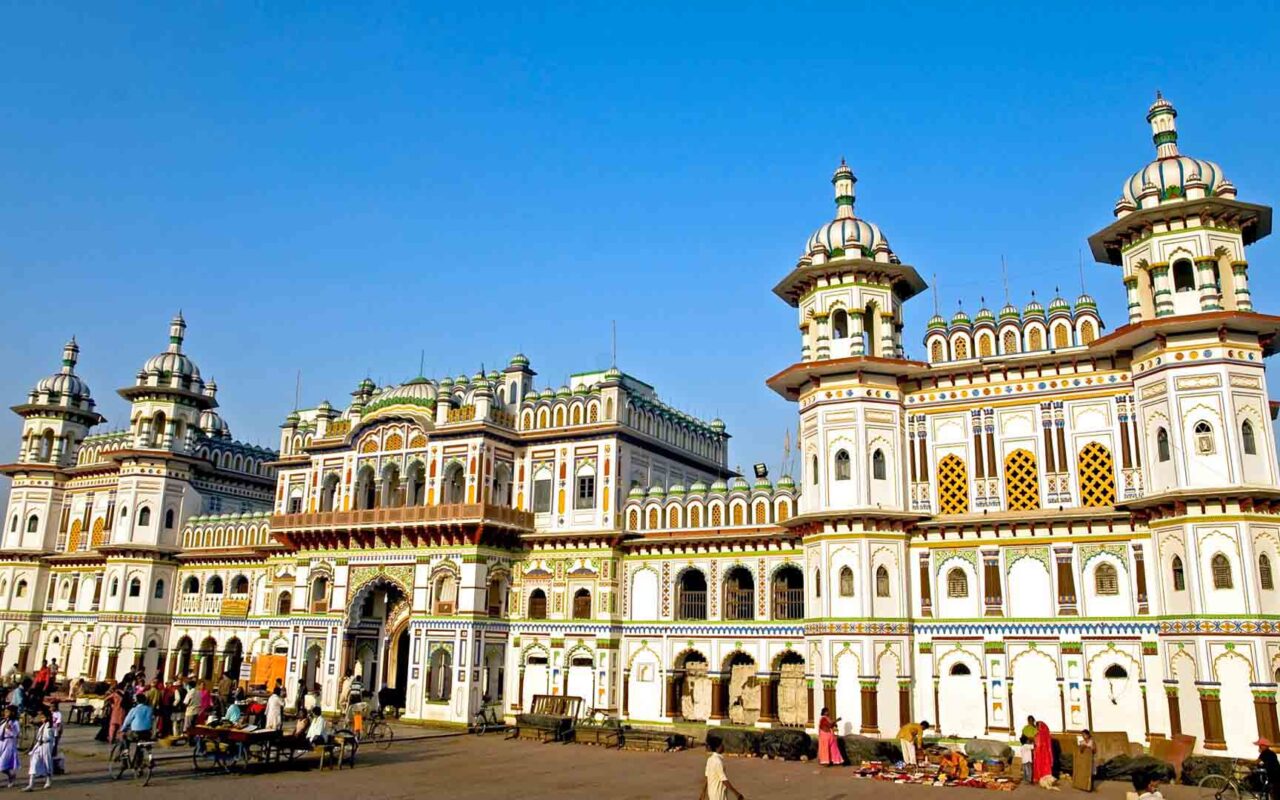
- Janakpur Tour Package: Price, Family Tour & Travel Guide from Kathmandu 2026
- Short Hike in Nepal: 7 Best Easy Treks for Beginners
- Package Tours
-
-
- Outbound
-
- Activities
- Climbing
- Bungee Jumping in Nepal
- Heli Skiing Adventure in the Himalayas
- Canoeing in Nepal
- Mountain Flight in Nepal
- Zip Flyer in Pokhara: The Ultimate Adventure Experience
- Paragliding in Pokhara: 7 Amazing Reasons to Experience Nepal’s Best Adventure
- Kathmandu Cycling Tour: 9 Amazing Adventures
- Rafting
- Rock Climbing
- Company
- Travel Info
- Travel Insurance
- Recommended Medical Kit
- Nepal Visa Information
- Flight delays and cancellation in Nepal
- Electricity in Nepal: Rates, Bill Check, Calculator and NEA Services
- Trekking Equipment Checklist: 40 Essential Items
- Best Kailash season in Tibet
- Best Trekking season in Nepal
- Trekking in Nepal 2027: 15 Best Himalayan Adventures
- Blogs
- Contact


WhatsApp
+977-9851035239

Email Us
[email protected]
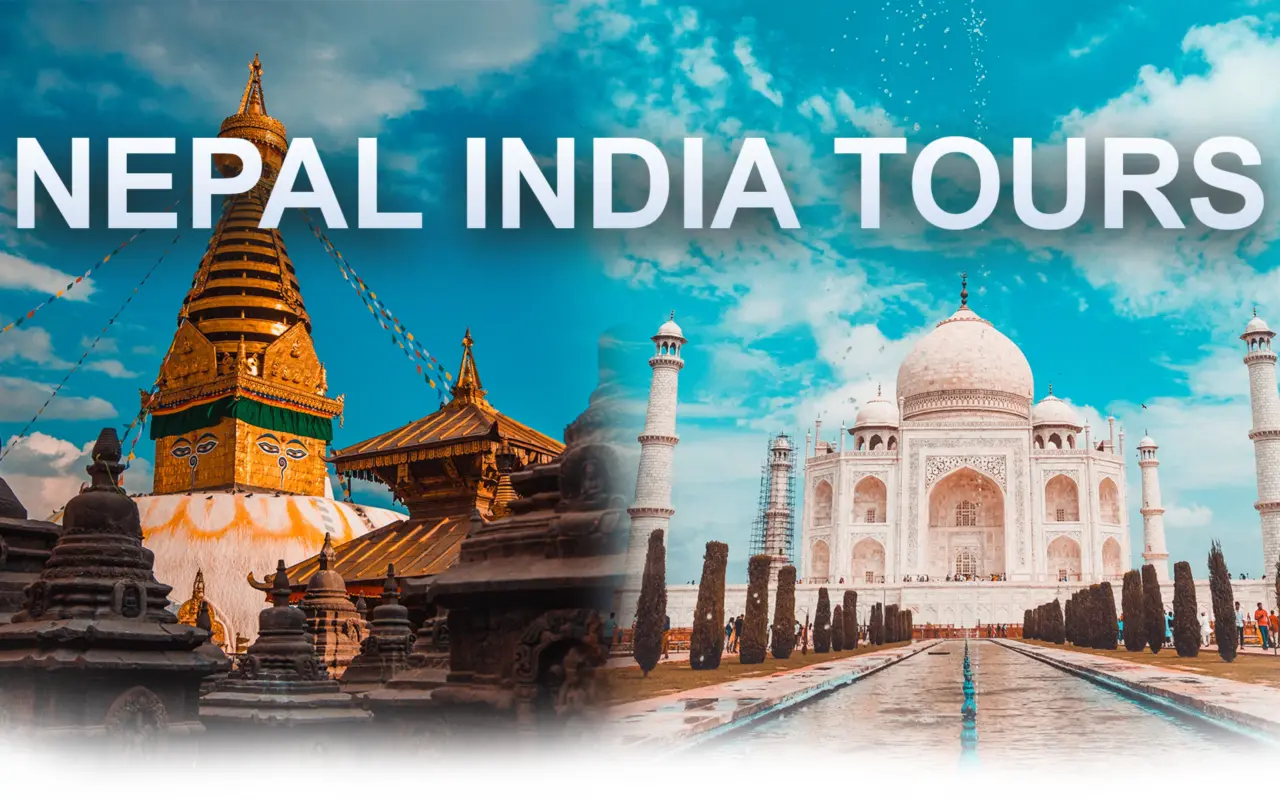
Nepal and India Tour: 12 Unforgettable Experiences


Trip Duration
12 Days
Trip Difficulty
Easy
Activity
tour, sightseeing
Destination
Nepal, India
Group Size
2-15 Max
Accommodation
3-4 star hotel in Kathmandu, Normal hotel during tour
Meals
Vegetarian Breakfast, Lunch, DinnerHighlights of Nepal and India Tour: 12 Unforgettable Experiences
- Explore the cultural heritage of Kathmandu Valley
- Visit Pashupatinath Temple, Boudhanath, and Swayambhunath
- Enjoy Himalayan views and peaceful lakes in Pokhara
- Experience an exciting wildlife safari in Chitwan
- Discover Delhi’s historic landmarks and vibrant markets
- Witness the timeless beauty of the Taj Mahal
- Explore the magnificent Agra Fort
- Experience Jaipur’s royal palaces and colorful heritage
- Visit Amber Fort, City Palace, and Hawa Mahal
- Discover Hindu and Buddhist spiritual traditions
- Taste authentic Nepali and Indian cuisine
- Explore local markets, handicrafts, and traditional arts
- Experience two distinct cultures in one memorable journey
- Enjoy comfortable transportation with professional local guides
Price starts
US$

Need Help?
Ask to Travel Expert
Trip Overview of Nepal and India Tour: 12 Unforgettable Experiences
Nepal and India are neighboring countries connected by geography, spirituality, culture, history, and centuries of human interaction. Yet each offers a remarkably different travel experience. Nepal introduces visitors to Himalayan landscapes, peaceful lakes, ancient temples, wildlife reserves, and mountain communities, while India presents magnificent monuments, colorful cities, royal palaces, busy markets, and diverse traditions. A carefully planned Nepal and India tour brings these contrasting experiences together in one unforgettable journey.
Instead of travelling to two countries separately, visitors can combine their major attractions within one well-organized holiday. A Nepal and India tour may include the temples and heritage squares of Kathmandu, the lakes and mountain views of Pokhara, the wildlife of Chitwan, the vibrant capital of Delhi, the Taj Mahal in Agra, and the royal architecture of Jaipur.
This type of journey is suitable for couples, families, photographers, cultural travellers, private groups, and anyone wanting to experience the Himalayan and South Asian regions together. The best Nepal and India Tour Packages balance cultural sightseeing with nature, wildlife, food, local interactions, and sufficient time to appreciate each destination.
This comprehensive guide covers 12 unforgettable experiences, the best travel seasons, visa requirements, transportation, accommodation, food, cultural etiquette, and factors affecting the Nepal to India Travel Cost. It will also help you compare different package options without presenting a fixed day-by-day itinerary.
Nepal and India Tour at a Glance
A Nepal and India tour combines two highly distinctive destinations within one coordinated travel program.
- Destinations: Nepal and India
- Tour style: Culture, heritage, nature, and wildlife
- Popular Nepal destinations: Kathmandu, Pokhara, and Chitwan
- Popular India destinations: Delhi, Agra, and Jaipur
- Main Indian circuit: Golden Triangle
- Difficulty: Easy to moderate
- Accommodation: Tourist-standard, boutique, or luxury hotels
- Transportation: Private vehicle, tourist bus, or domestic flights
- Best seasons: October–March
- Suitable for: Couples, families, solo travellers, and groups
- Major experiences: Temples, Himalayan scenery, wildlife, monuments, and local culture
The final route can be customized according to available time, travel season, interests, preferred hotels, and budget.
Why Choose a Nepal and India Tour?
A combined journey offers more diversity than visiting either destination alone. Nepal and India share cultural influences, religious traditions, and an open border, but their landscapes and travel experiences remain noticeably different.
Nepal is ideal for mountain views, spiritual experiences, ancient heritage, relaxed cities, short nature activities, and Himalayan culture. India offers grand Mughal monuments, royal palaces, colorful markets, historic cities, regional cuisine, and extraordinary cultural variety.
The Nepal and India tour allows travelers to experience these differences without arranging two completely separate holidays. International flights, land transportation, hotels, guides, visas, and sightseeing can be coordinated within one travel plan.
A well-designed Nepal and India trip can offer:
- Himalayan mountain views
- Ancient temples and monasteries
- UNESCO-listed cultural sites
- Lakes and peaceful natural landscapes
- Wildlife safaris
- Mughal architecture
- Royal palaces and forts
- Traditional markets
- Spiritual experiences
- Diverse regional food
- Local arts and handicrafts
- Photography opportunities
The official Nepal Tourism Board provides destination information, activities, travel preparation resources, and official tourism updates for visitors planning the Nepal portion of their journey.
12 Unforgettable Experiences in Nepal and India
The following experiences show why the Nepal and India Tour is one of South Asia’s most diverse cultural journeys. These highlights can be customized according to the traveller’s interests and available time.
1. Explore Kathmandu’s Ancient Heritage
Kathmandu is a cultural and spiritual gateway to Nepal. The capital contains historic temples, Buddhist stupas, royal courtyards, traditional neighborhoods, and busy local markets.
Kathmandu Valley’s major attractions include:
- Kathmandu Durbar Square
- Swayambhunath Stupa
- Boudhanath Stupa
- Pashupatinath Temple
- Patan Durbar Square
- Bhaktapur Durbar Square
- Traditional Newari neighborhoods
- Local markets and handicraft shops
Swayambhunath stands on a hill overlooking the valley and combines Buddhist and Hindu symbolism. Boudhanath is one of the world’s largest Buddhist stupas and remains an important center of Tibetan Buddhist culture. Pashupatinath, situated beside the Bagmati River, is one of Nepal’s most sacred Hindu temples.
Kathmandu gives the Nepal and India tour a powerful spiritual and historical beginning. Visitors immediately encounter the religious diversity and traditional architecture shared across South Asia.
2. Witness Himalayan Beauty in Pokhara
Pokhara provides a calmer contrast to Kathmandu. The city is known for lakes, mountain views, outdoor activities, cafés, and a relaxed atmosphere.
Popular experiences include:
- Boating on Phewa Lake
- Visiting Tal Barahi Temple
- Watching sunrise from Sarangkot
- Exploring the World Peace Pagoda
- Visiting Devi’s Fall
- Entering Gupteshwar Mahadev Cave
- Walking around Lakeside
- Viewing the Annapurna range
According to the official Pokhara destination guide, the city is known for its lakes, greenery, clean air, and spectacular views of the Annapurna mountain range.
On a clear morning, travellers may see Annapurna, Dhaulagiri, and Machhapuchhre from elevated viewpoints. Pokhara’s natural surroundings make it one of the most relaxing parts of a Nepal and India tour.
3. Experience a Wildlife Safari in Chitwan
Chitwan introduces visitors to Nepal’s tropical lowlands. The region is known for its national park, forests, grasslands, rivers, wildlife, and Tharu communities.
Activities may include:
- Jeep safari
- Canoe ride
- Birdwatching
- Jungle walk
- Tharu village visit
- Cultural performance
- Nature photography
- Visit to a crocodile breeding center
The official Chitwan travel guide highlights jungle safaris, birdwatching, canoeing, and opportunities to observe wildlife such as rhinoceroses, crocodiles, deer, and numerous bird species.
Wildlife sightings can never be guaranteed, but travelling with trained naturalists improves the overall experience. Chitwan adds nature and adventure to the cultural focus of the Nepal and India tour.
4. Discover the Historic Streets of Old Delhi
Delhi is one of India’s most historically layered cities. Ancient monuments, colonial buildings, modern neighborhoods, religious sites, markets, and government institutions exist within the same metropolitan area.
Old Delhi offers narrow streets, historic markets, traditional food, mosques, temples, and buildings connected with the Mughal era.
Major Delhi attractions include:
- Red Fort
- Jama Masjid
- Chandni Chowk
- India Gate
- Humayun’s Tomb
- Qutub Minar
- Lotus Temple
- Raj Ghat
- Parliament district
- Gurudwara Bangla Sahib
Delhi introduces a faster, more energetic atmosphere after Nepal’s relatively relaxed destinations. This dramatic change is one of the most interesting parts of the Nepal and India trip.
5. Stand Before the Taj Mahal
The Taj Mahal is one of the world’s most recognizable monuments and the main reason many travelers visit Agra. Mughal Emperor Shah Jahan commissioned the white-marble mausoleum in memory of Mumtaz Mahal.
Its symmetry, gardens, decorative stonework, calligraphy, reflecting pools, and emotional history continue to attract visitors from around the world.
The official Taj Mahal destination guide describes the monument as an architectural masterpiece and enduring symbol of love.
An early-morning visit generally provides softer light and more comfortable temperatures. Photography is permitted in many outdoor areas, although restrictions apply inside the main mausoleum.
Seeing the Taj Mahal in person is frequently the defining moment of a Nepal and India tour.
6. Explore the Magnificent Agra Fort
Agra is not only about the Taj Mahal. Agra Fort is another major example of Mughal architecture and a significant part of India’s history.
The enormous complex contains:
- Defensive walls
- Royal courtyards
- Audience halls
- Palaces
- Mosques
- Marble chambers
- Views towards the Taj Mahal
The official Agra Fort guide identifies the fortress as an important landmark within India’s popular Golden Triangle circuit.
Agra Fort adds greater historical depth to the India portion of the Nepal and India Tour. Visitors gain a stronger understanding of Mughal political life, architecture, and royal history.
7. Enter Jaipur’s Royal World
Jaipur is the capital of Rajasthan and one of India’s most colorful heritage cities. It is commonly called the Pink City because of the distinctive color of many buildings in its historic center.
Major attractions include:
- Amber Fort
- City Palace
- Hawa Mahal
- Jantar Mantar
- Jal Mahal
- Jaipur bazaars
- Handicraft workshops
- Traditional restaurants
The official Jaipur tourism guide explains that Jaipur forms one of the three points of India’s Golden Triangle alongside Delhi and Agra.
Amber Fort combines defensive architecture, royal halls, courtyards, gateways, and elevated views. Hawa Mahal is famous for its decorated façade and numerous small windows.
Jaipur brings royal history, textiles, jewelry, handicrafts, and Rajasthani food into the Nepal and India Tour.
8. Experience Hindu and Buddhist Spirituality
Nepal and India are deeply connected with Hinduism and Buddhism. Sacred temples, stupas, monasteries, rivers, pilgrimage sites, rituals, and festivals remain part of everyday life.
In Nepal, visitors may experience Buddhist traditions at Boudhanath and Swayambhunath while observing Hindu rituals at Pashupatinath. In India, temples, mosques, churches, gurudwaras, and historic spiritual centers demonstrate the country’s religious diversity.
Visitors should behave respectfully at religious locations by:
- Dressing modestly
- Removing footwear when required
- Speaking quietly
- Following photography restrictions
- Avoiding interference with ceremonies
- Asking before photographing worshippers
- Following the guide’s instructions
These spiritual encounters help the Nepal and India Tour feel more meaningful than a conventional sightseeing holiday.
9. Taste the Distinctive Food of Both Countries
Food changes considerably between Nepal and India, giving travellers an opportunity to try different flavours throughout the journey.
Popular Nepali dishes include:
- Dal bhat
- Momos
- Newari khaja
- Thukpa
- Sel roti
- Gundruk
- Sekuwa
- Traditional vegetable curries
Popular Indian dishes may include:
- Butter chicken
- Dal makhani
- Biryani
- Paneer dishes
- Chaat
- Tandoori items
- Rajasthani thali
- Paratha
- Lassi
- Regional sweets
Travellers should try street food only at clean and reputable establishments. Drinking sealed or properly filtered water is also important.
Dietary requirements should be communicated before booking. Vegetarian food is widely available in both countries, making the Nepal and India tour suitable for travelers with different food preferences.
10. Visit Traditional Markets and Meet Local Artisans
Markets provide opportunities to observe daily life and purchase locally produced items.
Popular products in Nepal include:
- Pashmina
- Singing bowls
- Thangka paintings
- Handmade paper
- Tea and spices
- Woollen products
- Woodcarvings
- Traditional jewelry
Popular products in India include:
- Textiles
- Block-printed fabrics
- Jewellery
- Leather goods
- Marble crafts
- Spices
- Carpets
- Pottery
- Decorative artwork
Negotiation may be expected in some traditional markets, but it should remain polite. Ask before photographing shopkeepers or artisans.
Shopping directly from recognized workshops and local producers helps preserve traditional skills and adds a personal dimension to the Nepal and India Tour.
11. Compare Two Different Yet Connected Cultures
Nepal and India share many festivals, religious traditions, foods, languages, and social practices. However, they are independent countries with distinct histories, political systems, identities, and cultural expressions.
Nepal’s Himalayan geography strongly influences its architecture, food, transportation, and lifestyle. India’s enormous size creates a much wider range of languages, landscapes, traditions, and regional cultures.
Even shared celebrations may look different in each country. Observing these similarities and differences makes an India and Nepal group tour especially educational.
Travellers finish the journey with a better understanding of how neighbouring societies can remain closely connected while maintaining their individual identities.
12. Capture Extraordinary Travel Photography
A Nepal and India tour offers an exceptional range of photography opportunities.
In Nepal, travellers can photograph:
- Himalayan sunrises
- Ancient temples
- Buddhist prayer wheels
- Phewa Lake
- Traditional villages
- Wildlife and forests
- Heritage courtyards
In India, popular photography subjects include:
- The Taj Mahal
- Jaipur’s palaces
- Historic forts
- Delhi’s markets
- Traditional clothing
- Architectural details
- Food and street scenes
Always request permission before taking close photographs of people. Photography may also be restricted inside temples, museums, protected monuments, and religious buildings.
Nepal and India: Two Countries, One Remarkable Journey
The contrast between the two destinations is central to the experience. Nepal generally feels smaller, calmer, and closer to the mountains. India feels larger, busier, and more varied in scale.
A traveller may move from Pokhara’s quiet lakeside to Delhi’s energetic streets, from Chitwan’s forests to Jaipur’s palaces, and from Kathmandu’s sacred stupas to Agra’s Mughal architecture.
This variety makes the Nepal and India tour suitable for travelers who want culture, nature, heritage, wildlife, food, and photography in one holiday.
Best Time for a Nepal and India Tour
The best overall period is generally from October to March. These months usually provide comfortable conditions for sightseeing in northern India and clear skies in many areas of Nepal.
Autumn: October to November
Autumn is one of Nepal’s most popular travel seasons. Skies are often clear, temperatures are comfortable, and mountain visibility is generally favorable.
Northern India also becomes more comfortable as the intense summer heat and monsoon conditions decline.
Because demand is high, travelers should reserve their Nepal and India tour early.
Winter: December to February
Winter provides comfortable daytime sightseeing conditions in Delhi, Agra, Jaipur, Chitwan, and Kathmandu. Mornings and evenings can be cold, especially in Nepal.
Fog may occasionally affect flights and road transportation across northern India. Warm layers are essential.
Spring: March to April
Spring brings warmer temperatures, flowering landscapes, and favorable conditions in Nepal. India becomes progressively hotter as April advances.
Travellers sensitive to heat should plan outdoor sightseeing early in the day.
Summer and Monsoon: May to September
Many regions become hot during May and June. Monsoon rain generally affects Nepal and northern India between June and September.
Travel is still possible, but visitors should expect humidity, rain, cloudy mountain views, and possible transportation delays.
Nepal and India Tour Packages: What Is Usually Included?
Standard Nepal and India tour packages may include:
- Airport arrival and departure transfers
- Accommodation in selected hotels
- Daily breakfast
- Private ground transportation
- English-speaking local guides
- Sightseeing according to the confirmed program
- Applicable entrance fees
- Domestic transfers
- Border or airport assistance
- Government taxes and service charges
- Drinking water during selected transfers
Premium Nepal and India tour packages may include luxury hotels, domestic flights, full-board meals, private cultural experiences, upgraded vehicles, wildlife activities, and personalized guide services.
Always request a written inclusion list before paying a deposit.
What Is Usually Excluded?
Common exclusions include:
- International flights
- Nepal and India visa charges
- Travel insurance
- Lunch and dinner unless specified
- Personal shopping
- Laundry and telephone expenses
- Alcoholic beverages
- Tips for guides and drivers
- Optional activities
- Camera fees at selected sites
- Emergency medical treatment
- Evacuation expenses
- Extra accommodation caused by delays
- Services not listed in the package
Comparing inclusions is essential because two packages with similar prices may provide very different services.
Nepal to India Travel Cost: What Determines the Price?
The total Nepal-to-India travel cost depends on:
- Number of travel days
- Hotel category
- Group size
- Travel season
- International flights
- Domestic flights
- Private or shared transportation
- Number of included destinations
- Attraction entrance fees
- Wildlife activities
- Meal plan
- Guide services
- Visa charges
- Single-room supplements
- Optional experiences
Solo travelers generally pay more per person because room, vehicle, and guide expenses cannot be shared. Couples and groups may receive better per-person value.
When requesting a quotation, ask the operator to show accommodation, flights, transportation, visas, activities, entrance fees, and taxes separately.
A transparent Nepal-to-India travel cost makes it easier to compare packages fairly and avoid unexpected expenses.
Nepal and India Visa Requirements
Visa requirements depend on the traveller’s nationality, passport type, and purpose of travel.
Nepal Tourist Visa
Many international visitors can apply for a tourist visa on arrival in Nepal, while some nationalities must arrange approval in advance. The official Nepal Immigration online services provide current application and entry information.
Travellers should carry:
- A passport with adequate validity
- A completed application
- Visa fee payment
- Accommodation details
- Return or onward travel information
- Passport photographs if required
India Tourist Visa
Most foreign travellers need a valid Indian visa or eligible e-Visa before arrival. The official Indian e-Visa portal explains the application process, which generally involves submitting an online form, uploading the required documents, paying the applicable fee, and receiving an Electronic Travel Authorization.
Do not use unofficial websites that imitate government visa portals. Confirm both countries’ requirements before booking non-refundable services for the Nepal and India tour.
How to Travel Between Nepal and India
By Air
Flying between Kathmandu and Delhi is generally the quickest and most convenient option. Flight schedules vary by season and airline.
Air travel reduces long overland journeys and works well for travelers following a Kathmandu–Pokhara–Chitwan and Delhi–Agra–Jaipur combination.
By Land
Nepal and India share several recognized border crossings. Overland travel may be suitable for routes connecting Nepal with Varanasi, Gorakhpur, or other northern Indian destinations.
Border procedures, vehicle changes, road conditions, and travel time should be considered carefully. International tourists may need to change vehicles because permits and transportation rules differ between the countries.
The best option depends on budget, route, comfort, and available time.
Accommodation Options
Both countries offer a wide range of accommodation.
Tourist-Standard Hotels
These properties generally offer clean rooms, private bathrooms, breakfast, Wi-Fi, and basic facilities.
Boutique Hotels
Boutique hotels may feature traditional architecture, local design, personalized service, and fewer rooms.
Luxury Hotels
Luxury properties may include premium rooms, fine dining, spas, swimming pools, concierge services, and heritage-style experiences.
Wildlife Lodges
Chitwan offers jungle lodges and resorts near the national park. Their packages may include meals, cultural programs, and wildlife activities.
Accommodation quality strongly influences the total cost of the Nepal and India tour. Ask for specific hotel names instead of accepting only a general star category.
Transportation and Road Conditions
Private cars, vans, tourist buses, trains, and domestic flights may be used during a combined journey.
Nepal’s highways often pass through hills, river valleys, and developing road sections. Travel times may be longer than expected.
India has an extensive railway and highway network, but traffic can affect transfers in large cities. Trains offer an interesting local experience, while private vehicles provide greater flexibility.
A good Nepal and India tour should include realistic travel times and sufficient rest between long transfers.
Health, Safety, and Travel Insurance
Travellers should purchase comprehensive insurance covering:
- Medical treatment
- Emergency evacuation
- Trip cancellation
- Delayed flights
- Lost baggage
- Interrupted travel
- Personal liability
Additional precautions include:
- Drinking safe water
- Carrying personal medication
- Using sunscreen
- Washing hands regularly
- Eating at reputable restaurants
- Protecting valuables
- Following local guides
- Keeping passport copies separately
- Avoiding isolated areas at night
Consult a qualified healthcare professional for personalized medical and vaccination advice before departure.
Cultural Etiquette
Respectful behavior creates better interactions in both countries.
Visitors should:
- Dress modestly at religious sites
- Remove footwear where required
- Ask before photographing people
- Avoid touching sacred objects
- Follow temple and monument rules
- Use the right hand when offering or receiving items
- Avoid public displays of anger
- Respect local customs
- Negotiate politely in markets
- Follow the guide’s instructions
The cultural diversity of the Nepal and India tour is most rewarding when travelers remain curious, respectful, and open-minded.
Responsible Travel
Travellers can reduce their impact by:
- Carrying reusable water bottles
- Avoiding unnecessary plastic
- Not leaving rubbish
- Respecting wildlife
- Purchasing local products
- Supporting community businesses
- Conserving water and electricity
- Avoiding animal activities with poor welfare standards
- Respecting religious ceremonies
- Staying on designated paths
Responsible choices protect the destinations and communities that make the Nepal and India trip memorable.
Who Should Choose This Tour?
The journey is particularly suitable for:
- First-time visitors to South Asia
- Couples
- Families
- Solo travelers
- Private groups
- Cultural travellers
- Photographers
- Wildlife enthusiasts
- Spiritual travelers
- Food lovers
- Heritage enthusiasts
- Senior travellers comfortable with moderate sightseeing
An India and Nepal group tour can offer better shared value, while a private package provides greater flexibility.
Conclusion
The Nepal and India Tour combines two remarkable countries within one diverse South Asian journey. Nepal contributes Himalayan scenery, peaceful lakes, wildlife, temples, and mountain culture, while India brings grand monuments, royal cities, colorful markets, and extraordinary regional traditions.
From Kathmandu, Pokhara, and Chitwan to Delhi, Agra, and Jaipur, every destination adds a new layer to the experience.
Before selecting between different Nepal and India tour packages, review the hotel names, transportation, visa requirements, included meals, attraction fees, cancellation conditions, and total price.
With thoughtful planning, comfortable pacing, and reliable local support, a Nepal and India tour becomes more than a holiday. It becomes an unforgettable journey through two closely connected yet wonderfully different countries.
Detail Itinerary of Nepal and India Tour: 12 Unforgettable Experiences
Day 01: Arrival in Kathmandu
Arrive at Tribhuvan International Airport, where our representative will welcome you and transfer you to your hotel. After check-in, relax or explore the nearby streets and local market at your own pace.
Day 2: Kathmandu Heritage and Spiritual Tour
Explore Kathmandu’s major cultural and spiritual landmarks, including Swayambhunath Stupa, Kathmandu Durbar Square, Pashupatinath Temple, and Boudhanath Stupa. Discover ancient architecture, Buddhist traditions, Hindu rituals, and local lifestyles.
Day 3: Scenic Journey from Kathmandu to Pokhara
Travel from Kathmandu to Pokhara through river valleys, hills, villages, and agricultural landscapes. After reaching Pokhara, check into your hotel and enjoy a relaxed evening around Lakeside.
Day 4: Pokhara Sunrise and Sightseeing
Begin with an optional sunrise visit to Sarangkot for panoramic Himalayan views. Continue sightseeing at Phewa Lake, Tal Barahi Temple, Devi’s Fall, Gupteshwar Mahadev Cave, and the World Peace Pagoda. Enjoy boating and free time around Lakeside.
Day 5: Pokhara to Chitwan National Park
Drive from Pokhara to Chitwan through scenic countryside and river valleys. After hotel check-in, enjoy a guided village walk and learn about the traditions and everyday life of the local Tharu community. Attend a cultural performance in the evening when available.
Day 6: Chitwan Wildlife and Jungle Experience
Enjoy a full day of nature and wildlife activities, which may include a jeep safari, canoe ride, birdwatching, jungle walk, crocodile breeding center visit, and Tharu cultural experience. Activities depend on the selected package and park conditions.
Day 7: Return to Kathmandu and Fly to Delhi
Travel from Chitwan to Kathmandu and continue to Tribhuvan International Airport for your flight to Delhi. After arriving in India, complete immigration formalities, meet your representative, and transfer to the hotel.
Day 8: Old and New Delhi Sightseeing
Explore the contrasting sides of India’s capital. Visit attractions such as Jama Masjid, Raj Ghat, India Gate, Humayun’s Tomb, Qutub Minar, Gurudwara Bangla Sahib, and the government district. Experience the lively markets and historic streets of Old Delhi.
Day 9: Delhi to Agra and the Taj Mahal
Drive to Agra and visit the magnificent Agra Fort. Later, experience the timeless beauty of the Taj Mahal, famous for its white-marble architecture, detailed artwork, symmetrical gardens, and emotional history.
Day 10: Agra to Jaipur via Fatehpur Sikri
Travel from Agra to Jaipur with a visit to Fatehpur Sikri, the historic Mughal capital known for its palaces, courtyards, gateways, and red-sandstone architecture. Continue to Jaipur and check into your hotel.
Day 11: Royal Jaipur Sightseeing
Explore Jaipur’s royal heritage with visits to Amber Fort, City Palace, Jantar Mantar, and Hawa Mahal. Stop near Jal Mahal for photographs and explore Jaipur’s colorful markets, textiles, jewelry, and traditional handicrafts.
Day 12: Jaipur to Delhi and Final Departure
After breakfast, drive from Jaipur to Delhi and transfer to Indira Gandhi International Airport for your onward flight. Your memorable Nepal and India tour concludes with cultural, natural, wildlife, and heritage experiences from both countries.

- This itinerary is a general guideline and can be customized.
- Sightseeing orders may change without affecting the overall experience.
- Travel times depend on weather, traffic, road conditions, and transportation schedules.
- Equivalent hotels may be arranged when listed properties are unavailable.
- Separate visas or entry permissions may be required for Nepal and India.
- Unused or missed services are non-refundable.
- Additional costs caused by delays or unforeseen circumstances must be paid by the traveller.
- The final confirmed program will be provided before departure.
Includes and Excludes
What is included?
- Pickup and drop-off from airport and hotel(s)
- All accommodations on a twin-shared basis
- All ground transportation by private AC deluxe coach
- Breakfast during the entire tour
- English-speaking, trained, and experienced guide and local staff
- All government and local taxes and permits
What is excluded?
- Indian visa fee
- Excess baggage charges
- International airfare, including Kathmandu to Delhi and vice versa
- Expenses of a personal nature, such as snacks and beverages, lunch and dinner, laundry, tips for guides and porters, etc.
- Travel and rescue insurance
- Tours or extra activities other than what is provided in the itinerary
Trip Information
- Destinations: Nepal and India
- Tour Type: Cultural, heritage, nature, and wildlife tour
- Main Locations: Kathmandu, Pokhara, Chitwan, Delhi, Agra, and Jaipur
- Tour Duration: Customizable according to the selected package
- Accommodation: Tourist-standard, boutique, or luxury hotels
- Transportation: Private tourist vehicle, train, or domestic flight
- Guide: Professional English-speaking local guides
- Meals: Daily breakfast or as mentioned in the package
- Difficulty Level: Easy to moderate
- Best Seasons: October–March
- Major Activities: Sightseeing, heritage visits, wildlife safari, and cultural exploration
- Arrival Point: Tribhuvan International Airport, Kathmandu, or as arranged
- Departure Point: Indira Gandhi International Airport, Delhi, or as arranged
- Visa: Separate tourist visas may be required for Nepal and India
- Suitable For: Couples, families, solo travellers, and groups
- Customization: Hotels, activities, duration, and destinations can be adjusted
Frequently Asked Questions
What is a Nepal and India tour?
A Nepal and India tour is a combined journey covering selected destinations in both countries. It may include Himalayan scenery, wildlife, temples, monuments, palaces, markets, food, and cultural experiences.
How long should I spend in Nepal and India?
The ideal duration depends on the destinations selected. A shorter holiday can cover Kathmandu and India’s Golden Triangle, while a longer journey can add Pokhara, Chitwan, Varanasi, or other regions.
What do Nepal and India tour packages include?
Most Nepal and India tour packages include hotels, selected meals, transportation, transfers, sightseeing, and guides. Flights, visas, insurance, and optional activities may be separate.
How much does a Nepal and India tour cost?
The price depends on duration, season, hotels, group size, transportation, flights, activities, and visas. Request an itemized quotation based on your dates and preferences.
Do I need separate visas for Nepal and India?
Most international travellers need to follow each country’s separate entry requirements. Visa eligibility depends on nationality and passport type.
Is the tour suitable for families?
Yes. The program can be adapted with family-friendly hotels, suitable activities, shorter drives, and additional rest periods.
Can the tour be customized?
Yes. Destinations, duration, hotels, meals, guides, transportation, and experiences can be adjusted according to budget and interests.
Is an India and Nepal group tour available?
An India and Nepal group tour may be available on selected departure dates. Private arrangements are also possible for families, couples, friends, and corporate groups.
Trip Reviews
Price starts
US$
Need Help?
Ask to Travel Expert