
- Mt. Kailash Tour
- Kailash Mansarovar Overland Tour
- Kailash Mansarovar Yatra by Helicopter – Complete Spiritual Journey Guide
- Kailash Yatra via Lucknow
- Kailash Mansarovar Tour via Lhasa
- Kailash Lhasa EBC Tour From Beijing
- Kailash Heli Tour via Kerung: Complete Spiritual Journey Guide
- Kailash Tour via Lhasa In Kerung Out
- Lhasa EBC Kailash Tour
- Kailash Heli Tour
- Kailash Mansarovar Yatra from Nepal 2027: Cost & Itinerary
- Kailash Nandi Kora
- Kailash Tour via Humla Simikot – 20 Days
- Mount Kailash Tour: 7 Amazing Experiences in 2027
- Trekking
-
-
- Everest Region
- Luxury Everest Base Camp Trek: 7 Unforgettable Highlights
- Everest Base Camp Trek 2026: Cost, Route, and Complete Guide
- Everest Three Passes Trek 2027: Cost, Route & Itinerary
- Everest Base Camp Short Trek
- Everest Panorama Trek: Amazing 10-Day Cost & Itinerary
- Everest Base Camp Island Peak Trek: Complete 19-Day Guide
- Gokyo Valley Trekking 2027: Easy Guide to Cost & Itinerary
- Mera Peak Climbing 2027: Complete Cost & Itinerary Guide
- Rolwaling Valley Trek: 23-Day Itinerary, Cost, Permits & Difficulty
- Dolpo Region Trek
- Everest Region
-
- Annapurna Region
- Annapurna Base Camp Trekking
- Annapurna Circuit Trek
- Annapurna Base Camp Trek: 7 Amazing Cost & Route Tips
- Mardi Himal Trek: 7 Amazing Highlights & Complete Guide
- Annapurna Alternative Combine Trek: 18 Amazing Days
- Mohare Dada Trek
- Ghorepani Poon Hill Trek: 7 Unforgettable Highlights
- Khopra Ridge Community Trek: 13-Day Ultimate Adventure
- Damodar Kunda Trek: 10-Day Ultimate Sacred Adventure
- Upper Mustang Trek: 10 Amazing Sights : Ultimate Guide
- Jomsom Muktinath Trek: Amazing 12-Day Ultimate Guide
- Ghale Gaun Trek: 7 Amazing Reasons : Ultimate Guide
- Dhampus Sarangkot Trek: 7 Incredible Experiences
- Dhaulagiri Region
- Annapurna Region
-
-
- Tours
-
-
- Day Tours
- Rickshaw–a three-wheeler Tour
- Pharping Dakshinkali Day Tour: 7 Amazing Highlights
- Historical Tour: 7 Amazing Places to Explore
- Kathmandu Temple Tour: 7 Amazing Spiritual Places
- Nagarkot Tour
- Bhaktapur City Tour: 7 Amazing Places to Explore
- Kathmandu City Tour – Complete Heritage & Cultural Experience in Nepal
- Chandragiri Hill: A Scenic Himalayan Escape Near Kathmandu
- Chitlang Hiking
- Shivapuri to Sundarijal Day Hiking
- Kulekhani Dam Day Tour — Complete Travel Guide
- Day Tours
-
- Package Tours
- Mustang Tour on Jeep
- Nepal Tour Package for Nepali: 12 Amazing Destinations to Explore (2026)
- Muktinath Tour: Complete Guide to Nepal’s Sacred Himalayan Pilgrimage
- 3N,4D Kathmandu Pilgrimage Tour
- Nepal Buddhist Pilgrimage Tour: 7 Sacred Sites Not to Miss
- 6D Nepal Pilgrimage Tour: 7 Amazing Sacred Places
- 7 Nights, 8 Days Nepal Tour
- Districts tour of Nepal
- Janakpur Tour Package: Price, Family Tour & Travel Guide from Kathmandu 2026
- Short Hike in Nepal: 7 Best Easy Treks for Beginners
- Package Tours
-
-
- Outbound
-
- Activities
- Climbing
- Bungee Jumping in Nepal
- Heli Skiing Adventure in the Himalayas
- Canoeing in Nepal
- Mountain Flight in Nepal
- Zip Flyer in Pokhara: The Ultimate Adventure Experience
- Paragliding in Pokhara: 7 Amazing Reasons to Experience Nepal’s Best Adventure
- Kathmandu Cycling Tour: 9 Amazing Adventures
- Rafting
- Rock Climbing
- Company
- Travel Info
- Travel Insurance
- Recommended Medical Kit
- Nepal Visa Information
- Flight delays and cancellation in Nepal
- Electricity in Nepal: Rates, Bill Check, Calculator and NEA Services
- Trekking Equipment Checklist: 40 Essential Items
- Best Kailash season in Tibet
- Best Trekking season in Nepal
- Trekking in Nepal 2027: 15 Best Himalayan Adventures
- Blogs
- Contact


WhatsApp
+977-9851035239

Email Us
[email protected]
Rolwaling Valley Trek: 23-Day Itinerary, Cost, Permits & Difficulty


Trip Duration
23 Days
Trip Difficulty
Challenging
Max. Altitude
5,755m. / 18,881ft.
Activity
Trekking, Hiking, Sightseeing & climbing
Destination
Nepal
Group Size
2-20 Pax
Accommodation
3-4 star hotel in kathmandu, Normal hotel in TrekkingHighlights of Rolwaling Valley Trek: 23-Day Itinerary, Cost, Permits & Difficulty
- Explore the peaceful and remote Rolwaling Valley.
- Experience traditional Sherpa culture in Beding and Na villages.
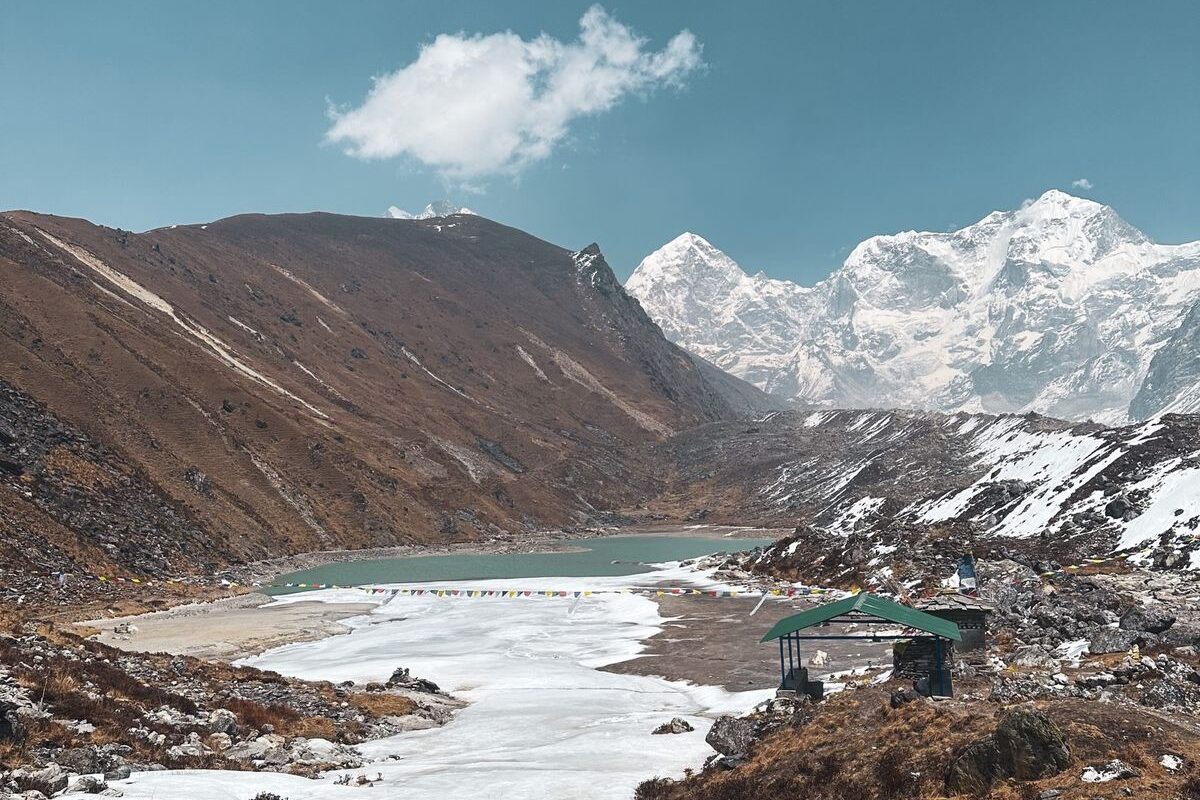
- Visit the spectacular Tsho Rolpa glacial lake at 4,580 meters.
- Admire panoramic views of Gaurishankar, Melungtse, and the Rolwaling mountain range.
- Cross the challenging Tashi Lapcha Pass at approximately 5,755 meters.
- Walk through rhododendron forests, alpine pastures, and glacial landscapes.
- Discover Buddhist monasteries, mani walls, chortens, and prayer flags.
- Enjoy an authentic off-the-beaten-path Himalayan adventure.
- Enter the Everest region and visit Thame and Namche Bazaar.
- Experience both remote camping and traditional mountain lodges.
- Complete an extraordinary journey from Rolwaling Valley to Lukla.
Price starts
US$ 1600
We offer group discounts
-
2 -
4 person
US$ 1800
-
5 -
10 person
US$ 1600
-
11 over
9999
US$ 1500
Total Cost:
US$

Need Help?
Ask to Travel Expert
Trip Overview of Rolwaling Valley Trek: 23-Day Itinerary, Cost, Permits & Difficulty
The Rolwaling Valley Trek leads into one of Nepal’s most remote and culturally preserved Himalayan valleys. Located between the Langtang and Everest regions, Rolwaling rewards trekkers with dramatic mountains, glacial landscapes, traditional Sherpa settlements, and peaceful trails rarely found on Nepal’s busier routes.
The journey follows the Rolwaling River through forests, narrow gorges, and high-altitude villages before reaching the spectacular Tsho Rolpa glacial lake. Trekkers seeking a more demanding expedition can continue across Tashi Lapcha Pass into the Everest region. However, this extension requires mountaineering skills, specialist equipment, and experienced technical guides.
Unlike commercial trekking routes filled with large groups, the Rolwaling Valley Trek feels personal and adventurous. The trail is physically demanding, accommodation is simple, and road conditions can affect access, but those challenges are part of its appeal. This guide covers the route, distance, map, cost, difficulty, and the experiences that make Rolwaling worth visiting.
Where Is the Rolwaling Valley Trek?
Rolwaling Valley lies in Dolakha District in east-central Nepal, close to the Tibetan border. It forms part of the Gaurishankar Conservation Area and sits west of the Khumbu or Everest region.
The valley is surrounded by the Rolwaling mountain range, which includes Gaurishankar, Melungtse, Chekigo, and numerous unnamed Himalayan summits. Deep valleys, hanging glaciers, and steep mountain walls give the region a distinctly wild character.
Most journeys begin with an overland drive from Kathmandu toward Charikot, Gonggar Khola, Chetchet, or another accessible roadhead. The exact starting point depends on the season and road condition. From the trailhead, trekkers usually proceed through Simigaon, Dongang, Beding, and Na before approaching Tsho Rolpa.
The region falls within the Gaurishankar Conservation Area, which is managed by Nepal’s National Trust for Nature Conservation. This protected landscape supports Himalayan wildlife, forests, traditional settlements, and sensitive alpine ecosystems.
Why Choose the Rolwaling Valley Trek?
Rolwaling is ideal for travelers who value solitude, cultural authenticity, and wilderness more than luxury. It is quieter than the Everest Base Camp and Annapurna routes, yet its landscapes are equally dramatic.
Here are eleven reasons to consider this hidden Himalayan journey.
1. Experience a Peaceful Himalayan Trail
The most immediate difference between Rolwaling and Nepal’s popular trekking regions is the number of people on the trail. You may walk for hours without meeting another international trekking group.
This peaceful atmosphere allows you to notice details that can disappear on crowded routes: the sound of the river beneath the cliffs, bells worn by grazing yaks, smoke rising from stone houses, and prayer flags moving above isolated monasteries.
A quieter route also encourages more meaningful interaction with local families. Tea-house owners have time to talk, explain village traditions, and share stories about life in a remote mountain valley.
This does not mean the trek is empty or unsafe. Villages, seasonal shelters, and local trails are present throughout the lower and central valleys. However, services are limited, and careful planning is essential.
2. See the Magnificent Tsho Rolpa Glacial Lake.
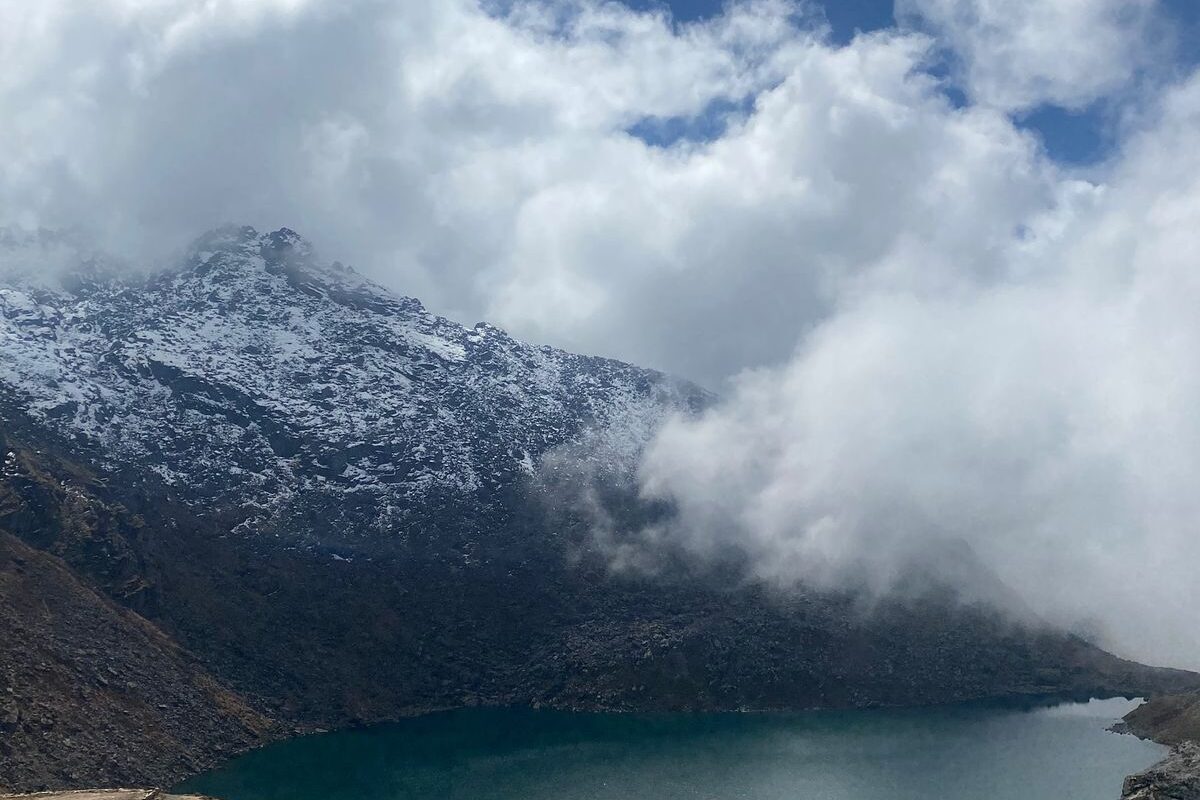
Tsho Rolpa is one of the defining attractions of the Rolwaling Valley Trek. The lake lies at approximately 4,580 meters and is surrounded by glaciers, moraine walls, and snowy peaks.
The approach generally begins from Na, a seasonal settlement above Beding. As the vegetation becomes sparse, the trail crosses a rugged glacial landscape. The final section reveals an enormous body of turquoise or steel-blue water, depending on the weather and sunlight.
Tsho Rolpa is beautiful, but it is also environmentally significant. Its changing size has made it an important site for research into glaciers, climate, and glacial-lake hazards. Visitors should remain on established paths, avoid disturbing monitoring equipment, and follow instructions from guides or local authorities.
Reaching the lake is physically demanding because of the altitude and cold and rocky terrain. A gradual ascent and sufficient acclimatization in Beding or Na make the experience safer and more enjoyable.
3. Discover Traditional Sherpa Villages
Beding and Na are two of the most memorable communities encountered during Rolwaling Valley trekking.
Beding is the valley’s principal permanent settlement. Stone houses, narrow paths, cultivated fields, and a monastery create a landscape shaped by generations of mountain life. The village offers a valuable opportunity to understand how families have adapted to limited agricultural land, cold winters, and geographic isolation.
Na lies higher in the valley and traditionally functions as a seasonal settlement. Families move livestock to the area when weather and grazing conditions permit. Its open surroundings provide extraordinary views of mountains, glaciers, and alpine pastures.
The local culture has deep Buddhist influences. Mani walls, prayer wheels, chortens, monasteries, and strings of prayer flags appear along the route. Visitors should walk clockwise around religious monuments, ask before photographing people, and dress respectfully when entering sacred places.
4. Enjoy Views of the Rolwaling Mountain Range
The Rolwaling mountain range is one of the journey’s greatest visual rewards. Gaurishankar, rising to 7,134 metres, is the region’s most recognizable peak and carries religious significance for both Hindu and Buddhist communities.
Trekkers may also see Melungtse, Dorje Phagmo, Chekigo, and several ice-covered summits. Mountain visibility depends heavily on cloud, precipitation, and season, so early mornings generally provide the clearest views.
The scenery changes continuously as you gain elevation. Lower sections feature green hills, waterfalls, and forested slopes. Around Beding and Na, the valley opens into a wider alpine landscape. Above Na, rock, ice, and moraine increasingly dominate the surroundings.
This variety prevents the route from feeling repetitive, even during the return journey.
5. Follow a Trail Rich in Nature and Biodiversity
The lower trail passes through forests containing rhododendron, oak, pine, and other Himalayan vegetation. Spring brings colorful flowers, while autumn offers crisp air and clearer mountain visibility.
The broader conservation area provides habitat for wildlife such as Himalayan tahr, musk deer, langur, Himalayan black bear, and numerous bird species. Red pandas and snow leopards are associated with the protected landscape, although seeing either animal during an ordinary trek is extremely unlikely.
Trekkers can help protect this fragile environment by carrying reusable bottles, avoiding single-use packaging, and taking non-biodegradable waste back to a suitable disposal point. The Gaurishankar Conservation Area Project works with local communities to connect biodiversity protection with sustainable livelihoods.
Wildlife should be observed quietly and from a safe distance. Feeding animals, collecting plants, or disturbing nesting sites damages the same environment travelers have come to experience.
6. Complete a Genuine Off-the-Beaten-Path Adventure
Many Himalayan routes are now supported by extensive lodge networks, menus, charging facilities, and road access. Rolwaling remains comparatively undeveloped.
Accommodation becomes increasingly basic as the trail moves higher. Rooms may have simple beds, shared toilets, and limited heating. Menu choices are smaller, electricity can be unreliable, and mobile coverage may disappear.
These conditions demand patience and flexibility, but they also create a genuine mountain experience. Evenings are spent warming up in a dining room, speaking with local hosts or watching the light change across the valley rather than searching for constant connectivity.
Trekkers accustomed to well-developed routes should adjust their expectations. Comfort is limited, but hospitality and scenery compensate for the simplicity.
7. Explore a Flexible Rolwaling Valley Trek Route
The Rolwaling Valley Trek route can be designed in two main ways.
Tsho Rolpa Return Route
The most accessible option follows the valley to Beding, Na, and Tsho Rolpa before returning through the same corridor. Although some sections are repeated, the reverse direction offers different perspectives across the landscape.
This version does not require crossing a technical mountain pass. It is still a serious high-altitude trek, but it is more suitable for experienced hikers who are not trained mountaineers.
Tashi Lapcha Pass Route
The advanced route continues east from Rolwaling and crosses Tashi Lapcha Pass toward Thame and Namche Bazaar in the Everest region. This is commonly known as the Rolwaling Tashi Lapcha Pass Trek.
Tashi Lapcha is not an ordinary trekking pass. Depending on conditions, the crossing can involve snow, ice, glaciers, ropes, crampons, and technical movement. Camps may be necessary because permanent accommodation is unavailable around the pass.
Only properly equipped trekkers with relevant experience and qualified technical support should attempt this variation. Travelers wanting a challenging but non-technical journey should return after visiting Tsho Rolpa.
Those interested in extending into Khumbu can compare the experience with the classic Everest Base Camp Trek.
Rolwaling Valley Trek Map and Major Stops
A typical Rolwaling Valley Trek map follows this general corridor:
Kathmandu → Charikot → Gonggar Khola or Chetchet → Simigaon → Dongang → Thangding → Beding → Na → Tsho Rolpa → return by the same valley
Road improvements can move the practical trekking starting point, while landslides or monsoon damage can temporarily push it farther back. Therefore, online maps should be treated as planning tools rather than fixed operational instructions.
Trekkers can review the wider valley and surrounding terrain through OpenStreetMap. However, an offline map or GPS track cannot replace local judgment. Trails can change after floods, snowfall, and landslides.
The Tashi Lapcha version continues beyond Tsho Rolpa toward the pass before descending to Thame and joining the Everest trail network. Because this extension crosses glaciated terrain, the map should be reviewed with an expedition leader rather than followed independently.
Rolwaling Trek Distance
The Rolwaling trek distance varies because different packages use different roadheads and turnaround points.
A standard Tsho Rolpa return journey may cover approximately 100 to 140 kilometers on foot. The total can be shorter when vehicles reach farther into the valley or longer when poor road conditions require additional walking.
The full route across Tashi Lapcha and onward to Lukla is considerably longer. It also requires extra acclimatization, contingency, and technical climbing days.
Daily walking commonly ranges from five to eight hours. Distance alone does not show the true difficulty because steep ascents, rough paths, and high altitude can make a relatively short day feel demanding.
When comparing packages, ask where the walking begins, whether Tsho Rolpa is included, and whether the journey returns through Rolwaling or continues across Tashi Lapcha. These differences explain why published distance figures often disagree.
Rolwaling Trek from Kathmandu
The Rolwaling trek from Kathmandu begins with a road journey toward Dolakha. Charikot is the main regional center and is commonly used as a stop or gateway before continuing toward the trailhead.
Travel time depends on traffic, weather, construction, and the final roadhead. Mountain roads can be rough, particularly after heavy rain. A private jeep generally provides more flexibility than a public bus, especially for a group carrying trekking equipment.
International visitors should check current entry requirements through Nepal’s official Department of Immigration before departure. Your passport, permit documents, travel insurance details, and emergency contacts should be stored in both physical and digital form.
Starting the journey directly after a long international flight is not ideal. Spending at least one preparation day in Kathmandu provides time to organize equipment, meet the guide, review weather conditions, and resolve permit requirements.
Rolwaling Valley Trek Difficulty
The standard trek to Tsho Rolpa is generally considered moderate to challenging. It involves long walking days, steep ascents, uneven surfaces, isolated terrain, and elevations above 4,500 meters.
The trek does not require technical climbing when it ends at Tsho Rolpa and returns through the valley. Nevertheless, participants should be comfortable walking on rocky paths for consecutive days while carrying a daypack.
The Tashi Lapcha route is significantly harder and should be classified as an expedition-style trek. Glacier travel, difficult navigation, technical equipment, and rapidly changing weather add substantial risk.
Main Physical Challenges
The principal challenges include:
- Repeated steep climbs and descents
- Long days on remote trails
- Basic accommodation and facilities
- Cold temperatures at higher elevations
- Limited communication coverage
- Risk of altitude sickness
- Possible road or trail disruption
Regular cardiovascular training, stair climbing, hill walking, and strength exercises should begin several weeks before departure. Training with the boots and daypack intended for Nepal helps reveal problems before the trek.
Altitude and Acclimatization
Tsho Rolpa sits at approximately 4,580 meters, where oxygen availability is substantially lower than at sea level. Even fit travelers can develop altitude-related symptoms.
The itinerary should include gradual elevation gain and time to acclimatize around Beding or Na. Walking slowly, drinking enough safe water and communicating symptoms immediately are more important than maintaining a fast pace.
Headache, unusual fatigue, dizziness, nausea, and loss of appetite may indicate acute mountain sickness. Symptoms should never be hidden to avoid delaying the group. Severe or worsening symptoms require descent and professional medical evaluation.
The CDC’s high-altitude travel guidance provides useful general information, but it cannot replace advice from a doctor familiar with your medical history.
Comprehensive travel insurance should cover trekking at the maximum planned altitude, emergency treatment, and helicopter evacuation where applicable.
Best Time for the Rolwaling Valley Trek
The most reliable seasons are generally spring and autumn.
Spring: March to May
Spring offers gradually warmer conditions, longer daylight, and flowering rhododendron forests. Snow may remain at higher elevations early in the season, while afternoon clouds can develop later in the day.
Autumn: September to November
Autumn is favored for stable weather, clear mountain views, and comparatively dry trails. Early autumn can still experience lingering monsoon effects, while temperatures become much colder by late November.
Winter: December to February
Winter provides quiet trails and clear air but brings freezing nights, snow, and possible closures at higher elevations. The Tashi Lapcha crossing may be unsafe or impractical.
Monsoon: June to August
Heavy rain can cause muddy paths, leeches, landslides, swollen rivers, and road delays. Mountain views are often obstructed by clouds. Trekking is possible in some circumstances, but it requires local advice and a flexible schedule.
Before choosing dates, read this detailed guide to the best trekking season in Nepal and check current forecasts from Nepal’s Department of Hydrology and Meteorology.
Rolwaling Trek Cost
The Rolwaling trek cost depends on duration, group size, route, transportation, accommodation, and support services.
A guided Tsho Rolpa trek is generally less expensive than a full Tashi Lapcha expedition. The technical crossing requires specialist guides, climbing equipment, camping support, and more contingency days.
A properly arranged package may include:
- Airport transfers
- Kathmandu accommodation
- Trailhead transportation
- Conservation permits
- Licensed trekking guide
- Porter support
- Tea house or camping accommodation
- Meals during the trek
- Staff wages, food, and insurance
- Basic first-aid support
International airfare, Nepal visa charges, personal equipment, travel insurance, drinks, charging fees, hot showers, emergency evacuation, and gratuities are commonly excluded.
Published prices should always be checked against the exact inclusions. A low rolling trek price may exclude meals, porters, permits, or private transportation. Comparing only the headline amount can produce an unrealistic impression of the final budget.
The existing Rolwaling Trek package provides a useful starting point for comparing duration, services, and group arrangements.
Permits Required for Rolwaling Valley Trekking
The route passes through the Gaurishankar Conservation Area, so travelers require the relevant conservation-area entry permit. Trekking registration rules and local requirements can change, making it important to confirm the latest position before departure.
A licensed Nepal trekking company can prepare the necessary paperwork and verify whether additional registration is required for your chosen route. Travelers should carry several passport photographs and copies of their passport and visa.
Tashi Lapcha packages may involve additional administrative requirements because they continue into the Everest region. The itinerary, exit route, and planned activities determine which documents are necessary.
Permit fees support conservation, visitor management, and community programs. Always obtain permits through an authorized office or registered operator rather than an unofficial intermediary.
Accommodation and Meals
Tea houses and locally operated lodges are available in several settlements, but standards are simpler than in the Everest and Annapurna regions.
Rooms usually provide twin beds, mattresses, and blankets. Toilets may be shared, and hot showers may not always be available. Above Beding, accommodation becomes more limited and seasonal.
Dal bhat is one of the most dependable meals because it provides rice, lentils, vegetables, and valuable carbohydrates. Other options may include noodles, potatoes, soup, eggs, porridge, and Tibetan bread.
Menu variety decreases with elevation because supplies must be transported into the valley. Fresh ingredients may be unavailable after poor weather or transport disruption.
Carry water-purification tablets or a suitable filtration system. Buying repeated plastic bottles creates unnecessary waste and may not be possible in remote sections.
Packing for the Rolwaling Valley Trek
The correct equipment depends on the month and whether the journey stops at Tsho Rolpa or crosses Tashi Lapcha.
Essential items generally include:
- Waterproof trekking boots
- Moisture-wicking base layers
- Warm fleece or insulated mid-layer
- Down jacket
- Waterproof and windproof outer shell
- Trekking trousers and thermal bottoms
- Warm gloves and sun hat
- Woolen cap or beanie
- UV-protective sunglasses
- Comfortable sleeping bag
- Trekking poles
- Headlamp and spare batteries
- Reusable water bottle and purification system
- Personal medicines and compact first-aid supplies
- Sunscreen and lip protection
- Power bank
- Waterproof covers for important equipment
Trekkers crossing Tashi Lapcha need technical equipment selected by their expedition leader. Do not rent or purchase climbing gear without confirming exact specifications.
Use this practical trekking equipment checklist when preparing your luggage.
Responsible Trekking in Rolwaling
Remote destinations are especially sensitive to irresponsible tourism because waste-management facilities and natural resources are limited.
Carry out plastic packaging, batteries, and hygiene products. Refill water instead of purchasing disposable bottles. Use biodegradable soap sparingly and well away from streams.
Choose locally owned accommodation, purchase meals in villages, and respect local pricing. These choices keep more tourism income within the valley.
Photography should also be considerate. Ask permission before photographing residents, monks, ceremonies, or the interiors of religious buildings. Avoid flying drones without checking national regulations and local cultural expectations.
Small actions protect the natural and cultural qualities that make the Rolwaling Valley Trek special.
Is the Rolwaling Valley Trek Right for You?
The trek is suitable for travelers who:
- Have good physical fitness
- Enjoy remote and quieter routes
- Can accept basic accommodation
- Are comfortable with flexible plans
- Have previous multi-day hiking experience
- Respect local culture and fragile environments
The standard Tsho Rolpa route can be achievable for determined trekkers with proper preparation, professional support, and sensible acclimatization.
The Tashi Lapcha extension is appropriate only for experienced adventurers prepared for technical terrain, camping, and expedition-style conditions.
First-time visitors who want a developed lodge network may prefer a route such as the Langtang Trek. Rolwaling is better suited to people who actively want isolation and unpredictability.
Conclusion
The Rolwaling Valley Trek is one of Nepal’s most rewarding journeys for travelers willing to move beyond the country’s famous routes. Its appeal lies not only in Tsho Rolpa and the Rolwaling mountain range but also in the quiet moments between them—forest paths, remote monasteries, welcoming villages, and uninterrupted Himalayan silence.
The journey requires fitness, patience, and realistic expectations. Weather can change plans, roads can become difficult, and accommodation is often basic. Yet these challenges preserve the feeling of exploration that has disappeared from many heavily traveled destinations.
Choose the Tsho Rolpa return route for a demanding non-technical trek, or consider Tashi Lapcha only with the right experience and specialist support. With careful preparation, adequate acclimatization, and respect for local communities, Rolwaling offers a rare Himalayan adventure that feels genuinely personal.
Begin Your Rolwaling Valley Trek with Leaf Holidays
The Rolwaling Valley Trek is an extraordinary choice for travelers seeking remote landscapes, authentic Sherpa culture, and a genuine Himalayan challenge. From the peaceful villages of Beding and Na to Tsho Rolpa Lake and the demanding Tashi Lapcha Pass, every stage offers an unforgettable experience.
Planning such a remote journey requires experienced guides, careful acclimatization, and reliable logistics. Book your Rolwaling Valley Trek with Leaf Holidays for a professionally organized adventure tailored to your schedule, experience, and budget. Contact our team today and take the first step toward exploring one of Nepal’s most remarkable hidden valleys.
Detail Itinerary of Rolwaling Valley Trek: 23-Day Itinerary, Cost, Permits & Difficulty
Day 1: Arrival in Kathmandu
Arrive at Tribhuvan International Airport and transfer to your hotel. Meet the trekking team and receive a short briefing about the Rolwaling Valley Trek.

Activity & Duration
Airport transfer, 30–45 minutes
Highest Altitude
1400m. (Kathmandu)
Meals
Not included
Accommodation
HotelDay 2: Kathmandu and Bhaktapur Sightseeing
Explore the UNESCO World Heritage Sites of Kathmandu and Bhaktapur with a professional guide. Complete the permits, equipment check, and final trek preparation.
Activity & Duration
Sightseeing, 6–7 hours
Highest Altitude
1400m. (Kathmandu and Bhaktapur)
Meals
Breakfast
Accommodation
HotelDay 3: Drive from Kathmandu to Barabise
Drive from Kathmandu to Barabise through scenic hills, rivers, and traditional settlements. Prepare for the trekking journey ahead.
Activity & Duration
Scenic drive, 5–6 hours
Highest Altitude
800m. (Barbise)
Meals
Breakfast, Lunch and Dinner
Accommodation
CampDay 4: Trek from Barabise to Dolangsa
Begin the trek with an uphill walk through forests, terraced farmland, and peaceful rural settlements before reaching Dolangsa.
Activity & Duration
Trekking, 6–7 hours
Highest Altitude
2400m. (Dolangsa)
Meals
Breakfast, lunch and dinner
Accommodation
CampDay 5: Trek from Dolangsa to Yarsa
Continue ascending through remote mountain scenery. Enjoy beautiful views of surrounding hills and valleys before arriving at Yarsa.
Activity & Duration
Trekking, 5–6 hours
Highest Altitude
3050m. (Yarsa)
Meals
Breakfast, lunch and dinner
Accommodation
CampDay 6: Trek from Yarsa to Loding
Follow a varied trail involving ascents and descents through forests and isolated settlements to reach Loding.
Activity & Duration
Trekking, 6–7 hours
Highest Altitude
1750m. (Loding)
Meals
Breakfast, lunch and dinner
Accommodation
CampDay 7: Trek from Loding to Chayarsa
Walk through peaceful countryside, terraced fields, and traditional villages while experiencing the rural lifestyle of Nepal.
Activity & Duration
Trekking, 5–6 hours
Highest Altitude
2000m. (Chayarsa)
Meals
Breakfast, lunch and dinner
Accommodation
CampDay 8: Trek from Chayarsa to Manthale
Descend through green hills, forests, and farming communities before arriving at the riverside settlement of Manthale.
Activity & Duration
Trekking, 6–7 hours
Highest Altitude
1100m. (Manthale)
Meals
Breakfast, lunch and dinner
Accommodation
CampDay 9: Trek from Manthale to Simigaon
Cross streams and climb steadily toward Simigaon, a beautiful Sherpa village offering impressive views over the Rolwaling Valley.
Activity & Duration
Trekking, 6–7 hours
Highest Altitude
2100m. (Simigaon)
Meals
Breakfast, lunch and dinner
Accommodation
CampDay 10: Trek from Simigaon to Gyalche
Follow the Rolwaling River through rhododendron and pine forests. Continue along the quiet trail until reaching Gyalche.
Activity & Duration
Trekking, 6–7 hours
Highest Altitude
2800m. (Gyalche)
Meals
Breakfast. lunch and dinner
Accommodation
CampDay 11: Trek from Gyalche to Donga
Trek deeper into the remote Rolwaling Valley as the landscape gradually changes from dense forest to alpine terrain.
Activity & Duration
Trekking, 6–7 hours
Highest Altitude
3680m. (Donga)
Meals
Breakfast, lunch and dinner
Accommodation
CampDay 12: Acclimatization Day in Donga
Spend the day resting and take a short acclimatization hike around Donga. This additional day helps your body adjust before ascending higher.
Activity & Duration
Rest and acclimatization hike, 2–3 hours
Highest Altitude
3680m. (Donga)
Meals
Breakfast, lunch and dinner
Accommodation
CampDay 13: Trek from Donga to Na via Beding
Trek through Beding, the main Sherpa settlement in Rolwaling Valley. Continue through the widening alpine valley to the seasonal village of Na.
Activity & Duration
Trekking, 6–7 hours
Highest Altitude
4200m. (Na Village)
Meals
Breakfast, lunch and dinner
Accommodation
CampDay 14: Trek from Na to Tsho Rolpa
Cross rocky alpine terrain and glacial moraine to reach the magnificent Tsho Rolpa Lake, surrounded by glaciers and Himalayan peaks.
Activity & Duration
Trekking, 5–6 hours
Highest Altitude
4580m. (Tsho Rolpa )
Meals
Breakfast, lunch and dinner
Accommodation
CampDay 15: Trek to Tashi Lapcha Phedi
Leave Tsho Rolpa and continue across rugged glacial terrain toward Tashi Lapcha Phedi. The trail becomes more isolated and demanding.
Activity & Duration
Trekking, 5–6 hours
Highest Altitude
5000m. (Tashi Lapcha Phedi)
Meals
Breakfast, lunch and dinner
Accommodation
CampDay 16: Rest at Tashi Lapcha Phedi
Rest and acclimatize at the base of Tashi Lapcha Pass. The guide will assess the weather, inspect equipment, and prepare the team for the crossing.
Activity & Duration
Rest and preparation
Highest Altitude
5000m. (Tashi Lapcha Phedi)
Meals
Breakfast, lunch and dinner
Accommodation
CampDay 17: Cross Tashi Lapcha Pass
Begin before sunrise and cross the challenging Tashi Lapcha Pass with technical support. Navigate snow, ice, and rocky terrain before descending to camp.
Activity & Duration
Trekking and pass crossing, 8–10 hours
Highest Altitude
5755m. (Tashi Lapcha Pass)
Meals
Breakfast, lunch and dinner
Accommodation
CampDay 18: Trek to Thyangbo Kharka
Descend carefully from the pass toward Thyangbo Kharka. Enter the Everest region while enjoying views of glaciers and surrounding mountains.
Activity & Duration
Trekking, 6–7 hours
Highest Altitude
4230m. (Thyangbo Kharka)
Meals
Breakfast, lunch and dinner
Accommodation
CampDay 19: Trek from Thyangbo Kharka to Thame
Continue descending to Thame, a traditional Sherpa village known for its historic monastery and beautiful Himalayan surroundings.
Activity & Duration
Trekking, 5–6 hours
Highest Altitude
3820m. (Thame)
Meals
Breakfast, lunch and dinner
Accommodation
CampDay 20: Trek from Thame to Monjo via Namche Bazaar
Follow the trail to Namche Bazaar and continue alongside the Dudh Koshi River through forests and Sherpa settlements to Monjo.
Activity & Duration
Trekking, 7–8 hours
Highest Altitude
2835m. (Monjo)
Meals
Breakfast, lunch and dinner
Accommodation
LodgeDay 21: Trek from Monjo to Lukla
Cross suspension bridges and pass through Phakding and other Sherpa villages before completing the final trekking section at Lukla.
Activity & Duration
Trekking, 6–7 hours
Highest Altitude
2860m. (Lukla )
Meals
Breakfast, lunch and dinner
Accommodation
Hotel or lodgeDay 22: Fly from Lukla to Kathmandu
Take a scenic flight from Lukla and transfer to your hotel in Kathmandu. Spend the remaining time resting, shopping, or exploring independently.
Activity & Duration
Flight, approximately 35 minutes
Highest Altitude
1400m. (Kathmandu)
Meals
Breakfast
Accommodation
HotelDay 23: Final Departure
Transfer to Tribhuvan International Airport according to your flight schedule, marking the end of the Rolwaling Valley Trek.
Activity & Duration
Airport transfer, 30–45 minutes
Highest Altitude
1400m. (Kathmandu)
Meals
Breakfast
Accommodation
Not included
- Walking hours, distances, and altitudes are approximate and may vary according to the selected route and campsite.
- The itinerary may change due to weather, trail conditions, landslides, flight delays, or other unforeseen circumstances.
- Proper acclimatization is essential because the trek reaches high-altitude and glaciated terrain.
- Crossing Tashi Lapcha Pass requires technical equipment, favorable weather, and experienced climbing guides.
- Accommodation is mainly camping during the remote sections and lodges after entering the Everest region.
- Meals during the trek usually include breakfast, lunch, and dinner, subject to the chosen package.
- The trek leader may modify the schedule when necessary for the group’s safety.
- Comprehensive travel insurance covering high-altitude trekking, technical passes, and emergency evacuation is compulsory.
- Lukla flights are weather-dependent and may be delayed, cancelled, or operated through Ramechhap Airport.
- Keep at least two contingency days in Nepal before your international departure.
Includes and Excludes
What is included?
- Airport pickups and drops in a private vehicle
- Hotel accommodation in Kathmandu with Bed and breakfast
- Teahouse accommodation during the trek
- All meals (breakfast, lunch and dinner) during the trek
- All ground transportation on a comfortable private vehicle as per the itinerary
- Domestic flights (Kathmandu- Lukla -Kathmandu)
- An experienced, English-speaking and government-licensed holder Guide and Porter service
- Staff costs including their salary, insurance, equipment, domestic airfare, food and accommodation
- Down jacket (to be returned after trip completion)y paperwork and trekking permits (National Park Permit, TIMS)
- Medical kit (carried by your trek leader)
- All government and local taxes
What is excluded?
- Nepalese visa fee
- Excess baggage charge(s)
- Extra night accommodation in Kathmandu because of early arrival, late departure, early return from mountain (due to any reason) than the scheduled itinerary
- Emergency expenses like rescues, emergency medical treatment.
- Personal insurance charges.
- International flights
- Travel and rescue insurance
- Personal expenses (phone calls, laundry, bar bills, battery recharge, extra porters, bottle or boiled water, shower, etc.)
- Tips for guide(s), porter(s) and driver(s)
Trip Information
| Trip Information | Details |
|---|---|
| Trip Name | Rolwaling Valley and Tashi Lapcha Pass Trek |
| Trip Duration | 23 days |
| Destination | Rolwaling Valley and Everest Region, Nepal |
| Trekking Region | Dolakha, Rolwaling, and Khumbu |
| Starting Point | Kathmandu |
| Trek Starting Point | Barabise |
| Ending Point | Lukla |
| Maximum Altitude | Tashi Lapcha Pass at approximately 5,755m |
| Trip Difficulty | Challenging to strenuous |
| Trip Type | High-altitude trekking and technical pass crossing |
| Group Size | 2–20 participants |
| Main Activities | Trekking, camping, sightseeing, and technical pass crossing |
| Daily Walking Time | Approximately 5–8 hours |
| Longest Trekking Day | Approximately 8–10 hours during the pass crossing |
| Accommodation in Kathmandu | Tourist-standard hotel |
| Accommodation During Trek | Camping and basic mountain lodges |
| Meals in Kathmandu | Breakfast |
| Meals During Trek | Breakfast, lunch, and dinner |
| Transportation | Private vehicle, trekking, and domestic flight |
| Domestic Flight | Lukla to Kathmandu or Ramechhap |
| Major Attractions | Beding, Na Village, Tsho Rolpa Lake, Tashi Lapcha Pass, Thame, and Namche Bazaar |
| Mountain Views | Gaurishankar, Melungtse, Dorje Phagmo, and surrounding Rolwaling and Khumbu peaks |
| Best Seasons | Spring from March to May and autumn from September to November |
| Required Permits | Gaurishankar Conservation Area Permit, trekking registration, and applicable Everest-region permits |
| Guide Requirement | Licensed trekking guide and technical climbing support |
| Porter Service | Available and recommended |
| Technical Equipment | Ropes, crampons, ice axes, harnesses, helmets, and other equipment as required |
| Fitness Requirement | Excellent physical fitness with previous high-altitude trekking experience |
| Acclimatization | Scheduled in Donga and Tashi Lapcha Phedi |
| Electricity and Charging | Limited and may require an additional fee |
| Internet and Mobile Network | Limited or unavailable in remote sections |
| Drinking Water | Boiled or properly purified water |
| Travel Insurance | Compulsory; must cover high-altitude trekking, technical passes, and emergency evacuation |
| Emergency Support | First-aid support and helicopter evacuation when required and covered by insurance |
| Trip Style | Guided camping and lodge trek |
| Suitable For | Experienced trekkers seeking a remote and demanding Himalayan adventure |
Frequently Asked Questions
What is the Rolwaling Valley Trek?
The Rolwaling Valley Trek is a remote high-altitude journey through Nepal’s Gaurishankar Conservation Area. The route passes traditional Sherpa settlements, including Simigaon, Beding, and Na, before reaching Tsho Rolpa Lake and crossing Tashi Lapcha Pass into the Everest region.
How long does the Rolwaling Valley Trek take?
This Rolwaling Valley and Tashi Lapcha Pass itinerary takes 23 days, including arrival, sightseeing, acclimatization, trekking, and departure. Shorter itineraries are possible when trekkers visit Tsho Rolpa and return through the same valley without crossing Tashi Lapcha Pass.
How difficult is the Rolwaling Valley Trek?
The complete trek across Tashi Lapcha Pass is challenging and strenuous. It involves long walking days, isolated terrain, glacial moraine, snow, ice, and a technical high-pass crossing. Previous high-altitude trekking experience, excellent fitness, and professional climbing support are strongly recommended.
What is the highest point of the trek?
The highest point is Tashi Lapcha Pass, commonly reported at approximately 5,755 meters. The high altitude and technical terrain make it considerably more demanding than an ordinary lodge-based trek.
Is Tashi Lapcha Pass a technical crossing?
Yes. The crossing may require ropes, crampons, an ice axe, harnesses, and other mountaineering equipment, depending on snow and glacier conditions. It should only be attempted with qualified guides who understand the route and can assess current conditions.
Can beginners join the Rolwaling Valley Trek?
The complete Tashi Lapcha itinerary is not recommended for complete beginners. Trekkers should have previous multi-day and high-altitude trekking experience. Less-experienced travelers may consider the Tsho Rolpa return route, which avoids the technical pass but still requires good fitness and proper acclimatization.
What permits are required for the trek?
Trekkers require a Gaurishankar Conservation Area entry permit and the applicable TIMS registration. Because the route finishes in the Everest region, additional local or protected-area permits may be required according to the final route. The Nepal Tourism Board states that trekkers entering protected areas need the relevant entry permit and that specified routes require a licensed guide and agency-issued TIMS card.
Permit requirements and charges can change, so they should be reconfirmed before departure. The NTNC online portal currently lists conservation-area entry fees of NPR 3,000 for foreign nationals and NPR 1,000 for SAARC nationals.
What is the best time for the Rolwaling Valley Trek?
The best periods are spring, from March to May, and autumn, from September to November. These seasons generally provide more stable conditions and better mountain visibility. The Tashi Lapcha crossing can still be affected by fresh snow, strong wind, or glacier conditions, even during the main trekking seasons.
Is altitude sickness a concern?
Yes. Tsho Rolpa lies at approximately 4,580 metres, and Tashi Lapcha Pass reaches around 5,755 metres. Headache, nausea, dizziness, unusual fatigue, and difficulty sleeping should be reported immediately. Acclimatization days, gradual ascent, sufficient hydration, and a flexible schedule are essential.
What accommodation is available during the trek?
Accommodation includes hotels in Kathmandu, basic lodges in accessible villages, and camping in remote sections around Tsho Rolpa and Tashi Lapcha Pass. Facilities become limited at higher elevations, and trekkers should not expect private bathrooms, reliable electricity, hot showers, or internet access.
What meals are available?
During camping sections, the trekking crew generally prepares breakfast, lunch, and dinner. Meals may include rice, lentils, vegetables, noodles, soup, potatoes, eggs, porridge, and bread. Menu options become more limited as the trek reaches remote, higher-altitude locations.
Do I need a guide for the Rolwaling Valley Trek?
A licensed guide is essential for the full Tashi Lapcha route because of its remoteness, glaciated terrain, navigation challenges, and technical sections. The Nepal Tourism Board also requires licensed guides and agency-issued TIMS cards on specified protected trekking routes.
How much does the Rolwaling Valley Trek cost?
The cost depends on group size, duration, transportation, permits, camping arrangements, technical equipment, and guide support. A complete Tashi Lapcha expedition costs more than a Tsho Rolpa return trek because it requires additional staff, camping supplies, and specialist climbing support. Request a detailed quotation showing exactly what is included and excluded.
What travel insurance is required?
Your insurance must cover trekking above 5,755 metres, technical pass crossings, emergency medical treatment, and helicopter evacuation. Standard holiday insurance may exclude mountaineering activities or travel above a specified altitude, so the policy wording should be checked carefully before booking.
Are Lukla flights reliable?
Flights from Lukla depend heavily on visibility, wind, and weather. Delays and cancellations are possible, and peak-season services may operate through Ramechhap Airport. The official Ramechhap Civil Aviation Office identifies the airport as an important hub for Lukla flights during the main trekking seasons.
Can the itinerary change during the trek?
Yes. The trek leader may modify the route or schedule because of snowfall, landslides, glacier conditions, illness, flight disruption or other safety concerns. Such changes are normal on a remote expedition and are made to protect the group rather than guarantee arrival at every planned destination.
Trip Reviews
Price starts
US$ 1600
Need Help?
Ask to Travel Expert