
- Mt. Kailash Tour
- Kailash Mansarovar Overland Tour
- Kailash Mansarovar Yatra by Helicopter – Complete Spiritual Journey Guide
- Kailash Yatra via Lucknow
- Kailash Mansarovar Tour via Lhasa
- Kailash Lhasa EBC Tour From Beijing
- Kailash Heli Tour via Kerung: Complete Spiritual Journey Guide
- Kailash Tour via Lhasa In Kerung Out
- Lhasa EBC Kailash Tour
- Kailash Heli Tour
- Kailash Mansarovar Yatra from Nepal 2027: Cost & Itinerary
- Kailash Nandi Kora
- Kailash Tour via Humla Simikot – 20 Days
- Mount Kailash Tour: 7 Amazing Experiences in 2027
- Trekking
-
-
- Everest Region
- Luxury Everest Base Camp Trek: 7 Unforgettable Highlights
- Everest Base Camp Trek 2026: Cost, Route, and Complete Guide
- Everest Three Passes Trek 2027: Cost, Route & Itinerary
- Everest Base Camp Short Trek
- Everest Panorama Trek: Amazing 10-Day Cost & Itinerary
- Everest Base Camp Island Peak Trek: Complete 19-Day Guide
- Gokyo Valley Trekking 2027: Easy Guide to Cost & Itinerary
- Mera Peak Climbing 2027: Complete Cost & Itinerary Guide
- Rolwaling Valley Trek: 23-Day Itinerary, Cost, Permits & Difficulty
- Dolpo Region Trek
- Everest Region
-
- Annapurna Region
- Annapurna Base Camp Trekking
- Annapurna Circuit Trek
- Annapurna Base Camp Trek: 7 Amazing Cost & Route Tips
- Mardi Himal Trek: 7 Amazing Highlights & Complete Guide
- Annapurna Alternative Combine Trek: 18 Amazing Days
- Mohare Dada Trek
- Ghorepani Poon Hill Trek: 7 Unforgettable Highlights
- Khopra Ridge Community Trek: 13-Day Ultimate Adventure
- Damodar Kunda Trek: 10-Day Ultimate Sacred Adventure
- Upper Mustang Trek: 10 Amazing Sights : Ultimate Guide
- Jomsom Muktinath Trek: Amazing 12-Day Ultimate Guide
- Ghale Gaun Trek: 7 Amazing Reasons : Ultimate Guide
- Dhampus Sarangkot Trek: 7 Incredible Experiences
- Dhaulagiri Region
- Annapurna Region
-
-
- Tours
-
-
- Day Tours
- Rickshaw–a three-wheeler Tour
- Pharping Dakshinkali Day Tour: 7 Amazing Highlights
- Historical Tour: 7 Amazing Places to Explore
- Kathmandu Temple Tour: 7 Amazing Spiritual Places
- Nagarkot Tour
- Bhaktapur City Tour: 7 Amazing Places to Explore
- Kathmandu City Tour – Complete Heritage & Cultural Experience in Nepal
- Chandragiri Hill: A Scenic Himalayan Escape Near Kathmandu
- Chitlang Hiking
- Shivapuri to Sundarijal Day Hiking
- Kulekhani Dam Day Tour — Complete Travel Guide
- Day Tours
-
- Package Tours
- Mustang Tour on Jeep
- Nepal Tour Package for Nepali: 12 Amazing Destinations to Explore (2026)
- Muktinath Tour: Complete Guide to Nepal’s Sacred Himalayan Pilgrimage
- 3N,4D Kathmandu Pilgrimage Tour
- Nepal Buddhist Pilgrimage Tour: 7 Sacred Sites Not to Miss
- 6D Nepal Pilgrimage Tour: 7 Amazing Sacred Places
- 7 Nights, 8 Days Nepal Tour
- Districts tour of Nepal
- Janakpur Tour Package: Price, Family Tour & Travel Guide from Kathmandu 2026
- Short Hike in Nepal: 7 Best Easy Treks for Beginners
- Package Tours
-
-
- Outbound
-
- Activities
- Climbing
- Bungee Jumping in Nepal
- Heli Skiing Adventure in the Himalayas
- Canoeing in Nepal
- Mountain Flight in Nepal
- Zip Flyer in Pokhara: The Ultimate Adventure Experience
- Paragliding in Pokhara: 7 Amazing Reasons to Experience Nepal’s Best Adventure
- Kathmandu Cycling Tour: 9 Amazing Adventures
- Rafting
- Rock Climbing
- Company
- Travel Info
- Travel Insurance
- Recommended Medical Kit
- Nepal Visa Information
- Flight delays and cancellation in Nepal
- Electricity in Nepal: Rates, Bill Check, Calculator and NEA Services
- Trekking Equipment Checklist: 40 Essential Items
- Best Kailash season in Tibet
- Best Trekking season in Nepal
- Trekking in Nepal 2027: 15 Best Himalayan Adventures
- Blogs
- Contact


WhatsApp
+977-9851035239

Email Us
[email protected]
Gokyo Valley Trekking 2027: Easy Guide to Cost & Itinerary


Trip Duration
14 Days
Trip Difficulty
Moderate
Max. Altitude
5,300m. / 17,388ft.
Activity
Trekking, Hiking & Sightseeing
Destination
Nepal
Group Size
2-20
Accommodation
3-4 star hotel in kathmandu, Normal hotel in TrekkingHighlights of Gokyo Valley Trekking 2027: Easy Guide to Cost & Itinerary
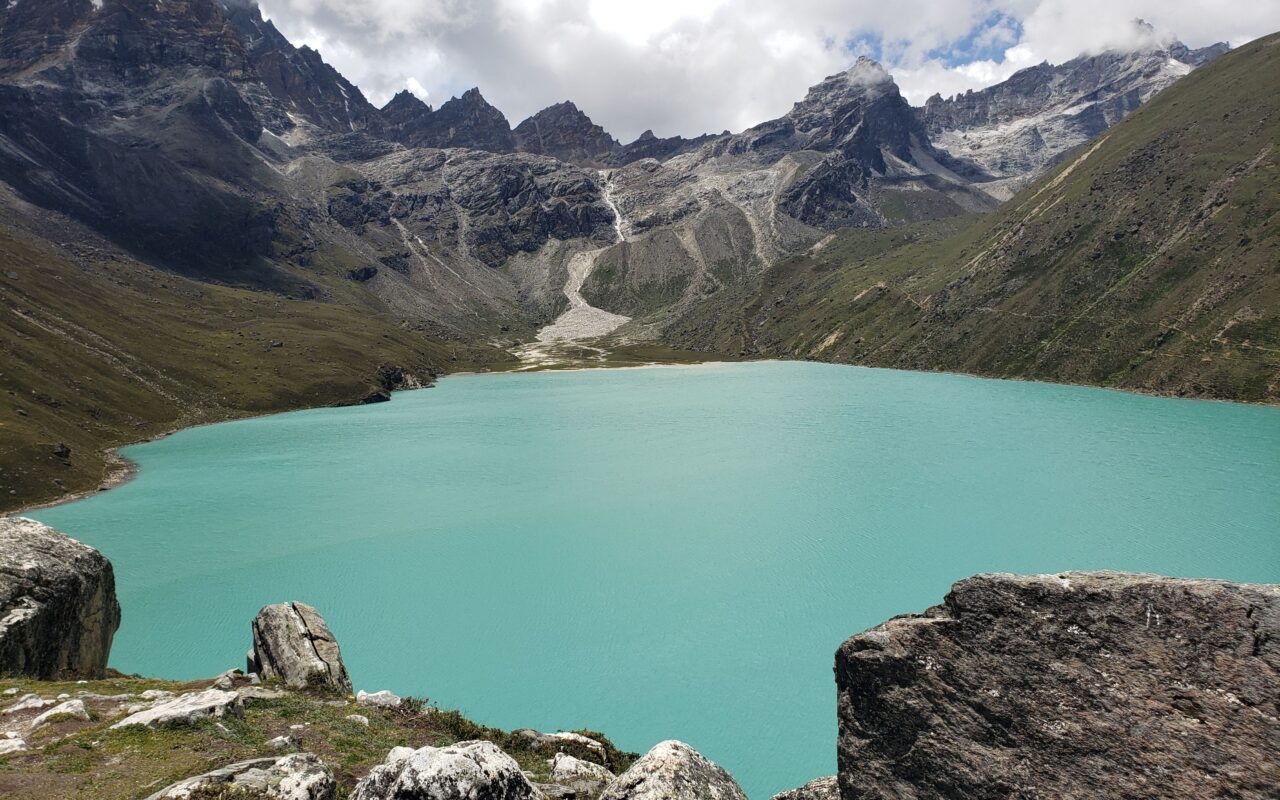
- Explore the beautiful turquoise Gokyo Lakes
- Climb Gokyo Ri for panoramic Himalayan views
- See Mount Everest, Cho Oyu, Lhotse, and Makalu
- Walk beside the impressive Ngozumpa Glacier
- Experience authentic Sherpa culture and hospitality
- Discover peaceful trails inside Sagarmatha National Park
- Stay in traditional mountain teahouses
- Enjoy a quieter alternative to the Everest Base Camp Trek
Price starts
US$ 1300
We offer group discounts
-
1 -
4 person
US$ 1350
-
5 -
10 person
US$ 1300
-
11 over
9999
US$ 1200
Total Cost:
US$ 1350
Need Help?
Ask to Travel Expert
Trip Overview of Gokyo Valley Trekking 2027: Easy Guide to Cost & Itinerary
Gokyo Valley Trekking is a remarkable Himalayan journey through peaceful Sherpa settlements, turquoise glacial lakes, high-altitude landscapes, and the dramatic scenery of the Everest region. It is ideal for travelers who want to see Mount Everest without following the busier trail to Everest Base Camp.
The journey begins with an exciting flight to Lukla before following the Dudh Koshi Valley through Phakding and Namche Bazaar. Beyond Namche, the trail separates from the classic Everest route and continues toward Dole, Machhermo, and the magnificent Gokyo Lakes.
The highlight of Gokyo Valley Trekking is the climb to Gokyo Ri, a panoramic viewpoint overlooking Mount Everest, Cho Oyu, Lhotse, Makalu, the Ngozumpa Glacier, and the surrounding Himalayan range. The combination of lakes, glaciers, mountains, Sherpa culture, and quieter trails makes this one of the most rewarding adventures in Nepal.
This guide covers the Gokyo Valley trekking cost, route, difficulty, permits, accommodation, transportation, best season, and preparation required for a successful journey in 2027.
What Is Gokyo Valley Trekking?
Gokyo Valley is located west of the main Everest Base Camp route inside Sagarmatha National Park. The trek follows part of the traditional Everest trail before turning northwest from the Namche Bazaar area toward the Gokyo Valley.
The region is known for its chain of high-altitude freshwater lakes, collectively recognized as the Gokyo Lake system. The lakes are surrounded by rocky hills, glaciers, yak pastures, and some of the world’s highest mountains.
According to the Nepal Tourism Board’s Gokyo guide, travelers can reach the valley directly or combine it with other routes in the Everest region. The direct Gokyo route is generally less crowded than the standard Everest Base Camp trail, especially after leaving the shared section near Namche Bazaar.
A regular Gokyo Valley Lake Trek usually takes around 12 to 14 days, including arrival, acclimatization, trekking, and departure days. Longer versions may cross Renjo La or Cho La and connect with Everest Base Camp.
Why Choose Gokyo Valley Trekking in 2027?
Gokyo Valley Trekking offers far more than a single viewpoint or final destination. Its greatest strength is the variety of experiences found throughout the journey.
Experience the Turquoise Gokyo Lakes.
The beautiful Gokyo Lakes are the main attraction of the valley. Their turquoise color comes from fine glacial sediments suspended in the water. Surrounded by barren hills and snowy mountains, these lakes create one of the most photogenic landscapes in the Everest region.
The third lake, Dudh Pokhari, sits beside Gokyo village and is generally the center of the trekking experience. Travelers with sufficient time and proper acclimatization may explore the upper lakes under the guidance of their trekking leader.
The Gokyo wetland system is internationally important and is listed as the Gokyo and Associated Lakes Ramsar Site. The lakes also carry spiritual importance for both Hindu and Buddhist communities.
Climb Gokyo Ri for Panoramic Himalayan Views
Gokyo Ri is the most famous viewpoint on the route. It reaches approximately 5,357 meters and provides expansive views across the Everest region.
From the summit, trekkers may see four mountains rising above 8,000 meters:
- Mount Everest
- Cho Oyu
- Lhotse
- Makalu
The viewpoint also overlooks Gokyo village, Dudh Pokhari, the Ngozumpa Glacier, and numerous smaller Himalayan peaks. Sunrise offers beautiful changing light, although the climb is often extremely cold in the early morning.
Unlike a technical mountain ascent, climbing Gokyo Ri does not require ropes or mountaineering equipment under normal conditions. However, its altitude and steep trail make it physically demanding.
Walk Beside the Ngozumpa Glacier
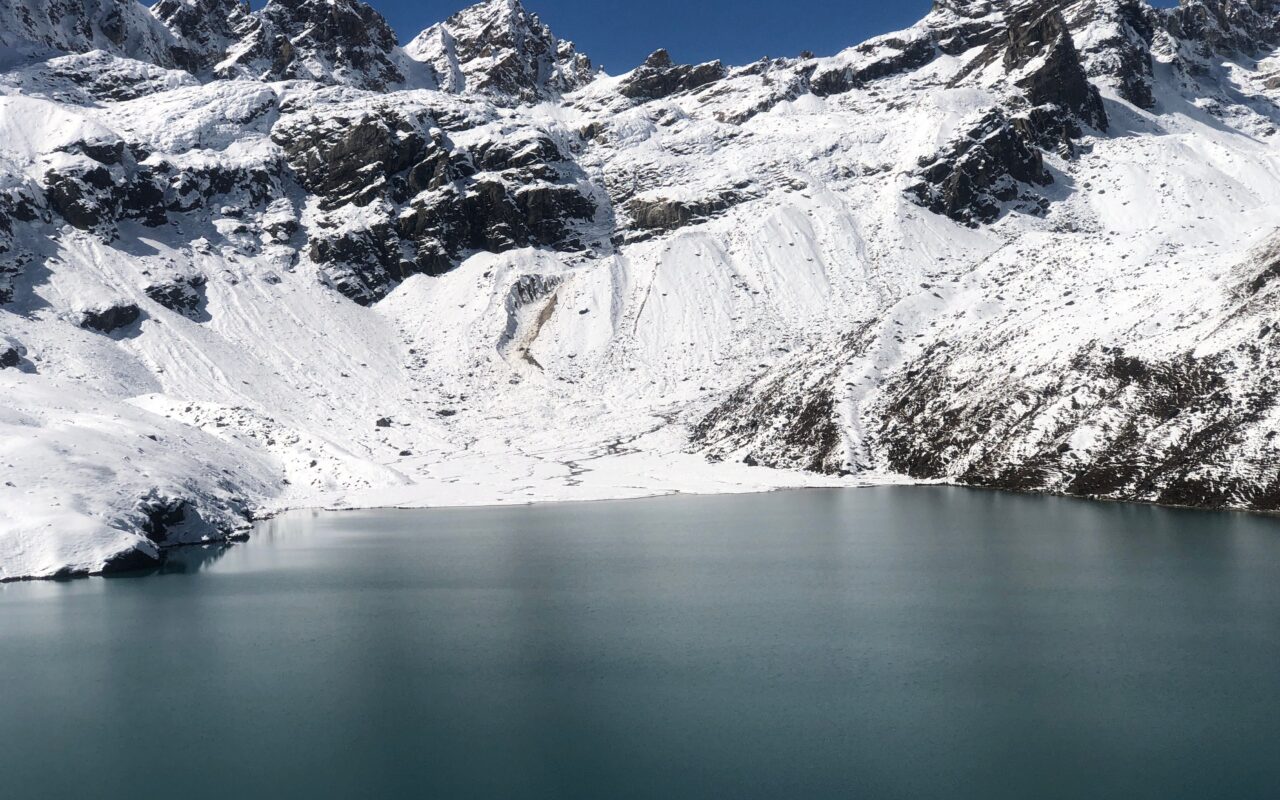
The Ngozumpa Glacier forms one of the most dramatic natural features of the Gokyo Valley trekking. Its rugged surface stretches below the high mountains, creating a landscape of ice, rock, moraine, and glacial debris.
Trekkers following the standard route observe the glacier from several points around Gokyo. Extended routes may involve crossing sections of glacial moraine, where an experienced guide becomes especially valuable.
Enjoy a Quieter Alternative to Everest Base Camp
The Gokyo route shares its opening section with the Everest Base Camp Trek but separates after the Namche area. From there, the number of trekkers normally decreases.
This quieter environment makes Gokyo Valley Trekking attractive to people who prefer peaceful trails, smaller settlements, and extended time in nature. Gokyo still provides views of Mount Everest while adding spectacular lakes and glacier scenery.
Discover Sherpa Culture
The route passes through traditional Sherpa communities such as Namche Bazaar, Dole, and Machhermo. Prayer flags, mani stones, monasteries, chortens, and yak pastures reflect the region’s strong Himalayan Buddhist heritage.
Namche Bazaar is the commercial center of the Khumbu region. Above Namche, the settlements become smaller and more dependent on seasonal tourism and livestock.
Respectful interactions with local residents make the experience more meaningful. Walk clockwise around religious monuments, request permission before photographing people, and follow local instructions around sacred lakes and monasteries.
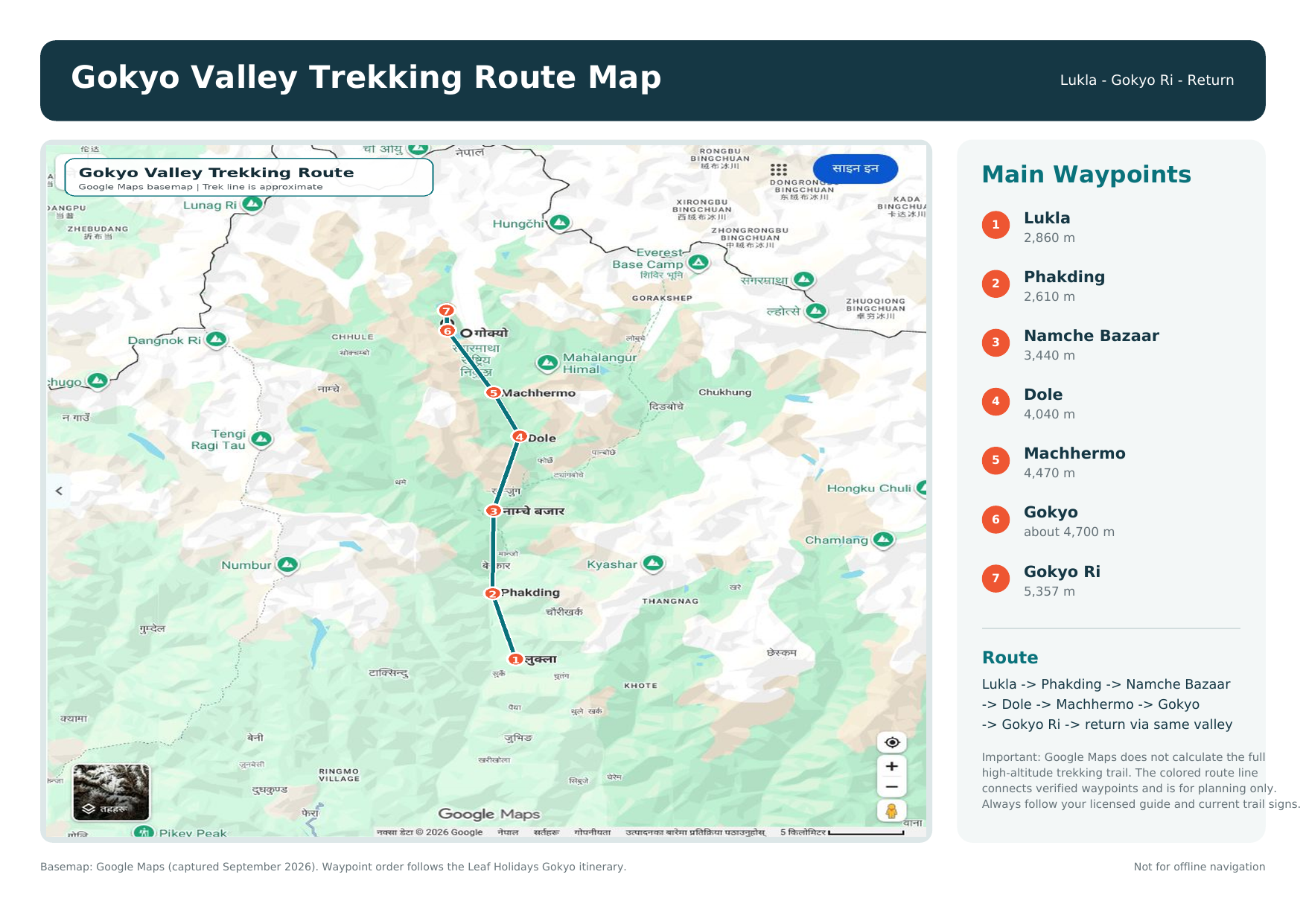
Gokyo Valley Trekking Route Overview
Although this article does not provide a detailed day-by-day itinerary, understanding the route is essential when planning the trip.
The standard route generally follows:
Kathmandu → Lukla → Phakding → Namche Bazaar → Dole → Machhermo → Gokyo → Gokyo Ri → Machhermo or Dole → Namche Bazaar → Lukla → Kathmandu
The journey begins with a mountain flight to Lukla. From Lukla, the trail gradually descends and climbs through villages, forests, rivers, and suspension bridges to reach Phakding.
The next section follows the Dudh Koshi River toward Monjo and the entrance of Sagarmatha National Park. A demanding climb then leads to Namche Bazaar, where trekkers normally spend an acclimatization day.
Beyond Namche, the route separates from the main trail to Tengboche and Everest Base Camp. It continues through Mong La, Phortse Tenga, Dole, and Machhermo before reaching the Gokyo Lakes.
A well-planned Gokyo Valley trekking itinerary should provide sufficient time for altitude adaptation in Namche and around Machhermo or Gokyo. Rushing directly to higher elevations increases the likelihood of altitude-related problems.
The return journey generally follows the same valley back to Namche and Lukla. Travelers seeking a more challenging adventure can consider the Everest Three Passes Trek, which connects Gokyo with high mountain passes and other parts of the Khumbu region.
How Many Days Are Required for Gokyo Valley Trekking?
A complete package normally requires approximately 14 days. This duration may include arrival and departure days in Kathmandu, sightseeing or preparation, the Lukla flights, acclimatization, trekking, and a visit to Gokyo Ri.
The package published by Leaf Holidays is currently presented as a 14-day journey. Its route includes Kathmandu, Lukla, Phakding, Namche Bazaar, Dole, Machhermo, Gokyo, and Gokyo Ri before returning through the same valley. (thenepaltrekking.com)
The trekking portion is commonly completed in approximately 10 days. However, the final schedule can change because of weather, flight operations, walking speed, acclimatization needs, or additional exploration.
Travelers should keep at least one flexible day in Nepal after returning from Lukla. Mountain flights can be delayed or cancelled when visibility, wind, or cloud conditions are unsuitable.
Gokyo Valley Trekking Cost for 2027
The Gokyo Valley trekking cost depends on group size, service level, accommodation, guide and porter arrangements, transportation, permits, meals, and the number of days.
Based on the pricing displayed on the official Gokyo Valley Trekking package, the published rates are
| Group size | Listed price per person |
|---|---|
| 1–4 people | USD 1,350 |
| 5–10 people | USD 1,300 |
| 11 or more people | USD 1,200 |
The page also displays a starting price of USD 1,300, while its group discount section lists USD 1,200 per person for groups of 11 or more. (thenepaltrekking.com)
These prices should be treated as the currently published package rates. The final Gokyo Lake Trek cost for a 2027 departure should be reconfirmed before booking because domestic airfares, permit charges, accommodation costs, taxes, and exchange rates can change.
What Determines the Gokyo Trek Cost?
Several factors influence the final price.
Group Size
Group departures usually cost less per person because guide services, transfers, logistics, and staff expenses are shared. Private departures cost more but provide greater flexibility and personalized support.
Package Duration
A longer package requires additional accommodation, meals, guide services, porter support, and operational planning. Adding Renjo La, Cho La, Everest Base Camp, or extra nights around Gokyo increases the total cost.
Guide and Porter Services
Licensed guides provide navigation, cultural interpretation, altitude monitoring, lodge coordination, and emergency support. Porters reduce the weight trekkers must carry, making long walking days more manageable.
Porter costs depend on the trekking season, route, load, and number of trekkers sharing the service.
Kathmandu and Mountain Accommodation
The standard package may use a comfortable hotel in Kathmandu and teahouses or lodges during the trek. Upgraded Kathmandu hotels, single rooms, premium lodges, and additional nights increase the overall price.
Rooms become more basic above Namche. Luxury accommodation options are also limited as the route approaches Machhermo and Gokyo.
Meals and Drinks
Food becomes progressively more expensive at higher elevations because supplies must be transported by porters, pack animals, or aircraft. Bottled water, boiled water, hot showers, device charging, snacks, and alcoholic drinks may create additional personal expenses.
Lukla Flights
Flights between Kathmandu or Manthali and Lukla represent a significant part of the package cost. During busy trekking periods, some Lukla services may operate from Manthali Airport in Ramechhap.
Travelers should confirm the departure airport and transfer arrangements before the trip. The Civil Aviation Authority of Nepal’s Ramechhap Airport page provides official airport information.
Personal Expenses
Travel insurance, visa fees, equipment purchases, gratuities, laundry, internet use, hot showers, charging, extra food, emergency services, and itinerary changes may not be included in the advertised package price.
A sensible personal allowance should therefore be added to the planned Gokyo Valley trekking cost.
Gokyo Valley Trekking Difficulty
Gokyo Valley trekking is generally classified as moderate to challenging. It does not involve technical climbing on the standard route, but it requires good endurance, careful acclimatization, and the ability to walk for several hours over uneven terrain.
The main challenges include:
- Reaching elevations above 5,000 meters
- Walking approximately five to seven hours on many trekking days
- Completing steep ascents and descents
- Coping with cold mornings and nights
- Navigating rocky, dusty, snowy, or icy sections
- Staying in simple mountain accommodation
- Adjusting to reduced oxygen at high altitude
The trail from Phakding to Namche includes a long final climb. Above Namche, the altitude increases progressively through Dole, Machhermo, and Gokyo. The climb to Gokyo Ri is steep and physically demanding, especially in cold or windy weather.
The standard Gokyo Valley Lake Trek is suitable for healthy beginners who prepare properly, maintain a realistic pace, and follow a well-designed schedule. Previous trekking experience is helpful but not compulsory.
Altitude and Acclimatization
Altitude is the most important safety consideration on this journey. Gokyo village lies at approximately 4,700 meters, while Gokyo Ri reaches approximately 5,357 meters.
A gradual ascent gives the body time to adjust to lower oxygen levels. A safe schedule generally includes an acclimatization day in Namche Bazaar and controlled elevation gains afterward.
Possible symptoms of acute mountain sickness include:
- Headache
- Nausea
- Dizziness
- Unusual fatigue
- Reduced appetite
- Disturbed sleep
- Shortness of breath while resting
Trekkers should inform their guide immediately when symptoms appear. Continuing higher with worsening symptoms can be dangerous. Resting, monitoring the condition, or descending may be necessary.
The CDC high-altitude travel guidance explains why gradual ascent and early recognition of symptoms are essential. Medication should only be used after receiving advice from a qualified medical professional.
Hydration, steady walking, proper meals, adequate rest, and avoiding alcohol at higher elevations can support acclimatization. However, physical fitness does not guarantee immunity from altitude illness.
Best Time for Gokyo Valley Trekking
The best seasons are generally spring and autumn. For a more detailed overview of weather patterns, consult this guide to the best trekking season in Nepal.
Spring: March to May
Spring offers moderate daytime temperatures, longer daylight hours, active teahouses, and colorful rhododendron forests at lower elevations.
March may still bring snow and colder conditions. April is often popular for balanced temperatures and mountain visibility, while May becomes warmer with a greater possibility of afternoon clouds.
Autumn: September to November
Autumn is one of the most reliable periods for Gokyo Valley trekking. The post-monsoon air often produces clear views, stable trail conditions, and excellent visibility.
September can retain some monsoon moisture, while October is usually the busiest month. November generally offers clear views but considerably colder mornings and nights.
Winter: December to February
Winter can provide exceptionally clear mountain scenery and quiet trails. However, temperatures around Gokyo can fall far below freezing, and snow may affect the route or temporarily close higher sections.
Winter trekking requires appropriate equipment, flexible planning, and experienced local support.
Monsoon: June to August
The lower trail is usually wet, cloudy, and slippery during the monsoon. Flight disruptions are more frequent, and mountain views may remain hidden for extended periods.
Although trekking is possible, the monsoon is not normally recommended for first-time visitors seeking reliable views and convenient transportation.
Permits Required for the Gokyo Valley Lake Trek
Travelers normally need the following permits for Gokyo Valley Trekking:
Sagarmatha National Park Entry Permit
The route enters Sagarmatha National Park near Monjo. According to the Nepal Tourism Board’s national park fee information, separate entry rates apply to Nepali citizens, SAARC nationals, and other international visitors.
At the time of writing, the listed Sagarmatha National Park fees are
| Visitor category | Entry fee |
|---|---|
| Nepali citizens | NPR 100 |
| SAARC nationals | NPR 1,500 |
| Other foreign nationals | NPR 3,000 |
| Children below 10 years | Free |
Permit rates and policies can change, so travelers should confirm the latest amount before departure.
Khumbu Pasang Lhamu Rural Municipality Permit
This local permit is required when entering the Khumbu region. It is usually arranged during the journey by the trekking company or guide.
TIMS Card and Guide Requirement
The Nepal Tourism Board lists Gokyo among the routes covered by Nepal’s revised trekking management system. Its official TIMS information page should be checked for the current card procedure and licensed-guide requirements.
A registered trekking company can arrange the necessary documents and explain which permits are included in the package price.
Accommodation During Gokyo Valley Trekking
Accommodation along the trekking route is mainly provided by local teahouses and mountain lodges. Rooms commonly contain two single beds, mattresses, blankets, pillows, and basic furniture.
Private rooms are generally available, but bathrooms may be shared. Facilities become simpler beyond Namche Bazaar. Hot showers, charging, internet access, and additional blankets may require separate payment.
Namche has the broadest selection of lodges, restaurants, bakeries, shops, and cafés. Dole, Machhermo, and Gokyo have fewer options, particularly during winter or periods of heavy snowfall.
Carrying a suitable sleeping bag is recommended even when blankets are available. A comprehensive trekking equipment checklist will help you prepare for changing temperatures and basic mountain facilities.
Food and Drinking Water
Teahouse menus usually include Nepali, Tibetan, Indian, and simple Western meals. Common options include
- Dal bhat
- Fried rice
- Noodles
- Momos
- Pasta
- Potatoes
- Soup
- Eggs
- Porridge
- Pancakes
- Tea and coffee
Dal bhat is a practical trekking meal because it provides carbohydrates, lentils, vegetables, and energy for long walking days. Food choices become more limited and expensive as the elevation increases.
Trekkers should drink only treated or safely boiled water. Reusable bottles and purification tablets or filters help reduce plastic waste. Regular hydration is important, but drinking excessive water does not prevent altitude sickness.
Transportation and Lukla Flights
Most Gokyo Valley trekking itineraries begin with a short flight to Tenzing-Hillary Airport in Lukla. The flight provides dramatic Himalayan views but is highly dependent on weather and visibility.
During peak seasons, flights may operate from Manthali Airport rather than Kathmandu. Reaching Manthali requires a long early-morning road transfer, so this arrangement should be confirmed before departure.
Flight delays are a normal operational risk in the Everest region. Travelers should avoid scheduling an international departure immediately after the planned return from Lukla.
Helicopter transfers may be available when regular flights are disrupted, but they cost considerably more and remain dependent on weather and aircraft availability.
Physical Preparation for the Trek
A structured training program should begin at least six to eight weeks before departure. The objective is to improve cardiovascular endurance, leg strength, balance, and recovery.
Useful preparation includes:
- Brisk walking
- Hill climbing
- Stair training
- Jogging or cycling
- Squats and lunges
- Core-strength exercises
- Day hikes carrying a small backpack
- Consecutive walking days
Training cannot fully reproduce high-altitude conditions, but it can make the physical workload more manageable. Breaking in trekking boots before arriving in Nepal also helps prevent blisters.
Mental preparation is equally important. Weather changes, delayed flights, basic facilities, cold temperatures, and slow progress are all part of Himalayan trekking.
Essential Packing List
Packing for Gokyo Valley Trekking requires preparation for warm valleys, cold high-altitude settlements, wind, rain, and possible snow.
Important items include:
| Category | Essential Item | Recommended Quantity |
|---|---|---|
| Base Layers | Moisture-wicking tops | 2–3 |
| Base Layers | Moisture-wicking bottoms | 2 |
| Insulation | Fleece or insulated mid-layer | 1–2 |
| Outerwear | Down jacket | 1 |
| Outerwear | Waterproof and windproof shell | 1 |
| Trekking Clothes | Trekking trousers | 2 |
| Trekking Clothes | Thermal leggings | 1–2 |
| Footwear | Broken-in trekking boots | 1 pair |
| Footwear | Warm trekking socks | 4–5 pairs |
| Headwear | Wool or fleece hat | 1 |
| Headwear | Sun hat | 1 |
| Hand Protection | Inner gloves | 1 pair |
| Hand Protection | Insulated outer gloves | 1 pair |
| Eye Protection | UV-protective sunglasses | 1 pair |
| Sleeping Gear | Freezing-temperature sleeping bag | 1 |
| Trekking Equipment | Trekking poles | 1 pair |
| Lighting | Headlamp | 1 |
| Hydration | Reusable water bottles | 2 |
| Water Safety | Water-purification tablets or filters | 1 set |
| Sun Protection | High-SPF sunscreen | 1 |
| Sun Protection | SPF lip balm | 1–2 |
| Health Supplies | Personal medication | As required |
| Health Supplies | Basic first-aid kit | 1 |
| Electronics | Power bank | 1 |
| Electronics | Charging cables and adapter | 1 set |
| Documents | Waterproof document pouch | 1 |
Avoid carrying unnecessary clothing or heavy electronic equipment. If using a porter, keep essential items such as water, snacks, sunscreen, documents, medicine, and a warm layer in your daypack.
Travel Insurance for Gokyo Valley Trekking
Regular travel insurance may not cover trekking above 5,000 metres. Before purchasing a policy, check whether it covers:
- Trekking up to the maximum planned altitude
- Emergency helicopter evacuation
- Medical treatment in Nepal
- Trip interruption
- Flight delays and cancellation
- Lost or delayed baggage
- Rescue coordination
Read the policy wording carefully instead of relying only on the insurance provider’s general marketing page. This travel insurance guide explains the main factors trekkers should consider before visiting Nepal.
Gokyo Valley Trek Versus Everest Base Camp Trek
Both routes begin in Lukla and pass through Phakding and Namche Bazaar, but their character changes after the trails separate.
Gokyo Valley Trekking is better suited to travelers who prioritize lakes, glacier scenery, panoramic viewpoints, and relatively peaceful trails. Everest Base Camp is more closely connected to mountaineering history, famous settlements such as Tengboche, and the experience of standing near Everest Base Camp.
Gokyo Ri offers one of the broadest views of the Himalayan range, while Kala Patthar is a celebrated viewpoint on the Everest Base Camp route. Neither option is universally better; the right choice depends on personal interests, available time, and fitness.
Adventurous trekkers can combine both destinations through Cho La Pass. However, this extension is more difficult and requires additional days, stronger fitness, favorable conditions, and experienced guidance.
Is the Gokyo Valley Circuit Trek Different?
Yes. The standard Gokyo Valley Trek usually reaches the lakes and Gokyo Ri before returning through the same valley. A Gokyo Valley Circuit Trek may cross Renjo La or Cho La or connect Gokyo with Everest Base Camp and other high passes.
Circuit routes provide greater variety but are more demanding. They may involve steep snow-covered trails, glacial moraine, longer days, and elevations above 5,000 meters.
First-time high-altitude trekkers may prefer the direct Gokyo route. Experienced hikers seeking a more demanding journey can consider a circuit after reviewing the route with a qualified operator.
Responsible Trekking in Gokyo Valley
Gokyo lies within a fragile high-altitude environment where waste decomposes slowly and local resources are limited.
Responsible practices include:
- Carrying a reusable water bottle
- Avoiding single-use plastic where possible
- Taking batteries and non-biodegradable waste back to Kathmandu
- Staying on established trails
- Avoiding disturbance to wildlife
- Conserving electricity and hot water
- Respecting religious monuments and sacred lakes
- Supporting locally operated lodges and services
- Following the instructions of national park staff and guides
Sagarmatha National Park protects an environmentally and culturally important Himalayan landscape. Every visitor shares responsibility for keeping the region clean and preserving it for local communities and future trekkers.
Is Gokyo Valley Trekking Worth It?
Gokyo Valley Trekking is worth considering for travelers who want a balanced Everest-region experience. The journey offers demanding high-altitude walking, but it rewards the effort with turquoise lakes, huge glaciers, peaceful villages, and outstanding views from Gokyo Ri.
It is less focused on reaching a famous base camp and more focused on experiencing an entire Himalayan landscape. Every stage introduces something different: river valleys near Lukla, the energetic atmosphere of Namche Bazaar, quiet yak pastures above Dole, the open terrain of Machhermo, and the glacial environment surrounding Gokyo.
With a sensible schedule, proper preparation, experienced support, and respect for altitude, the trek is achievable for many active travelers.
Plan Your Gokyo Valley Trekking Adventure
A successful journey begins with realistic planning. Choose the right season, allow enough time for acclimatization, train before departure, purchase appropriate insurance, and keep flexible days for mountain flights.
Whether you are drawn by the blue lakes, the enormous Ngozumpa Glacier, the Sherpa villages, or the Himalayan panorama from Gokyo Ri, this trek offers a quieter and deeply rewarding way to experience the Everest region. Contact Leaf Holidays to customize the route, confirm the latest cost, and begin planning your Gokyo Valley Trekking adventure for 2027.
Ready to Explore the Gokyo Valley?
Let Leaf Holidays organize your 2027 Gokyo Valley adventure with experienced guides, proper acclimatization, and reliable local support. Contact our trekking specialists for updated prices, available departures, and a personalized travel plan.
Detail Itinerary of Gokyo Valley Trekking 2027: Easy Guide to Cost & Itinerary
Day 01: Arrival in Kathmandu
Arrival in Kathmandu You’ll start your journey to the Himalayas by taking a flight to Kathmandu. When you arrive, our representatives will meet you at the airport and take you to your hotel for check-in. You can then rest at the hotel and spend the night there.
Highest Altitude
1300m. (Kathmandu)
Meals
Breakfast
Accommodation
HotelDay 02: Sightseeing of Kathmandu and Bhaktapur city

Activity & Duration
Sightseeing
Highest Altitude
1300m. (kathmandu)
Meals
Breakfast
Accommodation
HotelDay 03: Fly to Lukla and trek to Phakding (2,610) 30 minutes flight and 4 hours walk
Activity & Duration
Flight, around 30 minutes and trekking around 4 hours
Highest Altitude
2610m. (Phakding)
Meals
Breakfast, lunch and dinner
Accommodation
Hotel or LodgeDay 04: Trek to Namche Bazaar (3440m/11,283ft) 5-6 hours walk
Activity & Duration
Trekking, around 5-6 hours
Highest Altitude
3440m. (Namche Bazaar)
Meals
Breakfast, lunch and dinner
Accommodation
LodgeDay 05: Acclimatize at Namche
Spend an acclimatization day in Namche Bazaar with an optional hike to nearby villages. Explore local monasteries, museums, cafés, bakeries, and shops before staying overnight at the lodge.
Highest Altitude
3440m. (Namche )
Meals
Breakfast, lunch and dinner
Accommodation
LodgeDay 06: Trek from Namche Bazaar to Dole (4040m.) via Khumjung- 6 Hours
We continue our trek to Dole from Namche Bazaar, taking the same route towards Everest Base Camp until we reach Sanasa. From there, we climb up to Mongla (4000m) and enjoy the stunning panoramic views of various mountains. We then trek downhill through Phortse Tenga and climb steeply up to Dole, passing through beautiful rhododendron and birch forests adorned with hanging mosses and lichens. We spend the night at a guesthouse in Dole.
Activity & Duration
Trekking, around 6 hours
Highest Altitude
4040m. (Dole )
Meals
Breakfast, lunch and dinner
Accommodation
GuesthouseDay 07: Trek from Dole to Machhermo (4470m)- 5 hours
We’ll be hiking uphill from Dole, and the vegetation around us will gradually change as we climb higher. We’ll pass by summer settlements used for yak grazing, and as we go further up, we’ll see stunning views of Cho Oyu. Looking back, we can see the peaks of Kantega and Thamserku. We’ll spend the night at a guesthouse.
Activity & Duration
Trekking, around 5 hours
Highest Altitude
4470m. (Machhermo )
Meals
Breakfast, lunch and dinner
Accommodation
GuesthouseDay 08: Trek from Machhermo to Gokyo (4700m)-5-6 Hours
Today we will trek towards the lakes of Gokyo. The trail will take us to Pangka, where we will descend slightly to follow a river formed by the Ngozumpa Glacier. Then we will climb a steep rocky incline and pass by the first holy lake. We will continue towards the second lake and cross the path that leads to Cho La. Finally, we will reach the third lake, Dudh Pokhari, and continue walking by its side until we arrive at Gokyo. We will spend the night at a guesthouse.
Activity & Duration
Trekking, around 5-6 Hours
Highest Altitude
4700m. (Gokyo)
Meals
Breakfast, lunch and dinner
Accommodation
GuesthouseDay 09: Rest day at Gokyo and excursion around Gokyo valley & Lake
We’ll spend some time exploring Gokyo, which is a bustling hub for trekkers. It’s located near the huge Ngozumpa glacier. We’ll take a walk around the beautiful lake, and, if you’re up for it, we can also visit the fifth lake. We’ll spend the night at a guesthouse.
Highest Altitude
4700m. (Gokyo valley & Lake)
Meals
Breakfast, lunch and dinner
Accommodation
GuesthouseDay 10: Trek/climb from Gokyo to Gokyo Ri (5483m) and trek back to Machhermo 6-7 Hours
After breakfast, we will climb a steep path to reach the summit of Gokyo Ri, which offers stunning views of Everest, Lhotse, and Makalu. Later, we will trek to Machhermo and spend the night at a guest house.
Activity & Duration
Trekking, around 6-7 hours
Highest Altitude
4470m. (Machhermo )
Meals
Breakfast, lunch and dinner
Accommodation
GuesthouseDay 11: Trek from Machhermo (4470m) to Namche Bazaar (3440m)- 5-6 hours
After leaving Machhermo, we will trek back to Dole and then descend to Phortse Tenga, passing through beautiful rhododendron forests. Next, we will climb up to Mongla Danda and then descend gradually to Kyanjoma before following a path with some ups and downs back to Namche Bazaar, where we will spend the night in a guest house.
Activity & Duration
Trekking, around 5-6 hours
Highest Altitude
3440m. (Namche Bazzar)
Meals
Breakfast,, lunch and dinnerr
Accommodation
GuesthouseDay 12: Trek to Lukla (2,860m)
We begin our descent from Namche after breakfast, crossing a bridge over the Dudh Koshi River and passing through Monjo, where we complete National Park formalities. We stop for lunch in Phakding before continuing to Lukla along a flat trail with beautiful scenery, including prayer stones, rhododendron and pine forests, prayer flags, and Sherpa villages. This is our final day of the trek, and upon reaching Lukla, we can either spend time with our crew or reflect on the amazing experiences of the past few days. We spend the night in Lukla.
Activity & Duration
Trekking, around 6-7 hours
Highest Altitude
2860m. (Lukla)
Meals
Breakfast, lunch and dinner
Accommodation
GuesthouseDay 13: Fly to Kathmandu
The trekking journey comes to an end, and we take a flight from Lukla back to Kathmandu. To celebrate the completion of the trek, we organize a farewell dinner for our clients and discuss the possibility of future trips.
Activity & Duration
Flight, around 30 minutes
Highest Altitude
1300m. (Kathmandu)
Meals
Dinner
Accommodation
HotelDay 14: Transfer to the airport for the final departure
Our company representative will accompany you to the airport, approximately 2 hours before your scheduled flight. We hope that you had an amazing experience in Nepal and enjoyed your trekking adventure. We look forward to the possibility of seeing you again in the Himalayas.
Highest Altitude
1300m. (Kathmandu)
Meals
Breakfast
Accommodation
Hotel
- The itinerary may change due to weather, trail conditions, flight delays, or safety concerns.
- Walking times are approximate and depend on fitness, pace, and trail conditions.
- Acclimatization days are included to support safe altitude adjustment.
- Lukla flights may operate from Kathmandu or Manthali, depending on the season.
- Keep at least one extra day in Nepal for possible flight delays.
- Inform your guide immediately if you experience symptoms of altitude sickness.
- Accommodation becomes more basic at higher elevations.
- Gokyo Ri climbing depends on weather, health, and trail conditions.
- The guide may modify the route when required for the group’s safety.
- Final services and prices should be confirmed before booking.
Includes and Excludes
What is included?
- Airport pickups and drops in a private vehicle
- Hotel accommodation in Kathmandu with bed and breakfast
- Teahouse accommodation during the trek
- All meals (breakfast, lunch, and dinner) during the trek
- Welcome and farewell dinners
- All ground transportation on a comfortable private vehicle as per the itinerary
- Domestic flights (Kathmandu-Lukla-Kathmandu)
- An experienced, English-speaking, and government-licensed holder of Guide and Porter service
- Staff costs, including their salary, insurance, equipment, domestic airfare, food, and accommodation
- Down jacket
- All necessary paperwork and trekking permits (National Park Permit, TIMS)
- Medical kit (carried by your trek leader)
- All government and local taxes
What is excluded?
- Nepalese visa fee
- Excess baggage charge(s)
- Extra night accommodation in Kathmandu because of early arrival, late departure, or early return from the mountain (due to any reason) than the scheduled itinerary
- Emergency expenses like rescues and emergency medical treatment.
- Personal insurance charges.
- International flights
- Travel and rescue insurance
- Personal expenses (phone calls, laundry, bar bills, battery recharge, extra porter, bottle or boiled water, shower, etc.)
- Tips for guide(s), porter(s), and driver(s)
Trip Information
| Trip Information | Details |
|---|---|
| Trip Name | Gokyo Valley Trekking |
| Destination | Everest Region, Nepal |
| Duration | 14 days |
| Trek Difficulty | Moderate to challenging |
| Maximum Altitude | Gokyo Ri – approximately 5,357 m |
| Starting Point | Lukla |
| Ending Point | Lukla |
| Main Route | Lukla–Phakding–Namche–Dole–Machhermo–Gokyo |
| Daily Walking Time | Approximately 5–7 hours |
| Accommodation | Hotel in Kathmandu and teahouses during the trek |
| Meals | Breakfast in Kathmandu and standard trekking meals |
| Best Seasons | March–May and September–November |
| Transportation | Private vehicle and domestic flights |
| Group Size | 2–20 people |
| Major Attractions | Gokyo Lakes, Gokyo Ri, Ngozumpa Glacier, and Sherpa villages |
| Required Permits | TIMS, Sagarmatha National Park, and local municipality permits |
| Main Activity | Trekking, hiking, and sightseeing |
| Package Price | USD 1,200–1,350 per person, depending on group size |
Trip Reviews
Price starts
US$ 1300
Need Help?
Ask to Travel Expert