
- Mt. Kailash Tour
- Kailash Mansarovar Overland Tour
- Kailash Mansarovar Yatra by Helicopter – Complete Spiritual Journey Guide
- Kailash Yatra via Lucknow
- Kailash Mansarovar Tour via Lhasa
- Kailash Lhasa EBC Tour From Beijing
- Kailash Heli Tour via Kerung: Complete Spiritual Journey Guide
- Kailash Tour via Lhasa In Kerung Out
- Lhasa EBC Kailash Tour
- Kailash Heli Tour
- Kailash Mansarovar Yatra from Nepal 2027: Cost & Itinerary
- Kailash Nandi Kora
- Kailash Tour via Humla Simikot – 20 Days
- Mount Kailash Tour: 7 Amazing Experiences in 2027
- Trekking
-
-
- Everest Region
- Luxury Everest Base Camp Trek: 7 Unforgettable Highlights
- Everest Base Camp Trek 2026: Cost, Route, and Complete Guide
- Everest Three Passes Trek 2027: Cost, Route & Itinerary
- Everest Base Camp Short Trek
- Everest Panorama Trek: Amazing 10-Day Cost & Itinerary
- Everest Base Camp Island Peak Trek: Complete 19-Day Guide
- Gokyo Valley Trekking 2027: Easy Guide to Cost & Itinerary
- Mera Peak Climbing 2027: Complete Cost & Itinerary Guide
- Rolwaling Valley Trek: 23-Day Itinerary, Cost, Permits & Difficulty
- Dolpo Region Trek
- Everest Region
-
- Annapurna Region
- Annapurna Base Camp Trekking
- Annapurna Circuit Trek
- Annapurna Base Camp Trek: 7 Amazing Cost & Route Tips
- Mardi Himal Trek: 7 Amazing Highlights & Complete Guide
- Annapurna Alternative Combine Trek: 18 Amazing Days
- Mohare Dada Trek
- Ghorepani Poon Hill Trek: 7 Unforgettable Highlights
- Khopra Ridge Community Trek: 13-Day Ultimate Adventure
- Damodar Kunda Trek: 10-Day Ultimate Sacred Adventure
- Upper Mustang Trek: 10 Amazing Sights : Ultimate Guide
- Jomsom Muktinath Trek: Amazing 12-Day Ultimate Guide
- Ghale Gaun Trek: 7 Amazing Reasons : Ultimate Guide
- Dhampus Sarangkot Trek: 7 Incredible Experiences
- Dhaulagiri Region
- Annapurna Region
-
-
- Tours
-
-
- Day Tours
- Rickshaw–a three-wheeler Tour
- Pharping Dakshinkali Day Tour: 7 Amazing Highlights
- Historical Tour: 7 Amazing Places to Explore
- Kathmandu Temple Tour: 7 Amazing Spiritual Places
- Nagarkot Tour
- Bhaktapur City Tour: 7 Amazing Places to Explore
- Kathmandu City Tour – Complete Heritage & Cultural Experience in Nepal
- Chandragiri Hill: A Scenic Himalayan Escape Near Kathmandu
- Chitlang Hiking
- Shivapuri to Sundarijal Day Hiking
- Kulekhani Dam Day Tour — Complete Travel Guide
- Day Tours
-
- Package Tours
- Mustang Tour on Jeep
- Nepal Tour Package for Nepali: 12 Amazing Destinations to Explore (2026)
- Muktinath Tour: Complete Guide to Nepal’s Sacred Himalayan Pilgrimage
- 3N,4D Kathmandu Pilgrimage Tour
- Nepal Buddhist Pilgrimage Tour: 7 Sacred Sites Not to Miss
- 6D Nepal Pilgrimage Tour: 7 Amazing Sacred Places
- 7 Nights, 8 Days Nepal Tour
- Districts tour of Nepal
- Janakpur Tour Package: Price, Family Tour & Travel Guide from Kathmandu 2026
- Short Hike in Nepal: 7 Best Easy Treks for Beginners
- Package Tours
-
-
- Outbound
-
- Activities
- Climbing
- Bungee Jumping in Nepal
- Heli Skiing Adventure in the Himalayas
- Canoeing in Nepal
- Mountain Flight in Nepal
- Zip Flyer in Pokhara: The Ultimate Adventure Experience
- Paragliding in Pokhara: 7 Amazing Reasons to Experience Nepal’s Best Adventure
- Kathmandu Cycling Tour: 9 Amazing Adventures
- Rafting
- Rock Climbing
- Company
- Travel Info
- Travel Insurance
- Recommended Medical Kit
- Nepal Visa Information
- Flight delays and cancellation in Nepal
- Electricity in Nepal: Rates, Bill Check, Calculator and NEA Services
- Trekking Equipment Checklist: 40 Essential Items
- Best Kailash season in Tibet
- Best Trekking season in Nepal
- Trekking in Nepal 2027: 15 Best Himalayan Adventures
- Blogs
- Contact


WhatsApp
+977-9851035239

Email Us
[email protected]
Historical Tour: 7 Amazing Places to Explore


Trip Duration
1 Day
Trip Difficulty
Easy
Activity
Day tour, sightseeing
Destination
NepalHighlights of Historical Tour: 7 Amazing Places to Explore
- Explore Kathmandu Durbar Square and its royal courtyards
- Discover the artistic beauty of Patan Durbar Square
- Walk through the ancient streets of Bhaktapur
- Visit the sacred Swayambhunath Stupa
- Experience the spiritual atmosphere of Boudhanath Stupa
- Explore the holy Pashupatinath Temple complex
- Visit the historic Changu Narayan Temple
- Learn about Nepal’s Hindu and Buddhist traditions
- Experience traditional Newari architecture and craftsmanship
- Discover UNESCO-listed heritage sites across the Kathmandu Valley
- Explore ancient temples, palaces, statues, and courtyards
- Experience Nepal’s living culture, festivals, and local traditions

Need Help?
Ask to Travel Expert
Trip Overview of Historical Tour: 7 Amazing Places to Explore
A historical tour in Nepal is one of the best ways to discover the country’s fascinating heritage beyond its famous mountains. The Kathmandu Valley preserves ancient royal squares, temples, Buddhist stupas, traditional settlements, courtyards, woodcarvings, stone sculptures, and centuries-old religious traditions.
For travelers interested in historical tourism, Kathmandu Valley is particularly important. UNESCO recognizes seven monument zones within the Kathmandu Valley World Heritage property: Kathmandu Durbar Square, Patan Durbar Square, Bhaktapur Durbar Square, Swayambhunath, Boudhanath, Pashupatinath, and Changu Narayan.
The Kathmandu Valley UNESCO World Heritage property brings these remarkable cultural sites together and reflects the artistic, architectural, religious, and historical development of the valley.
A carefully planned historical tour allows travelers to experience royal history, Hindu and Buddhist traditions, Newari craftsmanship, ancient architecture, and living local culture within a relatively compact region.
This guide covers seven remarkable historical attractions, historical tour packages, a practical historical tour itinerary, the best season to visit, and useful travel information for exploring Nepal’s cultural heritage.
Why Choose a Historical Tour in Nepal?
A historical tour is much more than visiting old monuments. It provides an opportunity to understand how kings, religious traditions, artisans, architecture, festivals, and local communities shaped the Kathmandu Valley over centuries.
Kathmandu, Patan, and Bhaktapur were once separate royal cities. Their palace squares still preserve outstanding examples of Newari architecture, traditional craftsmanship, temples, sculptures, and historic courtyards.
The Nepal Tourism Board highlights Kathmandu Valley as a major cultural destination containing seven UNESCO World Heritage Monument Zones.
Another special feature of historical tourism in Nepal is that many heritage places remain active parts of everyday life. Temples continue to receive devotees, Buddhist stupas remain important pilgrimage centers, and traditional festivals are still celebrated in historic squares.
This living heritage makes the experience different from visiting monuments that function only as museums.
7 Amazing Places to Explore on a Historical Tour
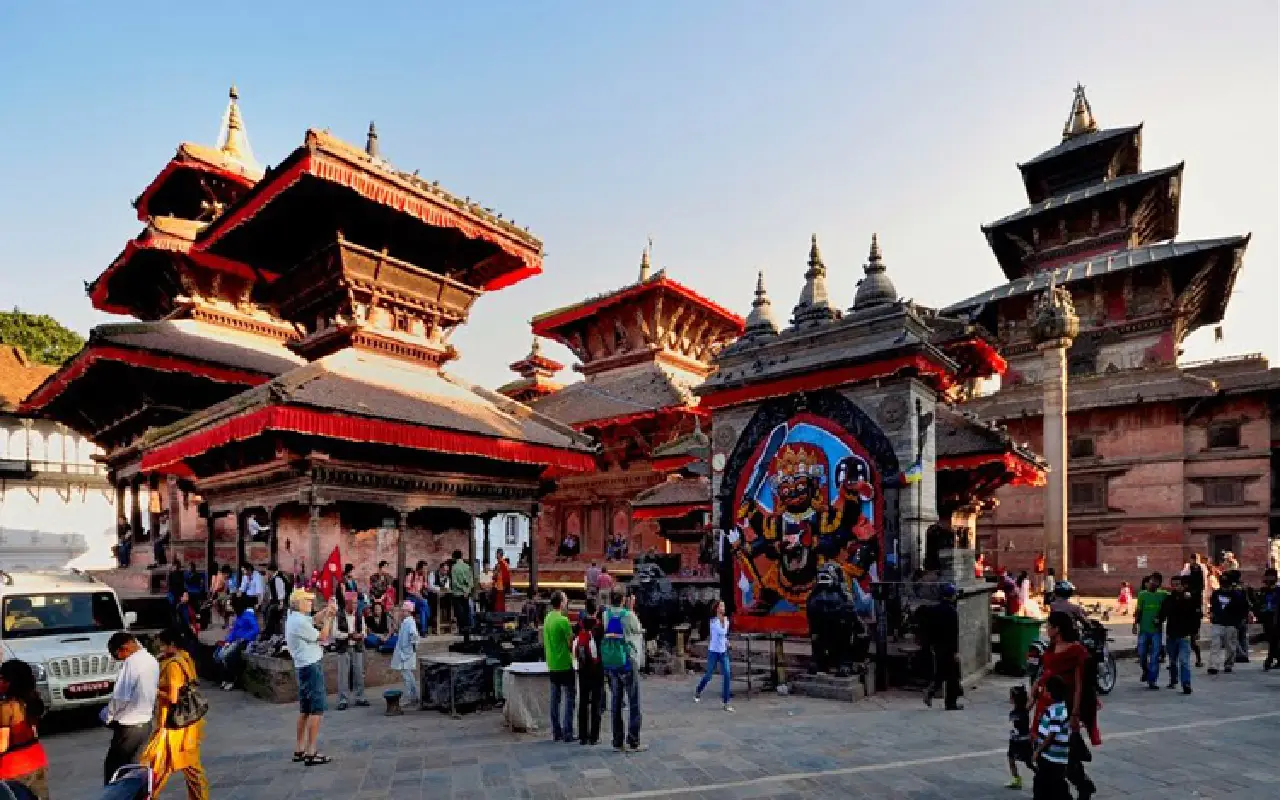
1. Kathmandu Durbar Square
Kathmandu Durbar Square is one of the best places to begin a historical tour of Kathmandu Valley.
Also known as Hanuman Dhoka or Basantapur Durbar Square, this historic area was once the royal and ceremonial center of Kathmandu. The square contains palace buildings, temples, courtyards, statues, traditional wooden architecture, and important religious monuments.
The famous Kumari Ghar, associated with Kathmandu’s Living Goddess tradition, is another important attraction.
According to the Nepal Tourism Board’s Kathmandu Durbar Square information, the Hanuman Dhoka palace complex has historical roots dating to the Licchavi period and was expanded considerably during the Malla era.
Walking through the old courtyards and nearby streets gives visitors a better understanding of Kathmandu’s royal and cultural history.
Kathmandu Durbar Square is therefore commonly included in historical tour packages around the capital.
2. Patan Durbar Square
Patan Durbar Square is another major destination for travelers interested in Nepalese history, art, and architecture.
Located in Lalitpur, the square contains an impressive collection of palace buildings, courtyards, temples, statues, stone carvings, and metalwork.
The famous Krishna Temple is one of the area’s most recognizable landmarks. The surrounding streets also contain traditional workshops, shrines, courtyards, and local neighborhoods that reflect Patan’s long artistic tradition.
For visitors interested in historical tourism, Patan is especially rewarding because its heritage extends beyond the main square.
Walking through the surrounding old city gives travelers an opportunity to observe traditional Newari craftsmanship and everyday community life alongside major monuments.
3. Bhaktapur Durbar Square
Bhaktapur offers one of the most atmospheric heritage experiences in Kathmandu Valley.
Its brick-paved streets, traditional houses, ancient temples, public squares, pottery workshops, courtyards, and local lifestyle create the feeling of walking through a living historical city.
Bhaktapur is famous for Bhaktapur Durbar Square, where visitors can explore the Palace of 55 Windows, Golden Gate, temples, sculptures, and impressive examples of Newari craftsmanship.
Other attractions around the historic city include Nyatapola Temple, Taumadhi Square, Pottery Square, and Dattatreya Square.
Adding Bhaktapur to a historical tour provides more than architecture. Travelers can observe pottery-making, walk through traditional residential neighborhoods, taste local Newari food, and experience one of Kathmandu Valley’s best-preserved cultural environments.
4. Swayambhunath Stupa
Swayambhunath introduces an important Buddhist dimension to the journey.
Located on a hill west of central Kathmandu, the sacred complex includes a large Buddhist stupa, monasteries, temples, prayer wheels, statues, and panoramic views across Kathmandu Valley.
The Nepal Tourism Board identifies Swayambhunath as one of Nepal’s important Buddhist pilgrimage sites.
One fascinating feature is the presence of both Buddhist and Hindu religious elements within the same sacred complex. This reflects the religious coexistence that has characterized much of Kathmandu Valley’s history.
Swayambhunath can easily be combined with Kathmandu Durbar Square when preparing a historical tour itinerary because both attractions are located within the broader Kathmandu area.
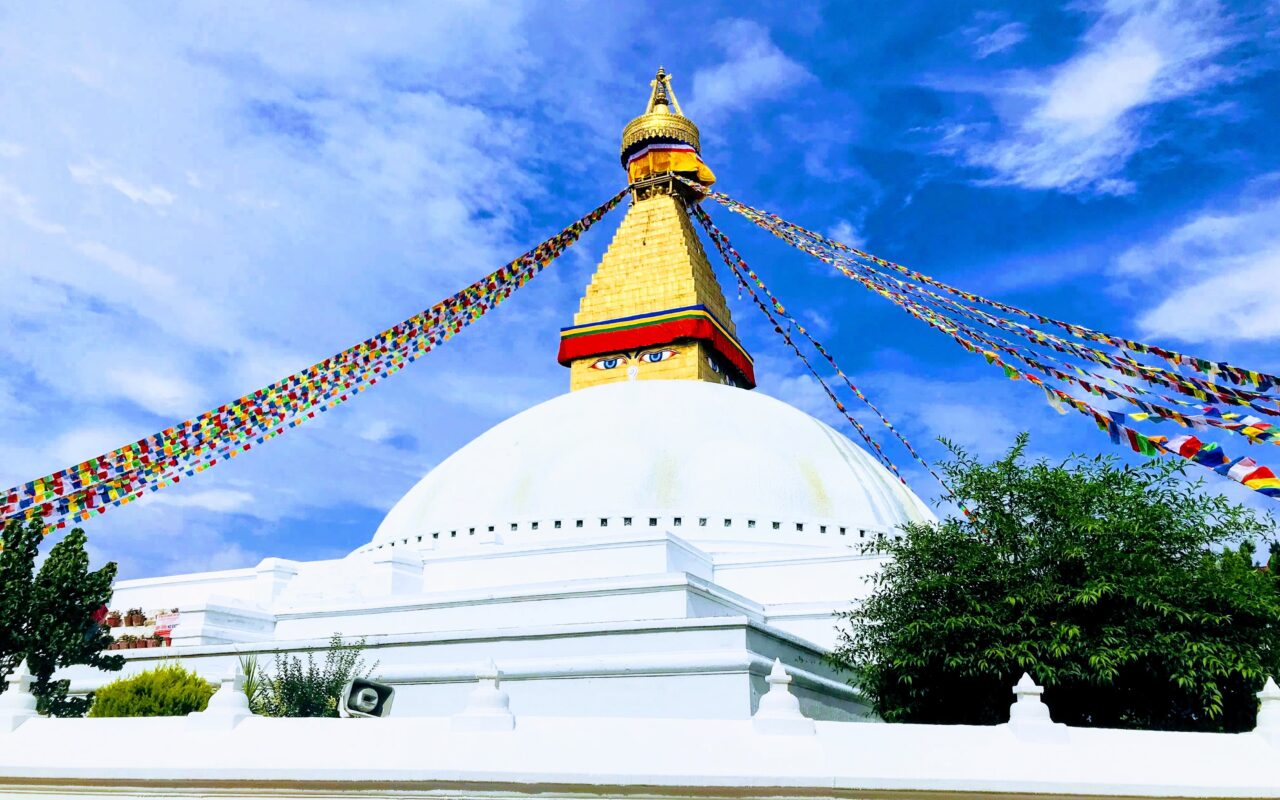
5. Boudhanath Stupa
Boudhanath is one of Nepal’s most recognizable Buddhist monuments and an important destination for travelers interested in Tibetan Buddhist culture.
The massive white stupa is surrounded by monasteries, prayer wheels, religious shops, cafés, and a circular walking area where devotees perform kora.
UNESCO recognizes Boudhanath as one of the seven monument zones forming the Kathmandu Valley World Heritage property.
Unlike a conventional monument, Boudhanath remains an active spiritual center.
Visitors can observe monks, pilgrims, prayer ceremonies, spinning prayer wheels, and everyday religious activities around the stupa.
This connection between historic architecture and living religious practice makes Boudhanath particularly valuable within a historical tour.
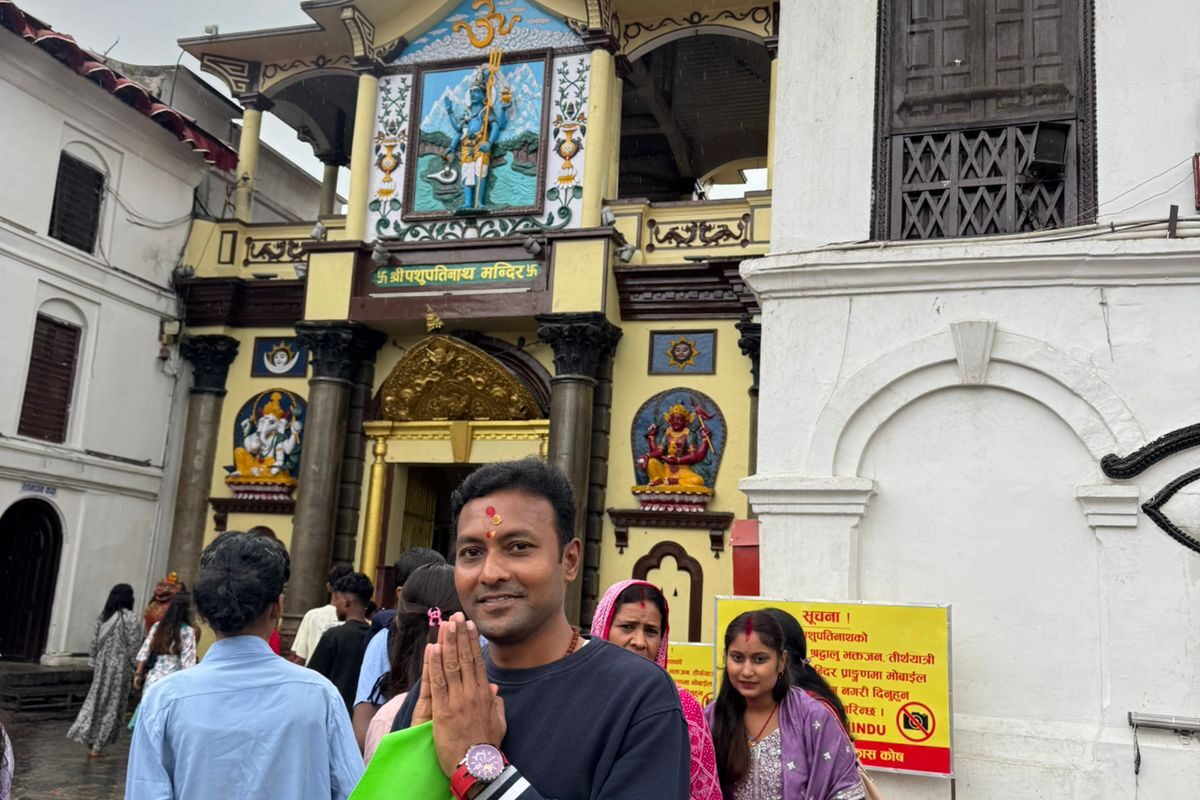
6. Pashupatinath Temple
Pashupatinath Temple is one of Nepal’s most important Hindu pilgrimage destinations and an essential heritage attraction in Kathmandu.
Located beside the sacred Bagmati River, the wider temple complex contains shrines, temples, ghats, religious structures, and areas connected with Hindu cremation rituals.
Pashupatinath is described by the Nepal Tourism Board as Nepal’s most revered Hindu temple.
The main temple is restricted to Hindu worshippers, but international visitors can explore other parts of the heritage complex and observe important areas from across the Bagmati River.
Visiting Pashupatinath introduces travelers to Nepal’s Hindu traditions, pilgrimage culture, religious rituals, and spiritual beliefs.
Its combination of historical importance and continuing religious practice makes it one of the most meaningful stops on a heritage journey through Kathmandu.
7. Changu Narayan Temple
Changu Narayan is another essential site for visitors interested in the early history of Kathmandu Valley.
Located on a hill near Bhaktapur, the temple complex contains impressive examples of stone sculpture, woodcarving, religious art, and traditional architecture.
UNESCO’s Kathmandu Valley listing notes the historical importance of Changu Narayan and its early inscriptions.
The traditional village surrounding the temple adds another interesting dimension to the visit.
Compared with the busier palace squares, Changu Narayan often provides a quieter setting where travelers can spend more time observing architectural details, religious sculptures, and the surrounding historic settlement.
Historical Tourism in Kathmandu Valley
Historical tourism in Kathmandu Valley is particularly rewarding because major heritage attractions are located relatively close to one another.
Within a few days, travelers can experience three historic royal cities, important Hindu temples, Buddhist stupas, traditional Newari settlements, museums, courtyards, artisan neighborhoods, and religious centers.
The Kathmandu Valley World Heritage property connects the seven major monument zones under UNESCO recognition.
However, the experience goes beyond UNESCO-listed sites.
Traditional neighborhoods, local markets, festivals, small temples, monasteries, courtyards, craft workshops, and old streets all contribute to the historical atmosphere of the valley.
This variety allows travelers to customize their cultural journey according to personal interests such as architecture, royal history, Buddhism, Hinduism, photography, museums, or Newari culture.
Historical Tour Packages
Different historical tour packages can be arranged depending on the travel duration and the number of heritage attractions included.
A one-day cultural sightseeing package may focus on Kathmandu Durbar Square, Swayambhunath, Pashupatinath, and Boudhanath.
Travelers with additional time can include Patan Durbar Square, Bhaktapur Durbar Square, and Changu Narayan.
Some historical tour packages may also combine heritage sightseeing with local food experiences, museums, traditional neighborhoods, cultural performances, or visits to artisan workshops.
Before booking, travelers should check:
- Number of historical attractions
- Tour duration
- Private or shared transportation
- Professional tour guide
- Hotel pick-up and drop-off
- Heritage entrance fees
- Meal arrangements
- Additional cultural experiences
A good heritage package should provide enough time at each destination rather than rushing travelers between attractions.
Historical Tour Itinerary
A comfortable historical tour itinerary can be arranged over two days.
On the first day, begin at Kathmandu Durbar Square before continuing to Swayambhunath. Later, visit Pashupatinath Temple and finish the day around Boudhanath Stupa.
This route combines royal history, Hindu spirituality, and Buddhist heritage within one sightseeing day.
On the second day, visit Patan Durbar Square before continuing toward Bhaktapur Durbar Square. After exploring Bhaktapur, travel to Changu Narayan Temple to complete the heritage experience.
Travelers with limited time can shorten the Historical Tour Itinerary, while visitors interested in museums, local communities, architecture, and traditional craftsmanship can extend the journey.
Best Time for Historical Tours in Nepal
Historical tours in the Kathmandu Valley can be enjoyed throughout the year because most major cultural attractions remain accessible in every season.
Spring and autumn generally offer comfortable temperatures for outdoor sightseeing and walking through heritage areas.
Winter can also provide pleasant daytime conditions, although mornings and evenings may be cooler.
During the monsoon, cultural sightseeing is still possible, but visitors should carry rain protection and allow extra travel time because road conditions and traffic can be affected.
Festival periods can make historical tourism particularly interesting.
Major heritage areas often become centers of religious ceremonies, processions, traditional music, worship, and community celebrations during important festivals.
Travelers who prefer quieter sightseeing may choose regular weekdays outside major festival periods.
What Makes Historical Tours Different from Regular Sightseeing?
Regular sightseeing often involves visiting famous attractions, taking photographs, and moving quickly to the next destination.
Historical tours should provide deeper understanding.
A knowledgeable guide can explain why monuments were built, how royal dynasties influenced architecture, what religious symbols mean, how festivals developed, and how traditional communities continue to use heritage spaces.
Learning these stories helps travelers connect different monuments into a broader understanding of Kathmandu Valley.
This makes historical exploration particularly valuable for cultural travelers, families, photographers, students, researchers, and visitors interested in Nepalese heritage.
Tips for Your Historical Tour
Start your historical tour early in the morning to avoid heavy traffic and allow enough time at each attraction.
Wear comfortable walking shoes because palace squares and traditional neighborhoods are best explored on foot.
Dress respectfully when entering temples, monasteries, and other religious areas.
Photography rules may differ between monuments, museums, temples, and sacred spaces, so always follow local instructions.
Check current heritage site entry fees before visiting because ticket prices may vary according to nationality and visitor category.
Most importantly, avoid trying to see too many places in a short period.
Spend time observing carved wooden windows, statues, inscriptions, courtyards, temples, shrines, markets, and local religious practices. These smaller details often make a heritage journey more memorable.
Is a Historical Tour Worth It?
For travelers interested in culture, religion, architecture, and traditional lifestyles, a historical tour is one of the most rewarding ways to explore Kathmandu Valley.
The seven UNESCO monument zones offer remarkable variety within a relatively small geographical area.
Kathmandu, Patan, and Bhaktapur introduce visitors to Nepal’s royal and artistic heritage. Swayambhunath and Boudhanath reveal Buddhist traditions, while Pashupatinath provides insight into Hindu pilgrimage and religious practice.
Changu Narayan adds another layer of early history and architecture.
Together, these destinations create an excellent introduction to Nepal’s cultural identity.
Conclusion
A historical tour through Kathmandu Valley provides an unforgettable journey through Nepal’s royal history, religious traditions, architecture, craftsmanship, and living heritage.
Kathmandu Durbar Square, Patan Durbar Square, Bhaktapur Durbar Square, Swayambhunath, Boudhanath, Pashupatinath, and Changu Narayan each offer a different perspective on the history and culture of the valley.
Whether you are comparing historical tour packages, preparing a historical tour itinerary, or learning more about historical tourism in Nepal, give yourself enough time to experience each destination beyond its main monuments.
A carefully planned heritage journey allows travelers to understand not only Nepal’s past but also the traditions, communities, beliefs, and artistic practices that continue to shape Kathmandu Valley today.
Detail Itinerary of Historical Tour: 7 Amazing Places to Explore
Day 01: Historical Heritage Tour Itinerary
Begin your historical tour at Kathmandu Durbar Square, where you can explore ancient palaces, temples, courtyards, and traditional Newari architecture. Continue to Swayambhunath Stupa for panoramic views and Buddhist heritage, followed by a visit to Pashupatinath Temple and the peaceful Boudhanath Stupa.
On the second day, visit Patan Durbar Square to admire its temples, palace courtyards, and craftsmanship. Continue to Bhaktapur Durbar Square to explore the 55-Window Palace, Golden Gate, Nyatapola Temple, and historic streets, then end the journey with a visit to Changu Narayan Temple before returning to Kathmandu.
Includes and Excludes
What is included?
- Pickup and drop
- Entrance fees
- Experienced government license holder guide
- All ground transportation by private vehicle
What is excluded?
- Foods and Drinks
- All personnel expenses (phone calls, bar bills, bottle or boiled water)
Frequently Asked Questions
What is included in a Historical Tour?
A historical tour usually includes visits to major heritage sites, temples, royal squares, cultural landmarks, and traditional neighborhoods. The exact inclusions depend on the selected package.
How many days are ideal for a Historical Tour?
A 2-day Historical Tour is ideal for covering Kathmandu Durbar Square, Patan, Bhaktapur, Swayambhunath, Boudhanath, Pashupatinath, and Changu Narayan at a comfortable pace.
What are the best places to visit on a Historical Tour?
The best places include Kathmandu Durbar Square, Patan Durbar Square, Bhaktapur Durbar Square, Swayambhunath, Boudhanath, Pashupatinath Temple, and Changu Narayan.
Is a Historical Tour suitable for families and senior travelers?
Yes. Most heritage attractions are accessible by road, but some walking and stairs are involved. Comfortable footwear and a relaxed pace are recommended.
What is the best time for Historical Tours in Nepal?
Historical Tours can be enjoyed year-round, but spring and autumn are especially pleasant for sightseeing because of comfortable weather and good walking conditions.
Trip Reviews
Need Help?
Ask to Travel Expert