
- Mt. Kailash Tour
- Kailash Mansarovar Overland Tour
- Kailash Mansarovar Yatra by Helicopter – Complete Spiritual Journey Guide
- Kailash Yatra via Lucknow
- Kailash Mansarovar Tour via Lhasa
- Kailash Lhasa EBC Tour From Beijing
- Kailash Heli Tour via Kerung: Complete Spiritual Journey Guide
- Kailash Tour via Lhasa In Kerung Out
- Lhasa EBC Kailash Tour
- Kailash Heli Tour
- Kailash Mansarovar Yatra from Nepal 2027: Cost & Itinerary
- Kailash Nandi Kora
- Kailash Tour via Humla Simikot – 20 Days
- Mount Kailash Tour: 7 Amazing Experiences in 2027
- Trekking
-
-
- Everest Region
- Luxury Everest Base Camp Trek: 7 Unforgettable Highlights
- Everest Base Camp Trek 2026: Cost, Route, and Complete Guide
- Everest Three Passes Trek 2027: Cost, Route & Itinerary
- Everest Base Camp Short Trek
- Everest Panorama Trek: Amazing 10-Day Cost & Itinerary
- Everest Base Camp Island Peak Trek: Complete 19-Day Guide
- Gokyo Valley Trekking 2027: Easy Guide to Cost & Itinerary
- Mera Peak Climbing 2027: Complete Cost & Itinerary Guide
- Rolwaling Valley Trek: 23-Day Itinerary, Cost, Permits & Difficulty
- Dolpo Region Trek
- Everest Region
-
- Annapurna Region
- Annapurna Base Camp Trekking
- Annapurna Circuit Trek
- Annapurna Base Camp Trek: 7 Amazing Cost & Route Tips
- Mardi Himal Trek: 7 Amazing Highlights & Complete Guide
- Annapurna Alternative Combine Trek: 18 Amazing Days
- Mohare Dada Trek
- Ghorepani Poon Hill Trek: 7 Unforgettable Highlights
- Khopra Ridge Community Trek: 13-Day Ultimate Adventure
- Damodar Kunda Trek: 10-Day Ultimate Sacred Adventure
- Upper Mustang Trek: 10 Amazing Sights : Ultimate Guide
- Jomsom Muktinath Trek: Amazing 12-Day Ultimate Guide
- Ghale Gaun Trek: 7 Amazing Reasons : Ultimate Guide
- Dhampus Sarangkot Trek: 7 Incredible Experiences
- Dhaulagiri Region
- Annapurna Region
-
-
- Tours
-
-
- Day Tours
- Rickshaw–a three-wheeler Tour
- Pharping Dakshinkali Day Tour: 7 Amazing Highlights
- Historical Tour: 7 Amazing Places to Explore
- Kathmandu Temple Tour: 7 Amazing Spiritual Places
- Nagarkot Tour
- Bhaktapur City Tour: 7 Amazing Places to Explore
- Kathmandu City Tour – Complete Heritage & Cultural Experience in Nepal
- Chandragiri Hill: A Scenic Himalayan Escape Near Kathmandu
- Chitlang Hiking
- Shivapuri to Sundarijal Day Hiking
- Kulekhani Dam Day Tour — Complete Travel Guide
- Day Tours
-
- Package Tours
- Mustang Tour on Jeep
- Nepal Tour Package for Nepali: 12 Amazing Destinations to Explore (2026)
- Muktinath Tour: Complete Guide to Nepal’s Sacred Himalayan Pilgrimage
- 3N,4D Kathmandu Pilgrimage Tour
- Nepal Buddhist Pilgrimage Tour: 7 Sacred Sites Not to Miss
- 6D Nepal Pilgrimage Tour: 7 Amazing Sacred Places
- 7 Nights, 8 Days Nepal Tour
- Districts tour of Nepal
- Janakpur Tour Package: Price, Family Tour & Travel Guide from Kathmandu 2026
- Short Hike in Nepal: 7 Best Easy Treks for Beginners
- Package Tours
-
-
- Outbound
-
- Activities
- Climbing
- Bungee Jumping in Nepal
- Heli Skiing Adventure in the Himalayas
- Canoeing in Nepal
- Mountain Flight in Nepal
- Zip Flyer in Pokhara: The Ultimate Adventure Experience
- Paragliding in Pokhara: 7 Amazing Reasons to Experience Nepal’s Best Adventure
- Kathmandu Cycling Tour: 9 Amazing Adventures
- Rafting
- Rock Climbing
- Company
- Travel Info
- Travel Insurance
- Recommended Medical Kit
- Nepal Visa Information
- Flight delays and cancellation in Nepal
- Electricity in Nepal: Rates, Bill Check, Calculator and NEA Services
- Trekking Equipment Checklist: 40 Essential Items
- Best Kailash season in Tibet
- Best Trekking season in Nepal
- Trekking in Nepal 2027: 15 Best Himalayan Adventures
- Blogs
- Contact


WhatsApp
+977-9851035239

Email Us
[email protected]
Khopra Ridge Community Trek: 13-Day Ultimate Adventure



Trip Duration
13 Days
Trip Difficulty
Moderate
Max. Altitude
3,660m. / 12,008ft.
Activity
Trekking, Hiking & Sightseeing
Destination
Nepal
Group Size
2-15
Accommodation
3-4 star hotel in kathmandu, Normal hotel in TrekkingHighlights of Khopra Ridge Community Trek: 13-Day Ultimate Adventure
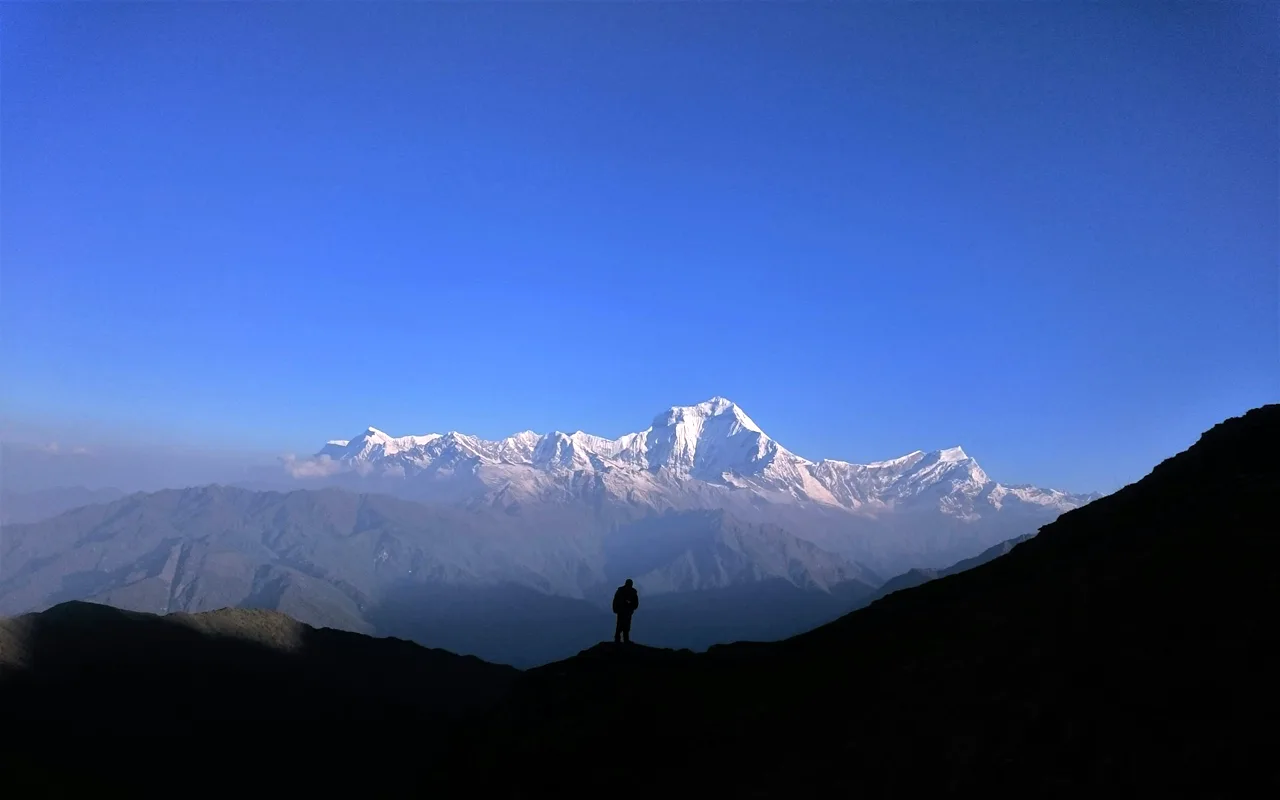
- Enjoy panoramic views of Dhaulagiri, Annapurna South, Nilgiri and Hiunchuli.
- Experience spectacular sunrise and sunset views from Khopra Ridge.
- Walk through colourful rhododendron and oak forests.
- Stay in locally operated community lodges.
- Explore traditional Gurung and Magar villages.
- Visit the peaceful and less-crowded Muldai Viewpoint.
- Experience a quieter alternative to Nepal’s popular Annapurna trails.
- Take an optional high-altitude hike to the sacred Khayer Lake.
- Support local communities through responsible tourism.
- Discover diverse landscapes ranging from terraced farms to alpine ridges.
Price starts
US$ 600
We offer group discounts
-
1 -
4 person
US$ 700
-
5 -
10 person
US$ 600
-
11 over
9999
US$ 500
Total Cost:
US$ 700

Need Help?
Ask to Travel Expert
Trip Overview of Khopra Ridge Community Trek: 13-Day Ultimate Adventure
The Khopra Ridge Community Trek is a peaceful Himalayan journey through traditional villages, rhododendron forests, and high alpine landscapes in Nepal’s Annapurna region. Known for its close views of Dhaulagiri, Annapurna South, Nilgiri, and Hiunchuli, the trail offers a quieter alternative to the busy Poon Hill and Annapurna Base Camp routes.
Reaching approximately 3,660 meters at Khopra Ridge, the trek combines moderate physical challenges with rewarding mountain scenery. Travelers stay in family-run teahouses and community lodges, allowing tourism income to benefit settlements along the trail.
The Khopra Ridge Community Trek is suitable for active beginners and experienced hikers who want an authentic adventure without joining a long or highly technical expedition. Although the trail includes steep climbs and high-altitude sections, no mountaineering skills are required.
Khopra Ridge Community Trek Overview
What Is the Khopra Ridge Community Trek?
The Khopra Ridge Community Trek is a community-based trekking route located within Nepal’s Annapurna Conservation Area. The trail branches away from the more popular Ghorepani route and climbs through quieter forests and mountain settlements toward Khopra Danda.
Community lodges are an important feature of the journey. These lodges were established to provide accommodation while generating employment and income for local communities. Staying in them gives travelers a welcoming place to rest and helps distribute tourism benefits beyond the busiest trekking centers.
The Khopra Ridge Community Trek is sometimes called the Khopra Danda Trek or Khayer Lake Trek. However, Khayer Lake is an optional high-altitude excursion rather than a compulsory part of the main journey.
Where Is Khopra Ridge?
Khopra Ridge lies north of Pokhara in the Annapurna region of central Nepal. It rises above the Kali Gandaki Valley and offers panoramic views across the Annapurna and Dhaulagiri mountain ranges.
The Khopra Ridge Community Trek usually passes through areas such as Ghandruk, Tadapani, Dobato, Chistibung, Khopra Danda, Swanta, and Ghorepani. The exact route can change according to the available time, starting point, and road conditions.
Most travelers begin after driving from Pokhara into the Annapurna foothills. The Khopra Ridge Community Trek can follow a circular route, allowing trekkers to experience different villages and landscapes instead of returning entirely along the same path.
Why Choose the Khopra Ridge Community Trek?
The main reason to choose the Khopra Ridge Community Trek is its balance of scenery, culture, and peaceful trails. It delivers the mountain views expected from the Annapurna region without the constant crowds found on some of Nepal’s better-known routes.
The landscape changes continually. Lower sections pass through terraced fields and traditional villages, while the middle trail enters oak and rhododendron forests. Near Khopra Ridge, the forest opens into alpine grassland surrounded by snow-covered mountains.
The Khopra Ridge Community Trek is also suitable for travelers with limited time. Despite its manageable duration, it feels remote and adventurous once the trail leaves the busier villages.
A Quieter Annapurna Experience
Poon Hill and Annapurna Base Camp attract thousands of visitors because of their accessibility and scenery. They remain excellent destinations, but their lodges and viewpoints can become crowded during spring and autumn.
The Khopra Ridge Community Trek offers a calmer alternative. Certain villages may still be busy during peak season, but the trails beyond Tadapani generally feel more peaceful. This creates more opportunities to enjoy forests, mountain sounds, and open viewpoints without distraction.
The quieter environment also improves wildlife watching and photography. On the Khopra Ridge Community Trek, trekkers can take their time, stop for photographs, and experience the landscape at a comfortable pace.
Natural and Cultural Attractions
Mountain Views from Khopra Ridge
Mountain scenery is the greatest attraction of the Khopra Ridge Community Trek. Dhaulagiri I, which rises to 8,167 meters, dominates the western skyline. Its immense white face appears across the deep Kali Gandaki Valley.
Annapurna South feels much closer to the ridge and is often the most visually impressive mountain on the route. Depending on the weather and location, trekkers may also see Nilgiri, Hiunchuli, Fang, and sections of the wider Annapurna range.
The open position of Khopra Danda gives the Khopra Ridge Community Trek a different perspective from lower viewpoints. Instead of looking at the mountains from a crowded hilltop, visitors stand on a broad ridge surrounded by deep valleys and high peaks.
Sunrise and Sunset at Khopra Ridge
Sunrise is one of the defining moments of the Khopra Ridge Community Trek. Before dawn, Dhaulagiri and Annapurna South appear as dark outlines. The first sunlight gradually turns their highest points pink, orange, and gold.
The valleys remain shadowed while the summits begin to glow, creating a dramatic contrast. Clear mornings are also ideal for photographing glaciers and mountain ridges that may later disappear behind clouds.
Sunset provides another beautiful experience. Evening light reveals textures across the mountains before the sky changes color. Because the community lodge stands near the viewpoint, travelers completing the Khopra Ridge Community Trek do not need to make a long approach in darkness to enjoy these views.
Rhododendron Forests and Natural Beauty
Large sections of the Khopra Ridge Community Trek pass through forests of rhododendron, oak, bamboo, and pine. These wooded trails provide shade and create a peaceful contrast to the exposed landscapes at higher elevations.
Between March and May, rhododendrons bloom in red, pink, and white. Fallen petals cover parts of the trail, while flowers brighten the hillsides beneath the snow-covered mountains.
The forests along the Khopra Ridge Community Trek also support mountain birds, langur monkeys, and other wildlife. Sightings are never guaranteed, but travelers who walk quietly have a better chance of observing animals without disturbing them.
Muldai Viewpoint
Muldai Viewpoint is a valuable scenic stop on many versions of the Khopra Ridge Community Trek. It provides a broad Himalayan panorama and is often quieter than Poon Hill.
An early-morning climb can reveal Dhaulagiri, Annapurna South, Machhapuchhre, and other surrounding peaks under clear light. The forested hills below add depth to the mountain landscape.
Muldai Viewpoint is sometimes overlooked because Khopra Ridge receives most of the attention. However, including this viewpoint makes the Khopra Ridge Community Trek more varied and gives travelers another opportunity to enjoy sunrise in the mountains.
Traditional Villages and Local Culture
Cultural encounters add meaning to the Khopra Ridge Community Trek. Gurung and Magar communities have lived throughout the Annapurna foothills for generations, maintaining traditions shaped by farming, livestock, and mountain life.
Trekkers pass stone houses, terraced fields, small temples, prayer flags, and community gathering spaces. Residents may be seen tending animals, collecting firewood, or working in fields according to the season.
Visitors should behave respectfully throughout the Khopra Ridge Community Trek. Always ask permission before photographing people, religious ceremonies, or private homes. Learning simple Nepali greetings and purchasing local products are small ways to create positive interactions.
Community Lodges and Local Benefits
Community lodges distinguish the Khopra Ridge Community Trek from many standard teahouse routes. These properties provide basic rooms and meals while supporting employment and development within nearby villages.
Accommodation income can contribute to education, infrastructure, and other community needs. This model enables tourism money to remain closer to the people who maintain the trail and host visitors.
Choosing locally managed accommodation during the Khopra Ridge Community Trek is therefore more than a practical decision. It allows travelers to support the regional economy while experiencing genuine mountain hospitality.
Khopra Ridge Community Trek Difficulty and Altitude
Khopra Ridge Community Trek Difficulty
The Khopra Ridge Community Trek difficulty is considered moderate. No technical climbing, ropes, or mountaineering equipment are normally required, but trekkers must be prepared for steep ascents, stone steps, and uneven forest paths.
Daily walking commonly lasts between five and seven hours. Some days may be shorter, while optional excursions can require longer periods on the trail. Rain, mud, snow, or ice can make otherwise manageable sections more challenging.
Overall, the Khopra Ridge Community Trek is suitable for active beginners with reasonable fitness. Previous hiking experience is helpful, but determination, preparation, and a comfortable walking pace are more important than speed.
Steep Ascents and Descents
The route includes sustained climbing, especially around Dobato, Chistibung, and Khopra Danda. Long stone staircases and forest paths can place pressure on the legs and knees.
Descending can be equally tiring. Loose stones, wet leaves, and muddy ground require concentration. Trekking poles can improve balance and reduce strain during both ascents and descents.
The Khopra Ridge Community Trek should not be underestimated simply because it is shorter than the Annapurna Circuit. Consistent climbs make it physically demanding, but regular rests and slow walking keep the challenge manageable.
Completing the Khopra Ridge Community Trek comfortably depends more on endurance than speed. Travelers should avoid racing between lodges and allow enough time to enjoy the surroundings.
Khopra Ridge Community Trek Altitude
The Khopra Ridge Community Trek altitude reaches approximately 3,660 meters at Khopra Danda. At this elevation, the air contains less oxygen, and some people may experience mild altitude-related discomfort.
Possible symptoms include headache, dizziness, unusual fatigue, disturbed sleep, nausea, or reduced appetite. Travelers should immediately inform their guide or companion if symptoms appear.
The Khopra Ridge Community Trek generally gains elevation gradually, which supports acclimatization. However, fitness does not prevent altitude sickness. Walking slowly, drinking enough water, and avoiding alcohol at higher elevations are sensible precautions.
Acclimatization and Altitude Safety
Altitude should always be treated seriously on the Khopra Ridge Community Trek. Mild symptoms should be monitored, and travelers should not climb higher if their condition is worsening.
Descending is often the safest response to serious or persistent symptoms. No viewpoint or lake is worth risking personal health. Decisions should be based on the person’s condition rather than a fixed schedule.
Anyone with heart, lung, or other medical concerns should consult a qualified healthcare professional before attempting the Khopra Ridge Community Trek. Travel insurance should cover trekking at the maximum planned altitude and emergency helicopter evacuation.
Khayer Lake Excursion
Optional Khayer Lake Hike
Khayer Lake is a sacred alpine lake located at approximately 4,600 meters. It can be visited as a challenging side excursion from Khopra Ridge, but it is not essential for completing the Khopra Ridge Community Trek.
The hike requires a long day with considerable elevation gain. The terrain is remote, shelter is limited, and the weather can change quickly. Snow or ice may make the path unsafe during colder periods.
Travelers should attempt the Khayer Lake hike only after proper acclimatization and consultation with an experienced guide. The main Khopra Ridge Community Trek remains complete and rewarding even when weather, fatigue, or altitude prevents the excursion.
Religious Importance of Khayer Lake
Khayer Lake holds spiritual significance for Hindu communities. Pilgrims visit the lake, particularly around the Janai Purnima festival, to worship and bathe in its cold water.
Visitors should respect shrines, offerings, and religious activities. Loud behavior, littering, or interfering with worshippers is inappropriate.
The spiritual atmosphere adds cultural depth to the Khopra Ridge Community Trek. For travelers who safely reach the lake, the combination of faith, isolation, and high-altitude scenery creates a memorable experience.
However, the Khayer Lake extension should never be treated as a competition. Responsible decisions are an essential part of the Khopra Ridge Community Trek, especially above 4,000 meters.
Best Time for Khopra Ridge Community Trek
Spring Season
Spring runs from March to May and is one of the best periods for the Khopra Ridge Community Trek. Rhododendrons bloom throughout the forest, temperatures gradually become warmer, and mornings are often clear.
Red, pink, and white flowers brighten the wooded sections and create beautiful contrasts with the surrounding mountains. Clouds may develop later in the day, so mornings normally provide the best visibility.
Autumn Season
Autumn extends from late September to November. After the monsoon, the landscape is green, the air is cleaner, and Himalayan visibility is often excellent.
October and November are particularly popular for the Khopra Ridge Community Trek because of their generally stable weather, comfortable daytime temperatures, and clear mountain views.
Trekking During Winter
The Khopra Ridge Community Trek can be completed during winter, particularly in December and early January. Winter offers crisp skies, excellent mountain visibility, and fewer trekkers.
However, temperatures drop significantly at night. Snow may cover higher sections, making paths difficult to identify. Some lodges may also close or provide reduced services during the quietest months.
Winter travelers need a warm sleeping bag, insulated jacket, gloves, thermal layers, and suitable footwear. Before beginning the Khopra Ridge Community Trek, confirm lodge availability and trail conditions with local guides or registered operators.
Trekking During the Monsoon
The monsoon season normally lasts from June until early September. Heavy rain, clouds, and humid conditions make this the least popular period for the Khopra Ridge Community Trek.
Forest paths can become muddy and slippery, while leeches are common at lower elevations. Landslides or road damage may disrupt transportation, and clouds frequently hide the mountains.
The landscape is exceptionally green during this period, and the trails are quiet. Experienced travelers who accept uncertain weather may still enjoy the Khopra Ridge Community Trek, but they should carry reliable rain protection and maintain a flexible schedule.
Accommodation, Food and Water
Accommodation on the Trail
Accommodation on the Khopra Ridge Community Trek consists mainly of teahouses and community lodges. Rooms are basic but generally provide twin beds, mattresses, pillows, and blankets.
Bathrooms are often shared. Hot showers, Wi-Fi, and charging may be available at some lodges for an additional fee, but travelers should not depend on these services at remote locations.
A warm sleeping bag is recommended for the Khopra Ridge Community Trek, even when blankets are provided. Temperatures at Khopra Ridge can fall quickly after sunset, especially in autumn and winter.
Advance arrangements are useful during busy months because high-altitude community lodges have limited rooms.
Food on the Khopra Ridge Community Trek
Lodges serve a combination of Nepali food and familiar trekking meals. Dal bhat, consisting of rice, lentil soup, vegetables, and pickle, is filling and widely available.
Other choices may include noodles, fried rice, soup, potatoes, momos, porridge, eggs, and pasta. Menus become more limited at higher elevations because supplies must be transported manually or by pack animals.
Food prices naturally increase as the Khopra Ridge Community Trek climbs into remote areas. Choosing locally produced meals can reduce transportation demands while supporting village businesses.
Eat freshly prepared food and maintain regular meals throughout the Khopra Ridge Community Trek. Proper nutrition helps the body manage physical effort and colder temperatures.
Drinking Water and Hydration
Safe drinking water is available from lodges, but it should be boiled, filtered, or chemically treated before consumption. Clear mountain water is not automatically safe to drink.
Carrying reusable bottles and a reliable purification method reduces plastic waste. Bottled water may be expensive or unavailable in remote settlements.
Hydration is particularly important during the Khopra Ridge Community Trek because physical activity and altitude increase the body’s water requirements. Drink regularly instead of waiting until you feel thirsty.
Tea, soup, and warm water can supplement hydration during cold weather. However, excessive alcohol should be avoided during the Khopra Ridge Community Trek, particularly at higher elevations.
Permits and Guide Requirements
Permits Required for the Trek
Because the Khopra Ridge Community Trek lies inside the Annapurna Conservation Area, travelers need an Annapurna Conservation Area entry permit.
Permit information and online applications are available through the official National Trust for Nature Conservation permit system. NTNC advises visitors to carry their permits throughout the journey and present them at conservation checkpoints when requested.
Trekkers may also need a trekkers’ information management system card depending on current rules and how the journey is organized. Confirm current requirements through a registered trekking agency or the Trekking Agencies’ Association of Nepal before starting the Khopra Ridge Community Trek.
Carry passport copies, photographs, insurance details, and digital backups of important documents.
Do You Need a Guide?
Hiring an experienced guide is recommended for the Khopra Ridge Community Trek. Although sections of the trail are established, remote junctions, changing weather, and limited mobile coverage can create difficulties.
A local guide assists with navigation, accommodation, communication, and emergency decisions. Guides can also explain village traditions, mountains, and natural features that travelers might otherwise overlook.
Travelers should verify Nepal’s current guide and trekking regulations before departure because requirements can change. The Nepal Tourism Board and registered trekking organizations can provide updated information.
A qualified guide becomes particularly valuable when completing the Khopra Ridge Community Trek during winter, monsoon, or the Khayer Lake extension.
Preparation, Packing and Safety
Physical Preparation
Preparing for the Khopra Ridge Community Trek should begin four to six weeks before departure. Regular hill walking is the most useful training because it prepares the legs for sustained ascents and descents.
Increase hiking distance gradually and practice carrying a light daypack. Stair climbing, jogging, cycling, and swimming can improve cardiovascular endurance.
Exercises such as squats, lunges, step-ups, and planks strengthen the legs and core. Strong muscles provide better stability on uneven mountain paths.
Training cannot completely prepare the body for altitude, but it reduces exhaustion. Arriving with reasonable fitness allows trekkers to enjoy the Khopra Ridge Community Trek instead of struggling through every climb.
Essential Packing List
Pack carefully for the Khopra Ridge Community Trek because mountain conditions can change quickly. Essential items include:
- Broken-in trekking boots
- Trekking poles
- Moisture-wicking base layers
- Warm fleece or insulated jacket
- Waterproof jacket and trousers
- Comfortable trekking trousers
- Thermal clothing
- Warm hat, sun hat, and gloves
- UV-protection sunglasses
- Season-appropriate sleeping bag
- Reusable water bottles
- Water filter or purification tablets
- Headlamp with spare batteries
- Sunscreen and lip balm
- Personal medication and first-aid supplies
- Power bank and charging cables
- Toiletries and quick-drying towel
- Waterproof backpack cover
- Small daypack for essential items
Avoid overpacking. A lighter bag improves comfort and reduces pressure on the knees during the Khopra Ridge Community Trek.
Travel Insurance and Safety
Travel insurance for the Khopra Ridge Community Trek should cover emergency treatment, trekking at the planned maximum altitude, and helicopter evacuation.
Travelers attempting Khayer Lake must confirm that their policy covers activities above 4,600 meters. Many standard policies exclude trekking above a specified elevation.
Keep printed and digital copies of your insurance details. Share the emergency information with your guide or trekking companion.
Remain on marked trails, avoid walking alone after dark, and stay away from exposed edges. Safe decisions, weather awareness, and honest communication about health are essential throughout the Khopra Ridge Community Trek.
Responsible and Sustainable Trekking
Responsible behavior helps protect the Khopra Ridge Community Trek for local communities and future visitors. Carry non-biodegradable waste to an appropriate disposal location and avoid purchasing unnecessary single-use plastic.
Use water, electricity, and heating resources carefully. Supplies are difficult and expensive to transport to high-altitude lodges.
Support community lodges, local guides, porters, and village businesses whenever possible. If hiring a porter, ensure the load is reasonable and that proper food, clothing, and accommodation are provided.
Do not pick flowers, disturb wildlife, or remove natural and religious objects from the Khopra Ridge Community Trek. The NTNC permit guidance also states that drones require prior approval inside conservation areas.
Who Is the Khopra Ridge Community Trek Suitable For?
The Khopra Ridge Community Trek is ideal for active beginners, regular hikers, and experienced trekkers seeking a quieter Annapurna journey.
It is particularly suitable for photographers, nature lovers, and travelers interested in community-based tourism. The route provides Himalayan scenery without requiring technical climbing or several weeks in the mountains.
The trail may not suit travelers expecting luxury accommodation, continuous internet access, or easy road access from every overnight stop.
Anyone willing to accept basic facilities, changing weather, and several hours of daily walking can find the Khopra Ridge Community Trek deeply rewarding.
What Makes the Khopra Ridge Community Trek Special?
The Khopra Ridge Community Trek is not defined by one viewpoint alone. Its appeal comes from the complete experience of walking through villages, forests, and open alpine landscapes.
Trekkers can watch the sunrise over Dhaulagiri, walk beneath blooming rhododendrons, share meals in community lodges, and observe traditional village life. Each section introduces a different side of the Annapurna region.
The peaceful atmosphere also allows travelers to slow down. Instead of rushing between famous landmarks, the Khopra Ridge Community Trek encourages visitors to appreciate changing light, mountain weather, and conversations with local hosts.
Conclusion
The Khopra Ridge Community Trek combines impressive Himalayan views, moderate adventure, and meaningful community experiences. It offers a quieter route through the Annapurna region without sacrificing scenery or cultural value.
Steep climbs and high altitude require preparation, but the journey remains achievable for active beginners who walk slowly and follow sensible safety practices. The optional Khayer Lake hike adds a demanding challenge for properly acclimatized trekkers.
Community lodges, traditional villages, and peaceful forests give the Khopra Ridge Community Trek an identity that is different from Nepal’s busiest routes. Travelers directly support local communities while experiencing one of the Annapurna region’s most beautiful landscapes.
For anyone searching for open trails, unforgettable sunrises, and close Himalayan views, the Khopra Ridge Community Trek is an outstanding choice.
Detail Itinerary of Khopra Ridge Community Trek: 13-Day Ultimate Adventure
Day 01: Arrival in Kathmandu (1300m/4,264ft)
When we arrive in this holy land, Nepal, at “Tribhuvan Airport,” a company representative of Leaf Holidays will check us in to a hotel located in the vibrant city of Kathmandu, “Thamel.” Post refreshment, we can stroll around Thamel streets and can do some shopping.
Day 02: Sightseeing in Kathmandu
At dawn after having breakfast, we start our day through sightseeing Kathmandu, “City of Temples,” which provides a glimpse of Durbar Square, Pashupatinath Temple (a Hindu temple because of the presence of the lord Shiva idol, holy men, ghats, and so on), Monkey Temple (Swayambhunath), and Bouddhanath, which is the largest stupa in the world. An interesting fact is that almost all of them are listed in UNESCO World Heritage sites. At noon our necessary equipment for the trek is being checked by our leader. Overnight stay in Kathmandu.
Day 03: Fly to Pokhara, drive to Syauli Bazaar and trek to Ghandruk: 30 mins flight, 2 hours drive and 3 hours trek
After breakfast at dawn, we fly to Pokhara, “City of Lake.” From the right side of the plane, we can foretaste the dazzling views of the Himalayas, such as Manaslu, Dhaulagiri, five peaks of Annapurna, Macchapurchha (Fish Tail Mountain), and so on. Post lunch we drive to Syauli Bazaar, and our trek starts from Gandruk. This place offers us a central part for the Annapurna Conservation Area Project to promote biodiversity. Overnight in Gandruk
Day 04: Ghandruk to Tadapani (2,590m/8,497ft) 3-4 hours
On the way, we have amazing views of Annapurna South, Macchapuchhre, and Hiunchuli Mountains. We move towards Deurali, passing through dense forest (we can observe the Rhododendron flower, “National Flower of Nepal,” in April to May). When we reach Tadapani, we can get a foretaste of an astonishing glimpse of the Himalayas, and then in Ghandruk. We can buy souvenirs from Tibetan people to take to our homes. Overnight stay in Tadapani.
Day 05: Tadapani to Dobato (3,350m/10,990ft): 4-5 hours
After having breakfast at dawn, we head towards Dobato in a gentle manner, which is a more remote area of the Annapurna Region. On the way we can witness diverse flora and fauna and, last but not least, the dazzling view of Annapurna South and Dhaulagiri. Overnight stay in Dobato.
Day 06: Dobato to Upper Chistibung (2,975m/3,198ft) 4-5 hours
Post breakfast we move down through the forest to reach lower Chistibung. After that, we move upwards to reach Upper Chistibung through a forest, which is famous for temporary herder’s settlements. During these trails we can find Lophophorus (Danphe) on the way, which is a national bird of Nepal. Overnight stay in Upper Chistibung.
Day 07: Trek to Khopra Ridge (3,660m/12007): 3-4 hours
After breakfast we begin our trail to reach Khopra, encompassing alpine meadows and pastures. When we reach Khopra Ridge, we can witness the astonishing panorama of Nilgiri, Annapurna South, and Dhaulagiri mountains. Upon reaching Khopra, we have a short walk down Khopra Ridge to witness the Kali Gandaki River far below in this deep valley.
Day 08: Rest day in Khopra Ridge: Tour of Kaire Lake (4,500m/14,763ft): 10-11 hours
Post breakfast we head towards Kaire Lake (Scared Lake for Hindus) to have stunning views of the Fang and surrounding mountains. We can witness the number of Hindu and Buddhist shrines on the lakeside. Overnight stay in Khopra Ridge.
Day 09: Trek to Swanta Village (2,200m/7,217ft): 5-6 hours
After breakfast we roll back from Khopra Ridge downhill on a steep trail. On the way we can witness stunning views of Mount Dhaulagiri together with stunning views of terrace fields and traditional houses. Overnight stay in Swanta Village.
Day 10: Trek to Ulleri (2,050 m/6,725 ft): 5-6 hours
After breakfast we head towards Ulleri from Swanta village, passing the village fields to small rivers on the way. On the way we can witness a quick glimpse of the local water mill too. After crossing a suspension bridge from here, we head upwards towards Ulleri, where the main trekking trail at Ghorepani starts. Overnight stay in Ulleri.
Day 11: Trek to Naya Pul then drive to Pokhara: 5-6 hours trek, 1 hour drive
Post breakfast we start a trek for Naya Pul, which offers a hilly landscape of the western region. Our trek ends at Naya Pul, and then we drive back to Pokhara, the lake city. This city offers us a dazzling view of the Himalayas, including Dhaulagiri (8,167 m), Manaslu (8,156 m), Machhapuchhre (6,993 m), five peaks of Annapurna, and others also. We check into a hotel in Pokhara and have a refresh there. We can stroll around the Pokhara market to refresh ourselves.
Day 12: Sightseeing in Pokhara then fly to Kathmandu
Post breakfast we leave the hotel for the outlook of the sun from the mighty mountains that will certainly lure us. We will visit Shanti Stupa, a Buddhist stupa, as the central core attraction in Pokhara. We continue visiting by city touring David Falls, the International Mountain Museum (IMM), and Shiva Cave. We also do some boating in Phewa Lake (the largest lake in Pokhara), which consists of Bindyabasini Temple in the middle of the lake. We fly back to Kathmandu. Overnight stay in Kathmandu.
Day 13: Final departure
It is the last day of our stay in the holy land, Nepal. Leaf Holidays members will drop us at the airport before the scheduled time. If we wish to explore more in Nepal, then another adventure is waiting to feed us.

- Walking times and distances are approximate.
- The itinerary may change due to weather, trail or road conditions.
- Mountain views depend on visibility and clear weather.
- Accommodation includes basic teahouses and community lodges.
- The Khayer Lake hike depends on weather, fitness and acclimatization.
- Walk slowly and drink enough water at higher elevations.
- Carry warm clothing, rain protection and essential trekking gear.
- Follow your guide’s instructions for a safe journey.
Includes and Excludes
What is included?
- Airport pickups and drops in a private vehicle
- hotel accommodation in Kathmandu with Bed and breakfast
- Teahouse accommodation during the trek
- All meals (breakfast, lunch and dinner) during the trek
- All ground transportation on a comfortable private vehicle as per the itinerary
- Domestic flights (Kathmandu- Lukla -Kathmandu)
- An experienced, English-speaking and government-licensed holder Guide and Porter service (2 trekkers: 1 porter)
- Staff costs including their salary, insurance, equipment, domestic airfare, food and accommodation
- Down jacket
- All necessary paperwork and trekking permits (National Park Permit, TIMS)
- Medical kit (carried by your trek leader)
- All government and local taxes
What is excluded?
- Nepalese visa fee
- Excess baggage charge(s)
- Extra night accommodation in Kathmandu because of early arrival, late departure, early return from mountain (due to any reason) than the scheduled itinerary
- Emergency expenses like rescues, emergency medical treatment.
- Personal insurance charges.
- International flights
- Travel and rescue insurance
- Personal expenses (phone calls, laundry, bar bills, battery recharge, extra porters, bottle or boiled water, shower, etc.)
- Tips for guide(s), porter(s) and driver(s)
Trip Information
| Trip Details | Information |
|---|---|
| Destination | Khopra Ridge, Annapurna Region |
| Trip Duration | 7 Days |
| Maximum Altitude | Khopra Ridge – approximately 3,660m |
| Optional Highest Point | Khayer Lake – approximately 4,600m |
| Trek Difficulty | Moderate |
| Best Seasons | March–May and September–November |
| Starting Point | Annapurna foothills near Pokhara |
| Ending Point | Annapurna foothills near Pokhara |
| Accommodation | Teahouses and community lodges |
| Meals | Local and standard trekking meals |
| Permit Required | Annapurna Conservation Area Permit |
| Major Attractions | Himalayan views, community lodges, forests and traditional villages |
Frequently Asked Questions
What is the Khopra Ridge Community Trek?
The Khopra Ridge Community Trek is a peaceful community-based trekking route in Nepal’s Annapurna region, known for mountain views, forests, and traditional villages.
How long does the Khopra Ridge Community Trek take?
The complete itinerary generally takes around 13 days, including arrival, transportation, trekking, and departure.
How difficult is the Khopra Ridge Community Trek?
The trek is moderately difficult. It includes steep ascents, uneven trails, and approximately five to seven hours of walking on most trekking days.
What is the highest altitude of the trek?
Khopra Ridge is approximately 3,660 meters above sea level. The optional Khayer Lake excursion reaches approximately 4,600 meters.
When is the best time for the trek?
The best seasons are spring from March to May and autumn from September to November.
Is the trek suitable for beginners?
Yes. Active beginners with reasonable fitness and proper preparation can complete the trek by walking slowly and following their guide’s advice.
Can I see Mount Everest from Khopra Ridge?
No. The trek offers views of Dhaulagiri, Annapurna South, Nilgiri, Hiunchuli, Machhapuchhre, and other mountains of the Annapurna region.
What accommodation is available?
Basic teahouses and community lodges provide rooms, meals and shared facilities along the route.
What permits are required?
Trekkers require an Annapurna Conservation Area Permit and may need a TIMS card according to current trekking regulations.
Is a guide required for the trek?
Current regulations should be checked before departure. Hiring a licensed guide is recommended for navigation, cultural information, and safety.
Is the Khayer Lake hike compulsory?
No. The Khayer Lake hike is an optional and physically demanding excursion that depends on weather, fitness, and acclimatization.
Is altitude sickness a concern?
Altitude sickness is possible, particularly near Khopra Ridge and Khayer Lake. Trekkers should ascend gradually, remain hydrated, and report symptoms immediately.
What food is available during the trek?
Lodges generally serve dal bhat, noodles, soup, momos, potatoes, porridge, eggs, pasta, and other basic trekking meals.
Is drinking water available?
Water is available at lodges, but it should be boiled, filtered, or treated with purification tablets before drinking.
Do I need travel insurance?
Trip Reviews
Price starts
US$ 600
Need Help?
Ask to Travel Expert