
- Mt. Kailash Tour
- Kailash Mansarovar Overland Tour
- Kailash Mansarovar Yatra by Helicopter – Complete Spiritual Journey Guide
- Kailash Yatra via Lucknow
- Kailash Mansarovar Tour via Lhasa
- Kailash Lhasa EBC Tour From Beijing
- Kailash Heli Tour via Kerung: Complete Spiritual Journey Guide
- Kailash Tour via Lhasa In Kerung Out
- Lhasa EBC Kailash Tour
- Kailash Heli Tour
- Kailash Mansarovar Yatra from Nepal 2027: Cost & Itinerary
- Kailash Nandi Kora
- Kailash Tour via Humla Simikot – 20 Days
- Mount Kailash Tour: 7 Amazing Experiences in 2027
- Trekking
-
-
- Everest Region
- Luxury Everest Base Camp Trek: 7 Unforgettable Highlights
- Everest Base Camp Trek 2026: Cost, Route, and Complete Guide
- Everest Three Passes Trek 2027: Cost, Route & Itinerary
- Everest Base Camp Short Trek
- Everest Panorama Trek: Amazing 10-Day Cost & Itinerary
- Everest Base Camp Island Peak Trek: Complete 19-Day Guide
- Gokyo Valley Trekking 2027: Easy Guide to Cost & Itinerary
- Mera Peak Climbing 2027: Complete Cost & Itinerary Guide
- Rolwaling Valley Trek: 23-Day Itinerary, Cost, Permits & Difficulty
- Dolpo Region Trek
- Everest Region
-
- Annapurna Region
- Annapurna Base Camp Trekking
- Annapurna Circuit Trek
- Annapurna Base Camp Trek: 7 Amazing Cost & Route Tips
- Mardi Himal Trek: 7 Amazing Highlights & Complete Guide
- Annapurna Alternative Combine Trek: 18 Amazing Days
- Mohare Dada Trek
- Ghorepani Poon Hill Trek: 7 Unforgettable Highlights
- Khopra Ridge Community Trek: 13-Day Ultimate Adventure
- Damodar Kunda Trek: 10-Day Ultimate Sacred Adventure
- Upper Mustang Trek: 10 Amazing Sights : Ultimate Guide
- Jomsom Muktinath Trek: Amazing 12-Day Ultimate Guide
- Ghale Gaun Trek: 7 Amazing Reasons : Ultimate Guide
- Dhampus Sarangkot Trek: 7 Incredible Experiences
- Dhaulagiri Region
- Annapurna Region
-
-
- Tours
-
-
- Day Tours
- Rickshaw–a three-wheeler Tour
- Pharping Dakshinkali Day Tour: 7 Amazing Highlights
- Historical Tour: 7 Amazing Places to Explore
- Kathmandu Temple Tour: 7 Amazing Spiritual Places
- Nagarkot Tour
- Bhaktapur City Tour: 7 Amazing Places to Explore
- Kathmandu City Tour – Complete Heritage & Cultural Experience in Nepal
- Chandragiri Hill: A Scenic Himalayan Escape Near Kathmandu
- Chitlang Hiking
- Shivapuri to Sundarijal Day Hiking
- Kulekhani Dam Day Tour — Complete Travel Guide
- Day Tours
-
- Package Tours
- Mustang Tour on Jeep
- Nepal Tour Package for Nepali: 12 Amazing Destinations to Explore (2026)
- Muktinath Tour: Complete Guide to Nepal’s Sacred Himalayan Pilgrimage
- 3N,4D Kathmandu Pilgrimage Tour
- Nepal Buddhist Pilgrimage Tour: 7 Sacred Sites Not to Miss
- 6D Nepal Pilgrimage Tour: 7 Amazing Sacred Places
- 7 Nights, 8 Days Nepal Tour
- Districts tour of Nepal
- Janakpur Tour Package: Price, Family Tour & Travel Guide from Kathmandu 2026
- Short Hike in Nepal: 7 Best Easy Treks for Beginners
- Package Tours
-
-
- Outbound
-
- Activities
- Climbing
- Bungee Jumping in Nepal
- Heli Skiing Adventure in the Himalayas
- Canoeing in Nepal
- Mountain Flight in Nepal
- Zip Flyer in Pokhara: The Ultimate Adventure Experience
- Paragliding in Pokhara: 7 Amazing Reasons to Experience Nepal’s Best Adventure
- Kathmandu Cycling Tour: 9 Amazing Adventures
- Rafting
- Rock Climbing
- Company
- Travel Info
- Travel Insurance
- Recommended Medical Kit
- Nepal Visa Information
- Flight delays and cancellation in Nepal
- Electricity in Nepal: Rates, Bill Check, Calculator and NEA Services
- Trekking Equipment Checklist: 40 Essential Items
- Best Kailash season in Tibet
- Best Trekking season in Nepal
- Trekking in Nepal 2027: 15 Best Himalayan Adventures
- Blogs
- Contact


WhatsApp
+977-9851035239

Email Us
[email protected]
Kailash Mansarovar Yatra from Nepal 2027: Cost & Itinerary


Trip Duration
15 Days
Trip Difficulty
Challenging
Max. Altitude
5,630m. / 18,471ft.
Activity
Tour, Sightseeing
Destination
Tibet
Group Size
2-100+
Accommodation
3-4 star hotel in kathmandu, Normal hotel in Tour
Meals
Vegetarian Breakfast, Lunch, DinnerHighlights of Kailash Mansarovar Yatra from Nepal 2027: Cost & Itinerary
- Opportunity to participate in a life-changing journey to one of the mystical places on the planet—Mount Kailash
- Darshana of the northern and western face of Kailash, along with a momentary sight of the southern face of Kailash
- Pooja and havan on the shore of the most sacred Lake Mansarovar
- View of some great Tibetan Himalayan chains, including Shishapangma and Kangkyam glaciers
- Exploration opportunity of the ancient Tibetan monasteries and caves of the great yogis
- Encounter numerous wildlife of Tibet along the route
- Visit the most beautiful and mythical place of Kathmandu
Price starts
US$ 2800
We offer group discounts
-
1 -
15 person
US$ 3000
-
16 -
25 person
US$ 2800
-
26 over
9999
US$ 2675
Total Cost:
US$ 3000

Need Help?
Ask to Travel Expert
Trip Overview of Kailash Mansarovar Yatra from Nepal 2027: Cost & Itinerary
Are you seeking a journey that brings you closer to spiritual peace? The Kailash Mansarovar Yatra from Nepal begins in Kathmandu and travels through Kerung, Saga, Lake Mansarovar, and Darchen before the three-day Mount Kailash Kora. The highest trekking point is Drolma La Pass at approximately 5,630 meters. This 2027 package includes accommodation, vegetarian meals, transportation, permits, and guide support. Check the latest departure dates, cost, and inclusions below.
Our thoughtfully planned Kailash Mansarovar Yatra package begins in Kathmandu and travels across the Himalayas into the vast Tibetan Plateau. Along the way, pilgrims encounter ancient temples, peaceful monasteries, traditional settlements, and the sacred landscapes of Mount Kailash and Lake Mansarovar.
The Kailash Mansarovar Yatra from Nepal is more than a high-altitude journey. It offers time for prayer, reflection, and spiritual connection while travelling through one of Asia’s most remote and remarkable regions.
For first-time pilgrims, joining an experienced tour operator makes the journey easier by providing support with documentation, permits, transportation, accommodation, and other essential arrangements.
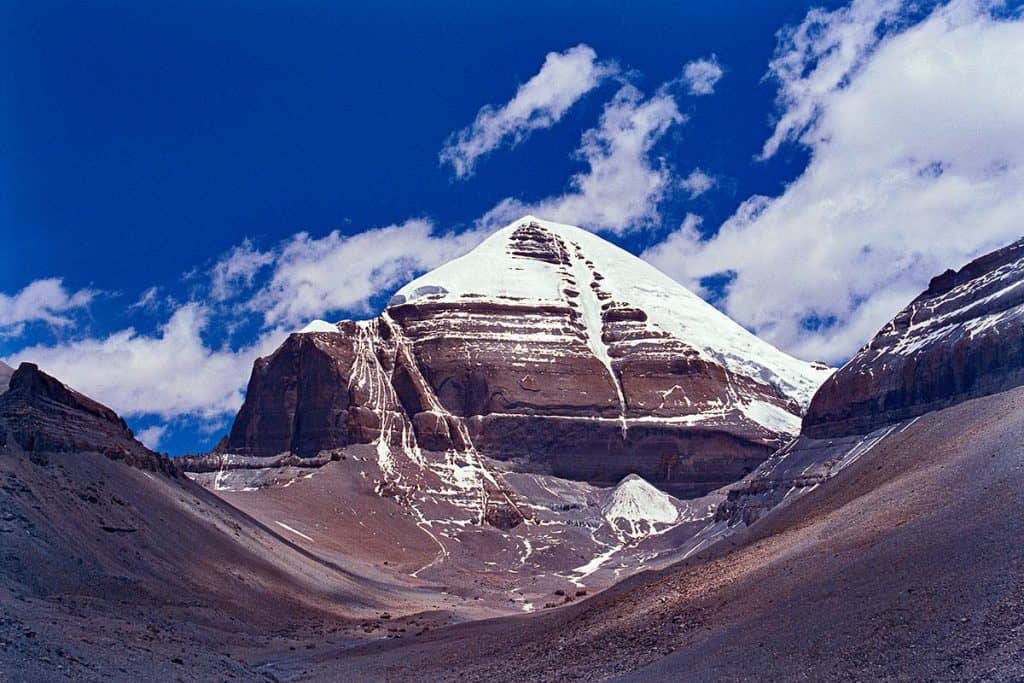
The Sacred Mount Kailash
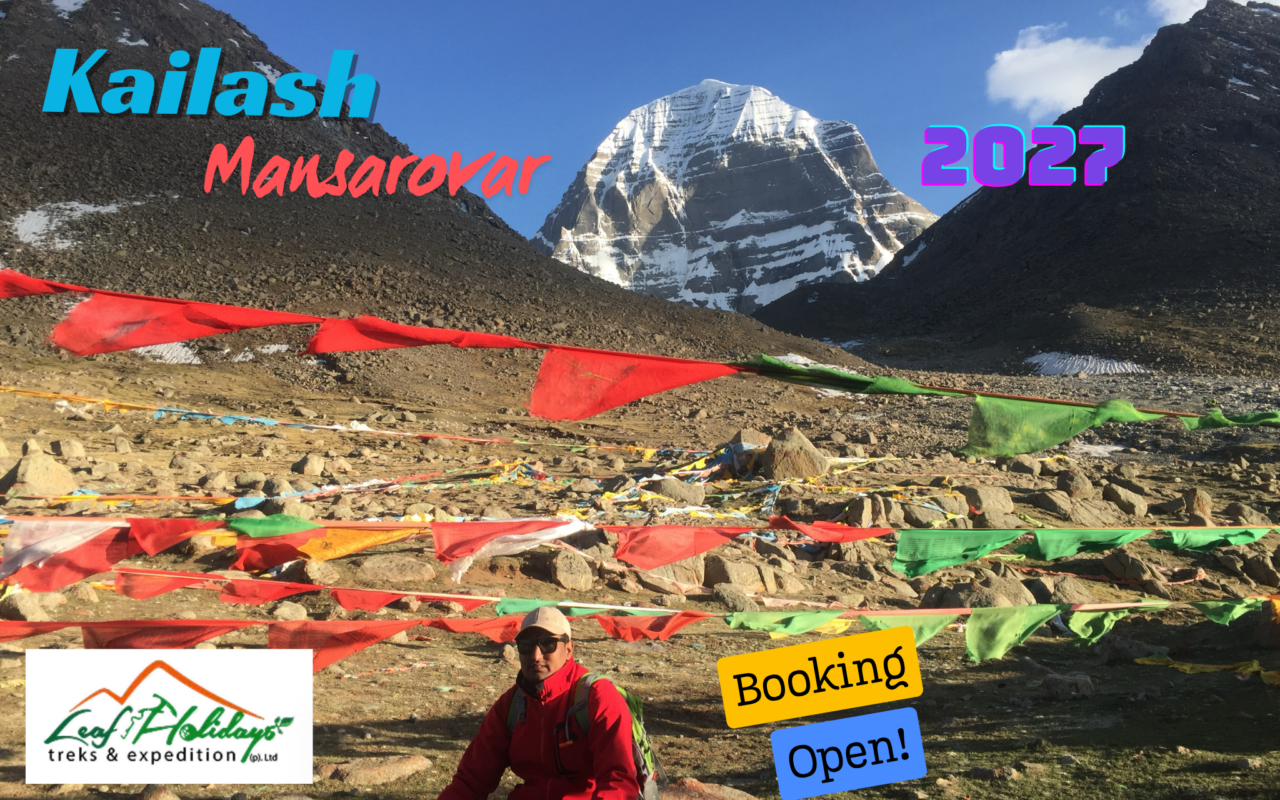
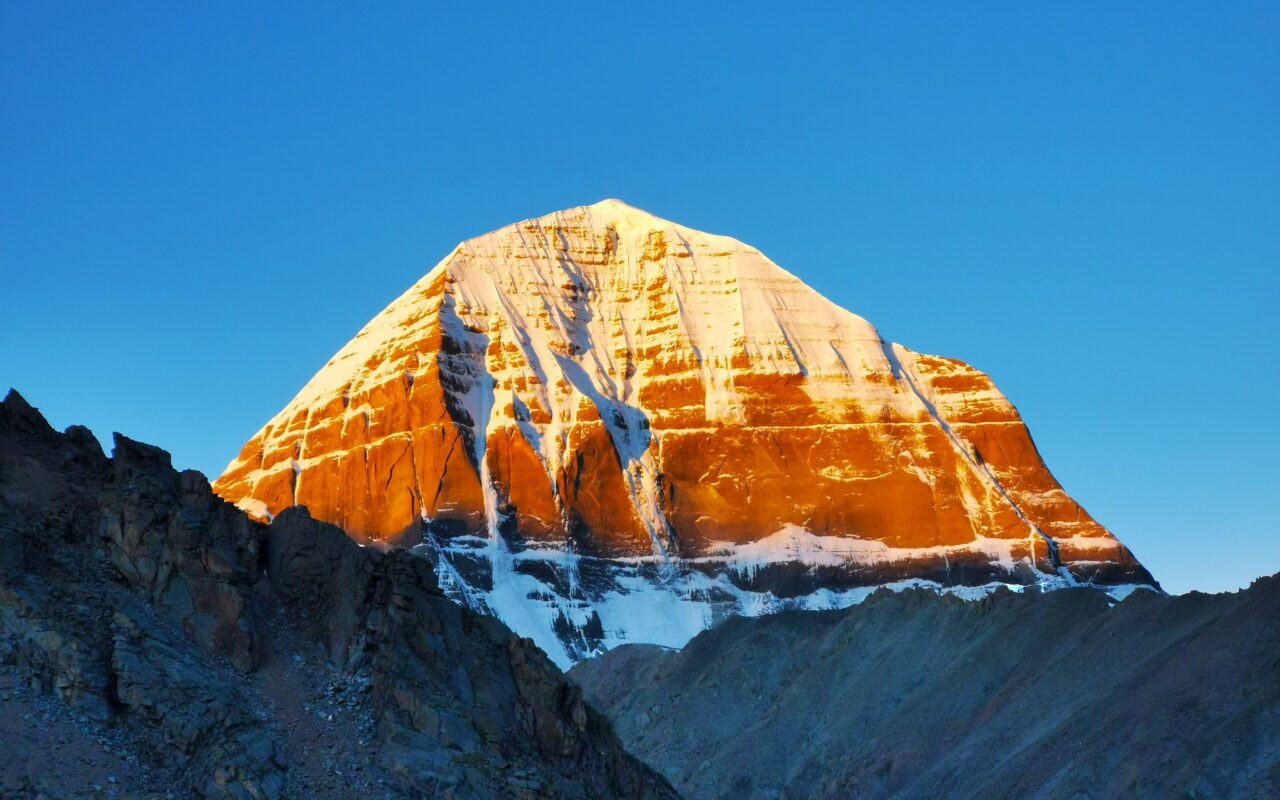
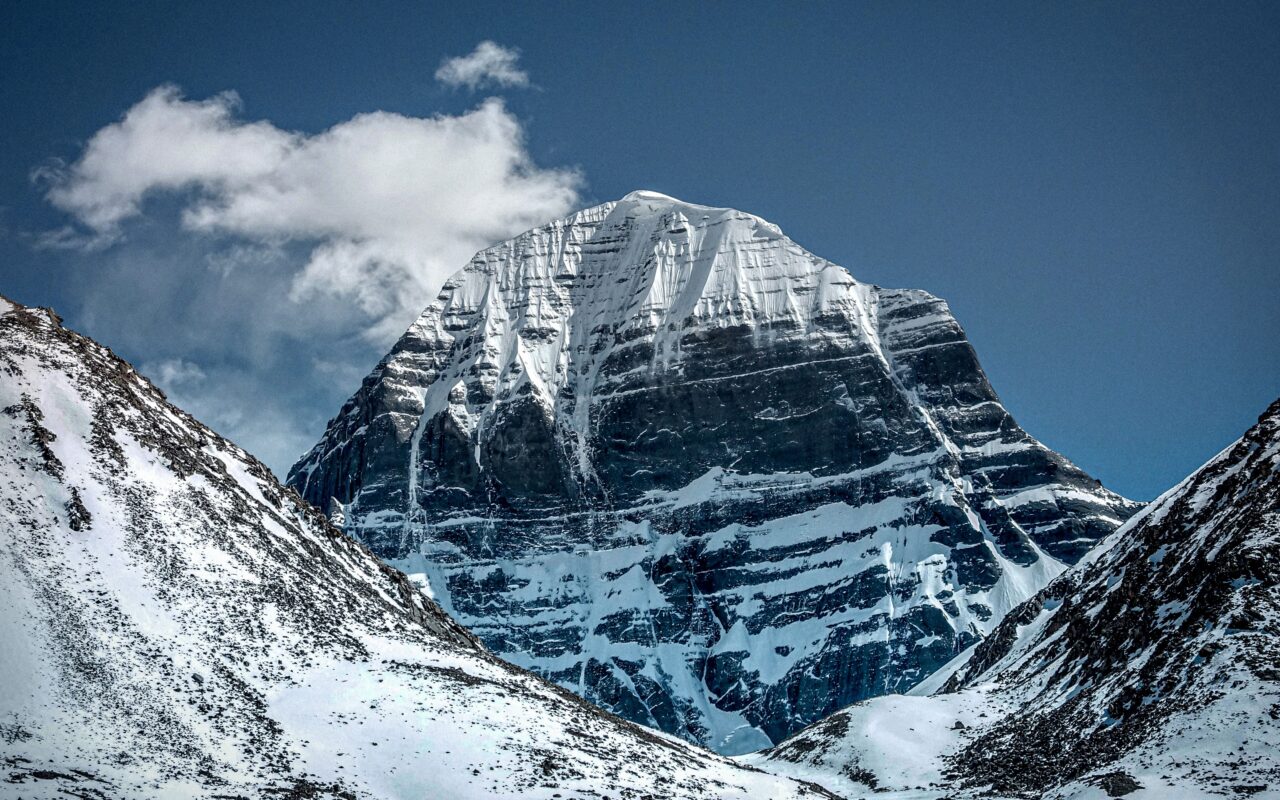
Mount Kailash is located in Ngari Prefecture in western Tibet. According to information about the Kailash Sacred Landscape, the mountain rises approximately 6,714 meters above sea level and stands close to Lake Mansarovar.
The mountain is known as Kailash among Hindus, Mount Ashtapada among Jains, Tise among Bon followers, and Kang Rinpoche among Tibetan Buddhists. Each tradition has its own beliefs, but all regard Mount Kailash as a symbol of spirituality, purity, and liberation. This shared sacred importance makes the Kailash Mansarovar Yatra from Nepal meaningful to pilgrims from many countries.
The religious and ecological importance of the Kailash region extends across Nepal, India, and Tibet. The landscape is also associated with the headwaters of four major Asian rivers: the Indus, Sutlej, Brahmaputra, and Karnali.
In Hindu tradition, Mount Kailash is believed to be the sacred home of Lord Shiva and Goddess Parvati, where Lord Shiva remains in eternal meditation. For many pilgrims, receiving darshan of the holy mountain is a deeply meaningful experience associated with spiritual awakening and freedom from worldly attachment.
The journey often leaves pilgrims with lasting memories and a renewed sense of peace. The silence, beauty, and powerful presence of Mount Kailash create an atmosphere of devotion and a profound connection with Lord Shiva.
KAILASH MANASAROVAR YATRA 2027 FIXED DEPARTURE DATES
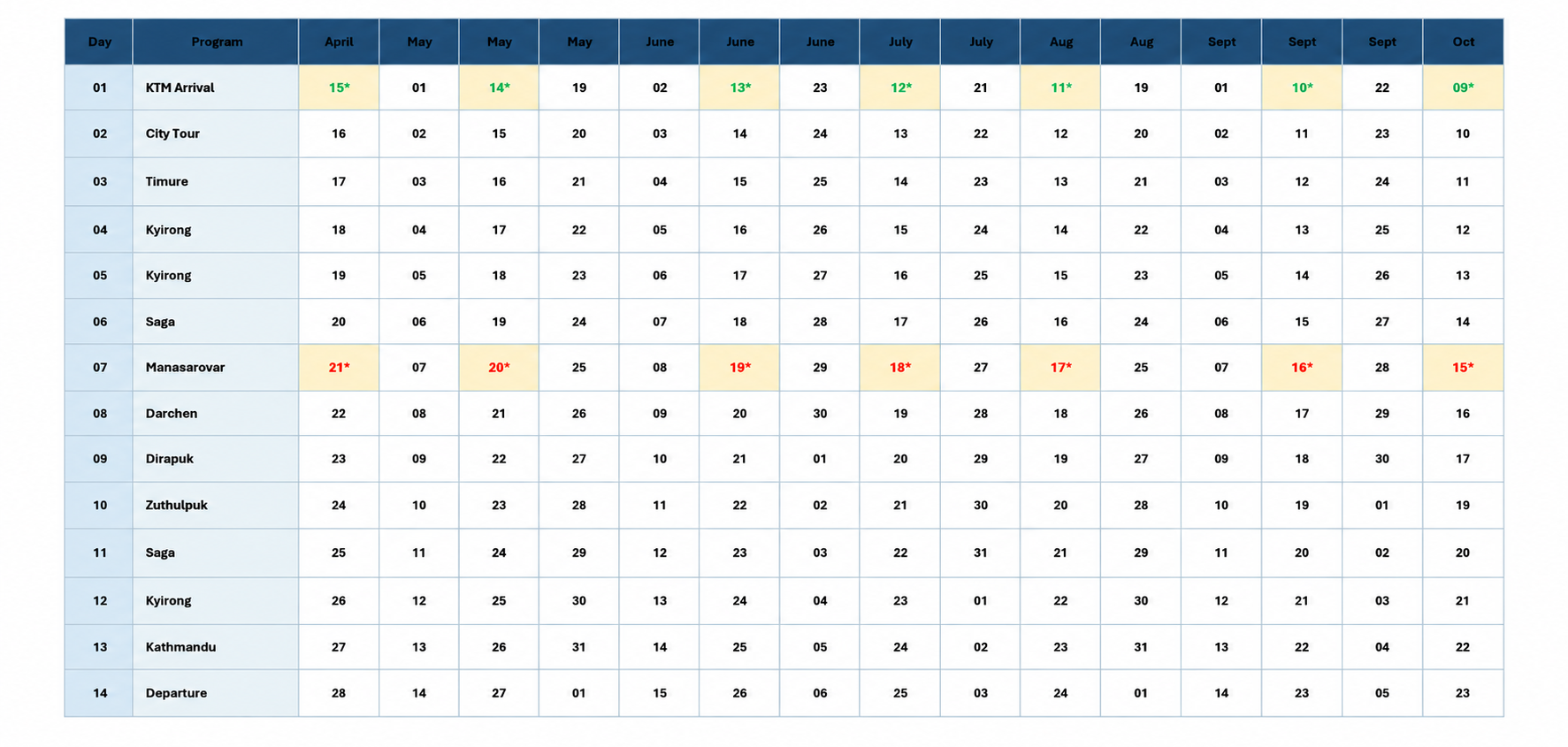
Important Information
- Departures marked with an asterisk (*) are planned around a full-moon visit to Lake Mansarovar.
- Departure dates and itinerary arrangements are subject to weather, road conditions, border access, and official approvals.
- The listed departures are for non-Indian passport holders only. Indian passport holders should contact our team for applicable departures and documentation requirements.
- If visa processing in Kathmandu is required, our team will confirm your arrival date and the necessary processing time before booking.
- Please review the Visa and Permit Requirements section for nationality-specific guidance.
Holy Lake Mansarovar
Lake Mansarovar is one of the most sacred places visited during this Himalayan pilgrimage. Located at approximately 4,550 meters on the Tibetan Plateau, the freshwater lake is surrounded by peaceful landscapes and distant snow-covered mountains.
Its color appears to shift from deep blue to emerald green as the light changes throughout the day. Pilgrims regard the lake as a symbol of purity and believe its sacred waters hold profound religious significance.
Pilgrims undertaking the Kailash Mansarovar Yatra from Nepal can spend time beside the lake offering prayers, meditating, and experiencing its tranquil atmosphere. Watching sunrise or sunset over Lake Mansarovar is among the most memorable experiences included in a Kailash Mansarovar Yatra package.
Visitors should respect local religious customs and help protect the fragile environment. The responsible travel guidelines for the Kailash Sacred Landscape explain how pilgrims can preserve the sanctity, culture, and natural environment of the region.
The peaceful stay beside Lake Mansarovar gives the Kailash Mansarovar Yatra from Nepal a deeply reflective character before pilgrims continue towards Darchen and begin the Mount Kailash Kora.
Three-Day Mount Kailash Kora
One of the most meaningful stages of the Kailash Mansarovar Yatra itinerary is the three-day walk around Mount Kailash. Known as the Kora or Parikrama, this sacred circuit covers approximately 53 kilometers.
Hindus and Buddhists traditionally complete the circuit clockwise, while followers of the Bon religion walk anticlockwise. The route crosses remote valleys, passes ancient monasteries, and follows rugged high-altitude trails. For many pilgrims, it is the spiritual heart of the entire journey.
The walk is physically demanding because of the extreme elevation, cold conditions, and uneven terrain. Proper training, gradual acclimatization, and guidance from an experienced team can make the challenge more manageable.
Pilgrims generally spend the nights near Dirapuk and Zutulpuk monasteries. Along the way, the trail offers impressive views of the northern and western faces of Mount Kailash, with a brief glimpse of its southern face.
Drolma La Pass, located at approximately 5,630 meters, is the highest and most challenging point. Crossing the pass is both a physical achievement and a deeply spiritual experience, symbolizing the release of past burdens and the beginning of a renewed life.
Completing the Kora brings a powerful sense of accomplishment. Pilgrims should maintain a slow pace, follow their guide’s instructions, and report any symptoms of altitude sickness immediately.
Kailash Mansarovar Yatra Package Experience
Our Kailash Mansarovar Yatra package offers a guided group journey from Kathmandu across the Himalayas to western Tibet. The experience combines spiritual devotion, cultural discovery, spectacular landscapes, and high-altitude adventure.
The schedule normally allows time for Kathmandu sightseeing, border procedures, acclimatisation, overland travel, Lake Mansarovar, and the three-day Mount Kailash Kora. However, the program may change according to weather, local regulations, group requirements, and operating conditions.
Accommodation is provided in hotels and local guesthouses. Facilities near Mount Kailash and along the Kora are basic because of the region’s remote location. Staying in traditional Tibetan guesthouses near ancient monasteries adds a more authentic character to the pilgrimage.
Meals depend on the facilities available along the route. During the Kora, pilgrims may carry essential snacks and purchase simple food at selected guesthouses. Yaks and porters may also be hired to transport luggage, subject to availability and additional charges.
Before booking, travelers should carefully review the package duration, accommodation, meals, transportation, permits, Kora assistance, and emergency arrangements. Clear information helps pilgrims understand the conditions and prepare realistically for the journey.
Kailash Mansarovar Yatra Cost
The Kailash Mansarovar Yatra cost depends on the departure date, group size, accommodation category, transportation, permit charges, and services included. Currency exchange rates, local rules, and additional requests may also affect the final amount.
The standard Kailash Mansarovar Yatra cost may cover hotels, local guesthouses, ground transportation, vegetarian meals, required travel documents, guide services, and operational support during the Kora. Travel insurance, emergency evacuation, personal expenses, porter or yak services, and additional hotel nights may not be included unless specifically mentioned.
The selected route also affects the final price. An overland journey is generally more affordable than a helicopter-assisted option, which includes additional domestic flights and helicopter transfers.
When comparing packages, travelers should consider more than the advertised price. Proper acclimatisation, reliable permits, experienced staff, safe transportation, and emergency planning are essential parts of a well-organised pilgrimage.
Contact our travel specialists for current pricing, confirmed departure dates, inclusions, and booking conditions. Always review the final quotation before making payment and ensure that included services, optional activities, and personal expenses are clearly separated.
The advertised starting price for the Kailash Mansarovar Yatra from Nepal is US$2,800 per person for groups of 16–25 travelers. For smaller groups of 1–15 travelers, the price is US$3,000 per person, while groups of 26 or more receive a discounted rate of US$2,675 per person. Your final per-person price therefore depends on the confirmed group size. Please contact our team with your preferred departure date and number of travelers for a quotation.
How the Journey Begins
The Kailash Mansarovar Yatra itinerary begins after arrival in Kathmandu. Our team assists with applicable visa and permit formalities while travelers explore the city’s important Hindu and Buddhist heritage.
The Kathmandu Valley World Heritage Site includes seven monument zones representing the unique coexistence of Hindu and Buddhist traditions. Pilgrims may visit Pashupatinath Temple, Boudhanath Stupa, or Swayambhunath before the Kailash Mansarovar Yatra from Nepal continues towards the border.
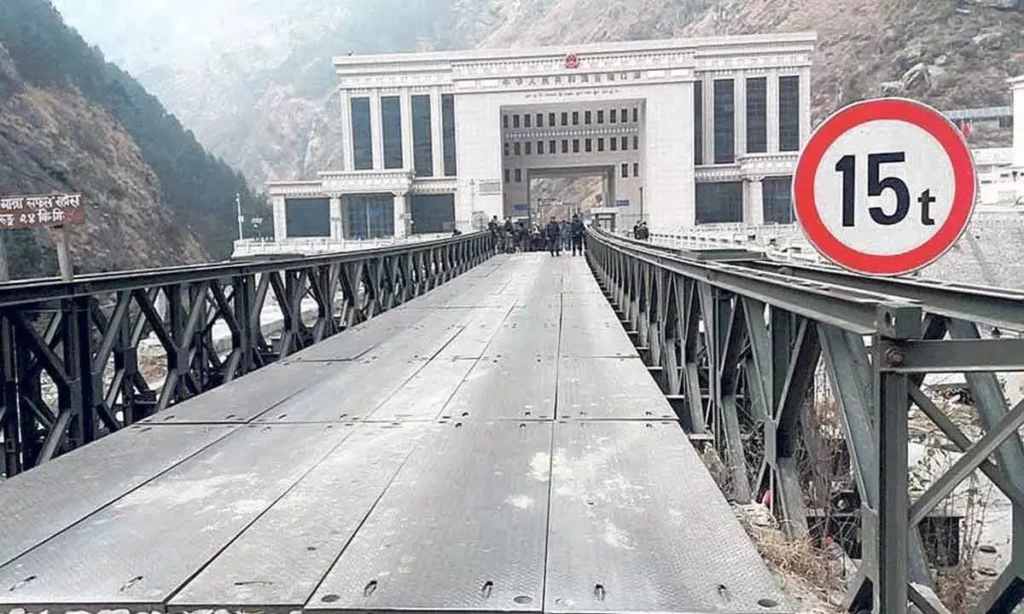
Once the travel documents are approved, the group drives from Kathmandu to Timure and crosses the Nepal–China border before continuing to Kerung. From there, the route travels across the vast Tibetan Plateau towards Saga.
Along the way, pilgrims can enjoy views of mountain passes, rivers, open plains, and traditional Tibetan settlements. The journey then continues from Saga to Lake Mansarovar and Darchen, the main starting point for the Mount Kailash Kora.
After completing the sacred circuit, the group returns through Saga and Kerung, crosses the border near Timure, and drives back to Kathmandu. The route brings together spiritual pilgrimage, Tibetan culture, and a memorable high-altitude experience.
Best Season for Kailash Mansarovar Yatra from Nepal
The best time for the Kailash Mansarovar Yatra from Nepal is generally between May and early October. Most departures operate during these months because the weather, road access and daytime conditions are usually more favourable.
Although lower areas may feel comfortable during the day, temperatures around Lake Mansarovar, Darchen and the Kora route can drop close to or below freezing at night. Warm, layered and windproof clothing is therefore essential.
Saga Dawa is an important Tibetan festival celebrated according to the lunar calendar. Pilgrims wishing to travel during this occasion should select an itinerary that matches the festival dates and prepare for larger crowds.
Many Hindu pilgrims also prefer full-moon departures during Jestha, Shrawan and Bhadra because of their religious significance. These dates are popular and may become fully booked well in advance.
Conditions become colder and windier toward late October, with a greater possibility of snow. Lake Mansarovar often freezes during winter, making regular pilgrimage operations difficult. Seasonal demand and operating conditions may also influence the package cost.
Choosing a suitable travel period can improve the chances of safer road journeys, more stable weather and a more comfortable Kora experience.
Kailash Mansarovar Yatra Difficulty
The Kailash Mansarovar Yatra from Nepal is a physically demanding pilgrimage involving long drives, rough roads, cold weather, limited facilities and extended periods at high altitude.
Although vehicles cover most of the route, the three-day Kora requires several hours of walking each day. The second day is especially challenging because pilgrims must climb to Drolma La Pass and then complete a long descent towards Zutulpuk.
Facilities in remote areas are basic and may include shared rooms, common toilets and limited access to water. Meals are generally simple, with options such as bread, noodles, soup, rice, potatoes and vegetables. Travellers should arrive with realistic expectations and be prepared to adapt.
Good fitness, regular exercise, previous hiking experience and a positive attitude are strongly recommended. The journey requires patience, flexibility and careful attention to the guide’s instructions.
Experienced Nepali and Tibetan teams accompany the group and provide valuable support with changing weather, accommodation, road conditions and high-altitude challenges.
Preparation and Training
Travellers should begin physical preparation at least six weeks before departure. The pilgrimage involves long driving days followed by three demanding days of trekking at high altitude.
Suitable exercises include brisk walking, jogging, cycling, swimming, stair climbing, squats and regular hill walks. Training with a light daypack can also help prepare the body for the Mount Kailash Kora.
These activities build stamina, balance and lower-body strength. Yoga, meditation and breathing exercises may also help travellers remain calm, focused and mentally prepared during the journey.
Every participant should consult a qualified doctor before booking, particularly anyone with heart, lung, blood pressure, mobility or other existing health conditions.
Mental readiness is just as important as physical fitness. Pilgrims should prepare for cold weather, simple accommodation, limited facilities and schedule changes caused by conditions beyond the operator’s control.
Altitude Sickness
Altitude sickness is one of the main health concerns during the Kailash Mansarovar Yatra from Nepal. The route gradually climbs from Kathmandu through Kerung and the Tibetan Plateau before reaching elevations above 5,000 meters during the Kora.
Altitude sickness can affect anyone, including fit and experienced travellers. Symptoms may include headache, dizziness, nausea, fatigue, disturbed sleep, reduced appetite, and shortness of breath.
Pilgrims should follow the acclimatisation plan included in the Kailash Mansarovar Yatra itinerary. Walking slowly, drinking sufficient water, avoiding alcohol, eating light meals, and resting properly can support adjustment to the elevation.
Travellers should review the World Health Organization’s international travel and health guidance and obtain medical advice before starting the Kailash Mansarovar Yatra from Nepal.
Severe or worsening symptoms must be reported to the guide immediately. Medication such as acetazolamide should only be used following medical advice. Oxygen support is not a substitute for acclimatisation, medical evaluation, or descent.
A responsible Kailash Mansarovar Yatra package should include clear emergency procedures. Health and safety must remain more important than completing the Kora.
Visa and Permit Requirements for Kailash Mansarovar Yatra from Nepal
The Kailash Mansarovar Yatra from Nepal requires advance coordination of travel arrangements, visas, and Tibet permits. Requirements depend on your passport nationality, country of residence, entry route, and the rules applicable to your departure. Our team will confirm the required documents before your booking is finalized.
For Indian Passport Holders
Indian pilgrims should confirm the applicable pilgrimage visa procedure before traveling to Nepal. The Embassy of India’s advisory for Kailash Mansarovar Yatra via Nepal advises pilgrims to obtain the appropriate Chinese visa and Tibet travel permit before leaving India and identifies New Delhi as the visa application location.
A Chinese Embassy notice published in 2017 describes an exception for Indian nationals who are long-term residents of Nepal, subject to supporting residency documents. Because this notice is historical, eligibility and application arrangements must be reconfirmed for your departure.
An individual Chinese Tourist (L) Visa does not automatically establish eligibility for the Kailash pilgrimage. Confirm the applicable visa arrangements and obtain all required Tibet travel permits before departure.
For Non-Indian Passport Holders
Non-Indian travelers should provide their nationality, country of residence, intended entry route, and details of any existing Chinese visa before making travel arrangements. Our team will confirm whether a Chinese Group Visa or another applicable entry arrangement is required.
If an application in Kathmandu is necessary, we will advise you of the required arrival date, passport-submission process, and any appointment or biometric requirements. Allow additional time for weekends, public holidays, document checks, and processing delays.
An existing Chinese visa does not by itself establish permission to visit Tibet or the Kailash region. Its suitability for your itinerary must be checked separately.
Documents and Processing
Prepare a valid passport, recent passport photographs, completed application details, and any additional documents requested for your nationality or residency status. The operator will confirm the Tibet travel permits and other route-specific permissions required for the approved itinerary.
Begin documentation well in advance, as permit arrangements and visa processing follow separate timelines. Processing times and approval cannot be guaranteed. Where group-entry conditions apply, changes to your entry, exit, or return arrangements require advance coordination and any necessary authorization.
Important Booking Information
For 2027 departures, visa procedures, eligibility, fees, and processing arrangements will be reconfirmed against the rules applicable at the time of travel. Your written quotation will specify which visa and permit charges are included.
Avoid non-refundable travel commitments until the required visa and permits have been approved and your departure has been confirmed.
Alternative Routes
Travellers who prefer fewer overland days can select a helicopter-assisted route through Nepalgunj, Simikot and Hilsa. This option generally includes a flight from Kathmandu to Nepalgunj, a connecting flight to Simikot and a helicopter transfer towards Hilsa, subject to suitable weather and operating conditions.
After crossing the border, the journey continues by road through Taklakot to Lake Mansarovar and Darchen. Although this route reduces travel time, it still involves high altitude, basic accommodation and the possibility of weather-related delays.
The helicopter option usually costs more because it includes several domestic flights and helicopter transfers. Travellers should keep additional contingency days in case flights are delayed or cancelled.
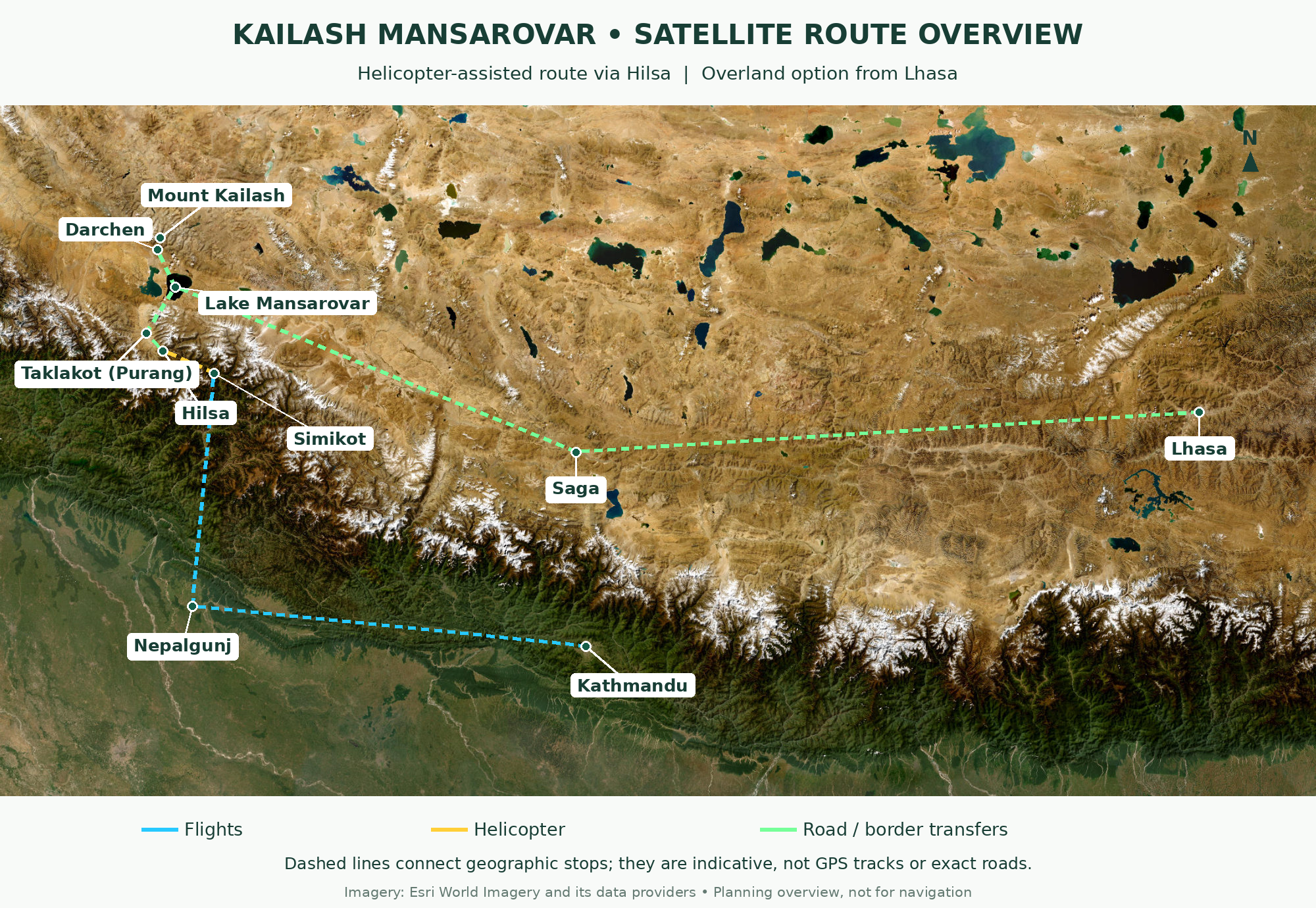
Another option is an overland journey through Lhasa. This route provides time for sightseeing and gradual acclimatisation in Lhasa before travelling through Tibetan towns towards Saga and Darchen.
The most suitable route depends on the traveller’s available time, budget, health condition and preferred style of travel.
Food and Accommodation
Accommodation and vegetarian meals are normally provided according to the confirmed package. In Kathmandu, travellers stay in comfortable hotels and can choose from a wide selection of Nepali, Indian, Chinese and international vegetarian food.
Timure and Kerung offer the best available local hotels or lodges. Saga is one of the final major towns along the route with comparatively comfortable accommodation, restaurants, shops and internet access.
Facilities become more basic after Saga. Darchen has small hotels and guesthouses, while Dirapuk and Zutulpuk generally offer dormitory-style rooms, shared toilets and limited washing facilities.
During busy periods, guesthouses may become fully occupied. Tented accommodation may be arranged when necessary, depending on the services included in the package.
Meals beyond Saga are usually simple and may include noodles, soup, fried rice, vegetables and potatoes. Pilgrims may also carry dry fruits, energy bars and suitable snacks after consulting the tour operator.
Accommodation and meal standards can affect the overall cost, so travellers should carefully review the package inclusions before booking. Simple food and basic lodging are part of the authentic experience of travelling through this remote Himalayan region.
Transportation
The Kailash Mansarovar Yatra from Nepal generally includes airport transfers and Kathmandu sightseeing by private vehicle. The vehicle type depends on group size.
For the overland route, suitable buses or vehicles are used in Nepal and Tibet. A vehicle change may be required at the border because of local transportation regulations.
The Kailash Mansarovar Yatra itinerary includes long driving days across mountainous roads and the Tibetan Plateau. Road delays, checkpoints, and changing weather are possible.
Yaks and porters may be hired during the Kora for an additional charge. Optional helicopter transfers may also be available, subject to weather and operational approval.
Transportation choices influence both the comfort and the Kailash Mansarovar Yatra cost. Travellers should confirm which services are included in their Kailash Mansarovar Yatra package.
Age Restrictions
Age requirements may vary according to nationality, medical standards and current travel regulations. Some pilgrims may need to provide additional health documents, and an upper age restriction may apply.
Many tour operators commonly accept travellers up to approximately 70 years old because of the extreme altitude, cold climate and physically demanding terrain. Indian passport holders may be subject to separate age and medical eligibility requirements.
However, age alone does not determine whether someone is ready for the journey. Every pilgrim should undergo a health assessment and obtain medical advice before confirming a booking.
As regulations may change, travellers should verify the latest age, health and documentation requirements before making payments or purchasing non-refundable flights.
Equipment List
Travellers preparing for the Kailash Mansarovar Yatra from Nepal should carry:
| Equipment | Recommended Quantity |
|---|---|
| Sturdy trekking boots with ankle support | 1 pair |
| Trekking pants | 2–3 pairs |
| Waterproof trousers | 1 pair |
| Windproof and waterproof jacket | 1 |
| Sunscreen | 1 tube |
| Wet wipes | 2–3 packs |
| Hand sanitizer | 1 small bottle |
| Inner gloves | 1 pair |
| Outer gloves | 1 pair |
| Towel | 1 |
| Sandals | 1 pair |
| Personal toiletries | 1 set |
| Water bottles | 2 bottles |
| Water purification tablets | 1 pack |
| T-shirts or trekking shirts | 3–4 |
| Fleece jumper | 1 |
| Warm jacket | 1 |
| Headlamp | 1 |
| Power bank | 1–2 |
| Spare batteries | 1 set |
| Thermal innerwear | 2 sets |
| Warm socks | 3–4 pairs |
| Underwear | 4–5 pairs |
| Sunglasses | 1 pair |
| Sun hat | 1 |
| Woollen cap | 1 |
Depending on the Kailash Mansarovar Yatra package, a duffel bag, down jacket, waterproof daypack cover, and oxygen cylinder may be provided. Travellers should confirm the exact equipment list before departure.
Begin Your Sacred Journey
The Kailash Mansarovar Yatra from Nepal is far more than an ordinary tour. It is a sacred pilgrimage shaped by faith, endurance and reflection, set against the extraordinary landscapes of the Himalayas and Tibetan Plateau.
From Kathmandu’s ancient temples to Lake Mansarovar, Darchen and the Mount Kailash Kora, every stage offers an opportunity for spiritual connection, self-discovery and personal transformation.
Before booking, choose a reliable package, understand the complete itinerary and carefully review the latest cost and inclusions. With proper preparation and experienced support, this pilgrimage can become one of the most meaningful journeys of your life.
Begin with faith, realistic expectations and deep respect for the sacred landscape.
Book Your Kailash Mansarovar Yatra from Nepal
Ready to begin your sacred journey to Mount Kailash and Lake Mansarovar? Contact Leaf Holidays for confirmed departure dates, permits, documentation, package details, and booking assistance.
You can also contact our travel experts directly on WhatsApp:
Detail Itinerary of Kailash Mansarovar Yatra from Nepal 2027: Cost & Itinerary
Day 01: Arrive in Kathmandu (1,300m). Meet our tour leader and transfer to the hotel.

Welcome to the pulsating capital of Nepal! After your arrival, our representative, after receiving you, will accompany you to your hotel. Once you settle in your room, you can roam around Kathmandu Durbar Square afterward—the mosaic of ancient culture and history.
In the evening, our team leader will organize a brief get-together program where each of our group members will enjoy a delicious vegetarian meal and share each other’s experiences.
Highest Altitude
1300m. (Kathmandu)
Meals
Vegetarian Lunch, Dinner
Accommodation
HotelDay 02: Biometric day in Kathmandu in the Chinese Embassy. Stay in Kathmandu.
After your meditation and breakfast, our guide will once again welcome you and conduct a short briefing about our Kailash Mansarovar Yatra. He will collect your documents, and together, we will drive to the Chinese Embassy in Kathmandu to complete the visa and permit formalities. We will have to submit our passports, photographs, and fingerprints for biometric registration.
Processing time varies and is subject to the authorities. We will spend the waiting days exploring the significant historical and religious monuments of the capital. Today, we will take a short tour of Boudhanath and Swayambhunath Temple.


Activity & Duration
Sightseeing
Highest Altitude
1300m. (Kathmandu)
Meals
Vegetarian Breakfast, Lunch, Dinner
Accommodation
HotelDay 03: Rest Day (Wait for Visa)
Early in the morning, we will prepare for a religious visit to Pashupatinath Temple, revered as the most significant Lord Shiva temple in Nepal. We will reach there on time to participate in the morning Aarti of the Lord.
We will then conduct a Rudravishek Pooja (a special worship ceremony of Lord Shiva) under the guidance of a Brahmin. We will then walk towards Bagmati River—a site for ritual cremation. We will then offer our prayers in the Guheswori temple near Pashupati—an important temple of Goddess Parvati.
After our lunch in the Pashupati complex, we will resume our temple visit to the Budhanilkantha temple, the temple of Lord Vishnu in his sleeping form.
If we have enough time, we may also take us to Doleswor Mahadev, distinguished as the Head of Kedarnath in India.
Activity & Duration
Sightseeing
Highest Altitude
1300m. (Kathmandu)
Meals
Vegetarian Breakfast, Lunch, Dinner
Accommodation
HotelDay 04: Visit Kathmandu Valley and Visa collection day Overnight at a standard hotel.
Our team will follow up on the required visa and permits and collect them once approved. Today’s arrangements will depend on processing progress. If the schedule allows, we will visit the Kailashnath Mahadev statue in Sanga, near Bhaktapur, for darshan and sightseeing.
After the visit, we will return to our hotel, organize our belongings, and prepare for the onward Kailash Mansarovar Yatra. Our guide will update us on the documentation status and departure arrangements before we rest for the night. The onward journey will proceed only after all required travel documents have been approved.
Activity & Duration
Sightseeing
Highest Altitude
1300m. (Kathmandu)
Meals
Vegetarian Breakfast, Lunch, Dinner
Accommodation
HotelDay 05: Drive from Kathmandu to Border Timure (2963m) 135km, 3-4 hours' drive.
Today marks the beginning of our journey to Mount Kailash. Early in the morning, we will hop in our private bus and drive along the well-paved road of Pasang Lhamu Highway along the Trishuli River to reach Timure village near the Kerung border.
We will take a lunch break in Trishuli Bazaar and buy some snacks to take along the road. The trail further will take us to the quaint village of Dhunche, which blesses us with the incredible panorama of Manaslu, Annapurna, and Ganesh Himal ranges.
An hour’s drive from Dhunche brings us to Syabrubesi, Rasuwa. Most of the Yatris culminate their drive here, but we will continue further towards Timure along a picturesque downhill path. It will save us some time the next day.
Activity & Duration
Drive, around 3-4 hours
Highest Altitude
2963m. (Timure)
Meals
Vegetarian Breakfast, Lunch, Dinner
Accommodation
HotelDay 06: Drive from Timure to Kerung (2700meters- 105 km, 2-hour Drive), Acclimatization Day at Kerung
We will leave Timure early in the morning and drive along the beautiful Friendship Highway towards Rasuwagadhi. Once at the border, our Nepali teams will complete the immigration formalities, and we will cross the Nepali border to enter Tibet. Here, our local Tibetan team will receive us and drive us towards Kerung.
A mere two-hour drive will take us to the town that offers the incredible view of the high Tibetan plateau. We are now at an altitude of almost 3000 m, so proper acclimatization is a must.
After checking into our hotel, we will walk around the bustling market of Kerung. We will also take this opportunity to explore the Pakpa monastery dating back to the 7th century AD. You can see the Bhrikuti statue here, who is the Nepali daughter married to a Chinese king.
After this visit, we will rest in our rooms to let our bodies adapt to the Tibetan climate.

Highest Altitude
2700m. (Kerung)
Meals
Vegetarian Breakfast, Lunch, Dinner
Accommodation
HotelDay 07: Drive to Saga (230 km – 6 hours)
After departing from Kerung, we will begin our drive along the magnificent road that offers the best view of the vast Tibetan Himalayan chain and the Tibetan plateau. The path slowly transforms into an alpine feature, leading us to the enchanting Thong La and La Lung Passes.
Along the trail, we will also encounter the captivating alpine Lake of Peiku Tso. We will pause our drive and explore the Buddhist monastery and the three meditation caves of sage Milarepa.
We will now continue onwards, traversing the bridge over the Brahmaputra River to reach Saga, enriched with modern amenities of shops, restaurants, and comfortable accommodations.
Please rest in your comfortable room, as we have transitioned within a day from 3000 m to above 4000 m altitude.
Activity & Duration
Drive, around 6 hours
Highest Altitude
4450m. (Saga)
Meals
Vegetarian Breakfast, Lunch, Dinner
Accommodation
HotelDay 08: Drive from Saga to Mansarovar (4,556m), 7-9 hours' drive.
Leaving Saga, the path today leads us towards Paryang, a small Tibetan town. Along the route, we will traverse the Dargyeling monastery and the small pasture of Old Dzongba.
Moving on, our route will take us through the sand dunes towards the Horchu River. Here, the Chinese military base will check our visas and permits.
After having our permits checked, we will continue with our road journey and cross the enormous Mayumla Pass, erected at 5211 m altitude above sea level.
From the Pass, we will drive for two more hours and arrive at the mystical Lake of Mansarovar, where we can witness the marvelous Mount Kailash for the first time.
Activity & Duration
Drive, 7-9 hours
Highest Altitude
4556m. (Mansarovar)
Meals
Veg. Breakfast, Lunch, Dinner
Accommodation
GuesthouseDay 09: Drive from Mansarovar to Darchen (4550m), 40km, an hour's drive.
Early in the morning, we will spend time beside Lake Mansarovar for prayers, meditation, and havan or puja in remembrance of our ancestors, subject to local regulations and permitted arrangements.
In Hindu tradition, Lake Mansarovar is believed to have originated in the mind of Lord Brahma and is revered as a symbol of purity. Its peaceful surroundings offer an opportunity for reflection before continuing towards Mount Kailash.
After the lakeside visit, interested travelers may visit Chiu Monastery, depending on available time and local access. Today’s program includes a lakeside visit rather than a full walking circuit of Lake Mansarovar.
We will then drive approximately 40 kilometers to Darchen, the starting point for the Mount Kailash Kora. The journey takes around an hour, depending on road conditions and checkpoints. On arrival, we will check into our accommodation and have time to rest and prepare.
After dinner, our guide will brief the group on the upcoming three-day Kora, including the walking stages, accommodation, luggage arrangements, and essential items to carry.
Important Information
Porters and pack animals may be available to carry luggage during the Kora at an additional cost. Horse services for travellers may also be available on permitted sections, but availability and arrangements must be confirmed locally.
Please inform your guide this afternoon if you require assistance so arrangements can be requested in advance. Animal assistance does not remove the physical demands or altitude risks of the journey. Participation in the Kora will depend on your condition, the guide’s assessment, weather, and local permissions.

Activity & Duration
Drive, around 1 hour
Highest Altitude
4575m. (Darchen )
Meals
Veg. Breakfast, Lunch, Dinner
Accommodation
GuesthouseDay 10: Trek from Darchen to Dirapuk (5210m), 18km walk. 6 to 7 hours
Today is one of the most anticipated days of our Kailash Mansarovar Yatra, the start of the 53-kilometer-long pilgrimage walk around Mount Kailash, called Kora.
Our trek begins from Darchen in a clockwise direction till we reach Dirapuk monastery by the evening. The monastery is located in the vicinity of the north face of Mt. Kailash.
Numerous pilgrims from different parts of the globe begin their Kora following this path. Soon, we will be joined by these believers with whom we will commence trekking around Kailash.
The path today is quite easy, with steady ups and downs. Our trail will lead us along the western face of Kailash, and then we will climb a ridge from where we can catch the fleeting glance of the southern face of Kailash.
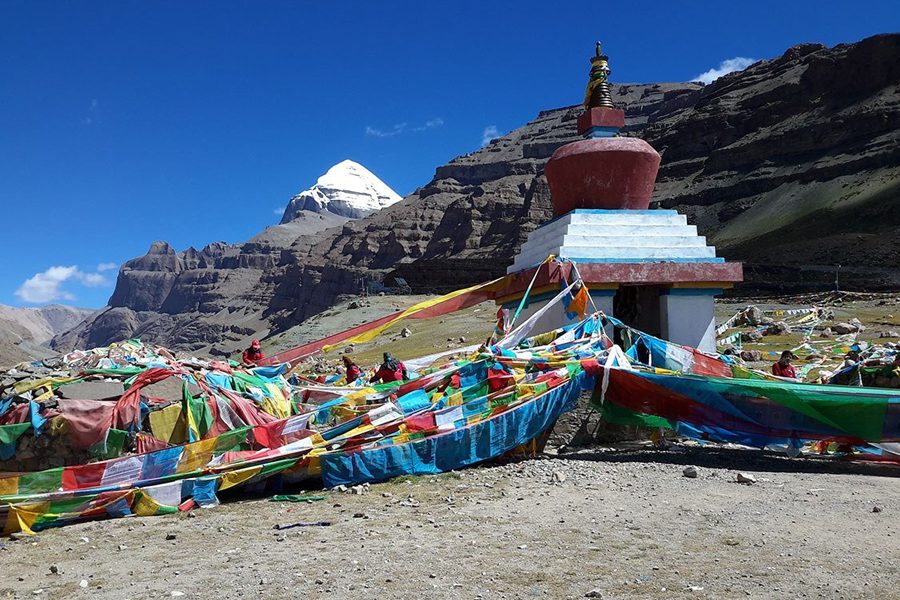
Then, we will come across the gateway decorated with many colorful prayer flags. The new ones are installed by Tibetans during the Saga Dawa Festival. The gateway stands as Yama Dwar for Hindus and as Tarboche for Tibetans.
Standing tall at an elevation of 4,740 meters, this gate is said to be safeguarded by the deity Yama himself. Yama, the eldest son of the Sun god, is worshiped as the God of Death. It is widely believed that only pure souls with honest hearts can pass through this gate.
The site of sky burials is also in close proximity. After crossing the Gate, we will now move forward through the narrow, steep canyon of the Lha Chu Valley and arrive at Dirapuk Monastery. The monastery will bless us with the Darshana of the northern face of Kailash along with the enchanting spectacle of Kangkyam glacier.
We will spend the night in the dormitories of the monastery, which is quite basic and rustic.
On the first day of Kailash Parikrama, our soul and heart have been tested and are purified, allowing us to begin the first chapter of our spiritual life.
Attention
If you have rented porters, yaks, or horses, then you will meet them at the Gate of Tarbcohe. The cost is not included in the price of the trip.
Activity & Duration
Trekking, around 6-7 hours
Highest Altitude
5210m. (Dirapuk)
Meals
Veg. Breakfast, Lunch, Dinner
Accommodation
GuesthouseDay 11: Trek from Dirapuk to Zutulpuk (4,850m), 20km walk 9 to10 hours
This second day of Kora around Mount Kailash reflects the most difficult day of our trek, so we will start the trek at sunrise. Passing by numerous glacial streams flowing down from the northern slope of Kailash, we will cross the Jarok Donkhang. Then we will climb vertically towards the holy Shiva Tsal cemetery, situated at an impressive altitude of 5330 meters.
Faithful yatris often leave their old clothes, a flock of hair, a drop of blood, or any other items at the site, signifying the symbolic shedding of their former lives and the rebirth of their soul in the spiritual realm. We will also do the same and walk forward to overcome the vertical climb towards Drolma La Pass at 5630 m.
A sea of vibrant prayer flags fluttering in the wind welcomes us at the Pass. The Pass is revered as the holy abode of Goddess Drolma, or Tara, who is worshiped by Hindus as the divine Goddess Parvati.
From the Pass, we will now steeply climb down to Gauri Kunda Lake, aka Tso Tuksche, at 5608 m. We will take a dip in its sacred water for spiritual purification.
We will again embark on a steep downhill hike towards Axe of Karma—a site that represents severing the negative karmas from our lives. An alpine path from here now takes us to the welcoming guesthouse of Zutulpuk monastery, concluding the second day of our Parikrama.
Our second day of Parikrama indicates our successful liberation from negative karma, paving the way for the rebirth of our souls.
Activity & Duration
Trekking approximately 9–10 hours
Highest Altitude
4790m. (Zutulpuk)
Meals
Veg. Breakfast, Lunch, Dinner
Accommodation
GuesthouseDay 12: Trek to Chasang from Zutulpuk, drive to Darchen, and drive to Saga 7 to 8 hours’ drive
Today we will complete our incredible trek or Kora around Mount Kailash. An easy walk of about two hours will take us to Chasang via Barkha Plain at the outskirts of Darchen. A row of hand-carved Mani Walls and a group of Yatris greet us along the way.
At Chasang, our driver will drive us to Darchen, where we will formally end our Kailash Mansarovar Yatra. From the town, we will continue towards Saga, passing by Lake Mansarovar, countless villages, and yak pasture fields.
Activity & Duration
Trekking and Drive
Highest Altitude
4640m. (Saga)
Meals
Veg.Breakfast, Lunch, Dinner
Accommodation
HotelDay 13: Drive from Saga to Kerung (Tibet-Nepal border) (270km) 4-5 Hours. (alt. 2700 m)
Early in the morning, we will journey back to Kerung, driving along the familiar luxurious route with the precious views of Shishapangma and the mesmerizing Lake Paiku Tso (4591m). After about five hours, we will be inside the comfortable accommodation of Kerung town, where our Tibetan crew will bid us farewell with a showcase of cultural shows.
Activity & Duration
Drive, around 4-5 hours
Highest Altitude
2700m. (Kerung)
Meals
Veg.Breakfast, Lunch, Dinner
Accommodation
HotelDay 14: Drive from Kerung to Kathmandu, 125km (Cross Tibet-Nepal border and drive to Kathmandu). 4-5 hours’ drive.
Today, we will depart from Tibet with heavy hearts but rejoice for the fact we will be stepping in Nepal once again. Again, we will jump in our private transport and drive towards the Nepal border. After completing the immigration formality, our Tibetan crew will leave us at the efficient hands of our Nepali team.
Then the route will take us to Kathmandu via Syabrubesi. Once in Kathmandu accommodation, you can rest and reflect on your transformative journey. In the evening, you can explore Kathmandu night life.
Attention
If you like to shorten your itinerary and journey back in style, then we can arrange for a helicopter ride from Timure to Kathmandu at an additional cost.
Activity & Duration
Drive, around 4-5 hours
Highest Altitude
1300m. (Kathmandu)
Meals
Veg.Breakfast, Lunch, Dinner
Accommodation
HotelDay 15: Final transfer to the international airport for the flight back home.
Enjoy your last breakfast in the enchanting Kathmandu. At the scheduled departure time, we will transfer you to the airport.
Highest Altitude
1300m. (Kathmandu)
Meals
Breakfast
Accommodation
Hotel
- The proposed itinerary is subject to change due to weather, road conditions, border formalities, permit approval, or instructions from local authorities.
- Driving distances and travel times are approximate and may vary according to road and traffic conditions.
- The Mount Kailash Kora depends on the traveller’s health, weather conditions, and permission from the guide or local authorities.
- Accommodation in remote areas, especially Dirapuk and Zutulpuk, is basic and usually provided on a shared basis.
- Travellers must follow the planned acclimatisation schedule and immediately report symptoms of altitude sickness to the guide.
- Visa and permit approval is controlled by the relevant authorities and cannot be guaranteed by the tour operator.
- Additional expenses caused by flight delays, road closures, natural events, or itinerary changes are not included unless stated otherwise.
- Yak, porter, horse, and personal evacuation services during the Kora may cost extra.
- Comprehensive travel and emergency evacuation insurance is strongly recommended.
- The company may modify the Kailash Mansarovar Yatra from the Nepal itinerary when necessary for the group’s safety and smooth operation.
Includes and Excludes
What is included?
- Airport pickup and drop-off in Kathmandu according to the itinerary.
- Six nights’ accommodation in Nepal: five nights in Kathmandu and one night in Timure.
- Eight nights’ accommodation in Tibet in hotels and basic guesthouses according to the itinerary. Shared or dormitory-style accommodation may be necessary in remote areas.
- Vegetarian breakfast, lunch, and dinner according to the daily itinerary.
- Kathmandu sightseeing and transfers as specified in the itinerary.
- Round-trip road transportation between Kathmandu and the Nepal–Tibet border.
- Ground transportation within Tibet according to the itinerary, with vehicle size based on the group.
- Tibet group visa fee and required travel permits applicable to the confirmed package and traveler’s nationality, as specified in the quotation.
- Services of an English-speaking Tibetan guide.
- Nepali support team, including cooks, helpers, and Sherpa staff, according to the group arrangements.
- Support vehicle for group equipment and supplies where vehicle access is permitted.
- Emergency oxygen cylinders and a group first-aid kit carried by the support team.
- Applicable government taxes and service charges included in the confirmed package price.
What is excluded?
- International airfare to and from Nepal.
- Nepal entry visa fees, where applicable.
- Personal travel insurance covering the planned altitude, medical treatment, and emergency evacuation.
- Medical consultations, hospital treatment, rescue, and evacuation expenses.
- Personal porter, horse, horse-handler, or yak services during the Kailash Parikrama.
- Additional hotel nights, meals, or transportation outside the confirmed itinerary.
- Extra expenses resulting from road closures, border restrictions, weather disruptions, permit delays, or other circumstances beyond the scheduled arrangements.
- Additional transport, accommodation, and applicable visa amendment or separation charges if a traveler leaves the group or returns early.
- Personal expenses, including telephone calls, internet, laundry, shopping, charging, and hot showers where charged separately.
- Beverages, snacks, and meals not specified in the itinerary.
- Personal trekking clothing, footwear, and equipment.
- Optional excursions, additional sightseeing, and personal religious ceremonies or offerings not specified in the package.
- Tips for guides, drivers, porters, and support staff.
- Any service not expressly listed in the confirmed quotation.
Trip Information
| Information | Details |
|---|---|
| Trip Duration | 15 Days |
| Starting Point | Kathmandu, Nepal |
| Ending Point | Kathmandu, Nepal |
| Main Destination | Mount Kailash and Lake Mansarovar, Tibet |
| Trip Type | Spiritual pilgrimage and overland adventure |
| Kora Duration | 3 Days |
| Kora Distance | Approximately 53 kilometers |
| Maximum Elevation | Drolma La Pass—approximately 5,630 meters |
| Difficulty Level | Challenging |
| Accommodation | Hotels in Kathmandu and major towns; basic guesthouses during the Kora |
| Meal Plan | Vegetarian meals throughout the journey |
| Transportation | Private vehicles and tourist buses |
| Best Season | May to early October |
| Group Type | Organized group departure |
| Required Documents | Valid passport, Chinese Group Visa, and Tibet travel permits |
| Suitable For | Physically fit pilgrims prepared for high-altitude conditions |
Frequently Asked Questions
How much money should I take for my expenses?
On average, 200 Chinese yuan per day is enough to cover your expenses, such as local payments to porters on the Kailash Mansarovar Yatra, entrance fees to places you want to visit, laundry, shopping, and tips to the driver and local guide.
Has anyone climbed Kailash?
Tibetan sage Milarepa is believed to have conquered Kailash.
What equipment do I need for Kailash Mansarovar Yatra?
For this Yatra, you need to pack waterproof shoes, a very warm sleeping bag, headgear, gloves, high-quality sunglasses, sun cream with maximum protection factor, medicines for personal use, and favorite foods for travel, for example, special canned food, chocolate, crackers, coffee.
Why does the Kailash Yatra hold importance in the full moon?
According to tradition, the merit accumulated by the Parikrama or Kora during the full moon increases many times over and grants liberation from the negative consequences of previous actions and a chance for a new birth in the higher realm.
What is the Kailash Mansarovar Yatra from Nepal?
The Kailash Mansarovar Yatra from Nepal is an organized pilgrimage from Kathmandu to Lake Mansarovar and Mount Kailash in Tibet. The journey includes border formalities, high-altitude travel, Lake Mansarovar, Darchen, and the three-day Mount Kailash Kora.
How many days does the Kailash Mansarovar Yatra from Nepal take?
Our overland Kailash Mansarovar Yatra from Nepal takes 15 days from Kathmandu to Kathmandu. The actual duration may change because of weather, road conditions, border formalities, permits, and local authority instructions.
What route does the Kailash Mansarovar Yatra from Nepal follow?
The standard overland route follows Kathmandu, Timure, Rasuwagadhi, Kerung, Saga, Lake Mansarovar, Darchen, and Mount Kailash. After completing the Kora, travellers return through Saga, Kerung, and Kathmandu.
How difficult is the Kailash Mansarovar Yatra?
The Kailash Mansarovar Yatra is a challenging high-altitude pilgrimage. It includes long drives, cold weather, basic accommodation, and a demanding three-day Kora with uneven terrain and limited facilities.
How long is the Mount Kailash Kora?
The Mount Kailash Kora takes three days and covers approximately 52–53 kilometers. The route reaches Drolma La Pass, the highest and most physically demanding section of the pilgrimage.
Do I need previous trekking experience for the Kailash Mansarovar Yatra?
Previous technical climbing experience is not required. However, travellers should be physically fit and able to walk for several hours on uneven terrain at high altitude. Regular walking, stair climbing, hill walking, and cardiovascular training are recommended before departure.
What documents and permits are required for the Kailash Yatra?
Travellers generally need a valid passport, passport photographs, and nationality-specific visa and permit documents. Depending on the traveller’s nationality and route, the operator may arrange a Tibet Travel Permit, group visa, Alien’s Travel Permit, Military Permit, and other required permissions.
Do I need a Chinese visa for the Kailash Mansarovar Yatra?
Visa requirements depend on your nationality, passport, and current travel regulations. Our team confirms whether you require an individual visa, group visa, or other Tibet entry documentation and coordinates the application process where applicable. Requirements can change, so travellers should provide their passport details before booking.
Is a helicopter route available from Nepal?
Yes. A separate helicopter route usually travels from Kathmandu to Nepalgunj, Simikot, and Hilsa before continuing towards Tibet. It reduces overland travel time but is more expensive and more dependent on mountain weather and flight availability.
How early should I book the Kailash Mansarovar Yatra?
Booking three to six months in advance is recommended, especially for full-moon departures, larger groups, and popular dates. Permit and visa processing can take several weeks, so travellers should avoid purchasing non-refundable international flights before the departure and permit process is confirmed.
Can senior citizens and women participate in the Kailash Yatra?
Women can participate, but the journey is physically demanding for everyone. Senior travellers and anyone with heart, lung, blood pressure, or other medical conditions should obtain medical clearance before booking. Final eligibility depends on health, nationality, current regulations, and the selected itinerary.
Trip Reviews
Price starts
US$ 2800
Need Help?
Ask to Travel Expert