
- Mt. Kailash Tour
- Kailash Mansarovar Overland Tour
- Kailash Mansarovar Yatra by Helicopter – Complete Spiritual Journey Guide
- Kailash Yatra via Lucknow
- Kailash Mansarovar Tour via Lhasa
- Kailash Lhasa EBC Tour From Beijing
- Kailash Heli Tour via Kerung: Complete Spiritual Journey Guide
- Kailash Tour via Lhasa In Kerung Out
- Lhasa EBC Kailash Tour
- Kailash Heli Tour
- Kailash Mansarovar Yatra from Nepal 2027: Cost & Itinerary
- Kailash Nandi Kora
- Kailash Tour via Humla Simikot – 20 Days
- Mount Kailash Tour: 7 Amazing Experiences in 2027
- Trekking
-
-
- Everest Region
- Luxury Everest Base Camp Trek: 7 Unforgettable Highlights
- Everest Base Camp Trek 2026: Cost, Route, and Complete Guide
- Everest Three Passes Trek 2027: Cost, Route & Itinerary
- Everest Base Camp Short Trek
- Everest Panorama Trek: Amazing 10-Day Cost & Itinerary
- Everest Base Camp Island Peak Trek: Complete 19-Day Guide
- Gokyo Valley Trekking 2027: Easy Guide to Cost & Itinerary
- Mera Peak Climbing 2027: Complete Cost & Itinerary Guide
- Rolwaling Valley Trek: 23-Day Itinerary, Cost, Permits & Difficulty
- Dolpo Region Trek
- Everest Region
-
- Annapurna Region
- Annapurna Base Camp Trekking
- Annapurna Circuit Trek
- Annapurna Base Camp Trek: 7 Amazing Cost & Route Tips
- Mardi Himal Trek: 7 Amazing Highlights & Complete Guide
- Annapurna Alternative Combine Trek: 18 Amazing Days
- Mohare Dada Trek
- Ghorepani Poon Hill Trek: 7 Unforgettable Highlights
- Khopra Ridge Community Trek: 13-Day Ultimate Adventure
- Damodar Kunda Trek: 10-Day Ultimate Sacred Adventure
- Upper Mustang Trek: 10 Amazing Sights : Ultimate Guide
- Jomsom Muktinath Trek: Amazing 12-Day Ultimate Guide
- Ghale Gaun Trek: 7 Amazing Reasons : Ultimate Guide
- Dhampus Sarangkot Trek: 7 Incredible Experiences
- Dhaulagiri Region
- Annapurna Region
-
-
- Tours
-
-
- Day Tours
- Rickshaw–a three-wheeler Tour
- Pharping Dakshinkali Day Tour: 7 Amazing Highlights
- Historical Tour: 7 Amazing Places to Explore
- Kathmandu Temple Tour: 7 Amazing Spiritual Places
- Nagarkot Tour
- Bhaktapur City Tour: 7 Amazing Places to Explore
- Kathmandu City Tour – Complete Heritage & Cultural Experience in Nepal
- Chandragiri Hill: A Scenic Himalayan Escape Near Kathmandu
- Chitlang Hiking
- Shivapuri to Sundarijal Day Hiking
- Kulekhani Dam Day Tour — Complete Travel Guide
- Day Tours
-
- Package Tours
- Mustang Tour on Jeep
- Nepal Tour Package for Nepali: 12 Amazing Destinations to Explore (2026)
- Muktinath Tour: Complete Guide to Nepal’s Sacred Himalayan Pilgrimage
- 3N,4D Kathmandu Pilgrimage Tour
- Nepal Buddhist Pilgrimage Tour: 7 Sacred Sites Not to Miss
- 6D Nepal Pilgrimage Tour: 7 Amazing Sacred Places
- 7 Nights, 8 Days Nepal Tour
- Districts tour of Nepal
- Janakpur Tour Package: Price, Family Tour & Travel Guide from Kathmandu 2026
- Short Hike in Nepal: 7 Best Easy Treks for Beginners
- Package Tours
-
-
- Outbound
-
- Activities
- Climbing
- Bungee Jumping in Nepal
- Heli Skiing Adventure in the Himalayas
- Canoeing in Nepal
- Mountain Flight in Nepal
- Zip Flyer in Pokhara: The Ultimate Adventure Experience
- Paragliding in Pokhara: 7 Amazing Reasons to Experience Nepal’s Best Adventure
- Kathmandu Cycling Tour: 9 Amazing Adventures
- Rafting
- Rock Climbing
- Company
- Travel Info
- Travel Insurance
- Recommended Medical Kit
- Nepal Visa Information
- Flight delays and cancellation in Nepal
- Electricity in Nepal: Rates, Bill Check, Calculator and NEA Services
- Trekking Equipment Checklist: 40 Essential Items
- Best Kailash season in Tibet
- Best Trekking season in Nepal
- Trekking in Nepal 2027: 15 Best Himalayan Adventures
- Blogs
- Contact


WhatsApp
+977-9851035239

Email Us
[email protected]
Pashupatinath Temple Kathmandu: History, Timings, Photos & Complete Guide
22 August 2019
By Leaf Holidays
Introduction to Pashupatinath Temple, Kathmandu
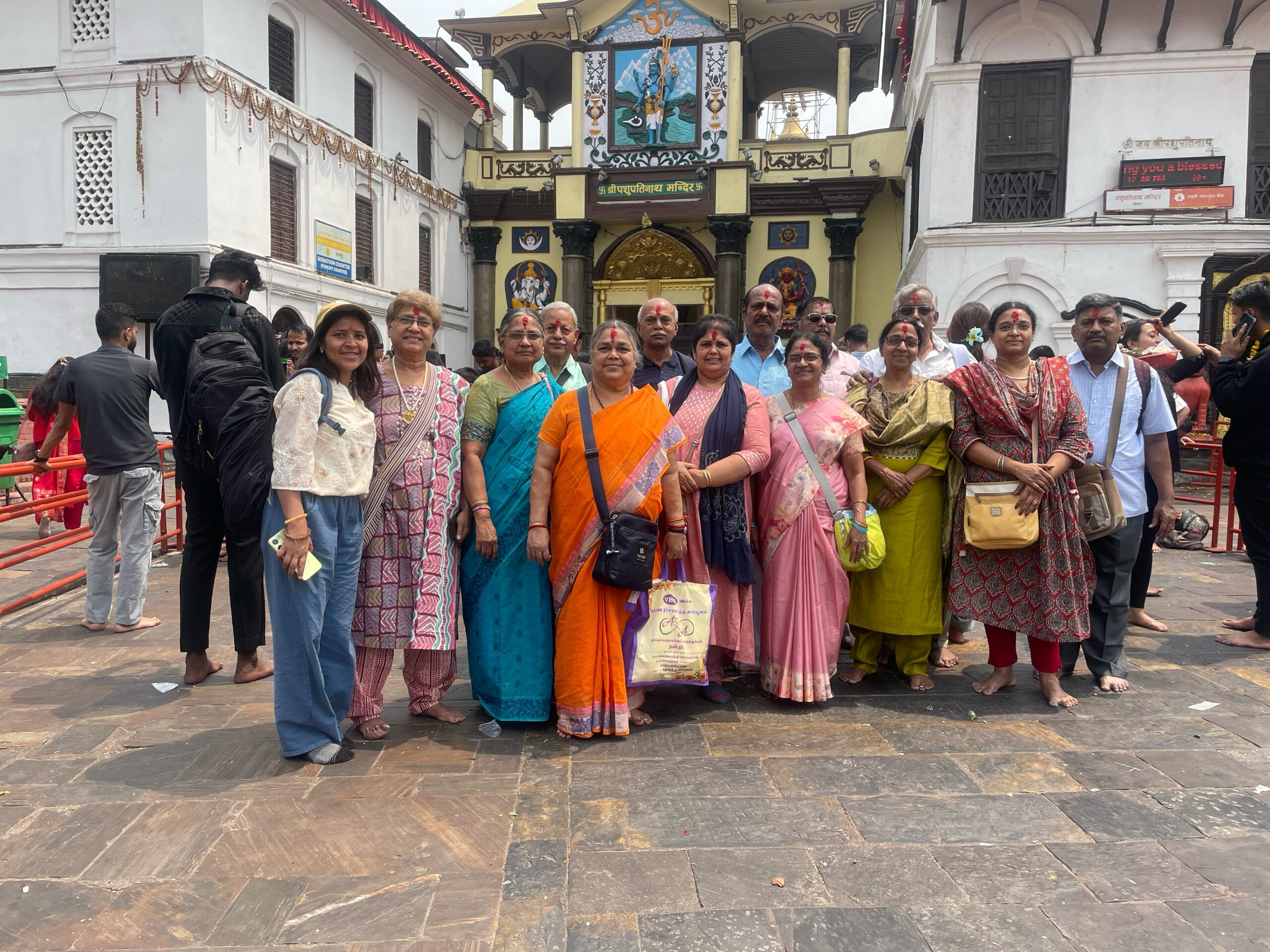
The Pashupatinath Temple in Kathmandu is one of the most sacred Hindu temples in the world, located on the banks of the holy Bagmati River in the eastern part of Kathmandu Valley, Nepal. Dedicated to Lord Shiva (Mahadev), this temple is not only a religious site but also a cultural and spiritual symbol of Nepal.
Every year, thousands of devotees and tourists visit this divine temple to experience its spiritual energy, ancient history, and breathtaking architecture. The temple is also one of the most important pilgrimage destinations for followers of Hinduism, especially devotees of Lord Shiva.
History of Pashupatinath Temple, Kathmandu
The Pashupatinath temple history is deeply connected with Hindu mythology and ancient legends. It is believed that Lord Shiva and Goddess Parvati once visited the Kathmandu Valley and rested beside the Bagmati River during their journey.
Impressed by the natural beauty and peaceful environment, Lord Shiva transformed himself into a deer and wandered in the surrounding forest along with Parvati. Later, when gods and humans could not find him, they searched the forest for a long time. Eventually, they discovered Shiva in deer form and requested him to return to his divine form.
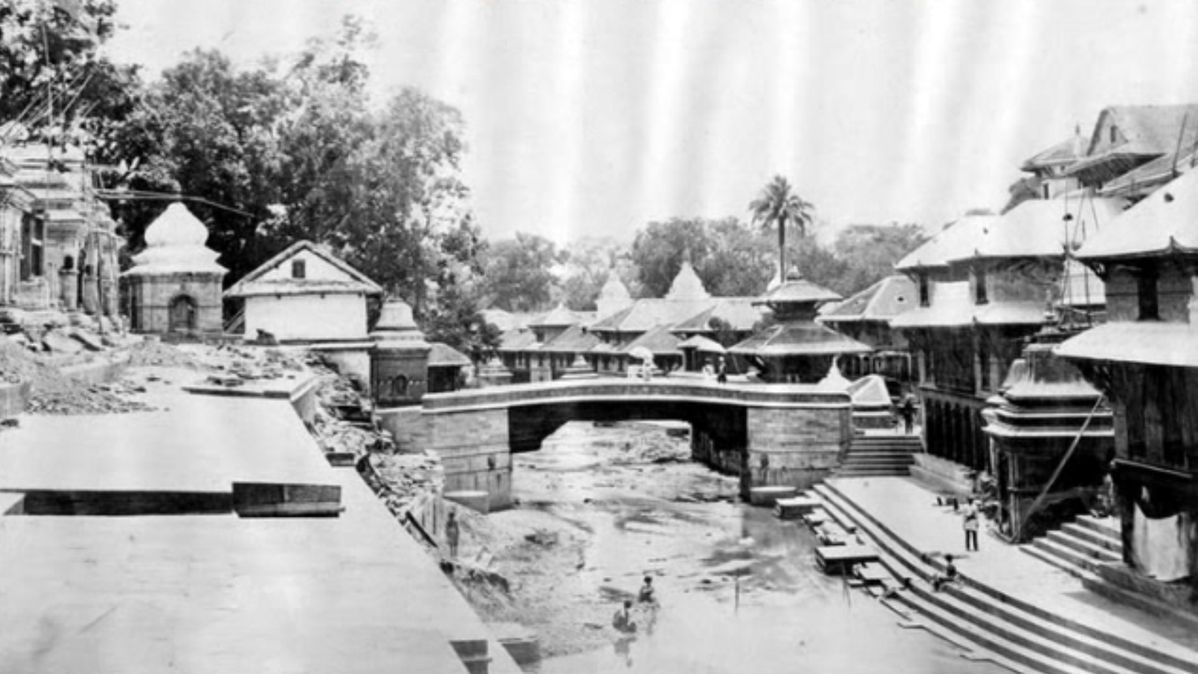
When Shiva transformed back, one of his horns broke and was worshipped as a sacred lingam, which later became the foundation of the Pashupatinath Temple in Kathmandu.
This makes the temple not only historically important but also spiritually powerful, representing the deep connection between humans and divinity.
Religious Importance of Pashupatinath Temple
The Pashupatinath Temple in Kathmandu is dedicated to Lord Shiva and is considered one of the holiest Shiva temples in the world. It is among the four most significant religious sites for Shiva devotees in Asia.
The temple holds extreme spiritual importance for Hindus, especially during life rituals such as cremation and prayers for ancestors along the Bagmati River.
It is believed that visiting this temple brings peace, removes sins, and leads to spiritual liberation (moksha).
Architecture of Pashupatinath Temple
The temple is a masterpiece of traditional Nepali pagoda architecture. The main temple structure is
- Built in a two-tier pagoda style
- Standing approximately 23.6 meters high
- Located on a raised stone plinth
- Decorated with gold-plated roofs and silver doors
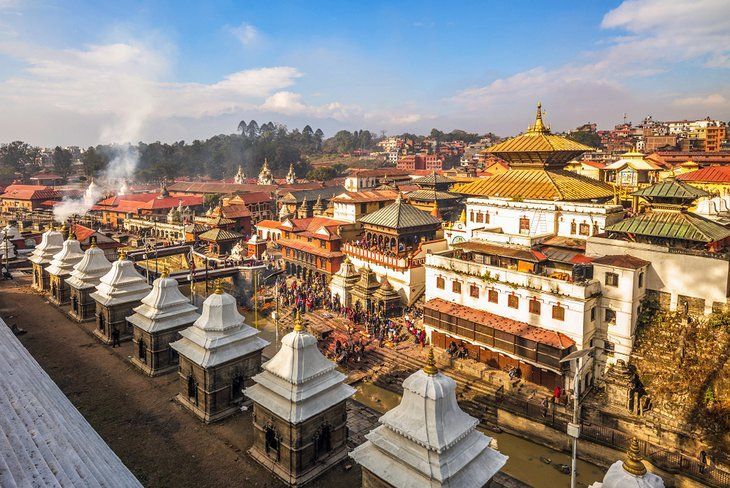
The temple complex is beautifully designed and includes many smaller temples, statues, and shrines. The main temple is surrounded by a large courtyard, making it the central attraction of the Deopatan area.
Other Temples Inside Pashupatinath Complex
The Pashupatinath Temple Kathmandu complex is not just a single temple. It includes many sacred shrines, such as
- Bhuwaneshwori Temple
- Tamreshwor Temple
- Dakshinamurti Shrine
- Panchdewal Temple
- Bishwarupa Temple
- Guheshwori Temple
Each of these temples has its own religious significance and adds to the spiritual richness of the area.
Pashupatinath Temple Timings & Entry Information
If you are planning to visit, understanding Pashupatinath temple timings is very important.
🕒 General Timings:
- Open: 4:00 AM – 9:00 PM (Daily)
- Main darshan time: Early morning and evening
🔱 Special Ritual Timings:
- Morning Aarti: Around sunrise
- Evening Aarti: Around sunset
- Cremation rituals: Available throughout the day along the Bagmati River ghats
⚠️ Note: Non-Hindus are not allowed inside the main temple sanctum but can explore the outer complex and surrounding areas.
Pashupatinath Temple Photos & Visual Beauty
The Pashupatinath temple photos are among the most searched travel visuals from Nepal. The temple offers stunning photography opportunities such as the following:
- Golden temple roof reflecting sunlight
- Bagmati River rituals
- Sadhus (holy men) in meditation
- Evening Aarti ceremonies
- Ancient stone architecture
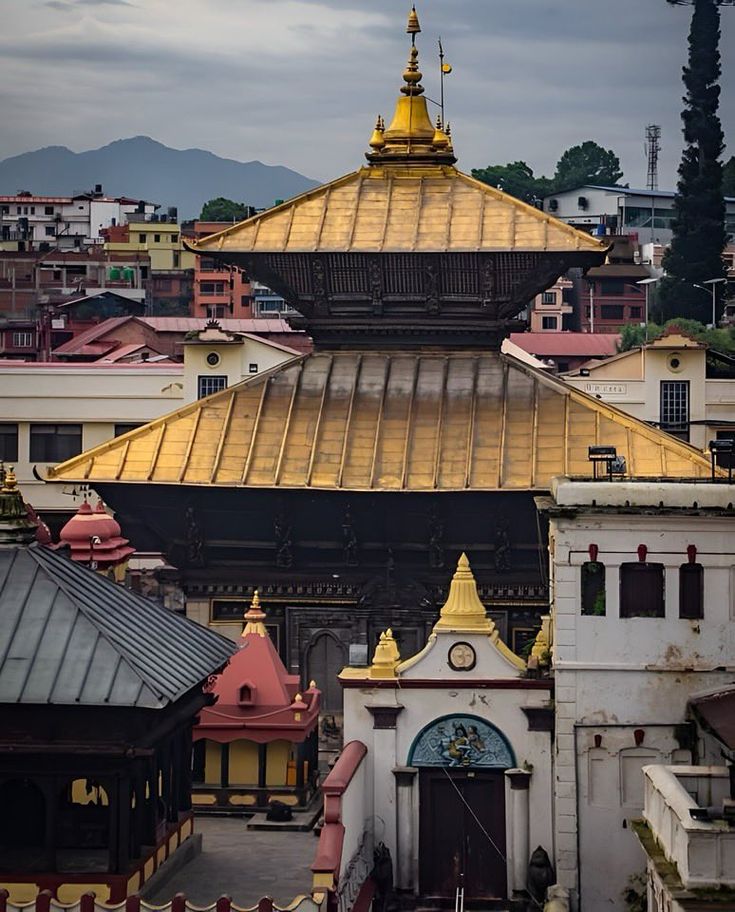
Photographers from around the world visit this site to capture its spiritual and cultural essence.
Festivals Celebrated at Pashupatinath Temple
The most important festival celebrated here is Maha Shivaratri, which is completely dedicated to Lord Shiva.
During this festival:
- Thousands of devotees gather at the temple
- Sadhus from India and Nepal perform rituals
- Night-long prayers and chanting take place
- The entire temple glows with lights and devotion
Other festivals include Teej, Bala Chaturdashi, and Haritalika celebrations.
Cultural and Spiritual Significance
The Pashupatinath Temple in Kathmandu is not just a place of worship but also a cultural heritage site of Nepal. It plays a vital role in:
- Hindu rituals and cremation ceremonies
- Preservation of ancient traditions
- Spiritual learning and meditation
- Promoting religious tourism in Nepal
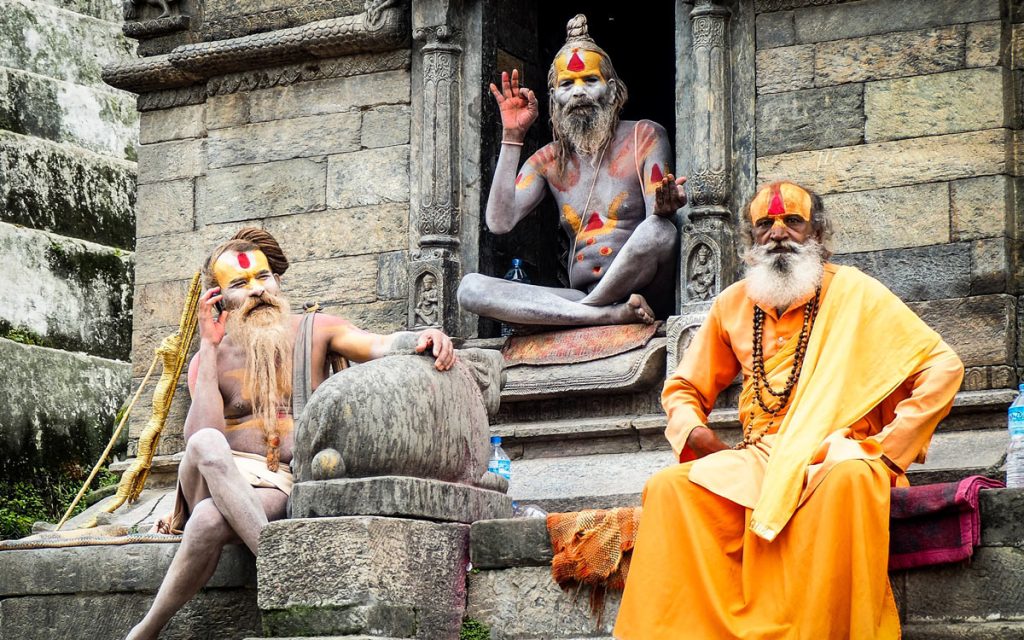
The priests of the temple are called Bhattas, and the chief priest is known as the Mool Bhatt or Raval, who holds the highest religious authority in the temple. Visitors exploring Nepal’s spiritual heritage also visit Boudhanath Stupa and Swayambhunath Temple.
How to Reach Pashupatinath Temple, Kathmandu
The temple is located near Tribhuvan International Airport and is easily accessible from all parts of Kathmandu.
🚖 Travel Options:
- Taxi from Thamel: 15–20 minutes
- Local bus: Available from city center
- Ride apps: Pathao / Indrive
Best Time to Visit Pashupatinath Temple
The best time to visit the Pashupatinath Temple in Kathmandu is
- October to March (pleasant weather)
- Early morning for peaceful darshan
- Evening for Aarti experience
Avoid peak festival rush if you prefer a quiet spiritual experience.
Why Pashupatinath Temple is Important for Nepal’s Tourism
The temple is one of the most enthralling tourist destinations in Nepal. It attracts:
- Pilgrims from India and worldwide
- Cultural researchers and historians
- Photographers and travel bloggers
- Spiritual seekers and yoga practitioners
It significantly contributes to Nepal’s tourism economy and global religious identity.
Conclusion
The Pashupatinath Temple in Kathmandu is not just a temple; it is a living heritage of spirituality, culture, and history. From its ancient legends to its powerful rituals and breathtaking architecture, the temple offers a deeply meaningful experience for every visitor.
Preserving and promoting this sacred site is essential not only for religious significance but also for the growth of Nepal’s tourism industry and cultural heritage.
❓ Frequently Asked Questions (FAQ)
1. Where is this temple located?
It is located on the banks of the Bagmati River in the eastern part of Kathmandu Valley, Nepal. It is one of the most sacred Hindu pilgrimage sites dedicated to Lord Shiva.
2. What are the daily opening hours?
The site is generally open from 4:00 AM to 9:00 PM every day. Early morning and evening hours are considered the most peaceful for visitors.
3. What is the historical background of this place?
According to Hindu mythology, Lord Shiva once visited the Kathmandu Valley and transformed into a deer in a nearby forest. The area later became a sacred place of worship after his divine form was revealed.
4. Why is this place considered important?
It is one of the most significant pilgrimage destinations for Shiva devotees. It is also recognized as a UNESCO World Heritage Site and holds great cultural and spiritual value.
5. Are all visitors allowed inside the main shrine?
No, entry into the main shrine is restricted. However, visitors can explore the surrounding complex and observe rituals performed along the river.
6. When is the best time to visit?
The most suitable time is between October and March when the weather is pleasant. Early morning and evening visits offer a calm and spiritual experience.
7. What major festivals are celebrated here?
The most important festival is dedicated to Lord Shiva and attracts thousands of devotees. Other traditional Hindu festivals are also celebrated with great devotion.
8. Why is the river nearby important?
The river is considered sacred in Hindu belief systems. It is used for religious rituals, prayers, and traditional cremation ceremonies.
9. Can photography be done inside the area?
Photography is allowed in most outer sections, but it is restricted inside the main shrine due to religious customs.
10. How can visitors reach this location from the city?
It is easily accessible from Kathmandu City by taxi, local bus, or ride services. It is located around 15–20 minutes from the central tourist area.

Table of Contents
- Introduction to Pashupatinath Temple, Kathmandu
- History of Pashupatinath Temple, Kathmandu
- Religious Importance of Pashupatinath Temple
- Architecture of Pashupatinath Temple
- Other Temples Inside Pashupatinath Complex
- Pashupatinath Temple Timings & Entry Information
- Pashupatinath Temple Photos & Visual Beauty
- Festivals Celebrated at Pashupatinath Temple
- Cultural and Spiritual Significance
- How to Reach Pashupatinath Temple, Kathmandu
- Best Time to Visit Pashupatinath Temple
- Why Pashupatinath Temple is Important for Nepal's Tourism
- Conclusion
- 1. Where is this temple located?
- 2. What are the daily opening hours?
- 3. What is the historical background of this place?
- 4. Why is this place considered important?
- 5. Are all visitors allowed inside the main shrine?
- 6. When is the best time to visit?
- 7. What major festivals are celebrated here?
- 8. Why is the river nearby important?
- 9. Can photography be done inside the area?
- 10. How can visitors reach this location from the city?

Need Help?
Ask to Travel Expert