
- Mt. Kailash Tour
- Kailash Mansarovar Overland Tour
- Kailash Mansarovar Yatra by Helicopter – Complete Spiritual Journey Guide
- Kailash Yatra via Lucknow
- Kailash Mansarovar Tour via Lhasa
- Kailash Lhasa EBC Tour From Beijing
- Kailash Heli Tour via Kerung: Complete Spiritual Journey Guide
- Kailash Tour via Lhasa In Kerung Out
- Lhasa EBC Kailash Tour
- Kailash Heli Tour
- Kailash Mansarovar Yatra from Nepal 2027: Cost & Itinerary
- Kailash Nandi Kora
- Kailash Tour via Humla Simikot – 20 Days
- Mount Kailash Tour: 7 Amazing Experiences in 2027
- Trekking
-
-
- Everest Region
- Luxury Everest Base Camp Trek: 7 Unforgettable Highlights
- Everest Base Camp Trek 2026: Cost, Route, and Complete Guide
- Everest Three Passes Trek 2027: Cost, Route & Itinerary
- Everest Base Camp Short Trek
- Everest Panorama Trek: Amazing 10-Day Cost & Itinerary
- Everest Base Camp Island Peak Trek: Complete 19-Day Guide
- Gokyo Valley Trekking 2027: Easy Guide to Cost & Itinerary
- Mera Peak Climbing 2027: Complete Cost & Itinerary Guide
- Rolwaling Valley Trek: 23-Day Itinerary, Cost, Permits & Difficulty
- Dolpo Region Trek
- Everest Region
-
- Annapurna Region
- Annapurna Base Camp Trekking
- Annapurna Circuit Trek
- Annapurna Base Camp Trek: 7 Amazing Cost & Route Tips
- Mardi Himal Trek: 7 Amazing Highlights & Complete Guide
- Annapurna Alternative Combine Trek: 18 Amazing Days
- Mohare Dada Trek
- Ghorepani Poon Hill Trek: 7 Unforgettable Highlights
- Khopra Ridge Community Trek: 13-Day Ultimate Adventure
- Damodar Kunda Trek: 10-Day Ultimate Sacred Adventure
- Upper Mustang Trek: 10 Amazing Sights : Ultimate Guide
- Jomsom Muktinath Trek: Amazing 12-Day Ultimate Guide
- Ghale Gaun Trek: 7 Amazing Reasons : Ultimate Guide
- Dhampus Sarangkot Trek: 7 Incredible Experiences
- Dhaulagiri Region
- Annapurna Region
-
-
- Tours
-
-
- Day Tours
- Rickshaw–a three-wheeler Tour
- Pharping Dakshinkali Day Tour: 7 Amazing Highlights
- Historical Tour: 7 Amazing Places to Explore
- Kathmandu Temple Tour: 7 Amazing Spiritual Places
- Nagarkot Tour
- Bhaktapur City Tour: 7 Amazing Places to Explore
- Kathmandu City Tour – Complete Heritage & Cultural Experience in Nepal
- Chandragiri Hill: A Scenic Himalayan Escape Near Kathmandu
- Chitlang Hiking
- Shivapuri to Sundarijal Day Hiking
- Kulekhani Dam Day Tour — Complete Travel Guide
- Day Tours
-
- Package Tours
- Mustang Tour on Jeep
- Nepal Tour Package for Nepali: 12 Amazing Destinations to Explore (2026)
- Muktinath Tour: Complete Guide to Nepal’s Sacred Himalayan Pilgrimage
- 3N,4D Kathmandu Pilgrimage Tour
- Nepal Buddhist Pilgrimage Tour: 7 Sacred Sites Not to Miss
- 6D Nepal Pilgrimage Tour: 7 Amazing Sacred Places
- 7 Nights, 8 Days Nepal Tour
- Districts tour of Nepal
- Janakpur Tour Package: Price, Family Tour & Travel Guide from Kathmandu 2026
- Short Hike in Nepal: 7 Best Easy Treks for Beginners
- Package Tours
-
-
- Outbound
-
- Activities
- Climbing
- Bungee Jumping in Nepal
- Heli Skiing Adventure in the Himalayas
- Canoeing in Nepal
- Mountain Flight in Nepal
- Zip Flyer in Pokhara: The Ultimate Adventure Experience
- Paragliding in Pokhara: 7 Amazing Reasons to Experience Nepal’s Best Adventure
- Kathmandu Cycling Tour: 9 Amazing Adventures
- Rafting
- Rock Climbing
- Company
- Travel Info
- Travel Insurance
- Recommended Medical Kit
- Nepal Visa Information
- Flight delays and cancellation in Nepal
- Electricity in Nepal: Rates, Bill Check, Calculator and NEA Services
- Trekking Equipment Checklist: 40 Essential Items
- Best Kailash season in Tibet
- Best Trekking season in Nepal
- Trekking in Nepal 2027: 15 Best Himalayan Adventures
- Blogs
- Contact


WhatsApp
+977-9851035239

Email Us
[email protected]
Ghale Gaun Trek: 7 Amazing Reasons : Ultimate Guide


Trip Duration
8 Days
Trip Difficulty
Easy
Destination
NepalHighlights of Ghale Gaun Trek: 7 Amazing Reasons : Ultimate Guide
- Experience authentic Gurung culture and traditional hospitality.
- Stay with local families in community-operated homestays.
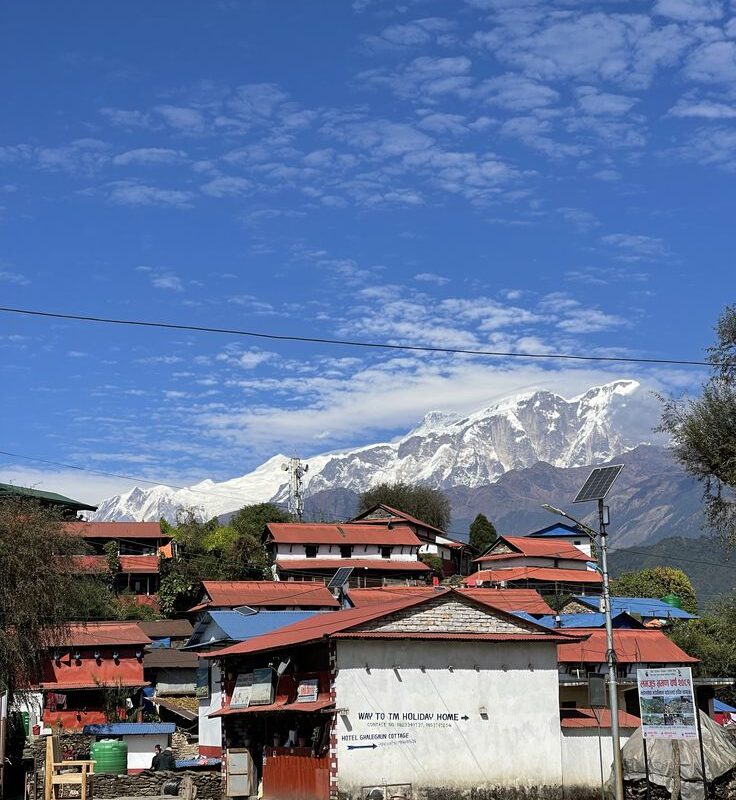
- Enjoy panoramic views of Lamjung Himal, Annapurna, Manaslu, and Machhapuchhre.
- Watch a beautiful Himalayan sunrise from Ghale Gaun.
- Walk through terraced farms, forests, and peaceful rural villages.
- Participate in traditional Gurung cultural performances.
- Taste local meals prepared with seasonal village ingredients.
- Explore nearby destinations such as Ghanpokhara, Bhujung, and Pasgaun.
- Support local households through responsible community tourism.
- Enjoy an easy-to-moderate trek suitable for beginners and families.
Price starts
US$ 200
We offer group discounts
-
2 -
5 person
US$ 250
-
5 -
10 person
US$ 200
-
11 over
9999
US$ 100
Total Cost:
US$

Need Help?
Ask to Travel Expert
Trip Overview of Ghale Gaun Trek: 7 Amazing Reasons : Ultimate Guide
The Ghale Gaun Trek is a refreshing cultural journey through the green hills of Lamjung, offering traditional Gurung hospitality, community homestays, and wide Himalayan views. It is an excellent choice for travellers who want to experience rural Nepal without undertaking a difficult high-altitude expedition.
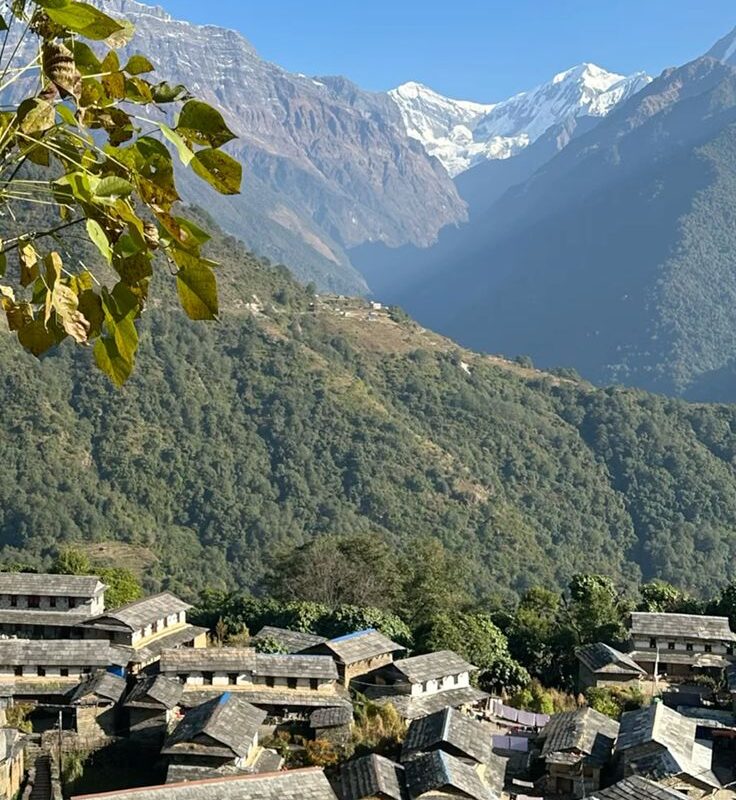
Located northwest of Kathmandu and northeast of Pokhara, Ghale Gaun is known for its stone houses, terraced farms, and locally managed tourism. Guests stay with village families, enjoy traditional food, and learn about Gurung customs in a natural setting below Lamjung Himal.
The Ghale Gaun Trek combines gentle adventure with cultural immersion. Instead of focusing only on reaching a mountain viewpoint, the journey gives travelers time to walk through villages, forests, and farmland while understanding how local communities live.
This complete guide explains the Ghale Gaun Trek itinerary, distance, cost, package options, location, accommodation, difficulty, and best seasons. It also explores seven amazing reasons to include this peaceful community trek in your Nepal travel plan.
What Is the Ghale Gaun Trek?
The Ghale Gaun Trek is a short community-based journey through the middle hills of Lamjung District. Its main destination is Ghale Gaun, a traditional Gurung settlement situated at approximately 2,100 meters above sea level.
The route combines village trails, forest paths, terraced farms, and rural roads. Depending on the chosen Ghale Gaun Trek itinerary, the journey may begin from Besisahar, Khudi, or another nearby road-accessible settlement.
Community homestays are a defining part of the experience. Local families provide rooms, meals, and cultural programs, allowing visitors to participate directly in village life.
Unlike remote high-altitude treks, the Ghale Gaun Trek does not require technical climbing, camping equipment, or several weeks of travel. This makes it particularly suitable for first-time trekkers, families, and travellers with limited time.
Where Is Ghale Gaun Located?
Ghale Gaun is located in Kwholasothar Rural Municipality of Lamjung District in Gandaki Province, Nepal. It lies in the foothills of the Lamjung Himal and forms part of the wider Annapurna–Manaslu mountain landscape.
The Ghale Gaun location is approximately 2,100 meters above sea level. Its elevated position provides open views of surrounding hills, valleys, and Himalayan peaks.
Besisahar, the headquarters of Lamjung District, is the main transportation gateway. Travellers completing the Ghale Gaun Trek from Kathmandu normally reach Besisahar first and then continue by local jeep or on foot.
Ghale Gaun is also accessible from Pokhara through road connections toward Besisahar and Lamjung. Travel times depend on traffic, road conditions, weather, and the selected vehicle.
Seven Amazing Reasons to Choose the Ghale Gaun Trek
Authentic Gurung Culture
The strongest reason to choose the Ghale Gaun Trek is the opportunity to experience Gurung culture in a living village rather than a staged tourist setting.
The Gurung community has a long history in the hills of central Nepal. Traditional clothing, language, music, food, and social customs remain important parts of village identity.
Visitors may watch or participate in local cultural performances arranged by the community. Traditional songs and dances often reflect farming life, seasonal celebrations, and Gurung heritage.
The Ghale Gaun Trek becomes more meaningful when travelers speak with their hosts, ask respectful questions, and take time to understand everyday life.
Community Homestay Experience
Community homestays give the Ghale Gaun Trek a personal character. Instead of staying only in commercial hotels, travelers are welcomed into locally managed homes.
Rooms are usually clean and simple, with beds, blankets, and basic facilities. Meals are prepared using locally available ingredients, and guests often eat with or near the host family.
Homestay income supports households and helps tourism revenue remain within the village. It may contribute to education, home improvement, local employment, and community projects.
The Ghale Gaun Trek package should prioritize registered or community-recognized homestays so visitors receive reliable services while supporting local residents.
Himalayan Mountain Views
Despite its moderate elevation, the Ghale Gaun Trek provides impressive views of the central Nepal Himalayas. On clear days, travellers may see Lamjung Himal, Annapurna II, Annapurna IV, Machhapuchhre, Manaslu, Himalchuli, and surrounding peaks.
Sunrise is usually the best time for mountain visibility. The first light gradually changes the snow-covered summits from pale grey to pink and gold.
Clouds may build later in the day, especially during warmer months. Waking early gives travelers the best opportunity to enjoy and photograph the panorama.
Mountain views are one of the highlights of the Ghale Gaun Trek, but visibility always depends on weather conditions.
Terraced Farms and Rural Landscapes
The trail crosses a productive agricultural landscape shaped by generations of farming. Terraces cover the hillsides around villages and change color according to the season.
Rice, millet, maize, wheat, potatoes, and seasonal vegetables may be grown throughout the region. Travellers may also see livestock, traditional tools, and small irrigation channels.
The Ghale Gaun Trek offers an opportunity to understand how rural households depend on the land. Farming is not merely scenery; it remains central to local food, employment, and culture.
Visitors should avoid walking through planted fields without permission or disturbing crops while taking photographs.
Peaceful Forest Trails
Sections of the Ghale Gaun Trek pass through forests containing rhododendron, oak, and other hill vegetation. These paths provide shade and create a peaceful contrast to the open farmland.
Birdsong, flowing streams, and changing views make the walk enjoyable without requiring extreme physical effort. Wildlife sightings are possible but never guaranteed.
During spring, rhododendron flowers add red and pink colors to the forest. The vegetation becomes especially green during and immediately after the monsoon.
Walking quietly and carrying all waste helps protect the natural environment of the Ghale Gaun Trek.
Traditional Village Architecture
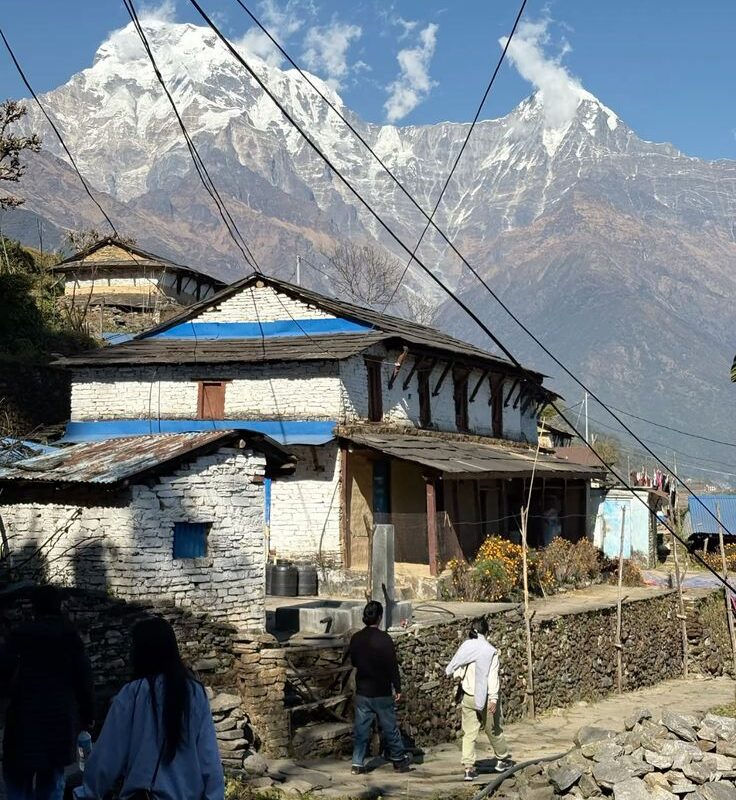
Ghale Gaun contains traditional stone houses arranged along narrow paths and sloping hillsides. Many homes reflect practical adaptations to the mountain environment.
Stone, mud, timber, and slate have historically been used as local building materials. Courtyards provide spaces for drying crops, preparing food, and completing household work.
Modern construction is gradually changing parts of the settlement, but traditional buildings still contribute significantly to the village’s identity.
Photography enthusiasts completing the Ghale Gaun Trek can capture houses, courtyards, and village lanes, but they should always ask permission before photographing private spaces.
Accessible Trekking Experience
The Ghale Gaun Trek provides a genuine walking experience without the risks and preparation required for very high-altitude routes.
The maximum elevation is around 2,100 meters, so the risk of altitude sickness is considerably lower than on treks reaching above 4,000 meters. Walking days can also be adjusted according to the group’s ability.
Road access allows the Ghale Gaun Trek to be shortened or combined with vehicle travel. This flexibility makes it suitable for families, students, senior travellers, and first-time visitors.
Accessibility does not mean the journey requires no effort. Uphill sections, stone steps, and uneven village trails still require reasonable fitness.
Ghale Gaun Trek from Kathmandu
The Ghale Gaun Trek from Kathmandu generally begins with a road journey toward Besisahar. The route follows the Prithvi Highway before turning north through Dumre toward Lamjung.
Travel time from Kathmandu to Besisahar commonly takes around six to eight hours, depending on traffic and road conditions. Public buses, tourist vehicles, and private jeeps may be available.
From Besisahar, travellers can continue toward Khudi or drive closer to Ghale Gaun. The exact transfer point depends on the selected itinerary and current road condition.
A trekking-focused program begins walking from a lower settlement, while a shorter Ghale Gaun Trek package may use a jeep for most of the ascent and include local village walks.
Travellers should keep extra time for road delays during the monsoon, festival periods, or highway construction.
Ghale Gaun Trek from Pokhara
Pokhara provides another convenient starting point for the Ghale Gaun Trek. The city is connected with Lamjung through regional roads and serves as Nepal’s main gateway to the Annapurna region.
A private vehicle or local transport can travel from Pokhara toward Besisahar before continuing to the trailhead or village.
The journey can be combined with sightseeing around Phewa Lake, the World Peace Pagoda, or other Pokhara attractions. This creates a balanced program of city relaxation and rural cultural tourism.
Travellers beginning the Ghale Gaun Trek from Pokhara generally spend less time on the road than those travelling from Kathmandu, although conditions and routes can change.
Ghale Gaun Trek Distance
The Ghale Gaun Trek distance varies because several trailheads and route combinations are available. There is no single official distance for every package.
A short journey beginning near Khudi may involve approximately 20–40 kilometers of walking. Longer routes connecting Besisahar, Ghale Gaun, Ghanpokhara, and surrounding settlements may cover considerably more.
Some extended programs continue through additional villages or toward Begnas Lake, increasing the total Ghale Gaun distance and number of trekking days.
Road construction has also changed how visitors approach the village. Some travellers now drive farther before beginning the walk, while others choose older footpaths for a more complete trekking experience.
Always request a day-by-day distance breakdown when comparing a Ghale Gaun Trek package.
Ghale Gaun Trek Itinerary Overview
A standard Ghale Gaun Trek itinerary usually takes between four and seven days, including transportation from Kathmandu or Pokhara.
The journey commonly begins with travel to Besisahar or Khudi. Trekkers then walk through farmland, forests, and small settlements before reaching Ghale Gaun.
One full day in the village allows enough time to enjoy sunrise, explore the community, observe local farming, and participate in cultural activities.
Longer itineraries may include Ghanpokhara, Bhujung, Pasgaun, or other neighboring settlements. These routes offer a broader cultural experience and additional walking.
The ideal Ghale Gaun Trek itinerary depends on available time, fitness, and whether the traveler prefers more trekking or more cultural exploration.
Ghale Gaun Trek Difficulty
The Ghale Gaun Trek is generally graded easy to moderate. It does not include technical climbing, high mountain passes, or extreme elevations.
The main physical challenges are uphill walking, stone steps, forest trails, and several hours of activity each day. Rain can make the paths muddy and slippery.
The Ghale Gaun Trek is suitable for active beginners with basic preparation. Previous trekking experience is helpful but not essential.
Children, senior travellers, and people with limited hiking experience can choose shorter walking sections and use vehicle support where available.
A comfortable pace is more important than speed. Regular breaks allow travelers to enjoy the landscape without unnecessary exhaustion.
Altitude and Health Considerations
Ghale Gaun is situated at approximately 2,100 meters, while most approaches begin at lower elevations. This gradual climb makes the Ghale Gaun Trek manageable for most healthy travelers.
Serious altitude sickness is unlikely at this elevation, but some visitors may experience mild breathlessness or fatigue during uphill sections.
Hydration, regular meals, and adequate rest remain important. Travellers with heart, lung, knee, or mobility concerns should consult a healthcare professional before beginning the journey.
Sun protection is necessary even at moderate altitudes. Carry sunscreen, sunglasses, and a hat throughout the Ghale Gaun Trek.
Best Time for the Ghale Gaun Trek
The best seasons for the Ghale Gaun Trek are spring and autumn.
Spring Season
Spring runs from March to May. Temperatures are comfortable, forests become colorful, and rhododendrons may bloom along the trail.
Mornings often provide clear mountain views, while clouds can develop during the afternoon.
Autumn Season
Autumn extends from late September through November. After the monsoon, the landscape remains green and the air is often clear.
October and November offer comfortable walking temperatures and reliable Himalayan visibility.
Winter Season
December to February brings cold mornings and nights, but daytime walking can remain pleasant under clear skies.
Snow is uncommon in the village compared with high-altitude routes, although occasional winter weather is possible.
Monsoon Season
June to early September brings rain, humidity, and clouds. Trails may become muddy, and road travel can be affected by landslides.
The countryside becomes exceptionally green, but mountain visibility is less reliable. Travellers planning the Ghale Gaun Trek during the monsoon need rain protection and schedule flexibility.
Accommodation and Homestay Facilities
Accommodation on the Ghale Gaun Trek mainly consists of community homestays and simple guesthouses.
Rooms generally provide beds, mattresses, pillows, and blankets. Bathroom facilities may be shared, and hot water is not guaranteed in every home.
Homestays focus on local hospitality rather than luxury. Guests should expect simple facilities, home-cooked meals, and close interaction with the host family.
Electricity is generally available, but charging and internet access may be limited. Carrying a power bank is useful.
The community may distribute guests among several homes when groups are large. Although room standards can vary, this system allows more households to benefit from the Ghale Gaun Trek.
Food During the Trek
Food is an important part of the Ghale Gaun Trek experience. Homestays generally serve meals prepared from locally available ingredients.
Dal bhat is the most common meal and usually includes rice, lentil soup, vegetables, pickle, and seasonal side dishes. Millet products, potatoes, maize, and homemade bread may also be served.
Depending on the household and season, visitors may be offered traditional Gurung dishes and locally produced drinks. Travellers with dietary restrictions should inform their guide or host in advance.
Menus may be less extensive than those found in tourist hotels. The simplicity and freshness of the food are part of the homestay experience.
Drinking water should be boiled, filtered, or treated before consumption throughout the Ghale Gaun Trek.
Ghale Gaun Trek Cost
The Ghale Gaun Trek cost depends on the number of days, transportation, accommodation, meals, guide services, and group size.
A basic package using public transportation and community homestays costs less than a private journey with dedicated vehicles and upgraded hotels.
Nepali travellers may find short group packages beginning at approximately NPR 15,000–30,000 per person. Longer itineraries with private transportation and additional services can cost more.
International Ghale Gaun Trek packages may range from approximately USD 350 to 800 per person, depending on duration and inclusions.
These figures are general planning estimates rather than fixed prices. Fuel rates, road conditions, season, and group size can affect the final Ghale Gaun Trek price.
Request a detailed quotation before booking.
What Should a Ghale Gaun Trek Package Include?
A well-organized Ghale Gaun Trek package may include road transportation, homestay accommodation, meals, a trekking guide, and cultural activities.
Packages beginning in Kathmandu may also include city hotels, airport transfers, and sightseeing. These services increase the total cost.
Check whether the quoted Ghale Gaun Trek cost includes breakfast, lunch, dinner, drinking water, guide expenses, and local transportation.
Personal expenses, alcoholic drinks, travel insurance, tips, and emergency transportation are commonly excluded.
The cheapest package may not provide the best experience. Compare service quality, safety arrangements, and local community benefits before choosing.
Guide and Permit Requirements
The Ghale Gaun Trek does not enter a restricted region, so foreign travelers do not require a restricted-area permit.
Permit requirements can depend on the exact route and whether it enters a protected area. Travellers should confirm current rules with a registered agency before departure.
A licensed guide may not be compulsory on every village route, but hiring one is recommended. A local guide assists with navigation, translation, and cultural introductions.
Guides also help visitors interact respectfully with homestay families and understand the history of the community.
General information about responsible travel and trekking destinations is available from the Nepal Tourism Board.
Physical Preparation
The Ghale Gaun Trek does not require advanced athletic ability, but basic preparation makes uphill walking more comfortable.
Begin regular exercise three to four weeks before departure. Walking, jogging, cycling, and stair climbing improve cardiovascular fitness.
Practise hiking on hills while carrying a light daypack. Squats, lunges, and step-ups strengthen the muscles used during ascents and descents.
Wear trekking shoes before the trip to reduce the risk of blisters. The Ghale Gaun Trek is short, but uncomfortable footwear can quickly spoil the experience.
Essential Packing List
Useful items for the Ghale Gaun Trek include:
- Comfortable trekking shoes
- Lightweight lodge sandals
- Moisture-wicking shirts
- Comfortable trekking trousers
- Warm fleece or jacket
- Waterproof jacket and trousers
- Sun hat and warm hat
- Sunglasses and sunscreen
- Reusable water bottle
- Water purification method
- Headlamp with spare batteries
- Personal medication
- Basic first-aid supplies
- Power bank and charging cable
- Toiletries and quick-drying towel
- Small backpack with rain cover
- Nepalese cash for personal expenses
- Camera or smartphone
Pack according to the season. Winter requires additional thermal clothing, while monsoon travel requires stronger rain protection.
Avoid carrying unnecessary items. A lighter backpack makes the Ghale Gaun Trek more enjoyable.
Travel Insurance and Safety
Travel insurance is recommended even though the Ghale Gaun Trek remains at moderate altitude.
A suitable policy should cover medical treatment, accidents, trip interruption, and emergency transportation. International travelers should read exclusions carefully before purchasing coverage.
Stay on established trails and avoid walking alone after dark. Stone paths can become slippery after rain, so trekking poles may be helpful.
Carry a charged phone, but do not rely entirely on mobile coverage. Inform your guide or host before leaving the village for an independent walk.
Safe behavior and basic preparation make the Ghale Gaun Trek suitable for a wide range of travelers.
Responsible Community Tourism
Responsible tourism is essential because local culture and hospitality form the foundation of the Ghale Gaun Trek.
Stay in community-operated homestays and purchase locally produced food or handicrafts whenever possible. This keeps a greater share of tourism income within the village.
Ask permission before photographing people, homes, ceremonies, or private spaces. Dress respectfully and avoid disruptive behavior.
Use water and electricity carefully. Do not leave plastic bottles, food wrappers, or hygiene products along the trail.
According to UN Tourism, sustainable tourism should consider its economic, social, and environmental effects. These principles are especially relevant to community-based journeys such as the Ghale Gaun Trek.
Who Should Choose the Ghale Gaun Trek?
The Ghale Gaun Trek is ideal for first-time trekkers, families, students, cultural travellers, and photographers.
It is also suitable for visitors who want to experience the Nepalese countryside but do not have enough time for a long Himalayan expedition.
Senior travellers and younger participants can choose shorter walking stages and use vehicle support when required.
The journey may not satisfy travellers seeking very high-altitude adventure, glacier crossings, or technical challenges. Its value comes from village life, hospitality, and moderate hill walking.
Anyone interested in culture and community tourism can find the Ghale Gaun Trek deeply rewarding.
What Makes Ghale Gaun Special?
Ghale Gaun offers more than mountain views. Its greatest strength is the way local culture, agriculture, and tourism exist within the same living community.
Visitors do not simply observe the village from outside. Through the homestay system, they eat local food, meet families, and experience everyday routines.
The surrounding hills provide quiet walking trails and wide Himalayan views without the physical demands of high-altitude trekking.
This balance of accessibility, culture, and scenery gives the Ghale Gaun Trek a distinctive place among Nepal’s short journeys.
Conclusion
The Ghale Gaun Trek is a rewarding introduction to rural Nepal, Gurung culture, and community-based tourism. Its peaceful trails and traditional homestays create an experience that feels personal and authentic.
The journey is accessible to beginners but still includes enough uphill walking to feel adventurous. Himalayan views, terraced farms, forests, and cultural performances provide variety throughout the trip.
A carefully planned Ghale Gaun Trek itinerary can be completed within four to seven days. Travellers can also adjust the route using road transportation or extend it through neighbouring villages.
Costs remain moderate compared with longer Himalayan expeditions, while local homestays help tourism income benefit the community directly.
For travellers seeking meaningful cultural interaction, beautiful landscapes, and warm village hospitality, the Ghale Gaun Trek is an excellent choice.
Detail Itinerary of Ghale Gaun Trek: 7 Amazing Reasons : Ultimate Guide
Day 01: Arrival in Kathmandu
You will begin your journey to the Himalayas by taking a flight to Kathmandu. Upon arrival, our representatives will meet you at the Tribhuwan International Airport and accompany you to the hotel for check-in. You can take a break and rest at the hotel, where you will stay overnight.
Day 02: Sightseeing of Kathmandu and Bhaktapur city
Enjoy a guided tour of Kathmandu’s UNESCO World Heritage Sites, including Kathmandu Durbar Square, Pashupatinath Temple, Boudhanath Stupa, and Swayambhunath. Explore their ancient palaces, sacred monuments, and rich cultural heritage. Overnight at the hotel.
Day 03: Drive to Khudi. 8 hours
After breakfast, we will drive to Khudi, which is the starting point of our trek. The drive can take up to 8 hours. We will stay overnight at a hotel.
Day 04: Khudi to Ghalegaun. 6 hours
After breakfast, we will begin our trekking journey, starting from today. We will pass through lush green forests and rivers while enjoying the stunning view of mountains. When we arrive at Ghalegaon, we will be greeted by the hosts with a traditional welcome drink. We will spend the night in Ghalegaun.
Day 05: Ghalegaun tour
Today we will explore Ghalegaun village, which is a Gurung village with unique ethnic culture and traditions. During the tour, you will get a chance to interact with the locals. The hike in Ghalegaun will also offer breathtaking views of the Himalayas. We will spend the night in Ghalegaun.
Day 06: Ghalegaun to Khudi or Besisahar
Today, we will trek back to Khudi following the same route that we came from. If we have enough time, we may also return to Besisahar. We will stay overnight at a hotel.
Day 07: Besisahar to Kathmandu
Today, we will take a bus from Besisahar to Kathmandu, which may take up to 8 hours. Once we arrive in Kathmandu, you will have some time for souvenir shopping and a farewell dinner to celebrate the completion of the trekking. We will spend the night in a hotel.
Day 08: Transfer to the airport for the final departure
Our company representative will take you to the airport approximately 2 hours before your scheduled flight. We hope you had a wonderful time in Nepal and enjoyed the trekking experience. We wish you safe travels back home and hope to see you again in the Himalayas in the future.

- Walking times, distances, and elevations are approximate.
- The itinerary may change due to weather or road or trail conditions.
- Mountain views depend on weather and visibility.
- Transportation times may vary depending on traffic and road conditions.
- Accommodation includes hotels, homestays, and simple guesthouses.
- Cultural activities depend on local availability and community schedules.
- The route may be adjusted according to participants’ fitness and interests.
- Carry suitable clothing, comfortable trekking shoes, and rain protection.
- Follow your guide’s instructions throughout the journey.
Includes and Excludes
What is included?
- Airport pickups and drops in a private vehicle
- Hotel accommodation in Kathmandu with bed and breakfast
- All meals (breakfast, lunch, and dinner) during the trek
- Welcome and farewell dinners
- All ground transportation on a comfortable private vehicle as per the itinerary
- An experienced, English-speaking, and government-licensed holder of Guide and Porter service (2 trekkers: 1 porter)
- Staff costs, including their salary, insurance, equipment, domestic airfare, food, and accommodation
- Down jacket
- All necessary paperwork and trekking permits (National Park Permit, TIMS)
- Medical kit (carried by your trek leader)
- All government and local taxes
What is excluded?
- Nepalese visa fee
- Excess baggage charge(s)
- Extra night accommodation in Kathmandu because of early arrival and late departure
- Emergency expenses like rescues and emergency medical treatment.
- Personal insurance charges.
- International flights
- Travel and rescue insurance
- Personal expenses (phone calls, laundry, bar bills, battery recharge, extra porter, bottle or boiled water, shower, etc.)
- Tips for guide(s), porter(s), and driver(s)
Trip Information
| Trip Details | Information |
|---|---|
| Destination | Ghale Gaun, Lamjung |
| Province | Gandaki Province, Nepal |
| Trek Duration | Approximately 4–7 days |
| Maximum Altitude | Approximately 2,100 meters |
| Trek Difficulty | Easy to Moderate |
| Best Seasons | March–May and September–November |
| Starting Point | Besisahar or Khudi |
| Ending Point | Besisahar or another nearby roadhead |
| Accommodation | Community homestays and simple guesthouses |
| Meals | Local Gurung, Nepali, and basic trekking meals |
| Transportation | Public bus, private jeep, and trekking |
| Trek Type | Cultural, homestay, and community trek |
| Guide Requirement | Optional but recommended |
| Restricted Permit | Not required for the standard route |
| Major Attractions | Gurung culture, homestays, terraced farms, and sunrise |
| Mountain Views | Lamjung Himal, Annapurna, Manaslu, and Machhapuchhre |
| Suitable For | Beginners, families, students, and cultural travellers |
Frequently Asked Questions
Where is Ghale Gaun located?
Ghale Gaun is located in Kwholasothar Rural Municipality of Lamjung District in Gandaki Province, Nepal.
How long does the Ghale Gaun Trek take?
The trek generally takes four to seven days, depending on the selected route and transportation plan.
How difficult is the Ghale Gaun Trek?
The trek is easy to moderate and is suitable for beginners with basic physical fitness.
What is the maximum altitude of the trek?
Ghale Gaun is situated at approximately 2,100 meters above sea level.
What is the Ghale Gaun Trek distance?
The short route may cover approximately 20–40 kilometers. Longer routes connecting nearby villages can cover more distance.
When is the best time for the Ghale Gaun Trek?
The best seasons are spring from March to May and autumn from September to November.
How can I reach Ghale Gaun from Kathmandu?
Travel from Kathmandu to Besisahar by bus or private vehicle, then continue toward Khudi or Ghale Gaun by local jeep or on foot.
What accommodation is available?
Community homestays and simple guesthouses provide basic rooms, meals, and local hospitality.
How much does the Ghale Gaun Trek cost?
The cost depends on duration, transportation, accommodation, and group size. Short packages for Nepali travellers may cost approximately NPR 15,000–30,000 per person.
Is a trekking permit required?
A restricted-area permit is not required for the standard route. Other permit requirements depend on the selected trail.
Is a guide required?
A guide may not be compulsory, but hiring a local guide is recommended for navigation, cultural information, and communication.
Is the trek suitable for children and senior travellers?
Yes. Shorter walking stages and vehicle support make the journey suitable for families and senior travellers with reasonable mobility.
What mountains can be seen from Ghale Gaun?
On clear days, visitors may see Lamjung Himal, Annapurna II, Annapurna IV, Machhapuchhre, Manaslu, and Himalchuli.
What food is available during the trek?
Homestays normally serve dal bhat, seasonal vegetables, millet dishes, potatoes, homemade bread, and traditional Gurung food.
Can the Ghale Gaun Trek be completed during the monsoon?
Yes, but rain may make trails slippery and affect road travel. Carry proper rain protection and maintain a flexible schedule.
Trip Reviews
Price starts
US$ 200
Need Help?
Ask to Travel Expert