
- Mt. Kailash Tour
- Kailash Mansarovar Overland Tour
- Kailash Mansarovar Yatra by Helicopter – Complete Spiritual Journey Guide
- Kailash Yatra via Lucknow
- Kailash Mansarovar Tour via Lhasa
- Kailash Lhasa EBC Tour From Beijing
- Kailash Heli Tour via Kerung: Complete Spiritual Journey Guide
- Kailash Tour via Lhasa In Kerung Out
- Lhasa EBC Kailash Tour
- Kailash Heli Tour
- Kailash Mansarovar Yatra from Nepal 2027: Cost & Itinerary
- Kailash Nandi Kora
- Kailash Tour via Humla Simikot – 20 Days
- Mount Kailash Tour: 7 Amazing Experiences in 2027
- Trekking
-
-
- Everest Region
- Luxury Everest Base Camp Trek: 7 Unforgettable Highlights
- Everest Base Camp Trek 2026: Cost, Route, and Complete Guide
- Everest Three Passes Trek 2027: Cost, Route & Itinerary
- Everest Base Camp Short Trek
- Everest Panorama Trek: Amazing 10-Day Cost & Itinerary
- Everest Base Camp Island Peak Trek: Complete 19-Day Guide
- Gokyo Valley Trekking 2027: Easy Guide to Cost & Itinerary
- Mera Peak Climbing 2027: Complete Cost & Itinerary Guide
- Rolwaling Valley Trek: 23-Day Itinerary, Cost, Permits & Difficulty
- Dolpo Region Trek
- Everest Region
-
- Annapurna Region
- Annapurna Base Camp Trekking
- Annapurna Circuit Trek
- Annapurna Base Camp Trek: 7 Amazing Cost & Route Tips
- Mardi Himal Trek: 7 Amazing Highlights & Complete Guide
- Annapurna Alternative Combine Trek: 18 Amazing Days
- Mohare Dada Trek
- Ghorepani Poon Hill Trek: 7 Unforgettable Highlights
- Khopra Ridge Community Trek: 13-Day Ultimate Adventure
- Damodar Kunda Trek: 10-Day Ultimate Sacred Adventure
- Upper Mustang Trek: 10 Amazing Sights : Ultimate Guide
- Jomsom Muktinath Trek: Amazing 12-Day Ultimate Guide
- Ghale Gaun Trek: 7 Amazing Reasons : Ultimate Guide
- Dhampus Sarangkot Trek: 7 Incredible Experiences
- Dhaulagiri Region
- Annapurna Region
-
-
- Tours
-
-
- Day Tours
- Rickshaw–a three-wheeler Tour
- Pharping Dakshinkali Day Tour: 7 Amazing Highlights
- Historical Tour: 7 Amazing Places to Explore
- Kathmandu Temple Tour: 7 Amazing Spiritual Places
- Nagarkot Tour
- Bhaktapur City Tour: 7 Amazing Places to Explore
- Kathmandu City Tour – Complete Heritage & Cultural Experience in Nepal
- Chandragiri Hill: A Scenic Himalayan Escape Near Kathmandu
- Chitlang Hiking
- Shivapuri to Sundarijal Day Hiking
- Kulekhani Dam Day Tour — Complete Travel Guide
- Day Tours
-
- Package Tours
- Mustang Tour on Jeep
- Nepal Tour Package for Nepali: 12 Amazing Destinations to Explore (2026)
- Muktinath Tour: Complete Guide to Nepal’s Sacred Himalayan Pilgrimage
- 3N,4D Kathmandu Pilgrimage Tour
- Nepal Buddhist Pilgrimage Tour: 7 Sacred Sites Not to Miss
- 6D Nepal Pilgrimage Tour: 7 Amazing Sacred Places
- 7 Nights, 8 Days Nepal Tour
- Districts tour of Nepal
- Janakpur Tour Package: Price, Family Tour & Travel Guide from Kathmandu 2026
- Short Hike in Nepal: 7 Best Easy Treks for Beginners
- Package Tours
-
-
- Outbound
-
- Activities
- Climbing
- Bungee Jumping in Nepal
- Heli Skiing Adventure in the Himalayas
- Canoeing in Nepal
- Mountain Flight in Nepal
- Zip Flyer in Pokhara: The Ultimate Adventure Experience
- Paragliding in Pokhara: 7 Amazing Reasons to Experience Nepal’s Best Adventure
- Kathmandu Cycling Tour: 9 Amazing Adventures
- Rafting
- Rock Climbing
- Company
- Travel Info
- Travel Insurance
- Recommended Medical Kit
- Nepal Visa Information
- Flight delays and cancellation in Nepal
- Electricity in Nepal: Rates, Bill Check, Calculator and NEA Services
- Trekking Equipment Checklist: 40 Essential Items
- Best Kailash season in Tibet
- Best Trekking season in Nepal
- Trekking in Nepal 2027: 15 Best Himalayan Adventures
- Blogs
- Contact


WhatsApp
+977-9851035239

Email Us
[email protected]
Upper Dolpo Trek: 12 Unforgettable Himalayan Wonders


Trip Duration
25 Days
Trip Difficulty
Easy
Max. Altitude
5,350m. / 17,552ft.
Activity
Trekking, Hiking & Sightseeing
Destination
Nepal
Group Size
2-15 Pax
Accommodation
3-4 star hotel in kathmandu, Normal hotel in TrekkingHighlights of Upper Dolpo Trek: 12 Unforgettable Himalayan Wonders
- Admire the magnificent turquoise water of Shey Phoksundo Lake.
- Explore Ringmo village and experience its traditional Bon culture.
- Visit the ancient Shey Gompa beneath sacred Crystal Mountain.
- Cross the challenging Kang La Pass at approximately 5,300 meters.
- Discover centuries-old monasteries, chortens, and manor walls.
- Explore Saldang, one of the largest traditional settlements in Upper Dolpo.
- Experience the distinctive Bon and Tibetan Buddhist culture of Dho Tarap.
- Walk through dramatic valleys, rocky canyons, and high-altitude deserts.
- Follow sections of the historic salt-trading route between Nepal and Tibet.
- Observe blue sheep, Himalayan tahr, and other rare Himalayan wildlife.
- Enjoy remarkable views of the Kanjiroba Himal and surrounding mountains.
- Experience genuine Himalayan solitude in one of Nepal’s most remote regions.
Price starts
US$ 2200
We offer group discounts
-
2 -
4 person
US$ 2500
-
5 -
10 person
US$ 2200
-
11 over
9999
US$ 1850
Total Cost:
US$

Need Help?
Ask to Travel Expert
Trip Overview of Upper Dolpo Trek: 12 Unforgettable Himalayan Wonders
The Upper Dolpo Trek is a rare journey into one of Nepal’s most isolated Himalayan regions. Beyond the familiar trails of Everest and Annapurna, Upper Dolpo combines high-altitude desert, turquoise lakes, ancient monasteries, traditional villages, and dramatic mountain passes. Its remoteness makes every stage feel like a genuine expedition.
The journey also reveals living Bon and Tibetan Buddhist traditions. Prayer walls, chortens, cave monasteries, yak pastures, and former salt-trading settlements form a cultural landscape shaped by geography and faith. The usual approach flies from Kathmandu through Nepalgunj to Juphal before continuing towards Phoksundo Lake, Shey Gompa, Crystal Mountain, Saldang, and Dho Tarap.
Because the Upper Dolpo Trek enters a restricted area, travellers need special permits, an authorised agency, a licensed guide, dependable logistics, and sufficient acclimatisation. This guide covers the route, distance, difficulty, permits, price, seasons, and preparation. The detailed day-by-day itinerary remains a separate part.
About the Upper Dolpo Region
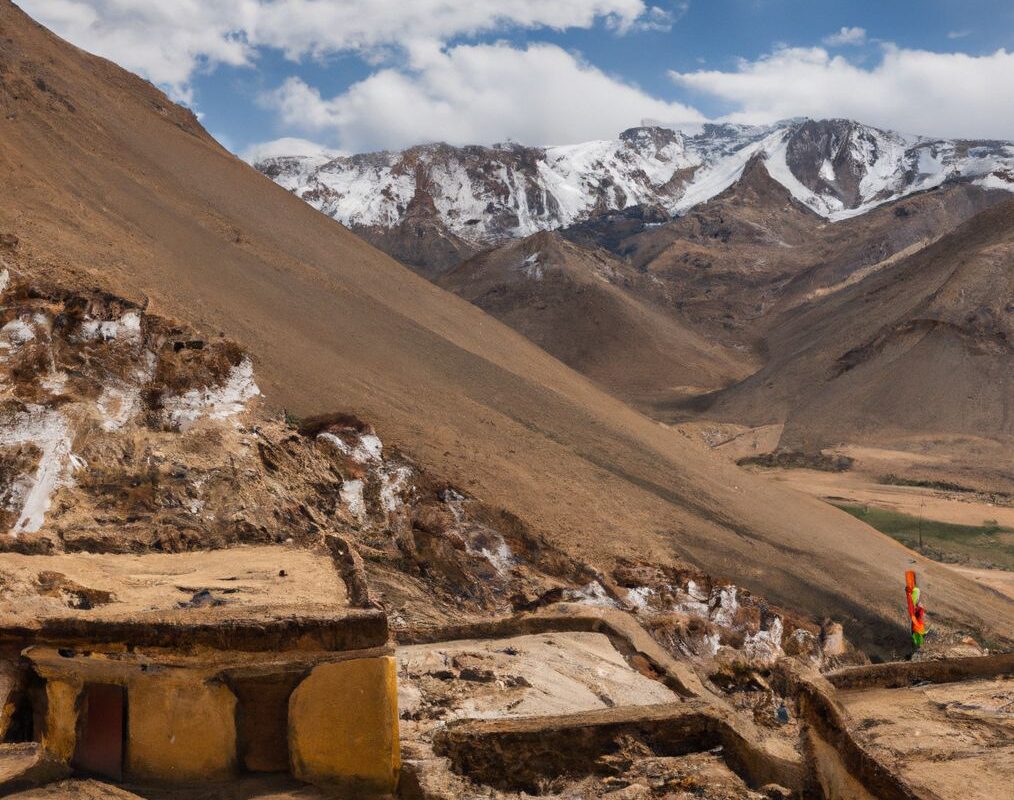
Upper Dolpo lies in northwestern Nepal near the Tibetan Plateau. Much of it falls within Shey-Phoksundo National Park, where forested river valleys rise towards dry plateaus and high passes. The Upper Dolpo Trek passes through communities where Tibetan-influenced languages, architecture, and religious traditions remain part of daily life.
Villages are separated by long walking distances, roads do not reach the main trekking areas, and communication is unreliable. These conditions make an experienced team essential for safety, comfort, and responsible travel.
Upper Dolpo Trek Trip Information
- Region: Dolpa District, northwestern Nepal
- Start: Juphal via Kathmandu and Nepalgunj
- End: Juphal or Jomsom, depending on the circuit
- Duration: approximately 22 to 28 days
- Distance: commonly 200 to 280 kilometers
- Maximum altitude: approximately 5,300 to 5,360 meters
- Grade: strenuous to expedition level
- Accommodation: camping with selected lodges or homestays
- Best seasons: May–June and September–October
- Main permits: restricted-area, national park, and route-specific documents
- Highlights: Phoksundo Lake, Shey Gompa, Crystal Mountain, Saldang, and Dho Tarap
These details represent a classic Upper Dolpo trek. Actual distance, elevation, and overnight stops depend on the chosen route, weather, and acclimatization plan.
12 Unforgettable Upper Dolpo Trek Highlights
Phoksundo Lake
Phoksundo Lake presents brilliant turquoise water beneath steep cliffs and arid slopes. At approximately 3,611 meters, it also provides a valuable acclimatisation stage.
Ringmo Village
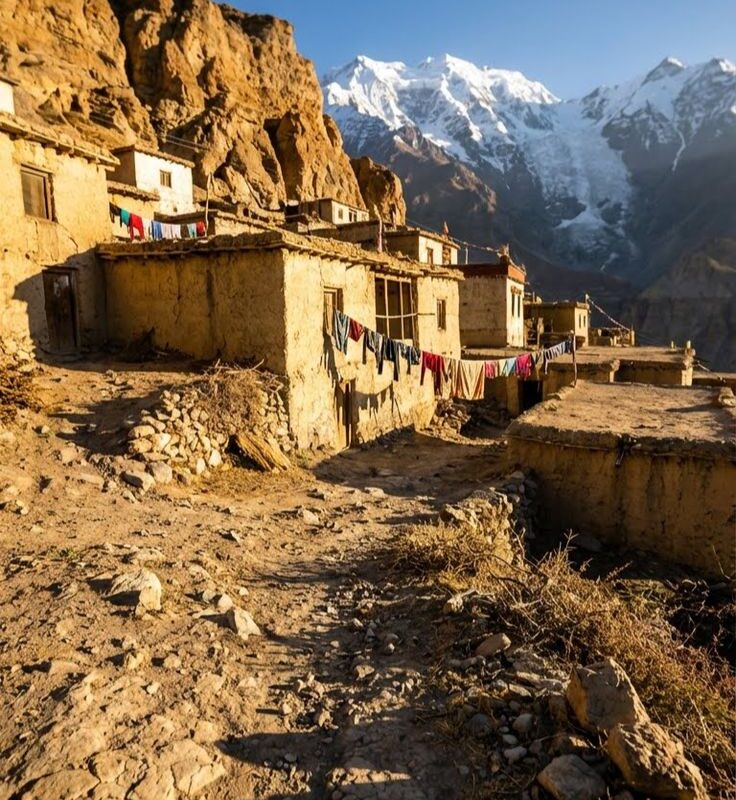
Ringmo’s stone houses, prayer flags, fields, and Bon heritage introduce trekkers to Dolpo’s distinctive identity. Respectful interaction makes the visit especially meaningful.
Shey Gompa
Shey Gompa is a spiritual center beneath Crystal Mountain. Reaching the monastery after a demanding pass makes arrival physically rewarding and culturally memorable.
Crystal Mountain
Sacred Crystal Mountain gives the region an atmosphere unlike an ordinary viewpoint. Visitors should follow local guidance near religious sites and pilgrimage paths.
Kang La Pass
Kang La, or Nangdala, rises to roughly 5,300–5,360 meters and is often the Upper Dolpo Trek’s highest point. The demanding climb rewards trekkers with immense valley views.
Saldang Village
Saldang’s whitewashed homes, fields, and monasteries stand against the dry Nankhang Valley. The settlement shows that Upper Dolpo is a living homeland, not empty wilderness.
Dho Tarap Valley
Dho Tarap is a broad high-altitude valley shaped by Bon and Tibetan Buddhist traditions. It forms an important cultural and logistical stage on many circuits.
Ancient Monasteries
Monasteries, chortens, mani walls, and meditation sites appear throughout the route. Ask permission before entering sacred buildings, photographing ceremonies, or touching religious objects.
Trans-Himalayan Landscapes
Dry valleys, sculpted cliffs, and open plateaus reflect Upper Dolpo’s trans-Himalayan position. The rapidly changing terrain gives the Upper Dolpo Trek exceptional photographic variety.
Traditional Salt-Trading Routes
Historic paths once carried salt, grain, and wool between isolated communities. Walking sections of these routes reveals how trade connected the Himalayan valleys.
Rare Himalayan Wildlife
Shey-Phoksundo National Park protects blue sheep, Himalayan tahr, musk deer, and snow leopard. Sightings are never guaranteed, but tracks and birdlife can enrich the journey.
True Himalayan Solitude
The Upper Dolpo Trek receives far fewer visitors than Nepal’s popular routes. Long, quiet days create space for reflection and a deeper connection with the landscape.
Upper Dolpo Trek Map and Route
A useful Upper Dolpo Trek Map should identify restricted boundaries, high passes, rivers, camps, and emergency exits. Carry printed and offline copies because mobile coverage is limited.
The classic route follows Kathmandu–Nepalgunj–Juphal and continues through Dunai, Chhepka, Ringmo, Phoksundo Lake, Kang La, Shey Gompa, Namgung, Saldang, Jeng La, and Dho Tarap before descending towards Juphal.
Some versions continue through Chharka Bhot and Sangda to Jomsom. This longer expedition may need additional permits, so the Upper Dolpo Trek Map must match the booked route.
Never depend on a map alone. Snow, landslides, damaged bridges, and seasonal rivers can alter the trail. The guide should explain alternative camps, evacuation points, and communication procedures.
Upper Dolpo Trek Distance and Duration
There is no universal Upper Dolpo Trek distance because several circuits share the name. A shorter Phoksundo–Shey route covers less ground than a circuit through Saldang and Dho Tarap or an exit to Jomsom. Many full routes fall within approximately 200–280 kilometers.
Distance alone does not measure difficulty. Ten kilometers across a high pass can take longer than a greater distance in a lower valley. Most days involve five to eight hours of walking, with longer pass crossings.
A complete Upper Dolpo Trek commonly requires three to four weeks. Keep buffer days because Juphal flights depend on visibility and weather.
Upper Dolpo Trek Itinerary Planning
The detailed Upper Dolpo Trek itinerary should be presented separately from this overview. A responsible plan must allow gradual altitude gain, exploration at Phoksundo Lake, acclimatisation before Kang La, and sufficient recovery after demanding passes. It should also include realistic flight buffers.
Before booking, compare the Upper Dolpo Trek itinerary with the permit dates and restricted-zone entry points. A rushed plan may increase altitude risk and create additional permit charges if delays extend the stay. The final Upper Dolpo Trek itinerary should remain flexible because the guide may adjust camps for safety.
Upper Dolpo Trek Difficulty and Altitude
The Upper Dolpo Trek is strenuous and best suited to experienced hikers. Challenges include consecutive walking days, passes above 5,000 metres, cold camps, rough trails, and limited medical access.
Phoksundo Lake is above 3,600 metres, Shey Gompa is around 4,300 metres, and several passes exceed 5,000 metres. Safe travel requires gradual ascent, rest days, and conservative pacing.
Prepare several months ahead through walking, running, cycling, or stair climbing. Strengthen the legs, core, and back, then practice consecutive hikes with a loaded daypack. Fitness cannot prevent altitude sickness, but it reduces fatigue.
Report headaches, nausea, unusual breathlessness, confusion, or poor coordination immediately. Never hide symptoms to protect the schedule; the correct response may be rest, assessment, or descent.
Best Time for the Upper Dolpo Trek
May–June and September–October are generally the most reliable periods for the Upper Dolpo Trek. Late spring offers longer daylight and improving temperatures, although snow may remain on high passes.
September and October often bring stable weather and clear views. Nights become colder as autumn progresses, and early snow can affect exposed passes.
Dolpo lies partly in a rain shadow, making some summer departures possible. However, clouds, rain, and landslides can disrupt access. Winter brings intense cold and blocked passes.
The Nepal Tourism Board’s park information identifies spring and autumn as the principal periods. Combine seasonal guidance with a current local trail assessment.
Upper Dolpo Trek Permit Requirements
An Upper Dolpo Trek Permit is compulsory for foreign travellers entering the restricted zone. According to the current Department of Immigration permit schedule, the fee is USD 500 per person for the first ten days and USD 50 per person for each additional day inside Upper Dolpo. Regulations and fees can change, so confirm them before publishing a price or accepting a booking.
The Upper Dolpo Trek Permit cannot be arranged as an independent walk-in permit. The Department of Immigration states that restricted-area permits are issued through an authorized Nepali trekking agency. Its restricted trekking guidance also explains the controlled nature of these routes.
Solo trekking is not allowed in restricted areas. Travellers must carry their passport and permit and remain on the route specified in their documents. Your agency should confirm current group rules, guide requirements, and the documents needed for the Upper Dolpo Trek Permit.
The journey also enters Shey-Phoksundo National Park. The current official park entry fee schedule lists NPR 3,000 for foreign visitors, NPR 1,500 for SAARC nationals, and NPR 100 for Nepali visitors. Access and exit through Lower Dolpo may require a separate restricted-area permit, depending on the exact route and permit boundaries.
The Nepal Tourism Board lists the Upper Dolpo Trek among routes requiring a licensed guide and an agency-issued TIMS card. Review the current TIMS and trekking guide requirements with the operator because documentation must match the final route.
Upper Dolpo Trek Price
The Upper Dolpo Trek price is higher than a normal teahouse trek because the journey requires restricted-area permits, domestic flights, trained staff, camping equipment, and food transportation. A large portion of the budget supports the crew and logistics needed to operate safely far from roads.
There is no universal Upper Dolpo Trek price. The quotation changes with group size, number of restricted-zone days, route length, service level, and whether the trek returns to Juphal or exits through Jomsom. Private departures usually cost more per person, while a well-matched group can share guide, cook, porter, and equipment expenses.
When comparing the Upper Dolpo Trek price, request an itemized quotation covering permits, Kathmandu and Nepalgunj hotels, domestic flights, airport transfers, camping equipment, meals, staff wages, insurance, transport, and taxes. Check whether rescue deposits, extra hotel nights caused by delays, personal gear, tips, and beverages are excluded.
A low Upper Dolpo Trek price may omit essential support or calculate only the first ten permit days. Ask how many days the package spends inside each restricted zone and what happens if weather extends the schedule. Transparent pricing is more valuable than the cheapest headline rate.
Accommodation, Food, and Water
The Upper Dolpo Trek is primarily a camping expedition, although simple lodges or homestays may be available in Juphal, Dunai, Ringmo, Saldang, and Dho Tarap. Facilities vary, and high camps have no permanent accommodation. A typical team carries sleeping tents, a dining tent, kitchen equipment, and a toilet tent.
Meals should provide enough carbohydrates, protein, and warm fluids for continuous trekking. Common expedition food includes porridge, eggs, bread, rice, lentils, vegetables, soup, noodles, potatoes, and occasional local dishes. Dietary requirements must be discussed before the Upper Dolpo Trek because supplies cannot easily be replaced after leaving the main settlements.
Water is collected from local sources and must be treated by boiling, filtering, or purification tablets. Trekkers should carry reusable bottles and avoid relying on disposable plastic. Hydration is especially important at altitude, but forcing excessive water is not a substitute for acclimatisation.
Packing for the Upper Dolpo Trek
The Upper Dolpo Trek requires equipment suitable for cold camps and changing mountain weather. Essential items include:
- Broken-in trekking boots with good ankle support
- Warm sleeping bag suitable for freezing temperatures
- Waterproof and windproof jacket and trousers
- Down jacket, fleece layer, and thermal base layers
- Warm gloves, sun hat, and insulated cap
- Trekking poles for steep descents and river valleys
- Sunglasses, high-SPF sunscreen, and lip protection
- Headlamp with spare batteries
- Reusable bottles and water-treatment system
- Personal medicines and compact first-aid supplies
- Power bank, dry bags, and waterproof pack cover
- Duffel bag for porter or pack-animal transport
Pack carefully rather than carrying unnecessary luxury items. Every additional kilogram must be transported by a person or animal. The operator should provide a clear weight allowance and confirm which group equipment is included in the Upper Dolpo Trek package.
Culture and Responsible Travel
The cultural value of the Upper Dolpo Trek depends on travelers behaving respectfully. Walk clockwise around Buddhist monuments unless local tradition indicates otherwise, ask before entering religious buildings, and never photograph people without permission. Dress modestly in villages and avoid distributing money or sweets directly to children.
Environmental responsibility is equally important. Carry out batteries, packaging, and hygiene waste. Use established camps, minimize soap near water sources, and follow the crew’s toilet system. Do not collect plants, stones, fossils, or religious objects from the national park.
Choosing a responsible Upper Dolpo trek operator helps ensure fair wages, suitable clothing, insurance, and safe loads for guides, cooks, and porters. It also directs more tourism income towards local suppliers and communities.
Health, Safety, and Travel Insurance
Comprehensive insurance is essential for the Upper Dolpo Trek. The policy should cover trekking above the route’s maximum altitude, medical treatment, trip interruption, and helicopter evacuation from a remote region. Read the exclusions carefully because some policies limit rescue coverage above 5,000 meters.
The expedition should carry reliable communication equipment, a first-aid kit, and an emergency plan. Some teams use satellite communication where mobile networks are unavailable. The guide must know the nearest practical evacuation points and should monitor weather, group health, and walking pace throughout the Upper Dolpo Trek.
Domestic flight delays are common enough to justify contingency days. Keep essential medicine and important documents in hand luggage, and avoid booking a tight international connection immediately after the expected return.
Choosing an Upper Dolpo Trek Package
A professional Upper Dolpo Trek package should explain the route, permit zones, maximum altitude, acclimatisation strategy, group size, and staff structure. It should also identify every included and excluded service instead of using vague promises.
Ask the operator about Dolpo experience, guide training, crew insurance, evacuation planning, food hygiene, and equipment quality. Confirm whether the Upper Dolpo Trek package includes all domestic flights, extra permit days, and hotel nights caused by predictable scheduling requirements.
The best Upper Dolpo Trek package is not necessarily the most luxurious. It is the one that provides realistic pacing, dependable logistics, fair employment practices, and clear communication before departure.
Is the Upper Dolpo Trek Right for You?
Choose the Upper Dolpo Trek if you have good fitness, previous trekking experience, and genuine interest in remote landscapes and culture. You should be comfortable with basic facilities, cold camps, long walking days, and schedule changes.
Travellers seeking a shorter or less expensive introduction to the region may prefer the Lower Dolpo Trek or a Phoksundo Lake journey. Those ready for a demanding expedition will find the Upper Dolpo Trek among Nepal’s most rewarding wilderness experiences.
Conclusion
The Upper Dolpo Trek combines physical challenge, cultural discovery, and Himalayan solitude on a scale that few routes can match. Phoksundo Lake, Shey Gompa, Crystal Mountain, high passes, and traditional villages create a journey with lasting depth.
Successful travel here depends on more than fitness. A carefully designed route, correct permits, patient acclimatization, professional logistics, and respectful behavior are essential. Prepare thoroughly, allow enough time, and choose an experienced team. With these foundations, the Upper Dolpo Trek becomes an unforgettable expedition through one of Nepal’s most remarkable regions.
Detail Itinerary of Upper Dolpo Trek: 12 Unforgettable Himalayan Wonders
Day 01: Arrival in Kathmandu
Welcome to Kathmandu. Our representative will meet you at Tribhuvan International Airport and transfer you to your hotel. After checking in, you can rest or explore the colorful streets of Thamel.
In the evening, you will meet your trekking guide and receive a short introduction to the Upper Dolpo Trek.

Accommodation
Hotel in KathmanduDay 02: Kathmandu Sightseeing and Trek Preparation
Today is reserved for sightseeing, permit preparation, and a final equipment check. Depending on the available time, you may visit cultural landmarks such as Pashupatinath Temple, Boudhanath Stupa, or Kathmandu Durbar Square.
Your guide will explain the Upper Dolpo Trek itinerary, altitude profile, safety procedures, and packing requirements.

Meals
Breakfast
Accommodation
Hotel in KathmanduDay 03: Fly from Kathmandu to Nepalgunj
After breakfast, you will transfer to the airport for a flight to Nepalgunj. This lively city lies in the western Terai near the Nepal–India border and serves as the principal gateway to Dolpo.
After reaching Nepalgunj, you will check into your hotel and prepare for the early flight to Juphal.
Meals
Breakfast
Accommodation
Hotel in NepalgunjDay 04: Fly to Juphal and Trek to Dunai
An early-morning mountain flight takes you from Nepalgunj to Juphal, the starting point of the Upper Dolpo Trek. After meeting the trekking crew and organizing the luggage, you will begin walking towards Dunai.
The trail descends through terraced fields and small settlements before reaching the administrative center of Dolpa District.

Activity & Duration
walking time 2-3 hrs
Highest Altitude
2140m. ()
Meals
Breakfast, lunch and dinner
Accommodation
Lodge or campDay 05: Trek from Dunai to Chhepka
The trail follows the Thuli Bheri River before entering the Suligad Valley. After completing the necessary park formalities, you will enter Shey Phoksundo National Park.
Continue through narrow valleys, forested slopes, and small settlements to reach Chhepka.
Activity & Duration
walking time 6-7 hours
Highest Altitude
2670m. ()
Meals
Breakfast, Lunch & Dinner
Accommodation
CampDay 06: Trek from Chhepka to Chunuwar
Today’s trail continues beside the Phoksundo River. You will cross suspension bridges and walk through forests of pine, birch, and juniper.
The route passes Rechi village before gradually ascending to Chunuwar, located close to the base of the Phoksundo waterfall.
Activity & Duration
Walking time 6-7 hours
Highest Altitude
3130m. ()
Meals
Breakfast, Lunch & Dinner
Accommodation
CampDay 07: Trek to Ringmo and Shey Phoksundo Lake
The trail climbs steeply towards a viewpoint overlooking the magnificent Phoksundo waterfall. From here, you can enjoy your first view of the brilliant turquoise water of Shey Phoksundo Lake.
After descending through a forested section, you will pass Ringmo village and continue to the campsite near the lake.
Activity & Duration
Walking time 4-5 hours
Highest Altitude
3611m. ()
Meals
Breakfast, Lunch & Dinner
Accommodation
CampDay 08: Acclimatisation and Exploration at Phoksundo Lake
This acclimatisation day allows your body to adjust before entering the higher sections of the Upper Dolpo Trek. You can explore Ringmo village, visit the nearby Bon monastery, and walk along the shores of Phoksundo Lake.
The surrounding cliffs, forests, and turquoise water create one of the most memorable landscapes in Nepal.
Meals
Breakfast, Lunch & Dinner
Accommodation
CampDay 09: Trek from Phoksundo Lake to Sallaghari
The trail follows the western shore of Phoksundo Lake and crosses a narrow path above the water. This section offers impressive views of the lake, surrounding cliffs, and distant snow-covered mountains.
After leaving the lakeshore, you will enter a remote valley and continue towards the campsite at Sallaghari.
Activity & Duration
Walking 5-6 hours
Highest Altitude
3780m. ()
Meals
Breakfast, Lunch & Dinner
Accommodation
CampDay 10: Trek from Sallaghari to Kang La High Camp
The trail follows a glacial valley surrounded by barren mountains and rocky ridges. You will gradually gain altitude while walking towards the base of Kang La Pass.
The campsite provides an important resting point before the most demanding pass crossing of the Upper Dolpo Trek.
Activity & Duration
Walking time 5-6 hours
Highest Altitude
4700m. ()
Meals
Breakfast, Lunch & Dinner
Accommodation
CampDay 11: Cross Kang La Pass and Trek to Shey Gompa
Today is one of the most challenging and rewarding days of the journey. You will begin early and climb steadily towards Kang La Pass, also known as Nangdala Pass.
From the top, you can enjoy remarkable views of Crystal Mountain, distant Himalayan peaks, and the isolated valleys of Upper Dolpo. After crossing the pass, descend towards Shey Gompa.
Activity & Duration
Walking 7-8 hours
Highest Altitude
5350m. ()
Meals
Breakfast, Lunch & Dinner
Accommodation
CampDay 12: Acclimatisation and Exploration at Shey Gompa
Spend the day resting and exploring the spiritual surroundings of Shey Gompa. The monastery stands beneath sacred Crystal Mountain and is one of the most important religious centers in Upper Dolpo.
You may visit nearby meditation sites, interact respectfully with local residents, and learn about the Buddhist and Bon traditions of the region.
Highest Altitude
4200m. ()
Meals
Breakfast, Lunch & Dinner
Accommodation
CampDay 13: Trek from Shey Gompa to Namgung via Saldang La
Leaving Shey Gompa, the trail climbs through a barren valley towards Saldang La Pass. The route crosses an open plateau with wide views of the Tibetan-style landscape.
After crossing the pass, descend towards Namgung, a remote settlement known for its ancient monastery and traditional stone houses.
Activity & Duration
Walking time 6-7 hours
Highest Altitude
5010m. ()
Meals
Breakfast, Lunch & Dinner
Accommodation
CampDay 14: Trek from Namgung to Saldang
The trail gradually descends through dry terrain towards the Nankhang Valley. Along the way, you will see cultivated fields, traditional houses, and impressive rock formations.
Saldang is one of the largest settlements in Upper Dolpo and an important center for agriculture, trade and Tibetan Buddhist culture.
Activity & Duration
Walking time 4-5 hours
Highest Altitude
3900m. ()
Meals
Breakfast, Lunch & Dinner
Accommodation
Camp or basic homestayDay 15: Explore Yangze Gompa and Return to Saldang
Today, you will take an excursion towards Yangze Gompa, one of the remote monasteries of northern Dolpo. The route passes through traditional villages, cultivated terraces, and the open landscapes of the Tibetan Plateau.
After exploring the monastery and its surroundings, return to Saldang for the night. The program may be adjusted according to trail conditions and group fitness.
Activity & Duration
walking time 6-7 hours
Meals
Breakfast, Lunch & Dinner
Accommodation
Camp or basic homestayDay 16: Trek from Saldang to Sibu
Leaving Saldang, the trail follows the Nankhang River and passes mani walls, chortens, cultivated fields, and the settlement of Namdo.
You may visit Namdo Monastery before continuing towards Sibu, where the camp is established near the river.
Activity & Duration
Walking time 6-7 hours
Meals
Breakfast, Lunch & Dinner
Accommodation
CampDay 17: Trek from Sibu to Jeng La Phedi
The trail follows the river valley before climbing through an increasingly barren landscape. You may see yak caravans, blue sheep, and traditional grazing areas along the route.
The day ends at Jeng La Phedi, the base camp used before crossing Jeng La Pass.
Activity & Duration
walking time 5-6 hours
Meals
Breakfast, Lunch & Dinner
Accommodation
CampDay 18: Cross Jeng La Pass and Trek to Tokyu Gaon
Begin early for the steady climb to Jeng La Pass. From the top, you can enjoy magnificent views of the Dhaulagiri range and the broad Tarap Valley.
The trail then descends towards Tokyu Gaon, a traditional village surrounded by fields, monasteries, and expansive high-altitude landscapes.
Activity & Duration
Walking time 6-7 hours
Highest Altitude
5100m. ()
Meals
Breakfast, Lunch & Dinner
Accommodation
CampDay 19: Trek from Tokyu Gaon to Dho Tarap
Today’s walk follows a comparatively gentle trail through the wide Tarap Valley. You will pass man-made walls, chortens, agricultural fields, and small settlements before reaching Dho Tarap.
The village is an important cultural center where Bon and Tibetan Buddhist traditions continue to shape everyday life.
Activity & Duration
Walking time: 4–5 hours
Highest Altitude
4040m. ()
Meals
Breakfast, lunch and dinner
Accommodation
Camp or basic homestayDay 20: Rest and Exploration Day at Dho Tarap
Spend the day resting and exploring Dho Tarap. You can visit nearby Buddhist and Bon monasteries, observe traditional houses, and learn about local customs.
This rest day also gives your body time to recover after crossing several demanding mountain passes.
Meals
Breakfast, Lunch & Dinner
Accommodation
Camp or basic homestayDay 21: Trek from Dho Tarap to Tarap Khola
Leaving Dho Tarap, the trail gradually descends through the Tarap Valley. The broad landscape becomes narrower as you enter the dramatic Tarap Gorge.
Walk past juniper bushes, alpine vegetation, and grazing areas before reaching the campsite near Tarap Khola.
Activity & Duration
Walking time: 6–7 hours
Highest Altitude
3800m. ()
Meals
Breakfast, Lunch & Dinner
Accommodation
CampDay 22: Trek from Tarap Khola to Khani Gaon
The trail continues through the deep Tarap Gorge, crossing several bridges and following narrow paths above the river.
This section can be challenging because trail conditions change with the weather and water level. After a long descent, you will reach the warmer surroundings of Khani Gaon.
Activity & Duration
Walking time: 6–7 hours
Highest Altitude
2550m. ()
Meals
Breakfast, Lunch & Dinner
Accommodation
CampDay 23: Trek from Khani Gaon to Tarakot
Continue downstream through cultivated fields and small villages. The landscape gradually becomes greener as the trail loses altitude.
Tarakot is a historic fortress settlement situated above the Thuli Bheri River. It once served as an important trading and administrative center in Dolpo.
Activity & Duration
Walking time: 5–6 hours
Highest Altitude
2280m. ()
Meals
Breakfast, Lunch & Dinner
Accommodation
Camp or Basic HomestayDay 24: Trek from Tarakot to Dunai
The trail follows the Thuli Bheri River through a lower valley surrounded by cultivated terraces and forested hills.
After several weeks in remote Upper Dolpo, returning to Dunai brings access to better facilities and busier village life.
Activity & Duration
Walking time: 5–6 hours
Highest Altitude
2140m. ()
Meals
Breakfast, Lunch & Dinner
Accommodation
Lodge or CampDay 25: Trek from Dunai to Juphal
The final walking day of the Upper Dolpo Trek follows the familiar route from Dunai towards Juphal.
After reaching Juphal, you will check into a lodge or set up camp near the airstrip. In the evening, you can celebrate the successful completion of the trek with your guide and crew.
Activity & Duration
walking time: 3-4 hours
Highest Altitude
2475m. ()
Meals
Breakfast, Lunch & Dinner
Accommodation
Lodge or CampDay 26: Fly from Juphal to Kathmandu via Nepalgunj
Weather permitting, you will take an early flight from Juphal to Nepalgunj. From Nepalgunj, connect with another flight to Kathmandu.
After reaching Kathmandu, you will be transferred to your hotel. The rest of the day is free for relaxation, shopping, or exploring Thamel.
Meals
Breakfast
Accommodation
Hotel in kathmanduDay 27: Final Departure from Kathmandu
Your Upper Dolpo Trek itinerary concludes today. Our representative will transfer you to Tribhuvan International Airport approximately three hours before your scheduled international flight.
We hope your Upper Dolpo Trek leaves you with unforgettable memories of Nepal’s remote landscapes, ancient monasteries, and Himalayan communities.
Meals
Breakfast
- This itinerary is a recommended program and may change because of weather, trail conditions, domestic flight delays, altitude, or safety concerns.
- Walking times, distances, and altitudes are approximate and may vary according to the campsite and route selected by the guide.
- The itinerary includes important acclimatisation days at Phoksundo Lake, Shey Gompa, and Dho Tarap.
- Flights between Nepalgunj and Juphal are weather-dependent, so travellers should keep at least two additional buffer days.
- Upper Dolpo is a restricted area. Necessary permits must be arranged through an authorized trekking agency according to the Department of Immigration requirements.
- The trekking guide has the authority to modify the route, campsite, or daily schedule when necessary for the safety and comfort of the group.
Includes and Excludes
What is included?
- Airport pickups and drops in a private vehicle
- Hotel accommodation in Kathmandu with bed and breakfast
- Teahouse accommodation during the trek
- All meals (breakfast, lunch, and dinner) during the trek
- All ground transportation on a comfortable private vehicle as per the itinerary
- An experienced, English-speaking, and government-licensed holder of Guide and Porter service
- Staff costs, including their salary, insurance, equipment, domestic airfare, food, and accommodation
- Down jacket
- All necessary paperwork and trekking permits (National Park Permit, TIMS)
- Medical kit (carried by your trek leader)
- All government and local taxes
What is excluded?
- Nepalese visa fee
- Excess baggage charge(s)
- Extra night accommodation in Kathmandu because of early arrival and late departure (due to any reason) than the scheduled itinerary
- Emergency expenses like rescues and emergency medical treatment.
- Personal insurance charges.
- International flights
- Travel and rescue insurance
- Personal expenses (phone calls, laundry, bar bills, battery recharge, extra porter, bottle or boiled water, shower, etc.)
- Tips for guide(s), porter(s), and driver(s)
Trip Information
- Destination: Upper Dolpo, Dolpa District, Nepal
- Trekking region: Shey Phoksundo National Park
- Starting point: Juphal
- Ending point: Juphal or Jomsom, depending on the selected route
- Typical duration: Approximately 22 to 28 days
- Estimated distance: Approximately 200 to 280 kilometers
- Maximum altitude: Approximately 5,300 to 5,360 meters
- Highest point: Kang La Pass or another high pass, depending on the route
- Difficulty level: Strenuous to expedition level
- Accommodation: Camping with basic lodges or homestays in selected villages
- Meals: Freshly prepared camping meals and local food where available
- Best seasons: May to June and September to October
- Transportation: Domestic flights and private ground transfers
- Main access route: Kathmandu–Nepalgunj–Juphal
- Major attractions: Phoksundo Lake, Ringmo, Shey Gompa, Crystal Mountain, Saldang, and Dho Tarap
- Cultural experience: Bon traditions and Tibetan Buddhist heritage
- Required documents: Restricted-area permit, Shey Phoksundo National Park entry permit, TIMS card, and route-specific permits
- Guide requirement: A licensed trekking guide and authorized Nepali trekking agency are compulsory
- Group requirement: Solo trekking is not permitted in the restricted Upper Dolpo region
- Fitness requirement: Excellent physical fitness and previous high-altitude trekking experience are recommended
- Trek type: Remote camping expedition
- Communication: Mobile coverage is limited or unavailable in most sections
- Electricity: Limited charging facilities are available in selected settlements
- Internet access: Unreliable or unavailable throughout much of the journey
- Drinking water: Natural water sources must be boiled, filtered, or purified
- Travel insurance: Insurance covering high-altitude trekking and helicopter evacuation is essential
Frequently Asked Questions
What is the Upper Dolpo Trek?
The Upper Dolpo Trek is a remote high-altitude journey through northwestern Nepal. It combines Shey Phoksundo Lake, ancient monasteries, traditional villages, dramatic mountain passes, and the distinctive landscapes of the Tibetan Plateau.
How long does the Upper Dolpo Trek take?
A complete Upper Dolpo Trek usually takes approximately 22 to 28 days. The exact duration depends on the chosen route, acclimatisation schedule, weather, and whether the trek finishes at Juphal or Jomsom.
What is the total Upper Dolpo Trek distance?
The Upper Dolpo Trek distance generally ranges from 200 to 280 kilometers. The total distance varies according to the selected route, side trips and ending point.
How difficult is the Upper Dolpo Trek?
The Upper Dolpo Trek is considered strenuous to expedition level. Trekkers must be prepared for long walking days, cold camps, rough trails, remote terrain, and several passes above 5,000 meters.
What is the highest point of the Upper Dolpo Trek?
Kang La Pass is one of the highest points on the classic route, reaching approximately 5,300 to 5,360 meters. The maximum altitude may differ if the route continues towards Chharka Bhot and Jomsom.
When is the best time for the Upper Dolpo Trek?
May to June and September to October are generally the best periods for the Upper Dolpo Trek. These months usually offer more stable weather, clearer mountain views, and better trail conditions.
Do I need an Upper Dolpo Trek permit?
Yes. Foreign travellers need a restricted-area permit, a Shey Phoksundo National Park entry permit, and other route-specific documents. Permit requirements should be confirmed with an authorized trekking agency before departure.
Can I complete the Upper Dolpo Trek alone?
No. Solo trekking is prohibited in the restricted Upper Dolpo region. Travellers must arrange the trek through an authorised Nepali trekking agency and travel with a licensed guide.
Where does the Upper Dolpo Trek begin?
Most Upper Dolpo Trek routes begin at Juphal. Travellers normally fly from Kathmandu to Nepalgunj and then take another domestic flight from Nepalgunj to Juphal.
Does the Upper Dolpo Trek include Shey Phoksundo Lake?
Yes. Most classic Upper Dolpo Trek routes include Ringmo village and Shey Phoksundo Lake before continuing towards Kang La Pass, Shey Gompa, Saldang, and Dho Tarap.
What accommodation is available during the trek?
The Upper Dolpo Trek is primarily a camping expedition. Basic lodges or homestays may be available in selected villages, but trekkers should expect tented accommodation on most parts of the route.
What food is available during the Upper Dolpo Trek?
The trekking crew normally prepares meals during the camping journey. Common meals include rice, lentils, vegetables, soup, noodles, potatoes, porridge, bread, and eggs. Local dishes may be available in larger settlements.
How much does the Upper Dolpo Trek cost?
The Upper Dolpo Trek price depends on the route, duration, group size, permit days, service level, domestic flights, and camping arrangements. A complete quotation should clearly explain all included and excluded services.
Is previous trekking experience necessary?
Previous high-altitude trekking experience is strongly recommended. Trekkers should have excellent physical fitness and feel comfortable walking for several consecutive days in remote mountain conditions.
How should I prepare for the Upper Dolpo Trek?
Begin training several months before departure. Regular hiking, running, cycling, stair climbing, and strength exercises can improve endurance. Practicing consecutive hikes with a loaded daypack is also helpful.
Is altitude sickness a risk?
Yes. The route reaches several locations above 4,000 metres and crosses passes above 5,000 metres. Proper acclimatisation, gradual ascent, hydration, and immediate reporting of symptoms are essential.
Is travel insurance compulsory?
Yes. Travellers need comprehensive insurance covering high-altitude trekking, medical treatment, trip interruption, and emergency helicopter evacuation from remote areas.
Are electricity and internet available?
Electricity, mobile coverage, and internet access are limited or unavailable on much of the Upper Dolpo Trek. Carrying a power bank or solar charger is recommended.
Can flights to Juphal be delayed?
Yes. Flights between Nepalgunj and Juphal depend heavily on weather and visibility. Travellers should keep at least two additional buffer days before their international departure.
Is the Upper Dolpo Trek suitable for beginners?
The trek is generally unsuitable for complete beginners because of its altitude, duration, isolation, and demanding terrain. Beginners should first gain experience on shorter high-altitude treks in Nepal.
Trip Reviews
Price starts
US$ 2200
Need Help?
Ask to Travel Expert