
- Mt. Kailash Tour
- Kailash Mansarovar Overland Tour
- Kailash Mansarovar Yatra by Helicopter – Complete Spiritual Journey Guide
- Kailash Yatra via Lucknow
- Kailash Mansarovar Tour via Lhasa
- Kailash Lhasa EBC Tour From Beijing
- Kailash Heli Tour via Kerung: Complete Spiritual Journey Guide
- Kailash Tour via Lhasa In Kerung Out
- Lhasa EBC Kailash Tour
- Kailash Heli Tour
- Kailash Mansarovar Yatra from Nepal 2027: Cost & Itinerary
- Kailash Nandi Kora
- Kailash Tour via Humla Simikot – 20 Days
- Mount Kailash Tour: 7 Amazing Experiences in 2027
- Trekking
-
-
- Everest Region
- Luxury Everest Base Camp Trek: 7 Unforgettable Highlights
- Everest Base Camp Trek 2026: Cost, Route, and Complete Guide
- Everest Three Passes Trek 2027: Cost, Route & Itinerary
- Everest Base Camp Short Trek
- Everest Panorama Trek: Amazing 10-Day Cost & Itinerary
- Everest Base Camp Island Peak Trek: Complete 19-Day Guide
- Gokyo Valley Trekking 2027: Easy Guide to Cost & Itinerary
- Mera Peak Climbing 2027: Complete Cost & Itinerary Guide
- Rolwaling Valley Trek: 23-Day Itinerary, Cost, Permits & Difficulty
- Dolpo Region Trek
- Everest Region
-
- Annapurna Region
- Annapurna Base Camp Trekking
- Annapurna Circuit Trek
- Annapurna Base Camp Trek: 7 Amazing Cost & Route Tips
- Mardi Himal Trek: 7 Amazing Highlights & Complete Guide
- Annapurna Alternative Combine Trek: 18 Amazing Days
- Mohare Dada Trek
- Ghorepani Poon Hill Trek: 7 Unforgettable Highlights
- Khopra Ridge Community Trek: 13-Day Ultimate Adventure
- Damodar Kunda Trek: 10-Day Ultimate Sacred Adventure
- Upper Mustang Trek: 10 Amazing Sights : Ultimate Guide
- Jomsom Muktinath Trek: Amazing 12-Day Ultimate Guide
- Ghale Gaun Trek: 7 Amazing Reasons : Ultimate Guide
- Dhampus Sarangkot Trek: 7 Incredible Experiences
- Dhaulagiri Region
- Annapurna Region
-
-
- Tours
-
-
- Day Tours
- Rickshaw–a three-wheeler Tour
- Pharping Dakshinkali Day Tour: 7 Amazing Highlights
- Historical Tour: 7 Amazing Places to Explore
- Kathmandu Temple Tour: 7 Amazing Spiritual Places
- Nagarkot Tour
- Bhaktapur City Tour: 7 Amazing Places to Explore
- Kathmandu City Tour – Complete Heritage & Cultural Experience in Nepal
- Chandragiri Hill: A Scenic Himalayan Escape Near Kathmandu
- Chitlang Hiking
- Shivapuri to Sundarijal Day Hiking
- Kulekhani Dam Day Tour — Complete Travel Guide
- Day Tours
-
- Package Tours
- Mustang Tour on Jeep
- Nepal Tour Package for Nepali: 12 Amazing Destinations to Explore (2026)
- Muktinath Tour: Complete Guide to Nepal’s Sacred Himalayan Pilgrimage
- 3N,4D Kathmandu Pilgrimage Tour
- Nepal Buddhist Pilgrimage Tour: 7 Sacred Sites Not to Miss
- 6D Nepal Pilgrimage Tour: 7 Amazing Sacred Places
- 7 Nights, 8 Days Nepal Tour
- Districts tour of Nepal
- Janakpur Tour Package: Price, Family Tour & Travel Guide from Kathmandu 2026
- Short Hike in Nepal: 7 Best Easy Treks for Beginners
- Package Tours
-
-
- Outbound
-
- Activities
- Climbing
- Bungee Jumping in Nepal
- Heli Skiing Adventure in the Himalayas
- Canoeing in Nepal
- Mountain Flight in Nepal
- Zip Flyer in Pokhara: The Ultimate Adventure Experience
- Paragliding in Pokhara: 7 Amazing Reasons to Experience Nepal’s Best Adventure
- Kathmandu Cycling Tour: 9 Amazing Adventures
- Rafting
- Rock Climbing
- Company
- Travel Info
- Travel Insurance
- Recommended Medical Kit
- Nepal Visa Information
- Flight delays and cancellation in Nepal
- Electricity in Nepal: Rates, Bill Check, Calculator and NEA Services
- Trekking Equipment Checklist: 40 Essential Items
- Best Kailash season in Tibet
- Best Trekking season in Nepal
- Trekking in Nepal 2027: 15 Best Himalayan Adventures
- Blogs
- Contact


WhatsApp
+977-9851035239

Email Us
[email protected]
Nepal Tibet Tour Explore in 2026



Trip Duration
11 Days
Trip Difficulty
Easy
Activity
tour, sightseeing
Destination
Tibet, Nepal
Group Size
2-15 Pax
Accommodation
3-4 star hotel in kathmandu, Normal hotel during tourHighlights of Nepal Tibet Tour Explore in 2026
- Explore Kathmandu Valley’s ancient temples, including Swayambhunath and Boudhanath Stupa
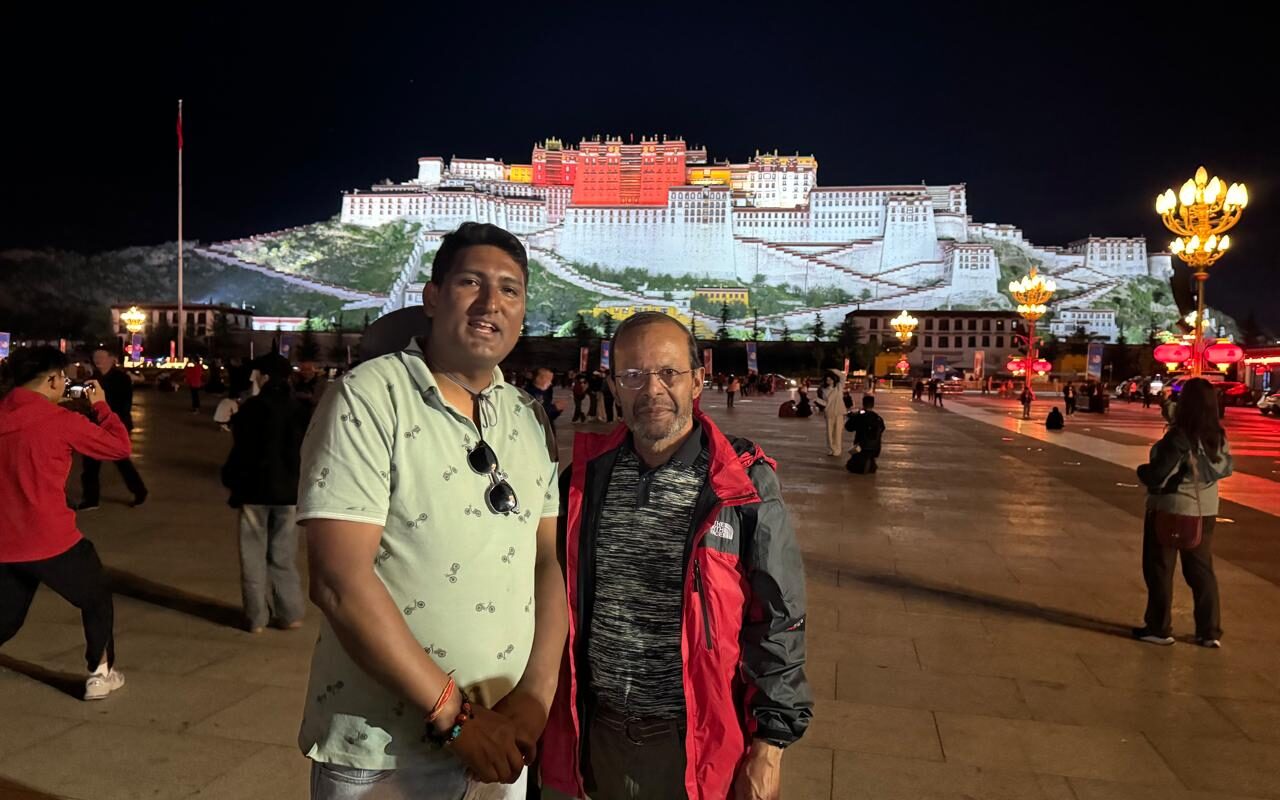
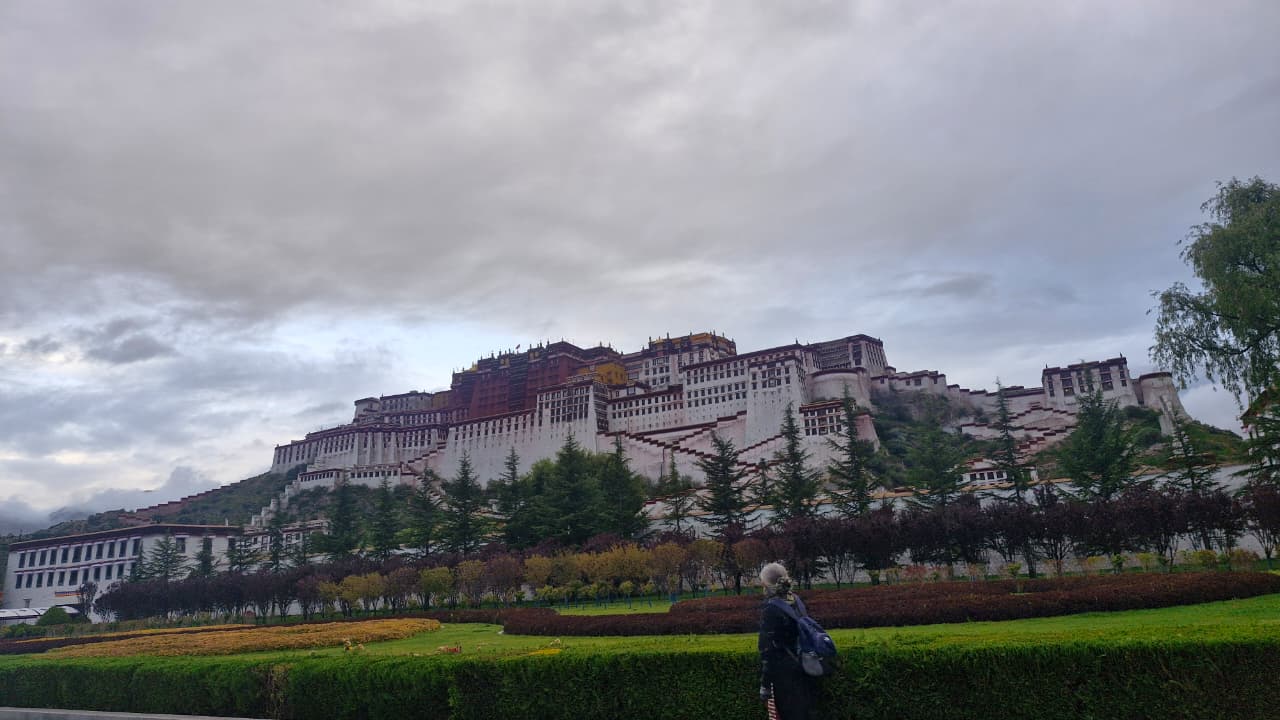
- Visit the iconic Potala Palace, former winter residence of the Dalai Lama
- Discover the sacred Jokhang Temple, the spiritual heart of Tibetan Buddhism
- Wander Barkhor Street and experience Lhasa’s vibrant pilgrim market culture
- Witness the famous monk debates at Sera Monastery
- Marvel at the turquoise waters of Yamdrok Lake, one of Tibet’s three sacred lakes
- Catch a rare glimpse of Everest Base Camp from the lesser-visited Tibet side
- Choose your route—scenic overland via the Friendship Highway or a quick scenic flight
- Get full support with Tibet Travel Permit and Chinese Group Visa processing
- Ideal for travelers wanting to combine Nepal and Tibet or extend into a full Nepal-Tibet-Bhutan tour
Price starts
US$ 1550
We offer group discounts
-
1 -
5 person
US$ 1700
-
6 -
10 person
US$ 1550
-
11 over
9999
US$ 1400
Total Cost:
US$ 1700

Need Help?
Ask to Travel Expert
Trip Overview of Nepal Tibet Tour Explore in 2026
A Nepal Tibet Tour is one of the most extraordinary journeys a traveler can take across the Himalayan region, blending two culturally rich nations into a single unforgettable adventure. From the temple-filled streets of Kathmandu to the sacred monasteries of Lhasa, this journey takes you across breathtaking mountain landscapes, ancient Buddhist heritage sites, and some of the highest terrain on earth. Few journeys on the planet offer such a dramatic shift in scenery and atmosphere within a single trip, moving from Nepal’s lush valleys and bustling city streets to Tibet’s vast, high-altitude plateau in a matter of days.
What makes a Nepal Tibet Tour especially compelling is the deep cultural thread running through both regions. Buddhism has shaped the art, architecture, and daily life of both Nepal and Tibet for centuries, and traveling between them lets you witness how the same spiritual traditions have evolved differently across two distinct landscapes and histories. Kathmandu’s stupas and courtyards set the stage, while Lhasa’s monasteries and palaces reveal a more austere, high-altitude expression of that same devotion.
Whether you’re drawn by spirituality, natural beauty, or simply the thrill of crossing from Nepal into the Tibetan Plateau, a Nepal Tibet Tour offers something for every kind of traveler, from first-time visitors to the Himalayas to seasoned adventurers looking for their next high-altitude challenge. Photographers will find no shortage of dramatic backdrops, from turquoise sacred lakes to snow-capped peaks, while culturally curious travelers can spend hours exploring centuries-old monasteries and observing living religious traditions still practiced today. Even the journey between the two regions, whether by air or overland, becomes part of the experience, offering some of the most striking mountain views found anywhere in the world.
Why a Nepal Tibet Tour Should Be on Your Bucket List
A Nepal Tibet Tour is unlike any other travel experience because it combines two distinct yet culturally connected regions in one seamless trip. Nepal offers vibrant cities, ancient temples, and access to the world’s highest peaks, while Tibet delivers vast plateaus, sacred Buddhist sites, and a spiritual atmosphere unmatched anywhere else. Together, they create a journey that appeals to cultural travelers, adventure seekers, and photographers alike.
Many travelers specifically search for a Nepal and Tibet Tour because it allows them to experience the shared Buddhist heritage between the two regions while also witnessing the stark contrast between Nepal’s lush valleys and Tibet’s high-altitude plateau. For those with more time, a Nepal Tibet and Bhutan Tour extends the journey even further, adding Bhutan’s untouched monasteries and pristine landscapes into the mix, creating one of the most comprehensive Himalayan cultural circuits available anywhere in the world.
Is Tibet in Nepal or China? Understanding the Region
One of the most commonly asked questions before booking a trip is, is Tibet in Nepal or China? Tibet is not part of Nepal; it is an autonomous region of China, officially known as the Tibet Autonomous Region. Nepal and Tibet share a long international border along the Himalayas, which is why so many travelers combine both destinations into a single Nepal Tibet Tour.
Because Tibet falls under Chinese administration, travelers need a Chinese group visa and a Tibet Travel Permit to enter, even though their journey begins in Nepal. Understanding this distinction is important when planning your trip, since the entry requirements, currency, and regulations for Tibet differ significantly from those in Nepal. A quick look at a Tibet and Nepal map makes this relationship clear, showing Tibet’s plateau rising sharply north of Nepal’s mountainous border region, separated by some of the highest mountain passes in the world.
How to Get to Tibet from Nepal
Understanding how to get to Tibet from Nepal is one of the first practical steps in planning your journey. There are two primary methods travelers use, each offering a different experience depending on time, budget, and travel style.
Tibet to Kathmandu Tour by Flight
The fastest way to travel between the two regions is by air. A flight connecting Kathmandu and Lhasa takes approximately 90 minutes and offers incredible aerial views of the Himalayan range, including possible glimpses of Mount Everest. This option is ideal for travelers with limited time who still want to experience the highlights of a Nepal-Tibet tour without spending multiple days on the road. Many operators structure a Tibet to Kathmandu tour around this flight route, especially for shorter itineraries focused primarily on Lhasa and its surrounding attractions.
Overland Route via the Friendship Highway
For travelers who prefer a more immersive journey, the overland route via the Friendship Highway is a popular alternative. This road connects Kathmandu to Lhasa through dramatic mountain scenery, remote villages, and high-altitude passes, offering a gradual acclimatization to elevation as you travel. Choosing to go to Tibet tours via this overland path allows for stops at scenic viewpoints, local monasteries, and small towns that aren’t visible when flying directly, making the journey itself a core part of the overall Nepal Tibet Tour experience.
Tibet Travel Permit and Entry Requirements
Before booking any Nepal-Tibet tour, it’s essential to understand the entry requirements. Foreign travelers cannot enter Tibet independently; a Tibet Travel Permit is mandatory and must be arranged through a licensed travel agency well in advance. Alongside this permit, travelers from Nepal require a Chinese group visa, which is processed separately from a standard Chinese visa and only valid when traveling as part of an organized tour group.
Permit processing typically takes 15 to 20 working days, so early planning is critical, especially if you’re booking your Nepal-Tibet tour during peak season. Depending on your itinerary, additional permits may be required for regions outside Lhasa, particularly if your trip includes remote areas near the Nepal-Tibet border. You can verify current entry regulations through the official Tibet Tourism Bureau before finalizing your travel dates, as requirements can shift periodically due to regional policy changes.
4 Reasons Travelers Choose a Nepal Tibet Tour
1. Two cultures, one trip. A Nepal and Tibet Tour lets you experience Kathmandu’s temple-packed streets and Lhasa’s monastery-studded plateau without booking two separate international trips.
2. It’s the shortest route into Tibet. Compared to entering via mainland China, going to Tibet tours through Kathmandu cuts out extra domestic flights and visa layers.
3. Shared Buddhist heritage adds context. Visiting Boudhanath and Swayambhunath in Nepal before reaching the Jokhang Temple in Tibet gives the whole trip a narrative thread.
4. It scales to however much time you have. A Nepal Tibet Tour Package can run as a quick week or expand into a full Nepal Tibet and Bhutan Tour for travelers wanting the entire Himalayan circuit.
How to Get to Tibet from Nepal: Flight vs. Overland
Here’s a side-by-side breakdown to help you decide how to get to Tibet from Nepal based on your time and travel style:
| By Air | Overland (Friendship Highway) | |
|---|---|---|
| Duration | ~90 minutes | Several days |
| Best for | Limited time, comfort | Scenery, gradual acclimatization |
| Altitude adjustment | Sudden—arrive straight at elevation | Gradual, easier on the body |
| Highlights along the way | Aerial Himalayan views, possible Everest glimpse | Remote villages, mountain passes, Yamdrok Lake |
| Cost | Higher | Generally lower |
A Tibet to Kathmandu Tour on the return leg can also mix these fly one direction, go overland the other which is a popular way to get both the scenery and the time savings in a single Nepal Tibet Tour.
Before You Go: Permit Checklist
Unlike traveling within Nepal, Tibet requires advance paperwork. Here’s what to sort out before booking:
- Tibet Travel Permit — mandatory, arranged only through a licensed agency, takes 15–20 working days
- Chinese Group Visa — separate from a standard Chinese visa, valid only for organized group travel
- Passport validity — at least 6 months remaining from your travel date
- Regional permits — sometimes required if your itinerary goes beyond Lhasa
You can confirm current rules through the official Tibet Tourism Bureau regulations shift periodically, so it’s worth checking close to your travel dates rather than relying on older information.
7 Amazing Places to Explore on Your Nepal-Tibet Tour
Here are the seven most remarkable destinations that make a Nepal-Tibet tour such an unforgettable experience, spanning both sides of the border.
1. Kathmandu Valley, Nepal
Your Nepal-Tibet tour typically begins in Kathmandu, a city rich with ancient temples, UNESCO World Heritage Sites, and vibrant street life. Highlights include Swayambhunath, often called the Monkey Temple, and Boudhanath Stupa, one of the largest Buddhist stupas in the world. Spending a day or two exploring Kathmandu before heading into Tibet offers helpful cultural context for the Buddhist heritage you’ll encounter later in the trip.
2. Potala Palace, Lhasa
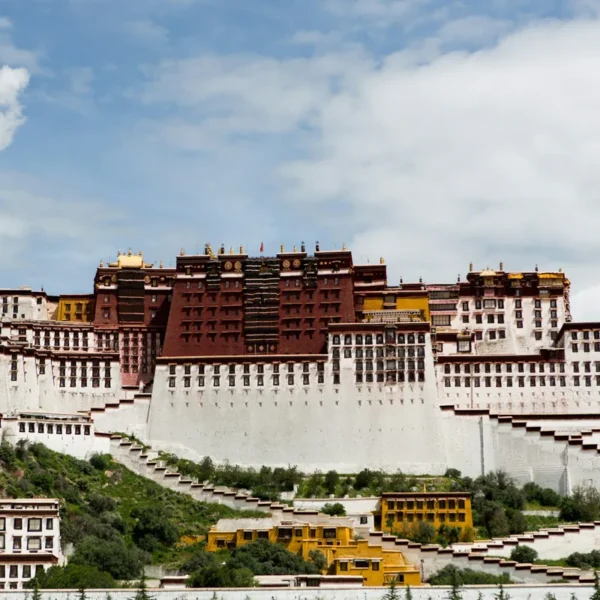
Once the winter residence of the Dalai Lama, the Potala Palace is the most iconic landmark in Tibet and a highlight of any Nepal Tibet Tour. This UNESCO World Heritage Site rises dramatically above Lhasa and houses hundreds of rooms filled with historic artifacts, shrines, and murals dating back centuries.
3. Jokhang Temple, Lhasa
Considered the spiritual heart of Tibetan Buddhism, the Jokhang Temple draws pilgrims from across the region. Built in the 7th century, it remains one of the most active religious sites in Tibet and offers visitors a genuine glimpse into daily worship and devotion.
4. Barkhor Street, Lhasa
Surrounding the Jokhang Temple, Barkhor Street is a lively circular market filled with shops, teahouses, and pilgrims walking the traditional ritual circuit. It’s one of the best places on a Nepal-Tibet tour to experience authentic Tibetan daily life and pick up traditional handicrafts.
5. Sera Monastery, Lhasa
Famous for its afternoon monk debates, Sera Monastery offers a rare, authentic look into Tibetan Buddhist education. Watching monks engage in animated philosophical discussions in the monastery courtyard is a highlight many travelers remember long after their Nepal-Tibet tour ends.
6. Yamdrok Lake, Tibet
One of Tibet’s three sacred lakes, Yamdrok Lake is known for its striking turquoise color set against a backdrop of snow-capped peaks. Many extended Nepal Tibet Tour itineraries include a stop here, particularly for travelers taking the overland route, as it offers some of the most photographed scenery in the entire region.
7. Everest Base Camp (Tibet Side)
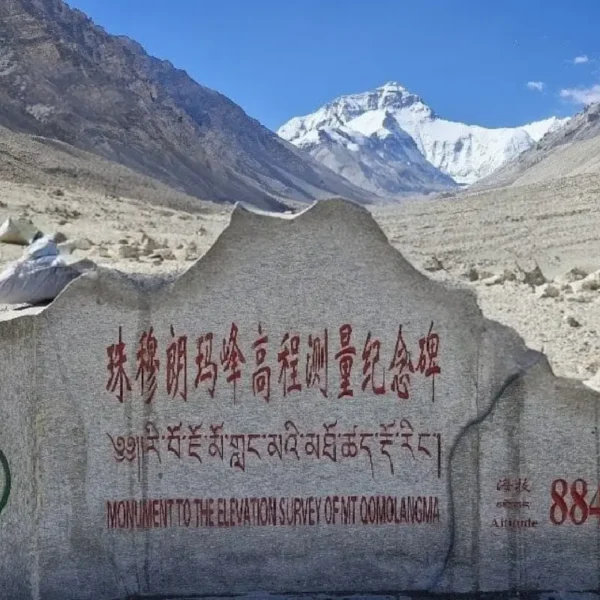
For travelers looking to extend their journey, the north side of Everest Base Camp, accessible from Tibet, offers a dramatically different perspective of the world’s tallest mountain compared to the Nepal side. This addition transforms a standard Nepal Tibet Tour into a full-scale Himalayan adventure for those with extra time and a sense of adventure.
Nepal-Tibet Tour Package Options
There are several ways to structure a Nepal-Tibet tour package depending on your interests, timeframe, and budget. Choosing the right one ensures you get the most out of your trip without unnecessary detours or wasted time.
- Standard Nepal Tibet Tour Package — Covers Kathmandu and Lhasa’s main attractions are ideal for travelers with 7 to 10 days available.
- Extended Nepal Tibet and Bhutan Tour — Combines all three regions for travelers wanting a comprehensive Himalayan cultural experience, typically spanning two to three weeks.
- Overland Adventure Package — Focused on the Friendship Highway route, including stops at Yamdrok Lake and other scenic points along the way.
- Everest-Focused Package — Includes a visit to Everest Base Camp from the Tibet side, suited for travelers wanting mountain views alongside cultural sites.
Each Nepal Tibet Tour Package can typically be customized based on your available time, physical fitness, and specific interests, so it’s worth discussing options directly with your travel operator.
Nepal Tibet Tour Cost: What to Expect
Understanding the Nepal Tibet Tour cost is an important part of planning your trip. Prices vary significantly based on several factors, including the season, group size, chosen transportation method, and accommodation standard. Typically, a Nepal Tibet Tour Package that includes permits, transportation, guided sightseeing, and mid-range accommodation will cost more during peak season (April to October) than during the shoulder or winter months.
Group tours tend to be more budget-friendly per person since permit processing and guide fees are shared, while private tours offer greater flexibility at a higher overall cost. When comparing Nepal Tibet Tour cost estimates from different operators, always confirm exactly what’s included, since some packages exclude international flights, personal expenses, or specific entrance fees, which can significantly change your total budget. Working with a licensed operator is essential, not just for fair pricing, but to avoid permit-related complications that unlicensed agencies sometimes cause.
Best Time for a Nepal-Tibet Tour in 2026
Planning your Nepal-Tibet tour around the right season significantly impacts your overall experience. The most popular months are April through October, when weather conditions are mild and mountain passes remain clear of heavy snow. Tibet Tours 2026 bookings are expected to follow this same seasonal pattern, with spring and early autumn offering the clearest skies and best visibility for Himalayan views.
Winter travel is possible and often appeals to those seeking smaller crowds and lower prices, though certain overland routes may experience temporary closures due to snowfall. It’s worth noting that Tibet occasionally restricts entry to foreign travelers during certain sensitive periods, particularly in March, so checking current regulations before booking your Tibet Tours 2026 itinerary is strongly recommended.
Essential Tips for a Smooth Nepal-Tibet Tour
- Book your Tibet travel permit and Chinese group visa at least three to four weeks in advance to avoid delays.
- Acclimatize gradually, especially if flying directly into Lhasa, since altitude sickness is common above 3,600 meters.
- Pack layered clothing, as temperatures fluctuate significantly between day and night across both Nepal and Tibet.
- Carry sufficient cash, as card payment options are limited once you cross into Tibet.
- Respect religious customs and photography restrictions inside monasteries and temples.
- Consider travel insurance that specifically covers high-altitude regions and emergency evacuation.
- Work only with licensed agencies familiar with both Nepal and Tibet entry regulations to avoid permit issues.
Planning Around the 2026 Calendar
If you’re mapping out Tibet Tours 2026, the seasonal logic hasn’t changed: April through October gives you the clearest skies and safest road conditions. Winter travel is quieter and cheaper but carries a higher chance of overland route disruptions from snow. One thing worth double-checking regardless of season — Tibet occasionally closes to foreign travelers in March, so it’s worth confirming entry status before locking in dates.
Quick Tips Before You Book
- Start your permit application 3–4 weeks ahead of travel
- Rest on day one if flying directly into Lhasa’s altitude
- Pack for temperature swings, not just cold
- Bring cash—card acceptance is limited in Tibet
- Choose a licensed operator who handles both Nepal and Tibet-side logistics
Conclusion
A Nepal Tibet Tour offers one of the most rewarding travel experiences in the world, combining Nepal’s rich cultural heritage with Tibet’s awe-inspiring monasteries, lakes, and high-altitude landscapes. From the ancient temples of Kathmandu to the sacred halls of the Potala Palace and the turquoise waters of Yamdrok Lake, this journey delivers unforgettable memories at every stop. Whether you choose a standard package, an extended Nepal Tibet and Bhutan Tour, or an Everest-focused adventure, careful planning around permits, cost, and timing will ensure a smooth and memorable trip. As you plan your Tibet Tours 2026, take the time to choose a reliable operator, prepare properly for the altitude, and get ready to experience one of the most spiritually rich regions on earth.
Detail Itinerary of Nepal Tibet Tour Explore in 2026
Day 01: Arrival in Kathmandu
On your arrival, our company representatives will greet you at the Tribhuwan International Airport and escort you to the hotel for check-in and overnight stay. You will have a rest at the hotel. Overnight stay at a hotel in Kathmandu.

Highest Altitude
1300m. (Kathmandu)
Accommodation
HotelDay 02: Sightseeing at Kathmandu and Bhaktapur City
After breakfast at hotel we drive for sightseeing in Kathmandu, Including Pashupatinath Temple (The Biggest Hindu Temple), Guheshwori Devi and Sleeping Vishnu (Buddhanilkantha) and after temple tour drive to hotel. Lunch free for your own. Dinner at Hotel, Nite at Hotel in Kathmandu.
Highest Altitude
1300m. (Kathmandu)
Accommodation
HotelDay 03: Drive from Kathmandu to Kerung
Today after breakfast, we will start our drive to Kerung (boarder side) via Syabrubesi. Overnight stay at Kerung.
Highest Altitude
2800m. (Kerung)
Accommodation
HotelDay 04: Drive from Kerung to Tingri
After breakfast at the guesthouse, the exciting day starts with an adventure drive through lush, green lower hills into the dry, arid landscape of the Tibetan Plateau. The drive crosses several high passes, including the Lalung La 5050 m, from where you can have a breathtaking panorama of the Himalayan range, including Mt Everest—a fitting backdrop to the vastness of the Tibetan Plateau. Overnight at the guest house.
Accommodation
GuesthouseDay 05: Drive from Tingri to Shigatse(3900m), 245km
After breakfast you will continue your adventure drive, passing by lonely monasteries and the camps of nomadic herders. The drive crosses the highest pass of your journey, the Gyamtso La 5220 m, before descending once more to the barren splendor of the plains. Overnight at a hotel in Shigatse the second largest city of Tibet
Highest Altitude
3900m. (Shigatse)
Accommodation
HotelDay 06: Drive from Shigatse to Gyantse(3950m), 90 km
Today will have a great chance to visit stunning Tashilungpo Monastery, one of the largest functioning monasteries in Tibet, just before a short and scenic drive to Gyantse—another historical city in Tibet. In Gyantse, you will visit the Pelkor Chode Monastery and the Gyantse Kumbum. Kumbum is a large gold-domed stupa. It is famous for its many chapels, which house an impressive array of Tibetan Buddhist murals. Overnight at a hotel.
Highest Altitude
3950m. (Gyantse)
Accommodation
HotelDay 07: Drive from Gyantse to Lhasa(3680m), 265km
After breakfast take a long drive over the Karo La pass 5045m, from where you are presented with the awesome sight of a huge glacier tumbling down to within a few hundred meters of the road. The road runs along the bank of a beautiful turquoise lake, the Yamdrok-tso, for about 20 Km. The trip crosses the Khamba La 4794m, and continues to Lhasa the capital of Tibet. Overnight in hotel.
Highest Altitude
3680m. (Lhasa)
Accommodation
HotelDay 08: Sightseeing In Lhasa
After breakfast in the morning, you will visit the Jokhang temple, an easy visit. This temple is the most sacred shrine in all of Tibet, and is constantly thronged with pious worshipers. After lunch in the afternoon you will visit Sera Monastery, a sprawling fifteenth century complex of whitewashed walls and golden roofs. Just a few miles North of Lhasa is the well preserved monastery which is home to several hundred monks. Overnight in hotel.
Highest Altitude
3680m. (Lhasa)
Accommodation
HotelDay 09: Sightseeing in Lhasa
After breakfast Tibetan guide will lead the group to visit the vital Potala Palace . The palace is the chief landmark of Lhasa and a marvel of Eastern architecture. You will catch your first glimpse of this huge structure at a magical moment you will remember for years. Since the fifth or sixth century it has been a palace and home of the Dalai Lama. In the afternoon you will visit Drepung Monastery. Just outside the city, in the folds of rocky ridges, lies Drepung monastery, once the largest in the world, with 10,000 monks. One nite in a Lhasa hotel.
Highest Altitude
3680m. (Lhasa)Day 10: Fly back to Kathmandu (1300m)
Drive to Gonggar Airport for your flight back to Kathmandu or onward destination. 2 hrs drive from Lhasa early morning.
Highest Altitude
1300m. (Kathmandu)
Accommodation
HotelDay 11: Transfer to the airport for the final departure
Our company representative will take you to the airport almost 2 hours before your flight. We are sure; you will back to your home taking amazing experience of Nepal. We hope you had a good trip and want to be in the Himalayas again.
Highest Altitude
1300m. (Kathmandu)
Accommodation
Hotel
- The above itinerary is a suggested plan and may be adjusted depending on flight schedules, permit processing, weather conditions, or local circumstances in Tibet and Nepal.
- Sightseeing orders for Lhasa-based days may be rearranged based on monastery visiting hours, local events, or guide availability, without affecting the overall trip experience.
- Optional add-ons such as Yamdrok Lake, Everest Base Camp (Tibet side), or a Bhutan extension can be added to any day of the itinerary at an additional cost, subject to availability.
- In case of political restrictions, natural calamities, or government-imposed travel bans in Tibet, the itinerary may need to be shortened, modified, or rescheduled, and an alternative plan will be provided.
- Entry to certain monasteries or the Potala Palace may be limited or closed on specific days due to religious events or maintenance; in such cases, an alternate site of similar significance will be included.
- Altitude acclimatization is prioritized over strict adherence to the schedule, so your guide may adjust the day’s activities if any traveler shows signs of altitude sickness.
- Meal times and transportation timings mentioned are approximate and may vary slightly based on real-time road, weather, or border conditions.
- This itinerary assumes a private group tour; timings and flexibility may differ slightly for larger group departures.
Includes and Excludes
What is included?
- Hotel- Airport- Hotel Transfer in Lhasa and Kathmandu
- Transportation charge / Jeep as per group size
- Tibet travel permit
- English speaking guide
- Accommodation on twin sharing room basis
- Sightseeing and monastery entrance fees as per our itinerary
What is excluded?
- Client and Travel insurance
- Lunch and Dinner
- Personnel expenses
- Nepal re-entry visa fee
- Tips to Guide, Porter and Driver
Trip Information
- Duration: 7 to 10 days (customizable)
- Destination: Nepal & Tibet (Kathmandu to Lhasa)
- Starting Point: Kathmandu, Nepal
- Trip Type: Cultural, Sightseeing & Adventure Tour
- Transportation: Flight or Overland via Friendship Highway
- Max Altitude: 3,656 m / 11,995 ft (Lhasa City)
- Best Season: April to October
- Group Size: Minimum 2 travelers (private tours available)
- Accommodation: 3-Star / 4-Star Hotels (Upgradable)
- Meals: Breakfast Included
- Permits Required: Tibet Travel Permit & Chinese Group Visa
- Difficulty Level: Easy to Moderate
Frequently Asked Questions
Is Tibet in Nepal or China?
Tibet is an autonomous region of China, not Nepal. However, Nepal and Tibet share a direct Himalayan border, which is why so many travelers combine both destinations into a single Nepal-Tibet tour.
How do I get to Tibet from Nepal?
You can travel from Kathmandu to Lhasa either by a short flight of around 90 minutes or by an overland journey via the Friendship Highway, which takes several days but allows for gradual altitude acclimatization.
What is the cost of a Nepal Tibet Tour?
The Nepal-Tibet tour cost varies based on season, group size, chosen route, and accommodation standard. It’s best to request a customized quote based on your specific travel dates and preferences.
Do I need a visa to enter Tibet from Nepal?
Yes, travelers need a Chinese Group Visa along with a Tibet Travel Permit. Both must be arranged through a licensed travel agency in advance, as independent entry into Tibet is not permitted.
Can I combine Nepal, Tibet, and Bhutan in one trip?
Yes, a Nepal-Tibet-Bhutan tour is a popular option for travelers wanting a complete Himalayan cultural circuit, typically spanning two to three weeks depending on the itinerary.
Is it better to fly or travel overland between Nepal and Tibet?
It depends on your priorities. Flying is faster and more convenient, while the overland route via the Friendship Highway offers scenic stops and gradual altitude adjustment, reducing the risk of altitude sickness.
What is the best time for a Nepal Tibet Tour in 2026?
The best time is between April and October, when weather conditions are mild and mountain passes remain clear. Winter travel is possible but may involve colder temperatures and occasional route disruptions.
What documents do I need for the Tibet Travel Permit?
You’ll need a valid passport with at least six months of remaining validity, passport-sized photos, and your Nepal visa if applicable. Your travel agency handles the permit application on your behalf.
Can I visit Everest Base Camp on a Nepal Tibet Tour?
Yes, travelers can visit Everest Base Camp from the Tibet side as an extension to their Nepal Tibet Tour, offering a different perspective of the mountain compared to the classic Nepal-side trek.
Are meals included in a Nepal Tibet Tour Package?
Most Nepal Tibet Tour Packages include daily breakfast, while lunch and dinner are typically at your own expense, giving you flexibility to explore local dining options.
Trip Reviews
Price starts
US$ 1550
Need Help?
Ask to Travel Expert
You May Also Like
Similar Trips
Lhasa City Tour – 3 Days
 3 Days
Lhasa City Tour – 4 Days
4 Days
Lhasa EBC Kailash Tour
17 Days
 USD 3300
5-Day Lhasa Tour: The Ultimate Tibet Adventure Guide
5 Days
USD 1700