
- Mt. Kailash Tour
- Kailash Mansarovar Overland Tour
- Kailash Mansarovar Yatra by Helicopter – Complete Spiritual Journey Guide
- Kailash Yatra via Lucknow
- Kailash Mansarovar Tour via Lhasa
- Kailash Lhasa EBC Tour From Beijing
- Kailash Heli Tour via Kerung: Complete Spiritual Journey Guide
- Kailash Tour via Lhasa In Kerung Out
- Lhasa EBC Kailash Tour
- Kailash Heli Tour
- Kailash Mansarovar Yatra from Nepal 2027: Cost & Itinerary
- Kailash Nandi Kora
- Kailash Tour via Humla Simikot – 20 Days
- Mount Kailash Tour: 7 Amazing Experiences in 2027
- Trekking
-
-
- Everest Region
- Luxury Everest Base Camp Trek: 7 Unforgettable Highlights
- Everest Base Camp Trek 2026: Cost, Route, and Complete Guide
- Everest Three Passes Trek 2027: Cost, Route & Itinerary
- Everest Base Camp Short Trek
- Everest Panorama Trek: Amazing 10-Day Cost & Itinerary
- Everest Base Camp Island Peak Trek: Complete 19-Day Guide
- Gokyo Valley Trekking 2027: Easy Guide to Cost & Itinerary
- Mera Peak Climbing 2027: Complete Cost & Itinerary Guide
- Rolwaling Valley Trek: 23-Day Itinerary, Cost, Permits & Difficulty
- Dolpo Region Trek
- Everest Region
-
- Annapurna Region
- Annapurna Base Camp Trekking
- Annapurna Circuit Trek
- Annapurna Base Camp Trek: 7 Amazing Cost & Route Tips
- Mardi Himal Trek: 7 Amazing Highlights & Complete Guide
- Annapurna Alternative Combine Trek: 18 Amazing Days
- Mohare Dada Trek
- Ghorepani Poon Hill Trek: 7 Unforgettable Highlights
- Khopra Ridge Community Trek: 13-Day Ultimate Adventure
- Damodar Kunda Trek: 10-Day Ultimate Sacred Adventure
- Upper Mustang Trek: 10 Amazing Sights : Ultimate Guide
- Jomsom Muktinath Trek: Amazing 12-Day Ultimate Guide
- Ghale Gaun Trek: 7 Amazing Reasons : Ultimate Guide
- Dhampus Sarangkot Trek: 7 Incredible Experiences
- Dhaulagiri Region
- Annapurna Region
-
-
- Tours
-
-
- Day Tours
- Rickshaw–a three-wheeler Tour
- Pharping Dakshinkali Day Tour: 7 Amazing Highlights
- Historical Tour: 7 Amazing Places to Explore
- Kathmandu Temple Tour: 7 Amazing Spiritual Places
- Nagarkot Tour
- Bhaktapur City Tour: 7 Amazing Places to Explore
- Kathmandu City Tour – Complete Heritage & Cultural Experience in Nepal
- Chandragiri Hill: A Scenic Himalayan Escape Near Kathmandu
- Chitlang Hiking
- Shivapuri to Sundarijal Day Hiking
- Kulekhani Dam Day Tour — Complete Travel Guide
- Day Tours
-
- Package Tours
- Mustang Tour on Jeep
- Nepal Tour Package for Nepali: 12 Amazing Destinations to Explore (2026)
- Muktinath Tour: Complete Guide to Nepal’s Sacred Himalayan Pilgrimage
- 3N,4D Kathmandu Pilgrimage Tour
- Nepal Buddhist Pilgrimage Tour: 7 Sacred Sites Not to Miss
- 6D Nepal Pilgrimage Tour: 7 Amazing Sacred Places
- 7 Nights, 8 Days Nepal Tour
- Districts tour of Nepal
- Janakpur Tour Package: Price, Family Tour & Travel Guide from Kathmandu 2026
- Short Hike in Nepal: 7 Best Easy Treks for Beginners
- Package Tours
-
-
- Outbound
-
- Activities
- Climbing
- Bungee Jumping in Nepal
- Heli Skiing Adventure in the Himalayas
- Canoeing in Nepal
- Mountain Flight in Nepal
- Zip Flyer in Pokhara: The Ultimate Adventure Experience
- Paragliding in Pokhara: 7 Amazing Reasons to Experience Nepal’s Best Adventure
- Kathmandu Cycling Tour: 9 Amazing Adventures
- Rafting
- Rock Climbing
- Company
- Travel Info
- Travel Insurance
- Recommended Medical Kit
- Nepal Visa Information
- Flight delays and cancellation in Nepal
- Electricity in Nepal: Rates, Bill Check, Calculator and NEA Services
- Trekking Equipment Checklist: 40 Essential Items
- Best Kailash season in Tibet
- Best Trekking season in Nepal
- Trekking in Nepal 2027: 15 Best Himalayan Adventures
- Blogs
- Contact


WhatsApp
+977-9851035239

Email Us
[email protected]
Tsum Valley Trek: 15 Key Itinerary, Price & Difficulty Tips


Trip Duration
19 Days
Trip Difficulty
Moderate
Max. Altitude
3,700m. / 12,139ft.
Activity
Trekking
Destination
Nepal
Group Size
1-16
Accommodation
Hotel and Guest houses
Meals
Breakfast, Lunch, DinnerHighlights of Tsum Valley Trek: 15 Key Itinerary, Price & Difficulty Tips
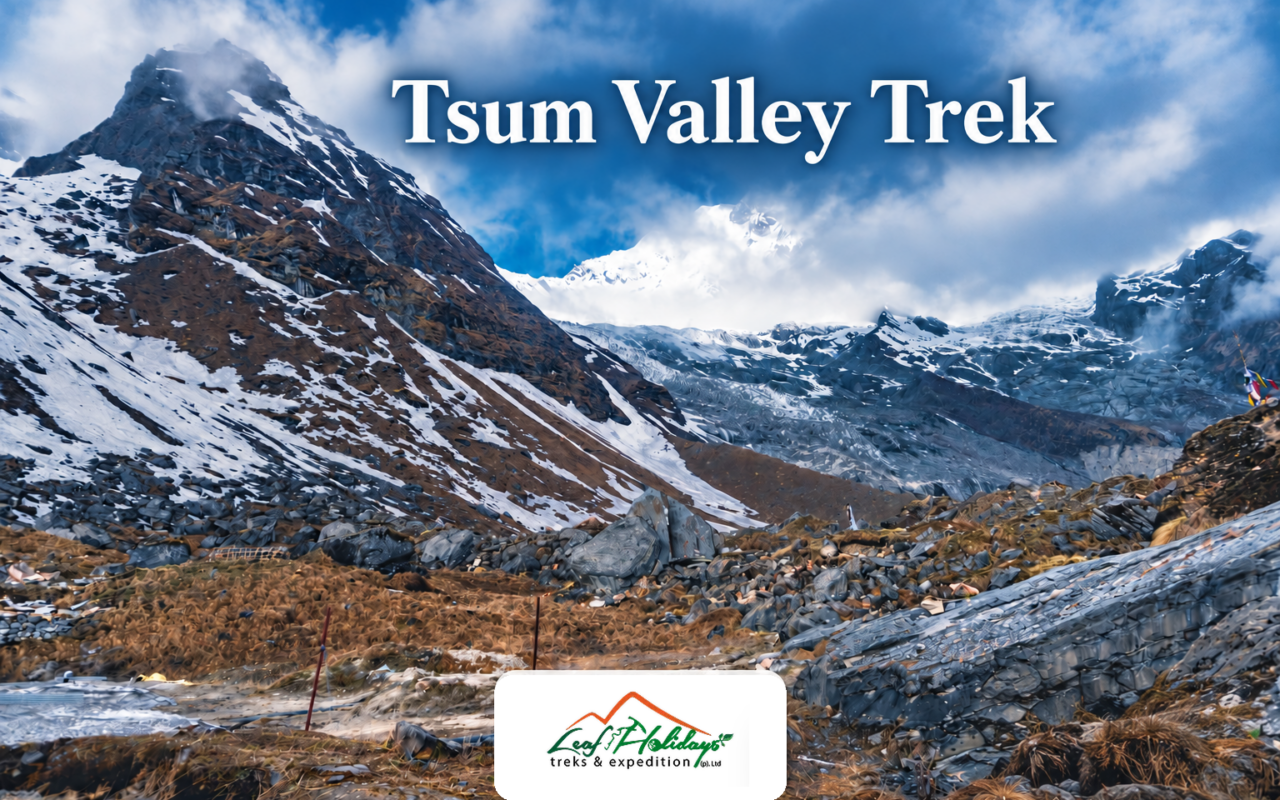
- Explore one of Nepal’s most secluded Himalayan valleys
- Visit the sacred Mu Gompa at approximately 3,700 meters
- Discover Rachen Gompa and other ancient Buddhist monasteries
- Experience authentic Tibetan-influenced traditions and hospitality
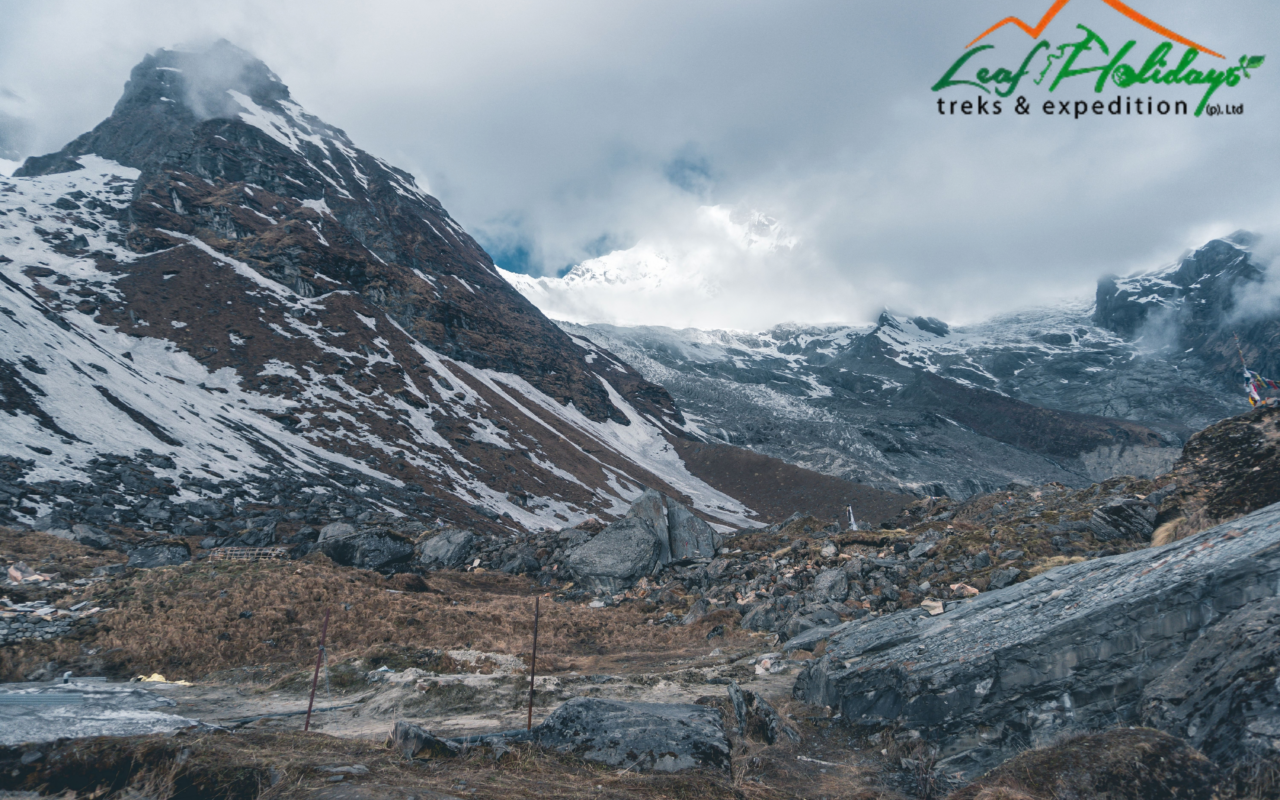
- Enjoy views of Ganesh Himal, Shringi Himal, and Himalchuli
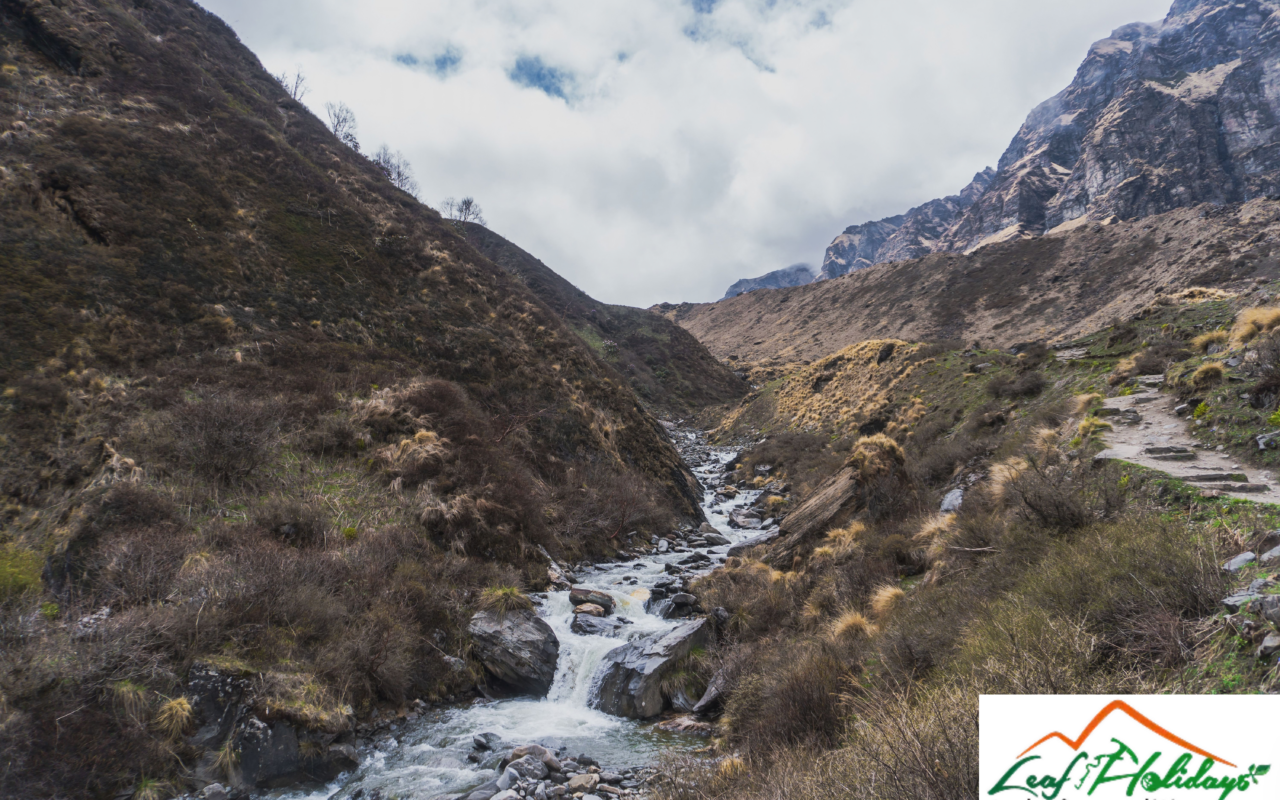
- Walk beside the Budhi Gandaki River and through dramatic gorges
- Cross suspension bridges, waterfalls, and forested trails
- Explore traditional villages such as Chumling, Chhokang Paro, and Nile
- See ancient mani walls, chortens, prayer wheels, and prayer flags
- Trek along peaceful trails away from Nepal’s crowded routes
- Experience locally operated teahouses and Himalayan cuisine
- Discover the protected landscapes of the Manaslu Conservation Area
Price starts
US$ 1300
We offer group discounts
-
2 -
2 person
US$ 1400
-
3 -
5 person
US$ 1300
-
6 -
10 person
US$ 1200
-
11 over
9999
US$ 1150
Total Cost:
US$

Need Help?
Ask to Travel Expert
Trip Overview of Tsum Valley Trek: 15 Key Itinerary, Price & Difficulty Tips
The Tsum Valley Trek is a remote cultural journey through northern Gorkha, where Tibetan Buddhist traditions, ancient monasteries, dramatic river valleys, and Himalayan scenery come together. It is an excellent alternative for travellers who want to experience a quieter part of Nepal beyond the busier Everest and Annapurna trails.
The journey follows the Budhi Gandaki corridor before separating from the main Manaslu Circuit Trek route near Lokpa. From there, the trail enters Tsum Valley through Chumling, Chhokang Paro, Nile, and Mu Gompa. Mountain views may include Ganesh Himal, Shringi Himal, Himalchuli, and nearby peaks.
Although the route does not involve technical climbing, its remote location, extended duration, changing weather, and high-altitude sections require careful preparation. This guide explains the Tsum Valley Trek itinerary, the Tsum Valley Trek price, the Tsum Valley Trek difficulty, permits, the map, accommodation, seasons, and essential planning information.
1. Understand What Makes the Tsum Valley Trek Special
The Tsum Valley Trek is not simply a mountain walk. It is a cultural journey through settlements where Tibetan Buddhist traditions remain central to everyday life.
The valley contains monasteries, chortens, mani walls, prayer wheels, and stones engraved with Buddhist prayers. Travellers also pass through terraced farmland, forests, river gorges, and traditional stone villages.
The region remained closed to foreign travelers until 2008, which helped preserve its cultural identity and relatively quiet trails. Compared with Nepal’s most popular routes, the Tsum Valley Trek usually receives fewer visitors and offers a more peaceful experience.
The main attractions include:
- Ancient Buddhist monasteries and nunneries
- Traditional villages influenced by Tibetan culture
- Mu Gompa and Rachen Gompa
- Views of Ganesh Himal, Shringi Himal, and Himalchuli
- Forests, waterfalls, and suspension bridges
- The Budhi Gandaki and Siyar Khola valleys
- Quiet trails with limited commercial development
- Authentic interaction with local communities
Travellers comparing remote routes can also explore these best treks in Nepal.
2. Review the 19-Day Trip Structure Carefully
A well-designed Tsum Valley Trek itinerary generally requires sufficient time for transportation, gradual ascent, cultural exploration, and the return journey. Your 19-day program provides a practical structure for experiencing the valley without forcing the most important sections.
The trip typically begins with arrival and preparation in Kathmandu. Travellers then drive toward the lower Budhi Gandaki Valley and gradually continue through villages such as Machha Khola, Jagat, and Philim. Near Lokpa, the trail separates from the primary Manaslu route and enters Tsum Valley.
The upper section commonly includes Chhokang Paro, Nile, and Mu Gompa. The return follows much of the same valley because Tsum Valley is generally approached as an out-and-back route unless combined with another Manaslu-region journey.
A 19-day program is valuable because road conditions, weather, trail conditions, and personal walking pace can affect the schedule. The itinerary should remain flexible enough to protect safety rather than treating every published time as a fixed promise.
3. Study the Tsum Valley Trek Map Before Departure
A Tsum Valley Trek map helps travelers understand how the route enters the Manaslu region and branches into the hidden valley. It also makes daily altitude changes, river crossings, and settlement locations easier to visualize.
A simplified route generally follows:
Kathmandu → Machha Khola → Jagat → Philim → Lokpa → Chumling → Chhokang Paro → Nile → Mu Gompa → Return through Tsum Valley → Jagat → Kathmandu
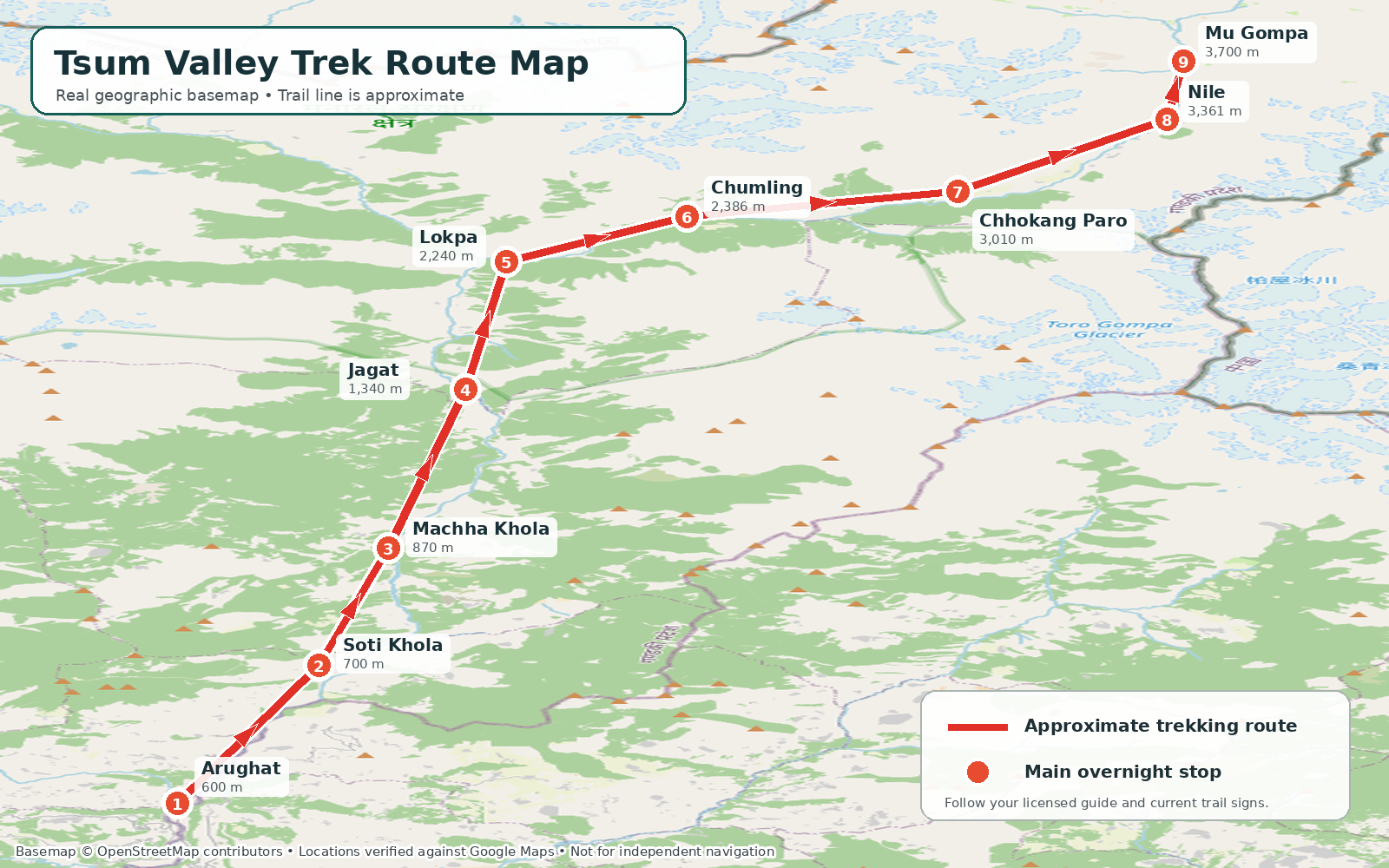
The exact road-access point can change as mountain roads develop or become temporarily affected by weather. Therefore, the Tsum Valley Trek map should be used as a planning guide rather than a guarantee of current road or trail conditions.
Your map should clearly display:
- Road transfer from Kathmandu
- Main trekking starting point
- Budhi Gandaki River corridor
- Jagat and Philim checkpoints
- Lokpa trail junction
- Chumling and Chhokang Paro
- Nile and Chhule
- Mu Gompa
- Overnight settlements
- Important altitude figures
- Return route
Travellers should carry an offline map because mobile data can become unreliable in remote sections. A printed Tsum Valley Trek map is also useful if a phone loses power or becomes damaged.
4. Evaluate the Tsum Valley Trek Difficulty Honestly
The Tsum Valley Trek difficulty is generally rated moderate to challenging. It does not require ropes, crampons, or mountaineering skills under normal conditions, but it demands stamina and patience.
The challenge comes from consecutive walking days, steep ascents, uneven stone trails, river crossings, limited facilities, and increasing altitude. Trekkers commonly walk for five to seven hours per day, although some stages may be shorter or longer.
The main difficulty factors include:
- A long overall trip duration
- Repeated ascents and descents
- Rocky or narrow trail sections
- Remote settlements and basic services
- Cold conditions in the upper valley
- Altitude above 3,000 meters
- Limited emergency access
- Long and potentially rough road transfers
Previous trekking experience is helpful but not compulsory for a healthy beginner who trains properly, follows a sensible schedule, and travels with professional support.
The Tsum Valley Trek difficulty should not be judged only by its maximum altitude. A trek can feel demanding because of cumulative fatigue, changing weather, and several consecutive days of walking.
5. Prepare Your Body Before the Trek
Begin training at least six to eight weeks before departure. The most effective preparation combines cardiovascular exercise, leg strength, balance, and walking endurance.
Recommended exercises include:
- Brisk walking
- Stair climbing
- Hill hiking
- Cycling
- Jogging
- Squats and lunges
- Step-ups
- Core-strengthening exercises
- Long walks carrying a light backpack
Gradually increase your walking time instead of suddenly completing an exhausting hike. During the final weeks, practice walking on consecutive days because the body must recover while continuing the journey.
If you have heart, lung, mobility, or other medical conditions, consult a qualified medical professional before booking. Good fitness improves comfort, but it does not guarantee protection from altitude illness.
Travellers looking for more remote Himalayan experiences can compare the route with the Rolwaling Valley Trek, another journey requiring strong preparation.
6. Plan for Altitude and Acclimatization
The standard route reaches Mu Gompa at approximately 3,700 meters. Some optional walks may climb higher, depending on weather, permits, trail conditions, and the traveller’s physical condition.
Altitude sickness can affect anyone regardless of age or fitness. Common early symptoms include headache, nausea, unusual fatigue, dizziness, reduced appetite, and disturbed sleep.
The Nepal Tourism Board’s mountain-safety guidance recommends a gradual ascent, careful sleeping (altitude gains above 2,500 meters), proper hydration, and rest days after substantial altitude gain. NTB
Practical altitude precautions include:
- Walk at a steady and comfortable pace
- Drink safe water regularly
- Avoid alcohol while gaining altitude
- Inform the guide immediately about symptoms
- Never hide headaches or nausea
- Do not ascend with worsening symptoms
- Rest or descend when advised
- Avoid taking medication without appropriate guidance
The CDC’s high-altitude travel guidance advises travelers not to ascend to a higher sleeping altitude when experiencing altitude-illness symptoms and to descend if symptoms worsen. cdc.gov
7. Choose the Best Time for the Tsum Valley Trek
Spring and autumn are generally the most suitable trekking seasons.
Spring: March to May
Spring usually offers comfortable daytime temperatures, flowering forests, and favorable trekking conditions. Rhododendrons may bloom along lower forested sections, while the upper valley remains cool.
Autumn: September to November
Autumn is popular for relatively stable conditions, clearer skies, and strong mountain visibility. Nights become progressively colder toward November.
Winter: December to February
Winter can offer quiet trails and clear views, but the upper valley becomes extremely cold. Snow may affect trails, transportation, and access to higher monasteries.
Monsoon: June to August
Summer rainfall makes lower trails muddy and increases the possibility of landslides, transportation disruption, and cloud-obscured views. Leeches may also be present in lower forested areas.
The official Nepal Tourism Board page for the Manaslu Conservation Area identifies March–May and September–November as the preferred seasons. Nepal Tourism Board You can also read this complete guide to the best season to trek in Nepal.
Before departure, check the latest forecast from Nepal’s Department of Hydrology and Meteorology.
8. Understand the Tsum Valley Trek Price
The Tsum Valley Trek price depends on group size, season, accommodation, transportation, guide and porter services, permit fees, and package inclusions.
The currently displayed package rates are
| Group size | Published price per person |
|---|---|
| 2 travelers | US$1,400 |
| 3–5 travelers | US$1,300 |
| 6–10 travelers | US$1,200 |
| 11 or more | US$1,150 |
The published starting price is US$1,300, while the final amount depends on group size and selected services. thenepaltrekking.com
A standard Tsum Valley Trek price may cover:
- Airport transfers
- Necessary ground transportation
- Hotel accommodation in Kathmandu
- Teahouse or guesthouse accommodation during the trek
- Meals during trekking days
- A licensed trekking guide
- Porter service according to the package
- Restricted-area documentation
- Conservation-area entry
- Government taxes and company service charges
- Basic first-aid support
Costs frequently excluded include:
- International airfare
- Nepal visa fees
- Travel insurance
- Personal trekking equipment
- Extra food and drinks
- Hot showers, charging, and internet
- Additional accommodation caused by delays
- Emergency evacuation
- Tips for guides, porters, and drivers
When comparing the Tsum Valley Trek price between companies, check the inclusions rather than selecting a package based only on the lowest advertised figure.
9. Confirm All Required Trekking Permits
Tsum Valley is a restricted area, so foreign travelers require official permission. A special restricted-area permit must be obtained through the appropriate process before entering the controlled section.
The principal permits normally include:
- Tsum Valley Restricted Area Permit
- Manaslu Conservation Area Permit
According to Nepal’s Department of Immigration, the restricted-area fee for Tsum Valley is
| Travel period | Permit fee |
|---|---|
| September–November | US$40 for the first week |
| December–August | US$30 for the first week |
| Additional stay | US$7 per person per day |
These rates should always be confirmed before booking because government regulations and fees can change. Check the official Department of Immigration permit-fee page for the latest information. immigration.gov.np
The Nepal Tourism Board trekking-permit guidance explains that restricted-area permits are issued through the Department of Immigration. ntb.gov.np
Permit requirements should be finalized through a registered Nepali trekking company. Carry your passport and permits because officials may inspect them at checkpoints.
10. Select a Licensed Guide and Reliable Operator
The remote nature of the Tsum Valley Trek makes experienced local support extremely valuable. A licensed guide assists with permits, checkpoints, navigation, accommodation, communication, and emergency decisions.
A reliable operator should provide:
- A clearly written program
- Transparent pricing
- A list of inclusions and exclusions
- Licensed trekking staff
- Proper staff insurance
- Realistic walking times
- Emergency procedures
- Responsible porter arrangements
- Updated information about roads and trails
- A clear cancellation policy
Ask how the company manages sickness, bad weather, road delays, and itinerary changes. A trustworthy operator will explain limitations honestly instead of promising perfect weather or guaranteed mountain views.
For a broader understanding of local routes and responsible planning, read this guide to trekking in Nepal.
11. Set Realistic Expectations for Accommodation
Accommodation along the Tsum Valley Trek is generally provided in locally operated teahouses, lodges, or guesthouses. Facilities are more basic than those on the Everest Base Camp and Annapurna routes.
Rooms usually contain twin beds, mattresses, pillows, and blankets. Bathrooms may be shared, and hot water might not be available everywhere. Heating is normally limited to a communal dining area, while bedrooms remain unheated.
Electricity may come from solar panels or small local systems. Charging phones and cameras can involve an additional fee, and power availability is not guaranteed.
Carry:
- A warm sleeping bag
- A headlamp
- A power bank
- Spare batteries
- Personal toiletries
- Quick-drying towel
- Hand sanitizer
- Toilet paper
The limited facilities are part of the remote experience. Travellers who arrive with realistic expectations usually appreciate the warmth and hospitality of the local guesthouses.
12. Eat Well and Treat Water Carefully
Teahouse menus commonly include dal bhat, vegetable curry, rice, noodles, soup, potatoes, Tibetan bread, porridge, eggs, and hot drinks. Menu variety becomes more limited as you travel deeper into the valley.
Dal bhat is a practical trekking meal because it combines rice, lentils, and vegetables. Eat enough carbohydrates and protein to support daily walking and recovery.
Safe drinking water is essential. Avoid untreated water from streams, taps, or rivers. Depending on the location, trekkers may use boiled water, purification tablets, or an appropriate filtration system.
Carry at least two reusable bottles and a reliable purification method. Reducing disposable plastic also helps protect the fragile mountain environment.
Bring a small supply of familiar snacks such as
- Energy bars
- Nuts
- Dried fruit
- Electrolyte powder
- Chocolate
- Biscuits
Inform the trekking company about allergies or dietary restrictions before departure. Vegetarian food is widely available, but specialized diets may require advance planning.
13. Pack for Changing Weather and Remote Conditions
Conditions may range from warm lower valleys to freezing mornings near Mu Gompa. Layering is more effective than relying on one heavy item.
Essential equipment includes:
- Moisture-wicking base layers
- Fleece or insulated mid-layer
- Down jacket
- Waterproof and windproof shell
- Trekking trousers
- Thermal leggings
- Broken-in trekking boots
- Warm trekking socks
- Warm hat and sun hat
- Inner and insulated gloves
- UV-protective sunglasses
- Sleeping bag suitable for sub-zero temperatures
- Trekking poles
- Headlamp
- Reusable water bottles
- Water-purification system
- Sunscreen and lip balm
- Personal medication
- First-aid essentials
- Power bank
- Waterproof document pouch
Do not begin the Tsum Valley Trek with new boots. Wear them during training walks to reduce the risk of blisters.
Pack lightly because unnecessary weight makes long walking days harder. Your main duffel should remain within the porter-weight limit set by the operator.
14. Arrange Suitable Travel Insurance
Ordinary holiday insurance may not cover remote trekking or evacuation above a specified altitude. Read the policy carefully before purchasing it.
Your insurance should ideally include:
- Trekking up to the highest planned altitude
- Emergency medical treatment
- Helicopter evacuation where medically necessary
- Trip cancellation or interruption
- Delayed or lost baggage
- Transportation disruption
- Repatriation
Carry both digital and printed copies of the insurance policy. Save the insurer’s emergency contact number and share the details with your trekking company.
Helicopter evacuation is expensive and depends on weather, availability, and medical necessity. Insurance does not replace acclimatisation, proper preparation, or responsible decisions.
For alternative cultural trails at a lower maximum elevation, consider comparing the journey with the Ruby Valley Trek.
15. Respect Tsum Valley’s Culture and Environment
Tsum Valley is a living cultural landscape rather than an outdoor museum. Respectful behavior helps protect its religious traditions and strengthens relationships between visitors and residents.
Follow these practices:
- Ask permission before photographing people
- Check whether photography is allowed inside monasteries
- Walk clockwise around chortens and mani walls
- Remove shoes when requested
- Dress respectfully at religious sites
- Avoid touching sacred objects
- Keep noise low in villages and monasteries
- Do not distribute sweets or money directly to children
- Carry non-biodegradable waste out of the valley
- Use refillable bottles
- Avoid single-use plastics
- Support locally operated lodges and shops
- Follow the instructions of monks, residents, and guides
Responsible travel is especially important in isolated communities where waste management, water supplies, and public services are limited.
Is the Tsum Valley Trek Right for You?
The Tsum Valley Trek is suitable for travellers who value culture, solitude, and slow Himalayan travel. It is particularly rewarding for those who want to visit ancient monasteries, experience Tibetan-influenced villages, and walk through a region less commercialized than Nepal’s mainstream trekking destinations.
It may not be the best option for someone expecting luxury accommodation, extensive menus, reliable internet, or a short holiday. Its greatest strength is precisely what makes it challenging: remoteness.
Choose this trek if you are comfortable with basic facilities, long walking days, and a flexible schedule. With appropriate training, reliable support, and respect for altitude, the journey offers a meaningful combination of natural beauty and cultural discovery.
Book Your Tsum Valley Trek with Leaf Holidays
A successful Tsum Valley Trek requires more than a published route. Permits, transportation, accommodation, guide arrangements, porter support, and contingency planning must work together.
Leaf Holidays Treks & Expeditions can customize the journey according to your group size, travel dates, fitness, and accommodation preferences. The team can also arrange the required permits and local logistics for your 19-day adventure.
Contact Leaf Holidays Treks & Expeditions to request the latest Tsum Valley Trek price and start planning your journey.
Note: Permit fees, package prices, transportation arrangements, and trekking regulations may change. Confirm the latest details before booking.
Detail Itinerary of Tsum Valley Trek: 15 Key Itinerary, Price & Difficulty Tips
Day 01: Arrival In Kathmandu
Your Tsum Valley Trek adventure begins with your arrival in Kathmandu. Our team will warmly welcome you at Tribhuvan International Airport and transfer you to your hotel. After check-in, you can relax and prepare for the incredible Himalayan journey ahead. Overnight stay at the hotel.
Highest Altitude
1350m. (Kathmandu)
Meals
Dinner
Accommodation
HotelDay 02: Sightseeing of Kathmandu and Bhaktapur city
Before starting the Tsum Valley Trek, enjoy a guided sightseeing tour of Kathmandu’s UNESCO World Heritage Sites. Visit the historic Kathmandu Durbar Square, the sacred Pashupatinath Temple, the iconic Boudhanath Stupa, the hilltop Swayambhunath (Monkey Temple), and the beautifully preserved Bhaktapur and Patan Durbar Squares. This cultural experience offers a perfect introduction to Nepal’s rich history, architecture, and spiritual heritage before your Himalayan adventure. Overnight stay at the hotel.

Activity & Duration
Sightseeeing
Highest Altitude
1350m. (Kathmandu)
Meals
Breakfast
Accommodation
HotelDay 03: Drive Kathmandu to Arughat(7-8 hours)
After an early breakfast, drive from Kathmandu to Arughat via Dhadingbesi, enjoying scenic views of lush green hills and traditional villages along the way. Arughat, the starting point of the Tsum Valley Trek, is a bustling town divided by the Budhi Gandaki River and serves as the gateway to this remarkable Himalayan journey. Overnight stay in Arughat.
Activity & Duration
7-8 Hrs Drive
Meals
Breakfast, Lunch, Dinner
Accommodation
Guest HouseDay 04: Arughat to Soti Khola (700m): 5-6 hours
Cross the Budhi Gandaki River and begin your Tsum Valley trek, passing terraced rice and millet fields, forests, and small villages. The trail continues through Mangaltar, Shanti Bazar, and Arkhet before crossing suspension bridges and climbing past scenic waterfalls. After a rewarding day of trekking, descend to Soti Khola for an overnight stay.
Activity & Duration
5-6 Hrs Trek
Highest Altitude
700m. (Soti Khola )
Meals
Breakfast, Lunch, Dinner
Accommodation
Guest HouseDay 05: Soti Khola to Maccha Khola (870m): 6-7 hours
After breakfast, continue the Tsum Valley Trek by crossing a suspension bridge and walking through beautiful Sal forests alongside the Budhi Gandaki River. The trail passes cascading waterfalls, rugged cliffs, and the traditional Gurung village of Labubesi before descending through scenic river valleys to Machha Khola. Overnight stay at Machha Khola.
Activity & Duration
6-7 Hrs Trek
Highest Altitude
870m. (Maccha Khola)
Meals
Breakfast, Lunch, Dinner
Accommodation
Guest HouseDay 06: Maccha Khola to Jagat (2340m): 6-7 hours
Today’s Tsum Valley Trek follows a scenic trail through Khorlabesi and Tatopani, where you can see the area’s natural hot springs. Cross several suspension bridges over the Budhi Gandaki and Yaru Khola, trek past Dobhan and Duman, and climb stone staircases before reaching the traditional village of Jagat. Overnight stay at Jagat.
Activity & Duration
6-7 Hrs Trek
Highest Altitude
2340m. (Jagat )
Meals
Breakfast, Lunch, Dinner
Accommodation
Guest HouseDay 07: Jagat to Chisopani (1660m): 4-5 hours
After completing the permit check, continue the Tsum Valley Trek by ascending to Salleri before descending to Sirdibas. The trail follows the Budhi Gandaki Valley through Ghatta Khola and the large Gurung village of Philim, known for its Japanese-supported school. Passing through forests and enjoying views of the narrowing valley, you will reach Chisopani for an overnight stay.
Activity & Duration
4-5 Hrs Trek
Highest Altitude
1660m. (Chisopani )
Meals
Breakfast, Lunch, Dinner
Accommodation
Guest HouseDay 08: Chisopani to Chumling (2,386m): 6 - 7 hours
Today’s Tsum Valley Trek leaves the main Manaslu trail and enters the hidden Tsum Valley through lush pine and rhododendron forests. Enjoy stunning views of Himalchuli, Boudha Himal, and Shringi Himal as you pass Lokpa, Gumlung, and cross the Siyar Khola before reaching the traditional village of Chumling. Explore the ancient Chumling Gompa and the village’s charming stone-paved streets. Overnight stay at Chumling.
Activity & Duration
6-7 Hrs Trek
Highest Altitude
2386m. (Chumling )
Meals
Breakfast, Lunch, Dinner
Accommodation
Guest HouseDay 09: Chumling to Chokhangparo (3,010m): 4-5 hours
After breakfast, continue the Tsum Valley Trek by crossing a suspension bridge and following scenic trails with spectacular views of Ganesh Himal. Pass through Rainjam, Serpu Khola, and Gho Village before a steady climb leads to the traditional village of Chhokangparo. On a clear day, enjoy breathtaking panoramas of Himalchuli (7,893 m) and Ganesh Himal (7,140 m). Overnight stay at Chhokangparo.
Activity & Duration
4-5 Hrs Trek
Highest Altitude
3010m. (Chokhangparo )
Meals
Breakfast, Lunch, Dinner
Accommodation
Guest HouseDay 10: Chokhangparo to Nile (3,361m): 5-6 hours
Today’s Tsum Valley Trek gradually gains altitude as you leave Chhokangparo, offering beautiful Himalayan scenery along the way. Cross suspension bridges, visit the historic Rachen Gompa (nunnery monastery), and pass through the traditional villages of Lar, Phurbe, Pangdun, and Chhule before reaching Nile. If time permits, you can also visit the renowned Chhule Monastery overlooking the valley. Overnight stay at Nile.
Activity & Duration
5-6 Hrs Trek
Highest Altitude
3361m. (Nile )
Meals
Breakfast, Lunch, Dinner
Accommodation
Guest HouseDay 11: Nile to Mu Gompa (3,700m): 3 hours
Continue the Tsum Valley Trek towards the remote Tibetan border, following a scenic trail through dramatic Himalayan landscapes. Climb to the sacred Mu Gompa, the largest monastery in the valley, and explore its rich Buddhist heritage before visiting the nearby Dhephu Doma Gompa. Overnight stay at Mu Gompa.
Activity & Duration
3 Hrs Trek
Highest Altitude
3700m. ( Mu Gompa )
Meals
Breakfast, Lunch, Dinner
Accommodation
Guest HouseDay 12: Sightseeing at Mu Gompa
Spend the day exploring the spiritual heart of the Tsum Valley Trek at Mu Gompa, the largest and highest monastery in the region. Discover its rich Buddhist heritage, enjoy the peaceful Himalayan surroundings, and, if time and conditions allow, take an optional hike to the base of Pika Himal (4,865 m) for spectacular mountain views. Overnight stay at Mu Gompa.
Activity & Duration
Sightseeing
Highest Altitude
3700m. (Mu Gompa )
Meals
Breakfast, Lunch, Dinner
Accommodation
Guest HouseDay 13: Mu Gompa to Burgi Village (3,245m) via Milarepa cave: 5 hours
Retrace your Tsum Valley Trek route through Chhule and Phurbe along the eastern bank of the Shiar Khola before reaching the peaceful village of Burgi. From here, hike to the famous Milarepa’s Cave (Piren Phu), renowned for its spiritual significance and breathtaking views of Poshyop Glacier, Kipu Himal, and Churke Himal. Overnight stay at Burgi Village.
Activity & Duration
5 Hrs Trek
Highest Altitude
3245m. ( Burgi Village)
Meals
Breakfast, Lunch, Dinner
Accommodation
Guest HouseDay 14: Burgi village -Chumling (2,386): 5-6 hours
Continue your Tsum Valley Trek through lush forests and picturesque mountain landscapes as you descend via Chhokangparo and Gho. Cross the Sarpu Khola before following the scenic Lower Tsum Valley trail back to the traditional village of Chumling. Overnight stay at Chumling.
Activity & Duration
5-6 Hrs Trek
Highest Altitude
2386m. (Chumling)
Meals
Breakfast, Lunch, Dinner
Accommodation
Guest HouseDay 15: Chumling to Philim (1,570m): 6-7 hours
Continue your Tsum Valley trek by descending to Lokpa before following a gentle trail south after lunch. Enjoy the spectacular Samba Falls and scenic mountain landscapes as you trek toward Philim. This traditional Gurung village also serves as the gateway to the Ganesh Himal Base Camp trail. Overnight stay at Philim.
Activity & Duration
6-7 Hrs Trek
Highest Altitude
1570m. (Philim )
Meals
Breakfast, Lunch, Dinner
Accommodation
Guest HouseDay 16: Philim to Khorlabesi(970m): 6-7 hours
Continue your Tsum Valley trek from Philim, descending through Sirdibas, Jagat, and Yaruphant as the alpine landscapes gradually transition into lush subtropical forests. Pass Dobhan and Tatopani, where you can relax in the natural hot springs before continuing to Khorlabesi for an overnight stay.
Activity & Duration
6-7 Hrs Trek
Highest Altitude
970m. (Khorlabesi)
Meals
Breakfast, Lunch, Dinner
Accommodation
Guest HouseDay 17: Khorlabesi to Soti Khola (700m): 6-7 hours
Today’s Tsum Valley Trek follows the Budhi Gandaki River through Machha Khola and the traditional Gurung village of Labubesi. Pass scenic waterfalls, rugged cliffside trails, and peaceful Sal forests before crossing a suspension bridge to reach Soti Khola. Overnight stay at Soti Khola.
Activity & Duration
6-7 Hrs Trek
Highest Altitude
700m. ( Soti Khola)
Meals
Breakfast, Lunch, Dinner
Accommodation
Guest HouseDay 18: Soti Khola to Arughat to Kathmandu (600m): 11-12 hours
On the final day of your Tsum Valley Trek, descend through Kyorpani, Arkhet, and Sante Bazaar before reaching Arughat. From here, drive back to Kathmandu, enjoying scenic views of the Marsyangdi and Trishuli rivers, terraced hills, and traditional villages. In the evening, celebrate the successful completion of your trek with a farewell dinner. Overnight stay in Kathmandu.
Activity & Duration
11-12 Hrs Drive
Highest Altitude
1350m. (Kathmandu )
Meals
Breakfast, Dinner
Accommodation
HotelDay 19: Transfer to the airport for the final departure
Nearly two hours before your scheduled flight, our representative will transfer you to Tribhuvan International Airport for your departure. As your Tsum Valley Trek comes to an end, we hope you leave Nepal with unforgettable memories of its breathtaking Himalayas, rich culture, and warm hospitality and look forward to welcoming you back for another adventure.
Highest Altitude
1350m. (Kathmandu)
Meals
Breakfast
- The itinerary may change because of weather, road conditions, landslides, health concerns, or local circumstances.
- Walking times are approximate and depend on fitness, trail conditions, and group pace.
- Proper acclimatisation is essential, especially when trekking above 3,000 metres.
- Inform your guide immediately if you experience headache, nausea, dizziness, or unusual fatigue.
- Never continue ascending when altitude-sickness symptoms are worsening.
- Accommodation consists mainly of basic teahouses or guesthouses with shared facilities.
- Electricity, hot showers, Wi-Fi, and device charging may require additional payment.
- Carry sufficient cash because ATMs and card-payment facilities are unavailable along the route.
- A licensed guide and the required restricted-area permits must be arranged before departure.
- Keep your passport, permits, and travel insurance details accessible for checkpoints.
- Pack warm layers, waterproof clothing, and a sleeping bag suitable for freezing temperatures.
- A buffer day is recommended for unexpected transportation or weather delays.
- The trekking guide may modify the program when necessary for the group’s safety.
- Additional expenses caused by delays, evacuation, or personal itinerary changes are normally not included.
- Respect local customs, monasteries, sacred objects, and environmental rules throughout the trek.
Includes and Excludes
What is included?
- Airport Pickups and Drops
- Hotel accommodation in Kathmandu
- Teahouse accommodation during the trek
- All meals during the trek
- All ground transportation on a comfortable private vehicle
- Experienced English-speaking guide
- Down jacket
- All medical kit
- All government and local taxes
What is excluded?
- Nepalese visa fee
- Excess baggage charge
- Extra night accommodation in Kathmandu
- International flights
- Travel and rescue insurance
- Personal expenses
- Tips for guides, porters, and drivers
Trip Information
| Trip information | Details |
|---|---|
| Trip name | Tsum Valley Trek |
| Destination | Tsum Valley, Gorkha, Nepal |
| Trip duration | 19 days |
| Trekking region | Manaslu Conservation Area |
| Trip type | Cultural and teahouse trek |
| Trek difficulty | Moderate to challenging |
| Maximum altitude | Mu Gompa—approximately 3,700 m |
| Starting point | Lower Budhi Gandaki Valley |
| Ending point | Lower Budhi Gandaki Valley |
| Main route | Kathmandu–Machha Khola–Jagat–Lokpa–Chumling–Chhokang Paro–Nile–Mu Gompa |
| Daily walking time | Approximately 5–7 hours |
| Accommodation | Hotels in Kathmandu and guesthouses or teahouses during the trek |
| Meals | Breakfast, lunch, and dinner during trekking days |
| Best seasons | March–May and September–November |
| Group size | 2–16 travelers |
| Guide | A licensed trekking guide is required. |
| Porter | Available and recommended |
| Required permits | Tsum Valley Restricted Area Permit and Manaslu Conservation Area Permit |
| Transportation | Private or shared road transport and trekking |
| Main attractions | Mu Gompa, Rachen Gompa, Buddhist culture, traditional villages, and Himalayan scenery |
| Mountain views | Ganesh Himal, Shringi Himal, Himalchuli, and Buddha Himal |
| Physical preparation | Regular cardio, hill walking, and leg-strength training |
| Mobile network | Limited and unreliable in remote areas |
| Electricity | Available at selected teahouses; charging may cost extra. |
| Internet | Limited and subject to availability |
| Drinking water | Boiled or purified water is recommended. |
| Travel insurance | Mandatory; must cover high-altitude trekking and emergency evacuation |
| Package starting price | Approximately US$1,150–US$1,400 per person, depending on group size |
Frequently Asked Questions
How difficult is the Tsum Valley Trek?
The Tsum Valley Trek difficulty is moderate to challenging. Trekkers must manage five to seven hours of daily walking, steep trails, basic facilities, and elevations reaching approximately 3,700 meters.
How long is the Tsum Valley Trek?
The complete package takes 19 days, including arrival, Kathmandu preparation, road transfers, trekking days, and departure. Shorter variations may be possible depending on current road access.
What is the Tsum Valley Trek price?
The Tsum Valley Trek price generally ranges from US$1,150 to US$1,400 per person, depending on group size, transportation, and included services. Confirm the final price and inclusions before booking.
What is the highest altitude of the Tsum Valley Trek?
Mu Gompa, at approximately 3,700 meters, is the highest principal destination in this itinerary. Optional side trips may reach higher elevations.
What is the best time for the Tsum Valley Trek?
March to May and September to November are the best periods. These seasons generally offer more stable weather, comfortable walking conditions, and clearer mountain views.
What permits are required for the Tsum Valley Trek?
Foreign trekkers generally require a Tsum Valley Restricted Area Permit and a Manaslu Conservation Area Permit. Permit requirements and fees should be reconfirmed before departure.
Can I complete the Tsum Valley Trek without a guide?
No. Foreign travelers should not undertake this restricted-area trek independently. The required permit must be arranged through an authorized Nepali trekking agency, and a licensed guide must accompany the trek.
Can a beginner complete the Tsum Valley Trek?
A physically fit beginner can complete the trek with proper training, gradual acclimatisation, and professional guidance. Previous multi-day trekking experience is helpful but not always compulsory.
What does the Tsum Valley Trek map cover?
A Tsum Valley Trek map normally shows the route through Machha Khola, Jagat, Philim, Lokpa, Chumling, Chhokang Paro, Nile, and Mu Gompa before returning through the same valley.
How many hours will I walk each day?
Most trekking days involve approximately five to seven hours of walking. The duration varies according to distance, elevation gain, weather, trail conditions, and individual pace.
Is altitude sickness a concern in Tsum Valley?
Yes. The route climbs above 3,000 meters, where altitude sickness can occur. Ascend gradually and report headaches, nausea, dizziness, or unusual fatigue to your guide immediately.
What accommodation is available during the trek?
Accommodation consists mainly of locally operated teahouses and guesthouses. Rooms are basic, bathrooms may be shared, and heating is generally limited to communal dining areas.
Is Wi-Fi available on the Tsum Valley Trek?
Wi-Fi or mobile internet may be available in a few settlements, but service is limited and unreliable. Travellers should not depend on continuous connectivity.
Is electricity available along the route?
Selected teahouses provide solar or locally generated electricity. Charging phones, cameras, and power banks may involve an additional fee.
What food is available during the trek?
Common meals include dal bhat, noodles, soup, fried rice, potatoes, Tibetan bread, porridge, and eggs. Menu choices become more limited in the upper valley.
Is drinking water available along the trail?
Water is available at teahouses and local sources, but it must be boiled, filtered, or chemically treated before drinking. Carry reusable bottles and a dependable purification method.
Do I need travel insurance for the Tsum Valley Trek?
Yes. Your policy should cover trekking up to the maximum planned altitude, emergency medical treatment, trip interruption, and helicopter evacuation where medically necessary.
What mountains can be seen during the trek?
Depending on weather and visibility, trekkers may see Ganesh Himal, Shringi Himal, Himalchuli, Buddha Himal, and other surrounding Himalayan peaks.
Is the Tsum Valley Trek crowded?
It is generally quieter than the Everest Base Camp and Annapurna routes. Its restricted status, remote location, and longer duration help maintain a peaceful atmosphere.
Why is Tsum Valley famous?
Tsum Valley is known for its Tibetan-influenced Buddhist culture, ancient monasteries, mani walls, traditional villages, and secluded Himalayan scenery. Mu Gompa and Rachen Gompa are among its principal cultural attractions.
Trip Reviews
Price starts
US$ 1300
Need Help?
Ask to Travel Expert