
- Mt. Kailash Tour
- Kailash Mansarovar Overland Tour
- Kailash Mansarovar Yatra by Helicopter – Complete Spiritual Journey Guide
- Kailash Yatra via Lucknow
- Kailash Mansarovar Tour via Lhasa
- Kailash Lhasa EBC Tour From Beijing
- Kailash Heli Tour via Kerung: Complete Spiritual Journey Guide
- Kailash Tour via Lhasa In Kerung Out
- Lhasa EBC Kailash Tour
- Kailash Heli Tour
- Kailash Mansarovar Yatra from Nepal 2027: Cost & Itinerary
- Kailash Nandi Kora
- Kailash Tour via Humla Simikot – 20 Days
- Mount Kailash Tour: 7 Amazing Experiences in 2027
- Trekking
-
-
- Everest Region
- Luxury Everest Base Camp Trek: 7 Unforgettable Highlights
- Everest Base Camp Trek 2026: Cost, Route, and Complete Guide
- Everest Three Passes Trek 2027: Cost, Route & Itinerary
- Everest Base Camp Short Trek
- Everest Panorama Trek: Amazing 10-Day Cost & Itinerary
- Everest Base Camp Island Peak Trek: Complete 19-Day Guide
- Gokyo Valley Trekking 2027: Easy Guide to Cost & Itinerary
- Mera Peak Climbing 2027: Complete Cost & Itinerary Guide
- Rolwaling Valley Trek: 23-Day Itinerary, Cost, Permits & Difficulty
- Dolpo Region Trek
- Everest Region
-
- Annapurna Region
- Annapurna Base Camp Trekking
- Annapurna Circuit Trek
- Annapurna Base Camp Trek: 7 Amazing Cost & Route Tips
- Mardi Himal Trek: 7 Amazing Highlights & Complete Guide
- Annapurna Alternative Combine Trek: 18 Amazing Days
- Mohare Dada Trek
- Ghorepani Poon Hill Trek: 7 Unforgettable Highlights
- Khopra Ridge Community Trek: 13-Day Ultimate Adventure
- Damodar Kunda Trek: 10-Day Ultimate Sacred Adventure
- Upper Mustang Trek: 10 Amazing Sights : Ultimate Guide
- Jomsom Muktinath Trek: Amazing 12-Day Ultimate Guide
- Ghale Gaun Trek: 7 Amazing Reasons : Ultimate Guide
- Dhampus Sarangkot Trek: 7 Incredible Experiences
- Dhaulagiri Region
- Annapurna Region
-
-
- Tours
-
-
- Day Tours
- Rickshaw–a three-wheeler Tour
- Pharping Dakshinkali Day Tour: 7 Amazing Highlights
- Historical Tour: 7 Amazing Places to Explore
- Kathmandu Temple Tour: 7 Amazing Spiritual Places
- Nagarkot Tour
- Bhaktapur City Tour: 7 Amazing Places to Explore
- Kathmandu City Tour – Complete Heritage & Cultural Experience in Nepal
- Chandragiri Hill: A Scenic Himalayan Escape Near Kathmandu
- Chitlang Hiking
- Shivapuri to Sundarijal Day Hiking
- Kulekhani Dam Day Tour — Complete Travel Guide
- Day Tours
-
- Package Tours
- Mustang Tour on Jeep
- Nepal Tour Package for Nepali: 12 Amazing Destinations to Explore (2026)
- Muktinath Tour: Complete Guide to Nepal’s Sacred Himalayan Pilgrimage
- 3N,4D Kathmandu Pilgrimage Tour
- Nepal Buddhist Pilgrimage Tour: 7 Sacred Sites Not to Miss
- 6D Nepal Pilgrimage Tour: 7 Amazing Sacred Places
- 7 Nights, 8 Days Nepal Tour
- Districts tour of Nepal
- Janakpur Tour Package: Price, Family Tour & Travel Guide from Kathmandu 2026
- Short Hike in Nepal: 7 Best Easy Treks for Beginners
- Package Tours
-
-
- Outbound
-
- Activities
- Climbing
- Bungee Jumping in Nepal
- Heli Skiing Adventure in the Himalayas
- Canoeing in Nepal
- Mountain Flight in Nepal
- Zip Flyer in Pokhara: The Ultimate Adventure Experience
- Paragliding in Pokhara: 7 Amazing Reasons to Experience Nepal’s Best Adventure
- Kathmandu Cycling Tour: 9 Amazing Adventures
- Rafting
- Rock Climbing
- Company
- Travel Info
- Travel Insurance
- Recommended Medical Kit
- Nepal Visa Information
- Flight delays and cancellation in Nepal
- Electricity in Nepal: Rates, Bill Check, Calculator and NEA Services
- Trekking Equipment Checklist: 40 Essential Items
- Best Kailash season in Tibet
- Best Trekking season in Nepal
- Trekking in Nepal 2027: 15 Best Himalayan Adventures
- Blogs
- Contact


WhatsApp
+977-9851035239

Email Us
[email protected]
Kathmandu Temple Tour: 7 Amazing Spiritual Places


Trip Duration
1 Day
Trip Difficulty
Easy
Activity
tour, sightseeing
Destination
NepalHighlights of Kathmandu Temple Tour: 7 Amazing Spiritual Places
- Narrow view over Kathmandu from Swayambhunath
- Visit the world heritage listed Stupa-Boudhanath
- Learn about Hinduism admiration at Pashupatinath
- Discover the history and temples of Kathmandu Durbar Square
Price starts
US$ 40
We offer group discounts
-
1 -
4 person
US$ 50
-
5 -
10 person
US$ 40
-
11 over
9999
US$ 30
Total Cost:
US$ 50

Need Help?
Ask to Travel Expert
Trip Overview of Kathmandu Temple Tour: 7 Amazing Spiritual Places
Kathmandu Temple Tour stands as one of the most enriching experiences available to travelers seeking spiritual connection and cultural immersion in South Asia. The capital city of Nepal hosts a remarkable collection of ancient temples, stupas, and sacred sites that have drawn pilgrims and tourists for centuries. This spiritual journey offers visitors the opportunity to explore architectural marvels, witness centuries-old traditions, and experience the profound spirituality that defines Nepalese culture.
Understanding the temples included in your itinerary will help you make the most of your time in this sacred city. This guide explores seven amazing spiritual places that should be included in every journey, along with practical information about Kathmandu day tour package options, Kathmandu temple tour cost considerations, and Kathmandu temple tour package selections available to suit various budgets.
What Makes This Experience Essential for Spiritual Seekers
A Kathmandu temple tour represents far more than typical sightseeing. The city itself is a living museum of spiritual practices where ancient rituals continue daily and pilgrims gather at sacred sites to perform ceremonies passed down through generations. Your experience here will immerse you in an environment where spirituality permeates every street corner and temple entrance.
The temples and stupas represent different Buddhist and Hindu traditions, reflecting Nepal’s unique syncretic religious environment. Visitors will encounter elaborate rituals, observe devoted worshippers, and witness the vibrant colors and sounds of active religious communities. This spiritual journey allows travelers to step outside their daily routines and connect with timeless traditions that have sustained themselves for over a thousand years.
The Seven Amazing Spiritual Places to Experience
1. Pashupatinath Temple: The Lord of All Animals
Pashupatinath Temple stands as the most sacred Hindu temple in Nepal and represents the centerpiece of any serious spiritual exploration. This ancient shrine is dedicated to Lord Shiva in his form as Pashupati, the lord of all animals, offering visitors entry into one of the holiest pilgrimage sites in the Hindu world.
The main structure dates back to the 15th century and features a distinctive two-tiered pagoda roof covered in gold. The architecture demonstrates the refined craftsmanship characteristic of Nepalese temple construction. Your guide will point out the intricate wooden carvings, brass doors, and sacred courtyards where pilgrims gather for daily worship.
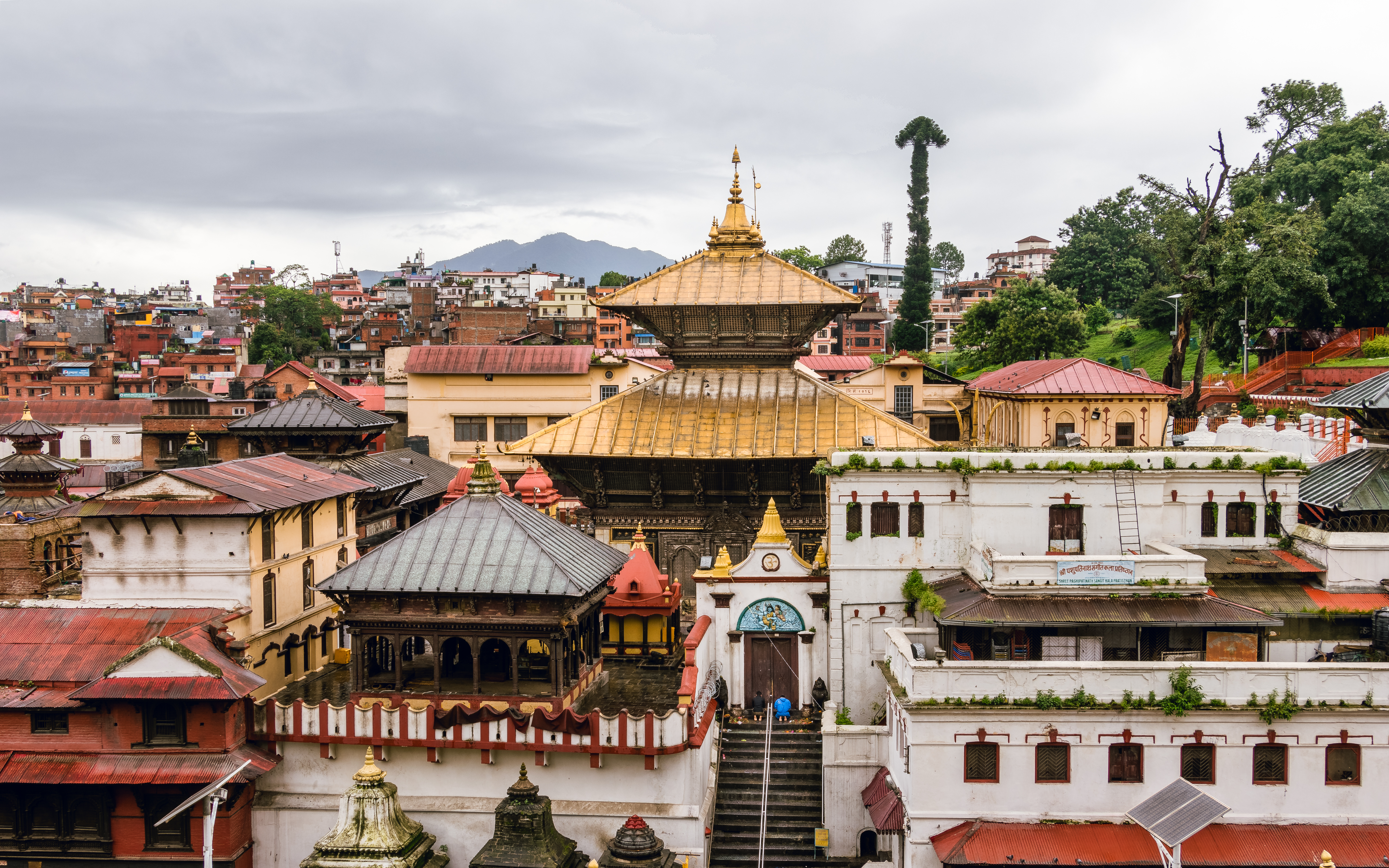
The temple complex extends along the Bagmati River, with many smaller shrines, cremation ghats, and meditation locations. For many visitors, the spiritual atmosphere here is the most profound moment of their Nepal visit. Some areas are off-limits to non-Hindus, which responsible operators respect, but open areas provide plenty of opportunity to experience its spiritual significance. We leave with a full guide to the Pashupatinath Temple on holiday. Find out more.
2. Boudhanath Stupa: The Mandala of Creation
Boudhanath Stupa stands as the largest stupa in Nepal and one of the most magnificent Buddhist structures in the world. Any comprehensive itinerary must include this location, which represents one of the most sacred Buddhist pilgrimage destinations. The structure itself symbolizes the mind of Buddha and the path to enlightenment.
When visiting this site, you will encounter one of the most visually stunning examples of stupa architecture. The massive white dome rises majestically above the surrounding cityscape, crowned with a golden spire and painted eyes that gaze across the four cardinal directions. These painted eyes convey a sense of divine watchfulness that visitors report as particularly moving.
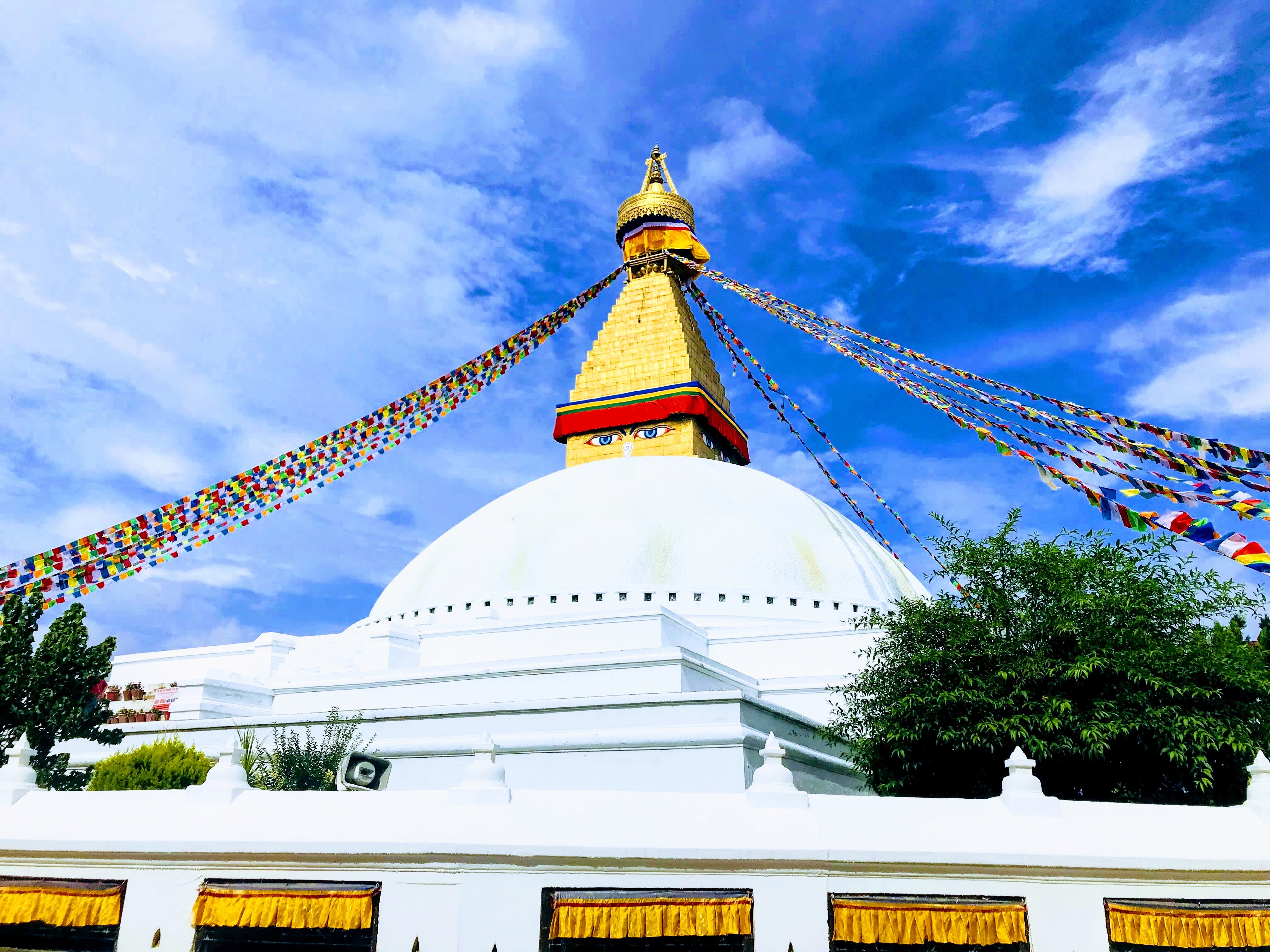
The sacred kora, or circumambulatory path, circles the structure at ground level, allowing participants to walk in a clockwise direction while spinning prayer wheels and reciting mantras. This practice, central to Buddhist spiritual life, becomes a meditative experience. Hundreds of prayer wheels line the kora, and each rotation is believed to send prayers heavenward. Early morning or evening hours offer the most spiritual atmosphere, with Buddhist monks performing rituals and pilgrims from surrounding regions gathering to circumambulate.
3. Kathmandu Durbar Square: Royal Temple Complex
Kathmandu Durbar Square represents the historical and cultural heart of the city and constitutes an essential component of any spiritual journey. This UNESCO World Heritage Site contains the royal palaces of former Malla kings and numerous temples spanning several centuries of construction. The area reveals the architectural evolution of Nepalese temple design.

The Taleju Temple stands as the most sacred structure within the square, though non-Hindu visitors are typically not permitted entry. However, the complex provides extensive opportunities to observe and photograph the ornate architecture and spiritual significance of multiple temples. The Jagannath Temple, with its erotic wooden carvings, offers a unique perspective on how decorative elements express diverse aspects of human experience and spirituality. You will encounter local worshippers, observe daily rituals at various temple entrances, and witness living spiritual traditions within this ancient complex.
4. Swayambhunath Stupa: The Monkey Temple
Swayambhunath Stupa, commonly known as the Monkey Temple, offers a distinctive experience that combines spiritual significance with natural beauty. Located on a hilltop overlooking the Kathmandu Valley, it has served as a Buddhist pilgrimage destination for over two thousand years. This journey encompasses both the sacred stupa and the surrounding natural environment.
The approach involves climbing 365 stone steps, a number symbolizing the days of the year in Buddhist cosmology. This climb, while physically demanding, becomes a meditation practice. The steps are lined with prayer stones, prayer wheels, and shrines, creating a sacred pathway to the structure.
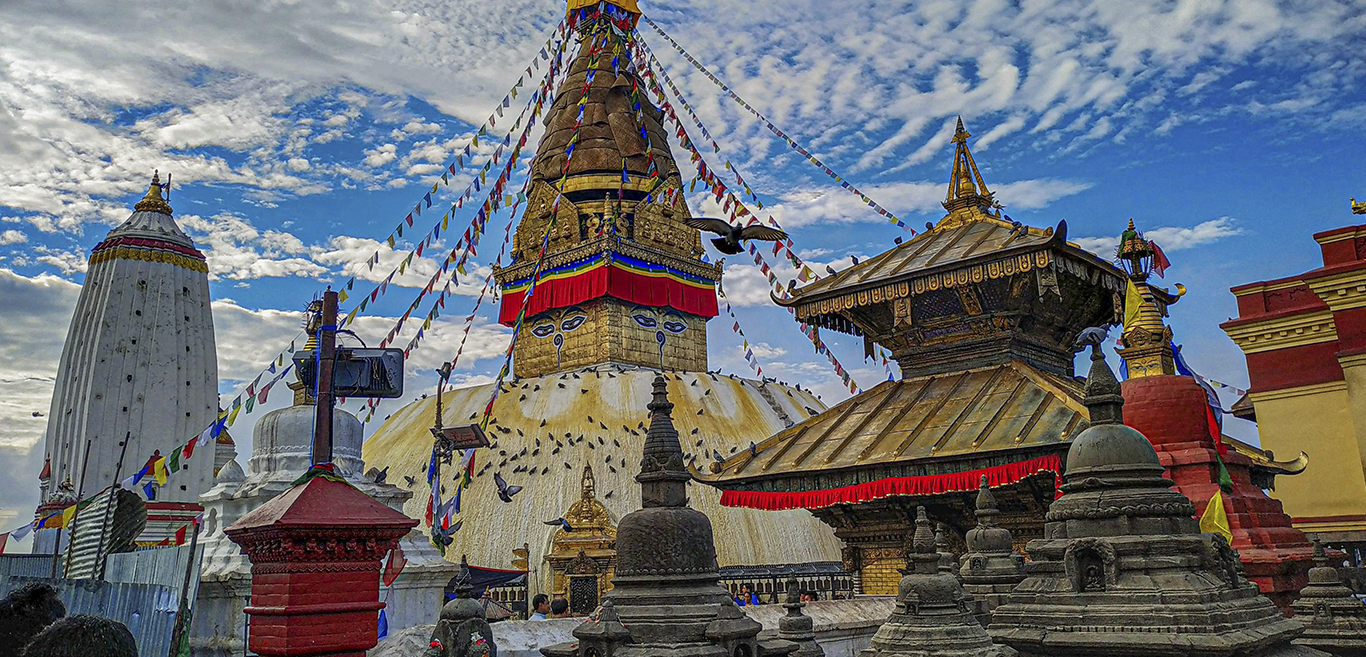
Upon reaching the summit, you will encounter the stupa in all its glory. The whitewashed dome, golden spire, and painted Buddha eyes create a striking visual impression. The complex includes multiple small temples, Buddha statues, and meditation spaces. This site offers panoramic views of the Kathmandu Valley and the Himalayan mountains beyond, creating a location where spiritual contemplation merges with natural beauty. The monkeys inhabiting the grounds are considered sacred by local Buddhist communities and have become iconic symbols of such experiences.
5. Krishna Mandir Temple: The Black Temple
Krishna Mandir Temple stands in the heart of Durbar Square and represents one of the oldest temples in the city. Built in the 17th century, it exhibits the finest examples of stone carving in Nepalese architecture. This location offers insight into the Hindu traditions that flourish alongside Buddhist practices.
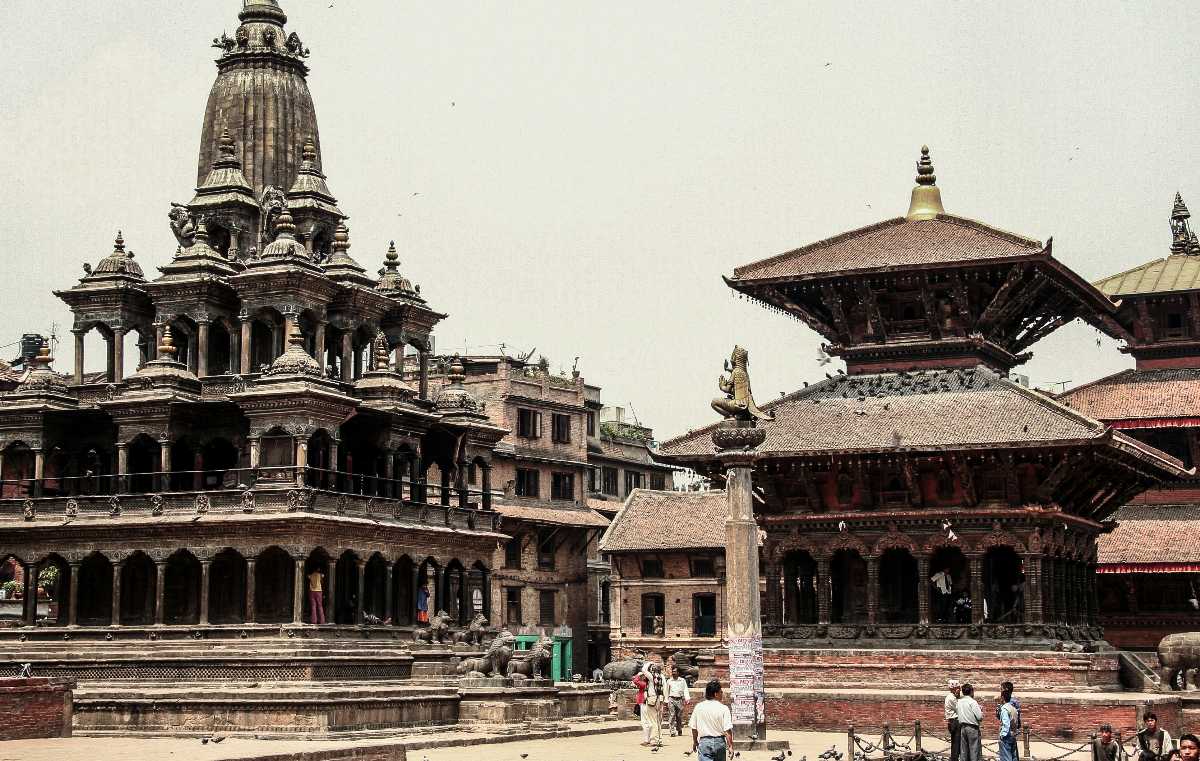
The distinctive architecture features a multi-tiered roof with ornate wooden elements and a color palette that gives the temple its alternative name, the Black Temple. Your guide can explain the intricate mythology and religious significance represented in the decorative elements. The temple remains an active place of worship where Hindu pilgrims gather daily to pay respects to Lord Krishna. The courtyard surrounding it provides space for circumambulation and meditation.
6. Jagannath Temple: The Ancient Shrine
Jagannath Temple, also located within the square, represents one of the oldest temples in the city with documented construction dating back several centuries. This visit provides exposure to ancient Hindu architectural traditions and sculptural conventions. It is perhaps most famous for its explicit wooden carvings depicting various aspects of human sexuality and spirituality.

These carvings reflect traditional Hindu philosophical understanding that celebrates all aspects of human experience as part of spiritual reality. Observing these sculptures offers an opportunity to contemplate different cultural approaches to spirituality and human expression. The juxtaposition of erotic imagery with sacred religious symbols demonstrates how Nepalese temples express holistic philosophies encompassing both earthly and divine realms. Your visit allows you to observe daily worship practices and the continued veneration of this ancient shrine by local pilgrims.
7. Kumari House: The Living Goddess
The Kumari House, located adjacent to Durbar Square, represents a unique spiritual phenomenon found nowhere else in the world. The Kumari, or the Living Goddess, is a young girl selected through an ancient selection process and revered as a manifestation of the Hindu goddess Durga. This location offers visitors the rare opportunity to observe this extraordinary spiritual tradition.
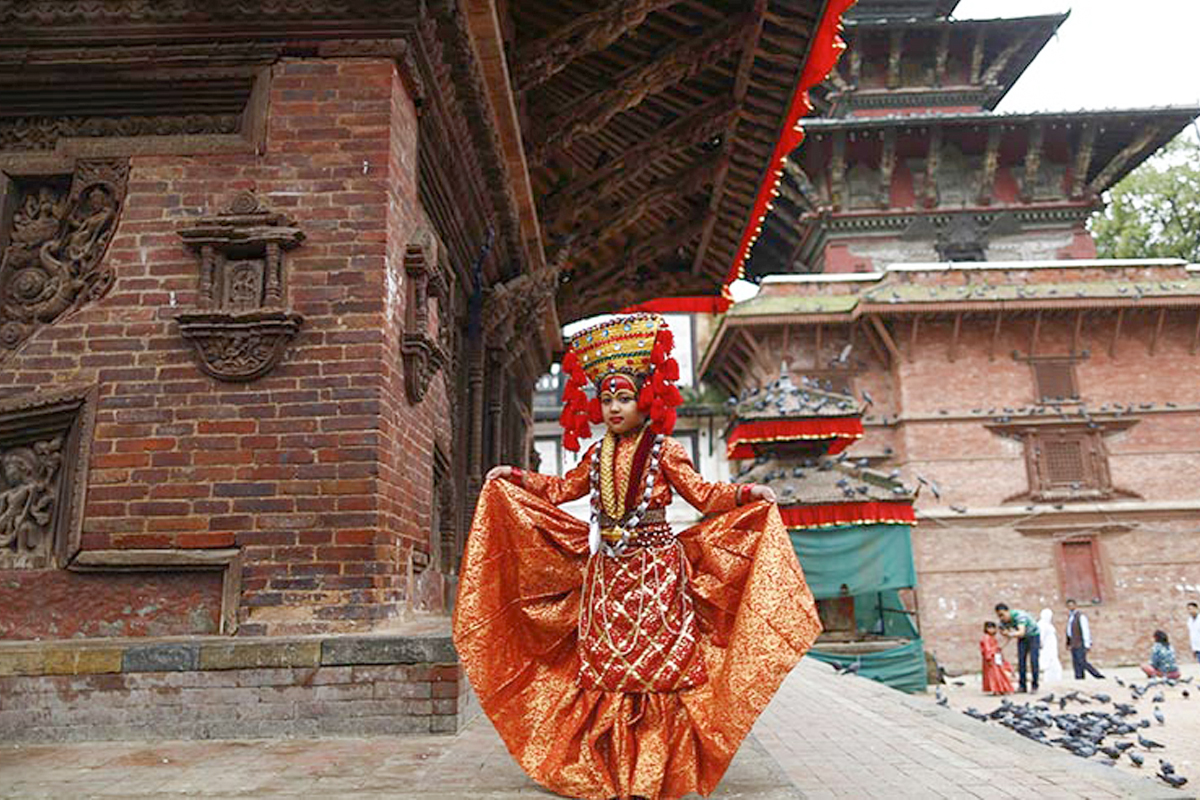
The house itself is an ornate three-story building with intricately carved wooden windows and decorative elements. During your visit, you may catch glimpses of the Kumari appearing in the window on the building’s upper level, though seeing her is not guaranteed. The courtyard below remains accessible to visitors and serves as a gathering space for pilgrims and tourists. Witnessing the reverence with which local communities regard the Kumari provides powerful insights into living spiritual traditions in Nepal.
Understanding Kathmandu Day Tour Package Options
A Kathmandu day tour package offers an efficient way to experience multiple temples within a single day, with professional guides coordinating timing and transportation. Such packages typically include guided commentary on each site, explaining historical background, architectural significance, and contemporary spiritual practices. When selecting a Kathmandu day tour package, consider whether it emphasizes photography opportunities, meditation time, or historical education.
Most options follow standard itineraries visiting major temples, though variations exist to suit different travel styles. A premium Kathmandu day tour package may include meals at local restaurants, longer meditation periods at sacred sites, or evening rituals. A budget-conscious Kathmandu day tour package typically focuses on essential temples and minimizes extras. The flexibility of package scheduling allows travelers to adapt tour duration based on personal interest and energy levels.
Kathmandu Temple Tour Cost Considerations
Understanding Kathmandu temple tour costs will help you budget appropriately for your spiritual journey. Costs vary significantly depending on tour type, guide quality, group size, and included amenities. A basic Kathmandu temple tour cost without transportation or meals might range from thirty to fifty dollars per person for group tours.
A private option offering personalized experiences with experienced guides typically ranges from eighty to one hundred fifty dollars per day. Premium Kathmandu temple tour cost options, including specialized guides, longer duration, or additional destinations, may exceed two hundred dollars daily. Many travelers find that investing in higher-quality options enhances the spiritual experience substantially. Experienced guides provide context that transforms visits from sightseeing into meaningful spiritual encounters.
Choosing Your Kathmandu Temple Tour Package
When selecting a Kathmandu temple tour package from available options, consider several factors beyond simple cost comparison. Your choice should reflect your spiritual interests, physical fitness level, and available time. Some Kathmandu temple tour package offerings emphasize Buddhist sites, while others provide balanced Hindu and Buddhist experiences.
A single-day package typically covers four to five major sites, while a two-day option allows more leisurely exploration and deeper engagement with each location. Multi-day packages extending three to five days permit visits to surrounding temples and pilgrimage sites outside central Kathmandu. The quality of your experience ultimately depends more on guide expertise and flexibility than on duration or cost.
Practical Information for Your Visit
Best Time to Visit
The optimal timing depends on climatic conditions and festival schedules. October through November offers clear skies, comfortable temperatures, and excellent visibility for photography. March through May represents the spring season with warm weather and blossoming flowers, creating beautiful conditions.
Monsoon season from June through August brings heavy rainfall that can limit sightseeing, though the fresh greenery creates beautiful photography opportunities. Winter months from December through February can be cold, but clear skies often provide excellent visibility. Consider scheduling your visit to coincide with major festivals like Durga Puja in autumn or Holi in spring to experience temples during important celebrations.
Dress Code and Respectful Behavior
Your visit requires appropriate dress reflecting the sacred nature of temple spaces. Remove shoes before entering interiors and respect signage indicating restricted areas. Photography restrictions vary by location, so inquire before photographing. Always move clockwise around sacred structures during circumambulation. Avoid pointing feet toward temple images or statues while resting.
Physical Requirements
Many temples involve climbing stairs, walking on uneven surfaces, and standing for extended periods. The climb to Swayambhunath Stupa requires reasonable fitness, though visitors of varying abilities can adjust pace. Comfortable walking shoes, sun protection, and water bottles are essential. Morning departures allow completion before afternoon heat becomes intense.
Frequently Asked Questions
Q: Can I visit all seven temples in a single day?
A: Yes, though it requires early morning departure and continuous movement. A more relaxed approach spreads them across two days, allowing deeper engagement at each location.
Q: What is the best season for exploration?
A: October through November and March through May offer optimal conditions with clear skies and comfortable temperatures. These seasons allow superior photography and reduced physical strain.
Q: Is a guide necessary?
A: While independent exploration is possible, a knowledgeable guide significantly enhances your experience by providing historical context and ensuring respectful behavior.
Q: How much does this typically cost?
A: The Kathmandu temple tour cost typically ranges from thirty to one hundred fifty dollars depending on tour type, guide quality, and group size. Premium options may exceed two hundred dollars.
Q: Can I photograph inside temples?
A: Photography policies vary by location. Your guide will indicate which areas permit photography.
Q: What should I wear?
A: Wear modest, comfortable clothing covering shoulders and knees. Bring a scarf or shawl to cover shoulders when entering inner sanctums.
Q: Is Boudhanath Stupa included in most day tour packages?
A: Yes, it is included in virtually all comprehensive Kathmandu day tour package options due to its spiritual significance and visual impact.
Q: Can I explore independently without a guide?
A: Self-guided exploration is possible, though a guide enhances understanding and ensures respectful behavior.
Q: What is appropriate tipping?
A: Standard tipping ranges from ten to fifteen percent of the tour cost. Exceptional guides warrant higher tips reflecting their value.
Q: How do I book a Kathmandu temple tour package?
A: Book through established travel agencies, tour operators, or your hotel. Research multiple offerings and confirm inclusions before committing.
Creating Your Personal Experience
A Kathmandu temple tour represents an opportunity to engage with spiritual traditions that have shaped Asian culture for millennia. Whether you select a structured package or design an independent itinerary, visiting these seven amazing spiritual places will enrich your understanding of Nepal and yourself.
These temples offer physical structures through which spiritual practices manifest, historical evidence of architectural achievement, and living centers of contemporary worship where ancient traditions continue. Your journey allows you to witness pilgrims engaged in devotional practices, observe rituals performed by priests and monks, and participate in circumambulation practices that connect you to millions of Buddhist and Hindu practitioners worldwide.
The sites represent far more than tourist attractions or historical monuments. They embody living spiritual traditions, centers of genuine worship, and sources of transformation for those approaching them with sincere intention. Plan your Kathmandu Temple Tour today and discover why spiritual seekers from around the world visit Kathmandu for peace, culture, and unforgettable spiritual experiences.
Detail Itinerary of Kathmandu Temple Tour: 7 Amazing Spiritual Places
Day 01: Pashupatinath Temple-Boudhanath Stupa- Kathmandu Durbar Square- Swayambhunath Stupa
Today early morning we will be heading towards Pashupatinath temple for morning aarti at Pashupatinath temple, we will have puja there and visit the sites of Pashupatinath temple, as it is the oldest temple in Kathmandu valley you will get many historical things to discover there. Then we will go to visit Boudhanath Stupa, which is also located in Kathmandu (capital city of Nepal). Boudha stupa is one of the largest unique structure stupas in the world. It looks like a giant mandala or diagram of the Buddhist cosmos. It is the centre of Tibetan culture in Kathmandu and rich in Buddhist symbolism. Then after we will be heading towards our next destination Kathmandu Durbar Square, it is also known as the hanuman dhoka square –one of the major attraction in Kathmandu valley. Durbar square consist old temples, palaces, symbolize the religious and cultural life of people. All the carving and architecture in this area are exceptionally fine which make the architecture in this hanuman dhoka durbar square among the most important sights for travelers to see.
Then finally we will be heading towards our final destination-Swayambhunath Stupa, which is also known as the monkey temple, a vital tourist attraction in Kathmandu. It got its name as “Monkey temple“due to a huge presence of resident sacred monkeys all over the temple. Swayambhunath is an ancient religious architecture atop a hill in the Kathmandu valley. It is one of the oldest and most holy temples. The swayambhunath temple was a vital destination for Buddhist pilgrimages and is today still a very important destination for religious adventures. Likewise, our beautiful day tour ends here.

Highest Altitude
1300m. (Kathmandu)Includes and Excludes
What is included?
- Pickup and drops
- Entrance Fees
- Professional guide
- Transport by private vehicle
What is excluded?
- Foods and Drinks
- All personal expenses (phone calls,bar bills,bottle or boiled water)
Trip Reviews
Price starts
US$ 40
Need Help?
Ask to Travel Expert