
- Mt. Kailash Tour
- Kailash Mansarovar Overland Tour
- Kailash Mansarovar Yatra by Helicopter – Complete Spiritual Journey Guide
- Kailash Yatra via Lucknow
- Kailash Mansarovar Tour via Lhasa
- Kailash Lhasa EBC Tour From Beijing
- Kailash Heli Tour via Kerung: Complete Spiritual Journey Guide
- Kailash Tour via Lhasa In Kerung Out
- Lhasa EBC Kailash Tour
- Kailash Heli Tour
- Kailash Mansarovar Yatra from Nepal 2027: Cost & Itinerary
- Kailash Nandi Kora
- Kailash Tour via Humla Simikot – 20 Days
- Mount Kailash Tour: 7 Amazing Experiences in 2027
- Trekking
-
-
- Everest Region
- Luxury Everest Base Camp Trek: 7 Unforgettable Highlights
- Everest Base Camp Trek 2026: Cost, Route, and Complete Guide
- Everest Three Passes Trek 2027: Cost, Route & Itinerary
- Everest Base Camp Short Trek
- Everest Panorama Trek: Amazing 10-Day Cost & Itinerary
- Everest Base Camp Island Peak Trek: Complete 19-Day Guide
- Gokyo Valley Trekking 2027: Easy Guide to Cost & Itinerary
- Mera Peak Climbing 2027: Complete Cost & Itinerary Guide
- Rolwaling Valley Trek: 23-Day Itinerary, Cost, Permits & Difficulty
- Dolpo Region Trek
- Everest Region
-
- Annapurna Region
- Annapurna Base Camp Trekking
- Annapurna Circuit Trek
- Annapurna Base Camp Trek: 7 Amazing Cost & Route Tips
- Mardi Himal Trek: 7 Amazing Highlights & Complete Guide
- Annapurna Alternative Combine Trek: 18 Amazing Days
- Mohare Dada Trek
- Ghorepani Poon Hill Trek: 7 Unforgettable Highlights
- Khopra Ridge Community Trek: 13-Day Ultimate Adventure
- Damodar Kunda Trek: 10-Day Ultimate Sacred Adventure
- Upper Mustang Trek: 10 Amazing Sights : Ultimate Guide
- Jomsom Muktinath Trek: Amazing 12-Day Ultimate Guide
- Ghale Gaun Trek: 7 Amazing Reasons : Ultimate Guide
- Dhampus Sarangkot Trek: 7 Incredible Experiences
- Dhaulagiri Region
- Annapurna Region
-
-
- Tours
-
-
- Day Tours
- Rickshaw–a three-wheeler Tour
- Pharping Dakshinkali Day Tour: 7 Amazing Highlights
- Historical Tour: 7 Amazing Places to Explore
- Kathmandu Temple Tour: 7 Amazing Spiritual Places
- Nagarkot Tour
- Bhaktapur City Tour: 7 Amazing Places to Explore
- Kathmandu City Tour – Complete Heritage & Cultural Experience in Nepal
- Chandragiri Hill: A Scenic Himalayan Escape Near Kathmandu
- Chitlang Hiking
- Shivapuri to Sundarijal Day Hiking
- Kulekhani Dam Day Tour — Complete Travel Guide
- Day Tours
-
- Package Tours
- Mustang Tour on Jeep
- Nepal Tour Package for Nepali: 12 Amazing Destinations to Explore (2026)
- Muktinath Tour: Complete Guide to Nepal’s Sacred Himalayan Pilgrimage
- 3N,4D Kathmandu Pilgrimage Tour
- Nepal Buddhist Pilgrimage Tour: 7 Sacred Sites Not to Miss
- 6D Nepal Pilgrimage Tour: 7 Amazing Sacred Places
- 7 Nights, 8 Days Nepal Tour
- Districts tour of Nepal
- Janakpur Tour Package: Price, Family Tour & Travel Guide from Kathmandu 2026
- Short Hike in Nepal: 7 Best Easy Treks for Beginners
- Package Tours
-
-
- Outbound
-
- Activities
- Climbing
- Bungee Jumping in Nepal
- Heli Skiing Adventure in the Himalayas
- Canoeing in Nepal
- Mountain Flight in Nepal
- Zip Flyer in Pokhara: The Ultimate Adventure Experience
- Paragliding in Pokhara: 7 Amazing Reasons to Experience Nepal’s Best Adventure
- Kathmandu Cycling Tour: 9 Amazing Adventures
- Rafting
- Rock Climbing
- Company
- Travel Info
- Travel Insurance
- Recommended Medical Kit
- Nepal Visa Information
- Flight delays and cancellation in Nepal
- Electricity in Nepal: Rates, Bill Check, Calculator and NEA Services
- Trekking Equipment Checklist: 40 Essential Items
- Best Kailash season in Tibet
- Best Trekking season in Nepal
- Trekking in Nepal 2027: 15 Best Himalayan Adventures
- Blogs
- Contact


WhatsApp
+977-9851035239

Email Us
[email protected]
Helambu Circuit Trek: 10 Incredible Himalayan Highlights


Trip Duration
9 Days
Trip Difficulty
Moderate
Activity
Trekking, Hiking & Sightseeing
Destination
Nepal
Group Size
2-15 Pax
Accommodation
3-4 star hotel in kathmandu, Normal guest house during trekkingHighlights of Helambu Circuit Trek: 10 Incredible Himalayan Highlights
- Scenic trek close to Kathmandu with easy road access
- Walk through Sundarijal and the forests of Shivapuri-Nagarjun National Park
- Enjoy beautiful sunrise and Himalayan views from Chisapani
- Trek through traditional villages such as Kutumsang, Melamchi Gaon, Tarkeghyang, and Sermathang
- Reach Thadepati, one of the highest points of the classic Helambu Circuit Trek
- Experience panoramic views of Langtang, Ganesh Himal, Dorje Lakpa, and Jugal Himal
- Explore authentic Tamang and Hyolmo culture and Buddhist traditions
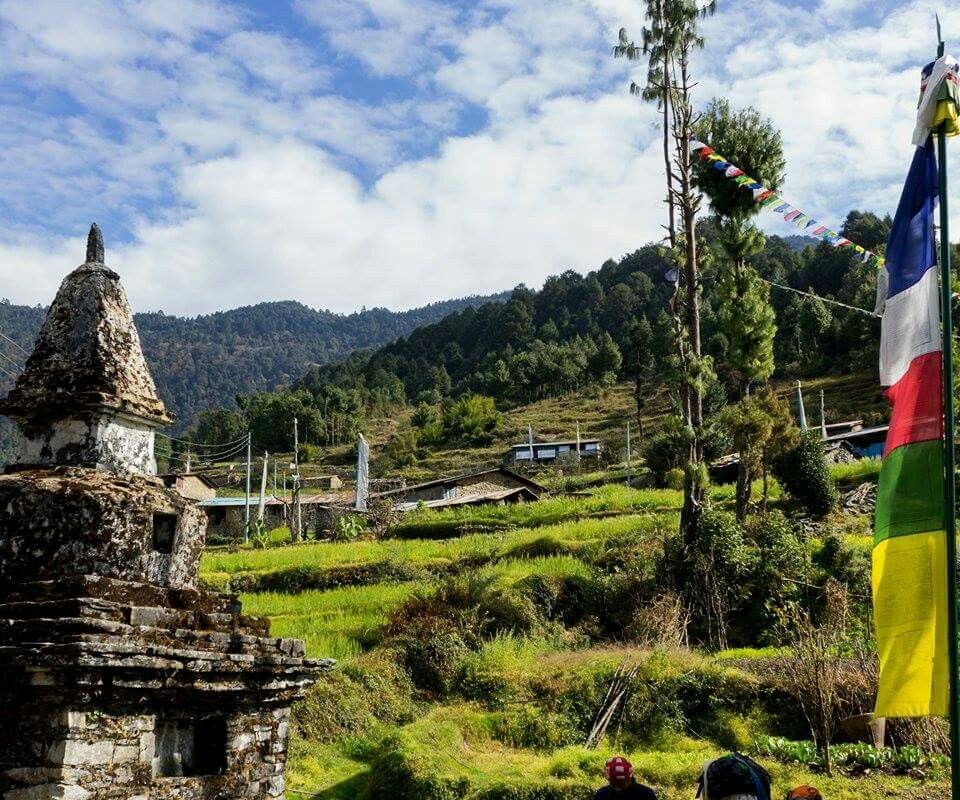
- Visit monasteries, chortens, mani walls, and prayer-flag-covered villages
- Walk through rhododendron forests, terraced hills, and peaceful mountain trails
- Enjoy a quieter trekking route compared with Nepal’s busier trekking regions
- Optional hike to Ama Yangri for spectacular mountain views
- Experience comfortable teahouse trekking without extreme altitude
- Suitable for beginners and trekkers with moderate fitness
- Ideal for travellers looking for a short Himalayan trek from Kathmandu
Price starts
US$ 600
We offer group discounts
-
2 -
4 person
US$ 750
-
5 -
10 person
US$ 600
-
11 over
9999
US$ 580
Total Cost:
US$

Need Help?
Ask to Travel Expert
Trip Overview of Helambu Circuit Trek: 10 Incredible Himalayan Highlights
The Helambu Circuit Trek is one of Nepal’s most accessible Himalayan journeys for travellers who want mountain scenery, traditional villages, Buddhist culture, peaceful forests, and a genuine trekking experience without travelling far from Kathmandu. Located northeast of the Kathmandu Valley, the route explores the beautiful Helambu region and connects rural settlements, high ridges, rhododendron forests, terraced hills, and Himalayan viewpoints.
Unlike longer adventures in the Everest, Annapurna, or Manaslu regions, the Helambu Circuit Trek can be completed within a relatively short holiday. This makes it an excellent choice for first-time trekkers, cultural travellers, and experienced hikers who want a quieter trail close to Nepal’s capital.
The classic Helambu Circuit Trek usually begins at Sundarijal and continues through Chisapani, Kutumsang, Thadepati, Melamchi Gaon, Tarkeghyang, and Sermathang before descending toward road access around Melamchi. Some modern itineraries also include an optional hike to Ama Yangri, while longer routes can combine Helambu with Gosaikunda or Langtang Valley.
The Nepal Tourism Board recognizes Helambu as part of the wider Langtang trekking region and provides an official Helambu and Langtang Trek map for route reference. Helambu and Langtang Trek map
This complete guide covers the Helambu Trek Itinerary, the Helambu Valley Trek experience, the Helambu Trek cost, the Helambu Trek difficulty, the route, the distance, the permits, the accommodation, the food, the transportation, the seasons, the preparation, the culture, the safety, and other essential information.
Why Choose the Helambu Circuit Trek?
The Helambu Circuit Trek is particularly attractive because it offers a real Himalayan trekking experience without requiring a domestic flight or a long approach journey.
Sundarijal lies close to Kathmandu, allowing travellers to leave the city in the morning and begin walking on the same day. Within a short time, the urban landscape gives way to forests, streams, stone trails, villages, and mountain scenery.
The route also provides an excellent combination of culture and nature. Lower sections pass through forests, terraced farmland, Tamang settlements, streams, and rolling hills. Higher ridges provide views toward Langtang, Ganesh Himal, Dorje Lakpa, Jugal Himal, and other Himalayan peaks when visibility is clear.
Another advantage of the Helambu Circuit Trek is its comparatively moderate altitude. The classic trail reaches approximately 3,690 meters around Thadepati, considerably lower than major passes on the Everest, Manaslu, or Annapurna circuits.
If Ama Yangri is added as an optional excursion, trekkers may reach approximately 3,771 meters. This adds a little more challenge while rewarding travelers with outstanding panoramic mountain views.
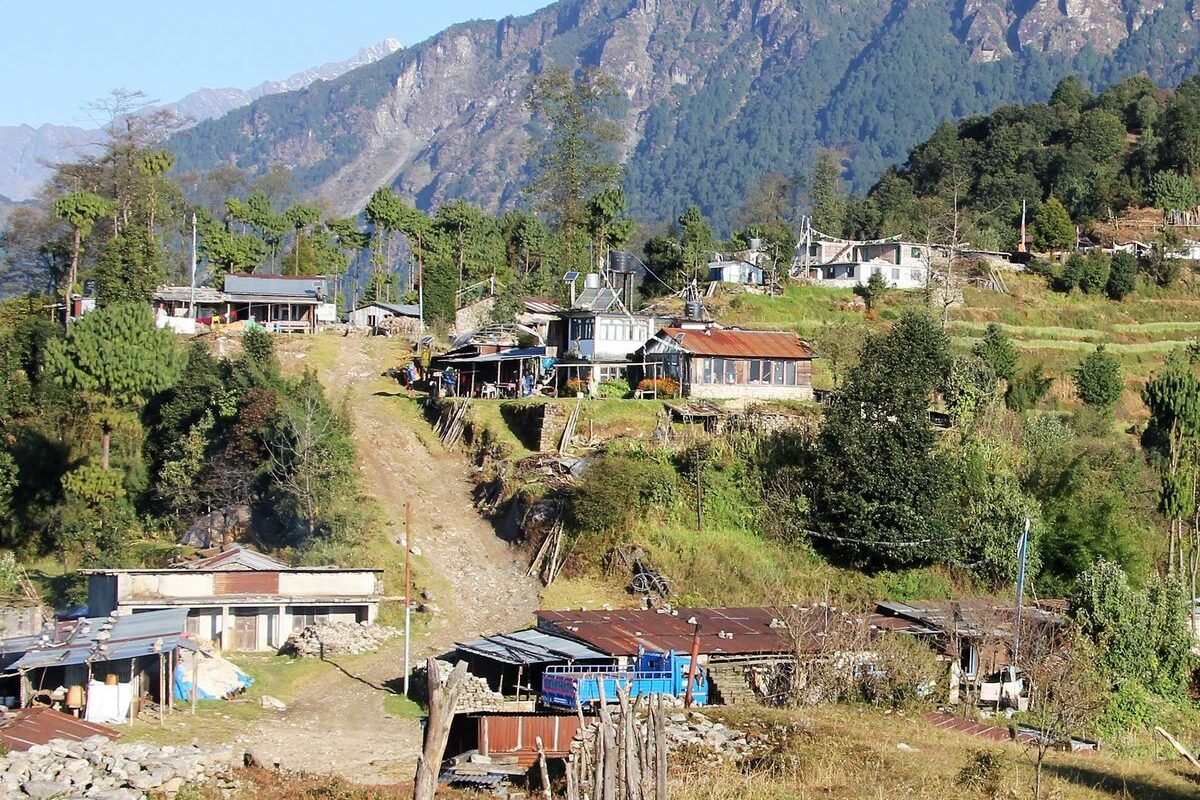
The cultural experience is equally important. Tarkeghyang, Sermathang, Melamchi Gaon, and surrounding settlements contain monasteries, prayer flags, chortens, mani walls, agricultural fields, and communities where Buddhist traditions remain closely connected to everyday life.
10 Incredible Helambu Circuit Trek Highlights
Sundarijal and Shivapuri Forest
The Helambu Circuit Trek commonly begins from Sundarijal on the northeastern edge of Kathmandu Valley.
After a short road transfer from Kathmandu, trekkers begin climbing through stone steps, forest, streams, settlements, and water channels.
The trail enters the beautiful surroundings of Shivapuri-Nagarjun National Park, one of the closest protected natural areas to Kathmandu. The Nepal Tourism Board describes the park as an important trekking and birdwatching destination containing forests, mammals, birds, and diverse vegetation. Shivapuri-Nagarjun National Park
The rapid transition from Kathmandu’s busy streets to peaceful greenery makes the first day of the Helambu Circuit Trek particularly enjoyable.
Chisapani Sunrise
Chisapani is one of the most popular early stops on the Helambu Circuit Trek.
Located on a scenic ridge, the settlement offers beautiful views across forested hills and distant Himalayan ranges.
On clear mornings, trekkers can enjoy sunrise views toward the Langtang range and surrounding mountains.
The route from Sundarijal to Chisapani also demonstrates how accessible the Helambu Circuit Trek is from Kathmandu. Travellers can leave the capital in the morning and reach a peaceful mountain village by afternoon.
Kutumsang
From Chisapani, the Helambu Circuit Trek continues through Pathi Bhanjyang, Gul Bhanjyang, terraced fields, forest, and traditional hill settlements before reaching Kutumsang.
This stage involves repeated ascents and descents, making it more physically demanding than its moderate altitude might suggest.
Kutumsang provides a peaceful overnight stop before the route enters higher terrain.
Mountain scenery becomes increasingly impressive, and the settlement marks an important transition between the lower agricultural hills and the forested approach toward Thadepati.
Thadepati
Thadepati is generally one of the highest points on the classic Helambu Circuit Trek at approximately 3,690 meters.
The trail climbs through rhododendron and fir forests before reaching the exposed ridge.
From Thadepati, trekkers may enjoy views of Dorje Lakpa, Langtang peaks, Gaurishankar, and surrounding mountain ridges when weather conditions are favorable.
Thadepati is also an important trail junction. One direction connects toward Gosaikunda, while another descends into Helambu.
Reaching this ridge gives the Helambu Circuit Trek a genuine high-Himalayan atmosphere without the extreme altitude associated with Nepal’s major high passes.
Melamchi Gaon
After Thadepati, the trail begins descending into the Helambu Valley.
Melamchi Gaon is one of the important settlements encountered along this section of the Helambu Circuit Trek.
The village is surrounded by farmland, hills, forests, monasteries, traditional houses, and Buddhist cultural features.
The long descent from the high ridge creates a dramatic change in landscape and temperature.
Trekkers should take their time on steep downhill sections, particularly if trails are wet or slippery.
Tarkeghyang
Tarkeghyang is one of the largest and most culturally important settlements on the Helambu Circuit Trek.
The village is often considered the cultural heart of the Helambu Valley Trek because of its monasteries, stupas, traditional homes, agricultural landscapes, and Buddhist heritage.
After descending from Thadepati toward Melamchi Gaon, trekkers cross the valley and climb again toward Tarkeghyang.
The village provides an excellent opportunity to rest, explore local religious sites, interact respectfully with residents, and experience the peaceful lifestyle of the Helambu region.
Ama Yangri
Ama Yangri is not part of every traditional Helambu Trek itinerary, but it has become one of the most attractive optional extensions.
The viewpoint lies at approximately 3,771 meters above Tarkeghyang.
The climb is steep, but on a clear day the top offers spectacular panoramic views of Langtang Lirung, Ganesh Himal, Jugal Himal, and other surrounding mountain ranges.
Prayer flags and religious structures reflect the spiritual importance of the area.
Including Ama Yangri makes the Helambu Circuit Trek slightly more demanding, but it can also become one of the most memorable days of the entire journey.
Sermathang
Sermathang is another beautiful village on the Helambu Circuit Trek.
The trail from Tarkeghyang is generally easier than the higher stages and passes through forests, smaller settlements, streams, mani walls, chortens, and agricultural landscapes.
Sermathang is known for its peaceful surroundings, monasteries, traditional houses, and apple-growing areas.
From selected viewpoints, trekkers may enjoy views toward Ganesh Himal, Jugal Himal, and the surrounding hills.
The relaxed walking makes this stage especially enjoyable after the harder sections around Thadepati and Ama Yangri.
Hyolmo and Tamang Culture
One of the greatest strengths of the Helambu Circuit Trek is its cultural diversity.
The route passes through areas associated with Tamang and Hyolmo communities, where Buddhist traditions remain deeply rooted.
Monasteries, prayer flags, chortens, mani walls, local architecture, traditional agriculture, festivals, food, and religious customs give the journey a strong cultural identity.
The Hyolmo people of Helambu have their own cultural traditions and should not simply be described as identical to Sherpa communities from the Everest region.
Travellers should approach villages respectfully, ask permission before photographing residents, and follow local guidance when entering monasteries or sacred spaces.
Quiet Himalayan Trails Close to Kathmandu
Perhaps the most surprising feature of the Helambu Circuit Trek is how peaceful it can feel despite being relatively close to Kathmandu.
The route receives fewer international trekkers than Everest Base Camp, Annapurna Base Camp, or the main Langtang Valley Trek.
Many sections remain quiet and rural, allowing travelers to enjoy forests, mountain villages, prayer flags, agricultural fields, and Himalayan views without heavy trail traffic.
This accessibility and tranquillity make the Helambu Circuit Trek one of Nepal’s most appealing short trekking experiences.
Helambu Circuit Trek Map and Route Overview
A useful Helambu Circuit Trek map should correspond directly to the itinerary being sold because several route variations are possible.
The classic journey begins with a road transfer from Kathmandu to Sundarijal.
From Sundarijal, trekkers climb through Mulkharka and forest toward Chisapani.
The Helambu Circuit Trek then continues through Pathi Bhanjyang and Gul Bhanjyang before reaching Kutumsang.
From Kutumsang, the route climbs through increasingly remote forest toward Magengoth and Thadepati.
After reaching the high ridge, trekkers descend toward Melamchi Gaon and then continue to Tarkeghyang.
The lower Helambu Circuit Trek route proceeds from Tarkeghyang toward Sermathang before descending through villages and terraced farmland toward Melamchi Pul Bazaar or another suitable road connection.
From there, travellers return to Kathmandu by vehicle.
Some modern itineraries include an Ama Yangri side hike from Tarkeghyang. Longer routes may connect Thadepati with Gosaikunda or combine Helambu with Langtang Valley.
For accurate trip planning, the package map should always match the actual Helambu Trek itinerary rather than using a generic Langtang map.
Helambu Trek Itinerary Overview
A standard Helambu Trek itinerary normally requires approximately five to seven trekking days depending on overnight stops, transportation, and optional side trips.
The journey begins with a drive from Kathmandu to Sundarijal and a trek to Chisapani.
From Chisapani, trekkers continue through Pathi Bhanjyang and Gul Bhanjyang toward Kutumsang.
The next stage of the Helambu Circuit Trek climbs through forest toward Thadepati.
After reaching the high ridge, the trail descends into the Helambu Valley and continues through Melamchi Gaon toward Tarkeghyang.
Trekkers may spend an additional day hiking to Ama Yangri before continuing to Sermathang.
The final walking stage descends toward Melamchi Pul Bazaar or another nearby roadhead before the drive back to Kathmandu.
A longer Helambu Trek itinerary can combine the region with Gosaikunda or Langtang Valley, but these routes require more days and reach higher elevations.
Helambu Trek Distance
The Helambu Trek distance depends on the exact itinerary and route variation.
For the classic Sundarijal–Chisapani–Kutumsang–Thadepati–Tarkeghyang–Sermathang–Melamchi route, current trekking descriptions commonly place the total walking distance at roughly 70 to 80 kilometers.
Some operators estimate the trail at approximately 78 kilometers.
However, the final Helambu Trek distance can change depending on road access, overnight stops, trail changes, Ama Yangri side trips, and GPS measurement methods.
Daily walking duration is often more useful than kilometers alone.
Most days involve approximately four to seven hours of trekking.
Chisapani to Kutumsang is typically one of the longer walking days, while the route between Tarkeghyang and Sermathang is usually more relaxed.
A shorter distance involving steep climbing toward Thadepati or Ama Yangri can require more effort than a longer downhill or level trail.
Helambu Trek Difficulty
The Helambu Trek difficulty is generally considered easy to moderate.
The trail does not involve technical climbing, glacier crossings, or passes above 5,000 meters.
However, the Helambu Circuit Trek still includes steep climbs, stone staircases, forest paths, long descents, uneven terrain, and consecutive walking days.
The ascent from Kutumsang toward Thadepati is one of the more physically demanding stages.
Adding Ama Yangri increases the Helambu Trek difficulty because trekkers must climb steeply to approximately 3,771 meters.
Most healthy travellers with reasonable cardiovascular fitness can complete the Helambu Circuit Trek with appropriate preparation.
Previous high-altitude trekking experience is helpful but generally not essential.
Best Time for the Helambu Circuit Trek
Spring and autumn are generally the best seasons for the Helambu Circuit Trek.
Spring: March to May
Spring brings improving temperatures, longer daylight, and colorful vegetation.
Rhododendron forests around the higher sections can become particularly beautiful during this period.
Morning mountain views are often clear, although afternoon clouds may develop.
The Nepal Tourism Board identifies March to May as one of the preferred seasons for trekking in the wider Langtang National Park region. Langtang National Park trekking information
Autumn: September to November
Autumn is another excellent period.
After the summer monsoon, vegetation is fresh and green, while Himalayan visibility often improves considerably.
October and November generally provide comfortable trekking temperatures and stable mountain views.
Nights become colder at higher locations such as Thadepati as November progresses.
Winter
Winter trekking is possible because the Helambu Circuit Trek remains lower than many major Himalayan routes.
However, snow can affect Thadepati, Ama Yangri, and other exposed ridges.
Trekkers need warmer equipment and should remain flexible if winter conditions make a section unsafe.
Monsoon
The summer monsoon brings rainfall, cloudy mountain views, muddy paths, slippery stone steps, leeches, and possible landslides.
The Helambu Circuit Trek remains accessible in many areas, but trail and road conditions are less predictable.
Helambu Circuit Trek Permits and Guide Requirements
Current Nepal Tourism Board rules specifically include the Helambu Trek among routes where trekkers must travel with a licensed trekking guide and carry a trekking-agency-issued TIMS Card.
Travellers should check the latest official Nepal Tourism Board TIMS Card guidance before departure because trekking regulations can change.
The classic Helambu Circuit Trek begins through the Shivapuri-Nagarjun National Park area near Sundarijal and later connects with the wider Langtang protected trekking region.
The current Nepal Tourism Board protected-area fee schedule lists Shivapuri-Nagarjun National Park entry at NPR 1,000 for foreign visitors, NPR 600 for SAARC nationals, and NPR 100 for Nepali visitors per entry.
Langtang National Park is currently listed at NPR 3,000 for most foreign visitors, NPR 1,500 for SAARC nationals, and NPR 100 for Nepali visitors per entry.
Because the exact protected-area boundaries crossed can depend on the final route, the trekking agency should verify which permits apply to the booked Helambu Trek Itinerary before departure.
Helambu Trek Cost
The Helambu Trek cost is generally lower than many longer Himalayan adventures.
One major reason is access. The Helambu Circuit Trek does not normally require an expensive domestic flight, expedition camping, or technical climbing equipment.
However, there is no single Helambu Trek cost that applies to every departure.
The price depends on:
- Number of trekking days
- Group size
- Guide service
- Porter support
- Private or shared transportation
- Accommodation
- Meals
- TIMS Card
- Applicable park permits
- Kathmandu hotel nights
- Ama Yangri extension
- Private or group departure
- Government taxes and service charges
When comparing the Helambu Trek cost between operators, travelers should check the complete inclusion and exclusion list.
A cheaper price may exclude meals, guide fees, permits, transportation, porter support, or Kathmandu accommodation.
A professional Helambu Circuit Trek package should clearly explain what is included before payment.
Accommodation During the Helambu Circuit Trek
Accommodation is generally based on teahouses, local guesthouses, and simple mountain lodges.
Chisapani, Kutumsang, Thadepati, Tarkeghyang, Sermathang, and other regular stops provide basic trekking accommodation.
Rooms are usually simple and often twin-sharing.
Private bathrooms, central heating, unlimited hot water, and reliable internet should not be expected everywhere.
Facilities become more basic at higher or smaller settlements.
Thadepati can be particularly cold at night, making a warm sleeping bag useful even when blankets are provided.
The simple lodge environment is part of the Helambu Valley Trek experience and provides opportunities to interact with local hosts and other trekkers.
Food and Drinking Water
Food during the Helambu Circuit Trek is generally simple, filling, and suitable for trekking.
Dal bhat is one of the most reliable meals and typically includes rice, lentil soup, vegetables, and seasonal side dishes.
Depending on the teahouse, menus may also include noodles, fried rice, potatoes, soup, eggs, bread, porridge, tea, coffee, and Tibetan-influenced foods.
Menu variety becomes more limited at higher and smaller lodges.
Vegetarian meals are generally easy to arrange.
Water from streams, village taps, or other untreated sources should not automatically be considered safe.
Use boiled water, an appropriate filter, or a reliable purification method.
Carry reusable water bottles to reduce plastic waste along the Helambu Circuit Trek.
Training and Physical Preparation
The Helambu Circuit Trek does not require intensive expedition training.
However, preparation makes the trek safer and more enjoyable.
Travellers who are not already active should begin regular exercise approximately four to six weeks before departure.
Useful activities include:
- Hiking
- Brisk walking
- Stair climbing
- Cycling
- Jogging
- Swimming
- Squats and lunges
- Core exercises
Weekend walks with hills are particularly useful.
Trekkers should become comfortable walking for five to seven hours with regular breaks.
Practicing with a light daypack also helps prepare the shoulders and back.
Break in trekking boots before arriving in Nepal.
Essential Packing List
Packing for the Helambu Circuit Trek should remain lightweight but versatile enough for warm valleys, rain, cold ridges, and changing mountain weather.
Recommended items include:
- Broken-in trekking boots
- Waterproof jacket
- Waterproof trousers
- Fleece or warm mid-layer
- Lightweight down jacket
- Thermal base layers
- Trekking trousers
- Warm hat
- Sun hat
- Gloves
- UV-protection sunglasses
- High-SPF sunscreen
- Trekking poles
- Headlamp
- Sleeping bag
- Reusable water bottles
- Water-treatment method
- Personal medicines
- Basic first-aid items
- Power bank
- Waterproof pack cover
- Small daypack
- Duffel bag if using porter support
The final equipment list should be adjusted according to the season and whether the itinerary includes Ama Yangri.
Culture and Responsible Trekking
Cultural respect is essential throughout the Helambu Circuit Trek.
The route passes through Tamang and Hyolmo communities, where Buddhism, agriculture, family traditions, monasteries, and religious monuments remain part of everyday life.
Ask permission before photographing residents or entering private homes.
Follow local guidance around prayer wheels, mani walls, chortens, monasteries, and sacred objects.
Do not interrupt religious ceremonies for photos or videos.
Use locally operated lodges, shops, guides, and community services whenever practical.
Carry plastic wrappers, batteries, wipes, bottles, and other non-biodegradable waste back to an appropriate disposal point.
Responsible tourism helps protect both the environment and the cultural character of the Helambu Circuit Trek.
Health, Altitude, and Travel Insurance
The Helambu Circuit Trek is not considered an extreme high-altitude journey, but basic altitude awareness remains important.
The classic route reaches approximately 3,690 meters at Thadepati, while an Ama Yangri extension may reach around 3,771 meters.
Some travelers may experience headaches, fatigue, reduced appetite, or mild shortness of breath at higher elevations.
Walk at a steady pace, drink enough water, eat properly, and tell the guide if unusual symptoms develop.
Comprehensive travel insurance is recommended.
The policy should cover trekking activities, emergency medical treatment, trip interruption, and evacuation where necessary.
Mountain weather can change quickly, especially around exposed ridges.
The trekking guide should be allowed to modify the Helambu Trek Itinerary when conditions make the original route unsafe.
How to Reach the Helambu Circuit Trek
Easy access is one of the major advantages of the Helambu Circuit Trek.
The classic journey begins with a relatively short road transfer from central Kathmandu toward Sundarijal.
From Sundarijal, the walking trail climbs through Shivapuri-Nagarjun National Park toward Chisapani.
At the end of the Helambu Circuit Trek, most itineraries descend from Sermathang toward Melamchi Pul Bazaar or another nearby road connection.
Travellers then return to Kathmandu by road.
This eliminates dependence on domestic mountain flights and makes the journey easier to organize for travelers with limited time.
Helambu Circuit Trek vs Helambu Langtang Trek
The Helambu Circuit Trek and Helambu Langtang Trek are related but represent different itineraries.
The classic Helambu Circuit Trek focuses on Sundarijal, Chisapani, Kutumsang, Thadepati, Tarkeghyang, Sermathang, and the Helambu Valley.
A Helambu Langtang Trek combines the region with Langtang Valley, adding destinations such as Lama Hotel, Langtang Village, Kyanjin Gompa, and higher viewpoints.
This combination requires additional trekking days and reaches greater altitude.
The Helambu Circuit Trek can also be combined with Gosaikunda.
A Gosaikunda Helambu Trek typically crosses the high Laurebinayak/Gosaikunda region before descending through Thadepati toward Helambu.
These combination journeys should be treated as separate packages because their difficulty, distance, itinerary, and cost differ from the classic Helambu Circuit Trek.
Is the Helambu Circuit Trek Right for You?
The Helambu Circuit Trek is ideal for travellers looking for a shorter Himalayan journey with a strong combination of culture and mountain scenery.
It may suit you if you:
- Prefer quieter trekking trails
- Want a trek close to Kathmandu
- Enjoy Buddhist culture and traditional villages
- Want Himalayan views without extreme altitude
- Have limited time in Nepal
- Prefer road access instead of mountain flights
- Can walk five to seven hours per day
- Enjoy teahouse trekking
- Have moderate physical fitness
- Want an introduction to Himalayan trekking
- Are interested in Tamang and Hyolmo culture
- Want the option to add Ama Yangri
The Helambu Circuit Trek is particularly suitable for travellers who want a meaningful Nepal trek but cannot dedicate two or three weeks to a longer circuit.
Conclusion
The Helambu Circuit Trek combines peaceful forest trails, Himalayan viewpoints, traditional villages, Buddhist heritage, and easy access from Kathmandu within one compact journey.
Its greatest strength is balance.
The route provides a rewarding physical challenge without technical climbing, meaningful cultural experiences without excessive commercial development, and impressive mountain views without requiring trekkers to climb above 5,000 metres.
A carefully planned Helambu Trek itinerary connects Sundarijal, Chisapani, Kutumsang, Thadepati, Melamchi Gaon, Tarkeghyang, Sermathang, and Melamchi at a comfortable pace.
Understanding the Helambu Trek distance, the Helambu Trek difficulty, permit requirements, accommodation standards, and the Helambu Trek cost before booking allows travelers to prepare realistically.
For those with additional time and fitness, the Helambu Circuit Trek can also include Ama Yangri or be extended toward Gosaikunda and Langtang Valley.
With proper preparation, an experienced licensed guide, suitable trekking equipment, and respect for local communities, the Helambu Circuit Trek remains one of Nepal’s most rewarding short Himalayan adventures for travelers seeking culture, nature, peaceful trails, and mountain scenery close to Kathmandu.
Detail Itinerary of Helambu Circuit Trek: 10 Incredible Himalayan Highlights
Day 01: Arrival In Kathmandu
Your wonderful journey to the amazing Himalayas starts from your flight to Kathmandu. On your arrival, our company representatives from Leaf Holidays will greet you at the Tribhuwan International Airport and escort you to the hotel for check-in and overnight stay. You will have a rest at the hotel. Overnight at Hotel.
Day 02: Sightseeing of Kathmandu and Bhaktapur city
Day 03: Drive to Sundarijal & trek to Chisapani (2300m) 5 hours
Today, we make an hour’s drive to Sundarijal (1350 m), our trek start point. From Sundarijal, we trek to Chisopani (2300m). We enter through the trail of Shivapuri National Park. The first settlement we come across is Mulkharka, mostly inhabited by the Tamang people. Then we walk along the ridge through a forest of oaks and rhododendron to Chisopani. Overnight at the guest house.
Day 04: Chisapani to Kutumsang
After taking our morning breakfast, we head for a journey to Kutumsang. We will enjoy the magnificent views of the Langtang mountains on the way. After some hiking, we arrive at Pathi Bhanjyang and Gul Bhanjyang. From Gul Bhanjyang, the trail ascends to another pass. Another downhill trek from the pass takes us to Kutumsang. Overnight at Kutumsang.
Day 05: Trek from Kutumsang to Thadepati (3650m) 6 hours
We climb above Kutumsang on a steep trail mostly through fir and rhododendron forest, where there are no permanent settlements. Then we will pass to Yurin Danda with magnificent views of the Himalayas. We will reach Tharepati for our overnight stay.
Day 06: Trek to Tarkeghyang (2560m) 6 hours
Today we head for Tarkeghyang. During the early part of the trek, the trail descends until we cross the Melamchi Khola. Then we ascend Tarkeghyang, passing through Sherpa settlements. We enjoy the golden majestic mountain views with the sunshine. We discover the village of the biggest and oldest monastery in the region. The village is more popularly known as Helambu, since most of the inhabitants belong to the Helmu caste.
Day 07: Trek to Sermathang (2,610m) 4 hours
It’s an easy walk today, as there is not any ascending trail. We pass through forests, streams, and waterfalls. The trail makes a sweep around the wide valley end between Parachin and the Sherpa village of Gangyul. From Gangyul, we arrive at Sermathang. We will discover a village. There is also a Buddhist monastery at the highest point of the village.
Day 08: Trek to Malemchi Puul Bazaar and Drive to Kathmandu 6 hours
On our final day of the trek, we descend to Malemchi Pul Bazaar. The village is mostly inhabited by the Sherpa, but there are also people of other ethnicities. From the Bazaar, we catch a bus to Kathmandu. After reaching Kathmandu, we have the rest of the day off to rest or do some souvenir shopping. To celebrate the successful completion of our journey, we will have a farewell dinner for the group.
Day 09: Transfer to the airport for the final departure
Nearly 2 hours before your scheduled flight, our company representative will take you to the airport. We are sure you will be back to your home taking amazing experiences in Nepal. We hope you enjoyed trekking and want to be somewhere in the Himalayas again.

- The itinerary may change due to weather, road, or trail conditions.
- Daily walking time may vary depending on pace and fitness.
- Mountain views depend on weather and visibility.
- Accommodation is mainly in simple teahouses and local lodges.
- Electricity, Wi-Fi, hot showers, and charging may be limited.
- Carry proper trekking shoes, warm clothes, rain protection, and personal medicines.
- Drink only boiled, filtered, or properly treated water.
- Follow the guide’s instructions throughout the trek.
- Respect local culture, monasteries, villages, and traditions.
- The guide may adjust the route for safety and comfort.
Includes and Excludes
What is included?
- Pick-up and drop-up from airport and hotel
- Hotel in Kathmandu, teahouses during the trek
- Breakfast in Kathmandu and all meals during the trek
- English speaking trained & experienced guide
- Potter service charges during the trek
- All fees for sightseeing including entry fees for visiting temples, monuments, trekking & national parks
- Welcome & Farewell dinner
- Leaf Holidays Down jacket, trekking duffel bag
- A comprehensive medical kit
- All necessary paper work and permit
- All applicable taxes and service charge
What is excluded?
- Nepalese visa fee
- Excess baggage charge
- Extra night accommodation in Kathmandu because of early arrival and late departure
- Emergency expenses like rescue, emergency medical treatment
- Personal expense charges
- International flights
- Travel and rescue insurance
- Personnel expenses
- Tips to guide, potter, or driver
Trip Information
| Trip Details | Information |
|---|---|
| Trip Name | Helambu Circuit Trek |
| Destination | Helambu Region, Nepal |
| Trek Type | Cultural & Scenic Himalayan Trek |
| Trek Grade | Easy to Moderate / Moderate |
| Highest Point | Thadepati – Approx. 3,690 m |
| Optional Highest Point | Ama Yangri – Approx. 3,771 m |
| Main Mountain Views | Langtang Himal, Ganesh Himal, Dorje Lakpa & Jugal Himal |
| Main Attractions | Sundarijal, Chisapani, Kutumsang, Thadepati, Melamchi Gaon, Tarkeghyang & Sermathang |
| Culture | Tamang & Hyolmo Buddhist Culture |
| Accommodation | Teahouses / Local Lodges |
| Meals | Breakfast, Lunch & Dinner during the trek |
| Best Season | March–May & September–November |
| Daily Walking | Approx. 4–7 Hours |
| Trek Duration | Approx. 5–7 Trekking Days |
| Trek Distance | Approx. 70–80 km, depending on route |
| Guide | Licensed Trekking Guide |
| Permits | TIMS Card & Applicable National Park Entry Permits |
| Starting Point | Sundarijal |
| Ending Point | Melamchi / Nearby Roadhead |
| Transportation | Private Vehicle / Local Bus / Shared Jeep |
| Previous Trekking Experience | Not Mandatory |
| Fitness Level | Moderate Fitness Recommended |
| Suitable For | Beginners, Cultural Travellers & Short-Trek Seekers |
Frequently Asked Questions
How difficult is the Helambu Circuit Trek?
The Helambu Circuit Trek is generally considered easy to moderate. It includes steady climbs, descents, forest trails, stone steps, and several hours of walking each day, but no technical climbing is required.
How many days are needed for the Helambu Circuit Trek?
Most Helambu Circuit Trek itineraries take around 5 to 7 trekking days. Longer versions may include Ama Yangri, Gosaikunda, or Langtang Valley.
What is the highest point of the Helambu Circuit Trek?
Thadepati, at approximately 3,690 metres, is one of the highest points on the classic route. If Ama Yangri is included, trekkers may reach about 3,771 meters.
What is the Helambu Trek distance?
The classic Helambu Trek distance is generally around 70–80 km, depending on the exact route, overnight stops, road access, and optional side trips.
Where does the Helambu Circuit Trek start?
The classic Helambu Circuit Trek usually starts from Sundarijal, which is reached by a short drive from Kathmandu.
Where does the Helambu Circuit Trek end?
Most itineraries finish around Sermathang, Melamchi, or a nearby roadhead, followed by a drive back to Kathmandu.
What is the best time for the Helambu Circuit Trek?
March to May and September to November are generally the best seasons because of comfortable trekking temperatures, clearer mountain views, and more stable trail conditions.
Can beginners do the Helambu Circuit Trek?
Yes. The trek is suitable for beginners with reasonable fitness and proper preparation. Previous high-altitude trekking experience is not usually necessary.
Do I need a guide for the Helambu Circuit Trek?
A licensed trekking guide is recommended and may be required under current trekking regulations for the route. Travellers should confirm the latest requirements before departure.
What permits are required for the Helambu Circuit Trek?
Trekkers generally need a TIMS Card and applicable national park entry permits depending on the exact route.
How much does the Helambu Circuit Trek cost?
The Helambu Trek cost depends on the number of days, group size, transportation, guide and porter services, accommodation, meals, permits, and package inclusions.
What kind of accommodation is available?
Accommodation is mainly in local teahouses and mountain lodges. Rooms are usually simple, and facilities may become more basic in higher or smaller settlements.
What food is available during the trek?
Most teahouses serve dal bhat, noodles, fried rice, soups, potatoes, eggs, bread, porridge, tea, coffee, and other simple trekking meals.
Is drinking water available on the trail?
Yes, water is available in villages and teahouses. Trekkers should drink boiled, filtered, or properly treated water.
Does the Helambu Circuit Trek include Ama Yangri?
Ama Yangri is usually an optional side trip rather than part of every classic Helambu Trek itinerary. It can be added for additional mountain views and a more challenging trekking day.
Can Helambu be combined with Langtang Valley?
Yes. A longer Helambu-Langtang Trek can combine the Helambu region with Lama Hotel, Langtang Village, Kyanjin Gompa, and other destinations in Langtang Valley.
Can Helambu be combined with Gosaikunda?
Yes. Gosaikunda Helambu Trek routes connect the sacred lakes of Gosaikunda with Thadepati and the Helambu region. These itineraries are longer and more difficult than the standard Helambu Circuit Trek.
What mountains can be seen during the trek?
On clear days, trekkers may see Langtang Himal, Ganesh Himal, Dorje Lakpa, Jugal Himal, and other surrounding Himalayan peaks.
Is altitude sickness a major concern?
The risk is lower than on high-altitude treks because the classic route stays below 4,000 meters. However, trekkers should still walk gradually, stay hydrated, and report any unusual symptoms to the guide.
What should I pack for the Helambu Circuit Trek?
Essential items include trekking boots, warm layers, a waterproof jacket, trekking poles, sun protection, a sleeping bag, reusable water bottles, personal medicines, and basic trekking equipment.
Is travel insurance necessary?
Comprehensive travel insurance is strongly recommended. It should cover trekking activities, medical emergencies, trip interruptions, and evacuation where applicable.
Is mobile network and Wi-Fi available?
Mobile coverage and Wi-Fi may be available in some villages, but the connection can be weak or unavailable in remote sections.
Why choose the Helambu Circuit Trek?
Trip Reviews
Price starts
US$ 600
Need Help?
Ask to Travel Expert