
- Mt. Kailash Tour
- Kailash Mansarovar Overland Tour
- Kailash Mansarovar Yatra by Helicopter – Complete Spiritual Journey Guide
- Kailash Yatra via Lucknow
- Kailash Mansarovar Tour via Lhasa
- Kailash Lhasa EBC Tour From Beijing
- Kailash Heli Tour via Kerung: Complete Spiritual Journey Guide
- Kailash Tour via Lhasa In Kerung Out
- Lhasa EBC Kailash Tour
- Kailash Heli Tour
- Kailash Mansarovar Yatra from Nepal 2027: Cost & Itinerary
- Kailash Nandi Kora
- Kailash Tour via Humla Simikot – 20 Days
- Mount Kailash Tour: 7 Amazing Experiences in 2027
- Trekking
-
-
- Everest Region
- Luxury Everest Base Camp Trek: 7 Unforgettable Highlights
- Everest Base Camp Trek 2026: Cost, Route, and Complete Guide
- Everest Three Passes Trek 2027: Cost, Route & Itinerary
- Everest Base Camp Short Trek
- Everest Panorama Trek: Amazing 10-Day Cost & Itinerary
- Everest Base Camp Island Peak Trek: Complete 19-Day Guide
- Gokyo Valley Trekking 2027: Easy Guide to Cost & Itinerary
- Mera Peak Climbing 2027: Complete Cost & Itinerary Guide
- Rolwaling Valley Trek: 23-Day Itinerary, Cost, Permits & Difficulty
- Dolpo Region Trek
- Everest Region
-
- Annapurna Region
- Annapurna Base Camp Trekking
- Annapurna Circuit Trek
- Annapurna Base Camp Trek: 7 Amazing Cost & Route Tips
- Mardi Himal Trek: 7 Amazing Highlights & Complete Guide
- Annapurna Alternative Combine Trek: 18 Amazing Days
- Mohare Dada Trek
- Ghorepani Poon Hill Trek: 7 Unforgettable Highlights
- Khopra Ridge Community Trek: 13-Day Ultimate Adventure
- Damodar Kunda Trek: 10-Day Ultimate Sacred Adventure
- Upper Mustang Trek: 10 Amazing Sights : Ultimate Guide
- Jomsom Muktinath Trek: Amazing 12-Day Ultimate Guide
- Ghale Gaun Trek: 7 Amazing Reasons : Ultimate Guide
- Dhampus Sarangkot Trek: 7 Incredible Experiences
- Dhaulagiri Region
- Annapurna Region
-
-
- Tours
-
-
- Day Tours
- Rickshaw–a three-wheeler Tour
- Pharping Dakshinkali Day Tour: 7 Amazing Highlights
- Historical Tour: 7 Amazing Places to Explore
- Kathmandu Temple Tour: 7 Amazing Spiritual Places
- Nagarkot Tour
- Bhaktapur City Tour: 7 Amazing Places to Explore
- Kathmandu City Tour – Complete Heritage & Cultural Experience in Nepal
- Chandragiri Hill: A Scenic Himalayan Escape Near Kathmandu
- Chitlang Hiking
- Shivapuri to Sundarijal Day Hiking
- Kulekhani Dam Day Tour — Complete Travel Guide
- Day Tours
-
- Package Tours
- Mustang Tour on Jeep
- Nepal Tour Package for Nepali: 12 Amazing Destinations to Explore (2026)
- Muktinath Tour: Complete Guide to Nepal’s Sacred Himalayan Pilgrimage
- 3N,4D Kathmandu Pilgrimage Tour
- Nepal Buddhist Pilgrimage Tour: 7 Sacred Sites Not to Miss
- 6D Nepal Pilgrimage Tour: 7 Amazing Sacred Places
- 7 Nights, 8 Days Nepal Tour
- Districts tour of Nepal
- Janakpur Tour Package: Price, Family Tour & Travel Guide from Kathmandu 2026
- Short Hike in Nepal: 7 Best Easy Treks for Beginners
- Package Tours
-
-
- Outbound
-
- Activities
- Climbing
- Bungee Jumping in Nepal
- Heli Skiing Adventure in the Himalayas
- Canoeing in Nepal
- Mountain Flight in Nepal
- Zip Flyer in Pokhara: The Ultimate Adventure Experience
- Paragliding in Pokhara: 7 Amazing Reasons to Experience Nepal’s Best Adventure
- Kathmandu Cycling Tour: 9 Amazing Adventures
- Rafting
- Rock Climbing
- Company
- Travel Info
- Travel Insurance
- Recommended Medical Kit
- Nepal Visa Information
- Flight delays and cancellation in Nepal
- Electricity in Nepal: Rates, Bill Check, Calculator and NEA Services
- Trekking Equipment Checklist: 40 Essential Items
- Best Kailash season in Tibet
- Best Trekking season in Nepal
- Trekking in Nepal 2027: 15 Best Himalayan Adventures
- Blogs
- Contact


WhatsApp
+977-9851035239

Email Us
[email protected]
Everest Base Camp Trek Guide: A Comprehensive Guide for 2026
02 July 2024
By Leaf Holidays
Ultimate Everest Base Camp Trek Guide 2026
The Everest Base Camp (EBC) trek is considered a bucket list adventure for many travelers. This Everest Base Camp Trek Guide introduces you to breathtaking landscapes, while the Solukhumbu region offers rich cultural experiences and a glimpse into the passions of legendary mountaineers. Trekking packages vary based on your preferences, whether you seek luxury, simplicity, or unique experiences like a helicopter return tour. There are various options available, allowing you to choose what suits you best. This EBC Trek Guide will help you understand different packages, costs, essential tips, and more. Leaf Holidays Treks & Expedition strives to make your journey unforgettable and truly remarkable.
Let’s dive into the content!!!
EBC Trek Guide Packages: Luxury, Budget & Helicopter
Luxury Packagess – Comfort in the Himalayas
For those who seek comfort even in the Himalayas, this premium package highlighted in our EBC Trek Guide offers top-notch hotels and lodges, excellent meals, and high-quality amenities. It includes experienced guides, comfortable transportation, and personalized services throughout the journey. You’ll enjoy well-appointed rooms with attached bathrooms, hot showers, and other facilities even though Wi-Fi may be limited in some remote areas. As recommended in this Everest Base Camp Trek Guide, you can still expect exceptional service and comfort, even at high altitudes.
Basic Packages – Budget-Friendly Trekking
For travelers on a tighter budget, the basic package outlined in this Everest Base Camp Short Trek is an excellent choice. It is specially designed for those who want to experience the trek while keeping costs low. The package includes standard accommodations, simple yet nutritious meals, and all necessary permits. As explained in this guide, you should be prepared to stay in teahouses with shared bathrooms and basic amenities. Meals are simple but satisfying, often featuring delicious local Nepali dishes that give you an authentic taste of the region.
Helicopter Packages:
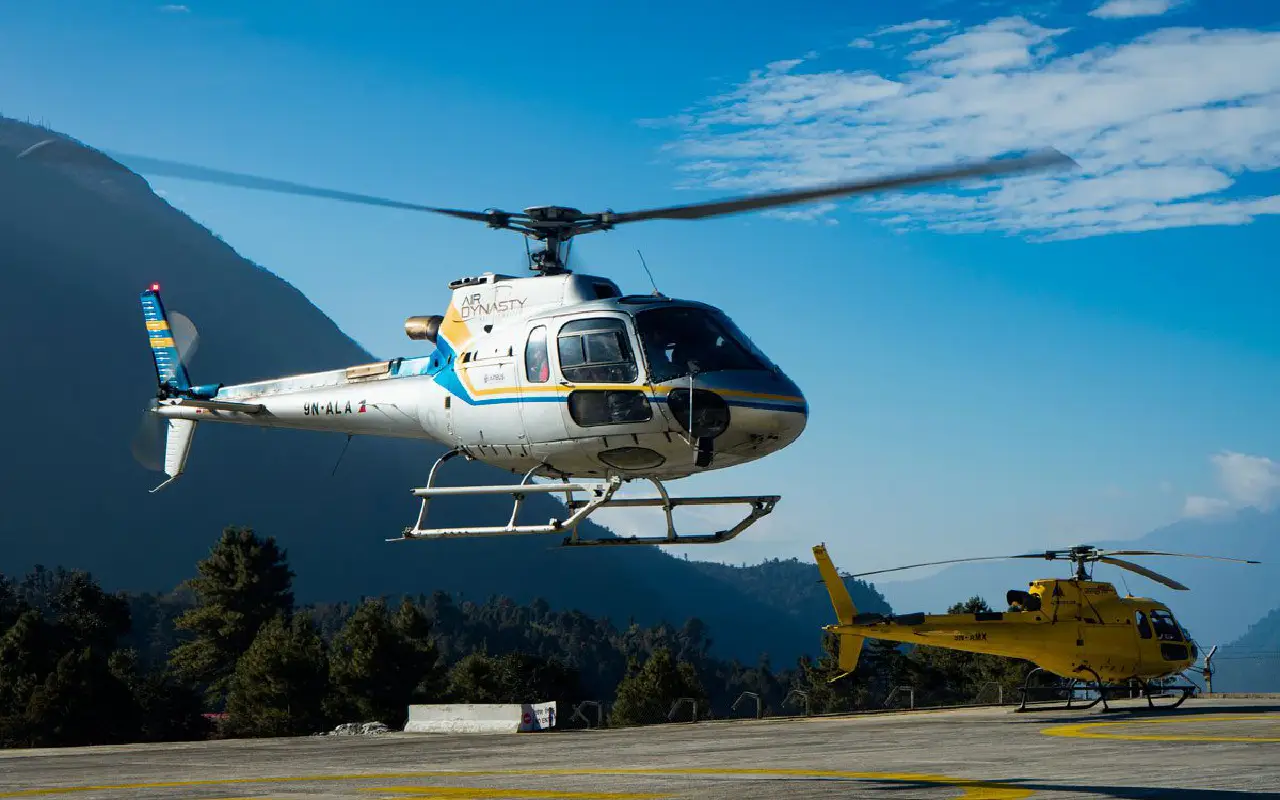
For a unique as well as thrilling experience, helicopter packages offer the opportunity to fly to the Everest Base Camp, skipping the trek. This option is perfect for those who have limited time or physical issues. The helicopter tour includes a stop at Kala Pathar for a panoramic view of Everest and surrounding peaks and a breakfast at the luxury lodge, seeing the mountain ranges before returning to Kathmandu.
Everest Base Camp Trek Cost Based on Operators
Local Operators:
As highlighted in this guide, local operators provide more affordable prices compared to international companies. They offer authentic experiences while supporting local businesses and communities. Local guides have deep knowledge of the culture, history, and environment, which enhances your trekking journey. They also offer flexible itineraries and can handle unexpected situations effectively, making them a great choice for trekkers.
International Operators:
According to this EBC Trek Guide, international operators tend to charge higher prices due to their global reputation and extensive marketing. They usually provide more standardized services, which can be helpful for first-time trekkers who prefer structured travel plans and added comfort.
Everest Base Camp Trek Accommodation Guide
This EBC Trek Guide explains that accommodation along the trek ranges from basic tea houses to luxury lodges. Tea houses offer simple facilities like beds, shared bathrooms, and dining areas. On the other hand, luxury lodges provide private rooms, attached bathrooms, and better overall comfort. Booking in advance during peak seasons is highly recommended to secure the best options. Most accommodations offer breathtaking mountain views.
Food and Drinks on Everest Base Camp Trek
In this Everest Base Camp Trek Guide, you’ll find that meals typically include local Nepali dishes such as dal bhat (lentil soup and rice), momos (dumplings), noodles, pasta, and bakery items. Tea and drinking water are widely available. Carrying water purification tablets can help reduce costs and plastic waste. It is also advisable to avoid meat at higher altitudes due to freshness concerns. Staying hydrated is crucial throughout the trek.
Guides and Porters:
As recommended in this Everest Base Camp Trek Guide, hiring experienced guides and porters makes your trek safer and more enjoyable. Guides monitor your health, assist with navigation, and provide knowledge about weather and altitude sickness. Porters carry heavy loads, allowing you to focus on the trekking experience. EBC trek guide: Ensure you always hire through reputable agencies that ensure fair treatment of staff .
Travel Insurance:
This Everest Base Camp trek guide strongly emphasizes the importance of travel insurance. Your policy should cover high-altitude trekking, medical emergencies, and helicopter evacuation. Some insurers offer specialized trekking coverage, including protection for lost gear, trip cancellations, and emergency rescues.
Equipment:
Invest in quality and comfortable gear. The necessary equipment is listed below:
- A sturdy pair of trekking boots with good ankle support
- Trekking pants and waterproof trousers
- Wind/waterproof light jacket
- Sun protection cream, wet wipes, and hand sanitizer
- Inner and outer gloves
- Towel, flip-flop, or rubber sandal, toiletries
- Water bottles and water purification tablets
- T-shirts or shirts
- Fleece jumper or jacket
- Headlamp, power bank, and extra batteries
- Inner Thermal (top and trousers)
- Socks and underwear
- Sunglasses, sun hat, woolen cap, or balaclava
- Trekking poles
- Down jacket
Permits:
Trekking permits such as the Sagarmatha National Park Permit and TIMS card are necessary permits required for the EBC trek. These will be arranged by our tour operator in Kathmandu. Make sure you carry these permits with you all the time during the trek, as they are frequently required.
Flights:
Lukla Flights:
The trek begins with a flight to Lukla from Kathmandu. Book your flights early to secure a sport, especially during peak seasons. Weather conditions can affect flight schedules, so be prepared for it.
International Flights:
Prepare for your international flights to Kathmandu in advance. You may arrive a couple of days before your trek to acclimatize and explore Kathmandu.
Additional Tips:
Internet and Laundry:
Internet access is available in some tea houses, though it can be slow and costly. Laundry services are available in limited areas. So bring enough clothes, and you may wash them by yourself whenever needed. I suggest you carry quick-dry clothing that can be easily washed and dried overnight.
Rescue Services:
In case of emergency, helicopter services are available but can be expensive if you don’t have proper insurance. Always prioritize safety and obey the advice given by the guide. Adjust to altitude sickness and be prepared to move downwards if you are feeling uncomfortable.
Visa:
Make sure you obtain a Nepali visa before your trip. You will get it after arriving at Kathmandu or from a Nepali embassy in your home country. Make sure your passport is valid for at least six months beyond the expiry date. Understanding all the necessary information is crucial before starting your journey.
Transport:
Transportation in Nepal is arranged by your trekking operator, which includes airport pickup and drop-off and sightseeing trips. Private vehicles are commonly used for comfort and convenience; public buses are a budget-friendly option, but it is hard to travel in public buses.
What to Avoid:
You can avoid overpacking your stuff, as it can make your trekking more challenging. Focus only on essential items and pack your stuff accordingly. Avoid drinking alcohol and smoking at high altitudes.
Conclusion:
The Everest Base Camp trek is truly a once-in-a-lifetime adventure that combines natural beauty, cultural depth, and personal challenge. From the stunning Himalayan landscapes to the unique experiences along the trail, every step brings unforgettable moments. Whether you choose a luxury, basic, or helicopter package, the journey can be tailored to match your travel style and budget.
With proper preparation, physical readiness, and the right guidance, the EBC trek becomes not just a challenge but a deeply rewarding experience. It pushes your limits while giving you memories that last forever. Plan wisely, stay prepared, and embrace the adventure to the roof of the world.
You can also get a full itinerary about EBC from our post Everest Base Trekking 14 days.
FAQS
What is the cost of the Everest Base Camp trek?
The total cost of the Everest Base Camp (EBC) trek typically ranges from USD 1,200 to USD 2,000 per person for a standard 12–14 day package, covering flights, accommodation, food, permits, and guide/porter services. Budget-conscious independent trekkers can manage with $950–$1,200, while luxury packages can exceed $3,000.
Is the Everest Base Camp trek safe?
The Everest Base Camp (EBC) trek is generally safe, with a 90% success rate for guided trekkers. While 30,000+ people trek annually, the primary dangers are Acute Mountain Sickness (AMS), extreme weather, and injuries, with a low fatality rate of roughly 0.03%. Safety depends heavily on proper acclimatization, a gradual pace, and good preparation.
Do I need a this guide for the EBC trek?
Yes, the guide is required to trek EBC; hiring a guide is necessary for safety. A guide provides you with the knowledge to handle your logistics and supports you through the trek.


Need Help?
Ask to Travel Expert