
- Mt. Kailash Tour
- Kailash Mansarovar Overland Tour
- Kailash Mansarovar Yatra by Helicopter – Complete Spiritual Journey Guide
- Kailash Yatra via Lucknow
- Kailash Mansarovar Tour via Lhasa
- Kailash Lhasa EBC Tour From Beijing
- Kailash Heli Tour via Kerung: Complete Spiritual Journey Guide
- Kailash Tour via Lhasa In Kerung Out
- Lhasa EBC Kailash Tour
- Kailash Heli Tour
- Kailash Mansarovar Yatra from Nepal 2027: Cost & Itinerary
- Kailash Nandi Kora
- Kailash Tour via Humla Simikot – 20 Days
- Mount Kailash Tour: 7 Amazing Experiences in 2027
- Trekking
-
-
- Everest Region
- Luxury Everest Base Camp Trek: 7 Unforgettable Highlights
- Everest Base Camp Trek 2026: Cost, Route, and Complete Guide
- Everest Three Passes Trek 2027: Cost, Route & Itinerary
- Everest Base Camp Short Trek
- Everest Panorama Trek: Amazing 10-Day Cost & Itinerary
- Everest Base Camp Island Peak Trek: Complete 19-Day Guide
- Gokyo Valley Trekking 2027: Easy Guide to Cost & Itinerary
- Mera Peak Climbing 2027: Complete Cost & Itinerary Guide
- Rolwaling Valley Trek: 23-Day Itinerary, Cost, Permits & Difficulty
- Dolpo Region Trek
- Everest Region
-
- Annapurna Region
- Annapurna Base Camp Trekking
- Annapurna Circuit Trek
- Annapurna Base Camp Trek: 7 Amazing Cost & Route Tips
- Mardi Himal Trek: 7 Amazing Highlights & Complete Guide
- Annapurna Alternative Combine Trek: 18 Amazing Days
- Mohare Dada Trek
- Ghorepani Poon Hill Trek: 7 Unforgettable Highlights
- Khopra Ridge Community Trek: 13-Day Ultimate Adventure
- Damodar Kunda Trek: 10-Day Ultimate Sacred Adventure
- Upper Mustang Trek: 10 Amazing Sights : Ultimate Guide
- Jomsom Muktinath Trek: Amazing 12-Day Ultimate Guide
- Ghale Gaun Trek: 7 Amazing Reasons : Ultimate Guide
- Dhampus Sarangkot Trek: 7 Incredible Experiences
- Dhaulagiri Region
- Annapurna Region
-
-
- Tours
-
-
- Day Tours
- Rickshaw–a three-wheeler Tour
- Pharping Dakshinkali Day Tour: 7 Amazing Highlights
- Historical Tour: 7 Amazing Places to Explore
- Kathmandu Temple Tour: 7 Amazing Spiritual Places
- Nagarkot Tour
- Bhaktapur City Tour: 7 Amazing Places to Explore
- Kathmandu City Tour – Complete Heritage & Cultural Experience in Nepal
- Chandragiri Hill: A Scenic Himalayan Escape Near Kathmandu
- Chitlang Hiking
- Shivapuri to Sundarijal Day Hiking
- Kulekhani Dam Day Tour — Complete Travel Guide
- Day Tours
-
- Package Tours
- Mustang Tour on Jeep
- Nepal Tour Package for Nepali: 12 Amazing Destinations to Explore (2026)
- Muktinath Tour: Complete Guide to Nepal’s Sacred Himalayan Pilgrimage
- 3N,4D Kathmandu Pilgrimage Tour
- Nepal Buddhist Pilgrimage Tour: 7 Sacred Sites Not to Miss
- 6D Nepal Pilgrimage Tour: 7 Amazing Sacred Places
- 7 Nights, 8 Days Nepal Tour
- Districts tour of Nepal
- Janakpur Tour Package: Price, Family Tour & Travel Guide from Kathmandu 2026
- Short Hike in Nepal: 7 Best Easy Treks for Beginners
- Package Tours
-
-
- Outbound
-
- Activities
- Climbing
- Bungee Jumping in Nepal
- Heli Skiing Adventure in the Himalayas
- Canoeing in Nepal
- Mountain Flight in Nepal
- Zip Flyer in Pokhara: The Ultimate Adventure Experience
- Paragliding in Pokhara: 7 Amazing Reasons to Experience Nepal’s Best Adventure
- Kathmandu Cycling Tour: 9 Amazing Adventures
- Rafting
- Rock Climbing
- Company
- Travel Info
- Travel Insurance
- Recommended Medical Kit
- Nepal Visa Information
- Flight delays and cancellation in Nepal
- Electricity in Nepal: Rates, Bill Check, Calculator and NEA Services
- Trekking Equipment Checklist: 40 Essential Items
- Best Kailash season in Tibet
- Best Trekking season in Nepal
- Trekking in Nepal 2027: 15 Best Himalayan Adventures
- Blogs
- Contact


WhatsApp
+977-9851035239

Email Us
[email protected]
Nepali Culture: A Complete Guide to Traditions and Lifestyle
10 August 2018
By Leaf Holidays
Nepali Culture & Traditions
Nepal is one of the most diverse and vibrant nations in all of Asia. Nestled between China and India, the country is home to over 125 ethnic groups, each contributing their own language, festivals, rituals, and artistic expressions. Whether you are a traveler, a student, or simply someone curious about the world, understanding Nepali culture opens a window into centuries of rich tradition and living heritage.
From the colorful traditional dress worn during festivals to the graceful movements of folk dance performed at ceremonies, every element of this culture tells a story. In this guide, we explore the most fascinating aspects of Nepali culture: the traditions, the clothing, the dances, and the values that hold this beautiful nation together.
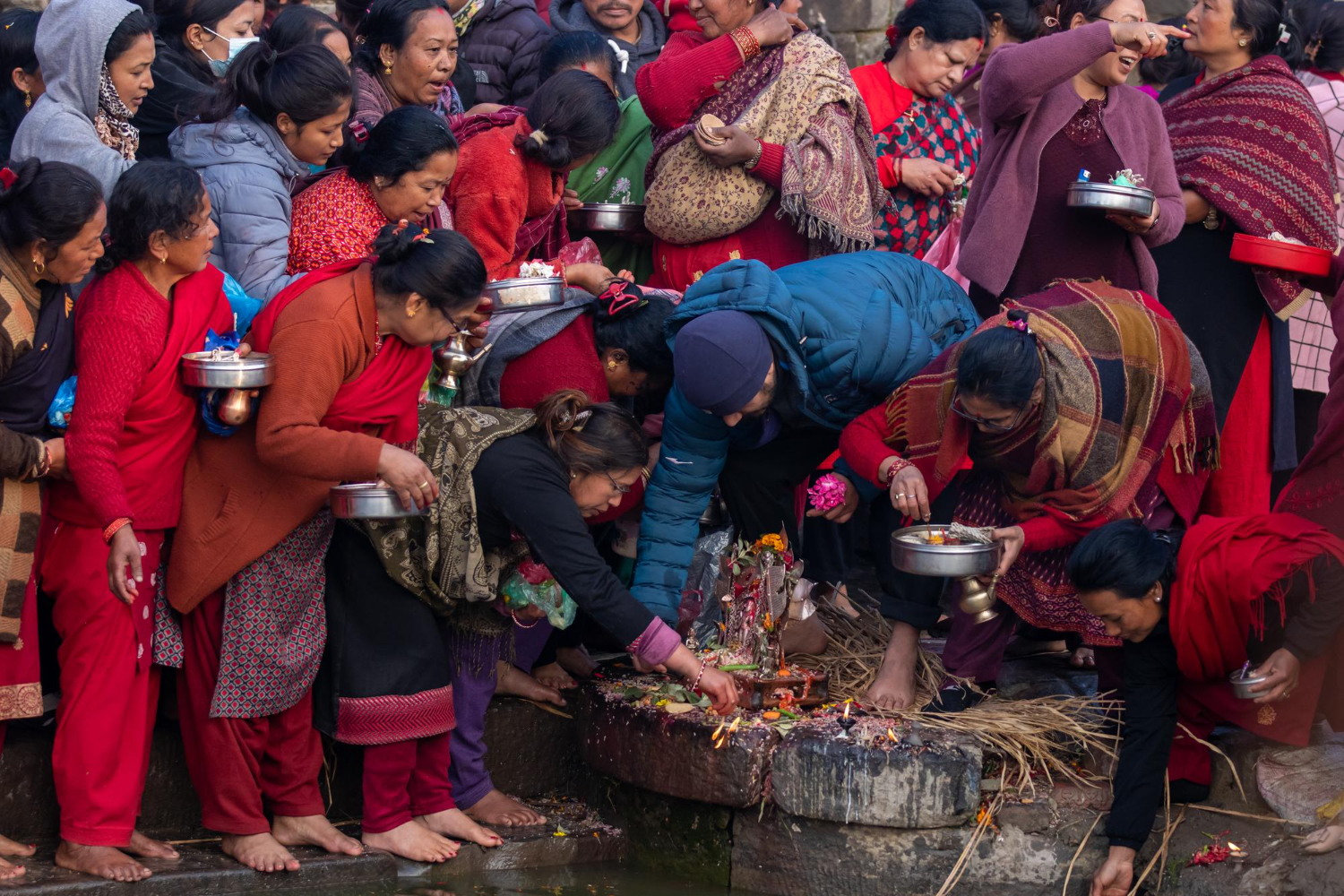
Discover Nepal’s vibrant culture through these must-experience festivals in this complete travel guide by The Nepal Trekking Company
1. Overview of Nepali Culture
At its heart, Nepal’s traditions are deeply rooted in Hinduism and Buddhism, the two dominant religions practiced across the country. These faiths have shaped everything from architecture and art to daily rituals and social customs. Temples, stupas, and monasteries are not just places of worship; they are living centers of community life where the essence of Nepali culture unfolds every day.
The concepts of Dharma (righteous living) and Karma (the law of cause and effect) are deeply woven into the everyday lives of people here. Respect for elders, hospitality toward guests, and devotion to deities are core values that define this society across all communities.
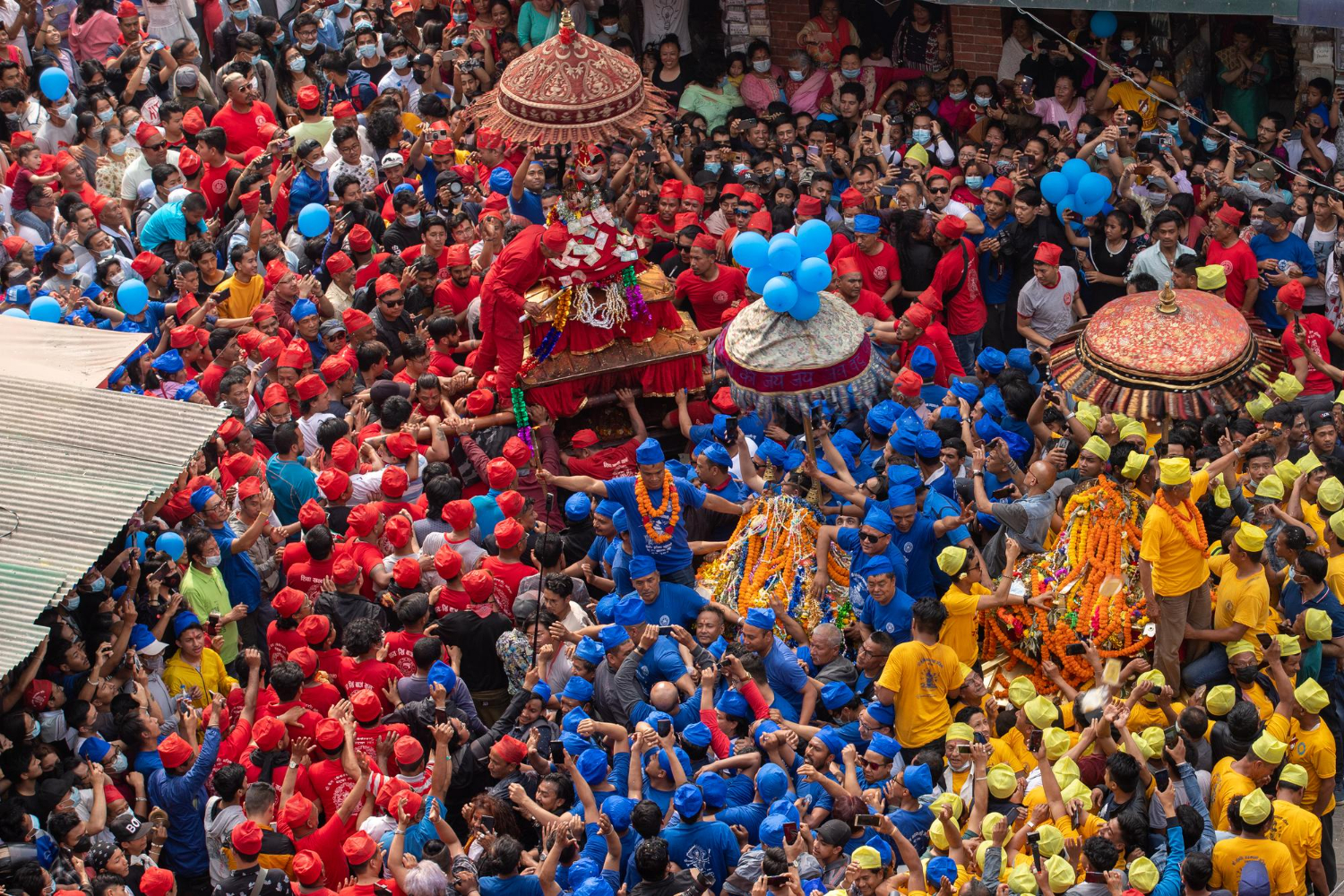
For official information about Nepali culture, traditions, and festivals, visit the Nepal Tourism Board
2. Nepali Culture Dress — Traditional Clothing That Tells a Story
One of the most visually striking aspects of Nepali culture is its traditional clothing. Nepali cultural dress varies significantly from one ethnic group to another, reflecting the incredible diversity of the nation. However, some styles have become widely recognized symbols of national identity.
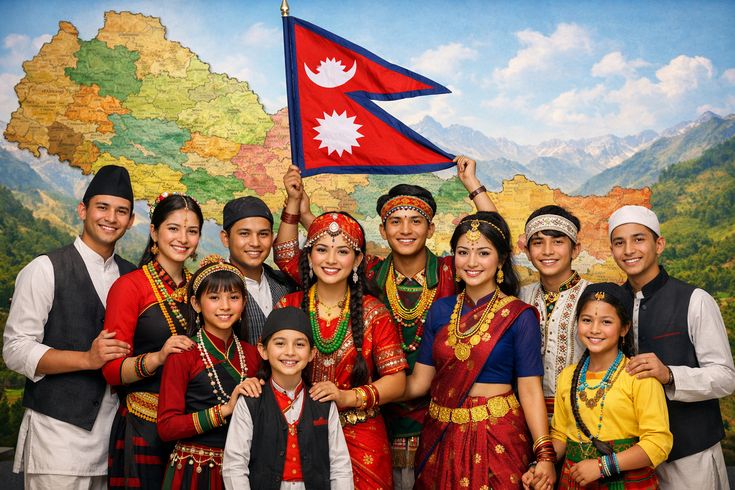
Daura Suruwal — The National Dress
The Daura Suruwal is the national dress of Nepal for men. The Daura is a double-breasted shirt with ties, while the Suruwal is a pair of fitted trousers. Worn with a Dhaka topi (a traditional cap), this outfit is mandatory attire in government offices and is commonly seen during festivals and formal occasions. It remains one of the most iconic elements of Nepali cultural dress today.
Gunyo Cholo — Traditional Dress for Women
For women, the Gunyo Cholo holds a special place in traditional Nepali fashion. It is typically worn by young girls during the Ihi or Ehee coming-of-age ceremony among Newari communities. The sari remains the most commonly worn Nepali cultural dress for women across many ethnic groups, especially during religious ceremonies and weddings.
Ethnic Diversity in Traditional Clothing
The Sherpa community of the Himalayas wears thick woolen robes called “chubas” to stay warm in high-altitude regions. The Tharu people of the Terai region have their own distinct style of dress, characterized by colorful blouses and skirts adorned with intricate embroidery. This incredible diversity in Nepali cultural dress is a beautiful reflection of how rich and varied the nation’s heritage truly is.
3. Nepali Culture Dance — Movement, Devotion, and Celebration
Dance is an inseparable part of life in Nepal. Nepali culture dance forms have been passed down through generations and are performed during festivals, rituals, weddings, and religious ceremonies. These performances are not merely entertainment—they are acts of devotion, storytelling, and community bonding.
Deuda Dance — The Folk Dance of the West
The Deuda is one of the most beloved Nepali cultural dance forms, originating from the Sudurpashchim (far-western) region. Performed in a circular formation, men and women dance together while singing folk songs. It is especially prominent during festivals like Tihar and Gaura and is a powerful symbol of community spirit.
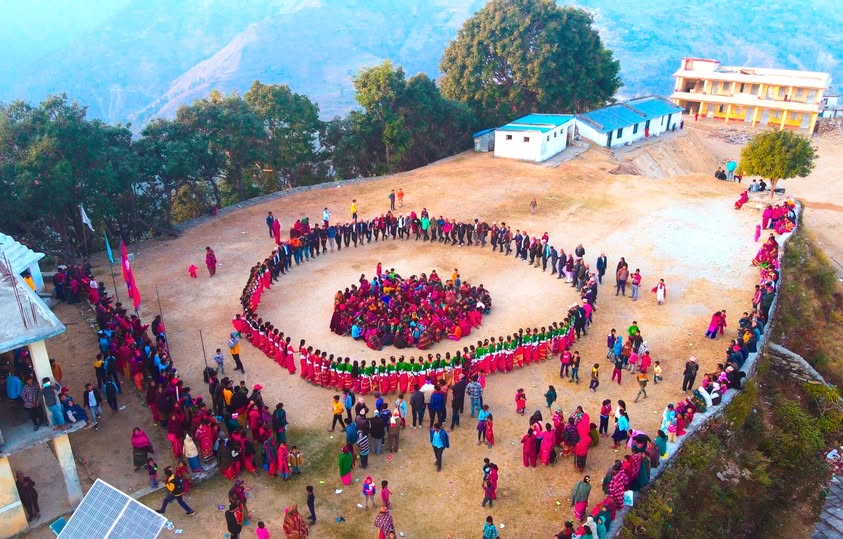
Charya Nritya — The Sacred Buddhist Dance
Charya Nritya is a classical Nepali cultural dance form rooted in Vajrayana Buddhism. Originating with the Newari community of the Kathmandu Valley, this meditative dance is performed as a spiritual practice. Each hand gesture (mudra) and body movement carries deep symbolic meaning, making it one of the most unique traditional dance forms in the world.
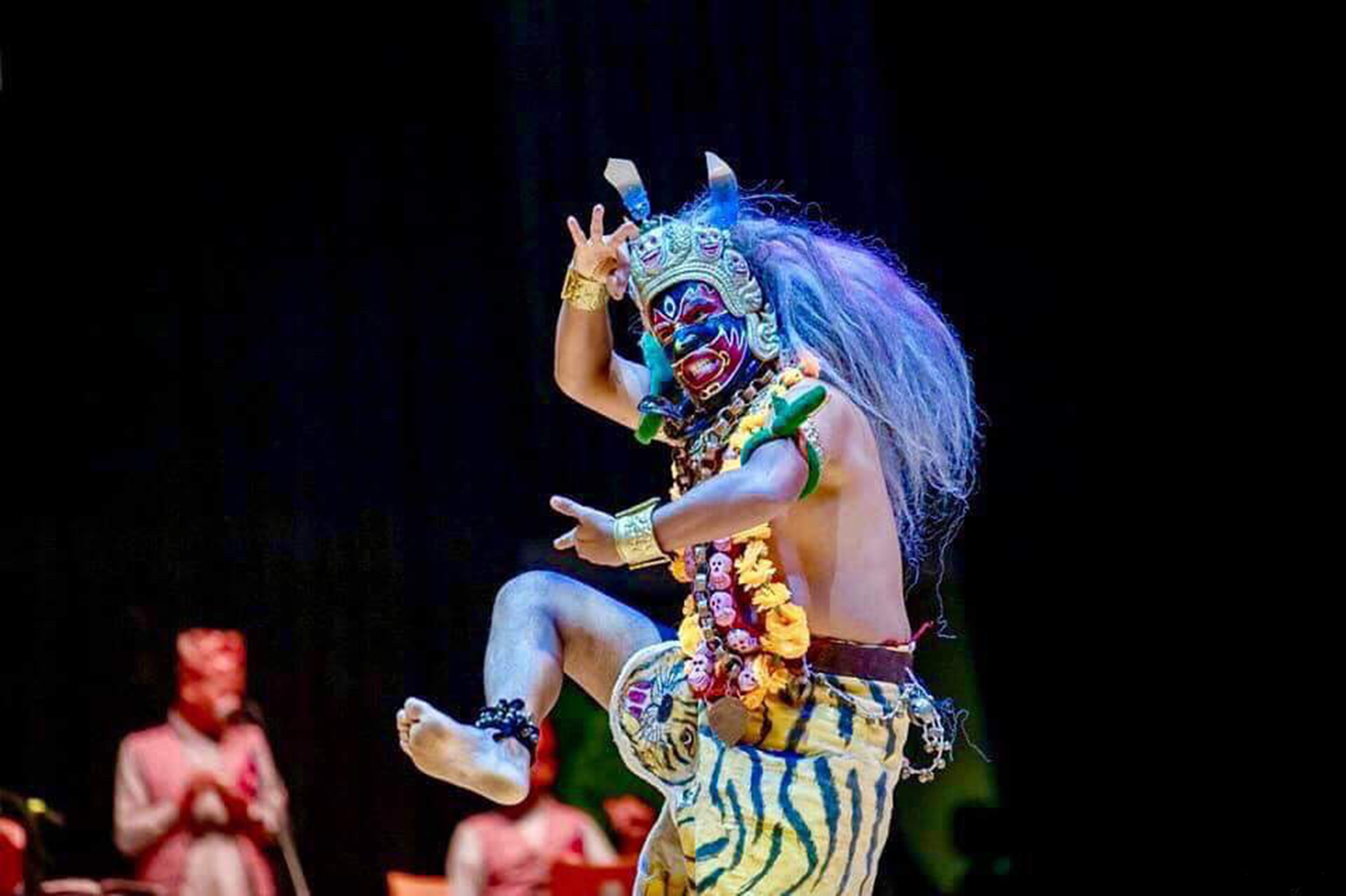
Maruni Dance — Festive Grace and Elegance
The Maruni is a popular Nepali cultural dance traditionally associated with the Magar and Gurung communities. Performed during Tihar (the festival of lights), it features graceful circular movements accompanied by traditional instruments like the madal and sarangi. Today, Maruni has become widely performed across Nepal and is an important part of national cultural programs.
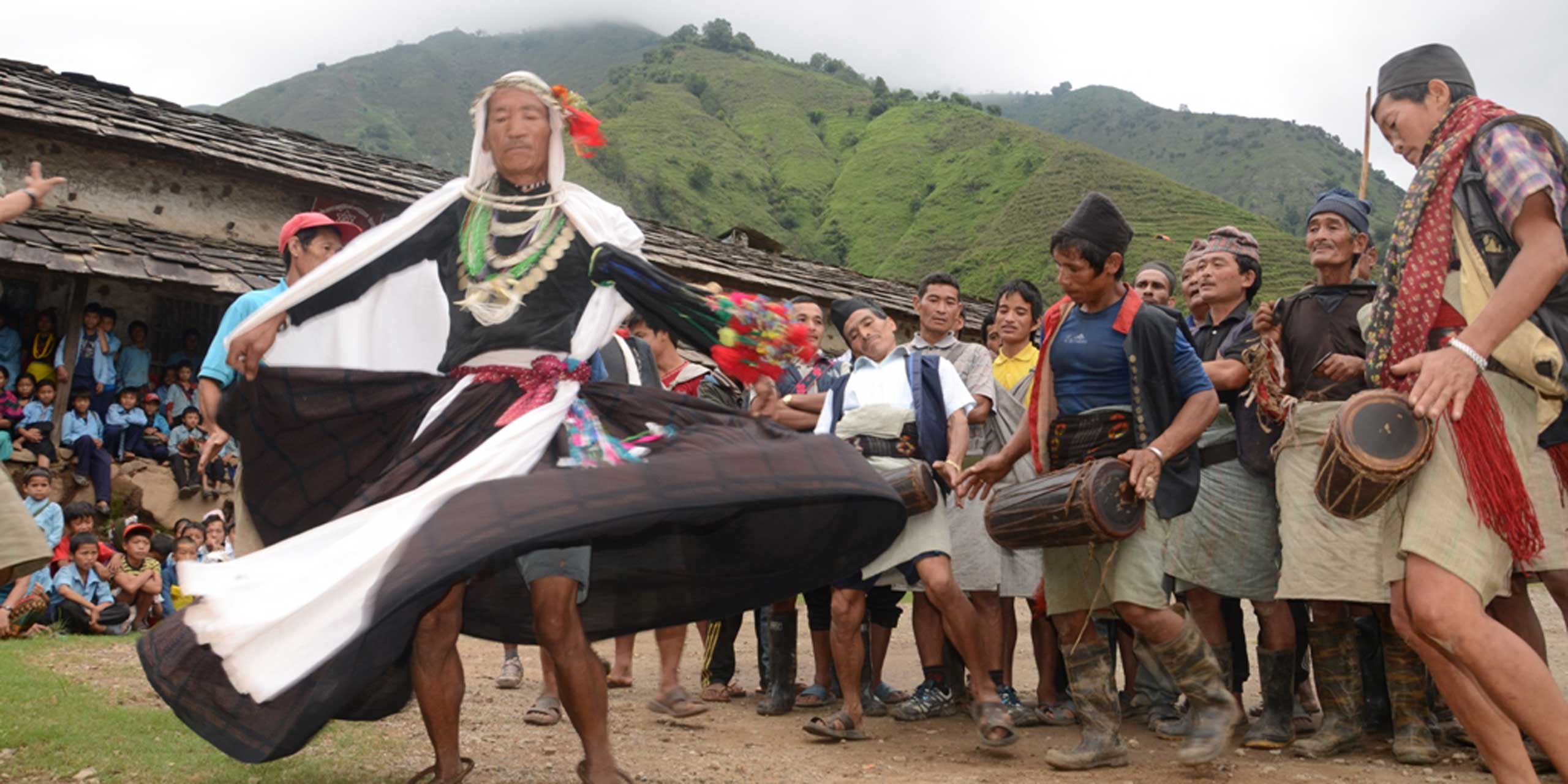
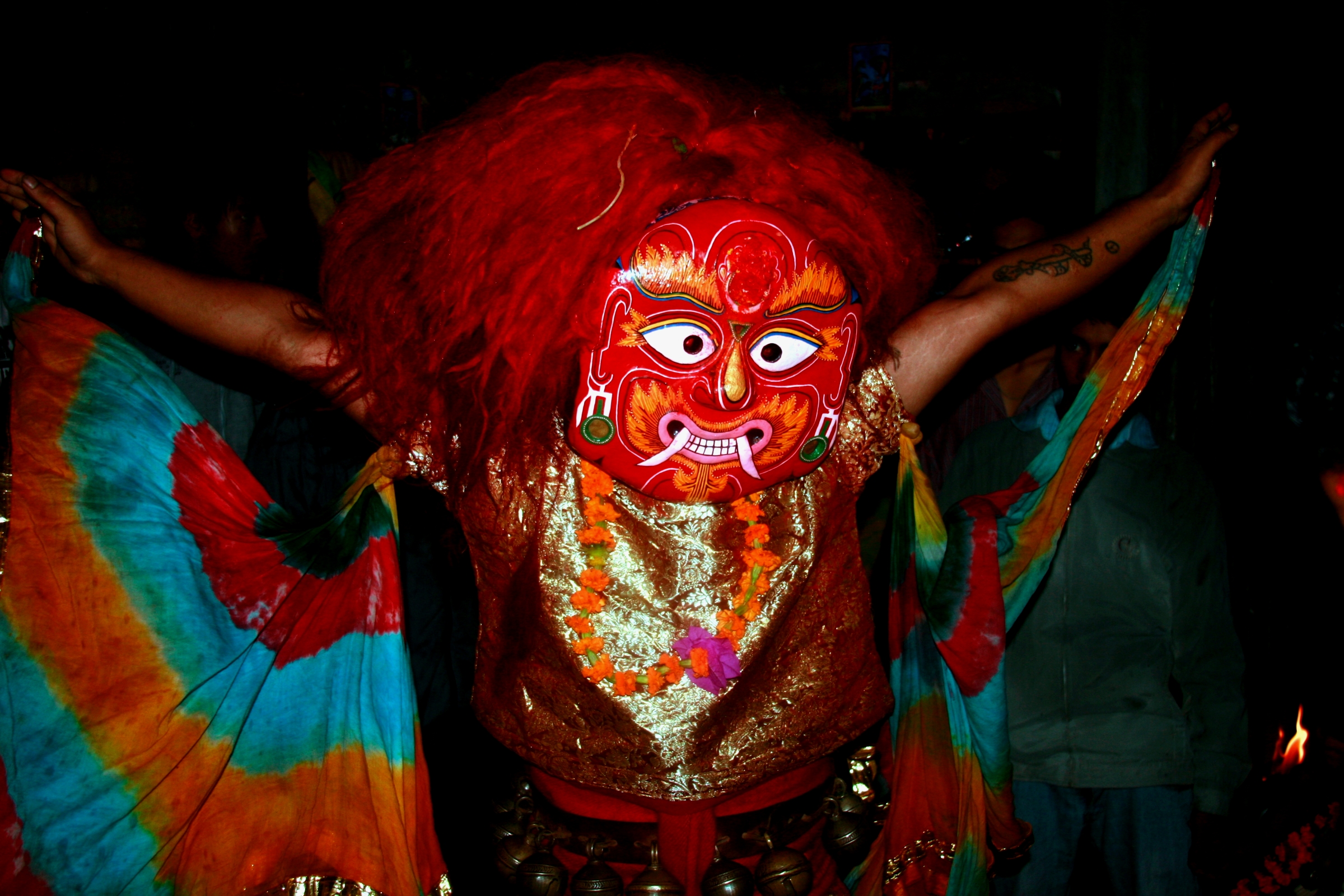
Lakhe Dance — The Demon Dance of Indra Jatra
The Lakhe dance is performed during the Indra Jatra festival in Kathmandu. Dancers wear elaborate demon masks and colorful costumes, moving energetically through the streets to the beat of traditional drums. As one of the most dramatic Nepali cultural dance performances, the Lakhe is a beloved symbol of Kathmandu’s Newari heritage.
Learn more about the cultural significance of Charya Nritya on the UNESCO Intangible Cultural Heritage page.
4. Festivals — The Heartbeat of Nepal
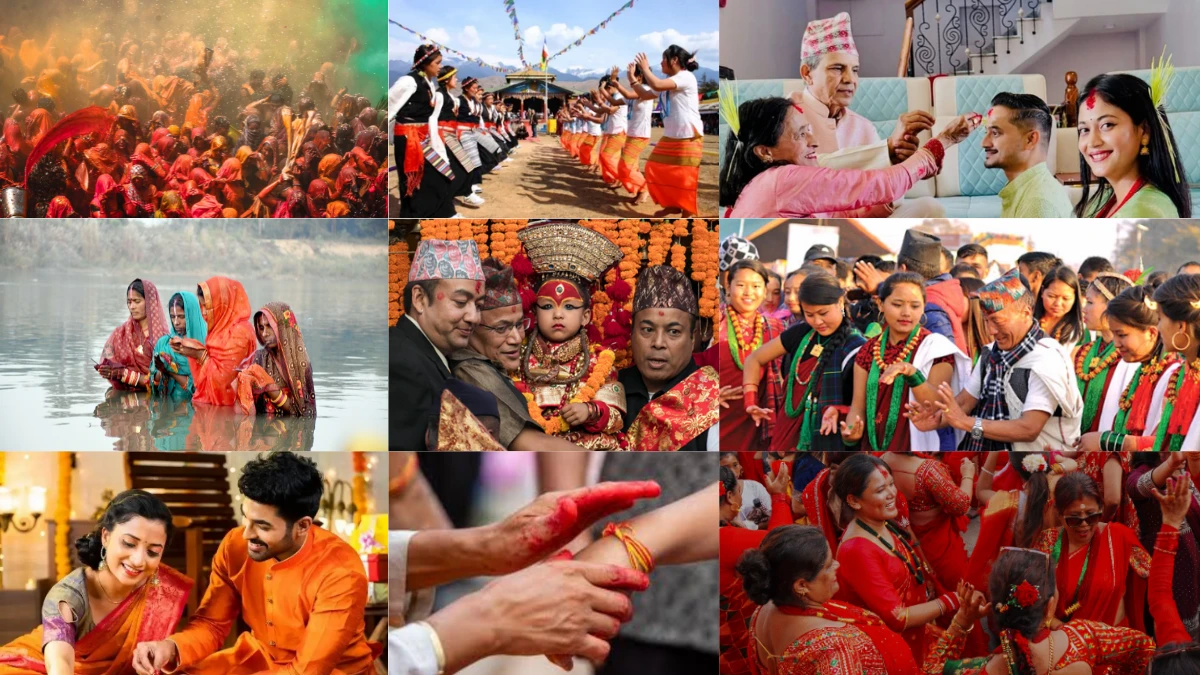
Nepal is often called the “Land of Festivals,” and for good reason. The country celebrates hundreds of festivals throughout the year, each with its own rituals, foods, traditional dress, and dance performances. Festivals are where Nepali culture, dress, and Nepali cultural dances come together most vividly.
- Dashain — The biggest celebration in Nepal, honoring the victory of good over evil. Families gather, elders give tika (blessings), and traditional games like swings are played.
- Tihar — A five-day festival of lights where dance forms like Deuda and Maruni are widely performed. Each day honors a different animal before culminating in the celebration of brothers and sisters.
- Indra Jatra — An eight-day festival unique to Kathmandu, featuring the famous Lakhe dance, chariot processions of Kumari (the living goddess), and traditional music.
- Holi — The festival of colors celebrated with great joy across the country, reflecting the Hindu influence on Nepali culture.
5. Food — Flavors of the Mountains
Food is a central part of daily life in Nepal. The most iconic dish is Dal Bhat—lentil soup served with steamed rice and vegetable curry. Eaten twice a day in most households, it is considered the backbone of the nation’s culinary identity. Other popular dishes include momo (dumplings), sel roti (ring-shaped rice bread), and dhindo (buckwheat porridge) from the hilly regions—all deeply tied to Nepali culture and tradition.
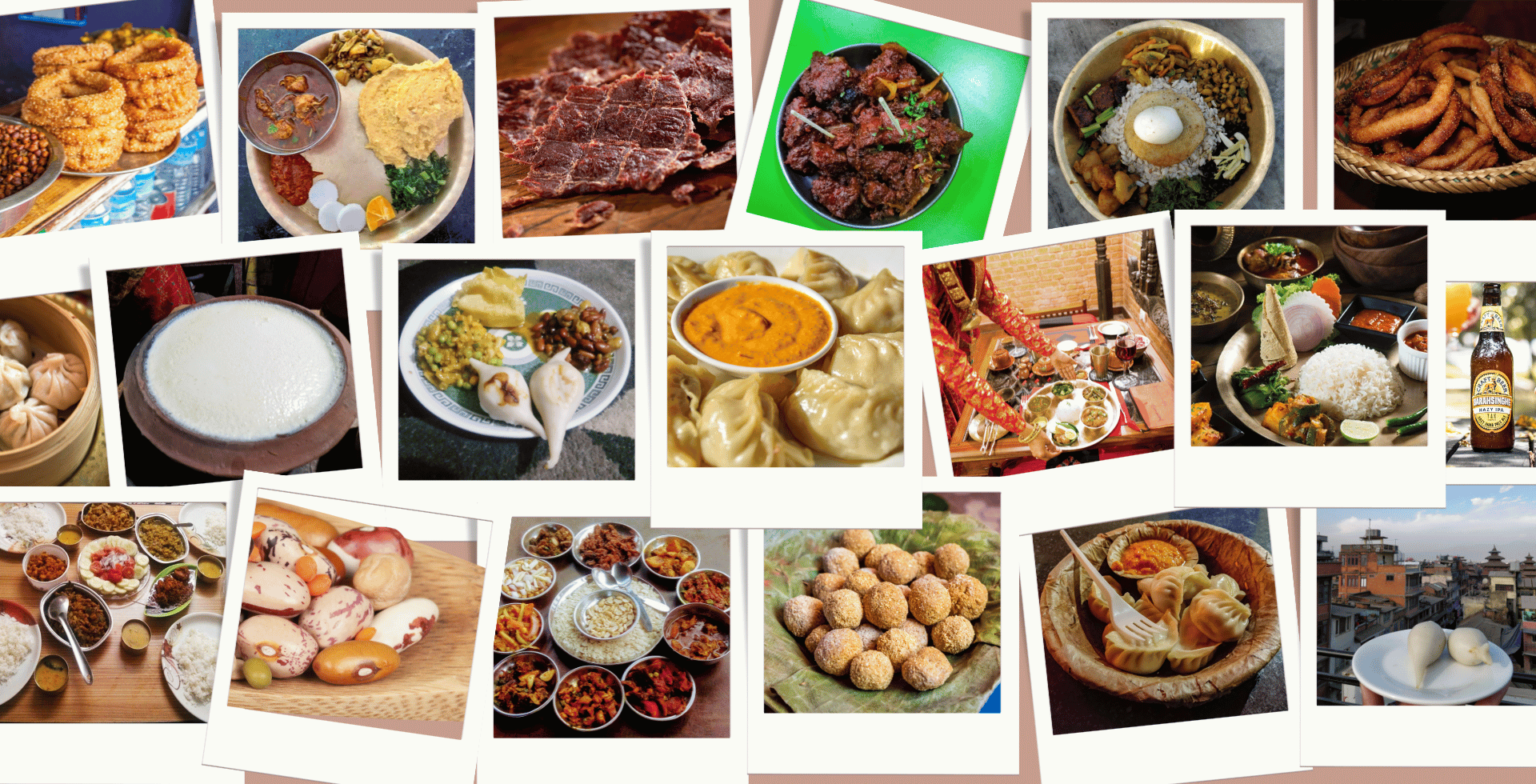
Discover the rich flavors of Nepalese cuisine through this detailed food guide by Lonely Planet.
6. Religion and Spirituality
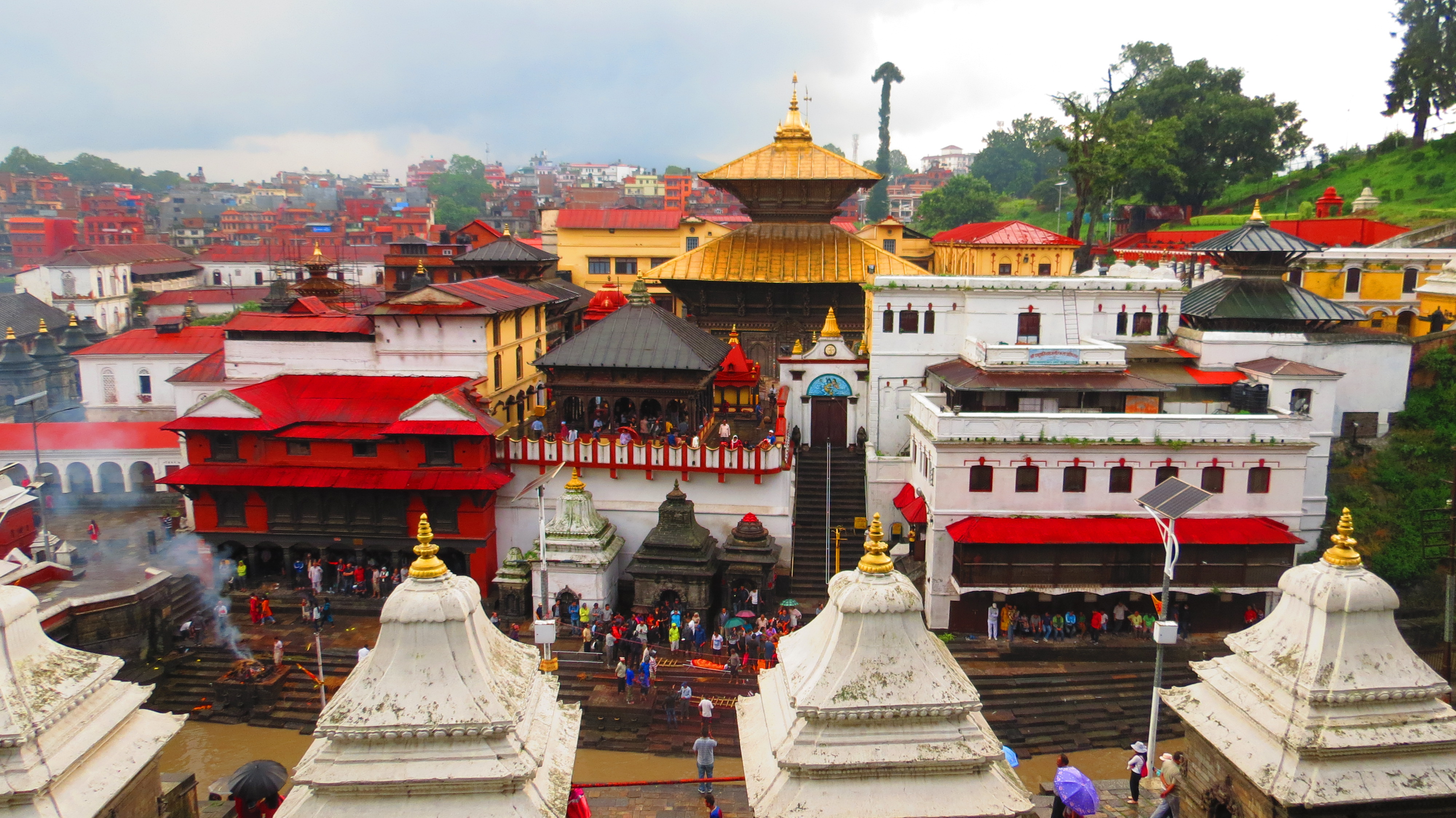
Religion is the backbone of Nepali culture. About 81% of Nepalis identify as Hindu, making Nepal one of the most predominantly Hindu nations in the world. Buddhism is the second major religion and has had an equally profound influence, particularly in the northern mountain regions and among the Newari community of Kathmandu. The peaceful coexistence of these two faiths is one of the most admirable and defining features of Nepali culture.
7. Art and Architecture — Visual Expressions of Heritage
The art and architecture of Nepal are stunning visual representations of the country’s identity. The Kathmandu Valley is home to seven UNESCO World Heritage Sites, including Pashupatinath Temple, Boudhanath Stupa, Swayambhunath, and the Durbar Squares of Kathmandu, Patan, and Bhaktapur. These monuments reflect the artistic genius embedded in Nepali culture across different historical periods.
Traditional art forms include Thangka paintings (intricate Buddhist scroll paintings), Paubha (Newari religious paintings), wood carving, metalwork, and pottery—all of which continue to be practiced today.
8. Music — The Soul of Tradition
Music and dance are deeply intertwined in Nepal. Traditional instruments include the madal (a two-headed drum), sarangi (a string instrument), bansuri (a bamboo flute), and dhimay (a ceremonial drum). Folk music genres such as Lok Dohori—a call-and-response singing style between men and women—are immensely popular and a vital expression of Nepali culture. The Gandharba community has preserved these musical traditions for generations.
9. Family Values and Social Structure
Family is the foundation of society in Nepal. Joint family systems, where multiple generations live under one roof, remain common in many parts of the country. Elders are deeply respected, and their blessings are sought at every major life event—from birth and marriage to new business ventures. The practice of touching the feet of elders (Dhog garnu) is an everyday expression of respect deeply embedded in Nepali culture.
10. Modern Nepal — Tradition Meets the Contemporary World
Today, Nepal is experiencing an exciting cultural evolution. Young Nepalis are embracing global influences in music, fashion, and technology while showing a strong desire to preserve their roots. Social media has played a huge role in spreading awareness of Nepali culture, dance, Nepali cultural dress, and traditional festivals to a global audience. Organizations working to document Nepali cultural images and preserve living traditions are thriving, ensuring future generations remain connected to their heritage.
Promote the protection and preservation of Nepal’s rich cultural identity through initiatives like the Nepal Academy, which works to safeguard language, literature, and heritage.
Frequently Asked Questions About Nepali Culture
Q1. What is Nepali culture known for?
Nepali culture is known for its incredible diversity, religious harmony, colorful festivals, traditional dress, and classical dance forms. It is shaped by Hindu and Buddhist traditions across more than 125 ethnic groups.
Q2. What is the traditional Nepali cultural dress?
The national Nepali cultural dress for men is the Daura Suruwal with a Dhaka topi. For women, the sari is widely worn, while the gunyo cholo is reserved for ceremonial occasions. Each ethnic community also has its own distinct traditional clothing.
Q3. What are the main Nepali cultural dance forms?
The main Nepali cultural dance forms include Deuda, Charya Nritya, Maruni, and Lakhe. Each reflects a unique aspect of Nepal’s heritage and is performed during festivals and ceremonies.
Q4. What religion does Nepali culture follow?
Nepali culture is predominantly Hindu (~81%), with Buddhism as the second major religion. The blending of both faiths has deeply shaped Nepal’s art, festivals, architecture, and daily life.
Q5. What are the biggest festivals in Nepali culture?
The biggest festivals are Dashain and Tihar. Others include Holi, Indra Jatra, Buddha Jayanti, Teej, and Lhosar—each featuring traditional music, Nepali cultural dance, and special dress.
Q6. Where can I find Nepali cultural images?
Authentic Nepali cultural images can be found on the Nepal Tourism Board website (welcomenepal.com), UNESCO’s heritage pages, and travel photography platforms. Instagram also has thousands of high-quality Nepali cultural images from travelers and locals.
Conclusion
Nepal’s traditions are a living, breathing tapestry of beliefs and artistic expressions that have endured for centuries. From the intricate embroidery of Nepali cultural dress to the devotional movements of Nepali cultural dance, from towering Himalayan temples to the warmth of a shared Dal Bhat meal, every element reflects the resilience and spirit of the Nepali people.
Whether you are planning a visit or simply want to learn more, we hope this guide has given you a deeper appreciation for what makes Nepali culture so truly special.

Table of Contents
Need Help?
Ask to Travel Expert