
- Mt. Kailash Tour
- Kailash Mansarovar Overland Tour
- Kailash Mansarovar Yatra by Helicopter – Complete Spiritual Journey Guide
- Kailash Yatra via Lucknow
- Kailash Mansarovar Tour via Lhasa
- Kailash Lhasa EBC Tour From Beijing
- Kailash Heli Tour via Kerung: Complete Spiritual Journey Guide
- Kailash Tour via Lhasa In Kerung Out
- Lhasa EBC Kailash Tour
- Kailash Heli Tour
- Kailash Mansarovar Yatra from Nepal 2027: Cost & Itinerary
- Kailash Nandi Kora
- Kailash Tour via Humla Simikot – 20 Days
- Mount Kailash Tour: 7 Amazing Experiences in 2027
- Trekking
-
-
- Everest Region
- Luxury Everest Base Camp Trek: 7 Unforgettable Highlights
- Everest Base Camp Trek 2026: Cost, Route, and Complete Guide
- Everest Three Passes Trek 2027: Cost, Route & Itinerary
- Everest Base Camp Short Trek
- Everest Panorama Trek: Amazing 10-Day Cost & Itinerary
- Everest Base Camp Island Peak Trek: Complete 19-Day Guide
- Gokyo Valley Trekking 2027: Easy Guide to Cost & Itinerary
- Mera Peak Climbing 2027: Complete Cost & Itinerary Guide
- Rolwaling Valley Trek: 23-Day Itinerary, Cost, Permits & Difficulty
- Dolpo Region Trek
- Everest Region
-
- Annapurna Region
- Annapurna Base Camp Trekking
- Annapurna Circuit Trek
- Annapurna Base Camp Trek: 7 Amazing Cost & Route Tips
- Mardi Himal Trek: 7 Amazing Highlights & Complete Guide
- Annapurna Alternative Combine Trek: 18 Amazing Days
- Mohare Dada Trek
- Ghorepani Poon Hill Trek: 7 Unforgettable Highlights
- Khopra Ridge Community Trek: 13-Day Ultimate Adventure
- Damodar Kunda Trek: 10-Day Ultimate Sacred Adventure
- Upper Mustang Trek: 10 Amazing Sights : Ultimate Guide
- Jomsom Muktinath Trek: Amazing 12-Day Ultimate Guide
- Ghale Gaun Trek: 7 Amazing Reasons : Ultimate Guide
- Dhampus Sarangkot Trek: 7 Incredible Experiences
- Dhaulagiri Region
- Annapurna Region
-
-
- Tours
-
-
- Day Tours
- Rickshaw–a three-wheeler Tour
- Pharping Dakshinkali Day Tour: 7 Amazing Highlights
- Historical Tour: 7 Amazing Places to Explore
- Kathmandu Temple Tour: 7 Amazing Spiritual Places
- Nagarkot Tour
- Bhaktapur City Tour: 7 Amazing Places to Explore
- Kathmandu City Tour – Complete Heritage & Cultural Experience in Nepal
- Chandragiri Hill: A Scenic Himalayan Escape Near Kathmandu
- Chitlang Hiking
- Shivapuri to Sundarijal Day Hiking
- Kulekhani Dam Day Tour — Complete Travel Guide
- Day Tours
-
- Package Tours
- Mustang Tour on Jeep
- Nepal Tour Package for Nepali: 12 Amazing Destinations to Explore (2026)
- Muktinath Tour: Complete Guide to Nepal’s Sacred Himalayan Pilgrimage
- 3N,4D Kathmandu Pilgrimage Tour
- Nepal Buddhist Pilgrimage Tour: 7 Sacred Sites Not to Miss
- 6D Nepal Pilgrimage Tour: 7 Amazing Sacred Places
- 7 Nights, 8 Days Nepal Tour
- Districts tour of Nepal
- Janakpur Tour Package: Price, Family Tour & Travel Guide from Kathmandu 2026
- Short Hike in Nepal: 7 Best Easy Treks for Beginners
- Package Tours
-
-
- Outbound
-
- Activities
- Climbing
- Bungee Jumping in Nepal
- Heli Skiing Adventure in the Himalayas
- Canoeing in Nepal
- Mountain Flight in Nepal
- Zip Flyer in Pokhara: The Ultimate Adventure Experience
- Paragliding in Pokhara: 7 Amazing Reasons to Experience Nepal’s Best Adventure
- Kathmandu Cycling Tour: 9 Amazing Adventures
- Rafting
- Rock Climbing
- Company
- Travel Info
- Travel Insurance
- Recommended Medical Kit
- Nepal Visa Information
- Flight delays and cancellation in Nepal
- Electricity in Nepal: Rates, Bill Check, Calculator and NEA Services
- Trekking Equipment Checklist: 40 Essential Items
- Best Kailash season in Tibet
- Best Trekking season in Nepal
- Trekking in Nepal 2027: 15 Best Himalayan Adventures
- Blogs
- Contact


WhatsApp
+977-9851035239

Email Us
[email protected]
HOLI : The Festival of Colors, Traditions, Celebration & Meaning
19 March 2019
By Leaf Holidays
Holi Festival 2026
Introduction to the Holi
The Holi Festival is one of the most joyful and colorful celebrations in South Asia, especially in Nepal and India. Known worldwide as the Festival of Colors, Holi symbolizes happiness, unity, love, and the victory of good over evil. Every year, millions of people gather with friends and families to celebrate by throwing colorful powders, dancing to music, sharing sweets, and enjoying cultural traditions.
The excitement around Holi 2026 is already growing as travelers and locals prepare to participate in this vibrant celebration. Beyond the fun and colors, Holi carries deep spiritual and cultural importance rooted in Hindu mythology and ancient traditions.
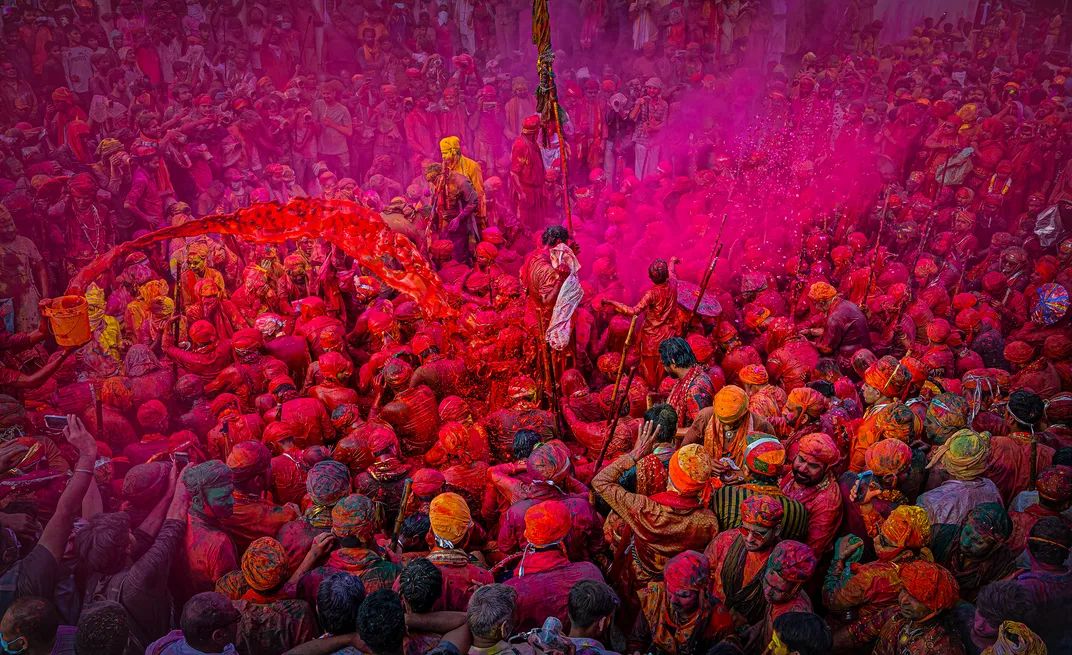
Whether you are planning to celebrate in Nepal, India, or anywhere else in the world, this guide will help you understand the meaning, history, rituals, and celebrations associated with the festival.
What is the Holi Festival?
The Holi Festival is a Hindu spring festival celebrated during the full moon day of the month of Falgun, usually in March. It marks the arrival of spring, the end of winter, and the triumph of positivity over negativity.
People celebrate by applying colored powders called “gulal,” splashing water, singing traditional songs, dancing, and enjoying festive foods. The festival creates an atmosphere where social barriers disappear, and people come together in joy and harmony.
Today, the festival is celebrated globally, attracting tourists and cultural enthusiasts from around the world.
History and Mythology Behind Holi
The origins of the Holi festival are deeply connected to Hindu mythology. One of the most famous stories associated with Holi is the legend of Prahlad and Holika.
The Story of Holika Dahan
The ritual of Holika Dahan takes place the night before Holi. According to Hindu mythology, there was a demon king named Hiranyakashipu who wanted everyone to worship him. However, his son Prahlad remained devoted to Lord Vishnu.
Angered by Prahlad’s devotion, the king asked his sister Holika to kill Prahlad. Holika possessed a magical cloak that protected her from fire. She sat with Prahlad inside a burning fire, believing she would survive while Prahlad would perish.
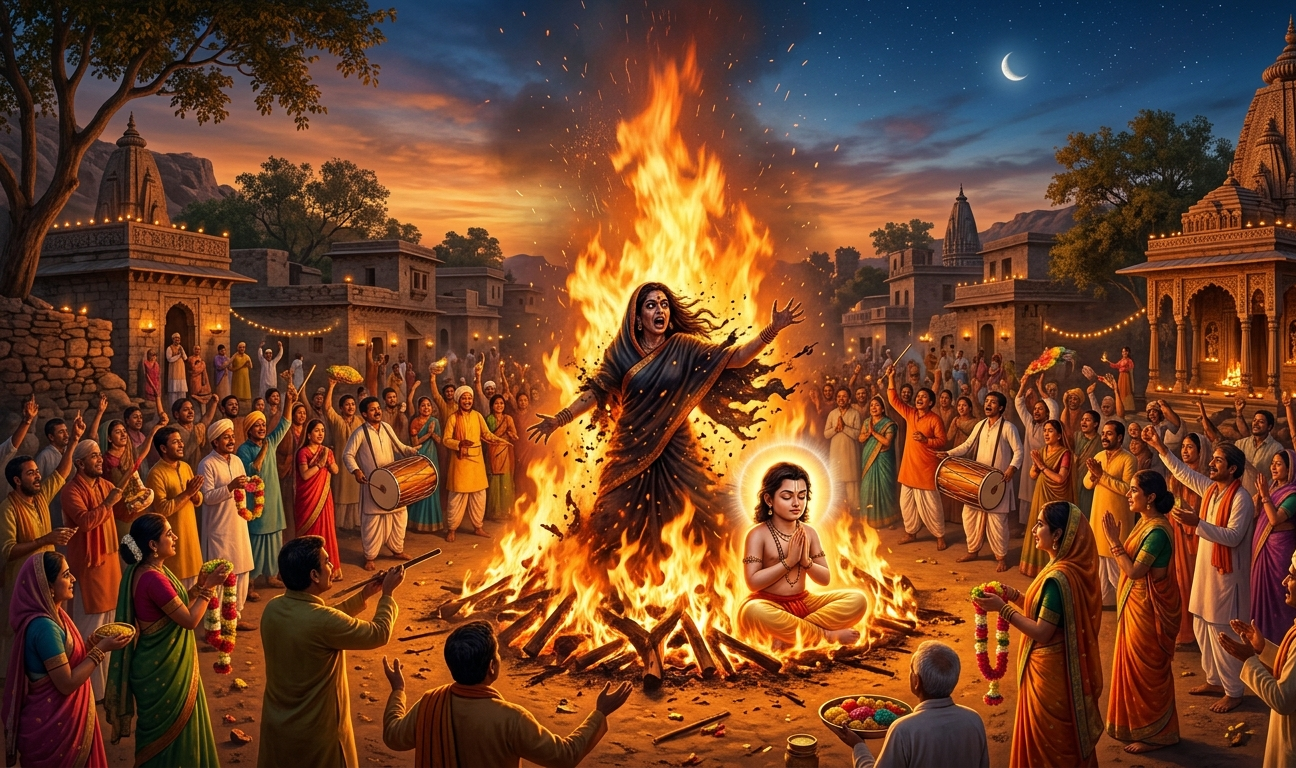
Instead, due to divine protection, Prahlad survived, and Holika was burned to ashes. This event symbolizes the victory of good over evil and is remembered through the ritual of Holika Dahan.
During Holika Dahan, people light bonfires, offer prayers, and gather with family and friends to celebrate positivity and spiritual cleansing.
Why is Holi Called the Festival of Colors?
The term “Festival of Colors” comes from the playful tradition of throwing colored powders and water at one another. Colors symbolize happiness, love, peace, and the beauty of life.
Different colors also hold symbolic meanings:
- Red represents love and fertility
- Yellow symbolizes knowledge and learning
- Green signifies growth and harmony
- Blue represents divine energy
- Pink reflects happiness and friendship
The colorful celebration transforms streets, temples, and public squares into lively scenes full of excitement and joy.
Holi Festival Celebration in Nepal
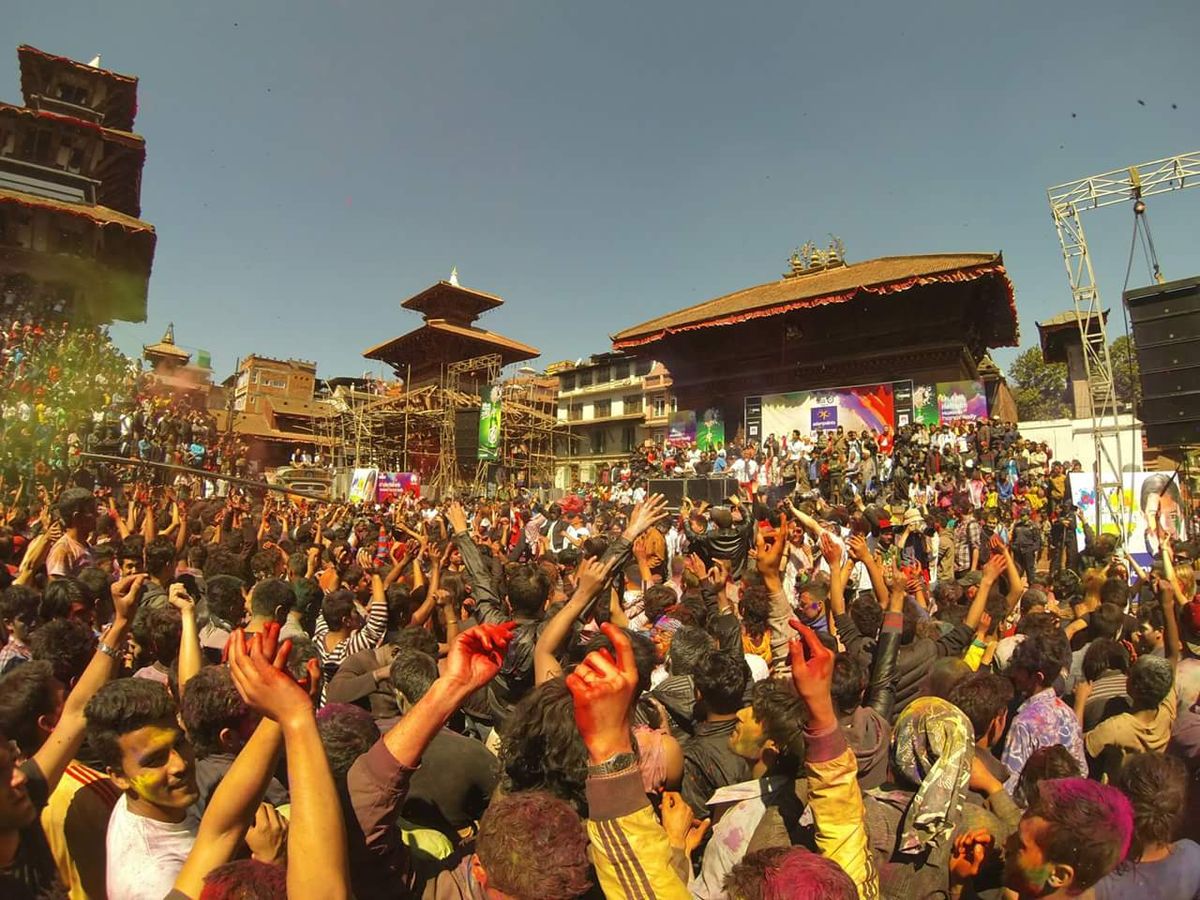
In Nepal, the Holi Festival is celebrated with great enthusiasm across Kathmandu, Pokhara, Bhaktapur, and the Terai regions. The celebrations usually begin with the installation of the ceremonial “Chir” pole in Kathmandu Durbar Square.
People gather in open areas, dance to music, throw colors, and enjoy festive foods with family and friends. Tourists visiting Nepal during Holi often describe it as one of the most unforgettable cultural experiences.
Popular Places to Celebrate Holi in Nepal
- Kathmandu Durbar Square
- Basantapur Area
- Thamel
- Pokhara Lakeside
- Bhaktapur Durbar Square
Holi Celebration in India
India celebrates Holi in different styles depending on the region. Cities like Mathura, Vrindavan, Jaipur, Delhi, and Varanasi host grand celebrations that attract international travelers.
Famous Holi Celebrations in India
Mathura and Vrindavan’s Holi
These cities are associated with Lord Krishna and are famous for traditional Holi celebrations filled with music, dance, and religious rituals.
Lathmar Holi in Barsana
Women playfully hit men with sticks while men protect themselves with shields, creating a unique and entertaining celebration.
Royal Holi in Jaipur
Jaipur organizes cultural performances, elephant parades, and traditional celebrations during Holi.
For more exploration visit Nepal Tourism Board & Incredible India Tourism
Holi 2026 Date and Celebration
Holi 2026 will be celebrated in March, with Holika Dahan taking place the evening before the main color celebration.
The exact dates may vary slightly depending on lunar calendars and regional traditions.
How People Celebrate Holi 2026
The day typically begins with people gathering outdoors with colored powders and water balloons. Music, dance, and festive foods become central to the celebration.
Common Holi traditions include:
- Applying colors to friends and family
- Sharing sweets and festive meals
- Dancing to traditional and modern music
- Visiting relatives and neighbors
- Participating in community events
Traditional Foods During Holi
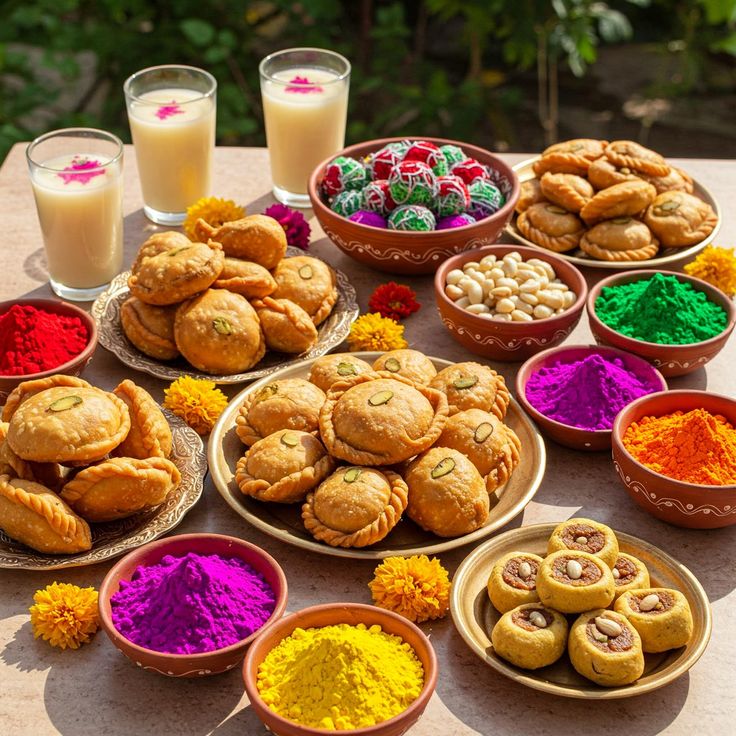
Food is an important part of the Holi Festival celebration. Families prepare delicious sweets and snacks to share with guests and neighbors.
Popular Holi Foods
Gujiya
A sweet dumpling filled with nuts and khoya.
Malpua
Traditional pancakes served with syrup.
Dahi Bhalla
Soft lentil dumplings served with yogurt and chutney.
Puran Poli
A sweet flatbread popular in many Indian regions.
Sel Roti
In Nepal, many families prepare sel roti and festive snacks during celebrations.
The sharing of food strengthens bonds and spreads happiness during the festival.
Cultural Importance of Holi Wishes
During the festival, people greet each other with “Happy Holi” and exchange warm wishes for prosperity, happiness, and peace.
Social media platforms become filled with colorful photos, festive videos, and greetings. Businesses, travel companies, and bloggers also create Holi-themed content to connect with audiences during the season.
Example Holi Wishes
- Happy Holi! May your life be filled with colors of happiness and success.
- Wishing you a joyful and colorful Holi Festival 2026.
- May this festival bring positivity and prosperity to your life.
Eco-Friendly Holi Celebration Tips
While Holi is a joyful festival, modern celebrations sometimes create environmental concerns due to chemical colors and water waste.
Tips for an Eco-Friendly Holi
- Use natural herbal colors
- Avoid wasting excessive water
- Wear old, comfortable clothing
- Protect your skin and hair with oil
- Respect personal boundaries during celebrations
- Clean public spaces after festivities
Eco-friendly celebrations help preserve the spirit of Holi while protecting the environment.
Best Places in the World to Experience the Festival of Colors
Although Holi originated in South Asia, many countries now organize colorful Holi events inspired by the traditional festival.
Popular International Holi Celebrations
- Nepal
- India
- United States
- United Kingdom
- Australia
- Canada
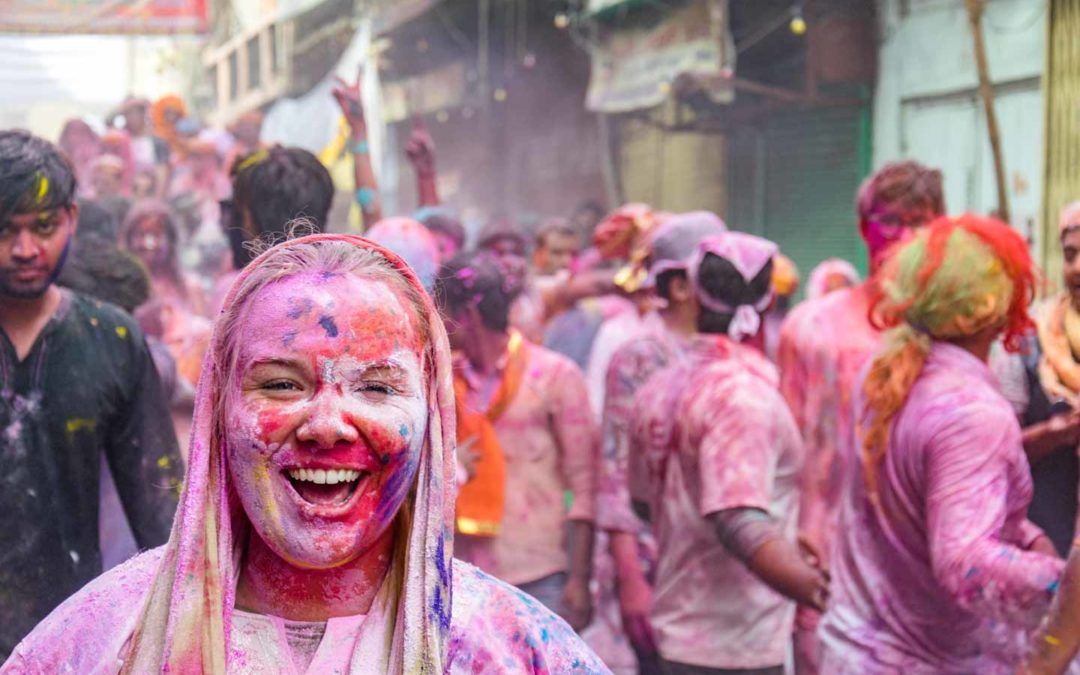
Many cultural organizations and communities host music festivals, color runs, and Holi-themed events worldwide.
Travel Tips for Holi Visitors
If you are traveling during the Holi Festival, preparation is important for a comfortable experience.
Essential Holi Travel Tips
- Wear white clothes for colorful photos
- Protect electronic devices from water and powder
- Carry sunglasses and sunscreen
- Keep valuables safe
- Stay hydrated throughout the celebration
- Respect local customs and traditions
Travelers visiting Nepal and India during Holi often combine the festival experience with cultural tours and sightseeing adventures.
Photography During Holi Festival
Holi provides incredible opportunities for photography due to its vibrant colors and energetic atmosphere.
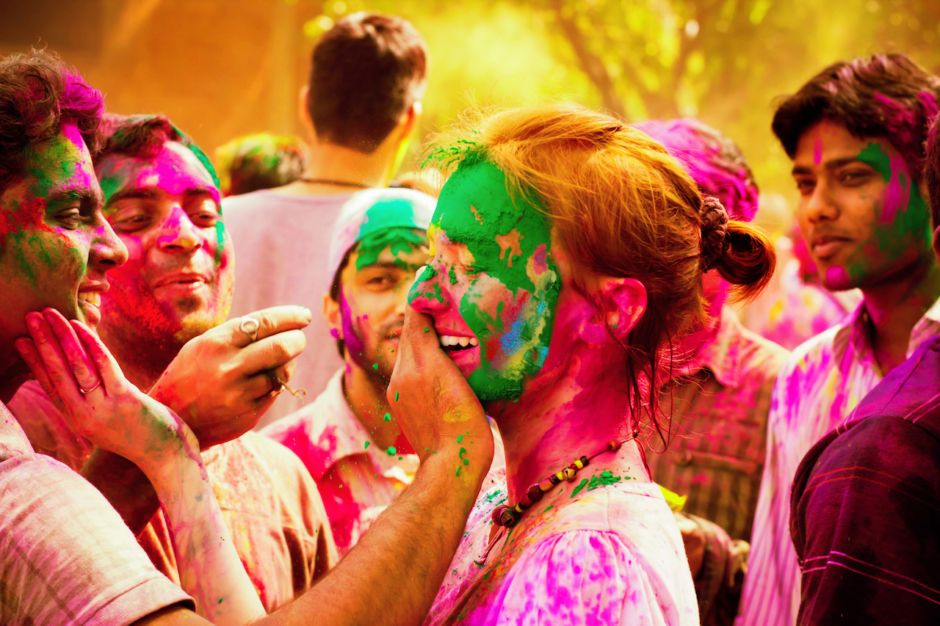
Holi Photography Tips
- Use waterproof protection for cameras
- Capture candid emotions and celebrations
- Shoot during daylight for vivid colors
- Focus on cultural rituals and traditions
- Respect people before taking close-up portraits
The visual beauty of the festival makes it one of the most photographed cultural festivals in the world.
Modern Influence of the Holi
Today, the Holi Festival has evolved into a global cultural event. Music festivals, social gatherings, tourism campaigns, and international celebrations continue to spread awareness about this ancient tradition.
Brands, influencers, and travel companies often create campaigns around Holi 2026 because of its colorful and joyful appeal.
Despite modernization, the core message of Holi remains unchanged: love, forgiveness, friendship, and positivity.
Conclusion
The Holi Festival is far more than a celebration of colors. It is a festival that represents joy, spiritual victory, cultural unity, and human connection. From the ritual of Holika Dahan to the vibrant streets filled with music and colors, Holi creates unforgettable memories for people of all ages.
Whether you celebrate in Nepal, India, or another part of the world, it offers an opportunity to spread happiness, reconnect with loved ones, and welcome positivity into life.
As Holi 2026 approaches, people across the globe are preparing once again to celebrate this extraordinary festival with excitement and enthusiasm.
Frequently Asked Questions (FAQs)
What is Holi?
The Holi Festival is a Hindu spring festival celebrated with colors, music, dance, and cultural traditions symbolizing the victory of good over evil.
Why is Holi called the Festival of Colors?
Holi is called the Festival of Colors because people celebrate by throwing colorful powders and water at one another as a symbol of joy and unity.
What is Holika Dahan?
Holika Dahan is a ritual bonfire celebrated the night before Holi, representing the victory of good over evil based on Hindu mythology.
When is Holi 2026?
Holi 2026 will be celebrated in March according to the Hindu lunar calendar.
How is Holi celebrated in Nepal?
In Nepal, Holi is celebrated with colors, music, dancing, water fights, and social gatherings in cities like Kathmandu and Pokhara.
What should I wear during the Holi festival?
People usually wear old white clothes during Holi because colors can permanently stain fabrics.
Is Holi safe for tourists?
Yes, Holi is generally safe and enjoyable for tourists when celebrated respectfully and responsibly.
What foods are popular during Holi?
Popular Holi foods include gujiya, malpua, dahi bhalla, sel roti, and festive sweets.

Table of Contents
- Introduction to the Holi
- What is the Holi Festival?
- History and Mythology Behind Holi
- Why is Holi Called the Festival of Colors?
- Holi Festival Celebration in Nepal
- Holi Celebration in India
- Holi 2026 Date and Celebration
- Traditional Foods During Holi
- Cultural Importance of Holi Wishes
- Eco-Friendly Holi Celebration Tips
- Best Places in the World to Experience the Festival of Colors
- Travel Tips for Holi Visitors
- Photography During Holi Festival
- Modern Influence of the Holi
- What is Holi?
- Why is Holi called the Festival of Colors?
- What is Holika Dahan?
- When is Holi 2026?
- How is Holi celebrated in Nepal?
- What should I wear during the Holi festival?
- Is Holi safe for tourists?
- What foods are popular during Holi?

Need Help?
Ask to Travel Expert