
- Mt. Kailash Tour
- Kailash Mansarovar Overland Tour
- Kailash Mansarovar Yatra by Helicopter – Complete Spiritual Journey Guide
- Kailash Yatra via Lucknow
- Kailash Mansarovar Tour via Lhasa
- Kailash Lhasa EBC Tour From Beijing
- Kailash Heli Tour via Kerung: Complete Spiritual Journey Guide
- Kailash Tour via Lhasa In Kerung Out
- Lhasa EBC Kailash Tour
- Kailash Heli Tour
- Kailash Mansarovar Yatra from Nepal 2027: Cost & Itinerary
- Kailash Nandi Kora
- Kailash Tour via Humla Simikot – 20 Days
- Mount Kailash Tour: 7 Amazing Experiences in 2027
- Trekking
-
-
- Everest Region
- Luxury Everest Base Camp Trek: 7 Unforgettable Highlights
- Everest Base Camp Trek 2026: Cost, Route, and Complete Guide
- Everest Three Passes Trek 2027: Cost, Route & Itinerary
- Everest Base Camp Short Trek
- Everest Panorama Trek: Amazing 10-Day Cost & Itinerary
- Everest Base Camp Island Peak Trek: Complete 19-Day Guide
- Gokyo Valley Trekking 2027: Easy Guide to Cost & Itinerary
- Mera Peak Climbing 2027: Complete Cost & Itinerary Guide
- Rolwaling Valley Trek: 23-Day Itinerary, Cost, Permits & Difficulty
- Dolpo Region Trek
- Everest Region
-
- Annapurna Region
- Annapurna Base Camp Trekking
- Annapurna Circuit Trek
- Annapurna Base Camp Trek: 7 Amazing Cost & Route Tips
- Mardi Himal Trek: 7 Amazing Highlights & Complete Guide
- Annapurna Alternative Combine Trek: 18 Amazing Days
- Mohare Dada Trek
- Ghorepani Poon Hill Trek: 7 Unforgettable Highlights
- Khopra Ridge Community Trek: 13-Day Ultimate Adventure
- Damodar Kunda Trek: 10-Day Ultimate Sacred Adventure
- Upper Mustang Trek: 10 Amazing Sights : Ultimate Guide
- Jomsom Muktinath Trek: Amazing 12-Day Ultimate Guide
- Ghale Gaun Trek: 7 Amazing Reasons : Ultimate Guide
- Dhampus Sarangkot Trek: 7 Incredible Experiences
- Dhaulagiri Region
- Annapurna Region
-
-
- Tours
-
-
- Day Tours
- Rickshaw–a three-wheeler Tour
- Pharping Dakshinkali Day Tour: 7 Amazing Highlights
- Historical Tour: 7 Amazing Places to Explore
- Kathmandu Temple Tour: 7 Amazing Spiritual Places
- Nagarkot Tour
- Bhaktapur City Tour: 7 Amazing Places to Explore
- Kathmandu City Tour – Complete Heritage & Cultural Experience in Nepal
- Chandragiri Hill: A Scenic Himalayan Escape Near Kathmandu
- Chitlang Hiking
- Shivapuri to Sundarijal Day Hiking
- Kulekhani Dam Day Tour — Complete Travel Guide
- Day Tours
-
- Package Tours
- Mustang Tour on Jeep
- Nepal Tour Package for Nepali: 12 Amazing Destinations to Explore (2026)
- Muktinath Tour: Complete Guide to Nepal’s Sacred Himalayan Pilgrimage
- 3N,4D Kathmandu Pilgrimage Tour
- Nepal Buddhist Pilgrimage Tour: 7 Sacred Sites Not to Miss
- 6D Nepal Pilgrimage Tour: 7 Amazing Sacred Places
- 7 Nights, 8 Days Nepal Tour
- Districts tour of Nepal
- Janakpur Tour Package: Price, Family Tour & Travel Guide from Kathmandu 2026
- Short Hike in Nepal: 7 Best Easy Treks for Beginners
- Package Tours
-
-
- Outbound
-
- Activities
- Climbing
- Bungee Jumping in Nepal
- Heli Skiing Adventure in the Himalayas
- Canoeing in Nepal
- Mountain Flight in Nepal
- Zip Flyer in Pokhara: The Ultimate Adventure Experience
- Paragliding in Pokhara: 7 Amazing Reasons to Experience Nepal’s Best Adventure
- Kathmandu Cycling Tour: 9 Amazing Adventures
- Rafting
- Rock Climbing
- Company
- Travel Info
- Travel Insurance
- Recommended Medical Kit
- Nepal Visa Information
- Flight delays and cancellation in Nepal
- Electricity in Nepal: Rates, Bill Check, Calculator and NEA Services
- Trekking Equipment Checklist: 40 Essential Items
- Best Kailash season in Tibet
- Best Trekking season in Nepal
- Trekking in Nepal 2027: 15 Best Himalayan Adventures
- Blogs
- Contact


WhatsApp
+977-9851035239

Email Us
[email protected]
Everest Base Camp Trekking Weather, Season!
11 October 2018
By Leaf Holidays
Introduction: A Journey Beyond Expectations
Everest Base Camp, Nepal, has always fascinated travelers from around the world. Among all trekking routes in Nepal, the adventure leading to Everest Base Camp stands as the most iconic. The region surrounding the world’s highest peak offers more than just mountain views; it provides a deep connection with nature, culture, and human endurance.
When people plan an adventure to the Himalayas, they often search for the experience known as Everest Base Camp Nepal trekking. However, most beginners underestimate how complex this journey can be. It is not just a simple walk in the mountains but a carefully structured high-altitude expedition that demands preparation and awareness.
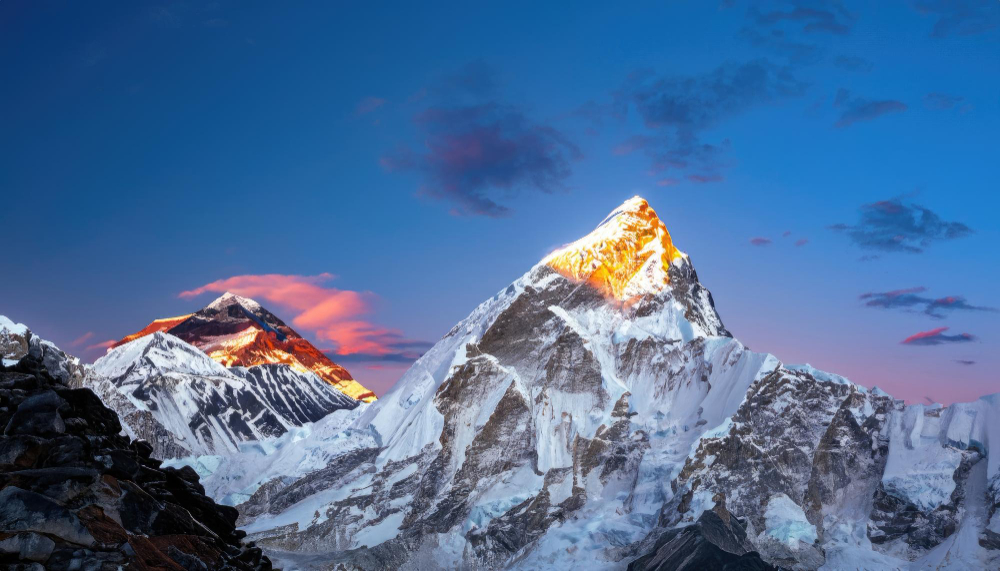
This guide explains important insights that many trekkers only learn after arriving in the region. These insights can help transform a difficult journey into a safe and enjoyable experience at Everest Base Camp, Nepal.
Secret 1: Mountain Weather Determines Everything
One of the most critical factors that influences your trekking experience is weather conditions in the Himalayas. The climate changes rapidly in high-altitude regions, and understanding this pattern is essential before starting your journey.
The best conditions are usually found during spring and autumn. During these periods, skies are clearer, visibility is better, and temperatures are more stable. However, even in good seasons, sudden changes can occur without warning.
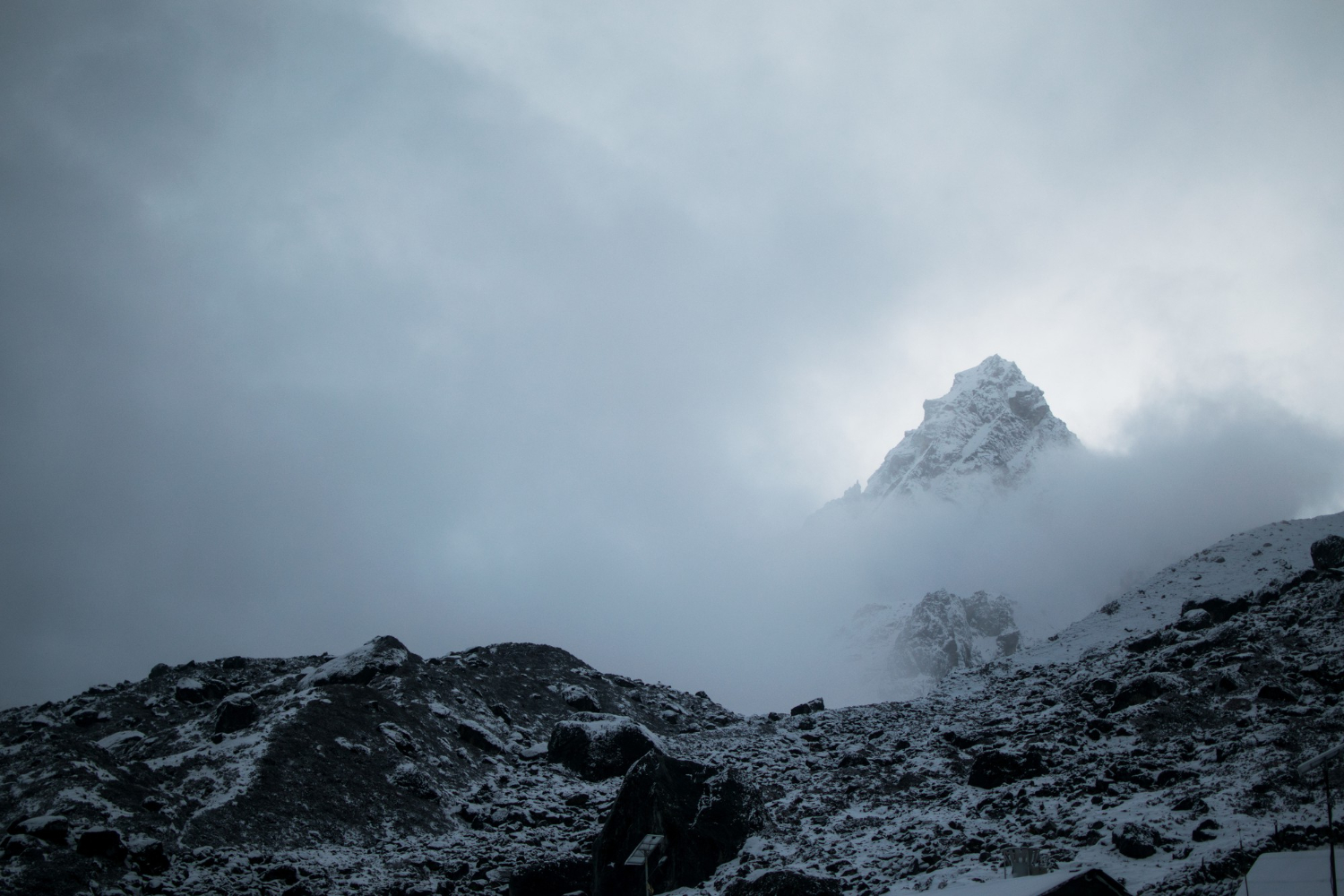
In contrast, winter brings extreme cold, often dropping far below freezing temperatures. Snowfall can block paths and make travel more difficult. Monsoon season brings heavy rainfall, which may lead to landslides and delays in transportation.
Understanding these patterns helps travelers plan better and reduces unnecessary risks at Everest Base Camp, Nepal. Many experienced trekkers carefully study seasonal conditions before finalizing their travel dates. you can also check the detail from the official https://ntb.gov.np
Secret 2: The trek duration is designed for human safety.
The standard journey to Everest Base Camp, Nepal, usually follows a 14-day structure. This timeline is not random; it is based on human physiological adaptation to high altitude.
As trekkers move higher into the mountains, oxygen levels gradually decrease. Without proper acclimatization, the body struggles to adjust, which may lead to altitude-related discomfort.
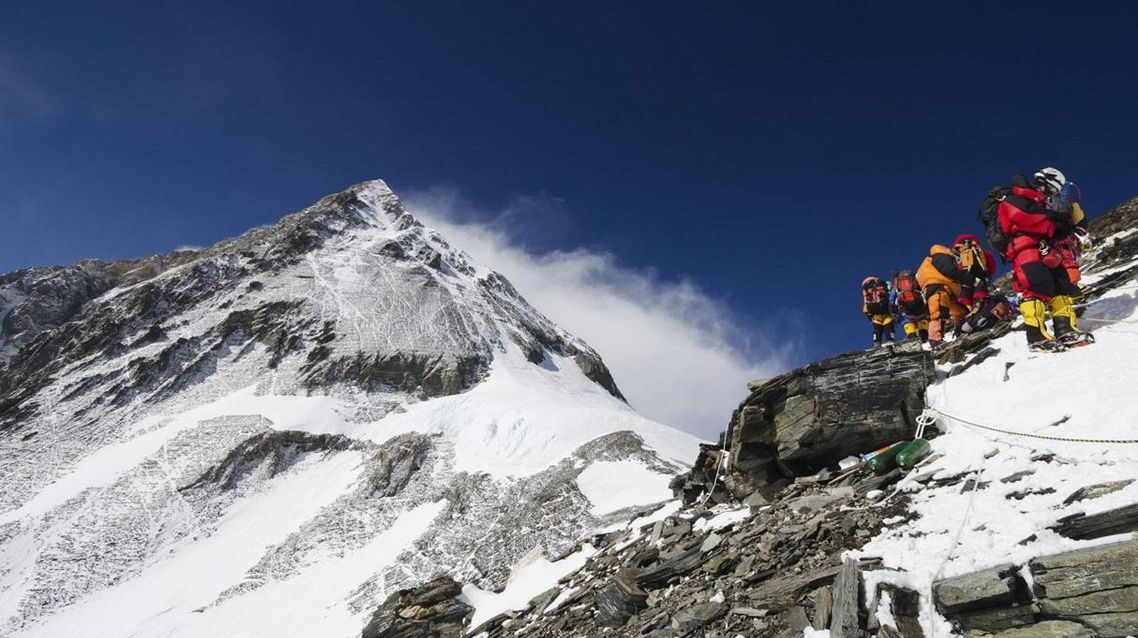
The structured itinerary includes rest days at important locations such as Namche Bazaar and Dingboche. These stops are designed to help the body adjust naturally to the changing environment.
Instead of rushing, this gradual ascent allows trekkers to experience the landscape while minimizing health risks. Each stage of the journey plays an important role in ensuring safety and success.
Secret 3: Altitude Adaptation Matters More Than Physical Strength
Many people assume that physical fitness is the most important requirement for high mountain trekking. While fitness is helpful, it is not the main factor that determines success.
The real challenge comes from altitude. As elevation increases, oxygen levels drop significantly. Even physically strong individuals can feel exhausted or unwell if their body does not adapt properly.
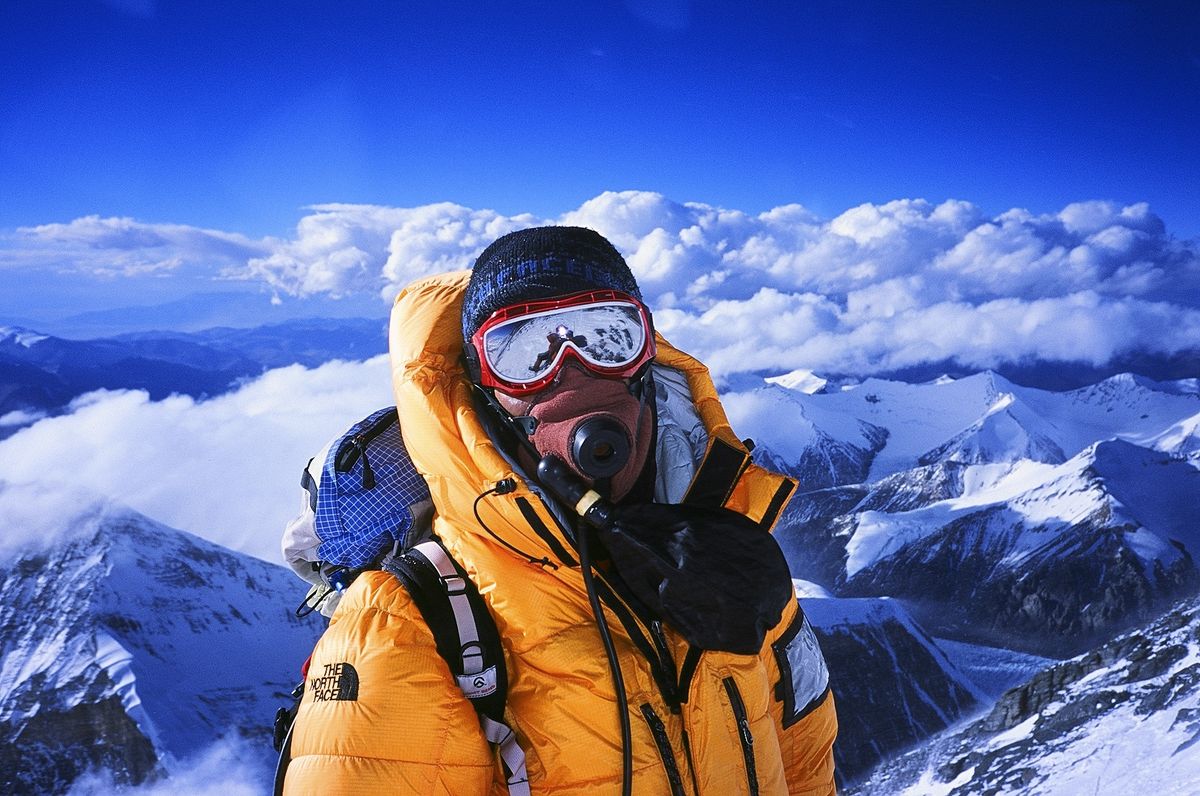
The best way to handle this is by maintaining a slow and steady pace. Hydration also plays a key role, as the body loses more water at higher elevations. Rest days are equally important and should never be ignored.
Proper adaptation allows trekkers to continue their journey comfortably and reduces the risk of altitude-related complications.
Secret 4: Packing Light Improves Performance
One of the most overlooked aspects of trekking preparation is packing strategy. Many travelers tend to carry unnecessary items, which makes the journey more difficult.
The key to a successful Himalayan trek is simplicity. Clothing should be layered instead of heavy single pieces. This allows flexibility in changing weather conditions.
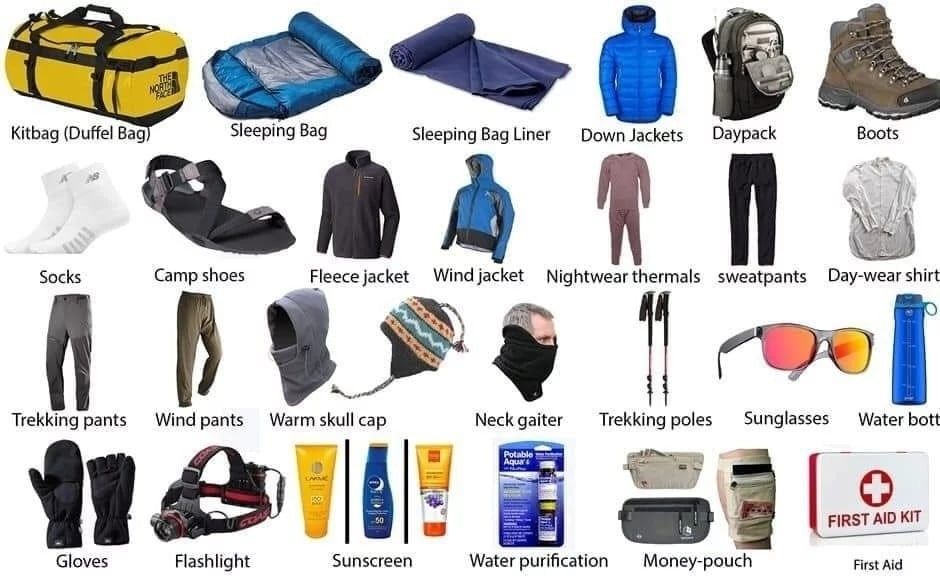
Essential items include warm clothing, waterproof protection, and reliable trekking footwear. Equipment such as trekking poles and sleeping bags designed for cold temperatures are also important.
Carrying less weight allows better movement, reduces fatigue, and improves overall trekking efficiency.
Secret 5: Hidden Expenses Can Impact Your Budget
Planning a mountain adventure involves more than just booking a package. Many trekkers underestimate additional expenses that arise during the journey.
Costs such as transportation to the starting point, food at higher elevations, accommodation in remote villages, and essential services like charging devices or internet access can increase total spending.
As altitude increases, prices naturally rise because supplies are transported manually or by animals. Being prepared for these expenses helps avoid financial stress during the journey.
Secret 6: Local Culture Enriches the Experience
Everest Base Camp, Nepal, is home to unique cultural traditions. Local communities have lived in these mountains for generations and have developed a deep spiritual connection with nature.
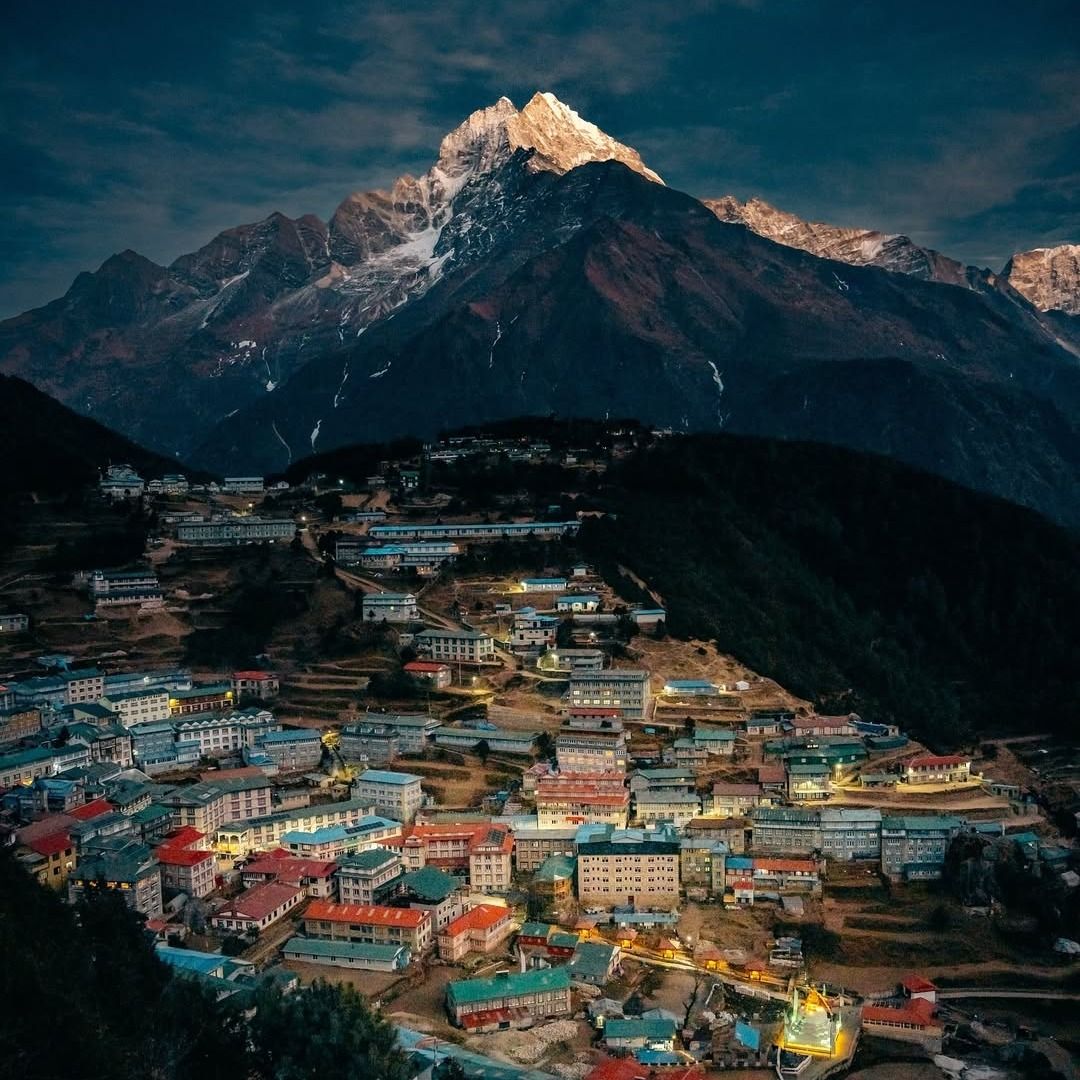
Monasteries, prayer flags, and traditional villages are common sights along the trail. These cultural elements add depth to the trekking experience and allow travelers to understand the lifestyle of mountain communities.
Respecting local customs and traditions enhances the journey and creates meaningful interactions with local people.
Secret 7: The Final Stage is a Mental Challenge
As trekkers approach the final destination near the Everest Base Camp, Nepal, physical exhaustion becomes less important than mental strength.
The terrain becomes more rugged, and the air becomes thinner. Despite these challenges, determination plays the most important role in reaching the destination.
Reaching the base of the world’s highest mountain is a powerful emotional moment that stays with travelers for a lifetime.
Why This Trek is So Popular Worldwide
Everest Base Camp, Nepal, attracts travelers from all over the world due to its unique combination of natural beauty, cultural richness, and physical challenge.
It offers an experience that goes beyond tourism and becomes a personal transformation journey.
Preparation Tips for a Safe Journey
Proper preparation increases the chances of a successful expedition. Training before the journey should include cardiovascular exercises, strength building, and long-distance walking practice.
Mental preparation is equally important, as high-altitude environments can be mentally demanding.
Weather Conditions Overview
Temperature changes significantly depending on altitude and season. At higher elevations, conditions become colder and more unpredictable. Understanding these patterns helps travelers prepare better.
Frequently Asked Questions About Everest Base Camp Nepal
What is this trek about?
It is a high-altitude journey to Everest Base Camp, Nepal.
How difficult is it?
It is moderately challenging due to altitude conditions.
Do beginners complete it?
Yes, with proper preparation and guidance.
What is the best season?
Spring and autumn are considered ideal.
Is altitude sickness common?
Yes, but it can be managed with proper acclimatization.
Conclusion
The journey to Everest Base Camp, Nepal, is one of the most rewarding adventures in the world. With proper understanding, preparation, and patience, it becomes an unforgettable experience that combines natural beauty and personal achievement.

Table of Contents
- Introduction: A Journey Beyond Expectations
- Secret 1: Mountain Weather Determines Everything
- Secret 2: The trek duration is designed for human safety.
- Secret 3: Altitude Adaptation Matters More Than Physical Strength
- Secret 4: Packing Light Improves Performance
- Secret 5: Hidden Expenses Can Impact Your Budget
- Secret 6: Local Culture Enriches the Experience
- Secret 7: The Final Stage is a Mental Challenge
- Why This Trek is So Popular Worldwide
- Preparation Tips for a Safe Journey
- Weather Conditions Overview
- Frequently Asked Questions About Everest Base Camp Nepal
- Conclusion

Need Help?
Ask to Travel Expert