
- Mt. Kailash Tour
- Kailash Mansarovar Overland Tour
- Kailash Mansarovar Yatra by Helicopter – Complete Spiritual Journey Guide
- Kailash Yatra via Lucknow
- Kailash Mansarovar Tour via Lhasa
- Kailash Lhasa EBC Tour From Beijing
- Kailash Heli Tour via Kerung: Complete Spiritual Journey Guide
- Kailash Tour via Lhasa In Kerung Out
- Lhasa EBC Kailash Tour
- Kailash Heli Tour
- Kailash Mansarovar Yatra from Nepal 2027: Cost & Itinerary
- Kailash Nandi Kora
- Kailash Tour via Humla Simikot – 20 Days
- Mount Kailash Tour: 7 Amazing Experiences in 2027
- Trekking
-
-
- Everest Region
- Luxury Everest Base Camp Trek: 7 Unforgettable Highlights
- Everest Base Camp Trek 2026: Cost, Route, and Complete Guide
- Everest Three Passes Trek 2027: Cost, Route & Itinerary
- Everest Base Camp Short Trek
- Everest Panorama Trek: Amazing 10-Day Cost & Itinerary
- Everest Base Camp Island Peak Trek: Complete 19-Day Guide
- Gokyo Valley Trekking 2027: Easy Guide to Cost & Itinerary
- Mera Peak Climbing 2027: Complete Cost & Itinerary Guide
- Rolwaling Valley Trek: 23-Day Itinerary, Cost, Permits & Difficulty
- Dolpo Region Trek
- Everest Region
-
- Annapurna Region
- Annapurna Base Camp Trekking
- Annapurna Circuit Trek
- Annapurna Base Camp Trek: 7 Amazing Cost & Route Tips
- Mardi Himal Trek: 7 Amazing Highlights & Complete Guide
- Annapurna Alternative Combine Trek: 18 Amazing Days
- Mohare Dada Trek
- Ghorepani Poon Hill Trek: 7 Unforgettable Highlights
- Khopra Ridge Community Trek: 13-Day Ultimate Adventure
- Damodar Kunda Trek: 10-Day Ultimate Sacred Adventure
- Upper Mustang Trek: 10 Amazing Sights : Ultimate Guide
- Jomsom Muktinath Trek: Amazing 12-Day Ultimate Guide
- Ghale Gaun Trek: 7 Amazing Reasons : Ultimate Guide
- Dhampus Sarangkot Trek: 7 Incredible Experiences
- Dhaulagiri Region
- Annapurna Region
-
-
- Tours
-
-
- Day Tours
- Rickshaw–a three-wheeler Tour
- Pharping Dakshinkali Day Tour: 7 Amazing Highlights
- Historical Tour: 7 Amazing Places to Explore
- Kathmandu Temple Tour: 7 Amazing Spiritual Places
- Nagarkot Tour
- Bhaktapur City Tour: 7 Amazing Places to Explore
- Kathmandu City Tour – Complete Heritage & Cultural Experience in Nepal
- Chandragiri Hill: A Scenic Himalayan Escape Near Kathmandu
- Chitlang Hiking
- Shivapuri to Sundarijal Day Hiking
- Kulekhani Dam Day Tour — Complete Travel Guide
- Day Tours
-
- Package Tours
- Mustang Tour on Jeep
- Nepal Tour Package for Nepali: 12 Amazing Destinations to Explore (2026)
- Muktinath Tour: Complete Guide to Nepal’s Sacred Himalayan Pilgrimage
- 3N,4D Kathmandu Pilgrimage Tour
- Nepal Buddhist Pilgrimage Tour: 7 Sacred Sites Not to Miss
- 6D Nepal Pilgrimage Tour: 7 Amazing Sacred Places
- 7 Nights, 8 Days Nepal Tour
- Districts tour of Nepal
- Janakpur Tour Package: Price, Family Tour & Travel Guide from Kathmandu 2026
- Short Hike in Nepal: 7 Best Easy Treks for Beginners
- Package Tours
-
-
- Outbound
-
- Activities
- Climbing
- Bungee Jumping in Nepal
- Heli Skiing Adventure in the Himalayas
- Canoeing in Nepal
- Mountain Flight in Nepal
- Zip Flyer in Pokhara: The Ultimate Adventure Experience
- Paragliding in Pokhara: 7 Amazing Reasons to Experience Nepal’s Best Adventure
- Kathmandu Cycling Tour: 9 Amazing Adventures
- Rafting
- Rock Climbing
- Company
- Travel Info
- Travel Insurance
- Recommended Medical Kit
- Nepal Visa Information
- Flight delays and cancellation in Nepal
- Electricity in Nepal: Rates, Bill Check, Calculator and NEA Services
- Trekking Equipment Checklist: 40 Essential Items
- Best Kailash season in Tibet
- Best Trekking season in Nepal
- Trekking in Nepal 2027: 15 Best Himalayan Adventures
- Blogs
- Contact


WhatsApp
+977-9851035239

Email Us
[email protected]
Teej Festival in Nepal 2026: Traditions, Songs, Photos & Pashupatinath Celebration
28 August 2018
By Leaf Holidays
Introduction
The Teej festival is one of the most important cultural and religious celebrations observed mainly by Hindu women in Nepal and parts of India. This celebration blends devotion, tradition, music, fasting, and social bonding into one meaningful cultural event.
The festival is dedicated to Lord Shiva and Goddess Parvati, symbolizing love, marriage, and spiritual devotion. Women participate by wearing red sarees, singing traditional songs, and sharing cultural moments through photography and gatherings that reflect deep cultural pride.
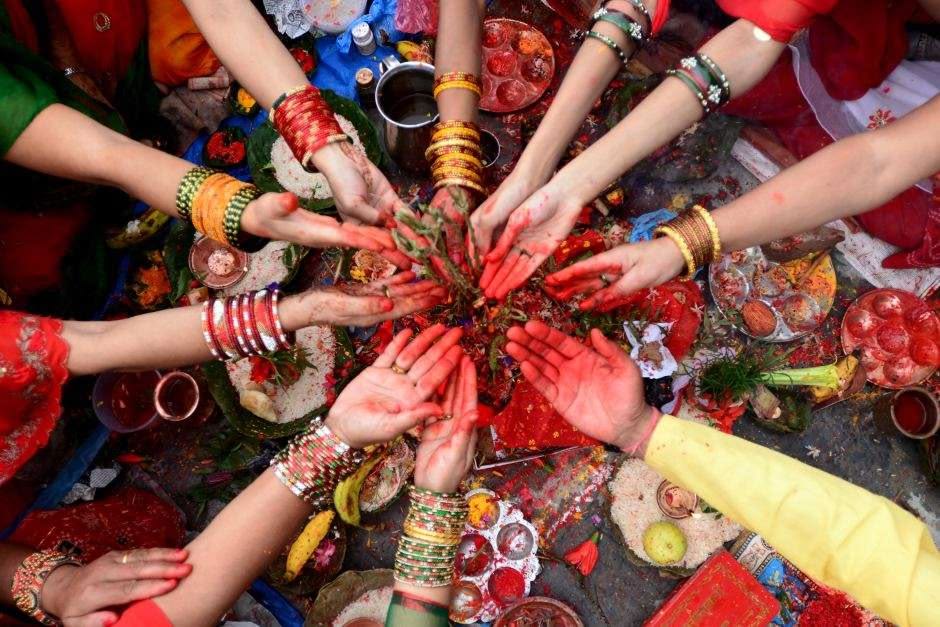
In Nepal, this celebration has become one of the most visually rich festivals where temples, streets, and communities come alive with energy, devotion, and unity.
History and Mythological Significance
The origin of this festival comes from Hindu mythology. Goddess Parvati is believed to have performed deep meditation and strict fasting for many years to win Lord Shiva as her husband.
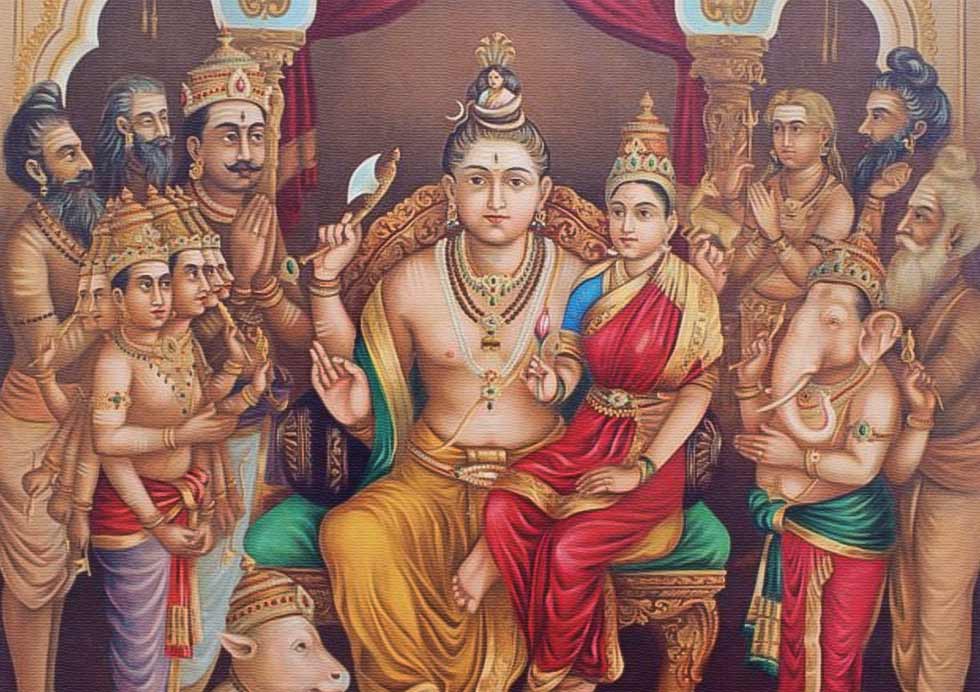
This story represents devotion, patience, sacrifice, spiritual strength, and marital harmony. Because of this, the festival holds deep emotional and cultural importance for women across generations.
Cultural Importance in Nepal
In Nepal, this festival is more than a religious event. It is a cultural celebration where women gather in groups, share food, sing traditional songs, and participate in dance programs.
Major cities like Kathmandu, Lalitpur, and Pokhara become highly active during this period. The Pashupatinath Temple attracts thousands of devotees.
This celebration strengthens social bonding, female unity, cultural identity, and traditional values
Festival Timing and Date
The festival date is determined by the Hindu lunar calendar and usually falls between August and September every year.
The celebration is observed in three main stages: Dar Khane Din (feast before fasting), the main fasting day, and Parana (fast-breaking ritual). Each stage carries deep cultural and spiritual meaning.
Teej at Pashupatinath Temple
The celebration of Teej at Pashupatinath Temple in Kathmandu is one of the most important religious gatherings in Nepal. Every year, thousands of Hindu women visit this sacred temple to worship Lord Shiva and participate in fasting rituals, prayers, and cultural activities.
Pashupatinath Temple is considered the most sacred Shiva temple in Nepal, and it becomes the main center of devotion during Teej. The temple area is filled with red-clad women, devotional chanting, traditional songs, and spiritual energy that reflects deep cultural and religious significance.
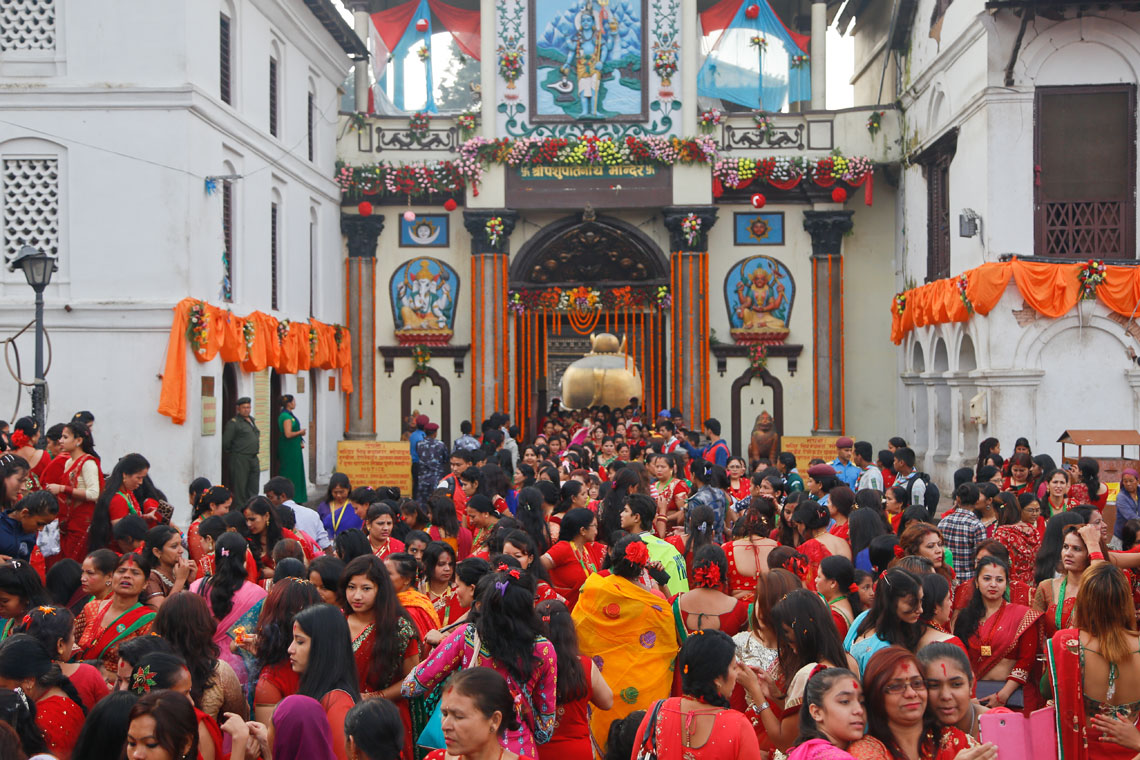
Learn more about the sacred history and travel details of Pashupatinath Temple in Kathmandu in our complete guide.
Religious Importance of Pashupatinath During Teej
During Teej, devotees believe that offering prayers at Pashupatinath Temple brings blessings from Lord Shiva and Goddess Parvati. Women observe fasting and pray for the long life, happiness, and well-being of their husbands and families.
Unmarried girls also visit the temple to pray for a good future partner and a happy married life. The spiritual belief associated with the temple makes it the most visited pilgrimage site during this festival.
Crowds and Atmosphere
The atmosphere at Pashupatinath during Teej is extremely vibrant and energetic. Long queues of women dressed in red sarees are seen waiting for the darshan of Lord Shiva.
The entire temple complex becomes a cultural gathering space filled with traditional music, emotional songs, and festive celebrations. Security arrangements and crowd management are increased due to the large number of visitors.
Traditional Songs and Cultural Music
One of the most important cultural elements of this festival is traditional songs sung by women in groups. These songs reflect emotions, personal experiences, and social traditions.
The lyrics often express love, marriage, separation, happiness, and devotion. In modern times, these musical performances are widely shared on digital platforms, making the celebration more popular among younger generations.
Music is not only entertainment but also emotional storytelling and cultural expression.
Festival Photography and Visual Culture
Photography plays an important role in this celebration. Cultural images usually show women wearing red sarees, green bangles, and traditional jewelry while dancing, singing, or praying.
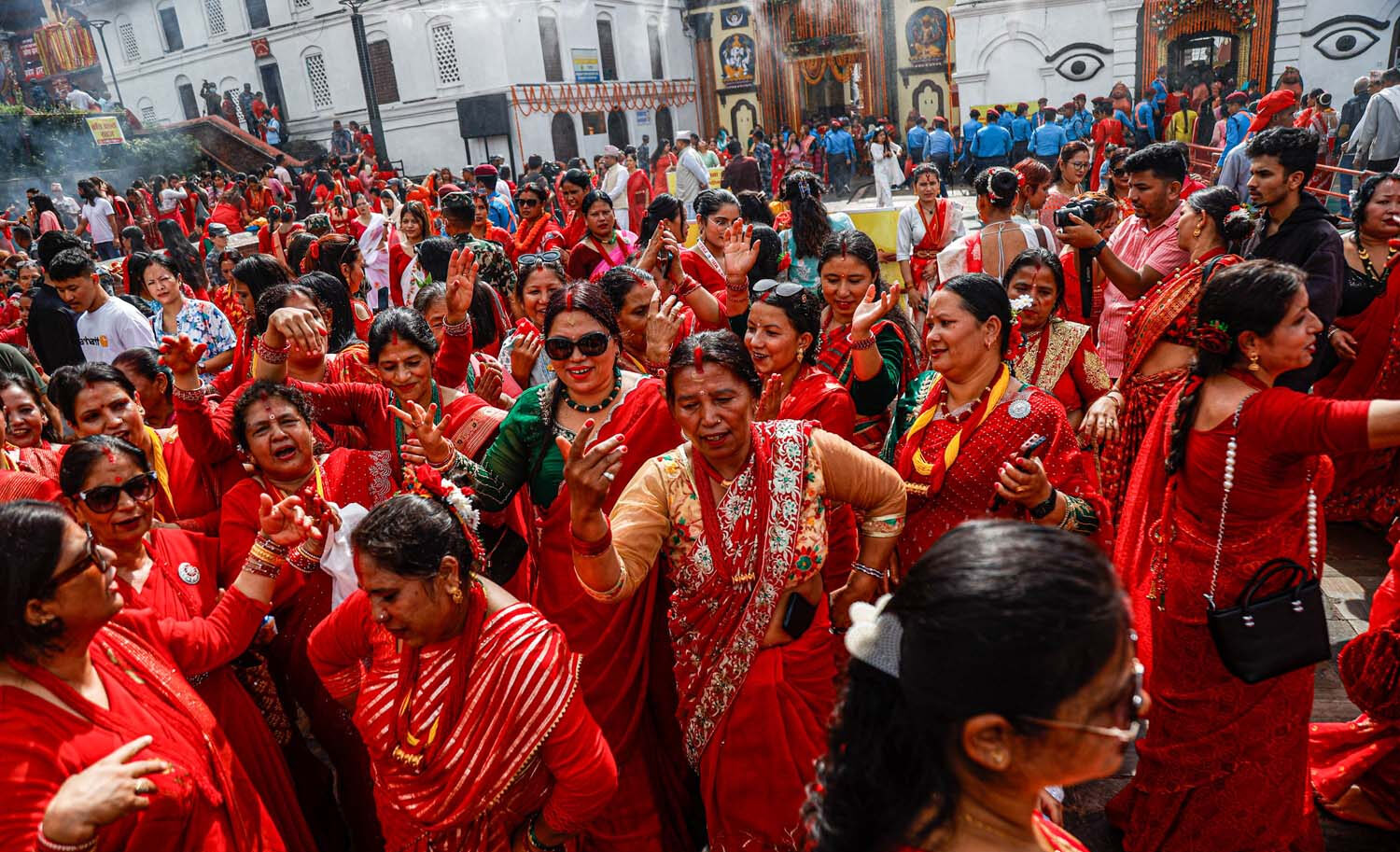
Common scenes include group dancing, temple gatherings, cultural programs, and family celebrations. These visuals are widely shared on social media platforms and help preserve cultural identity.
Rituals and Traditions
The festival includes several important traditions. Women wear red attire as a symbol of love and marital happiness. Many observe strict fasting without food or water, while others follow lighter fasting styles depending on health and choice.
Devotees worship Lord Shiva and Goddess Parvati for blessings, family well-being, and happiness. Group singing, dancing, and temple visits are also key parts of the celebration.
Importance of Fasting
Fasting during this Teej festival represents discipline, devotion, and purification. Some women observe strict fasting without food or water, while others choose fruit-based or flexible fasting styles.
The purpose is to gain spiritual strength, emotional balance, and religious devotion. It is considered one of the most meaningful practices of the entire celebration.
Modern Changes in the Festival
Today, the Teej festival has evolved with modern influences. It now includes public cultural programs, social media celebrations, music releases, and community events.
Despite modernization, traditional rituals and cultural values remain strong. The festival continues to preserve its spiritual essence while adapting to modern lifestyles.
Common Mistakes During Celebration
Common mistakes include ignoring health during fasting, improper preparation, overexertion, and losing focus on the spiritual meaning of the festival.
Health Tips for Fasting
It is recommended to eat light meals before fasting, stay hydrated in advance, avoid physical strain, and break the fast slowly and carefully.
Where It Is Celebrated
The Teej festival is widely celebrated in Kathmandu, especially at Pashupatinath Temple, as well as in Lalitpur, Pokhara, rural regions of Nepal, and parts of India.
FAQ Section
What is the Teej Festival?
It is a Hindu festival dedicated to Lord Shiva and Goddess Parvati, celebrated mainly by women.
What is a Teej song?
It refers to traditional cultural songs sung during the Teej celebration.
What is a Teej photo?
It refers to cultural images showing women in traditional attire during celebrations.
What is the Teej date?
It is the festival date based on the Hindu lunar calendar, usually between August and September.
Conclusion
The Teej festival is one of the most meaningful cultural celebrations in Nepal. It combines devotion, tradition, music, fasting, and community bonding into a powerful cultural experience.
From traditional Teej songs to cultural photography, fasting rituals, and festival timing, this celebration reflects deep emotional, cultural, and spiritual values.
It continues to evolve with modern influences while preserving its traditional essence, making it one of the most important festivals in Hindu culture.
Visit the full guide to Pashupatinath Temple in Kathmandu for detailed travel information.

Table of Contents
- Introduction
- History and Mythological Significance
- Cultural Importance in Nepal
- Festival Timing and Date
- Religious Importance of Pashupatinath During Teej
- Crowds and Atmosphere
- Traditional Songs and Cultural Music
- Festival Photography and Visual Culture
- Rituals and Traditions
- Importance of Fasting
- Modern Changes in the Festival
- Common Mistakes During Celebration
- Health Tips for Fasting
- Where It Is Celebrated
- FAQ Section
- Conclusion

Need Help?
Ask to Travel Expert