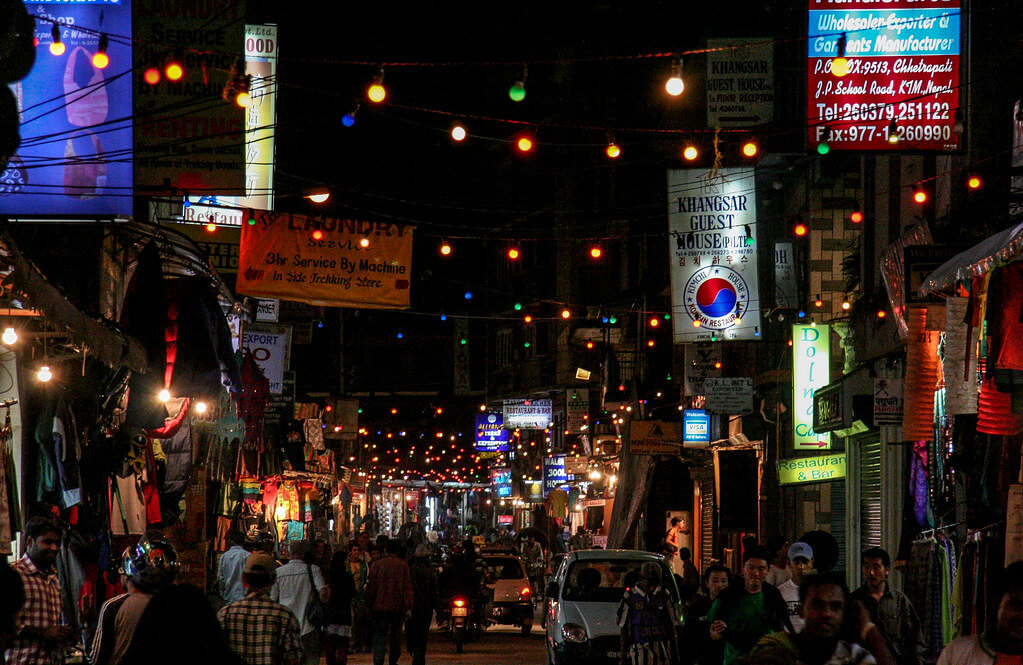
7 Thrilling Adventure Activities in Nepal You’ll Love
Nepal is one of the most exciting destinations in the world for travelers who love nature, thrill, and outdoor exploration. Surrounded by the Himalayas and filled with rivers, valleys, forests, and dramatic landscapes, the country offers unforgettable experiences for every type of adventurer.
From flying above mountain lakes to jumping into deep river gorges, the country is packed with excitement at every corner. Nepal is globally known for adventure activities in Nepal, attracting thrill seekers from all over the world who want a mix of nature and adrenaline.
Whether you are visiting Kathmandu, Pokhara, or exploring rural regions, you will find endless opportunities for unforgettable adventure experiences.
In this guide, we explore the 7 most thrilling experiences you should not miss.
1. Paragliding in Pokhara – Fly Over the Himalayas
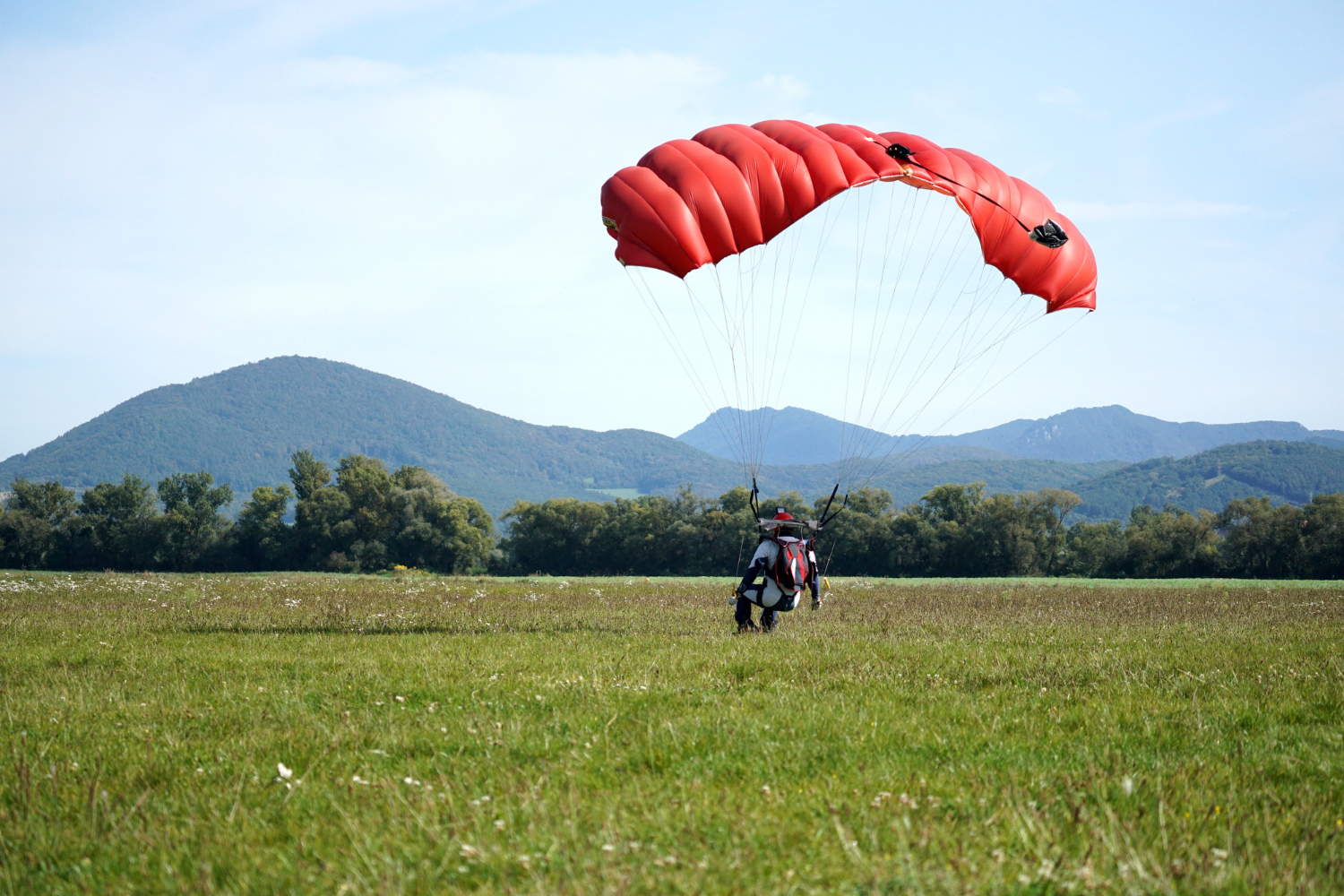
Paragliding in Pokhara is one of the most iconic experiences in the country. Imagine flying above Phewa Lake with the Annapurna mountain range in the background. This peaceful yet thrilling experience has made Pokhara a global hotspot for aerial sports.
Among all adventure activities in Nepal, paragliding is one of the most popular because it combines safety, beauty, and excitement in a single flight.
Why Try It:
Stunning Himalayan and lake views
Safe tandem flights with professionals
Smooth weather conditions
Perfect for beginners
Pokhara is widely considered the best destination for aerial adventures in Nepal, especially around the famous Phewa Lake, where most paragliding flights take off and land.
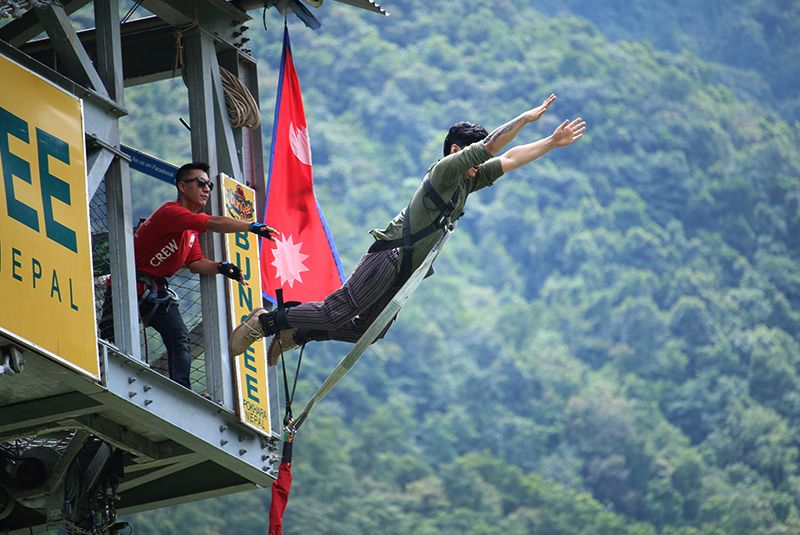
Bungee jumping in Nepal is one of the most extreme adrenaline activities in Asia. The jump takes place over deep river gorges surrounded by cliffs and wild nature.
It is one of the most intense experiences for travelers seeking extreme adventure activities in Nepal.
Highlights:
One of the world’s highest natural jumps
Professional safety equipment
Deep canyon surroundings
Extreme adrenaline rush
This activity is perfect for thrill seekers who want to push their limits.
3. White Water Rafting—Ride Himalayan Rivers
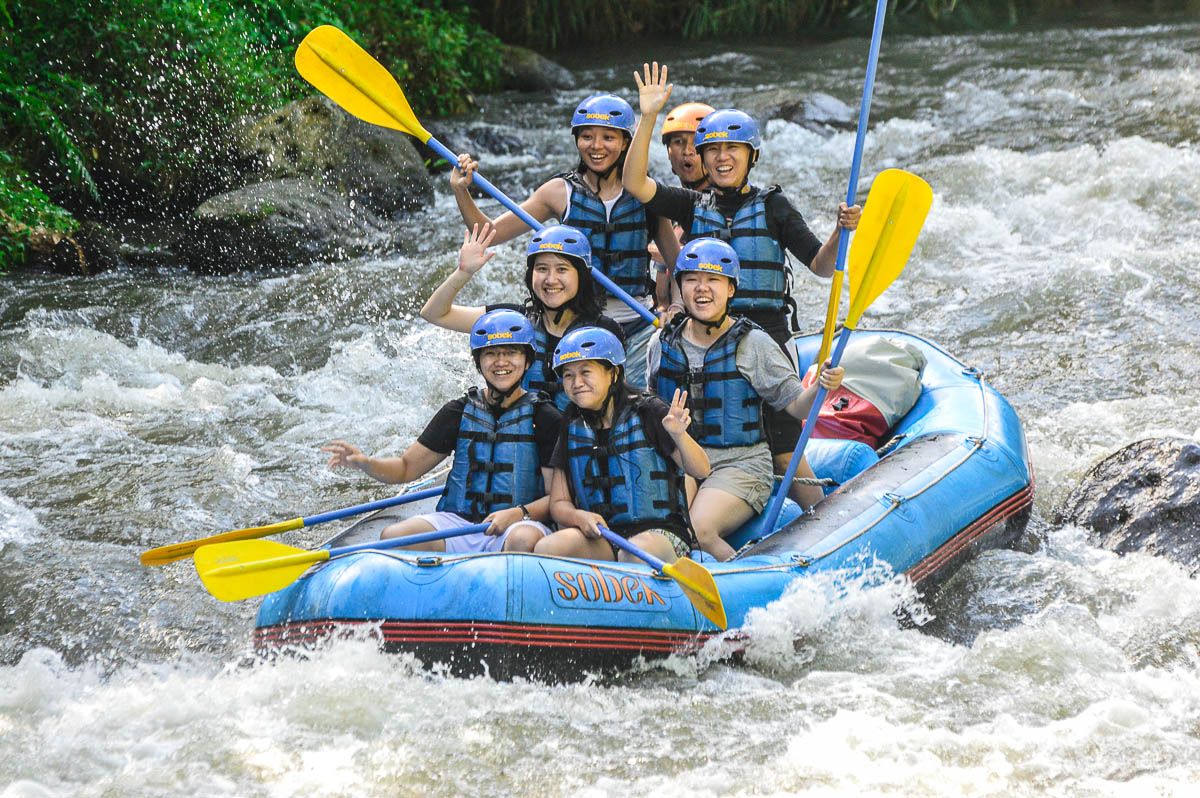
Rafting is one of the most enjoyable river adventures in Nepal. Rivers like Trishuli, Bhote Koshi, and Seti offer different difficulty levels, making it suitable for both beginners and experienced adventurers.
Rafting is a key part of adventure activities in Nepal because it combines teamwork, nature, and excitement.
Why It’s Popular:
Fast-flowing Himalayan rivers
Options for all skill levels
Scenic landscapes
Easy access from Kathmandu and Pokhara
It is one of the best group adventure experiences in the country.
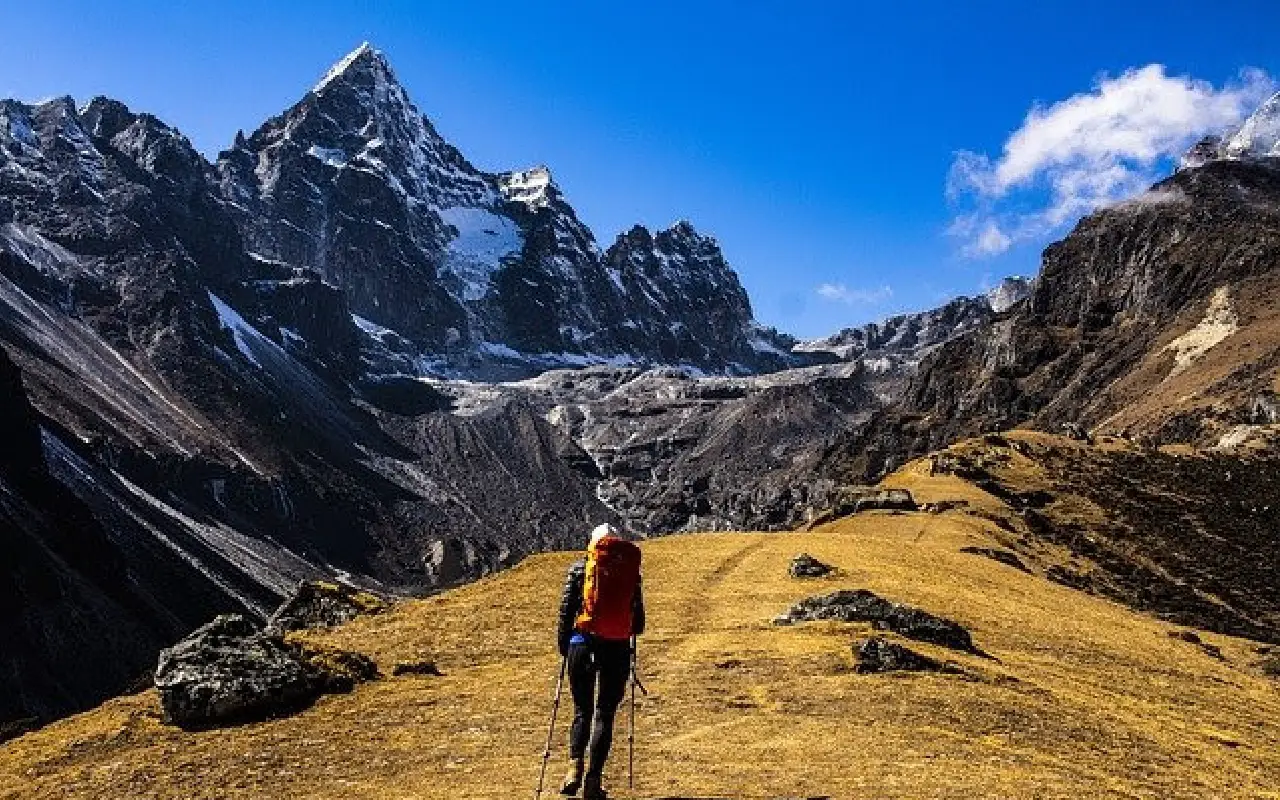
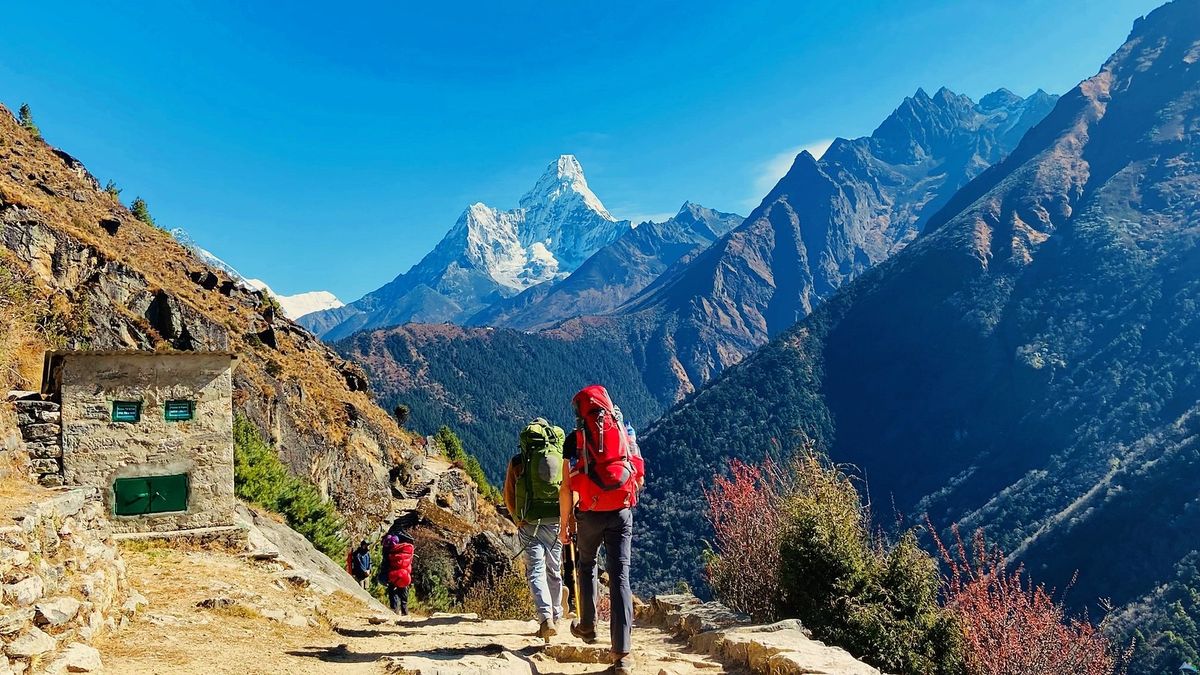
Trekking is a core part of adventure activities in Nepal, offering a deeper connection with mountains and local culture.
Key Features:
Himalayan mountain views
Cultural village experiences
Multiple difficulty levels
Long and short routes available
It is perfect for those who prefer exploration over extreme sports.
5. Ziplining in Pokhara – Speed Over the Valley
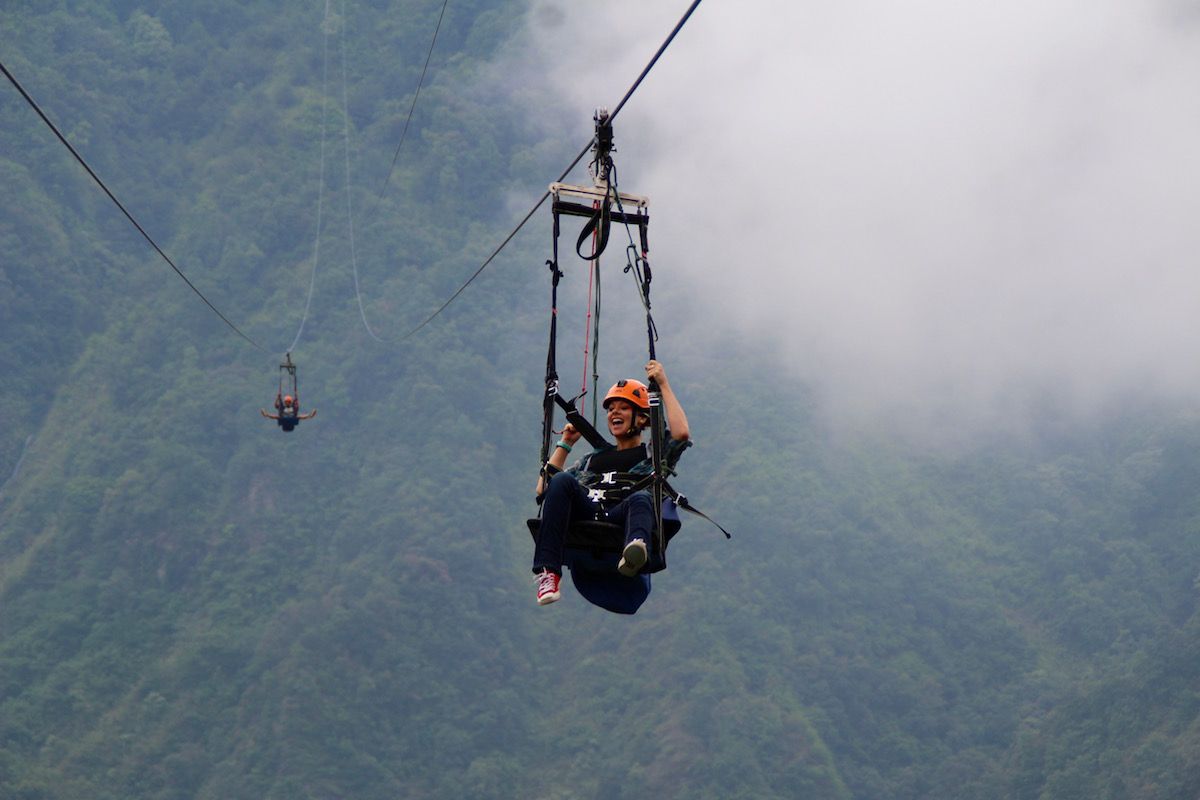
Ziplining in Pokhara is one of the fastest adventure experiences in the region. It is known for its steep descent and high-speed ride over valleys and forests.
This activity has become a modern highlight of adventure activities in Nepal for younger travelers.
Why Try It:
High-speed thrill experience
Panoramic valley views
Safe professional setup
Short but intense adventure
It is ideal for visitors who want quick adrenaline rushes.
6. Mountain Biking – Explore Nepal on Wheels
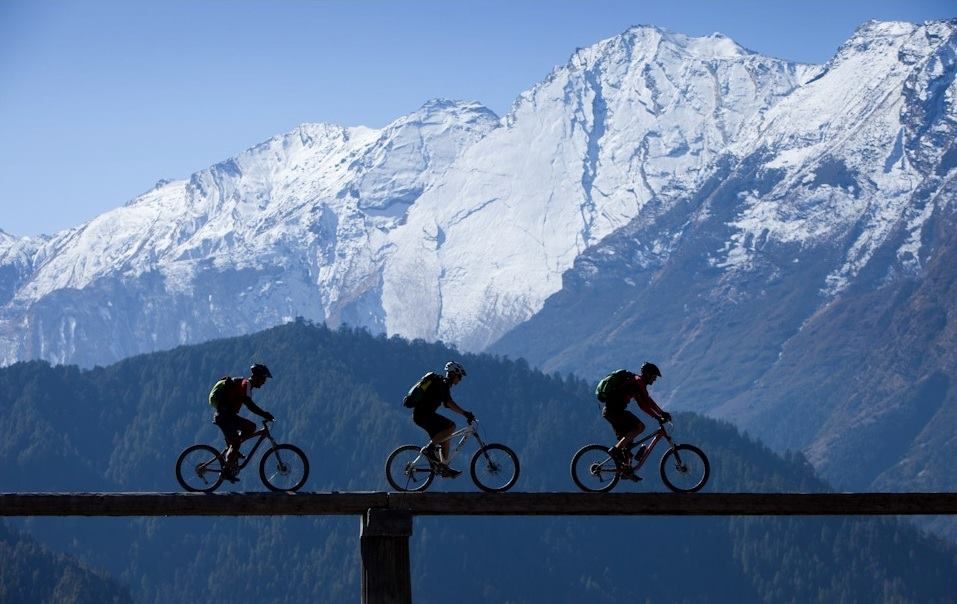
Mountain biking is becoming a popular way to explore Nepal’s landscapes. With rugged hills, off-road trails, and scenic routes, it offers a mix of adventure and exploration.
Kathmandu Valley and Pokhara are top destinations for biking routes.
Benefits:
Off-road adventure experience
Explore rural and natural areas
Great for fitness lovers
Cultural exploration
Mountain biking adds diversity to adventure activities in Nepal, especially for active travelers.
7. Jungle Safari – Wildlife Adventure in Chitwan
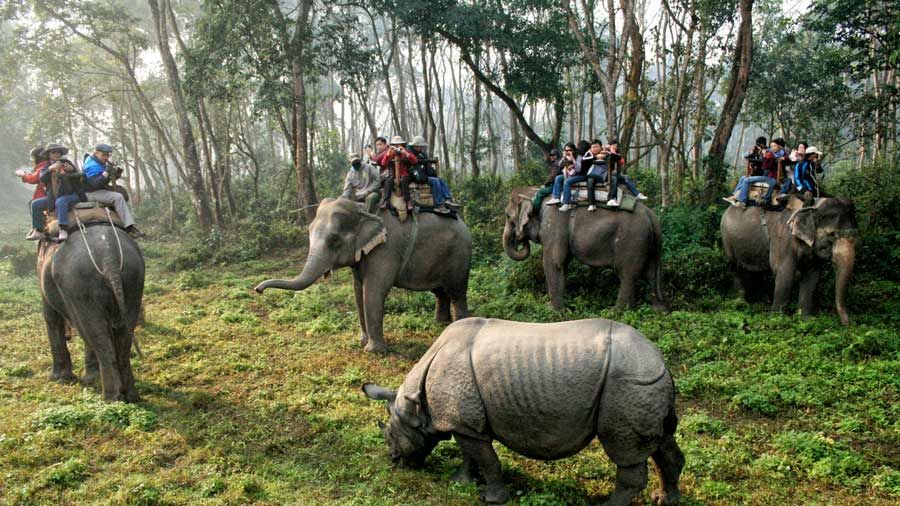
Chitwan National Park offers a completely different type of adventure. Instead of mountains, you explore dense jungles and wildlife habitats.
It is an important part of adventure activities in Nepal because it adds wildlife exploration to the country’s adventure mix.
Safari Experience:
Jeep safari tours
Canoe rides
Wildlife spotting
Bird watching
You can see rhinos, elephants, crocodiles, and even Bengal tigers if you are lucky.
To learn more about park details, wildlife zones, and official conservation information, you can visit the official site of Chitwan National Park.
Adventure Activities in Kathmandu
Kathmandu offers quick access to nature-based adventures even though it is a busy capital city.
Nepal remains one of the most budget-friendly adventure destinations.
Why Nepal is Perfect for Adventure Lovers
Nepal is globally famous for its diversity and natural beauty.
Key reasons:
Mountains, rivers, and jungles in one country
Affordable adventure tourism
Professional guides and operators
Safe travel environment
This makes it one of the best destinations for thrill seekers worldwide.
This unique combination makes Nepal one of the best destinations for thrill seekers worldwide. The country is also home to protected natural heritage sites managed for conservation and sustainable tourism, including iconic destinations like Sagarmatha National Park, which protects the Everest region and its surrounding Himalayan ecosystem.
Nepal is a dream destination for anyone who loves nature and adventure. From paragliding in Pokhara to rafting, trekking, bungee jumping, and jungle safaris, the country offers endless excitement.
If you are looking for unforgettable experiences, adventure activities in Nepal provide the perfect mix of thrill, nature, and culture.
FAQ – Adventure Activities in Nepal
1. What are the top adventure activities in Nepal?
Paragliding, trekking, rafting, bungee jumping, ziplining, and jungle safaris.
2. Which city is best for adventure tourism?
Pokhara is the top destination, followed by Kathmandu and Chitwan.
3. Is Nepal safe for adventure sports?
Yes, most activities are operated with professional safety standards.
4. What is the best time for adventure activities?
Spring and autumn seasons are ideal.
5. Is Nepal expensive for adventure travel?
No, it is one of the most affordable adventure destinations globally.
Travel is more than simply moving from one place to another. For many people, travel is an opportunity to explore the world, discover different cultures, learn valuable lessons, and create unforgettable memories. The purpose of travel can be different for every individual because everyone has their own interests, goals, and dreams. Some people travel to relax and enjoy life, while others travel to learn, experience adventure, or find themselves through new experiences.
In today’s fast-moving world, people often become stressed with daily routines, work pressure, and responsibilities. Traveling gives people a chance to refresh their minds and reconnect with themselves. Whether it is a short vacation, a solo backpacking journey, or an international tour, traveling has the power to change perspectives and improve life.
The purpose of travel is not only about reaching a destination. It is also about the experiences gained during the journey. Traveling allows people to meet new individuals, understand different traditions, and build memories that last forever. It teaches patience, confidence, independence, and appreciation for life.
This article explains the importance of travel, the benefits of traveling, different types of travelers, and how travel and self-discovery are deeply connected.
Importance of Travel in Human Life
The importance of travel has increased significantly in modern life. Traveling helps people escape from stress and gives them the opportunity to recharge mentally and physically. People spend most of their lives following routines, and travel becomes a refreshing break from everyday responsibilities.
Traveling introduces people to new environments and experiences. When someone visits a new country, city, or village, they get the chance to see how other people live, communicate, and celebrate their culture. This creates understanding, respect, and appreciation for diversity.
Another major reason behind the importance of travel is personal growth. Traveling pushes people out of their comfort zones. From trying new foods to speaking with strangers and adapting to unfamiliar situations, travel teaches valuable life skills that cannot always be learned in classrooms.
Travel is also important for mental health. Many people feel happier and more relaxed after traveling. Nature, mountains, beaches, and peaceful destinations help reduce stress and improve emotional well-being. Adventure activities like trekking, hiking, rafting, and paragliding also increase excitement and confidence.
The purpose of travel can also include strengthening relationships. Families, friends, and couples often travel together to spend quality time and build stronger connections. Shared experiences during travel create lasting memories and emotional bonds. According to global tourism research, travel helps improve cultural understanding and personal growth.
For students and young travelers, travel provides educational value. Visiting historical places, museums, temples, or cultural heritage sites allows people to learn through real-life experiences. This is one reason why educational tours are becoming increasingly popular worldwide.
Benefits of Travelling for Personal Growth
There are countless benefits of traveling that positively affect people’s lives. Traveling is not only enjoyable, but it also positively affects mental health and emotional well-being.
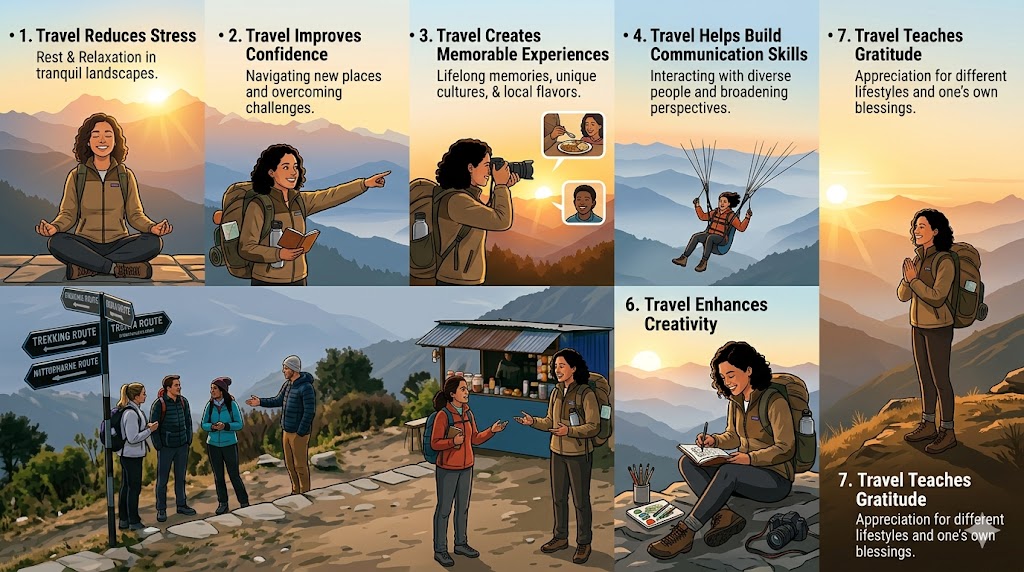
1. Travel Reduces Stress
One of the biggest benefits of traveling is stress relief. Taking a break from work, studies, or daily pressure helps people relax and feel refreshed. Traveling to peaceful destinations like mountains, forests, or beaches improves mental clarity and happiness.
2. Travel Improves Confidence
Traveling often requires people to solve problems independently. Whether it is booking transportation, communicating in a foreign language, or navigating a new city, these situations improve confidence and decision-making abilities.
3. Travel Creates Memorable Experiences
Experiences gained during travel become lifelong memories. Watching a sunrise in the mountains, tasting local food, or meeting people from different cultures creates meaningful moments that people cherish forever.
4. Travel Helps Build Communication Skills
Traveling encourages interaction with new people. This improves communication skills, social confidence, and cultural understanding. Meeting travelers from around the world also broadens perspectives.
5. Travel Encourages Adventure
Adventure is another exciting part of the purpose of travel. Activities such as trekking, safari tours, rafting, mountain climbing, and paragliding provide thrilling experiences and help people overcome fear.
6. Travel Enhances Creativity
Seeing new landscapes, cultures, and lifestyles inspires creativity. Many writers, photographers, artists, and content creators travel to find inspiration for their work.
7. Travel Teaches Gratitude
After visiting different places and observing different lifestyles, people often become more grateful for what they have. Travel teaches humility and appreciation.
The benefits of traveling are not limited to entertainment. Travel improves overall quality of life by creating happiness, knowledge, and confidence.
Different Types of Travelers
Understanding the types of travelers helps explain why people travel for different reasons. Every traveler has unique goals and interests.
1. Fun Travelers
Fun travelers travel mainly to relax and enjoy themselves. They may choose beach holidays, luxury resorts, entertainment destinations, or family vacations. Their main goal is happiness and relaxation.
Fun travelers often want to escape busy routines and recharge their energy. This type of traveler values comfort, enjoyment, and memorable experiences. Countries like Nepal are popular destinations for trekking and adventure tourism.
2. Adventure Travelers
Adventure travelers seek excitement and thrilling experiences. They enjoy trekking, mountaineering, rafting, bungee jumping, wildlife safaris, and other adventurous activities.
Countries like Nepal are popular destinations for adventure tourism because of trekking routes, Himalayan landscapes, and outdoor activities.
Adventure travel pushes people beyond their comfort zones and creates unforgettable memories. Travelers looking for excitement can explore our adventure activities in Nepal for unforgettable experiences.
3. Learning Travelers
Learning travelers see travel as an educational opportunity. They want to explore history, culture, architecture, traditions, and local lifestyles.
These travelers often visit museums, heritage sites, temples, and cultural landmarks. Their journeys focus on gaining knowledge and understanding the world better.
4. Solo Travelers
Solo travelers prefer exploring destinations alone. Solo travel helps people become independent, confident, and self-aware.
Many solo travelers believe that traveling alone improves decision-making skills and personal growth. Solo journeys are strongly connected with travel and self-discovery because travelers spend more time understanding themselves.
5. Luxury Travelers
Luxury travelers prioritize comfort, premium services, and exclusive experiences. They stay in luxury hotels, travel in comfort, and enjoy personalized services.
6. Budget Travelers
Budget travelers focus on affordable experiences. They often use public transportation, stay in hostels, and search for cost-effective travel options.
Budget travel proves that meaningful travel experiences do not always require large amounts of money.
7. Cultural Travelers
Cultural travelers are interested in traditions, festivals, art, local cuisine, and cultural heritage. They travel to connect with people and understand local lifestyles.
These types of travelers show that the purpose of travel varies from one person to another.
Travel and Self-Discovery
One of the deepest aspects of the purpose of travel is travel and self-discovery. Traveling allows people to understand themselves better by exposing them to new environments and experiences.
Many people discover their strengths, weaknesses, passions, and goals while traveling. Being away from familiar surroundings often helps individuals reflect on life and gain clarity. Exploring different cultures and environments often helps people develop self-awareness and confidence.
Solo travel especially contributes to self-discovery. Without familiar support systems, travelers learn how to make decisions independently and handle challenges confidently.
Travel also changes perspectives. Meeting people from different backgrounds teaches empathy, patience, and understanding. Travelers realize that the world is much bigger and more diverse than their everyday environment.
Another important aspect of travel and self-discovery is emotional growth. Traveling helps people overcome fears and insecurities. Whether it is speaking to strangers, trying unfamiliar food, or navigating unknown places, every experience builds confidence.
Nature travel also supports self-discovery. Mountains, forests, lakes, and peaceful landscapes provide time for reflection and mental relaxation. Many travelers return home with renewed motivation and a clearer mindset.
The connection between travel and self-discovery explains why many people consider travel life-changing. The journey often transforms not only how people see the world but also how they see themselves. Choosing a reliable travel agency in Kathmandu can make your travel experience easier and more enjoyable.
Why Do People Travel?
People travel for many different reasons. Some travel for leisure, while others travel for education, business, religion, adventure, or family visits. Trekking in Nepal is one of the best ways to experience nature and self-discovery.
Travel for Relaxation
Relaxation is one of the most common reasons people travel. Vacations help reduce stress and improve happiness.
Travel for Adventure
Adventure seekers travel to experience excitement and challenge themselves physically and mentally.
Travel for Education
Educational travel helps students and professionals learn about history, culture, and global perspectives.
Travel for Cultural Experience
Many people travel to experience traditions, festivals, food, and local lifestyles.
Travel for Personal Growth
The purpose of travel often includes emotional and personal development. Travelers gain confidence, independence, and valuable life experiences.
Travel for Relationships
Travel strengthens relationships between friends, couples, and families through shared experiences.
No matter the reason, travel enriches life and creates unforgettable memories.
How Travel Improves Mental Health
Traveling has a powerful impact on mental well-being. Constant work pressure and routines can lead to stress, anxiety, and burnout. Traveling provides a healthy escape from these pressures.
Visiting natural destinations helps people feel calm and refreshed. Fresh air, peaceful surroundings, and beautiful landscapes improve mood and mental clarity.
Travel also creates excitement and motivation. Planning a trip gives people something positive to look forward to. During the journey, people experience happiness through exploration and adventure.
Another psychological benefit is mindfulness. Travelers often become more present and focused on experiences instead of worrying about daily stress.
The benefits of traveling for mental health are one reason why travel has become an important part of modern lifestyles.
The Role of Travel in Building Global Understanding
Travel encourages global understanding by connecting people from different cultures and backgrounds. When travelers interact with local communities, they learn about traditions, customs, languages, and beliefs.
This cultural exchange reduces stereotypes and promotes mutual respect. Travelers often become more open-minded and accepting after experiencing different lifestyles.
The importance of travel is especially significant in today’s interconnected world because travel helps people understand humanity beyond borders.
Purpose of Travel in Modern Society
In modern society, travel has become more accessible than ever before. Technology, transportation, and social media have increased people’s interest in exploring the world.
Today, the purpose of travel includes the following:
Relaxation and leisure
Adventure and thrill
Learning and education
Cultural experiences
Career opportunities
Self-discovery and growth
Building social connections
Travel has become an important part of personal development and lifestyle improvement.
Conclusion
The purpose of travel is different for every individual, but the impact of travel is universally meaningful. Travel allows people to relax, explore, learn, and grow through experiences. It improves confidence, mental health, creativity, and understanding of the world.
The importance of travel continues to grow because travel provides opportunities for learning, adventure, and cultural connection. The many benefits of traveling help individuals become more open-minded, independent, and emotionally strong.
Understanding the different types of travelers also shows that everyone experiences travel in unique ways. Some seek adventure, while others seek relaxation, knowledge, or cultural experiences.
Most importantly, travel and self-discovery are deeply connected. Traveling helps people discover not only new destinations but also new aspects of themselves. Every journey becomes a chance to learn, experience, and create unforgettable memories.
Whether someone travels for fun, education, adventure, or personal growth, travel remains one of the most valuable experiences in life. Many travelers prefer customized Nepal tour packages for a comfortable and memorable journey.
FAQs About the Purpose of Travel
What is the main purpose of travel?
The main purpose of travel is to explore new places, gain experiences, relax, learn about cultures, and create memorable experiences. Different people travel for different reasons depending on their interests and goals.
What is the importance of travel?
The importance of travel includes stress relief, personal growth, cultural understanding, improved confidence, and educational experiences. Travel helps people develop emotionally and mentally.
What are the benefits of traveling?
The major benefits of traveling include improved mental health, better communication skills, increased confidence, adventure experiences, creativity, and lifelong memories.
How does travel help in self-discovery?
Travel and self-discovery are connected because traveling pushes people out of their comfort zones. New experiences help individuals understand themselves better and improve confidence and independence
What are the different types of travelers?
The common types of travelers include fun travelers, adventure travelers, solo travelers, cultural travelers, luxury travelers, learning travelers, and budget travelers.
Why do people love traveling?
People love traveling because it provides excitement, relaxation, adventure, cultural experiences, and opportunities to escape daily routines while creating unforgettable memories.
Highest Lake in Nepal: 7 Stunning Himalayan Wonders
The Himalayas are famous for their snow-covered peaks, breathtaking trekking trails, and rich cultural heritage. However, beyond the towering mountains lies another hidden treasure of the region: the magnificent Himalayan lakes. These pristine lakes are among the most beautiful natural attractions in Asia and attract travelers, trekkers, photographers, and spiritual seekers from around the world. Many of these lakes are located at extreme elevations, making them some of the highest lakes on Earth.
When discussing the highest lake in Nepal, travelers often think about famous alpine lakes like Tilicho Lake, Gokyo Lake, and the newly recognized Kajin Sara Lake. These lakes are not only visually spectacular but also hold spiritual, ecological, and geographical importance. Nepal is home to several high-altitude freshwater lakes surrounded by glaciers, rugged landscapes, and Himalayan panoramas.
From the remote beauty of Rara Lake to the sacred waters of Gosaikunda and Manasarovar, every Himalayan lake offers a unique experience. Some are popular pilgrimage destinations, while others are adventure trekking highlights. Travelers visiting these destinations often describe them as life-changing experiences because of their peaceful atmosphere and natural beauty.
In this guide, you will discover the highest lake in Nepal, learn about the most famous lake in Nepal, explore the legendary Tilicho Lake, and understand why Nepal features among the regions with the top 10 highest-altitude lakes in the world.
Why Himalayan Lakes Are Special
The Himalayan lakes are much more than ordinary water bodies. Most of these lakes are formed by glaciers and snowmelt from the surrounding mountains. Their crystal-clear blue waters reflect the towering Himalayan peaks, creating breathtaking scenery that looks almost unreal.
The lakes are also culturally and spiritually significant. Many Hindu and Buddhist pilgrims visit these sacred lakes for religious rituals and meditation. Lakes like Gosaikunda and Manasarovar are deeply connected with mythology and spiritual beliefs.
Another reason why these lakes are special is their altitude. Several Himalayan lakes are located above 4,000 meters, which places them among the highest lakes in the world. Trekking to these lakes often requires physical endurance and adventurous spirit, but the rewards are unforgettable.
1. Rara Lake – The Largest and Most Famous Lake in Nepal
Rara Lake is widely recognized as the most famous lake in Nepal because of its unmatched beauty and peaceful surroundings. Located in the remote Mugu District of western Nepal, Rara Lake lies inside the beautiful Rara National Park.
The lake covers an area of around 10.8 square kilometers and is considered the largest freshwater lake in Nepal. Surrounded by pine forests, alpine meadows, and snowcapped mountains, Rara Lake creates one of the most scenic landscapes in the country.
Although Rara Lake is not the highest lake in Nepal, it remains one of the most visited and admired Himalayan lakes because of its tranquil environment and rich biodiversity. The lake changes color throughout the day depending on sunlight and weather conditions, making it a paradise for photographers.
Travelers visiting Rara often enjoy hiking, boating, camping, and wildlife observation. The region is home to rare animals and birds, making it an important ecological zone.
2. Phewa Lake – The Jewel of Pokhara
Located in the heart of Pokhara, Phewa Lake is another incredibly famous lake in Nepal. Unlike the remote alpine lakes, Phewa Lake is easily accessible and attracts thousands of domestic and international tourists every year.
The lake is famous for its calm waters and stunning reflections of the Annapurna mountain range. Visitors can enjoy boating, lakeside cafes, paragliding, and beautiful sunset views.
One of the major attractions of Phewa Lake is the Tal Barahi Temple, located on a small island in the center of the lake. This temple holds religious importance for Hindu devotees.
Although Phewa Lake is not part of the top 10 highest-altitude lakes in the world, it remains one of the most iconic travel destinations in Nepal because of its beauty and accessibility.
3. Gosaikunda Lake – The Sacred Alpine Wonder
Gosaikunda Lake is one of the most sacred lakes in Nepal. Situated inside Langtang National Park at an altitude of approximately 4,380 meters, Gosaikunda attracts thousands of Hindu and Buddhist pilgrims annually.
According to Hindu mythology, Lord Shiva created the lake by striking his trident into the mountains to obtain water. This spiritual connection makes Gosaikunda an important pilgrimage destination.
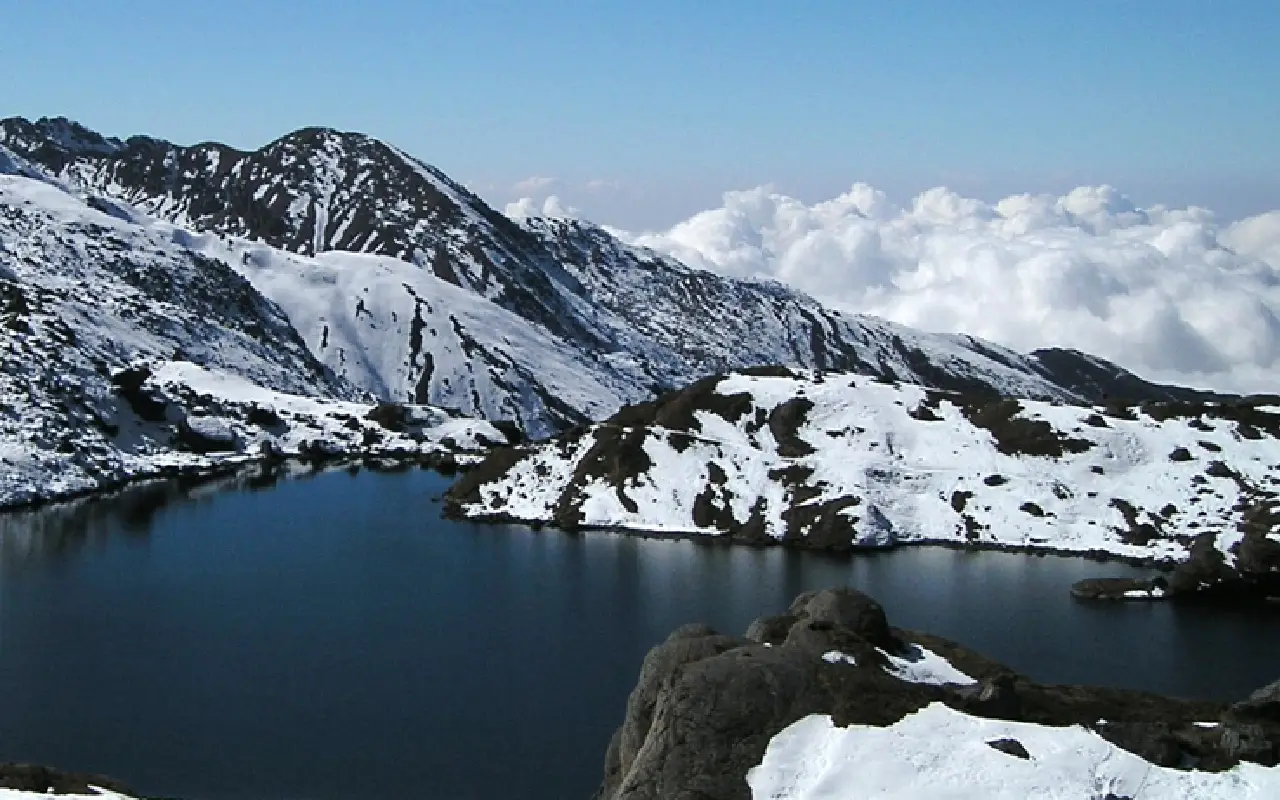
The lake remains frozen for much of the winter season and is surrounded by rugged Himalayan landscapes. Trekkers visiting the Langtang region often combine the Gosaikunda trek with panoramic Himalayan views and cultural experiences.
Because of its elevation and spiritual importance, Gosaikunda is considered one of the most remarkable high-altitude lakes in Nepal.
4. Shey Phoksundo Lake – Nepal’s Turquoise Paradise
Shey Phoksundo Lake is one of the most visually stunning lakes in Nepal. Located in the remote Dolpa region at an elevation of over 3,600 meters, the lake is famous for its deep turquoise-blue color.
The lake lies inside Shey Phoksundo National Park, Nepal’s largest national park. The area is known for its untouched wilderness, Tibetan culture, and dramatic mountain scenery.
Swimming in the lake is prohibited because local communities consider it sacred. The peaceful environment and breathtaking beauty make it one of the most unique destinations in the Himalayas.
Many travelers consider Shey Phoksundo among the most beautiful and famous lake destinations in Nepal.
5. Tilicho Lake – One of the Highest Lakes in the World
When discussing the highest lake in Nepal, the legendary Tilicho Lake is impossible to ignore. Located at an altitude of approximately 4,919 meters in the Annapurna region, Tilicho Lake is often considered one of the top 10 highest-altitude lakes in the world.
For many years, travelers believed Tilicho Lake was the highest lake in the world. Although newer discoveries like Kajin Sara Lake have changed some records, Tilicho Lake remains globally famous because of its extraordinary altitude and beauty.
The trek to Tilicho Lake is challenging but incredibly rewarding. Trekkers pass through rugged mountain trails, high passes, and traditional villages while enjoying breathtaking views of the Annapurna range.
The lake also holds religious significance in Hindu mythology because it is mentioned in the ancient Ramayana text. The combination of spiritual importance and natural beauty makes Tilicho Lake one of the most iconic alpine lakes in the Himalayas.
Because of its global popularity, Tilicho frequently appears in articles discussing the top 10 highest-altitude lakes in the world.
6. Gokyo Lakes – Himalayan Lakes Near Everest
The beautiful Gokyo Lakes are located in the Everest region of Nepal. These lakes are considered among the highest freshwater lake systems in the world.
Situated at altitudes between 4,700 and 5,000 meters, the Gokyo Lakes attract trekkers exploring the Everest region. The lakes are known for their crystal-clear blue waters and spectacular mountain reflections.
Trekkers often hike to Gokyo Ri for panoramic views of Mount Everest, Cho Oyu, and surrounding peaks. Compared to the traditional Everest Base Camp route, the Gokyo trek offers quieter trails and more scenic lake views.
The Gokyo region perfectly demonstrates why Nepal is famous for having some of the highest and most beautiful alpine lakes in the world.
7. Manasarovar Lake – The Sacred Himalayan Pilgrimage Lake
Lake Manasarovar is one of the holiest lakes in the Himalayas. Located near the sacred Mount Kailash at an elevation of around 4,590 meters, Manasarovar is an important pilgrimage destination for Hindus, Buddhists, Jains, and Bon followers.
Pilgrims believe that bathing in the holy waters cleanses sins and purifies the soul. The lake’s peaceful atmosphere and breathtaking surroundings make it spiritually powerful for many visitors.
Although Manasarovar is not located inside Nepal, it is commonly included in Himalayan lake journeys from Nepal because travelers often begin the Kailash pilgrimage from Kathmandu.
Kajin Sara Lake – Nepal’s Newly Recognized Highest Lake
Recently, Kajin Sara Lake has gained international attention after being identified as possibly the new highest lake in Nepal and among the highest lakes in the world.
Located at an elevation exceeding 5,000 meters in the remote Manang region, Kajin Sara Lake remains less explored than Tilicho Lake. Because of its difficult access and recent discovery, very few travelers have visited this hidden alpine lake.
The recognition of Kajin Sara Lake has sparked discussions about the true ranking of the top 10 highest altitude lakes in the world. Many researchers and trekkers now consider Kajin Sara a major geographical discovery in the Himalayas.
Top 10 Highest Altitude Lakes in the World
Many Himalayan lakes are included in discussions about the top 10 highest-altitude lakes in the world because of their extreme elevations. Nepal and Tibet dominate this list because of the Himalayan mountain system.
These lakes attract scientists, trekkers, and nature lovers because of their unique geography and spectacular beauty.
Best Time to Visit Himalayan Lakes in Nepal
The best seasons for visiting Himalayan lakes are spring and autumn.
Spring Season (March–May)
Clear mountain views
Blooming rhododendron forests
Comfortable temperatures
Autumn Season (September–November)
Stable weather
Excellent visibility
Best trekking conditions
Winter treks can be difficult because many high-altitude lakes freeze during colder months.
Tips for Visiting High-Altitude Lakes
Acclimatize properly to avoid altitude sickness
Carry warm clothing and trekking gear
Stay hydrated during treks
Respect local culture and religious sites
Avoid polluting lakes and trails
Hire experienced guides for remote regions
Conclusion
Nepal is home to some of the world’s most extraordinary alpine lakes. From the peaceful beauty of Rara Lake to the sacred waters of Gosaikunda and the extreme elevation of Tilicho and Kajin Sara Lake, every destination offers unforgettable experiences.
The debate about the true highest lake in Nepal continues to attract attention, especially after the discovery of Kajin Sara Lake. However, famous destinations like Tilicho Lake remain globally admired because of their breathtaking landscapes and adventurous trekking routes.
Whether you are searching for the most famous lake in Nepal or exploring destinations included in the top 10 highest-altitude lakes in the world, Nepal’s Himalayan lakes promise stunning scenery, cultural richness, and unforgettable adventures.
FAQs About the Highest Lake in Nepal
Which is the highest lake in Nepal?
Kajin Sara Lake is currently considered the highest lake in Nepal, located at an elevation above 5,000 meters in the Manang region.
Is Tilicho Lake the highest lake in the world?
Tilicho Lake was once considered among the highest lakes in the world. Although newer discoveries like Kajin Sara Lake have changed rankings, Tilicho remains one of the world’s highest alpine lakes.
Which is the most famous lake in Nepal?
Rara Lake and Phewa Lake are among the most famous lakes in Nepal because of their natural beauty and popularity among travelers.
Why is Tilicho Lake famous?
Tilicho Lake is famous for its high altitude, stunning Himalayan scenery, and challenging trekking route in the Annapurna region.
What is the best time to visit Himalayan lakes in Nepal?
Spring and autumn are the best seasons because of stable weather, clear skies, and excellent trekking conditions.
7 Inspiring Buddha Jayanti 2026 Celebrations in Nepal
Buddha Jayanti is one of the most sacred and meaningful festivals celebrated in Nepal and across the world by Buddhist communities. The festival marks the birth, enlightenment, and death of Lord Buddha, the founder of Buddhism and the symbol of peace, wisdom, and compassion. Every year, thousands of devotees gather at monasteries, stupas, temples, and pilgrimage sites to honor Buddha’s teachings and celebrate this spiritual occasion with prayers, rituals, and cultural programs.
In Buddha Jayanti 2026, Nepal is expected to witness grand celebrations at important Buddhist destinations such as Lumbini, Boudhanath Stupa, and Swayambhunath Stupa. Devotees, monks, travelers, and spiritual seekers from different countries visit Nepal during this period to participate in religious ceremonies and experience the peaceful atmosphere of Buddha Jayanti.
The festival is not only religious but also cultural and historical. Nepal holds a unique position because Lord Buddha was born in Lumbini, making the country one of the most important pilgrimage destinations for Buddhists around the world. During Buddha Jayanti 2026, monasteries are decorated with prayer flags, butter lamps, flowers, and colorful lights. Buddhist chants echo through temples while devotees offer prayers for peace and harmony.
This article explores the significance of Buddha Jayanti 2026, important celebration destinations, the meaning of Buddha Jayanti in Nepalese culture, the Buddha Jayanti Nepali date 2083, traditional rituals, and beautiful Buddha Jayanti wishes in Nepali.
What is Buddha Jayanti?
Buddha Jayanti is the celebration of Lord Buddha’s birth anniversary. According to Buddhist tradition, the same day also marks Buddha’s enlightenment and Mahaparinirvana (death). This sacred occasion is observed on the full moon day of Baisakh, usually in April or May according to the Gregorian calendar.
In Nepal, Buddha Jayanti 2026 will be celebrated with religious processions, meditation programs, charity activities, prayer ceremonies, and cultural events. The festival spreads the message of peace, non-violence, kindness, and spiritual awakening.
The celebration of Buddha Jayanti in Nepali culture is deeply connected with Nepal’s historical identity because Lord Buddha was born in Lumbini around the 6th century BCE.
Historical Importance of Buddha Jayanti
Lord Buddha, originally known as Siddhartha Gautama, was born in Lumbini in present-day Nepal. He was born as a prince but later renounced his luxurious life in search of truth and enlightenment. After years of meditation and spiritual practice, he attained enlightenment under the Bodhi tree in Bodh Gaya, India.
Buddha’s teachings focused on:
Peace
Compassion
Non-violence
Mindfulness
Wisdom
Freedom from suffering
These teachings continue to inspire millions of people worldwide. During Buddha Jayanti 2026, followers reflect on Buddha’s philosophy and attempt to practice kindness and mindfulness in daily life.
The importance of Buddha Jayanti in Nepali society goes beyond religion because the festival represents national pride, cultural heritage, and spiritual unity. Buddha’s teachings focused on peace, compassion, mindfulness, and wisdom.
Buddha Jayanti Nepali Date: 2083
Many people search for the Buddha Jayanti Nepali date in 2083 to prepare for religious ceremonies and celebrations. In the Nepali calendar, Buddha Jayanti falls on the full moon day of Baisakh.
For Buddha Jayanti 2026, the festival is expected to be celebrated during Baisakh 2083 in Nepal. Schools, monasteries, government institutions, and Buddhist organizations organize special events during this period.
People often visit stupas and monasteries early in the morning to light butter lamps, offer flowers, and participate in prayer sessions.
1. Celebrations at Lumbini
Lumbini is the birthplace of Lord Buddha and the most important destination during Buddha Jayanti 2026. Thousands of pilgrims and tourists gather here to celebrate the festival with devotion and spiritual enthusiasm.
The sacred Maya Devi Temple becomes the center of religious activities. Monks chant prayers while devotees walk around the temple carrying candles, flowers, and incense.
International monasteries in Lumbini also organize meditation programs, peace rallies, and cultural performances. The peaceful atmosphere of Lumbini during Buddha Jayanti creates a unique spiritual experience for visitors.
2. Boudhanath Stupa Illuminations
Boudhanath Stupa is another major destination for celebrating Buddha Jayanti 2026. The giant stupa attracts thousands of devotees who perform kora (circumambulation) while chanting Buddhist prayers.
Butter lamps, prayer wheels, and colorful flags create a magical environment around the stupa. Monks from Tibetan Buddhist monasteries conduct rituals and prayer ceremonies throughout the day.
The spiritual energy and peaceful atmosphere make Boudhanath one of the best places to experience Buddha Jayanti in Nepali culture.
3. Spiritual Gatherings at Swayambhunath
Swayambhunath Stupa, also known as the Monkey Temple, hosts large spiritual gatherings during Buddha Jayanti 2026.
The hilltop stupa offers breathtaking views of Kathmandu Valley and becomes crowded with pilgrims, monks, and tourists during the festival. Devotees light candles, spin prayer wheels, and offer prayers for peace and happiness.
The atmosphere at Swayambhunath beautifully reflects the spiritual essence of Buddhism and Nepalese culture.
4. Monastery Prayer Ceremonies Across Nepal
During Buddha Jayanti 2026, monasteries throughout Nepal organize special prayer ceremonies and community events. Monks recite Buddhist scriptures while devotees participate in meditation and charity programs.
Popular monastery regions include the following:
Kathmandu Valley
Pokhara
Mustang
Solukhumbu
Lumbini
The festival encourages spiritual reflection and compassion toward all living beings.
5. Peace Marches and Cultural Programs
Buddha Jayanti celebrations often include peace rallies, cultural dances, and educational programs. Students, monks, and social organizations participate in processions carrying banners promoting peace and non-violence.
Schools and universities conduct essay competitions, art exhibitions, and public discussions about Buddha’s teachings. These activities help younger generations understand the importance of compassion and mindfulness.
During Buddha Jayanti in Nepali communities, traditional songs and performances are also organized to celebrate Nepal’s Buddhist heritage.
6. Charity and Kindness Activities
One of the most meaningful aspects of Buddha Jayanti 2026 is the focus on kindness and charity. Many people donate food, clothes, and money to monasteries, orphanages, and needy communities.
Devotees believe that helping others during Buddha Jayanti brings positive karma and spiritual merit. Free food distribution, blood donation programs, and community support activities are common during the festival.
This spirit of generosity reflects Buddha’s teachings about compassion and selflessness.
7. Meditation and Spiritual Reflection
Meditation is one of the most important practices during Buddha Jayanti 2026. Many devotees spend time in silence, prayer, and mindfulness meditation to purify their minds and find inner peace.
Monasteries organize guided meditation sessions where participants learn Buddhist practices related to concentration, compassion, and awareness.
Many people share beautiful Buddha Jayanti wishes in Nepali with friends and family during the festival. These wishes spread positivity, peace, and spiritual inspiration.
Here are some popular wishes:
Buddha Jayanti Wishes in Nepali
बुद्ध जयन्तीको शुभकामना।
भगवान बुद्धको शान्ति र करुणाले तपाईंको जीवन सुखमय बनाओस्।
बुद्ध जयन्ती २०८३ को हार्दिक मंगलमय शुभकामना।
भगवान गौतम बुद्धको आशिर्वाद सधैं तपाईंमाथि रहोस्।
Sharing Buddha Jayanti wishes in Nepali has become increasingly popular on social media platforms during the festival.
Importance of Buddha Jayanti in Nepali Culture
The celebration of Buddha Jayanti in Nepali culture is deeply connected with Nepal’s identity as the birthplace of Lord Buddha. The festival promotes harmony among different religious communities and highlights Nepal’s spiritual heritage.
Nepal celebrates Buddha Jayanti as a national festival, and many government offices and educational institutions remain closed on this day. The festival also attracts international tourists interested in Buddhism, meditation, and cultural tourism.
For many Nepalese people, Buddha Jayanti is not only a religious event but also a reminder to practice peace, kindness, and compassion in daily life.
Best Places to Visit During Buddha Jayanti 2026
If you plan to experience Buddha Jayanti 2026 in Nepal, these destinations are highly recommended:
Top Destinations
Lumbini
Boudhanath Stupa
Swayambhunath Stupa
Namo Buddha
Pokhara monasteries
Kopan Monastery
Farping Buddhist sites
These locations offer spiritual experiences, cultural programs, and peaceful environments during the festival.
Travel Tips for Buddha Jayanti 2026
Book hotels and transportation early because many pilgrims travel during the festival.
Wear modest and respectful clothing when visiting temples and monasteries.
Remove shoes before entering sacred places.
Maintain silence during prayer ceremonies.
Carry water and comfortable walking shoes while visiting pilgrimage sites.
Respect local traditions and religious practices.
Why Buddha Jayanti Matters Today
In today’s fast-paced world filled with stress and conflict, Buddha’s teachings remain highly relevant. His message of peace, mindfulness, and compassion continues to inspire millions of people worldwide.
During Buddha Jayanti 2026, people not only celebrate Buddha’s birth but also reflect on how to create a more peaceful and compassionate society. The festival reminds individuals to practice patience, kindness, and understanding in everyday life.
The spiritual importance of Buddha Jayanti goes beyond religion because its message of peace is universal.
Conclusion
Buddha Jayanti 2026 will once again bring together devotees, travelers, monks, and spiritual seekers to celebrate the life and teachings of Lord Buddha. From the sacred birthplace of Lumbini to the peaceful stupas of Kathmandu Valley, Nepal offers unforgettable experiences during this important festival.
The celebration of Buddha Jayanti in Nepali culture reflects Nepal’s deep spiritual heritage and national pride. Whether through meditation, prayer ceremonies, charity programs, or sharing Buddha Jayanti wishes in Nepali, the festival spreads positivity and compassion across communities.
For a complete travel experience in Nepal, you can explore our detailed resources to plan your journey better. If you are looking to book Nepal tour package, we offer a variety of customized itineraries for different interests and budgets. Travelers who want to experience the spiritual atmosphere of the festival can visit Nepal during Buddha Jayanti and witness the grand celebrations across Lumbini, Kathmandu, and other sacred sites. For more information, you can also check our Nepal travel guide, which provides complete insights on destinations, culture, and travel tips to make your trip smooth and memorable.
For more information about festivals and travel in Nepal, you can explore Leaf Holiday for detailed guides and updates.
FAQs About Buddha Jayanti 2026
When is Buddha Jayanti 2026 celebrated in Nepal?
Buddha Jayanti 2026 will be celebrated on the full moon day of Baisakh according to the Nepali calendar.
What is the Buddha Jayanti Nepali date 2083?
The Buddha Jayanti Nepali date 2083 falls during Baisakh 2083 on the full moon day.
Why is Buddha Jayanti important?
Buddha Jayanti is important because it celebrates the birth, enlightenment, and Mahaparinirvana of Lord Buddha while promoting peace and compassion.
Where is Buddha Jayanti celebrated most in Nepal?
Major celebrations occur in Lumbini, Boudhanath, Swayambhunath, and Buddhist monasteries across Nepal.
What are popular Buddha Jayanti wishes in Nepali?
Popular wishes include “बुद्ध जयन्तीको शुभकामना” and blessings related to peace, happiness, and compassion.
Why do people visit Lumbini during Buddha Jayanti?
People visit Lumbini because it is the birthplace of Lord Buddha and one of the most sacred Buddhist pilgrimage destinations in the world.
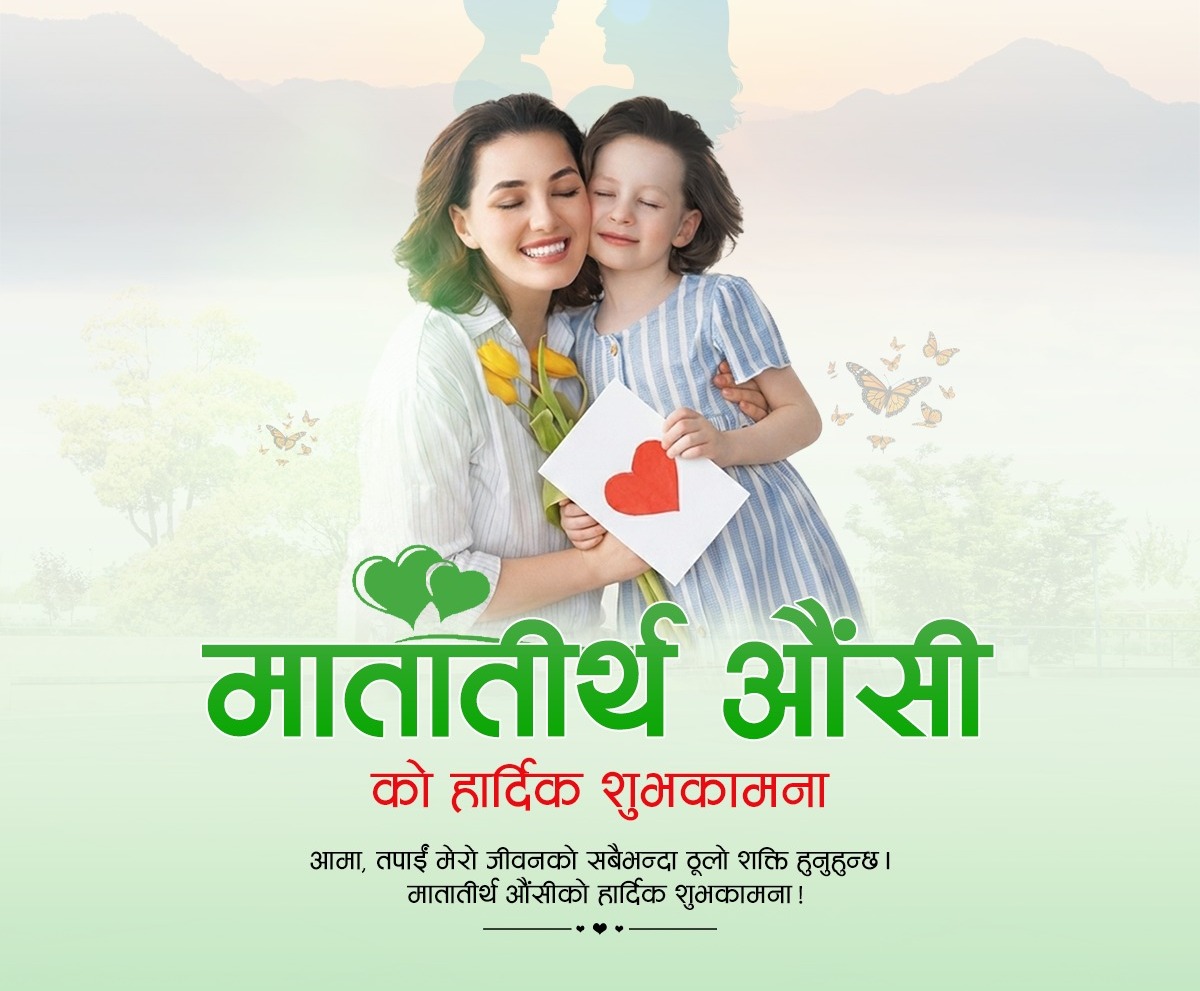
Mother’s Day 2026 is a meaningful occasion dedicated to honoring the love, care, and sacrifices of mothers. Around the world and especially in Nepal, families celebrate this special day with deep respect and emotional connection. People express their feelings through heartfelt Mother’s Day wishes, meaningful Mother’s Day quotes, and thoughtful gifts. Many also search for when Mother’s Day 2026 is so they can prepare celebrations in advance.
In Nepal, Mother’s Day is widely known as Mata Tirtha Aunsi, a traditional festival rooted in cultural and spiritual beliefs. It is a day when children express gratitude toward their mothers, and those whose mothers have passed away visit sacred places to honor their memory. The festival holds both emotional and religious importance in Nepali society.
This occasion is not just a celebration; it is a reminder of unconditional love, sacrifice, and the importance of family relationships. In today’s busy lifestyle, this day provides a valuable opportunity to pause and appreciate mothers for everything they do.
This article explores the importance of this special day, its celebration in Nepal, heartfelt wishes, inspiring quotes, and answers to commonly asked questions, such as when Mother’s Day 2026 is.
You can explore our Nepal travel guide for more details about destinations, culture, and travel tips in Nepal.
When is Mother’s Day 2026 in Nepal?
One of the most commonly searched questions is, When is Mother’s Day 2026? In Nepal, this celebration is observed as Mata Tirtha Aunsi, which follows the Nepali lunar calendar. It usually falls in the month of Baisakh, corresponding to April or May in the Gregorian calendar.
On this day, children offer gifts, sweets, and blessings to their mothers. It is considered a highly emotional occasion because it symbolizes gratitude and respect toward motherhood. Those whose mothers have passed away visit the sacred Mata Tirtha Pond near Kathmandu to pray for peace and honor their memory.
Understanding the date helps families prepare meaningful celebrations, plan travel, and arrange special surprises for their mothers.
Learn more about traditions in our guide on festivals in Nepal and explore cultural celebrations across the country.
Importance of Mother’s Day in Nepal
Mother’s Day in Nepal holds deep emotional and cultural significance. Unlike many modern celebrations, it is rooted in tradition and spirituality. The festival emphasizes respect for mothers and acknowledges their lifelong sacrifices.
In Nepali culture, mothers are considered the foundation of the family. They play a central role in raising children, maintaining household harmony, and passing cultural values to the next generation.
During this celebration, families come together to show appreciation through Mother’s Day wishes, gifts, and quality time. It is a day of emotional bonding and reflection.
The importance of this festival is also connected to spiritual beliefs. People believe that honoring mothers brings blessings, peace, and prosperity in life. According to the history of Mother’s Day, the tradition began as a way to appreciate maternal influence in society and has now become an important cultural event worldwide.
You can also read about Buddha Jayanti to understand more cultural and spiritual festivals of Nepal.
Mother’s Day, 15 Heartwarming Wishes
Here are 15 heartfelt Mother’s Day wishes you can use:
Happy Mother’s Day to the most loving mother in my life.
You are my strength, my inspiration, and my greatest blessing.
Thank you for your unconditional love and endless support.
You make my world brighter just by being in it.
Wishing you peace, happiness, and love on this special day.
You are my first teacher and my lifelong guide.
No words can ever describe how much I love you, Mom.
You are the heart and soul of our family.
I am forever grateful for your sacrifices.
You are my biggest motivation in life.
Happy celebration to the queen of my heart.
Life is beautiful because of your love.
I am proud to be your child.
You are my forever hero, Mom.
Love you always and forever.
These wishes can be shared in cards, messages, and social media posts.
Best Mother’s Day Quotes
Along with wishes, Mother’s Day quotes are widely used to express deep emotional feelings.
Some meaningful quotes include:
A mother’s love is the purest form of unconditional love.
God could not be everywhere, so he created mothers.
A mother understands what a child does not say.
All that I am, I owe to my mother.
A mother’s arms are more comforting than anyone else’s.
These quotes are perfect for greeting cards and messages during this celebration.
How Mother’s Day is Celebrated in Nepal
In Nepal, this festival is celebrated in both traditional and modern ways.
Families celebrate by:
Offering food and sweets to mothers
Giving gifts and flowers
Sharing emotional Mother’s Day wishes
Visiting temples and sacred places
Spending quality family time
A special tradition is visiting Mata Tirtha Pond for prayers if a mother has passed away. This makes the festival emotionally powerful and spiritually meaningful.
In cities like Kathmandu and Pokhara, people also celebrate with modern gatherings, restaurants, and social events.
Emotional Meaning of Mother’s Day
This celebration is deeply emotional because it highlights the sacrifices mothers make throughout their lives.
It represents:
Unconditional love
Sacrifice and care
Emotional strength
Family unity
During this time, people reflect on their relationship with their mothers and express gratitude through wishes and quotes.
Why Mother’s Day is Special
This festival is special because modern communication has made it easier to express emotions.
People now:
Share wishes online
Post emotional quotes
Celebrate both traditionally and digitally
This blend of modern and traditional celebration makes it more meaningful and widely recognized.
Tips for Writing Perfect Mother’s Day Wishes
To write meaningful wishes:
Keep messages simple and emotional
Add personal memories
Use heartfelt quotes
Express gratitude clearly
A simple message often creates the deepest emotional impact.
FAQs About Mother’s Day
When is Mother’s Day 2026?
It is observed according to the Nepali lunar calendar, usually in April or May.
Why do we celebrate it?
To honor mothers’ love, care, and sacrifices.
What are the best wishes?
Emotional and personal gratitude-based messages.
What are popular quotes?
Quotes that highlight unconditional love and motherhood.
How is it celebrated in Nepal?
Through gifts, visits to temples, family gatherings, and emotional messages.
Conclusion
This special celebration is a beautiful occasion that honors the unconditional love of mothers. In Nepal, it holds deep cultural and emotional significance through the tradition of Mata Tirtha Aunsi.
People express their feelings through wishes, emotional quotes, and meaningful gestures. Understanding the date helps families prepare and celebrate in advance.
Ultimately, it is not just a festival; it is a reminder of gratitude, respect, and love that should be expressed every day.
Leaf Holidays Family extends warm Mother’s Day wishes to all mothers around the world. We encourage everyone to honor and respect their mother with love and gratitude.
Seasons in Nepal play a very important role in shaping the country’s environment, culture, agriculture, and tourism. According to global geographical studies on Nepal’s climate diversity, the country experiences one of the most unique weather systems in the world due to its elevation differences and terrain variation.
Unlike many countries that follow four seasons, Nepal traditionally follows a six-season system known as “Ritu.” These six seasonal divisions are deeply rooted in Nepali culture and agricultural practices. The system includes Basanta (Spring), Grishma (Summer), Barkha (Monsoon), Sharad (Autumn), Hemanta (Pre-winter), and Shishir (Winter).
People often search for 6 seasons in Nepal with Nepali months to understand how the traditional calendar aligns with modern weather patterns. Each season has its own characteristics, importance, and lifestyle influence. Similarly, terms like summer season in Nepal and autumn season in Nepal are widely used in tourism planning because they represent two of the most important travel periods.
This guide provides a complete explanation of all six seasons, including Nepali months, weather conditions, natural beauty, and cultural importance in detail. If you are planning to explore the country, you can also check our complete Nepal travel guide for useful travel tips and destination ideas.
Overview of Seasons in Nepal
The climatic structure of Nepal is extremely diverse and has been widely studied due to its dramatic elevation changes from plains to the Himalayas.
The country is divided into three main ecological regions: the Terai (lowlands), the Hilly region, and the Himalayan region. Each of these zones experiences seasonal changes differently. For example, while the Terai may experience extreme heat during the summer months, the Himalayan region remains cool and suitable for trekking and mountaineering.
This geographical diversity makes Nepal one of the few countries in the world where weather conditions vary so widely within a single season.
Six Traditional Seasons in Nepal with Nepali Months
The traditional Nepali calendar divides the year into six seasons. These seasons are closely linked with farming cycles, religious festivals, and natural changes.
Basanta Ritu (Spring Season)
Months: Chaitra – Baisakh
Spring marks renewal and growth. Flowers bloom across the hills, forests turn green, and temperatures remain pleasant. This is one of the most visually beautiful seasons in Nepal and is ideal for trekking and sightseeing.
Grishma Ritu (Summer Season in Nepal)
Months: Jestha – Ashadh
The summer season in Nepal brings warm to hot temperatures, especially in the Terai region. Agricultural preparation begins during this period as farmers prepare fields for monsoon planting.
Barkha Ritu (Monsoon Season)
Months: Shrawan – Bhadra
This is the rainy season, characterized by heavy rainfall across the country. Rivers become powerful, waterfalls increase in flow, and agriculture reaches its peak activity, especially rice farming.
Sharad Ritu (Autumn Season in Nepal)
Months: Ashwin – Kartik
The autumn season in Nepal is widely considered the best time for travel. Clear skies, stable weather, and excellent mountain views make it ideal for trekking. Major festivals like Dashain and Tihar also fall during this time.
These seasonal divisions are deeply rooted in traditional Hindu calendar systems followed in South Asia.
Hemanta Ritu (Pre-Winter)
Months: Mangsir – Poush
Temperatures begin to drop, and harvesting activities take place in rural areas. The weather becomes cooler and more stable compared to the monsoon season.
Shishir Ritu (Winter Season)
Months: Magh – Falgun
Winter is the coldest season in Nepal. Snowfall is common in the Himalayas, while fog and cold weather dominate the Terai region.
Summer Season in Nepal in Detail
The summer season in Nepal is an important transitional period between spring and monsoon. It is characterized by rising temperatures and increasing humidity, especially in the southern plains.
In the Terai region, temperatures can become quite intense, making daily life challenging during peak hours. However, in the hilly and mountainous regions, the climate remains much more comfortable. This difference encourages internal tourism, where travelers move towards cooler destinations.
Agriculturally, this season is extremely important because it marks the preparation phase for monsoon crops. Farmers begin irrigating fields and preparing land for rice cultivation.
Travelers visiting during warmer months can also explore exciting adventure activities in Nepal, including rafting, trekking, and paragliding.
Monsoon Season in Nepal Explained
Monsoon is one of the most influential seasons in Nepal. It brings heavy rainfall across the country, which significantly impacts agriculture, transportation, and daily life.
The landscape becomes extremely green and vibrant during this time. Rivers and waterfalls reach their peak flow, creating stunning natural scenery. However, landslides and road blockages can make travel difficult, especially in hilly regions.
Despite these challenges, monsoon is crucial for Nepal’s economy because agriculture heavily depends on rainfall, especially rice production. Monsoon plays a critical role in Nepal’s agriculture, especially in rice cultivation, which depends heavily on seasonal rainfall.
Autumn Season in Nepal and Its Importance
he autumn season in Nepal is considered the most favorable time for both tourism and cultural celebrations. The weather is stable, the skies are clear, and mountain visibility is at its best.
This season coincides with Nepal’s biggest festivals, including Dashain and Tihar. Families come together, villages are decorated, and cultural celebrations take place throughout the country.
For trekkers, this is the peak season. Popular routes such as Everest Base Camp and Annapurna Circuit see the highest number of visitors during this time. The festive atmosphere during this season also makes it a perfect time to experience major festivals in Nepal with local traditions and celebrations.
Winter Season in Nepal Overview
Winter brings cold temperatures across the country. The Himalayan region experiences heavy snowfall, while the Terai region often faces dense fog that reduces visibility.
Despite the cold, winter offers peaceful landscapes and is suitable for cultural tours and low-altitude trekking. Many travelers prefer this season for budget travel due to fewer crowds.
Spring Season in Nepal and Natural Beauty
Spring is one of the most beautiful periods in Nepal’s seasonal cycle. The hills are covered with blooming rhododendrons, and forests become lush and green.
This season is highly preferred by trekkers and mountaineers because of stable weather conditions. Everest expeditions and high-altitude treks are most successful during this period. Spring is also one of the best times for trekking and exploring the highest lake in Nepal surrounded by Himalayan scenery.
Importance of Seasons in Nepal
The seasonal cycle plays a vital role in Nepal’s economy and lifestyle. Agriculture depends heavily on rainfall and temperature changes, while tourism depends on favorable weather conditions.
Understanding seasons in Nepal helps travelers choose the best time to visit and allows researchers to study environmental and cultural patterns more effectively.
Agriculture remains the backbone of Nepal’s economy and is heavily influenced by seasonal changes. Understanding seasonal changes can also help travelers better plan their purpose of travel based on weather, culture, and activities.
FAQs
What are the six seasons in Nepal?
Nepal has Basanta, Grishma, Barkha, Sharad, Hemanta, and Shishir.
Which season is best for travel?
Autumn is the best season for tourism in Nepal.
Why does Nepal have six seasons?
Due to its geographical diversity and traditional calendar system.
Conclusion
Seasons in Nepal create a rich and diverse environmental system that influences every aspect of life in the country. From the warm summer season in Nepal to the beautiful autumn season in Nepal, each season offers unique experiences.
Understanding the 6 seasons in Nepal with Nepali months helps in planning travel, studying agriculture, and appreciating cultural traditions. Nepal’s seasonal diversity makes it one of the most naturally rich countries in the world.
You can also book Nepal tour packages to experience Nepal’s natural beauty, culture, and seasonal diversity throughout the year.
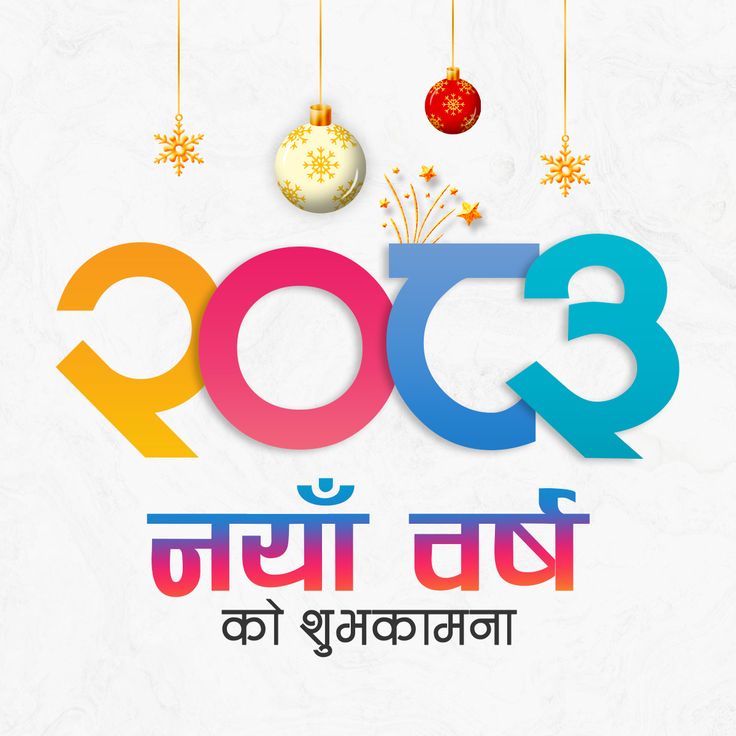
New Year is one of the most important cultural celebrations in Nepal. It marks the beginning of a new year according to the Bikram Sambat calendar, which is the official calendar used in Nepal. Families, friends, and communities gather together to celebrate with happiness, prayers, cultural programs, and festive meals. The celebration represents new beginnings, positivity, prosperity, and hope for the upcoming year.
Many people search for Nepali New Year 2083 to learn about the upcoming celebration, traditions, and important events happening across the country. Similarly, international audiences often search for the Nepali New Year in English dates to understand how the Bikram Sambat calendar aligns with the Gregorian calendar used worldwide.
The celebration of New Year is not limited to Nepal alone. Nepalese communities living abroad also celebrate the occasion with cultural gatherings, music, dance, and traditional food. This reflects the emotional and cultural importance of the festival among Nepali people around the world.
The New Year celebration is especially vibrant in cities like Kathmandu, Pokhara, Bhaktapur, and Lalitpur, where streets become lively with concerts, fairs, and family gatherings. Temples are crowded with devotees seeking blessings for peace, success, and good health in the coming year.
This guide explains the history, traditions, cultural significance, celebrations, and customs related to New Year in detail.
What is Nepali New Year?
New Year marks the first day of the Bikram Sambat calendar. Unlike the Gregorian New Year celebrated on January 1, the Nepali calendar usually begins in mid-April. The Bikram Sambat calendar is approximately 56 years and 8 months ahead of the Gregorian calendar.
The festival symbolizes a fresh start and encourages people to leave behind negativity and begin the year with positivity and motivation. On this day, families clean their homes, prepare traditional foods, visit temples, and spend time with loved ones.
The importance of New Year extends beyond celebration because it reflects Nepal’s cultural identity and traditional values. Many domestic travelers visit popular destinations such as Pokhara, Chitwan, Lumbini, and Ilam.
Nepali New Year 2083 and Its Significance
New Year 2083 is expected to bring large-scale celebrations across Nepal. People celebrate by organizing cultural programs, family gatherings, musical concerts, and religious activities.
The beginning of a new Bikram Sambat year is considered highly auspicious in Nepali culture. Many people start new business plans, make resolutions, and seek blessings from elders during this period.
Nepali New Year 2083 also provides an opportunity for tourism because many domestic travelers visit popular destinations such as Pokhara, Chitwan, Lumbini, and Ilam during the holiday period.
The celebration is not only about entertainment but also about reflecting on the previous year and preparing for future goals.
Nepali New Year in English Date
One of the most common searches online is “Nepali New Year in English date” because international travelers and Nepalese communities abroad often want to know the equivalent Gregorian date.
The Nepali calendar follows the Bikram Sambat system, and the New Year generally falls around April 13 or April 14 each year. The exact date may vary slightly depending on the calendar cycle.
Understanding the New Year in English dates helps travelers plan trips and participate in cultural celebrations happening across Nepal.
History of Nepali New Year
The Bikram Sambat calendar has deep historical and cultural roots in South Asia. It is believed to have originated from King Vikramaditya and later became widely adopted in Nepal.
Over time, New Year evolved into a national cultural celebration. While modern celebrations include concerts and tourism events, traditional customs such as temple visits and family blessings remain highly important.
The historical importance of the festival reflects Nepal’s long-standing traditions and cultural continuity.
7 Exciting Nepali New Year Traditions You Must Know
1. Family Gatherings
One of the most important traditions of the New Year celebration is spending time with family members. Relatives gather together to share meals, blessings, and happiness.
Families often travel long distances to reunite during the holiday period. This strengthens emotional bonds and family unity.
2. Temple Visits and Religious Activities
People visit temples early in the morning to pray for health, success, and prosperity. Temples like Pashupatinath, Swayambhunath, and Boudhanath become crowded with devotees.
Religious activities are considered an essential part of New Year because they symbolize spiritual purification and positive beginnings.
3. Cultural Programs and Concerts
Major cities organize concerts, dance programs, and public celebrations during Nepali New Year. Youth participation is especially high in these entertainment events.
Traditional music and dance performances showcase Nepal’s cultural diversity and heritage.
4. Traditional Nepali Food
Food plays a major role in Nepali New Year celebrations. Families prepare traditional dishes such as dal bhat, sel roti, momo, chatamari, and various sweets.
Sharing meals symbolizes unity, happiness, and prosperity for the new year.
5. Traveling During Nepali New Year
Traveling has become a major part of modern Nepali New Year celebrations. Many people visit tourist destinations such as Pokhara, Chitwan, Nagarkot, and Lumbini.
Hotels and resorts often organize special New Year packages and entertainment events for visitors.
6. Cleaning Homes and Decorations
Before the festival, families clean and decorate their homes. This tradition symbolizes removing negativity and welcoming positivity into the new year.
Decorations often include lights, flowers, and colorful cultural elements.
7. Exchanging Wishes and Blessings
People exchange greetings, blessings, and good wishes during Nepali New Year. Elders bless younger family members for success, happiness, and prosperity.
Social media has also made digital greetings increasingly popular in recent years.
Importance of Nepali New Year Celebration
The Nepali New Year celebration represents cultural identity, family values, and national unity. It brings people together regardless of age or background.
The celebration also supports tourism, local businesses, restaurants, and entertainment industries across Nepal.
These destinations organize concerts, cultural programs, and festive events during the holiday period.
FAQs About Nepali New Year
What is Nepali New Year?
Nepali New Year is the first day of the Bikram Sambat calendar celebrated in Nepal.
When is Nepali New Year in English date?
It usually falls around April 13 or April 14 each year.
What is Nepali New Year 2083?
It refers to the upcoming year in the Bikram Sambat calendar system.
How is the Nepali New Year celebration observed?
People celebrate with family gatherings, temple visits, food, travel, and cultural programs.
Why is Nepali New Year important?
It represents new beginnings, cultural identity, positivity, and family unity.
Conclusion
Nepali New Year is more than just a calendar celebration. It is a cultural festival deeply connected with family values, traditions, spirituality, and national identity. From temple visits and family gatherings to concerts and tourism activities, the celebration reflects Nepal’s rich cultural diversity.
Understanding Nepali New Year 2083, learning the Nepali New Year in English date, and experiencing authentic Nepali New Year celebration traditions provide valuable insight into Nepalese culture and lifestyle.
Whether celebrated in Nepal or abroad, the festival continues to unite Nepalese communities with happiness, positivity, and hope for the future.
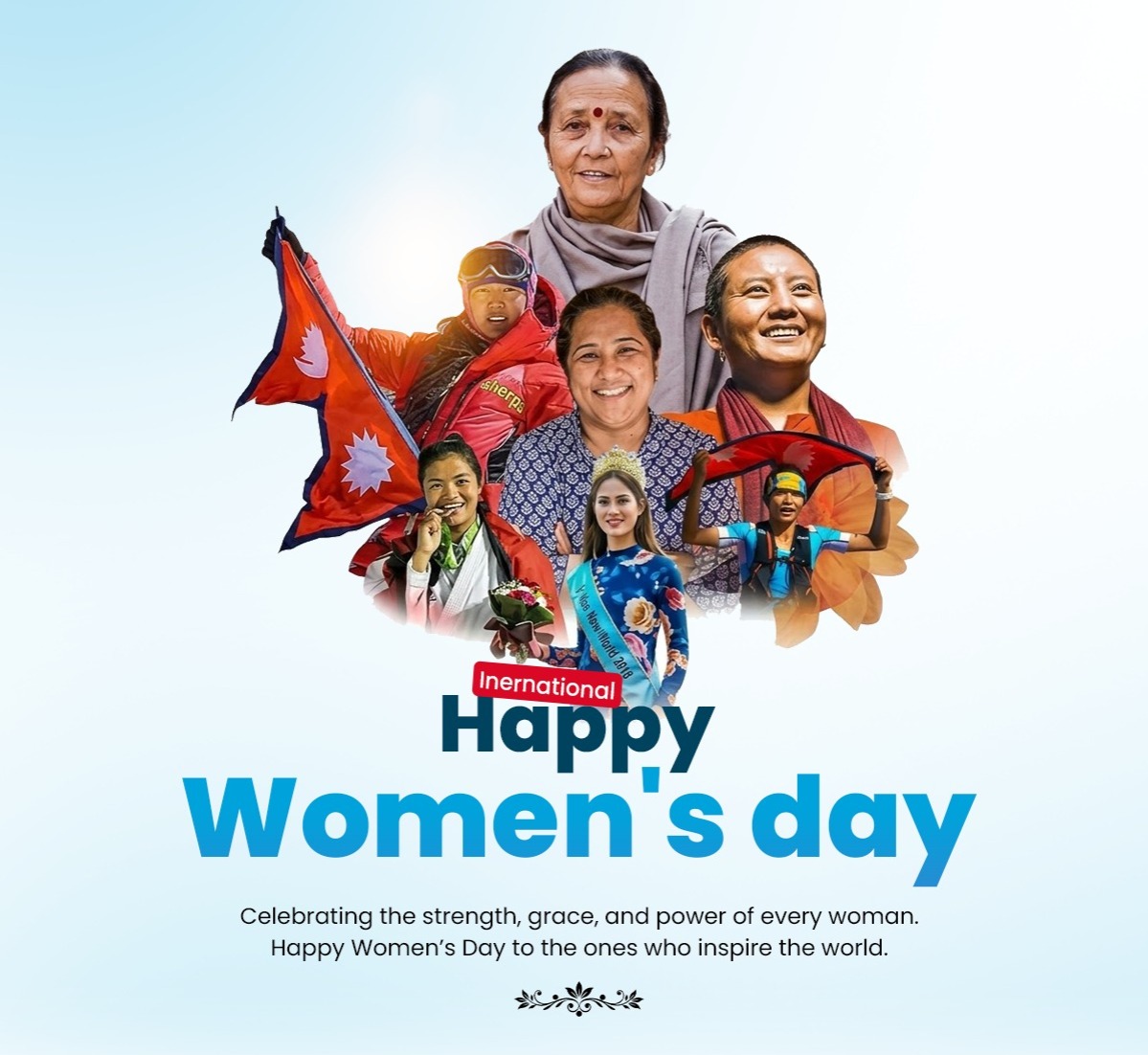
International Women’s Day 2026 is one of the most significant global observances of our time, and this year, it arrives at a defining crossroads. Celebrated every year on March 8, IWD 2026 is a moment where progress and peril exist side by side. Women have never been closer to equality, and yet hard-won rights are being visibly rolled back across the world. This makes International Women’s Day 2026 not just a celebration but an urgent, collective call to action.
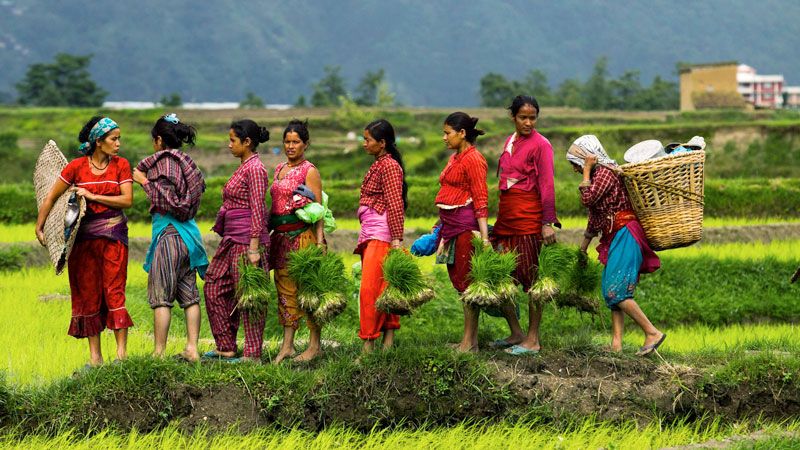
In Nepal, this day holds especially deep meaning. From the peaks of the Himalayas to the plains of the Terai, Nepali women have long stood at the forefront of social transformation, breaking barriers in politics, education, agriculture, and entrepreneurship despite persistent systemic challenges. This connects closely with Nepalese cultural celebrations and social traditions that shape national identity.
What Is International Women’s Day 2026?
International Women’s Day 2026 is the globally recognized observance held on March 8, 2026, dedicated to celebrating the social, economic, cultural, and political achievements of women. It is simultaneously a powerful platform to advocate for gender equality and accelerate action against discrimination at every level of society.
The history of International Women’s Day stretches back to 1908, when around 15,000 women marched through New York City demanding shorter working hours, better wages, and the right to vote. The first National Woman’s Day was observed in the United States in 1909. By 1911, the movement had spread internationally across Europe. The United Nations officially recognized International Women’s Day in 1977, cementing March 8 as a truly global moment of reflection and action.
International Women’s Day 2026 marks a powerful milestone: 115 years of collective action for gender equality. From grassroots movements in Nepal’s remote hill districts to policy forums at the United Nations in New York, women’s voices have shaped every era of modern history. IWD 2026 carries that legacy forward while confronting the defining challenges of the present.
International Women’s Day 2026 Theme and Meaning
The International Women’s Day 2026 theme is central to this year’s global conversation. In 2026, two powerful and complementary themes, one from the IWD campaign and one from the United Nations, come together to send a clear, unified message. Understanding the International Women’s Day 2026 theme is the first step toward meaningful participation in this year’s movement. It is widely observed alongside other national events like the Nepali New Year celebration and cultural festivals.
The official campaign theme for International Women’s Day 2026 is “Give to Gain.” Launched by the internationalwomensday.com campaign, this theme is built on a transformative principle: when individuals, organizations, and communities give generously to support women, the benefits multiply exponentially for everyone involved.
“Give to Gain” reframes generosity not as subtraction but as multiplication. When you give your time, knowledge, mentorship, visibility, or resources to support women, the return is felt across communities, economies, and entire generations. In Nepal, this resonates deeply. Nepali women have long given everything to their families and communities, often at the direct cost of their own advancement. The International Women’s Day 2026 theme of “Give to Gain” is society’s call to give back in equal measure.
The four pillars of “Give to Gain” call on:
Individuals to mentor, sponsor, and actively amplify women in their networks. Organizations to build gender-equitable pay structures, hiring practices, and leadership pipelines. Governments to fund women’s rights movements and strengthen legal protections. Communities to celebrate women’s leadership and create genuine space for women’s voices at every level.
When women thrive, humanity thrives. That is the truth at the heart of this year’s International Women’s Day 2026 theme.
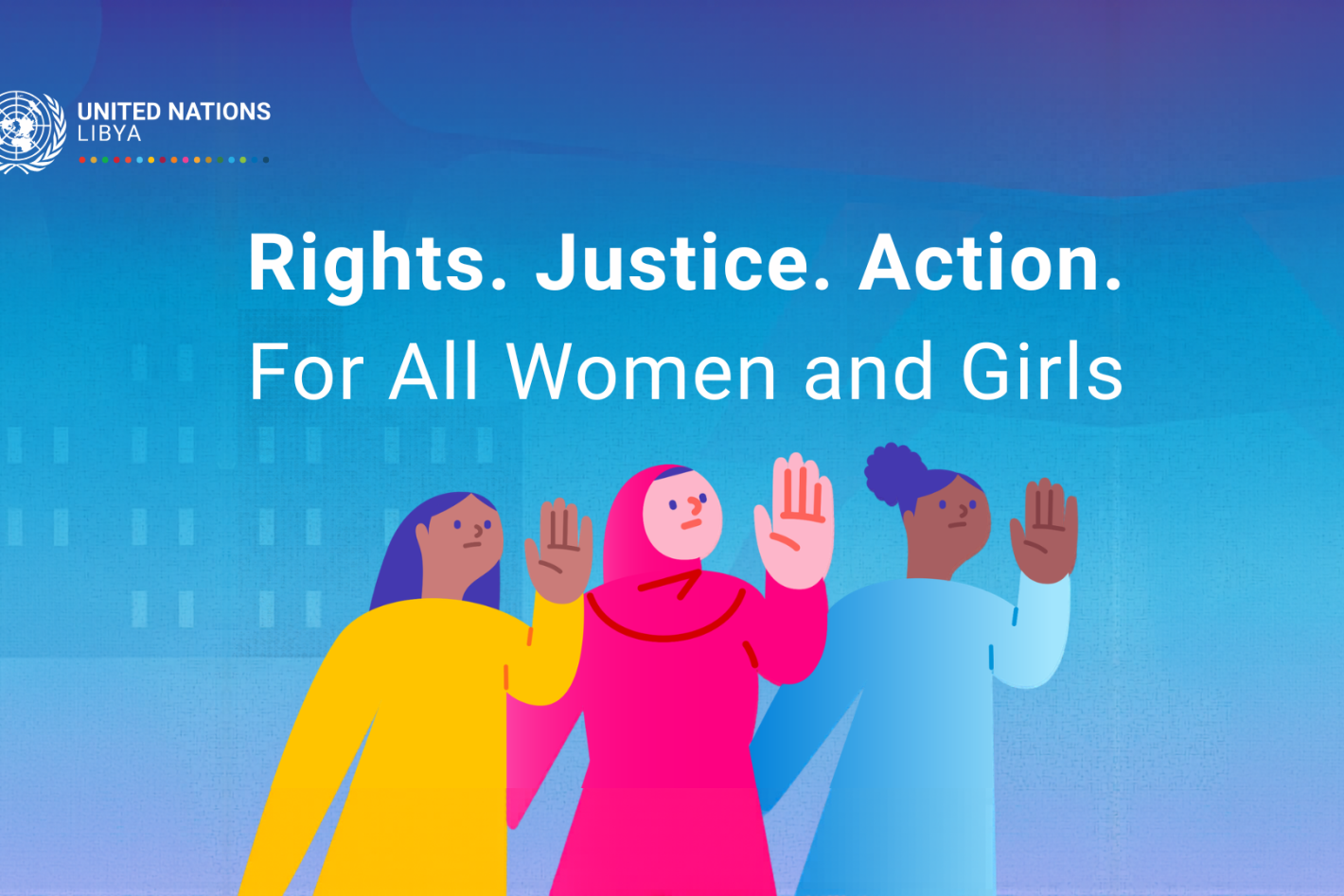
“Rights. Justice. Action. For ALL Women and Girls.” The UN Theme
The United Nations theme for International Women’s Day 2026 is “Rights. Justice. Action. For ALL Women and Girls.” This formed the heart of the UN’s official observance held on March 9, 2026, at the UN General Assembly Hall in New York, just ahead of the 70th session of the Commission on the Status of Women, running March 9 to 19, the UN’s largest annual forum on gender equality.
The International Women’s Day 2026 theme from the UN responds to a sobering reality: women worldwide still do not enjoy the same legal rights as men. According to the United Nations, women currently hold only 64% of the legal rights that men hold globally, a gap spanning employment, property ownership, family law, financial access, and retirement protections.
For Nepal, this is not an abstract statistic. It reflects the lived reality of millions of women across the country from unequal inheritance laws to limited access to formal justice in rural and remote districts. Together, both pillars of the International Women’s Day 2026 theme form one complete picture: generosity fuels action, and action drives justice.
Why International Women’s Day 2026 Matters
International Women’s Day 2026 arrives at what the United Nations has called “a defining moment.” In some nations, legal protections against domestic violence have expanded. In others, rights that women fought for generations to secure are being dismantled in plain sight. This contradiction defines the urgency of IWD 2026.
A landmark UN Women report released ahead of CSW70 warned that the systems designed to protect women and girls are failing them, leaving millions exposed to discrimination, violence, and impunity as the global backlash against gender equality intensifies. The World Economic Forum estimates that at the current rate of progress, full global gender parity will not be achieved until 2158, more than 130 years away.
For Nepal, this urgency is personal. While the country has made meaningful strides, including maintaining one of South Asia’s highest proportions of women in parliament, deep challenges persist: gender-based violence, child marriage in several districts, limited access to quality education in remote areas, and economic exclusion of women from marginalized communities. International Women’s Day 2026 is Nepal’s moment, like every nation’s moment, to transform legislative progress into genuine lived equality.
International Women’s Day 2026 Celebrations in Nepal
Nepal has a long and meaningful relationship with International Women’s Day. Each year on March 8, organizations across the country—from national NGOs to community groups in districts like Humla, Dolpa, and across the Karnali Province—organize rallies, awareness programs, cultural events, and policy dialogues to mark the day.
Popular destinations like Pokhara and Chitwan are often highlighted in adventure activities in Nepal during seasonal travel.
In 2026, International Women’s Day was observed across Nepal with remarkable energy, directly reflecting the themes of “Give to Gain” and “Rights. Justice. Action.” Key highlights included:
Government and Civil Society Programs:
The Ministry of Women, Children, and Senior Citizens organized national-level events in Kathmandu, bringing together women leaders, policymakers, and civil society activists. All seven provincial governments held parallel programs, amplifying the message from Sudurpashchim to Koshi Province.
Community Mobilization:
Organizations including Saathi, WOREC Nepal, and the Forum for Women, Law, and Development (FWLD) led community programs focused on gender-based violence, land rights, and access to justice, directly echoing the UN’s International Women’s Day 2026 theme.
Nepali Women in the Spotlight:
IWD 2026 celebrated the progress of Nepali women across sectors. From Bidhya Devi Bhandari becoming Nepal’s first female president to women rising to senior positions in the Nepal Army, Nepal Police, and the judicial system, these stories reflect both extraordinary achievement and the resilience it demands.
Amplifying Marginalized Voices:
A defining feature of Nepal’s IWD 2026 was its focus on Dalit women, women from indigenous nationalities, and women in historically conflict-affected areas. Issues of land rights, citizenship documentation, and legal identity remained central, giving voice to those most affected by the gap between law and lived reality.
Nepal’s journey toward gender equality is ongoing. International Women’s Day 2026 honored both how far the country has come and how far it must still go.
Powerful Quotes for International Women’s Day 2026
Words have always powered movements. The following quotes capture the spirit of International Women’s Day 2026, drawing from the “Give to Gain” campaign, the UN theme of “Rights. Justice. Action.,” and the voices of remarkable women throughout history. Share them in Nepal and around the world.
“There is no limit to what we, as women, can accomplish.” — Michelle Obama, Former First Lady of the United States
“Well-behaved women rarely make history.” — Eleanor Roosevelt, Activist and Former First Lady of the United States
“Nothing in life is to be feared; it is only to be understood. Now is the time to understand more so that we may fear less.” —Marie Curie, Nobel Prize-winning Physicist and Chemist
“Don’t think about making women fit the world — think about making the world fit women.” — Gloria Steinem, Journalist and Feminist
“I am not free while any woman is unfree, even when her shackles are very different from my own.” — Audre Lorde, Writer and Civil Rights Activist
“When women support women, incredible things happen.” — Maya Angelou, Poet and Author
This quote captures the soul of the International Women’s Day 2026 “Give to Gain” theme—and the sisterhood that drives Nepal’s women’s movement forward every day.
“When we give women opportunities, we gain a stronger world.” — IWD 2026 “Give to Gain” Campaign
“Rights. Justice. Action. For ALL Women and Girls—this must be our collective turning point.” — UN Women Executive Director, International Women’s Day 2026
“Empowered women create empowered communities.” — IWD 2026 Campaign Inspiration
“For me, womanhood is about strength, resilience, and the courage to keep moving forward no matter what life brings.” — Shared at International Women’s Day 2026 Forum
These quotes are far more than words on International Women’s Day 2026. They are the echo of generations who refused to stay silent and a compass for generations still to come, in Nepal and everywhere.
How to Take Action on International Women’s Day 2026
Observing International Women’s Day 2026 meaningfully means going beyond a social media post, though visibility absolutely matters. Here are six concrete ways to live the themes of “Give to Gain” and “Rights. Justice. Action.” every day, whether you are in Kathmandu, Pokhara, Biratnagar, or anywhere in the world.
1. Mentor or Sponsor a Woman in Your Field Give your time, expertise, and professional connections. In Nepal, this could mean supporting a young woman from a rural district to access internships, education, or professional networks she would otherwise be excluded from. Active sponsorship goes further than mentorship alone.
2. Advocate for Equal Pay and Fair Workplace Policies Push for transparent salary structures, inclusive parental leave, and leadership pipelines that are genuinely equitable. Nepal’s private sector still has major ground to cover on gender pay equity. Your voice inside your workplace is itself a form of giving.
3. Support Women-Led Organizations and Businesses Direct your purchases and donations toward organizations run by and for women. Nepal has a vibrant ecosystem of women-led cooperatives, social enterprises, and grassroots NGOs creating real change at the community level.
4. Educate Yourself and Others Learn about the systemic barriers women face in Nepal and globally. Issues like Nepal’s historically discriminatory citizenship laws, limited access to formal justice in remote districts, and entrenched gender-based violence deserve far wider understanding and attention.
5. Amplify Women’s Voices Online and Offline Share the stories and achievements of women in your community. Use #IWD2026, #GiveToGain, and #RightsJusticeAction to join the global conversation. In Nepal, Facebook and TikTok are powerful platforms for amplifying women’s voices beyond urban centers.
6. Invest in Girls’ Education Access to quality education in Nepal’s remote hill and mountain districts remains deeply unequal. Supporting scholarships, literacy programs, and school infrastructure is one of the highest-return forms of “giving to gain.”
History of International Women’s Day: A Timeline
1908—Around 15,000 women march through New York City demanding equal pay, voting rights, and better working conditions, igniting the global movement.
1909 — The first National Woman’s Day is declared in the United States by the Socialist Party of America.
1911 — International Women’s Day is celebrated across Austria, Denmark, Germany, and Switzerland, drawing over one million participants.
1917 — Women in Russia strike for “bread and peace,” sparking a revolution; women gain the right to vote within days.
1945 — The UN Charter becomes the first international agreement to formally proclaim gender equality as a fundamental human right.
1975 — The United Nations begins officially celebrating International Women’s Day on March 8.
1977 — The UN General Assembly designates March 8 as the International Day for Women’s Rights and International Peace.
1990s–2000s — Nepal’s women’s movement gains significant momentum, with women central to the people’s movement and the push for constitutional rights.
2015 — Nepal’s Constitution establishes landmark women’s rights provisions, including guaranteed 33% parliamentary representation for women.
2026 — International Women’s Day 2026 marks 115 years of collective action under the themes “Give to Gain” and “Rights.” Justice. Action. For ALL Women and Girls.”
Frequently Asked Questions About International Women’s Day 2026
Q1: When is International Women’s Day 2026?
International Women’s Day 2026 is observed on Sunday, March 8, 2026, and celebrated every year on March 8 worldwide, including across Nepal.
Q2: What is the International Women’s Day 2026 theme?
The International Women’s Day 2026 theme has two parts: the IWD campaign theme “Give to Gain,” focused on the power of generosity to accelerate equality, and the UN theme “Rights. Justice. Action.” For ALL Women and Girls,” a call to dismantle legal and systemic barriers women face globally.
Q3: What does the “Give to Gain” theme mean?
It means investing in women through time, mentorship, funding, or opportunity multiplies returns for entire communities. In Nepal, where women already give enormously to family and society, it calls on society to give equally back.
Q4: How is International Women’s Day 2026 celebrated in Nepal?
Nepal marks IWD with government events, rallies, community programs, and NGO campaigns. In 2026, events focused on gender-based violence, land rights, and justice access for both urban and rural Nepali women across all seven provinces.
Q5: What is CSW70?
CSW70 is the 70th session of the Commission on the Status of Women, the UN’s largest annual gender equality forum, held March 9 to 19, 2026, focused on ensuring access to justice for all women and girls globally.
Q6: What are Nepal’s biggest gender equality challenges?
Key challenges include gender-based violence, child marriage in certain districts, unequal land and inheritance rights, limited formal justice access in rural areas, and economic exclusion of Dalit and indigenous women.
Q7: What percentage of legal rights do women hold globally?
According to the UN, women hold only 64% of the legal rights men hold worldwide, a gap affecting employment, property, family law, and finances, including in Nepal.
Q8: How can people in Nepal participate in IWD 2026?
Join local marches and events, support women-led cooperatives and NGOs, mentor women in your community, advocate for equal pay at work, and use #IWD2026 and #GiveToGain to amplify Nepali women’s stories online.
Q9: Why does International Women’s Day 2026 matter for Nepal?
Despite real progress, including record women’s parliamentary representation, gender inequality remains widespread in Nepal’s rural communities. International Women’s Day 2026 is both a celebration of that progress and a renewed commitment to equality for every Nepali woman and girl.
Conclusion: The Enduring Power of International Women’s Day 2026
International Women’s Day 2026 is more than a date on the calendar. It is a mirror held up to the world and to Nepal reflecting both how far we have come and how far the road ahead still stretches.
The International Women’s Day 2026 theme of “Give to Gain” and the UN call of “Rights. Justice. Action.” “For ALL Women and Girls” and “are not two separate messages.” They are two sides of one truth: that equality must be both given and demanded, cultivated in communities and codified in law. In Nepal, where women have climbed the world’s highest mountains, led governments, and rebuilt communities after disaster, that truth is not rhetoric. It is daily, lived reality.
When we give our time to mentor a young woman from Jumla or Rolpa, we gain a stronger nation. When we give our voices to demand equal justice in every courtroom and every village, we gain safer communities. When we give our support to Nepal’s women’s rights movements, we gain a more equitable society for every Nepali man, women, and child alike.
This International Women’s Day 2026, the question is not whether you believe in gender equality. It is what you are willing to give to gain it.
International Women’s Day 2026 reflects global equality movements and connects with broader cultural identity topics like Nepal travel and culture.
Democracy Day is observed every year on Falgun 7 according to the Nepali calendar. The day reminds citizens about the importance of democratic values, human rights, freedom of speech, and political participation. Schools, colleges, government offices, and local communities organize different events, rallies, speeches, and cultural programs to mark this important national occasion.
Apart from political importance, Democracy Day also reflects national unity and patriotism. Citizens across the country remember the contribution of democratic leaders and honor the people who dedicated their lives to establishing democracy in Nepal.
This article explains the history of Democracy Day, the significance of Falgun 7, democracy day quotes, democracy day’s importance in Nepalese history, and the reasons why Democracy Day is celebrated in Nepal.
Many domestic travelers visit popular destinations such as Pokhara, Chitwan, and Lumbini during national holidays.
What Is Democracy Day?
Democracy Day is a national observance celebrated every year on Falgun 7 to commemorate the end of the Rana regime and the establishment of democracy in Nepal in 1951. The day marks the success of the democratic movement led by political leaders and citizens who fought for freedom, equality, and democratic governance.
The celebration of Democracy Day honors the restoration of people’s rights after years of autocratic rule. It reminds people about the importance of democracy, justice, and constitutional rights in building a progressive nation.
Democracy Day is also known for inspiring younger generations to understand the value of political freedom and citizen participation. Educational institutions often organize essay competitions, democracy day speeches, debates, and awareness programs to educate students about Nepal’s democratic history.
The day is celebrated with flag-hoisting ceremonies, cultural programs, and public gatherings in Kathmandu and other major cities. Political leaders deliver speeches highlighting the importance of Democracy Day in Nepalese history and encourage citizens to protect democratic values.
Falgun 7 holds special significance in Nepali history because it marks the victory of the democratic movement against the Rana regime. On this day in 2007 B.S., democracy was officially introduced in Nepal after decades of political struggle.
The observance of Democracy Day in Nepal in the Nepali date reminds citizens about the country’s historical transformation and democratic journey. Schools and government institutions organize awareness programs explaining the historical significance of Falgun 7.
Many people also search for Democracy Day in Nepal in BS because the event is traditionally remembered according to the Bikram Sambat calendar. Falgun 7 remains an important national date associated with freedom and democratic governance.
History of Democracy Day
The history of Democracy Day is connected with the political revolution against the Rana regime. The Rana rulers governed Nepal for more than 100 years under an autocratic system that limited political freedom and public participation.
During the Rana period, ordinary citizens had very limited rights. Political activities were restricted, education opportunities were limited, and people could not freely participate in governance. Many democratic leaders and activists struggled to establish democracy and political reform in Nepal.
The democratic movement gained momentum in the late 1940s. Political parties such as the Nepali Congress played a major role in organizing protests and demanding democratic governance. King Tribhuvan also supported the movement against the Rana rulers.
In 1951, after years of struggle and political pressure, the Rana regime ended and democracy was introduced in Nepal. This historic achievement became the foundation for Democracy Day.
The history of Democracy Day reflects the courage and sacrifices of political leaders, activists, and ordinary citizens. Many people lost their lives while fighting for democratic rights and political freedom.
Today, Democracy Day is celebrated to honor those sacrifices and to remind future generations about the importance of protecting democracy.
Why Democracy Day Is Celebrated in Nepal
Many people ask why Democracy Day is celebrated in Nepal. The day is celebrated to honor the successful democratic revolution that ended the Rana regime and introduced democratic governance in Nepal.
The celebration recognizes the efforts of leaders, activists, and citizens who fought for freedom, equality, and political rights. Democracy Day reminds citizens about the importance of democratic institutions and constitutional governance.
Another reason why Democracy Day is celebrated in Nepal is to promote awareness about democratic values among younger generations. Schools and colleges organize educational activities to help students understand the country’s political history.
Democracy Day also encourages people to participate actively in democracy by voting, respecting laws, and supporting human rights. The celebration highlights the responsibilities of citizens in maintaining peace, equality, and democratic governance.
The observance is not only about remembering history but also about inspiring citizens to build a better future based on democratic principles.
Like Nepali New Year celebrations, Democracy Day also promotes national unity and cultural awareness.
Democracy Day Importance in Nepalese History
The Democracy Day in Nepalese history is extremely significant because it represents the beginning of political freedom and democratic governance in Nepal.
Before democracy was established, Nepal was ruled under an autocratic system where citizens had limited political rights. The democratic movement changed the political structure of the country and opened opportunities for public participation.
The importance of Democracy Day in Nepalese history can also be seen in the development of constitutional governance and political awareness. Democracy allowed citizens to express opinions, participate in elections, and contribute to national development.
Another important aspect of the importance of Democracy Day in Nepalese history is national unity. The democratic movement united people from different communities, regions, and backgrounds under a common goal of political freedom.
Democracy Day also played a major role in inspiring future democratic movements and constitutional reforms in the country. The day remains a symbol of freedom, justice, equality, and national pride.
The democratic system has evolved over time, but Democracy Day continues to remind citizens about the importance of protecting democratic rights and institutions.
How Democracy Day Is Celebrated
Democracy Day is celebrated with great enthusiasm across the country. Government offices, schools, colleges, and local communities organize various programs to honor the day.
One of the major activities during Democracy Day is the organization of official ceremonies in Kathmandu. Political leaders, government officials, and citizens gather to celebrate the occasion and remember the democratic movement.
Schools and colleges organize Democracy Day speeches, essay competitions, quiz contests, and debates focused on democratic values and political history. Students participate actively in these educational programs.
Cultural programs are also an important part of Democracy Day celebrations. Traditional dances, patriotic songs, and dramas are performed to showcase Nepal’s democratic journey.
The national flag is hoisted in government offices and public places. Many organizations conduct rallies and awareness campaigns promoting democracy, equality, and human rights.
Democracy Day quotes are widely shared during the celebration to inspire citizens and promote democratic values. These quotes reflect the importance of freedom, equality, justice, and citizen participation.
Here are some powerful democracy day quotes:
“Democracy is the voice of the people and the strength of the nation.”
“Freedom and democracy are built on sacrifice and unity.”
“A strong democracy creates a strong future for every citizen.”
“Democracy Day reminds us to value our rights and responsibilities.”
“The journey of democracy continues through awareness, unity, and participation.”
“Protecting democracy is the responsibility of every citizen.”
“Democracy gives people the power to shape the future of the nation.”
Democracy day quotes are commonly used in speeches, school programs, banners, and social media posts during Falgun 7 celebrations.
Democracy Day Speech Ideas
Democracy Day speech programs are organized in schools, colleges, and public institutions during the celebration. A democracy day speech usually focuses on the history of democracy, political freedom, citizen rights, and the importance of democratic governance.
Students and speakers often explain the history of Democracy Day and discuss the contributions of democratic leaders. A democracy day speech also highlights the responsibilities of citizens in protecting democracy and promoting equality.
Important topics included in democracy day speech programs are:
History of democratic movements in Nepal
Why Democracy Day is celebrated in Nepal
Importance of freedom and human rights
Role of youth in democracy
Democracy day importance in Nepalese history
Political awareness and national unity
Democracy day speech competitions help students improve public speaking skills while learning about Nepal’s democratic history.
Falgun 7 Democracy Day
Falgun 7 Democracy Day is one of the most historically important dates in the country. Falgun 7 marks the official end of Rana rule and the beginning of democracy in Nepal.
Every year, Falgun 7 Democracy Day is celebrated with patriotic programs, educational activities, and government ceremonies. Citizens remember the sacrifices made by freedom fighters and democratic leaders during the democratic movement.
The observance of Falgun 7 Democracy Day also encourages younger generations to understand the value of freedom, equality, and constitutional rights.
Many media organizations publish special programs and documentaries explaining the history of Falgun 7 and its importance in Nepalese politics.
The celebration reflects national pride and democratic progress. It also serves as a reminder that democracy must be protected through active citizen participation and respect for constitutional principles.
Challenges of Democracy in Nepal
Although Nepal has achieved democratic governance, the country still faces several political and social challenges.
One major challenge is political instability. Frequent government changes and political disagreements can affect national development and democratic progress.
Corruption is another issue that impacts democracy in Nepal. Transparency, accountability, and good governance are important for strengthening democratic institutions.
Public awareness and political participation also remain important areas of improvement. Citizens need to stay informed and actively participate in democratic processes.
Despite these challenges, Democracy Day continues to inspire hope and encourage citizens to work toward a stronger democratic future.
The celebration reminds people that democracy requires responsibility, participation, and continuous effort from both leaders and citizens.
Role of Youth in Strengthening Democracy
Youth play an important role in strengthening democracy in Nepal. Young people represent the future of the country and have the power to influence political and social change.
Educational institutions encourage students to participate in democracy day speech competitions, debates, and awareness campaigns. These activities help young people understand democratic values and responsibilities.
Social media has also increased youth participation in political discussions and awareness campaigns. Young citizens use digital platforms to promote democracy day quotes, political awareness, and national unity.
The role of youth is important for protecting democratic rights, encouraging transparency, and supporting peaceful political participation.
Democracy Day inspires young people to become responsible citizens and contribute positively to society.
Frequently Asked Questions About Democracy Day
What is Democracy Day?
Democracy Day is a national observance celebrated every year on Falgun 7 to honor the establishment of democracy in Nepal.
Democracy Day in Nepali date?
Democracy Day is celebrated on Falgun 7 according to the Bikram Sambat calendar.
Why is Democracy Day celebrated in Nepal?
Democracy Day is celebrated in Nepal to commemorate the end of the Rana regime and the beginning of democratic governance in 1951.
What is the history of Democracy Day?
The history of Democracy Day is connected with the democratic movement that ended Rana rule and introduced political freedom in Nepal.
What is the importance of Democracy Day in Nepalese history?
The importance of Democracy Day in Nepalese history lies in the establishment of political freedom, democratic governance, and constitutional rights.
How is Democracy Day celebrated?
Democracy Day is celebrated with rallies, speeches, cultural programs, educational activities, and official ceremonies.
What are democracy day quotes?
Democracy Day quotes are inspirational messages promoting democracy, freedom, equality, and national unity.
What happens during democracy day speech programs?
During Democracy Day speech programs, speakers discuss Nepal’s democratic history, political freedom, and the importance of citizen participation.
Conclusion
Democracy Day is more than just a national observance. It is a powerful reminder of the struggles, sacrifices, and achievements that shaped modern Nepal. The celebration honors the democratic movement that ended autocratic rule and introduced political freedom and constitutional governance.
The history of Democracy Day teaches citizens about courage, unity, and the importance of protecting democratic rights. Falgun 7 remains a symbol of freedom, equality, justice, and national pride.
Understanding why Democracy Day is celebrated in Nepal helps younger generations appreciate the country’s political journey and democratic progress. Schools, colleges, and communities continue to organize Democracy Day speeches, educational programs, and awareness campaigns to promote democratic values.
The importance of Democracy Day in Nepalese history remains highly relevant today because democracy requires active participation, responsibility, and awareness from every citizen. By respecting democratic institutions and supporting peaceful governance, citizens can help build a stronger and more progressive Nepal.
As Nepal continues its democratic journey, Democracy Day will always remain an important national celebration reflecting freedom, patriotism, and hope for a better future.
The Kumari, the living goddess of Nepal, is one of the most fascinating spiritual traditions in the world. It is based on the belief that a young pre-pubescent girl can become the living embodiment of Goddess Taleju Bhawani. This tradition is deeply rooted in the Newar community of Kathmandu Valley and continues to exist even in modern times.
Unlike idols or statues worshipped in temples, the Kumari is a living human goddess. She is selected through strict rituals and lives in Kumari Ghar, a palace in Kathmandu Durbar Square. Devotees believe she carries divine energy and brings protection, prosperity, and blessings to the nation.
The origin of the Kumari, the living goddess of Nepal, comes from the Malla dynasty period. According to legend, King Jayaprakash Malla used to play dice with Goddess Taleju Bhawani in human form inside the royal palace.
One day, the king unknowingly offended her or broke divine etiquette. As a result, the goddess disappeared. Before leaving, she declared that she would no longer appear to kings directly but would reside in the body of a pure young girl from the Shakya or Bajracharya caste, forming the foundation of the Kumari living goddess of Nepal tradition.
This myth became the foundation of the Kumari tradition, which has been preserved for centuries as both a religious belief and cultural identity of the Kumari living goddess of Nepal’s system.
Spiritual Meaning of Kumari
The Kumari, living goddess of Nepal, symbolizes purity, divine protection, and spiritual power. She is believed to be the physical incarnation of Goddess Taleju Bhawani.
Her blessings are considered highly sacred, and devotees of the kumari living goddess of Nepal believe they bring protection from misfortune and blessings for prosperity.
She is worshipped by both Hindus and Buddhists, making the kumari living goddess of Nepal one of the rare unifying spiritual figures in Nepalese culture.
Selection Process of Kumari
The selection of the Kumari, the living goddess of Nepal, is highly strict and spiritually guided. The girl must belong to the Shakya or Bajracharya Buddhist community and meet several physical and behavioral criteria.
She must have:
Perfect skin without blemishes
Calm and fearless behavior
Symbolic divine physical signs
One of the most important rituals is the fear test. The candidate is placed in a dark environment filled with frightening masks, sounds, and symbolic death imagery. If she remains calm, she is believed to possess divine energy.
Once chosen, she leaves her family and begins her life in Kumari Ghar.
Psychological & Social Life of Kumari
The life of the Kumari, the living goddess of Nepal, is very different from normal childhood. While she is worshipped as divine, her daily life as the kumari living goddess of Nepal is highly structured and restricted.
She lives inside Kumari Ghar and receives private education from tutors instead of attending public school. The kumari living goddess of Nepal has limited interaction with the outside world, and she is mostly seen during religious festivals.
Modern reforms for the Kumari, the living goddess of Nepal, have improved her lifestyle by ensuring access to education, healthcare, and social interaction within controlled environments.
Daily Life of Kumari
The daily life of the Kumari, the living goddess of Nepal, is highly structured. She lives inside Kumari Ghar and receives private education rather than attending public school.
Her contact with the outside world as the kumari living goddess of Nepal is limited, and she is mostly seen during festivals. The most important public event for the kumari living goddess of Nepal is Indra Jatra, where she blesses thousands of devotees and national leaders.
Her role is deeply respected, and even her gestures are interpreted as symbolic.
Tourism Experience in Kathmandu
Visiting the Kumari, the living goddess of Nepal, is one of the most unique experiences for tourists in Kathmandu. The main place to observe Kumari is Kumari Ghar, located inside Kathmandu Durbar Square, a UNESCO World Heritage Site.
Tourists usually gather near the Kumari window, where she appears during selected hours or during festivals. Photography inside is restricted, but witnessing her blessing is considered a rare cultural moment.
The most important time to see Kumari is during the Indra Jatra festival, which usually takes place in September. During this event, she is carried in a ceremonial chariot through the streets of Kathmandu, blessing thousands of devotees, including high-ranking officials.
Visitors also explore nearby temples, courtyards, and museums in Durbar Square, making the experience both cultural and historical. Many tourists describe it as one of the most mysterious and spiritual highlights of Nepal travel.
What Happens After Kumari Leaves Her Role
A key question about the Kumari, the living goddess of Nepal, is what happens after she reaches puberty.
Once the Kumari, the living goddess of Nepal, experiences menstruation, she is no longer considered divine and is respectfully retired.
She is encouraged to continue education and reintegrate into society. Modern reforms ensure former Kumaris receive support during this transition.
Are Kumari allowed to marry?
Yes, former Kumaris are allowed to marry. After retirement, they live normal human lives and can choose marriage freely.
Although some cultural myths exist, there is no religious restriction on marriage after their role ends. Many former Kumaris pursue education and careers successfully.
Goddess Taleju Connection
The goddess Taleju Kumari connection is the spiritual foundation of this tradition. Goddess Taleju Bhawani was the royal deity of the Malla kings.
According to belief, she now resides within the Kumari, which is why she is worshipped as a living goddess.
Oldest Kumari Tradition
The oldest Kumari of Nepal refers to historical cases where Kumaris served longer due to delayed puberty.
Modern reforms now ensure a healthier retirement age to protect child development and education.
How Old Is the Kumari?
The Kumari, the living goddess of Nepal, is usually selected between the ages of 3 and 7. Her exact age is kept private for protection.
She serves until her first menstruation, which marks the end of her divine role.
Kumari Systems: Kathmandu vs Patan vs Bhaktapur
The Kumari, the living goddess of the Nepal tradition, exists in three main cities: Kathmandu, Patan, and Bhaktapur. Each city has its own Kumari system, but the Kathmandu Kumari is the most prominent and widely recognized.
The Kathmandu Kumari is considered the Royal Kumari and plays the most significant national role during festivals like Indra Jatra. She also receives blessings from government officials and appears in major state ceremonies.
The Patan Kumari is associated more with local Newar communities and participates in regional rituals and festivals. Bhaktapur Kumari traditions are similar but less internationally visible.
Each Kumari system shares the same belief in Goddess Taleju but differs in rituals, hierarchy, and cultural influence. Together, they form a living network of spiritual traditions in the Kathmandu Valley.
Modern Controversies and Reforms
In modern times, the Kumari, living goddess of Nepal, has faced discussions related to child rights, education, and psychological development. Critics argue that the isolation of young girls from normal social life can affect their emotional growth.
However, supporters of the tradition see it as an important cultural heritage that must be preserved. The Nepalese government and cultural organizations have introduced reforms to balance tradition with child welfare.
Today, Kumari receives better education, healthcare, and controlled social exposure compared to earlier centuries. The retirement process has also become more supportive, helping former Kumaris adjust to normal life.
Despite debates, the Kumari tradition remains deeply respected and continues to attract global interest as a unique cultural practice.
FAQ
Who is the current Kumari in Nepal?
The identity of the current Kumari living goddess of Nepal is kept private for cultural and security reasons, so her name is not publicly disclosed.
What is the Kumari goddess story?
The Kumari tradition comes from the Malla dynasty legend, where Goddess Taleju Bhawani is believed to have agreed to reside in the body of a pure Newar girl after disappearing from King Jayaprakash Malla’s palace.
What happens to Kumari after menstruation?
Once she reaches menstruation, the Kumari is respectfully retired from her divine role and returns to her family, where she continues a normal life with education and social reintegration.
How old is the current Kumari?
The Kumari, the living goddess of Nepal, is usually selected between the ages of 3 and 7 years, depending on strict traditional selection criteria.
Conclusion
The Kumari, living goddess of Nepal, is more than a religious figure; it is a living symbol of Nepal’s ancient spirituality, cultural identity, and historical continuity. From deep mythological origins to modern tourism and reform debates, the Kumari tradition reflects how ancient beliefs can survive in the modern world.
For visitors, it remains one of the most fascinating cultural experiences in Nepal, offering insight into a tradition that cannot be found anywhere else on Earth. For more adventure experiences, explore our guide on Nepal trekking.