
- Mt. Kailash Tour
- Kailash Mansarovar Overland Tour
- Kailash Mansarovar Yatra by Helicopter – Complete Spiritual Journey Guide
- Kailash Yatra via Lucknow
- Kailash Mansarovar Tour via Lhasa
- Kailash Lhasa EBC Tour From Beijing
- Kailash Heli Tour via Kerung: Complete Spiritual Journey Guide
- Kailash Tour via Lhasa In Kerung Out
- Lhasa EBC Kailash Tour
- Kailash Heli Tour
- Kailash Mansarovar Yatra from Nepal 2027: Cost & Itinerary
- Kailash Nandi Kora
- Kailash Tour via Humla Simikot – 20 Days
- Mount Kailash Tour: 7 Amazing Experiences in 2027
- Trekking
-
-
- Everest Region
- Luxury Everest Base Camp Trek: 7 Unforgettable Highlights
- Everest Base Camp Trek 2026: Cost, Route, and Complete Guide
- Everest Three Passes Trek 2027: Cost, Route & Itinerary
- Everest Base Camp Short Trek
- Everest Panorama Trek: Amazing 10-Day Cost & Itinerary
- Everest Base Camp Island Peak Trek: Complete 19-Day Guide
- Gokyo Valley Trekking 2027: Easy Guide to Cost & Itinerary
- Mera Peak Climbing 2027: Complete Cost & Itinerary Guide
- Rolwaling Valley Trek: 23-Day Itinerary, Cost, Permits & Difficulty
- Dolpo Region Trek
- Everest Region
-
- Annapurna Region
- Annapurna Base Camp Trekking
- Annapurna Circuit Trek
- Annapurna Base Camp Trek: 7 Amazing Cost & Route Tips
- Mardi Himal Trek: 7 Amazing Highlights & Complete Guide
- Annapurna Alternative Combine Trek: 18 Amazing Days
- Mohare Dada Trek
- Ghorepani Poon Hill Trek: 7 Unforgettable Highlights
- Khopra Ridge Community Trek: 13-Day Ultimate Adventure
- Damodar Kunda Trek: 10-Day Ultimate Sacred Adventure
- Upper Mustang Trek: 10 Amazing Sights : Ultimate Guide
- Jomsom Muktinath Trek: Amazing 12-Day Ultimate Guide
- Ghale Gaun Trek: 7 Amazing Reasons : Ultimate Guide
- Dhampus Sarangkot Trek: 7 Incredible Experiences
- Dhaulagiri Region
- Annapurna Region
-
-
- Tours
-
-
- Day Tours
- Rickshaw–a three-wheeler Tour
- Pharping Dakshinkali Day Tour: 7 Amazing Highlights
- Historical Tour: 7 Amazing Places to Explore
- Kathmandu Temple Tour: 7 Amazing Spiritual Places
- Nagarkot Tour
- Bhaktapur City Tour: 7 Amazing Places to Explore
- Kathmandu City Tour – Complete Heritage & Cultural Experience in Nepal
- Chandragiri Hill: A Scenic Himalayan Escape Near Kathmandu
- Chitlang Hiking
- Shivapuri to Sundarijal Day Hiking
- Kulekhani Dam Day Tour — Complete Travel Guide
- Day Tours
-
- Package Tours
- Mustang Tour on Jeep
- Nepal Tour Package for Nepali: 12 Amazing Destinations to Explore (2026)
- Muktinath Tour: Complete Guide to Nepal’s Sacred Himalayan Pilgrimage
- 3N,4D Kathmandu Pilgrimage Tour
- Nepal Buddhist Pilgrimage Tour: 7 Sacred Sites Not to Miss
- 6D Nepal Pilgrimage Tour: 7 Amazing Sacred Places
- 7 Nights, 8 Days Nepal Tour
- Districts tour of Nepal
- Janakpur Tour Package: Price, Family Tour & Travel Guide from Kathmandu 2026
- Short Hike in Nepal: 7 Best Easy Treks for Beginners
- Package Tours
-
-
- Outbound
-
- Activities
- Climbing
- Bungee Jumping in Nepal
- Heli Skiing Adventure in the Himalayas
- Canoeing in Nepal
- Mountain Flight in Nepal
- Zip Flyer in Pokhara: The Ultimate Adventure Experience
- Paragliding in Pokhara: 7 Amazing Reasons to Experience Nepal’s Best Adventure
- Kathmandu Cycling Tour: 9 Amazing Adventures
- Rafting
- Rock Climbing
- Company
- Travel Info
- Travel Insurance
- Recommended Medical Kit
- Nepal Visa Information
- Flight delays and cancellation in Nepal
- Electricity in Nepal: Rates, Bill Check, Calculator and NEA Services
- Trekking Equipment Checklist: 40 Essential Items
- Best Kailash season in Tibet
- Best Trekking season in Nepal
- Trekking in Nepal 2027: 15 Best Himalayan Adventures
- Blogs
- Contact


WhatsApp
+977-9851035239

Email Us
[email protected]
What is the purpose of travel??
18 June 2018
By Leaf Holidays
7 Powerful Purposes of Travel for a Better Life
Travel is more than simply moving from one place to another. For many people, travel is an opportunity to explore the world, discover different cultures, learn valuable lessons, and create unforgettable memories. The purpose of travel can be different for every individual because everyone has their own interests, goals, and dreams. Some people travel to relax and enjoy life, while others travel to learn, experience adventure, or find themselves through new experiences.
In today’s fast-moving world, people often become stressed with daily routines, work pressure, and responsibilities. Traveling gives people a chance to refresh their minds and reconnect with themselves. Whether it is a short vacation, a solo backpacking journey, or an international tour, traveling has the power to change perspectives and improve life.
The purpose of travel is not only about reaching a destination. It is also about the experiences gained during the journey. Traveling allows people to meet new individuals, understand different traditions, and build memories that last forever. It teaches patience, confidence, independence, and appreciation for life.
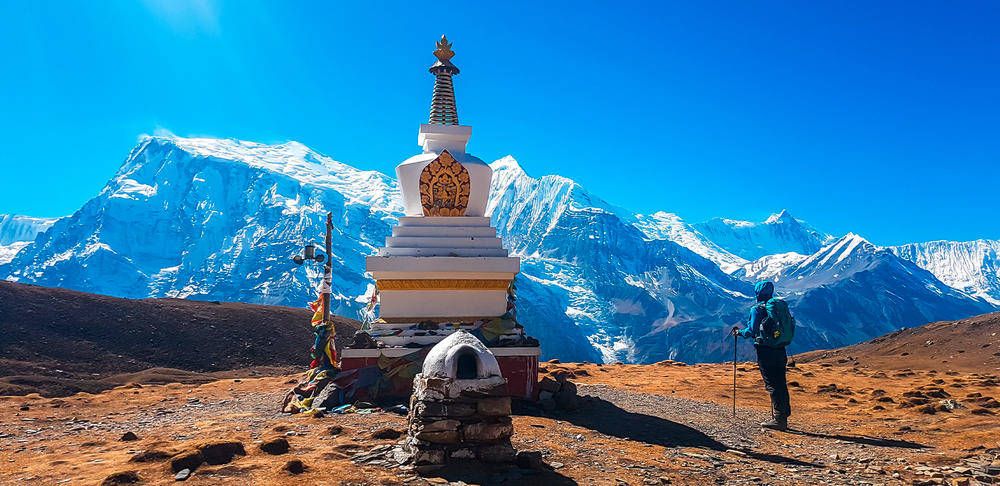
This article explains the importance of travel, the benefits of traveling, different types of travelers, and how travel and self-discovery are deeply connected.
Importance of Travel in Human Life
The importance of travel has increased significantly in modern life. Traveling helps people escape from stress and gives them the opportunity to recharge mentally and physically. People spend most of their lives following routines, and travel becomes a refreshing break from everyday responsibilities.
Traveling introduces people to new environments and experiences. When someone visits a new country, city, or village, they get the chance to see how other people live, communicate, and celebrate their culture. This creates understanding, respect, and appreciation for diversity.
Another major reason behind the importance of travel is personal growth. Traveling pushes people out of their comfort zones. From trying new foods to speaking with strangers and adapting to unfamiliar situations, travel teaches valuable life skills that cannot always be learned in classrooms.
Travel is also important for mental health. Many people feel happier and more relaxed after traveling. Nature, mountains, beaches, and peaceful destinations help reduce stress and improve emotional well-being. Adventure activities like trekking, hiking, rafting, and paragliding also increase excitement and confidence.
The purpose of travel can also include strengthening relationships. Families, friends, and couples often travel together to spend quality time and build stronger connections. Shared experiences during travel create lasting memories and emotional bonds. According to global tourism research, travel helps improve cultural understanding and personal growth.
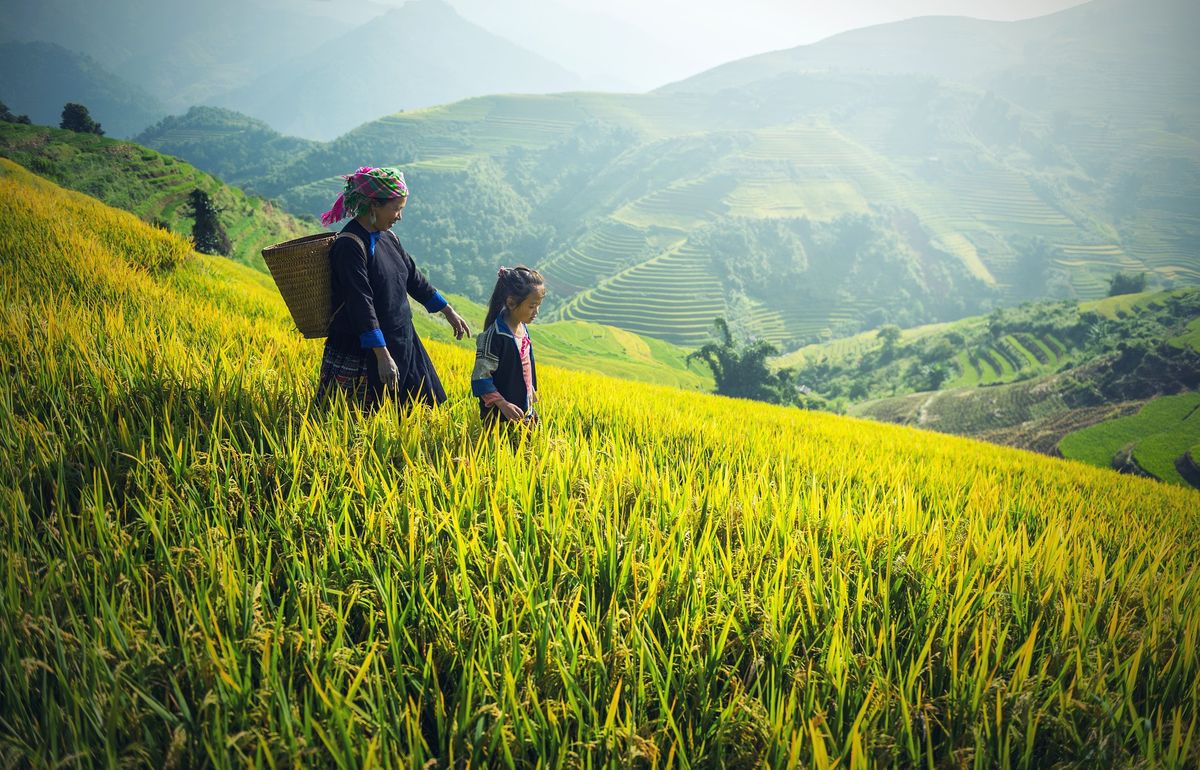
For students and young travelers, travel provides educational value. Visiting historical places, museums, temples, or cultural heritage sites allows people to learn through real-life experiences. This is one reason why educational tours are becoming increasingly popular worldwide.
Benefits of Travelling for Personal Growth
There are countless benefits of traveling that positively affect people’s lives. Traveling is not only enjoyable, but it also positively affects mental health and emotional well-being.
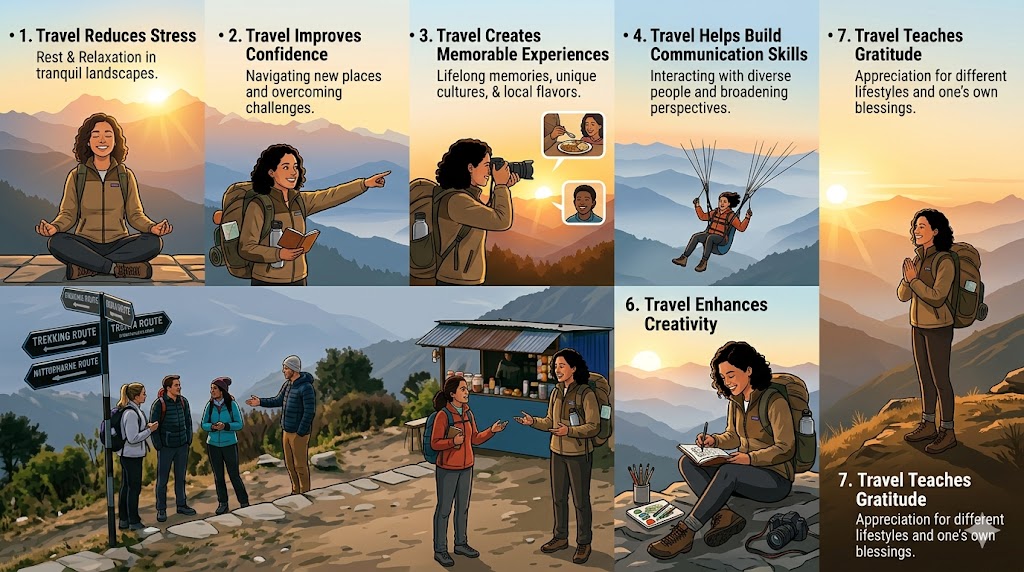
1. Travel Reduces Stress
One of the biggest benefits of traveling is stress relief. Taking a break from work, studies, or daily pressure helps people relax and feel refreshed. Traveling to peaceful destinations like mountains, forests, or beaches improves mental clarity and happiness.
2. Travel Improves Confidence
Traveling often requires people to solve problems independently. Whether it is booking transportation, communicating in a foreign language, or navigating a new city, these situations improve confidence and decision-making abilities.
3. Travel Creates Memorable Experiences
Experiences gained during travel become lifelong memories. Watching a sunrise in the mountains, tasting local food, or meeting people from different cultures creates meaningful moments that people cherish forever.
4. Travel Helps Build Communication Skills
Traveling encourages interaction with new people. This improves communication skills, social confidence, and cultural understanding. Meeting travelers from around the world also broadens perspectives.
5. Travel Encourages Adventure
Adventure is another exciting part of the purpose of travel. Activities such as trekking, safari tours, rafting, mountain climbing, and paragliding provide thrilling experiences and help people overcome fear.
6. Travel Enhances Creativity
Seeing new landscapes, cultures, and lifestyles inspires creativity. Many writers, photographers, artists, and content creators travel to find inspiration for their work.
7. Travel Teaches Gratitude
After visiting different places and observing different lifestyles, people often become more grateful for what they have. Travel teaches humility and appreciation.
The benefits of traveling are not limited to entertainment. Travel improves overall quality of life by creating happiness, knowledge, and confidence.
Different Types of Travelers
Understanding the types of travelers helps explain why people travel for different reasons. Every traveler has unique goals and interests.
1. Fun Travelers
Fun travelers travel mainly to relax and enjoy themselves. They may choose beach holidays, luxury resorts, entertainment destinations, or family vacations. Their main goal is happiness and relaxation.
Fun travelers often want to escape busy routines and recharge their energy. This type of traveler values comfort, enjoyment, and memorable experiences. Countries like Nepal are popular destinations for trekking and adventure tourism.
2. Adventure Travelers
Adventure travelers seek excitement and thrilling experiences. They enjoy trekking, mountaineering, rafting, bungee jumping, wildlife safaris, and other adventurous activities.
Countries like Nepal are popular destinations for adventure tourism because of trekking routes, Himalayan landscapes, and outdoor activities.
Adventure travel pushes people beyond their comfort zones and creates unforgettable memories. Travelers looking for excitement can explore our adventure activities in Nepal for unforgettable experiences.
3. Learning Travelers
Learning travelers see travel as an educational opportunity. They want to explore history, culture, architecture, traditions, and local lifestyles.
These travelers often visit museums, heritage sites, temples, and cultural landmarks. Their journeys focus on gaining knowledge and understanding the world better.
4. Solo Travelers
Solo travelers prefer exploring destinations alone. Solo travel helps people become independent, confident, and self-aware.
Many solo travelers believe that traveling alone improves decision-making skills and personal growth. Solo journeys are strongly connected with travel and self-discovery because travelers spend more time understanding themselves.
5. Luxury Travelers
Luxury travelers prioritize comfort, premium services, and exclusive experiences. They stay in luxury hotels, travel in comfort, and enjoy personalized services.
6. Budget Travelers
Budget travelers focus on affordable experiences. They often use public transportation, stay in hostels, and search for cost-effective travel options.
Budget travel proves that meaningful travel experiences do not always require large amounts of money.
7. Cultural Travelers
Cultural travelers are interested in traditions, festivals, art, local cuisine, and cultural heritage. They travel to connect with people and understand local lifestyles.
These types of travelers show that the purpose of travel varies from one person to another.
Travel and Self-Discovery
One of the deepest aspects of the purpose of travel is travel and self-discovery. Traveling allows people to understand themselves better by exposing them to new environments and experiences.
Many people discover their strengths, weaknesses, passions, and goals while traveling. Being away from familiar surroundings often helps individuals reflect on life and gain clarity. Exploring different cultures and environments often helps people develop self-awareness and confidence.
Solo travel especially contributes to self-discovery. Without familiar support systems, travelers learn how to make decisions independently and handle challenges confidently.
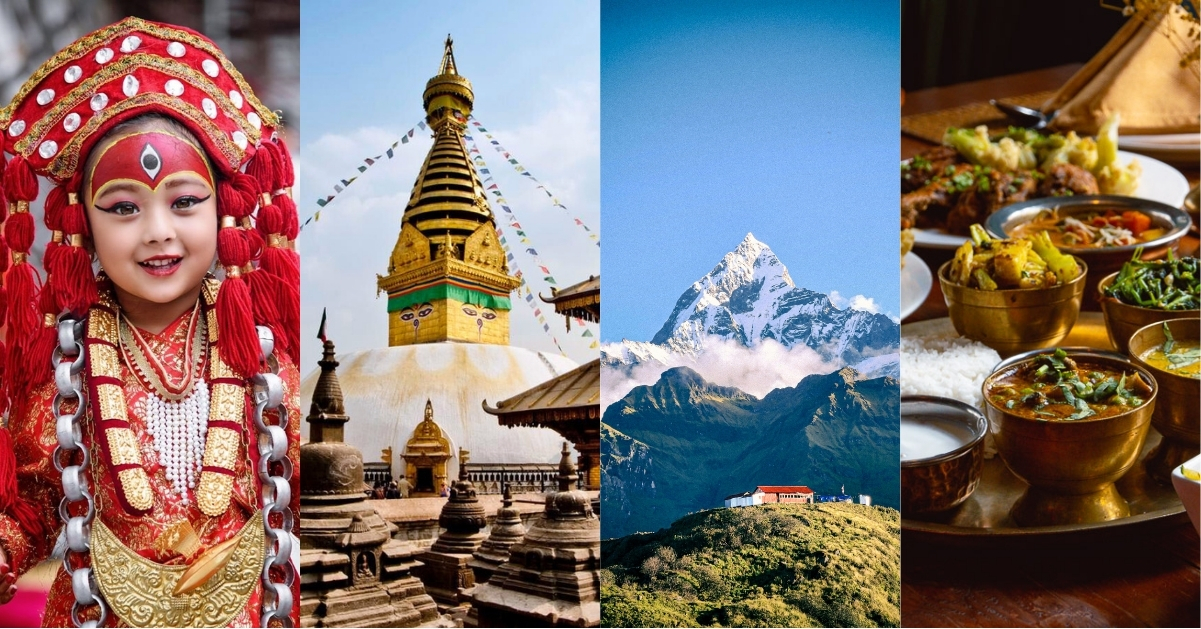
Travel also changes perspectives. Meeting people from different backgrounds teaches empathy, patience, and understanding. Travelers realize that the world is much bigger and more diverse than their everyday environment.
Another important aspect of travel and self-discovery is emotional growth. Traveling helps people overcome fears and insecurities. Whether it is speaking to strangers, trying unfamiliar food, or navigating unknown places, every experience builds confidence.
Nature travel also supports self-discovery. Mountains, forests, lakes, and peaceful landscapes provide time for reflection and mental relaxation. Many travelers return home with renewed motivation and a clearer mindset.
The connection between travel and self-discovery explains why many people consider travel life-changing. The journey often transforms not only how people see the world but also how they see themselves. Choosing a reliable travel agency in Kathmandu can make your travel experience easier and more enjoyable.
Why Do People Travel?
People travel for many different reasons. Some travel for leisure, while others travel for education, business, religion, adventure, or family visits. Trekking in Nepal is one of the best ways to experience nature and self-discovery.
Travel for Relaxation
Relaxation is one of the most common reasons people travel. Vacations help reduce stress and improve happiness.
Travel for Adventure
Adventure seekers travel to experience excitement and challenge themselves physically and mentally.
Travel for Education
Educational travel helps students and professionals learn about history, culture, and global perspectives.
Travel for Cultural Experience
Many people travel to experience traditions, festivals, food, and local lifestyles.
Travel for Personal Growth
The purpose of travel often includes emotional and personal development. Travelers gain confidence, independence, and valuable life experiences.
Travel for Relationships
Travel strengthens relationships between friends, couples, and families through shared experiences.
No matter the reason, travel enriches life and creates unforgettable memories.
How Travel Improves Mental Health
Traveling has a powerful impact on mental well-being. Constant work pressure and routines can lead to stress, anxiety, and burnout. Traveling provides a healthy escape from these pressures.
Visiting natural destinations helps people feel calm and refreshed. Fresh air, peaceful surroundings, and beautiful landscapes improve mood and mental clarity.
Travel also creates excitement and motivation. Planning a trip gives people something positive to look forward to. During the journey, people experience happiness through exploration and adventure.
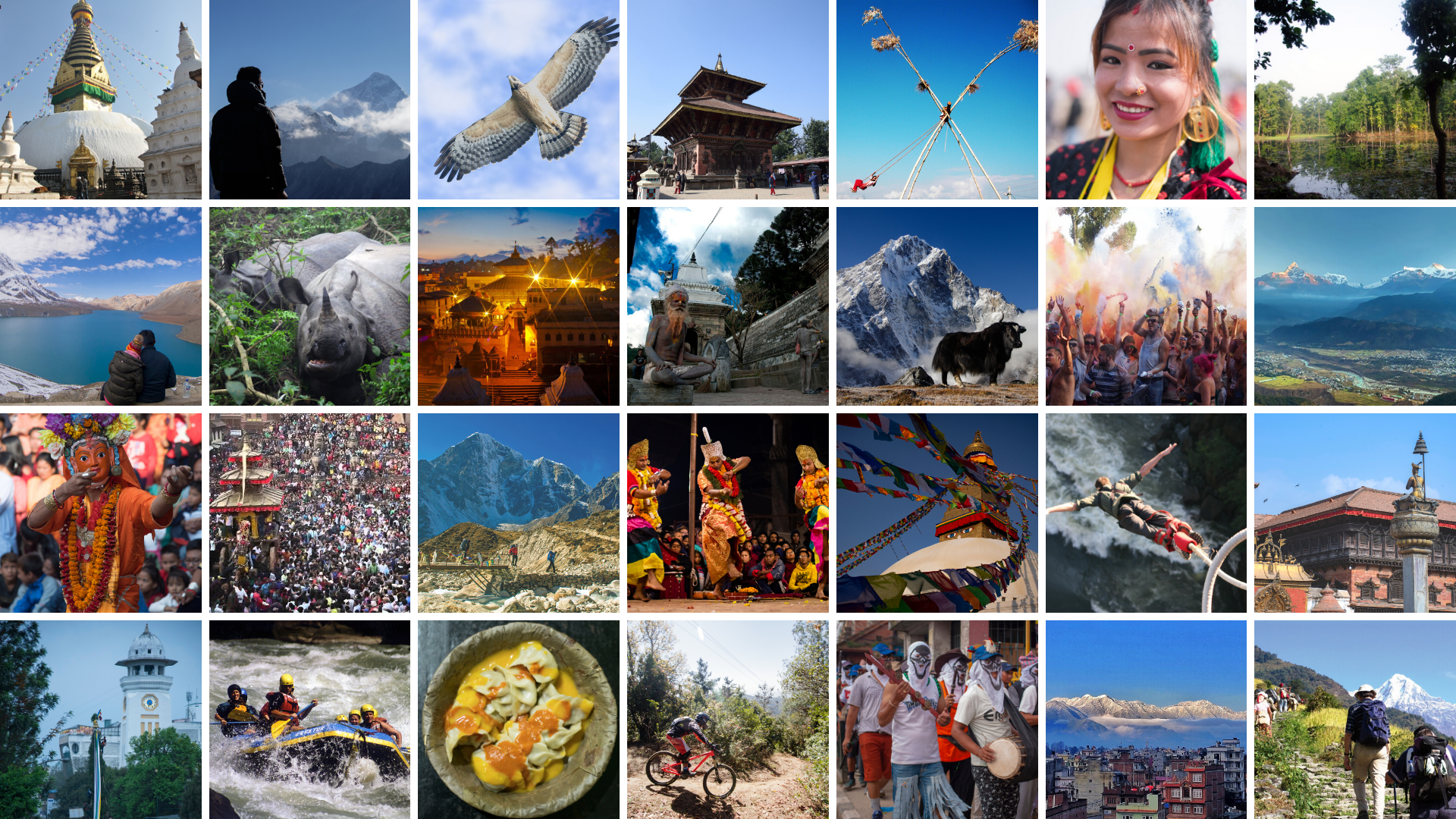
Another psychological benefit is mindfulness. Travelers often become more present and focused on experiences instead of worrying about daily stress.
The benefits of traveling for mental health are one reason why travel has become an important part of modern lifestyles.
The Role of Travel in Building Global Understanding
Travel encourages global understanding by connecting people from different cultures and backgrounds. When travelers interact with local communities, they learn about traditions, customs, languages, and beliefs.
This cultural exchange reduces stereotypes and promotes mutual respect. Travelers often become more open-minded and accepting after experiencing different lifestyles.
The importance of travel is especially significant in today’s interconnected world because travel helps people understand humanity beyond borders.
Purpose of Travel in Modern Society
In modern society, travel has become more accessible than ever before. Technology, transportation, and social media have increased people’s interest in exploring the world.
Today, the purpose of travel includes the following:
- Relaxation and leisure
- Adventure and thrill
- Learning and education
- Cultural experiences
- Career opportunities
- Self-discovery and growth
- Building social connections
Travel has become an important part of personal development and lifestyle improvement.
Conclusion
The purpose of travel is different for every individual, but the impact of travel is universally meaningful. Travel allows people to relax, explore, learn, and grow through experiences. It improves confidence, mental health, creativity, and understanding of the world.
The importance of travel continues to grow because travel provides opportunities for learning, adventure, and cultural connection. The many benefits of traveling help individuals become more open-minded, independent, and emotionally strong.
Understanding the different types of travelers also shows that everyone experiences travel in unique ways. Some seek adventure, while others seek relaxation, knowledge, or cultural experiences.
Most importantly, travel and self-discovery are deeply connected. Traveling helps people discover not only new destinations but also new aspects of themselves. Every journey becomes a chance to learn, experience, and create unforgettable memories.
Whether someone travels for fun, education, adventure, or personal growth, travel remains one of the most valuable experiences in life. Many travelers prefer customized Nepal tour packages for a comfortable and memorable journey.
FAQs About the Purpose of Travel
What is the main purpose of travel?
The main purpose of travel is to explore new places, gain experiences, relax, learn about cultures, and create memorable experiences. Different people travel for different reasons depending on their interests and goals.
What is the importance of travel?
The importance of travel includes stress relief, personal growth, cultural understanding, improved confidence, and educational experiences. Travel helps people develop emotionally and mentally.
What are the benefits of traveling?
The major benefits of traveling include improved mental health, better communication skills, increased confidence, adventure experiences, creativity, and lifelong memories.
How does travel help in self-discovery?
Travel and self-discovery are connected because traveling pushes people out of their comfort zones. New experiences help individuals understand themselves better and improve confidence and independence
What are the different types of travelers?
The common types of travelers include fun travelers, adventure travelers, solo travelers, cultural travelers, luxury travelers, learning travelers, and budget travelers.
Why do people love traveling?
People love traveling because it provides excitement, relaxation, adventure, cultural experiences, and opportunities to escape daily routines while creating unforgettable memories.

Table of Contents
- Importance of Travel in Human Life
- Benefits of Travelling for Personal Growth
- Different Types of Travelers
- Travel and Self-Discovery
- Why Do People Travel?
- How Travel Improves Mental Health
- The Role of Travel in Building Global Understanding
- Purpose of Travel in Modern Society
- Conclusion
- What is the main purpose of travel?
- What is the importance of travel?
- What are the benefits of traveling?
- How does travel help in self-discovery?
- What are the different types of travelers?
- Why do people love traveling?

Need Help?
Ask to Travel Expert