
- Mt. Kailash Tour
- Kailash Mansarovar Overland Tour
- Kailash Mansarovar Yatra by Helicopter – Complete Spiritual Journey Guide
- Kailash Yatra via Lucknow
- Kailash Mansarovar Tour via Lhasa
- Kailash Lhasa EBC Tour From Beijing
- Kailash Heli Tour via Kerung: Complete Spiritual Journey Guide
- Kailash Tour via Lhasa In Kerung Out
- Lhasa EBC Kailash Tour
- Kailash Heli Tour
- Kailash Mansarovar Yatra from Nepal 2027: Cost & Itinerary
- Kailash Nandi Kora
- Kailash Tour via Humla Simikot – 20 Days
- Mount Kailash Tour: 7 Amazing Experiences in 2027
- Trekking
-
-
- Everest Region
- Luxury Everest Base Camp Trek: 7 Unforgettable Highlights
- Everest Base Camp Trek 2026: Cost, Route, and Complete Guide
- Everest Three Passes Trek 2027: Cost, Route & Itinerary
- Everest Base Camp Short Trek
- Everest Panorama Trek: Amazing 10-Day Cost & Itinerary
- Everest Base Camp Island Peak Trek: Complete 19-Day Guide
- Gokyo Valley Trekking 2027: Easy Guide to Cost & Itinerary
- Mera Peak Climbing 2027: Complete Cost & Itinerary Guide
- Rolwaling Valley Trek: 23-Day Itinerary, Cost, Permits & Difficulty
- Dolpo Region Trek
- Everest Region
-
- Annapurna Region
- Annapurna Base Camp Trekking
- Annapurna Circuit Trek
- Annapurna Base Camp Trek: 7 Amazing Cost & Route Tips
- Mardi Himal Trek: 7 Amazing Highlights & Complete Guide
- Annapurna Alternative Combine Trek: 18 Amazing Days
- Mohare Dada Trek
- Ghorepani Poon Hill Trek: 7 Unforgettable Highlights
- Khopra Ridge Community Trek: 13-Day Ultimate Adventure
- Damodar Kunda Trek: 10-Day Ultimate Sacred Adventure
- Upper Mustang Trek: 10 Amazing Sights : Ultimate Guide
- Jomsom Muktinath Trek: Amazing 12-Day Ultimate Guide
- Ghale Gaun Trek: 7 Amazing Reasons : Ultimate Guide
- Dhampus Sarangkot Trek: 7 Incredible Experiences
- Dhaulagiri Region
- Annapurna Region
-
-
- Tours
-
-
- Day Tours
- Rickshaw–a three-wheeler Tour
- Pharping Dakshinkali Day Tour: 7 Amazing Highlights
- Historical Tour: 7 Amazing Places to Explore
- Kathmandu Temple Tour: 7 Amazing Spiritual Places
- Nagarkot Tour
- Bhaktapur City Tour: 7 Amazing Places to Explore
- Kathmandu City Tour – Complete Heritage & Cultural Experience in Nepal
- Chandragiri Hill: A Scenic Himalayan Escape Near Kathmandu
- Chitlang Hiking
- Shivapuri to Sundarijal Day Hiking
- Kulekhani Dam Day Tour — Complete Travel Guide
- Day Tours
-
- Package Tours
- Mustang Tour on Jeep
- Nepal Tour Package for Nepali: 12 Amazing Destinations to Explore (2026)
- Muktinath Tour: Complete Guide to Nepal’s Sacred Himalayan Pilgrimage
- 3N,4D Kathmandu Pilgrimage Tour
- Nepal Buddhist Pilgrimage Tour: 7 Sacred Sites Not to Miss
- 6D Nepal Pilgrimage Tour: 7 Amazing Sacred Places
- 7 Nights, 8 Days Nepal Tour
- Districts tour of Nepal
- Janakpur Tour Package: Price, Family Tour & Travel Guide from Kathmandu 2026
- Short Hike in Nepal: 7 Best Easy Treks for Beginners
- Package Tours
-
-
- Outbound
-
- Activities
- Climbing
- Bungee Jumping in Nepal
- Heli Skiing Adventure in the Himalayas
- Canoeing in Nepal
- Mountain Flight in Nepal
- Zip Flyer in Pokhara: The Ultimate Adventure Experience
- Paragliding in Pokhara: 7 Amazing Reasons to Experience Nepal’s Best Adventure
- Kathmandu Cycling Tour: 9 Amazing Adventures
- Rafting
- Rock Climbing
- Company
- Travel Info
- Travel Insurance
- Recommended Medical Kit
- Nepal Visa Information
- Flight delays and cancellation in Nepal
- Electricity in Nepal: Rates, Bill Check, Calculator and NEA Services
- Trekking Equipment Checklist: 40 Essential Items
- Best Kailash season in Tibet
- Best Trekking season in Nepal
- Trekking in Nepal 2027: 15 Best Himalayan Adventures
- Blogs
- Contact


WhatsApp
+977-9851035239

Email Us
[email protected]
Democracy Day in Nepal: History, Significance, and Celebrations
18 February 2018
By Leaf Holidays
Introduction to Democracy Day in Nepal
Democracy Day is one of the most important national observances in the country. Every year, Nepali people celebrate Democracy Day to honor the historic achievement of democracy, freedom, and political rights. The celebration reflects the struggles, sacrifices, and determination of the Nepali people who fought against the Rana regime and worked toward establishing a democratic system in Nepal.
Democracy Day is observed every year on Falgun 7 according to the Nepali calendar. The day reminds citizens about the importance of democratic values, human rights, freedom of speech, and political participation. Schools, colleges, government offices, and local communities organize different events, rallies, speeches, and cultural programs to mark this important national occasion.
The history of Democracy Day is deeply connected with the political transformation of the country. It symbolizes the victory of the people over autocratic rule and the beginning of democratic governance in Nepal. Understanding why Democracy Day is celebrated in Nepal helps citizens appreciate the sacrifices made by national leaders and freedom fighters.
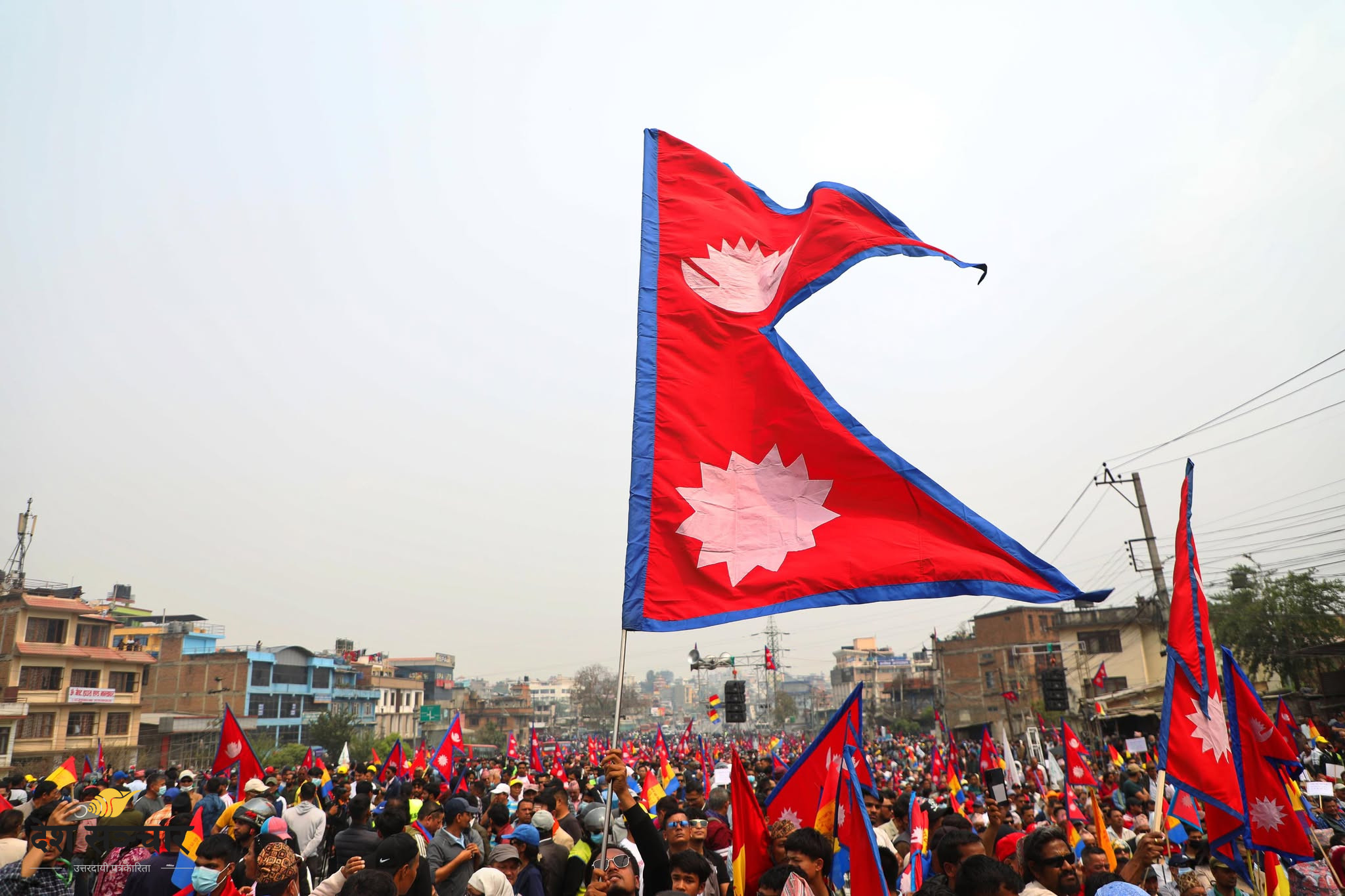
Apart from political importance, Democracy Day also reflects national unity and patriotism. Citizens across the country remember the contribution of democratic leaders and honor the people who dedicated their lives to establishing democracy in Nepal.
This article explains the history of Democracy Day, the significance of Falgun 7, Democracy Day quotes, Democracy Day’s importance in Nepalese history, and the reasons why Democracy Day is celebrated in Nepal.
Many domestic travelers visit popular destinations such as Pokhara, Chitwan, and Lumbini during national holidays.
What Is Democracy Day?
Democracy Day is a national observance celebrated every year on Falgun 7 to commemorate the end of the Rana regime and the establishment of democracy in Nepal in 1951. The day marks the success of the democratic movement led by political leaders and citizens who fought for freedom, equality, and democratic governance.
The celebration of Democracy Day honors the restoration of people’s rights after years of autocratic rule. It reminds people about the importance of democracy, justice, and constitutional rights in building a progressive nation.
Democracy Day is also known for inspiring younger generations to understand the value of political freedom and citizen participation. Educational institutions often organize essay competitions, democracy day speeches, debates, and awareness programs to educate students about Nepal’s democratic history.
The day is celebrated with flag-hoisting ceremonies, cultural programs, and public gatherings in Kathmandu and other major cities. Political leaders deliver speeches highlighting the importance of Democracy Day in Nepalese history and encourage citizens to protect democratic values.
Democracy Day in Nepali Date
One of the most searched topics online is Democracy Day in Nepal on the Nepali date. Democracy Day is celebrated every year on Falgun 7 according to the Bikram Sambat calendar. Falgun is the eleventh month in the Nepali calendar and usually falls around February in the Gregorian calendar.
Falgun 7 holds special significance in Nepali history because it marks the victory of the democratic movement against the Rana regime. On this day in 2007 B.S., democracy was officially introduced in Nepal after decades of political struggle.
The observance of Democracy Day in Nepal in the Nepali date reminds citizens about the country’s historical transformation and democratic journey. Schools and government institutions organize awareness programs explaining the historical significance of Falgun 7.
Many people also search for Democracy Day in Nepal in BS because the event is traditionally remembered according to the Bikram Sambat calendar. Falgun 7 remains an important national date associated with freedom and democratic governance.
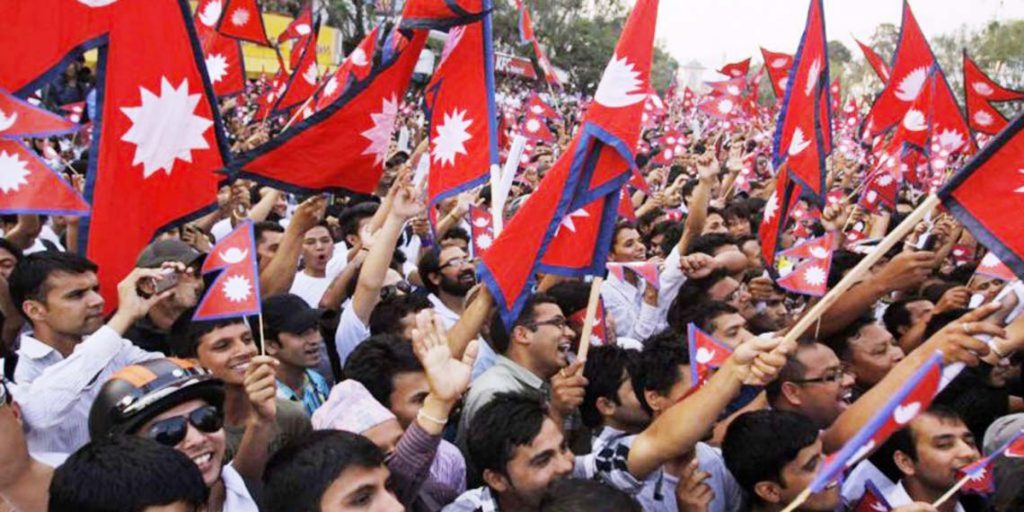
History of Democracy Day
The history of Democracy Day is connected with the political revolution against the Rana regime. The Rana rulers governed Nepal for more than 100 years under an autocratic system that limited political freedom and public participation.
During the Rana period, ordinary citizens had very limited rights. Political activities were restricted, education opportunities were limited, and people could not freely participate in governance. Many democratic leaders and activists struggled to establish democracy and political reform in Nepal.
The democratic movement gained momentum in the late 1940s. Political parties such as the Nepali Congress played a major role in organizing protests and demanding democratic governance. King Tribhuvan also supported the movement against the Rana rulers.
In 1951, after years of struggle and political pressure, the Rana regime ended and democracy was introduced in Nepal. This historic achievement became the foundation for Democracy Day.
The history of Democracy Day reflects the courage and sacrifices of political leaders, activists, and ordinary citizens. Many people lost their lives while fighting for democratic rights and political freedom.
Today, Democracy Day is celebrated to honor those sacrifices and to remind future generations about the importance of protecting democracy.
Why Democracy Day Is Celebrated in Nepal
Many people ask why Democracy Day is celebrated in Nepal. The day is celebrated to honor the successful democratic revolution that ended the Rana regime and introduced democratic governance in Nepal.
The celebration recognizes the efforts of leaders, activists, and citizens who fought for freedom, equality, and political rights. Democracy Day reminds citizens about the importance of democratic institutions and constitutional governance.
Another reason why Democracy Day is celebrated in Nepal is to promote awareness about democratic values among younger generations. Schools and colleges organize educational activities to help students understand the country’s political history.
Democracy Day also encourages people to participate actively in democracy by voting, respecting laws, and supporting human rights. The celebration highlights the responsibilities of citizens in maintaining peace, equality, and democratic governance.
The observance is not only about remembering history but also about inspiring citizens to build a better future based on democratic principles.
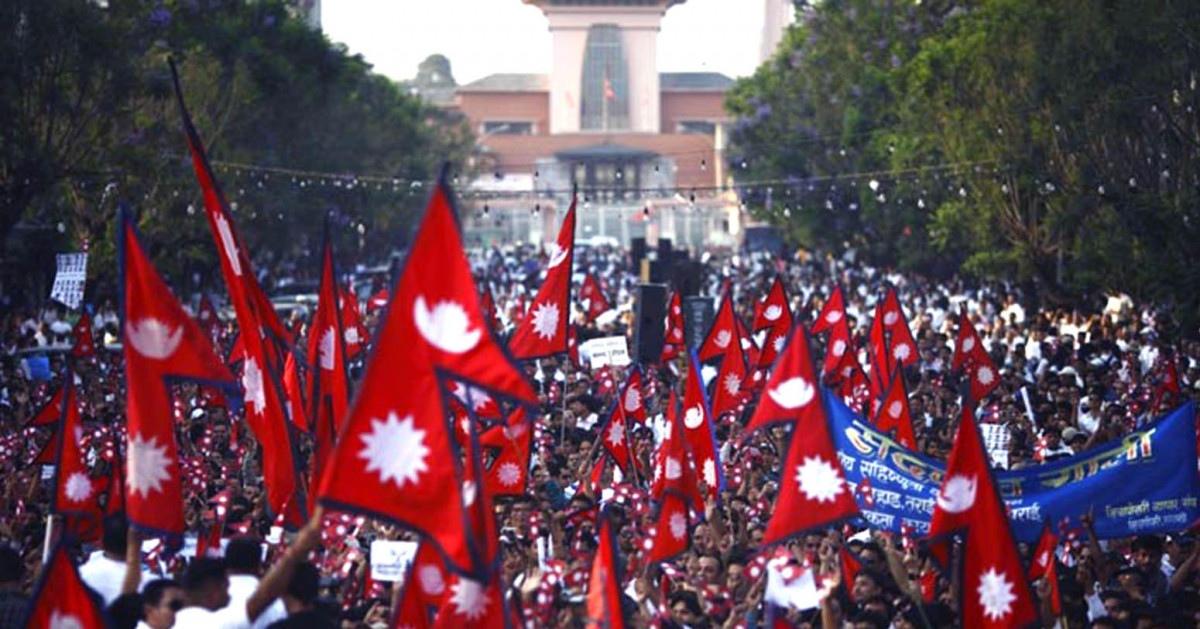
Like Nepali New Year celebrations, Democracy Day also promotes national unity and cultural awareness.
Democracy Day Importance in Nepalese History
The Democracy Day in Nepalese history is extremely significant because it represents the beginning of political freedom and democratic governance in Nepal.
Before democracy was established, Nepal was ruled under an autocratic system where citizens had limited political rights. The democratic movement changed the political structure of the country and opened opportunities for public participation.
The importance of Democracy Day in Nepalese history can also be seen in the development of constitutional governance and political awareness. Democracy allowed citizens to express opinions, participate in elections, and contribute to national development.
Another important aspect of the importance of Democracy Day in Nepalese history is national unity. The democratic movement united people from different communities, regions, and backgrounds under a common goal of political freedom.
Democracy Day also played a major role in inspiring future democratic movements and constitutional reforms in the country. The day remains a symbol of freedom, justice, equality, and national pride.
The democratic system has evolved over time, but Democracy Day continues to remind citizens about the importance of protecting democratic rights and institutions.
How Democracy Day Is Celebrated
Democracy Day is celebrated with great enthusiasm across the country. Government offices, schools, colleges, and local communities organize various programs to honor the day.
One of the major activities during Democracy Day is the organization of official ceremonies in Kathmandu. Political leaders, government officials, and citizens gather to celebrate the occasion and remember the democratic movement.
Schools and colleges organize Democracy Day speeches, essay competitions, quiz contests, and debates focused on democratic values and political history. Students participate actively in these educational programs.
Cultural programs are also an important part of Democracy Day celebrations. Traditional dances, patriotic songs, and dramas are performed to showcase Nepal’s democratic journey.
The national flag is hoisted in government offices and public places. Many organizations conduct rallies and awareness campaigns promoting democracy, equality, and human rights.
Tourism and adventure activities in Nepal also increase during public holidays and national celebrations.
Democracy Day Quotes
Democracy Day quotes are widely shared during the celebration to inspire citizens and promote democratic values. These quotes reflect the importance of freedom, equality, justice, and citizen participation.
Here are some powerful Democracy Day quotes:
- “Democracy is the voice of the people and the strength of the nation.”
- “Freedom and democracy are built on sacrifice and unity.”
- “A strong democracy creates a strong future for every citizen.”
- “Democracy Day reminds us to value our rights and responsibilities.”
- “The journey of democracy continues through awareness, unity, and participation.”
- “Protecting democracy is the responsibility of every citizen.”
- “Democracy gives people the power to shape the future of the nation.”
Democracy day quotes are commonly used in speeches, school programs, banners, and social media posts during Falgun 7 celebrations.
Democracy Day Speech Ideas
Democracy Day speech programs are organized in schools, colleges, and public institutions during the celebration. A democracy day speech usually focuses on the history of democracy, political freedom, citizen rights, and the importance of democratic governance.
Students and speakers often explain the history of Democracy Day and discuss the contributions of democratic leaders. A democracy day speech also highlights the responsibilities of citizens in protecting democracy and promoting equality.
Important topics included in democracy day speech programs are the following:
- History of democratic movements in Nepal
- Why Democracy Day is celebrated in Nepal
- Importance of freedom and human rights
- Role of youth in democracy
- Democracy day importance in Nepalese history
- Political awareness and national unity
Democracy day speech competitions help students improve public speaking skills while learning about Nepal’s democratic history.
Falgun 7 Democracy Day
Falgun 7 Democracy Day is one of the most historically important dates in the country. Falgun 7 marks the official end of Rana rule and the beginning of democracy in Nepal.
Every year, Falgun 7 Democracy Day is celebrated with patriotic programs, educational activities, and government ceremonies. Citizens remember the sacrifices made by freedom fighters and democratic leaders during the democratic movement.
The observance of Falgun 7 Democracy Day also encourages younger generations to understand the value of freedom, equality, and constitutional rights.
Many media organizations publish special programs and documentaries explaining the history of Falgun 7 and its importance in Nepalese politics.
The celebration reflects national pride and democratic progress. It also serves as a reminder that democracy must be protected through active citizen participation and respect for constitutional principles.
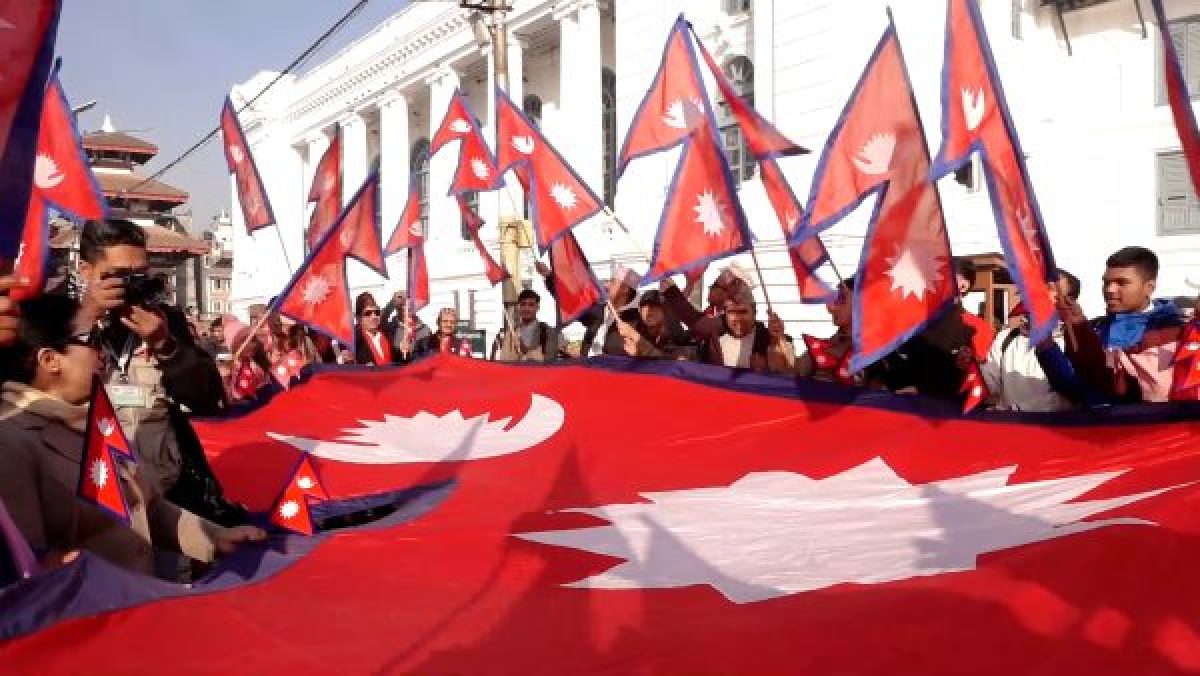
Challenges of Democracy in Nepal
Although Nepal has achieved democratic governance, the country still faces several political and social challenges.
One major challenge is political instability. Frequent government changes and political disagreements can affect national development and democratic progress.
Corruption is another issue that impacts democracy in Nepal. Transparency, accountability, and good governance are important for strengthening democratic institutions.
Public awareness and political participation also remain important areas of improvement. Citizens need to stay informed and actively participate in democratic processes.
Despite these challenges, Democracy Day continues to inspire hope and encourage citizens to work toward a stronger democratic future.
The celebration reminds people that democracy requires responsibility, participation, and continuous effort from both leaders and citizens.
Role of Youth in Strengthening Democracy
Youth play an important role in strengthening democracy in Nepal. Young people represent the future of the country and have the power to influence political and social change.
Educational institutions encourage students to participate in democracy day speech competitions, debates, and awareness campaigns. These activities help young people understand democratic values and responsibilities.
Social media has also increased youth participation in political discussions and awareness campaigns. Young citizens use digital platforms to promote democracy day quotes, political awareness, and national unity.
The role of youth is important for protecting democratic rights, encouraging transparency, and supporting peaceful political participation.
Democracy Day inspires young people to become responsible citizens and contribute positively to society.
Frequently Asked Questions About Democracy Day
What is Democracy Day?
Democracy Day is a national observance celebrated every year on Falgun 7 to honor the establishment of democracy in Nepal.
Democracy Day in Nepali date?
Democracy Day is celebrated on Falgun 7 according to the Bikram Sambat calendar.
Why is Democracy Day celebrated in Nepal?
Democracy Day is celebrated in Nepal to commemorate the end of the Rana regime and the beginning of democratic governance in 1951.
What is the history of Democracy Day?
The history of Democracy Day is connected with the democratic movement that ended Rana rule and introduced political freedom in Nepal.
What is the importance of Democracy Day in Nepalese history?
The importance of Democracy Day in Nepalese history lies in the establishment of political freedom, democratic governance, and constitutional rights.
How is Democracy Day celebrated?
Democracy Day is celebrated with rallies, speeches, cultural programs, educational activities, and official ceremonies.
What are democracy day quotes?
Democracy Day quotes are inspirational messages promoting democracy, freedom, equality, and national unity.
What happens during democracy day speech programs?
During Democracy Day speech programs, speakers discuss Nepal’s democratic history, political freedom, and the importance of citizen participation.
Conclusion
Democracy Day is more than just a national observance. It is a powerful reminder of the struggles, sacrifices, and achievements that shaped modern Nepal. The celebration honors the democratic movement that ended autocratic rule and introduced political freedom and constitutional governance.
The history of Democracy Day teaches citizens about courage, unity, and the importance of protecting democratic rights. Falgun 7 remains a symbol of freedom, equality, justice, and national pride.
Understanding why Democracy Day is celebrated in Nepal helps younger generations appreciate the country’s political journey and democratic progress. Schools, colleges, and communities continue to organize Democracy Day speeches, educational programs, and awareness campaigns to promote democratic values.
The importance of Democracy Day in Nepalese history remains highly relevant today because democracy requires active participation, responsibility, and awareness from every citizen. By respecting democratic institutions and supporting peaceful governance, citizens can help build a stronger and more progressive Nepal.
As Nepal continues its democratic journey, Democracy Day will always remain an important national celebration reflecting freedom, patriotism, and hope for a better future.

Table of Contents
- Introduction to Democracy Day in Nepal
- What Is Democracy Day?
- Democracy Day in Nepali Date
- History of Democracy Day
- Why Democracy Day Is Celebrated in Nepal
- Democracy Day Importance in Nepalese History
- How Democracy Day Is Celebrated
- Democracy Day Quotes
- Democracy Day Speech Ideas
- Falgun 7 Democracy Day
- Challenges of Democracy in Nepal
- Role of Youth in Strengthening Democracy
- Frequently Asked Questions About Democracy Day
- Conclusion

Need Help?
Ask to Travel Expert