
- Mt. Kailash Tour
- Kailash Mansarovar Overland Tour
- Kailash Mansarovar Yatra by Helicopter – Complete Spiritual Journey Guide
- Kailash Yatra via Lucknow
- Kailash Mansarovar Tour via Lhasa
- Kailash Lhasa EBC Tour From Beijing
- Kailash Heli Tour via Kerung: Complete Spiritual Journey Guide
- Kailash Tour via Lhasa In Kerung Out
- Lhasa EBC Kailash Tour
- Kailash Heli Tour
- Kailash Mansarovar Yatra from Nepal 2027: Cost & Itinerary
- Kailash Nandi Kora
- Kailash Tour via Humla Simikot – 20 Days
- Mount Kailash Tour: 7 Amazing Experiences in 2027
- Trekking
-
-
- Everest Region
- Luxury Everest Base Camp Trek: 7 Unforgettable Highlights
- Everest Base Camp Trek 2026: Cost, Route, and Complete Guide
- Everest Three Passes Trek 2027: Cost, Route & Itinerary
- Everest Base Camp Short Trek
- Everest Panorama Trek: Amazing 10-Day Cost & Itinerary
- Everest Base Camp Island Peak Trek: Complete 19-Day Guide
- Gokyo Valley Trekking 2027: Easy Guide to Cost & Itinerary
- Mera Peak Climbing 2027: Complete Cost & Itinerary Guide
- Rolwaling Valley Trek: 23-Day Itinerary, Cost, Permits & Difficulty
- Dolpo Region Trek
- Everest Region
-
- Annapurna Region
- Annapurna Base Camp Trekking
- Annapurna Circuit Trek
- Annapurna Base Camp Trek: 7 Amazing Cost & Route Tips
- Mardi Himal Trek: 7 Amazing Highlights & Complete Guide
- Annapurna Alternative Combine Trek: 18 Amazing Days
- Mohare Dada Trek
- Ghorepani Poon Hill Trek: 7 Unforgettable Highlights
- Khopra Ridge Community Trek: 13-Day Ultimate Adventure
- Damodar Kunda Trek: 10-Day Ultimate Sacred Adventure
- Upper Mustang Trek: 10 Amazing Sights : Ultimate Guide
- Jomsom Muktinath Trek: Amazing 12-Day Ultimate Guide
- Ghale Gaun Trek: 7 Amazing Reasons : Ultimate Guide
- Dhampus Sarangkot Trek: 7 Incredible Experiences
- Dhaulagiri Region
- Annapurna Region
-
-
- Tours
-
-
- Day Tours
- Rickshaw–a three-wheeler Tour
- Pharping Dakshinkali Day Tour: 7 Amazing Highlights
- Historical Tour: 7 Amazing Places to Explore
- Kathmandu Temple Tour: 7 Amazing Spiritual Places
- Nagarkot Tour
- Bhaktapur City Tour: 7 Amazing Places to Explore
- Kathmandu City Tour – Complete Heritage & Cultural Experience in Nepal
- Chandragiri Hill: A Scenic Himalayan Escape Near Kathmandu
- Chitlang Hiking
- Shivapuri to Sundarijal Day Hiking
- Kulekhani Dam Day Tour — Complete Travel Guide
- Day Tours
-
- Package Tours
- Mustang Tour on Jeep
- Nepal Tour Package for Nepali: 12 Amazing Destinations to Explore (2026)
- Muktinath Tour: Complete Guide to Nepal’s Sacred Himalayan Pilgrimage
- 3N,4D Kathmandu Pilgrimage Tour
- Nepal Buddhist Pilgrimage Tour: 7 Sacred Sites Not to Miss
- 6D Nepal Pilgrimage Tour: 7 Amazing Sacred Places
- 7 Nights, 8 Days Nepal Tour
- Districts tour of Nepal
- Janakpur Tour Package: Price, Family Tour & Travel Guide from Kathmandu 2026
- Short Hike in Nepal: 7 Best Easy Treks for Beginners
- Package Tours
-
-
- Outbound
-
- Activities
- Climbing
- Bungee Jumping in Nepal
- Heli Skiing Adventure in the Himalayas
- Canoeing in Nepal
- Mountain Flight in Nepal
- Zip Flyer in Pokhara: The Ultimate Adventure Experience
- Paragliding in Pokhara: 7 Amazing Reasons to Experience Nepal’s Best Adventure
- Kathmandu Cycling Tour: 9 Amazing Adventures
- Rafting
- Rock Climbing
- Company
- Travel Info
- Travel Insurance
- Recommended Medical Kit
- Nepal Visa Information
- Flight delays and cancellation in Nepal
- Electricity in Nepal: Rates, Bill Check, Calculator and NEA Services
- Trekking Equipment Checklist: 40 Essential Items
- Best Kailash season in Tibet
- Best Trekking season in Nepal
- Trekking in Nepal 2027: 15 Best Himalayan Adventures
- Blogs
- Contact


WhatsApp
+977-9851035239

Email Us
[email protected]
Trek To Mustang
25 January 2018
By Leaf Holidays
Are you planning a trekking adventure in one of Nepal’s most remote and breathtaking regions? Mustang Trek Nepal offers an extraordinary opportunity to explore hidden valleys, ancient monasteries, and vibrant Tibetan culture. This complete guide provides seven essential tips to help you prepare for this epic journey through this Himalayan wonderland.
Mustang, often called the “Land of the Forbidden Kingdom,” remains one of Nepal’s most pristine destinations. The experience reveals dramatic landscapes, unique cultural encounters, and spiritual treasures that few travelers witness. Whether you’re researching route details or comprehensive itinerary planning, these insights will ensure you’re fully prepared for your adventure with Mustang Trek Nepal.
Understand the Permits and Planning Requirements
Before embarking on Mustang Trek Nepal, securing the necessary permits is crucial. The region was only opened to foreigners in 1992, and access remains restricted to maintain cultural preservation. You’ll need a special permit in addition to your Nepal visa, which can only be obtained through licensed trekking agencies like The Nepal Trekking or the National Tourism Board.
Booking your expedition through an authorized operator at least two weeks in advance is essential. The route includes checkpoints where officials verify your permits. Failure to obtain proper documentation can result in fines or being turned back. Work with experienced agencies that understand the nuances of this region and can handle all paperwork smoothly. Your Mustang Trek Nepal agency will coordinate with government offices to ensure everything is arranged before departure.
Most agencies can obtain permits within 10 to 14 days, but booking early eliminates stress and potential delays. Understanding these requirements upfront prevents complications and allows you to focus on preparation rather than bureaucratic concerns.
Prepare for Extreme Weather Conditions
Your Mustang Trek Nepal experience involves facing unpredictable weather patterns that challenge even experienced trekkers. The region sits in the rain shadow of the Himalayas, making it exceptionally dry. However, rapid weather changes can occur, especially during the monsoon season from June to September.
When preparing for this trek, bring layers that can adapt to temperature fluctuations. Mornings start extremely cold, sometimes dropping below freezing even in summer months. By afternoon, the intense sun can make conditions uncomfortably warm. Pack a reliable down jacket rated for sub-zero temperatures, thermal underwear in merino wool, a waterproof outer shell, and sturdy hiking boots suitable for high-altitude conditions.
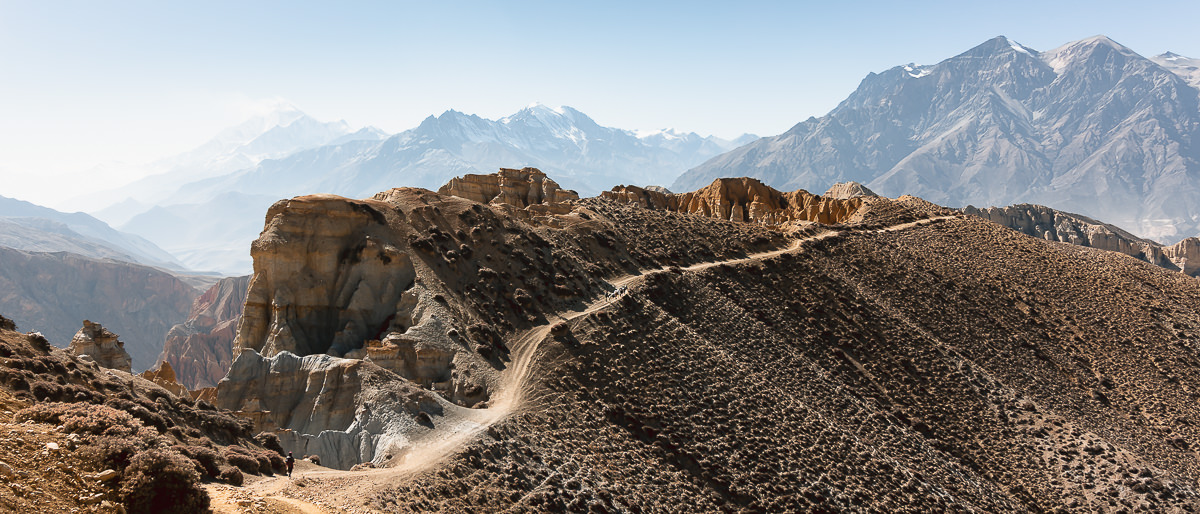
The best seasons for Mustang Trek Nepal are October through November and March through May. During these periods, you’ll experience clear skies, stable weather, and comfortable daytime temperatures ranging from 15 to 20 degrees Celsius. Winter months bring heavy snow at higher elevations, while summer monsoons create clouds and occasional rainfall. Planning your departure around optimal weather windows significantly improves your experience and safety. Discover more about the seasons of Nepal.
Acclimatize Properly Before Starting
Altitude acclimatization is non-negotiable when undertaking the Mustang Trek, Nepal. The region features passes exceeding 3,600 meters, and many sections traverse at 3,000 meters or higher. Inadequate acclimatization can lead to acute mountain sickness, which can ruin your experience.
Before starting your adventure, spend at least two days in Kathmandu at a lower altitude to prepare your body. Many guides recommend visiting Pokhara before heading to higher elevations. During your trek, maintain a steady pace and don’t rush between camps. Eat well, stay hydrated, and listen to your body. If altitude sickness symptoms appear, descending is sometimes necessary.
Your itinerary should include rest days in villages where you can adjust gradually. This measured approach ensures your body adapts to high altitude. Consider doing some light trekking at moderate elevations before your main Mustang Trek Nepal expedition. The rule of thumb is to ascend slowly, gaining no more than 300 to 500 meters daily after reaching 2,500 meters. Experienced guides understand these principles and will adjust your pace accordingly.
Pack Smart and Travel Light
What you bring significantly impacts your comfort and enjoyment throughout your trek. While this adventure requires certain essential items, overpacking creates unnecessary burden. Leave behind anything non-essential for Mustang Trek Nepal, as you’ll be carrying your belongings through challenging terrain.
Your packing list should include trekking poles to reduce knee strain, a sleeping bag rated for sub-zero temperatures, water purification tablets, high-energy snacks, and personal medications. The route passes through villages where basic supplies are available, but options remain limited. Pack toilet paper, hand sanitizer, and blister treatment, as these items are difficult to find locally.
Invest in quality gear rather than quantity. A lightweight camping tent ensures shelter during your expedition. Consider the weight of every item, as unnecessary equipment becomes burdensome at higher elevations. Bring extra moisture-wicking socks, as blisters can end your adventure prematurely. Include sun protection, including sunscreen with high SPF, sunglasses, and a wide-brimmed hat. The sun’s intensity at high altitude is deceptive and can cause severe burns even on cooler days.
Learn Basic Cultural Etiquette and Respect Local Traditions
Traveling in this region means entering an area where Tibetan culture remains vibrant and deeply respected. The communities you encounter maintain traditions that have existed for centuries. Respecting these practices isn’t just courteous; it’s essential for preserving the region during your Mustang Trek Nepal journey.
Avoid pointing at people or religious objects, and always ask permission before photographing locals. The route passes sacred monasteries where specific behaviors are expected. Remove shoes before entering monasteries; don’t touch prayer wheels without permission, and never walk against their direction. These simple gestures of respect enhance your experience and strengthen community relations.
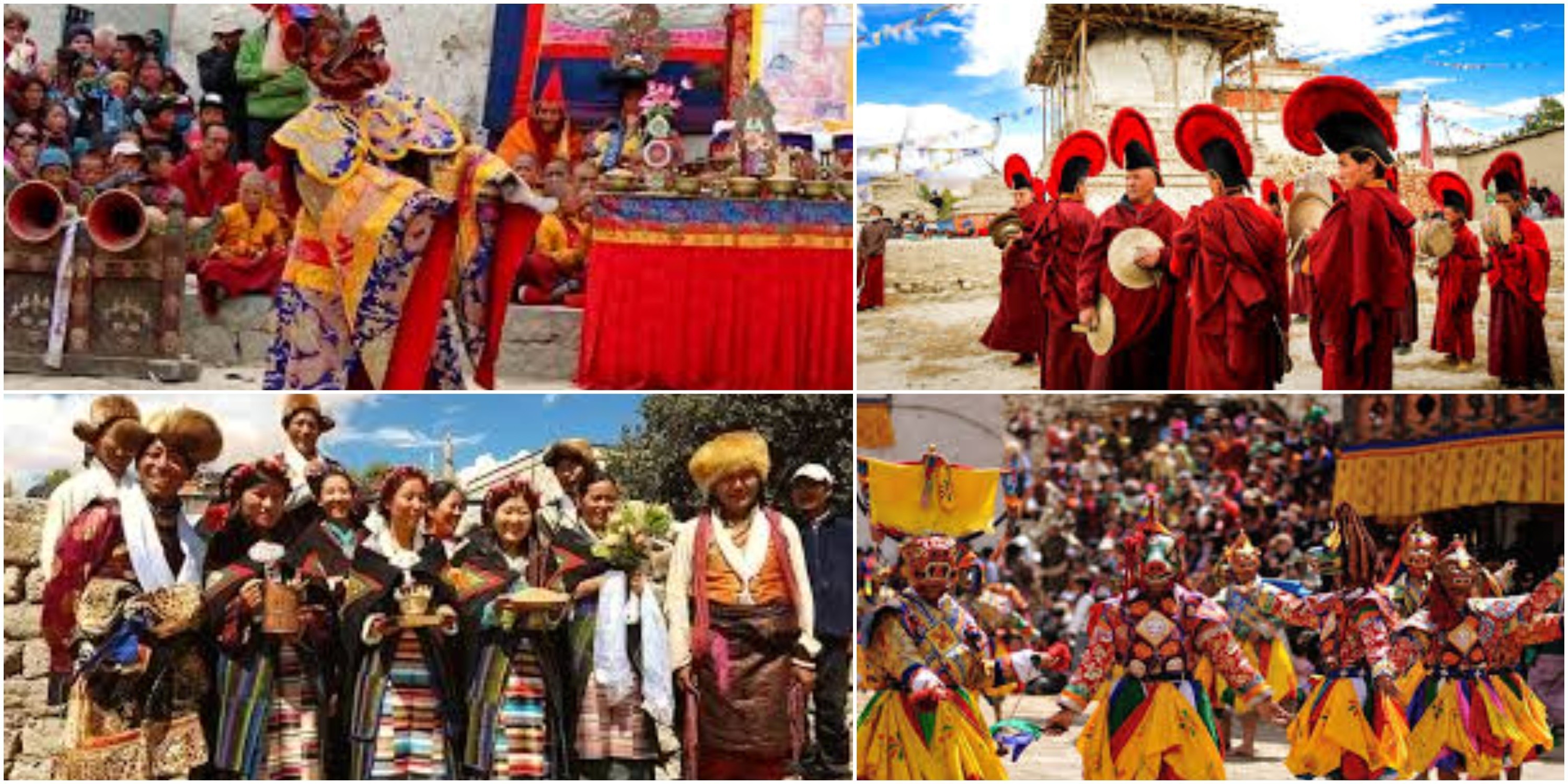
Learning Nepali phrases demonstrates genuine interest in the culture. Basic greetings like “Namaste,” “Dhanyabad” (thank you), and “Kasto chha?” (How are you?) go a long way. During your journey, guides will explain customs relevant to each area. Supporting local teahouses and purchasing authentic handicrafts directly benefits communities you pass through on the Mustang Trek, Nepal. This cultural sensitivity enriches your experience and creates positive relationships that benefit tourism long-term.
Choose the Right Trekking Company and Guides
Your experience depends heavily on your company and guides. Not all agencies provide equal quality experiences or maintain ethical standards with local communities. Research companies thoroughly before booking your Mustang Trek Nepal adventure.
Select operators specializing in this region who employ experienced local guides familiar with the route and conditions. Read reviews from previous trekkers to gain insight. Quality improves significantly when guides have deep knowledge of local history, culture, and terrain. They can share stories about monasteries, explain cultural practices, and point out wildlife that casual visitors might miss during the Mustang Trek in Nepal.
Fair wage practices matter; confirm your company compensates porters and guides appropriately. Well-paid crew members provide better service and maintain higher standards. During your experience, knowledgeable guides transform the journey into a rich cultural and educational adventure. They navigate routes efficiently and know emergency protocols if complications arise. Ask potential companies about their environmental practices and community involvement. Reputable operators contribute to local development and respect conservation efforts.
Bring Appropriate Fitness Level and Mental Preparation
While Mustang Trek Nepal doesn’t require elite athletic ability, basic fitness levels are necessary. The trek involves 5 to 7 hours of daily walking at high altitude for approximately 14 days. Underestimating the physical demands can result in an unpleasant experience.
Before your expedition, begin a training regimen three months in advance. Regular hiking on hills, stair climbing, and cardiovascular exercises prepare your body for the demands. Daily elevation gains, while not extreme, compound over time. Strengthen your legs, core, and cardiovascular system. This preparation builds the endurance necessary for success during Mustang Trek Nepal.
Mental preparation is equally important as physical training. The region’s remoteness and isolation appeal to many adventurers but challenge others. Research thoroughly so no surprises await you when you embark on Mustang Trek Nepal. Understand that amenities are minimal; villages have basic teahouses but limited hot water and modern conveniences. Embrace this simplicity as part of the authentic experience. Developing patience, flexibility, and a positive attitude ensures you’ll thrive. Expect basic meals, simple accommodation, and limited communication with the outside world.
Frequently Asked Questions About Mustang Trek Nepal
Q: What is the best time for a Mustang trek in Nepal? A: The optimal seasons are October through November and March through May. These periods offer clear skies, moderate temperatures, and stable weather patterns ideal for trekking. Avoid the monsoon season and winter months when conditions become challenging or inaccessible.
Q: How much does this journey typically cost? A: Costs range from USD 1,200 to 2,500 depending on group size and company standards. Your budget covers permits, accommodation, meals, and guide services. Premium operators offering smaller groups charge more but provide enhanced experiences.
Q: Is prior trekking experience necessary? A: While not required, previous experience helps. This adventure suits intermediate trekkers, but beginners who maintain reasonable fitness can complete it. Elevation and remoteness challenge novices more than technical difficulty on Mustang Trek Nepal.
Q: Can solo travelers participate? A: Solo travelers can join group expeditions or book private arrangements. Most companies encourage group bookings for cost efficiency. Solo options require higher budgets.
Q: What facilities are available on the route? A: Basic teahouses provide simple accommodation. Beds with blankets are standard. Meals focus on simple local dishes. The experience emphasizes authentic living rather than comfort during the Mustang Trek in Nepal.
Q: How do I manage water and sanitation? A: Water sources exist throughout the route, but purification is essential. Carry water purification tablets or filtering devices. Teahouses provide boiled water for drinking.
Conclusion: Making the Most of Your Adventure
Mustang Trek Nepal stands among the country’s most remarkable trekking experiences, offering unparalleled access to pristine landscapes and authentic Tibetan culture. By following these seven essential tips, you’ll be comprehensively prepared for your journey, ensuring it becomes truly unforgettable.
From understanding permit requirements to choosing experienced guides, each tip addresses crucial aspects of planning. Proper preparation transforms your expedition into more than just a hike; it becomes a transformative adventure. This experience rewards those who approach it with respect, enthusiasm, and realistic expectations.
Whether you’re seeking spiritual enrichment, cultural immersion, or physical challenge, this region delivers on all fronts. Pack smart, acclimatize properly, and embrace the unique environment. Your adventure awaits, promising memories that will last a lifetime. Start planning your Mustang Trek Nepal today with Nepal Trekking and discover why this hidden Himalayan region captivates all who venture there.

Table of Contents
- Understand the Permits and Planning Requirements
- Prepare for Extreme Weather Conditions
- Acclimatize Properly Before Starting
- Pack Smart and Travel Light
- Learn Basic Cultural Etiquette and Respect Local Traditions
- Choose the Right Trekking Company and Guides
- Bring Appropriate Fitness Level and Mental Preparation
- Frequently Asked Questions About Mustang Trek Nepal
- Conclusion: Making the Most of Your Adventure

Need Help?
Ask to Travel Expert