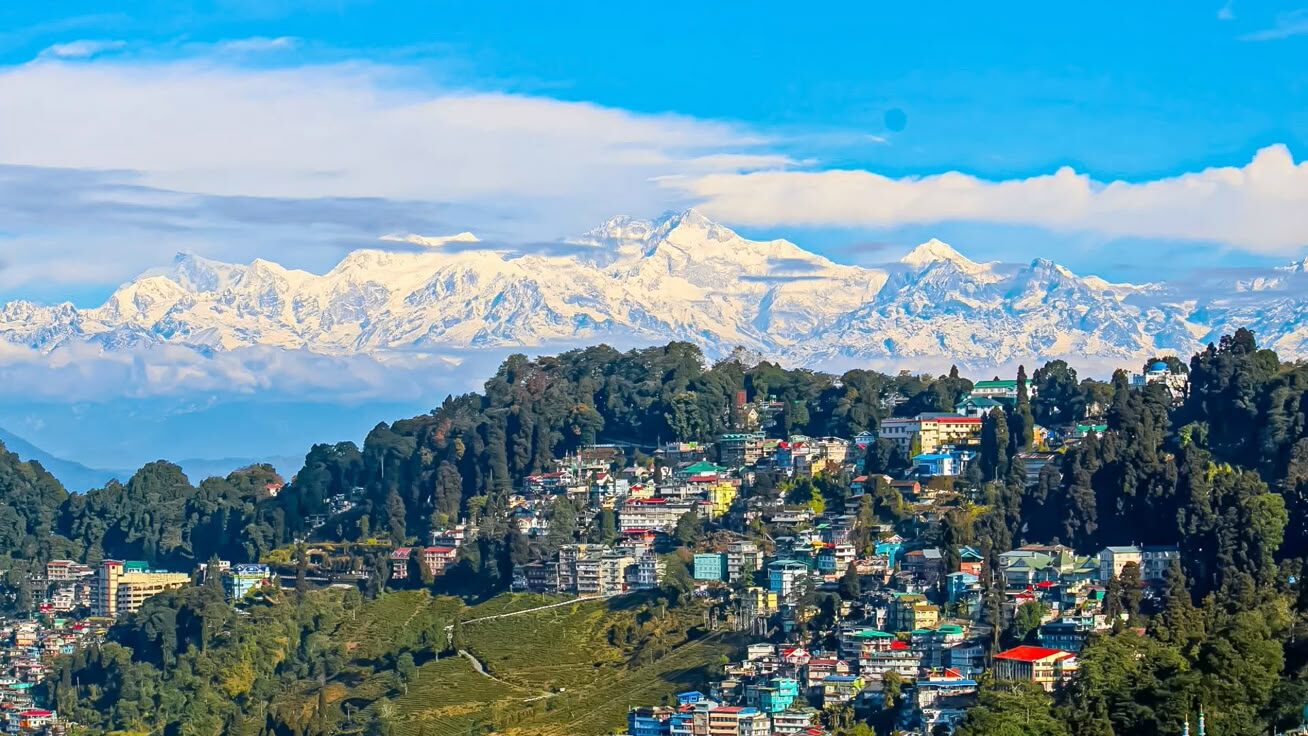
Nepal is situated in the heart of the Himalayas. Nepal is recognized worldwide for its stunning mountains and has spiritual significance too. Among the pilgrimage destinations, Mount Kailash, which lies in Tibet’s Himalayas, carries divine power. In this blog, you will find information on the Mount Kailash tour package from Nepal, which offers the journey of spiritual and divine with transformative experiences.
Explore Mount Kailash:
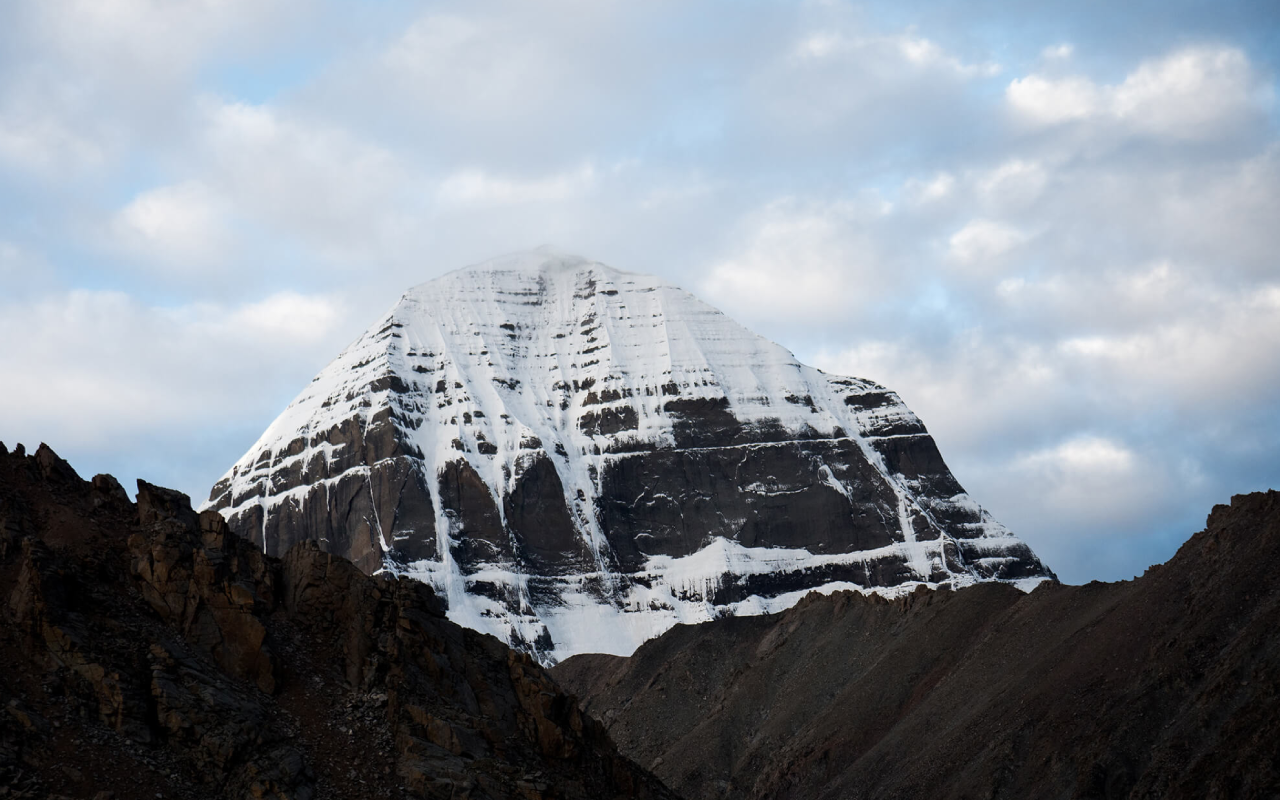
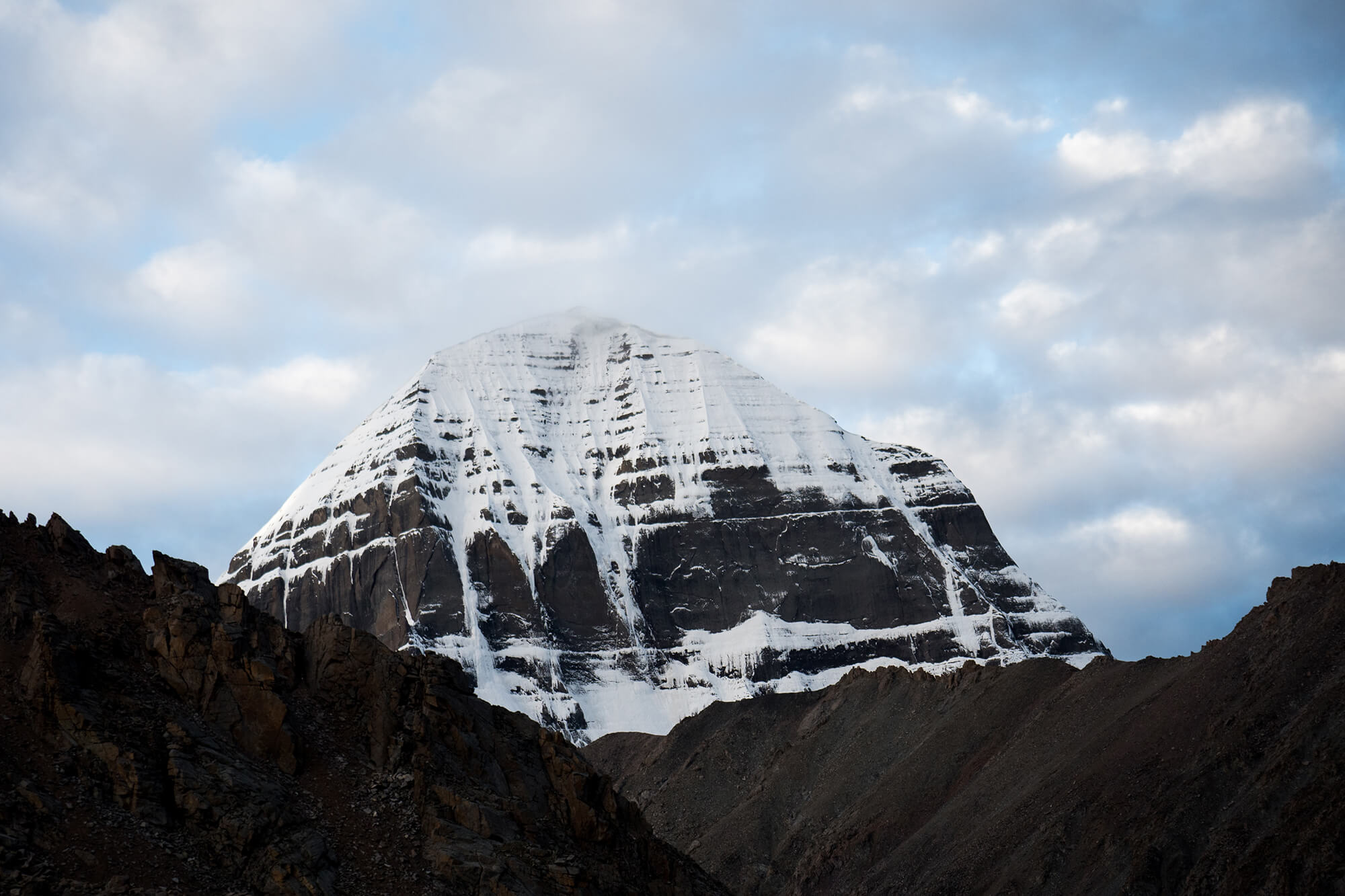
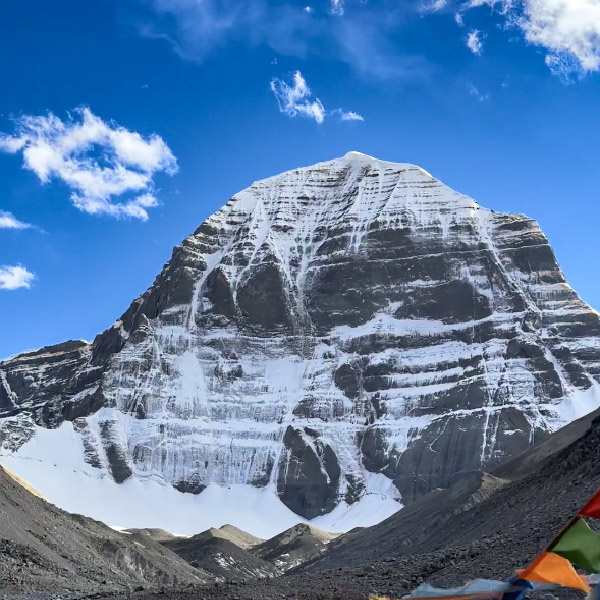
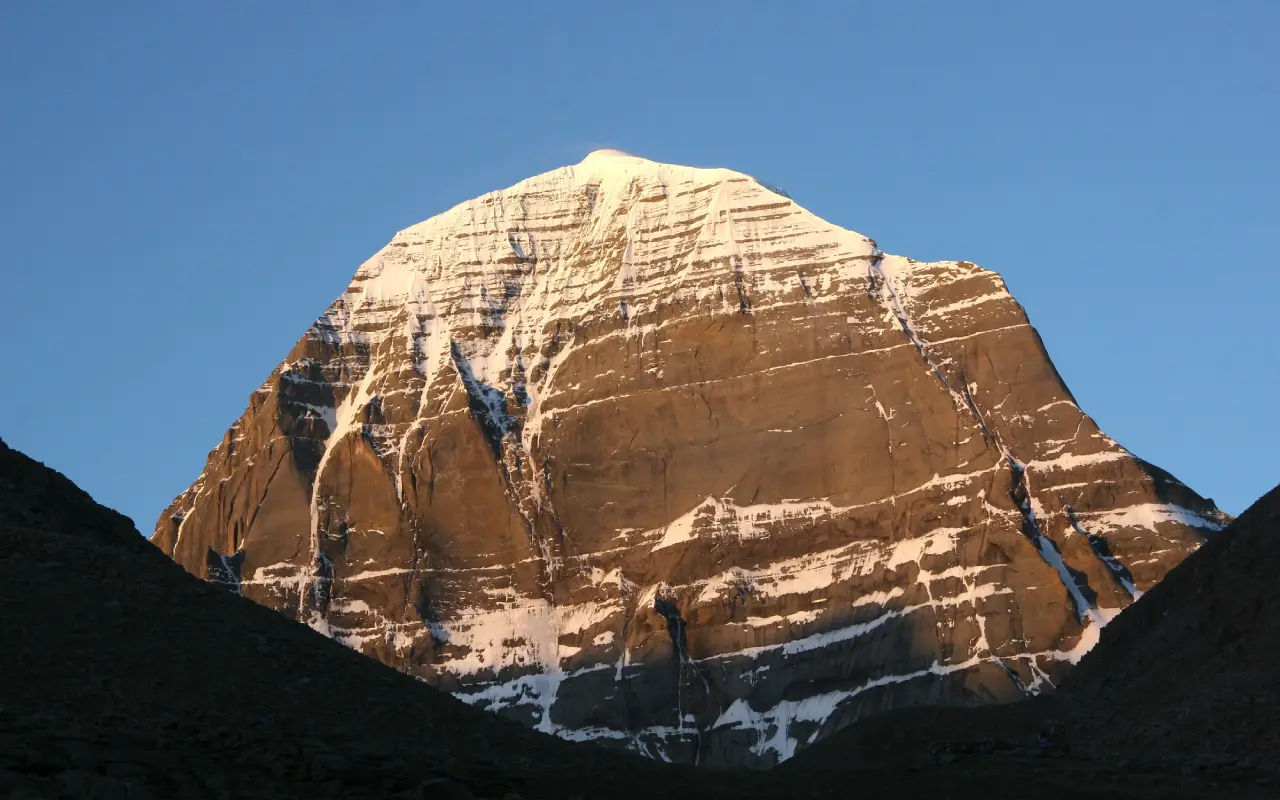
Mount Kailash is one of the holiest peaks in both Hinduism and Buddhism, situated on the Tibetan plateau. Its snow-capped peak is situated at a height of 6638 meters. It is believed that Mount Kailash is the adobe of Lord Shiva in Hindu mythology.
The Mount Kailash tour package from Nepal is an extraordinary experience that amazes your soul. Let’s begin a scenic overland journey from Kathmandu to the Nepal-China border (Timure). From there, travelers will move to Kerung after that move to Saga you’ll pass through a stunning pass (Lalungla Pass). From Saga, you will visit the majestic Mansarovar Lake. After that, you’ll drive to Darchen and from Darchen to Yamadwar and start to trek from Derapuk to Zuthulpuk and reach Mount Kailash.
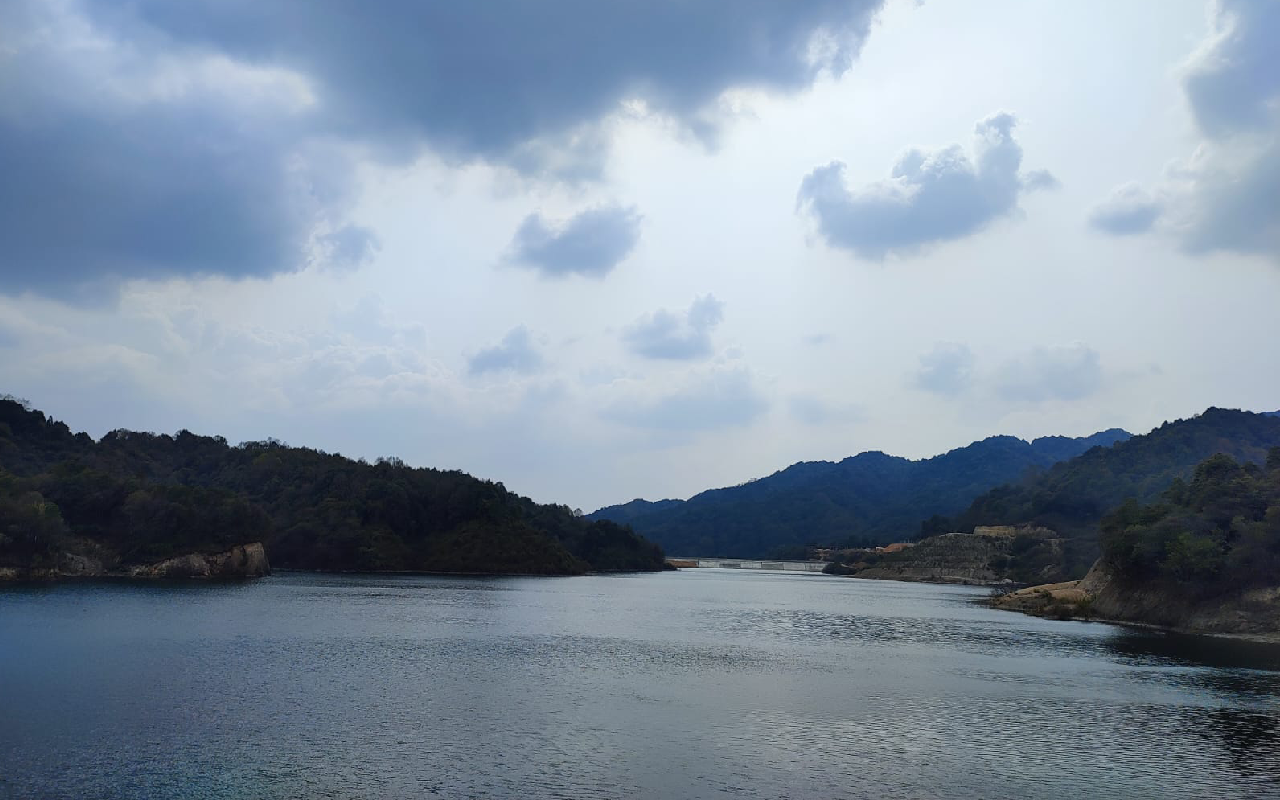
During the journey, you will be able to enjoy the rugged terrain of the Tibetan Plateau and immerse yourself in the beauty of landscapes covered with lakes, wonderful valleys, and towering peaks.
The Scared Importance:
The Mount Kailash tour has sacred importance, especially known for the Kailash Parikrama, where the devotees complete the ritualistic trek around the holy peak Kailash. This parikrama symbolizes the cycle of life, death, and rebirth and offers the pilgrims to free their souls in spiritual destination.
The journey around Mount Kailash is about 52 kilometers, which includes sacred sites such as Dirapuk Monastery and Dolma La Pass.
Dolma La Pass (highest point during the Kailash Kora)
Spiritual significance:
For Hindus, the Mount Kailash Parikrama cleans your sins, and the cycle from birth and death is shown. From Buddhist mythology, the scared peak is known as the symbol of enlightenment.
Mount Kailash is a pilgrimage spot where the pilgrims connect with the divine power and spirituality and find inner peace with the majestic views of the Himalayas.
Connection with the Local Culture:
The Mount Kailash tour package from Nepal not only carries spiritual significance but also provides an opportunity to immerse yourself in Tibetan culture. Interactions with the local communities provide you with knowledge about their unique lifestyle. Their life is filled with ancient traditions and beautiful festivals.
The Tibetans welcome you with smiles on their face and provide warm hospitality during your stay in Tibet. Explore the ancient areas like ancient monasteries that are: Chiu Gompa and the Milarepa cave. These are the spiritual heritage of the region which enriches the cultural experiences.
Challenges and Rewards:
Mount Kailash tour package from Nepal also has its challenges which include high altitude, trails covered with rocks and trees, and unpredictable weather conditions. Overcoming these obstacles is necessary so that you can have a deeper connection spiritual connection with Mount Kailash.
Our experienced guides will make your journey easier and comfortable. After the completion of the Mount Kailash tour, you will be rewarded with a certificate from Leaf Holidays Treks and Expedition.
Transportation during the Mount Kailash Tour:
We provide private vehicles during the Mount Kailash tour package from Nepal. The whole Yatra will be on private vehicles. You will find the vehicle comfortable. Don’t worry about the higher altitudes that occur from moving from lower elevation to higher we and our teams will take care of it.
Altitude considerations:
The Kailash tour varies in altitude. Don’t worry about the higher altitudes that occur from moving from lower elevation to higher we and our teams will take care of it. Our itinerary is designed in such a way that we have included acclimatization days as well. Designing the itinerary in such a way may reduce altitude sickness during the Mount Kailash tour package from Nepal.
Best Time for Mount Kailash Tour from Nepal:
The ideal time for the Mount Kailash tour from Nepal is during spring and autumn as the temperatures remain stable during this season. Spring and autumn are the months from May to September. You will be able to see clear views of the mountains if you travel in this season. The weather conditions would be comparatively good compared to other seasons.
Packing List for Your Mount Kailash Tour Package from Nepal:
Follow the below packing list to pack for the Mount Kailash tour package from Nepal:
Any regular medicines that you take.
Enough Clothing for the whole yatra.
A small Bag for day use.
Toiletries kit like soap, Shampoo, toothbrush, towels etc.
A good water bottle.
Sports Shoes (Comfortable one for walking)
Sunglass.
Sun cream.
Raincoat or Umbrella.
Torch Light.
Woolen Socks.
Thermal Long underwear (Easy one while walking)
04/05 Passport Size Photograph.
Note: Duffel Bag and Down Jackets will be provided by Our Team (Down Jacket on a returnable basis)
Mount Kailash Package from Nepal Details:
To secure, your spot for the Mount Kailash Tour you need to deposit 25% deposit before your arrival and complete the payment upon the completion time. The estimated cost of the Kailash Tour is $2600 per person and there must be a group of at least 5 people.
Additionally, for the Last-Minute Booking process, you need to fully pay the amount that is estimated for the tour. Grab an opportunity to be a part of Leaf Holidays Treks and Expedition as we provide a wonderful experience with our well-experienced guide and great hospitality during the tour.
Conclusion:
A Mount Kailash tour package from Nepal is not just only a travel itinerary but also a journey that amazes the souls of travelers. It is a wonderful opportunity to begin a sacred journey to Mount Kailash where your heart finds the peace and beauty of the Himalayas. So be ready to pack your bag to be on this journey to Mount Kailash.
Nepal is a popular destination not only for trekking but also for hiking. The country is full of nature and adventure, attracting thousands of local and foreign hikers every day. If you love trekking but have limited time, there are many amazing hiking spots near Kathmandu that can be completed within a day.
These hiking trails in Kathmandu Valley are perfect for beginners, families, and adventure lovers who want a quick escape into nature. In this blog, I share some of the best one-day hikes in Kathmandu, based on real experience. Most of these trails are budget-friendly and easy to access.
Best Time for Hiking Around Kathmandu
The best time to explore best hiking destinations around Kathmandu is:
🍂 Autumn (Sep–Nov): Clear skies, best mountain views
🌸 Spring (Mar–May): Blooming rhododendrons and greenery
❄️ Winter (Dec–Feb): Cold but clear views (Pulchowki may have snow)
🌧️ Monsoon (Jun–Aug): Not recommended due to rain and leeches
What to Bring for Hiking Near Kathmandu
Before visiting any hiking spots near Kathmandu, make sure to carry:
Comfortable hiking shoes
Water bottle (at least 1–2L)
Light snacks or energy bars
Rain jacket or windproof jacket
Sunscreen and sunglasses
Basic first aid kit
Fully charged phone or power bank
BAGDWAR HIKE
Bagdwar is considered the origin of the Bagmati River and lies inside the Shivapuri Nagarjuna National Park. This is one of the most scenic hiking spots near Kathmandu.
Highlights of Bagdwar Hike
Starting point: From the gate of the national park.
Hiking Duration: 8 hours
Entry Fee: NRs. 100 Per person
Difficulty: Moderate
You can also extend the hike to Shivapuri Peak for stunning views of Kathmandu Valley and surrounding mountains.
BISHNUDWAR HIKE
The Bishnudwar Hike also lies inside Shivapuri Nagarjuna National Park. Bishnudwar is considered one of the easy hikes around Kathmandu. You will start your hike from Muhan Pokhari, which is 500 meters above the Budhanilkantha Temple.
Highlights of Bishnudwar Hike
Starting Point: Pani Muhan
Hiking Duration: 5 hours
Entry fee: NRs. 100 Per Person
Difficulty: Easy
CHAMPADEVI HIKE
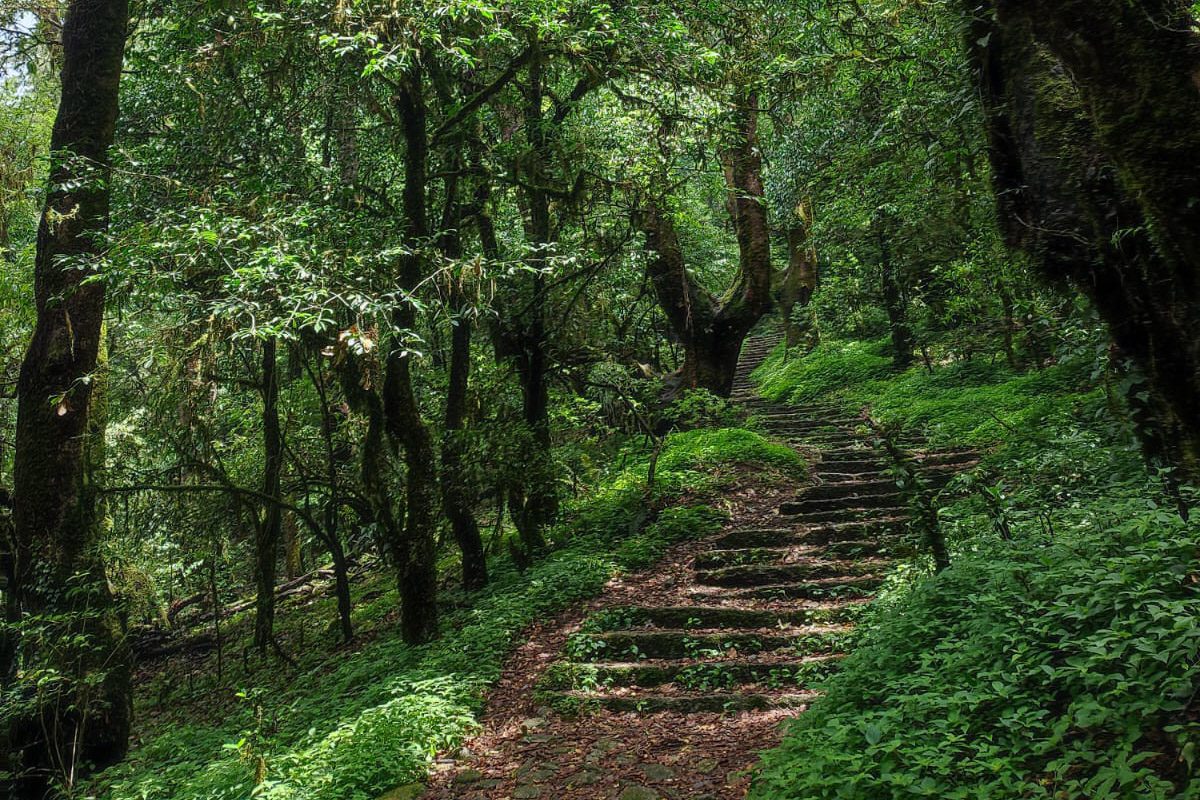
The Champadevi hike is very popular nowadays. Champadevi is one of the most famous best one day hikes in Kathmandu, ideal for beginners. The Champadevi trails can be extended up to the Bhasmasur or Chandragiri hills. It takes around 4 hours to reach the Champadevi Peak; there is a small temple located at the top. The starting point of the Champadevi hike is the Hattiban Resort. The Champadevi trail is somehow simple, so beginners can hike it. The trail is mostly covered with stone ladders, which will make it easier to walk. In the rainy season the leeches may attack you, and the trails will also be muddy.
Highlights of Champadevi Hike
Starting point: Hattiban Resort
Hiking Duration: 7 hours
Entry fee: none
Difficulty: Very Easy
The trail can also be extended toward Chandragiri or Bhasmasur Hills.
DHAP DAM HIKE
Dhap Dam is a beautiful emerging destination among hiking trails in Kathmandu Valley, known for its peaceful lake views. Shivapuri National Park is famous for many hiking trails; among them, Dhap Dam is a newly found hiking destination that has been popular due to the lake that is presented. If you move forward, the Dhap Dam trail leads you to Chisapani.
The main purpose of Dhap Dam is to clean the Bagmati River during the winter season. You can start the hike from Sundarijal, the entrance gate of Shivapuri, or the second option is to go through the trail of Manichud Daha.
Highlights of Dhap Dam Hike
Starting point: Sundarijal Kageshowri Manohara
Hiking Duration: 8-9 hours
Entry fee: NRs. 100 per person from Sundari Jal/Rs. 0 if you go through Manichud Daha trail
Difficulty: Moderate
NAGARJUN HIKE
Nagarjuna, also called Jamacho, is considered one of the safest and most accessible easy hikes around Kathmandu inside a protected forest area. The trail is well-marked and is safe, as it is a protected area within the Nepalese Army. It is considered one of the easiest hiking destinations. You will be able to see beautiful scenes of Kathmandu and the mountain ranges as well. There are several monasteries and stupas around that area that hold Buddhist importance.
Highlights of Nagarjun Hike
Starting Point: Fulbari Gate
Hiking Duration: Around 5 hours
Entry Fee: NRs. 100 per person
Difficulty: Easy
LATARAMBESHWOER MAHADEV
This hidden gem offers a spiritual and scenic hiking experience among the best hiking destinations around Kathmandu. Latarambeshower Mahadev is a temple located in the Ipa Panchakanaya area of Makwanpur district. You need to drive for 2:30 minutes to reach the starting point of the hike. It lies at the end of Lalitpur District and touches the Makwanpur District. The temple is located at about 2,700 meters. If you drive early in the morning to the starting point of the hike, you will be able to complete the trail in a day. The trail is well maintained. The trail is found to be steep in some of the places. The best time to hike is during the spring season.
Highlights of Latarambeshower Mahadev Hike
Starting point: Latarambeshower Homestay, where you can park your vehicle and start the hike.
Hiking Duration: Full-day hike
Entry fee: none
Difficulty: Moderate
PULCHOWKI HIKE
Pulchowki is the highest hill in Kathmandu Valley and one of the most rewarding hiking spots near Kathmandu. In the winter season, you can see the snowfall in Pulchowki. You will be able to see beautiful views of the Annapurna and Gaurishanker mountain ranges. Once you reach the top of the hill, you can see the beautiful shrine of Phulchowki Mai. We recommend not hiking Phulchowki if it’s your first hiking experience.
Highlights of Pulchowki Hike
Starting point: Godawari
Hiking Duration: Around 8 hours
Entry fee: none
Difficulty: Moderate
NAGARKOT HIKE
Nagarkot is one of the most popular, best one day hikes in Kathmandu, famous for sunrise and mountain views. You can start your trek from Sankhu. Feel free to explore the culture of the typical Newars of Sankhu. If you prefer to camp, it is also the best option. Among all the trails, Nagarkot Trail is one of the popular trails. Nagarkot is popular for sunrise and sunset views. You will be able to see Dhaulagiri, Kanchenjunga, Mt. Mansalu, Ganesh Himal, and Langtang.
Highlights of Nagarkot Hike
Starting point: Sankhu
Hiking Duration: Flexible
Entry fee: none
Difficulty: Easy
Frequently Asked Questions
What are the best hiking destinations around Kathmandu?
Some of the best include Champadevi, Shivapuri (Bagdwar & Bishnudwar), Nagarkot, Pulchowki, and Nagarjun.
Are there easy hikes around Kathmandu for beginners?
Yes, places like Bishnudwar, Nagarjun, and Champadevi are great easy hikes around Kathmandu.
Can I do hiking in Kathmandu in one day?
Yes, most hiking spots near Kathmandu can be completed within 4–8 hours.
Which is the best one-day hike in Kathmandu?
Champadevi and Nagarjun are considered the most popular, best one day hikes in Kathmandu.
Conclusions
These best hiking destinations around Kathmandu offer the perfect escape into nature. Whether you are looking for easy hikes around Kathmandu or full-day adventures, each trail gives a unique experience in the Kathmandu Valley. Start your journey today and explore Nepal’s natural beauty step by step.
7 Amazing Chitwan National Park Safari Experiences
Introduction
A Chitwan National Park safari is one of the best wildlife adventures in Nepal. Located in the Terai region, Chitwan offers an unforgettable jungle experience with rare wildlife, lush forests, and exciting safari activities. Whether you are looking for a relaxing nature escape or a thrilling jungle ride, this destination has something for everyone.
Nestled in the heart of Nepal, adventurers are invited to explore the jungles of Chitwan National Park. It is the country’s first national park. The Chitwan National Park represents Nepal’s commitment to maintaining its rich ecological heritage. Different types of flora and fauna can be found around the 900-square-kilometer area in the lowlands of the Terai region. Chitwan National Park is listed among the World Heritage Sites by UNESCO. In this blog, you will explore the beauty as well as the safari of Chitwan National Park.
This guide provides a complete overview of the Chitwan National Park safari experience, including detailed insights into safari prices, available packages, ideal timings, and the diverse wildlife you can encounter. From thrilling jeep safaris to peaceful canoe rides, you’ll discover everything you need to plan the perfect visit. For more trekking and travel experiences across Nepal, you can also explore services offered by Leaf Holiday Treks and Expedition.
Here’s an overview of what you may expect during the Chitwan National Park Safari:
Why Choose Chitwan National Park Safari
Chitwan National Park is a UNESCO World Heritage Site and one of the best places for wildlife tourism in Nepal. A jungle safari in Chitwan National Park allows you to explore dense forests, rivers, and grasslands while spotting exotic animals.
“A Symphony of Nature’s Majesty”
🐾Wildlife
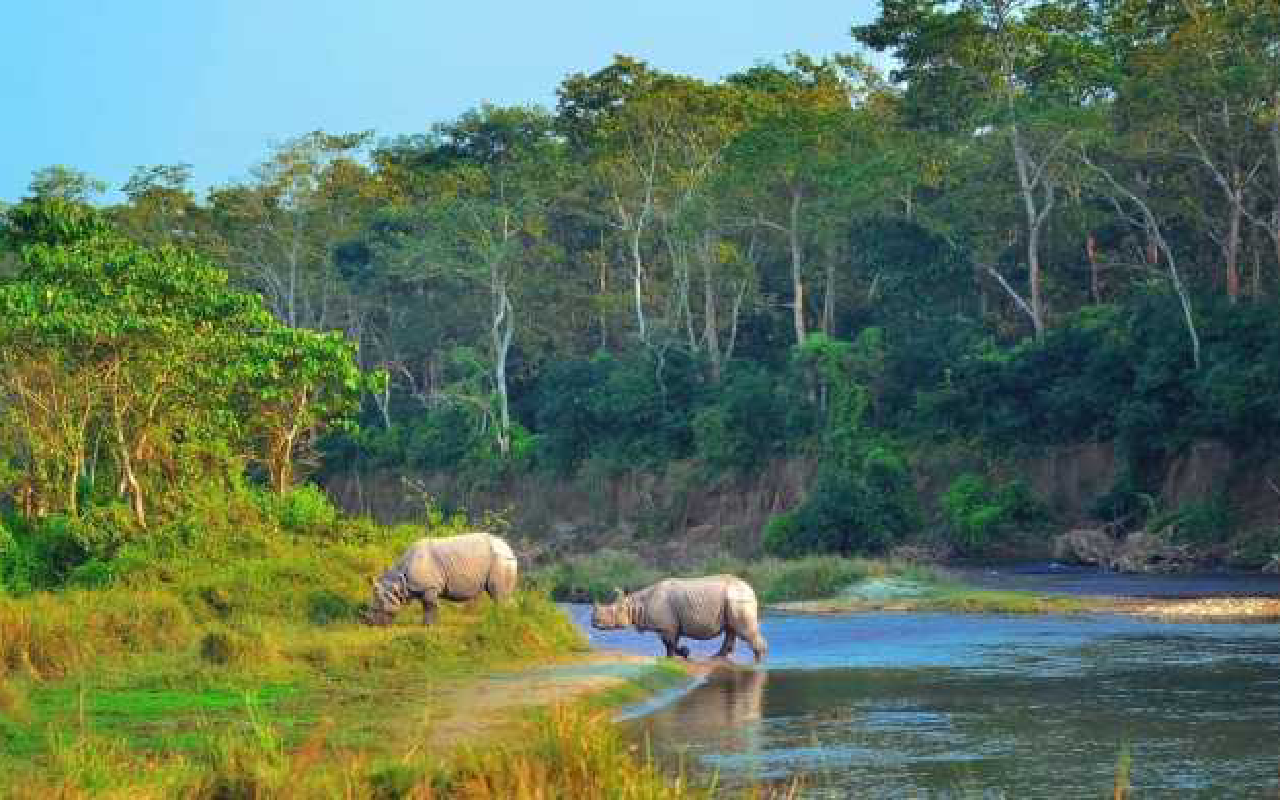
Chitwan is home to a wide variety of wildlife, making every safari a unique experience. The park is especially famous for the rare one-horned rhinoceros and the elusive Bengal tiger, along with Asian elephants, deer, monkeys, and reptiles. Its rich biodiversity ensures that visitors have a high chance of spotting different species during their journey, making the Chitwan National Park safari both exciting and memorable.
Chitwan National Park Safari
🚙 Safari Activities
A Chitwan National Park safari offers a range of activities that allow visitors to explore the jungle from different perspectives. Jeep safaris are the most popular option, providing a comfortable way to travel deep into the forest while spotting wildlife. Canoe rides along the Rapti and Narayani rivers offer a peaceful experience where visitors can observe crocodiles and water birds. Elephant safaris provide a unique vantage point to view animals from above, while jungle walks allow for a closer connection with nature, including birds, plants, and animal tracks. Each activity adds its own charm to the overall safari experience.
🌿 Flora
The natural beauty of Chitwan National Park is enhanced by its diverse vegetation, which includes dense sal forests, wide grasslands, and riverbank ecosystems. These landscapes not only create a peaceful environment for visitors but also provide a natural habitat for the park’s wildlife. Exploring these green surroundings adds a refreshing and immersive element to the safari experience.
Chitwan National Park Safari
🐦 Symphony of Wings
Chitwan National Park is a paradise for bird lovers, with over 500 species recorded in the area. Visitors can spot colorful birds such as kingfishers, elegant egrets, and rare species like the Bengal florican and Kashmir flycatcher. The park also attracts migratory birds from different regions, especially during certain seasons, making birdwatching an important and rewarding part of the safari.
“Planning your Chitwan Safari”
🚗 Getting there
Reaching Chitwan National Park is convenient, as it is well connected to major cities like Kathmandu and Pokhara. Travelers can take a short 25-minute flight from Kathmandu to Bharatpur Airport, followed by about an hour’s drive to the park. Alternatively, those who prefer road travel can drive from Kathmandu in approximately 6 to 7 hours, while the journey from Pokhara takes around 5 to 6 hours. Both options offer scenic views along the way.
Best Time to Visit
The best time to visit Chitwan National Park is from October to March; during this time, the weather is stable, and all the species of plants, animals, and birds are seen.
Accommodation
Chitwan offers a wide range of accommodation options suitable for all types of travelers, from budget guesthouses to luxury jungle resorts. Most hotels provide comfortable stays along with meal options that include traditional Nepali cuisine as well as Indian and Chinese dishes. Visitors can also choose to stay in Tharu homestays, where they can experience authentic local culture and enjoy traditional dishes such as Dhikri and Ghonghi. Many accommodations also include safari activities as part of their packages, making the stay convenient and enjoyable.
No matter where you choose to stay, most of the accommodations in Chitwan National Park include jungle walks, safaris, and canoe rides. The short description is mentioned below:
Chitwan National Park Safari
Jungle Walks
Jungle walks provide a more immersive way to explore Chitwan National Park, allowing visitors to experience the forest up close. Guided by experienced professionals, these walks take you through dense vegetation where you can hear the sounds of birds and observe wildlife tracks. There is also a chance to encounter animals such as rhinos, monkeys, and various bird species, making it an exciting and educational experience.
Safari
The Chitwan National Park safari packages experience in Chitwan is truly unforgettable, as it takes you through a variety of landscapes ranging from open grasslands to dense forests. During the journey, visitors may encounter wildlife such as Bengal tigers, one-horned rhinoceroses, and deer in their natural environment. The thrill of spotting these animals in the wild makes the safari one of the highlights of visiting Chitwan. The Chitwan National Park safari timings vary from 6:00 AM to 6:00 PM daily, offering flexible options based on activity type. Main jeep safaris typically run from 7:00 AM–12:00 PM (morning) or 1:00 PM–5:00 PM (afternoon), with full-day options available from 7:00 AM to 5:00 PM.
Chitwan National Park Safari
Canoe Rides
A canoe ride in Chitwan offers a peaceful yet exciting way to explore the park’s waterways. Traveling in a narrow wooden canoe along the Rapti River, visitors can enjoy the calm surroundings while spotting crocodiles, aquatic birds, and other wildlife along the riverbanks. The gentle movement of the canoe combined with the natural beauty of the jungle creates a relaxing and memorable experience.
Guarding Chitwan’s Natural Heritage
The conservation protects Chitwan’s natural heritage. Conservation is needed to protect the rare one-horned rhino from poaching. Their responsibility is to look after the animals presented in the national park and the people visiting there.
Beyond Wildlife Immersing in Local Traditions
Beyond its wildlife, Chitwan is also rich in cultural heritage. The indigenous Tharu community offers visitors a unique cultural experience through their traditional dances, lifestyle, and warm hospitality. Engaging with the local culture adds depth to the journey and allows travelers to better understand the traditions of the region.
Conclusion:
As a result, Chitwan National Park stands as a symbol of one of the treasures of Nepal. Nepal is not only famous for mountaineering, trekking, rafting, and hiking but also an adventurous jungle safari. This could be one of the most wonderful experiences in your life. It’s one of the great opportunities to experience the diverse landscapes of Nepal. Chitwan national park safari animals is a must-visit place for nature and wildlife lovers. Understanding Chitwan National Park safari price, packages, timings, and animals will help you plan a perfect trip.
Best Time to Visit Himalayas Nepal – Complete Seasonal Trekking Guide
Introduction
Nepal is one of the popular countries for trekking, and similarly, the best seasons to trek in Nepal are during the spring and autumn seasons. This season is the best because during this season the weather is mild, the sky is clear, and the air is fresh with amazing views of the mountains. As trekking is in the mountains, it will be cold there, but the lower elevations will be warmer than the higher mountains during the daytime, and the weather will be quite shiny.
Best Season To Trek in Nepal
Trekking in Nepal is a dream for adventure lovers, offering everything from gentle scenic walks to high-altitude expeditions in the Himalayas. If you’re planning your journey, understanding the best season to trek in Nepal is essential for a safe and unforgettable experience. Alongside timing, choosing from the best hikes in Nepal or selecting the best trek in Nepal for beginners can make a huge difference in your overall adventure.
Why Nepal is a Trekker’s Paradise
Nepal is home to eight of the world’s fourteen highest peaks, including the iconic Mount Everest. But trekking here isn’t just about summiting mountains; it’s about cultural immersion, diverse landscapes, and breathtaking views. From lush forests and terraced fields to alpine meadows and glaciers, the country offers some of the best hikes in Nepal for all levels of trekkers.
Overview of Nepal’s Trekking Seasons
In this blog, we will explore the best seasons to trek in Nepal and highlight the unique features of each season:
Spring (March to May):
The most popular season to trek in Nepal is the spring season. The weather during this season is quite mild and stable with clear views of the sky and enjoyable temperatures. In this season you will be showered with the beauty of Nepal. The blooming rhododendron forests give a stunning view and add charm to the whole trek. The colorful rhododendron forests will leave you speechless. The temperature is moderate, and the environment is lush. The popular treks like Everest Base Camp, Annapurna Circuit, and Langtang Valley are best during the spring season.
Autumn (September to November):
Autumn is considered another excellent season for trekking in Nepal. This season is the most preferred and the most favorable period for trekking in Nepal. The weather is dry, stable, and very clear. In this season, you will be showered with every beauty of Nepal. The trails seem to be a bit less crowded than that of the spring season. During this time, a festive atmosphere with the Hindu and Buddhist festivals is seen. Treks like Annapurna, Everest, and Lantang are found popular during this season.
Summer/Monsoon (June to August):
The summer season is generally not preferred for trekking in Nepal as the monsoon begins with warm and moist air from the Indian Ocean. The landscape seems to be lush green due to monsoon rains. The popular trails seem to be less crowded. There would be a chance of rainfall, and the trail would be full of leeches in the lower elevations. But it would be quite amazing for experienced trekkers who are seeking unique adventures. This season is perfect for exploring the rain shadow areas like Upper Mustang.
Winter (December to February):
Best Season To Trek in Nepal
If you aren’t afraid of the cold, you can trek even in the winter season. The weather seems to be dry and settled but cold. The trails are filled with fewer trekkers during the monsoon and autumn seasons. You would be able to feel the crisp mountain air and clear views after the snowfall. In this season lower altitude treks like Poon Hill and Langtang Valley are found to be preferable.
Trekking in Off-Seasons
While spring and autumn dominate, off-season trekking also has its charm.
Winter (December to February): Cold but less crowded. Great for lower-altitude best hikes in Nepal.
Monsoon (June to August): Lush landscapes but heavy rain. Suitable for rain-shadow areas like Upper Mustang.
Best Hikes in Nepal You Should Try
Nepal offers a wide range of trekking routes. Some of the best hikes in Nepal include:
Everest Base Camp Trek: A legendary journey near Mount Everest
Annapurna Circuit Trek: Diverse landscapes and cultural richness
Langtang Valley Trek: Scenic beauty close to Kathmandu
Ghorepani Poon Hill Trek: Short, scenic, and perfect for sunrise views
Each of these routes highlights why Nepal is home to the best hikes in Nepal, offering something unique for every traveler.
Best Trek in Nepal for Beginners
If you’re new to trekking, don’t worry—there are plenty of beginner-friendly options. Choosing the best trek in Nepal for beginners ensures a safe and enjoyable experience.
Ghorepani Poon Hill Trek: Easy trails with stunning views
Langtang Valley Trek: Moderate difficulty with rich culture
Everest View Trek: Experience Everest without extreme altitude
Mardi Himal Trek: A quieter alternative with incredible scenery
These routes are widely considered the best trek in Nepal for beginners, as they offer manageable distances, comfortable accommodations, and breathtaking landscapes. For more information, visit the Nepal Tourism Board.
Weather and Trekking Conditions
The best season to trek in Nepal offers stable weather, clear skies, and excellent visibility. Spring and autumn provide the best conditions, while winter and monsoon require extra preparation. Understanding weather patterns helps you choose the right time and the best trek in Nepal for beginners or advanced routes.
Tips for Choosing the Right Trek
Consider your experience level: Beginners should focus on the best trek in Nepal for beginners
Pick the right season: Plan during the best season to trek in Nepal for optimal conditions
Avoid peak crowds if needed: Explore lesser-known best hikes in Nepal
Pack accordingly: Weather can vary significantly depending on altitude
Conclusion:
Nepal explores breathtaking trekking experiences throughout the year. From the vibrant colors of spring to the lush landscapes of summer, the clear skies of autumn, and the tranquility of winter, all the seasons have their uniqueness. Plan your trek wisely by keeping everything in mind like the weather conditions, your personal preferences, and the popularity of the trail. You must obtain all the necessary permits and be well-prepared for your chosen season. Begin the journey of a lifetime and discover the beauty of Nepal with Leaf Holidays treks and expeditions.
Festivals in Nepal 2026: Complete Guide to Culture, Traditions & Celebrations
Nepal is a country surrounded by the towering Himalayas and blessed with deep-rooted cultural values and traditions. Known as a paradise for trekkers, it is equally famous for its vibrant cultural celebrations. The festivals in Nepal are not just religious or cultural events; they are a beautiful way to experience local life, connect with communities, and make your trekking journey more meaningful.
In this guide, we explore the most important festivals in Nepal 2026, what makes them special, and even help you discover what a Nepal festival today might look like when you are traveling in the country.
Why Festivals in Nepal Are So Special
The festivals in Nepal are deeply influenced by a blend of Hinduism, Buddhism, and diverse ethnic traditions. What makes them truly unique is how naturally they are connected with daily life, agriculture, seasons, and spirituality. Unlike many modern celebrations, these festivals are still celebrated in traditional ways with rituals, music, dance, and family gatherings.
From the bustling streets of Kathmandu to remote Himalayan villages, festivals bring people together regardless of age or background. Travelers often find that participating in these celebrations gives them a deeper understanding of Nepalese hospitality, culture, and values. This is why many consider festivals in Nepal one of the highlights of visiting the country.
Major Festivals in Nepal You Must Experience
Dashain: Nepal’s Largest Hindu Festival
Dashain is the longest and most significant festival in Nepal, celebrated for 15 days between September and October. It symbolizes the victory of good over evil and is dedicated to Goddess Durga. During this time, families reunite from different parts of the country and even from abroad, making it one of the most emotional and meaningful festivals in Nepal.
People clean and decorate their homes, fly kites, swing on traditional bamboo swings (ping), and receive blessings from elders using Tika and Jamara. Animal sacrifices are also part of traditional rituals, which remain a controversial yet deeply rooted cultural practice. Dashain is not just a festival but a nationwide celebration of unity, tradition, and faith.
Tihar: The Festivals of Lights
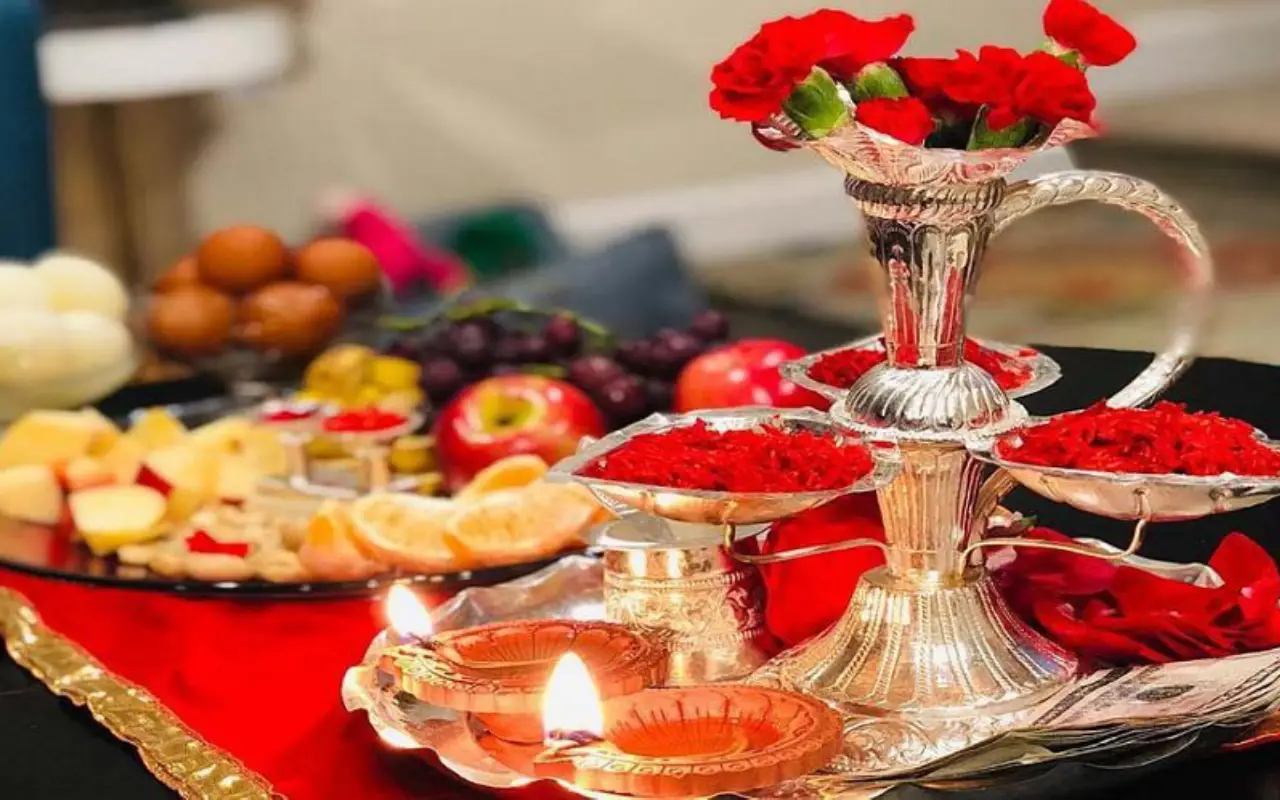
Tihar, also known as Deepawali, is one of the most visually stunning festivals in Nepal. It lasts five days and is dedicated to different animals like crows, dogs, cows, and oxen, followed by the worship of Goddess Laxmi, the goddess of wealth and prosperity.
Homes, streets, and temples are decorated with oil lamps, candles, and colorful rangoli designs, creating a magical atmosphere, especially in Kathmandu. People sing Deusi-Bhailo songs, exchange gifts, and celebrate with families. The festival beautifully combines devotion, light, music, and happiness, making it a must-see cultural experience for travelers.
Holi: The colorful celebration
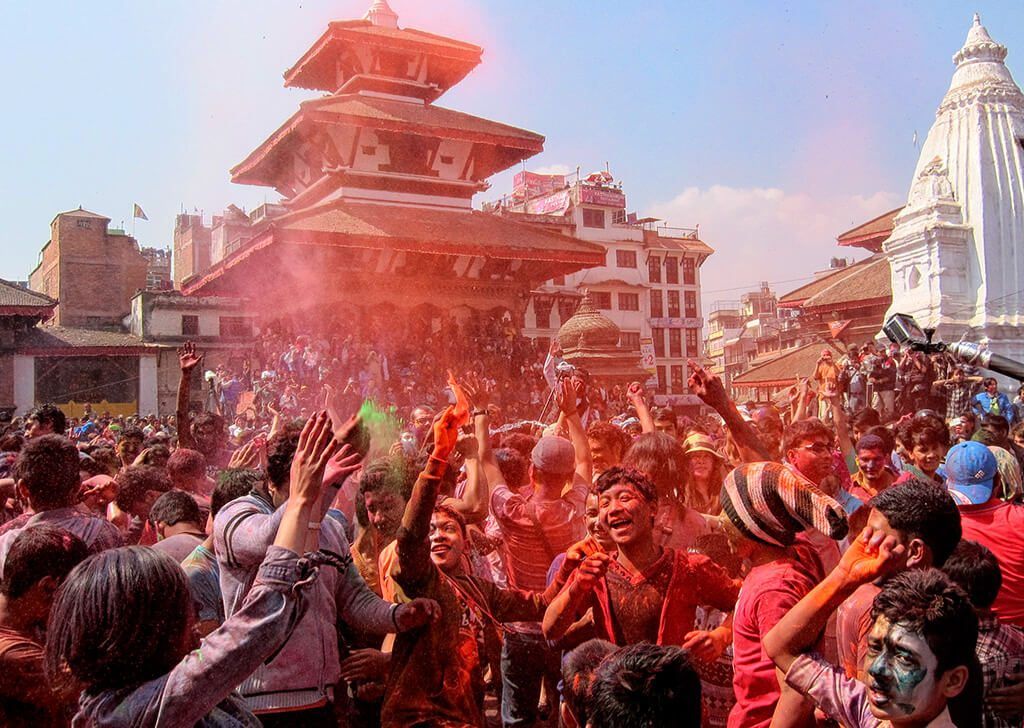
Holi is one of the most joyful and energetic festivals in Nepal, celebrated in March. Known as the festival of colors, it marks the arrival of spring and the victory of good over evil. People gather in streets and open spaces to throw colored powders and water at each other, dance to music, and celebrate without social barriers.
For travelers, experiencing a Nepal festival today during Holi is unforgettable, as cities turn into a vibrant canvas of colors and joy. It is a festival that promotes unity, forgiveness, and happiness among people.
Indra Jatra: A Kathmandu spectacle
Indra Jatra is one of the most important Newari festivals celebrated in the Kathmandu Valley. Dedicated to Lord Indra, the god of rain, and the Living Goddess Kumari, this festival showcases the rich cultural heritage of the Newar community.
The celebration includes traditional masked dances, cultural performances, and chariot processions of the Kumari through the streets of Kathmandu. The atmosphere is filled with music, rituals, and devotion, making it one of the most culturally immersive festivals in Nepal.
Mani Rimdu: A festival of trekkers
Mani Rimdu is a sacred Buddhist festival celebrated at Tengboche Monastery in the Everest region. It is especially significant for trekkers on the Everest Base Camp route, as it combines spirituality with Himalayan culture.
The festival includes masked dances performed by monks, religious ceremonies, and blessings for peace and prosperity. Surrounded by the majestic Himalayas, Mani Rimdu offers a deeply spiritual experience that leaves a lasting impression on visitors.
Lhosar: Welcoming the Himalayan New Year
Lhosar marks the Tibetan New Year and is celebrated by Sherpa, Tamang, and Gurung communities in Nepal. It is one of the most important festivals in Nepal 2026 for Himalayan communities. People wear traditional clothing, perform cultural dances, visit monasteries, and enjoy festive meals with family and friends. The celebration symbolizes renewal, happiness, and togetherness.
Buddha Jayanti: Celebrating the Birth of Gautam Buddha
Buddha Jayanti celebrates the birth of Lord Buddha, who was born in Lumbini, Nepal. This sacred festival is observed with prayers, processions, and visits to monasteries and stupas. Devotees light butter lamps, chant prayers, and reflect on Buddha’s teachings of peace and compassion. It is one of the most peaceful and spiritually enriching festivals in Nepal.
Festivals in Nepal 2026: What Travelers Can Expect
The festivals in Nepal 2026 are expected to be more vibrant as tourism continues to grow and cultural celebrations regain momentum. From traditional village rituals to large urban festivities, every month offers something unique and meaningful.
Travelers planning their journeys around these festivals can enjoy a more immersive cultural experience, where every destination becomes alive with music, colors, and traditions.
Nepal Festival Today: Real-Time Cultural Experience
Depending on the time of your visit, a Nepal festival today could mean witnessing the following:
Colorful street celebrations during Holi
Illuminated cities during Tihar
Traditional masked dances in Indra Jatra
Monastic rituals in the Everest region
Local village gatherings during Lhosar
No matter when you arrive, Nepal always has a festival happening somewhere, making every journey culturally rewarding.
The festivals in Nepal are not just events; they are a reflection of identity, tradition, and spirituality. For travelers, they offer a chance to go beyond trekking routes and experience the real heart of Nepal.
By planning your trip around festivals in Nepal 2026, you can witness both natural beauty and cultural richness together. Whether it’s the vibrant streets of Kathmandu or the peaceful Himalayan monasteries, Nepal promises unforgettable memories at every step.
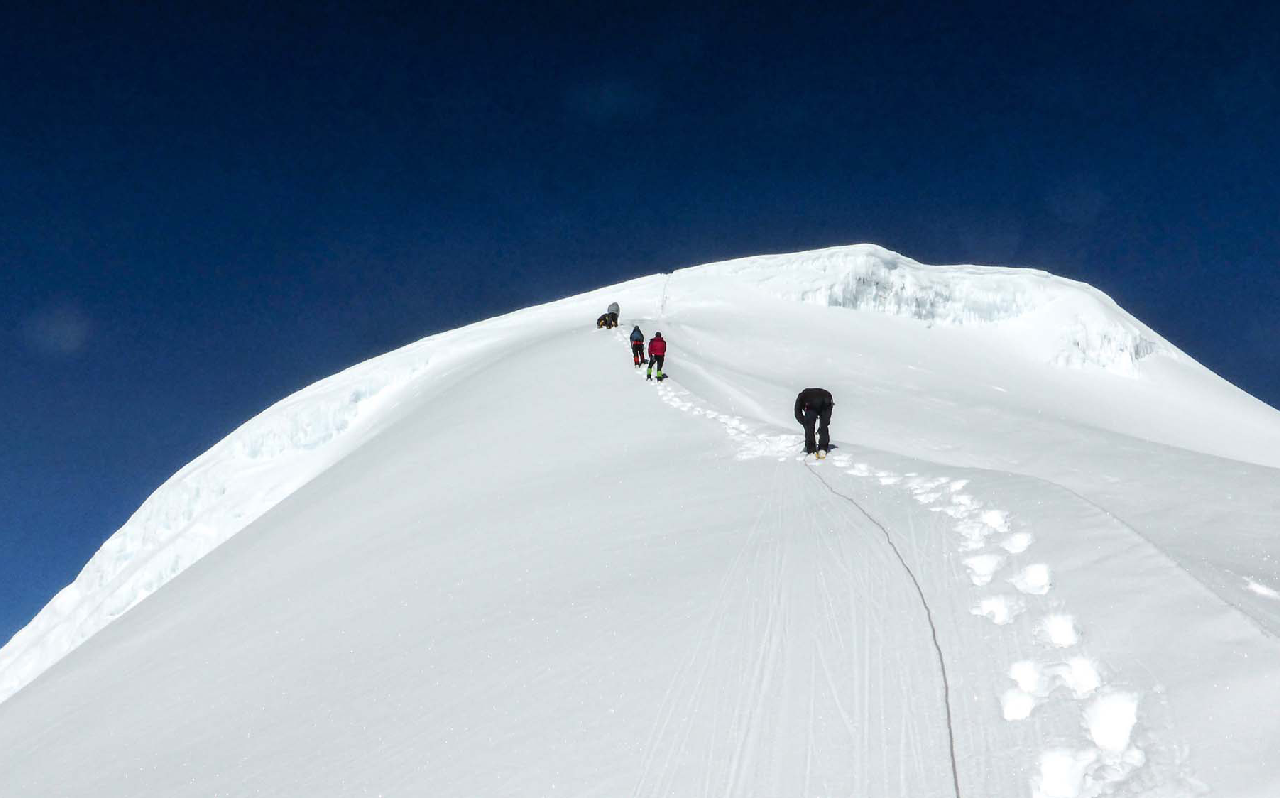
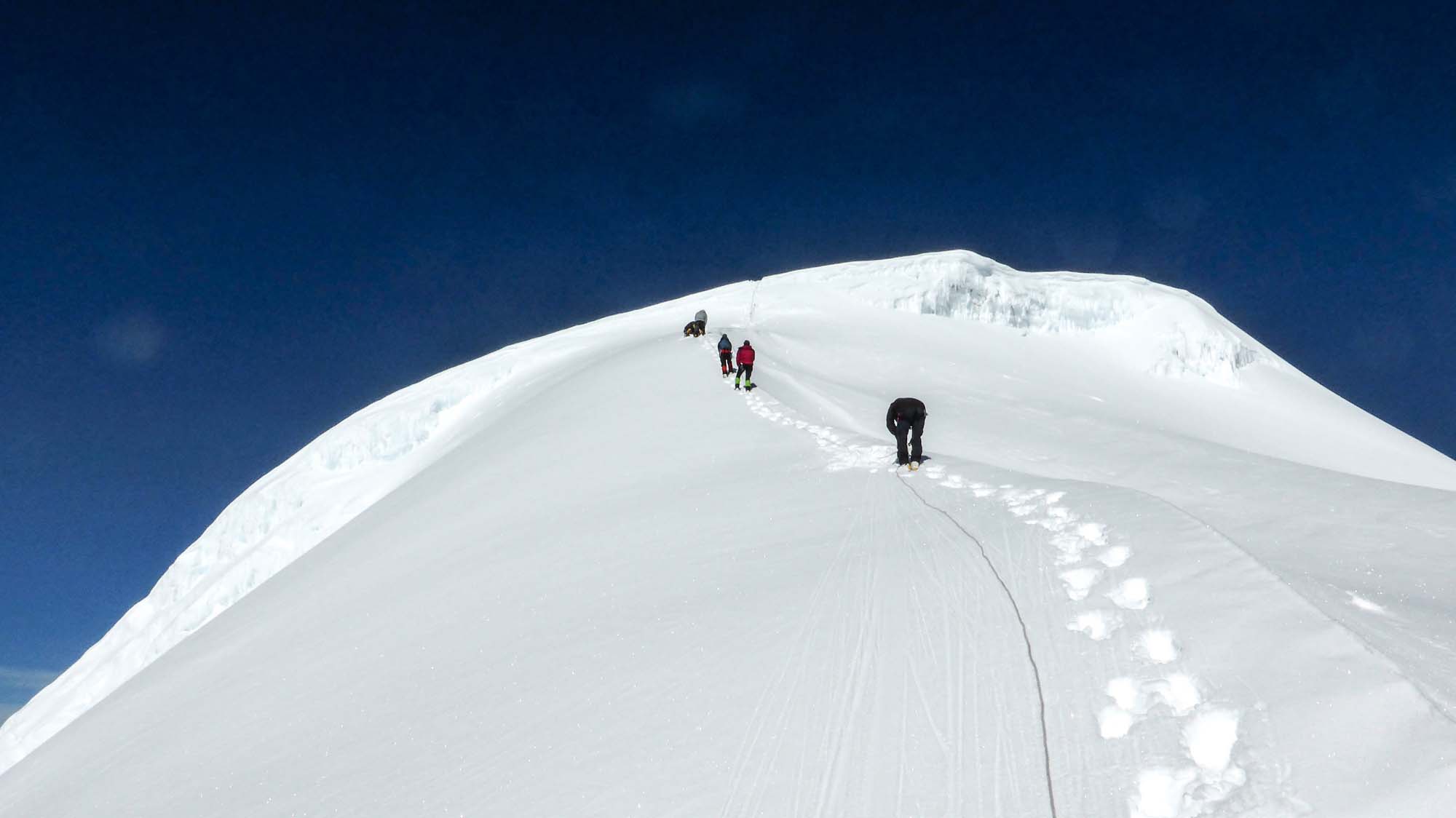
The Khumbu region is regarded as the home of the World’s Highest Peaks. Among them, Mera Peak is regarded as a challenging trekking peak that provides you with the best experience of the trek. Mera Peak is considered a trekking peak that presents a lot of difficulty for climbers. To avoid the Mera Peak Climbing difficulty, you must have some mountaineering skills and accept the unpredictable conditions of weather. As Mera Peak is situated in a remote part of Nepal the climbers must have medical access and be prepared for emergencies. In this blog, I’ll describe the difficulty level of Mera Peak climbing, its Major highlights, the best time to climb the weather conditions, the needed clothing and equipment, the Accommodations, and the required permits that you need during the journey. Join us as we can provide you with the remarkable experiences of Mera Peak Climbing.
1) How difficult is the Mera Peak climb?
Mera Peak is recognized as one of the” highest trekking peaks.” of Nepal. It doesn’t require any mountaineering skills but here are the challenges you need to know before climbing Mera Peak:
Physical challenges: Climbers need to be fit and have a good physique. He/she must have a healthy leg as leg strength is required for the long trek and the challenging ascent.
Altitude: The high altitude itself is challenging. Acclimatization day is necessary to avoid the risk of altitude sickness at a higher height.
Technical Skills: The climbers must have a basic understanding of mountaineering Techniques like using ice axes, rope work, and crampons are necessary while climbing a peak.
2) Major Highlights of Mera Peak Climb:
The main highlights of Mera Peak are given below:
Majestic views: The summit welcomes the climbers with a mindblowing 360-degree view of the highest peaks of the world like Mount Everest, Lhotse, Makalu, and Cho Oyu.
Cultural Involvement: The trek leads you through the attractive Sherpa villages, offering you greetings from the sherpas and involve yourself in their culture and tradition.
3) Best Time to climb Mera Peak:
For the best climbing experience, you can plan your trek during Nepal’s post-monsoon.
October to November: During this time, you can expect clear skies as there will be a low chance of rain and moderate temperatures which will make your journey best.
4) Weather conditions:
The Weather on Mera Peak is quite unpredictable and challenging, so preparation is essential while climbing the mera peak:
Winter (December to February): During this period, you will face cold temperatures, and the chance of heavy snowfalls will make it difficult to climb the peak during this season.
Spring (March to May): During this season the temperature will warm up comparatively to the winter season, but the snow conditions can be unstable there will be the chances of avalanches.
Monsoon (June to September): Heavy rainfall can be seen during this time and there is a high chance of landslides climbing is impossible during this season.
5) Clothing and Equipment:
The right gear is necessary for the successful climb of Mera Peak:
Clothing: You must carry layering clothes. carry warm down jackets, a pair of waterproof jackets and trousers along with it Don’t forget to carry waterproof boots as well and guarantee trekking pants.
Equipment: Mountaineering gears like crampons, ice axes, ropes, and other required essentials for climbing are required. You can rent this equipment in the Thamel area in Kathmandu and carry a suitable backpack and sleeping bag that is essential for you.
6) Accommodations:
During the whole trek, you’ll see a variation of teahouse and camping. Tea houses offer basic lodging, breakfast, and dinner while camping provides comfort and flexibility at higher altitudes.
Mera Peak is a thrilling adventure that will lead you to face other climbing challenges as well. The journey and the summit climbing were beyond my expectations. Sherpas in Nepal are friendly compared to other religions which will make your journey more enjoyable. Their culture, tradition, and lifestyle are simple they grow crops and raise a yak, and they enjoy there at Himalayas.
Welcome to our Mount Kailash Mansarovar Yatra blog post. At Leaf Holidays Treks and Expeditions, we understand the significance of this sacred journey for families seeking an extraordinary adventure that combines spirituality, natural beauty, and cultural exploration. Join us as we delve into the essence of this remarkable pilgrimage, highlighting the key elements that make it a truly transformative experience for families.
Kailash
Starting Point of Mount Kailash Mansarovar Yatra: Kathmandu – Gateway to the Divine Expedition
The divine expedition to Mount Kailash Mansarovar Yatra commences from Kathmandu, the bustling capital city of Nepal. As the gateway to this spiritual journey, Kathmandu sets the stage for participants to gather, make necessary preparations, and immerse themselves in the rich cultural and religious heritage that permeates the city.
Transportation: Flights, Road Journeys, and Trekking for the Sacred Journey
Transportation for the Mount Kailash Mansarovar Yatra encompasses a combination of flights, road journeys, and invigorating treks. The journey commences with a picturesque flight from Kathmandu to Nepalganj or Simikot, depending on the chosen route. From there, participants proceed by either another flight or embark on a scenic road journey to reach the starting point of the Yatra Kora. Once on the pilgrimage, participants undertake a challenging trek on foot, encompassing the circumambulation of Mount Kailash and the visit to the sacred Lake Mansarovar.
Transits: Strategic Stops and Cultural Exploration
Throughout the Mount Kailash Mansarovar Yatra expedition, several key transit points and designated stops offer participants opportunities for rest, acclimatization, and cultural exploration. Transit stops in Nepalgunj or Simikot mark the initial stages of the journey, ensuring a smooth transition to further destinations. Additionally, strategically planned rest and acclimatization days in locations such as Taklakot or Darchen allow participants to adapt to the altitude and optimize their well-being during the pilgrimage.
The tour also encompasses visits to significant monasteries and cultural sites along the route, offering enriching experiences for reflection, prayer, and cultural immersion.
The Spiritual Significance of Mount Kailash:
The Mount Kailash Mansarovar Yatra hold immense spiritual significance for multiple religions and spiritual traditions. Here are some key aspects of their spiritual importance:
Hindu Beliefs: In Hinduism, Mount Kailash is regarded as the abode of Lord Shiva, one of the most revered deities. It is believed to be the physical manifestation of Mount Meru, the mythical center of the universe. The Mount Kailash Kora is seen as a symbolic journey towards self-realization and spiritual liberation. Taking a sacred bath in the pristine waters of Lake Mansarovar is believed to cleanse one’s sins and grant spiritual purification.
Buddhist Connections: For Buddhists, Mount Kailash is associated with Demchok, a deity representing the union of wisdom and compassion. It is considered a sacred place for meditation and spiritual practice. The Mount Kailash Kora is seen as a transformative journey to attain enlightenment, with the circumambulation symbolizing the path to enlightenment and liberation from the cycle of birth and death.
Jain Significance: In Jainism, Mount Kailash is associated with Ashtapada, a mountain revered as the site where the founder of Jainism, Rishabhadeva, attained spiritual liberation. Jain pilgrims consider the Yatra Kora as a means to connect with the divine and attain spiritual enlightenment.
Bon Traditions: The Bon spiritual tradition, which predates Buddhism in Tibet, also holds Mount Kailash as a sacred site. It is believed to be the residence of the enlightened deity Shenrab Miwoche, the founder of the Bon tradition. The Mount Kailash Kora is seen as a practice to purify negative karma and connect with enlightened beings.
Universal Spiritual Significance: Beyond specific religious beliefs, Mount Kailash Mansarovar Yatra hold a universal spiritual appeal. The majestic beauty, awe-inspiring landscapes, and serene atmosphere of the region inspire a sense of reverence and awe. The journey is seen as an opportunity for introspection, self-discovery, and communion with nature and the divine.
The Majestic Mount Kailash
Majestic Beauty: Mount Kailash stands tall with its snow-capped peaks and rugged grandeur. Its majestic presence and awe-inspiring beauty create a captivating and serene environment that touches the souls of all who venture nearby.
Sacred Significance: Considered holy in Hinduism, Buddhism, Jainism, and the Bon spiritual tradition, Mount Kailash is revered as a sacred site of immense importance. It is believed to be the dwelling place of deities and holds deep spiritual meaning for various religious and spiritual traditions.
Spiritual Pilgrimage: Journeying to Mount Kailash is a pilgrimage like no other. The Mount Kailash Kora, a circumambulation around the mountain, is undertaken by devotees seeking spiritual awakening, enlightenment, and a connection with the divine. It is a transformative journey that carries immense spiritual significance.
Inner Reflection: As you trek through the rugged terrain, surrounded by the beauty of nature and the sacred energy of Mount Kailash, you will have the opportunity for introspection and inner reflection. The journey provides a unique space for personal growth, self-discovery, and a deeper understanding of oneself and the universe.
Expert Guidance: With Leaf Holidays Treks and Expedition, you can embark on this mystical journey with experienced guides who understand the spiritual significance of Mount Kailash. They will provide support, and knowledge, and ensure your safety throughout the expedition.
The Sacred Lake Mansarovar
Mansarovar Lake and devotees
Nestled in the lap of the majestic Himalayas, the sacred Lake Mansarovar holds deep spiritual significance for pilgrims from various religious and spiritual traditions. At Leaf Holidays Treks and Expedition, we invite you to discover the ethereal beauty and profound spirituality of Lake Mansarovar, as we embark on a transformative journey to this tranquil oasis.
Pristine Beauty: Lake Mansarovar is renowned for its pristine and crystalline waters, reflecting the surrounding snow-capped peaks and creating a breathtaking panorama. Its serene ambiance and untouched natural beauty captivate the hearts of all who visit.
Spiritual Significance: Considered a sacred lake in Hinduism, Buddhism, Jainism, and Bon spiritual traditions, Lake Mansarovar is believed to be a place of spiritual purification and enlightenment. Pilgrims undertake rituals and circumambulations around its shores, seeking spiritual awakening and blessings.
Purification and Rejuvenation: A dip in the holy waters of Lake Mansarovar is believed to cleanse one’s sins, purify the soul, and rejuvenate the spirit. Devotees immerse themselves in its cool waters, engaging in sacred rituals and prayers, and experiencing a deep sense of spiritual connection.
Reflection and Contemplation: Surrounded by serene and picturesque landscapes, Lake Mansarovar offers an ideal setting for reflection, introspection, and contemplation. The tranquil atmosphere and panoramic views inspire a sense of inner peace, allowing pilgrims to delve into their spiritual journey and seek a deeper understanding of themselves and the universe.
Cultural Encounters: Apart from its spiritual significance, Lake Mansarovar also provides opportunities for cultural encounters. Engage with fellow pilgrims from diverse backgrounds, share stories, and experience the warmth of local hospitality. Immerse yourself in the vibrant traditions, rituals, and practices of the different spiritual traditions that converge at this sacred site.
The Mount Kailash Kora
The Mount Kailash Kora is the heart of Mount Kailash Mansarovar Yatra. It is a transformative pilgrimage that holds immense spiritual significance for devotees from different religious and spiritual backgrounds. Join Leaf Holidays Treks and Expedition as we embark on this profound spiritual odyssey, delving into the transformative power of the Yatra Kora.
Symbolism of Circumambulation: The Mount Kailash Kora involves circumambulating Mount Kailash in a clockwise direction. This act of walking around these sacred sites symbolizes the spiritual journey toward enlightenment, liberation, and the transcendence of worldly attachments. Each step taken on this path carries deep symbolic meaning.
Physical and Mental Endurance: Undertaking the Mount Kailash Kora requires physical and mental resilience. The rugged terrains, high altitudes, and varying weather conditions present challenges along the way. However, these challenges offer opportunities for personal growth, self-discovery, and the strengthening of one’s resolve and determination.
Spiritual Awakening: As pilgrims walk the sacred trail, they engage in prayers, chants, and meditative practices. The Mount Kailash Kora catalyzes spiritual awakening, enabling participants to deepen their connection with the divine, reflect on their life’s purpose, and seek inner transformation. The journey provides a sacred space for introspection, self-realization, and a renewed sense of spiritual devotion.
Meeting Fellow Pilgrims: The Mount Kailash Kora brings together individuals from diverse cultural backgrounds and spiritual traditions, united by a shared quest for spiritual fulfillment. Interacting with fellow pilgrims offers a unique opportunity for cultural exchange, sharing experiences, and forging lifelong connections. It fosters a sense of unity, harmony, and a collective sense of purpose.
Sacred Encounters: During the Mount Kailash Kora, participants have the chance to visit monasteries, sacred caves, and other spiritually significant sites. These encounters provide deeper insights into the local culture, religious practices, and the history and mythology associated with Mount Kailash Mansarovar Yatra. Such experiences enrich the spiritual journey and contribute to a more profound understanding of the sacredness of the pilgrimage.
Mount Kailash Mansarovar Yatra with Leaf Holidays Treks and Expedition: Creating Lasting Memories in the Great Outdoors
At Leaf Holidays Treks and Expedition, we believe that adventure is not just a word; it’s a way of life. We are passionate about curating extraordinary experiences that combine the thrill of outdoor exploration with the beauty of nature. Join us as we embark on exhilarating adventures and create lasting memories together.
Expert Guidance: With Leaf Holidays Treks and Expedition, you can embark on your adventure with confidence, knowing that you are in the hands of experienced guides who prioritize safety and excellence. Our team has extensive knowledge of the destinations we explore and will provide guidance, support, and expertise throughout your journey. We provide you with a well-experienced non-alcoholic guide who’s fluent in English conversations.
Carefully Designed Itinerary: Leaf Holidays understands the significance of the Mount Kailash Mansarovar Yatra and has carefully designed an itinerary that allows for a meaningful and immersive experience. Each day is thoughtfully planned, balancing trekking distances, acclimatization, and spiritual exploration, ensuring that you make the most of your time in this sacred region.
Day 01: Arrive in Kathmandu (1300 m)
Day 02: Half-day sightseeing tour in Kathmandu-The city of temple
Day 03: Flight from Kathmandu to Syabrubesi, drive to Kerung
Day 04: Kerung – Saga (4400 meters)
Day 05: Saga – Mansarovar (4558 meters)
Day 06: Mansarovar – Darchen (4575 meters)
Day 07: Darchen – Yamadwar (7 km drive/13 km walk) – Dirapuk (4909 m)
Day 08: Trek to Zuthulphuk (4760 m) (18 km/hrs)-Passing through East face Kuberkunda pass (5,700 m)
Day 09: Zuthulphuk – Darchen – Mansarovar – Saga (end of Kailash Parikrama)
Day 10: Drive from Saga to Syabrubesi via Kerung
Day 11: Fly back to Kathmandu
Day 12: Final Departure
Connecting with Nature: Our adventures take you to some of the most breathtaking natural landscapes on the planet. Immerse yourself in the serenity of towering peaks, lush valleys, and pristine lakes. Feel the rush of adrenaline as you navigate rugged terrains and witness the raw beauty of untouched wilderness. These experiences allow you to disconnect from the noise of everyday life and reconnect with the natural world, fostering a deep appreciation for our planet’s wonders.
Creating Lasting Memories: Adventure is about more than just the activities; it’s about the memories we create along the way. Whether it’s sharing stories around a campfire, witnessing a stunning sunrise from a mountaintop, or bonding with fellow adventurers, we aim to make your journey unforgettable. We believe that the connections forged and the moments shared during these adventures will stay with you long after the trip ends.
Sustainable and Responsible Travel: As advocates for responsible travel, we prioritize environmental conservation and respect for local communities. We strive to minimize our ecological footprint and ensure that our adventures have a positive impact on the destinations we visit. By choosing Leaf Holidays Treks and Expedition, you are not only embracing adventure but also contributing to the preservation of our natural heritage.
How difficult is Mount Kailash Mansarovar Yatra?
The Mount Kailash Mansarovar Yatra can be considered moderately difficult. The challenges arise from the high altitude, physical stamina required for trekking, unpredictable weather conditions, basic facilities in remote areas, and the need for cultural sensitivity. Adequate preparation, including physical fitness training and acclimatization, is necessary to tackle the high altitude.
Trekking involves varied terrains and demands a moderate level of physical stamina. Weather conditions can be harsh and unpredictable, requiring suitable clothing and equipment. Basic facilities in remote areas may be limited. Respecting local customs and traditions is essential. Despite the challenges, with proper preparation and a positive mindset, the tour offers a transformative journey of adventure, spirituality, and cultural immersion.
The Mardi Himal Trek is one of Nepal’s most scenic and peaceful Himalayan adventures, offering breathtaking views, quiet trails, and a true connection with nature in the Annapurna region. This relatively lesser-known trek takes you on a remarkable journey to the base camp of Mardi Himal, a stunning peak standing at an elevation of 5,587 meters (18,330 feet). The trek is renowned for its untouched beauty, serene landscapes, and a sense of solitude that allows you to truly connect with nature.
With captivating views of snow-capped peaks, lush valleys, and enchanting rhododendron forests, the trek offers a unique and unforgettable experience. Whether you’re planning your adventure or researching the Mardi Himal Trek cost, this route is considered one of the best short treks in Nepal.
1. Planning and Preparation
Best time to visit Mardi Himal: The ideal time to go on the Mardi Himal Trek 2026 is during spring (March to May) and autumn (September to November). These seasons offer pleasant weather and clear mountain views.
Permits and regulations: You’ll need permits such as the Annapurna Conservation Area Permit (ACAP) and the TIMS card. These not only allow access but also support conservation and local communities.
Required fitness level and training: The trek is moderately challenging, so a reasonable level of fitness is recommended. Prior experience is helpful but not mandatory. Light training like hiking or jogging is beneficial.
2. Getting to Mardi Himal
Starting point: Pokhara The journey begins in Pokhara, a beautiful city and the main gateway for the Mardi Himal Trek itinerary.
Transportation options to the trailhead: From Pokhara, you can reach the trailhead via private vehicles, shared jeeps, or local buses within a few hours.
3. The Trekking Route
The Mardi Himal Trek itinerary is well-structured and ideal for both beginners and experienced trekkers.
Outline Itinerary:
Day 1: Arrival in Pokhara
Day 2: Drive to Kande & Trek to Deurali
Day 3: Deurali to Forest Camp
Day 4: Forest Camp to Low Camp
Day 5: Low Camp to High Camp
Day 6: High Camp to Mardi Himal Base Camp & Return
Day 7: High Camp to Siding & Drive to Pokhara
4. Accommodation and Facilities
Teahouses and lodges are available throughout the trek, offering basic yet comfortable stays. Most packages include meals, and the overall Mardi Himal Trek cost depends on your level of comfort, guide services, and duration.
5. Mardi Himal Base Camp
Reaching Mardi Himal Base Camp is the highlight of the journey. The panoramic views of Mardi Himal, Annapurna South, and Machhapuchhre make the trek truly unforgettable.
6. Cultural Encounters
Along the trail, you’ll pass through traditional villages and experience the rich culture of local communities, adding depth to your Mardi Himal Trek 2026 experience.
7. Challenges and Tips
Altitude is a key factor, so proper acclimatization is essential. Pack smart, stay hydrated, and follow a realistic Mardi Himal Trek itinerary to ensure safety and enjoyment.
8. Unique Experiences
Watching sunrise from High Camp is one of the most magical moments of the trek. Optional side trips can further enhance your journey.
9. Reflections and Personal Stories
Every trekker returns with unforgettable memories and valuable life lessons, making the Mardi Himal Trek 2026 a truly rewarding adventure.
Trekking the Mardi Himal route often leads to valuable lessons and unforgettable moments. From overcoming challenges to embracing the beauty of nature, trekkers return with newfound wisdom and cherished memories that stay with them long after the trek is over.
Unique Experiences on the Trek
Sunrise from High Camp viewpoint
Close-up view of Machhapuchhre
Rhododendron forests in bloom
Peaceful and less crowded trails
Stargazing at night in High Camp
Packing List Essentials
Warm jacket and layers
Trekking boots
Backpack (30–50L)
Gloves and hat
Sleeping bag
Water bottle and purification tablets
First aid kit
Sunscreen and sunglasses
Why Choose Mardi Himal Trek 2026?
Less crowded than Everest & Annapurna Base Camp
Short and beginner-friendly
Budget-friendly trekking option
Incredible mountain views
Rich cultural experience
This makes it one of the best Himalayan adventures for 2026.
❓ FAQs – Mardi Himal Trek 2026
1. How difficult is the Mardi Himal Trek?
It is a moderate trek suitable for beginners with basic fitness.
2. How long is the Mardi Himal Trek?
The trek usually takes 5–7 days depending on the itinerary.
3. What is the cost of Mardi Himal Trek 2026?
The cost ranges from $400 to $1200, depending on services and comfort level.
4. Do I need a guide for Mardi Himal Trek?
Not mandatory, but highly recommended for safety and navigation.
5. What is the best season for the Mardi Himal Trek?
Spring and autumn offer the best weather and mountain views.
Conclusion: The Magic of Mardi Himal
In conclusion, the Mardi Himal Trek is more than just a trekking route—it is a journey into untouched Himalayan beauty, local culture, and personal discovery. Whether you are planning your Mardi Himal Trek itinerary or estimating the Mardi Himal Trek cost, this adventure promises memories that last a lifetime. If you are looking for a less crowded yet stunning Himalayan experience, Mardi Himal should be at the top of your list.
If you are planning the Mardi Himal Trek 2026, it is important to explore reliable resources for permits, routes, and updated travel conditions before starting your journey. For official trekking regulations, safety guidelines, and conservation information, you can visit Nepal tourism authorities and Annapurna region updates. These external links help you better understand the Mardi Himal Trek itinerary, estimate the Mardi Himal Trek cost, and ensure a safe and well-prepared Himalayan adventure.
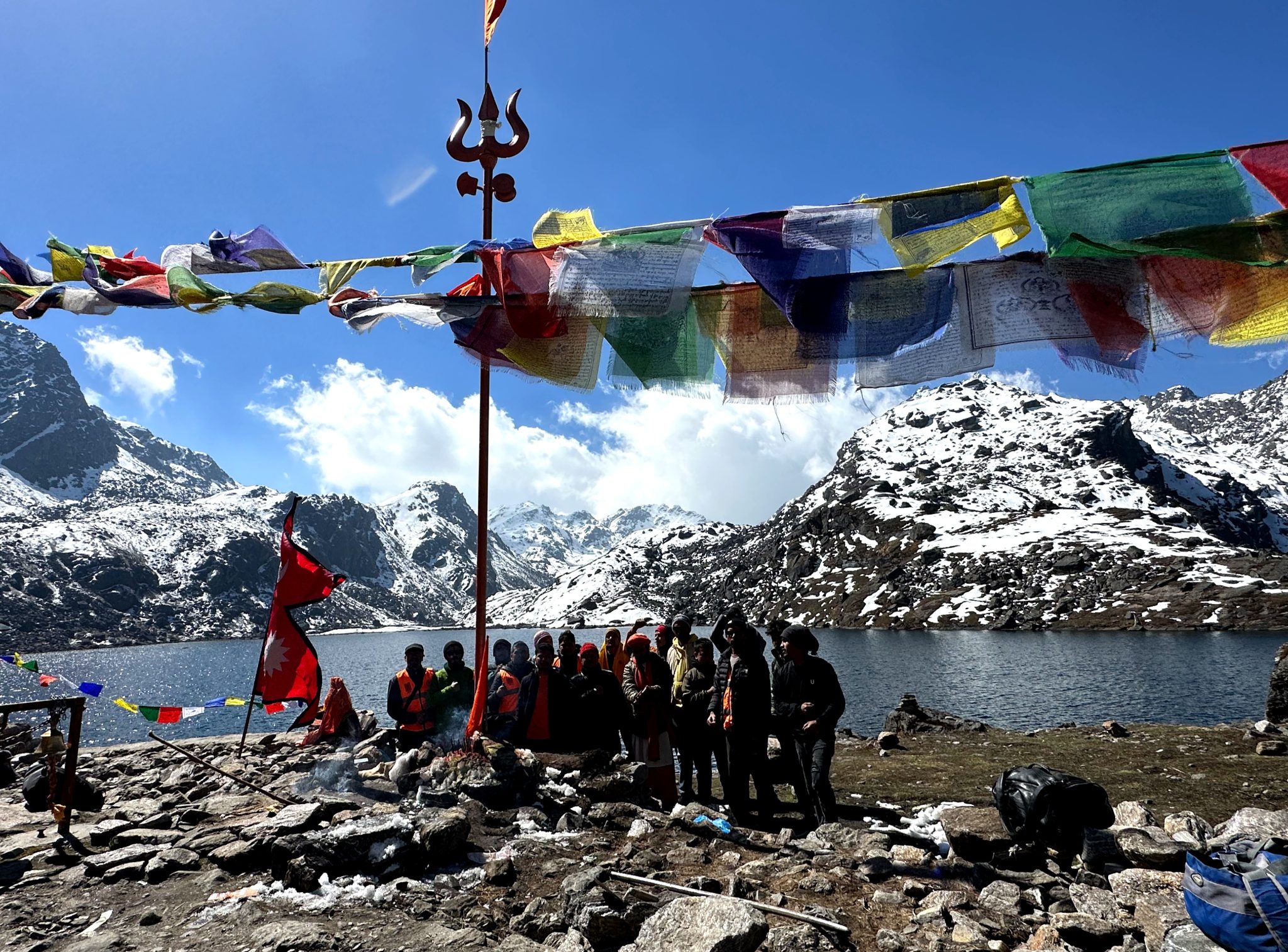
Nestled amidst the majestic Himalayan landscape of Nepal, Gosainkunda is a mystical destination that beckons both the devout and the adventurous. Its serene ambiance, breathtaking scenery, and the recent addition of a magnificent 21-foot copper-made-holy weapon (Trisul) of Lord Shiva, lovingly installed by the Jayamahakal Youth Community, have elevated the allure of this already revered site. In this blog, we delve into the captivating wonders of Gosainkunda, shedding light on its spiritual significance, thrilling trekking opportunities, and the inspiring work of the Jayamahakal Youth Community. If you are interested in similar Himalayan journeys, you may also explore our guide on the Langtang Valley Trek for another beautiful trekking experience.
Gosainkunda Trek Route Overview
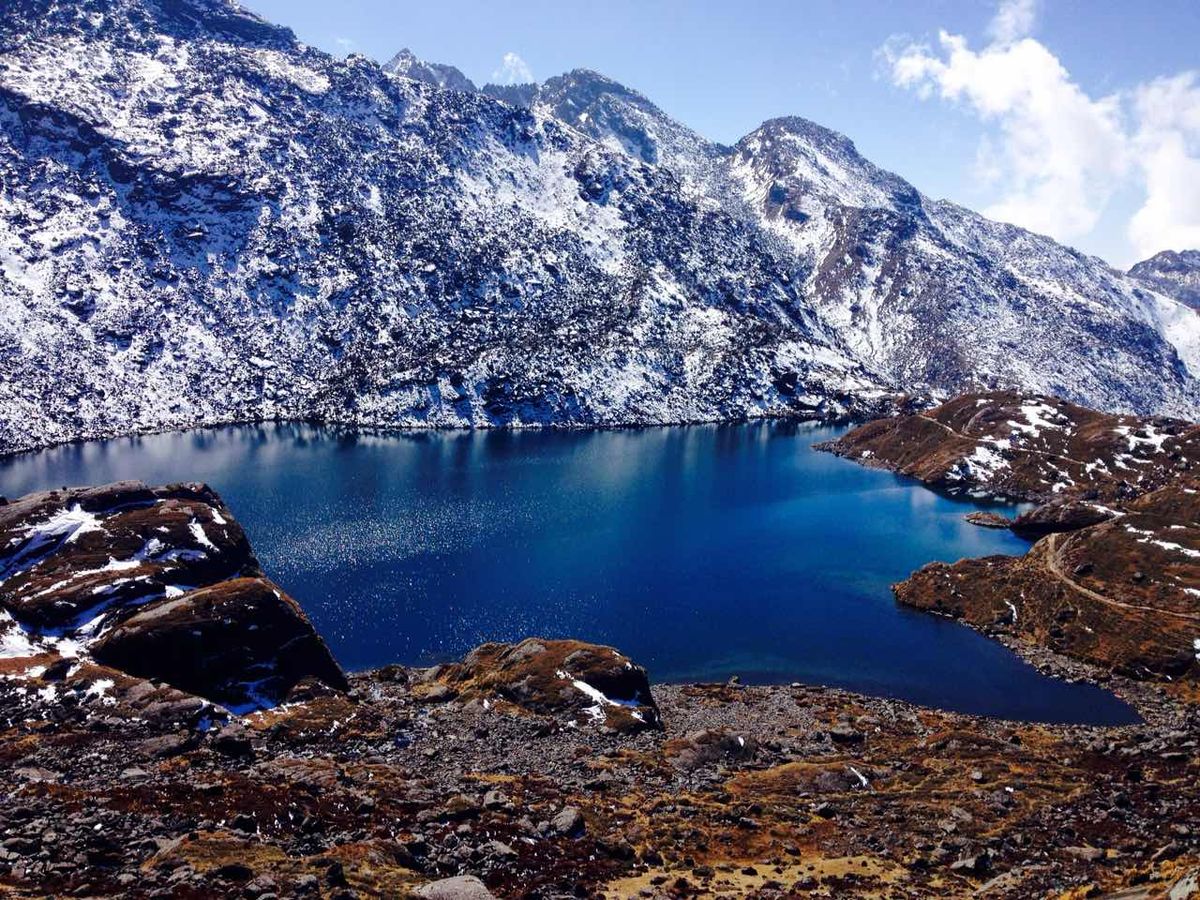
The Gosaikunda trek itinerary usually takes around 6 to 8 days depending on the route and walking pace. The journey typically starts from Kathmandu, followed by a drive to Dhunche or Syabrubesi. From there, trekkers pass through beautiful villages, dense forests, and alpine terrain before reaching Gosainkunda Lake. The return journey follows the same scenic route back to the starting point. Each day of the trek offers gradual elevation gain, allowing proper acclimatization while enjoying diverse landscapes. The holy Gosainkunda Lake is believed to have been created by Lord Shiva, making it a sacred pilgrimage site for Hindus and Buddhists.
Location and Overview of the Trek
Gosainkunda is located inside the Langtang National Park, north of Kathmandu. This protected region is home to diverse wildlife, dense forests, and towering mountains. The trek usually starts from Dhunche or Syabrubesi and leads gradually towards higher altitudes. The journey passes through traditional villages, forests, and rugged terrain before reaching the sacred lake. The starting and ending points are easily accessible from Kathmandu, making it a popular short Himalayan trek.
Day-by-Day Itinerary of Gosainkunda Trek
Day 1: Arrival in Kathmandu
Day 2: Drive to Dhunche
Day 3: Trek to Chandanbari
Day 4: Trek to Laurebina
Day 5: Reach Gosainkunda Lake
Day 6: Return journey
Day 7: Back to Kathmandu
Major Highlights of the Trek
One of the biggest highlights of the Gosainkunda Trek is the sacred alpine lake itself, surrounded by majestic Himalayan peaks. The journey also includes crossing the Laurencin La Pass, a high-altitude challenge that offers panoramic mountain views. Sunrise and sunset viewpoints along the trail provide magical scenery, with golden light illuminating snow-covered peaks. Every section of the trek offers something visually and spiritually rewarding, making it one of Nepal’s most memorable journeys.
Spiritual Importance of Gosainkunda
The spiritual significance of Gosainkunda is deeply rooted in Hindu mythology. According to legend, Lord Shiva created the lake by striking the mountain with his trident to cool his burning throat after consuming poison. This sacred story makes the lake a major pilgrimage destination. During Janai Purnima, thousands of devotees visit to perform religious rituals and bathe in the holy waters. For trekkers, the spiritual atmosphere adds a powerful emotional dimension to the journey.
Accommodation and Facilities on the Trail
Accommodation along the Gosainkunda Trek consists mainly of teahouses and small lodges. These provide basic but comfortable facilities such as beds, meals, and resting areas. As the altitude increases, facilities become simpler, but the hospitality remains warm and welcoming. Wi-Fi and charging options are available in lower regions, though limited at higher elevations. Meals typically include local Nepali food like dal bhat, noodles, and soups, which help maintain energy during the trek.
Gosainkunda Trek Cost Breakdown
The cost of the Gosainkunda trek depends on travel style and services chosen. A budget trek usually ranges from affordable group packages to mid-range guided tours. Costs typically include permits, transportation, accommodation, food, and guide or porter services. Luxury options with better accommodation and private services are also available at higher prices. Overall, the trek is considered one of the more affordable Himalayan adventures in Nepal.
Best Time to Visit Gosainkunda Trek
The best time to complete the Gosainkunda Trek is during spring and autumn. Spring (March to May) offers blooming rhododendrons and clear mountain views, while autumn (September to November) provides stable weather and excellent visibility. Monsoon season brings heavy rain and slippery trails, while winter can be extremely cold with snow-covered paths. Choosing the right season is important for safety and the best experience.
Difficulty Level and Fitness Requirements
The Gosainkunda Trek is considered moderate to challenging due to its high altitude and steep ascents. Trekkers must be prepared for altitude sickness risks as the trail reaches over 4,300 meters. A good level of physical fitness is recommended, along with prior hiking experience if possible. Regular training such as walking, jogging, or stair climbing before the trek can significantly improve endurance and performance.
Packing List for Gosainkunda Trek
Proper packing is essential for a successful trek. Essential items include warm layered clothing, trekking boots, gloves, hats, and a sleeping bag. Health essentials like a first aid kit, sunscreen, and water purification tablets are also important. Since weather conditions change quickly in the Himalayas, carrying waterproof and windproof gear ensures comfort and safety throughout the journey.
Challenges and Safety Tips
The trek presents several challenges such as high altitude, cold weather, and steep terrain. Trekkers should take time to acclimatize and avoid rushing the ascent. Staying hydrated and maintaining a steady pace is essential. Hiring a guide is highly recommended for safety, navigation, and local support. Weather conditions can change rapidly, so proper preparation is key to a safe trekking experience.
Unique Experiences on Gosainkunda Trek
The trek offers unforgettable experiences, including witnessing holy rituals at the lake, walking through snow-covered trails, and enjoying peaceful mountain solitude. Cultural villages along the route provide insight into local Himalayan life. Stargazing at night in high-altitude camps adds another magical dimension to the journey, making every moment special.
Photography Highlights
Gosainkunda is a paradise for photography lovers. The best shots include reflections of the lake, dramatic Himalayan sunrises, and panoramic mountain views from high passes. Cultural photography in villages also adds depth to the visual storytelling of the trek. Every corner of the trail offers postcard-worthy scenery.
Tips for a Successful Trek
To ensure a successful trek, proper acclimatization is essential. Trekkers should stay hydrated, eat balanced meals, and follow a slow and steady pace. Travel insurance is highly recommended for high-altitude trekking. Respecting local culture and following trekking etiquette also enhances the overall experience and supports responsible tourism.
❓ FAQs About Gosainkunda Trek
1. How long is the Gosainkunda Trek?
The Gosainkunda Trek usually takes around 6 to 8 days, depending on the chosen route, itinerary, and trekking pace.
2. Is the Gosainkunda Trek suitable for beginners?
Yes, it is suitable for beginners with good fitness levels. However, since the trek reaches high altitude, proper preparation and slow acclimatization are important.
3. What permits are required for the Gosainkunda Trek?
The trek is considered moderate to challenging due to steep climbs and high altitude (over 4,300 meters). Prior hiking experience is helpful but not mandatory.
Conclusion – A Journey of Spirit and Adventure
The Gosainkunda Trek is more than just a Himalayan journey; it is a powerful blend of spirituality, adventure, and natural beauty. From sacred lakes to panoramic mountain views, every moment offers something meaningful. Whether you are seeking peace, challenge, or cultural exploration, this trek delivers an unforgettable experience. It remains one of Nepal’s most rewarding short treks and is truly a must-do adventure for 2026.
Footloose & Fancy-Free trekking in Nepal is all about exploring the Himalayas with freedom, flexibility, and a carefree spirit. Unlike rigid tour packages, this style of trekking allows travelers, especially foreigners, to move at their own pace, choose routes freely, and immerse themselves deeply in nature and culture.
Nepal, home to some of the world’s most iconic trekking destinations, is the perfect place for this experience. Whether you’re wandering through peaceful mountain villages or hiking along scenic ridges, Footloose & Fancy-Free Trekking for foreigners over in Nepal offers a unique blend of adventure, independence, and unforgettable landscapes.
What is Footloose & Fancy-Free Trekking? Footloose & Fancy-Free trekking is a flexible and independent trekking style where travelers explore Nepal without fixed itineraries, allowing freedom in pace, route, and experience.
What is Footloose & Fancy-Free Trekking?
The phrase Footloose & Fancy-Free trekking refers to a relaxed, independent style of trekking where travelers are not bound by strict itineraries. It allows you to:
Travel at your own pace
Make spontaneous decisions
Explore off-the-beaten-path trails
Enjoy a stress-free adventure
For foreigners visiting Nepal, this approach provides a deeper and more personal trekking experience compared to fixed tour packages.
Why Nepal is Perfect for Footloose Trekking
Nepal is one of the best destinations in the world for flexible trekking due to its
Extensive network of trekking routes
Friendly local communities
Affordable travel costs
Well-established teahouse system
Diverse landscapes from hills to high mountains
From short scenic hikes to high-altitude adventures, Nepal offers something for every type of traveler.
Best Routes for Footloose & Fancy-Free Trekking in Nepal
Foreigners can choose from a variety of trekking routes depending on their time and experience level.
These routes are ideal for those who want freedom while still enjoying well-marked trails.
Footloose & Fancy-Free Trekking for Foreigners Over in Nepal
For international travelers, Footloose & Fancy-Free trekking for foreigners over in Nepal is a perfect way to experience the Himalayas without feeling restricted.
However, it’s important to understand a few key points:
Some trekking regions require permits and licensed guides
Independent trekking is allowed in many areas
Planning is still essential for safety
Despite these requirements, the experience remains flexible and enjoyable, allowing trekkers to adapt their journey as they go.
Footloose & Fancy-Free Trekking for Foreigners Over in Nepal Package
If you want a balance between freedom and support, you can choose a footloose & fancy free trekking for foreigners over in Nepal package.
These packages typically include:
Permits and documentation
Transportation
Accommodation (teahouses)
Optional guide or porter
Flexible itinerary options
Unlike traditional tours, these packages are designed to give you freedom with safety, allowing customization based on your preferences.
Cost of Footloose & Fancy-Free Trekking in Nepal
One of the biggest advantages of trekking in Nepal is affordability.
💵 Budget Range:
$25–$40 per day (independent trekking)
$500–$1200 for package treks
Costs include:
Accommodation
Food
Permits
Transportation
Your total cost depends on your route, duration, and level of comfort.
Accommodation & Food
Nepal’s trekking routes are famous for their teahouse system, which provides:
Basic but comfortable rooms
Local meals like dal bhat, noodles, and soup
Warm hospitality from locals
This system makes Footloose & Fancy-Free trekking easy, as you don’t need to carry heavy camping gear.
Best Time for Footloose Trekking in Nepal
Choosing the right season is crucial for a great trekking experience.
🌸 Spring (March–May)
Clear skies
Blooming rhododendrons
Ideal weather
🍂 Autumn (September–November)
Best visibility
Stable conditions
Peak trekking season
❄️ Winter (December–February)
Cold but peaceful
Fewer crowds
🌧️ Monsoon (June–August)
Heavy rain
Not recommended
Difficulty & Fitness Level
Footloose trekking doesn’t mean easy trekking. The difficulty depends on the route:
Easy treks: Suitable for beginners
Moderate treks: Require basic fitness
High-altitude treks: Need preparation
Trekkers should focus on:
Cardiovascular fitness
Endurance training
Acclimatization
Packing Essentials
Even for a flexible trek, proper packing is essential:
Warm clothing layers
Trekking boots
Backpack (30–50L)
Sleeping bag
Water bottle
First aid kit
Sunscreen & sunglasses
Packing light but smart is key to enjoying a hassle-free trek.
Safety Tips for Foreigners
While Nepal is safe, trekkers should follow basic precautions:
Always check weather conditions
Stay hydrated
Avoid rapid altitude gain
Carry travel insurance
Inform someone about your route
Hiring a guide is optional but recommended for remote areas.
Unique Experiences
Footloose trekking in Nepal offers:
Stunning Himalayan sunrises
Cultural village interactions
Peaceful mountain solitude
Spiritual experiences at temples and monasteries
Every trek becomes a personal journey filled with unforgettable memories.
❓ FAQs
1. Can foreigners do footloose trekking in Nepal?
Yes, foreigners can enjoy footloose & fancy free trekking , but some regions require permits and guides.
2. Is it safe to trek independently in Nepal?
Yes, in popular routes it is safe, but proper planning is important.
3. What is the cost of trekking in Nepal?
It ranges from $25 per day (budget) to $1200+ for packages.
4. Do I need a guide?
Not always, but recommended for safety and navigation.
Conclusion
Footloose & Fancy-Free trekking in Nepal is the perfect way to explore the Himalayas with freedom and flexibility. Whether you choose an independent journey or a customizable package, the experience allows you to connect deeply with nature, culture, and yourself.
For foreigners seeking adventure without rigid schedules, Footloose & Fancy-Free trekking for foreigners over in Nepal offers the ideal balance of exploration, comfort, and unforgettable Himalayan beauty.
If you’re planning footloose & fancy free trekking for foreigners over in Nepal, it’s important to rely on trusted external resources for accurate and up-to-date information. You can visit the official Nepal Tourism Board for travel guidelines, permits, and seasonal advice, or explore trekking regulations through the Department of Tourism Nepal. For conservation rules and regional updates, checking resources related to the Annapurna Conservation Area Project can help you better understand trekking requirements, environmental practices, and safety measures before starting your Himalayan adventure.