
- Mt. Kailash Tour
- Kailash Mansarovar Overland Tour
- Kailash Mansarovar Yatra by Helicopter – Complete Spiritual Journey Guide
- Kailash Yatra via Lucknow
- Kailash Mansarovar Tour via Lhasa
- Kailash Lhasa EBC Tour From Beijing
- Kailash Heli Tour via Kerung: Complete Spiritual Journey Guide
- Kailash Tour via Lhasa In Kerung Out
- Lhasa EBC Kailash Tour
- Kailash Heli Tour
- Kailash Mansarovar Yatra from Nepal 2027: Cost & Itinerary
- Kailash Nandi Kora
- Kailash Tour via Humla Simikot – 20 Days
- Mount Kailash Tour: 7 Amazing Experiences in 2027
- Trekking
-
-
- Everest Region
- Luxury Everest Base Camp Trek: 7 Unforgettable Highlights
- Everest Base Camp Trek 2026: Cost, Route, and Complete Guide
- Everest Three Passes Trek 2027: Cost, Route & Itinerary
- Everest Base Camp Short Trek
- Everest Panorama Trek: Amazing 10-Day Cost & Itinerary
- Everest Base Camp Island Peak Trek: Complete 19-Day Guide
- Gokyo Valley Trekking 2027: Easy Guide to Cost & Itinerary
- Mera Peak Climbing 2027: Complete Cost & Itinerary Guide
- Rolwaling Valley Trek: 23-Day Itinerary, Cost, Permits & Difficulty
- Dolpo Region Trek
- Everest Region
-
- Annapurna Region
- Annapurna Base Camp Trekking
- Annapurna Circuit Trek
- Annapurna Base Camp Trek: 7 Amazing Cost & Route Tips
- Mardi Himal Trek: 7 Amazing Highlights & Complete Guide
- Annapurna Alternative Combine Trek: 18 Amazing Days
- Mohare Dada Trek
- Ghorepani Poon Hill Trek: 7 Unforgettable Highlights
- Khopra Ridge Community Trek: 13-Day Ultimate Adventure
- Damodar Kunda Trek: 10-Day Ultimate Sacred Adventure
- Upper Mustang Trek: 10 Amazing Sights : Ultimate Guide
- Jomsom Muktinath Trek: Amazing 12-Day Ultimate Guide
- Ghale Gaun Trek: 7 Amazing Reasons : Ultimate Guide
- Dhampus Sarangkot Trek: 7 Incredible Experiences
- Dhaulagiri Region
- Annapurna Region
-
-
- Tours
-
-
- Day Tours
- Rickshaw–a three-wheeler Tour
- Pharping Dakshinkali Day Tour: 7 Amazing Highlights
- Historical Tour: 7 Amazing Places to Explore
- Kathmandu Temple Tour: 7 Amazing Spiritual Places
- Nagarkot Tour
- Bhaktapur City Tour: 7 Amazing Places to Explore
- Kathmandu City Tour – Complete Heritage & Cultural Experience in Nepal
- Chandragiri Hill: A Scenic Himalayan Escape Near Kathmandu
- Chitlang Hiking
- Shivapuri to Sundarijal Day Hiking
- Kulekhani Dam Day Tour — Complete Travel Guide
- Day Tours
-
- Package Tours
- Mustang Tour on Jeep
- Nepal Tour Package for Nepali: 12 Amazing Destinations to Explore (2026)
- Muktinath Tour: Complete Guide to Nepal’s Sacred Himalayan Pilgrimage
- 3N,4D Kathmandu Pilgrimage Tour
- Nepal Buddhist Pilgrimage Tour: 7 Sacred Sites Not to Miss
- 6D Nepal Pilgrimage Tour: 7 Amazing Sacred Places
- 7 Nights, 8 Days Nepal Tour
- Districts tour of Nepal
- Janakpur Tour Package: Price, Family Tour & Travel Guide from Kathmandu 2026
- Short Hike in Nepal: 7 Best Easy Treks for Beginners
- Package Tours
-
-
- Outbound
-
- Activities
- Climbing
- Bungee Jumping in Nepal
- Heli Skiing Adventure in the Himalayas
- Canoeing in Nepal
- Mountain Flight in Nepal
- Zip Flyer in Pokhara: The Ultimate Adventure Experience
- Paragliding in Pokhara: 7 Amazing Reasons to Experience Nepal’s Best Adventure
- Kathmandu Cycling Tour: 9 Amazing Adventures
- Rafting
- Rock Climbing
- Company
- Travel Info
- Travel Insurance
- Recommended Medical Kit
- Nepal Visa Information
- Flight delays and cancellation in Nepal
- Electricity in Nepal: Rates, Bill Check, Calculator and NEA Services
- Trekking Equipment Checklist: 40 Essential Items
- Best Kailash season in Tibet
- Best Trekking season in Nepal
- Trekking in Nepal 2027: 15 Best Himalayan Adventures
- Blogs
- Contact


WhatsApp
+977-9851035239

Email Us
[email protected]
Discovering the Enchanting Charms of Gosainkunda Trek : A Haven of Spirituality and Adventure
18 June 2023
By Leaf Holidays
Introduction to Gosainkunda Trek
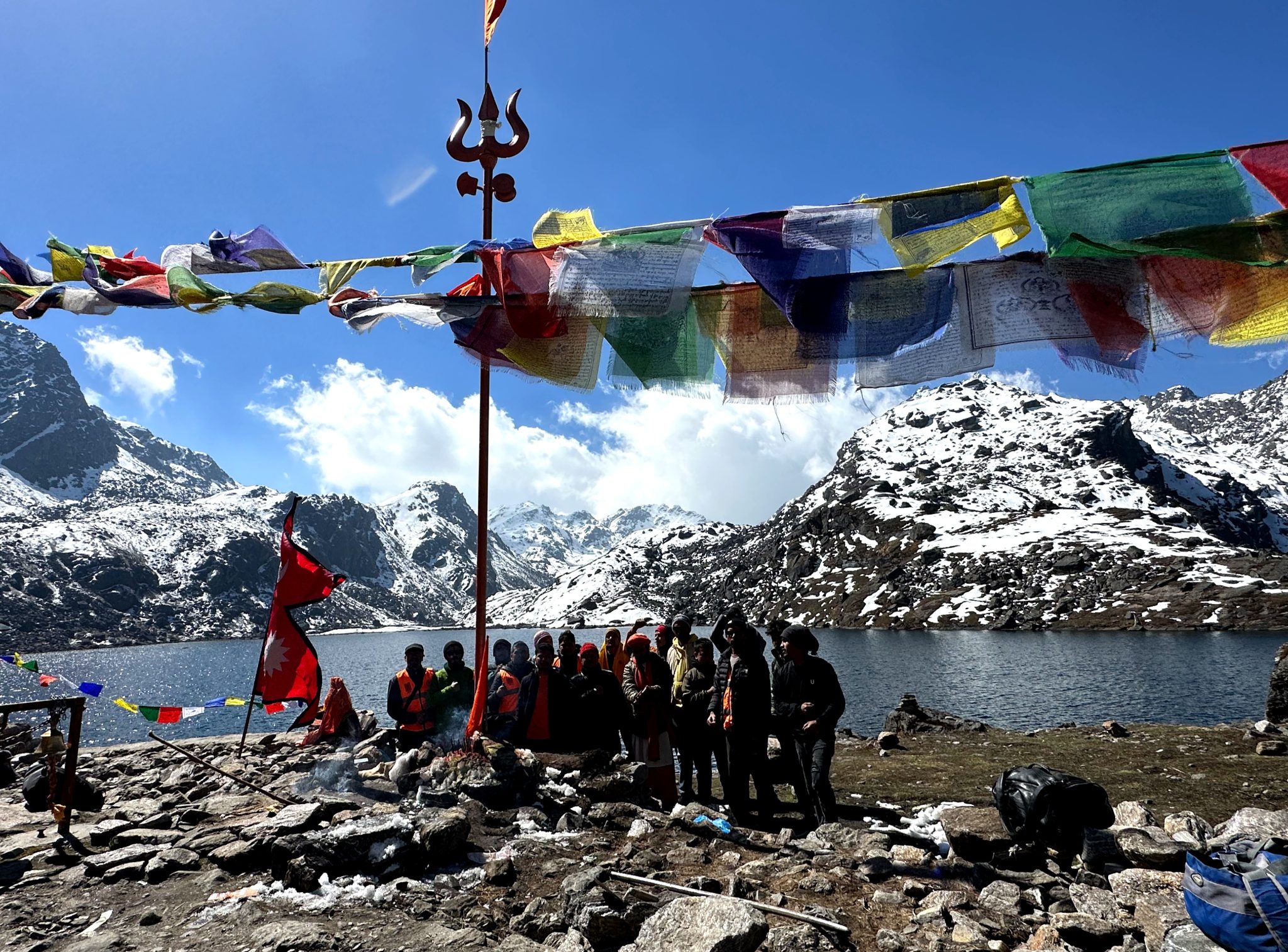
Nestled amidst the majestic Himalayan landscape of Nepal, Gosainkunda is a mystical destination that beckons both the devout and the adventurous. Its serene ambiance, breathtaking scenery, and the recent addition of a magnificent 21-foot copper-made-holy weapon (Trisul) of Lord Shiva, lovingly installed by the Jayamahakal Youth Community, have elevated the allure of this already revered site. In this blog, we delve into the captivating wonders of Gosainkunda, shedding light on its spiritual significance, thrilling trekking opportunities, and the inspiring work of the Jayamahakal Youth Community. If you are interested in similar Himalayan journeys, you may also explore our guide on the Langtang Valley Trek for another beautiful trekking experience.
Gosainkunda Trek Route Overview
The Gosaikunda trek itinerary usually takes around 6 to 8 days depending on the route and walking pace. The journey typically starts from Kathmandu, followed by a drive to Dhunche or Syabrubesi. From there, trekkers pass through beautiful villages, dense forests, and alpine terrain before reaching Gosainkunda Lake. The return journey follows the same scenic route back to the starting point. Each day of the trek offers gradual elevation gain, allowing proper acclimatization while enjoying diverse landscapes. The holy Gosainkunda Lake is believed to have been created by Lord Shiva, making it a sacred pilgrimage site for Hindus and Buddhists.
Location and Overview of the Trek
Gosainkunda is located inside the Langtang National Park, north of Kathmandu. This protected region is home to diverse wildlife, dense forests, and towering mountains. The trek usually starts from Dhunche or Syabrubesi and leads gradually towards higher altitudes. The journey passes through traditional villages, forests, and rugged terrain before reaching the sacred lake. The starting and ending points are easily accessible from Kathmandu, making it a popular short Himalayan trek.
Day-by-Day Itinerary of Gosainkunda Trek
- Day 1: Arrival in Kathmandu
- Day 2: Drive to Dhunche
- Day 3: Trek to Chandanbari
- Day 4: Trek to Laurebina
- Day 5: Reach Gosainkunda Lake
- Day 6: Return journey
- Day 7: Back to Kathmandu
Major Highlights of the Trek
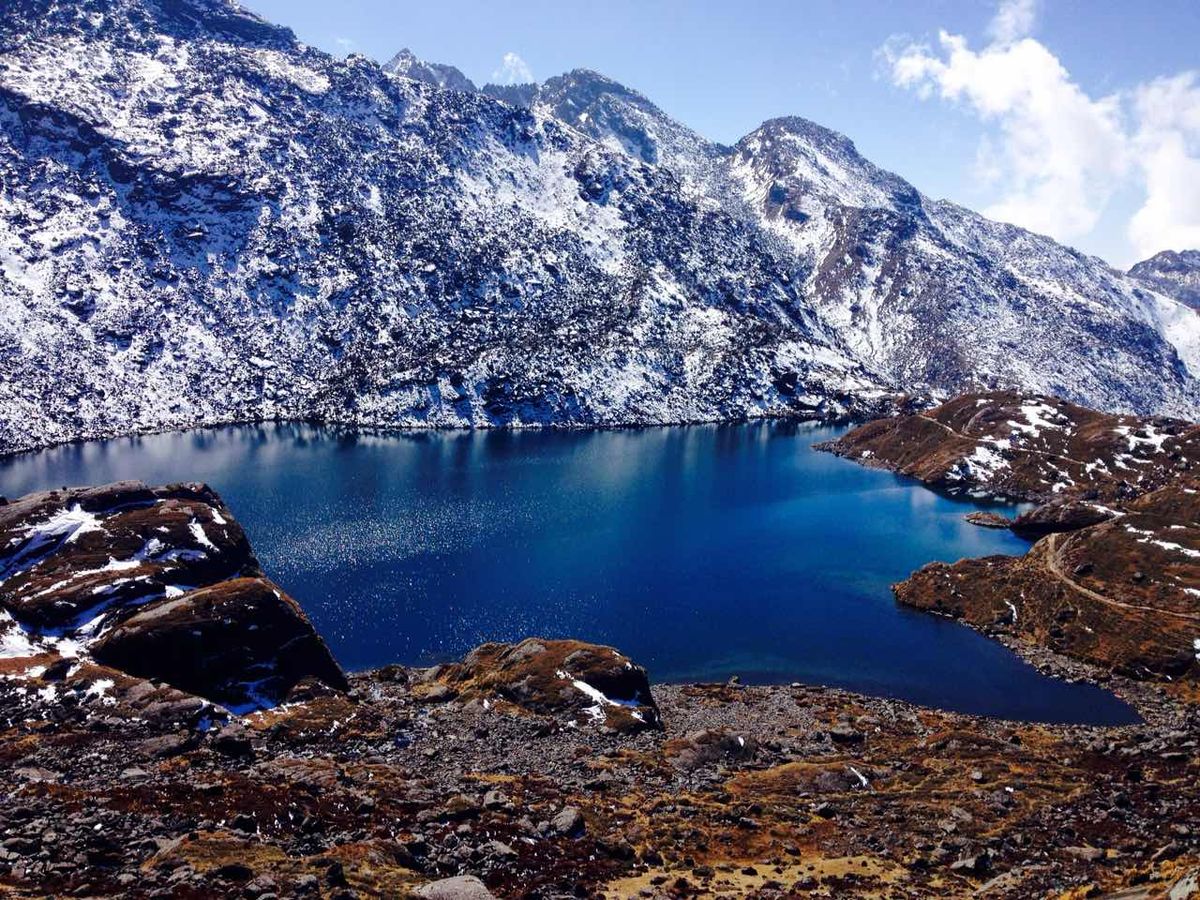
One of the biggest highlights of the Gosainkunda Trek is the sacred alpine lake itself, surrounded by majestic Himalayan peaks. The journey also includes crossing the Laurencin La Pass, a high-altitude challenge that offers panoramic mountain views. Sunrise and sunset viewpoints along the trail provide magical scenery, with golden light illuminating snow-covered peaks. Every section of the trek offers something visually and spiritually rewarding, making it one of Nepal’s most memorable journeys.
Spiritual Importance of Gosainkunda
The spiritual significance of Gosainkunda is deeply rooted in Hindu mythology. According to legend, Lord Shiva created the lake by striking the mountain with his trident to cool his burning throat after consuming poison. This sacred story makes the lake a major pilgrimage destination. During Janai Purnima, thousands of devotees visit to perform religious rituals and bathe in the holy waters. For trekkers, the spiritual atmosphere adds a powerful emotional dimension to the journey.

Accommodation and Facilities on the Trail
Accommodation along the Gosainkunda Trek consists mainly of teahouses and small lodges. These provide basic but comfortable facilities such as beds, meals, and resting areas. As the altitude increases, facilities become simpler, but the hospitality remains warm and welcoming. Wi-Fi and charging options are available in lower regions, though limited at higher elevations. Meals typically include local Nepali food like dal bhat, noodles, and soups, which help maintain energy during the trek.
Gosainkunda Trek Cost Breakdown
The cost of the Gosainkunda trek depends on travel style and services chosen. A budget trek usually ranges from affordable group packages to mid-range guided tours. Costs typically include permits, transportation, accommodation, food, and guide or porter services. Luxury options with better accommodation and private services are also available at higher prices. Overall, the trek is considered one of the more affordable Himalayan adventures in Nepal.
Best Time to Visit Gosainkunda Trek
The best time to complete the Gosainkunda Trek is during spring and autumn. Spring (March to May) offers blooming rhododendrons and clear mountain views, while autumn (September to November) provides stable weather and excellent visibility. Monsoon season brings heavy rain and slippery trails, while winter can be extremely cold with snow-covered paths. Choosing the right season is important for safety and the best experience.
Difficulty Level and Fitness Requirements
The Gosainkunda Trek is considered moderate to challenging due to its high altitude and steep ascents. Trekkers must be prepared for altitude sickness risks as the trail reaches over 4,300 meters. A good level of physical fitness is recommended, along with prior hiking experience if possible. Regular training such as walking, jogging, or stair climbing before the trek can significantly improve endurance and performance.
Packing List for Gosainkunda Trek
Proper packing is essential for a successful trek. Essential items include warm layered clothing, trekking boots, gloves, hats, and a sleeping bag. Health essentials like a first aid kit, sunscreen, and water purification tablets are also important. Since weather conditions change quickly in the Himalayas, carrying waterproof and windproof gear ensures comfort and safety throughout the journey.
Challenges and Safety Tips
The trek presents several challenges such as high altitude, cold weather, and steep terrain. Trekkers should take time to acclimatize and avoid rushing the ascent. Staying hydrated and maintaining a steady pace is essential. Hiring a guide is highly recommended for safety, navigation, and local support. Weather conditions can change rapidly, so proper preparation is key to a safe trekking experience.
Unique Experiences on Gosainkunda Trek
The trek offers unforgettable experiences, including witnessing holy rituals at the lake, walking through snow-covered trails, and enjoying peaceful mountain solitude. Cultural villages along the route provide insight into local Himalayan life. Stargazing at night in high-altitude camps adds another magical dimension to the journey, making every moment special.
Photography Highlights
Gosainkunda is a paradise for photography lovers. The best shots include reflections of the lake, dramatic Himalayan sunrises, and panoramic mountain views from high passes. Cultural photography in villages also adds depth to the visual storytelling of the trek. Every corner of the trail offers postcard-worthy scenery.
Tips for a Successful Trek
To ensure a successful trek, proper acclimatization is essential. Trekkers should stay hydrated, eat balanced meals, and follow a slow and steady pace. Travel insurance is highly recommended for high-altitude trekking. Respecting local culture and following trekking etiquette also enhances the overall experience and supports responsible tourism.
❓ FAQs About Gosainkunda Trek
1. How long is the Gosainkunda Trek?
The Gosainkunda Trek usually takes around 6 to 8 days, depending on the chosen route, itinerary, and trekking pace.
2. Is the Gosainkunda Trek suitable for beginners?
Yes, it is suitable for beginners with good fitness levels. However, since the trek reaches high altitude, proper preparation and slow acclimatization are important.
3. What permits are required for the Gosainkunda Trek?
Trekkers need the Langtang National Park Entry Permit and a TIMS card (Trekkers’ Information Management System) to complete the trek legally.
4. How difficult is the Gosainkunda Trek?
The trek is considered moderate to challenging due to steep climbs and high altitude (over 4,300 meters). Prior hiking experience is helpful but not mandatory.
Conclusion – A Journey of Spirit and Adventure
The Gosainkunda Trek is more than just a Himalayan journey; it is a powerful blend of spirituality, adventure, and natural beauty. From sacred lakes to panoramic mountain views, every moment offers something meaningful. Whether you are seeking peace, challenge, or cultural exploration, this trek delivers an unforgettable experience. It remains one of Nepal’s most rewarding short treks and is truly a must-do adventure for 2026.

Table of Contents
- Gosainkunda Trek Route Overview
- Location and Overview of the Trek
- Day-by-Day Itinerary of Gosainkunda Trek
- Major Highlights of the Trek
- Spiritual Importance of Gosainkunda
- Accommodation and Facilities on the Trail
- Gosainkunda Trek Cost Breakdown
- Best Time to Visit Gosainkunda Trek
- Difficulty Level and Fitness Requirements
- Packing List for Gosainkunda Trek
- Challenges and Safety Tips
- Unique Experiences on Gosainkunda Trek
- Photography Highlights
- Tips for a Successful Trek
- ❓ FAQs About Gosainkunda Trek
- Conclusion – A Journey of Spirit and Adventure

Need Help?
Ask to Travel Expert