
- Mt. Kailash Tour
- Kailash Mansarovar Overland Tour
- Kailash Mansarovar Yatra by Helicopter – Complete Spiritual Journey Guide
- Kailash Yatra via Lucknow
- Kailash Mansarovar Tour via Lhasa
- Kailash Lhasa EBC Tour From Beijing
- Kailash Heli Tour via Kerung: Complete Spiritual Journey Guide
- Kailash Tour via Lhasa In Kerung Out
- Lhasa EBC Kailash Tour
- Kailash Heli Tour
- Kailash Mansarovar Yatra from Nepal 2027: Cost & Itinerary
- Kailash Nandi Kora
- Kailash Tour via Humla Simikot – 20 Days
- Mount Kailash Tour: 7 Amazing Experiences in 2027
- Trekking
-
-
- Everest Region
- Luxury Everest Base Camp Trek: 7 Unforgettable Highlights
- Everest Base Camp Trek 2026: Cost, Route, and Complete Guide
- Everest Three Passes Trek 2027: Cost, Route & Itinerary
- Everest Base Camp Short Trek
- Everest Panorama Trek: Amazing 10-Day Cost & Itinerary
- Everest Base Camp Island Peak Trek: Complete 19-Day Guide
- Gokyo Valley Trekking 2027: Easy Guide to Cost & Itinerary
- Mera Peak Climbing 2027: Complete Cost & Itinerary Guide
- Rolwaling Valley Trek: 23-Day Itinerary, Cost, Permits & Difficulty
- Dolpo Region Trek
- Everest Region
-
- Annapurna Region
- Annapurna Base Camp Trekking
- Annapurna Circuit Trek
- Annapurna Base Camp Trek: 7 Amazing Cost & Route Tips
- Mardi Himal Trek: 7 Amazing Highlights & Complete Guide
- Annapurna Alternative Combine Trek: 18 Amazing Days
- Mohare Dada Trek
- Ghorepani Poon Hill Trek: 7 Unforgettable Highlights
- Khopra Ridge Community Trek: 13-Day Ultimate Adventure
- Damodar Kunda Trek: 10-Day Ultimate Sacred Adventure
- Upper Mustang Trek: 10 Amazing Sights : Ultimate Guide
- Jomsom Muktinath Trek: Amazing 12-Day Ultimate Guide
- Ghale Gaun Trek: 7 Amazing Reasons : Ultimate Guide
- Dhampus Sarangkot Trek: 7 Incredible Experiences
- Dhaulagiri Region
- Annapurna Region
-
-
- Tours
-
-
- Day Tours
- Rickshaw–a three-wheeler Tour
- Pharping Dakshinkali Day Tour: 7 Amazing Highlights
- Historical Tour: 7 Amazing Places to Explore
- Kathmandu Temple Tour: 7 Amazing Spiritual Places
- Nagarkot Tour
- Bhaktapur City Tour: 7 Amazing Places to Explore
- Kathmandu City Tour – Complete Heritage & Cultural Experience in Nepal
- Chandragiri Hill: A Scenic Himalayan Escape Near Kathmandu
- Chitlang Hiking
- Shivapuri to Sundarijal Day Hiking
- Kulekhani Dam Day Tour — Complete Travel Guide
- Day Tours
-
- Package Tours
- Mustang Tour on Jeep
- Nepal Tour Package for Nepali: 12 Amazing Destinations to Explore (2026)
- Muktinath Tour: Complete Guide to Nepal’s Sacred Himalayan Pilgrimage
- 3N,4D Kathmandu Pilgrimage Tour
- Nepal Buddhist Pilgrimage Tour: 7 Sacred Sites Not to Miss
- 6D Nepal Pilgrimage Tour: 7 Amazing Sacred Places
- 7 Nights, 8 Days Nepal Tour
- Districts tour of Nepal
- Janakpur Tour Package: Price, Family Tour & Travel Guide from Kathmandu 2026
- Short Hike in Nepal: 7 Best Easy Treks for Beginners
- Package Tours
-
-
- Outbound
-
- Activities
- Climbing
- Bungee Jumping in Nepal
- Heli Skiing Adventure in the Himalayas
- Canoeing in Nepal
- Mountain Flight in Nepal
- Zip Flyer in Pokhara: The Ultimate Adventure Experience
- Paragliding in Pokhara: 7 Amazing Reasons to Experience Nepal’s Best Adventure
- Kathmandu Cycling Tour: 9 Amazing Adventures
- Rafting
- Rock Climbing
- Company
- Travel Info
- Travel Insurance
- Recommended Medical Kit
- Nepal Visa Information
- Flight delays and cancellation in Nepal
- Electricity in Nepal: Rates, Bill Check, Calculator and NEA Services
- Trekking Equipment Checklist: 40 Essential Items
- Best Kailash season in Tibet
- Best Trekking season in Nepal
- Trekking in Nepal 2027: 15 Best Himalayan Adventures
- Blogs
- Contact


WhatsApp
+977-9851035239

Email Us
[email protected]
Footloose & Fancy-Free Trekking in Nepal (2026 Guide): Freedom or Risk?
04 March 2023
By Leaf Holidays
footloose & fancy free trekking overview
Footloose & Fancy-Free trekking in Nepal is all about exploring the Himalayas with freedom, flexibility, and a carefree spirit. Unlike rigid tour packages, this style of trekking allows travelers, especially foreigners, to move at their own pace, choose routes freely, and immerse themselves deeply in nature and culture.
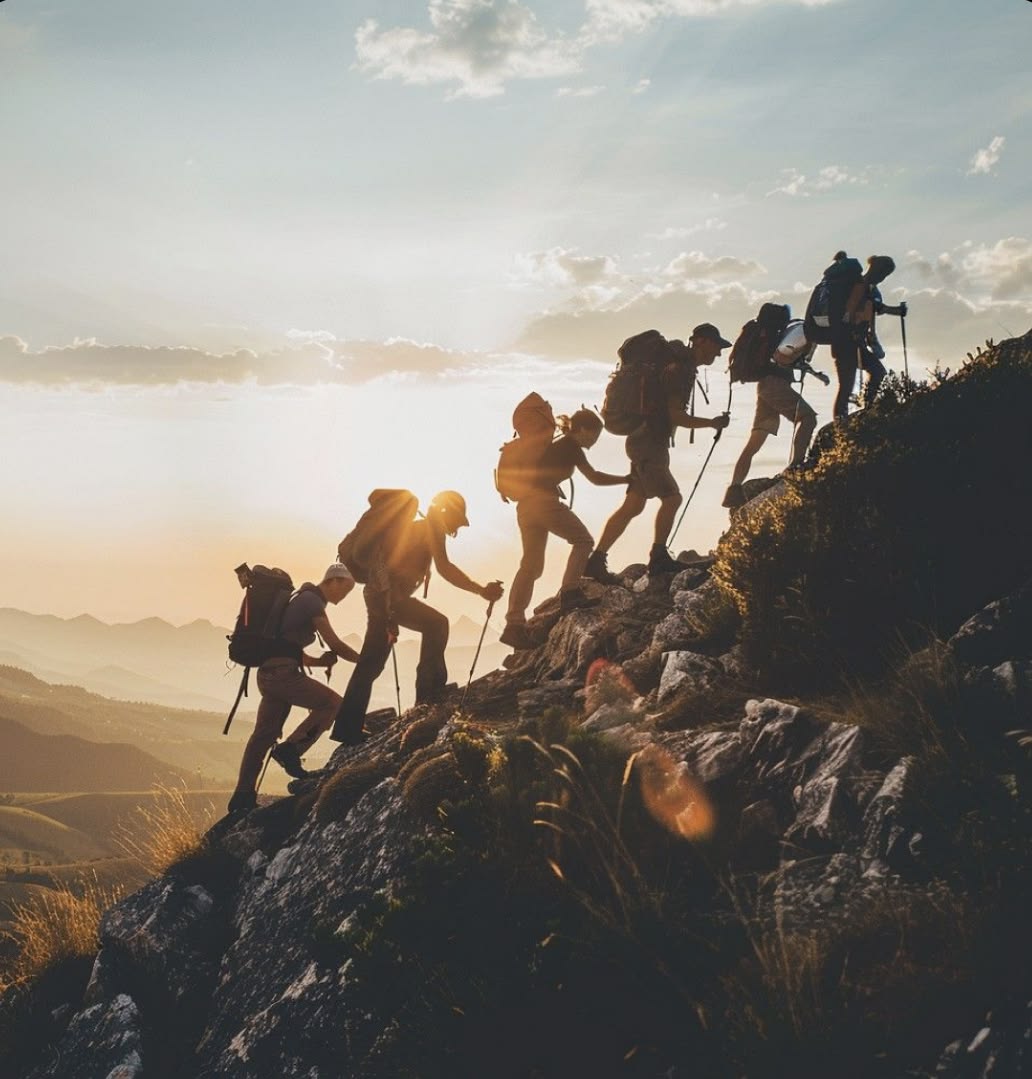
Nepal, home to some of the world’s most iconic trekking destinations, is the perfect place for this experience. Whether you’re wandering through peaceful mountain villages or hiking along scenic ridges, Footloose & Fancy-Free Trekking for foreigners over in Nepal offers a unique blend of adventure, independence, and unforgettable landscapes.
What is Footloose & Fancy-Free Trekking?
Footloose & Fancy-Free trekking is a flexible and independent trekking style where travelers explore Nepal without fixed itineraries, allowing freedom in pace, route, and experience.
What is Footloose & Fancy-Free Trekking?
The phrase Footloose & Fancy-Free trekking refers to a relaxed, independent style of trekking where travelers are not bound by strict itineraries. It allows you to:
- Travel at your own pace
- Make spontaneous decisions
- Explore off-the-beaten-path trails
- Enjoy a stress-free adventure
For foreigners visiting Nepal, this approach provides a deeper and more personal trekking experience compared to fixed tour packages.
Why Nepal is Perfect for Footloose Trekking
Nepal is one of the best destinations in the world for flexible trekking due to its
- Extensive network of trekking routes
- Friendly local communities
- Affordable travel costs
- Well-established teahouse system
- Diverse landscapes from hills to high mountains
From short scenic hikes to high-altitude adventures, Nepal offers something for every type of traveler.
Best Routes for Footloose & Fancy-Free Trekking in Nepal
Foreigners can choose from a variety of trekking routes depending on their time and experience level.
🌿 Easy & Short Treks
- Ghorepani Poon Hill Trek
- Helambu Trek
- Nagarkot to Dhulikhel Hike
🏔️ Moderate Treks
⛰️ Challenging Treks
These routes are ideal for those who want freedom while still enjoying well-marked trails.
Footloose & Fancy-Free Trekking for Foreigners Over in Nepal
For international travelers, Footloose & Fancy-Free trekking for foreigners over in Nepal is a perfect way to experience the Himalayas without feeling restricted.
However, it’s important to understand a few key points:
- Some trekking regions require permits and licensed guides
- Independent trekking is allowed in many areas
- Planning is still essential for safety
Despite these requirements, the experience remains flexible and enjoyable, allowing trekkers to adapt their journey as they go.
Footloose & Fancy-Free Trekking for Foreigners Over in Nepal Package
If you want a balance between freedom and support, you can choose a footloose & fancy free trekking for foreigners over in Nepal package.
These packages typically include:
- Permits and documentation
- Transportation
- Accommodation (teahouses)
- Optional guide or porter
- Flexible itinerary options
Unlike traditional tours, these packages are designed to give you freedom with safety, allowing customization based on your preferences.
Cost of Footloose & Fancy-Free Trekking in Nepal
One of the biggest advantages of trekking in Nepal is affordability.
💵 Budget Range:
- $25–$40 per day (independent trekking)
- $500–$1200 for package treks
Costs include:
- Accommodation
- Food
- Permits
- Transportation
Your total cost depends on your route, duration, and level of comfort.
Accommodation & Food
Nepal’s trekking routes are famous for their teahouse system, which provides:
- Basic but comfortable rooms
- Local meals like dal bhat, noodles, and soup
- Warm hospitality from locals
This system makes Footloose & Fancy-Free trekking easy, as you don’t need to carry heavy camping gear.
Best Time for Footloose Trekking in Nepal
Choosing the right season is crucial for a great trekking experience.
🌸 Spring (March–May)
- Clear skies
- Blooming rhododendrons
- Ideal weather
🍂 Autumn (September–November)
- Best visibility
- Stable conditions
- Peak trekking season
❄️ Winter (December–February)
- Cold but peaceful
- Fewer crowds
🌧️ Monsoon (June–August)
- Heavy rain
- Not recommended
Difficulty & Fitness Level
Footloose trekking doesn’t mean easy trekking. The difficulty depends on the route:
- Easy treks: Suitable for beginners
- Moderate treks: Require basic fitness
- High-altitude treks: Need preparation
Trekkers should focus on:
- Cardiovascular fitness
- Endurance training
- Acclimatization
Packing Essentials
Even for a flexible trek, proper packing is essential:
- Warm clothing layers
- Trekking boots
- Backpack (30–50L)
- Sleeping bag
- Water bottle
- First aid kit
- Sunscreen & sunglasses
Packing light but smart is key to enjoying a hassle-free trek.
Safety Tips for Foreigners
While Nepal is safe, trekkers should follow basic precautions:
- Always check weather conditions
- Stay hydrated
- Avoid rapid altitude gain
- Carry travel insurance
- Inform someone about your route
Hiring a guide is optional but recommended for remote areas.
Unique Experiences
Footloose trekking in Nepal offers:
- Stunning Himalayan sunrises
- Cultural village interactions
- Peaceful mountain solitude
- Spiritual experiences at temples and monasteries
Every trek becomes a personal journey filled with unforgettable memories.
❓ FAQs
1. Can foreigners do footloose trekking in Nepal?
Yes, foreigners can enjoy footloose & fancy free trekking , but some regions require permits and guides.
2. Is it safe to trek independently in Nepal?
Yes, in popular routes it is safe, but proper planning is important.
3. What is the cost of trekking in Nepal?
It ranges from $25 per day (budget) to $1200+ for packages.
4. Do I need a guide?
Not always, but recommended for safety and navigation.
Conclusion
Footloose & Fancy-Free trekking in Nepal is the perfect way to explore the Himalayas with freedom and flexibility. Whether you choose an independent journey or a customizable package, the experience allows you to connect deeply with nature, culture, and yourself.
For foreigners seeking adventure without rigid schedules, Footloose & Fancy-Free trekking for foreigners over in Nepal offers the ideal balance of exploration, comfort, and unforgettable Himalayan beauty.

Table of Contents
- footloose & fancy free trekking overview
- What is Footloose & Fancy-Free Trekking?
- Why Nepal is Perfect for Footloose Trekking
- Best Routes for Footloose & Fancy-Free Trekking in Nepal
- Footloose & Fancy-Free Trekking for Foreigners Over in Nepal
- Footloose & Fancy-Free Trekking for Foreigners Over in Nepal Package
- Cost of Footloose & Fancy-Free Trekking in Nepal
- Accommodation & Food
- Best Time for Footloose Trekking in Nepal
- Difficulty & Fitness Level
- Packing Essentials
- Safety Tips for Foreigners
- Unique Experiences
- ❓ FAQs
- Conclusion

Need Help?
Ask to Travel Expert