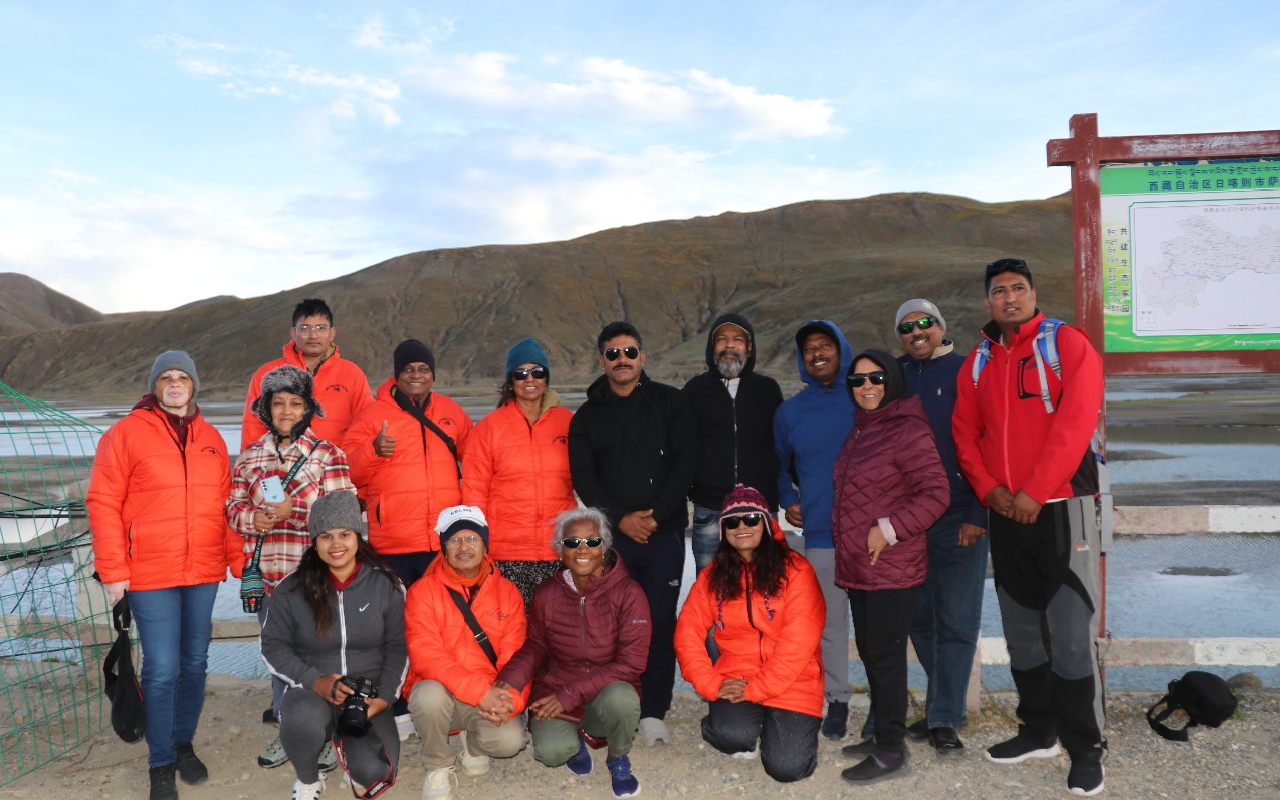
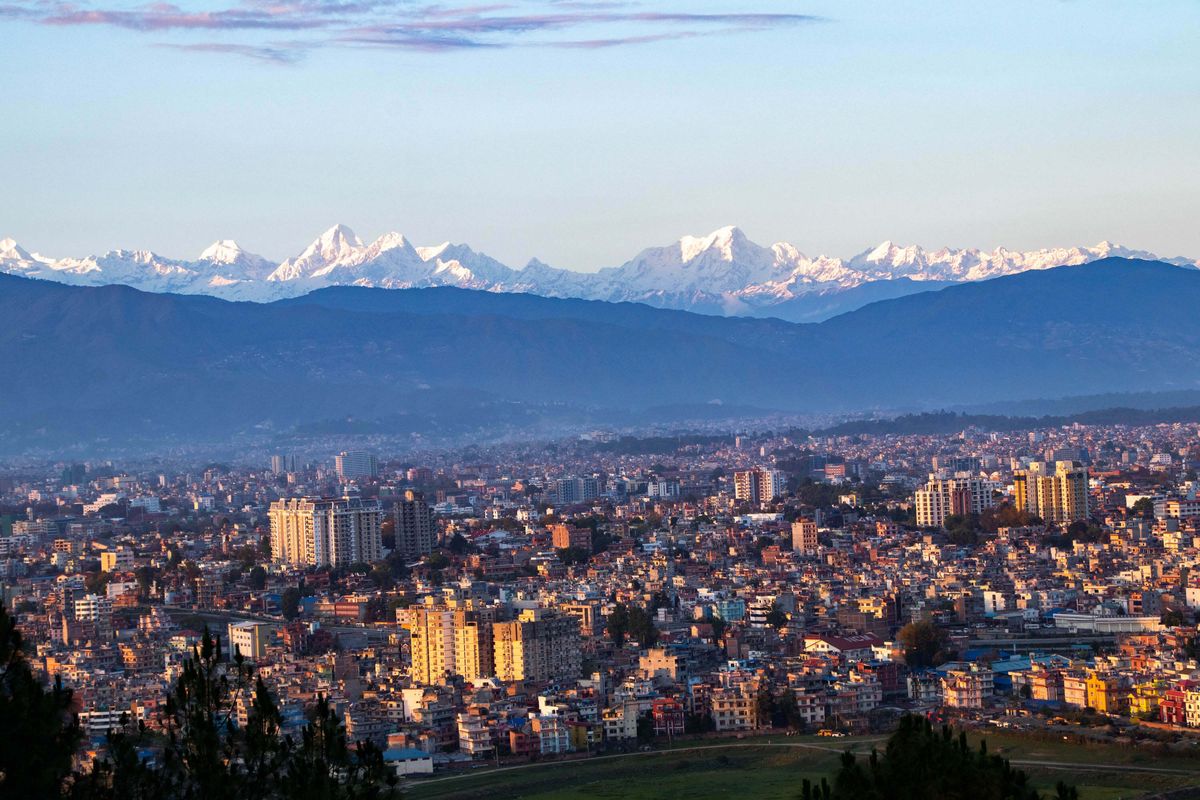
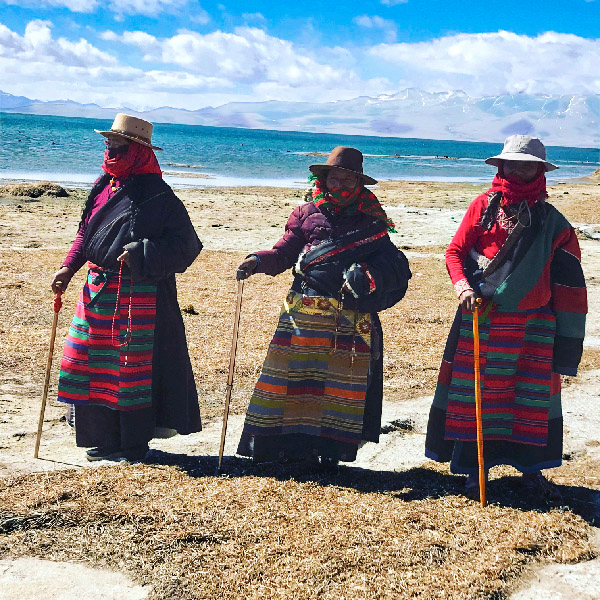
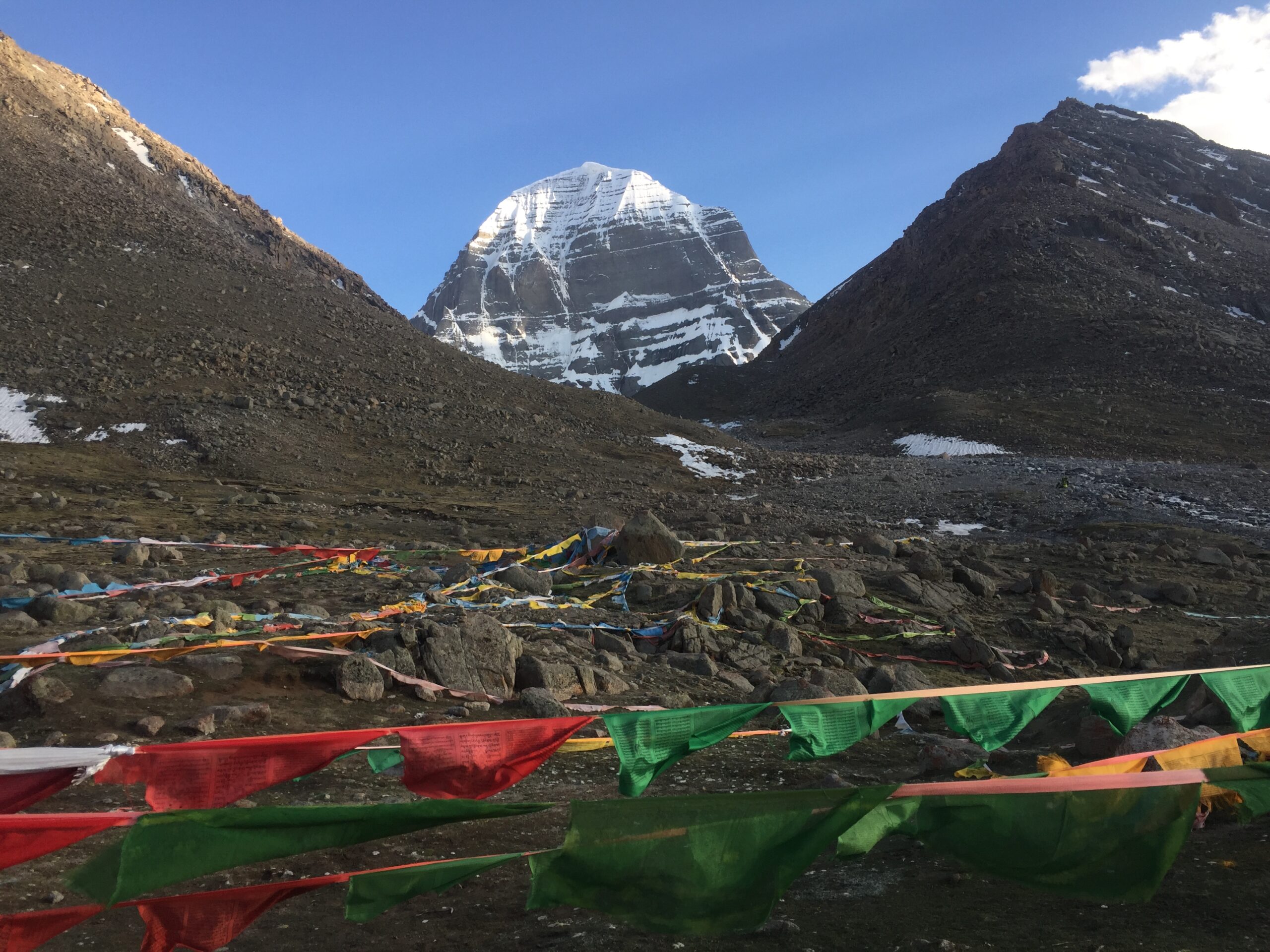
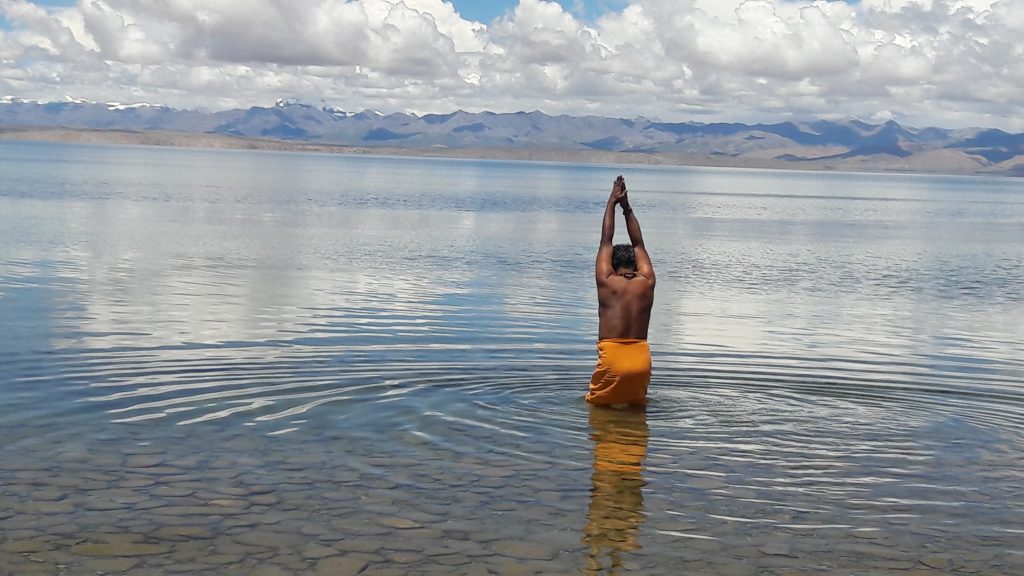
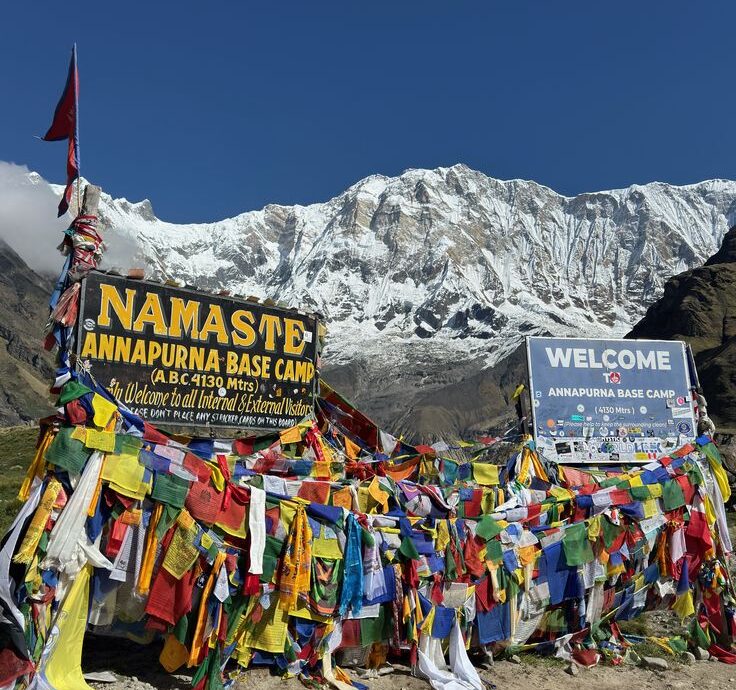
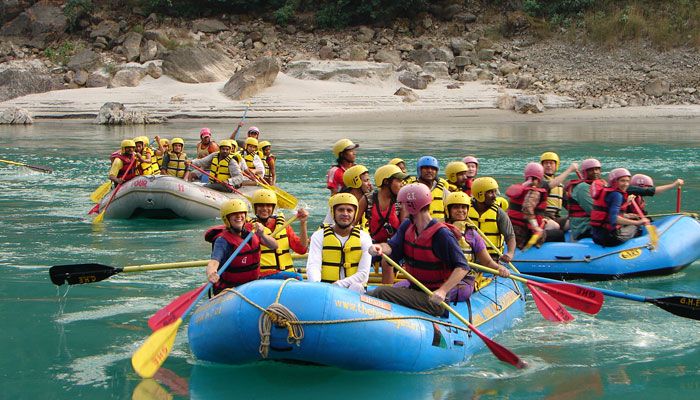
Leaf Holidays Treks and Expeditions is situated in Thamel, the heart of Kathmandu City, Nepal, and the most active tourist hub in Nepal. We are a team of nature lovers and adventure seekers who are always happy to present you with the best experience of exploring numerous enthralling places across Nepal, Tibet, India, and Bhutan. Leaf Holidays Treks & Expeditions is a leading trekking company situated in Thamel, the vibrant tourist hub of Kathmandu. As one of the most active travel centers in Nepal, Thamel serves as the perfect starting point for unforgettable Himalayan adventures.
Leaf Holidays is a passionate team of nature lovers and adventure seekers dedicated to delivering exceptional travel experiences across Nepal, Tibet, India, and Bhutan. With a strong commitment to quality service, the company ensures every journey goes beyond expectations.
Why Choose Leaf Holidays Treks & Expeditions?
Choosing the right trekking partner is crucial, and Leaf Holidays stands out for several reasons:
Experienced & Dedicated Team
Every member of the company is fully committed to providing top-level service, ensuring your trek is smooth, safe, and memorable.
Adventure Beyond Expectations
Traveling through the valleys and mountains with Leaf Holidays offers a deeper connection to nature, culture, and adventure.
Safety & Planning First
Each trip is carefully planned with strong attention to safety, especially in challenging Himalayan terrains.
Personalized Travel Experience
Whether you prefer trekking, cultural tours, or adventure activities, itineraries are flexible and tailored to your needs.
Explore the Himalayas with Leaf Travels and Tours
Leaf Holidays Treks & Expeditions, also known as leaf travels and tours, provides a wide range of adventure experiences in the Himalayan region. From peaceful trekking routes to extreme adventure activities, every journey is designed to deliver unforgettable moments.
Their pure adventure trips include:
Off-the-beaten-path trekking routes
Whitewater rafting on wild Himalayan rivers
Cultural exploration across remote villages
Multi-country tours in Nepal, Tibet, India, and Bhutan
With over a decade of experience, the company has successfully guided travelers through some of the most breathtaking and challenging landscapes on Earth.
Kailash Mansarovar Overland Tour Experience
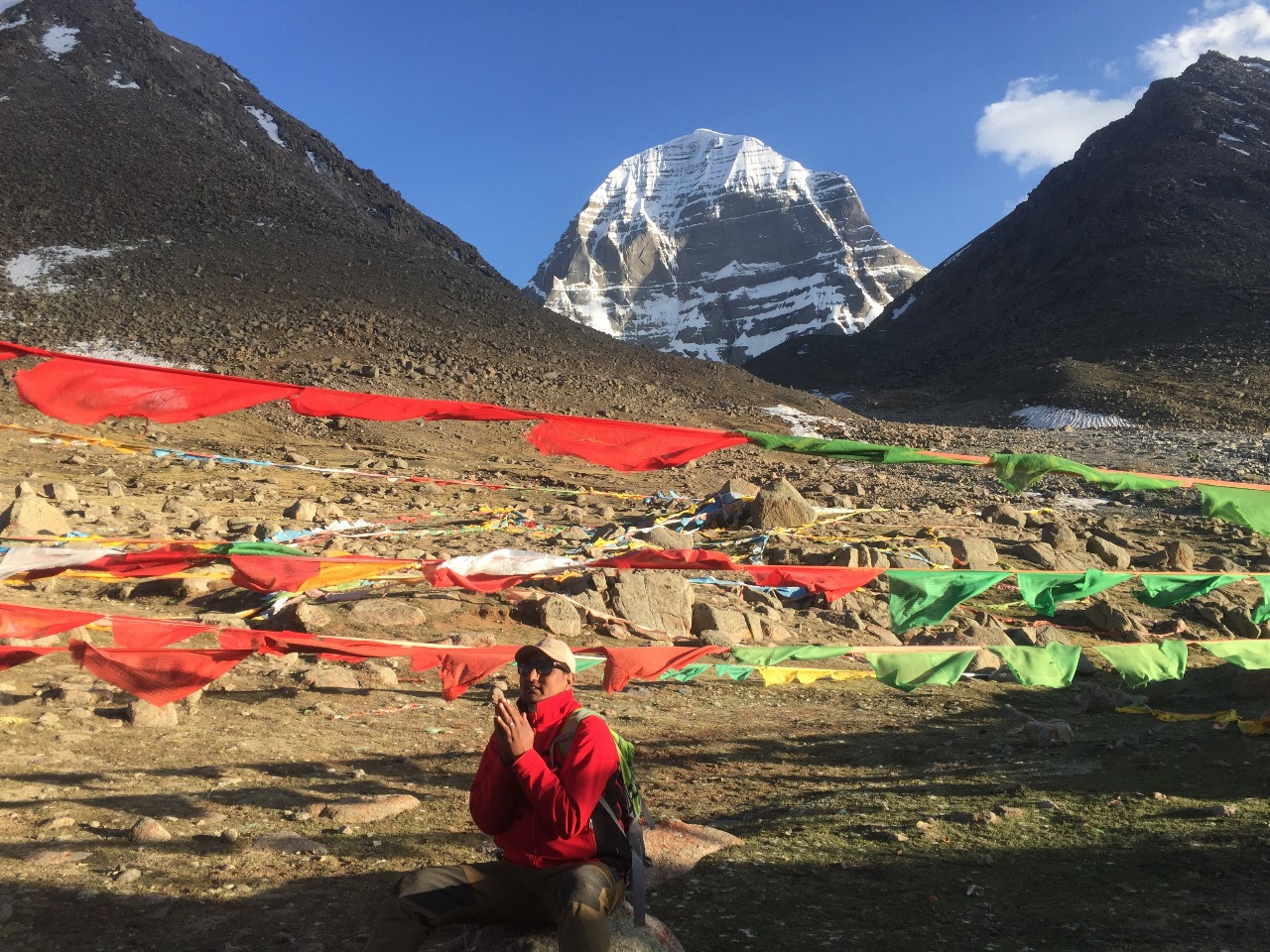
One of the most popular spiritual and adventure journeys offered by Leaf Holidays is the kailash mansarovar overland tour.
Leaf Holidays ensures proper logistics, permits, and safety throughout this once-in-a-lifetime journey.
Unmatched Himalayan Adventure Experience
Leaf Holidays is a seasoned outdoor operator offering some of the most thrilling experiences in the Himalayas.
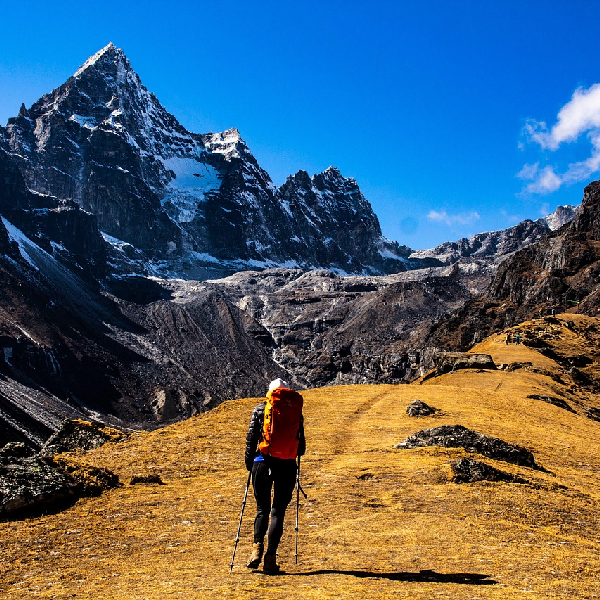
From winding trails to dramatic landscapes, every trek reveals the raw beauty of nature. Whether you are exploring hidden valleys or walking through rugged mountain paths, the experience is both breathtaking and inspiring.
Their expert guides ensure:
Safe navigation through difficult terrain
Proper acclimatization
Continuous support throughout the journey
Commitment to Safety and Excellence
Safety is a top priority at Leaf Holidays Treks & Expeditions. The team goes the extra mile to ensure that every traveler feels secure and comfortable, even in harsh mountain environments.
Through detailed planning and preparation, they deliver the following:
Well-organized itineraries
Emergency support readiness
Reliable logistics
This level of dedication ensures a successful and stress-free trekking experience.
Create Lifelong Memories
Traveling with Leaf Holidays is more than just a trip; it’s a life-changing experience. From capturing stunning Himalayan photographs to creating unforgettable memories, every journey leaves a lasting impact.
You’ll return home enriched with:
Unique travel stories
Cultural experiences
Once-in-a-lifetime adventures
Conclusion
Leaf Holidays Treks & Expeditions is a trusted name in Nepal’s trekking industry, offering personalized, safe, and adventure-filled journeys across the Himalayas. Whether you’re planning a trekking expedition, a cultural tour, or the sacred Kailash Mansarovar overland tour, their expertise ensures an unforgettable experience.
For official travel guidelines, trekking permits, and updated tourism information in Nepal, you can visit the Nepal Tourism Board, which provides reliable details for planning your journey. For conservation rules and trekking regulations in protected areas, the Department of Tourism Nepal offers important safety and permit information. If you are exploring restricted regions or conservation zones during your trek, resources like the Annapurna Conservation Area Project (ACAP) are also highly recommended to understand environmental guidelines and responsible trekking practices before starting your Himalayan adventure.
📞 Start Your Journey Today
Ready to explore the Himalayas with experts? 👉 Contact Leaf Holidays Treks & Expeditions and plan your next adventure with confidence.
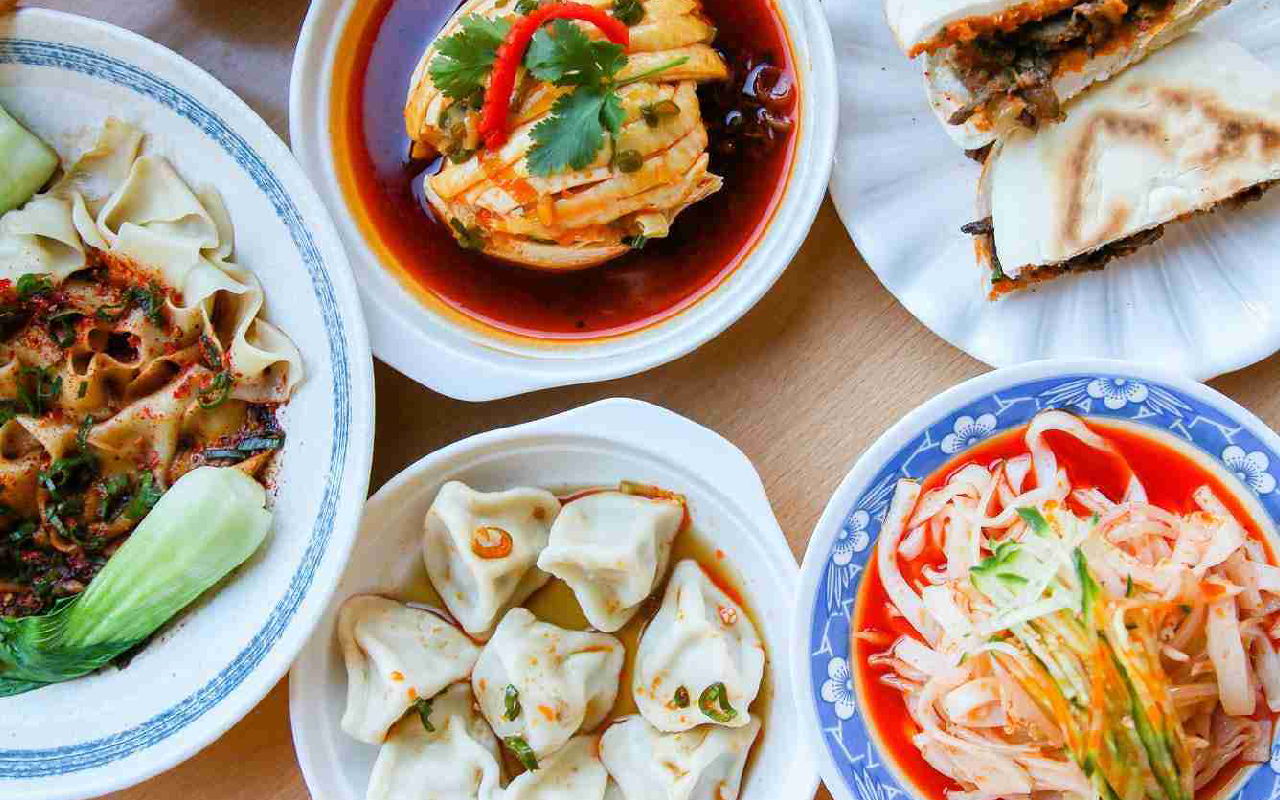
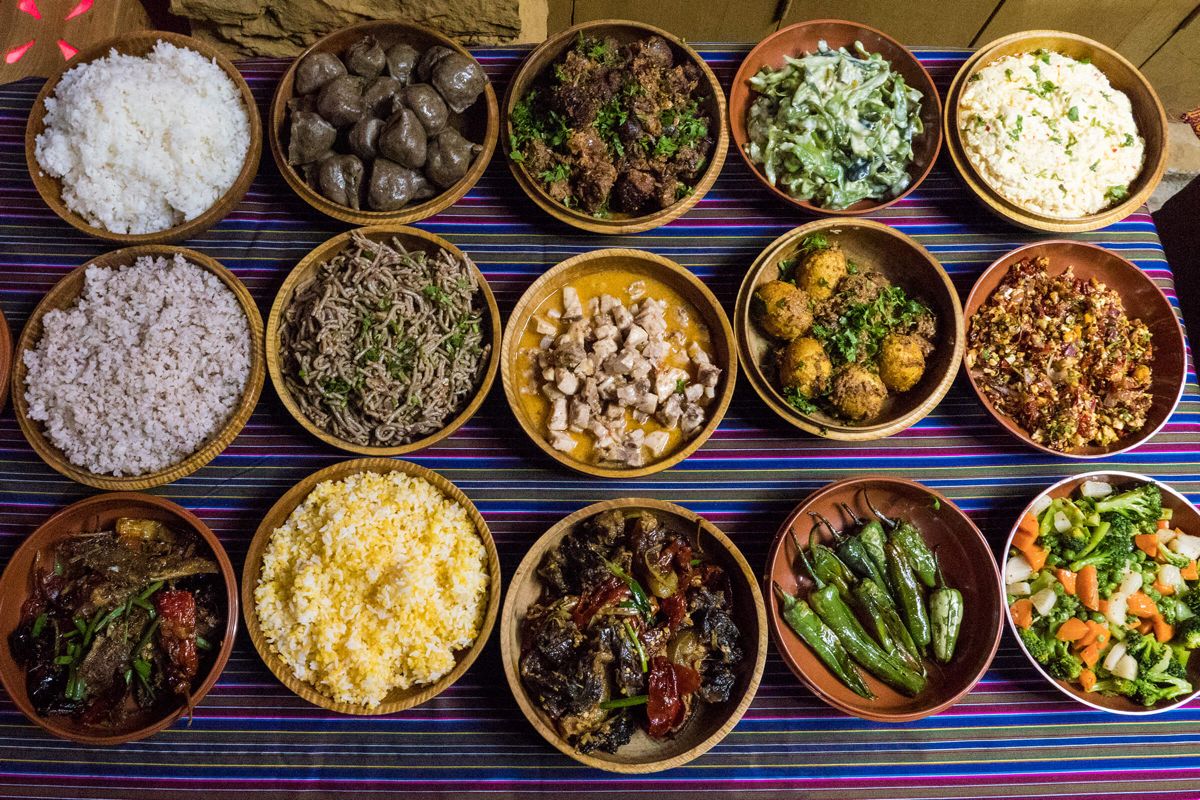
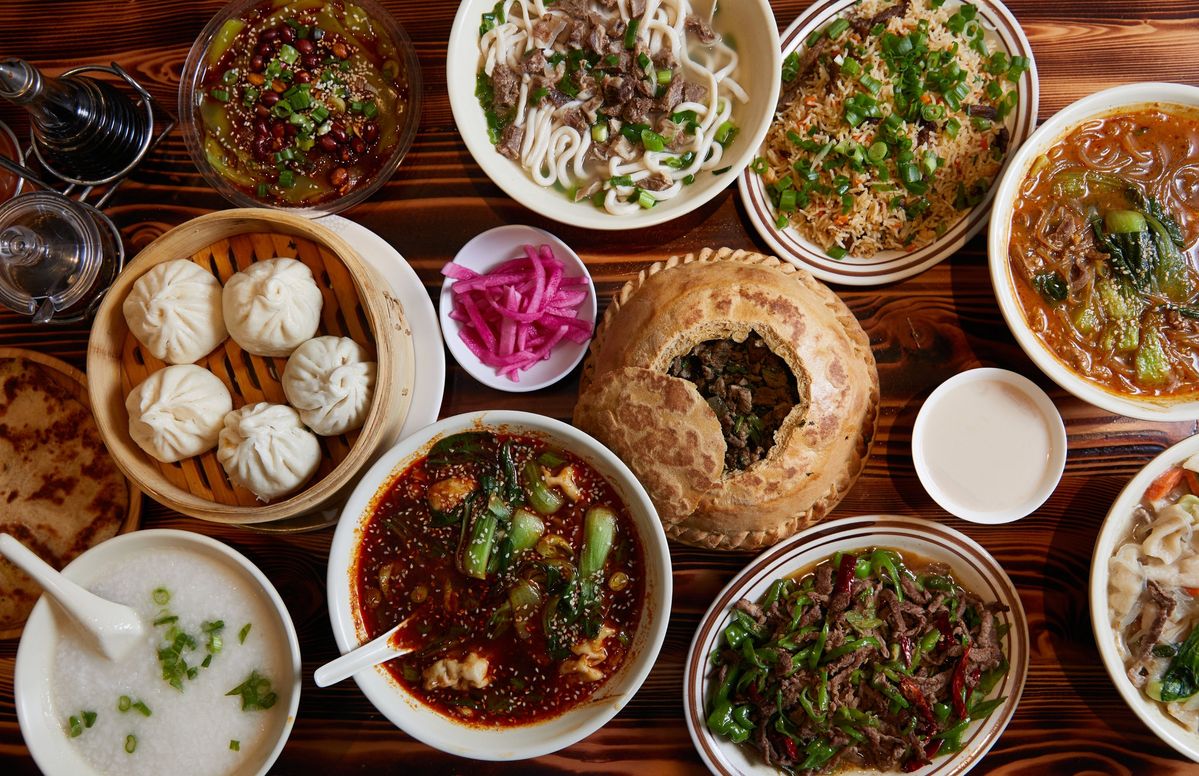
Tibetan Foods and Beverages you must try here in Nepal
If you are searching for Tibetan food near me in Nepal or planning a Himalayan trip, you are about to experience one of the most unique food cultures in the world. Tibetan cuisine is deeply influenced by high-altitude living, Buddhist traditions, and neighboring Nepalese and Indian flavors.
In this guide, we explore the Tibetan Foods and Beverages you must try, including traditional dishes, drinks, and a complete Tibetan food list that defines Himalayan culture.
What Makes Tibetan Food Special?
Tibetan cuisine is shaped by life on the Tibetan plateau (average altitude 4,000 m). Due to extreme cold and limited agriculture, the diet focuses on:
🐂 Yak meat and dairy products
🌾 Barley (Tsampa)
🧈 Butter and fermented foods
These ingredients create high-energy meals perfect for survival in harsh mountain conditions.
Tibetan Foods and Beverages You Must Try in Nepal
1. Tsampa (Staple Tibetan Food)
Tsampa is roasted barley flour mixed with butter tea. It is the most important staple food in Tibet and part of daily life.
2. Momo (Tibetan Dumplings)
Momos are one of the most popular Himalayan foods. They are filled with vegetables or yak meat and served with spicy chutney. A must-try when searching for Tibetan food near me.
3. Thukpa (Tibetan Noodle Soup)
A warm noodle soup made with vegetables, meat, and rich broth. It is perfect for cold mountain weather.
4. Yak Meat Dishes
Yak meat is lean, nutritious, and rich in flavor. It is often dried or cooked in traditional stews.
5. Tibetan Yogurt & Milk Curd
Made from yak milk, these dairy products are slightly sour but highly nutritious.
6. Tibetan Sausages
Traditional sausages made from yak or sheep meat, often prepared during festivals.
7. Boiled Spicy Potatoes
A simple yet flavorful dish made with Himalayan herbs and spices.
8. Tibetan Pastries
Crunchy deep-fried snacks are often enjoyed with tea or butter tea.
9. Dre-Si (Festive Rice Dish)
A sweet rice dish served during Losar (Tibetan New Year), symbolizing prosperity.
🍵 Popular Tibetan Beverages
1. Butter Tea (Po Cha)
Butter tea is the most iconic Tibetan drink made with tea leaves, yak butter, and salt. It helps keep the body warm in cold climates.
2. Sweet Tibetan Tea
A milky sweet tea widely popular in Nepal and Tibet. It is commonly served in tea houses.
3. Tibetan Barley Wine (Chhang)
One of the most famous Tibetan alcoholic drinks, made from fermented barley. It is served during festivals and celebrations.
4. Lhasa Beer
A locally brewed beer made using Himalayan barley and pure mountain water.
Complete Tibetan Food List
If you are looking for a quick Tibetan food list, here are must-try items:
Tsampa
Momo
Thukpa
Yak Meat
Butter Tea
Sweet Tea
Chhang (Barley Wine)
Tibetan Yogurt
Sausages
Where to Find Tibetan Food in Nepal
If you are searching for Tibetan food near me in Nepal, you can easily find authentic dishes in the following places:
Kathmandu (Boudha, Thamel)
Pokhara Lakeside
Tibetan refugee settlements
These areas offer authentic Himalayan cuisine with traditional taste.
Tibetan Alcoholic Drinks
Tibet is also known for its traditional drinks, especially the following:
Chhang (Barley Wine)
Lhasa Beer
Local fermented drinks
These are commonly served during festivals and social gatherings.
❓ FAQs (SEO Boost Section)
What is the most famous Tibetan food?
Momo, thukpa, and tsampa are the most famous Tibetan foods.
Is Tibetan food available in Nepal?
Yes, Tibetan food is widely available in Kathmandu, Pokhara, and other tourist areas.
What are Tibetan alcoholic drinks called?
They are called Chhang (barley wine) and local Tibetan beer.
Is Tibetan food spicy?
Tibetan food is generally mild but often served with spicy chutneys.
Conclusion
Exploring Tibetan Foods and Beverages you must try is more than just eating; it is a cultural journey through the Himalayas. From warm butter tea to flavorful momos and traditional barley wine, every dish tells a story of survival, tradition, and heritage.
If you are in Nepal or planning a trip, don’t miss these authentic Himalayan flavors.
Hiking and trekking might not be everyone’s cup of tea—and that’s completely okay. Some people love relaxing by a peaceful lake, others enjoy vibrant city life, while some souls are drawn toward the majestic Himalayas. And yes, some prefer the comfort of home.
But no matter your lifestyle, hiking and trek in the Himalayas is something everyone should experience at least once in a lifetime. It’s not just about walking it’s about freeing your soul, reconnecting with nature, and changing your perspective on life.
In today’s fast-paced world filled with constant hustle, stress, and digital noise, we often forget to pause. That’s where the magic of the Himalayas comes in. A journey into the mountains allows you to step away from chaos and truly reconnect with yourself.
In other words, we’ve built an automated way of life around us one where it is easy to get lost in stupefaction. On a certain note, there are several ways to pause everything for a moment, take a short break, and zoom out from your own life.
Any idea of how to accomplish that best? The answer my friend is trekking in the Himalayas. Trust us! Give yourself a chance to cuddle with Mother Nature for as long. If you doubt with the idea of trekking and have avoided trekking away in favor of parties, get-togethers, or a staycation, you should re-contemplate the same once.
Provided that the Himalayas are so close to us, how can one miss a chance to trek in the shadows of mighty mountains? Those fortunate few, who have walked the mountains will be able to perceive and tell how affordable and unique trekking in Nepal does exist. Here are reasons why one should choose to embark on an adventure like trekking, at least once (many more times, if possible) in your lifetime.
Why Choose Hiking and Trek in the Himalayas?
The Himalayas are not just mountains they are an experience. Whether you are exploring Himalayas treks expedition routes in Nepal or planning a spiritual expedition Himalaya journey, every step brings something unforgettable.
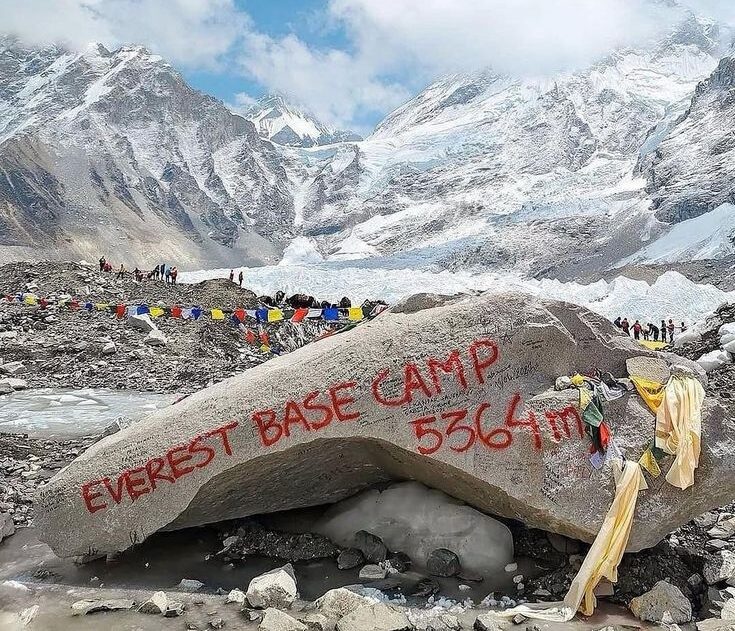
From the serene Langtang Valley Trek to the iconic Everest Base Camp (5,380m), Nepal offers some of the best trekking experiences in the world. With the help of a reliable Himalaya guide Nepal, your journey becomes safer, richer, and more meaningful.
10 Best Reasons to Go Trekking in the Himalayas
1) To escape the pre-scheduled routines and monotonous calendar
Have you felt it yet? No matter how exciting life may be, our daily routines often become monotonous. The urban rush of modern life follows strict patterns and schedules that keep everything organized but leave little room for true exploration. Although work and responsibilities are unavoidable, they often restrict us from fully experiencing life. That’s why taking a seasonal break is essential to refresh the mind and body.
On a deeper note, trekking and hiking open the door to completely different life experiences. A journey into the mountains during a himalayas treks expedition takes you far away from routine life and immerses you in nature, simplicity, and adventure. You walk through unique landscapes, stay in remote places, meet strangers, share stories, and build new friendships. What more could you ask for? That’s not monotony that’s freedom.
Modern life often feels repetitive, but trekking breaks that cycle and introduces you to a world filled with adventure, nature, and personal discovery.
2) To feel the journey and its rush
Oh! Yes! It’s also about feeling the entire trip and its rush. Have you ever felt your body being excited, thrilled, threatened, and immensely joyful at the same minute? If not yet, pack your bags right now and leave for the gigantic Himalayas.
People who have undergone adventurous stuff like Bungee jumping, rafting, and sky diving have more rendezvous with the definition of adrenaline rush and its nature.Unlike short adrenaline activities like bungee jumping or rafting, trekking offers a long-lasting thrill. Every uphill climb, every trail, and every sunrise gives you a natural high.
Hiking in nature is one of the best ways to experience a lasting sense of adventure while also enjoying deep peace and serenity. Many travelers who go on a hiking and trek in the Himalayas often describe a unique balance of thrill and calmness that cannot be found anywhere else. Experienced trekkers often share how peaceful they feel while slowly pushing themselves uphill, surrounded by towering mountains, fresh air, and nature’s pure silence. It is in these moments that one truly connects with Nature’s embrace.
3) To bid farewell to stress
The energy and time we invest in trekking is never wasted—it is a meaningful investment in our overall well-being. A journey into the mountains during an expedition Himalaya experience balances not only our physical health but also our mental and emotional state. It helps us reconnect with ourselves, stay positive, and release stress from everyday life.
Trekking is one of the most powerful natural stress relievers. The peaceful environment, fresh mountain air, and constant physical movement work together to restore balance to the mind, body, and soul. Many trekkers describe it as a healing journey where nature itself becomes therapy, helping them feel refreshed, calm, and deeply rejuvenated.
4) To challenge our fitness level
Of course, trekking is a continuous movement from one stopover to another, which naturally boosts everyone’s fitness level. Along the journey, you have to hustle as you are challenged by steep uphill climbs and unpredictable downhill stretches throughout the route.
Hence, if you are embarking on a trek, especially a himalayas treks expedition, be prepared to challenge your physical limits and gradually improve your endurance as you adjust to rising altitude and dropping temperatures.
Trekking truly tests your stamina. Walking through steep trails, high altitudes, and constantly changing climates pushes your body to its limits, ultimately helping you grow stronger, both physically and mentally.
5) To collect memories and photographs
Trekking, traveling, hiking, and similar adventures are some of the best ways to collect lifelong memories. In every phase of life, we all seek joyful moments and meaningful experiences. During a travel journey, especially a hiking and trek in the Himalayas, you get the opportunity to meet new people, explore different places, learn new languages, experience diverse cultures, and create unforgettable memories that last a lifetime.
Without a doubt, trekking allows you to capture and freeze beautiful moments as they happen. Hiking up steep hills, breathing in the crisp mountain air, and continuously pushing your limits add a unique flavor to life, creating golden memories that stay with you forever.
From breathtaking mountain views to meeting travelers from around the world, trekking creates experiences that cannot be replaced. Every photograph you take becomes more than just an image it becomes a story worth remembering for life.
6) To broaden our perspective
To travel is to live, to see, to perceive, and to grow. Traveling, hiking, and trekking are among the best teachers of life. Unlike traditional classrooms, these are real-life master classes that broaden our perspective and understanding of the world. During a journey guided by a himalaya guide Nepal, trekking allows us to see life from a higher altitude both literally and mentally. Who knows? Some of the greatest insights in life may be discovered amid the mountains. It enhances our way of thinking and helps us develop a deeper, more meaningful outlook.
Trekking is like a real-life classroom where every step teaches patience, resilience, and gratitude. Observing the world from higher altitudes often transforms the way we perceive everything, giving us a fresh and powerful perspective on life.
7) To enlighten spiritually
The Himalayas are deeply spiritual. Journeys like the Kailash Mansarovar Yatra are not just physical but also spiritual experiences that connect you with a deeper purpose. Well, known that travel helps us in the pursuit of knowledge, perception, and deep understanding of other cultures. But travel goes much deeper- it directly enters our horizon of spirituality and makes it wider.
We ask ourselves a set of questions while traveling. It is because travel makes us think outside of our comfort zone, and daily expenses and ask why we are here and what is our purpose. It might seem a bit fancy, but, in an honest tone, trekking really can be a spiritual, philosophical experience, especially when you leave for our Kailash Mansarovar Tour.
8) To set our new limits
Every trek challenges you both mentally and physically. Overcoming these challenges helps you discover your true potential and build lasting confidence. A himalayas treks expedition is not just about walking through giant hills and narrow trails it is about pushing your limits and continuously setting new goals for yourself.
Trekking is a journey of self-discovery that attracts both beginners and experienced trekkers, as everyone enjoys the challenges that nature presents. While it is a deeply rewarding experience, it also requires dedication and effort to fully enjoy its benefits.
It challenges a person on many levels physically, mentally, spiritually, and even emotionally. That is why setting clear goals before starting a trek is an important step toward a successful and fulfilling adventure.
9) To relish in the beauty of Mother Nature
Simply put, a trekking adventure can take us to places we’ve only dreamed of or heard about. Most of the world’s untouched natural treasures can only be accessed through long journeys far away from high-density tourist areas and crowded destinations.
To truly soak in the beauty of nature, we must embrace trekking. During a hiking and trek in the Himalayas, travelers get the chance to explore pristine landscapes that remain hidden from the modern world. One such breathtaking destination is Rara National Park in Nepal, often called “heaven on earth,” where you can experience the peaceful shores of the stunning Rara Lake.
Many of the world’s most beautiful places are only reachable through trekking. From remote villages to hidden valleys, the Himalayas reveal raw, untouched beauty that leaves every traveler in awe.
10) To create awareness
Lately, there has been a growing trend of running marathons and participating in trekathons, where people engage in such activities to raise awareness on important global issues. Several activists have climbed mountains and peaks to spread messages about climate change, global warming, and environmental pollution, while others aim to share positive values and inspiration.
Today, trekking is not just about adventure it is also about awareness and responsibility. Many travelers taking part in an expedition Himalaya choose eco-friendly journeys that promote sustainability, climate awareness, and responsible tourism, helping to protect the natural beauty of the mountains for future generations.
Like Nepal, Tibet is also a holy place that is full of miracles and surreal landscapes. Some people confess that Tibet is a paradise on Earth for tourists, where one can not only capture fantastic photos but also get to explore Tibetan Buddhist Monasteries, even Everest Base Camp Trek. However, Tibet has much more to offer to its visitors. Here are our top five reasons to visit Tibet.
1) Tibet’s surreal landscapes
Tibet’s exceptional landscape is like no other place on Earth: rugged, remote, and incredible. The vast Tibetan plateau, set against the snow-clad peaks of the world’s highest mountains, will leave any traveler in awe. It is no surprise that Tibet is often called the “roof of the world,” as much of the region sits at an average altitude of 4,500 meters above sea level.
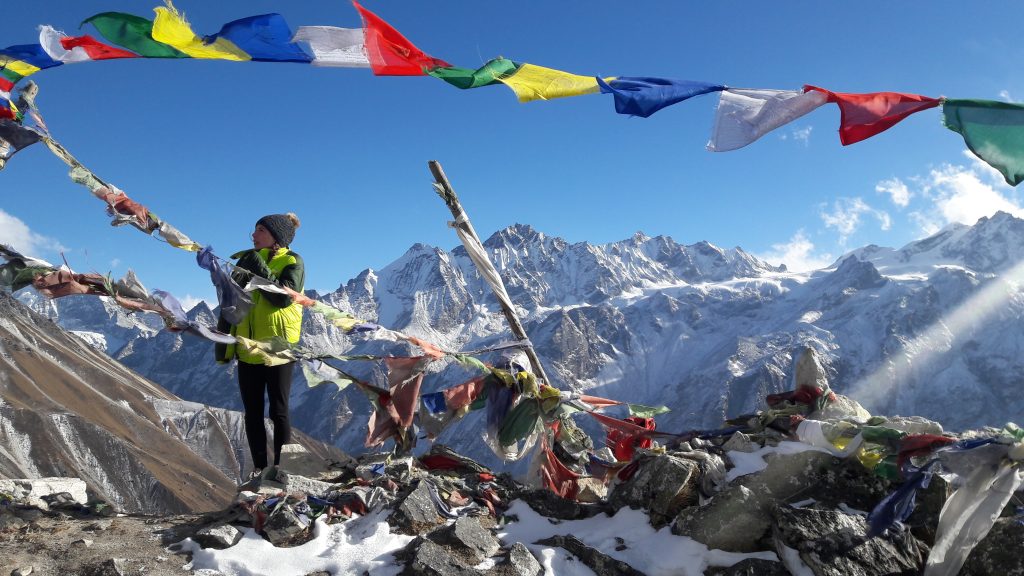
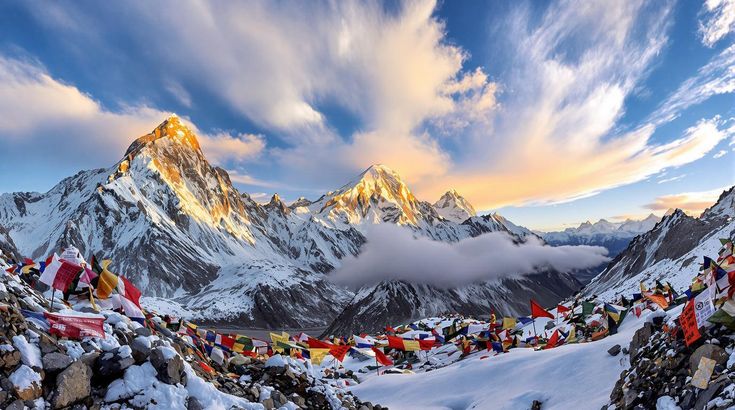
For those seeking a true expedition Himalaya experience, Tibet offers unmatched scenery and adventure. Imagine capturing breathtaking views of Everest, Lhotse, Cho Oyu, Makalu, and countless other peaks stretching endlessly across the horizon. As you trek through winding trails adorned with colorful Buddhist prayer flags, you’ll feel deeply connected to the raw beauty and spiritual essence of this ancient land.
2) Tibetan Locals and their Culture
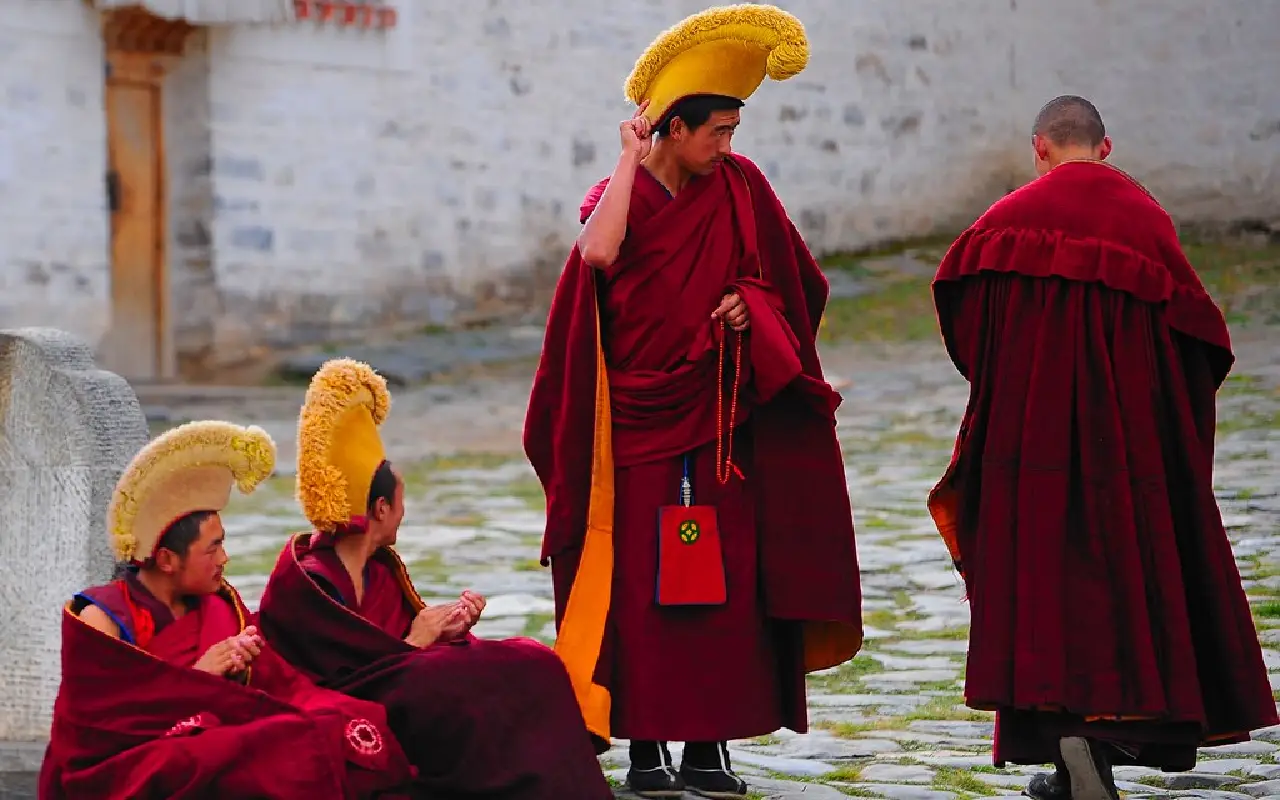
Tibetans are deeply spiritual people, and their devotion to peace through Buddhism has shaped their way of life for centuries. The influence of Buddhist philosophy is visible everywhere from monasteries to daily rituals making every journey feel meaningful. Beyond their faith in Buddha, Tibetans also hold a profound connection with the mountains, which they consider sacred. Across the region, you’ll witness pilgrims spinning prayer wheels and walking in devotion around temples, monasteries, and holy peaks.
During any Himalayas treks expedition, the most unforgettable moments often come from these cultural encounters rather than just the landscapes. Whether it’s sharing yak-butter tea with a monk in a remote monastery or connecting with a nomadic family by a serene lake, these experiences leave a lasting impression. By the end of your journey, you won’t just remember the mountains you’ll carry a deep appreciation for the rich and unique Tibetan culture.
3) Unique Festivals of Tibet
Over 100 festivals are celebrated across Tibet throughout the year, each offering a vibrant glimpse into Tibetan Buddhism and local traditions. Experiencing these festivals is truly life-affirming and adds a deeper cultural dimension to any journey. One of the most significant is the Saga Dawa Festival, held at Mount Kailash—the sacred mountain often regarded as the center of the universe.
During this time, thousands of pilgrims gather to pay homage to Mount Kailash, believed by both Hindus and Buddhists to be the mythical Mount Meru. For many travelers, combining such spiritual experiences with hiking and trek in the Himalayas creates a journey that is both physically rewarding and spiritually enriching.
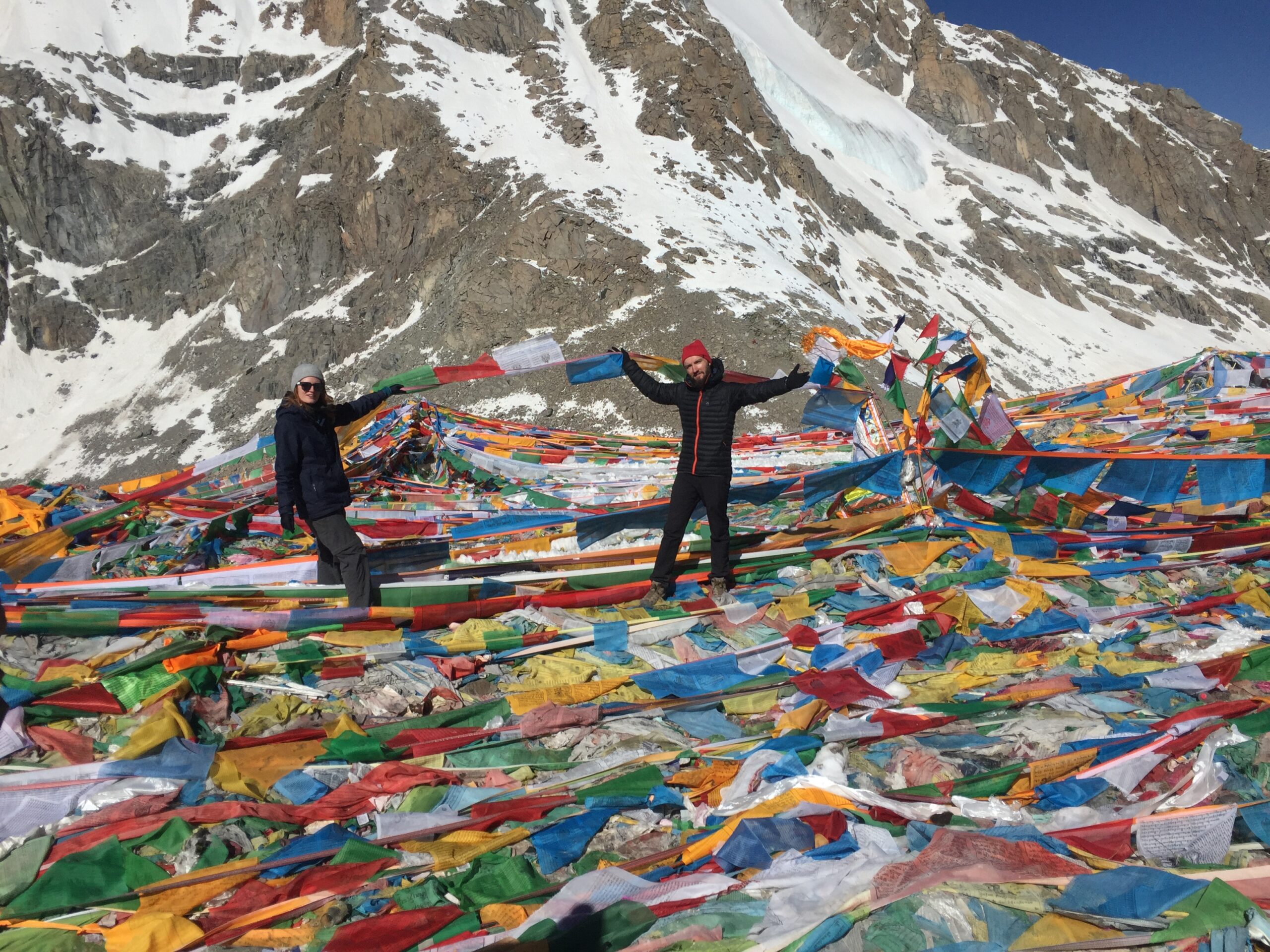
Visitors participate in the sacred Kora, a clockwise circumambulation around the mountain, which takes about a week and crosses a high pass of around 5,800 meters. This pilgrimage is not just a trek it’s a profound spiritual adventure that leaves a lasting impact on every traveler.
4) The enchanting Monasteries
As mentioned earlier, ancient monasteries are found throughout Tibet and form one of the most important social and spiritual foundations of Tibetan history. With religion playing a central role in daily life, chortens and monasteries serve as centers of learning where monks and nuns preserve and spread the teachings of Buddha.
During any expedition Himalaya, visiting these monasteries adds a deeply meaningful cultural layer to the journey. Many monasteries and temples warmly welcome visitors, even in remote countryside areas, and some even host travelers overnight. A visit to these sacred places is not just a religious experience it is also a powerful way to understand the traditions and beliefs that have shaped Tibet into what it is today.
5) Friendship Highway
One of the most important highlights of Tibet travel is the Friendship Highway. This legendary route offers an epic journey of over 850 km from Kathmandu to Lhasa, making it one of the most spectacular road trips in the world. According to any experienced himalaya guide Nepal, this route is not just a drive it is a once-in-a-lifetime adventure that connects culture, landscapes, and spirituality across the Himalayas.
So, when you are leaving for Tibet? Book your exciting trips with us.
Best Treks to Experience in Nepal
If you are planning your journey, here are some top options:
Everest Base Camp Trek
Langtang Valley Trek
Annapurna Base Camp Trek
Manaslu Circuit Trek
Kailash Mansarovar Yatra
A professional Himalaya guide Nepal can help you choose the right trek based on your fitness and experience level.
❓ FAQs
Is hiking in the Himalayas safe?
Yes, with proper planning and a certified guide, trekking in Nepal is safe and well-managed.
What is the best time for Himalayas treks expedition?
Spring (March–May) and Autumn (September–November) are the best seasons.
Do I need a guide for trekking in Nepal?
For many treks, especially remote ones, hiring a Himalaya guide Nepal is highly recommended.
Is trekking suitable for beginners?
Yes, there are many beginner-friendly treks like Langtang and short Annapurna routes.
Conclusion
Choosing hiking and trek in the Himalayas is more than just an adventure it’s a life-changing journey. Whether you are seeking peace, thrill, or self-discovery, the Himalayas offer it all.
From breathtaking landscapes to spiritual experiences and cultural richness, every step in the mountains tells a story. So if you’ve ever thought about it this is your sign.
For more insights on responsible trekking, mountain safety, and sustainable tourism in Nepal, travelers can also explore resources from theNepal Tourism Board and the Trekking Agencies’ Association of Nepal. These organizations provide valuable information about trekking routes, permits, eco-friendly travel practices, and cultural experiences across the Himalayas.
Denominated the ‘ceiling of the world’ and touted as the original Shangri-La, the mystical land of Tibet entails a potent draw over travelers looking to delve into Buddhist spirituality, mystical landscapes, and long-held traditions.
No rays of doubt were cemented in the minds of Western travelers, thanks to the Hollywood film named “Seven Years in Tibet,” based on the story of a bestselling autobiographical book of the same name. Also, Tibet has for many decades been another name of dignity, majesty, and mythology. Many globetrotters flock towards this holy land, hoping for some sort of life-affirming or astonishing experience, but is this the reality of visiting Tibet?
Read the full blog and answer yourself! This blog deals with every aspect of traveling in and around Tibet.
Why Visit Tibet?
Known as the “Roof of the World,” Tibet is one of the most spiritually enriching and visually stunning destinations on Earth. From ancient monasteries and sacred lakes to the mighty Himalayas, Tibet offers an experience unlike any other. Travelers seeking peace, adventure, and cultural immersion often consider Tibet a once-in-a-lifetime destination.
The mystical atmosphere of Tibet became globally popular after the movie Seven Years in Tibet, which showcased the region’s spirituality, traditions, and untouched beauty. Even today, Tibet continues to attract travelers who want to escape modern chaos and reconnect with nature and themselves.
One of the major highlights of any Tibet travel guide is the region’s breathtaking scenery. Snow-covered mountains, turquoise lakes, high-altitude deserts, and colorful prayer flags create landscapes that feel almost unreal. Beyond the scenery, the deep-rooted Buddhist culture, chanting monks, and centuries-old monasteries leave a lasting impression on visitors.
Tibet is also ideal for travelers who love exploring roads less traveled. Despite growing tourism, many parts of Tibet still remain remote and untouched, offering authentic cultural experiences and peaceful surroundings.
Best Tibet Tour Packages
Choosing the right Tibet tour package depends on your travel style, duration, and interests. Some travelers prefer cultural sightseeing in Lhasa, while others seek adventure tours to Everest Base Camp or the sacred Mount Kailash region.
Popular Tibet tour packages include the following:
A standard package generally includes accommodation, transportation, permits, guide services, and sightseeing. Many travelers from Nepal choose a Tibet package from Nepal because Kathmandu is one of the easiest international gateways to Tibet.
For first-time visitors, a 7-day Lhasa and Shigatse tour is highly recommended. Adventure seekers often extend their trip to Everest Base Camp for panoramic Himalayan views.
Tibet Trip Itinerary (7 Days / 10 Days)
A well-planned Tibet trip itinerary helps travelers acclimatize properly while exploring Tibet’s major attractions comfortably.
7 Days Tibet Trip Itinerary
Day 1: Arrival in Lhasa Day 2: Potala Palace, Jokhang Temple, Barkhor Street Day 3: Sera Monastery and Drepung Monastery Day 4: Drive to Shigatse via Yamdrok Lake Day 5: Explore Tashilhunpo Monastery Day 6: Return to Lhasa Day 7: Departure
10 Days Tibet Trip Itinerary
Day 1-3: Lhasa sightseeing and acclimatization Day 4: Drive to Gyantse and Shigatse Day 5: Continue toward Everest Base Camp Day 6: Explore Everest Base Camp Tibet side Day 7: Return to Shigatse Day 8: Return to Lhasa Day 9: Free exploration in Lhasa Day 10: Final departure
This type of Tibet trip itinerary allows travelers to experience both cultural landmarks and Himalayan landscapes without rushing.
Tibet Travel Cost
The overall Tibet travel cost depends on the duration, transportation type, accommodation category, and route chosen. Tibet is generally more expensive than many Asian destinations because independent travel is restricted and guided tours are mandatory for foreigners.
Average estimated costs:
Budget Tibet Tour: USD 800–1200
Standard Tibet Tour: USD 1200–2500
Luxury Tibet Tour: USD 3000+
The cost usually includes:
Tibet travel permit
Hotel accommodation
Transportation
Tour guide
Entrance fees
Flights to Lhasa can be expensive, especially during peak season. Many travelers choose an overland Tibet package from Nepal to reduce transportation expenses and enjoy scenic Himalayan routes.
Tibet Permit Process
Foreign travelers require a Tibet travel permit before entering Tibet. Independent travel is not permitted, and travelers must book through a registered tour agency.
To apply for the Tibet travel permit, travelers generally need the following:
Passport copy
Chinese Visa
Confirmed tour booking
The permit process usually takes around 10–15 days. Most tour operators handle the entire permit procedure on behalf of travelers.
Without a valid Tibet travel permit, entry into Tibet is not allowed.
Best Time to Visit Tibet
The best time to visit Tibet is from April to October when the weather remains relatively mild and roads are accessible.
Spring (April–May)
Pleasant temperatures
Blooming flowers
Fewer tourists
Summer (June–August)
Peak travel season
Ideal for Everest Base Camp and Mount Kailash
Festival season in Tibet
Autumn (September–October)
Clear mountain views
Stable weather
Excellent photography conditions
Winter can be extremely cold, especially in remote regions, although Lhasa remains open for travel and offers fewer crowds and lower prices.
Any Tibet travel guide would recommend spring and autumn for the best balance of weather, visibility, and travel comfort.
Tibet Trip from Nepal
A Tibet trip from Nepal is one of the most popular ways to enter Tibet. Kathmandu serves as the primary international gateway connecting Nepal and Tibet.
Travelers can either:
Fly directly from Kathmandu to Lhasa
Travel overland through the Gyirong border
The overland journey offers spectacular Himalayan scenery, high mountain passes, lakes, and Tibetan villages along the route.
Popular Tibet package from Nepal options include the following:
Kathmandu to Lhasa Overland Tour
Kathmandu to Everest Base Camp Tibet Tour
Kailash Mansarovar Yatra
Traveling from Nepal is also convenient for South Asian travelers due to easier logistics and organized group departures.
Lhasa Tour Guide
Lhasa, the capital of Tibet, is the cultural and spiritual heart of the region. Most Tibet tour packages begin from this historic city.
Top attractions in Lhasa include:
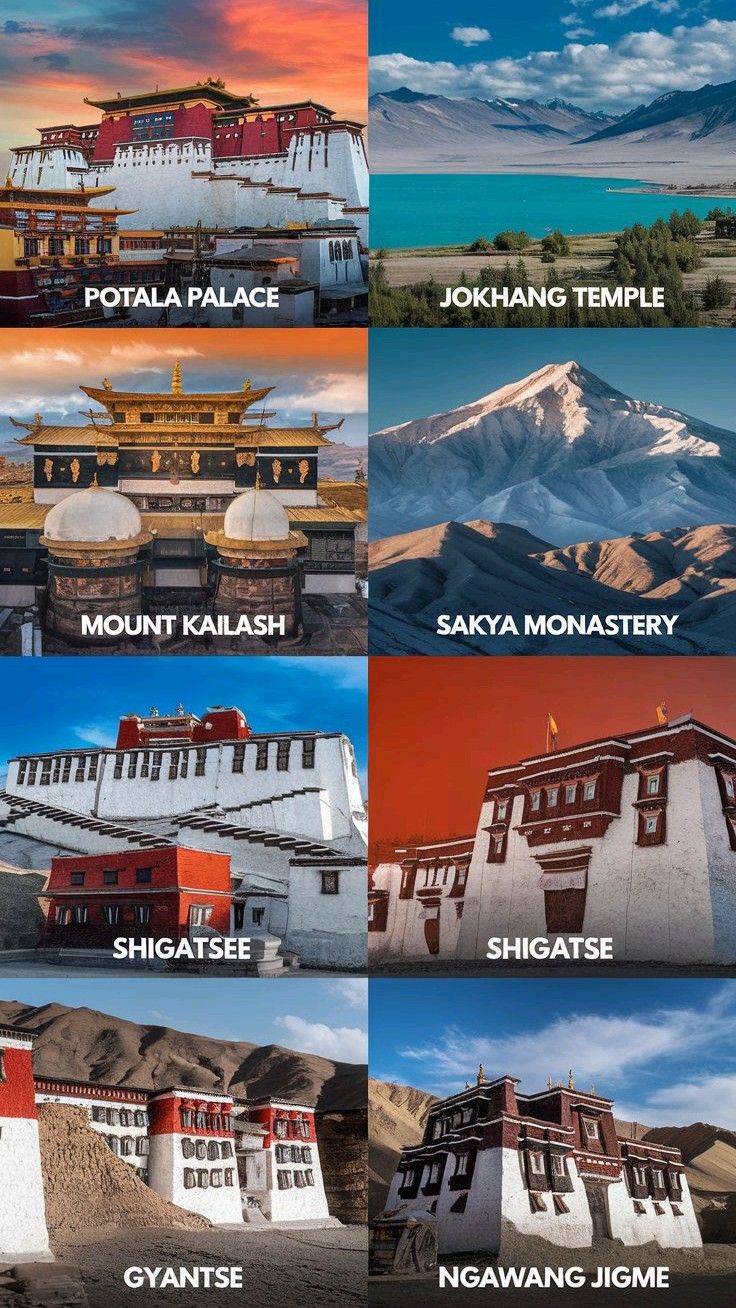
Potala Palace
The iconic winter residence of the Dalai Lama and the most famous landmark in Tibet.
Jokhang Temple
One of the holiest temples in Tibetan Buddhism.
Barkhor Street
A lively traditional market filled with prayer wheels, handicrafts, and Tibetan culture.
Sera Monastery
Famous for monk debate sessions and Buddhist learning traditions.
Travelers usually spend at least 3–4 days in Lhasa for proper acclimatization and sightseeing.
Everest Base Camp Tibet Tour
The Everest Base Camp Tibet Tour is one of the most rewarding Himalayan adventures. Unlike the Nepal side, travelers can drive much closer to Everest Base Camp in Tibet.
The route from Lhasa to Everest Base Camp passes through the following:
Yamdrok Lake
Gyantse
Shigatse
High mountain passes
At an altitude of around 5,088 meters, the Tibet side of Everest Base Camp offers dramatic panoramic views of Mount Everest and surrounding Himalayan peaks.
This tour is ideal for travelers wanting mountain scenery without long trekking days.
Tibet Packing List
Packing properly for Tibet is essential because of the high altitude and changing weather conditions.
Essential items include:
Warm jackets and thermal layers
Comfortable trekking shoes
Sunglasses and sunscreen
Water bottle
Personal medications
Power bank and chargers
Passport and permits
Even during summer, temperatures can drop significantly at night, especially near Everest Base Camp.
Tibet Altitude Tips
Altitude sickness is one of the biggest concerns while traveling in Tibet. Since Lhasa itself sits above 3,500 meters, proper acclimatization is extremely important.
Helpful Tibet altitude tips:
Drink plenty of water
Avoid alcohol during the first few days
Walk slowly
Rest properly after arrival
Eat light meals
Carry Diamox if necessary
Common symptoms include:
Headache
Nausea
Dizziness
Fatigue
Most travelers adjust well after spending a few days in Lhasa before moving toward higher regions.
Traveling gradually and following a proper Tibet trip itinerary greatly reduces the chances of severe altitude sickness.
For more detailed information about Tibet’s culture, history, and travel regulations, travelers can also explore reliable resources like the official tourism websites and international travel guides before booking their Tibet tour package. Doing proper research helps you better understand the Tibet travel permit process, local customs, weather conditions, and the best Tibet trip itinerary for your journey.
FAQs About Tibet Tour Package
Do I need a permit to visit Tibet?
Yes, foreign travelers require a Tibet travel permit before entering Tibet.
Is Tibet safe for tourists?
Yes, Tibet is generally safe for travelers with proper permits and guided tours.
What is the best time to visit Tibet?
April to October is considered the best travel season.
Can I travel to Tibet from Nepal?
Yes, Kathmandu is one of the easiest gateways to Tibet.
The best time to visit Nepal 2026 promises unforgettable experiences for every traveler
Nepal is one of the most diverse travel destinations in the world, offering everything from Himalayan adventures and spiritual journeys to wildlife safaris and cultural exploration. Whether you are a trekking enthusiast, nature lover, or cultural explorer, best time to visit nepal promises unforgettable experiences for every traveler.
Home to Mount Everest, ancient temples, vibrant festivals, and UNESCO World Heritage Sites, Nepal attracts millions of travelers seeking both adventure and peace. The country has rebuilt and modernized its tourism infrastructure over the years, making Nepal tourism 2026 more exciting and accessible than ever before.
Travelers visiting Nepal can experience breathtaking trekking routes, authentic Nepali hospitality, traditional cuisines, and stunning landscapes ranging from snowy mountains to subtropical jungles.
Is Nepal Open for Tourism in 2026?
Yes, Nepal is fully open for international tourism in 2026. Travelers from around the world can freely travel to Nepal 2026 with proper travel documents and visa requirements.
International flights are operating regularly through Tribhuvan International Airport in Kathmandu, and major tourist destinations across Nepal are welcoming visitors throughout the year. Trekking routes, national parks, cultural sites, and adventure activities are all open for tourism.
Nepal has also improved tourism facilities, transportation, accommodation, and digital services, making travel more comfortable for international visitors. Whether you want to trek in the Himalayas, explore Kathmandu Valley, or enjoy jungle safaris, Nepal tourism 2026 is ready to welcome travelers from all around the globe.
Best Places to Visit in Nepal
Nepal is filled with world-famous destinations and hidden gems that attract adventure seekers and cultural travelers alike.
Mount Everest Region
The Everest region is one of the most iconic trekking destinations in the world. Travelers can experience Everest Base Camp Trek, Sherpa culture, Namche Bazaar, Tengboche Monastery, and panoramic Himalayan views.
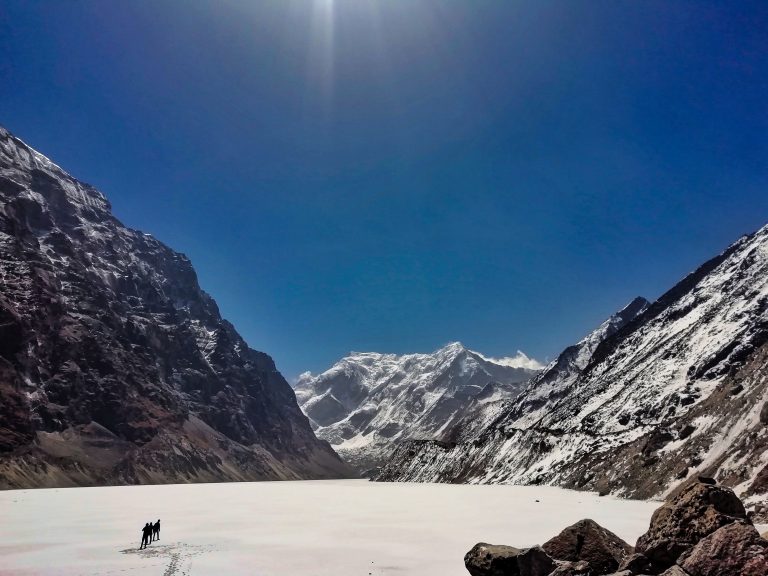
Tilicho Lake
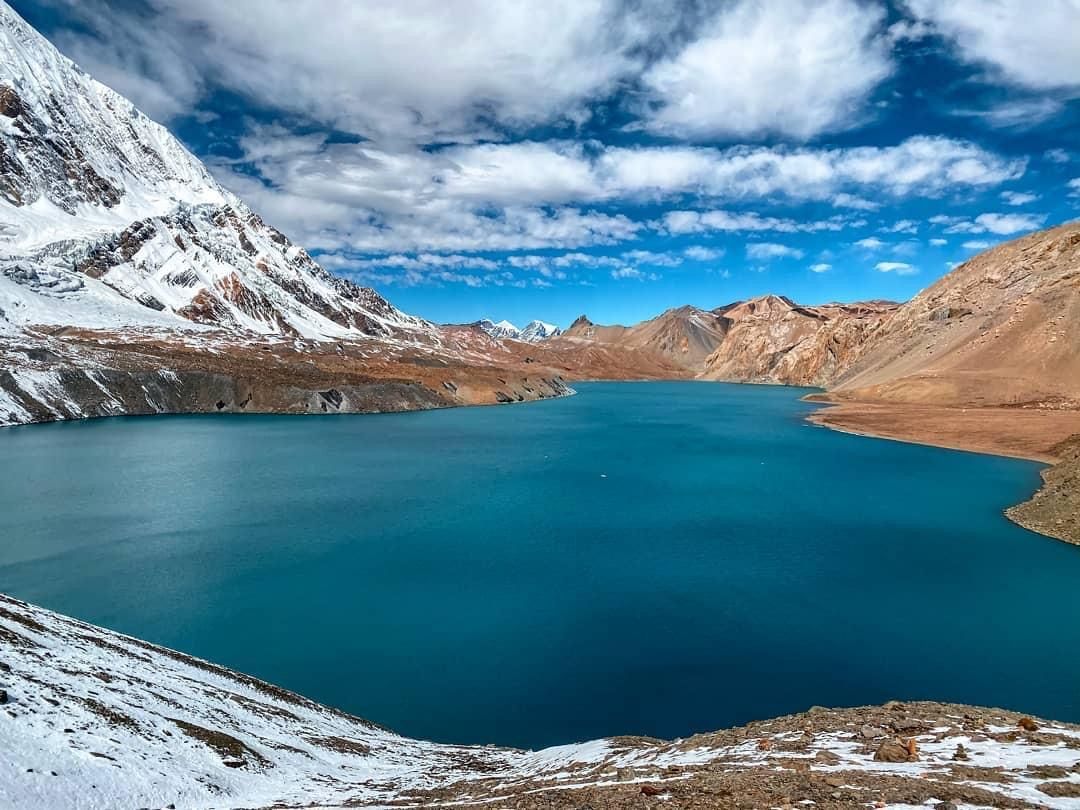
Located at an altitude of 4,949 meters, Tilicho Lake is considered one of the highest lakes in the world. The turquoise lake surrounded by snow-covered mountains offers one of the most scenic trekking experiences in Nepal.
Upper Mustang
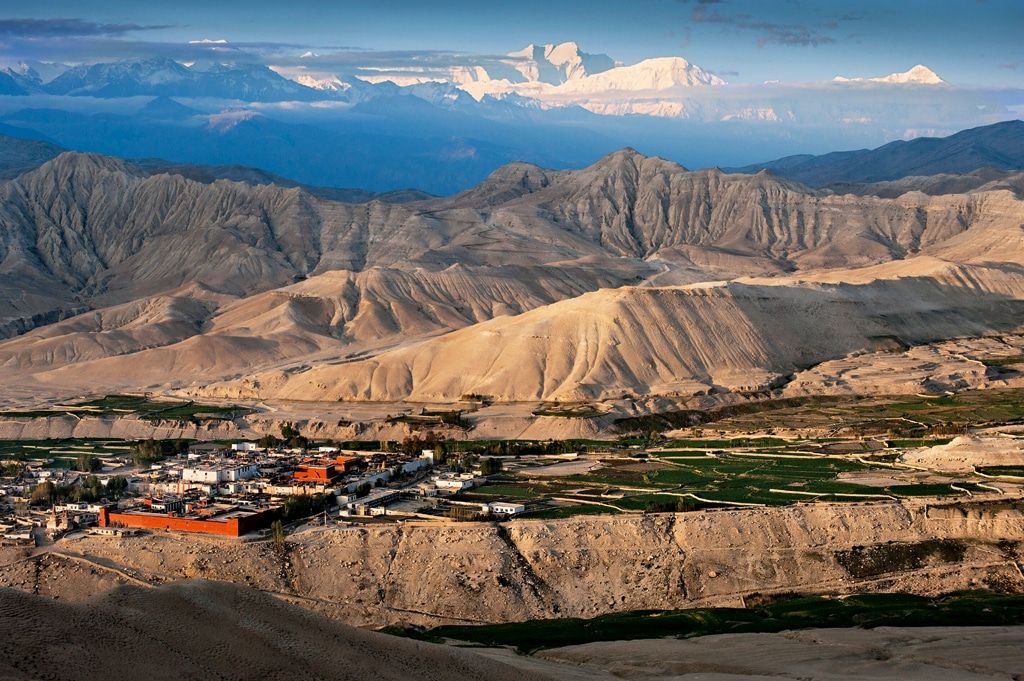
Upper Mustang presents a unique desert-like Himalayan landscape with ancient Tibetan culture, caves, monasteries, and remote villages. It is one of the best off-the-beaten-path destinations in Nepal.
Lumbini
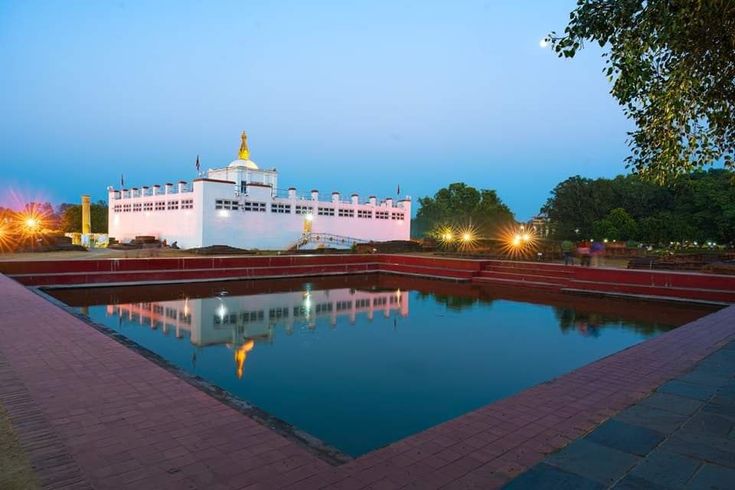
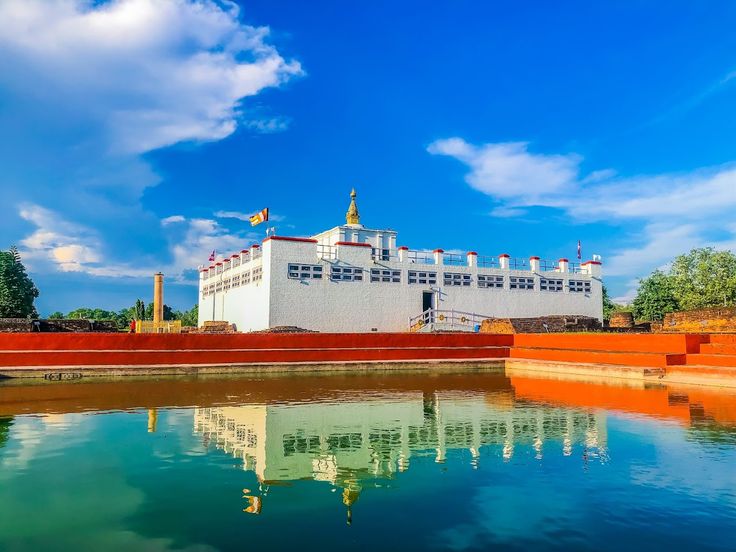
Lumbini, the birthplace of Lord Buddha, is one of the most important spiritual destinations in the world. Pilgrims and travelers visit this peaceful destination to explore monasteries, meditation centers, and historical sites.
Chitwan National Park
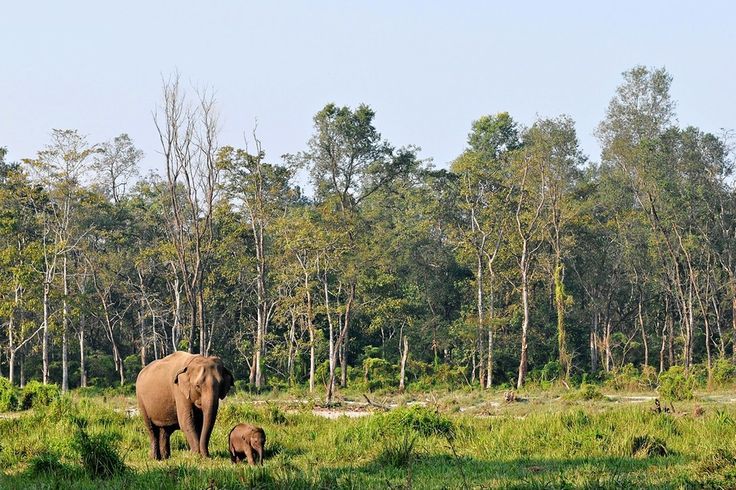
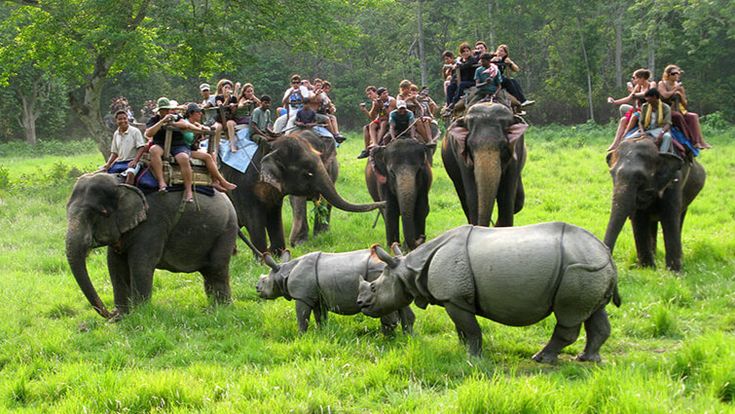
Travelers looking for wildlife adventures can explore Chitwan National Park, home to rhinos, Bengal tigers, elephants, crocodiles, and hundreds of bird species.
Kathmandu Valley
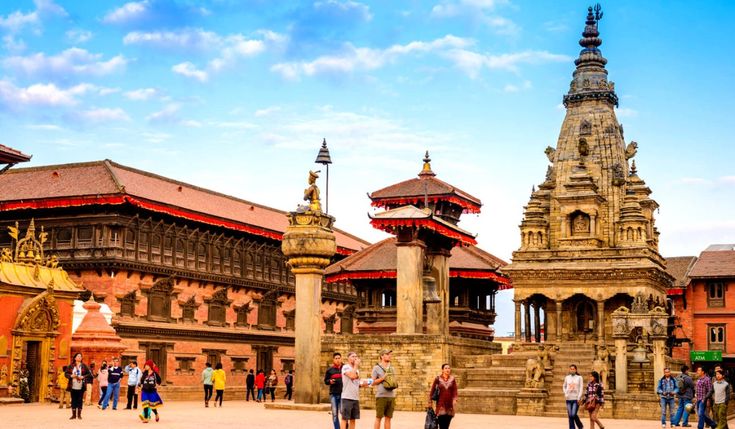
Kathmandu Valley is the cultural heart of Nepal featuring ancient temples, heritage sites, local markets, and traditional Newari culture.
Kathmandu Travel Guide 2026
Kathmandu is the capital city and the main gateway for travelers visiting Nepal. Rich in history, spirituality, and culture, Kathmandu offers a fascinating blend of ancient heritage and modern city life.
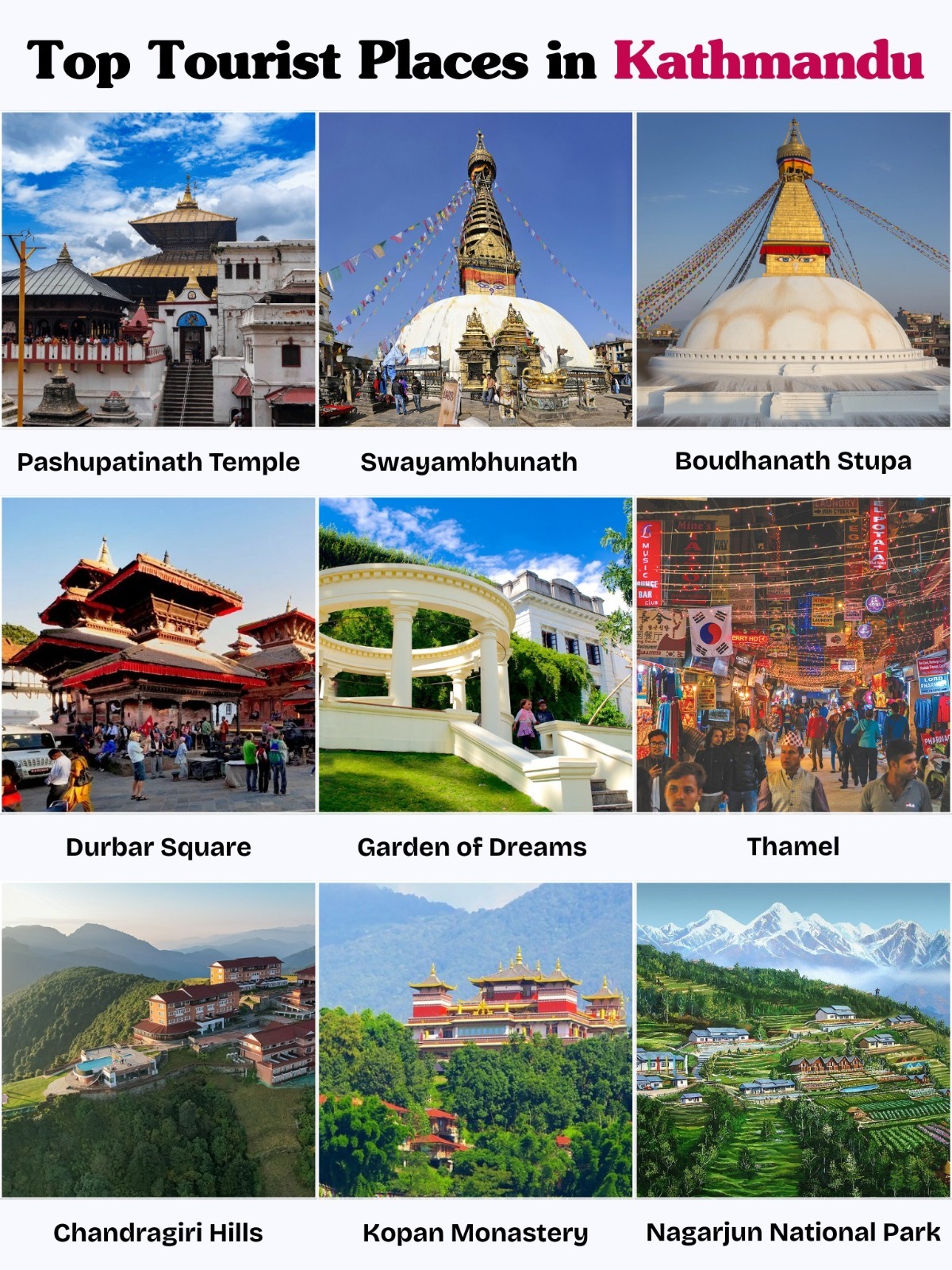
Major attractions in Kathmandu include:
Pashupatinath Temple
Boudhanath Stupa
Swayambhunath (Monkey Temple)
Kathmandu Durbar Square
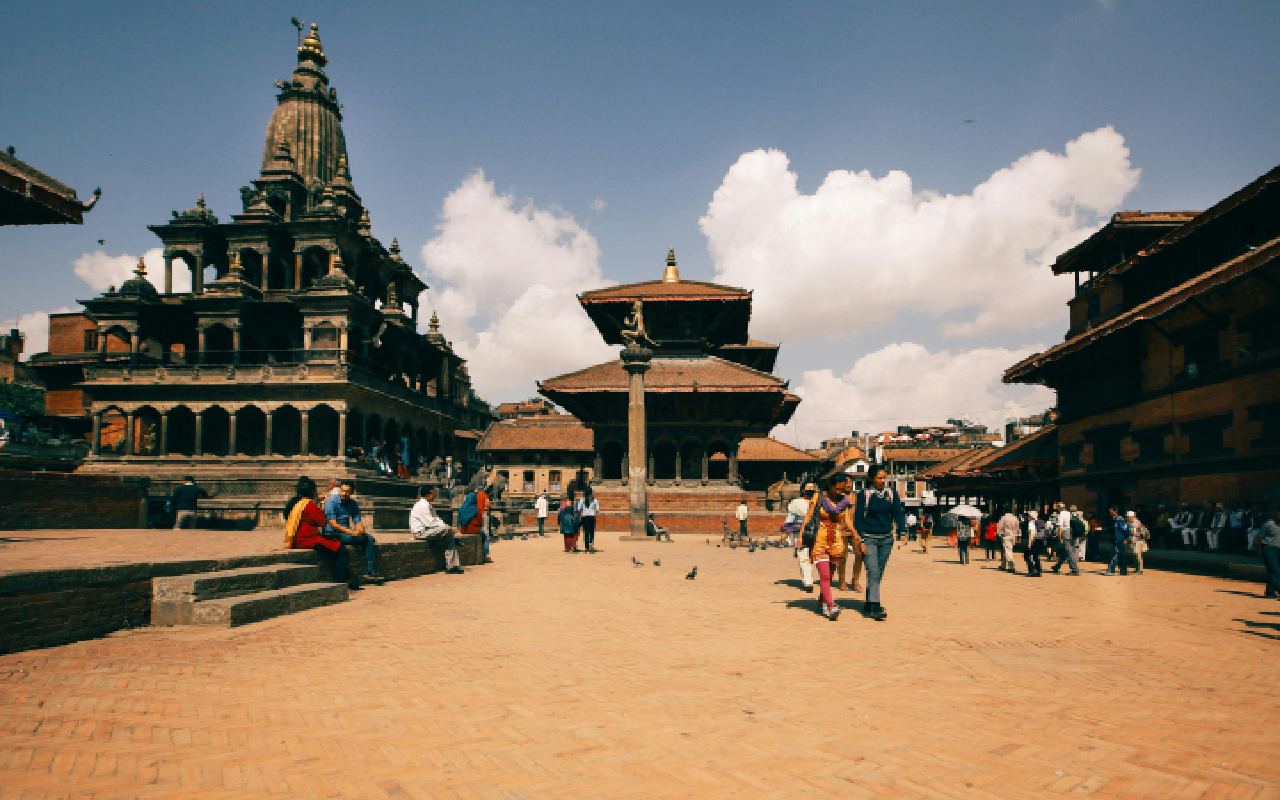
Patan Durbar Square
Bhaktapur Durbar Square
Kathmandu is also famous for its lively streets, local markets, rooftop cafes, traditional cuisines, and vibrant nightlife. Travelers can enjoy authentic Nepali dishes such as momo, Newari cuisine, dal bhat, and yomari while exploring the city.
For travelers planning to travel to Nepal 2026, Kathmandu serves as the perfect starting point before heading toward trekking regions, wildlife parks, or spiritual destinations.
Nepal Visa Information
Most international travelers can easily obtain a tourist visa for Nepal. Travelers can either apply online before arrival or receive a visa on arrival at Tribhuvan International Airport in Kathmandu.
Generally required documents include:
Valid passport
Passport-sized photographs
Visa fee payment
Return flight details (sometimes required)
Tourist visas are commonly available for:
15 days
30 days
90 days
Travelers are advised to check the latest immigration guidelines before planning their trip to Nepal tourism 2026.
Best Time to Visit Nepal
Nepal can be visited throughout the year, but the best seasons largely depend on travel interests and destinations.
Spring (March to May)
Spring is one of the best seasons for trekking and sightseeing. Rhododendron forests bloom beautifully, and mountain visibility remains excellent.
Autumn (September to November)
Autumn is considered the peak travel season in Nepal due to stable weather, clear skies, and ideal trekking conditions.
Winter (December to February)
Winter is suitable for cultural tours, wildlife safaris, and lower-altitude treks. Mountain regions can become extremely cold during this period.
Monsoon (June to August)
Monsoon brings lush greenery and fewer tourists, although heavy rainfall can affect trekking routes in some regions.
For most travelers planning, best time to visit nepal is on spring and autumn offer the best travel experiences.
Nepal Trekking Packages 2026
Nepal is globally recognized as one of the best trekking destinations in the world. Thousands of adventure seekers travel to Nepal 2026 for trekking experiences across the Himalayas.
These trekking packages range from easy hikes to challenging high-altitude adventures. Most packages include accommodation, transportation, guides, permits, and meals.
Adventure lovers can also enjoy mountain biking, peak climbing, paragliding, rafting, bungee jumping, and jungle safaris during their Nepal trip.
Cost of Traveling Nepal
Nepal is considered one of the most budget-friendly travel destinations in Asia. The overall travel cost depends on accommodation style, activities, transportation, and travel duration.
Average daily travel expenses:
Budget traveler: USD 20–40
Mid-range traveler: USD 50–100
Luxury traveler: USD 150+
Major expenses include:
Accommodation
Transportation
Trekking permits
Guide and porter services
Food and activities
Trekking packages and adventure tours may increase the overall budget depending on the region and duration.
Compared to many international destinations, Nepal tourism 2026 remains affordable while offering world-class adventure and cultural experiences.
Nepal Safety Tips for Tourists
Nepal is generally considered a safe destination for international travelers. However, following basic safety precautions can make your journey smoother and more enjoyable.
Helpful Nepal travel safety tips:
Drink bottled or filtered water
Keep copies of important documents
Travel with licensed trekking guides in remote regions
Avoid trekking alone in isolated areas
Carry warm clothing in mountain regions
Purchase travel insurance for trekking adventures
Altitude sickness can affect travelers in high Himalayan regions, especially during Everest and Annapurna treks. Proper acclimatization, hydration, and gradual ascent are extremely important.
Travelers visiting Nepal in 2026 can expect warm hospitality, friendly locals, and unforgettable travel experiences across the country.
What is the best time to visit nepal?
The government of Nepal had organized Visit Nepal Campaigns back in the year of 1998 and Nepal Tourism Year 2011, similarly, the Tourism Board of Nepal has introduced another tourism year, Visit Nepal 2026. It’s a visiting mission to Nepal with its prime motto as “Lifetime Experiences”, aiming to host as many as 2 million globetrotters and holidaymakers from all around the world.
Your Contribution to #VisitNepal2026 as a Traveler
As the best time to visit nepal campaign aims to welcome travelers and adventure seekers from all around the world, tourists themselves become the heart of this tourism movement. Every traveler visiting Nepal can contribute in meaningful ways to support local communities, preserve culture, and promote sustainable tourism.
Whether you are planning to travel to Nepal 2026 as a trekker, backpacker, blogger, photographer, or cultural explorer, your small actions can create a huge positive impact on Nepal tourism 2026. Here are a few simple yet powerful ways travelers can contribute during their Nepal journey.
1) Buy Locally Crafted Souvenirs
Nepal is home to more than 100 ethnic communities, each carrying unique traditions, art, and craftsmanship. While exploring local streets and marketplaces, travelers can find beautifully handcrafted souvenirs such as singing bowls, prayer wheels, handmade jewelry, wooden carvings, pashmina products, and traditional paintings.
Buying from local vendors and small businesses directly supports local families and helps preserve traditional craftsmanship. Supporting local handicraft industries is one of the best ways to contribute to Visit Nepal 2026 while taking home meaningful memories from Nepal.
2) Spread Positive Words About Nepal
Word-of-mouth recommendations remain one of the strongest forms of travel promotion. Sharing your positive experiences after visiting Nepal can inspire many other travelers to explore the country.
Travelers can support Nepal tourism 2026 by:
Sharing travel photos and videos
Writing travel blogs
Posting reviews online
Recommending Nepal to friends and family
Promoting hidden destinations through social media
A simple positive story about your Nepal adventure can encourage others to travel to Nepal 2026 and discover the beauty of the Himalayas.
3) Eat at Local Restaurants and Eateries
Although Nepal offers international restaurants and luxury hotels, trying local food at traditional eateries provides a more authentic cultural experience.
Travelers can enjoy delicious Nepali dishes such as:
Momo
Dal Bhat
Dhido
Newari cuisine
Yomari
Thukpa
Eating at locally owned restaurants helps local farmers, food vendors, and small businesses while giving travelers the opportunity to experience Nepalese hospitality and culture firsthand.
4) Hire Local Guides and Porters
Hiring local guides and porters not only makes travel easier but also creates employment opportunities for local communities. Guides can provide valuable insights into local culture, traditions, trekking routes, and hidden attractions that travelers might otherwise miss.
Whether trekking in Everest, Annapurna, Langtang, or exploring Kathmandu Valley, traveling with local experts enhances the overall experience and supports sustainable tourism in Nepal.
5) Practice Sustainable and Eco-Friendly Tourism
Protecting Nepal’s natural beauty is everyone’s responsibility. Travelers visiting Nepal should follow eco-friendly practices to help preserve the environment for future generations.
Simple sustainable tourism practices include:
Avoiding plastic waste
Carrying reusable water bottles
Respecting local culture and traditions
Disposing waste properly
Supporting eco-friendly accommodations
Keeping trekking trails clean
As Nepal tourism 2026 continues to grow, responsible travel will play a major role in preserving the country’s mountains, forests, rivers, and heritage sites.
6) Explore New Destinations in Nepal
Nepal is not only about Everest and Annapurna. The government and tourism sector have been promoting many new destinations that remain untouched by mass tourism.
Travelers planning to travel to Nepal 2026 can explore:
Pikey Peak
Upper Mustang
Rara Lake
Khaptad National Park
Ilam
Tsum Valley
Dolpo Region
Exploring lesser-known destinations helps distribute tourism benefits across different regions of Nepal while giving travelers more unique and peaceful experiences.
For more updates, travel insights, and destination guides related to Visit Nepal 2026, stay connected with us and continue exploring the incredible beauty, culture, and adventure that Nepal has to offer.
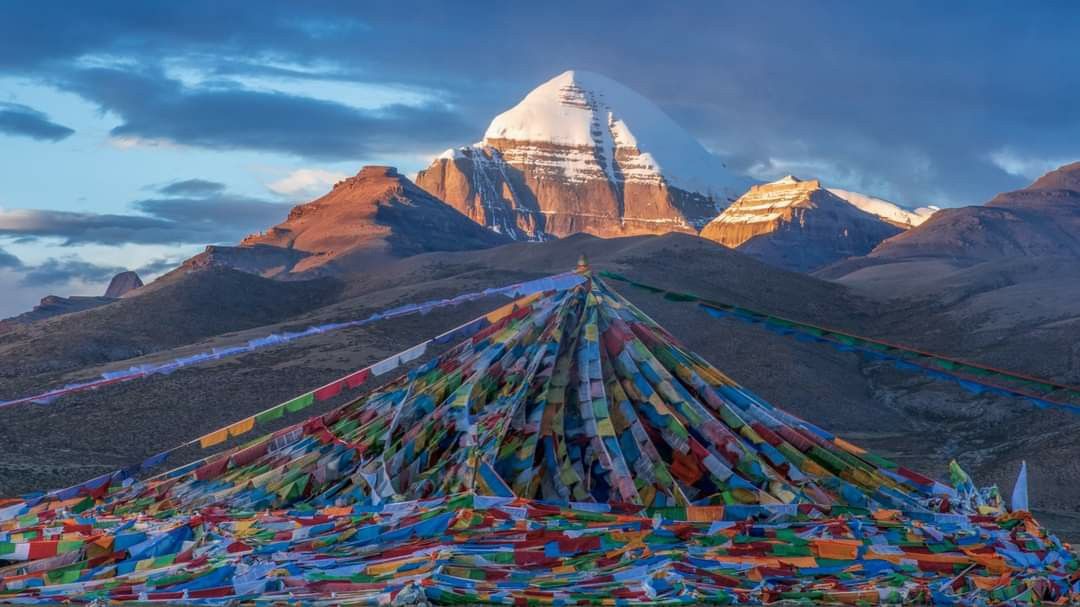
Considered to be the center of the Universe, and revered by people all over the globe, Mt. Kailash and Mansarovar region in Tibet is truly a bliss! It is widely said that only those who have the purest of hearts can make it to this almost impossible terrain. Learn more about this once-in-a-lifetime Kailash Mansarovar trip in our blog.
The adverse weather status and treacherous pathways also compound to make it a less visited place, and tourism hasn’t hit hard yet. It’s no wonder that only a few thousand people can make this Mount Kailash journey. One who reaches there is among those fortunate few.
A spiritual Kailash trip also widely known as the Kailash pilgrimage tour is one of the most famous pilgrimage experiences in Tibet, offering staggering Himalayan vistas including of holy Mt. Kailash and the other giant hills lying around the area. Sarovar indicates “the holy pond” in the Nepali language, hence the name Mansarovar.
Along with this, the sojourn also offers the bewitching appearance of the holy Mansarovar Lake, astounding landscapes, lush valleys, trails, ancient monasteries, and Tibetan cultures. Choosing a thoughtfully curated Kailash tour package is the perfect way to traverse the hidden treasures of the Tibetan plateau.
As hikers, trekkers, and pilgrims have to walk from low to high altitude gradually, we can reach there without high altitude sickness complexities.
About Mt. Kailash – The Center of the Universe
Mt. Kailash is regarded to be the physical embodiment of the mythological Mt. Meru, which is believed to be the holiest mountain in the world. Its snow-dusted rock pyramid is situated in the scenically rich region of western Tibet. Mt. Kailash an abode of the divine is also assumed as the most auspicious place to undertake a religious Kailash Mansarovar Yatra, performing the sacred Kora circumambulation around the mountain.
Indeed, the entire region holds immense religious significance and encompasses two turquoise-blue, unspoiled high-altitude freshwater lakes Mansarovar and Rakshas Tal.
Did you know? Mt. Kailash is revered not just by Hindus but by followers of seven religions. For Hindus, it is the abode of Shiva, while nearby Mansarovar Lake represents Brahma’s soul. Tibetans call it Kang Rimpoche; Jains venerate it as Mt. Ashtapada; and followers of Bon-Po, the ancient pre-Buddhist shamanistic religion of Tibet, refer to it as the soul of Tibet. The best time to undertake a Kailash Mansarovar tour is during May, June, July, and August, when pilgrims flock to this sacred region.
A spiritual sojourn to Kailash Mansarovar is recommended to all of us as it is a once-in-lifetime experience for real.
Towering with a dignified presence, Mt Kailash resides at 6,638m [22,000 ft.] According to Hindu beliefs, it is the abode of Shiva and his wife Goddess Parvati. It is part of the Trans-Himalayan belt in Tibet.
Resembling its shape with a cone of pure white snow, Mt. Kailash has the distinct appearance of being one of the world’s most venerated holy places. As we mentioned already, Mount Kailash is also a portrait of the mythical Mount Meru, which many religions contemplate to be the cosmic mountain positioned at the exact center of the universe.
On reaching there, all pilgrims complete a circumambulation (Kora or Parikrama) of approximately 53 km around the mountain, which usually takes about three days. Enlightenment is said to be guaranteed especially to those devoted souls who complete the circuit 108 times.
At the base of this giant mountain lies Mansarovar (‘the lake of consciousness and enlightenment’: 4,500m), a beautiful cobalt-blue lake. According to legend, a dip into its icy waters is considered essential for most pilgrims. Nearby lies the Rakshas Tal, or Lake of Demons.
The Toughest Pilgrimage | Mt. Kailash Mansarovar
A spiritual sojourn to Kailash Mansarovar is widely regarded as the toughest pilgrimage in the entire world. Situated about 20 km from Mt. Kailash, Lake Mansarovar holds major significance in mythology and acts as the origin of four great rivers the Indus, Sutlej, Brahmaputra, and Karnali. The Kailash Mansarovar Yatra is renowned for its cultural significance, religious value, spiritual awakening, physical grandeur, and thrilling nature.
How do I get there?
There are several exciting routes to undertake this Mount Kailash journey. One popular route leads through Xigatse via Saga to Mansarovar traveling from Kathmandu westward to Mansarovar’s eastern shore, a four to five-day journey. You’ll arrive at the tiny settlement of Darchen (14,000 ft.), the traditional starting point of the Kailash Parikrama.
Alternatively, you can travel on a 6-day drive from Xigatse to Ali and on to Darchen, from Kashgar through Ali, or from Nepal’s Simikot via Purang. The Simikot route (in the far northwestern district of Humla) proceeds to Hilsa on the western border, then into Tibet and to Taklakot in the Purang Valley. From Nepalgunj, you fly to Simikot, then trek along the Karnali River to the Tibetan border, crossing Nara-La pass before reaching Hilsa. A four-wheel drive then takes you through the Dolma-La pass (18,417 ft.) to Mt. Kailash and Mansarovar.
To reach Simikot, we need to get to Nepalgunj in western Nepal first (by air or by road) from where we can use the airways to Simikot. From there, the trekking trail follows the grumbling Karnali River right up to Tibet’s border. Next, we cross the Nara-la pass from where the trail drops exponentially down to the border town of Hilsa in Tibet. And then, there is no option except to take a ride on a four-wheeler to Purang through the Dolma-La pass (18,417 ft.) on the way, so that we can reach Mount Kailash and Mansarovar.
Itinerary | Kailash Tour Package
Our carefully designed Kailash tour package follows this itinerary:
Day 01: Arrive in Kathmandu (1,300 m)
Day 02: Half-day sightseeing in Kathmandu — the City of Temples
Day 03: Drive from Kathmandu to Syabrubesi
Day 04: Drive from Syabrubesi to Kerung
Day 05: Kerung – Saga (4,400 m)
Day 06: Saga – Mansarovar (4,558 m)
Day 07: Mansarovar – Darchen (4,575 m)
Day 08: Darchen – Yamadwar (7 km drive / 13 km walk) – Dirapuk (4,909 m)
Day 09: Trek to Zuthulphuk (4,760 m) via East Face Kuberkunda Pass (5,700 m)
Day 10: Zuthulphuk – Darchen – Mansarovar – Saga (end of Kailash Parikrama)
Day 11: Drive from Saga to Syabrubesi via Kerung
Day 12: Drive back to Kathmandu
Day 13: Final Departure
A spiritual sojourn to Kailash Mansarovar: beyond our words and imagination
Having seen the place only in pictures, any soul will be left in awe to behold its captivating beauty in person. The geographical structure around the mountain is rugged and dry but embellished by crystalline blue streams and pristine water bodies a contrast as beautifully blended as an artist’s canvas.
Mansarovar, the emerald-hued lake, is one of the highest freshwater lakes in the world. Around ninety kilometers in circumference, its crystal-clear reflections of surrounding snow-capped peaks, sun, and sky make it an epitome of purity and tranquility. A Parikrama of the lake is believed to purge all evils from the inner soul. Pilgrims bow in reverence as they touch the holy water, drink from it, and take a dip in a humble attempt to cleanse all sins.
A ‘Parikrama’ of the lake is believed to kick out all evils and sins from the inner soul and body. Generally, pilgrims bow down in respect and reverence as they touch the holy water. Also, one can drink the pure and sweet water and take a dip in the lake in a humble attempt to cleanse all sins. It is urged to all the pilgrims (trekkers) to take utmost care neither to use any chemical (even soap) nor pollute the water in any way.
Why is Kailash Mansarovar taken as literally “heaven on Earth”?
In several religions, Kailash Mansarovar named after Mt. Kailash (6,636 m) and Lake Mansarovar, the “Gem of Tibet” is considered the haven of Lord Shiva and other ethereal beings. The shores of Mansarovar are graced by ancient monasteries, most notably the Chiu Monastery, built dramatically on a steep hillock as if carved from living rock. Nearby, Rakshastal the Lake of Demons sits in striking contrast to the sacred Mansarovar, creating a fascinating juxtaposition of the divine and the fallen.
More Exciting Attractions | Kailash and Mansarovar area
As Mt. Kailash is an abode of Shiva, the lake is supposed to be the abode of summer birds called ‘Hansa’ which represents wisdom and beauty. Surrounded by a few monasteries on its shores, the Lake presents the most notable ancient Chiu Monastery built on a steep hillock, which looks as if it has been carved right out of the rock. Yeah! It seems to be emerging outright. The gateway to ancient civilization with placid beauty.
Another, lake during our journey is the lake, Rakshastal, which is considered to be the place of severe atonement by ‘Ravana’, which is around two miles away from Mansarovar. Not only that, sometimes it seems juxtaposed, to witness the concurrence of two contrasting ponds at the same place; one being held in high consideration and revered while the other considered the lake of fallen angels and denounced by the locals.
The amalgamating spirit
No matter which religion, the visitors believe in, the noteworthy point is the dedication and human zeal which unifies people representing different castes and age groups while visiting this region. Visitors are drawn to the simplicity of life and find satisfaction in the toughest terrain, trek, and climate during the ‘The Spiritual Journey’. After the trip, one will find them different not only in terms of physical sense but also spiritual tone, it matters a lot.
Farewell to materialism
Unlike many religious destinations, Mt. Kailash Mansarovar has no elaborate temples, loud rituals, or donation boxes. The heavenly place engages the mind, captures the nerves, and frees the soul to find the divine beyond any temple walls.
Conclusion
On a concluding note, a spiritual sojourn to Kailash Mansarovar is a life-changing experience for most of the pilgrims who undertake it each year, providing them with a sense of self like nothing else can. A pilgrimage to this serene timeless, breathtaking, and fascinating spiritual spot is like a sojourn within him/her (self).
The Leaf Holidays offers you a once-in-a-lifetime opportunity to embark on a spiritual sojourn to Kailash Mansarovar . All our fellow holidaymakers will unanimously agree that they all returned from this trip completely enlightened. The magical and mystical spot has been drawing people to its divine appearance for several reasons. That is why you should not miss the chance to be a part of the Kailash Mansarovar awakening.
FAQs About Kailash Mansarovar Yatra
Is Kailash Mansarovar Yatra difficult?
Yes, the Kailash Mansarovar Yatra is physically challenging due to high altitude, long travel days, and difficult terrain. Proper fitness and acclimatization are important.
What is the best time for Kailash Mansarovar tour?
The best time for the Kailash Mansarovar tour is from May to September when the weather is clearer and more suitable for travel.
How many days does the Kailash Yatra take?
Most Kailash Mansarovar Yatra packages take around 12 to 14 days depending on the route and itinerary.
Do I need permits for Mount Kailash journey?
Yes, travelers need special Tibet travel permits and a Chinese visa for the Mount Kailash journey.
Can beginners join the Kailash pilgrimage tour?
Yes, beginners can join the Kailash pilgrimage tour if they are physically fit and mentally prepared for high-altitude travel.
Mardi Himal Trek Itinerary: Avoid These 10 Mistakes
The Mardi Himal Trek itinerary takes you east of Annapurna Base Camp through the breathtaking Annapurna Conservation Area, one of Nepal’s most scenic trekking regions. Known for its peaceful trails, dense rhododendron forests, and close-up Himalayan panoramas, the Mardi Himal route remains less crowded compared to other popular treks in Nepal.
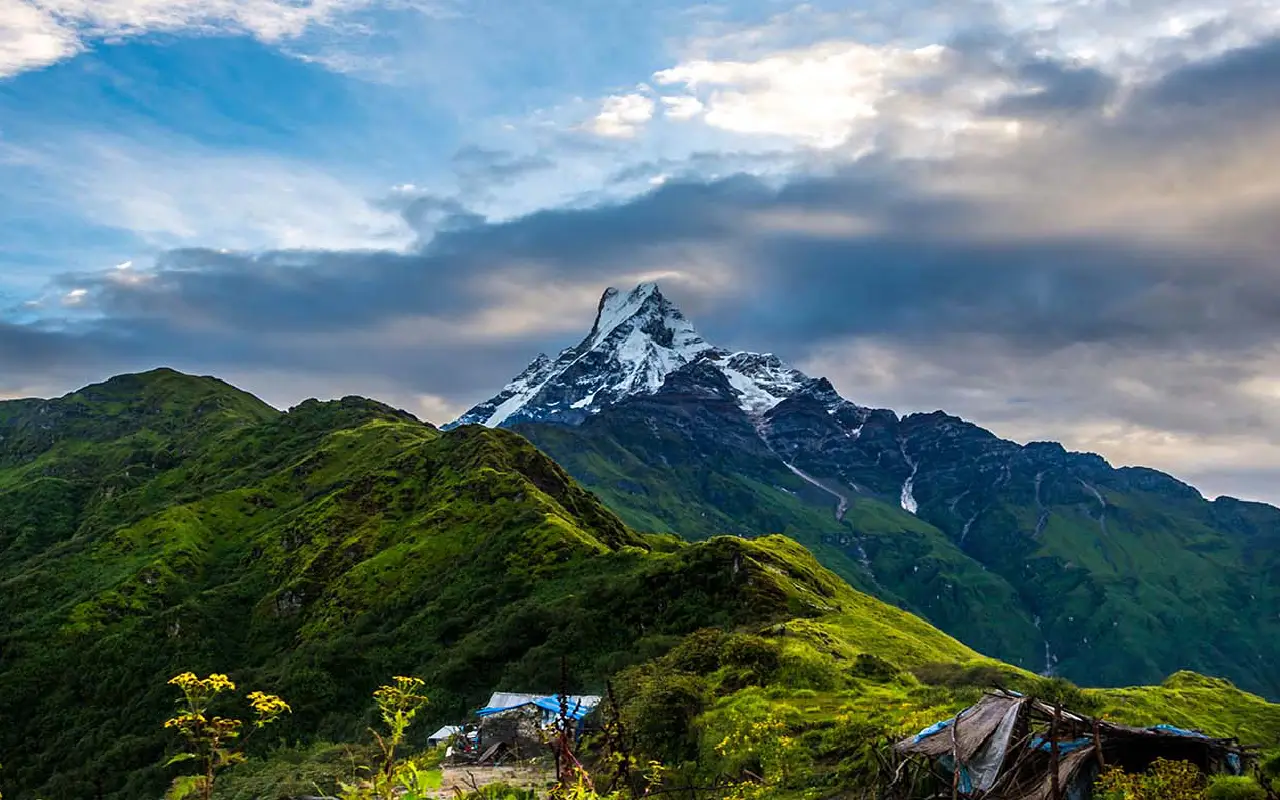
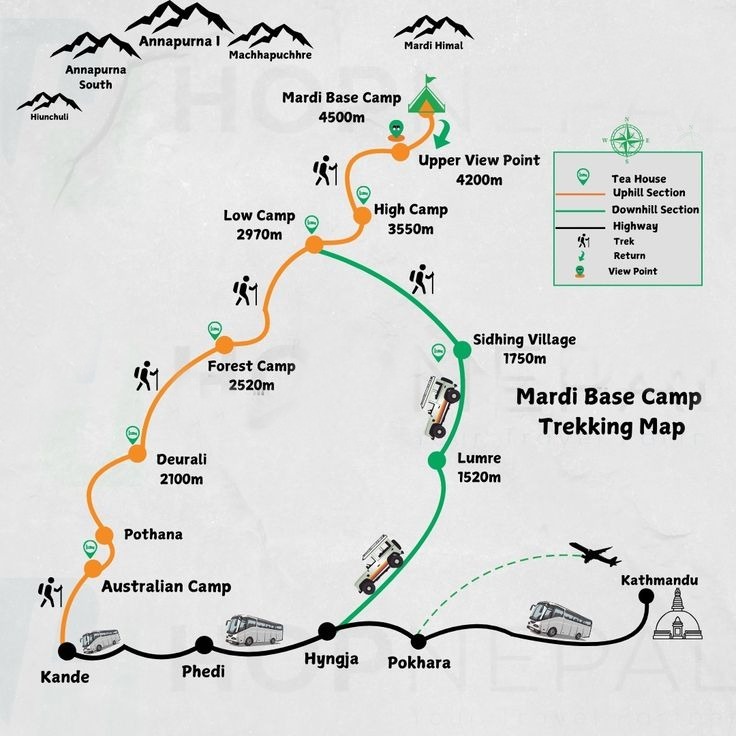
Situated along the ridge of Machhapuchhre, the trek offers an unforgettable adventure filled with culture, nature, and mountain beauty. From charming teahouses to dramatic alpine landscapes, the Mardi Himal Trek map guides trekkers through forests, ridges, and stunning viewpoints toward Mardi Base Camp.
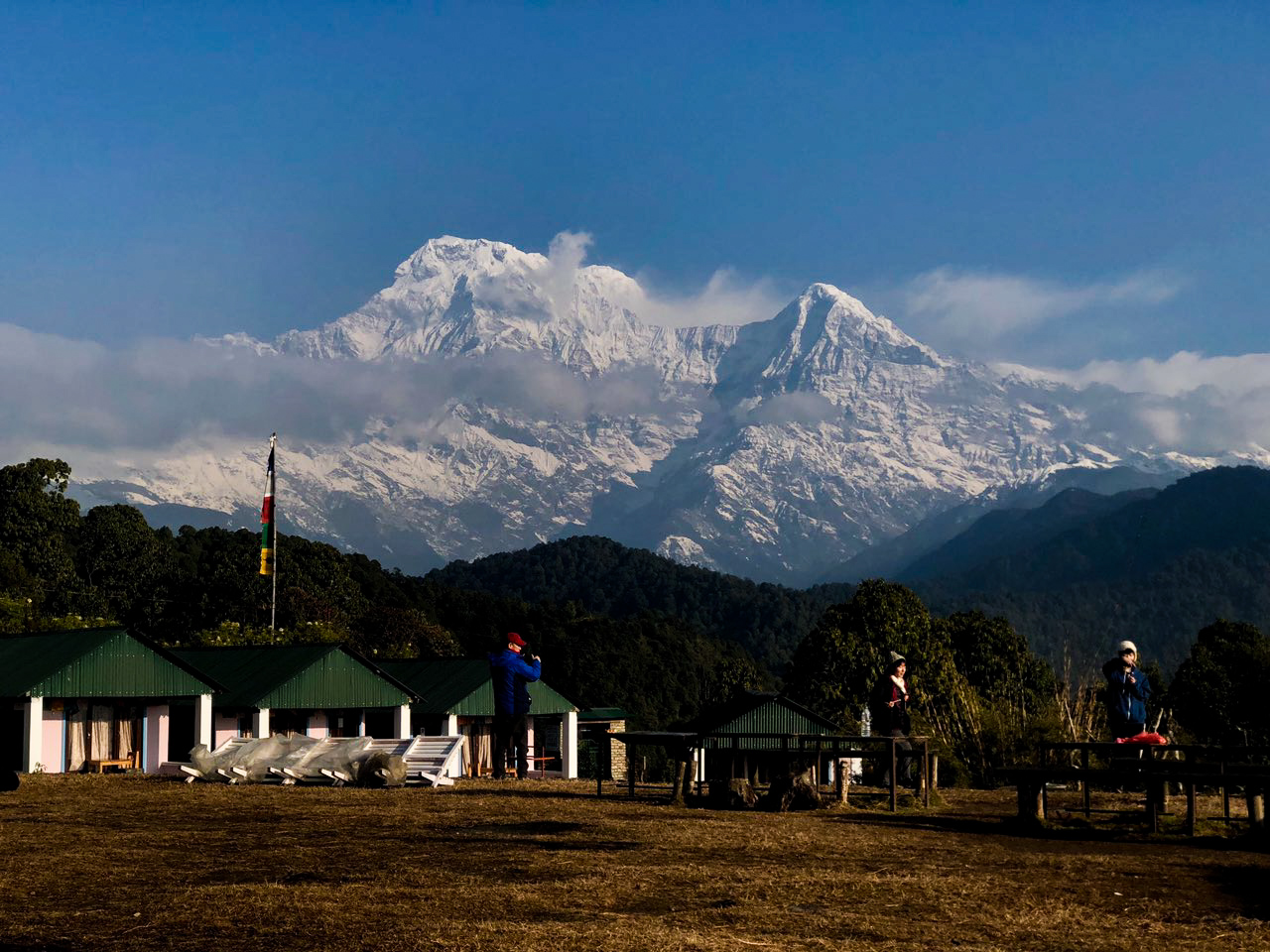
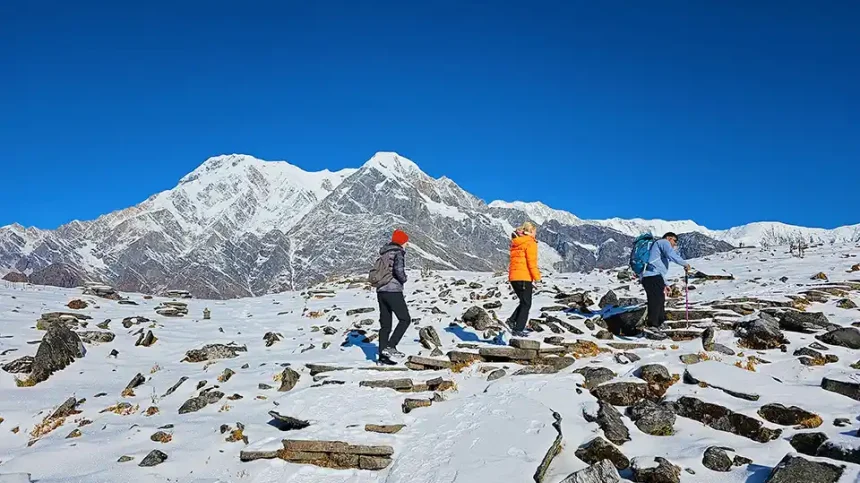
One of the biggest highlights of this journey is the incredible Mardi Himal altitude experience. As you ascend higher, the landscapes transform from lush green forests into rugged Himalayan terrain with panoramic views of peaks like Annapurna I, Annapurna South, Hiunchuli, Dhaulagiri, Nilgiri, and Machhapuchhre.
Although the trek is considered beginner-friendly, many trekkers still make avoidable mistakes that can impact their overall experience. This guide will help you understand the best Mardi Himal Trek itinerary while avoiding the 10 most common trekking mistakes.
Why Choose the Mardi Himal Trek?
The Mardi Himal Trek is one of the best short treks in Nepal for travelers seeking tranquility, adventure, and authentic mountain culture. Unlike crowded trekking routes, this hidden gem provides a quieter and more immersive Himalayan experience.
Major Highlights
Stunning views of the Annapurna range
Peaceful trekking trails
Rhododendron forests and wildlife
Traditional Gurung and Magar villages
Comfortable tea house accommodations
Moderate trekking difficulty
Spectacular sunrise from High Camp
The trek is ideal for beginners, solo travelers, couples, and photographers looking for a short Himalayan escape.
Mardi Himal Trek Itinerary (5 Days)
Day 1: Pokhara to Kande – Trek to Forest Camp
Drive Duration: 1 hour
Trek Duration: 5–6 hours
The trek begins with a scenic drive from Pokhara to Kande. The trail gradually climbs through dense forests filled with rhododendron trees and peaceful mountain paths.
Day 2: Forest Camp to Low Camp
Trek Duration: 5 hours
The route becomes quieter and more scenic as you ascend deeper into the forest. Along the way, occasional openings reveal beautiful views of Machhapuchhre
Day 3: Low Camp to High Camp
Trek Duration: 6–7 hours
This is one of the most rewarding sections of the Mardi Himal route. The tree line slowly disappears, revealing dramatic Himalayan landscapes and breathtaking ridge walks.
Day 4: High Camp to Mardi Base Camp – Return to Low Camp
Trek Duration: 7–8 hours
Early morning, you hike to Mardi Base Camp, the highest point of the trek. The Mardi Himal altitude here reaches approximately 4,500 meters.
The panoramic mountain views include the following:
Annapurna I
Annapurna South
Machhapuchhre
Hiunchuli
Dhaulagiri
Nilgiri
After enjoying the sunrise and scenery, descend back to Low Camp.
Day 5: Low Camp to Siding – Drive to Pokhara
Trek Duration: 4–5 hours
The final day passes through beautiful villages and terraced farmlands before driving back to Pokhara.
Mardi Himal Trek Map and Route
The classic Mardi Himal Trek map follows this route:
Pokhara → Kande → Forest Camp → Low Camp → High Camp → Mardi Base Camp → Siding → Pokhara
This route is well-marked and suitable for both guided and independent trekkers.
For detailed Nepal trekking information, you can explore the official Nepal tourism website: Nepal Tourism Board
Mardi Himal Altitude Breakdown
Location
Altitude
Pokhara
822 m
Forest Camp
2,520 m
Low Camp
2,970 m
High Camp
3,580 m
Mardi Base Camp
4,500 m
Understanding the Mardi Himal altitude profile helps trekkers prepare properly and reduce the risk of altitude sickness.
Avoid These 10 Common Mistakes on Mardi Himal Trek
1. Ignoring Altitude Preparation
Even though the trek is moderate, altitude sickness can still affect trekkers above 3,500 meters.
2. Carrying Heavy Backpacks
Pack only essentials. Lightweight trekking improves stamina and comfort.
The Mardi Himal Trek itinerary is perfect for travelers looking to experience Nepal’s Himalayan beauty without extreme crowds or lengthy trekking days. With peaceful trails, dramatic mountain scenery, and rich cultural experiences, this hidden gem in the Annapurna region continues to attract adventure seekers from around the world.
By understanding the Mardi Himal route, preparing for the Mardi Himal altitude, and studying the Mardi Himal Trek map carefully, you can avoid common mistakes and enjoy a safe and unforgettable trekking experience in Nepal.
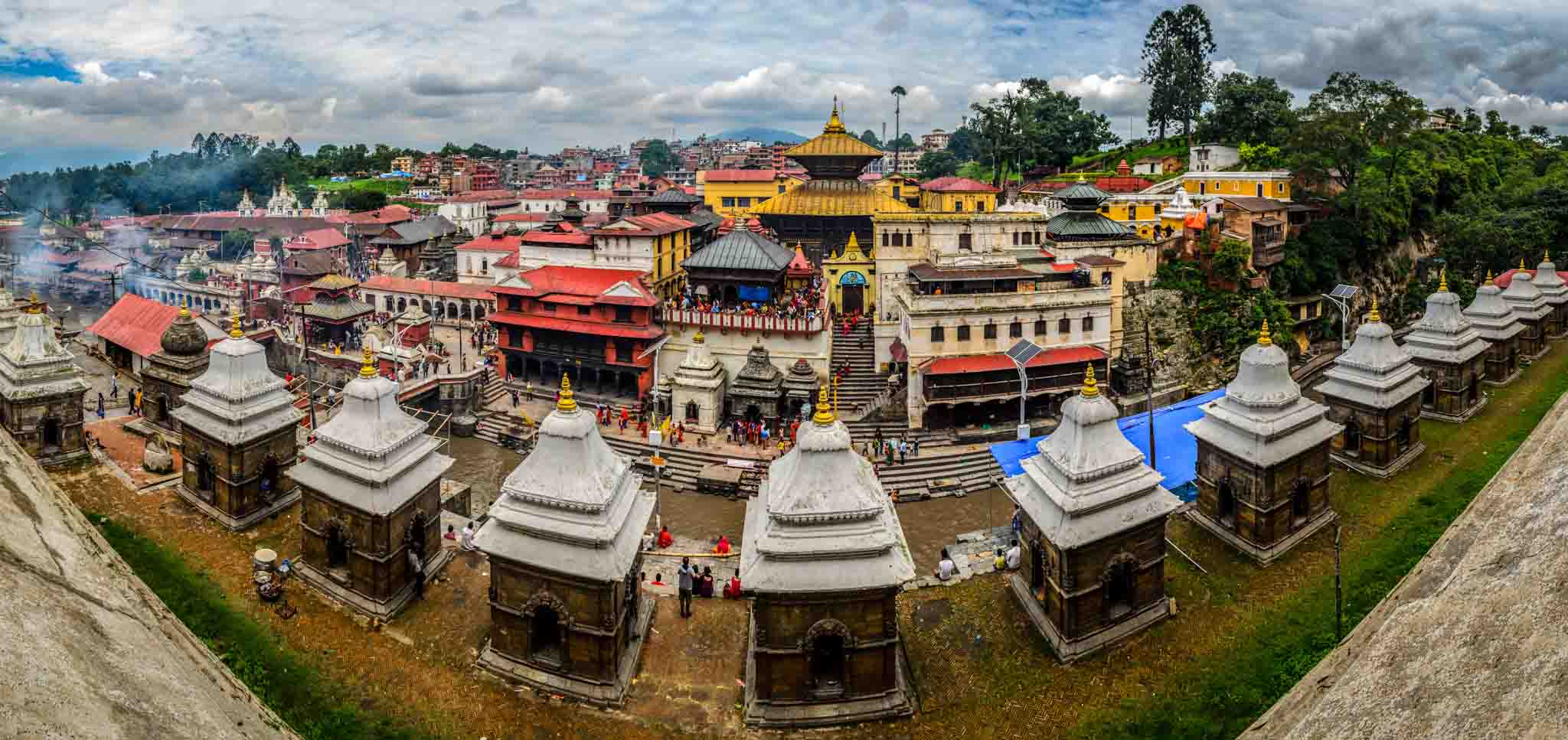
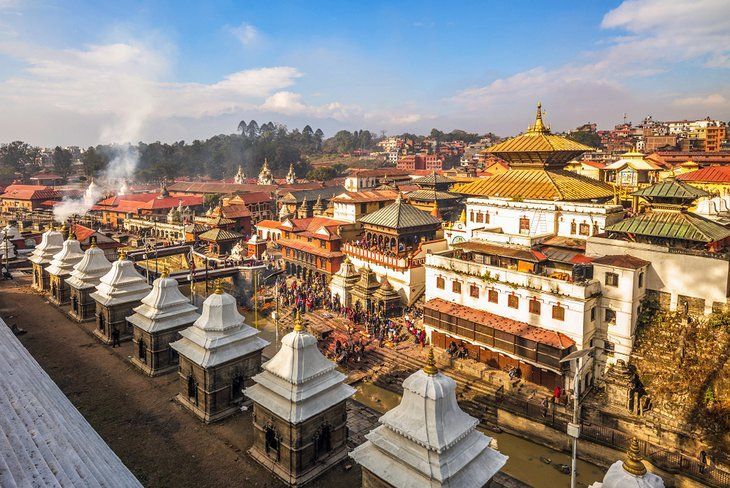
The Pashupatinath Temple in Kathmandu is one of the most sacred Hindu temples in the world, located on the banks of the holy Bagmati River in the eastern part of Kathmandu Valley, Nepal. Dedicated to Lord Shiva (Mahadev), this temple is not only a religious site but also a cultural and spiritual symbol of Nepal.
Every year, thousands of devotees and tourists visit this divine temple to experience its spiritual energy, ancient history, and breathtaking architecture. The temple is also one of the most important pilgrimage destinations for followers of Hinduism, especially devotees of Lord Shiva.
History of Pashupatinath Temple, Kathmandu
The Pashupatinath temple history is deeply connected with Hindu mythology and ancient legends. It is believed that Lord Shiva and Goddess Parvati once visited the Kathmandu Valley and rested beside the Bagmati River during their journey.
Impressed by the natural beauty and peaceful environment, Lord Shiva transformed himself into a deer and wandered in the surrounding forest along with Parvati. Later, when gods and humans could not find him, they searched the forest for a long time. Eventually, they discovered Shiva in deer form and requested him to return to his divine form.
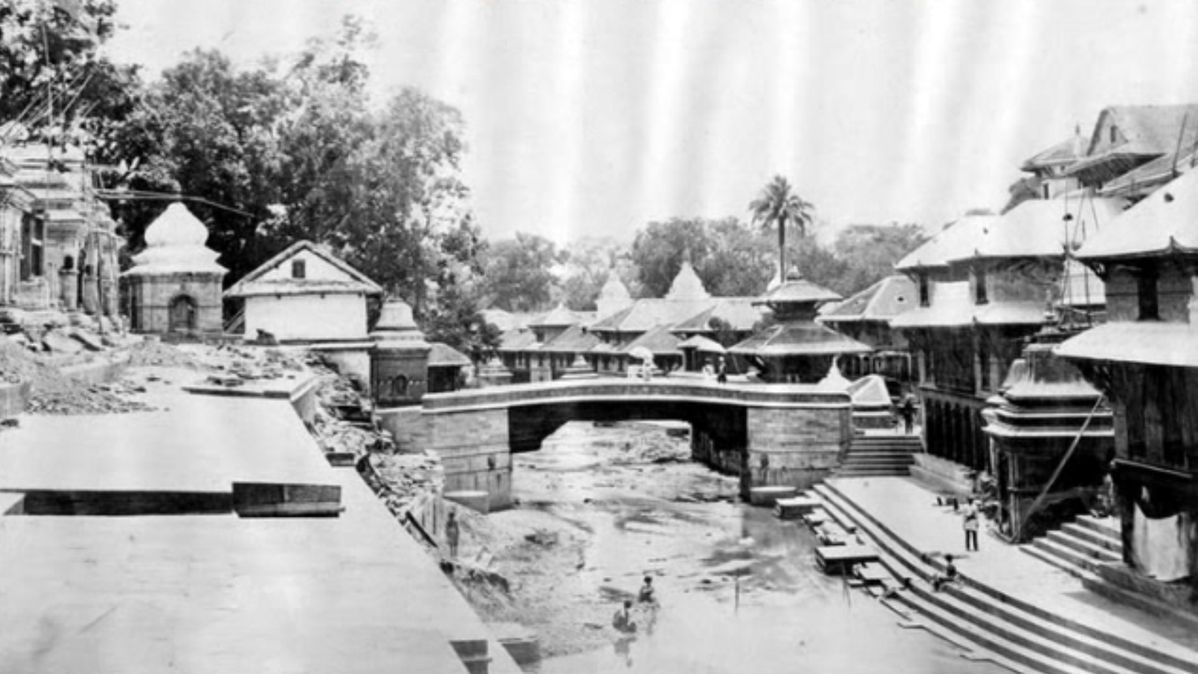
Pashupatinath, 1865
When Shiva transformed back, one of his horns broke and was worshipped as a sacred lingam, which later became the foundation of the Pashupatinath Temple in Kathmandu.
This makes the temple not only historically important but also spiritually powerful, representing the deep connection between humans and divinity.
Religious Importance of Pashupatinath Temple
The Pashupatinath Temple in Kathmandu is dedicated to Lord Shiva and is considered one of the holiest Shiva temples in the world. It is among the four most significant religious sites for Shiva devotees in Asia.
The temple holds extreme spiritual importance for Hindus, especially during life rituals such as cremation and prayers for ancestors along the Bagmati River.
It is believed that visiting this temple brings peace, removes sins, and leads to spiritual liberation (moksha).
The temple complex is beautifully designed and includes many smaller temples, statues, and shrines. The main temple is surrounded by a large courtyard, making it the central attraction of the Deopatan area.
Other Temples Inside Pashupatinath Complex
The Pashupatinath Temple Kathmandu complex is not just a single temple. It includes many sacred shrines, such as
Bhuwaneshwori Temple
Tamreshwor Temple
Dakshinamurti Shrine
Panchdewal Temple
Bishwarupa Temple
Guheshwori Temple
Each of these temples has its own religious significance and adds to the spiritual richness of the area.
Pashupatinath Temple Timings & Entry Information
If you are planning to visit, understanding Pashupatinath temple timings is very important.
🕒 General Timings:
Open: 4:00 AM – 9:00 PM (Daily)
Main darshan time: Early morning and evening
🔱 Special Ritual Timings:
Morning Aarti: Around sunrise
Evening Aarti: Around sunset
Cremation rituals: Available throughout the day along Bagmati River ghats
⚠️ Note: Non-Hindus are not allowed inside the main temple sanctum but can explore the outer complex and surrounding areas.
Pashupatinath Temple Photos & Visual Beauty
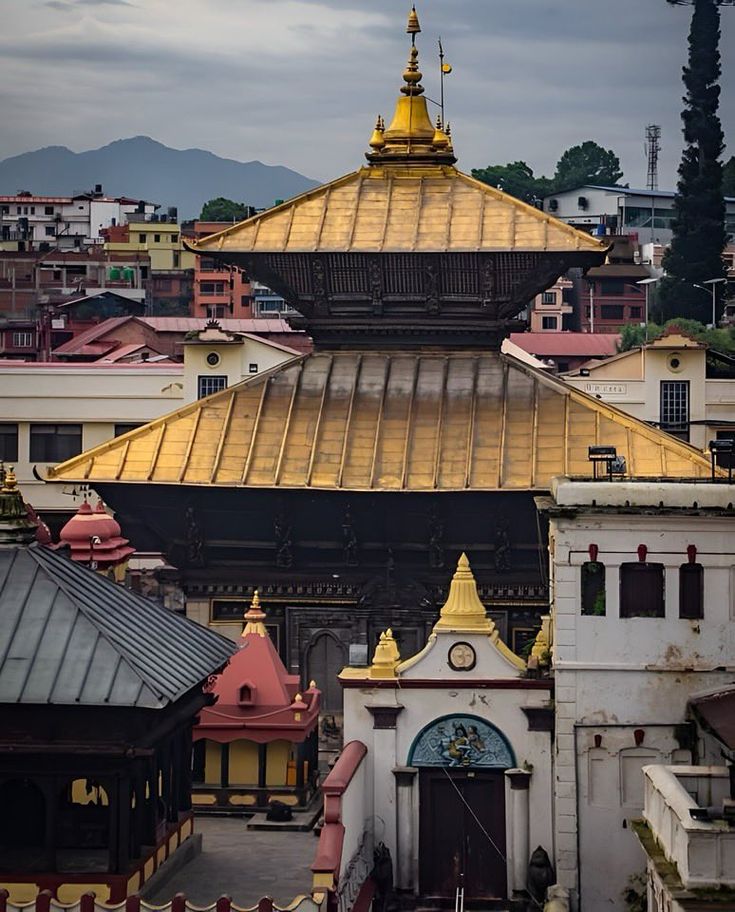
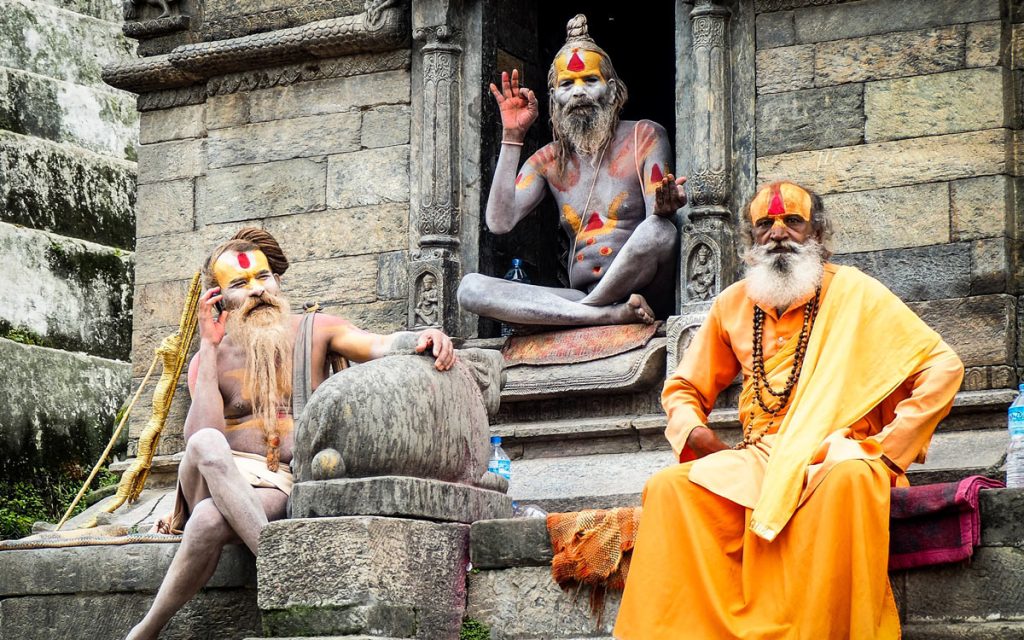
The Pashupatinath temple photos are among the most searched travel visuals from Nepal. The temple offers stunning photography opportunities such as the following:
Golden temple roof reflecting sunlight
Bagmati River rituals
Sadhus (holy men) in meditation
Evening Aarti ceremonies
Ancient stone architecture
Pashupatinath Temple Photos & Visual Beauty
Photographers from around the world visit this site to capture its spiritual and cultural essence.
Festivals Celebrated at Pashupatinath Temple
The most important festival celebrated here is Maha Shivaratri, which is completely dedicated to Lord Shiva.
During this festival:
Thousands of devotees gather at the temple
Sadhus from India and Nepal perform rituals
Night-long prayers and chanting take place
The entire temple glows with lights and devotion
Other festivals include Teej, Bala Chaturdashi, and Haritalika celebrations.
Cultural and Spiritual Significance
The Pashupatinath Temple in Kathmandu is not just a place of worship but also a cultural heritage site of Nepal. It plays a vital role in:
Hindu rituals and cremation ceremonies
Preservation of ancient traditions
Spiritual learning and meditation
Promoting religious tourism in Nepal
The priests of the temple are called Bhattas, and the chief priest is known as the Mool Bhatt or Raval, who holds the highest religious authority in the temple. Visitors exploring Nepal’s spiritual heritage also visit Boudhanath Stupa and Swayambhunath Temple.
The best time to visit the Pashupatinath Temple in Kathmandu is
October to March (pleasant weather)
Early morning for peaceful darshan
Evening for Aarti experience
Avoid peak festival rush if you prefer a quiet spiritual experience.
Why Pashupatinath Temple is Important for Nepal’s Tourism
The temple is one of the most enthralling tourist destinations in Nepal. It attracts:
Pilgrims from India and worldwide
Cultural researchers and historians
Photographers and travel bloggers
Spiritual seekers and yoga practitioners
It significantly contributes to Nepal’s tourism economy and global religious identity.
Conclusion
The Pashupatinath Temple in Kathmandu is not just a temple; it is a living heritage of spirituality, culture, and history. From its ancient legends to its powerful rituals and breathtaking architecture, the temple offers a deeply meaningful experience for every visitor.
Preserving and promoting this sacred site is essential not only for religious significance but also for the growth of Nepal’s tourism industry and cultural heritage.
❓ Frequently Asked Questions (FAQ)
1. Where is this temple located?
It is located on the banks of the Bagmati River in the eastern part of Kathmandu Valley, Nepal. It is one of the most sacred Hindu pilgrimage sites dedicated to Lord Shiva.
2. What are the daily opening hours?
The site is generally open from 4:00 AM to 9:00 PM every day. Early morning and evening hours are considered the most peaceful for visitors.
3. What is the historical background of this place?
According to Hindu mythology, Lord Shiva once visited the Kathmandu Valley and transformed into a deer in a nearby forest. The area later became a sacred place of worship after his divine form was revealed.
4. Why is this place considered important?
It is one of the most significant pilgrimage destinations for Shiva devotees. It is also recognized as a UNESCO World Heritage Site and holds great cultural and spiritual value.
5. Are all visitors allowed inside the main shrine?
No, entry into the main shrine is restricted. However, visitors can explore the surrounding complex and observe rituals performed along the river.
6. When is the best time to visit?
The most suitable time is between October and March when the weather is pleasant. Early morning and evening visits offer a calm and spiritual experience.
7. What major festivals are celebrated here?
The most important festival is dedicated to Lord Shiva and attracts thousands of devotees. Other traditional Hindu festivals are also celebrated with great devotion.
8. Why is the river nearby important?
The river is considered sacred in Hindu belief systems. It is used for religious rituals, prayers, and traditional cremation ceremonies.
9. Can photography be done inside the area?
Photography is allowed in most outer sections, but it is restricted inside the main shrine due to religious customs.
10. How can visitors reach this location from the city?
It is easily accessible from Kathmandu City by taxi, local bus, or ride services. It is located around 15–20 minutes from the central tourist area.
Janai Purnima 2026: Nepali Date 2083, Meaning, Rituals & Special Food
Introduction
Janai Purnima is one of the most sacred Hindu festivals celebrated in Nepal. Known as the Sacred Thread Festival, Janai Purnima holds deep religious and cultural importance among Hindu communities, especially within Brahmin and Chhetri traditions. The festival is celebrated on the full moon day of the Shrawan month and is observed with prayers, fasting, sacred rituals, and traditional foods.
Janai Purnima 2026 is expected to attract thousands of devotees to temples and holy pilgrimage sites across Nepal. People visit famous places like Pashupatinath Temple to worship Lord Shiva and receive blessings for protection, prosperity, and peace.
What is Janai Purnima?
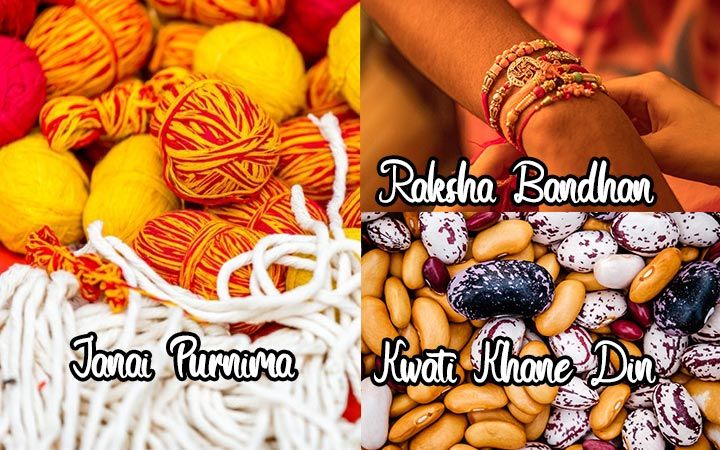
Janai Purnima is a traditional Nepalese Hindu festival celebrated during the full moon of Shrawan. The word “Janai” refers to the sacred thread worn by Hindu men after their Bratabandha ceremony, while “Purnima” means full moon day.
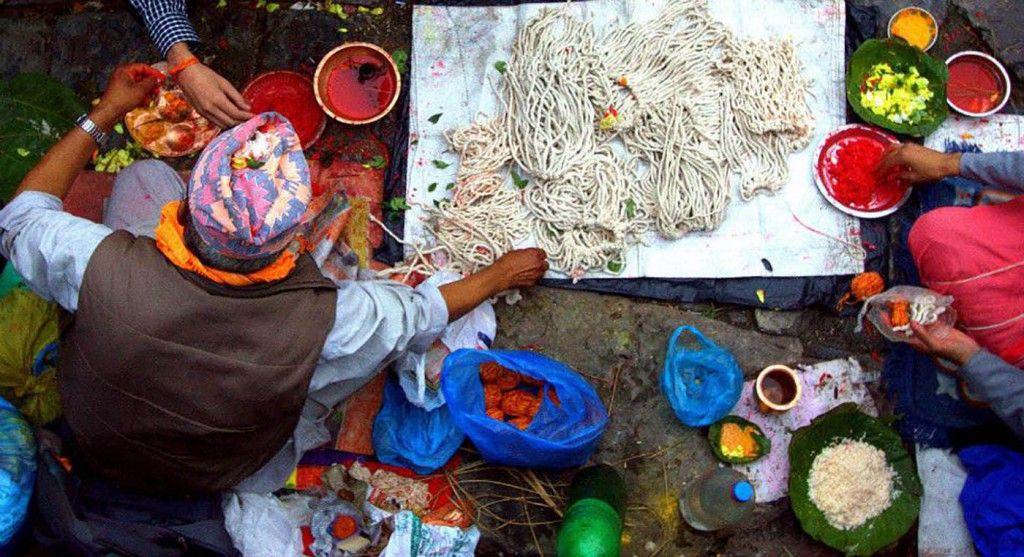
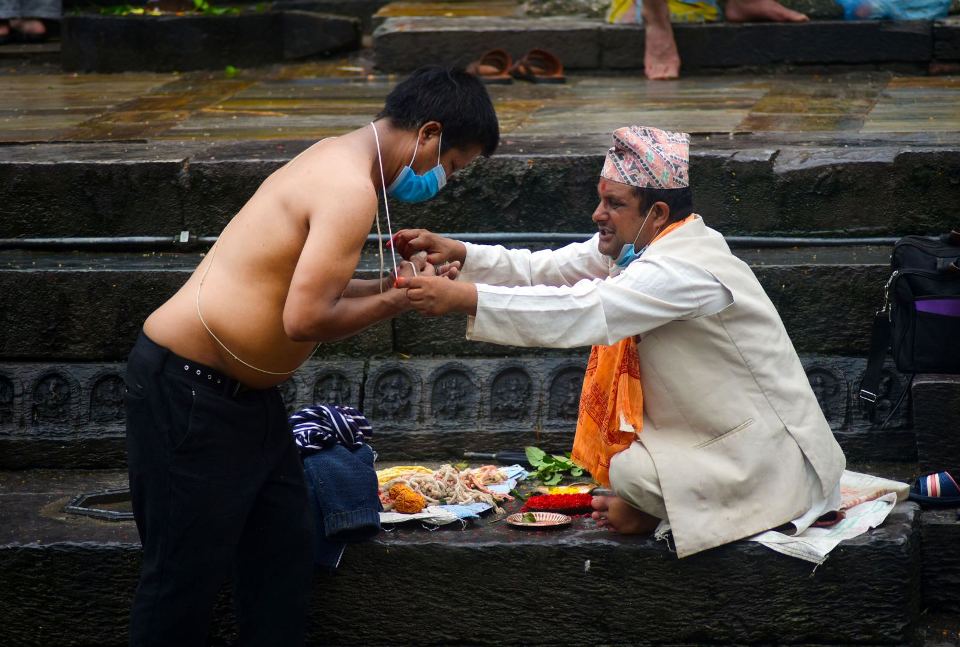
During this festival, Hindu priests replace the old sacred thread with a new one through a special Janai changing ritual. At the same time, priests tie a holy thread called Doro around the wrists of devotees as a symbol of protection from negative energy and bad luck.
Janai Purnima is also connected with Raksha Bandhan in Nepal, where brothers and sisters celebrate family bonding and protection. In Buddhist communities, the festival is celebrated as Gunla Purnima with prayers and religious activities.
Janai Purnima 2026 Nepali Date
Janai Purnima 2026 falls in the Nepali year 2083 BS. The festival is celebrated during Shrawan Purnima, which is considered one of the holiest full moon days in Hindu culture.
On this auspicious occasion, devotees wake up early in the morning, take holy baths in rivers and ponds, and visit temples to perform religious rituals. Thousands of pilgrims also travel to sacred places such as Gosainkunda Lake, which is believed to have been created by Lord Shiva.
The Janai Purnima 2083 celebration will once again bring together families, devotees, and pilgrims from different parts of Nepal and neighboring countries.
Janai Purnima in Nepali Culture
Janai Purnima has a special place in Nepali culture and traditions. The festival represents purity, devotion, family unity, and spiritual protection. It is widely celebrated throughout Nepal with great enthusiasm and religious faith.
Among Brahmin and Chhetri traditions, changing the sacred Janai thread symbolizes spiritual renewal and responsibility. Families gather together for prayers, religious ceremonies, and festive meals.
In Kathmandu Valley and many other regions, people visit temples, listen to religious chants, and participate in community celebrations. The festival also highlights the rich cultural identity of Nepal and its deep-rooted Hindu traditions.
Janai Purnima is considered one of the most important Hindu festivals in Nepal because it connects religion, culture, and family values in a meaningful way.
Janai Purnima Rituals in Nepal
The rituals of Janai Purnima begin early in the morning with purification baths and prayers. Hindu devotees wear clean clothes and visit nearby temples or sacred rivers to perform religious ceremonies.
One of the main rituals is the Janai changing ritual, where Brahmin priests replace the old sacred thread with a new one while chanting Vedic mantras. Devotees also receive a holy protection thread called Doro tied around their wrists.
Many people observe fasting and offer prayers to Lord Shiva during the festival. Pilgrims visit important religious sites such as Gosaikunda and other Shiva temples across Nepal.
These rituals are believed to purify the soul, remove negativity, and bring good fortune and protection for the coming year.
Janai Purnima Special Food
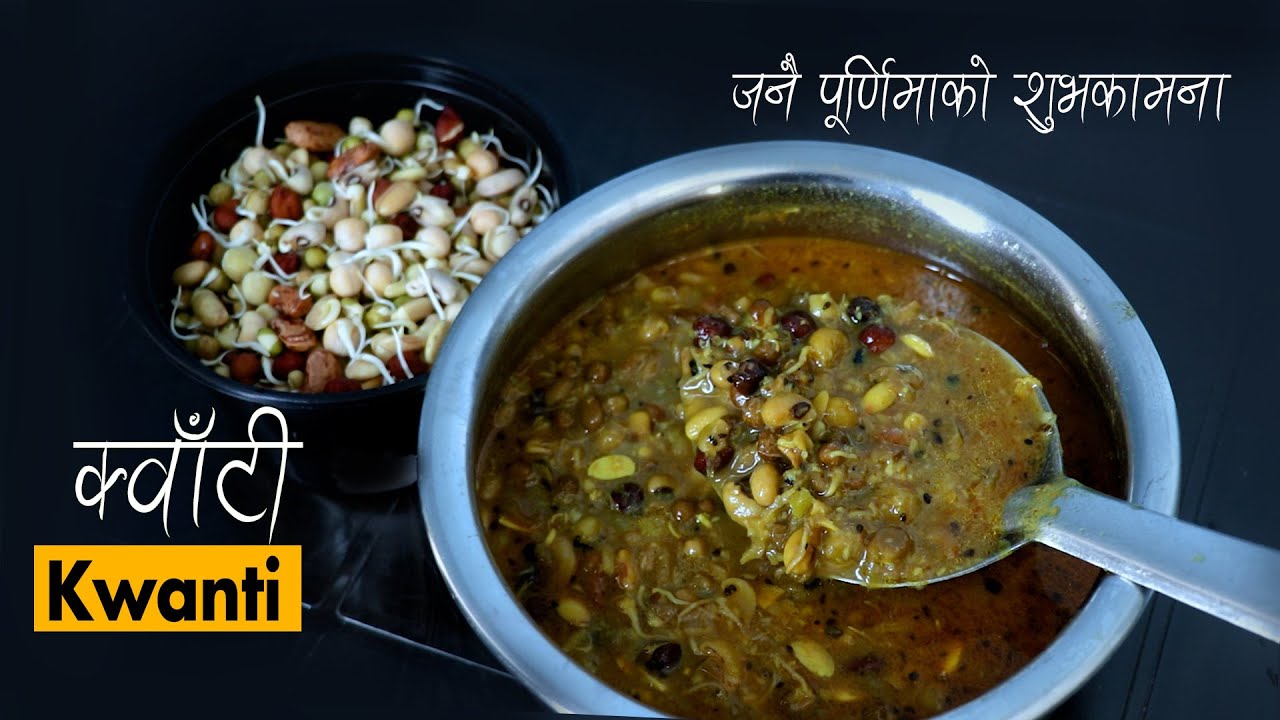
One of the most exciting parts of Janai Purnima 2026 is the preparation of traditional festival foods. The most famous Janai Purnima special food is Kwati, a healthy soup made from nine different types of sprouted beans.
Kwati on Janai Purnima is considered highly nutritious and beneficial for health during the rainy season. Families prepare this traditional dish using black gram, soybeans, green peas, chickpeas, mung beans, and other sprouts mixed with local spices.
The soup is usually served with rice, pickles, and homemade ghee. Besides Kwati, many households also prepare sweets, fruits, yogurt, and traditional Nepali dishes during the festival.
Food plays an important role in bringing families together and making the celebration joyful and memorable.
Janai Purnima in English: Meaning
In English, Janai Purnima can be translated as the Sacred Thread Full Moon Festival. The festival focuses on the renewal of the sacred Janai thread and spiritual purification.
The holy thread tied around the wrist symbolizes divine protection, faith, and blessings from the gods. Because of this tradition, Janai Purnima is often called the Sacred Thread Festival in English.
The festival reflects the spiritual values and religious practices followed in Nepalese Hindu culture for centuries.
Why Janai Purnima is Celebrated
Janai Purnima is celebrated to honor spiritual purification, protection, and devotion toward Hindu traditions. The festival reminds people of their religious responsibilities and encourages positive living.
Changing the sacred Janai thread represents a fresh spiritual beginning, while the holy Doro thread protects devotees from evil influences and misfortune. The festival also strengthens relationships among family members and communities.
For many people, Janai Purnima is not only a religious celebration but also a time to reconnect with culture, family traditions, and faith. Learn about Teej Festival celebrations.
Conclusion
Janai Purnima 2026 is one of the most important religious and cultural festivals in Nepal. From sacred rituals and temple visits to enjoying Kwati on Janai Purnima, the festival beautifully combines spirituality, tradition, and togetherness.
Celebrated widely across Nepal, Janai Purnima 2083 continues to preserve Nepalese Hindu culture and strengthen family and community bonds. Whether through the Janai changing ritual, Raksha Bandhan in Nepal, or the preparation of traditional foods, this sacred festival remains a meaningful celebration for millions of devotees.
Nestled between the towering Himalaya Mountains and the lush jungles of India, Nepal is one of the world’s most fascinating travel destinations. From snow-capped mountains and ancient temples to hidden monasteries and wildlife adventures, Nepal offers unforgettable experiences for every traveler.
Whether you are searching for the top 10 places to visit in Nepal, the best things to do in Nepal, or unique cultural experiences in Kathmandu Valley, this guide covers everything you need for your Nepal trip in 2026.
Why Visit Nepal?
Nepal is famous for:
The world’s highest mountains, including Mount Everest
Tourists from around the world visit Nepal for trekking, pilgrimage tours, mountain flights, jungle safaris, rafting, and cultural exploration.
Top 10 Places to Visit in Nepal
1. Kathmandu Valley
Kathmandu is the cultural heart of Nepal and one of the top tourist destinations in South Asia. The city is home to ancient temples, bustling local markets, and UNESCO heritage sites.
Top Attractions in Kathmandu
Kathmandu Durbar Square
Pashupatinath Temple
Boudhanath Stupa
Swayambhunath Stupa
Kumari Ghar
2. Pokhara – The City of Lakes
Pokhara is among the top 10 naturally beautiful places in Nepal. Surrounded by mountains and lakes, Pokhara is perfect for nature lovers and adventure seekers.
The best seasons to visit Nepal are the following:
Spring (March–May)
Autumn (September–November)
These seasons offer clear mountain views, pleasant weather, and ideal trekking conditions.
Travel Tips for Nepal
Carry cash in remote areas
Respect local traditions and temples
Hire licensed trekking guides
Drink bottled or filtered water
Buy travel insurance for trekking
Conclusion
Nepal is a paradise for travelers seeking mountains, culture, spirituality, wildlife, and adventure. Whether you want to explore the top 10 places to visit in Nepal, discover the best things to do in Nepal, or experience the rich heritage of Kathmandu Valley, Nepal offers memories that last a lifetime.
From Everest adventures and Pokhara lakes to ancient temples and jungle safaris, Nepal truly has something for everyone.
FAQ – Top 10 Places to Visit in Nepal & Best Things to Do
Which is the most beautiful place in Nepal?
Pokhara is considered one of the most naturally beautiful places in Nepal because of its lakes, Himalayan views, and peaceful atmosphere. Other beautiful places include Rara Lake and the Annapurna Region.
Is Nepal good for adventure tourism?
Yes, Nepal is one of the best adventure tourism destinations in the world. Travelers can enjoy trekking, rafting, mountain climbing, paragliding, zip-lining, jungle safaris, and mountain biking.
How many UNESCO World Heritage Sites are there in Nepal?
Nepal has several UNESCO World Heritage Sites, including:
Kathmandu Valley
Chitwan National Park
Lumbini
Sagarmatha National Park
Which trek is most popular in Nepal?
The Everest Base Camp Trek is the most popular trekking route in Nepal. Other famous treks include the Annapurna Base Camp Trek and Mardi Himal Trek.
How many days are enough for Nepal?
A 7–14 day trip is ideal for exploring Nepal. Travelers can combine Kathmandu sightseeing, Pokhara tours, jungle safaris, and short treks within this timeframe.