
- Mt. Kailash Tour
- Kailash Mansarovar Overland Tour
- Kailash Mansarovar Yatra by Helicopter – Complete Spiritual Journey Guide
- Kailash Yatra via Lucknow
- Kailash Mansarovar Tour via Lhasa
- Kailash Lhasa EBC Tour From Beijing
- Kailash Heli Tour via Kerung: Complete Spiritual Journey Guide
- Kailash Tour via Lhasa In Kerung Out
- Lhasa EBC Kailash Tour
- Kailash Heli Tour
- Kailash Mansarovar Yatra from Nepal 2027: Cost & Itinerary
- Kailash Nandi Kora
- Kailash Tour via Humla Simikot – 20 Days
- Mount Kailash Tour: 7 Amazing Experiences in 2027
- Trekking
-
-
- Everest Region
- Luxury Everest Base Camp Trek: 7 Unforgettable Highlights
- Everest Base Camp Trek 2026: Cost, Route, and Complete Guide
- Everest Three Passes Trek 2027: Cost, Route & Itinerary
- Everest Base Camp Short Trek
- Everest Panorama Trek: Amazing 10-Day Cost & Itinerary
- Everest Base Camp Island Peak Trek: Complete 19-Day Guide
- Gokyo Valley Trekking 2027: Easy Guide to Cost & Itinerary
- Mera Peak Climbing 2027: Complete Cost & Itinerary Guide
- Rolwaling Valley Trek: 23-Day Itinerary, Cost, Permits & Difficulty
- Dolpo Region Trek
- Everest Region
-
- Annapurna Region
- Annapurna Base Camp Trekking
- Annapurna Circuit Trek
- Annapurna Base Camp Trek: 7 Amazing Cost & Route Tips
- Mardi Himal Trek: 7 Amazing Highlights & Complete Guide
- Annapurna Alternative Combine Trek: 18 Amazing Days
- Mohare Dada Trek
- Ghorepani Poon Hill Trek: 7 Unforgettable Highlights
- Khopra Ridge Community Trek: 13-Day Ultimate Adventure
- Damodar Kunda Trek: 10-Day Ultimate Sacred Adventure
- Upper Mustang Trek: 10 Amazing Sights : Ultimate Guide
- Jomsom Muktinath Trek: Amazing 12-Day Ultimate Guide
- Ghale Gaun Trek: 7 Amazing Reasons : Ultimate Guide
- Dhampus Sarangkot Trek: 7 Incredible Experiences
- Dhaulagiri Region
- Annapurna Region
-
-
- Tours
-
-
- Day Tours
- Rickshaw–a three-wheeler Tour
- Pharping Dakshinkali Day Tour: 7 Amazing Highlights
- Historical Tour: 7 Amazing Places to Explore
- Kathmandu Temple Tour: 7 Amazing Spiritual Places
- Nagarkot Tour
- Bhaktapur City Tour: 7 Amazing Places to Explore
- Kathmandu City Tour – Complete Heritage & Cultural Experience in Nepal
- Chandragiri Hill: A Scenic Himalayan Escape Near Kathmandu
- Chitlang Hiking
- Shivapuri to Sundarijal Day Hiking
- Kulekhani Dam Day Tour — Complete Travel Guide
- Day Tours
-
- Package Tours
- Mustang Tour on Jeep
- Nepal Tour Package for Nepali: 12 Amazing Destinations to Explore (2026)
- Muktinath Tour: Complete Guide to Nepal’s Sacred Himalayan Pilgrimage
- 3N,4D Kathmandu Pilgrimage Tour
- Nepal Buddhist Pilgrimage Tour: 7 Sacred Sites Not to Miss
- 6D Nepal Pilgrimage Tour: 7 Amazing Sacred Places
- 7 Nights, 8 Days Nepal Tour
- Districts tour of Nepal
- Janakpur Tour Package: Price, Family Tour & Travel Guide from Kathmandu 2026
- Short Hike in Nepal: 7 Best Easy Treks for Beginners
- Package Tours
-
-
- Outbound
-
- Activities
- Climbing
- Bungee Jumping in Nepal
- Heli Skiing Adventure in the Himalayas
- Canoeing in Nepal
- Mountain Flight in Nepal
- Zip Flyer in Pokhara: The Ultimate Adventure Experience
- Paragliding in Pokhara: 7 Amazing Reasons to Experience Nepal’s Best Adventure
- Kathmandu Cycling Tour: 9 Amazing Adventures
- Rafting
- Rock Climbing
- Company
- Travel Info
- Travel Insurance
- Recommended Medical Kit
- Nepal Visa Information
- Flight delays and cancellation in Nepal
- Electricity in Nepal: Rates, Bill Check, Calculator and NEA Services
- Trekking Equipment Checklist: 40 Essential Items
- Best Kailash season in Tibet
- Best Trekking season in Nepal
- Trekking in Nepal 2027: 15 Best Himalayan Adventures
- Blogs
- Contact


WhatsApp
+977-9851035239

Email Us
[email protected]
Himalaya Trekking Everest Base Camp: 12 Amazing Moments


Trip Duration
14 Days
Trip Difficulty
Moderate
Max. Altitude
5,545m. / 18,192ft.
Activity
High-Altitude Trekking and Cultural Exploration
Destination
Everest Region, Nepal
Group Size
1-12
Accommodation
Teahouses During Trek
Meals
Breakfast in Kathmandu and Full-Board meals During TrekHighlights of Himalaya Trekking Everest Base Camp: 12 Amazing Moments
- Scenic mountain flight between Kathmandu and Lukla
- Trek beside the beautiful Dudh Koshi River
- Cross high suspension bridges decorated with prayer flags
- Enter UNESCO-listed Sagarmatha National Park
- Explore the famous Sherpa town of Namche Bazaar
- Enjoy spectacular views of Everest, Lhotse, and Nuptse
- Visit the historic Tengboche Monastery
- Walk beneath the magnificent Ama Dablam
- Experience Sherpa culture and traditional mountain hospitality
- Reach Everest Base Camp at 5,364 meters
- See the Khumbu Glacier and Khumbu Icefall
- Watch an unforgettable Himalayan sunrise from Kala Patthar

Need Help?
Ask to Travel Expert
Trip Overview of Himalaya Trekking Everest Base Camp: 12 Amazing Moments
Himalaya Trekking Everest Base Camp is an iconic journey through Nepal’s spectacular Khumbu region. The adventure combines high-altitude landscapes, traditional Sherpa villages, ancient monasteries, and close views of some of the tallest mountains on Earth.
The journey normally begins with an exciting flight to Lukla before following the Dudh Koshi Valley towards Namche Bazaar. From there, the trail continues through Tengboche, Dingboche, Lobuche, and Gorak Shep before reaching Everest Base Camp at approximately 5,364 meters.
Everest Base Camp Trek is not a technical climbing expedition. However, it remains physically challenging because of the high altitude, cold weather, uneven trails, and consecutive walking days. Proper preparation and gradual acclimatization are therefore essential.
For travellers looking for a life-changing Himalayan adventure, EBC Trek offers natural beauty, cultural discovery, and a powerful sense of achievement. Every section of the trail provides a new perspective on Everest and the communities that have lived beneath these mountains for generations.
Why Choose Himalaya Trekking Everest Base Camp?
Himalaya Trekking Everest Base Camp takes you to the foot of Mount Everest without requiring technical mountaineering skills. Trekkers do not need ropes, crampons, or previous climbing experience to complete the standard route.
The adventure is suitable for physically active travellers who are prepared to walk for approximately four to eight hours each day. Although some daily distances appear short, steep ascents and reduced oxygen make the walking more demanding.
EBC Trek also offers a remarkable variety of landscapes. The journey begins among forests, rivers, and cultivated hills before entering an environment dominated by glaciers, rocky valleys, and snow-covered peaks.
The cultural experience is equally meaningful. Trekkers pass through Sherpa villages, visit Buddhist monasteries, and observe prayer flags, mani walls, and traditional mountain architecture.
Unlike a short mountain flight, the Himalaya Trekking Everest Base Camp allows travelers to experience the gradual transition from the green lower valleys to the glacial world beneath Everest.
Twelve Amazing Moments of Himalaya Trekking Everest Base Camp
Flying into Lukla
The mountain flight to Lukla is the first memorable moment of the Khumbu trekking. On a clear morning, the aircraft window reveals green hills, river valleys, and distant Himalayan peaks.
Tenzing-Hillary Airport is located at approximately 2,860 meters. It serves as the principal starting point for the traditional Everest Base Camp route.
After arriving in Lukla, trekkers meet their guide and porter team before beginning the walk towards Phakding. The first day is generally comfortable and allows travelers to adjust to the mountain environment.
Flights depend on weather and visibility. During busy periods, departures may operate from an alternative airport instead of Kathmandu. Flexible planning is therefore important for the Everest Base Camp Trek.
Walking beside the Dudh Koshi River
The lower trail follows the beautiful Dudh Koshi River. The sound of flowing water accompanies trekkers through forests, villages, and cultivated land.
Colorful prayer flags, carved manistones, and small monasteries appear beside the path. These cultural details introduce travelers to the spiritual character of the Everest Base Camp Trek.
The route crosses several suspension bridges above the river. The Hillary Suspension Bridge, located near the climb to Namche Bazaar, is one of the most recognizable landmarks on the trek.
Trekkers should walk steadily across the bridges and give way to yaks, mules, and porters. Listening to the guide is especially important when animal caravans approach.
Entering Sagarmatha National Park
The trail enters Sagarmatha National Park beyond Monjo. Permits are checked before trekkers continue deeper into the protected Everest region.
The park covers a dramatic landscape of mountains, glaciers, and deep valleys. It is also home to wildlife such as Himalayan tahr, musk deer, and several high-altitude bird species.
Sagarmatha National Park was added to the UNESCO World Heritage List in 1979. Its natural importance and Sherpa cultural heritage make it a remarkable part of the Himalaya Trekking Everest Base Camp.
Visitors should remain on designated trails, avoid disturbing wildlife, and carry non-biodegradable waste out of the mountains.
Reaching Namche Bazaar
Namche Bazaar is the commercial and cultural center of the Khumbu region. Built into a curved mountainside at approximately 3,440 meters, the town is one of the most impressive settlements on the Himalaya Trekking Everest Base Camp.
Reaching Namche requires a sustained uphill climb. The effort is rewarded with comfortable lodges, cafés, bakeries, trekking shops, and views of the surrounding mountains.
Most itineraries include two nights in Namche for acclimatization. The additional day allows the body to adapt before the journey continues towards higher elevations.
A popular acclimatisation walk leads towards Everest View Hotel or Khumjung. When conditions are clear, trekkers may see Everest, Lhotse, Nuptse, and Ama Dablam.
Seeing Mount Everest for the First Time
The first clear view of Mount Everest is an emotional moment. Depending on the weather, trekkers may see the summit during the approach to Namche or from a nearby acclimatisation viewpoint.
Everest may initially appear smaller than nearby peaks because it stands farther away. Its distinctive summit gradually becomes easier to recognize as Himalaya Trekking Everest Base Camp continues.
The mountain is known as Sagarmatha in Nepali and Chomolungma in Tibetan. Its presence gives the journey a sense of scale that photographs cannot fully communicate.
Weather can hide the summit behind clouds, so patience is essential. The mountains often become clearer during the early morning.
Visiting Tengboche Monastery
The route to Tengboche first descends through forests before crossing the Dudh Koshi River. A sustained uphill climb then leads to the monastery settlement.
Tengboche Monastery is one of the most important Buddhist centers in the Khumbu region. Travellers may hear monks chanting and observe traditional artwork, prayer wheels, and religious ceremonies.
The setting is equally impressive. Ama Dablam rises prominently above the valley, while Everest, Lhotse, and Nuptse may be visible in clear weather.
This combination of spirituality and mountain scenery makes Tengboche one of the most meaningful destinations on the Himalaya Trek, Everest Base Camp.
Visitors should dress respectfully, remain quiet inside the monastery, and request permission before photographing religious objects or ceremonies.
Walking beneath Ama Dablam
Ama Dablam is one of the most beautiful mountains visible during the Himalaya Trekking Everest Base Camp. Its sharp ridges and hanging glacier dominate the landscape around Tengboche and Pangboche.
As the route climbs towards Dingboche, Ama Dablam appears from different angles. Its distinctive shape makes it a favorite subject for photographers.
The trail passes traditional settlements, stone walls, and open valleys where yaks graze. The vegetation becomes increasingly sparse as the elevation rises.
This section clearly demonstrates the transition from forested trails to the high-altitude environment of the upper Khumbu.
Acclimating in Dingboche
Dingboche is located at approximately 4,410 meters and is an important acclimatisation stop. The village is surrounded by stone-walled fields and dramatic peaks.
A rest day does not usually mean staying inside the lodge. Trekkers may hike towards Nangkartshang Hill or another nearby viewpoint before returning to Dingboche to sleep.
The principle of walking higher and sleeping lower helps the body adapt to reduced oxygen. Moving slowly and communicating honestly about symptoms are essential during the Himalaya Trekking Everest Base Camp.
The Dingboche acclimatisation day also provides time to rest, organise equipment, and prepare mentally for the highest section of the route.
Crossing the Thukla Pass Memorial Area
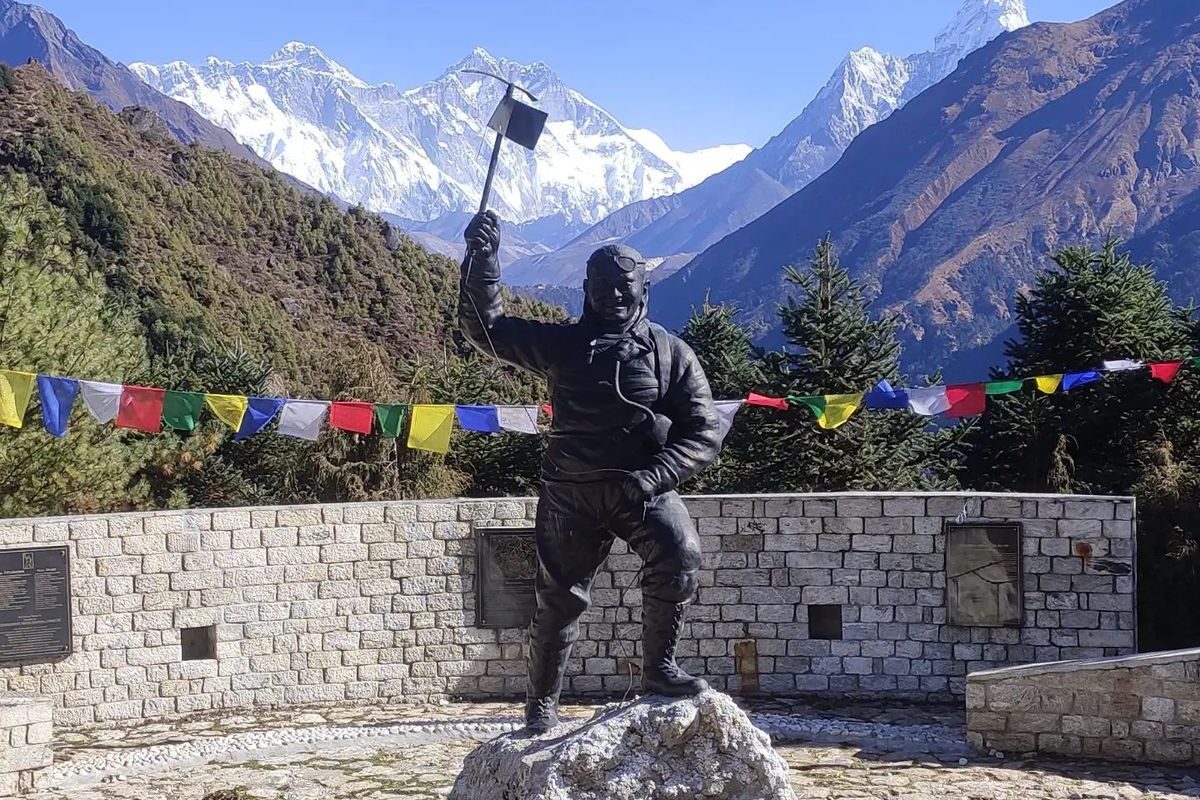
The journey from Dingboche towards Lobuche passes through the settlement of Thukla. A steep climb leads to a plateau containing memorials dedicated to climbers and Sherpas who lost their lives in the mountains.
The stone monuments, prayer flags, and surrounding peaks create a quiet and reflective atmosphere. Trekkers are reminded that the Himalayas demand respect regardless of experience.
After the memorial area, the route continues gradually towards Lobuche. The landscape becomes rockier and more exposed as the Himalaya Trekking Everest Base Camp approaches 5,000 metres.
Reaching Gorak Shep
Gorak Shep is the final settlement before Everest Base Camp. Located at approximately 5,164 meters, it sits within a rugged landscape of sand, rock, glaciers, and mountains.
Accommodation here is basic because of the extreme altitude and remote location. Rooms usually have simple twin beds, while bathrooms and dining facilities are shared.
After reaching the lodge and taking a short break, trekkers normally continue towards Everest Base Camp. This is one of the longest and most demanding days of Himalaya trekking, Everest Base Camp.
Gorak Shep also serves as the starting point for the optional early-morning ascent of Kala Patthar.
Standing at Everest Base Camp
Reaching Everest Base Camp is the defining achievement of the Himalaya Trekking Everest Base Camp. The route from Gorak Shep crosses uneven glacial terrain beside the Khumbu Glacier.
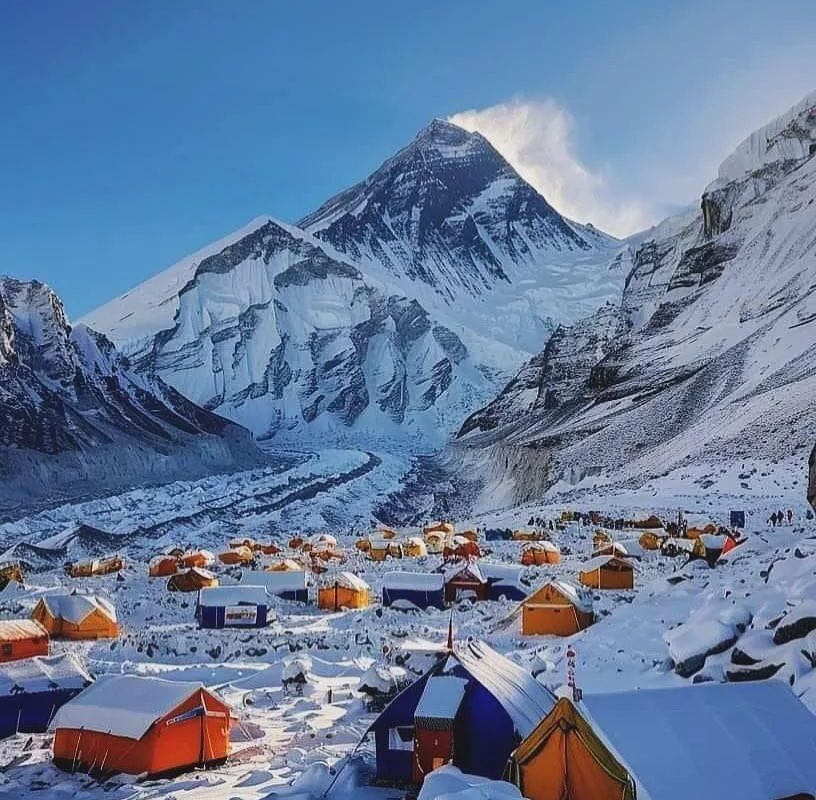
Everest Base Camp is situated at approximately 5,364 meters. During the spring mountaineering season, the area may contain colorful expedition tents and climbing teams preparing for summit attempts.
The summit of Mount Everest is not fully visible from base camp because surrounding peaks block the direct view. However, the Khumbu Icefall, glaciers, and immense mountain walls create an unforgettable setting.
After days of walking and acclimatization, standing at Everest Base Camp produces a powerful sense of accomplishment. It is the moment when the physical and emotional effort of the Himalaya Trekking Everest Base Camp comes together.
Visitors should follow their guide and remain on established paths because the base camp lies on moving glacial terrain.
Watching Sunrise from Kala Patthar
Kala Patthar is widely regarded as the best accessible viewpoint for seeing Mount Everest. Its commonly reported elevation is approximately 5,545 meters, although measurements vary slightly.
The climb generally begins before sunrise. Cold temperatures, steep ground, and thin air make the ascent difficult, but the reward can be extraordinary.
From the viewpoint, trekkers may see Everest, Lhotse, Nuptse, Pumori, and the Khumbu Glacier. As sunlight reaches the peaks, the landscape changes from dark silhouettes to shades of orange and gold.
The Kala Patthar climb is optional and depends on health, weather, and trail conditions. Safety must remain more important than reaching any viewpoint during the Himalaya Trekking Everest Base Camp.
Himalaya Trekking Everest Base Camp Route
The classic route begins in Lukla and follows this sequence:
Lukla → Phakding → Namche Bazaar → Tengboche → Dingboche → Lobuche → Gorak Shep → Everest Base Camp → Kala Patthar → Pheriche → Namche Bazaar → Lukla
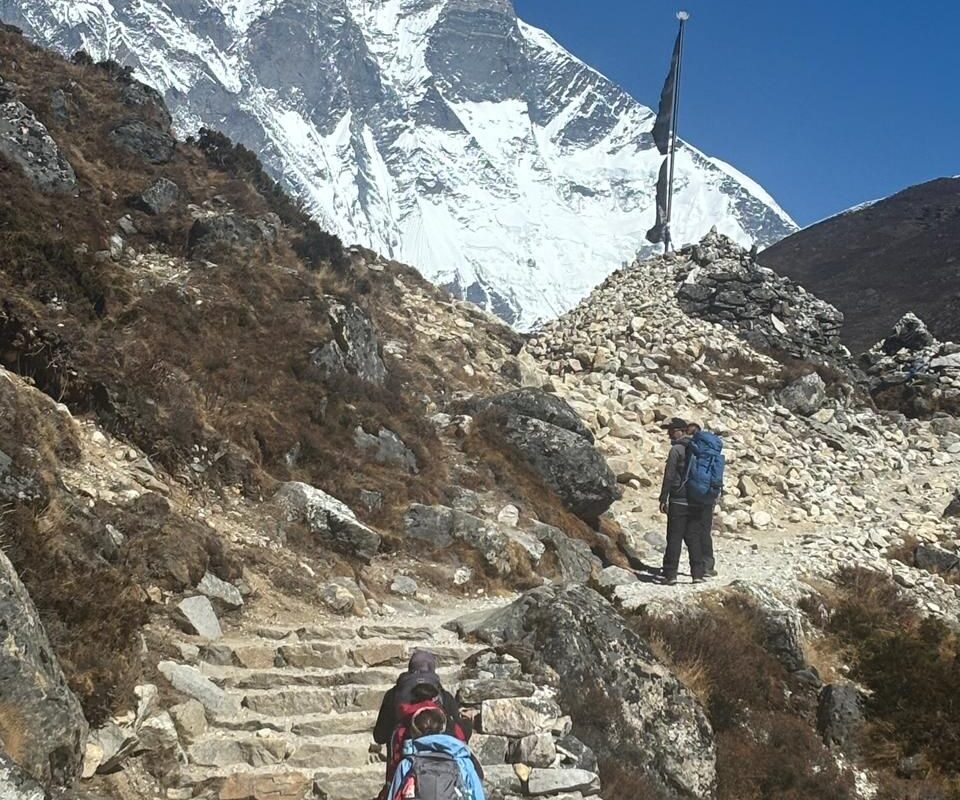
The route includes frequent ascents and descents. Even when two villages appear close on a map, reaching the next destination may require descending to a river before climbing again.
Himalaya Trekking Everest Base Camp usually follows the same trail on the return journey. However, trekkers may stay in different villages depending on walking pace, accommodation, and weather.
Alternative programs may include Gokyo Lakes, Cho La Pass, a route from Jiri, or a helicopter return. These variations require different schedules and levels of preparation.
How Long Does Himalaya Trekking Everest Base Camp Take?
A standard Himalaya trekking Everest Base Camp program generally takes 12 to 14 days, including acclimatisation and the return to Lukla.
The walking section normally requires around 11 or 12 days. Additional time may be included in Kathmandu for preparation and possible flight delays.
A 7-day Everest Base Camp trek is extremely fast for the full walking route. It may involve a helicopter transfer, previous acclimatisation, or a significantly modified itinerary.
Travellers should not remove essential acclimatisation days simply to finish quickly. Reaching elevations above 5,000 meters too rapidly increases the risk of altitude illness.
The ideal duration depends on fitness, experience, route, and method of return. A properly paced Himalaya trekking Everest Base Camp itinerary is safer and more enjoyable than an unnecessarily rushed program.
Himalaya Trekking Everest Base Camp Difficulty
Himalaya Trekking Everest Base Camp is considered moderately difficult to challenging. It does not require technical climbing, but participants must handle long walking days at high altitude.
The major challenges include steep ascents, rocky trails, cold temperatures, and reduced oxygen. Accommodation also becomes simpler in the highest settlements.
Previous hiking experience is helpful but not compulsory. Healthy beginners can complete the Himalaya Trekking Everest Base Camp with good preparation, sufficient acclimatization, and professional guidance.
Mental preparation is just as important as physical fitness. Trekkers must remain patient when walking slowly, dealing with changing weather or waiting for delayed flights.
Physical Preparation
Training should begin at least six to eight weeks before departure. Travellers who do not exercise regularly should consider starting earlier.
Brisk walking, jogging, cycling, and swimming can improve cardiovascular endurance. Hill walking and stair climbing are particularly useful because the Himalaya Trek, Everest Base Camp, includes significant elevation changes.
Strength exercises should focus on the legs, core, and lower back. Squats, lunges, and step-ups can help prepare the body for steep and uneven terrain.
Complete several longer training walks while wearing trekking boots and carrying a daypack. This allows you to identify footwear or equipment problems before travelling.
Rest is also essential. Increasing training intensity too quickly may cause injuries that affect your ability to complete the Himalaya Trek or Everest Base Camp.
Altitude and Acclimatization
Altitude is the most important safety concern during the Himalaya Trek, Everest Base Camp. The journey begins around 2,860 meters in Lukla and eventually rises above 5,000 meters.
Common symptoms of acute mountain sickness include headache, nausea, dizziness, poor appetite, disturbed sleep, and unusual tiredness. Symptoms should always be reported to the guide.
Acclimatization days in Namche Bazaar and Dingboche allow the body to adapt gradually. Trekkers normally walk to a higher point during the day before returning to a lower elevation to sleep.
Walking slowly, drinking sufficient water, and avoiding alcohol can support acclimatization. However, no method provides complete protection against altitude sickness.
If symptoms become worse, descending to a lower altitude is the safest response. A fixed schedule should never take priority over health.
Travellers can review the high-altitude travel guidance from the Centers for Disease Control and Prevention before booking the Himalaya Trekking Everest Base Camp.
| Location | Altitude |
|---|---|
| Kathmandu | 1,400 m |
| Lukla | 2,860 m |
| Phakding | 2,610 m |
| Namche Bazaar | 3,440 m |
| Tengboche | 3,860 m |
| Dingboche | 4,410 m |
| Lobuche | 4,910 m |
| Gorak Shep | 5,164 m |
| Everest Base Camp | 5,364 m |
| Kala Patthar | 5,545 m |
Best Time for Himalaya Trekking Everest Base Camp
Spring: March to May
Spring is one of the most popular seasons for Himalaya trekking, including Everest Base Camp. Daytime temperatures are relatively comfortable, and rhododendron forests bloom at lower elevations.
April and May are part of the main Everest climbing season. Everest Base Camp may be filled with expedition tents and organized climbing teams.
Premium flights and popular lodges can fill quickly during spring, so advance reservations are recommended.
Autumn: September to November
Autumn offers generally clear skies, stable conditions, and excellent mountain visibility. It is another highly recommended season for Himalaya trekking, Everest Base Camp.
October is normally the busiest month. September or November may offer slightly quieter trails, although temperatures and weather conditions vary.
Winter: December to February
Winter provides fewer visitors and clear mountain views. However, temperatures become extremely cold at higher elevations, and snow may affect sections of the trail.
Winter Himalaya Trekking Everest Base Camp is better suited to experienced and properly equipped travellers.
Monsoon: June to August
The monsoon season brings rain, clouds, and reduced visibility at lower elevations. Flight delays and cancellations become more frequent.
Although Himalaya Trekking Everest Base Camp remains possible, the monsoon is less suitable for travellers with limited time or fixed international flights.
Luxury Everest Base Camp Trek
A Luxury Everest Base Camp Trek combines the classic mountain route with upgraded hotels, the best available lodges, private transfers, and personalized service.
Premium accommodation is most widely available in Kathmandu, Lukla, Phakding, and Namche Bazaar. Selected properties may provide attached bathrooms, heated blankets, and improved dining options.
Facilities become more basic above Namche because supplies must be transported through difficult mountain terrain. Even a luxury package may use simple lodges in Lobuche and Gorak Shep.
Luxury Himalaya Trekking Everest Base Camp does not remove the physical challenge or altitude risk. Its main benefits are improved comfort, careful organization, and more personalized support.
Everest Base Camp Trek with Helicopter Return
An Everest Base Camp Trek with helicopter return allows travelers to complete the ascent on foot and fly back from an approved location in the Everest region.
The flight reduces the number of return walking days and provides impressive aerial views of glaciers, villages, and mountain valleys.
A helicopter return is suitable for travellers with limited time or those who prefer not to retrace the entire route. It can also be added to some luxury packages.
Helicopter flights depend on weather, visibility, passenger weight, aviation regulations, and aircraft availability. The departure point and schedule cannot always be guaranteed.
Travellers booking a Himalaya trekking Everest Base Camp with a helicopter return should keep at least one contingency day in Kathmandu.
Permits Required for the Trek
Trekkers require applicable entry permits for Sagarmatha National Park and the local Khumbu region. Current documentation requirements should be confirmed before departure.
Official park-entry information is available from the Nepal Tourism Board. A registered trekking company can arrange the required documents for the Himalaya Trekking Everest Base Camp.
Trekkers should carry their passport and permits during the journey because documents may be checked at different points.
Permit charges can change, so they should not be treated as permanently fixed unless confirmed by the appropriate authority.
Accommodation During the Trek
The Everest Trail has a developed network of locally operated teahouses. Most rooms contain two beds, mattresses, pillows, and blankets.
Lower settlements offer a wider range of accommodation. Some lodges have attached bathrooms, hot showers, Wi-Fi, and charging facilities.
Facilities become simpler as the Himalaya Trekking Everest Base Camp moves higher. Bedrooms are usually not heated, although dining areas may have a stove during the evening.
Hot showers, Wi-Fi, and charging commonly require additional payment. Water can freeze in the highest villages during colder periods.
Advance reservations are valuable during spring and autumn because popular lodges can become fully occupied.
Food and Drinking Water
Teahouses serve Nepali, Tibetan, and international dishes. Common options include dal bhat, soup, noodles, potatoes, pasta, eggs, and porridge.
Dal bhat is popular during Himalaya trekking, especially Everest Base Camp, because it provides carbohydrates, lentils, and vegetables in one filling meal.
Food prices rise with altitude because ingredients must be carried by porter, pack animal, or aircraft. Menu choices also become more limited in the highest settlements.
Trekkers should avoid untreated water. Boiled water, purification tablets, or an appropriate filtration system are safer choices.
Carrying reusable bottles helps reduce plastic waste and supports more responsible Himalaya trekking and Everest Base Camp travel.
Essential Packing List
Weather can change quickly in the Everest region. A layered clothing system allows trekkers to adjust to sunshine, wind, snowfall, and freezing temperatures.
Essential items include:
- Broken-in trekking boots
- Waterproof jacket and trousers
- Warm down jacket
- Thermal base layers
- Fleece or insulated mid-layer
- Comfortable trekking trousers
- Warm hat and sun hat
- Insulated gloves
- UV-protection sunglasses
- Trekking poles
- Comfortable daypack
- Cold-weather sleeping bag
- Reusable water bottles
- Water-purification method
- Sunscreen and lip balm
- Personal medication
- Basic first-aid supplies
- Headlamp and spare batteries
- Portable power bank
- Passport and permit copies
Avoid unnecessary luggage. Porters have responsible weight limits, and travellers must carry their own daypack throughout the Himalaya Trekking Everest Base Camp.
Travel Insurance and Safety
Comprehensive travel insurance is essential. The policy should cover trekking up to at least the maximum altitude included in the program.
Coverage should include emergency helicopter evacuation, medical treatment, trip cancellation, delays, and baggage loss. Some standard policies exclude high-altitude trekking.
Trekkers should carry printed and digital copies of the policy. The operator should also receive emergency contact information before Himalaya Trekking Everest Base Camp begins.
No company can guarantee favorable weather, uninterrupted flights, or complete protection from altitude sickness. Responsible planning reduces risks but cannot eliminate them.
Responsible Trekking and Sherpa Culture
The Everest region is home to communities with strong Buddhist traditions. Monasteries, prayer wheels, chortens, and mani walls appear throughout the Himalaya trekking Everest Base Camp.
Walk clockwise around religious monuments and ask permission before photographing people. Visitors should remove their shoes where requested and remain quiet during ceremonies.
Environmental responsibility is equally important. Carry a reusable bottle, avoid unnecessary plastic, and take non-biodegradable waste out of the mountains.
Staying on established trails protects fragile vegetation and reduces erosion. Travellers should never disturb wildlife or remove natural objects.
Choosing locally operated lodges and respecting guides and porters allows Himalaya Trekking Everest Base Camp to support local communities.
Who Can Complete the Trek?
Himalaya Trekking Everest Base Camp is suitable for healthy and physically prepared adults. Previous high-altitude experience is useful but not compulsory.
Fit beginners can complete the route with proper training, gradual acclimatisation, and professional guidance. The ability to maintain a slow and consistent pace is more important than speed.
Older travellers can also complete the trek if they have good fitness and medical clearance. There is no single age limit that applies to everyone.
People with heart, lung, or other serious health conditions should consult a qualified medical professional before booking the Himalaya Trekking Everest Base Camp.
Why Choose an Experienced Trekking Company?
A reliable trekking company manages permits, flights, accommodation, guides, porters, and emergency communication.
Experienced guides understand the route, local culture, changing weather, and symptoms of altitude illness. They can adjust the pace or itinerary when safety requires it.
Porter support allows travellers to carry a light daypack and conserve energy for the higher sections of the Himalaya, like Everest Base Camp.
Choose an operator that provides transparent prices, responsible itineraries, qualified staff, and clear cancellation policies. Safety and ethical service should always be more important than an unusually low price.
Conclusion
Himalaya Trekking Everest Base Camp is more than a journey to a famous destination. It is an immersive experience through river valleys, Sherpa settlements, Buddhist monasteries, and dramatic glacial landscapes.
The first view of Everest, the peaceful atmosphere of Tengboche, the climb through the upper Khumbu, and the moment of reaching base camp create lifelong memories.
The journey remains physically challenging because of its altitude, cold weather, and long walking days. Training, acclimatization, insurance, and professional guidance are essential for a safe experience.
Whether you choose a standard package, a luxury Everest Base Camp Trek, or an Everest Base Camp Trek with helicopter return, responsible planning will make the journey more rewarding.
For travellers seeking natural beauty, cultural discovery, and genuine adventure, Himalaya Trekking Everest Base Camp offers one of the most remarkable trekking experiences in Nepal.
Book Your Everest Base Camp Trek with Leaf Holidays
Ready to experience the breathtaking Himalayas?
Join our carefully planned 14-day Everest Base Camp Trek and explore Lukla, Namche Bazaar, Tengboche, Dingboche, Gorak Shep, Everest Base Camp, and Kala Patthar.
Our experienced local team can arrange:
- Licensed trekking guides and porters
- Domestic flights and airport transfers
- Teahouse accommodation
- Meals during the trek
- Required permits
- Acclimatization support
- Emergency assistance
- Private, group, and helicopter-return options
Contact Leaf Holidays today to check availability, customize your itinerary, and begin planning your Everest adventure.
WhatsApp: +977 9851035239
Detail Itinerary of Himalaya Trekking Everest Base Camp: 12 Amazing Moments
Day 1: Arrival in Kathmandu
Arrive at Tribhuvan International Airport, meet our representative, and transfer to your hotel. Attend a short trek briefing and prepare for the journey.

Activity & Duration
Airport transfer and briefing, 1–2 hours
Highest Altitude
1400m. (Kathmandu)
Meals
Not Included
Accommodation
Hotel in KathmanduDay 2: Fly to Lukla and Trek to Phakding
Take a scenic mountain flight to Lukla and begin the trek through forests, traditional villages, and man-made walls to reach Phakding.
Activity & Duration
Flight 30–40 minutes and trek 3–4 hours
Highest Altitude
2610m. (Phakding )
Meals
Breakfast,Lunch and Dinner
Accommodation
TeahouseDay 3: Trek from Phakding to Namche Bazaar
Follow the Dudh Koshi River, cross suspension bridges, and enter Sagarmatha National Park. Complete a steep final climb to Namche Bazaar.
Activity & Duration
Trekking, 6–7 hours
Highest Altitude
3440m. (Namche Bazaar)
Meals
Breakfast, Lunch and Dinner
Accommodation
TeahouseDay 4: Acclimatization Day in Namche Bazaar
Hike to a nearby viewpoint for views of Everest, Lhotse, Nuptse, and Ama Dablam. Return to Namche and explore the Sherpa town.
Activity & Duration
Acclimatization hike, 3–4 hours
Highest Altitude
3880m. (Namche Bazaar)
Meals
Breakfast, Lunch and Dinner
Accommodation
TeahouseDay 5: Trek from Namche Bazaar to Tengboche
Walk along a scenic hillside trail, descend to the Dudh Koshi River and climb through forests to Tengboche Monastery.
Activity & Duration
Trekking, 5–6 hours
Highest Altitude
3860m. (Tengboche)
Meals
Breakfast, Lunch and Dinner
Accommodation
TeahouseDay 6: Trek from Tengboche to Dingboche
Descend through rhododendron forest, pass Pangboche, and follow the valley towards Dingboche with impressive views of Ama Dablam.
Activity & Duration
Trekking, 5–6 hours
Highest Altitude
4410m. (Dingboche)
Meals
Breakfast, Lunch and Dinner
Accommodation
TeahouseDay 7: Acclimatization Day in Dingboche
Complete an acclimatization hike towards Nangkartshang Hill for panoramic mountain views before returning to Dingboche.
Activity & Duration
Acclimatization hike, 4–5 hours
Highest Altitude
5083m. (Dingboche)
Meals
Breakfast, Lunch and Dinner
Accommodation
TeahouseDay 8: Trek from Dingboche to Lobuche
Walk through the high valley and climb past the Thukla memorials before continuing across rocky terrain to Lobuche.
Activity & Duration
Trekking, 5–6 hours
Highest Altitude
4910m. (Lobuche)
Meals
Breakfast, Lunch and Dinner
Accommodation
TeahouseDay 9: Trek to Everest Base Camp and Gorak Shep
Trek to Gorak Shep, leave your belongings at the lodge and continue across glacial terrain to Everest Base Camp. Return to Gorak Shep for the night.
Activity & Duration
Trekking, 7–8 hours
Highest Altitude
5364m. (Everest Base Camp and Gorak Shep)
Meals
Breakfast, Lunch and Dinner
Accommodation
TEAHOUSE IN Gorak ShepDay 10: Kala Patthar Sunrise and Trek to Pheriche
Hike to Kala Patthar before sunrise for outstanding views of Everest and the surrounding peaks. Descend to Gorak Shep and continue to Pheriche.
Activity & Duration
Hiking and trekking, 7–8 hours
Highest Altitude
5545m. (Kala Patthar and pheriche)
Meals
Breakfast, Lunch and Dinner
Accommodation
Teahouse in PhericheDay 11: Trek from Pheriche to Namche Bazaar
Descend through Pangboche and Tengboche, cross the Dudh Koshi River, and follow the scenic trail back to Namche Bazaar.
Activity & Duration
Trekking, 6–7 hours
Highest Altitude
3440m. (Namche Bazaar)
Meals
Breakfast Lunch and Dinner
Accommodation
TeahouseDay 12: Trek from Namche Bazaar to Lukla
Descend through forests and river valleys, cross suspension bridges, and pass Phakding before completing the final climb to Lukla.
Activity & Duration
Trekking, 6–7 hours
Highest Altitude
2860m. (Lukla )
Meals
Breakfast, Lunch and Dinner
Accommodation
TeahouseDay 13: Fly from Lukla to Kathmandu
Take a morning flight to Kathmandu, transfer to your hotel, and enjoy the remaining day resting or exploring the city.
Activity & Duration
Flight 30–40 minutes and hotel transfer
Highest Altitude
1400m. (Kathmandu )
Meals
Breakfast
Accommodation
Hotel in KathmanduDay 14: Final Departure from Kathmandu
After breakfast, transfer to Tribhuvan International Airport according to your international flight schedule.
Activity & Duration
Airport transfer, approximately 30 minutes
Highest Altitude
1400m. (Kathmandu )
Meals
Breakfast
Accommodation
Not included
- The itinerary may change due to weather, trail conditions, flight delays, or health concerns.
- Walking times are approximate and depend on individual pace and trail conditions.
- Acclimatization days in Namche Bazaar and Dingboche are essential for altitude safety.
- Lukla flights operate only when weather and visibility are suitable.
- During peak seasons, Lukla flights may operate through Ramechhap Airport.
- The Kala Patthar hike is optional and depends on weather and physical condition.
- Inform your guide immediately if you experience symptoms of altitude sickness.
- Accommodation becomes basic at higher locations such as Lobuche and Gorak Shep.
- The guide may modify the route or schedule to protect the group’s safety.
- Keep at least one additional day in Kathmandu for possible flight disruptions.
Includes and Excludes
What is included?
- Airport pick-up and drop-off by private vehicle
- Hotel accommodation in Kathmandu with breakfast
- Kathmandu–Lukla–Kathmandu domestic flights
- Teahouse accommodation during the trek
- Breakfast, lunch, and dinner during the trek
- Licensed and experienced English-speaking trekking guide
- Porter service with responsible baggage limits
- Sagarmatha National Park entry permit
- Khumbu region local entry permit
- TIMS card or applicable trekking documentation
- Guide and porter wages, meals, accommodation, and insurance
- First-aid kit carried by the trekking guide
- Trekking duffel bag, if provided by the company
- Government taxes and official service charges
- Farewell dinner in Kathmandu, if mentioned in the package
What is excluded?
Trip Information
| Trip Information | Details |
|---|---|
| Duration | 14 days |
| Trip difficulty | Moderate to challenging |
| Maximum altitude | Kala Patthar – 5,545 m |
| Group size | 1–12 people |
| Destination | Everest Region, Nepal |
| Accommodation | Hotel in Kathmandu and teahouses during the trek |
| Meals | Breakfast in Kathmandu and full-board meals during the trek |
| Activity | High-altitude trekking and cultural exploration |
| Transportation | Private vehicle and Kathmandu–Lukla domestic flight |
| Starting point | Lukla |
| Ending point | Lukla |
| Best seasons | March–May and September–November |
Frequently Asked Questions
What is Himalaya Trekking Everest Base Camp?
The Himalaya Trekking Everest Base Camp is a high-altitude journey through Nepal’s Khumbu region that reaches Everest Base Camp at approximately 5,364 meters.
How long does Himalaya Trekking Everest Base Camp take?
The standard trek generally takes 12 to 14 days, including acclimatization and the return journey to Lukla.
How difficult is the trek?
The trek is moderately difficult to challenging. It requires good fitness and the ability to walk for four to eight hours daily at high altitude.
What is the highest point of the trek?
Kala Patthar is normally the highest point at approximately 5,545 meters. Everest Base Camp is located at around 5,364 meters.
What is the Himalaya Trekking Everest Base Camp price?
The price depends on the itinerary, group size, accommodation standard, flights, and included services. Contact the trekking company for an updated quotation.
When is the best time for the trek?
Spring from March to May and autumn from September to November generally offer the most favorable trekking weather and mountain views.
Can beginners complete the trek?
Yes. Healthy beginners can complete the trek with proper training, sufficient acclimatization, and guidance from an experienced trekking team.
What permits are required?
Trekkers normally need a Sagarmatha National Park entry permit, the applicable Khumbu local permit, and any trekking documentation required under current regulations.
Is travel insurance compulsory?
Yes. Insurance should cover high-altitude trekking, medical treatment, trip interruption, and emergency helicopter evacuation up to the trek’s maximum altitude.
Can I return by helicopter?
Yes, an Everest Base Camp Trek with helicopter return is available. However, flights depend on weather, visibility, aviation regulations, weight, and aircraft availability.
Trip Reviews
Need Help?
Ask to Travel Expert