
- Mt. Kailash Tour
- Kailash Mansarovar Overland Tour
- Kailash Mansarovar Yatra by Helicopter – Complete Spiritual Journey Guide
- Kailash Yatra via Lucknow
- Kailash Mansarovar Tour via Lhasa
- Kailash Lhasa EBC Tour From Beijing
- Kailash Heli Tour via Kerung: Complete Spiritual Journey Guide
- Kailash Tour via Lhasa In Kerung Out
- Lhasa EBC Kailash Tour
- Kailash Heli Tour
- Kailash Mansarovar Yatra from Nepal 2027: Cost & Itinerary
- Kailash Nandi Kora
- Kailash Tour via Humla Simikot – 20 Days
- Mount Kailash Tour: 7 Amazing Experiences in 2027
- Trekking
-
-
- Everest Region
- Luxury Everest Base Camp Trek: 7 Unforgettable Highlights
- Everest Base Camp Trek 2026: Cost, Route, and Complete Guide
- Everest Three Passes Trek 2027: Cost, Route & Itinerary
- Everest Base Camp Short Trek
- Everest Panorama Trek: Amazing 10-Day Cost & Itinerary
- Everest Base Camp Island Peak Trek: Complete 19-Day Guide
- Gokyo Valley Trekking 2027: Easy Guide to Cost & Itinerary
- Mera Peak Climbing 2027: Complete Cost & Itinerary Guide
- Rolwaling Valley Trek: 23-Day Itinerary, Cost, Permits & Difficulty
- Dolpo Region Trek
- Everest Region
-
- Annapurna Region
- Annapurna Base Camp Trekking
- Annapurna Circuit Trek
- Annapurna Base Camp Trek: 7 Amazing Cost & Route Tips
- Mardi Himal Trek: 7 Amazing Highlights & Complete Guide
- Annapurna Alternative Combine Trek: 18 Amazing Days
- Mohare Dada Trek
- Ghorepani Poon Hill Trek: 7 Unforgettable Highlights
- Khopra Ridge Community Trek: 13-Day Ultimate Adventure
- Damodar Kunda Trek: 10-Day Ultimate Sacred Adventure
- Upper Mustang Trek: 10 Amazing Sights : Ultimate Guide
- Jomsom Muktinath Trek: Amazing 12-Day Ultimate Guide
- Ghale Gaun Trek: 7 Amazing Reasons : Ultimate Guide
- Dhampus Sarangkot Trek: 7 Incredible Experiences
- Dhaulagiri Region
- Annapurna Region
-
-
- Tours
-
-
- Day Tours
- Rickshaw–a three-wheeler Tour
- Pharping Dakshinkali Day Tour: 7 Amazing Highlights
- Historical Tour: 7 Amazing Places to Explore
- Kathmandu Temple Tour: 7 Amazing Spiritual Places
- Nagarkot Tour
- Bhaktapur City Tour: 7 Amazing Places to Explore
- Kathmandu City Tour – Complete Heritage & Cultural Experience in Nepal
- Chandragiri Hill: A Scenic Himalayan Escape Near Kathmandu
- Chitlang Hiking
- Shivapuri to Sundarijal Day Hiking
- Kulekhani Dam Day Tour — Complete Travel Guide
- Day Tours
-
- Package Tours
- Mustang Tour on Jeep
- Nepal Tour Package for Nepali: 12 Amazing Destinations to Explore (2026)
- Muktinath Tour: Complete Guide to Nepal’s Sacred Himalayan Pilgrimage
- 3N,4D Kathmandu Pilgrimage Tour
- Nepal Buddhist Pilgrimage Tour: 7 Sacred Sites Not to Miss
- 6D Nepal Pilgrimage Tour: 7 Amazing Sacred Places
- 7 Nights, 8 Days Nepal Tour
- Districts tour of Nepal
- Janakpur Tour Package: Price, Family Tour & Travel Guide from Kathmandu 2026
- Short Hike in Nepal: 7 Best Easy Treks for Beginners
- Package Tours
-
-
- Outbound
-
- Activities
- Climbing
- Bungee Jumping in Nepal
- Heli Skiing Adventure in the Himalayas
- Canoeing in Nepal
- Mountain Flight in Nepal
- Zip Flyer in Pokhara: The Ultimate Adventure Experience
- Paragliding in Pokhara: 7 Amazing Reasons to Experience Nepal’s Best Adventure
- Kathmandu Cycling Tour: 9 Amazing Adventures
- Rafting
- Rock Climbing
- Company
- Travel Info
- Travel Insurance
- Recommended Medical Kit
- Nepal Visa Information
- Flight delays and cancellation in Nepal
- Electricity in Nepal: Rates, Bill Check, Calculator and NEA Services
- Trekking Equipment Checklist: 40 Essential Items
- Best Kailash season in Tibet
- Best Trekking season in Nepal
- Trekking in Nepal 2027: 15 Best Himalayan Adventures
- Blogs
- Contact


WhatsApp
+977-9851035239

Email Us
[email protected]
7 Amazing Kathmandu World Heritage Tour Sites to Explore
25 January 2018
By Leaf Holidays
Introduction to Kathmandu World Heritage Tour
Few destinations on Earth offer the kind of cultural and spiritual density that a Kathmandu World Heritage Tour delivers. In a single valley, barely 25 kilometers wide, you will find seven UNESCO-listed monuments that span over fifteen centuries of human civilization: royal palaces built by ancient dynasties, sacred Buddhist stupas that predate written history, and living Hindu temples that have never stopped receiving pilgrims since the day they were consecrated.
When you step into the Kathmandu Valley, you aren’t just visiting a city; you are entering a living, breathing museum that has survived centuries of dynastic shifts, trade route expansions, and seismic upheavals. The Kathmandu World Heritage sites represent the pinnacle of Newari craftsmanship, a unique architectural style that seamlessly blends Hindu and Buddhist ideologies into a single cultural fabric.
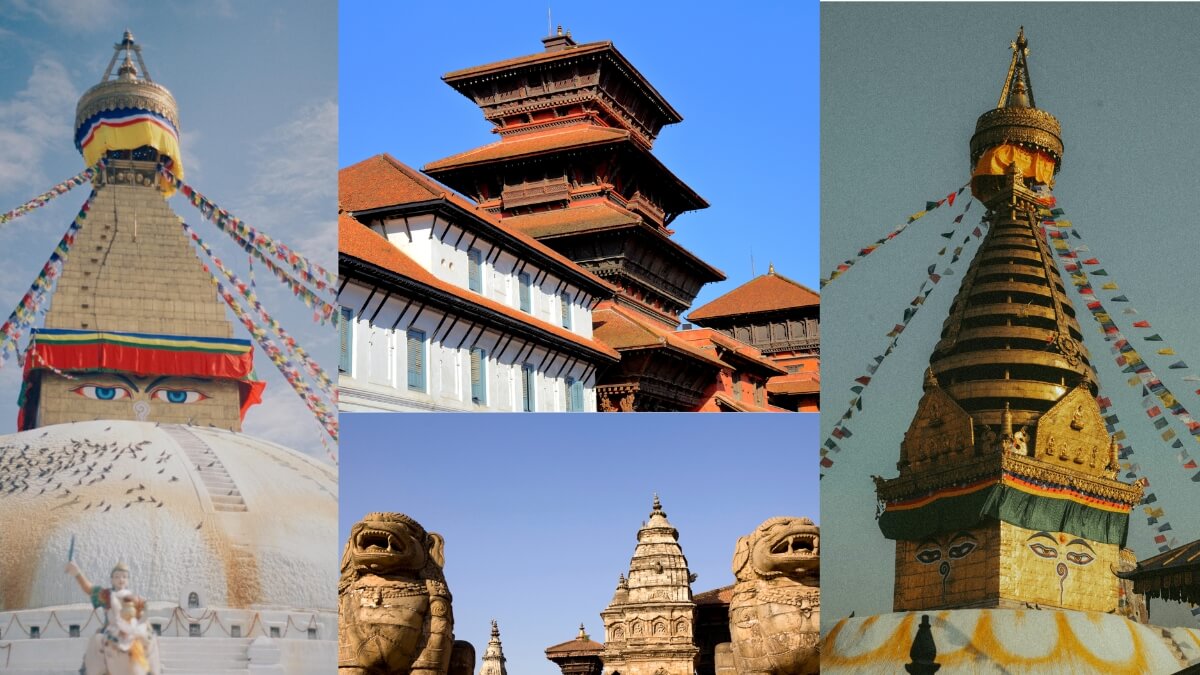
The Kathmandu Valley was inscribed as a serial property on the UNESCO World Heritage List in 1979. It consists of seven distinct monument zones that showcase the heights of the Malla and Licchavi periods. Whether you are a history enthusiast, a spiritual seeker, a photography lover, or simply a traveler who wants to experience something genuinely extraordinary, the Kathmandu World Heritage Tour is an experience unlike anything else in Asia.
This complete guide covers all seven UNESCO heritage sites, the best Kathmandu sightseeing tour packages, detailed itinerary options, city tour pricing, and practical tips to help you plan an unforgettable journey through Nepal’s greatest cultural treasures.
Why the Kathmandu World Heritage Tour Belongs on Every Traveler’s List
Nepal is home to ten UNESCO World Heritage Sites in total. Seven of those ten are located right here in the Kathmandu Valley covering the Durbar Squares of Kathmandu, Patan, and Bhaktapur; the Buddhist stupas of Swayambhunath and Boudhanath; and the Hindu temples of Pashupatinath and Changu Narayan.
What makes this concentration of heritage truly remarkable is that these are not frozen museum exhibits. Kathmandu offers a mixed cultural and traditional experience for travelers, as the entire valley is an open, living museum. The seven UNESCO heritage sites provide living and lively experiences. The medieval palaces, temples, and Buddhist stupas are popular, well-maintained sites preserved under conservation acts.
Surrounded by hills, the Kathmandu Valley is a diverse land with seven UNESCO sites that can be visited within a single day, covering majestic historical, cultural, and religious sites that carry a glimpse of the entirety of Nepal in one tour.
For international travelers, combining the Kathmandu World Heritage Tour with trekking, rafting, or other adventure activities makes Nepal one of the most rewarding multi-experience destinations in the world.
The 7 UNESCO World Heritage Sites in Kathmandu
1. Swayambhunath Stupa — The Sacred Monkey Temple
Perched on a hilltop 3 kilometers west of the city center, Swayambhunath is one of the oldest and most iconic sites on any Kathmandu World Heritage Tour. Commonly known as the Monkey Temple due to the hundreds of holy monkeys that inhabit its grounds, this ancient Buddhist stupa is believed to be over 2,500 years old.
Swayambhunath is symbolic of the harmony between Hinduism and Buddhism and offers panoramic views of the valley. Visitors explore its whitewashed stupa, golden spires, prayer flags, and numerous shrines. It is a favorite destination for heritage day tours, sunset views in Kathmandu, and Buddhist cultural exploration.
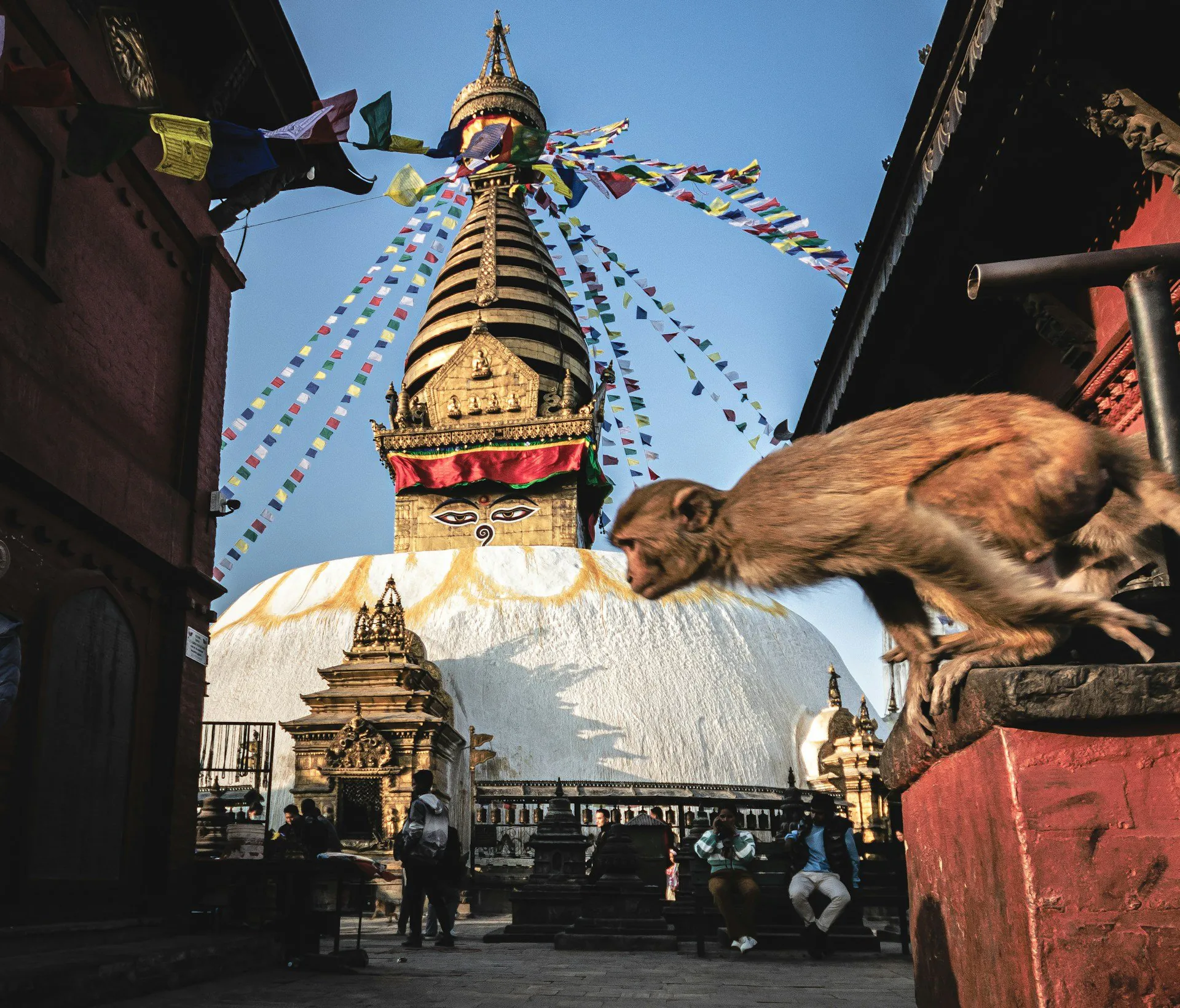
The eyes of the Buddha painted on all four sides of the golden spire gaze out across the entire Kathmandu Valley, an image that has become the most recognizable symbol of Nepal. The climb up 365 stone steps, lined with prayer wheels and statues of deities, is itself a meditative experience.
Entry fee: Approximately NPR 200 for foreigners. The hilltop views alone justify the short climb. For more inquiries, contact Leaf Holiday.
2. Pashupatinath Temple — The Holiest Hindu Shrine in Nepal
No Kathmandu World Heritage Tour is complete without visiting Pashupatinath, Nepal’s most sacred Hindu temple and one of the most important Shiva shrines in all of Asia.
Pashupatinath Temple is the holiest Hindu temple worshipping Lord Shiva. Millions of devout Shaivism pilgrims visit this site, and thousands of tourists travel here for its affluent heritage and religious history. It beckons with a stronger allure through its traditional structures brimming with the tranquility of an oasis amidst the city.
The main structure is built in pagoda style with two levels of copper roofs with gold covering and four doors covered with silver sheets, topped with a gold pinnacle (Gajur). Situated on the banks of the sacred Bagmati River, the temple complex also houses cremation ghats, ashrams, and dozens of smaller shrines that together create an atmosphere of profound spiritual intensity.
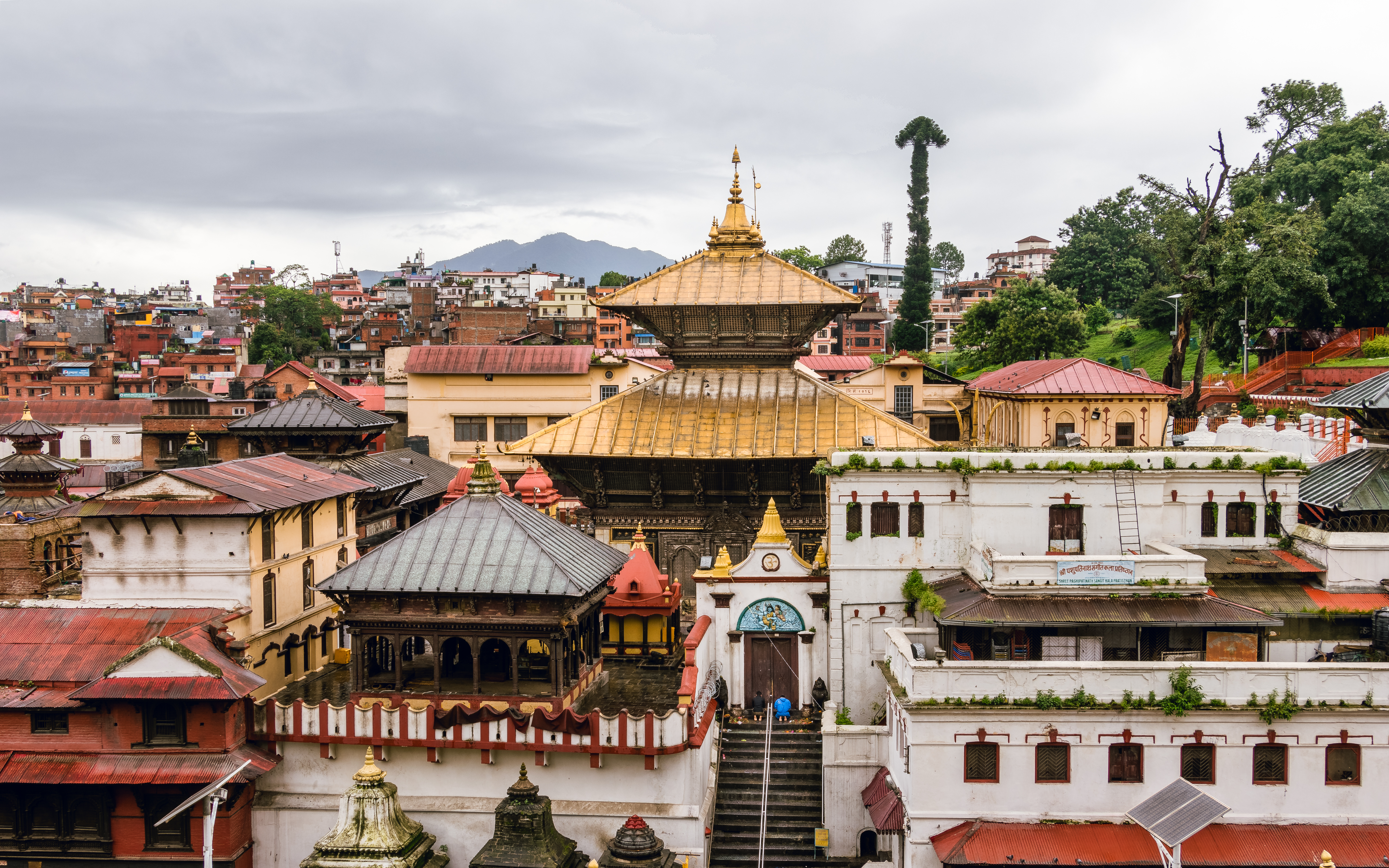
Non-Hindu visitors are not permitted inside the main temple but can observe the complex in full from the eastern bank of the Bagmati River, where the view of the entire complex, especially during the evening Aarti, is breathtaking.
3. Boudhanath Stupa — The Heart of Tibetan Buddhism in Nepal
Boudhanath is the largest stupa in Nepal and one of the largest in the world, and it is a centerpiece of every serious Kathmandu sightseeing tour package. Located about 8 kilometers from the city center, this massive white dome surrounded by a ring of monasteries and prayer wheels is the spiritual hub of Tibetan Buddhism outside of Tibet.
Boudhanath is the spiritual center of Tibetan Buddhism, and the entrance fees are used for maintenance of the large stupa and monastery complex surrounding it. Visitors can enjoy a peaceful environment to meditate or observe the ritual of walking around the stupa in prayer.
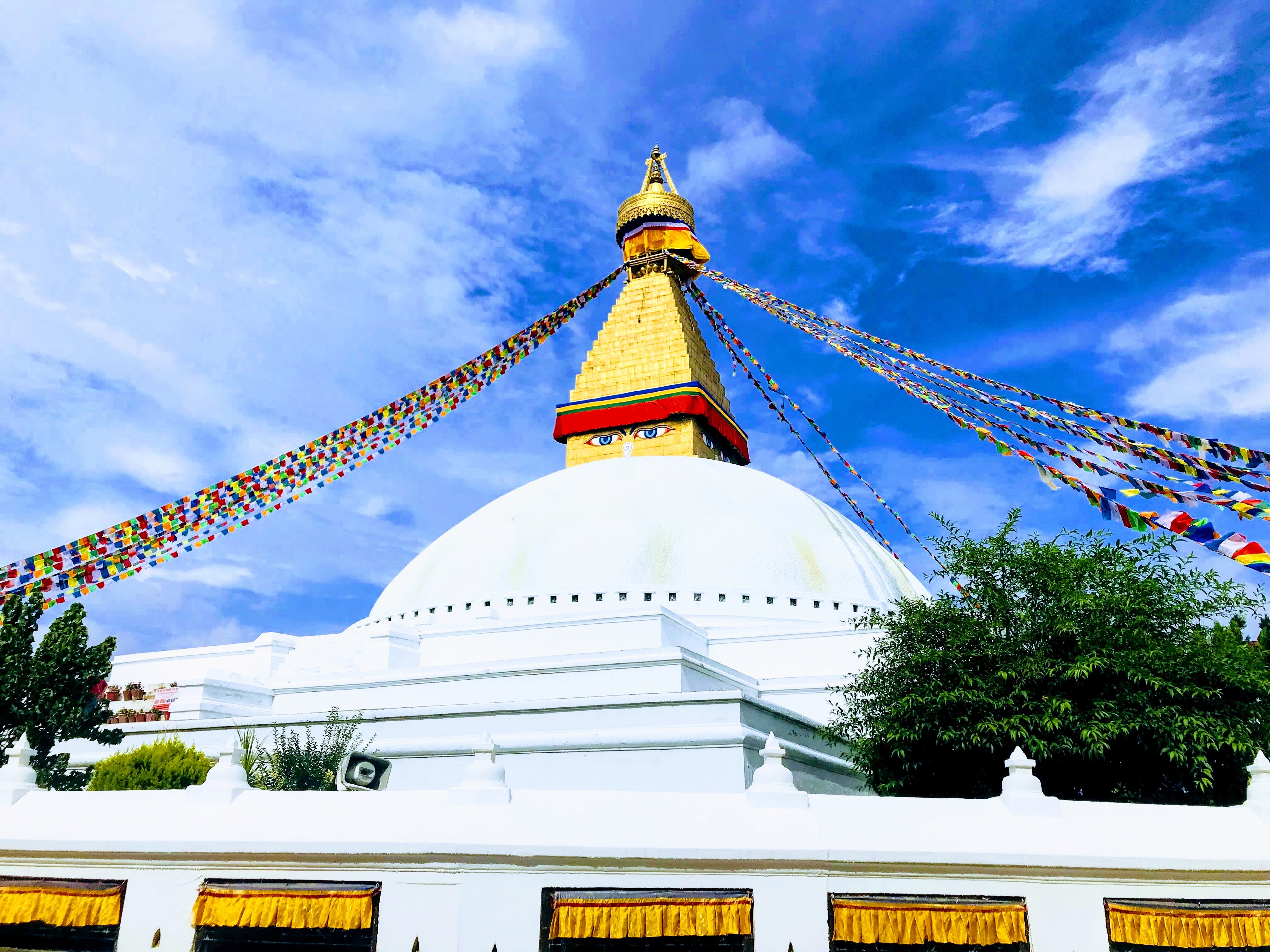
The circumambulation (kora) around the stupa at dawn and dusk when hundreds of monks, nuns, and pilgrims walk in a clockwise direction chanting mantras and spinning prayer wheels is one of the most moving experiences available anywhere in the Kathmandu Valley.
The ring of colorful Tibetan restaurants, thangka galleries, and craft shops around the stupa makes Boudhanath a wonderful place to spend a few hours absorbing the living culture of the valley.
4. Kathmandu Durbar Square — The Royal Heart of the Capital
Kathmandu Durbar Square is the heart of the city’s royal history and spiritual traditions and is often the first stop for many travelers on a Kathmandu World Heritage Tour.
Also known as Hanuman Dhoka or Basantapur Durbar Square, this complex at the center of the old city was the seat of the ancient Malla and later Shah kings of Nepal. Kathmandu Durbar Square features over 50 ancient structures, including temples and the Tribhuvan Museum, which houses royal artifacts and offers a glimpse into Nepal’s rich history.
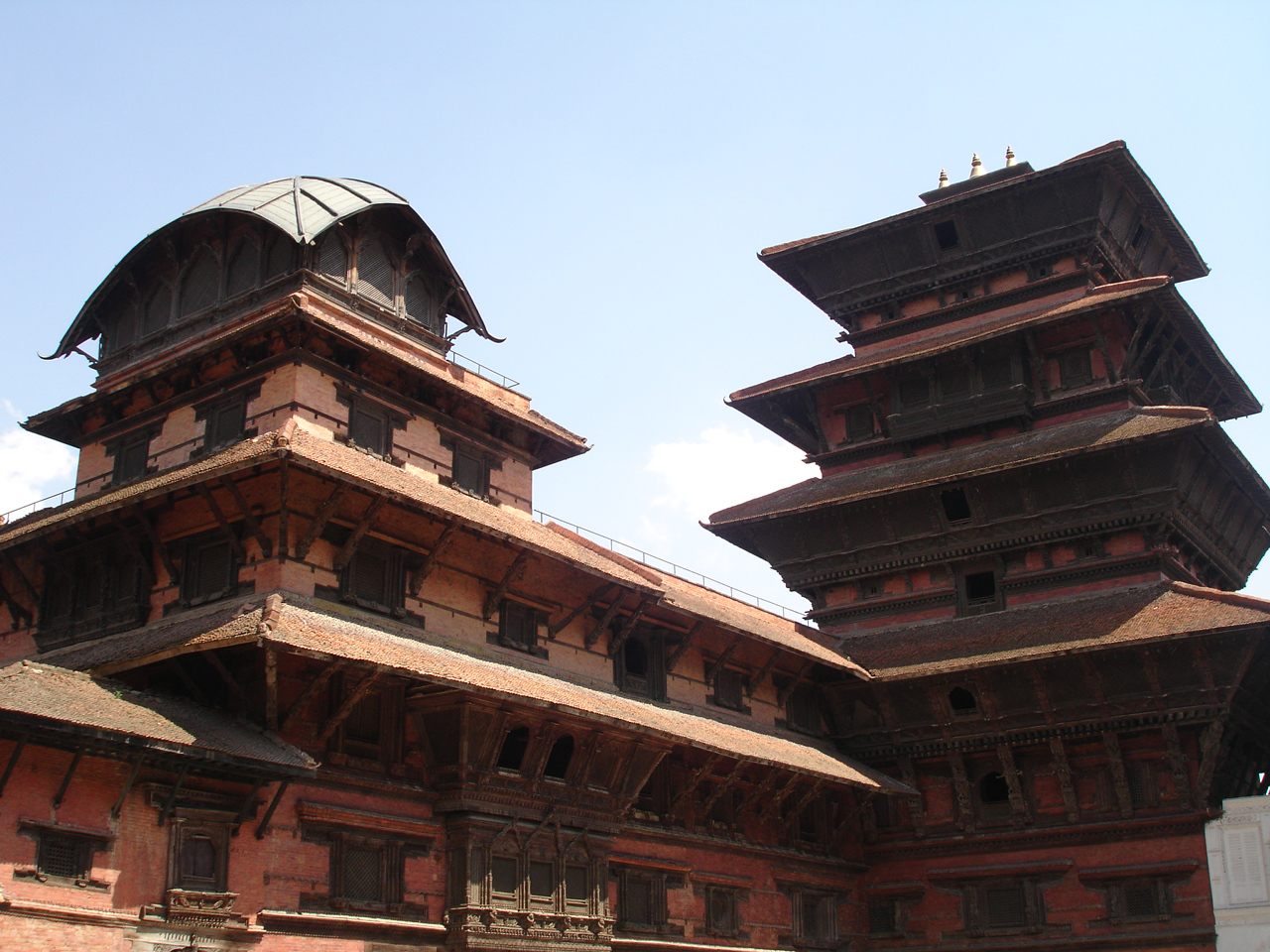
Among the highlights within the square is the Kumari Ghar, the palace of the Living Goddess Kumari, a prepubescent girl venerated as the earthly incarnation of the goddess Taleju. On auspicious occasions, the Kumari appears at the ornately carved wooden window of her palace, offering blessings to waiting devotees below.
The square suffered significant damage in the 2015 earthquake, and ongoing restoration efforts have become a story of remarkable cultural resilience. Visiting today means witnessing both the grandeur of medieval Newari architecture and the living process of its preservation.
5. Patan Durbar Square — A Masterpiece of Newari Architecture
Just across the Bagmati River from Kathmandu lies Patan, the ancient city of artisans, and its Durbar Square is widely considered the finest example of Newari architectural craftsmanship in the entire valley.
Patan Durbar Square is a UNESCO World Heritage site known for its intricate Newari architecture, featuring the ancient royal palace, temples, museum, artisan shops, and local markets.
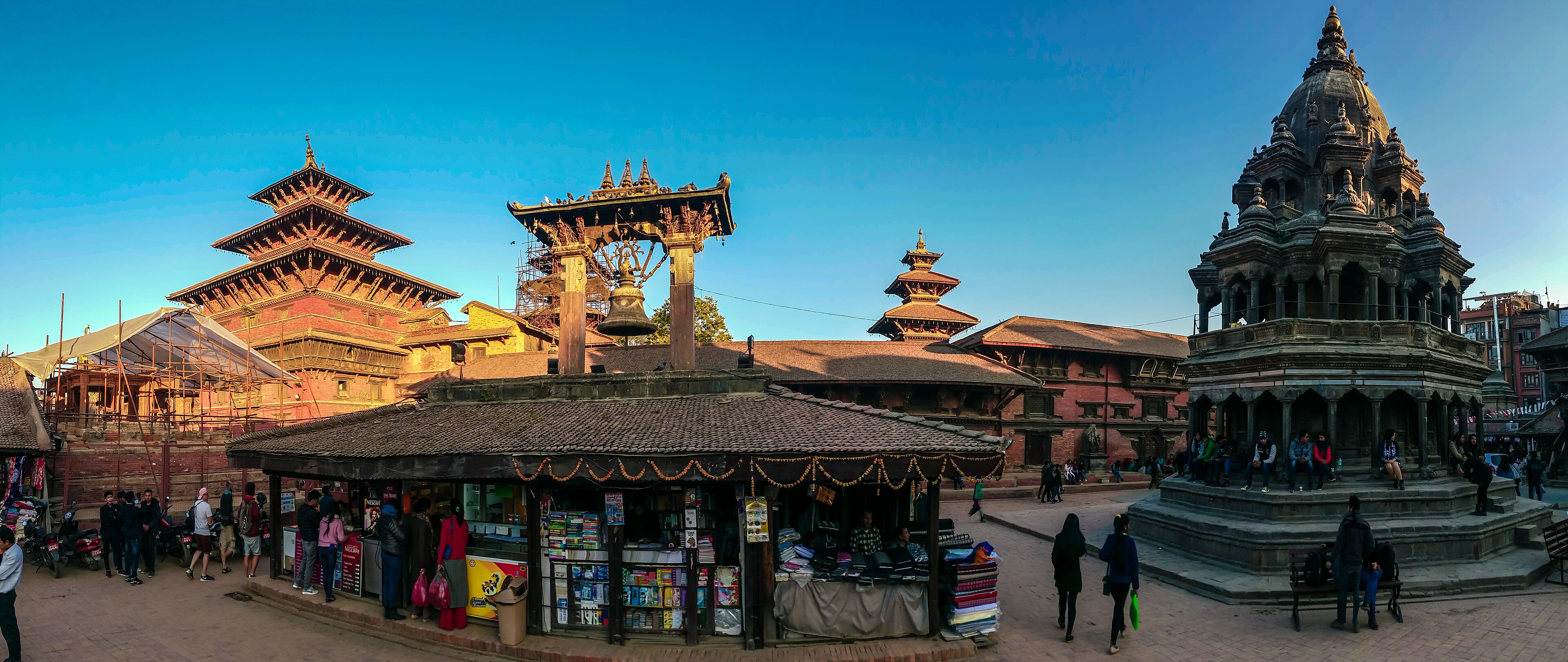
Patan Durbar Square was declared a World Heritage Site in 1979 and is a popular site in the middle of the city, once home to the Patan kings. The square is anchored by the 17th-century royal palace on the eastern side and ringed by an extraordinary collection of temples, including the beautiful Krishna Mandir built entirely of stone in the shikhara style and the Bhimsen Temple, dedicated to the god of traders and artisans.
The Patan Museum, housed within the old palace complex, is considered one of the finest museums in South Asia and is essential viewing for anyone wishing to understand the depth of the Kathmandu Valley’s artistic heritage.
6. Bhaktapur Durbar Square — The City Frozen in Medieval Time
Of all the sites on the Kathmandu World Heritage Tour itinerary, Bhaktapur offers the most intact and atmospheric medieval experience. Located 13 kilometers east of Kathmandu, this ancient city has preserved its traditional lifestyle, architecture, and crafts to a degree that genuinely feels like stepping back in time.
Bhaktapur Durbar Square is the living representation of how the entire valley would have looked during medieval periods. The city has glorious architecture, sky-high pagoda-style temples, fine clay pottery, and massive royal courtyards dating back to the 12th century.
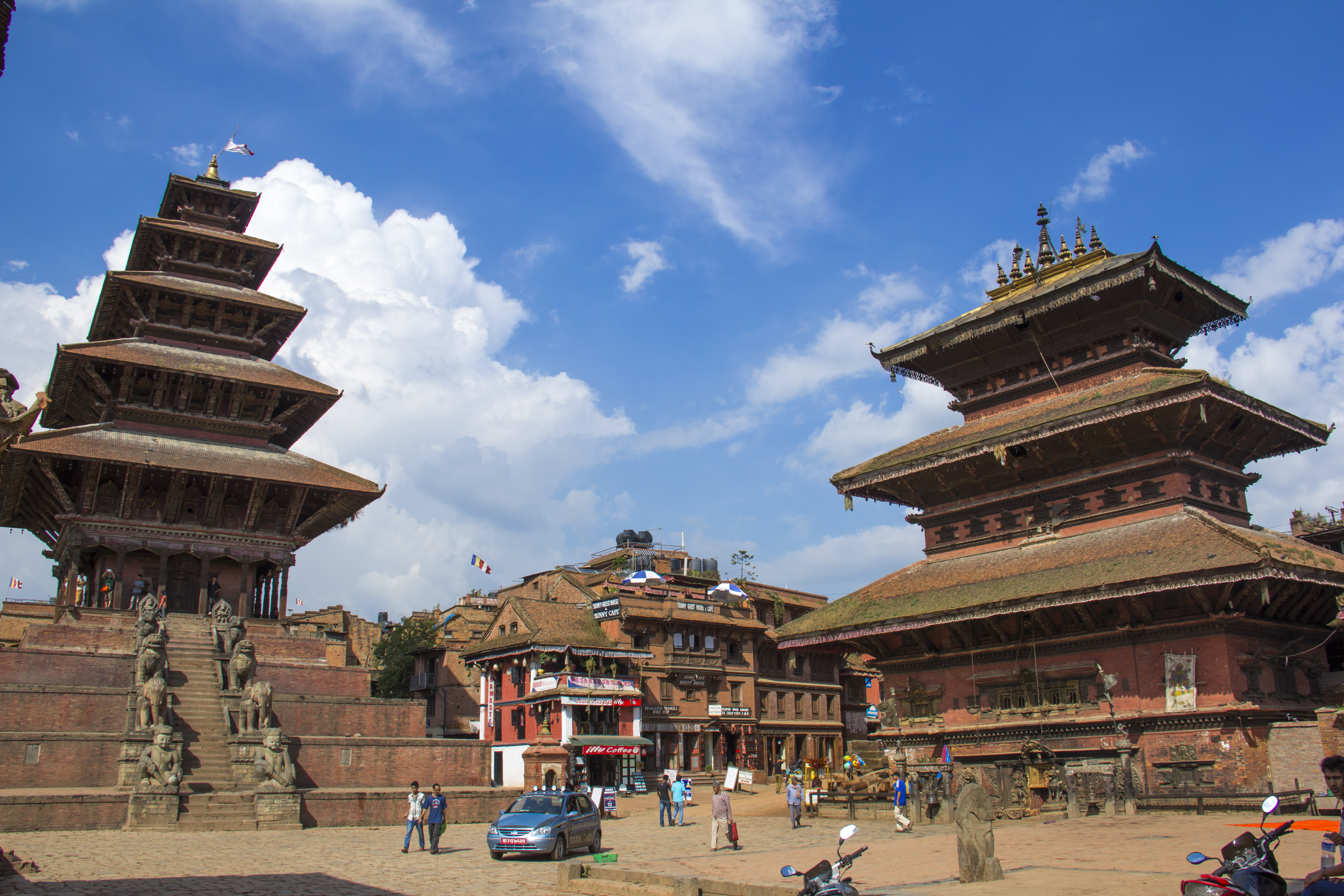
Bhaktapur is home to the 55-Window Palace, Vatsala Temple, and the famous Nyatapola Temple, one of the tallest pagodas in Nepal. It is well-known for its Newar culture, pottery squares, and traditional festivals, making it a prime destination for photography tours, heritage walking tours, and exploring Nepali culture.
Bhaktapur’s famous Juju Dhau, the “King’s Curd,” is a must-try on any visit. The creamy, slightly tangy yogurt served in traditional clay pots is as iconic to Bhaktapur as the architecture itself.
7. Changu Narayan Temple — Nepal’s Oldest Hindu Temple
The final and often most overlooked gem of the Kathmandu World Heritage Tour is Changu Narayan, and that relative obscurity is precisely what makes it so special for those who make the journey.
Dating back to the 4th century, Changu Narayan is widely considered to be the oldest Hindu temple in the Kathmandu Valley and one of the oldest in Nepal. Built on top of a high hill about seven miles directly east of Kathmandu, the temple is dedicated to Vishnu, although shrines to Lord Shiva, Ashta Matrika, and Krishna are also found within the wider temple complex.
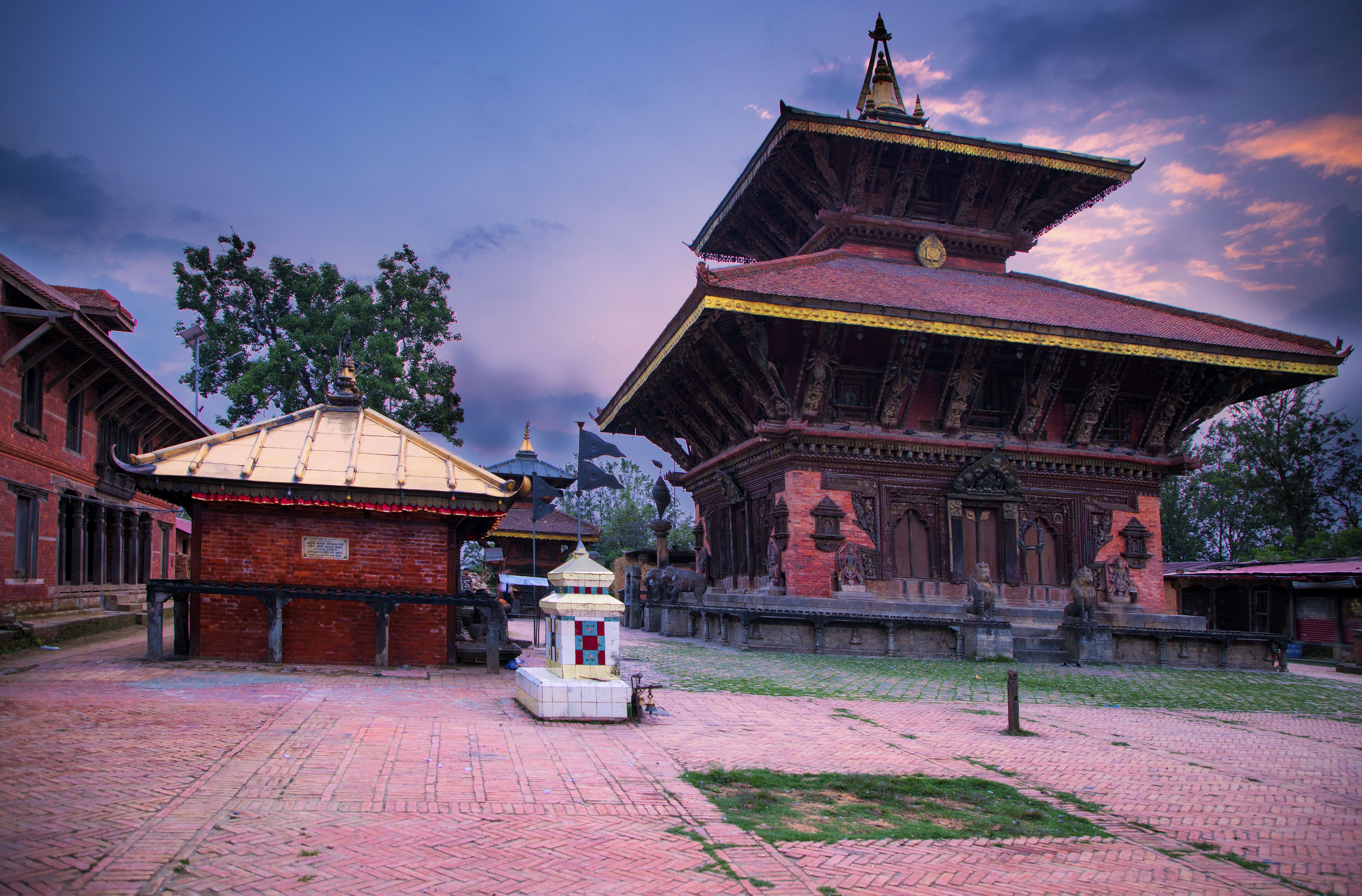
Changu Narayan Temple features stone inscriptions, intricate wooden carvings, and historic statues. Located near Bhaktapur, it is ideal for travelers interested in history, art, and religious traditions.
The stone inscription found here, dating to the 5th century AD, is the oldest in Nepal. The temple itself is a treasure trove of ancient sculpture, including masterpiece carvings of Vishnu in his various incarnations, and the hilltop setting offers serene views across the valley.
Kathmandu World Heritage Tour Itinerary — One Day vs Two Days
One-Day Kathmandu Sightseeing Tour Package (4 Sites)
For travelers with limited time, a focused Kathmandu sightseeing tour package covering the four most prominent sites is the ideal choice.
The one-day Kathmandu city tour package covers the four UNESCO heritage sites of Kathmandu Durbar Square, Swayambhunath, Pashupatinath, and Boudhanath Stupa. It is ideal for all age groups and includes sightseeing tours of tourist attractions while traveling in a private car.
A typical one-day itinerary runs as follows:
7:30–8:00 AM Hotel pickup. Begin with Swayambhunath at sunrise for the best light and fewest crowds. 9:30–11:00 AM Kathmandu Durbar Square and the old bazaars of Indra Chowk and Ason. 12:00–1:30 PM Pashupatinath Temple. Time the visit for the late morning when ritual activity is at its peak. 2:30–4:30 PM Boudhanath Stupa. Ideal for late afternoon circumambulation. 5:30 PM Drop-off at hotel.
Two-Day Kathmandu World Heritage Tour Itinerary (All 7 Sites)
For a complete Kathmandu World Heritage Tour itinerary covering all seven UNESCO sites, two days is the recommended duration.
The Seven World Heritage Kathmandu Tour is a two-day package that covers visiting all seven sites, including transportation, a knowledgeable guide, and entrance fees to all sites for a hassle-free experience. If you are short on time, you can join the one-day Kathmandu city tour package that covers four UNESCO heritage sites.
Day 1 covers the four Kathmandu city sites: Swayambhunath, Pashupatinath, Boudhanath, and Kathmandu Durbar Square.
Day 2 takes you to the valley’s outer sites, Patan Durbar Square in the morning, followed by a drive to Bhaktapur Durbar Square, and finally up to the hilltop at Changu Narayan in the late afternoon.
The full-day Seven Heritage tour typically starts with hotel pick-up at 8:30 AM and concludes with drop-off around 5:45 PM, making it a roughly 9-hour daily excursion that allows ample time to explore each site, with guided visits and leisure time for photography, meals, and cultural immersion.
Kathmandu City Tour Price — Complete Cost Breakdown
Understanding the Kathmandu city tour price helps you plan your budget accurately before you arrive. Here is a clear breakdown of what to expect in 2026:
Tour Package Costs: The cost for a comprehensive Seven World Heritage Kathmandu tour package ranges from USD 50 to USD 160 per person, depending on group size and specific requirements. This package includes transportation, a knowledgeable guide, and entrance fees to all sites.
Entrance Fees (per site, foreigners): The total entrance fees across all seven sites come to approximately NPR 6,000 (roughly USD 45) per person for access to all sites, unless these are included in an all-inclusive package. Individual site fees to note:
- Bhaktapur Durbar Square: approximately NPR 1,500 (valid for 3 days, covering the palace, temples, and courtyards)
- Changu Narayan: NPR 300 for foreign nationals
- Pashupatinath Temple: NPR 1,000 for foreigners (non-Hindus observe from the outer complex)
- Boudhanath Stupa: approximately NPR 400 for foreigners
- Swayambhunath: approximately NPR 200 for foreigners
What is typically included in a Kathmandu sightseeing tour package: Private transportation throughout the day, an English-speaking licensed guide, all entrance fees (in all-inclusive packages), hotel pickup and drop-off, and bottled water. Meals and personal expenses are almost always excluded.
What is typically not included: lunch, dinner, tips for the guide and driver, personal shopping, and any additional activity fees.
UNESCO Seven World Heritage Tour in Kathmandu — Practical Tips
These tips will help you get the very best out of your UNESCO seven world heritage tour in Kathmandu:
Dress respectfully. All seven sites are active places of worship. Shoulders and knees should be covered. Many temples provide wraps at the entrance if needed, but coming prepared shows respect and saves time.
Start early. The best light for photography and the calmest atmosphere at all seven sites is in the early morning hours, particularly at Swayambhunath, Pashupatinath, and Boudhanath.
Hire a licensed guide. Hiring a local guide is strongly recommended. A knowledgeable guide transforms a walk through ancient monuments into a deeply meaningful cultural experience, connecting the stories, symbols, and history of each site in ways a map never can.
Book your tour package in advance. Peak tourist seasons, October through November and March through May, see high demand for quality guides and private vehicles. Booking your Kathmandu sightseeing tour package at least a week ahead guarantees availability and often better pricing.
Carry cash in Nepalese rupees. While some operators accept cards, most entrance fee counters and market vendors within heritage zones are cash-only.
Respect photography rules. Make sure to ask permission or look for any prohibited signs before taking pictures. Photography inside the inner sanctums of many temples, particularly at Pashupatinath, is either restricted or strictly prohibited.
Best time to visit: The best time to visit the Kathmandu heritage sites is during Nepal’s dry season, from October to April. During this period, the weather is pleasant, with clear skies and mild temperatures, perfect for exploring outdoor sites. Temperatures typically range from 15°C to 25°C during the day, making it comfortable for walking and sightseeing.
How to Book a Kathmandu World Heritage Tour
Booking your Kathmandu World Heritage Tour with Leaf Holiday is straightforward, with multiple reliable options available:
Nepal Tourism Board-registered agencies are the most trustworthy route. These agencies offer vetted guides, comfortable private transportation, and clearly structured Kathmandu sightseeing tour packages with transparent pricing. Look for the NTB registration number on the operator’s website.
Online booking platforms Several reputable adventure and cultural travel platforms now list Kathmandu city tour packages with verified reviews, transparent inclusions, and instant confirmation.
Always read what is and is not included before confirming, and for a trusted and well-structured experience, consider booking directly through The Nepal Trekking.
Hotel concierge services Most tourist-district hotels in Thamel and Lazimpat can arrange a private Kathmandu World Heritage Tour with one day’s notice. Prices tend to be slightly higher, but the convenience is unmatched.
Private customized tours For families, couples, or small groups with specific interests, whether architecture, religion, photography, or cuisine, many operators offer fully customizable Kathmandu heritage itineraries that let you spend more time at the sites that matter most to you.
FAQs About the Kathmandu World Heritage Tour
Q1. How many UNESCO World Heritage Sites are in Kathmandu?
The Kathmandu Valley listing covers seven individual monuments and landmarks: the Durbar Squares of Kathmandu, Patan, and Bhaktapur; the Buddhist stupas of Swayambhunath and Boudhanath; and the Hindu temples of Pashupatinath and Changu Narayan.
Q2. Can all seven sites be visited in one day?
Surrounded by hills, the Kathmandu Valley is a diverse land with seven UNESCO sites that can technically be visited within a single day. However, for a meaningful and unhurried experience, a two-day itinerary is strongly recommended.
Q3. What is the Kathmandu city tour price for foreigners?
A comprehensive package covering all seven sites typically costs between USD 50 and USD 160 per person, depending on group size and inclusions. Entrance fees across all sites add up to approximately NPR 6,000 (USD 45) per person.
Q4. Is a guide necessary for the Kathmandu World Heritage Tour?
Not legally required, but strongly recommended. A licensed guide brings the history, mythology, and architecture of each site to life in ways that independent exploration simply cannot match.
Q5. What should I wear when visiting the heritage sites?
Modest clothing covering shoulders and knees is appropriate at all seven sites. Remove shoes before entering temple interiors. Carry a light scarf or shawl to wrap as needed.
Q6. Are the sites accessible for elderly visitors or those with mobility limitations?
Most sites involve some walking on uneven surfaces and stairs. Swayambhunath requires climbing 365 steps, though an alternate vehicle road is available. Boudhanath, Patan, and Boudhanath Stupa’s main areas are relatively accessible. Changu Narayan involves an uphill walk.
Q7. What is the best season for the Kathmandu World Heritage Tour?
October through November (autumn) and March through April (spring) are the best seasons—clear skies, mild temperatures, and excellent visibility for photographs.
Q8. Is it possible to book a Kathmandu sightseeing tour package online?
Yes. Multiple registered Nepal travel agencies and international booking platforms offer online reservations for both half-day and full-day Kathmandu World Heritage Tour packages, with instant confirmation and flexible cancellation policies.

Table of Contents
- Introduction to Kathmandu World Heritage Tour
- Why the Kathmandu World Heritage Tour Belongs on Every Traveler's List
- The 7 UNESCO World Heritage Sites in Kathmandu
- Kathmandu World Heritage Tour Itinerary — One Day vs Two Days
- Kathmandu City Tour Price — Complete Cost Breakdown
- UNESCO Seven World Heritage Tour in Kathmandu — Practical Tips
- How to Book a Kathmandu World Heritage Tour
- FAQs About the Kathmandu World Heritage Tour

Need Help?
Ask to Travel Expert