
- Mt. Kailash Tour
- Kailash Mansarovar Overland Tour
- Kailash Mansarovar Yatra by Helicopter – Complete Spiritual Journey Guide
- Kailash Yatra via Lucknow
- Kailash Mansarovar Tour via Lhasa
- Kailash Lhasa EBC Tour From Beijing
- Kailash Heli Tour via Kerung: Complete Spiritual Journey Guide
- Kailash Tour via Lhasa In Kerung Out
- Lhasa EBC Kailash Tour
- Kailash Heli Tour
- Kailash Mansarovar Yatra from Nepal 2027: Cost & Itinerary
- Kailash Nandi Kora
- Kailash Tour via Humla Simikot – 20 Days
- Mount Kailash Tour: 7 Amazing Experiences in 2027
- Trekking
-
-
- Everest Region
- Luxury Everest Base Camp Trek: 7 Unforgettable Highlights
- Everest Base Camp Trek 2026: Cost, Route, and Complete Guide
- Everest Three Passes Trek 2027: Cost, Route & Itinerary
- Everest Base Camp Short Trek
- Everest Panorama Trek: Amazing 10-Day Cost & Itinerary
- Everest Base Camp Island Peak Trek: Complete 19-Day Guide
- Gokyo Valley Trekking 2027: Easy Guide to Cost & Itinerary
- Mera Peak Climbing 2027: Complete Cost & Itinerary Guide
- Rolwaling Valley Trek: 23-Day Itinerary, Cost, Permits & Difficulty
- Dolpo Region Trek
- Everest Region
-
- Annapurna Region
- Annapurna Base Camp Trekking
- Annapurna Circuit Trek
- Annapurna Base Camp Trek: 7 Amazing Cost & Route Tips
- Mardi Himal Trek: 7 Amazing Highlights & Complete Guide
- Annapurna Alternative Combine Trek: 18 Amazing Days
- Mohare Dada Trek
- Ghorepani Poon Hill Trek: 7 Unforgettable Highlights
- Khopra Ridge Community Trek: 13-Day Ultimate Adventure
- Damodar Kunda Trek: 10-Day Ultimate Sacred Adventure
- Upper Mustang Trek: 10 Amazing Sights : Ultimate Guide
- Jomsom Muktinath Trek: Amazing 12-Day Ultimate Guide
- Ghale Gaun Trek: 7 Amazing Reasons : Ultimate Guide
- Dhampus Sarangkot Trek: 7 Incredible Experiences
- Dhaulagiri Region
- Annapurna Region
-
-
- Tours
-
-
- Day Tours
- Rickshaw–a three-wheeler Tour
- Pharping Dakshinkali Day Tour: 7 Amazing Highlights
- Historical Tour: 7 Amazing Places to Explore
- Kathmandu Temple Tour: 7 Amazing Spiritual Places
- Nagarkot Tour
- Bhaktapur City Tour: 7 Amazing Places to Explore
- Kathmandu City Tour – Complete Heritage & Cultural Experience in Nepal
- Chandragiri Hill: A Scenic Himalayan Escape Near Kathmandu
- Chitlang Hiking
- Shivapuri to Sundarijal Day Hiking
- Kulekhani Dam Day Tour — Complete Travel Guide
- Day Tours
-
- Package Tours
- Mustang Tour on Jeep
- Nepal Tour Package for Nepali: 12 Amazing Destinations to Explore (2026)
- Muktinath Tour: Complete Guide to Nepal’s Sacred Himalayan Pilgrimage
- 3N,4D Kathmandu Pilgrimage Tour
- Nepal Buddhist Pilgrimage Tour: 7 Sacred Sites Not to Miss
- 6D Nepal Pilgrimage Tour: 7 Amazing Sacred Places
- 7 Nights, 8 Days Nepal Tour
- Districts tour of Nepal
- Janakpur Tour Package: Price, Family Tour & Travel Guide from Kathmandu 2026
- Short Hike in Nepal: 7 Best Easy Treks for Beginners
- Package Tours
-
-
- Outbound
-
- Activities
- Climbing
- Bungee Jumping in Nepal
- Heli Skiing Adventure in the Himalayas
- Canoeing in Nepal
- Mountain Flight in Nepal
- Zip Flyer in Pokhara: The Ultimate Adventure Experience
- Paragliding in Pokhara: 7 Amazing Reasons to Experience Nepal’s Best Adventure
- Kathmandu Cycling Tour: 9 Amazing Adventures
- Rafting
- Rock Climbing
- Company
- Travel Info
- Travel Insurance
- Recommended Medical Kit
- Nepal Visa Information
- Flight delays and cancellation in Nepal
- Electricity in Nepal: Rates, Bill Check, Calculator and NEA Services
- Trekking Equipment Checklist: 40 Essential Items
- Best Kailash season in Tibet
- Best Trekking season in Nepal
- Trekking in Nepal 2027: 15 Best Himalayan Adventures
- Blogs
- Contact


WhatsApp
+977-9851035239

Email Us
[email protected]
Losar Festival in Nepal: Everything About the Himalayan Buddhist New Year
13 February 2018
By Leaf Holidays
The Losar Festival in Nepal is not just a calendar event. It is a living, breathing tapestry of ancient Buddhist traditions, mountain community identity, and joyful cultural expression. Whether you call it Losar Nepal, refer to it as Lhosar in Nepali, or are specifically researching Tamu Losar 2026, this complete guide reveals everything you need to know about one of the Himalayas’ most extraordinary New Year celebrations. From monastery rituals performed at dawn in remote Himalayan villages to the thunderous sound of sacred drums echoing around Baudhanath Stupa in Kathmandu, the Losar Festival in Nepal holds secrets that even seasoned travelers rarely discover.
What Is Losar Festival in Nepal?
The Losar Festival in Nepal is the Tibetan Buddhist New Year celebration observed by multiple Himalayan ethnic communities across the country. The word “Losar” comes from the Tibetan language. “Lo” means year, and “Sar” means new, making it literally the new year festival of the Himalayan Buddhist world.
Known as Lhosar in Nepali colloquial usage, this festival is deeply embedded in the cultural and spiritual fabric of communities such as the Sherpa, Tamang, Gurung (Tamu), Hyolmo, Thakali, and Tibetan diaspora living across Nepal’s mountain districts and Kathmandu Valley.
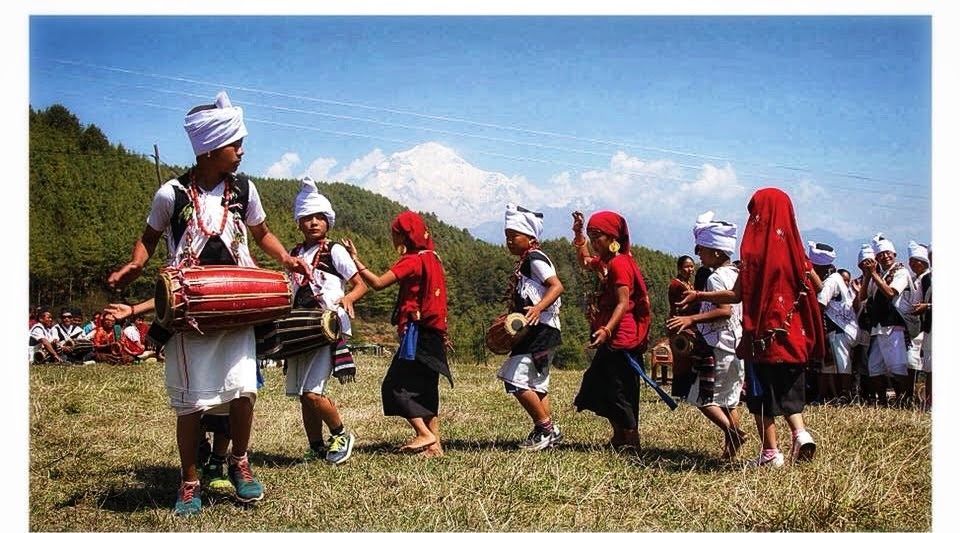
Unlike a single fixed celebration, Losar in Nepal is actually celebrated in three distinct waves across the calendar year, each corresponding to a different ethnic community’s lunar calendar. This makes Nepal one of the most unique countries in the world where the Buddhist New Year is observed three separate times by three separate groups. This fact surprises even many Nepali people living outside the Himalayan regions.
The Three Types of Losar in Nepal
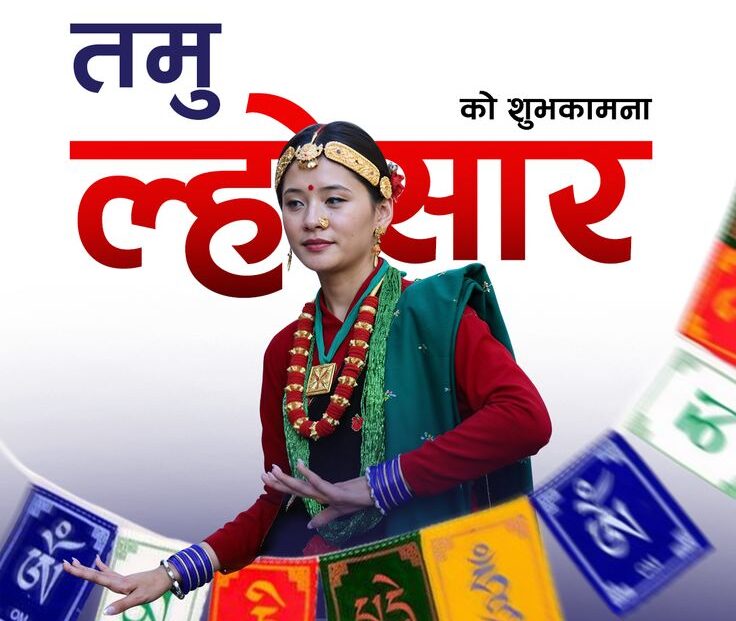
Tamu Losar is celebrated by the Gurung or Tamu community between December and January. The key celebration locations are Pokhara, Gorkha, and Kathmandu.
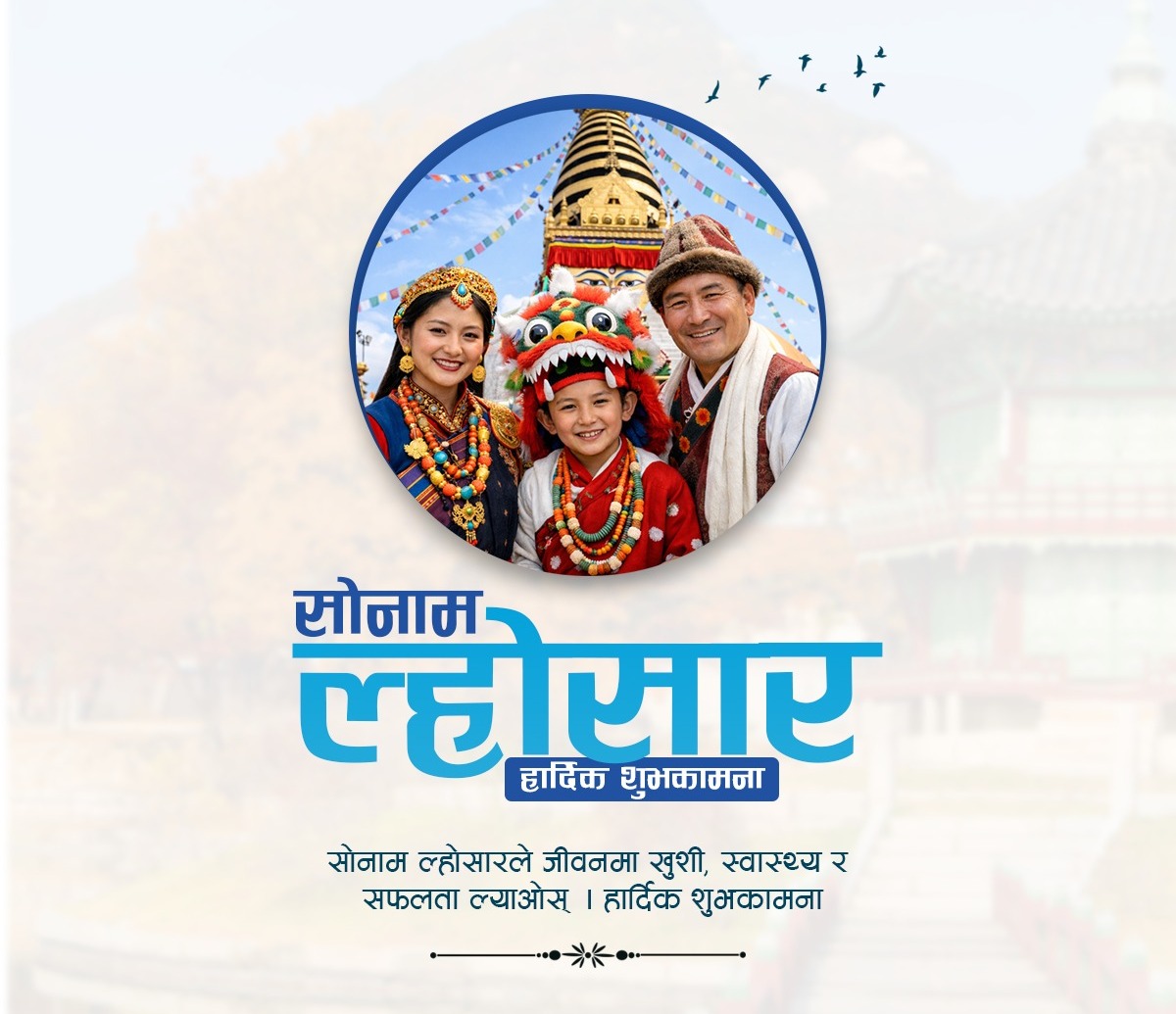
Sonam Losar is celebrated by the Tamang and Magar communities between January and February. The key celebration locations are Rasuwa, Sindhupalchok, and Kathmandu.
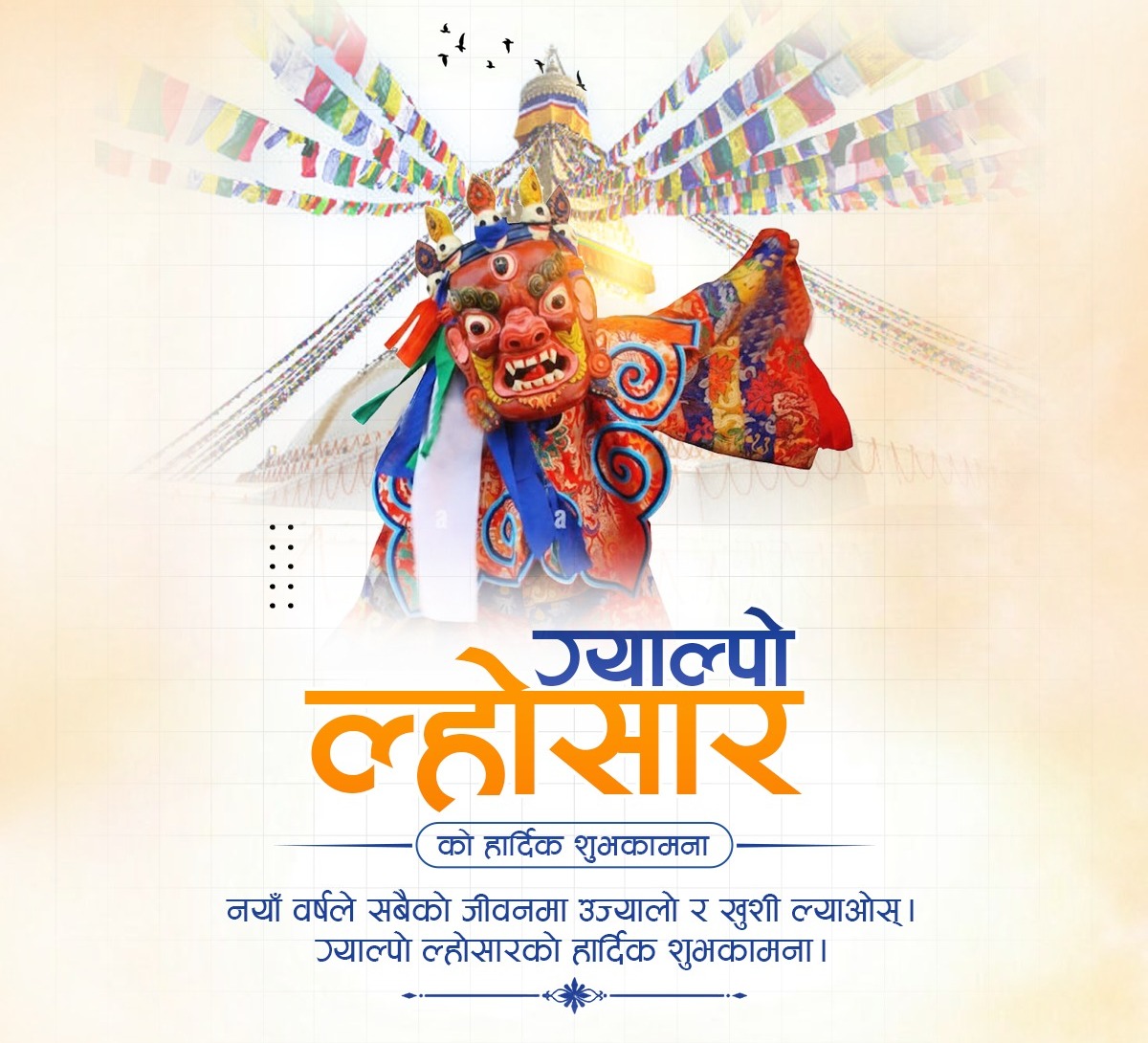
Gyalpo Losar is celebrated by the Sherpa and Tibetan communities between February and March. The key celebration locations are Solukhumbu, Mustang, and Baudhanath.
Losar Nepal 2026: Key Dates
Tamu Losar 2026 falls on December 30, 2025, with multi-day celebrations continuing into January 2026. This is the Gurung New Year.
Sonam Losar 2026 falls in January to February 2026. This is the Tamang and Magar New Year.
Gyalpo Losar 2026 falls in February to March 2026. This is the Sherpa and Tibetan New Year.
Please note that exact dates follow the Tibetan lunar calendar and may vary by one to two days. Always confirm with local monastery announcements or the Nepal Tourism Board for the precise date each year.
Why Nepal Celebrates Three Different Losar Festivals
One of the most remarkable facts about the Losar Festival in Nepal is that it is not a single holiday but a tri-annual celebration. Nepal’s extraordinary ethnic diversity, specifically its Gurung, Tamang, and Sherpa communities, has given rise to three distinct New Year festivals. Each festival carries its own date, rituals, and deep cultural significance that cannot be found anywhere else on earth.
Tamu Losar 2026, celebrated by the Gurung community, typically falls in late December or early January according to the Tamu lunar calendar. This is followed by Sonam Losar, the Tamang New Year, in January or February. After that comes Gyalpo Losar, the Sherpa and Tibetan New Year, in February or March.
This layering of New Year celebrations means that for nearly three months every year, somewhere in Nepal is actively celebrating Losar Nepal with dances, feasts, monastery ceremonies, and vibrant community gatherings. No other country in the world offers travelers this extended and immersive window into Himalayan Buddhist New Year traditions across multiple distinct ethnic cultures.
Why Three Separate New Years?
Each community follows its own ancestral lunar calendar rooted in different astrological systems brought by their ancestors from the Tibetan plateau and surrounding highland regions centuries ago. The Government of Nepal officially recognizes all three as gazetted public holidays. This is a powerful testament to the country’s extraordinary multicultural identity and its constitutional commitment to inclusivity.
Pre-Losar Rituals in Nepal: What Tourists Often Miss
Most visitors who attend the Losar Festival in Nepal focus entirely on the main celebration day. However, the most spiritually powerful rituals happen in the days leading up to it. Understanding this pre-Losar period is the key to experiencing Lhosar in Nepali culture at its deepest and most authentic level.
Chhewar: The Purification Ritual
In the days before Losar, homes are thoroughly cleaned from floor to ceiling. This ritual purification is called “Chhewar,” and it is performed to sweep away the misfortunes of the old year and welcome fresh positive energy into the household. Special protective symbols called Kalachakra are painted on walls using sacred materials. Families also begin preparing large quantities of Khapse, the traditional fried bread used as offerings for both home shrines and local monasteries.
Torma Offering at Monasteries
At Buddhist monasteries and gompas throughout Nepal’s mountain districts, monks spend days preparing elaborate Torma. These are ritual sculptures made from barley flour and butter, shaped into deity forms and offered to dispel the negative forces accumulated over the past year. These ceremonies are called “Nangso,” and they culminate with the dramatic burning of the Torma sculpture. This burning symbolizes the complete destruction of the old year’s evil forces and obstacles.
If you are planning to attend Tamu Losar 2026 or any Nepal celebration, arriving two to three days early will reward you with these rarely photographed pre-festival ceremonies that most tourists completely miss.
History of Tamu Losar in Nepal
Among all the Losar Festival in Nepal variations, Tamu Losar, celebrated by the Gurung people, holds special historical distinction. It is believed to be the oldest continuously observed Losar tradition in the country. Cultural anthropologists trace its origins back over 3,500 years to pre-Buddhist animistic mountain religious practices that were later integrated with Tibetan Buddhist philosophy.
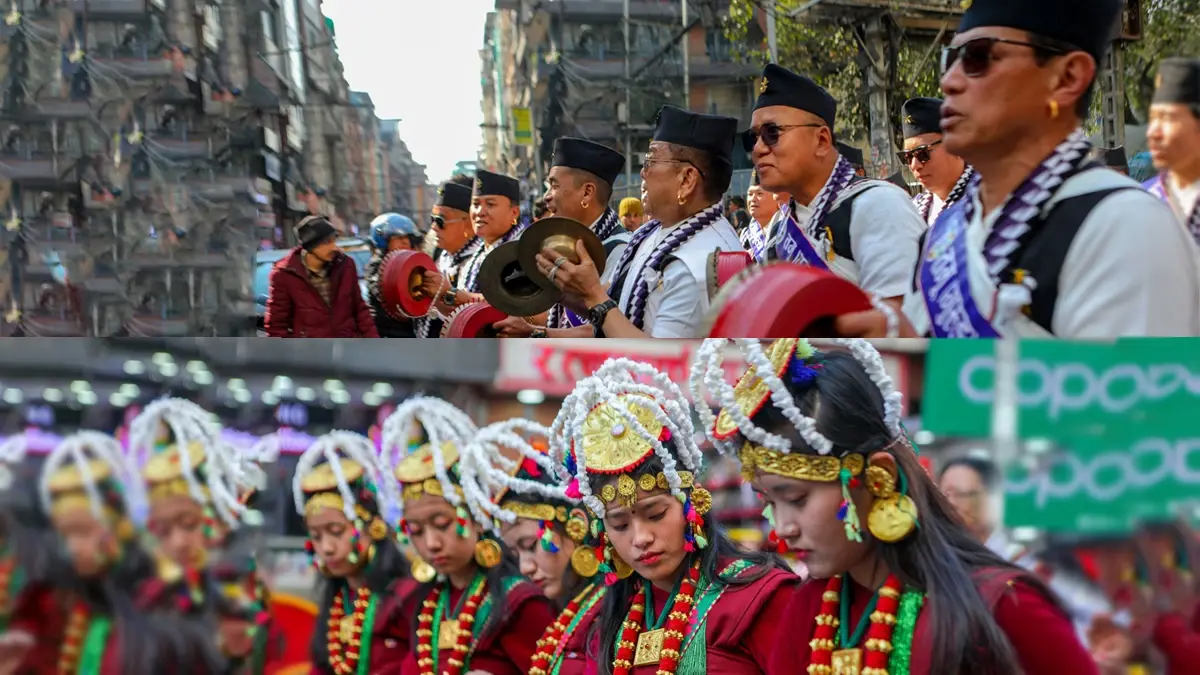
The Gurung people of western Nepal are concentrated in Gorkha, Kaski, Lamjung, Syangja, and Tanahu districts. They follow the ancient Tamu calendar system, which divides the year into 12 months named after animals. While similar to the Chinese zodiac, this system carries distinctly Himalayan cultural interpretations tied to agricultural cycles, hunting seasons, and spiritual observances specific to mountain life.
The Ghatu Dance: A Living Intangible Heritage
During Tamu Losar 2026, one of the most extraordinary performances you will witness is the Ghatu dance. This is a sacred trance-like ritual performance performed exclusively by Gurung women called Ghatu singers. These women spend years memorizing thousands of verses from an ancient oral epic passed down through generations entirely by memory, without any written text. The Ghatu dance is listed as an Intangible Cultural Heritage of Nepal by the Department of Archaeology and is performed only during Tamu Losar celebrations at no other time of year.
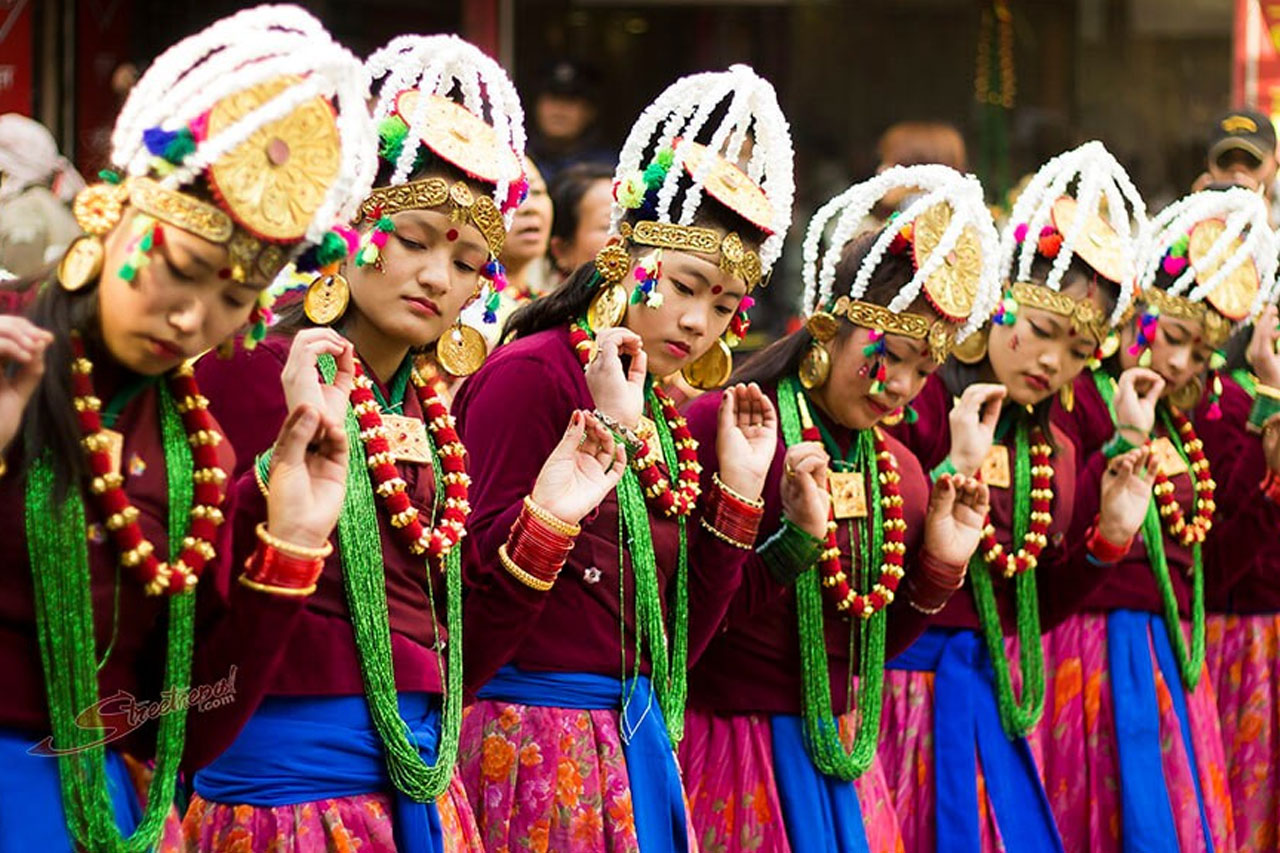
For those researching Lhosar in a Nepali cultural context, Tamu Losar offers unparalleled insight into pre-Buddhist animistic mountain traditions that have been seamlessly woven together with Tibetan Buddhist practices over three and a half millennia.
Boudhanath Stupa During Losar: Kathmandu’s Grand Celebration Hub
When most people think of Losar Nepal celebrations, they immediately imagine remote mountain villages tucked between Himalayan peaks. However, the most visually overwhelming celebration of the Losar Festival in Nepal actually takes place in the heart of Kathmandu at Baudhanath Stupa. This is one of the world’s largest Buddhist stupas and a UNESCO World Heritage Site since 1979.
During Gyalpo Losar, Baudhanath becomes an extraordinary spectacle unlike anything else in South Asia. Tens of thousands of butter lamps are lit simultaneously, surrounding the massive white dome of the stupa in a golden sea of flickering light visible from miles away across the Kathmandu Valley. Monks from dozens of monasteries gather in ceremonial robes of deep crimson, saffron, and gold. The air fills with the haunting sound of conch shells, the deep resonance of long ceremonial horns called Dungchen, and the rhythmic beat of Damaru drums.
The Cham Masked Dance: Sacred Buddhist Theatre
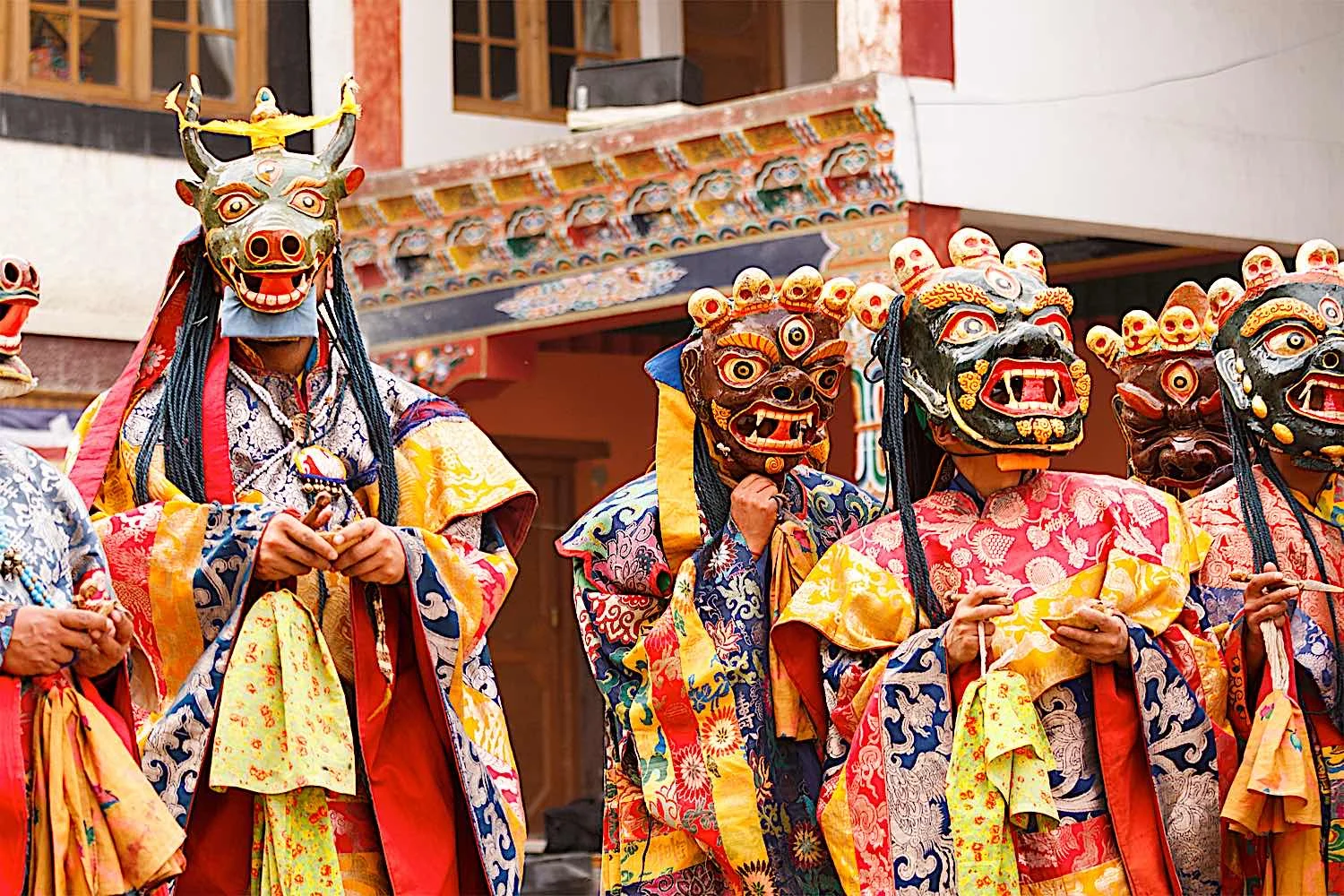
Central to the Gyalpo Losar Festival in Nepal at Baudhanath is the Cham masked dance. This is a sacred Buddhist ritual performance in which trained monks wearing elaborate papier-mâché deity masks and layered brocade costumes enact cosmic battles between protective dharma forces and demonic negative energies. Each character in the Cham performance represents a specific deity, demon, or dharma protector from Tibetan Buddhist cosmology. The entire performance serves simultaneously as a collective prayer, a spiritual purification ceremony, and a teaching on Buddhist philosophy for the lay community gathered to observe.
Swayambhunath Stupa, also known as the Monkey Temple, is another major venue for Lhosar in Nepali capital celebrations. It is particularly popular with Newar Buddhist families and international visitors who want a slightly less crowded but equally beautiful setting for witnessing Losar ceremonies.
Traditional Foods of Losar in Nepal and Their Spiritual Meaning
The culinary dimension of the Losar Festival in Nepal is far more than festive eating. It is an entire language of spiritual intention, where every food prepared and shared during Losar in Nepal carries specific symbolic meaning rooted in Buddhist philosophy, Himalayan agricultural tradition, and community generosity practices that go back centuries.
Khapse: The Sacred Festival Bread
Khapse is the iconic deep-fried dough bread of Losar, and it comes in distinctly shaped forms that each carry their own symbolic meaning. A twisted khapse represents infinity and the continuity of eternal life. Flat tongue-shaped versions are believed to silence enemies and dispel the energy of negative speech. The knot-shaped khapse symbolizes the unbreakable ties of family and community. Families spend entire days preparing khapse in large batches, both for home consumption and to present as formal offerings at nearby monasteries.
Chang: The Sacred Millet Beer of the Himalayas
Chang, also called Chyang or Tongba when served hot, is the traditional fermented barley or millet beverage that is absolutely central to Tamu Losar 2026 and to all Lhosar in Nepali mountain communities. Offering Chang to guests during Losar is a profound act of hospitality deeply embedded in Himalayan social culture. Graciously accepting the drink when offered, even in small amounts, is an important gesture of respect and participation in the shared spirit of the festival.
Additional traditional Losar Festival in Nepal foods include the following:
Dresi is sweet saffron rice that is always offered first to household deities at the family shrine before any human consumption. It represents gratitude and the acknowledgment of spiritual blessings.
Selroti is a ring-shaped rice flour bread that symbolizes the unbroken cycle of life, time, and renewal central to the New Year’s spiritual message.
Thukpa is a hearty Tibetan-style noodle soup representing warmth, family connection, and the nourishment that community provides through even the coldest Himalayan winter months.
Tingmo is fluffy steamed bread served alongside spicy achar, or pickles. It is a symbol of Tibetan cultural identity that has become inseparable from all Losar celebrations across Nepal.
Dried yak meat is prepared months in advance during the autumn season and carefully stored. It symbolizes the family’s prudence, preparation, and practical wisdom in planning for the year ahead.
Where to Experience Losar Festival in Nepal
The Losar Festival in Nepal is celebrated across the country, but certain locations offer particularly immersive and accessible experiences for visitors and cultural enthusiasts.
Baudhanath Stupa in Kathmandu is the grandest venue for Gyalpo Losar. It offers spectacular butter lamp ceremonies, Cham dance performances, and the largest gathering of Sherpa and Tibetan Buddhist monks in the country.
Swayambhunath Stupa in Kathmandu offers family-friendly Lhosar celebrations on the hilltop temple complex with panoramic views of the entire Kathmandu Valley and excellent opportunities for photography.
Pokhara in Kaski District is the cultural heartland of the Gurung people and the best place in Nepal to experience authentic Tamu Losar 2026 celebrations, including Ghatu dance performances and large community feasts.
Namche Bazaar in Solukhumbu offers authentic Sherpa Gyalpo Losar celebrations in the shadow of Mount Everest, one of the world’s most dramatic festival settings at 3,440 meters above sea level.
Lo Manthang in Upper Mustang is one of Nepal’s most remote and culturally pristine Losar celebrations, accessible only with a special Restricted Area Permit and extraordinarily rare in its traditional character.
Rasuwa District in Langtang Valley offers Tamang Sonam Losar celebrations set against the backdrop of the stunning Langtang Himal, combining festival culture with world-class trekking.
Travel Tips for Attending Losar Nepal
Best Time to Visit
Planning your trip around the Losar Festival in Nepal requires some calendar flexibility since dates shift each year with the lunar calendar. Tamu Losar 2026 falls in late December to early January, which is excellent timing that coincides with Nepal’s peak winter trekking season when mountain views are at their clearest. Gyalpo Losar in February to March aligns perfectly with the pre-spring trekking season when rhododendrons begin to bloom at lower elevations, making the journey to celebration venues as beautiful as the festival itself.
Cultural Etiquette During Lhosar in Nepal
Greet every person you meet with “Tashi Delek,” the traditional Losar blessing meaning good luck, good health, and prosperity, and you will immediately be welcomed into the spirit of the celebration.
Always remove your shoes before entering monastery compounds and prayer halls during Losar ceremonies.
Always ask for permission before photographing religious ceremonies, family rituals, or individual participants. Most people are happy to be photographed, but asking first is a mark of deep respect.
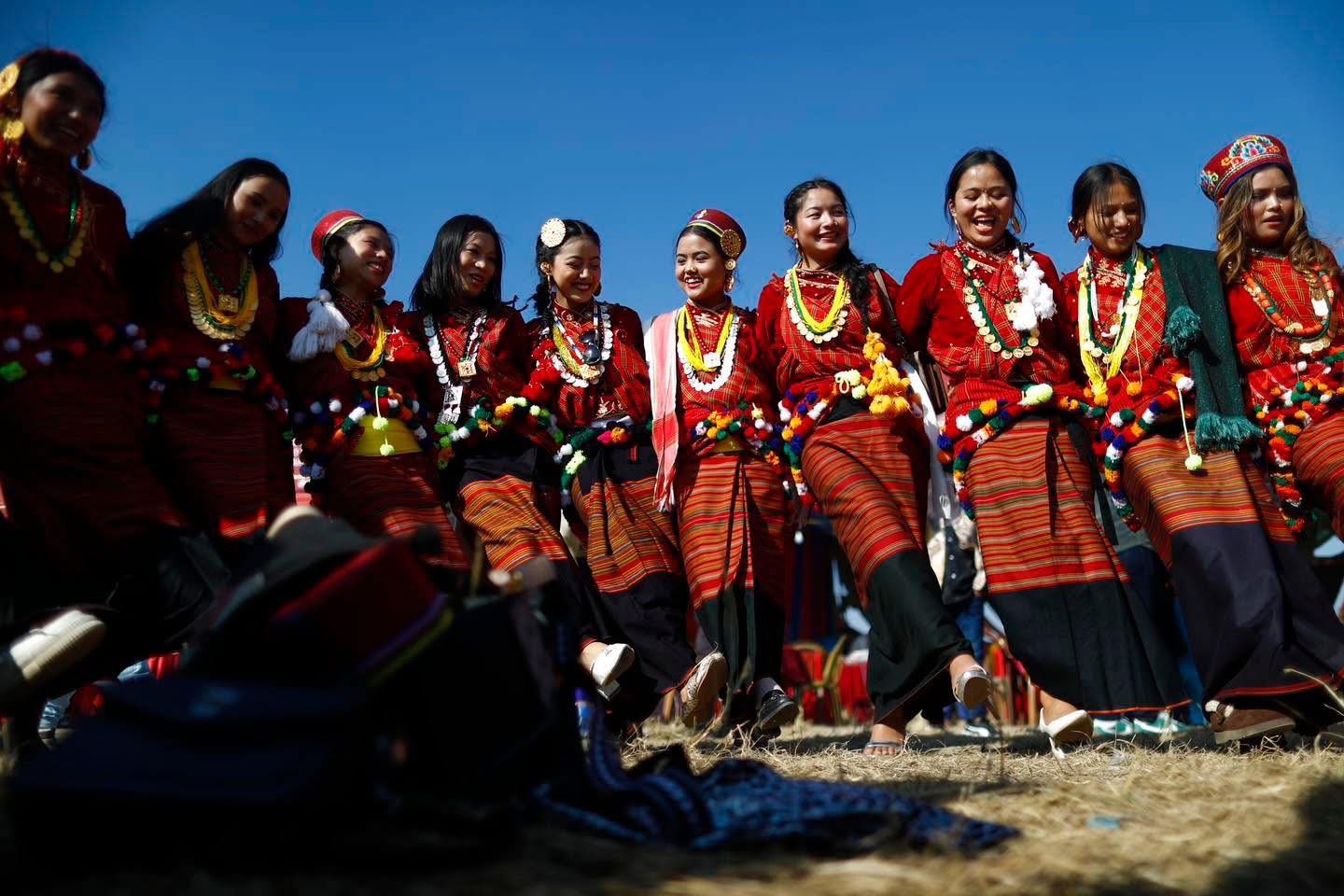
Accept Khapse and Chang when they are offered to you by hosts. Even a small taste communicates that you honor and appreciate their hospitality and cultural traditions.
Dress modestly when attending monastery events and cover your shoulders and knees as a mark of respect for the sacred space.
Always walk clockwise around stupas, chortens, mani walls, and prayer wheels. This is the correct direction in Buddhist tradition and is followed universally across all Losar Festival in Nepal celebrations.
Frequently Asked Questions About Losar Festival in Nepal
What is Losar Festival in Nepal?
The Losar Festival in Nepal is the Buddhist New Year celebrated by Sherpa, Tamang, Gurung, and Tibetan communities. It is observed three times a year by different ethnic groups and is one of the most important cultural festivals in the Himalayan region.
When is Tamu Losar 2026?
Tamu Losar 2026 falls on approximately December 30, 2025. Celebrations continue into early January 2026. The exact date follows the Tamu lunar calendar, so always confirm locally before traveling.
What does Lhosar mean in Nepali?
“Lhosar” in Nepali is the local spelling of “Losar.” It combines “Lho,” meaning year, and “Sar,” meaning new. It refers to all three Himalayan New Year festivals celebrated across Nepal.
How many types of Losar are celebrated in Nepal?
There are three types of Losar festivals in Nepal. These are Tamu Losar celebrated by the Gurung community, Sonam Losar celebrated by the Tamang community, and Gyalpo Losar celebrated by the Sherpa and Tibetan communities.
Where is Losar celebrated in Nepal?
Losar in Nepal is celebrated at Baudhanath Stupa and Swayambhunath in Kathmandu, in Pokhara for Tamu Losar, in Namche Bazaar for Gyalpo Losar, and across mountain districts including Mustang, Rasuwa, Solukhumbu, and Gorkha.
What are the main rituals of Losar?
The main rituals of the Losar Festival in Nepal include Chhewar house cleaning, Torma monastery offerings, lighting butter lamps, performing the Cham masked dance, the Ghatu trance dance during Tamu Losar, and sharing traditional foods like khapse and chang.
Is Losar a public holiday in Nepal?
Yes. All three Losar celebrations are gazetted public holidays in Nepal. The government officially recognizes Tamu Losar, Sonam Losar, and Gyalpo Losar to honor Nepal’s multicultural Himalayan heritage.
What foods are eaten during Losar in Nepal?
Traditional foods of the Losar Festival in Nepal include Khapse fried bread, Selroti rice bread, Chang millet beer, Thukpa noodle soup, Tingmo steamed bread, Dresi saffron rice, and dried yak meat. Each food carries spiritual symbolism connected to the Buddhist New Year.
Conclusion: Experience Losar Festival in Nepal
The Losar Festival in Nepal is a celebration of resilience, community, and spiritual renewal forged in the rarefied air of the world’s highest mountains. It has been sustained through centuries of Buddhist tradition and Himalayan cultural pride that remains vibrantly alive today. Whether you attend Tamu Losar 2026 in Pokhara, witness Gyalpo Losar at Baudhanath’s glowing stupa, or discover Lhosar in Nepali mountain villages along ancient trade routes, you will encounter something far beyond a festival. You will find a living, breathing connection to one of humanity’s oldest and most beautiful spiritual traditions, one that reminds us that every new year is a chance to begin again with gratitude, generosity, and joy.

Table of Contents
- What Is Losar Festival in Nepal?
- The Three Types of Losar in Nepal
- Losar Nepal 2026: Key Dates
- Why Nepal Celebrates Three Different Losar Festivals
- Pre-Losar Rituals in Nepal: What Tourists Often Miss
- History of Tamu Losar in Nepal
- Boudhanath Stupa During Losar: Kathmandu’s Grand Celebration Hub
- Traditional Foods of Losar in Nepal and Their Spiritual Meaning
- Additional traditional Losar Festival in Nepal foods include the following:
- Where to Experience Losar Festival in Nepal
- Travel Tips for Attending Losar Nepal
- Frequently Asked Questions About Losar Festival in Nepal
- Conclusion: Experience Losar Festival in Nepal

Need Help?
Ask to Travel Expert