
- Mt. Kailash Tour
- Kailash Mansarovar Overland Tour
- Kailash Mansarovar Yatra by Helicopter – Complete Spiritual Journey Guide
- Kailash Yatra via Lucknow
- Kailash Mansarovar Tour via Lhasa
- Kailash Lhasa EBC Tour From Beijing
- Kailash Heli Tour via Kerung: Complete Spiritual Journey Guide
- Kailash Tour via Lhasa In Kerung Out
- Lhasa EBC Kailash Tour
- Kailash Heli Tour
- Kailash Mansarovar Yatra from Nepal 2027: Cost & Itinerary
- Kailash Nandi Kora
- Kailash Tour via Humla Simikot – 20 Days
- Mount Kailash Tour: 7 Amazing Experiences in 2027
- Trekking
-
-
- Everest Region
- Luxury Everest Base Camp Trek: 7 Unforgettable Highlights
- Everest Base Camp Trek 2026: Cost, Route, and Complete Guide
- Everest Three Passes Trek 2027: Cost, Route & Itinerary
- Everest Base Camp Short Trek
- Everest Panorama Trek: Amazing 10-Day Cost & Itinerary
- Everest Base Camp Island Peak Trek: Complete 19-Day Guide
- Gokyo Valley Trekking 2027: Easy Guide to Cost & Itinerary
- Mera Peak Climbing 2027: Complete Cost & Itinerary Guide
- Rolwaling Valley Trek: 23-Day Itinerary, Cost, Permits & Difficulty
- Dolpo Region Trek
- Everest Region
-
- Annapurna Region
- Annapurna Base Camp Trekking
- Annapurna Circuit Trek
- Annapurna Base Camp Trek: 7 Amazing Cost & Route Tips
- Mardi Himal Trek: 7 Amazing Highlights & Complete Guide
- Annapurna Alternative Combine Trek: 18 Amazing Days
- Mohare Dada Trek
- Ghorepani Poon Hill Trek: 7 Unforgettable Highlights
- Khopra Ridge Community Trek: 13-Day Ultimate Adventure
- Damodar Kunda Trek: 10-Day Ultimate Sacred Adventure
- Upper Mustang Trek: 10 Amazing Sights : Ultimate Guide
- Jomsom Muktinath Trek: Amazing 12-Day Ultimate Guide
- Ghale Gaun Trek: 7 Amazing Reasons : Ultimate Guide
- Dhampus Sarangkot Trek: 7 Incredible Experiences
- Dhaulagiri Region
- Annapurna Region
-
-
- Tours
-
-
- Day Tours
- Rickshaw–a three-wheeler Tour
- Pharping Dakshinkali Day Tour: 7 Amazing Highlights
- Historical Tour: 7 Amazing Places to Explore
- Kathmandu Temple Tour: 7 Amazing Spiritual Places
- Nagarkot Tour
- Bhaktapur City Tour: 7 Amazing Places to Explore
- Kathmandu City Tour – Complete Heritage & Cultural Experience in Nepal
- Chandragiri Hill: A Scenic Himalayan Escape Near Kathmandu
- Chitlang Hiking
- Shivapuri to Sundarijal Day Hiking
- Kulekhani Dam Day Tour — Complete Travel Guide
- Day Tours
-
- Package Tours
- Mustang Tour on Jeep
- Nepal Tour Package for Nepali: 12 Amazing Destinations to Explore (2026)
- Muktinath Tour: Complete Guide to Nepal’s Sacred Himalayan Pilgrimage
- 3N,4D Kathmandu Pilgrimage Tour
- Nepal Buddhist Pilgrimage Tour: 7 Sacred Sites Not to Miss
- 6D Nepal Pilgrimage Tour: 7 Amazing Sacred Places
- 7 Nights, 8 Days Nepal Tour
- Districts tour of Nepal
- Janakpur Tour Package: Price, Family Tour & Travel Guide from Kathmandu 2026
- Short Hike in Nepal: 7 Best Easy Treks for Beginners
- Package Tours
-
-
- Outbound
-
- Activities
- Climbing
- Bungee Jumping in Nepal
- Heli Skiing Adventure in the Himalayas
- Canoeing in Nepal
- Mountain Flight in Nepal
- Zip Flyer in Pokhara: The Ultimate Adventure Experience
- Paragliding in Pokhara: 7 Amazing Reasons to Experience Nepal’s Best Adventure
- Kathmandu Cycling Tour: 9 Amazing Adventures
- Rafting
- Rock Climbing
- Company
- Travel Info
- Travel Insurance
- Recommended Medical Kit
- Nepal Visa Information
- Flight delays and cancellation in Nepal
- Electricity in Nepal: Rates, Bill Check, Calculator and NEA Services
- Trekking Equipment Checklist: 40 Essential Items
- Best Kailash season in Tibet
- Best Trekking season in Nepal
- Trekking in Nepal 2027: 15 Best Himalayan Adventures
- Blogs
- Contact


WhatsApp
+977-9851035239

Email Us
[email protected]
Interesting Facts About Nepal: 10 Amazing Things You Must Know
08 February 2018
By Leaf Holidays
Nepal is a country that never stops surprising the world. Tucked between two of the planet’s largest nations, India and China, this small Himalayan kingdom packs more wonder, history, and cultural richness into its borders than countries ten times its size. From the roof of the world to the steaming jungles of the Terai, the interesting facts about Nepal go far beyond Mount Everest and prayer flags. Whether you are a traveler planning your first visit, a student curious about South Asian geography, or simply someone who loves discovering the world’s hidden treasures, these Amazing Facts of Nepal will genuinely change the way you see this extraordinary country.
Interesting facts about Nepal that most people have never heard, including fascinating insights into interesting facts about Nepal culture, the symbolism packed into the interesting facts about the Nepal flag, and much more that will leave you astonished.
Why Nepal Is One of the Most Unique Countries on Earth
Before diving into the facts, it is important to understand just how extraordinary Nepal truly is. Nepal is home to eight of the world’s ten highest mountains, including Mount Everest. It is the birthplace of Siddhartha Gautama, the founder of Buddhism, one of the world’s most widely followed spiritual traditions. It is also one of the only countries in the world that has never been colonized by a foreign power, a fact that fills every Nepali citizen with immense pride.
These interesting facts about Nepal are not just trivia. They reflect the soul of a nation shaped by geography, spirituality, and an unbreakable cultural identity that has endured for thousands of years.
Fact 1: Nepal Is Home to Eight of the World’s Ten Highest Mountains
One of the most amazingly stunning facts about Nepal is its extraordinary concentration of high-altitude peaks. Nepal shares the Himalayan mountain range with Tibet and India but holds the greatest density of extreme altitude peaks on the planet. Mount Everest, at 8,848.86 meters, is the tallest point on earth and sits on the Nepal-Tibet border. Alongside Everest, Nepal is home to Kangchenjunga, Lhotse, Makalu, Cho Oyu, Dhaulagiri, Manaslu, and Annapurna, all of which exceed 8,000 meters.
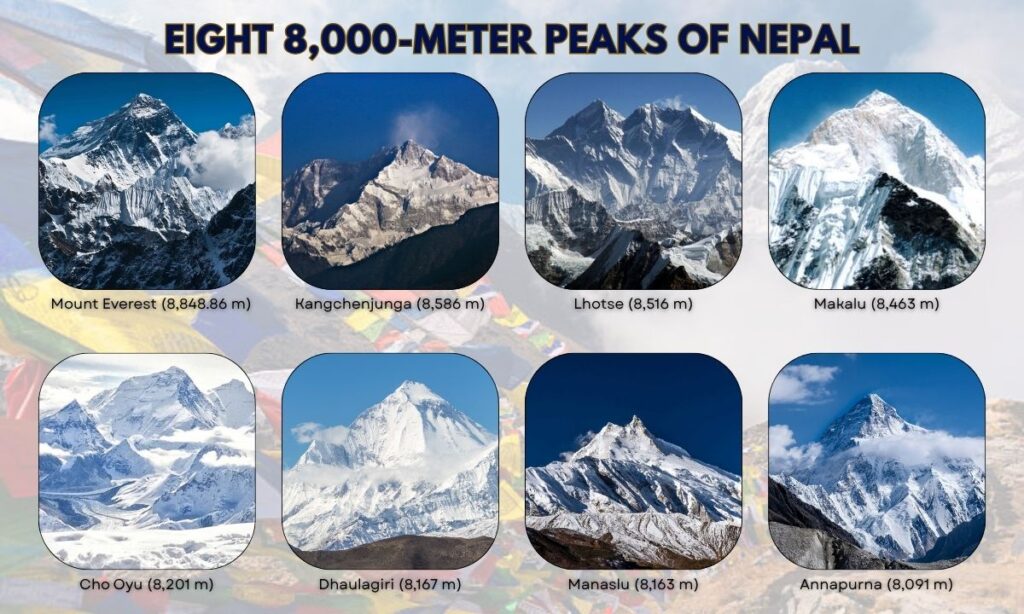
These mountains are not just geographical records. For the people of Nepal, they are sacred entities, home to gods and spirits, and the foundation of an entire cultural, spiritual, and economic identity. The mountain trekking and climbing industry brings hundreds of thousands of visitors to Nepal every year, making the Himalayas the heartbeat of Nepal’s tourism economy.
For those researching interesting facts about Nepal, the mountain story goes deeper than altitude records. The Sherpa community of the Solukhumbu district has developed a unique high-altitude physiology over centuries of living above 3,000 meters, with genetic adaptations that allow their bodies to use oxygen far more efficiently than lowland populations anywhere in the world.
Fact 2: Nepal Is the Birthplace of the Buddha
Among all the interesting facts about Nepal, perhaps the most spiritually significant is that Lumbini, located in the Rupandehi district of southern Nepal’s Terai region, is the verified birthplace of Siddhartha Gautama, who later became Gautama Buddha, the founder of Buddhism.
Lumbini is a UNESCO World Heritage Site and one of the most sacred pilgrimage destinations on earth for the world’s estimated 500 million Buddhists. Archaeological excavations at Lumbini have confirmed human habitation and religious activity dating back to at least the third century BCE, when the Emperor Ashoka of the Maurya Empire visited and erected a commemorative pillar that still stands today.
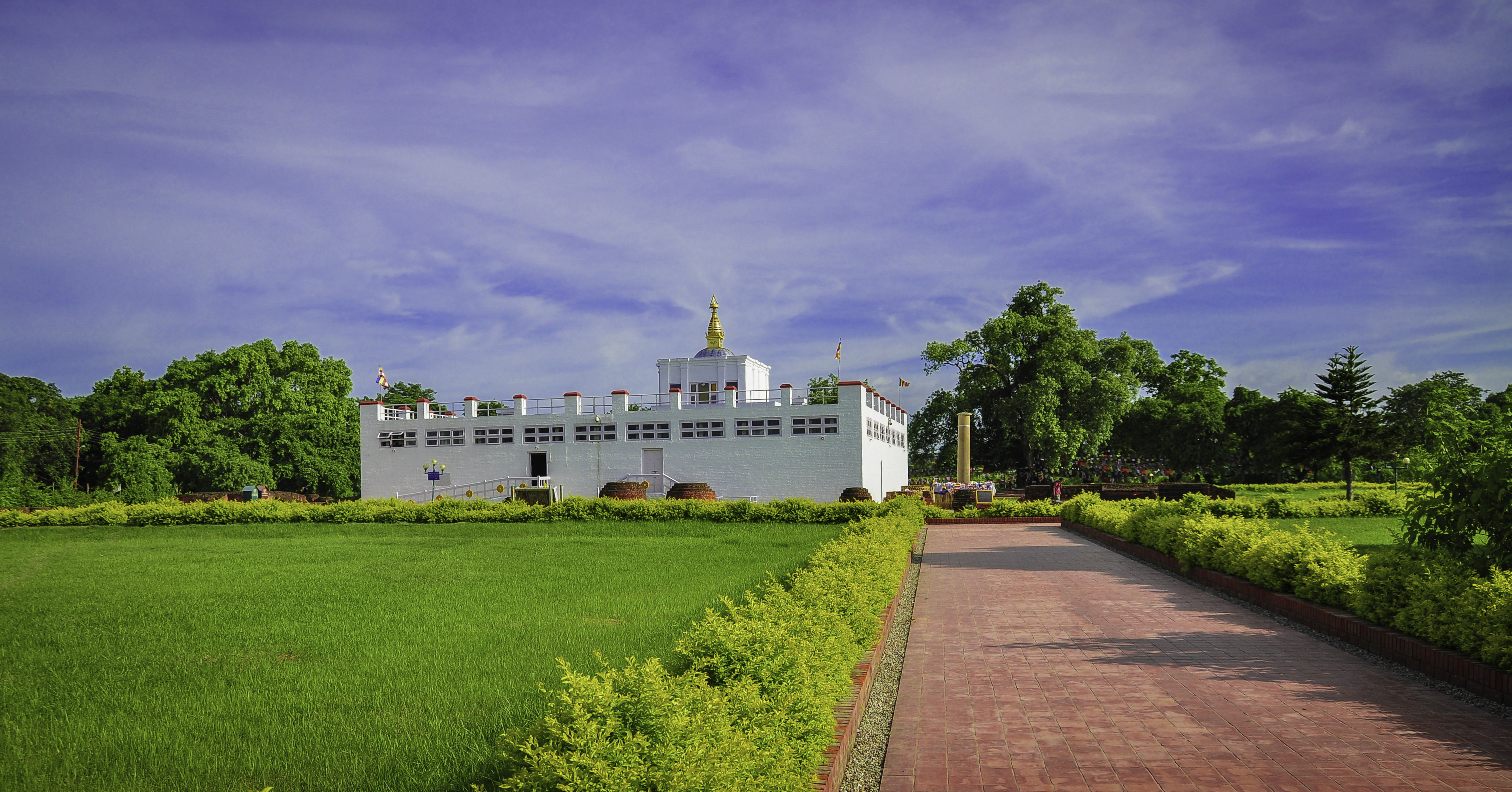
This single fact elevates Nepal to a position of extraordinary global spiritual significance. When exploring interesting facts about Nepalese culture, Lumbini represents the point where Nepalese geography and world religious history intersect in a way that is absolutely unique among all nations.
Fact 3: The Nepal Flag Is the Only Non-Rectangular National Flag in the World
This is one of the most visually striking and widely cited interesting facts about the Nepal flag. While every other country on earth uses a rectangular or square flag, Nepal’s national flag is a double pennant shape formed by two stacked triangular pennons. This unique design makes the Nepal flag instantly recognizable and completely one of a kind among the flags of all 195 recognized nations.
The interesting facts about the Nepal flag go much deeper than its shape. The flag’s crimson red background represents the color of the rhododendron, Nepal’s national flower, as well as the bravery and valor of the Nepali people. The deep blue border symbolizes peace and harmony. The white moon symbol in the upper pennon represents the cool nature of the Nepali people and the hope that Nepal will last as long as the moon endures. The white sun in the lower pennon represents the fierce resolve of Nepali warriors and the hope that Nepal will last as long as the sun shines.
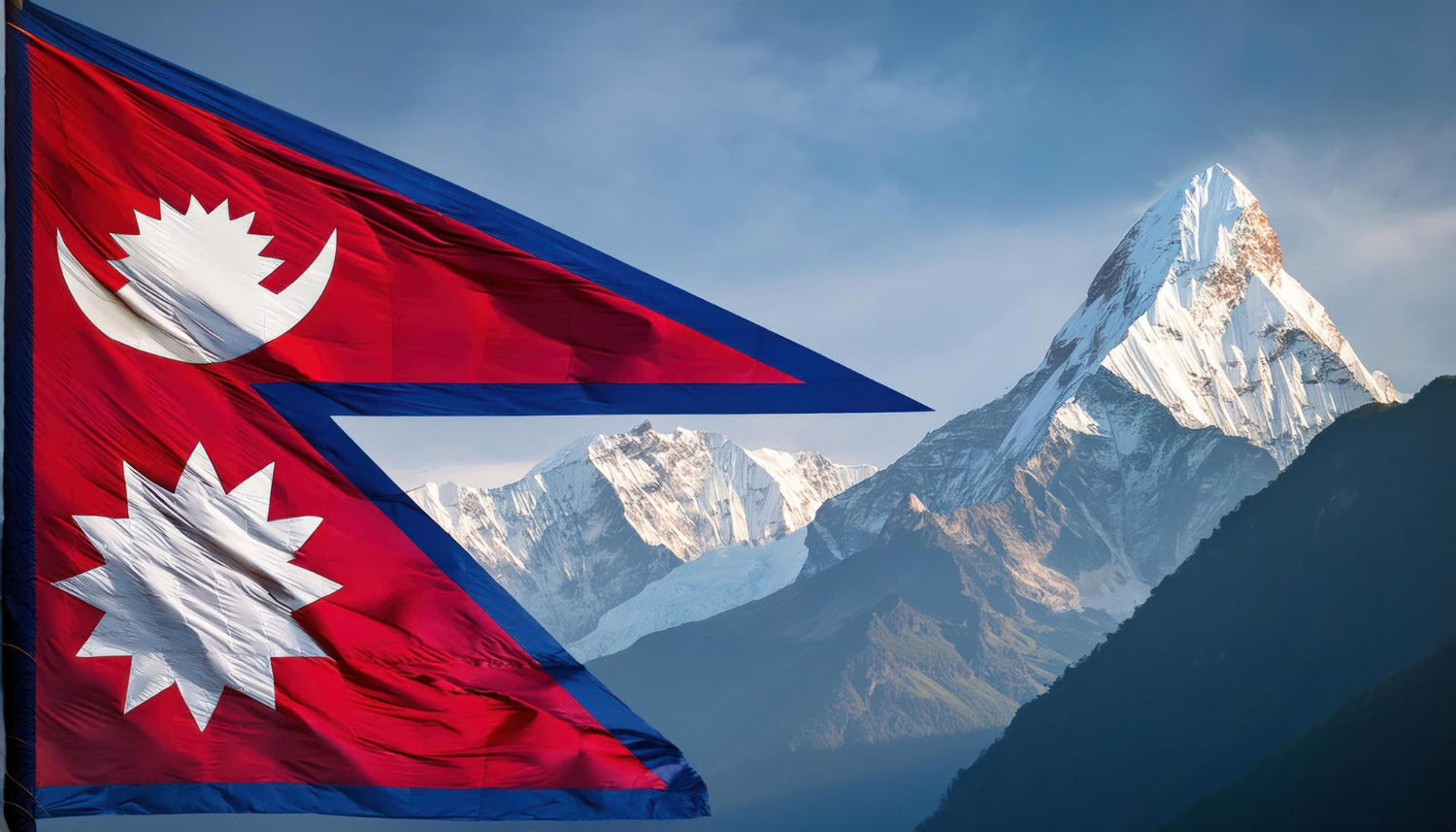
Before 1962, the moon and sun symbols on the Nepal flag had human faces. The modern simplified version removed the faces but retained the deep astronomical and cultural symbolism that makes this flag one of the most meaning-packed national symbols in the entire world.
Fact 4: Nepal Has Never Been Colonized
Among the most pride-inspiring amazing facts of Nepal is the remarkable historical truth that Nepal has never been colonized or formally ruled by any foreign power. During the era of British imperial expansion across South Asia in the 18th and 19th centuries, Nepal’s rugged Himalayan terrain, fierce Gurkha military resistance, and shrewd diplomatic maneuvering allowed it to maintain full sovereignty.
The Anglo-Nepalese War of 1814 to 1816 resulted in the Sugauli Treaty, which did impose some territorial concessions and established British influence over Nepal’s foreign affairs. However, Nepal was never formally annexed or made a colony, retaining its internal self-governance throughout the colonial period.
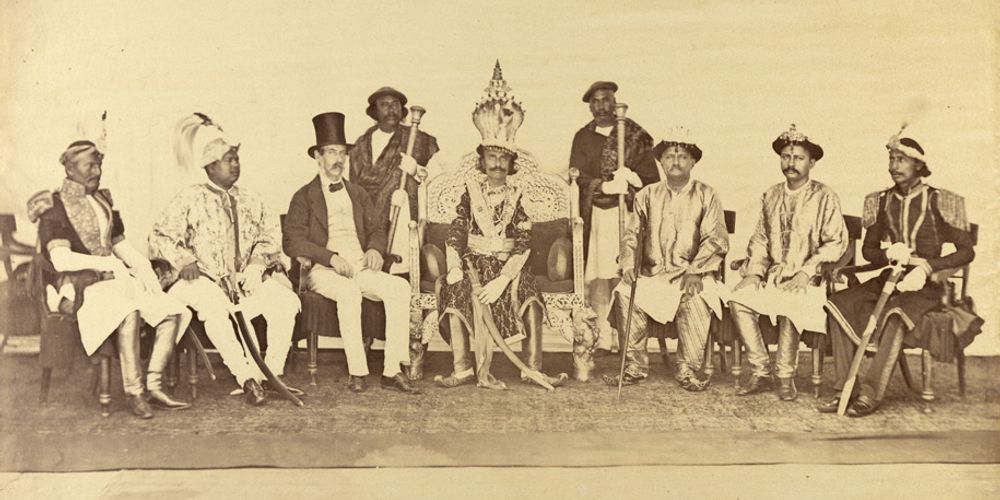
This historical independence is a cornerstone of interesting facts about Nepal’s culture and national identity. The pride of never having been colonized runs deep in Nepali society and is reflected in the culture’s fierce sense of independence, the legendary reputation of Gurkha soldiers, and the country’s strong traditions of self-reliance.
Fact 5: Nepal Is the World’s Only Hindu Kingdom That Became a Federal Democratic Republic
For centuries Nepal held the distinction of being the world’s only officially declared Hindu kingdom, a status it maintained until 2008, when a newly elected Constituent Assembly formally abolished the monarchy and declared Nepal a Federal Democratic Republic.
This transformation is one of the most significant interesting facts about Nepal in modern history. The change came after a decade-long Maoist insurgency from 1996 to 2006, a people’s movement that brought hundreds of thousands of citizens into the streets of Kathmandu, and ultimately a peace process that reshaped the country’s entire political structure.
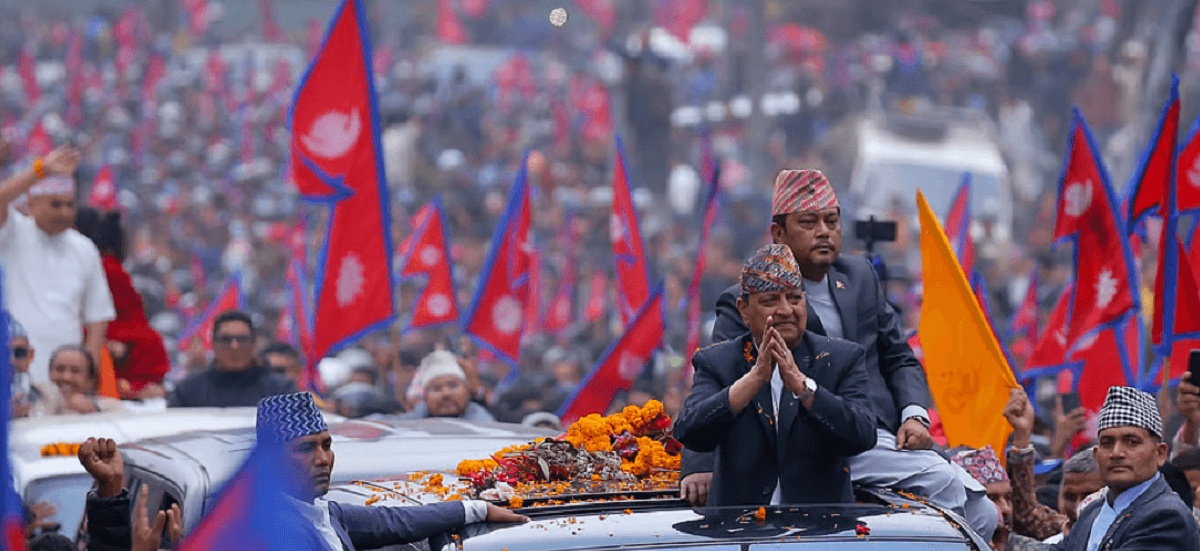
Today Nepal is a secular state with a constitution that guarantees freedom of religion. Despite the official change in status, Hinduism remains the most widely practiced religion in Nepal, followed by approximately 81 percent of the population. This creates a fascinating cultural landscape where ancient Hindu traditions, Buddhist practices, and indigenous animistic beliefs coexist and interweave in ways that are deeply unique to Interesting Facts About Nepal Culture.
Fact 6: Nepal Has More UNESCO World Heritage Sites Per Square Kilometre Than Almost Any Other Country
When considering Amazing Facts of Nepal, its extraordinary concentration of UNESCO World Heritage Sites is impossible to overlook. Nepal has ten UNESCO World Heritage Sites in total, including seven cultural heritage sites and three natural heritage sites.
The seven cultural heritage sites are all located within or near the Kathmandu Valley and include Pashupatinath Temple, Baudhanath Stupa, Swayambhunath Stupa, Changu Narayan Temple, Bhaktapur Durbar Square, Patan Durbar Square, and Kathmandu Durbar Square. The three natural heritage sites are Chitwan National Park, Sagarmatha National Park, and Lumbini.
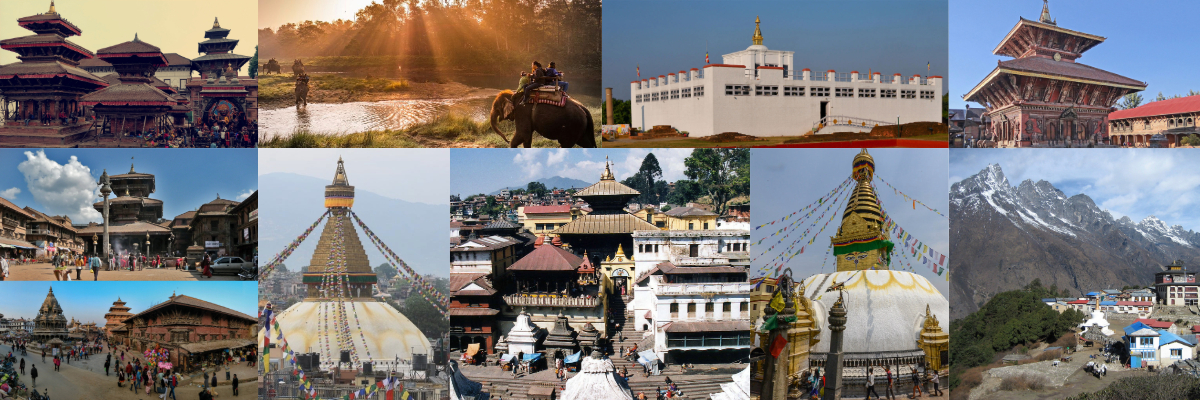
For a country of only 147,181 square kilometers, this concentration of world heritage is extraordinary. When you explore interesting facts about Nepal culture through these sites, you encounter living temples that have been continuously used for religious ceremonies for over a thousand years; medieval palace squares that still function as the administrative and social hearts of ancient cities; and jungle reserves that protect the Bengal tiger, the one-horned rhinoceros, and hundreds of bird species found nowhere else.
Fact 7: Nepal Is the World’s Deepest River Gorge Country
One of the lesser-known interesting facts about Nepal is that it contains the deepest river gorge on earth. The Kali Gandaki Gorge, carved by the Kali Gandaki River between the peaks of Dhaulagiri and Annapurna in the Mustang district of central Nepal, reaches a depth of approximately 5,571 meters from the riverbed to the summit of the adjacent peaks.
This makes the Kali Gandaki Gorge significantly deeper than the more famous Yarlung Tsangpo Grand Canyon in Tibet and the Grand Canyon in the United States. The gorge is also an ancient trade and pilgrimage route connecting the Himalayan highlands of Mustang with the lowland valleys of Pokhara and beyond, used by traders carrying salt, grain, and spices for thousands of years.
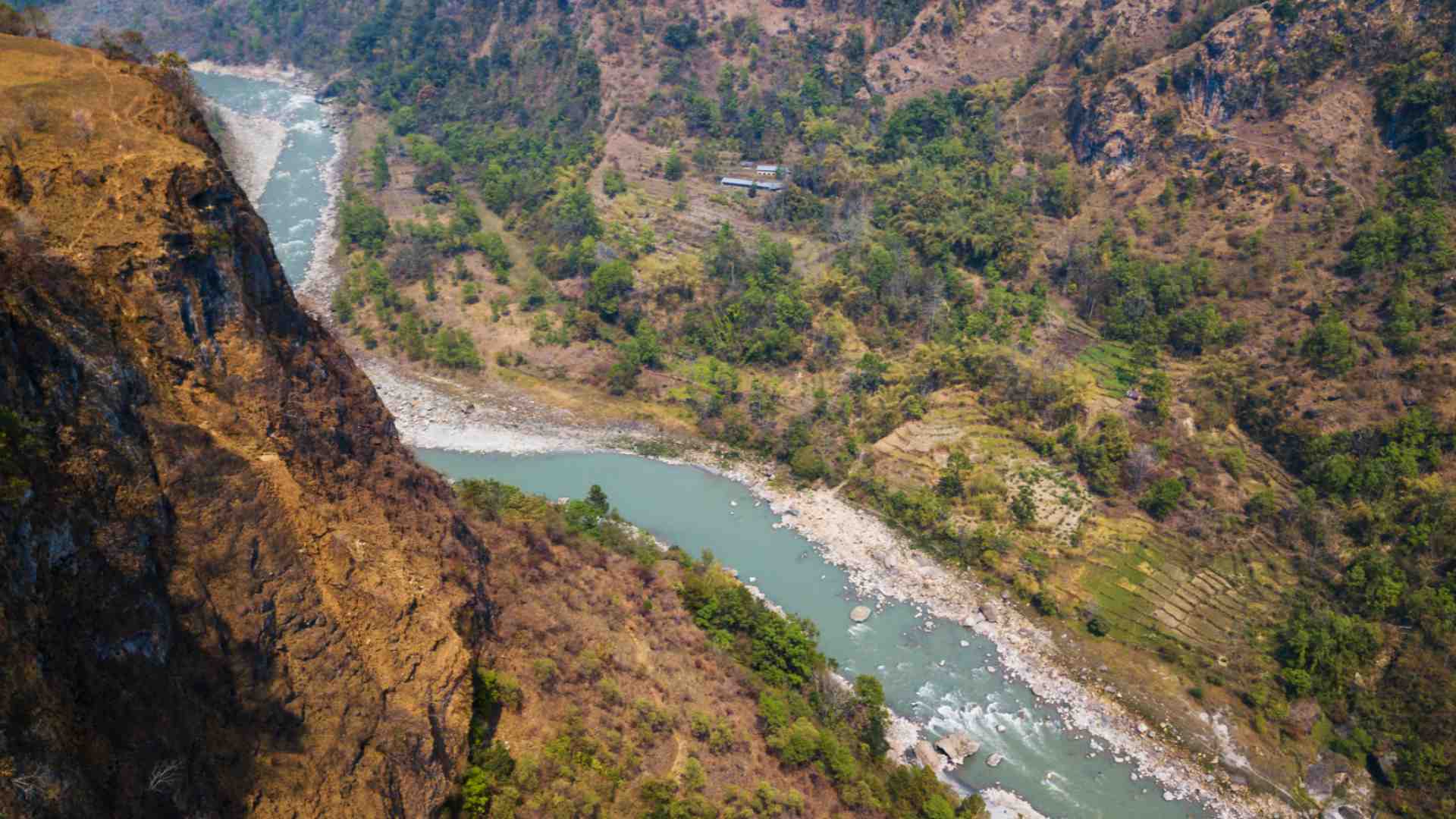
This geological wonder adds another extraordinary dimension to the Amazing Facts of Nepal story, demonstrating that Nepal’s record-breaking geography is not limited to the heights of its mountains but extends into the extraordinary depths of its river valleys as well.
Fact 8: Nepal Has 123 Living Languages
Among the most remarkable and interesting facts about Nepal’s culture is the country’s extraordinary linguistic diversity. According to Nepal’s national census, the country recognizes 123 living languages spoken as mother tongues by its roughly 30 million citizens. These languages belong to four major language families, including Indo-Aryan, Tibeto-Burman, Austro-Asiatic, and Dravidian.
Nepali is the official language and lingua franca that connects these diverse linguistic communities, but languages such as Maithili, Bhojpuri, Tharu, Tamang, Newar, Magar, Doteli, Urdu, and Avadhi each have hundreds of thousands or even millions of speakers. Many of these languages carry their own distinct literary traditions, folk music, oral epics, and cultural knowledge systems that are entirely separate from mainstream Nepali cultural life.
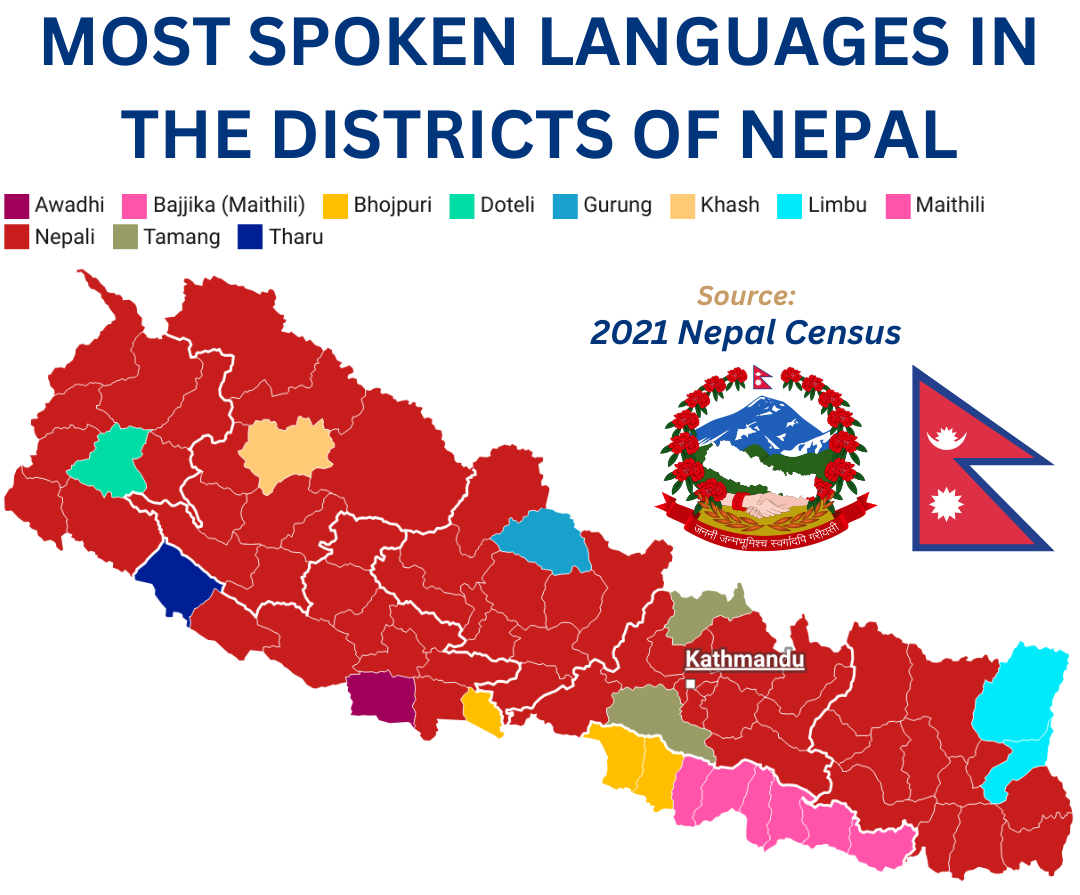
This linguistic diversity is a living testament to the fact that Nepal is not a single culture but a mosaic of dozens of distinct peoples, traditions, and worldviews who have built a shared national identity while preserving their individual heritage. This is one of the most profound and underappreciated interesting facts about Nepal for people encountering the country for the first time.
Fact 9: Nepal Celebrates More Festivals Than Almost Any Other Country
One of the most joyful, amazing facts of Nepal is that it celebrates more official festivals per year than virtually any other country on earth. Nepal has over 50 nationally recognized festivals throughout the year, and many more are celebrated at regional and community levels across its 77 districts.
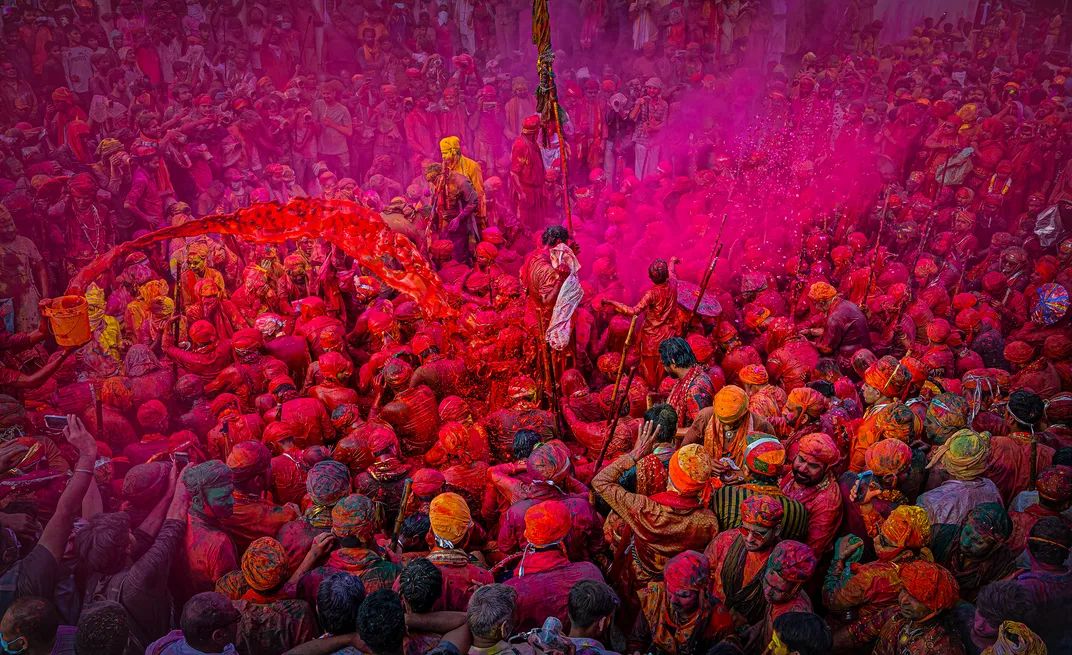
These festivals span Hindu, Buddhist, animistic, and syncretic religious traditions and include world-famous celebrations such as Dashain, the biggest Hindu festival in Nepal lasting 15 days; Tihar, the festival of lights celebrating the bond between humans and animals; Indra Jatra, the ancient Kathmandu Valley chariot festival; Teej, the women’s festival of fasting and dance; Chhath Puja, the sun worship festival of the Terai; and Losar, the Tibetan Buddhist New Year celebrated three separate times by Gurung, Tamang, and Sherpa communities.
When exploring interesting facts about Nepalese culture, this festival calendar reveals a society where communal celebration, spiritual practice, and cultural identity are inseparable parts of everyday life throughout the entire year.
Fact 10: Nepal Is the Only Country Where the Cow Is the National Animal
Rounding out our list of interesting facts about Nepal is a fact that surprises almost every international visitor. Nepal is the only country in the world that has declared the cow as its national animal. The domestic cow holds the status of a sacred animal in Hinduism and is revered as a symbol of wealth, motherhood, and abundance.
Cows are given extraordinary respect in Nepali Hindu culture. They are allowed to roam freely through city streets, markets, and even busy urban intersections in Kathmandu and other major cities. Harming or killing a cow was historically a criminal offense in Nepal under the Hindu kingdom, and while the legal framework has changed since the country became a secular republic, the cultural reverence for cows remains deeply embedded in daily life.
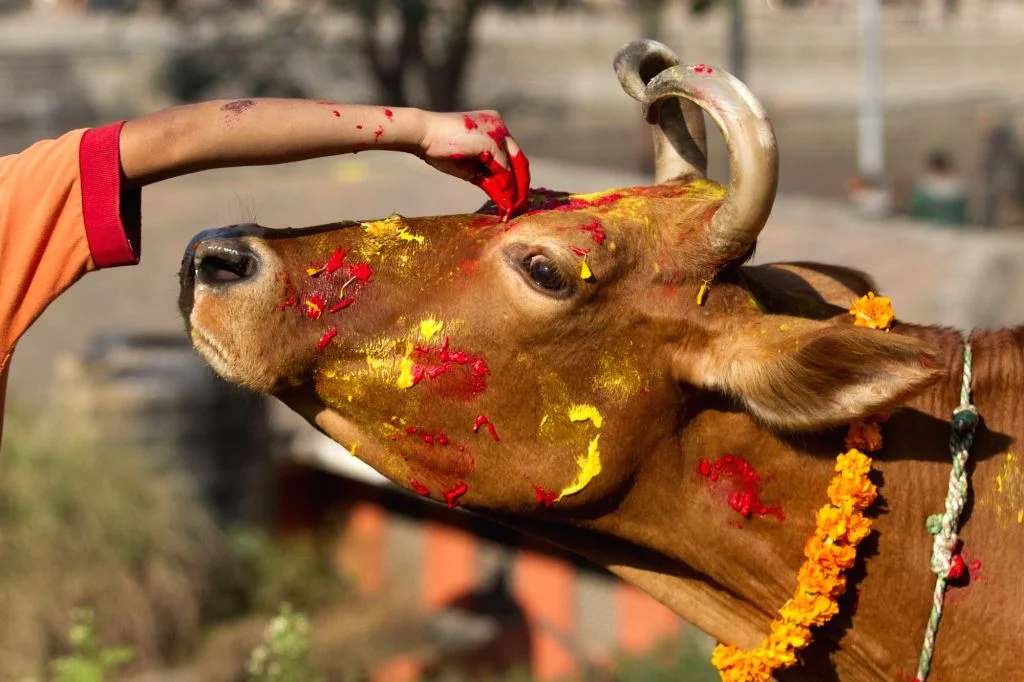
This is one of those amazing facts of Nepal that perfectly illustrates how ancient spiritual traditions and modern national identity continue to coexist in this extraordinary country in ways that are completely unlike anywhere else in the world.
Interesting Facts About Nepal Culture: A Deeper Look
Beyond the ten facts above, Interesting Facts About Nepal Culture reveals a society of extraordinary warmth, complexity, and depth. Nepal’s caste system, while officially abolished, continues to shape social structures in many communities. The Newari people of the Kathmandu Valley have preserved a unique urban civilization dating back over 2,000 years, complete with their own language, architecture, festivals, cuisine, and artistic traditions. The Tharu people of the Terai have developed remarkable resistance to malaria over centuries of living in the lowland jungle regions. The Rai and Limbu peoples of eastern Nepal preserve shamanic Kirat traditions that predate both Hinduism and Buddhism in the region.
Nepal’s cuisine reflects this cultural diversity beautifully. While dal bhat, the traditional lentil soup with rice, is the national staple eaten twice daily by most Nepali households, the country’s culinary landscape includes Newari feasts, Tibetan-influenced mountain foods, Tharu jungle cuisine, and Madhesi dishes of the southern plains, creating one of South Asia’s most varied and underexplored food cultures.
Interesting Facts About Nepal Flag: Complete Symbolism Guide
The interesting facts about the Nepal flag deserve their own dedicated summary. No other flag in the world tells as complete a story about its nation through design alone.
The double pennon shape comes from the two separate triangular pennons that were historically carried by different branches of Nepal’s royal and prime ministerial households, merged into a single unified flag over time. The crimson red is the color of the rhododendron, Nepal’s national flower, found blooming across the country’s middle hill regions every spring.
The blue border represents peace, a value deeply embedded in both the Hindu and Buddhist traditions that define Nepalese spiritual life. The white crescent moon in the upper pennon represents the cool-tempered, peaceful, and patient character of the Nepali people. The white sun in the lower pennon represents the energy, heat, and fierce determination of the Nepalese warrior spirit. Together the moon and sun express the hope that Nepal will endure as long as these celestial bodies continue to shine.
Amazing Facts of Nepal: Quick Reference
Nepal is the world’s highest country by average elevation. It contains 8 of the world’s 10 highest peaks. It is the birthplace of Buddha. It has the world’s only non-rectangular national flag. It has never been colonized. It has 123 living languages. It celebrates over 50 official festivals annually. It has 10 UNESCO World Heritage Sites. It contains the world’s deepest river gorge. It is the only country with the cow as its national animal.
Frequently Asked Questions About Interesting Facts About Nepal
What are the most interesting facts about Nepal?
Nepal is home to Mount Everest, the birthplace of Buddha, the world’s only non-rectangular flag, and 123 living languages, and it has never been colonized. These are among the most compelling, interesting facts about Nepal that define the country’s unique identity.
What are interesting facts about Nepali culture?
Interesting facts about Nepal’s culture include its 50-plus annual festivals, 123 spoken languages, the ancient Newari civilization of the Kathmandu Valley, the sacred status of the cow, and the coexistence of Hindu, Buddhist, and indigenous animistic traditions in daily life.
What are the interesting facts about the Nepal flag?
The interesting facts about the Nepal flag include its unique double-pennon shape, the only non-rectangular national flag in the world. Its crimson red represents the rhododendron and bravery. The blue border represents peace. The moon symbolizes calm, and the sun symbolizes strength.
What are the amazing facts of Nepal?
Amazing facts of Nepal include being home to 8 of the world’s 10 highest mountains, containing the world’s deepest river gorge, celebrating more festivals than almost any other country, and holding 10 UNESCO World Heritage Sites in a country smaller than many individual states.
Is Nepal the only country with a non-rectangular flag?
Yes. Nepal is the only country in the world whose national flag is not rectangular or square in shape. This is one of the most widely cited interesting facts about Nepal’s flag and makes Nepal’s flag completely unique among all nations on earth.
Why is Nepal famous?
Nepal is famous for Mount Everest and Himalayan trekking, as the birthplace of Buddha, for its unique flag, its extraordinary cultural diversity, its ancient temples and UNESCO heritage sites, and for the legendary bravery of its Gurkha soldiers. All of these contribute to the interesting facts about Nepal that draw millions of visitors every year.
Conclusion: Discover the Incredible Interesting Facts About Nepal
The Interesting Facts About Nepal reveal a country that stands completely apart from every other nation on earth. From the physical grandeur of its Himalayan peaks and the spiritual weight of Lumbini to the symbolic richness of its one-of-a-kind flag and the extraordinary diversity of its cultural traditions, Nepal is a place that rewards curiosity at every level of exploration.
The interesting facts about Nepali culture show a society where ancient traditions remain vibrantly alive in modern times. The interesting facts about the Nepal flag tell a story of sovereignty, spirituality, and national pride unlike any other flag in the world. And the Amazing Facts of Nepal gathered in this article represent only the beginning of what this remarkable country has to offer those who take the time to look deeper.
Nepal is not just a destination. It is an experience that stays with you forever; for a more thrilling experience, visit Leaf Holiday.

Table of Contents
- Why Nepal Is One of the Most Unique Countries on Earth
- Fact 1: Nepal Is Home to Eight of the World's Ten Highest Mountains
- Fact 2: Nepal Is the Birthplace of the Buddha
- Fact 3: The Nepal Flag Is the Only Non-Rectangular National Flag in the World
- Fact 4: Nepal Has Never Been Colonized
- Fact 5: Nepal Is the World's Only Hindu Kingdom That Became a Federal Democratic Republic
- Fact 6: Nepal Has More UNESCO World Heritage Sites Per Square Kilometre Than Almost Any Other Country
- Fact 7: Nepal Is the World's Deepest River Gorge Country
- Fact 8: Nepal Has 123 Living Languages
- Fact 9: Nepal Celebrates More Festivals Than Almost Any Other Country
- Fact 10: Nepal Is the Only Country Where the Cow Is the National Animal
- Interesting Facts About Nepal Culture: A Deeper Look
- Interesting Facts About Nepal Flag: Complete Symbolism Guide
- Amazing Facts of Nepal: Quick Reference
- Frequently Asked Questions About Interesting Facts About Nepal
- Conclusion: Discover the Incredible Interesting Facts About Nepal

Need Help?
Ask to Travel Expert