Leaf Holidays Treks and expeditions are situated at Thamel, the heart of Kathmandu city, Nepal, and the most active tourist city of Nepal. We are a team of nature lovers, and adventure seekers who are always happy to present you with the best experience of exploring numerous enthralling places across Nepal, Tibet , India, and Bhutan. Trekking with our team will be exciting as every member of our company is completely devoted to providing the best service to the clients. Traveling in the valley of mountains with us will make you tour beyond your expectations. Our motto is to always provide our guests with extraordinary holiday experiences.
Leaf Holidays is a seasoned outdoor operator, offering some of the most thrilling experiences in the Himalayan wilderness. Our Pure Adventure trips include treks in off-the-beaten-track areas as well as white water rafting adventures on some of the wildest rivers in Nepal. With over a decade of experience leading trips through some of the most amazing spots on the planet, we have helped our customers trek in some of the toughest, most beautiful terrain on Earth.
We always go the extra mile to ensure that our guests are safe and that all their needs are met, especially when escorting our guests through harsh mountainous terrain. The winding trails and incredible landscapes, along with the raw beauty of the Himalayan wilderness will leave you breathless and in awe of the natural beauty of your surroundings. We have absolute confidence in the success of our trips due to all the pragmatic planning and preparation that we do before each journey. You will return home enriched, with many unique Himalayan photographs and once-in-a-lifetime stories to share with your family and friends.
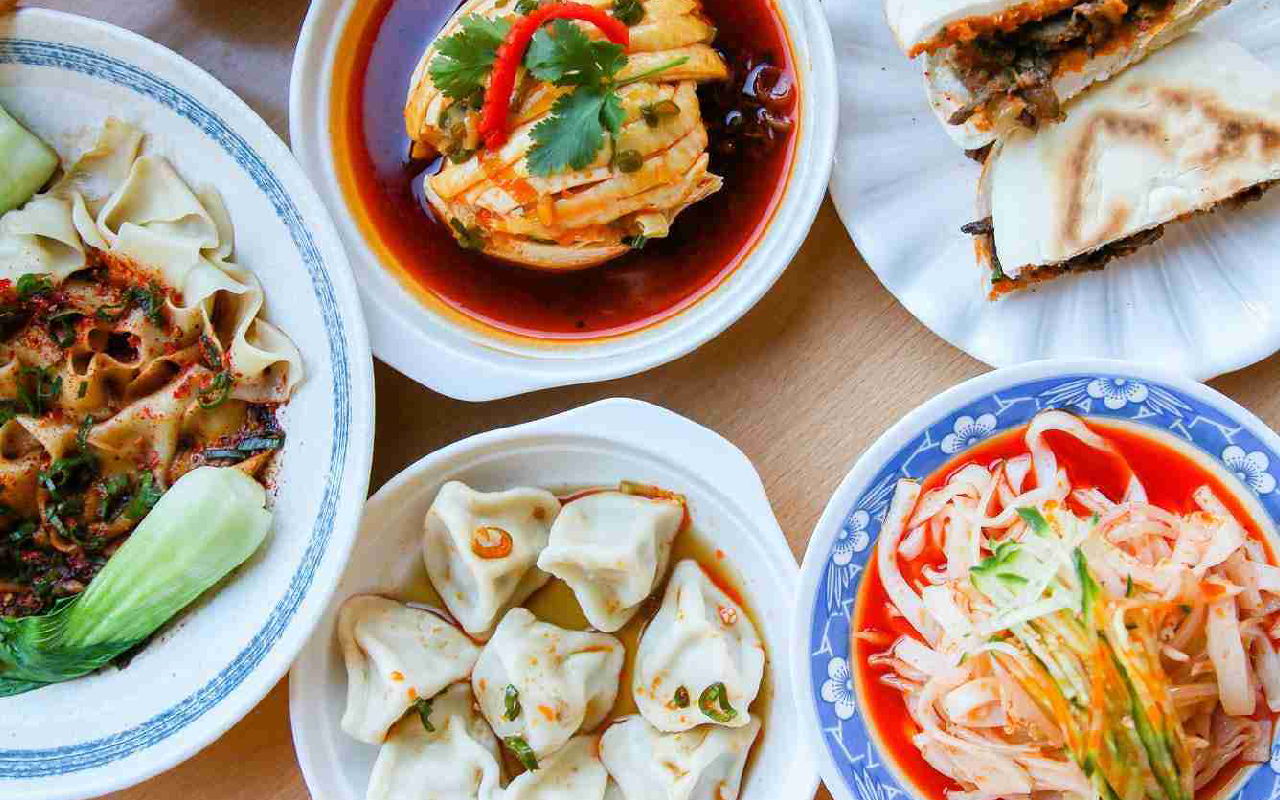
If you’ve been planning a trip to Tibet, you are likely to be wondering what Tibetan foods and beverages [cuisines] you might expect to try on your journey. As with other dishes in the world, Tibetan food culture is also heavily influenced by its neighboring regions so not all of the foods you’ll be savoring will be unfamiliar to your taste buds.
Residing on the Tibet plateau with an average altitude of 4000 meters, Tibetans have developed their unique recipes based on the distinctive natural resources available. Tibetan foods, to a large extent, are influenced by the distinct alpine environment, profound Tibetan Buddhism, and subtle impacts of adjacent cultures such as Indian and Nepalese foods.
On the flip side, traditional Tibetan cuisines are mainly based on dairy products (like yak milk and cheese), yak meat, and barley. You can try them during your trip to Tibet.
The following Tibetan foods and beverages are something you couldn’t afford to miss while you are in Lhasa or Tibet.
Note:- Though we will be highlighting all the popular Tibetan foods and beverages in and around Tibet in this blog as an interesting source of information, our trip to Kailash Mansarovar is generally guided by vegan cuisines.
1) What to eat in Tibet? – Tibetan foods
a) Tsampa
Tsampa (糌粑) is a type of roasted barley flour and one of the staple foods in Tibet. Tibetan people generally eat Tsampa daily and bring it as ready-made food when embarking on a local tour or simply during travel. If you visit a Tibetan family as a guest, they will welcome a palatable mild tea, Tsampa, and a few other local dishes. The dough prepared with roasted barley flour and Ghee (Yak’s butter) is the peculiar food of local Tibetans.
b)Tibetan Noodle (Thenthuk or Thukpa)
Tibetan Noodle (藏面) is generally served with simple vegetables, diced beef, and chopped scallions in the brews. Especially, people living in the cities of Tibet pick to have Tibetan noodles and sweet tea as their breakfast. Some restaurants also offer pickled radish and chilly sauce to season the noodles.
As per many travelers, Tibetan noodle soup is the most enjoyable meal, as the soup tastes nice together with a bit of shallot to keep our body warm.
d) Tibetan Yak Meat
Among the most frequent livestock in Tibet, Yaks are the predominant ones. These tough and mild animals live on the plateau with an altitude from 3,500m to 5,300m. Do you know what? And their red blood cells are three times more than normal cows. Their chewy and nutritive meat with delightful flavor is the trademark of Tibet dishes. The high-calorie yak meat is usually shredded and spread with salt and other natural seasonings on it. After that, it is hung i.e. the shredded yak meat on a rope so that it can dry.
Besides Yak and its consumption purpose, Tibetan nomads also use yaks’ hair to make tents, raw materials for carpets and boots, and milk for drink and butter, etc. The harmonious bond between and among Yak and Tibetan nomads is the key to understanding Tibetan culture. All in all, Tibetan Yak meat is a must-try food in Tibet.
d) Milk Curd and Yogurt
As is already discussed Yaks are an indispensable part of Tibet and they raise yaks and Tibetan sheep which results in extensive consumption of items yielded. Besides, we can watch out for Tibetans eating all kinds of dairy products, including ghee (butter), meat, yogurt, and milk curd (Tibetan Cheese).
Milk curd or milk sediment (凝乳) is solidified sediment obtained from boiled milk, which tastes sour. Tibetans carry it when traveling to avoid environmental adaptability. It can be served or consumed as snacks or used to make Tibet buns. Besides, fried milk curds taste good too, and are comparatively hard to bite.
Among must-try foods in Tibet, this Yogurt is a must-have. As it is fermented from yak’s milk, Tibetan Yogurt tastes mellower than ordinary yogurt. Shoton Festival, a yogurt feast in the Tibetan language, is one of the most important and interesting festivals in Tibet. The raw sour yogurt will surprise any soul without any sugar too.
e) Tibetan Mo: Mos
Mo:mos are Tibetan dumplings, made up of either meat or vegetables and covered with a thin layer of flour. Half-Moon-Shaped Mo: mo can be either steamed or fried and served with chili sauce. Hot Mo: mo dumplings are among the most loved dishes in Tibet, Nepal, India, and other South Asian countries.
It could be round, oval, or crescent while the yak meat often is used as the filling as “keema”. Of course, for vegetarians, also, it can be filled with cabbages, onions, mushrooms, etc. which are widely used ingredients for making Tibetan mo:mos. In Tibetan eateries, the most common Tibetan mo: mo is the steamed and fried ones. Sometimes, Mo: Mo is served with soup. However, the most demanded Tibetan mo: mo is made by steaming. After steamed, they are served with spicy sauce, ketchup, and pickles.
Mo:mos are the most recommended staple foods one must not miss during a Tibet outing.
f) Ginseng Fruit Rice
Ginseng Fruit Rice (人参果饭) is regarded as a propitious esculent by Tibetans which is eaten during weddings, special occasions, or festivals, especially at the Tibetan New Year Festival. As the name implies, The Ginseng Fruit Rice is covered with cooked Ginseng fruit, little sugar, and ghee juice.
It is not only an auspicious gesture of good fortune but also enriched with all kinds of nutrition and benefits to your digestive system and health.
g) Tibetan Sausages
As mentioned already, Tibetan people have been using Yaks to the fullest. The Yaks are not only the guardians of the Himalayas but also the companions and domesticated cows. They have been using the best of yak and sheep products for a living. Tibetans are fond of a variety of sausages, including meat sausage, blood sausage, flour sausage, sausage made from the liver, lung, etc. Among all, blood sausage and white sausage are the most common, consumed, and popular ones.
When it comes to sausage, Blood sausage is prepared from small yak or sheep’s intestine tied to sections and filled with chopped mutton variegated with sheep blood, salt, Tsampa powders, and Sichuan Pepper.
I) Boiled salty/spicy potatoes
The top list of dishes in and around Tibet is incomplete without this item. Potatoes look and sound very simple as they are boiled potatoes but if you sprinkle them with Tibetan herbs and spices it has a completely different taste! It will amaze us for sure.
j) Tibetan Pastries
Tibetan Pastries are long-established sweet as well as crunchy pastries, made up of dough that has been shaped into thin warped ribbons. They are deep-fried stuff and dredged with powdered sugar or salted. For more, just soak them in buttered tea or hot chocolate, it’s yummy!
K) Dre-Si
Dre-Si, not so popular dessert, is a notable one, normally eaten on Tibetan New Year (also known as Lhosar). The ingredients include Droma (a kind of nutritious guard-shaped root) and butter broth accompanied by sugar. Dre-si is widely taken as an auspicious cuisine, and sometimes you may also see it being positioned before the Buddhist shine for Buddha.
Miscellaneous Items:
Gundam [h4]: It is a variety of a Tibetan pastry that is prepared and served during special occasions. Gundam pastry uses barley as its basic ingredient. While you preparing, first of all, the barley is mixed with some activated yeast and water then it is fermented into barley beer later Tsampa, dry curd, wild ginseng, and some yak cheese are used as the sub-ingredients, and some brown sugar is also added for a new taste. We can see, that Gundain, is often served during the Tibetan New Year and the Losar festival as a starter.
Gyabrag: Gyabrag looks like a pancake. Certain ingredients such as barley flour, butter, and cheese made from yak milk, freshly prepared yogurt, and sugar are added to obtain its sweet taste, to make this dish.
Gyaho: This typical Tibetan recipe is prepared by using the Chinese style of preparation and cooking. To prepare, certain ingredients are used commonly like a hot pot of vermicelli, meatballs, mushrooms, and also the sprouted bamboos. This dish has a greater significance and is eaten by dignified monks during special occasions and ceremonies.
Gyatog: Gyatog is a dish which mainly contains noodles. The preparation method of this dish involves the Han variety of cooking. This is a common noodle dish. Noodles are mixed with eggs, flour, and bone soup.
What to drink when you are in Tibet? – Popular Tibetan Beverages
We already read about the food of Tibet. Similarly, this section will shed some light on drinks i.e. famous beverages around Tibet. Here is a listicle of Tibetan beverages one can’t afford to miss.
1) Butter Tea
Butter tea (酥油茶) is a must-drink stuff during our Tibet travel and another staple meal of the region. To put it in a simple note, the butter tea is boiled strong tea which is mixed with ghee and salt. Tibetan people sip butter tea to keep themselves warm and it is usually drunk while having Tsampa.
Some may find it tastes more like soup rather than tea and some think it tastes funnier Whether you are a new entity to Tibet or not, you’d better try the butter tea which can assist tourists in combating high altitude sickness, and prevent lips cracking due to dry weather.
FYI: While serving or having tea there are some rules, especially with butter tea and guests. Don’t be in a hurry to finish it when the host Tibetan fills up your bowl or cup with butter tea. It is taken as an elite gesture to chat with the hosts first and drink the tea slowly when they come before you with the teapot. It’s a courteous and respectful way.
2) Sweet Tibetan [ Milk ] Tea
Tibetan Sweet Tea (藏式甜茶) is another famous tea in Tibet. There is a saying that “Tibetan Sweet Tea acts as the blood of Lhasa”, from which we can easily predict the importance of sweet tea in Tibetan life. Unlike the reputation of Butter Tea, Sweet Tea has lots of affection among visitors for its alluring smell which is more pleasant and light taste.
It’s easy to prepare. We can boil the milk with brick tea and sugar added which sounds simple but only tastes good when Tibetans blend it. Many sweet tea houses in and around Lhasa and Shigatse are common recreation spots for Tibetans and tourists. Tourists can find a tea house to drink the sweet tea and chat with friends all day to relax where the charge is surprisingly economical for an unlimited refill.
3) Chhang – Tibetan Barley Wine
Chhang commonly known as Tibetan barley wine (青稞酒) is brewed from fermented barley grown on high-altitude terraces. It tops the list of most favorite alcoholic beverages of Tibetans. Chhang is mild, slightly sweet and sour, and comprises of little alcohol level. The taste of Chang differs from one to another as per the brewing process and time taken. Inherited more than four centuries ago, the fragment mellow tastes nice and nearly all Tibetan families can make Chhang by themselves. They often relish upon this barley’s wine during special moments such as festivals, New Year, weddings, baby birth, visiting relatives and friends’ gatherings.
4) Lhasa Beer
Lhasa Beer is regarded to be the first Tibetan beer available to the rest of the world. It is blended with the finest ingredients such as Saaz hops, yeast, Himalayan Spring Water, and most importantly Tibetan barley.
5)Conclusion
So, when you are ready to try all these above-mentioned dishes and sip with Tibetan tea? Book your trip with us. We will be more than happy to guide and assist you, your family, and your friends in Tibet.
Hiking and Trekking might not be everyone’s cup of tea. People have different passions and areas of interest. Some find relaxing by the lake; some souls are open up to the giant Himalayas while the rest may have more inclination to party all night with their friends. And some are home bugs too.
No matter what our interest lies in, Trekking is what one must experience at least once in their lifetime. It is just more than walking, it is a walk to free our soul, to rejuvenate, and to change our perspective to perceive worldly things.
In the current era, life is a fast-paced journey moving somewhere advanced yet chaotic with innovation and revolution in technologies. Almost, everyone is in a rush, to get somewhere, to make something, to advance, and that rush hardly seems to end.
In other words, we’ve built an automated way of life around us – one where it is easy to get lost in stupefaction. On a certain note, there are several ways to pause everything for a moment, take a short break, and zoom out from your own life.
Any idea of how to accomplish that best? The answer my friend is trekking in the Himalayas. Trust us! Give yourself a chance to cuddle with Mother Nature for as long. If you doubt with the idea of trekking and have avoided trekking away in favor of parties, get-togethers, or a staycation, you should re-contemplate the same once.
Provided that the Himalayas are so close to us, how can one miss a chance to trek in the shadows of mighty mountains? Those fortunate few, who have walked the mountains will be able to perceive and tell how affordable and unique trekking in Nepal does exist. Here are reasons why one should choose to embark on an adventure like trekking, at least once (many more times, if possible) in your lifetime.
1) To escape the pre-scheduled routines and monotonous calendar
Have you felt it yet? No matter how interesting the journey of life is, our daily life, gets monotonous at some points. The urban rush of life works on certain rules and predefined patterns that keep everyone organized and proceeded.
Although the work calendar is inevitable, it restricts us from exploring life and living it to the fullest. Of course! A seasonal break is necessary to refresh us, once in a while. On a precise note, trekking and hiking get us drastically to the set of different life zones altogether.
What can be more exciting than travel? Travel with no boundaries. After all, after a certain period, life will get back to your regular life. Hence, it is highly recommended to draw inspiration from trekking experience in the Himalayas. You walk, stay in unique places, encounter strangers, gossip and make plenty of new friends. What more you could ask for? That’s not monotonous, is it?
2) To feel the journey and its rush
Oh! Yes! It’s also about feeling the entire trip and its rush. Have you ever felt your body being excited, thrilled, threatened, and immensely joyful at the same minute? If not yet, pack your bags right now and leave for the gigantic Himalayas.
People who have undergone adventurous stuff like Bungee jumping, rafting, and sky diving have more rendezvous with the definition of adrenaline rush and its nature.
Hiking in nature is the best way to live the rush for a long period, all while experiencing the serenity around us. You should hear a few experienced trekkers who will be able to tell you the calmness they feel as they keep pushing themselves uphill into Nature’s arms.
3) To bid farewell to stress
Well, the energy and time we spend while trekking is always an investment. Once we trek it balances not only physical but also mental facets of our body, mind, and soul. It helps us stay positive and stress-free. Thus, trekking has been a great stress buster in this world.
4) To challenge our fitness level
Of course, as it is a moving type of activity from one stopover to another, the fitness level gets pumped up of everyone. We have to hustle as we are being challenged by steep uphill as well as random downhill stretches through the route. Hence, if you are embarking on a trek, get ready to be challenged by your fitness level and optimize your capacity with rising altitude and dropping mercury levels.
5) To collect memories and photographs
Trekking, traveling, hiking, and so on are the major sources of collecting memories. In a certain span of life, we all strive for the happy hours and best moments. Therefore, on a travel journey, you get to know many new friends, places, languages, attires, cultures, etc., and lifelong cherishing memories can be carved.
And no rays of doubt, while you are in a trek you can freeze the moment as per your wish.
Hiking up the hill, breathing in the thin air, pushing our limits further, and getting captured at the same time add extra flavors to Life, and hence the golden memories on Earth.
So how much are you excited to accumulate the memories for a lifetime?
6) To broaden our perspective
To travel is to live, to see, to perceive, and to apply. Traveling – Hiking and trekking are the best teachers. Nevertheless, we do not attend regular classes, these are master classes to broaden our perspective.
Trekking might help us to see the world from a high altitude. Who knows? Maybe, the greatest insights in life are achieved amid the mountains. It strengthens our perceiving angle, and we start to think more astonishingly.
7) To enlighten spiritually
Well, known that travel helps us in the pursuit of knowledge, perception, and deep understanding of other cultures. But travel goes much deeper- it directly enters our horizon of spirituality and makes it wider.
We ask ourselves a set of questions while traveling. It is because travel makes us think outside of our comfort zone, and daily expenses and ask why we are here and what is our purpose. It might seem a bit fancy, but, in an honest tone, trekking really can be a spiritual, philosophical experience, especially when you leave for our Kailash Mansarovar Tour.
8) To set our new limits
Trekking is not just about making intimacy with giant hills and narrow trails. It is also about challenging ourselves so that we can set new limits further. A legion of trekkers, novices, or experts, enjoy the hurdle that a trek presents to them. Furthermore, trekking can be a great rewarding walk, but to reap the winnings you have to put in hard efforts. It can challenge a person on many different levels and in many different facets (like physically, mentally, spiritually, and even financially). Hence setting the goal before leaving on a trek is considered an important decision.
9) To relish in the beauty of Mother Nature
Simply, a trekking adventure can take us to places we’ve only dreamed of as well as heard of. Most of the world’s untainted treasures can only be accessed through the long journey that is secluded from the high-density tourist attractions and hot spots. Hence, to soak in the beautiful nature, we should trek. Rara National Park in Nepal is more renowned as Heaven you can book a trip with us to relish the bank of tranquil Rara.
10) To create awareness
Lately, there a trend to run marathons and participate in trekathons so that people can be involved in such activities to raise awareness on several issues. Several activists have climbed mountains and peaks to create awareness about climate change, global warming, and pollution while some climb to spread good words.
Like Nepal, Tibet is also a holy place that is full of miracles and surreal landscapes. Some people confess that Tibet is a paradise on Earth for tourists, where one can not only capture fantastic photos but also get to explore Tibetan Buddhist Monasteries, even Everest Base Camp Trek. However, Tibet has much more to offer to its visitors. Here are our top five reasons to visit Tibet.
1) Tibet’s surreal landscapes
Tibet’s exceptional landscape is like no other place on Earth: rugged, remote, and incredible. The vast Tibetan plateau placed against the snowcladded peaks of the world’s highest mountains will push any soul in awe.
It is common that, Tibet is often termed as the ‘roof of the entire world’. As the majority of Tibet perches at an altitude of 4500m above sea level, it is called the ceiling of the world.
Book your Tibet trip with us. We wish you clear weather so that you can capture the views of Everest, Lhotse, Cho Oyu, Makalu, and countless other peaks stretching into the horizon with your naked eyes and gadgets.
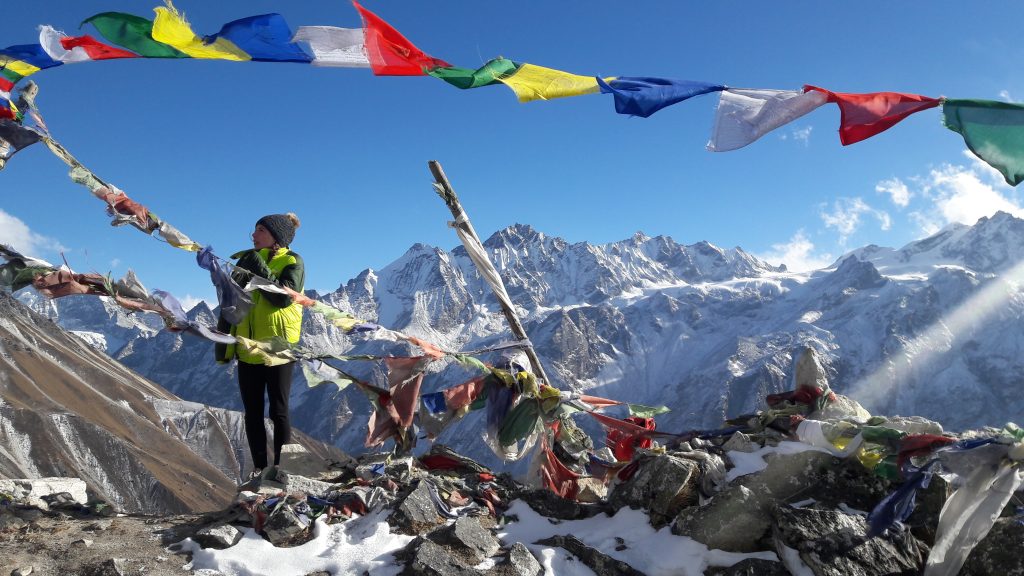
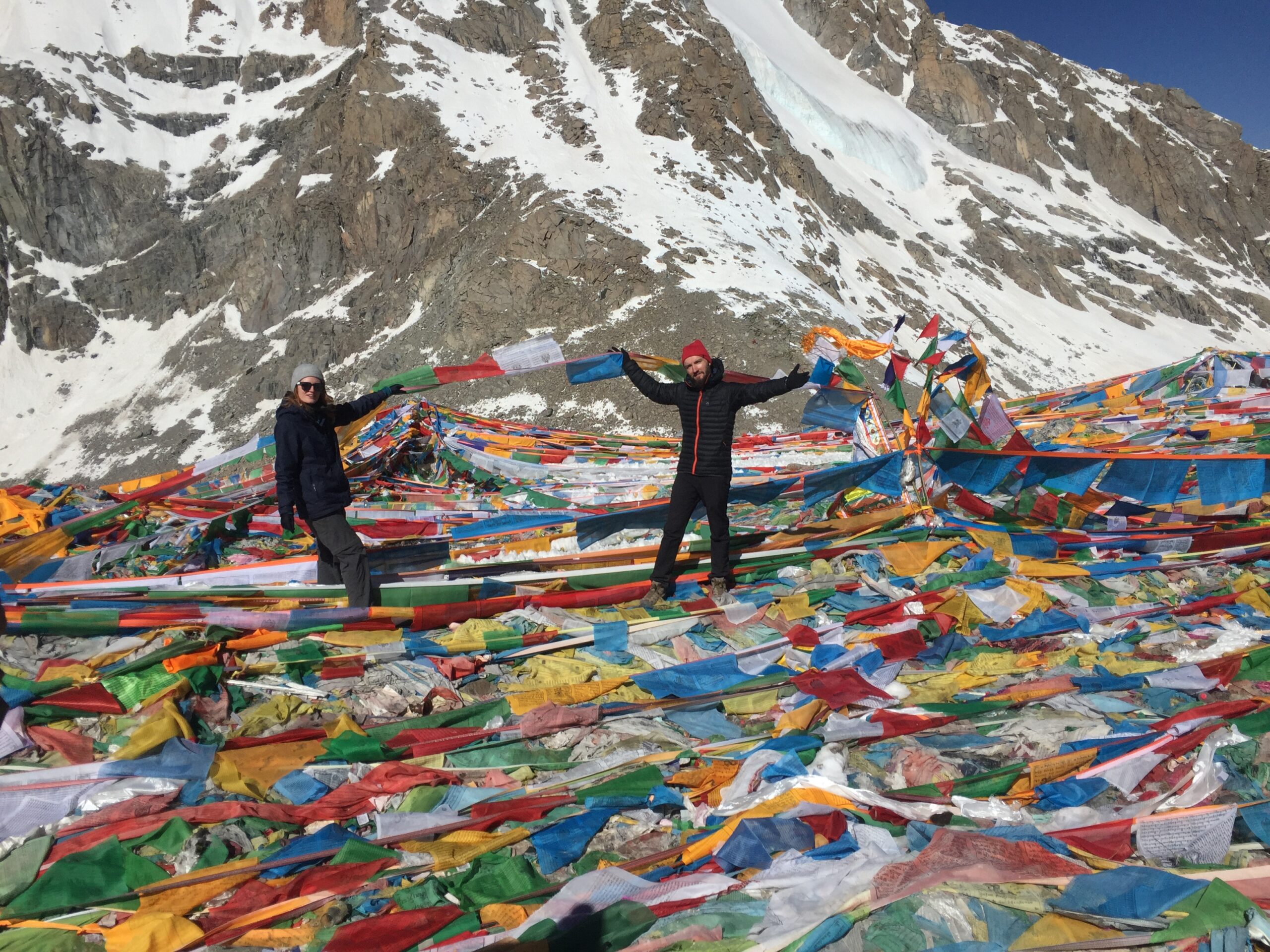
Tibet, being the superb trekking destination in the world is comprised of beautiful landscapes and Himalayas. The views are one of the greatest reasons to explore Tibet. As we trek the higher through winding trails that are bedecked with Buddhist prayer flags we will feel immensely inspired by this ancient land.
2) Tibetan Locals and their Culture
Tibetans are intensely religious people. Their devotion to Peace i.e. Buddhism can be traced back to the initial days of Buddhism’s introduction into Tibet, more than a decade ago. The radical influence of Buddhism on the Tibetan people is a day’s highlight.
Besides, Buddha, the preacher of peace, Tibetan people have keen faith in the Mountains. All over Tibet, we can readily spot pilgrims spinning prayer wheels and circumambulating around temples, monasteries, and mountains.
Despite the grandeur of the scenery, the most cherishing experiences of Tibet are likely to come from locals’ tales. Be it the yak-butter tea offered to you by a monk in a monastery in a far-flung village or a spontaneous gathering with a herding family on the bank of a remote lake, you are bound to bid farewell to Tibet with thoroughgoing insights and appreciation into their unique yet interesting cultural identity.
3) Unique Festivals of Tibet
Over 100 festivals in Tibet are observed throughout the year. Experiencing a festival in Tibet is a life-affirming way to get an insight into Tibetan Buddhism.
One of Tibet’s most celebrated festivals is the Saga Dawa festival which is held at Mount Kailash – The sacred place of the Universe.
During the Saga Dawa Festival, legions of pilgrims throughout Tibet pay homage to Mount Kailash. Do you know more about Mt. Kailash? It is the sacred mountain that has been regarded by Hindus and Buddhists as the Mythical Mount Meru, the cosmic center of the universe from which all life flows for long.
Visitors will gather and pay homage to the mountain by participating in a Kora, or clockwise circumambulation of the base of the mountain. The trek lasts for a week and crosses a 5800m high pass.
4) The enchanting Monasteries
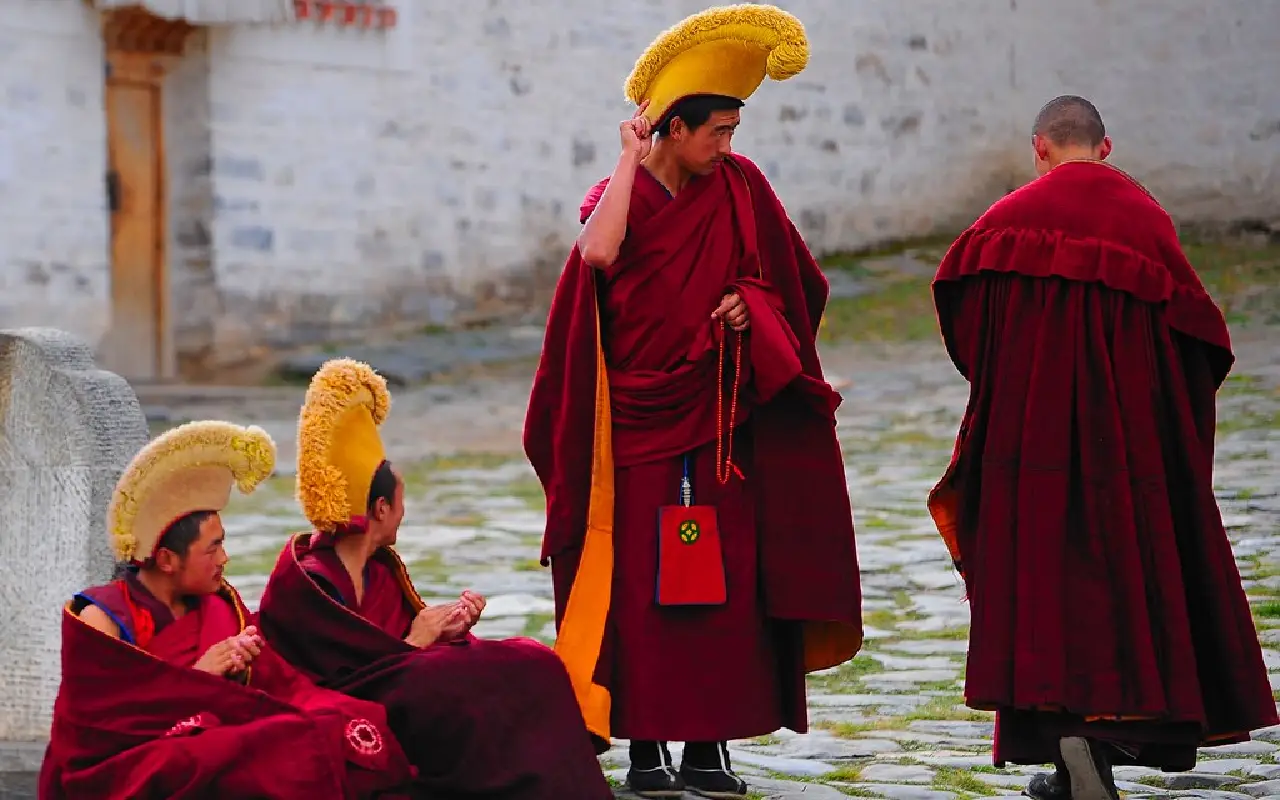
As we talked about earlier, ancient monasteries were built throughout Tibet and were the most significant social foundations of historical Tibet. With religion being extremely significant to Tibetans, Chortens are centers for learning where monks and nuns are responsible to preserve and spread Buddha’s words.
Besides, there are many monasteries and temples in Tibet that extend a warm welcome to visitors and even in the countryside, and they will often host travelers at night. Remember this! Paying a visit to a monastery in Tibet is not only a religious deed but also a fascinating way to get an insight into the religion that has deeply molded the shape of Tibet today.
5) Friendship Highway
One of the most important highlights of Tibet Travel is the Friendship Highway. The voyage on the Friendship Highway is an epic drive over 850km from Kathmandu to Lhasa. Trust us, it is one of the most spectacular tracks in the world.
So, when you are leaving for Tibet? Book your exciting trips with us.
Denominated the ‘ceiling of the world’ and touted as the original Shangri-La, the mystical land of Tibet entails a potent draw over travelers looking to delve into Buddhist spirituality, mystical landscapes, and long-held traditions.
No rays of doubt cemented in the minds of Western travelers, thanks to the Hollywood film, named “Seven Years in Tibet’, based on the story of a bestselling autobiographical book of the same name. Also, Tibet has for many decades been another name of dignity, majesty, and mythology. Many globetrotters flock towards this holy land, hoping for some sort of life-affirming or astonishing experience but is this the reality of visiting Tibet?
Read the full blog and answer yourself! This blog deals with every aspect of traveling in and around Tibet.
How to Travel in and around Tibet
Tibet is renowned as the ‘Ceiling of the World’ for good reason: with an average elevation exceeding 4,600 meters, the Tibetan Plateau is sometimes the world’s highest and largest plateau, with an area of 2,500,000 square kilometers. Challenging as it may seem, here’s our blog on how to travel in and around Tibet and get the optimum from this incredible part of the world.
Talking about the geography of Tibet, it is on a humbling scale — dramatic snow-cladded mountains loom over vast plains, serpentine highways weave their way through high passes bedecked with bedecked prayer flags while shimmering turquoise lakes sit in the shade of centuries-old glaciers. Haven to several of the world’s highest peaks and the celebrated Everest Base Camp, Tibet is potent enough to impress even the most hardened backpackers.
But amidst the jaw-dropping natural landscapes in Tibet, it’s the locals of Tibet that truly move most of the travelers. Despite mass modernization and the dilution of their culture under China’s influence, Tibet remains untouched by the world of modern themes and is a resilient land dominated by a rich culture along with deep faith.
Tibet is full of glorious monasteries rich with the aroma of butter tea, prayer halls of chanting monks, and streets lined with prayer wheels all nudge us that, Tibet is a land of a majestic past, an eclectic mix of present and a delightful future.
Why One Should Travel Tibet?
For many of us, Tibet is still a mysterious and strange region at the end of the earth. These days the idea of traversing to Tibet is very popular, but few flock there. What is so alluring about Tibet? Why do so many people want to make it to Tibet? After a look at the reasons below, you too will start fancying about a tour to Tibet.
Here are a few reasons:
a) Roads less traversed
Believe us! Tibet is a puzzling place even for Chinese people. Nowadays many young Chinese people talk about embarking on a month-long bike ride from Chengdu to Tibet, but this infrequently happens.
Hence, to traverse through the roads less traveled and the community less exposed, one should travel to Tibet.
b) Tropical Scenery
Tibet is a region and a pool of tropical and exotic scenery. We should not forget that the tallest mountains in the world reside in this area.
Even without climbing the Himalayas, we will be catching the mesmerizing vista of those snow-capped mountains and nice-looking glaciers. As we walk our way up we’ll feel close to the big blue sky; at night we’ll feel as if we can pick stars right out of the sky.
c) Untainted Land
Maybe the high altitude of Tibet has avoided the haphazard development of the Tibetan plateau so as a consequence, there is much less pollution, comparatively.
d) Spiritual Rejuvenation
Because the Tibetan region is so religious and the environment is pretty pure, Tibet can be a place to take a temporary break from modern life and contemplate the spiritual aspect. Perhaps you will be super-amazed while witnessing the religious devotion of the locals. It is no wonder many people make it to Tibet to cleanse their souls, test their bodies, and refresh their minds.
How to Travel to Tibet?
Independent travel is not entertained in Tibet. Foreign travelers need to prearrange a tour to obtain a Tibet Tourism Bureau (TTB) permit; only Chinese and Hong Kong travelers can enter freely without a visa. We, at The Nepal Trekking have been running Tibet tours for more than a decade now and will help you obtain a TTB when you book a tour with us.
We will help you to travel from Lhasa to Kathmandu, Kailash Mansarovar Yatra, and other famous trips to Tibet. We will be more than happy to assist you all in exploring the holy landscape of Tibet.
Best Time to Travel Tibet: When you should visit Tibet?
No worries! Tibet can be visited all year round — but the perfect time to explore is in Spring and Summer (from April to October) when Tibet’s weather is mild and almost all regions of Tibet are accessible by roads. This also depends largely on our Tibet itinerary as few parts can only be traversed in Summer (for instance, Mount Kailash is covered with snowflakes throughout the year except in summer.)
Also, most of the Tibetan festivals fall in spring and summer, including the month-long Saga Dawa Festival (primarily observed to mark the birth of Buddha, enlightenment, and Nirvana). Other are the week-long Shoton festival (Tibetan opera performance and Buddha Thangka unfolding ceremony) and the Nagqu horse racing festival. Hence, Tibet travel is obviously at its best in spring and summer.
On the flip side, winter is a low season for travel in Tibet, as the dropping level of mercury can get quite extreme at such high altitudes. We generally wouldn’t recommend visiting random cold destinations in and around Tibet that go below 0 degrees Celsius.
How to Get to Tibet
Normally, flights to Tibet are quite high-priced, and mostly many people tend to suffer from altitude sickness when flying straight into Lhasa. So, it is highly recommended to take a flight via other cities in China or Kathmandu (the only international transit point in Nepal) to get to Lhasa regardless of where you’re coming from.
Additionally, an alternative way to enter Tibet is on the Qinghai-Tibet Railway. This railway track is the highest railway in the world, with more than 960 km (600 miles) at an elevation of more than 4,000 m (13,123 ft) and almost half of the tracks lie on permafrost. The rail journey commences from Beijing, the capital of China, taking 40 hours to reach Lhasa.
On a straight note, the landscape only begins to amaze from Xining onward, tranquil past high-altitude lakes, vast plains, and mountains. Train tickets are not so cheap, at around US$280 for a soft sleeper and $200 for a hard sleeper (prices may vary depending on seasons) each way.
How to Get Around Tibet
International visitors are not permitted to take public transport in Tibet. As mentioned, we need to manage a tour to enter Tibet and roam around the region. Our tours always include transportation that will not only take you around Tibet but also will help you to explore it in depth.
However, holidaymakers are liberal enough to explore Lhasa’s markets, squares, and old towns on their own. There are a handful of things to experience in Lhasa, and you can readily spend a week there exploring the holy temples, palaces, and narrow alleys.
All in all, you only need to be facilitated by a trip guide when exploring tourist attractions (any monastery and temple). Cabs are easily available in Lhasa and a one-way journey anywhere in the city costs you around 10 Yuan (approximately US$1.50).
Where to Stay in Tibet
Most trips include accommodation in Tibet. On our trip, we will be managing our stay at comfortable and standard hotels that offer surprisingly luxurious accommodations right in the middle of Lhasa and Shigatse. Indeed, accommodation should be location-friendly.
For more, It is authorized to explore Lhasa on your own and we can easily book hotels in Lhasa online too. Prices are pretty affordable — $50-$60 can get you a worthy three-star hotel in the historical center.
What to Eat in Tibet
When talking about the culinary facet in Tibet, expecting gourmet meals is a joke; traditional Tibetan fare is simple and basic. As we have already mentioned in our Tibetan food blog, Tibetans are well dependent on Tsampa (barley flour) and butter tea, but these days many Chinese dishes have been introduced to their culinary diet. There’s no scarcity of Chinese fare around, but we won’t find anything beyond that out of Lhasa.
Most of the tea houses serve typical items like Yak mo: mo (steamed dumplings with yak meat), Tibetan noodles in broth, and stir-fried vegetables with rice. Chinese items that are usually common on the menu include chili chicken, double-fried pork meat, cashew chicken, and yak meat mixed with vegetables. Also, in Lhasa, we will find international restaurants serving Pizzas as well as Nepali and Indian Thali sets.
Cost of Traveling Tibet
Traveling in and around Tibet isn’t economical as we need to go on a tour to travel there. It’s peculiarly high-priced if you want to spend more than a week there and explore more remote regions. For a week-long tour, we should expect to spend at least US$ 900 for all accommodation, guides, and visas.
Because of the rigid competition, trip prices you encounter online are usually around the same range. Our tours from Leaf Holidays Treks and Expedition are reasonably priced, keeping the quality of accommodation, the solace of our transportation, and the full-fledged services from our guide and driver.
Safety in Tibet
There are no safety issues when it comes to safety and security in Tibet. If you have all the papers, permits, and guided activities, it is not a matter of worry.
Staying Healthy in Tibet
It is always crucial to maintain a healthy body during our travel. The capital city of Lhasa itself sits at 3,550m above sea level, while Everest Base Camp stays at 5,088m. For a few of us, at such dizzying heights, it can be easily prone to suffer from AMS (Acute Mountain Sickness) if you don’t take the time to acclimatize yourselves.
As we all know, Tibetans, on the other hand, are genetically adapted to residing at higher altitudes. They have comparatively more red blood cells than most of us and that simplifies them to live with a lesser amount of oxygen even at soaring altitudes.
Most people flying into Lhasa tend to suffer from AMS; symptoms might include lightheadedness, nausea, shortness of breath, and headaches. Just make sure that you have got some Diamox (Acetazolamide) before embarking on a trip and start the medication at least one day before landing in Lhasa in the case of need. Giving yourself plenty of time to rest and acclimatize in Lhasa before you start traversing is not also a bad idea, though.
Best Places to Travel in Tibet
The perfect time to explore Tibet is from May to October when summer sunshine melts the snow and roads with high passes are free to travel. It is highly recommended in autumn for fiery foliage or in spring for wildflowers sprawling as natural carpets. If you’re just heading for Lhasa, however, don’t discount winter – when Himalayan snows offer breathtaking scenes.
Tip:
Witnessing monks at Sera Monastery debate can be a pupil-dating experience.
You can also pay a holy visit to the legendary Potala Palace, an iconic landmark of Tibet and the most renowned building in the country. This used to be a fortress-like haven of nine Dalai Lamas but is sad and acts as a museum now.
The jaw-dropping vistas from Shigatse to Lhasa will bring WOW to everyone’s soul while traveling through lime-green barley fields, pristine turquoise lakes, time-warped villages, and mountains studded with Chortens.
Conclusion
As a concluding stanza, we would like to invite you all of our readers to come along with us [Leaf Holidays Treks and Expedition] so that we can assist you to ramble around the roof of the world, Tibet.
P.S. If there are any queries regarding the Tibet trip, please write to us. We would be happy to help, recommend, respond, guide, as well as collaborate. Please feel free we are here to serve you and make your trips the most out of it.
Visit Nepal 2020|Major Attractions and Contributions of Travelers
How many of us have already heard of Visit Nepal 2020? Probably, most of us have. No worries! If you have not heard yet, then this is the right blog for you.
The Tourism Board of Nepal, Nepal Tourism Board, has prepared/launched the ‘Visit Nepal 2020’ campaign which aims to attract more than 2 million tourists to the “roof of the world”.
Since the heart-wrenching earthquake of 2015, Nepal has effortlessly repaired and rebuilt monuments, roads, accommodation, and other infrastructures. The tourism fraternity is now back to the pre-earthquake scene. Nepal has been listed frequently among the most popular tourist destinations and the number one best-value destination in the world in a few international media.
If Nepal has made an entry on your bucket list, or you have been planning to return, Visit Nepal 2020 beckons you all.
Significant Attractions of Visit Nepal 2020
1) Trek towards the highest altitude lake: Tilicho
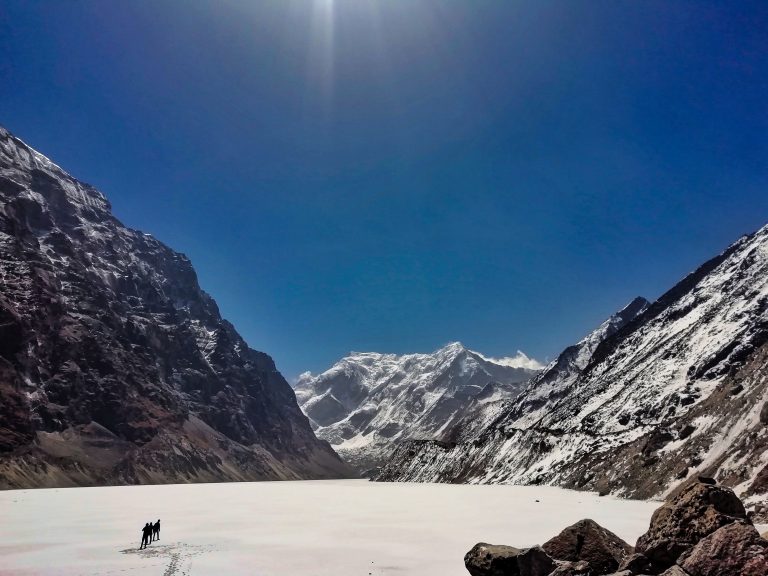
Located at an altitude of 4,949 m above sea level is Tilicho Lake, which is the world’s highest-altitude lake in the Manang district of Nepal. On an honest note, getting there might be tough as we have to trek along with the landslides-affected area but once we make it to the lake, one may not want to leave with the breathtaking view and stunning blue lake.
From the capital Kathmandu, it takes a minimum of 5 days trip to reach Tilicho Lake or more than two weeks if you want it a bit slower. You can also rent and ride a motorbike yourself or a 4 4-wheeler or simply trek as a backpacker. From Pokhara and Jomsom, we can easily reach Tilicho within 2 to 3 days.
2) Mountain Biking on the off-the-beaten trails
Even though most people seem to be unaware of mountain biking sport in Nepal, it is the fastest-growing game in the country. You can undergo great single-track and/or multi-day adventures throughout the Himalayas. Playing hide and seek with mountains, gorges, and hills is a bonus for every cyclist in Nepal. Many astonishing trails make it possible to do MTB in just about any part of the country. It is recommended widely that Annapurna Circuit which is best generally done in April/May or in October/November, second Upper Mustang presents a unique desert landscape and Tibetan culture. Mustang is the windy wonderland that also represents the rain-shade area and is the paradigm of the trans-Himalayan region. The geographical isolation of Mustang is a boon for it and hence offers a more off-the-beaten-path experience than the previous route.
Lastly, Pikey Peak which starts from your base at Salleri, the entrance to the Everest region. It is a freshly opened route for trekking and biking. Grab the moment and make it to Pikey Peak before the tourism hits.
Talking about the peripheral tracks in and around Kathmandu, Nagarkot also stands on the list. Shredding in the jungle of Nagarkot thrills any soul on the Earth.
3) Birthplace of Lord Buddha
Do you know one thing? Lord Buddha’s statue we see everywhere in the world, is of a real person named Siddhartha Gautam. His real name, Siddhartha Gautam was later on changed to Gautam Buddha. Buddha, the preacher of Buddhism, was born as a prince who gave up everything including himself, his wife, and his son to seek a peaceful state of mind life, and more.
So, the place where Buddha had stepped his first movers on this Earth is called Lumbini and it is popular not only in Nepal but also in the world. Every year legions of pilgrims flock here to worship, meditate, and learn at the site.
4) Mount Everest: The roof of the world
It’s well known that Nepal is an abode to the highest, Mount Everest. And if that is not enough, Nepal hosts 8 tallest mountains among 14 in the world, which are above 8000m. Trekking in Nepal is a wish list for many. Especially conquering Mount Everest or even just Everest Base Camp Trek (EBC) is a dream come true trail for many adventure seekers and walking enthusiasts. Base camp trekking can be done easily within weeks if everything goes to plan. We should be careful about altitude sickness, and our fitness level, and getting a guide or porter is highly recommended. However, if you are more of a DIY kind of person, SOLO travel is also recommended.
Thinking about what else to witness in and around the Everest Base camp region? We normally recommend Tenzing Hillary Airport (one of the world’s dangerous airports), Lukla markets, Namche Bazaar, Monastery in Tengboche, Sherpa culture, Peak Climbing, Everest Base Camp area itself mainly the expedition site, and Kala Patthar, the most astonishing vantage point of entire EBC region which is widely famous for that once in lifetime experience featuring sunrise and sunsets views with sick landscape.
5) White Water Rafting Adventure
Nepal is the second richest nation in the world when talking about water resources. Hence one of the most sought-after places for rafting and kayaking.
When it comes to drifting in Nepal, aqua enthusiasts can choose from Bhote Koshi (1 – 2 days), Trishuli River (2 up to 3 days of rafting/kayaking), Seti Khola (up to 2-3 days of rafting trip), Kali Gandaki River (3 days rafting trip), and Marshyandi River (Max. 2 days rafting/kayaking trip), Arun River (9 days rafting adventure combining with trek), Karnali River (10 days whitewater rafting and kayaking), Kaligandaki River of nearly 3 days, Sun Koshi River (more than a week of rafting trip) and Tamor River (11 to 12 days of water fun and adventure combining with as short trek). A few of the travel agencies may have different offers too. Rafting trips vary from easy, to medium to difficult. During your aqua journey, you will also get the chance to relax on bug-free beaches along with your campsites. The thrill of rafting in wild Nepali rivers, flowing rapidly, is exciting and is something you will cherish forever.
6) Wildlife Safari | Bird Watching
Nepal is not just about mountains and high hills. You can change the scenery from the majestic mountains, and wild rivers to the vast jungle and plains in the south. Enjoy tracing the tigers, rhinos, elephants, crocodiles, and other wild animals in Chitwan National Park, Shuklaphanta National Park, or Bardia National Park. Though, the latter is less heard of so, more off-the-beaten trails offer a rugged experience. We recommend heading South of Nepal, especially between October and March.
If watching a bird is your cup of tea, Nepal is a bird watcher’s paradise. Or if you are a researcher and winged creatures are more of your thing, Nepal got you covered as well. Koshi Tappu Wildlife Reserve offers over 400 bird species and won’t disappoint anyone of us. We can spot various species of ducks, eagles, storks, geese, terns, lapwings, kingfishers and more. If you want to witness or meet the national bird of Nepal, Danphe [Lpohophorous], hike to 2500m to 3000m areas of Annapurnas, you will encounter them a few times.
7) UNESCO World Heritage Sites
There are 11 World Heritage Sites in Nepal. Seven of them are inside Kathmandu Valley whereas four of them are Sagarmatha National Park (Everest region), Chitwan National Park (wildlife area), and Lumbini – the birthplace of Lord Buddha outside the valley. Inside Nepal also, Kathmandu Valley is an eclectic source of present and past and it would be a good starting point to explore this beautiful country.
So, the remaining seven sites in Kathmandu are Kathmandu Durbar Square, Boudhanath, Patan Durbar Square, Bhaktapur Durbar Square, Swayambhunath (monkey temple), Pashupatinath, and Changunarayan. Even if your area of interest is outside of the history or sites, these divine sites will make your trip worthwhile. So do yourself a favor and check them all.
8) Miscellaneous | Authentic Nepali Cuisines | Adventure Package
Stroll around the narrow alleys of the medical city, Kathmandu, and relish the traditional Newari cuisines. Bara, Chhoila, Yomari, Mo: Mo dumplings are must-try foods in Nepal. When in the mountains, try yaks’ cheese and Dhido and Daal Bhaat.
As Nepal is gifted with hills, mountains, rivers, and plains there are dozens of adrenaline rush sports including Bungee Jump to Mountain flights, canyoning, paragliding, kayaking, and whatnot.
What is Visit Nepal 2020?
The government of Nepal had organized Visit Nepal Campaigns back in the year of 1998 and Nepal Tourism Year 2011, similarly, the Tourism Board of Nepal has introduced another tourism year, Visit Nepal 2020. It’s a visiting mission to Nepal with its prime motto as “Lifetime Experiences”, aiming to host as many as 2 million globetrotters and holidaymakers from all around the world.
Your contribution to #visitNepal2020 as a traveler:
As the campaign visit, Nepal is targeted to all l merrymakers and adventure-seekers from all around the world, indeed the tourists its main elements. As a wayfarer and well-wisher of this masterpiece of Nature, Nepal, your small steps or actions will have huge impacts. Here I have mentioned a few things you can do to contribute to #visitNepal2020 as a normal person, as a wanderer, as a writer, blogger, and not! We, everyone, can do a little support to make visitNepal2020, a grand.
1) Buying regionally crafted souvenirs
In Nepal, it’s common to export its unique and appealing handicrafts to its peripheral countries and the rest of the world since centuries ago. In the meantime, more than 100 ethnic groups with their original tradition and culture are living in Nepal. Wherever you stroll or hike in and around Nepal, you encounter street vendors selling or about to convince to sell eye-catching handicrafts such as carved wooden windows and singing bowls to a Tibetan prayers’ wheel. As a nomad, one can have these handicrafts from streets, souvenir shops, supermarkets, and handicraft stores. Getting it from local street vendors who probably make less than USD 10 per day is not only a greater humanitarian gesture but also an immense contribution to the campaign visit Nepal 2020.
Hence, assisting local start-ups and projects is a good thing one can carry out during his/her good days for real. It’s not in the case of Nepal, everywhere in the universe, it does apply. We should buy the local products so that the trend or their small-scale industries can sustain and hence last for a few more editions.
2) Good Words of Mouth
Well, known that word-of-mouth referrals are the best way of recommending something worthy. As a wayfarer or as a well-wisher, Nepal is in its developing phase and just spreading a few good expressions about Nepal after returning to your homeland, will leave a positive image for this piece of heaven, Nepal.
Taken over by the world wide web, the world now, there are various other efficacious ways of publicizing on different platforms like blog writing, posting photos on several social sites, sharing photographs, and posting on social media. As a whole, word of mouth can be spread worldwide.
3) Eating in a Local Eatery
Nepal has prior rendezvous with international hotels, inns, and restaurant chains like KFC and five-star hospitality hosts such as Hyatt Regency, Soaltee, and Hotel Annapurna. However, if you wish to savor a locally owned and managed Khajaghar[lunch house], it will be awesome. You are not only supporting locals but also you are paying local producers such as farmers.
As Nepal has extensive choices of traditional cuisines to present to everyone representing every walk of life, one can simply wish to eat from this type of community-based food provider.
4) Hire Local Guides and Porters
Traveling SOLO is fun and traveling with our loved one is even more joyous. But, while traversing a few new sights and places, the presence of local guides and porters is a bonus. It might help us with the knowledge and by maintaining our backpacks as well as extra stuff. On one side, you are getting help and information. On the contrary side, this initiative also leads to the opportunity for jobs among Nepalese people who may not have any other forms of employment to support their families. Deep down, it’s not always the case of finance while hiring instead you get to know more about their dialects, native languages, culture, traditions, and daily chores. The interaction while exploring with locals is the best way of traveling.
5) Exercise Sustainable Tourism, Accept and execute Eco-friendly Moves
In far-flung villages of Nepal, most people might not have insights into sustainable tourism hence we as trippers should assist them in practicing sustainable steps in the tourism fraternity. As the scenario of Nepal is fresh and remarkably clean, we should keep this beauty perpetual so that we can hand it over to the upcoming generation.
Hence, our actions need to be Eco-friendly as we are conscious humans. For every wanderer, there are still a few things to consider while traveling beside the economical aspect i.e. the environmental side. For example, we can simply limit the use of plastic bags and their usage. Carrying back our litter from the mountains can be the best example of sustainable tourism.
If you want to go the extra mile, you can even shed some light on knowledge on how to get rid of the wastage correctly between and among the locals.
6) Explore new destinations among 100 spots published by the Government of Nepalese
Targeting Visit Nepal Year 2020, the government of Nepal has published its 100 new spots which are yet to be in the “limelight of tourism”. Hurry up, before tourism hits hard on these amazing destinations.
For more insights, updates, and fresh information, stay tuned with us. We accept the comment, appreciate compliments, and welcome feedback. Don’t forget to write to us, we will be happy about the response.
Considered to be the center of the Universe, and revered by people all over the globe, Mt. Kailash and Mansarovar region in Tibet is truly an bliss! It is widely said that only those who have the purest of hearts can make it to this almost impossible terrain. Learn more about this once in a lifetime trip in our A spiritual sojourn to Kailash Mansarovar blog.
The adverse weather status and treacherous pathways also compound to make it a less visited place and tourism hasn’t hit hard yet. It’s no wonder that only a few thousand people can make this trip. One who reaches there is among those fortunate few.
A spiritual sojourn to Kailash Mansarovar is also known as the Kailash pilgrimage tour, one of the most famous pilgrimage tour packages in Tibet offers staggering Himalayan vistas including of holy Mt. Kailash and the other giant hills lying around the area. Sarovar indicates “the holy pond” in the Nepali language hence the name Mansarovar.
Along with this, the sojourn to Kailash also offers the bewitching appearance of the holy Mansarovar Lake, astounding landscapes, lush valleys, trails, ancient monasteries, and Tibetan cultures. The tour to the Kailash Mansarovar is the perfect way to traverse the hidden treasures of the Tibetan plateau.
As hikers, trekkers, and pilgrims have to walk from the low to high altitude gradually, we can reach there without high altitude sickness complexities.
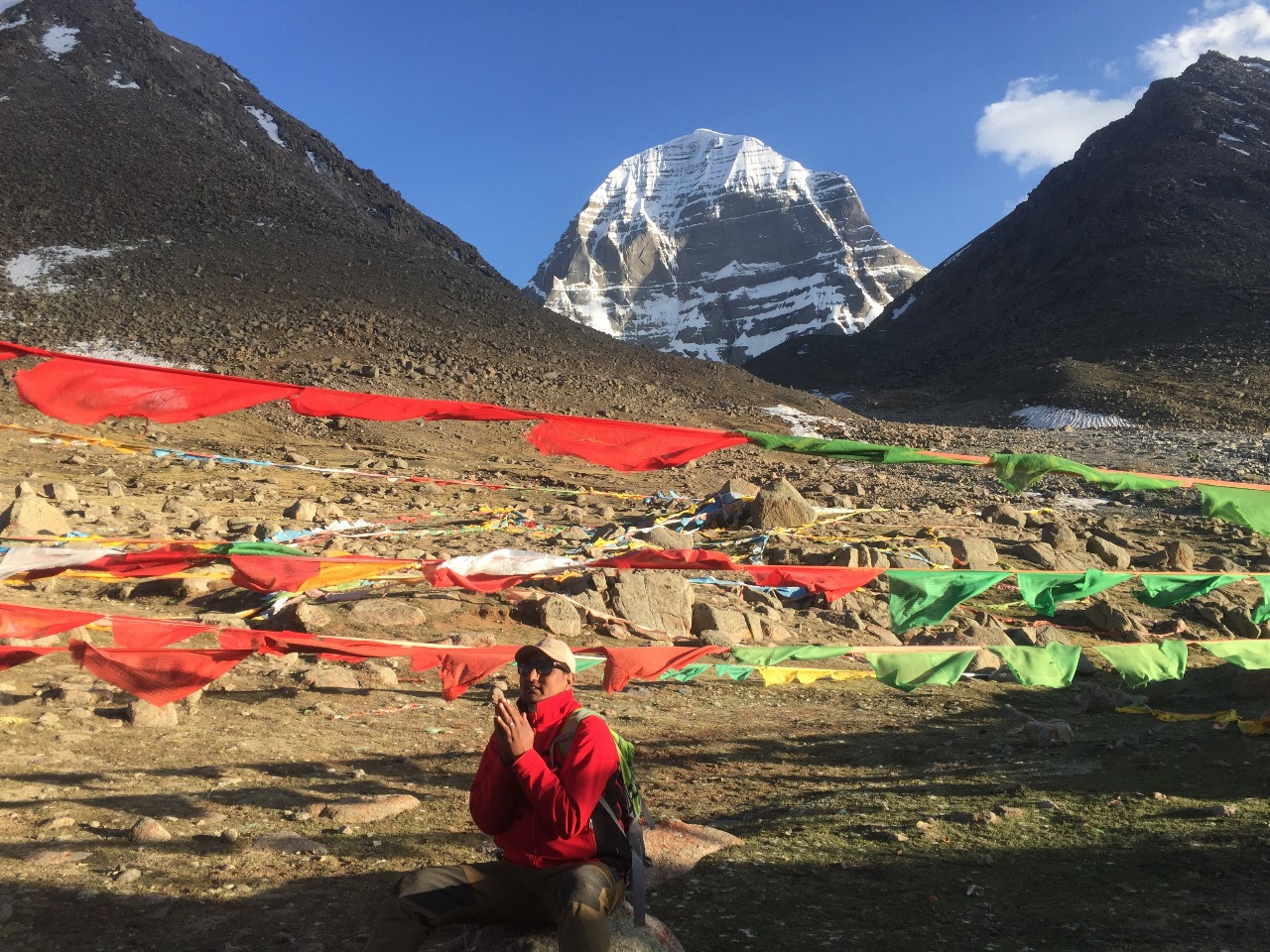
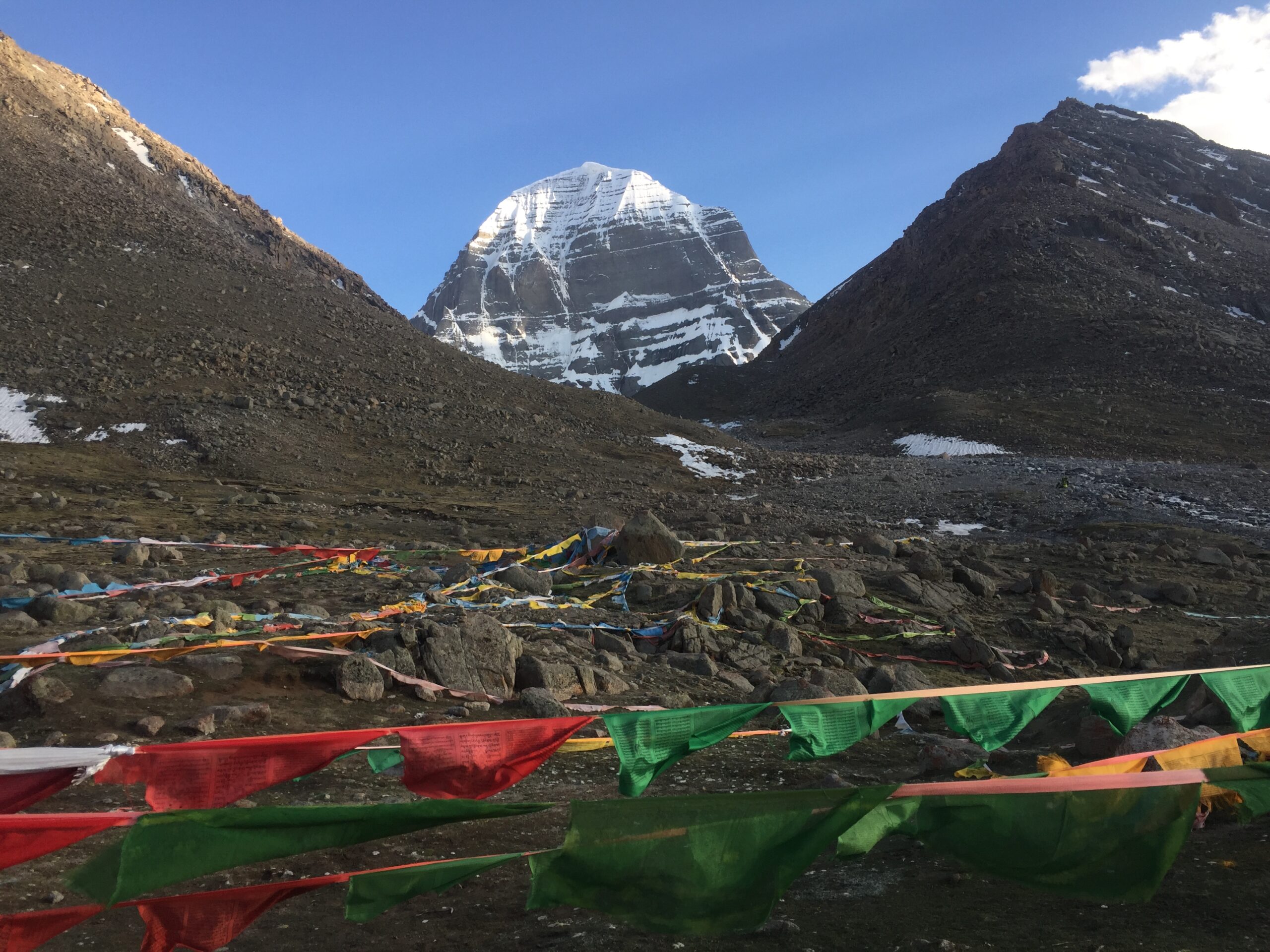
Mt. Kailash is regarded to be the physical embodiment of the mythological Mt. Meru, which is believed to be the holiest mountain in the world. Its snow-dusted rock pyramid is situated in the scenically rich region of western Tibet. Mt. Kailash, an abode of the divine is also assumed as the most auspicious to take a religious pilgrimage, Kora circumcising around the Kailash.
Indeed, the entire region where Mt. Kailash lies holds an important religious significance and entails the two turquoise-blue, unspoiled high-altitude, fresh-water lakes- Mansarovar and Rakshas Tal.
Did you know? Mt. Kailash is regarded as holy by followers not only Hindus. Instead, it is revered by all seven religions. For Hindus, Mt. Kailash is an abode of Shiva and nearby Mansarovar Lake, Brahma’s soul. Tibetans refer to Mt. Kailash as Kang Rimpoche, Jains venerate it as Mt. Ashtapada, the apex from where the religion’s founder, Rishabanatha, was enlightened with spiritual liberation, whereas, the acolytes of Bon-Po, the ancient pre-Buddhist shamanistic religion of Tibet mention Mt. Kailash as the soul of Tibet. Mainly, during May, June, July, and August pilgrims flock to this region, and hence are the best time for the Kailash Manasarovar trip.
A spiritual sojourn to Kailash Mansarovar is recommended to all of us as it is a once-in-lifetime experience for real.
About Mt. Kailash – The Center of the Universe
Towering with a dignified presence, Mt Kailash resides at 6,638m [22,000 ft.] According to Hindu beliefs, it is the abode of Shiva and his wife Goddess Parvati. It is part of the Trans-Himalayan belt in Tibet.
Resembling its shape with a cone of pure white snow, Mt. Kailash has the distinct appearance of being one of the world’s most venerated holy places. As we mentioned already, Mount Kailash is also a portrait of the mythical Mount Meru, which many religions contemplate to be the cosmic mountain positioned at the exact center of the universe.
On reaching there, all pilgrims make a circumference (Kora or Parikarma), circling the mountain (almost 53 km), which usually takes about three days to complete. In this trip to Mt. Kailash, enlightenment is something that is guaranteed especially to those zealot souls who complete 108 times around it.
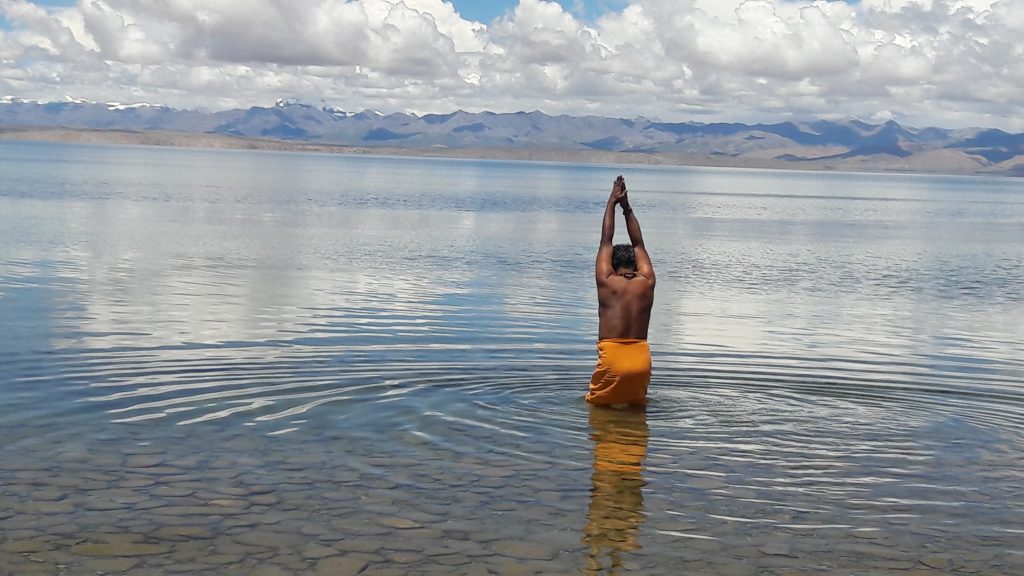
At the base of this giant mountain lies Mansarovar (‘the lake of consciousness and enlightenment’: 4,500m), a beautiful cobalt blue lake. According to the legends, a dive into its icy waters is mandatory for most pilgrims to the site. You will also be welcomed by finding another lake nearby, named the Rakshas Tal, (Lake of Demons).
The Toughest Pilgrimage | Mt. Kailash Mansarovar
A spiritual sojourn to Kailash Mansarovar , a pilgrimage for the followers of all religions, is the toughest pilgrimage in the entire world. Situated about 20 km far from Mt Kailash, the lake Mansarovar further holds a major significance in the mythology. This region acts as the origin of four of the prime rivers namely Indus, Sutlej, Brahmaputra, and Karnali. Kailash Mansarovar expedition is widely renowned for its cultural significance, religious value, spiritual awakening, physical appearance, and thrilling nature. It is visited by hundreds of people every year.
How do I get there?
No doubt! Mt. Kailash is one of the world’s greatest (and one of the most daring) pilgrimage sites for people of many beliefs. We can make it to Mount Kailash through different and exciting routes. One of the routes is through Xigatse via Saga to Mansarovar. One of the tours will take you to Tibet from Kathmandu from where you will march west to Mansarovar’s eastern shore, a four to five-day journey. You will get down at a tiny settlement called Darchen located at an altitude of 14,000 ft. This is where we traditionally embark upon the Kailash Parikrama.
We can also travel on a 6-day drive from Xigatse to Ali and up to Darchen, or from Kashgar through Ali, or from Nepal’s Simikot via Purang. The last-mentioned route via Simikot (situated in the country’s far northwestern district of Humla) proceeds to Hilsa (the western border) and from there, progresses into Tibet, and then to Taklakot in the Purang Valley, thus helping us to make it to the Mansarovar.
To reach Simikot, we need to get to Nepalgunj in western Nepal first (by air or by road) from where we can use the airways to Simikot. From there, the trekking trail follows the grumbling Karnali River right up to Tibet’s border. Next, we cross the Nara-la pass from where the trail drops exponentially down to the border town of Hilsa in Tibet. And then, there is no option except to take a ride on a four-wheeler to Purang through the Dolma-La pass (18,417 ft.) on the way, so that we can reach Mount Kailash and Mansarovar.
A spiritual sojourn to Kailash Mansarovar itinerary proceeds as follows:
Day 01: Arrive in Kathmandu (1300 m)
Day 02: Half-day sightseeing tour in Kathmandu-The city of temple
Day 03: Drive from Kathmandu to Syabrubesi
Day 04: Drive from Syabrubesi to Kerung
Day 05: Kerung – Saga (4400 meters)
Day 06: Saga – Mansarovar (4558 meters)
Day 07: Mansarovar – Darchen (4575 meters)
Day 08: Darchen – Yamadwar (7 km drive/13 km walk) – Dirapuk (4909 m)
Day 09: Trek to Zuthulphuk (4760 m) (18 km/hrs)-Passing through East face Kuberkunda pass (5,700 m)
Day 10: Zuthulphuk – Darchen – Mansarovar – Saga (end of Kailash Parikrama)
Day 11: Drive from Saga to Syabrubesi via Kerung
Day 12: Drive back to Kathmandu
Day 13: Final Departure
A spiritual sojourn to Kailash Mansarovar: beyond our words and imagination
Having seen the place only in virtual pictures till now, any soul on the earth will be in awe to behold the captivating beauty of the area with our naked eyes in the real world! The geographical structure around the mountain is rugged and dry but embellished by crystalline blue streams and other water bodies. The contrast, therefore, is well blended, like an artist’s canvas creativity!
Mansarovar, the blue and emerald-hued lake, is one of the highest freshwater lakes in the world, with intense religious, spiritual, and natural significance. The beauty of the round lake with crystal clear reflections of the peripheral snow-capped mountains, the sun, and white clouds in the clear blue sky is something out of the world! Around ninety kilometers in circumference, the lake is an epitome of purity and tranquility. The calmness of the lake along with the majestic aura around it offers a serene environment for meditation and traveler start to seek their soul.
A ‘Parikrama’ of the lake is believed to kick out all evils and sins from the inner soul and body. Generally, pilgrims bow down in respect and reverence as they touch the holy water. Also, one can drink the pure and sweet water and take a dip in the lake in a humble attempt to cleanse all sins. It is urged to all the pilgrims (trekkers) to take utmost care neither to use any chemical (even soap) nor pollute the water in any way.
Why is Kailash Mansarovar taken as literally “heaven on Earth”?
Have you ever thought of a paradise on Earth, where it could be? It has to be the most appealing place on the planet, right? Such a place where Gods would like to dwell themselves! On an interesting note, in several religions, Kailash Mansarovar, named after two holy destinations- Mount Kailash (standing high at 6,636m.) and ‘The Gem of Tibet’ – Lake Mansarovar, is considered to be the haven of Lord Shiva and other ethereal beings.
More Exciting Attractions | Kailash and Mansarovar area
As Mt. Kailash is an abode of Shiva, the lake is supposed to be the abode of summer birds called ‘Hansa’ which represents wisdom and beauty. Surrounded by a few monasteries on its shores, the Lake presents the most notable ancient Chiu Monastery built on a steep hillock, which looks as if it has been carved right out of the rock. Yeah! It seems to be emerging outright. The gateway to ancient civilization with placid beauty.
Another, lake during our journey is the lake, Rakshastal, which is considered to be the place of severe atonement by ‘Ravana’, which is around two miles away from Mansarovar. Not only that, sometimes it seems juxtaposed, to witness the concurrence of two contrasting ponds at the same place; one being held in high consideration and revered while the other considered the lake of fallen angels and denounced by the locals.
The amalgamating spirit
No matter which religion, the visitors believe in, the noteworthy point is the dedication and human zeal which unifies people representing different castes and age groups while visiting this region. Visitors are drawn to the simplicity of life and find satisfaction in the toughest terrain, trek, and climate during the ‘The Spiritual Journey’. After the trip, one will find them different not only in terms of physical sense but also spiritual tone, it matters a lot.
Farewell to materialism
Like other religious journeys on Earth, many of the visitors would be expecting hundreds of temples, saints, loud rituals such as ringing bells and performing elaborate ceremonies, singing hymns along the presence of donation boxes at Mount Kailash. But, surprisingly, there exists no such materialistic and superstitious status quo. The heavenly place engages the mind, captures our nerves, and frees our souls to see the divine outside the temple. Mt. Kailash Mansarovar is the perfect place to realize oneself his/her body, mind, and soul. A welcoming/appreciating perspective indeed!
Conclusion
On a concluding note, a spiritual sojourn to Kailash Mansarovar is a life-changing experience for most of the pilgrims who undertake it each year, providing them with a sense of self like nothing else can. A pilgrimage to this serene timeless, breathtaking, and fascinating spiritual spot is like a sojourn within him/her (self).
The Leaf Holidays offers you a once-in-a-lifetime opportunity to embark on a spiritual sojourn to Kailash Mansarovar . All our fellow holidaymakers will unanimously agree that they all returned from this trip completely enlightened. The magical and mystical spot has been drawing people to its divine appearance for several reasons. That is why you should not miss the chance to be a part of the Kailash Mansarovar awakening.
Thanks for the read. If these chronicles of the Himalayas excite you, you can book this trip with us. We will be happy to embark on our spiritual journey with you, your families, and your friends’ circle.
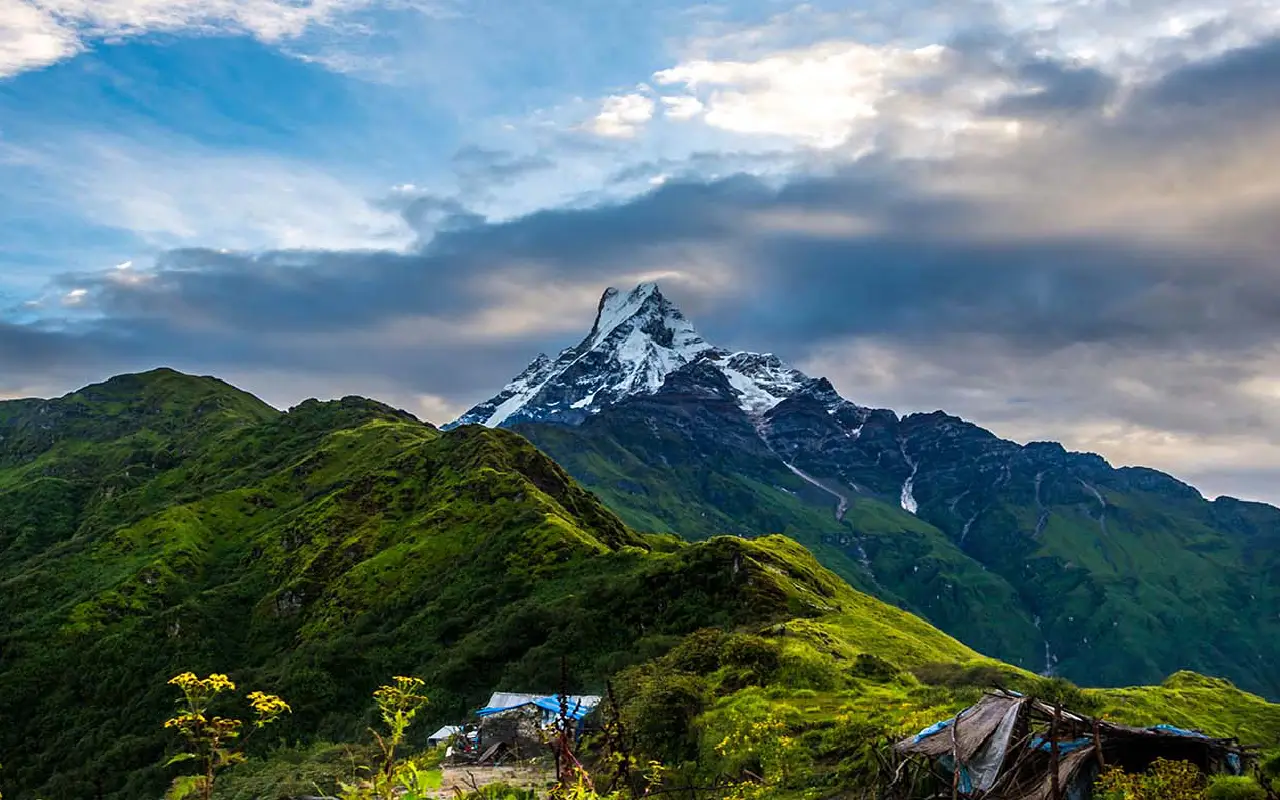
Mardi Himal is positioned to the east of Annapurna Base Camp in the Annapurna Conservation Area. Mardi Himal Trek takes place in the area least visited and possesses unblemished beauty making it one of the best cultural treks in the Annapurna region. This mountain is on one of the ridges of Mount Macchapucchre.
The Mardi Himal Trekking is a short, trouble-free, and allocated camping/tea house trek that discovers the exquisiteness of the Annapurna region. The trek follows the slightest trampled trail away from the trekkers’ madding crowd and gives an essence of exploration. The whole of the spectacular Annapurna range is viewable during the trek.
Mardi Himal Trek offers two different landscapes. In the initial part of the trek, you travel through dense forests in the Annapurna Conservation Area. The woods you pass through are rhododendron forests, with lots of rhododendron flowers in the trees and also lying in the trail itself. Mardi Trek takes you to the foothills of Macchapuchre in the Annapurna region of Nepal. The major attraction of the Mardi trek is the view from Mardi Base Camp and the Upper viewpoint
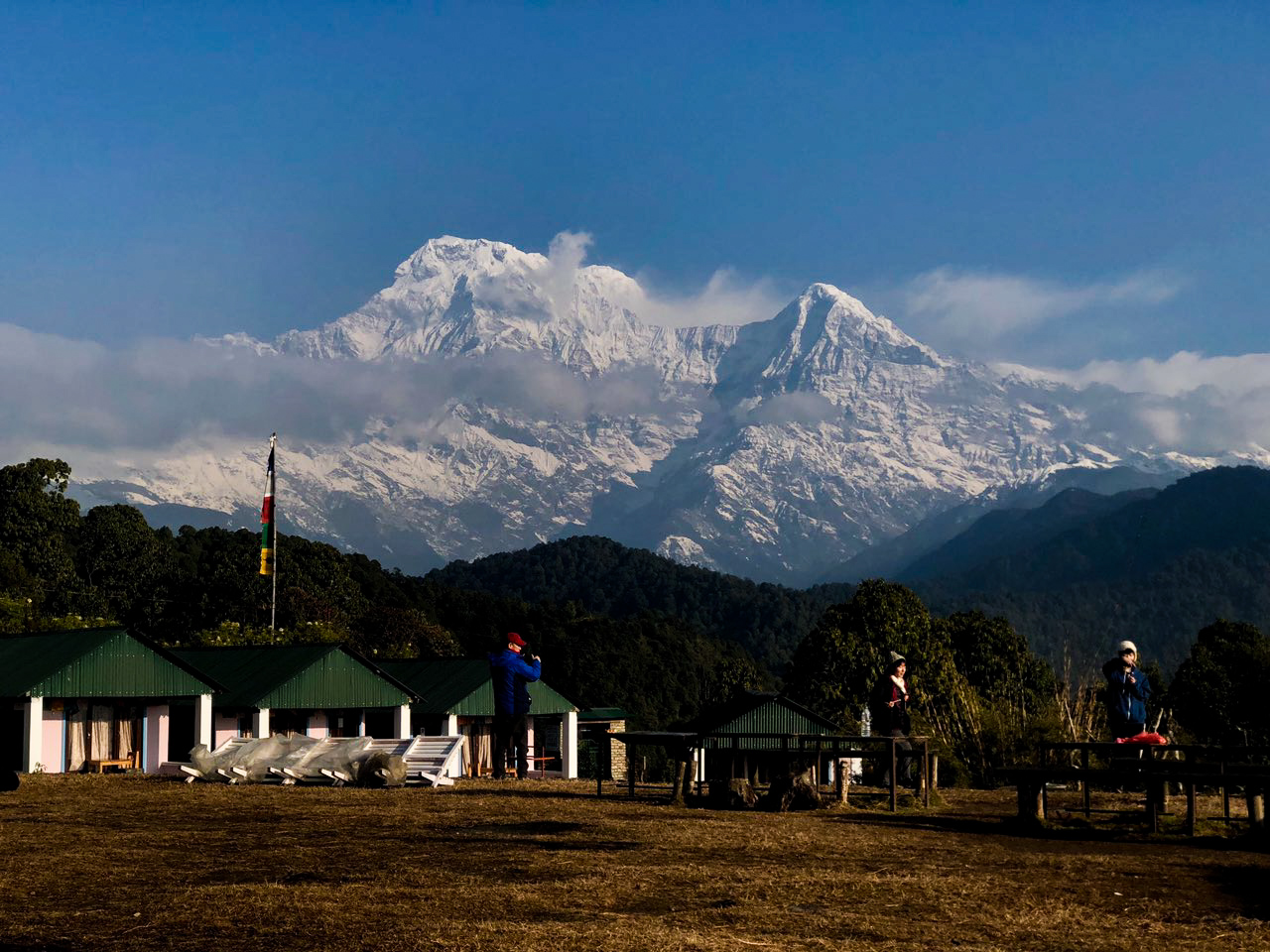
The Mardi Himal Trek also provides you the superlative views of magnificent mountains in the central Himalayas. The complete Annapurna range including Mt.Annapurna I, Annapurna II, Annapurna III, Annapurna IV, Annapurna South, Varaha Shikhar, Himchuli, Dhaulagiri I, Dhaulagiri II, Nilgiri, Thapa Peak, Tukche Peak, Macchapucchre, Mardi Himal, Singu Chuli, Tharpu Chuli, Gangapurna, Lamjung Himal and many more are vviewableduring the Mardi Himal Trekking.
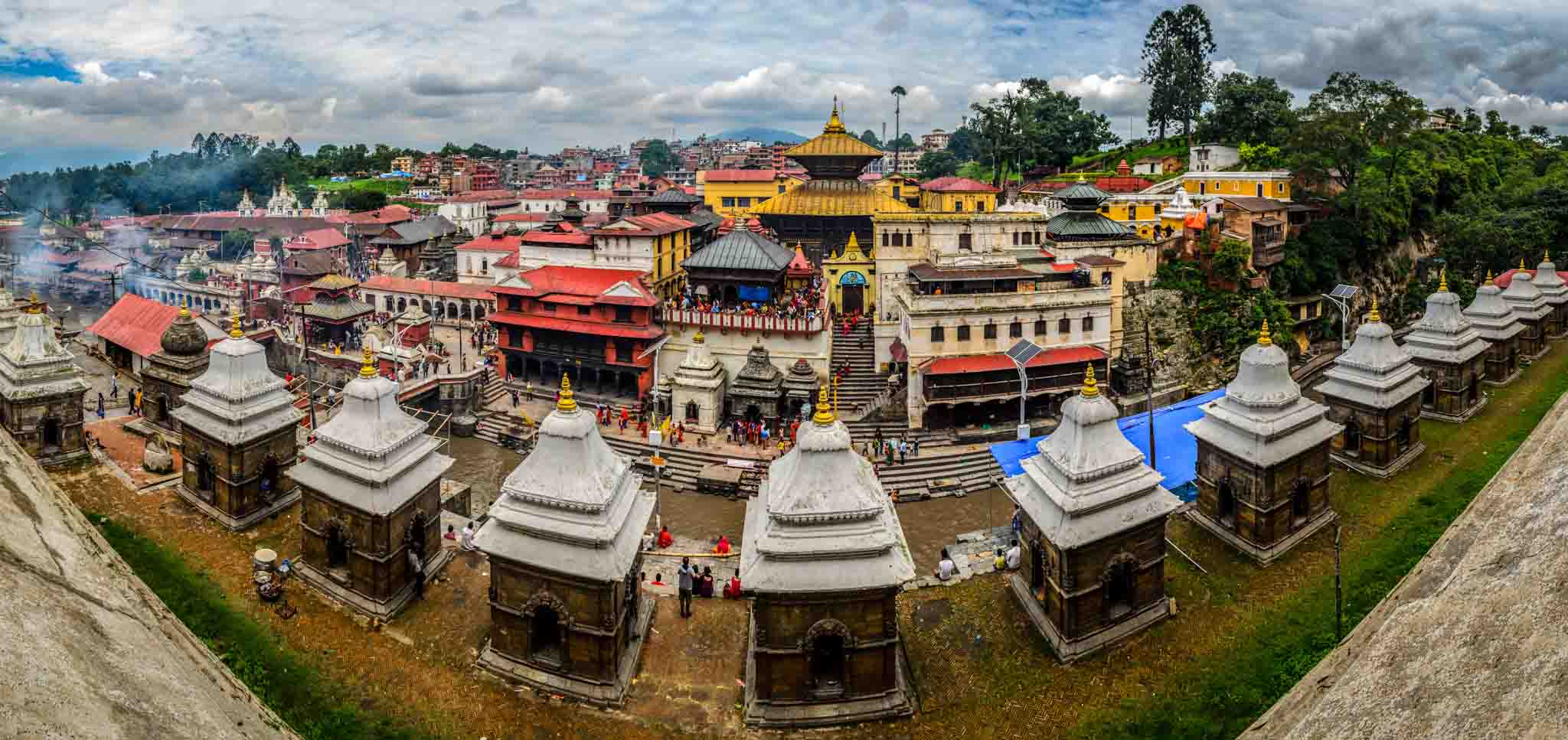
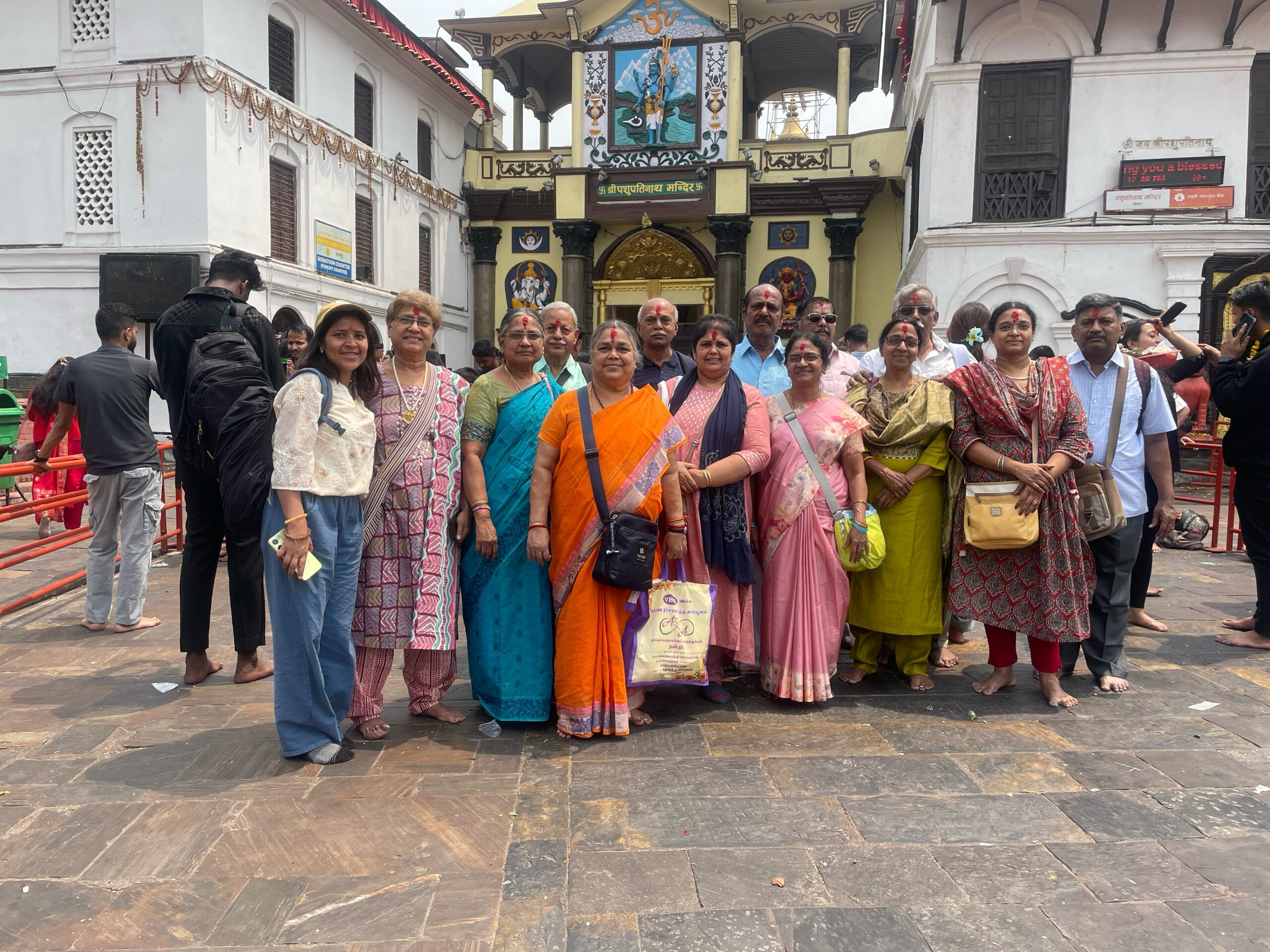
The Pashupatinath temple is a renowned and sacred Hindu temple which is located on the bank of Bagmati River, in the east part of Kathmandu valley, capital city of Nepal.
The Pashupatinath temple is the most important temple devoted to Lord Shiva (Mahadev). It is one of the four most important religious sites in Asia for follower of Lord Shiva. It is also the oldest Hindu temple in Kathmandu. Every year this temple magnetizes thousands of followers of Hinduism. The major festival celebrated in pashupatinath is Shiva ratri which is the festival utterly devoted to Lord Shiva.
Pashupatinath temple stands in the center of the town of Deopatan, in the middle of an open courtyard. It is a square, two tiered-pagoda temples built on the single-tier plinth, and it stands 23.6 meters above the ground. Luxuriously decorated gilt and silver-plated doors are on all sides. Pashupatinath elongate from the main temple of pashupatinath to Guheshwori. There are many other legendary temples inside this area including the Bhuwaneshwori, the dakshinamurti, Tamreshwor, Panchdewal, Bishwarupa and others. The priests of pashupatinath are called Bhattas and the chief priest is called Mool Bhatt or Raval.
There are numerous multifarious stories involving the beginning of Pashupatinath. It is believed that Shiva and Parvati came to the Kathmandu valley and rested by the Bagmati while on the journey. Shiva was so impressed by its splendor and the surrounding forest has, he and parvati changed themselves into deer and walked into the forest. After a while, the people and gods began to search for Shiva. Finally, after facing many problems they found him in the forest.
Pashupatinath Temple is the most enthralling tourist destination in Nepal. So, we should all together promote and protect it for the growth of tourism industry and for the development of country.
Janai Purnima (Raksha Bandhan) is celebrated all over the country. It is also known as Hindu festival and a festival to observe the bond of purity and security.
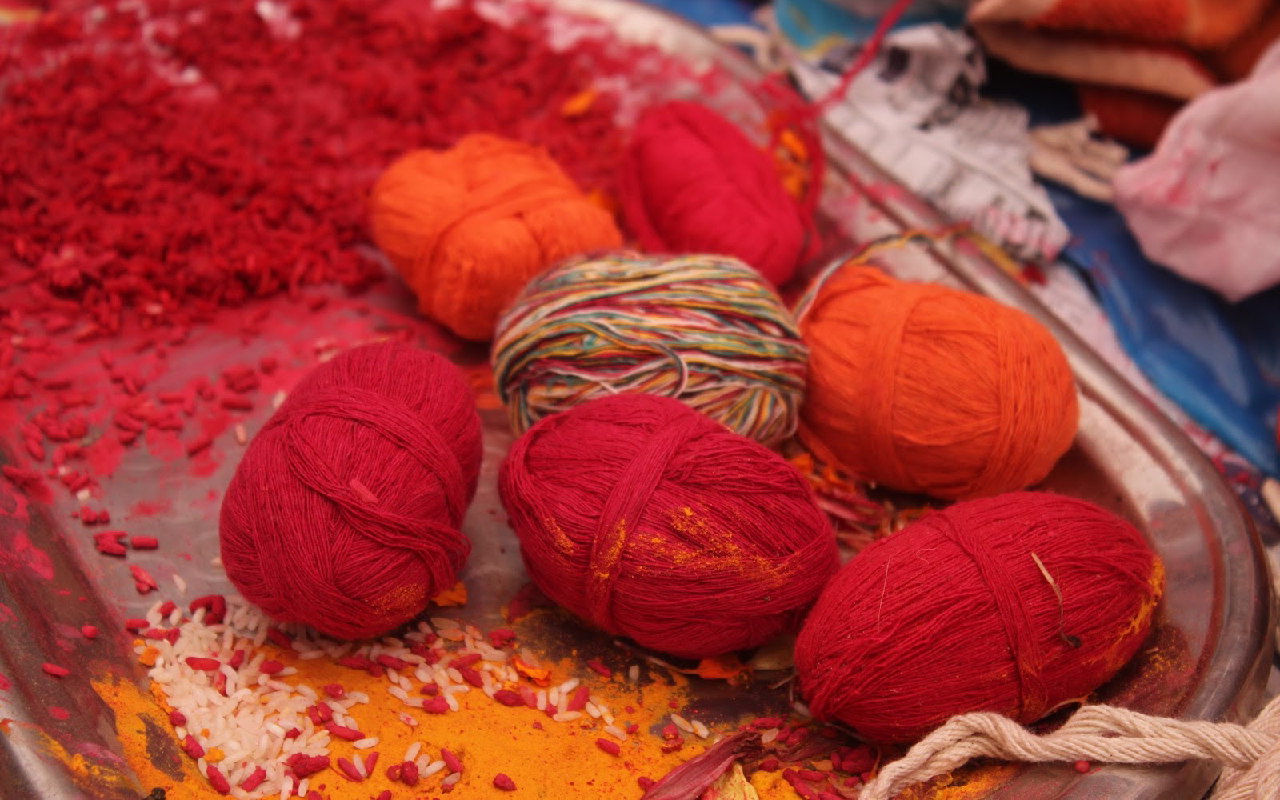
Janai purnima is a sacred thread festival. On this day, Hindu men especially the Brahmins and Chettris renew their janai (cotton string worn across the chest by Hindu male) and all the people who celebrate this festival put a scared threat around their wrist.
This festival is also marked by the tying of rakhi, or holy thread, by the sister on the wrist of her brother. The market is full of different colors rakhis. This festival is equivalent to Bhaitika in Tihar to some communities across Nepal. The brother in return offers gift to his sister.
Janai Purnima is also known as Kwati Punhi, where kwati is a soup of different beans and punhi means the full moon day. Newar people also put the scared threats around the wrist which are taken off on the day of Laxmi Puja, another big festival of Hindus. In janai purnima Newar famers offers different food items to frogs. Believing that worshiping the frog, who is considered an agent of the god of rainfall, by making offerings of different food items help to increase the production of crops. On this full moon day sees a large number of Brahmins at the holy riverbanks. They take ritual deep in the water and offer ablution to the gods.
Situated between the majestic Himalaya Mountains and the charming Indian jungles, Nepal is a land where things like yak and yetis, mountain peaks and hidden monasteries appear to be apparently common. Nepal has almost managed to originate itself into a popular travel destination.
So, here is mentioned some of the best things to do in Nepal ????????
Trekking in Nepal
Nepal offers some of the best trekking routes in the world. You can go for Poonhill Trek –one of the better short treks if you are willing for short trek, where Everest base camp trek or Manaslu trek some of the best adventure treks in Nepal. For more information about mountain peaks for trekking check our website
Kathmandu sightseeing tour
Kathmandu city is known as the city of dreams. Almost each and every turn in the valley initiate you to obscure carvings, amusing pagodas and humongous stone images. The area is swarming with the temples and shrines and seems to be a living history museum. Kathmandu offers many attractions like Kathmandu Durbar Square, Pashupatinath temple, Swambhunath Stupa, Boudhanath Stupa and temple of kumari.
Pashupatinath Temple Tour
Pashupatinath temple is more than just a religious destination. It is a well-known and blessed Hindu temple; it offers peace and devotion. Pashupatinath Temple is dedicated to Lord Shiva. Every year this temple attracts more than a thousand international tourists.
Bhaktapur Durbar Square Tour
Bhaktapur durbar square is the royal palace of the old bhaktapur kingdom. It is regarded as the abode of traditional Nepali culture, custom and unique arts of wooden and potteries. The historical testimonial on around signifies medieval age culture and tradition of Nepal and this old city is settled by local Newari people in large group. The main attractive monuments are Nyatapole Temple, statue of King Bhupatindra Malla, Peacock window, Golden Gate and fifty-five windowed palaces of Bhaktapur Durbar Square.
Patan Durbar Square Tour
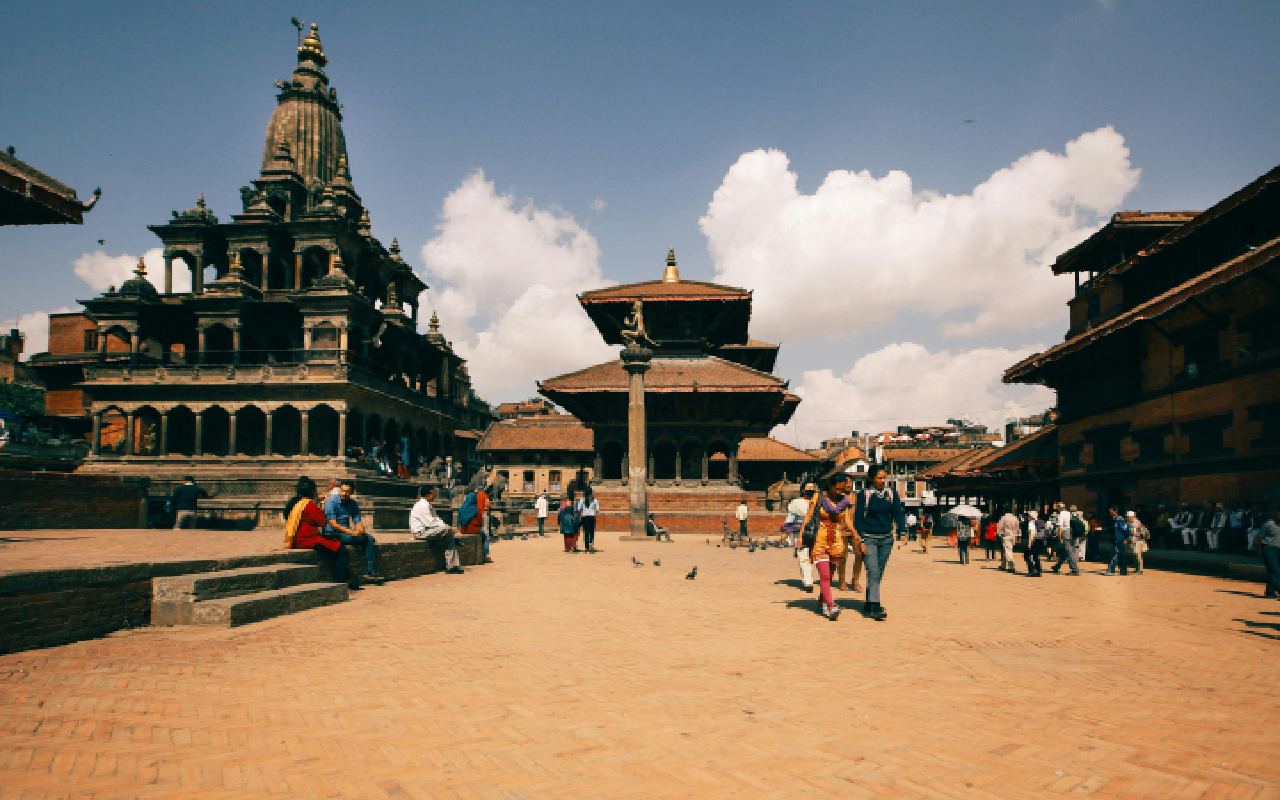
Patan Durbar Square is one of the three Durbar Squares in the Kathmandu valley, all of which are UNESCO world heritage sites. One of its magnetisms is the antique royal palace where the malla king of lalitpur resided. The square is full of ancient places, temples and place of pilgrimage noted for their delicate carvings.
Exploring the city of Lakes-Pokhara
Pokhara –the city of lakes contains lakes like Fewa Lake, Begnas Lake, Rupa Lake, Gude Lake, Neurani Lake, Maidi Lake and many others. Tourists visit pokhara valley to see the Himalayan range and lakes. Pokhara is very famous for boating, trekking, rafting, canoeing and bungee jumping.
Rafting on Bhote Koshi River
Bhote Koshi represents the forefront of river rafting. It is the steepest river rafted in Nepal technical and totally committing with a gradient of 80 feet per mile it is a full right time steeper than sunkoshi which it feeds further downstream.
Visit to National Parks
Nepal offers many National parks; it serves as one of the best collections of wildlife on the planet. The National parks of Nepal are the most varied in the world.
Panoramic flight over the Himalayas
Flight over the Himalayas in Nepal provides you the panoramic encounter with the highest peaks in the world.
Mountain biking in Kathmandu valley and Nepal
Nepal offers lots of opportunities to burn one’s adrenaline. Mountain climbing, rock climbing, trekking, Paragliding, rafting of mountain biking there’s something for every adventurer in this ruggedly beautiful country. Nepal offers the perfect mountain biking trails for mountain bikers looking for the next big adventure.