notification-icon Kailash Mansarovar Tour booking open for 2026

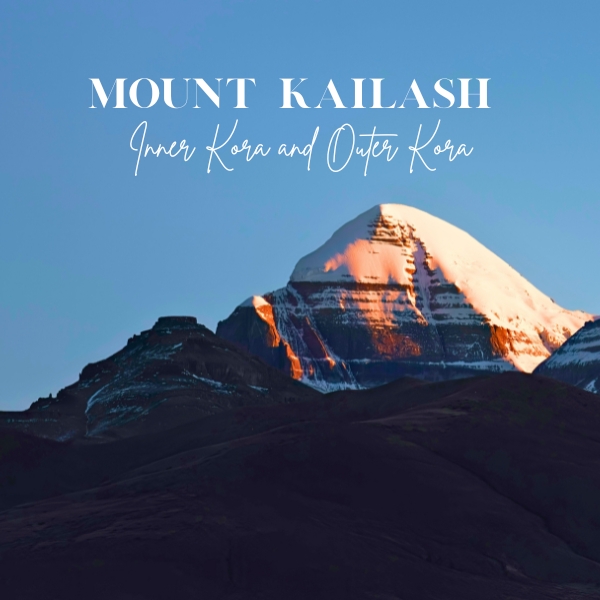
Mount Kailash Inner Kora and Outer Kora

Mount Kailash Inner Kora and Outer Kora
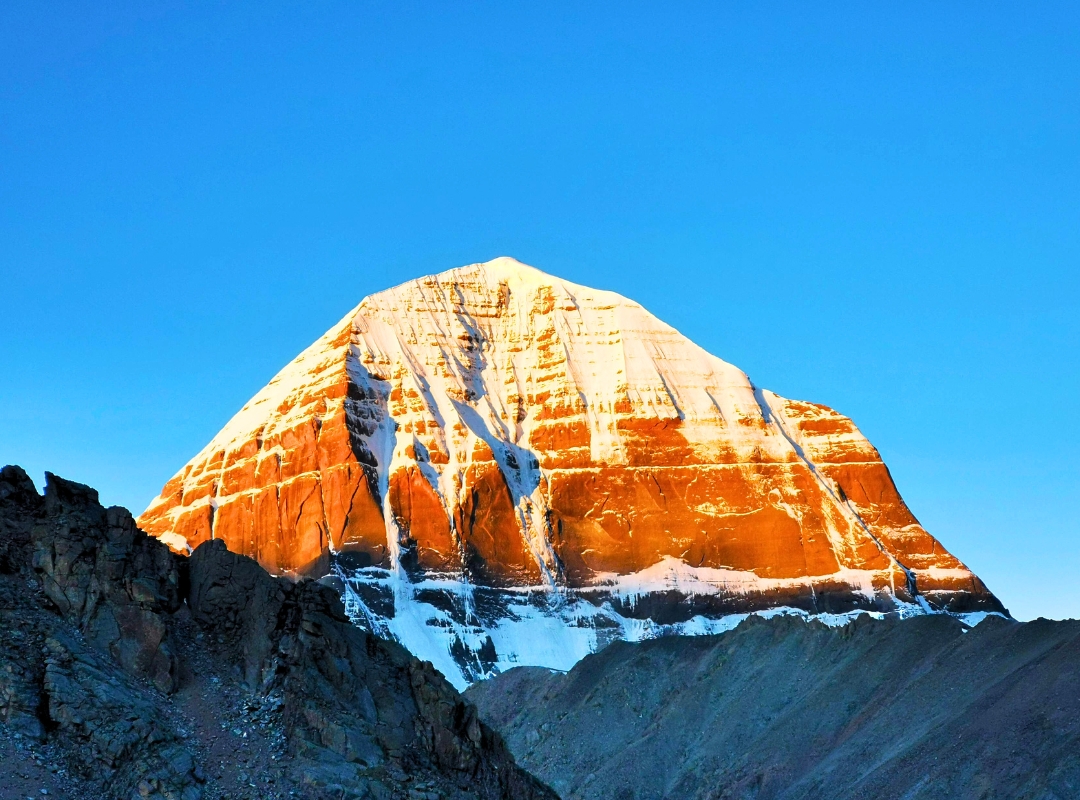
Mount Kailash

Mount Kailash is more than just a mountain in the Himalayan range. It is religion, spirituality, hope, and faith for millions of humans around the world. The Mount Kailash Inner Kora and Outer Kora are the most significant pilgrimages for Hindus, Buddhists, Jains, and Bon followers.

If you have decided to embark on the Kailash Yatra, you must read this Mount Kailash Inner Kora and Outer Kora blog. The blog explains the Kailash Inner Kora and Outer Kora in detail.

You will learn all the key places you will visit during the Mount Kailash Inner Kora and Outer Kora, their duration, distance, and fitness requirements. Along with that, short yet helpful information about how many Kailash Koras you should do.

Check out Kailash Mansarovar Yatra blog for updated information for 2026 dpearture.

What is Kailash Outer Kora?

The Kailash Outer Kora (parikrama) is three days of circumambulation around Mount Kailash. The Outer Kora forms a complete circle around Mount Kailash.

Pilgrims believe that the Kailash Outer Kora cleanses the sins of a lifetime, breaks the karmic cycle, brings spiritual rebirth, and allows them to form a deeper creation with Lord Shiva and the Universe.

Most pilgrims do the Outer Kora of Mount Kailash during their Kailash Yatra. It doesn’t involve technical sections or require a special permit.

Interesting fact: As per the ancient belief

➜ 1 Kailash Outer Kora equals one lifetime of purification.
➜ 13 Kailash Outer Kora leads to enlightenment.
➜ 108 Kailash Outer Kora leads to complete liberation (Moksha).

Kailash Outer Kora distance:

The Kailash Outer Kora distance is 52 kilometers. Devotees walk this distance in three days.

Kailash Outer Kora route:

Day 1: Drive from Darchen to Yam Dwar (6 km) and hike to Dirapuk

Day 2: Hike from Dirapuk to Dolma La Pass and descend to Zuthulpuk

Day 3: Descend from Zuthulpuk to Zongdui (ending point of Kailash Kora)

Kailash Outer Kora itinerary in detail:

Below, we have explained each day of the Kailash Outer Kora in detail:

Day 1: Drive from Darchen to Yam Dwar (6 km) and hike to Dirapuk

Distance: 17 km/10.5 miles

Altitude: 5,210 m/17,093 ft

Duration: 7-8 hours

Accommodation: Guesthouse

Yam Dwar (located in Tarboche) is the starting point of the Kailash Kora. From Darchen, Yam Dwar is located 6 km away. You will travel a distance in your vehicle. From Yam Dwar, you begin the Kailash Kora.

The trail follows the Lha Chu Valley northwards and ascends to the Dirapuk Monastery. On the way, you will witness stunning views of the north face of Mt. Kailash, Nandi Parvat, and Mt. Arawat.

We take a break for refreshments and enjoy a picnic lunch about halfway along the trail. Then, continue walking, enjoying the views of horses, blue sheep, and yaks grazing peacefully.

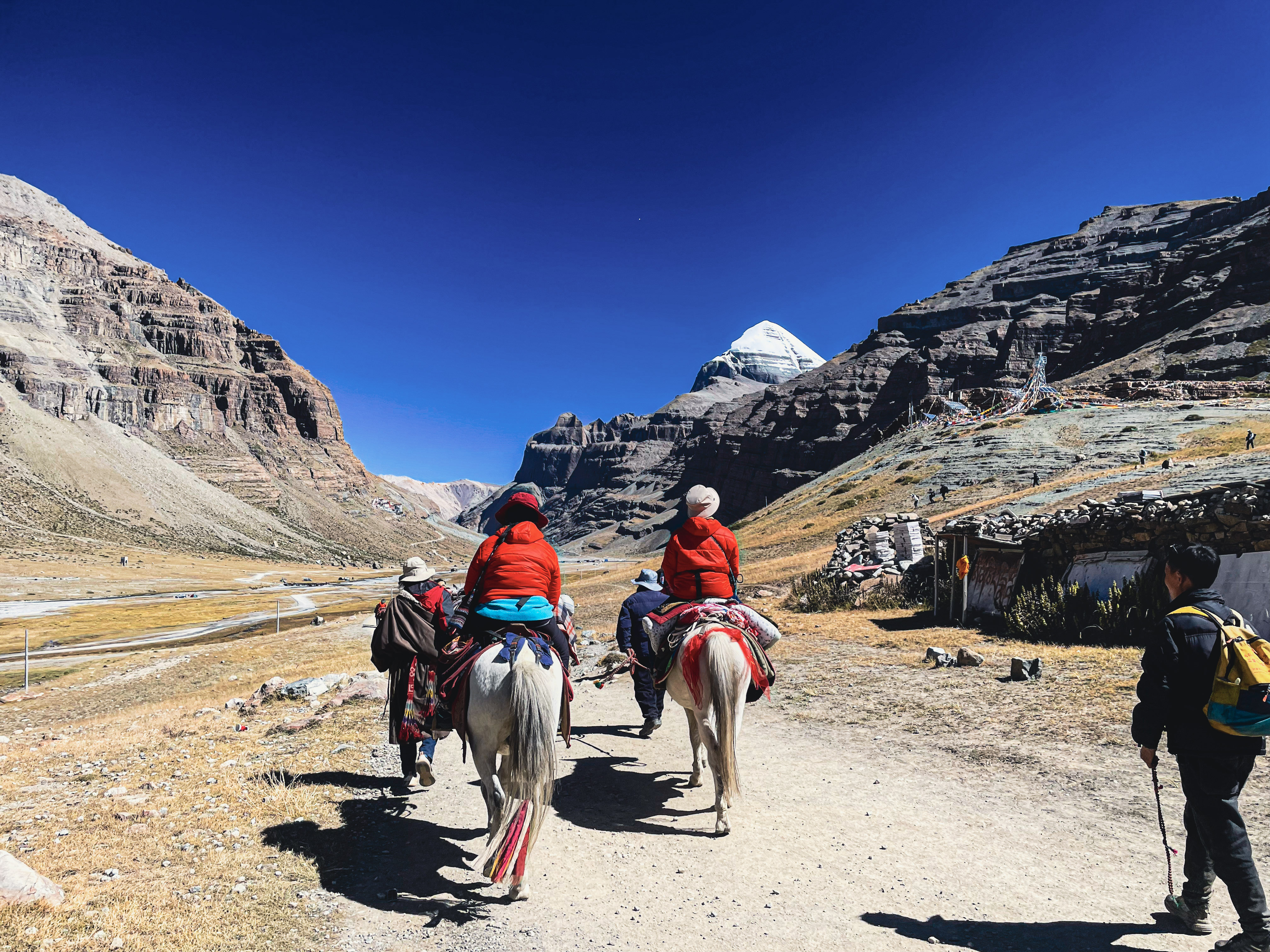
As you are walking above 4,500 meters, the weather will be cold and windy. So, dress up properly. Devotees who find walking at this elevation extremely challenging can hire a horse with a horseman.

Day 2: Hike from Dirapuk to Dolma La Pass (5,630 m/18,471 ft) and descend to Zuthulpuk

Distance: 22 km/13.6 miles

Altitude: 4,760 m/15,616 ft

Duration: 7-8 hours

Accommodation: Guesthouse

Begin the day early with a steep climb from Dirapuk. You will pass by Shivasthal (Jarok Donkhang) on the way. The trail offers a mesmerizing view of the eastern face of Mt. Kailash.

The top of the pass is marked with hundreds of prayer flags. Here, you can do a puja. You can see pilgrims following the Bon religion crossing the pass in an anti-clockwise direction.

Then descend from the pass to Zuthupuk following a long, rocky terrain that goes down to a valley. You can see Gauri Kunda while descending. Explore the Zuthulpuk Monastery, also known as Miracle Cave.

Hiking from Dirpauk to Dolama La Pass is challenging due to the thin air and low oxygen levels. You must maintain your pace and stay hydrated.

Day 3: Descend from Zuthulpuk to Zongdui (ending point of Kailash Kora)

Distance: 12 km/7.4 miles

Altitude: 4,670 m/15,321 ft

Duration: 5 hours

On the last day of the Kailash Kora, you will descend from Zuthulpuk to Zongdui. The terrain is not as steep as it was over the last two days. You will follow a river valley as you descend to Zongdui. From Zongdui, pilgrims usually drive to Saga the same day.

Places you will visit during the Kailash Outer Kora

While doing the Outer Kora of Mount Kailash, you will come across these places:

Yam Dwar (or Yama Dwar) – The gate of the God of Death

  • Yam Dwar is the starting point of the Kailash Outer Kora.
  • Yama or Yam is the god of death in Hindu mythology.
  • As per Hindu mythology, Yam Dwar is considered the gateway of heaven, and Yam guards the gate.
  • Many believe that passing through the Yam Dwar means you are leaving behind worldly sins and beginning a journey of spiritual purification and rebirth.

Dirapuk Monastery –

  • Dirapuk Monastery is the first place where you spend the night after starting the Kailash Kora.
  • It is situated at the northern base of Mount Kailash near the Lha-Chu river. So, from here you will see the closest view of the north face of Mount Kailash.
  • The Dirapuk Monastery is built around the retreat cave of the yogi Gotsangpa. He is believed to have discovered the way around Mount Kailash.

Dolma La Pass – The highest point you reach on Mount Kailash

  • Dolma La Pass is the highest point of the Kailash Yatra. Crossing this pass is also the most challenging part of the Kailash Kora.
  • The trail is steep and rocky, and pilgrims also have to deal with high altitude, strong winds, and cold.
  • The top of the pass is marked with colorful prayer flags and stupas.
  • Gauri Kund, a sacred lake, is situated just below the Dolmal Pass. This lake is associated with the goddess Parvati in the Hindu religion.

Zuthulpuk Monastery – The Miracle Cave

  • From Dolma La Pass, you descend to Zuthulpuk to spend the night.
  • Zuthulpuk Monastery is located on the east side of Mount Kailash.
  • It was built in the 13th century, but the present-day structure is from 1983.
  • In the center of the monastery, there is a meditation cave that is associated with Milarepa.
  • Milarepa brought Buddhism, and Naro Bonchung carried the Bon religion to Kailash. It is believed that they together built the Zuthulpuk Monastery.

What is Kailash Inner Kora?

The Kailash Inner Kora brings pilgrims to the heart of Mount Kailash. During the Kailash Inner Kora, devotees experience deepest spiritual energy.

Unlike the Kailash Outer Kora, pilgrims perform the Kailash Inner Kora in one day. It is an intense 34 kilometers of walking that also includes navigating technical terrain.

On the Kailash Inner Kora route, there are no teashops for refreshments. Therefore, devotees must be well-equipped and carry sufficient drinking water and food for the trail.

The Kailash Inner Kora brings you to the most sacred sites, including the feet of Lord Shiva. According to Tibetan spiritual masters and ancient texts, walking the Inner Kora of Mount Kailash is equivalent to attaining Moksha.
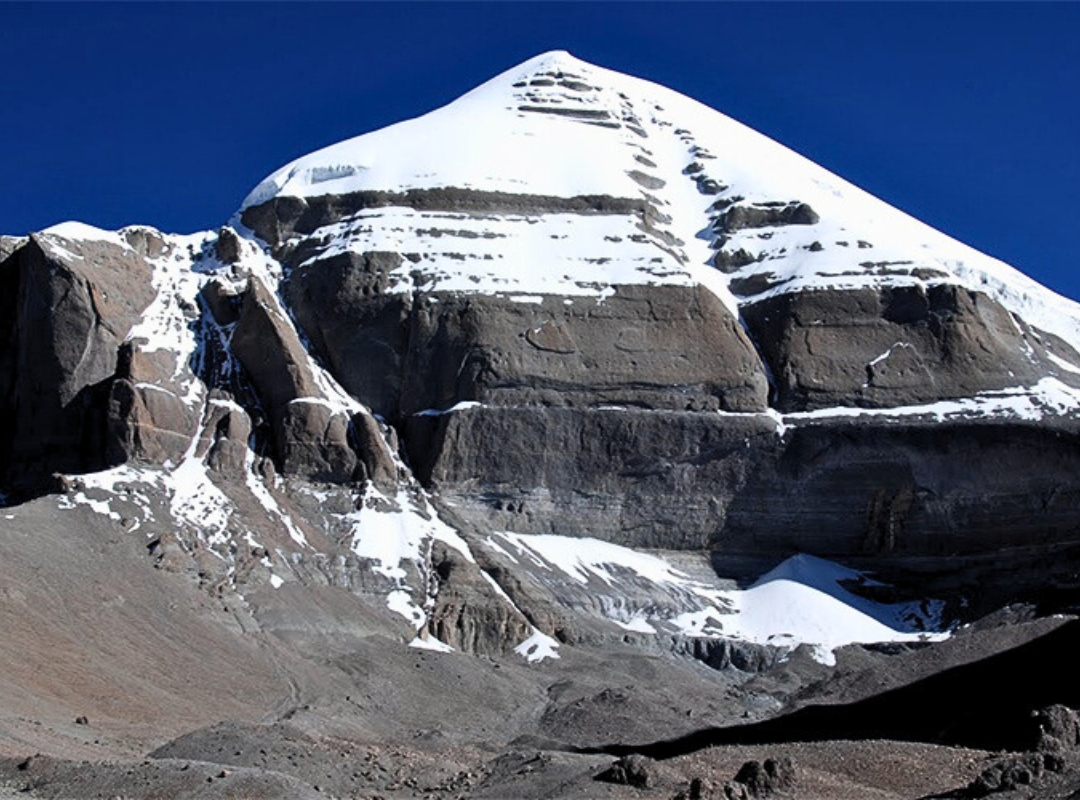
Mount Kailash Inner Kora and Outer Kora
Nandi Parvat

Kailash Inner Kora distance:

The Kailash Inner Kora distance is approximately 34 kilometers. You walk this distance in one day.

Kailash Inner Kora route:

The Kailash Inner Kora starts from Darchen. From here, you will hike to Serlung Gompa and continue to Ashthpad. The trail then follows steep, rocky terrain to Atma Linga and Saptarishi Cave, crossing Nandi La Pass. From Nandi La Pass, the trail descends back to Darchen, completing the Kailash Inner Kora.

Devotees who do the Kailash Inner Kora also cross the Kuberkunda Pass. They first ascend from Darchen to Dirapuk. Then, cross the Kuberkunda Pass and descend to Zuthulpuk.

The trail from Dirpauk to Shivasthal is the same. From Shivasthal, follow a different route that leads to the Kuberkunda Pass instead of the Dolma La Pass, and descend to Zuthulpuk.

Kailash Inner Kora itinerary in detail:

Below, we have explained each day of the Kailash Inner Kora in detail:

Day 1: Hike to Serlung Gumba (5,020 m/16,470 ft) and Saptarishi Cave (5,860 m/19,226 ft) via Atma Linga, cross Nandi Pass (5,805 m/19,045 ft) on the way, and descend to Darchen (4,670 m/15,321 ft)

Distance: 34 km/21 miles

Altitude: 5,805 m/19,045 ft

Duration: 9-10 hours

The Kailash Inner Kora begins from Darchen. From here, you will hike following a steep, downhill route west of the Nandi River to reach Serlung Gompa. Explore the monastery and continue hiking to the Saptarishi Cave.

The terrain to the Saptarishi Cave is quite technically challenging and requires the assistance of a professional guide who is knowledgeable about this route.

You may also have to use climbing gear such as crampons to cross this section. From here, you will hike to Atma Linga and cross the 13 Golden Chortens.

The 13 Golden Chortens are situated in a narrow fissure on the south face of Mount Kailash and are quite thrilling to navigate. Finally, you will reach the top of Nandi La Pass and descend back to Darchen.

Kuberkunda Pass route:

If you are interested in Kuberkunda Pass, look at the itinerary below:

Day 1: Hike from Darchen to Dirapuk

Distance: 17 km/10.5 miles

Altitude: 5,210 m/17,093 ft

Duration: 7-8 hours

Accommodation: Guesthouse

First hike from Darchen to Dirapuk. It is the same route as the Kailash Outer Kora. You will drive to Yam Dwar and begin hiking from here, following the Lha-Chu Valley northwards.

Day 2: Hike from Dirapuk to Zuthulpuk, crossing the east face of the Kuberkunda Pass (5,600 m/18,373 ft)

Distance: 22 km/13.6 miles

Altitude: 4,760 m/15,616 ft

Duration: 7-8 hours

Accommodation: Guesthouse

From Dirapuk, you will ascend following the same route till Shivasthal. From here, the trail to Kuberkunda Pass separates from the Dolma La Pass. Follow the steep, rocky trail to reach the top of the pass and descend to Zuthulpuk to spend the night.

Day 3: Descend from Zuthulpuk to Zongdui (ending point of Kailash Kora)

Distance: 12 km/7.4 miles

Altitude: 4,670 m/15,321 ft

Duration: 5 hours

After Zuthulpuk, you will descend to Zongdui following relatively easier terrain than the last two days. The Kora ends in Zongdui, and you drive back to Darchen or Saga to spend the night.

Some important things that travelers should know about the Kailash Inner Kora

  • The Kailash Inner Kora route goes through restricted areas of the inner valleys of Mount Kailash, so you need to get a special permit.
  • Even though the Kailash Inner Kora can be completed in one day, it is extremely physically demanding. So, only fit pilgrims are recommended to do it.
  • For the Kailash Inner Kora, you also need an authorized guide who is permitted to assist you during the journey.

Places you will visit during the Kailash Inner Kora

You will visit the following places during the Kailash Inner Kora:

The Kailash Inner Kora starts and ends at Serlung Gumba.

Serlung Gumba -> Asthapath -> Atma Linga -> Saptarishi Cave -> Nandi La Pass -> Serlung Gumba

Serlung Gumba –

  • Serlung Gumba is a monastery located near Darchen at the base of Mount Kailash.
  • It is one of the first landmarks you will see when doing the Kailash Inner Kora.

Asthapath (4,900 meters) – Eight Steps

  • Asthapath and Serlung Gumba are located closely. Asthapath holds significant importance for the Jain community.
  • As per their belief, Lord Rishabhden, the first Tirthankara, attained Nirvana here.
  • Jain pilgrims specifically visit this place to pay homage to Lord Rishabhden and seek blessings for spiritual liberation.

Atma Linga –

  • Atma Linga is a naturally formed sacred stone on the western side of Mount Kailash.
  • It represents the soul of Lord Shiva, which makes this site one of the key places during the Kailash Inner Kora.
  • This place symbolizes the eternal connection between devotees and the Supreme (Lord Shiva). Devotees believe that touching the Atma Linga brings supreme purification, blessings of Jnana, and a deep connection with Lord Shiva.

Saptarishi Cave –
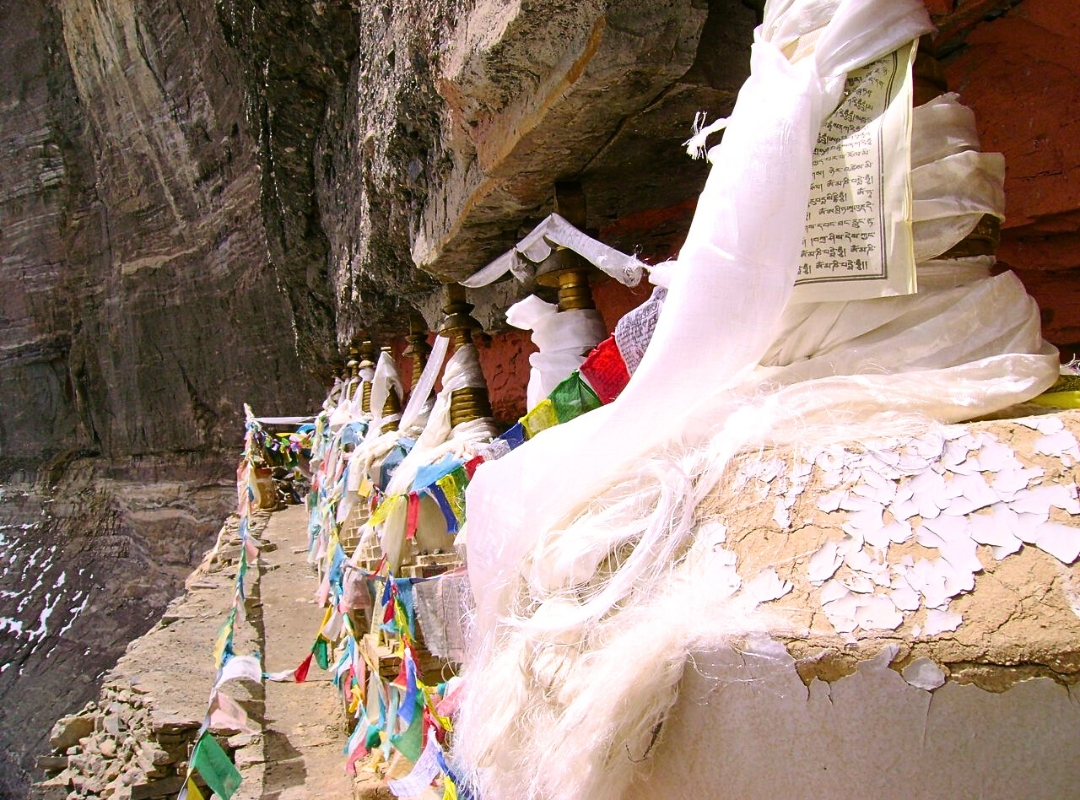
Mount Kailash Inner Kora and Outer Kora
Saptarishi Cave
  • The Saptarishi Cave is associated with the seven great Hindu Sages who are known as Saptarishis. It is believed that they have meditated in the Saptarishi Cave, and their energy still lingers in the cave.
  • Inside the cave, you can see 13 chortens.
  • To reach the Saptarishi Cave, you have to climb a wall that is almost 90 degrees vertical. This is the most challenging section of the Kailash Inner Kora route.

Nandi La Pass –

  • Nandi Pass elevation is 5,805 meters.
  • You cross this pass during the 34 kilometers Inner Kailash Kora. Depending on the pass condition, you may have to use climbing gear to cross it.
  • From the Nandi La Pass, the trail descends steeply to the river west of Nandi and brings you back to Serlung Gumba.

Kuberkunda Pass –

  • Kuberkunda Pass is a part of the Inner Kailash Kora route.
  • The pass elevation is 5,600 meters and offers an outstanding view of the east face of Mount Kailash, along with the Nandi Hill, Asthapath, and the source of the Uma River.
  • You cross the Kuberkunda Pass on the way from Dirapuk to Zuthulpuk. The route to Kuberkunda Pass separates from Shivasthal.

Who should attempt Mount Kailash Inner Kora and Outer Kora?

The Mount Kailash Inner Kora and Outer Kora are both physically challenging and require good fitness, health, and determination. However, the Kailash Inner Kora is not suited for everyone as it involves technical climbing and 34 kilometers of walking in one day.

CriteriaKailash Inner Kora

Kailash Outer Kora

Duration

1 day (more if you add the Kuberkunda Pass)3 days

Distance

34 kilometers (more if you add the Kuberkunda Pass)

51 kilometers

Physical fitness

Excellent fitness and strong stamina and endurance

Good basic fitness and ability to walk long hours

Highest altitude5,630 meters (18,471 ft)

5,805 meters (19,045 ft)

Health requirements

Not recommended to individuals with heart, lungs, or any serious medical conditionGood for travelers with normal health

Emotional and mental strength

High mental strength is required

Moderate mental resilience is required

Spiritual readiness

Deep spiritual intent, discipline, and inner focus

Suitable for pilgrims with devotion and desire for spiritual cleansing

Suitability for elderly pilgrims

Not suitable for elderly travelers

Recommended for elderly travelers

Guide requirement

Authorized Tibetan guide

Standard Tibetan guide

Who should choose it

Highly fit individuals who wants to experience highest level of pilgrimage or interested in exploring the restricted inner valleys of Mount Kailash

First-time travelers, elderly pilgrims, recommended to everyone with good health and basic fitness

How many Kora should one do around Mount Kailash?

Devotees perform Kora around Mount Kailash to cleanse their mind, body, and soul. It is a highly spiritual practice that is believed to bring you close to the higher energy.

According to ancient Hindu and Tibetan traditions, pilgrims can do a different number of Kora for spiritual merit and liberation. 1, 13, and 108 Koras are mostly done by the pilgrims.

*Note that you do not have to do the multiple Kailash Koras in one trip. Pilgrims do it over multiple years.

*Typically, our Mount Kailash Inner Kora and Outer Kora itineraries involve only one complete Kora around Mount Kailash. However, if you are interested in doing multiple Kailash Kora, let us know. We will plan the itinerary and services as per that.

1 Kora = Cleansing of Lifetime Sins

  • Erase the sins of a lifetime
  • Even 1 Kailash Kora is considered a life-changing milestone

13 Kora = Nirvana

  • Bring pilgrims close to Nirvana, the ultimate spiritual liberation
  • Usually done over multiple years
  • Each Kora deepens humility, spiritual insight, and connection with the divine

108 Kora = Complete Liberation

  • Pilgrims do the 108 Kora of Mount Kailash for Moksha (complete liberation from the cycle of life and death)
  • Extremely rare and requires dedication and devotion
  • Requires multiple pilgrimages over one’s lifetime

Final words:

The Kailash Kora is not easy. It tests your endurance, mental and emotional strength, discipline, determination, and faith. We hope this blog has clarified the difference between Mount Kailash Inner Kora and Kailash Outer Kora for you.

Whether you do the Kailash Inner Kora or Kailash Outer Kora, it will be a lifetime journey that is destined to change your life. However, given high altitude, fitness and health requirements, and high expenses, you should be mindful while picking one.

If you have any questions or confusion, feel free to contact us anytime. We, Leaf Holidays, specialize in Kailah Yatars. We know everything about Mount Kailash Inner Kora and Kailash Outer Kora. You can travel safely and confidently with us if you choose us as your travel partner.
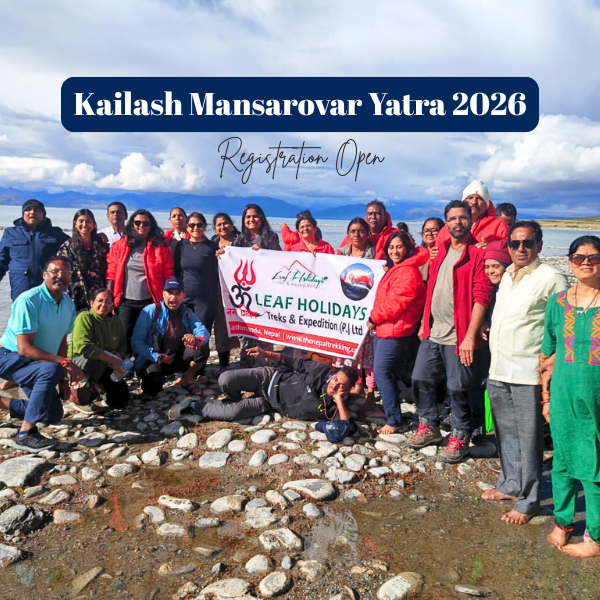
Kailash Mansarovar Yatra 2026

Kailash Mansarovar Yatra 2026

View during Kailash ParikramaIf you are in search of a trustworthy, reliable travel agency for yourKailash Mansarovar Yatra 2026, Leaf Holidays is your best option.

We, Leaf Holidays, are one of the most reputable travel agencies based in Kathmandu, Nepal, for the Kailash Yatras.

Whether you want to do the Kailash Mansarovar Yatra 2026 via overland, Lhasa, or helicopter, we are your one-stop solution.

Kailash connects different religions. Whether you are a Hindu, Jain, Buddhist, or Bon follower, you can join us for the Kailash Yatras. In fact, we specialize in Kailash darshan for Hindus.

*In 2025, we organized the Kailash Mansarovar Yatra for many Hindu groups. You can check our special photo gallery blog here to see our 2025 groups.

We are here to streamline your Kailash Mansarovar Yatra in 2026. Our Kailash Mansarovar Yatra 2026 price is unbeatable. And the service we offer at this price is unbelievable.

You will be accompanied by our professional guides and team members who know the Kailash area inside out. We have many years of experience, so we know what we are doing and how to make the trip hassle-free for you.

You can do the Kailash Mansarovar Yatra confidently and safely with us in 2026. For more information about the trip, kindly talk to us.

You can learn about Mount Kailash here. 

The most popular route for the Kailash Mansarovar Yatra in 2026 is the overland tour via Kathmandu, Nepal. This route is best for acclimatization. Travelers of all ages can do the Kailash Yatra without much worry of high altitude via the Kerung route.

You can check out the full Kailash Mansarovar overland tour package here. Likewise, below we have shared some of our other famous Kailash Mansarovar Yatra packages for 2026:

Kailash Mansarovar Yatra via Lhasa

Kailash Mansarovar Yatra via Helicopter

Kailash Mansarovar Yatra via Lucknow

Kailash Nandi Kora

Kailash Mansarovar Yatra 2026 itinerary

*Indians can do the Kailash Yatra via Kerung in just 14 days. The 16 days itinerary is specially for foreigners.

Day 01: Arrive at Kathmandu Airport and transfer to the hotel

Day 02: Visit the Chinese Embassy to complete the Tibet Visa process

Day 03: Waiting for visa process- visit Pashupatinath, Guheshwori Temple, and Bouddhanath Stupa

Day 04: Receive the visa and spend the evening packing and exploring Monkey Temple

Day 05: Drive from Kathmandu to Timure

Day 06: Drive from Timure to Kerung

Day 07: Acclimatization in Kerung

Day 08: Drive from Kerung to Saga

Day 09: Drive from Saga to Paryang (4,700 m/15,420 ft) to Mansarovar

Day 10: Drive from Mansarovar Lake to Darchen

Day 11: Trek from Darchen to DiraPuk

Day 12: Trek from DiraPuk to ZuthulPhuk via Dolma La Pass (5,630 m/18,471 ft)

Day 13: End of Kailash Parikrama and drive to Saga

Day 14: Drive from Saga to Kerung (Tibet-Nepal border)

Day 15: Drive from Kerung to Kathmandu

Day 16: Final transfer to the international airport for the flight back home

Kailash Mansarovar Yatra 2026 during Full Moon

Many yatris choose the full moon period to do the Kailash Mansarovar Yatra because it is believed that the full moon amplifies spiritual energy.

Meditation and prayers become more powerful during the full moon period. Likewise, Karma is cleansed more deeply during the full moon.

*During the full moon, many pilgrims visit Kailash Mansarovar, so there can be a rush at the border and the Tibetan side.

What additional expenses can you expect during the Kailash Mansarovar Yatra 2026?

In Kathmandu, you have to use Nepalese rupees for personal expenses. Likewise, in Tibet, you have to use Chinese Yuan for personal expenses.

Our Kailash Mansarovar Yatra 2026 package includes all major expenses, but things like tips, travel insurance, souvenirs, and bar bills are not covered in the package price.

What is the Kailash Mansarovar Yatra group size usually?

Our Kailash Mansarovar Yatra 2026 group size can go from 20 to 35 people. We can also arrange a private Kailash Mansarovar Yatra in 2026 for shorter or larger groups.

Can you pick your own departure date?

During the private Kailash Mansarovar Yatra, you can pick your own departure date.

What kind of hotels do you typically stay in during your visits to Nepal and Tibet?

During the Kailash Mansarovar Yatra from Nepal, you will spend five nights in Kathmandu and one night in Timure.

In Nepal

➙ Kathmandu: 3-star hotel

*In Kathmandu, travelers can also upgrade to 5-star hotel. Additional charge apply.

➙ Timure: Nice hotel

In Tibet

➙ Kerung, Saga, and Darchen: Nice hotel

➙ Mansarovar Lake, Dirapuk, and Zuthulpuk: Nice guesthouse

*You spend four nights in Kathmandu at the start of the tour to obtain a Chinese Group Visa. It takes 3 to 4 days for visa processing. After returning from the yatra, you will spend one night in Kathmandu.

*All hotels and guesthouses are booked on twin-sharing. If you prefer a single room, you will need to pay an additional amount.

Transportation during the Kailash Mansarovar Yatra 2026

During the Kailash Mansarovar Yatra 2026, we provide a comfortable tourist-standard bus, as per the group size, to travel from Kathmandu to the Timure border.

After crossing the border, we will change into a premium A/C coach to travel to Mansarovar Lake and Darchen.

While sightseeing in Kathmandu, we will provide a premium vehicle to travel around the monuments.

Documents required for the Kailash Mansarovar Yatra 2026

For Indians:

  1. Indian passport (with at least 6 months of validity beyond the travel date)
  2. Voter ID Card and Aadhaar Card (acceptable identification within Nepal)
  3. Passport-sized photographs
  4. Medical checkup document
  5. Emergency contact information
  6. Travel insurance (optional)

For foreigners:

  1. Valid passport with 6+ months of validity and blank pages for visa stamps
  2. Nepal visa (if entering via Kathmandu)
  3. Passport-sized photographs
  4. Medical checkup document
  5. Emergency contact information
  6. Travel insurance (optional)

Kailash Mansarovar Yatra 2026 permits and Chinese visa

For the Kailash Mansarovar Yatra 2026, you will need the following permits:

  1. Tibet Travel Permit (TTP)
  2. Alien Travel Permit (ATP)
  3. Military Permit
  4. Chinese Group Visa

Toilet condition on the way to Mansarovar Lake

The toilet facility is very basic and limited during the Kailash Mansarovar Yatra. If you are mentally prepared, you can manage.

In Kathmandu and Timure, you will have no issue with toilets and cleanliness.

In Kerung, Saga, and Darchen, the toilet facilities are decent. Toilets are usually shared squat-style in these places. You have to bring toilet paper and other necessities.

In Mansarovar Lake, Dirapuk, and Zuthulphuk, toilets are very basic and usually very far from where pilgrims do puja. Similarly, the toilets can get smelly and are not cleaned frequently.

*Pilgrims usually accept it out of respect for their god. Traveling to Kailash Mansarovar Yatra is generally considered letting go of comfort and accepting simplicity.

Hygiene necessities every yatri must pack during Kailash Mansarovar Yatra:

  • Toilet paper rolls (pack extra)
  • Wet wipes and tissues
  • Paper soap
  • Hand sanitizer
  • Sanitary pads (if needed)
  • Small trash bags
  • Personal privacy shawl
  • Disposable gloves (optional but helpful)

What is the age limit for the Kailash Mansarovar Yatra 2026?

The official age limit for Kailash Mansarovar Yatra 2026 by the Ministry of External Affairs (MEA) is 8 to 70 years old. However, travelers below the age of 8 and above the age of 70 years can also do the Kailash Mansarovar Yatra with us if they are physically fit and are in good health. For more information, we recommend contacting us.

How do you keep in touch with your friends and family during the Kailash Mansarovar Yatra?

To stay in touch with your friends and family, you can open an international roaming facility from your sim service provider. Alternatively, you can also purchase a Chinese Sim card with your passport in Kerung for the trip. Our team will help you with that.

What type of food will be provided during the Kailash Mansarovar Yatra 2026?

We provide delicious pure vegetarian food during the Kailash Mansarovar Yatra 2026. In addition to that, we provide unlimited mineral water to our guests.

Kailash Parikrama 2026

Our Kailash Mansarovar Yatra includes three days of Outer Kailash Parikrama. It starts from Darchen and goes to Dolma La Pass via Dirapuk and descends to Zuthulphuk.

YamDwar (starting point of the Kailash Parikrama) -> Dirapuk -> Zuthulphuk via Dolma La Pass -> Zongdui (ending point of the Kailash Parikrama)

How much do you have to walk during the Kailash Parikrama?

Kailash Parikrama distance is 51 km.

Kailash Parikrama route:

➙ Darchen to YamDwar (6km away from Darchen) to Dirapuk (5,210 m/17,093 ft): 17 km/10.5 miles

➙ Dirapuk to Zuthulphuk (4,760 m/15,616 ft) via Dolma La Pass (5,630 m/18,471 ft): 22 km/13.6 miles

➙ Zuthulphuk to Zongdui: 12 km/7.4 miles

What if you don’t want to do the Parikrama?

If you do not want to do the Kailash Parikrama, you can stay at Darchen until others return from Parikrama. One of our team members will be with you to ensure your safety and comfort.

What if you don’t want to do Parikrama on foot?

If you do not want to do the Kailash Parikrama on foot, you can do the Parikrama on a horse. You can hire a horse and a horseman for three days for the Parikrama for around 2,900 Chinese Yuan per person, horse and porter for around 4,200 Yuan, and only porter 1,300 Yuan. Kindly understand that it is not a fixed rate.

*Even with a horse, you have to walk 2 to 3 hours.

Is it possible to return without doing the Kailash Parikrama or without waiting for other group members?

We can arrange an early return for you, but you have to bear additional expenses such as visa splitting charge, separate transportation, accommodations, food, guide, etc. We highly recommend that you talk to us for more information.

How fit do you need to be for the Kailash Mansarovar Yatra 2026?

To do the Kailash Mansarovar Yatra in 2026, you have to be in good health and shape. It is a high-altitude journey, so people with asthma, heart conditions, and diabetes have to be more careful and must consult a doctor.

The Kailash Parikrama is the toughest part of this entire trip. It is three days of walking at high altitude and rugged terrain. If you wish to complete the Parikrama on foot, you have to be fit enough to walk 6 to 7 hours a day for three days.

Kailash Mansarovar Yatra 2026 travel insurance requirement

Our Kailash Mansarovar Yatra 2026 package does not include travel insurance for the travelers. So, travelers have to get it by themselves.

Though we do not mandatorily require travel insurance for the Kailash Mansarovar Yatra, we recommend that travelers get it. It must include medical bills and emergency evacuation.

Kailash Mansarovar Yatra 2026 cost

Our Kailash Mansarovar Yatra 2026 cost is INR 65,000 + USD 1,600 per person. This is the price of our 14 days Kailash Mansarovar Yatra package for Indians.

We have many other Kailash Mansarovar Yatra packages via different routes and durations. You can check them here and book the one that best suits you.

If you want to customize your private Kailash Mansarovar Yatra 2026, feel free to talk to our team. We will be more than happy to curate your Kailash Yatra in 2026.

Can you pay the USD amount in INR?

Yes, you can pay the USD amount in INR.

Do you have to pay USD 1,600 at the border or in Kathmandu?

You have both options available. However, if you choose to pay at the border, you have to bring the currency in US dollars. In Kathmandu, you can give us INR equivalent to USD 1,600. Our team will handle currency exchange.

Kailash Mansarovar Yatra 2026 booking

To book the Kailash Mansarovar Yatra in 2026 with Leaf Holidays, travelers have to book their seat at least 45 to 60 days before their desired departure date.

A 15% booking deposit is needed to confirm the trip. The trip is not guaranteed without the booking deposit.

Travelers have to clear 100% of the INR balance at least 15 days before departure.

The remaining USD 1600 travelers can pay upon reaching Kathmandu.

*During international transactions, your bank may charge a service fee. If the amount received by us is less due to the third-party charges, we request the client to clear the due amount before the trip starts.

*Failure in payment can lead to trip cancellation. Leaf Holidays Treks will not be forced to provide service without full trip payment.

Kailash Mansarovar Yatra 2026 cancellation policy

Below, we have shared our Kailash Mansarovar Yatra 2026 cancellation policy:

1. If the trip is cancelled after booking confirmation, USD 100 (or equivalent amount) will be charged

2. If the trip is cancelled after the permit is issued, USD 300 (or equivalent amount) will be charged

3. If the trip is cancelled after the visa application has been submitted, USD 500 (or equivalent amount) will be charged

4. If the trip is canceled 2 days before departure or after the trip has commenced, no refund will be made

*There will be no refund if you voluntarily leave the trip after it starts.

*The cancellation charge depends on the day you send us the cancellation mail.

Kailash Mansarovar Yatra dates 2026

Below, we have shared the Kailash Mansarovar Yatra dates 2026 for Indians and foreigners. This is our fixed departure date for the Kailash Mansarovar overland tour 2026.

Kailash Mansarovar Yatra dates 2026 for Indians

Kailash Mansarovar Yatra dates 2026 for Indians

Kailash Mansarovar Yatra dates 2026 for foreigners

Kailash Mansarovar Yatra dates 2026 for foreigners

Kailash Mansarovar Yatra 2026 registration

Kailash Mansarovar Yatra 2026 early registration is open. The Yatra runs between May and November, so you can book your trip accordingly.We recommend booking your seat at least 45 to 60 days before your intended departure date. To book the yatra, feel free to contact us anytime.

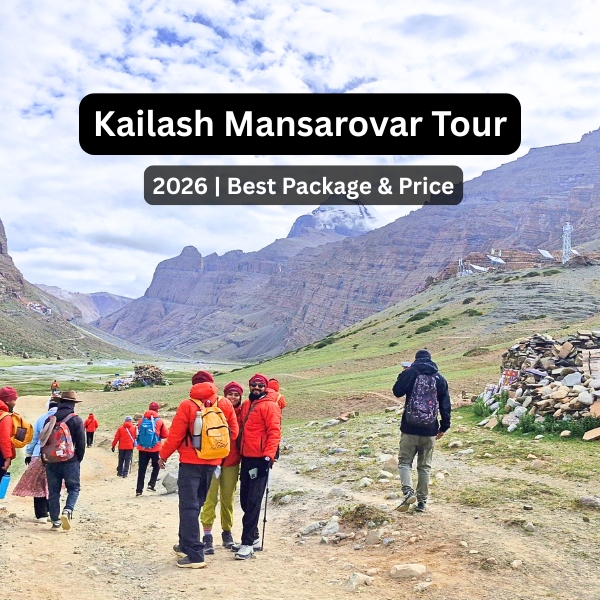
Kailash Mansarovar Tour

Kailash Mansarovar Tour
Our guests during the Kailash Mansarovar tour

The Kailash Mansarovar tour is a spiritual journey to the heart of the Himalayas, where Lord Shiva and Goddess Parvati reside. The tour will take you to the holy Mount Kailash and the sacred Mansarovar Lake in remote western Tibet.

It is a 16-day overland trip that begins in Kathmandu and takes you to Tibet via the Timure-Kerung (Nepal-Tibet) border. Before leaving Kathmandu, you will explore the ancient temples and palaces this city has to offer and have a glimpse of Nepali culture.

Although there are a few other routes to travel to Kailash and Mansarovar Lake, such as the Kailash Mansarovar tour via Lhasa, the Lhasa EBC Kailash tour, and the Kailash Heli tour, the Kailash Mansarovar overland tour is definitely the most preferred route.

The overland route to Kailash offers better acclimatization opportunities, allowing travelers to feel less affected by the high altitude, and the risk of altitude sickness is also lower. The overall journey is also quite comfortable because you travel from Kathmandu to Mansarovar in a premium tourist bus.

The Kailash Mansarovar tour is a life-changing voyage for both adventurers and Hindus, Buddhists, Jains, and Bon devotees. This tour is not only spiritually enriching but also very adventurous and thrilling. Mt. Kailash has also always been a center of numerous legends, myths, and rumors.

From the Pyramid Theory and Accelerated Aging to the Axis Mundi and the Forbidden Mountain, if you are into uncovering mysteries, the Kailash Mansarovar tour will keep you on your toes.

There are also intriguing rumors about Mt. Kailash and Mansarovar Lake, such as the Strange Sound like machinery coming out from Mt. Kailash, the Twin Lakes (Mansarovar and Rakshastal) representing the sun and moon, and Mt. Kailash’s alignment with monuments like the Pyramids of Giza and Stonehenge.

The Kailash Mansarovar tour takes you from the lush hills of Nepal to the vast Tibetan plateau. As the journey unfolds, you will witness some of the most stunning mountains in the Himalayan range, such as Langtang Lirung, Shishapangma, Nandi Parvat, Gurla Mandhata, and Gaurishankar.

In this blog, we have talked in detail about the Kailash Mansarovar tour. We have shared the best Kailash Mansarovar tour itinerary, some helpful information for the travelers, tips to make the most out of your journey, Kailash Mansarovar tour package price & how to budget for additional expenses, and why you must try to do the Kailash Mansarovar tour in 2026 (the Year of the Horse).

“If you are planning to do the Kailash Mansarovar tour in 2026 or 2027, this blog is a must-read. This blog contains information based on our first-hand expertise in organizing Kailash Mansarovar tours and tips from our previous travelers.”

Why should you do the Kailash Mansarovar tour in 2026?

The Horse Year Significance:

2026 is a rare cosmological year that comes every 12 years. As per the Chinese zodiac, 2026 is the Horse Year. This year is considered auspicious for any pilgrimage, including the Kailash Mansarovar tour.

It is believed that doing the Kailash Kora or any pilgrimage in 2026 will be 13 times meritful. So, one Kailash Kora in 2026 will be equal to 13 Kailash Koras.

So, if you are planning to do the Kailash Mansarovar Yatra anytime soon, you should definitely consider doing it in 2026.

Better infrastructure than 2025

After a long halt, the Kailash Mansarovar tour resumed in 2025. For our travelers and us, 2025 was a very good year for the Kailash Mansarovar Yatra.

We believe 2026 will be even better. The infrastructure will be better, security will be stronger, and there will be more clarity and structure to the journey.

Travellers can expect a smooth and hassle-free Kailash Mansarovar tour and a less complicated visa and permit process.

Kailash Mansarovar tour

Kailash Mansarovar tour itinerary

Below, we have shared our meticulously planned Kailash Mansarovar tour itinerary for 2026. As you are most likely to travel from sea level, you will spend a few days in Kathmandu acclimatizing (while waiting for the Tibet Group Visa) and then also take an acclimatization break in Kerung.

*For a private Kailash Mansarovar tour, we can also customize the itinerary and services in the Kailash Mansarovar tour package as per your preference.

Day 01: Arrive at Kathmandu Airport and transfer to the hotel

Altitude: 1,300 m/4,265 ft

➙ We will pick you up from the airport and drop you off at the hotel in a private vehicle.

Day 02: Visit the Chinese Embassy to complete the Tibet Visa process

➙ Visit the Chinese Embassy to apply for the Tibet Group Visa.

➙ After embassy work, you have the remaining day free.

Day 03: Waiting for visa process- visit Pashupatinath, Guheshwori Temple, and Bouddhanath Stupa

➙ Visit Pashupatinath Temple, Guheshwori Temple, and Bouddhanath Stupa with one of our friendly tour guides.

Day 04: Receive the visa and spend the evening packing and exploring Monkey Temple

➙ Receive the Tibet Group Visa.

➙ Explore the Monkey Temple later in the day.

➙ Do the final shopping for the Kailash tour and pack your duffel bags.

Day 05: Drive from Kathmandu to Timure

Distance: 165 km/102 miles

Altitude: 1,760 m/5,774 ft

Duration: 6-7 hours

➙ The road from Kathmandu to Timure is well-made for the most part. Some sections are bumpy once you enter the hilly roads.

➙ Enjoy beautiful scenery and mountain vistas during the ride.

Day 06: Drive from Timure to Kerung

Distance: 40 km/25 miles

Altitude: 2,900 m/9,514 ft

Duration: 3 hours

➙ A short drive from Timure will bring you to Kerung.

➙ Our team will help you with border checking.

➙ Change the vehicle on the other side of the border and drive to the hotel in Kerung.

➙ The remaining day is free to rest and acclimatize.

Day 07: Acclimatization in Kerung

➙ We will drive or hike to a higher altitude near Kerung and return to spend the night in the same hotel for acclimatization.

Day 08: Drive from Kerung to Saga

Distance: 230 km/143 miles

Altitude: 4,640 m/15,223 ft

Duration: 5-6 hours

➙ Huge elevation jump from Kerung to Saga, but acclimatization in Kerung will help you adjust to the altitude.

➙ Scenic ride. You will cross a long tunnel on the way and pass by the beautiful Peluk Lake.

Day 09: Drive from Saga to Paryang (4,700 m/15,420 ft) to Mansarovar

Distance: 447 km/277.7 miles

Altitude: 4,590 m/15,059 ft

Duration: 8-9 hours

➙ Leave Saga early in the morning and drive to Mansarovar Lake, crossing Meiyuma La Pass (5,211 m) and Paryang on the way.

➙ See the Yarlung Tsangpo (river), the source of the holy Brahmaputra River.

➙ Witness breathtaking views of mountains like Everest, Cho Oyu, Shisapangma, Makalu, etc.

➙ Explore Mansarovar Lake and pray.

➙ Explore Rakshastal, west of Manasarovar Lake.

Day 10: Drive from Mansarovar Lake to Darchen

Distance: 40 km/25 miles

Altitude: 4,670 m/15,321 ft

Duration: 1-2 hours

➙ Short drive from Mansarovar.

➙ Darchen is the last settlement situated at the foot of Mt. Kailash.

Day 11: Trek from Darchen to DiraPuk

Distance: 17 km/10.5 miles

Altitude: 5,210 m/17,093 ft

Duration: 7-8 hours

➙ A short drive from Darchen will bring you to YamDwar, the starting point of Kailash Kora (Parikrama).

➙ You can see the north face of Mt. Kailash on the way to DiraPuk.

➙ The trail gradually ascends from rocky and meadow-filled to the Lha Chu Valley.

➙ Explore Choku monastery and Dirapuk monastery.

Day 12: Trek from DiraPuk to ZuthulPhuk via Dolma La Pass (5,630 m/18,471 ft)

Distance: 22 km/13.6 miles

Altitude: 4,760 m/15,616 ft

Duration: 7-8 hours

➙ From DiraPuk, you will ascend to Dolma La Pass.

➙ It is the most challenging day of the whole trip because you will ascend 5,000 meters above sea level.

➙ From Dolma La Pass, the trail descends to Gauri Kund, leading you to Lham Chu Valley and drops to ZuthulPhuk.

Day 13: End of Kailash Parikrama and drive to Saga

Distance: 12 km/7.4 miles

Altitude: 4,670 m/15,321 ft

Duration: 5 hours

➙ The trail descends to Dzong Chu Valley from ZuthulPhuk.

➙ The Kailash Kora ends at Zongdui. From here, you will drive to Saga, following the same route.

Day 14: Drive from Saga to Kerung (Tibet-Nepal border)

Distance: 250 km/155 miles

Altitude: 2,700 m/8,858 ft

Duration: 8-9 hours

➙ Leave Saga early in the morning and drive back to Kerung following the same route.

Day 15: Drive from Kerung to Kathmandu

Distance: 150 km/93 miles

Altitude: 1,300 m/4,265 ft

Duration: 8-9 hours

➙ It is the same route that you used at the start of the trip.

➙ Our team will help you with border formalities.

➙ Upon reaching Kathmandu, we will drop you off at the hotel.

➙ The evening is free.

Day 16: Final transfer to the international airport for the flight back home

➙ Depart for your home today.

➙ Our representatives will drop you off at the international airport in Kathmandu.

Things you should know before booking the Kailash Mansarovar tour

If you are thinking about doing the Kailash Mansarovar tour, you must know these things:

High altitude:

The Kailash Mansarovar tour takes you to the roof of the world, the Tibetan plateau. It is not like your other pilgrimages. You will literally travel 5,500 meters above sea level during the Kailash Mansarovar tour.

And it is not normal for humans to experience this kind of altitude, unless they do not come from a high altitude town or village. Above 2,500 meters, high altitude effects begin to become obvious.

The higher you go from this point, the lower the oxygen level gets, which can lead to altitude sickness if not acclimatized. Pilgrims usually do not understand the seriousness of high altitude trips like the Kailash Mansarovar tour and suffer throughout the journey.

First, you need a thoughtfully planned itinerary that helps in acclimatization. We already got your back for that. Second, you have to be proactive when it comes to keeping yourself hydrated during the tour.

You have to religiously drink at least 2 liters of water daily, soups, and ginger-honey tea. Third, do not rush and maintain a good balance of sleep and food during the trip.

Additionally, our team will monitor your health during the tour and help you with their tips and tricks to get used to the high altitude. Nevertheless, awareness of altitude sickness during the Kailash Mansarovar tour is important.

Read our Altitude Sickness during the Kailash Mansarovar Yatra blog if you are interested to learn more about it. We have shared many helpful tips to manage altitude sickness during the Kailash Mansarovar tour in this blog.

The Kailash Kora (Parkrama) is physically and mentally challenging:

Most of the time, the extreme faith of the pilgrims brings them to Kailash. All they know is they want to pay a visit to their god and forget to understand, address, or prepare for the challenges it carries.

The Kailash Kora is 51 km long. You hike for three days straight to cover 51 km on foot. Not only that, but the Kailash Kora route is also situated at a high altitude.

You will walk 6 to 8 hours a day, 4,000 meters above sea level, facing cold weather and wind. The trail is rocky and uneven, and becomes steep as you get close to Dolma La Pass.

You will be challenged physically and mentally during the Kailash Kora. So, we recommend exercising and improving your stamina before the trip begins for the best experience.

The unpredictable Himalayan weather:

The weather in the Himalayas is unpredictable. There can be sudden snow or rain, and the sky can get gloomy anytime. Likewise, you can experience crystal clear sky with perfect sunlight even on an unexpected day.

Therefore, while packing for the Kailash Mansarovar tour, you have to pack for all kinds of weather. Remember, even in summer, the temperature can drop below freezing point. So, you need thermal clothes, fleece, and a down jacket in the summer season.

Read more about the Kailash Mansarovar tour packing list and how to layer clothes in this blog.

Kailash Mansarovar tour best time:

The Kailash Mansarovar tour runs from May to October. You cannot do this tour in other months because the route remains closed. Between May and October, you can travel any time to Kailash Mansarovar.

For instance, June and August are high pilgrimage times. So, if you are doing the Kailash Yatra for spirituality, you will love the energy and festivity in June and August.

For a quieter Kailash Mansarovar tour experience, we recommend early days of May or October. June and September usually have a moderate crowd.

We have explained the Kailash Mansarovar tour experience each month in detail in our Best Time to do the Kailash Mansarovar Yatra blog.

Basic facilities:

Kailash Mansarovar is a remote area. After Darchen, you spend three days in a basic but clean and comfortable guest house (during Kailash Kora). Services will be limited. There will be no network. Food will be filling but simple.

You will feel comfort from the divine and spiritual energy instead of modern conveniences during the Kailash Mansarovar tour!

Kailash Mansarovar tour permits and visas:

The Kailash Mansarovar is a restricted area in Tibet and heavily protected, too. To travel here, you need several permits and a Chinese Group Visa.

We begin the Kailash Mansarovar tour from Kathmandu (Nepal), so a Nepalese travel visa is also required (Indians do not need Nepal’s travel visa).

Kailash Mansarovar tour permits (overland from Kathmandu, Nepal):

  • Tibet Travel Permit (TTP): Issued by the Tibet Tourism Bureau
  • Alien’s Travel Permit (ATP): Required for visiting restricted areas like Ngari and the Kailash/Mansarovar region in Tibet
  • Military/Foreign Affairs Permit: Required due to the proximity of the Indian and Nepalese borders

Kailash Mansarovar tour visa:

  • Chinese Group Visa
  • Nepal Travel visa (if you are entering Tibet via Nepal) (not required for Indian travelers)

*Learn more about the Nepal travel visa on this site.

Kailash Mansarovar tour rules:

  • You cannot travel to Kailash Mansarovar on your own or independently with a travel agency. Only group Kailash Mansarovar tours are allowed.
  • Travelers must be between 13 and 70 years old to do the Kailash Mansarovar tour. If you do not fall into this age group, kindly contact us for more information.
  • It takes around 20 to 25 days to process all the Kailash Mansarovar tour permits, so booking the trip at least 30 to 45 days early to your intended departure date is recommended.
  • A medical clearance is required for high altitude.

Choose an experienced operator:

If you want to do the Kailash Mansarovar Yatra, traveling with an authorized travel agency is a must. The tour operator you choose highly determines your overall Kailash Mansarovar tour experience, safety, and the value of the money you spend.

We, Leaf Holidays, are a Kathmandu-based travel agency. We specialize in Kailash Mansarovar trips and have firsthand experience. You can check out our reviews from our Kailash Mansarovar tour 2025 groups.

We have also created a special photo gallery blog of our Kailash Mansarovar 2025 trips that you can go through to see what our guests think about us and our service.

An experienced tour operator will:

  • Handle the permit and Chinese Group Visa for you.
  • Ensure your safety and comfort.
  • They will take care of transportation and hotel reservations.
  • You will have an experienced guide along with a team to handle the logistics during the tour.
  • There will be no hidden charges during the tour, and you will be pre-informed about any additional personal expenses.
  • There will be no fraud or scam. You will get what you are promised while booking the trip.
Kailash Mansarovar tour
Our guests having lunch during the Kailash Kora

Tips to make the most out of your Kailash Mansarovar tour

Pack clothes for all weather, but make sure you are not overpacked.

We highly recommend packing extra pairs of socks, undergarments, hats, gloves, and pants.

Make a photocopy of all essential documents and keep a few passport-sized photos for a backup.

If you have motion sickness, consult your doctor and get medication that will help you through the overland tour.

Pack sour candies, mints, etc, to munch while driving. It will help you calm down.

Pack ORS or electrolytes. They are great for instant hydration and an energy boost.

Get a hot water bag that you can use without electricity. You do not have to look for electricity to warm it up. Just add hot water (which you will have access to throughout the trip), and you are good to go.

If you are sensitive about bedding and pillow covers, you can bring your personal bedsheet and pillow cover for the tour. Some travellers also like to bring their personal blanket. Make sure it is not huge and heavy. You can bring a throw blanket.

The guest house can get quite noisy, especially during the high pilgrimage months. So you can consider packing earplugs or earmuffs.

During the tour, eat light and nutritious meals.

You will need comfortable hiking shoes for the Kailash Kora. Your hiking shoes should be supportive for your ankle and good for rugged terrain. Make sure you get used to your shoes before the tour starts to avoid the risk of blisters.

Understand that Mount Kailash and Mansarovar Lake are sacred destinations for many religions. So, you will see different cultures, rituals, and beliefs here. Be respectful towards everyone.

Kailash Mansarovar tour package

We have many Kailash Mansarovar tour package options. In this blog, we have specially introduced our Kailash Mansarovar overland tour package. However, you can also do the Kailash Mansarovar tour via Lhasa, Beijing, or by helicopter with us.

You can check our Kailash Mansarovar tour packages on this page.

Our Kailash Mansarovar tour package includes:

  • Kailash Mansarovar tour permits
  • Chinese Group Visa
  • Accommodation and food in Kathmandu
  • Accommodation and food during the tour
  • Transportations as per the itinerary
  • Guide and support staff
  • The company’s service charge and government taxes

Similarly, the Kailash Mansarovar tour package does not include the following expenses:

  • Nepal Travel Visa fee
  • Travel insurance
  • International flights to/from Kathmandu
  • Personal expenses like bar bills, charging, WiFi, etc, during the tour
  • Tips for the guide, the driver, and our support team
  • Shopping and souvenir
  • Porter or horse rental during Kailash Kora
  • Extra nights out in our itinerary
  • Any expense not mentioned in the Cost Include list

*Note:

Book your Kailash Mansarovar tour early. We need time to obtain the necessary permits for the Kailash Mansarovar tour, and you need time to prepare and pack for the tour.

The Kailash Mansarovar tour is not a trip that you can do at the last minute. So, be mindful of that and get your seat early. Additionally, booking early can also allow you to get the best price and rooms.

Kailash Mansarovar tour package price

Our 16 days Kailash Mansarovar tour package price starts at USD 3,000 per person. But we also have special offers for bigger groups.

If your group has 16 to 25 travelers, you can do the Kailash Mansarovar tour at just USD 2,800 per person.

Moreover, for a group of 26 or more travelers, we have an even better price – USD 2,675 per person.

Do you need more discounts? Contact us and let’s see what we can offer you.

Below, we have shared our Kailash Mansarovar tour package price in a table for different group sizes:

Group sizePackage costBooking link
1-15USD 3,000 per personClick here
16-25USD 2,800 per personClick here
26 or moreUSD 2,675 per personClick here

What are the additional expenses during the Kailash Mansarovar tour?

Our Kailash Mansarovar tour package price covers all the major expenses. We have already shared what is included in our package and what is not.

However, here we are listing all the additional expenses that you may come across during the Kailash Mansarovar tour.

Bar bills

Extra sacks (we provide three vegetarian meals during the tour)

Shopping for the tour

Souvenirs

Tips for guides, drivers, and the support team

WiFi, charging, and hot shower charges during Kailash Koara (if there are any)

*We are crystal clear with our Kailash Mansarovar tour pricing and what is included in it. You will not face any hidden charges with us. If you have any questions regarding the Kailash Mansarovar tour price, feel free to talk to us anytime.

Final thought

The Kailash Mansarovar tour is a dream trip and requires proper preparation. The feeling of Kailash darshan goes beyond words. We can only share a little with our words.

It is a journey packed with adventure, spirituality, divine energy, and stunning mountain vistas and landscapes. During the Kailash Mansarovar tour, you will also have a glimpse of Nepali and Tibetan culture, too.

Whether you are traveling to Kailash Mansarovar to be close to Lord Shiva or to relish the adventure this trip offers, we will be your reliable travel partner.
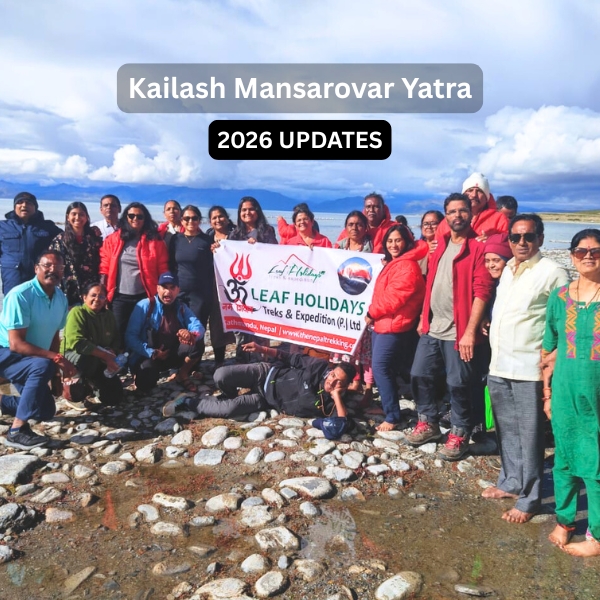
For an unforgettable spiritual journey and a life-changing experience, we highly recommend the Kailash Mansarovar tour and make your Kailash Kora blessings 13 times stronger by doing it in 2026.

You do not have to worry about anything when traveling with us to Kailash Mansarovar. We will guide you in each step and ensure your safety. Whether you are a solo traveler or traveling with your friends and family, feel free to reach out to us to do the Kailash Mansarovar tour in 2026. Kailash Mansarovar tour bookings are open for the 2026 departures.

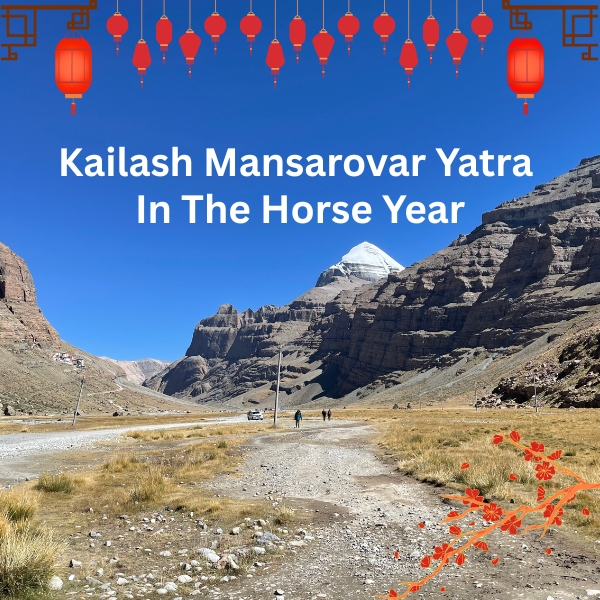
Kailash Mansarovar Yatra In The Horse Year

Kailash Mansarovar Yatra In The Horse Year
Our guests during the Kailash Mansarovar Yatra

The Kailash Mansarovar Yatra in the Horse Year makes your wishes 12 times stronger and presents good fortune, life force, success, and protection.

The Comis energy is also highly active in the Horse Year. Therefore, meditation, prayer, and the Kailash Parikrama (Kora) are more effective.

The Kailash Mansarovar Yatra in the Horse Year also brings liberation (Moksha), cleanses sins of multiple lifetimes, breaks negative karma cycles, and brings blessings for future births.

The Kailash Mansarovar Yatra is not a simple pilgrimage. It is a once-in-a-lifetime journey that will take you deep into the heart of the Himalayas, where devotees experience the high cosmic energy.

Doing the Kailash Mansarovar Yatra at the right time can multiply the blessings more than 10 times, and this makes 2026, the Horse Year, highly auspicious.

Many pilgrims wait specifically for the Horse Year to do the Kailash Mansarovar Yatra. And this idea is followed not only by Buddhist pilgrims but also by Hindus, Jains, and Bon followers.

*Missing the Horse Year in 2026 means you have to wait for more than a decade to be in this auspicious period again. So, if you have ever dreamed of Kailash Mansarovar Yatra, we highly recommend doing it in 2026. Our Kailash Mansarovar Yatra 2026 bookings are open. Contact us for more information.

Check our Kailash Mansarovar packages here. 

Kailash Mansarovar Yatra Fire Horse Year: Mahakumbh of Kailash

In Tibetan Buddhism, the Fire Horse Year is known as the Mahakumbh of Kailash. This rare celestial event occurs only once every 60 years, following the Tibetan and Chinese 60-year calendar cycle.

Horse – the 7th animal in the 12-year zodiac
Fire – one of the five elements (Wood, Fire, Earth, Metal, Water)

2026 is not only going to be just a Horse Year but the Fire Horse Year, which makes it extremely rare and highly auspicious. 

Why is the Kailash Mansarovar Yatra in the Horse Year so special

  • The Horse Year occurs once every 12 years
  • A 12-year cycle leads to an increase in spiritual merit (punya) by 12 times
  • Highly active Cosmic energy

As per Tibetan Buddhism:

The Tibetan calendar follows a 12-year animal zodiac cycle. Each year is represented by an animal (Mouse → Ox → Tiger → Rabbit → Dragon → Snake → Horse → Sheep → Monkey → Bird → Dog → Pig).

According to the Tibetan lunar calendar, the Horse Year is highly auspicious and holds deep spiritual importance, especially for the Kailash Mansarovar Yatra.

The Horse Year comes once every 12 years and is associated with movement, strength, spiritual energy, and transformation.

As per the Tibetan Buddhist belief, performing the Kailash Parikrama (kora) in the Horse Year will be equal to 12 parikarmas. This is what makes the Kailash Mansarovar Yatra in the Horse Year very special.

As per the Hindu spiritual context:

The spiritual symbol of the Horse (Ashva) is deeply embedded in Hinduism. The horse represents cosmic energy, speed of consciousness, and Prana (life force) in Hinduism.

Lord Shiva is associated with Dynamic cosmic movement as well as time and transformation. Likewise, as per the ancient Vedic rituals, such as the Ashvamedha Yajna, the horse means Universal renewal and spiritual authority.

In short, the cosmic energies are going to be more active in the Horse Year, and completing the Kailash Mansarovar Yatra in this period will cleanse past Karma, accelerate spiritual awakening, and bring blessings across lifetimes.

Brief overview of Mount Kailash, Mansarovar Lake, and Kailash Parikrama

Mount Kailash, Mansarovar Lake, and Kailash Parikrama are the three sacred elements that center around the Kailash Mansarovar Yatra.

Mount Kailash (6,638 m):

Mount Kailash is situated in the remote western Tibetan Plateau, within the Ngari Prefecture of China’s Tibet Autonomous Region (near the Nepal and India border).

It is the source of Asian rivers, such as the Sutlej, Indus, Brahmaputra, and Karnali. Mt. Kailash is known as the spiritual axis of the Universe (Mount Meru).

Unlike other Himalayan mountains, Kailash holds huge spiritual significance in many religions, and climbing this mountain is prohibited.

  • For Hindus, Kailash is the cosmic home of Lord Shiva.
  • For Buddhists, Kailash is a sacred meditation mountain
  • For Jains, Kailash is the place where Rishabhadeva attained liberation
  • For Bon practitioners, Kailash is a powerful spiritual center

Mansarovar Lake (4,590 m):

Mansarovar Lake is situated near Mt. Kailash. It is one of the highest freshwater lakes in the world and has significant religious importance.

According to Hindus, Mansarovar Lake was created by Lord Brahma. Taking a dip in this lake is believed to cleanse sins and negative karma.

Likewise, drinking water from this lake is considered spiritually purifying. Devotees cleanse themselves and spiritually prepare for the Kailash Kora at Mansarovar Lake.

The Kailash Parikarma (kora):

The Kailash Parikarma is also known as Kailash Kora. It is a 3-day circumambulation around Mount Kailash.

The Kailash Kora distance is approximately 53 kilometers. Devotees complete this distance in three days of hiking.

The Kailash Parikrama begins at Yam Dwar. It is located around 6 km from Darchen. Likewise, the Kora ends in Zongdui.

First day of Kailash Kora: Yam Dwar to DiraPuk (5,210 m/ 17,093 ft) – 

On the first day of the Kailash Kora, you will walk from Yam Dwar to DiraPuk. It is 17 km (10.5 miles) of hiking and takes 7 to 8 hours.

Second day of Kailash Kora: DiraPuk to Dolma La Pass (5,630 m/18,471 ft) to ZuthulPhuk (4,760 m/15,616 ft) – 

Dolma La Pass is the highest point you will reach during the Kailash Kora. From DiraPuk, the trail ascends to the top of Dolma La Pass and descends to ZuthulPhuk. It is 22 km (13.6 miles) of hiking and takes 7 to 8 hours.

The third day of Kailash Kora: ZuthulPhuk to Zongdui – 

On the third day of Kailash Kora, you will walk 12 km (7.4 miles). The trail descends to Zongdui, where the kora ends. It will take around 5 hours.

Is it mandatory to do the Kailash Yatra in the Horse Year?

Kailash Mansarovar Yatra in the Horse Year is a personal choice. It is not mandatory to do the Kailash Mansarovar Yatra in the Horse Year.

Horse Year is a highly preferred time for the Kailash Mansarovar Yatra due to its spiritual and cosmic importance. However, pilgrims can do the Kailash Mansarovar Yatra in any year.

We have made a comparison table below for the Kailash Mansarovar Yatra in Horse Year and non-Horse Year:

Aspect

Horse Year Pilgrimage

Non-Horse Year Pilgrimage

Parikrama Value

1 Kora ≈ 12 Koras (belief-based)

1 Kora = 1 Kora

Occurance

Every 12 years

Available every open year

Religious Importance

Considered the most auspicious year

Sacred but not exceptional

Pilgrim Crowd

Very high

Moderate 

Spiritual Atmosphere

Intense collective energy

Quieter, more personal

Ideal For

First-timers, elderly, once-in-a-lifetime pilgrims

Everyone

Availability

Limited slots, fast sell-out

More flexible

Planning & Booking

Needs early booking

Easier logistics

Best time to do the Kailash Mansarovar Yatra Horse Year

The Kailash Mansarovar Yatra Horse Year will be open from May to October. Between May and October, the weather conditions in the western Tibetan range are relatively stable. Therefore, the routes are opened for pilgrimage.

  • May to June has overall excellent weather. The climate is on the warmer side with clear skies and stable road conditions.
  • July to August sees vibrant spiritual activity. These months see the highest numbers of pilgrims. The environment is quite spiritually intense.
  • September to October offers crisp mountain air, clear skies, and fewer crowds.

The table below shows the details of the Kailash Mansarovar Yatra in different month:

Month

Weather

Crowd Level

May

Cold but stable

Medium

June

Ideal

High

July

Occasional rainfall

High

August

Unstable

High

September

Clear & dry

Medium

October

Cold but managable

Low

Final thoughts: Is the Kailash Mansarovar Yatra in the horse year worth it?

The Kailash Mansarovar Yatra in the Horse Year is considered one of the most spiritually rewarding. The Kailash Mansarovar Yatra is fruitful in any year, but some years are special as per the cosmic values and astrology.

If you are thinking of doing the Kailash Mansarovar Yatra in 2026 or in the next few years, we highly recommend considering 2026 because of the Horse Year significance.

  • Complete 1 Kailash Kora and get the benefits of 12 Kailash Koras.
  • Experience high Cosmic energy.
  • Ideal for karma cleansing and life transformation.
  • Association with life force, fortune, and spiritual elevation.

We, Leaf Holidays, specialize in Kailash Mansarovar Yatra. We organize the Kailash Mansarovar Yatra via different routes. Book your Kailash Mansarovar Yatra seat early because the demand is quite high.

We have a very easy and simple booking procedure. All you have to do is pick the Kailash Mansarovar package you are interested in from our site and secure your seat by sending us your booking request.

You only have to make a 15% booking deposit and rest amount you can clear 15 days before the trip starting date. For more information, feel free to talk to us. We organize both group and private Kailash Mansarovar Yatras.

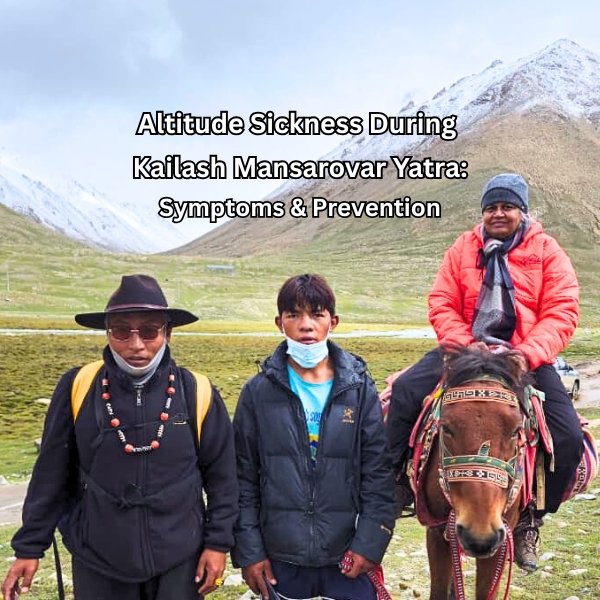
Altitude Sickness During Kailash Mansarovar Yatra

Altitude Sickness During Kailash Mansarovar Yatra
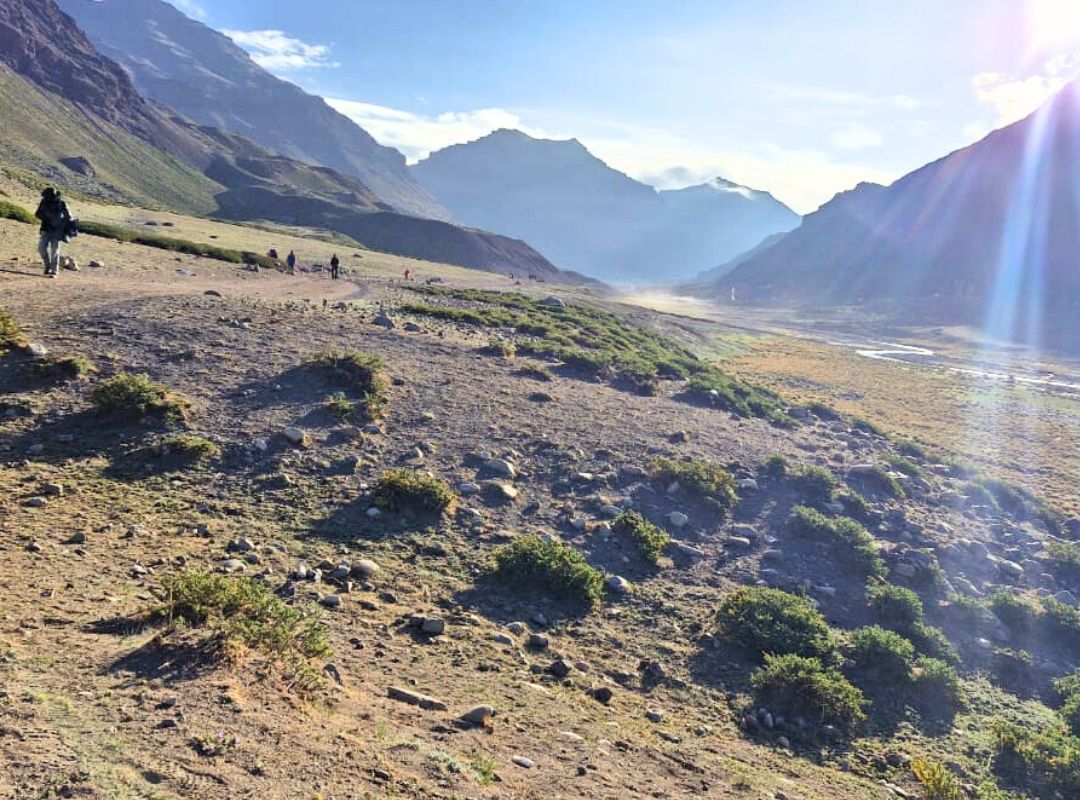
A part of Kailash Kora route

Read this blog to learn about altitude sickness during Kailash Mansarovar Yatra. This blog is easy to read and understand. It will provide all the information on high altitude traveling and dealing with its effects. 

Mount Kailash and Mansarovar Lake are located in one of the highest parts of the world, the Tibetan Autonomous Region. You will travel 4,000 meters above sea level during the Kailash Mansarovar Yatra.

And the highest altitude travelers reach on this trip is 5,630 meters (Dolma La Pass). Every year, the strong faith of devotees brings them to Kailash Mansarovar from all around the world.

But they usually fail to comprehend the altitude they will experience during this sacred pilgrimage. Altitude sickness during the Kailash Mansarovar Yatra is quite common, and most pilgrims overlook it during their preparation for the trip.

Kailash Mansarovar Yatra has long been seen as a pilgrimage, so travelers give the religious side of the journey much more priority. High altitude is something that is less talked about.

So, even though pilgrims know they will be traveling to high altitude during the Kailash Mansarovar Yatra, they do not realize its consequences, nor do they prepare for it.

In this guide, you will learn everything about altitude sickness during Kailash Mansarovar Yatra. We will discuss its cause, symptoms, and preventive measures and share helpful tips.

Do not miss out on this information about altitude sickness during Kailash Mansarovar Yatra. This information can make a huge difference to your safety and journey during the Kailash tour.

First, let’s talk about the altitude gain during the Kailash Mansarovar Yatra.

Kailash Mansarovar altitude 

Below, we have shared the altitude gain during two popular Kailash Mansarovar Yatra routes:

Kailash Mansarovar Yatra overland route:

If you are doing the Kailash Mansarovar Yatra from Kathmandu, you will begin the journey from 1,324 meters. From Kathmandu, you will travel to Kerung at 2,900 meters.

Kathmandu to Kerung will be the first high-altitude jump. Then, you will travel to Saga at 4,640 meters the next day. It is the major altitude jump, and if you are not acclimatized, suffering from altitude sickness is inevitable.

Therefore, we have added an acclimatization day in Kerung, which lowers the risk of altitude sickness.

Kailash Mansarovar Yatra from Lhasa:

Likewise, if you are doing the Kailash Mansarovar Yatra from Lhasa, you are most likely to begin the journey in Kathmandu at 1,324 meters. Lhasa is one of the highest cities in the world at 3,650 meters.

You can reach Lhasa in under one and a half hours by flight from Kathmandu. So, you gain more than 2,000 meters in a very short time. It includes a high risk of altitude sickness.

So, we have included an acclimatization in Lhasa too. After Lhasa, you will spend a night in Shigatse at 3,860 meters and travel to Saga at 4,640 meters.

Spending a night in Shigatse is best for acclimatization because you will ascend Kora La (5,010 m) and Kamba La (4,794 m) passes on the way from Lhasa to Shigatse. It means you will ascend high and sleep at a low altitude, which is the golden key of acclimatization.

You see, regardless of the route you follow, quick elevation gain is given during the Kailash Mansarovar Yatra. So, it is important that you understand how to navigate high altitude.

Kailash Mansarovar Yatra altitude table and chart:

In the table below, you can see the elevation of places you may spend a night at during the Kailash Mansarovar Yatra as per your itinerary:

LocationsAltitude
Kathmandu1,324 m/4,344 ft 
Lhasa3,650 m/11,975 ft
Shigatse 3,860 m/12,664 ft
Simikot 2,901 m/9,518 ft
Hilsa 3,640 m/11,942 ft
Taklakot 4,755 m/15,600 ft
Timure1,760 m/5,774 ft
Kerung2,900 m/9,514 ft
Saga4,640 m/15,223 ft
Mansarovar Lake4,590 m/15,059 ft
Darchen4,670 m/15,321 ft
Dira-Puk5,210 m/17,093 ft
Dolma La Pass5,630 m/18,471 ft
ZuthulPhuk 4,760 m/15,616 ft
Dolma La Pass5,630 m/18,471 ft

Kailash Mansarovar overland tour altitude chart:

The chart below shows the elevation fluctuation if you do the Kailash Mansarovar overland tour:

Kailash Mansarovar Yatra from Kerung altitude chart

Kailash Mansarovar Yatra from Lhasa altitude chart:

The chart below shows the elevation fluctuation if you start the Kailash Mansarovar Yatra from Lhasa:

Kailash Mansarovar Yatra from Lhasa altitude chart

Effects of high altitude during Kailash Mansarovar Yatra

You can see how drastically the altitude fluctuates during the Kailash Mansarovar Yatra in the above charts. The fluctuation in elevation brings a change in climate, oxygen levels, and air pressure.

The higher you ascend, the lower the oxygen level gets. Most humans are not used to low oxygen levels, so if they do not adjust to high altitude, the risk of altitude sickness increases.

This is the reason why we highly emphasize including acclimatization days in your Kailash Mansarovar Yatra itinerary.

Constant climate change:

One of the first things you will experience during the Kailash Mansarovar Yatra is climate change. As you travel from one place to another, you will feel the climate getting colder. It is because the temperature drops the higher you ascend in the Himalayas.

Even during the peak summer months, June and July, the climate is cold, and you have to wear warm clothes. So, we recommend pilgrims pack enough warm clothes and a high-quality outer layer to protect them from cold weather.

Check out more information about the Kailash Mansarovar best time, weather, and climate in this blog.

Reduced oxygen levels:

The higher you ascend, the lower the oxygen level drops. Between 4,500 meters and 5,000 meters, the oxygen level is nearly 40% lower than at sea level.

It is a huge oxygen level gap to adjust to for someone who has never been exposed to high altitude. Some travelers adjust to high altitude just fine, but some don’t.

Acute Mountain Sickness (AMS):

Acute Mountain Sickness, or altitude sickness, is the result of not acclimatizing. If your body does not acclimate, it will begin to suffer symptoms like headache, vomiting, dizziness, breathlessness, nausea, etc.

Suffering from these symptoms while traveling is not easy, and the higher you ascend, the worse your symptoms can get. So, addressing the altitude sickness symptoms is important before you ascend any further.

*Please do not take altitude sickness symptoms lightly. It can ruin your trip. Likewise, if the symptoms are not treated on time, they can progress and make it worse.

Increased heart rate and blood pressure:

Because the oxygen level drops at high altitude, your heart has to work harder to deliver oxygen all around your body. So, travelers with heart conditions or hypertension may feel discomfort.

This is the reason why we strongly advise travelers with medical conditions to consult their doctor about the Kailash Mansarovar Yatra.

The Kailash Mansarovar area is cold. If you are very sensitive to cold, we recommend that you consider this trip once. Or, talk to our experienced travel consultants to see what we can offer to help you bear the cold during the trip.

The climate is cold even in summer. Near Dolma La Pass, chilly winds and exposure to cold can be too much for some travelers. So, definitely think twice before signing up for the Kailash Kora.

How to manage high altitude during Kailash Mansarovar tour?

Managing high altitude during the Kailash Mansarovar tour is the most important aspect of the journey. With the right preparation, support, pacing, and awareness, altitude sickness risk and other altitude-related issues can be minimized significantly.

Understand the altitude profile of the Kailash Mansarovar trip and include acclimatization days accordingly:

We have already shared the altitude profile of the Kailash Mansarovar trip above. Whatever route you choose, you will follow the same altitude profile from Saga.

If you are completely new to high altitude trips, consider traveling to somewhere above 2,500 meters before the Kailash Mansarovar tour begins. It is highly recommended.

Alternatively, you can go on a day hike and incorporate endurance training in your daily life. As per your fitness and past high altitude experience, add acclimatization days in your Kailash Mansarovar tour itinerary.

Take it slow and maintain a steady pace:

Avoid exertion on your first 2-3 days of the trip. We understand your excitement level, but you have to calm yourself and relax to adjust to the high altitude. Walk slowly and rest.

During Kailash Kora, take frequent breaks to catch your breath and ascend slowly. Maintain a steady pace to avoid getting tired quickly. Enjoy the journey. You do not have to rush or meet anyone’s pace.

Keep yourself hydrated:

One of the most helpful pieces of advice we can give to anyone planning to do the Kailash Mansarovar Yatra is to keep themselves hydrated during the trip. A dehydrated person is much more likely to suffer from altitude sickness than a hydrated person.

Drink small sips of water frequently. Aim to drink at least 2 liters of water daily. Drink warm water because it is easy on your body in a cold climate. Likewise, drink herbal tea, soups, and other soupy foods.

Ginger-honey tea is our favorite drink for hydration. It does wonders for acclimatization. Similarly, you can carry electrolytes for instant hydration during the journey.

Eat carbohydrate-rich food:

While traveling to high altitude and especially during the Kailash Kora, you will spend more energy than you may have imagined. So, you have to be well-fed. Carbohydrate-rich meals keep you full for a long time and provide ample energy.

We recommend having easily digestible meals such as rice, chapati, potatoes, porridge, soups, and broths. Avoid overeating and oily/spicy food during the Kailash Mansarovar tour.

Get your 8 hours of sleep:

High altitude can ruin your sleep, but you have to get at least 7 to 8 hours of sleep daily to be in the best condition. At high altitude, your body and mind will not function properly if they are not well rested. So, have warm teas and snuggle yourself into warm blankets to get a good night’s sleep daily.

Keep yourself warm at all times:

We cannot emphasize how important it is to keep yourself warm during the Kailash Mansarovar tour. Cold can lead to altitude sickness and discomfort. You have to wear clothes in layers for proper insulation.

At Kailash Mansarovar, your normal sweater and jacket will not be enough. You need thermals and outerwear that are designed for high altitude or the Himalayas.

Check out our Kailash Mansarovar Yatra packing list to learn more about the clothes and gear.

Listen to your body and pay attention to early signs of altitude sickness:

We have shared the symptoms of altitude sickness above. If you see these symptoms, you have to inform your guide right away and get medicine.

Our guides are trained to provide first aid for altitude sickness during Kailash Mansarovar tour, so you do not need to worry about their judgment. They also have many years of firsthand experience.

Similarly, listen to your body. If you feel any discomfort or stress, share with your guide. It is normal to feel uncomfortable at high altitude, but you have to address it on time and properly to reduce the risk of altitude sickness or any other complications.

Mental preparation for high altitude during the Kailash Mansarovar Yatra

During the Kailash Mansarovar Yatra, your body not only experiences the physical challenges of high altitude but also sees mental challenges. For example, dealing with a cold climate is not only physically challenging but also mentally taxing.

Cold weather can make traveling tough. Similarly, low oxygen level means your mind is also experiencing pressure. It is crucial that you understand the consequences of high-altitude traveling and have a positive attitude.

Practice deep breathing techniques and focus on the spiritual aspect of the yatra. If you feel anxious, do not ignore it; address it.

????️ Calm mind = better oxygen utilization.

Helpful tips for altitude sickness during Kailash Mansarovar Yatra

  • Do not avoid the importance of fitness for the Kailash Mansarovar Yatra. You do not have to do any advanced training for this trip, but regular walking and simple exercises are needed. If your stamina is good, you will not get out of breath quickly, and it also lowers the risk of altitude sickness.
  • We cannot emphasize the importance of a steady pace during the Kailash Kora. During the Kailash Kora, you will walk on rugged trails that constantly ascend. Steady pace increases Kailash Kora’s success.
  • You may be doing the Kailash Kora with your friends and family, but it is not necessary to keep walking with them. Everybody has their own pace. Follow your own pace and do not try to match anyone else.
  • Resting and recovering are other crucial things. Do not overexert your body and get ample rest daily. You will feel fresh and recharged.
  • We have already shared how important it is to keep yourself hydrated during the Kailash Mansarovar Yatra. But drinking water constantly can get annoying. So, you can use a water bladder. It makes drinking water easy.
  • Do not drink alcohol or smoke during the trip. They can dehydrate you and increase the risk of altitude sickness. Similarly, consume caffeine (tea/coffee) in limited amounts, too.
  • Do not have any medicine without your guide’s knowledge.
  • Use trekking poles during the Kailas Kora. It will remove pressure from your body and help you with unwanted exertion.
  • Protect your head, hands, and feet at all times. Keep them warm. 

Final thoughts

You do not have to worry about altitude sickness during Kailash Mansarovar Yatra. We do our best to help our travelers acclimatize and also monitor their health during the trip.

We have shared all important information about altitude sickness during Kailash Mansarovar Yatra in this blog. We hope it will help you during your journey.

If you have any questions or confusion, feel free to contact us. Note that high altitude traveling always includes altitude sickness risks, and it is nothing to worry about if you are well aware and prepared for it. the

Trekking in Nepal in 2026

Trekking in Nepal in 2026
Our trekker at ABC

Nepal has always been a top destination for adventure lovers from around the world, and trekking in Nepal in 2026 is going to be another grand year. 

In 2025, Nepal went viral multiple times for its beautiful villages, breathtaking mountain vistas, and generous hospitality. Not to mention, the political uproar by Gen-Z also caught the attention of the world. 

The world is changing every year, we are changing every year, and the Himalayas are changing every year. The new year means there will be new rules, new adventurous routes, and new challenges. 

In 2025, we witnessed a significant shift in the trekking and peak climbing landscape in Nepal, as the Tourism Board of Nepal made solo trekking rules stricter and introduced new rules of 8,000-meter mountaineering. 

In 2026, we are going ahead with the same rules but with better trekking infrastructure and well-established trails. Learn about everything you can expect while trekking in Nepal 2026. 

We have shared general information about trekking in Nepal along with our top trekking programs for 2026 in this blog.

What to expect during trekking in Nepal in 2026?

Trekking in Nepal in 2026 is going to be an adventurous, culturally enriching, and special experience, just like every year. Kathmandu will be ground zero for the majority of trekkers.

From here, you will travel to different trekking regions, either taking a short domestic flight or driving alongside rolling hills and lovely towns.

If you trek in Nepal with Leaf Holidays, we will accompany you from the moment you land in Kathmandu.

Our team will welcome you at the Kathmandu Airport and escort you to the hotel. We will pre-plan the whole trip and arrange all necessary logistics, including a reliable guide and permits.

You will complete the choice of your trek with our trained and experienced guide and friendly porter. Although the treks are adventure and nature-focused, we will do our best to present the Nepali culture, food, practices, beliefs, and traditions as much as possible.

Both solo and experienced trekkers can trek with us in Nepal in 2026. We have many trekking packages in all trekking regions in Nepal. So, trekkers of all ages, fitness, and interests will find something for themselves.

Below, we have made lists of things that you can expect during trekking in Nepal 2026:

Well-organized trips by Leaf Holidays:

We, Leaf Holidays, are one of the oldest and highly reputed trekking and tour companies in Nepal. With over 23+ years of expertise in the mountains, we have assisted many travelers from around the world in their journeys in Nepal.

In 2026, we want to become a one-stop travel solution for all tourists visiting Nepal. We are fully prepared to make your trips hassle-free and safe. With our experienced team and deep knowledge, you can do any trek, tour, or peak climbing with confidence.

Not only that, but we also specialize in Kailash Mansarovar tours from Nepal and organize Tibet and Bhutan tours. You can travel in Nepal or to multiple countries with us.

Welcoming Nepali community:

Mountains win the hearts of travelers in Nepal, and Nepali people make them feel at home. You will feel like you belong to this place. It is rare to see such kind and invested people in this age and time who genuinely care about you.

You will be literally welcomed at all homes. Ask for help from anyone in any part of Nepal, and they will go above and beyond to help you. Tourists do not feel discriminated against, and there is no hostility toward them in Nepal, unlike most other countries.

Delicious momo and other Nepalese street food:

Nepalese people take their momo seriously. You will taste the most delicious momo while traveling in Nepal. From the street side momo to momo from an upscale restaurant, you will have many options.

Apart from that, you will try many other Nepalese foods during your trip. It will be a journey of flavors for your palate. While traveling in the mountains, you will have simple food made from organic, locally sourced ingredients.

Responsible adventure:

Nepal is slowly but continuously showing up for responsible tourism and climate improvement. Many trekking agencies, including us, are advocating for sustainable travel and working closely with local NGOs to give back to nature and the mountain community.

Better safety:

Nepal is taking the safety of its tourists seriously more than ever. The TIMS Card is made a mandatory permit for all foreign trekkers. It helps the Nepalese government to keep track of travelers in Nepal and provide necessary assistance during an emergency.

Foreigners can obtain the TIMS Card through a government-registered trekking agency like Leaf Holidays. It makes trekking with a local travel company compulsory for trekkers.

Improved trekking infrastructure:

As the peak trekking season in Nepal begins to approach, the locals begin trail maintenance. The trails are secured, bridges are rebuilt if needed, and clear signboards are placed on the major trekking routes.

Likewise, locals begin to prepare their teahouses and lodges to welcome the trekkers. They stock fuel, ingredients, and all other essentials. Similarly, hotels in major cities get ready to cater to tourists.

Clearer regulations:

In 2026, one thing that every traveler visiting Nepal can look forward to is clearer regulations. Official government sites are updated with clear information on permits and trek rules.

You can expect faster helicopter evacuation systems and better coordination with trekking agencies. All the rules are clearly stated, so you will not have confusion.

International standard services with heart-warming Nepalese hospitality:

Another major thing you can expect during trekking in Nepal in 2026 is a finer standard of service and a much richer experience of Nepalese hospitality.

Many world-class hotels and restaurant chains are opening in Kathmandu, Pokhara, Lumbini, Chitwan, and other touristy areas. Locals are leaning towards providing top-notch service while upholding Nepalese hospitality. 

What is it like trekking in Nepal?

Trekking in Nepal or trekking in the Himalayas is very different from trekking in other mountain ranges around the world. In the Himalayas, there is no easy trek because every trek demands multiple days of walking through various elevations and rugged terrain.

Some treks are definitely not as demanding as others, but that doesn’t mean they are easy. For instance, the Ghorepani Poon Hill trek and the Everest View trek are two of the most famous beginner treks in Nepal.

They are marketed as a beginner-friendly trek, but not an easy trek. Trekkers have to walk 5 to 6 hours a day on average, and the terrain ascends and descends throughout the way.

So, it is very important that trekkers understand this and prepare physically and mentally accordingly. In the Himalayas, you test your limits, and success is only assured if you are ready to push your limits.

So, are you ready to push your limits?

Below, we have shared some general details of things that trekkers face while trekking in Nepal:

Logistics arranged by your trekking company:

If you are trekking with a local travel agency (which you should), all the logistics for your trip will be handled by your company. You do not have to worry about permits, transportation, accommodation, or even finding a guide. Your travel company will take care of all these things. It makes trekking hassle-free.

Accommodation in simple lodges or tea houses:

Lodges and tea houses are two of the most common accommodations on the trekking routes in Nepal. Both of these are simple accommodations, but teahouses offer much basic service compared to lodges.

Teahouses are generally found on circuit trek routes or in the remotest trekking regions. Whereas lodges are found mainly on commercialized trekking routes.

The accommodations on the trekking routes offer twin-shared rooms and common washrooms. Single rooms are very limited and only available in some places.

Simple meals and limited choices:

Trekkers have meals in the lodges/teahouses along the trek routes. Famous trek routes have better food options than less popular routes.

Some common food items that trekkers have while trekking in Nepal are thukpa, dal bhat, fried rice, momo, noodles, stew, curries, Tibetan bread, pasta, porridge, pancakes, and soups.

In some routes, you will also find sandwiches, burgers, pizzas, etc. Meat dishes are limited, but eggs are available in many places. It is best to stick to vegetarian meals once you go above 3,500 meters because refrigeration is not that good in the high mountains.

Basic services cost extra money:

Services such as charging, WiFi, and hot showers cost extra money in the lodges and teahouses. Usually, these expenses are not covered in your trek package cost, and you have to bear them yourself.

Weird right? But resources are limited in the Himalayas, and due to the inaccessibility of the region, everything comes at a cost.

Luxury accommodation and amenities in a few trek routes:

Luxury accommodation is limited to treks like EBC and Ghorepani Poon Hill. You can find luxury accommodation in some other places, like Jomsom and Kagbeni.

For upscale services and amenities, you can do a luxury trek in Nepal. Imagine high-end lodges with sleek interiors, cloud-like mattresses, insulated rooms, and en-suite rooms with hot showers.

*You do not need to pay extra money for hot showers, WiFi, and charging in luxury lodges.

Varying altitude and environment:

Trekking involves hiking to higher elevations. Ascending up to 5,500 meters is normal during most treks in Nepal. You will reach this altitude over several days of hiking.

The trail mostly starts around 800 to 1,600 meters and gradually ascends to high elevation. You will spend nights at different altitudes and also spend acclimatization days.

Limited communication:

There is a very limited communication infrastructure in the Himalayas. The mobile network and WiFi are not reliable. Once you go above 3,000 meters, you will find no network on the majority of trek routes.

Guide and porter:

Trekking with a guide and porter is normal in Nepal. Most trekking packages include both a guide and a porter. Some may not include porter, but those packages also do not include porter charges.

The guide and porter ensure your safety and comfort during the trek. You will gain in-depth knowledge about the region and its locals. The journey also became less burdensome and more chill with the guide and porter.

Tips:

Travelers are encouraged to tip their guide and porter after the trek. It is a well-practiced culture in Nepal and helps guide and porters sustain with this work. Tips are not covered in the trek package costs. So, trekkers have to budget it separately.

What are the restricted area treks in Nepal?

There are a handful of restricted areas in Nepal, such as Manslu, Upper Dolpo, Upper Mustang, etc. These areas are restricted for foreigners because of their proximity to the Tibetan border.

Additionally, the restricted areas also have a fragile ecosystem and ingenious Nepali groups. To protect and preserve them, limiting tourist flow in those regions is necessary.

Although there is no limit on the number of permits that are issued every year for restricted areas in Nepal, the high price of these permits and the demanding trails keep the majority of tourists away from these regions.

Things that every trekker should know before trekking in Nepal 2026

Below, we have shared some general information about trekking in Nepal. Every traveler, beginner or experienced, should know these things about trekking in Nepal.

  • Trek difficulty: Trekking in Nepal is not easy. It involves uphill walking and major altitude gain (yes, even on beginner-friendly treks). You can find both moderate and advanced trekking options. Based on your fitness and previous trekking experience, choose the trek you want to do.
  • Altitude sickness: High altitude has a risk of altitude sickness if you are not acclimatized. Its symptoms are headache, breathlessness, nausea, dizziness, vomiting, loss of appetite, insomnia, etc. Trekking with these symptoms is not easy, and if not treated, the symptoms can progress, which is worse. So, we take acclimatization seriously in Nepal, and most itineraries have inbuilt rest days.
  • Fitness: Booking a trek in Nepal as per your fitness level is crucial. It ensures you are challenged enough to help you progress to advanced routes. Doing an advanced trek on your first go can go quite wrong. You can hurt yourself, get sick, over-exhaustion, and may not even complete the trek.
  • Best time: Nepal has two best trekking seasons- spring (March to May) and autumn (September to November). These seasons have perfect weather and climate for trekking. On the other hand, winter (December to February) and summer/monsoon (June to August) are considered off-season for trekking in Nepal due to unfavorable weather conditions. Trekking in the offseason is also possible, but with proper precautions and preparation.
  • Travel insurance: To do any trek in Nepal with a local travel agency, foreigners need to buy travel insurance covering helicopter evacuation. It is a mandatory requirement.
  • Permits: Every region has different trek permits. Trekking packages are inclusive of the permit fees, and your travel agency will help you obtain the permits.
  • Nepal travel visa: Travelers have to get the Nepal travel visa by themselves. The visa fee is also included in the trekking packages. An on-arrival travel visa is available for travelers from many countries. You can learn about the Nepal travel visa in detail on this site.
  • Trekking clothes and gear: Trekking clothes and gear are also not covered in the trek packages. Trekkers have to buy them. For the best options and price, we recommend buying trekking clothes and gear in Kathmandu. A rental option is also available for many trekking gears.

2026 top trek recommendations in Nepal

We have listed our top trek recommendations for 2026 in different regions below:

Everest region:

Trek PackageDifficulty LevelBest For
Everest Base Camp trekModerate/difficultEveryone
Everest Base Camp trek with helicopter returnModerate/difficultEveryone (much more achievable than standard EBC trek) and trekkers looking for something special
Everest View trekModerateBeginner trekkers looking for a short trip in the Everest region
Gokyo Lakes trekModerate/difficultBoth beginner and experienced trekkers looking for alternative to EBC trek
Everest Three Passes trekStrenuousExperienced trekkers with previous high altitude experience and strong fitness
Luxury Everest Base Camp trekModerate/difficultTrekkers who want to enjoy premium amenities 

Annapurna region:

Trek PackageDifficulty LevelBest For
Ghorepani Poon Hill trekModerateEveryone looking for a short trek with stunning mountain vistas in the Annapurna region
Annapurna Base Camp trekModerate/difficultBoth beginner and experienced trekkers 
Annapurna Circuit trekChallengingExperienced trekkers with good fitness
Annapurna Circuit trek with Tlicho LakeStrenuousExperienced trekkers with good fitness and something special
Mardi Himal trekModerate/difficultGood alternative to ABC trek

Langtang region:

Trek PackageDifficulty LevelBest For
Langtang Valley trekModerate/difficultBoth beginner and experienced trekkers 
Tamang Heritage trekModerateTrekkers looking for a low altitude trek and journey culturally rich
Langtang Valley with Gosaikunda Lake trekChallengingExperienced trekkers with good fitness
Gosaikunda Lake trekModerate/difficultA short, adventurous trek in the Langtang region

Restricted area trekking:

Trek PackageDifficulty LevelBest For
Upper Mustang trekChallengingExperienced trekkers with good fitness
Manaslu Circuit trekChallengingExperienced trekkers with good fitness and great alternative to Annapurna Circuit trek
Upper Dolpo trekVery demandingTrekkers looking for a remote camping trek
Nar Phu Valley trekChallengingTrekkers looking for a remote, authentic trek in the western Himalayas in Nepal
Kanchenjunga Circuit trekVery demandingIf you want to do the ultimate circuit trek untouched by tourists

Trek with peak climbing:

Trek PackageDifficulty LevelBest For
EBC trek with Island Peak ClimbingAlpine PD+ (physically and mentally very demanding)Beginner friendly but requires previous high altitude experience and strong fitness 
EBC trek with Lobuche Peak ClimbingAlpine PD+ (physically and mentally very demanding)First time climbers with previous experience on advanced trekking routes in Nepal and strong fitness

Why choose Nepal for trekking in 2026?

Nepal offers an array of trekking routes that are suitable for all age groups and fitness levels. You will also find budget-friendly and luxury trek options. There is something for everyone in Nepal.

  • Great mountain vistas: If you want to see the most stunning mountain vistas, you have to visit Nepal. Nepal is home to hundreds of mountains, and the views during the trek are worth all the challenges trekkers face.
  • Adventure: What is adventure for you? For Nepalese, exploring the remotest corners of the Himalayas is an adventure. Trekking in Nepal is like going on the most adventurous journey. It has nature, thrill, excitement, peace, and cultural encounters.
  • Cultural diversity: Every trek will introduce you to some Nepalese ethnic groups who call the Himalayas their home. From Kathmandu to 5,000 meters high in the mountains, you will meet with many Nepali communities and see their lifestyle and culture.
  • Biodiversity: While trekking in Nepal, you also explore the abundant flora and fauna of the Himalayas. Most treks begin from sub-tropical hilly forests and ascend to the alpine zone. Some lucky trekkers even get to spot red pandas, snow leopards, and rare birds.
  • Value for your money: The experience you will get in Nepal compared to other trekking destinations is unmatchable. Every penny you spend while trekking in Nepal in 2026 will be worth it.
  • Incredible hospitality and civic sense: Nepalese people are known for their hospitality, and it doesn’t matter whether you are a luxury or budget traveler. Likewise, Nepalese people are humble, kind, and friendly. Everyone follows general civic rules.

Final thoughts

Trekking in Nepal in 2026 could be very adventurous and a lifetime experience if you are well-prepared. This blog aims to provide you with a general idea of trekking in Nepal 2026.

We will be posting many follow-up blogs on different topics related to trekking in Nepal. For now, if you have any questions, feel free to talk to our travel consultants.

If you have prepared your mind for trekking in Nepal, then this is the perfect time to book your trip and start your trek preparation. The next peak trekking season begins in March. We have started taking bookings.

Frequently Asked Questions About Kailash Mansarovar Yatra

Frequently Asked Questions About Kailash Mansarovar Yatra
Mt. Kailash

In this blog, you will get answers to all frequently asked questions about Kailash Mansarovar Yatra. If you have any additional questions for this trip, feel free to reach out to us anytime.

We have personally heard these questions from our previous guests and have also picked the most searched questions on Kailash Mansarovar Yatra on Google.

Below, we have compiled a list of top questions that we frequently hear from travelers regarding the Kailash Mansarovar Yatra.

Kailash Mansarovar Yatra FAQs

What is the best time to go for the Kailash Mansarovar Yatra?

The Kailash Mansarovar Yatra is open from May to October every year. The Yatra remains closed in other months due to unfavorable weather and route conditions.

June, July, and August see the highest number of pilgrims compared to May, September, and October. July and August are the peak monsoon period, so you might be wondering how safe it is to do the Kailash Mansarovar Yatra in these months.

On the India and Nepal side, you will face heavy rainfall in July and August, but once you reach Manasovar Lake and go beyond it, there is little to no trace of rain. It is because the Himalayan mountains block the clouds from entering the Kailash area.

Check out our Kailash Mansarovar Yatra best time blog for detailed information on weather, climate, and road conditions in each month.

How difficult is the Kailash Mansarovar Yatra?

The Kailash Mansarovar Yatra is a moderately challenging pilgrimage. The toughest parts of this trip are adjusting to the high altitude and completing the 3-day Kailash Kora.

You will be challenged both physically and mentally, but with proper support and guidance from your travel partner, overcoming the challenges of the Kailash Mansarovar Yatra is possible.

So, it is important that you travel with a reliable and experienced Kailash Mansarovar Yatra company like Leaf Holidays.

How many days are required for the Kailash Mansarovar Yatra?

You can complete the Kailash Mansarovar Yatra in 10 to 20 days. We have Kailash Mansarovar Yatra packages available with different durations, routes, and modes of transportation. You can pick the Kailash Mansarovar Yatra package that best meets your requirements.

For instance, the most famous Kailash Mansarovar Overland tour takes 16 days to complete, and the Kailash Heli tour takes 13 days to complete. You can also complete the Kailash Mansarovar Yatra in just 10 days by joining our Kailash Yatra via Lucknow.

Likewise, you can also customize your Kailash Mansarovar Yatra itinerary with us as per your schedule, interests, and budget.

What is the total cost of the Kailash Mansarovar Yatra?

The Kailash Mansarovar Yatra is one of the most expensive pilgrimages. It requires several permits and visas that make the trip expensive.

Our Kailash Mansarovar Yatra package costs range from USD 2,800 to USD 3,800 per person. This is the price range of our standard Kailash Mansarovar Yatra packages. Luxury trips will cost more.

The package cost usually covers required permits, Tibet/China visa, accommodation, three meals a day, transportation, guide, support staff, first aid, etc.

What is included in the Kailash Mansarovar Yatra package?

The Kailash Mansarovar Yatra packages include the following things:

  • Accommodation in Kathmandu as per the itinerary
  • Accommodation during the journey
  • Three meals and unlimited drinking water a day during the trip
  • Kailash Mansarovar Yatra permits and Tibet Group visa
  • All transportation as per the itinerary
  • A professional guide and support team
  • Temple tours in Kathmandu as per the itinerary
  • First-aid kit
  • Free duffel bags to use during the Yatra
  • The company’s service charge

Similarly, the Kailash Mansarovar Yatra package does not include the following things:

  • Nepal travel visa (if needed)
  • Travel insurance
  • Tips for guides, support team, and drivers
  • Extra night stays not mentioned in the itinerary
  • Yak, horse, or porter rent during Kailash Kora
  • Any international flights (except Kathmandu-Lhasa and vice versa)
  • Personal expenses such as bar bills, extra food and snacks, souvenirs
  • Any expenses that are not mentioned in the Cost Include section of our Kailash Mansarovar Yatra package pages

Which route is best for Kailash Mansarovar Yatra?

It depends on your physical fitness, age, budget, time availability, and interests. Every route has its specialty. You need to see which meets your requirements best.

We have shared a little bit about our top Kailash Mansarovar Yatra routes below:

Kailash Mansarovar Overland tour: 

It is a 16-day trip that starts from Kathmandu. Indian travelers can complete it in 14 days. You will get to explore ancient temples in Kathmandu before leaving the city to drive to the Nepal-Tibet border. 

We have an acclimatization break in Kerung. You will drive in a comfortable tourist bus. After the Kailash Yatra, you will return to Kathmandu to end the trip.

Kailash Mansarovar Tour via Lhasa: 

It is a 17-day trip. The journey starts in Kathmandu. From here, you will fly to Lhaas and drive to Mansarovar Lake, exploring Gyantse and Shigatse (Tibetan cities) on the way. 

After the Kailash Kora, you will return to Lhasa and take a flight back to Kathmandu, which marks the end of the journey.

Kailash Yatra via Lucknow: 

This is our short Kailash Mansarovar Yatra package that you can complete in just 10 days. The trip starts and ends in Lucknow. You will travel to Nepalgunj from Lucknow and take a standard flight to Simikot. 

From Simikot, you will fly in a helicopter to Hilsa and drive for around 45 minutes to Taklakot. From Taklakot, you can reach Mansarovar in just a 2-hour drive.

Kailash Lhasa EBC tour from Beijing:

If you wish to do the Kailash Mansarovar tour from Beijing, this is the perfect package for you. It is a 15-day trip. You will fly from Beijing to Lhasa and drive to Mansarovar Lake. 

Complete the Kailash Kora and drive to Kathmandu to end the trip. We can also customize the itinerary to end in Beijing instead of Kathmandu.

Kailash Nandi Kora: 

On the Kailash Nandi Kora, you will do the Kailash Inner Kora. It is a 17-day trip that includes places like Mansarovar Lake, Kuberkund Pass, Serlung Gumba, Atma Linga, Saptarishi Cave, and Nandi Pass. 

You have to cross technical sections with an expert guide to reach these places, which makes the Kailash Nandi Kora tougher than the usual Kailash Mansarovar Yatra.

What permits are required for the Kailash Mansarovar Yatra?

You will need the following permits for the Kailash Mansarovar Yatra:

  • Tibet Travel Permit (TTP): A mandatory permit issued by the Tibet Tourism Board for foreigners
  • Alien Travel Permit (ATP): It is needed to visit restricted areas in Tibet, such as Kailash, Mansarovar, and the western Tibet region.
  • Chinese Group Visa: A standard visa requirement for the group to enter Tibet.
  • A medical certificate is also required.

*You will need the special Inner-Line Permit (ILP) if you are entering Tibet via India (through Lipulekh Pass or Nathu La Pass).

*For the Inner Kailash Kora, you have to get an additional special permit.

Is a passport required for the Kailash Mansarovar Yatra?

Yes, foreigners need a valid passport to enter Tibet for the Kailash Mansarovar Yatra.

  • Your passport must be valid for at least six months beyond your planned return date.
  • Make sure you have enough blank pages for visas. Depending on your itinerary, you will enter Tibet via Kathmandu or India. So, your passport will receive multiple visa stamps.
  • Carry at least two photocopies of your passport.

What is the age limit for the Kailash Mansarovar Yatra?

Travelers between the ages of 18 and 70 can do the Kailash Mansarovar Yatra. If you are below 18 years old, you can do the Kailash Yatra with your parents or an identified guardian.

If you are above 70 years old and wish to do the Kailash Mansarovar Yatra, we have to check your health and fitness. It is a special condition, so it may require additional documentation. For more information, kindly contact us.

Is the Kailash Mansarovar Yatra safe for senior citizens?

The Kailash Mansarovar Yatra is a high-altitude journey, and completing Kailash Kora is challenging for all age groups. Therefore, it is important that you are well prepared.

We have led many senior citizens on the Kailash Mansarovar Yatra successfully. Senior citizens need medical clearance, an itinerary with acclimatization breaks, physical support, pacing, medical support enroute, and a knowledgeable team like us to streamline the journey.

What fitness level is required for the Kailash Mansarovar Yatra?

Anyone thinking of doing the Kailash Mansarovar Yatra must be in good health and decent fitness. Conditions like respiratory problems, heart diseases, diabetes, and uncontrolled blood pressure require extra precautions.

Before starting the trip, you should exercise to improve your strength and stamina. During the Kailash Kora, you will walk 6 to 10 km per day, so make sure you are capable of that.

Recommended exercises for Kailash Mansarovar Yatra:

  • Cardio
  • Hiking practice
  • Strength training
  • Altitude training
  • Flexibility exercises

Is prior trekking experience required for Kailash Mansarovar Yatra?

Prior trekking experience will be helpful but not necessary for the Kailash Mansarovar Yatra. A prior trekking experience will help you in acclimatization and walking uphill on rugged terrain during Kailash Kora.

How high is Dolma La Pass?

The Dolma La Pass is 5,630 meters (18,468 ft) above sea level. It comes on the Kailash Outer Kora, which takes three days to complete. The Kailash Outer Kora is also the standard Kailash Kora that most pilgrims do.

Dolma La Pass is the highest point you reach on Mt. Kailash. Crossing this pass is believed to cleanse sins and grant blessings. You will traverse steep, icy, and exposed terrain with strong winds while crossing the Dolma La Pass.

How difficult is it to cross Dolma La Pass?

Dolma La Pass is the most challenging section of the Kailash Kora. It is both physically and mentally demanding. Being at 5,630 meters above sea level is a huge deal. There will be less oxygen in the air, and a cold climate will make walking extremely difficult. You have to push yourself a lot.

What medical tests are required before the Kailash Mansarovar Yatra?

You will need the following medical tests for the Kailash Mansarovar Yatra:

  • A complete health check-up by a registered doctor.
  • Cardiac Evaluation: ECG (Electrocardiogram) to check heart rhythm and detect potential cardiac issues.
  • Respiratory Tests: Spirometry or lung function tests (if you have a history of asthma, COPD, or breathing issues) and thin air handling evaluation.
  • Blood Tests: CBC, blood sugar, cholesterol tests, and any underlying conditions that could complicate altitude acclimatization.
  • Kidney or liver function tests for senior citizens or individuals with chronic conditions.
  • Oxygen saturation (SpO₂) measurement to assess baseline tolerance.

Is altitude sickness common during the Kailash Mansarovar Yatra?

Yes, altitude sickness is a common risk during the Kailash Mansarovar Yatra. Pilgrims spend multiple days between 4,000 meters and 5,630 meters, which can lead to altitude sickness if not acclimatized properly.

The common symptoms of altitude sickness are:

  • Headache
  • Nausea or vomiting
  • Dizziness or lightheadedness
  • Shortness of breath on exertion
  • Fatigue or weakness
  • Loss of appetite
  • Difficulty sleeping

How to prevent altitude sickness during the yatra?

To prevent altitude sickness during the Kailash Mansarovar Yatra, follow the tips below:

  • Ascend slowly. Avoid Rapid Ascents.
  • Most of our Kailash Mansarovar Yatra itineraries have an acclimatization day. Make sure to check your itinerary and see if it has acclimatization days or not.
  • Stay hydrated during the trip. Drink plenty of water and eat light, high-energy meals. Combine soups in your meals and also have ginger-honey tea daily.
  • Some travelers may find adjusting to high altitude difficult, even after following the above tips. They can have Diamox, which is a commonly used medicine for altitude sickness. Do consult your doctor about it before the trip begins.
  • Listen to your body and monitor your symptoms. If you feel discomfort or see symptoms of altitude sickness, get first aid from your guide immediately.
  • During Kailash Kora, maintain a steady pace while ascending to Dolama La Pass.

What kind of accommodation is available during the yatra?

On the Kailash Mansarovar Yatra, you will spend nights in different types of accommodation in different places. For instance, in Kathmandu, you will spend nights in a nice 3-star hotel with us. Rooms will have private washrooms and all modern amenities.

While traveling in Tibet, you will spend nights in nice tourist hotels in Lhasa, Shigatse, Kerung, Saga, and Darchen. Rooms will have twin or triple beds. A single room is available too, but it will cost you extra money.

At Mansarovar Lake and during Kailash Kora, you will spend nights in a simple but clean and comfortable guesthouse. Dormitory-style rooms are common with minimal heating. Likewise, the washrooms are also shared between the travelers.

Tips for pilgrims:

  • Carry a bedsheet and pillow cover for backup.
  • Carry a nice sleeping bag.
  • Pack all hygiene things like soap, handwash, hand sanitizer, tissues, toilet paper, etc.

What food is provided during the Kailash Mansarovar Yatra?

We provide pure vegetarian meals during all our Kailash Mansarovar trips. In Kathmandu, Kerung, Saga, and Darchen, the meals will be provided as per the menu of the hotel.

You can find a good balance of Nepali, India, Tibetan, and Western dishes in the hotels in these places. Our Kailash Mansarovar Yatra packages include three meals a day- breakfast, lunch, and dinner.

You can buy additional snacks and drinks by yourself as well. So, carry some money for personal expenses. At Mansarovar Lake and during Kailash Kora, we will cook the meals by ourselves.

Our professional cook and kitchen staff travel with us. We design a perfect vegetarian menu that is both appetizing and nutritious. Likewise, we provide unlimited bottled water to our travelers.

What should I pack for the Kailash Mansarovar Yatra?

We have made a detailed packing guideline for the Kailash Mansarovar Yatra. Check this blog for detailed information. Below, we have shared a quick look at things you will need for the Kailash Mansarovar Yatra.

  • Comfortable undergarments
  • Upper & lower thermals (moisture-wicking fabrics)
  • Fleece jacket
  • Insulated sweaters
  • Down jacket
  • Waterproof & windproof shell
  • Insulated pants
  • Hiking pant
  • Woolen cap
  • Gloves (inner + insulated)
  • Neck gaiter/scarf
  • High-ankle waterproof trekking boots
  • Light shoes/sandals
  • Liner socks
  • Thermal socks (multiple pairs)
  • Walking stick/trekking pole
  • Sunglasses (UV protection)
  • First-aid kit
  • High SPF sunscreen
  • Lip balm
  • Moisturizer
  • Toothbrush, toothpaste
  • Wet wipes & tissues
  • Quick-dry towel
  • Passport & visa
  • Tibet Travel Permit
  • Medical fitness certificate
  • Passport photocopies
  • Nepali currency (if needed) and Chinese currency
  • Travel insurance (optional)
  • Mobile phone
  • Power bank (high capacity)
  • Camera & extra batteries
  • Universal adapter
  • Dry fruits & nuts
  • Glucose or electrolyte powders

Are oxygen cylinders available during the Kailash Mansarovar Yatra?

Travelers do not need oxygen cylinders during the Kailash Mansarovar Yatra. But if you have any medical condition that may require supplemental oxygen support, we will arrange it for you at an additional charge.

Is Kailash Parikrama (Kora) compulsory?

No, the Kailash Parikarma is not compulsory. If you do not want to walk three days, you can just wait at Mansarovar Lake while the rest of your group completes the Kora.

Note that you can return without your group. Traveling in a group is mandatory. So, if you decide not to do the Kailash Kora, you have to wait for your group at Darchen.

How many days does Kailash Parikrama take?

The Kailash Parikarma (Kora) takes three days to complete on foot. It covers approximately 52 kilometers. We have shared each day’s details below:

Day 1: Darchen (4,670 m/15,321 ft) to Dirapuk (5,210 m/17,093 ft)

  • A short drive from Darchen will take you to Yam Dwar, the starting point of Kailash Kora.
  • You will start walking from here to Dirapuk.
  • It will be around 17 km of hiking.

Day 2: Dirapuk to Dolma La Pass (5,630 m/18,471 ft) to ZuthulPhuk (4,760 m/15,616 ft)

  • Follow the steep, rocky trail that leads to the top of the Dolma La Pass.
  • Descend from the pass to ZuthulPhuk.
  • It will be around 21 km of walking.

Day 3: ZuthulPhuk to Darchen (4,670 m/15,321 ft)

  • Descend from ZuthulPhuk to Zongdui, the ending point of Kailash Kora.
  • It will be 12 km of descending.

What happens if I cannot complete the Kailash Parikrama?

Nothing happens if you cannot complete the Kailash Parikarma. Sometimes, due to health issues, fatigue, altitude sickness, or other reasons, some pilgrims couldn’t complete the Kailash Kora.

It is totally fine. You do not have to push yourself unnecessarily to complete the Kora. There will be no legal or religious complications.

*You can rent a horse or a mule to complete the kora.

Can women do the Kailash Mansarovar Yatra?

Yes, women can do the Kailash Mansarovar Yatra. It is open to all genders. All of our Kailash Mansarovar Yatra groups have many women of different age groups.

Moreover, we specialize in the Kailash Mansarovar Yatra for women. Our staff is trained to provide service to female pilgrims and ensure their safety and comfort.

Is travel insurance required for the Kailash Mansarovar Yatra?

Travel insurance is not a mandatory document for the Kailash Mansarovar Yatra, but highly recommended. Due to the high altitude and unpredictable nature of the Kailash area, it is best to travel with travel insurance that covers emergency helicopter evacuation and medical bills.

Is the mobile network or the internet available during the yatra?

The mobile network or the internet connectivity is quite limited in the Kailash Mansarovar Yatra route. Up to Darchen, you will have decent access to WiFi and mobile network. But the network may not be stable all the time.

Above Darche, we do not recommend that pilgrims rely on constant connectivity. There is no mobile network on the Kailas Kora route. We carry a satellite phone for emergency communication.

Can the Kailash Mansarovar Yatra be canceled due to the weather?

From May to November, the weather remains stable and favorable for the Kailash Mansarovar Yatra. So, the cancellation of the yatra is very rare. It can be rescheduled if needed, but that too is rare.

*We, Leaf Holidays, guarantee 100% fixed departure for the Kailash Mansarovar Yatra.

What is the refund policy if the Kailash Mansarovar Yatra is canceled?

You can check our detailed booking and cancellation policy for the Kailash Mansarovar Yatra on our Terms & Conditions Page. Below, we have shared a quick look:

Booking policy:

  1. Travelers have to make a 25% booking deposit to confirm their trip. The booking deposit may vary from one trip to another. The trips are not guaranteed without booking a deposit, and the Client cannot hold us accountable.
  2. The remaining 75% payment must be cleared before the trip begins. You can clear the remaining balance upon arriving in Kathmandu.
  3. iii. If the amount received by us is less because of third-party charges (banks), the Clients have to clear the due amount before the trip starts.
  4. Failure in payment can lead to trip cancellation. Leaf Holidays Treks will not be forced to provide service without full trip payment.

Cancellation policy:

Canceling the trip 40 days or more before departure: 15% of the full payment will be deducted.

ii. Canceling the trip 20 days before departure: 50% of the full payment will be deducted.

iii. Canceling the trip less than 7 days before departure: 80% of the full payment will be deducted.

*The Company holds the right to cancel the trip if any unseen situation arises that is beyond human control. We will contact you and provide you with the best alternative, along with a full refund option.

Kailash Mansarovar Yatra via Nepal vs via India – which is better?

The Nepal route is better for the Kailash Mansarovar Yatra because it is less risky, not so challenging, easily accessible, and affordable. There are several routine options available, too, which is great for almost all travelers.

On the other hand, the Kailash Mansarovar Yatra route via India is not accessible for most pilgrims, takes longer to complete, and is expensive. The Indian route to Kailash Mansarovar is usually a government-supported pilgrimage. So, you will not have the flexibility of changing the itinerary or services in the package.

Check this Kathmandu’s Indian Embassy page to learn do’s and don’ts during the Kailash Yatra via Nepal. 

Which is better for you?

  • For convenience and speed: Choose the Nepal route, especially the helicopter/overland combo
  • For a challenging, traditional trek: Choose the India route if you meet the criteria.
  • For flexibility and ease: Choose the Nepal route, with professional operators handling permits and logistics. 

Kailash Mansarovar Yatra Packing List

While packing for the Kailash Mansarovar Yatra, you have to understand that it is not a simple pilgrimage tour. The Kailash Mansarovar Yatra is less about style and more about survival. You have to wear clothes that will protect you from the cold and potential frostbite.

Kailash Mansarovar Yatra Packing List
Leaf Holiday’s Kailash Group 2025

Trust us, no one is going to care what you are wearing. However, if you are warm and comfortable, you will enjoy the journey to the fullest. Some essential clothing for the Kailash Mansarovar Yatra is thermals, a down jacket, a waterproof/windproof outer layer, woolen socks, hats, and gloves.

Apart from the basic clothes to keep yourself warm, you will need comfortable hiking shoes that you can wear during the Kailash Kora. In addition to that, you will need a day pack, a water bottle, sunglasses, and many other small things.

In this Kailash Mansarovar Yatra packing list blog, we will share everything you need to pack for this once-in-a-lifetime trip. You will also learn helpful tips and tricks to keep your luggage light while packing all necessities.

Before we talk more about what to pack for Kailash Mansarovar Yatra, let us share some crucial information that will help you pack for the journey.

Check out our Kailash Mansarovar packages in this page.

The nature of the Kailash Mansarovar Yatra

  • High altitude: The Kailash Mansarovar Yatra is a very high-altitude journey. You will ascend above 2,500 meters in just 1-2 days of the trip. The highest point you will reach is 5,630 meters. Being at this elevation is not common and may affect you if you are not acclimatized and wearing proper clothes.
  • Exposure to cold, sun, and wind: High altitude means high exposure to cold, sun, and wind. In the daytime, sunrays will keep you comfortable, but you still need to wear warm clothes. If you are sensitive to cold weather, you have to pay more attention to your clothes.
  • Remote area: The Kailash Mansarovar Yatra route is quite established, but the services are not like those in a city. You have to adjust to simple accommodation and limited services, especially during the kora. Instead of planning to buy essentials during the trip, it is recommended that travelers purchase everything beforehand.
  • Limited Western and Indian food options: Food options are good, but limited. Tibetan dishes are widely available with decent Western, Indian, and other cuisines. If you have a sensitive palate, we recommend you pack your favorite snacks for the journey.
  • Rugged Kailash Kora terrain: During the Kailash Kora, you will hike for three days on rocky, steep terrain. To walk on this kind of terrain, you have to wear sturdy hiking shoes. Your normal footwear or shoes will not be enough.

Kailash Mansarovar Yatra packing list guide

Below, we have listed all the things required for the Kailash Mansarovar Yatra:

Kailash Mansarovar Yatra Packing List

Essential clothing for Kailash Mansarovar Yatra

  • Comfortable undergarments
  • Upper & lower thermals (moisture-wicking fabrics)
  • Fleece jacket
  • Insulated sweaters
  • Down jacket
  • Waterproof & windproof shell
  • Insulated pants
  • Hiking pant
  • Woolen cap
  • Gloves (inner + insulated)
  • Neck gaiter/scarf

Footwear for Kailash Mansarovar Yatra

  • High-ankle waterproof trekking boots
  • Light shoes/sandals
  • Liner socks
  • Thermal socks (multiple pairs)

First aid kit and medicine for the Kailash Mansarovar Yatra

  • Diamox (after medical consultation)
  • Personal prescription medicines
  • Pain relief & anti-inflammatory meds
  • Cold, cough, and flu medicines
  • ORS & energy supplements
  • First-aid essentials

Toiletries and personal care items for Kailash Mansarovar Yatra

  • High SPF sunscreen
  • Lip balm
  • Moisturizer
  • Toothbrush, toothpaste
  • Wet wipes & tissues
  • Quick-dry towel
  • Paper soap
  • Hand-santizer
  • Sanitary pads
  • Shampoo and body wash (carry in travel container)

Travel documents and important papers to carry during the Kailash Mansarovar Yatra

  • Passport & visa
  • Tibet Travel Permit
  • Medical fitness certificate
  • Passport photocopies
  • Digital copies (cloud + phone)
  • Emergency contact list
  • Nepali currency (if needed) and Chinese currency
  • Travel insurance (optional)

Electronics and gadgets

  • Mobile phone
  • Power bank (high capacity)
  • Camera & extra batteries
  • Universal adapter
  • Zip-lock bag to protect your electronics

Spiritual and religious items (optional)

  • Rudraksha/mala
  • Small idols or prayer items
  • Holy water container (small & leak-proof)

Snacks and other things

  • Dry fruits & nuts
  • Energy bars
  • Chocolates
  • Glucose or electrolyte powders
  • Walking stick/trekking pole
  • Sunglasses (UV protection)
  • Ear plugs
  • Sleeping eye mask

Packing tips for Kailash Mansarovar Yatra- advice from our expert guides

We have made a list of tips with the help of our guide and past Kailash Mansarovar Yatra guests. These tips come from personal experience and will help you a lot.

Layering the clothes strategically:

  • To keep yourself warm and insulated, you have to layer the clothes properly. Wear comfortable undergarments and top it with nice thermals. It is important that the thermals are designed to wick sweat away from the skin. Make sure to have at least two sets of thermals to switch between when one is used.
  • Do not wear cotton because it traps moisture.
  • After thermals, you have to wear a fleece jacket or a lightweight insulated sweater.
  • For your outer layer, pick a windproof/waterproof jacket.
  • By layering multiple layers, you can better control the temperature and reduce fatigue from the cold climate.

Luggage weight management:

  • Above 4,500 meters, it becomes tough walking with a bag. A small increase in weight can make a significant difference. During the Kailash Kora, you will walk for three days above 4,500 meters.
  • You have to be wise while picking things to carry in your daypack. Keep your bag’s weight between 5 and 6 kg. For additional luggage, hire a porter.
  • Do not carry extra clothes just in case.

Pack efficiently:

  • Use packing cubes to neatly organize your clothes and necessities. It will be easy to find them when needed.
  • Roll the clothes instead of following. It will save you good space.
  • Pack essentials such as lip balm, SPF, water bottle, torch, medicine, documents, money, snacks, charger, sunglasses, tissue, moisturizer, etc, in your day pack for easy access.
  • Carry ziplock bags to store used undies and socks.
  • Keep electronics in waterproof pouches.
  • Passport, permits, camera, and phone should be in a zip-lock bag for extra protection.
  • Choose fabrics that can quickly dry because you will not get many chances to dry your clothes during the tour.

Bonus expert advice:

  • Double-check your gear before starting the yatra.
  • Get used to your shoes. If you got new hiking shoes for the Kailash Kora, start wearing them 2 to 3 weeks before the trip starts. New shoes can be uncomfortable and cause blisters. So, you have to break into it in advance.
  • Consider carrying a water bladder to make drinking water easy, especially during the Kora.
  • ORS provides instant energy and replenishes you. Carry a few packets.
  • Ginger-honey teas and soups will help you stay warm and acclimatize. Have them daily once you enter Tibet.
  • Do not carry full-size products. Buy a travel-size kit and transfer your hygiene products into it. It will save you a lot of space and weight.

Female-specific Kailash Mansarovar Yatra packing list tips

Women have to give a little extra attention while packing for the Kailash Mansarovar Yatra. The sanitation facility during the yatra can be limited. So, you have to carry all personal hygiene supplies.

Must-have:

  • Check your menstrual cycle and pack sanitary pads or tampons accordingly. Even if you will be free during the trip, carry a few for backup.
  • Panty liners are useful for staying clean and fresh.
  • Pack intimate hygiene wipes.
  • Hand sanitizers and disposable paper soap sheets.
  • Zip-lock bags for waste disposal.

*Pack your sanitary items in your day pack for easy access.

Bonus helpful tips:

  • Make sure your thermals fit you well. Ill-fitted thermals will cause discomfort and do not insulate you properly. Thermals should fit snugly on you and not be tight.
  • Your skin will get very dry during the yatra. Make sure to carry a heavy moisturizer. Body oil will also be great to keep your skin supple for long hours.
  • High SPF is recommended to avoid sunburns.
  • If you have knee or leg pain, carry compression socks and layer them with fuzzy socks to stay warm.

Kailash Mansarovar Yatra packing list tips for senior citizens

We see many senior citizens do the Kailash Mansarovar Yatra every year. High altitude, cold climate, and limited facilities can be more challenging for senior citizens. Therefore, they have to be well-packed and prepared for the journey, too.

Below are some helpful tips for the Kailash Mansarovar Yatra for senior citizens:

  • Meet with your doctor to discuss high altitude and cold climate conditions.
  • Pack your essential medicines for a few extra days.
  • Have a basic first-aid kit with thermometer, digital BP monitor, oximeter, inhalers, and other required medical items.
  • Make sure to inform your travel company about your medical condition and carry your prescription.
  • Carry knee braces or knee caps for extra support.
  • Consider using trekking poles or walking sticks to reduce strain on your knees.
  • Use rubber tips for poles for a better grip on rocky terrain.

What NOT to pack for Kailash Mansarovar Yatra

Knowledge of what not to pack for the Kailash Mansarovar Yatra is also important. It will save you from overpacking and carrying unnecessary things.

  • Do not use a heavy suitcase. In fact, we use duffel bags to carry heavy clothes and essentials, and a daypack to carry quick-needed things. We provide duffel bags to use during the trip.
  • Do not carry expensive jewelry, excess cash, or luxury watches during the trip.
  • Keep your high-value electronics safe. Cold weather can damage electronics.
  • Do not pack multiple heavy jackets. Not that layering jackets is much better than wearing one heavy jacket.
  • Drones, satellite phones, walkie-talkies, sharp objects, and political/religious pamphlets are restricted items. You have to get permission to bring them.
  • Do not bring heavy books, multiple pairs of shoes, full-size toiletries, or unwanted fashion accessories.

Prohibited things to bring during the Kailash Mansarovar Yatra 

Travelers are not allowed to bring the following things during the Kailash Mansarovar Yatra:

ThingsExamples
Heavy luxury itemsJewelry, hair dryer, luxury watches
Unreliable footwearFlip flops, flat sneakers, open sandals
Excessive clothingMultiple jeans, dresses, and stylish wear
Non-biodegradable plasticsPlastic bags, single-use plastic bottles
Alcohol or tobaccoCigarettes, alcohol products like wine, beer
Non-veg foodMeat, fish, eggs (raw or cooked)
Bulky suitcaseHard-shell trolleys, or rolling suitcases
Strong fragrance & spraysPerfumes, body sprays

Buying or renting gear

  • You do not need much hiking gear for the Kailash Mansarovar Yatra.
  • We provide duffel bags, so you do not have to worry about them.
  • You can buy or rent a down jacket in Kathmandu for the tour.
  • Trekking poles and a daypack are also available for renting.

Renting allows you to avoid the hassle of traveling with heavy clothes and gear from your home. It also saves you a lot of money.

Conclusion

We have shared everything that one should know about the Kailash Mansarovar Yatra packing list. We hope you have got a clear idea. We will also share a packing list of the Kailash Mansarovar tour during booking.

If you have any questions or confusion on what to pack for the Kailash Mansarovar Yatra, feel free to contact us anytime. We provide full assistance to our travelers. 

Best Time For Kailash Mansarovar Yatra

Mount Kailash and Mansarovar Lake are two of the most sacred pilgrimage destinations in the world. Hundreds of pilgrims visit these places every year, and thousands of people dream of visiting these two places at least once in their lifetime. Unfortunately, you cannot visit Kailash Mansarovar throughout the year. In this blog, we will share with you the best time for Kailash Mansarovar Yatra.img 0182

Kailash Mansarovar Yatra best time

The best time for Kailash Mansarovar Yatra is between May and October every year. So, you can only do this Yatra in May, June, July, August, September, and October. The route remains closed in other months due to unfavorable weather and road conditions.

Kailash is situated in the Himalayan region. It is also a high-altitude journey. The weather and climate are only stable between May and October in this area. You might be wondering about the monsoon period then.  

July and August are the peak monsoon period. Mansarovar Lake and Mt. Kailash are situated in the western part of Tibet. It only sees intermittent rain. The trails do not get muddy and messy. In fact, the light rain will make the surroundings mysterious and heavenly.

Best time to visit Kailash Mansarovar- monthly guide

Every month brings something different with it, weather, climate, temperature, crowd, and experience-wise.

May – season opening

The Kailash Mansarovar route officially opens for tourists from all around the world in May. If you want to be the first to visit Kailash or wish to escape the overwhelming crowd of pilgrims, consider doing the Kailash Mansarovar Yatra in May.

There is no crowd, and the hotels have just come into business, so you will get the finest service. With the start of May, chilly air gradually settles down, and the icy trails begin to melt.

All the highland routes of Tibet are open, so you can travel to Kailash Mansarovar from Lhara or via Kathmandu-Kerung. Helicopter flights also come into business.

By the end of May, most of the snow has melted. It makes the rivers and streams flow with water, and the greenery comes into life. The climate is warm by mid-May, so senior citizens can travel comfortably.

The Saga Dawa festival on the 31st of May makes this month even more special. But around the festival, the crowd will increase.

June – ideal clear skies

June has the ideal clear skies, so the mountain vistas and landscapes are breathtaking in this month. With the beginning of June, the temperature gets perfect. The daytime is warm, with evenings and mornings on the bit chilly side.

Again, June is the perfect time of the year to do the Kailash Mansarovar Yatra if you are sensitive to cold. It is the warmest time of the year in Kailash Mansarovar.

The route is safer in June. All snow melts, so roads and the Kailash Kora trail become stable and sturdy. The Saga Dawa festival energy surrounds the environment, and pilgrims from all around the world gather in Kailash Mansarovar.

June is a lovely month with excellent weather, warm climate, and festive energy. Towards the end of June, there can be occasional rainfall as the monsoon season is just on the way.

The landscape is at its peak of greenery in June.

July and August are the peak monsoon period weather-wise in countries like Nepal, India, Tibet, China, etc. However, around Kailash Mansarovar, the monsoon is not as crazy as in other places.

The Kailash Mansarovar is situated in the rain shadow area of the Himalayas. It means the area receives significantly less rainfall even during the peak monsoon months (June to August).

When the southern part of Tibet sees heavy rainfall, the western areas remain dry with only occasional light rain. So, you can do the Kailash Mansarovar in the monsoon without any worries.

While traveling from India, Nepal, China, or other countries, you will experience heavy rainfall. But once you enter the Kailash area, the weather will stabilize with little to no trace of rain.

If you do the Kailash Mansarovar Yatra via Lhasa, you will experience rainfall in Lhasa and Shigatse, but not once you go higher.

July to August is also a famous time for the Kailash Mansarovar Yatra pilgrimage-wise. Most pilgrims, especially Hindus, do the Kailash Mansarovar Yatra in July and August. These months have Hindu festivals and a full moon period, which makes doing Kailash kora popular.

Light rainfall creates magical foggy scenery. It makes the Kailash Mansarovar Yatra mystical.

September – the most pleasant time of the year

September is often praised as one of the most pleasant times of the year for the Kailash Mansarovar Yatra. After the peak pilgrimage period, September brings peace and stability.

The pilgrimage rush gets low in September. The post-monsoon period brings crisp air, clean sky, and golden autumn landscapes. You will see the unbelievable beauty of Kailash and Mansarovar.

September is great for photography in Kailash. There will be a good number of people, but the crowd is less than in July and August. By the end of September, the climate begins to cool down, and daylight hours get shorter.

October – close of season

With October comes the end of the Kailash Mansarovar Yatra. The crowd gets significantly low. Most pilgrims have already returned, so you will mostly see adventure seekers and nature lovers.

The climate is colder than it was in the last three months. Mountain views and landscapes are still spectacular, but the air gets cold. By mid-October, the region begins to get empty, and snowfall may start at the end of October.

As October comes to an end, the Kailash Mansarovar Yatra season comes to an end. If you want to skip the crowd, October is a great time for the Kailash Mansarovar Yatra. 

Kailash Mansarovar Yatra weather in different months

Below, we have made a table with the minimum and maximum temperatures and other details in the best Kailash Mansarovar Yatra months:

MonthMaximum temperature (℃) Minimum temperature (℃) Rainfall (mm)  
May7.1-6.821
June11.3-1.932
July121107
August11.30.8119
September8.8-2.854
October3.7-9.8

24

What makes 2026 the best year for the Kailash Mansarovar Yatra

As per the Chinese Zodiac, 2026 is going to be the Horse Year (specifically Fire Horse Year). The Horse Year comes every 12 years.

The last Horse Year was in 2014. So, 2026 is going to be exceptionally auspicious.

It is believed that one Kailash Kora in 2026 will be equivalent to 12 Kailash Koras. In short, your prayers will be 12 times stronger. 

Best time for Kailash Mansarovar Yatra based on purpose

For Pilgrims:

  • 31st May is a very auspicious time to be at Kailash Mansarovar. It is the day of the Saga Dawa festival.
  • The whole of June, July, and August is the best time for Kailash Mansarovar Yatra. It is the top three months when Hindu devotees do this sacred yatra.

For weather and photography:

  • Weather-wise, May, June, and late September have the brightest skies. The views will be clear, and the climate will be pleasant in these months.
  • Good weather means you will also get to capture the finest pictures of Mansarovar Lake and Mt. Kailash.
  • Similarly, if you wish to capture the Saga Dawa festival or pilgrims, travel according to that.

For Kailash Kora (Parikrama):

  • You need stable weather to have the best Kailash Kora experience. For that, June and early September are top choices.

For senior citizens:

  • The Kailash Mansarovar area remains cold throughout the year. However, some months are less cold than others. Senior citizens can be highly sensitive to cold climates, so it is best if they do the Kailash Mansarovar Yatra during warm temperatures. Mid-May to July will be the best time for them.

Kailash Mansarovar Yatra routes & when they operate

You can do the Kailash Mansarovar Yatra in 2026 in different ways.

These are the top four routes for Kailash Mansarovar Yatra, and all three of them are operated between May and October. In other months, all routes to Kailash Mansarovar remain closed.

How weather affects the Kailash Kora (Parikarma)

Kailash Mansarovar is situated in the Ngari region. The Ngari region (Ngari Plateau) is the westernmost, highest, and remotest part of Tibet, famously known as the “Roof of the World”. In this region, you will be at a high altitude and experience mountain climate.

Many pilgrims do not realize that Kailash Kora is not like the usual circumambulation around a sacred landmark. During the Kora, you will be at an average elevation of around 4,700 to 5,000 meters, and the highest point will take you to 5,630 meters (Dolma La Pass) above sea level.

Walking at this altitude on rough terrain and in a cold climate is not easy. It tests your endurance and willpower. If the weather is not stable, the Kailash Kora will become even more challenging than it already is.

Even during the peak trekking seasons, the weather at Dolma La Pass is sensitive. You cannot even fathom the pass condition during the offseason. So, the Kailash Mansarovar route is only open to travelers between May and October, when the weather is stable and reliable.

Here’s how different weather affects the Kailash Kora:

  • Snow and ice on Dolma La Pass make it slippery and impassable. There can be sudden snowstorms that can cause route closure.
  • If the weather is not stable, strong winds, especially near Dolma La Pass, can cause rapid body cooling. It can lead to hypothermia.
  • You already experience almost 40% less oxygen than at sea level, and high-speed wind reduces oxygen intake.
  • Melting snow can make the trail unstable and increase the risk of landslides and rockfalls. If the weather is not stable, the Kailash Kora route is also not firm and safe.

The Kailash Mansarovar Yatra during the off-season

November to April is the off-season for the Kailash Mansarovar Yatra. The Kailash area sees harsh, cold weather conditions in these months, making them unfavorable for traveling. Heavy snow blocks the roads, and the passes are also shut down. The temperature drops below -15°C at night.

These weather and climate conditions make any type of traveling activity challenging and risky during the off-season. In fact, due to the cold, the risk of altitude sickness also increases.

Local shops and hotels also shut down. The supply station in Darchen and along the Kailash Kora route stops their service. So, it becomes tough to get even basic essentials.

Overall, due to inhospitable weather, road blockage, and insufficient service, the Tibetan government keeps the Kailash Mansarovar area entirely closed down for tourists during the off-season.

Best time for Kailash Mansarovar Yatra for Indians

June to August is the peak pilgrimage period. The crowd of devotees is quite overwhelming in June, July, and August.

If you want to skip the crowd, you can do the Kailash Mansarovar Yatra in May, September, and October.

However, if you would like a divine, high-energy kind of environment, June to August is a great time for the Kailash Mansarovar Yatra.

In 2026, the Saga Dawa festival will be on 31st May. The atmosphere will be quite festive. Not only Hindu devotees but also many Buddhist disciples will visit Kailash Mansarovar on and around 31st May.

We recommend that you ask yourself a question- what kind of Kailash Mansarovar Yatra do you want to experience? A peaceful one or a full-on festive kind of yatra, where you will be sharing the journey with hundreds of other pilgrims. Depending on your answer, choose the time to do the Kailash Mansarovar Yatra. 

Conclusion – best time to visit Kailash Mansarovar

Kailash Mansarovar Yatra requires meticulous planning and preparation, and picking the right time to do this yatra is important for the best experience.

With Leaf Holidays, you can do the Kailash Mansarovar Yatra anytime between May and October. In fact, our early booking for the Kailash Mansarovar Yatra 2026 is open.

We have fixed departures for Kailash Mansarovar Yatra 2026 in every month between May and October, so you can book your seat in the month you like.

Likewise, we can also organize a private Kailash Mansarovar Yatra if you are a small group of travelers. If you have any questions about the Kailash Mansarovar Yatra best time or need help in booking, feel free to talk to us.

We are one of the leading Kailash Mansarovar Yatra organizers in Nepal. With firsthand experience, we can organize the trip smoothly. We hope by reading this blog, you get a clear idea about the best time for Kailash Mansarovar Yatra!

Kailash Mansarovar Yatra 2026 Updates

Kailash Mansarovar Yatra 2026 Updates
Kailash Kora trail

Kailash Mansarovar Yatra 2026: Key updates at a glance

Kailash Mansarovar Yatra status 2026: Expected to open from mid-May 2026

Open routes: Nepal route and Lhasa route

Cost range 2026: USD 2,800 to USD 3,000 per person (varies by route & group size)

Permit processing: Expected improvements with faster digital documentation

Trip booking: Early booking recommended due to high demand

Highest altitude: 5,630 m/18,471 ft (Dolma La Pass)

Best Months: May to September

Accommodation: Hotel and guesthouse

Private groups: Available

Fixed departures: Available 

Learn about Kailash Mansarovar Yatra 2026 updates in this blog. As the 2026 season is approaching fast, it is the best time to book your Kailash Mansarovar Yatra and start preparing for the trip. 

The Kailash Mansarovar Yatra in 2026 is going to be very special. The Horse Year craze and improved infrastructure for the pilgrims are expected to attract many travelers from around the world. 

If you have ever dreamed of doing the Kailash Mansarovar Yatra but couldn’t do it yet, this is your time to do this pilgrimage. In this blog, we have shared all the Kailash Yatra updates for 2026. 

Before we dive deep into the blog, let us answer a few immediate questions that most pilgrims thinking about doing the Kailash Mansarovar Yatra in 2026 may have. If you are interested to learn more about Mount Kailash, check this site

Is Kailash Mansarovar Yatra open in 2026?

Yes, the Kailash Mansarovar Yatra will open in 2026. The trips are available from May to October, and early bookings are open.

How much does Kailash Yatra cost in 2026?

The Kailash Mansarovar Yatra costs around USD 3,350 to USD 2,800 per person. Depending on the route, group size, and itinerary, the tour cost may vary.

What are the new rules for Kailash Mansarovar Yatra in 2026?

Below are some of the new and old rules travelers have to follow during the Kailash Mansarovar Yatra in 2026:

  • Age limit: Pilgrims must be between 18 and 70 years old.
  • Medical requirement: A medical certificate is needed stating the pilgrim’s health and fitness for high altitude.
  • Travel rules: Independent travel is not allowed, traveling with an authorized agency is a must, and pilgrims must travel in a group.
  • Permits: Tibet Travel Permit (TTP), Aliens Travel Permit (ATP), and Chinese Group Visa. Foreign Affairs Permit and Military Area Permit may also be required for some routes.

Best route for Kailash Mansarovar Yatra 2026

The Kailash Mansarovar Yatra 2026 is possible through multiple routes. Each route has something special to offer. Although you will be traveling to the same destination following any route, the trip duration will be different, along with the overall experience.

Leaf Holidays offers different Kailash Mansarovar Yatra packages. Each package follows a distinct route and duration. You can choose the package that suits your preferences.

Kailash Mansarovar Overland Tour

The Kailash Mansarovar overland tour is a 14-day trip. It starts from Kathmandu, Nepal. The Kailash Mansarovar overland tour costs USD 2,800 to USD 3,000 per person. If the group is more than 25 people, we offer an additional USD 125 off per head.

The Kailash Mansarovar overland tour is by far the most famous, comfortable, and affordable way to do the Kailash Mansarovar Yatra in 2026. We help with permits and visas in Kathmandu.

While you wait for a visa in Kathmandu, you can explore temples like Pashupatinath, Swayambhunath, Bouddhanath, Guheshwori temple, etc. Kailash Mansarovar Yatra is a high-altitude journey.

You will go beyond 5,500 meters on this trip. On the overland tour, you will experience a gradual ascent with an acclimatization break in Kerung. It is great to avoid altitude sickness, and you will feel better at high altitude.

Kailash Mansarovar Tour via Lhasa

The Kailash Mansarovar tour via Lhasa is a 17-day trip. It is ideal for yatris who want to explore Tibetan cities such as Lhasa and Shigatse. Our Kailash Mansarovar tour via Lhasa costs USD 3,200 per person. We also have group discounts available.

The journey begins in Kathmandu, Nepal, because flying in and out of Kathmandu is easy and less expensive than flying to Lhasa from other countries. You will spend four days in Kathmandu to apply for a Chinese group visa and receive it.

After acquiring the group visa, you will fly from Kathmandu to Lhasa and start the journey. Explore Tibetan cities, culture, architecture, and lifestyle. From Lhasa, you will drive to Shigatse, then to Saga, and finally to Mansarovar Lake.

After the Kailah Kora ends, you will drive back to Lhasa following the same route and fly back to Kathmandu. From Kathmandu, fly back to your home.

Kailash Mansarovar Yatra via Lucknow

The Kailash Mansarovar Yatra via Lucknow is another quite popular way to travel to Mansarovar Lake and Mt. Kailash. It is a 10-day trip that includes visiting Mansarovar Lake and Kailash Kora.

The Kailash Mansarovar Yatra via Lucknow starts from Nepalgunj (a city in Nepal). The trip includes two domestic flights (Nepalgunj – Simikot) and two helicopter flights (Simikot – Hilsa). The rest of the traveling you will do in a comfortable tourist bus.

The journey starts in Lucknow. You will drive from Lucknow to Nepalgunj and take a domestic flight to Simikot. From here, you will fly in a helicopter to Hilsa and drive to Taklakot.

The altitude gain between Nepalgunj and Taklakot is huge, so we also take an acclimatization day in Taklakot. From Taklakot, you can reach Mansarovar Lake in just a two-hour drive.

After the Kailash Kora, you will follow the same route and return to Lucknow.

Kailash Mansarovar Heli Tour

The Kailash Mansarovar Heli tour is a 13-day program. You will start the journey from Kathmandu. Explore the temples in Kathmandu and fly to Nepalgunj. From Nepalgunj, you will fly to Simikot and take a helicopter flight to Hilsa.

A short drive from Hilsa will take you to Taklakot, where you will spend an acclimatization day and drive to Mansarovar Lake. You will then do the Kailash Parikarma and return to Kathmandu the same way to end the journey.

*Instead of Kathmandu, we can also drop you off in Lucknow.

The Kailash Mansarovar Heli tour package costs a couple of hundred more than other Kailash Mansarovar trip packages, but it is also comparatively short and comfortable.

The Kailash Mansarovar Heli tour costs USD 3,350 per person. Group discounts available. 

Kailash Mansarovar Yatra 2026 cost and booking

Below, we have made a comparison table for all four Kailash Mansarovar Yatra packages that we have shared above. We have fixed departures available for all packages. Pick the one that best meets your fitness and preferences.

*For a private Kailash Mansarovar Yatra in 2026, kindly contact us. If you have enough travelers in your group, we can help you arrange a private Kailash Mansarovar Yatra. It will be customized to your requirements.

*You can check fixed departure dates for each package on the respective package pages that we have linked above. 

*It requires a minimum of 45 days to issue the permits for the Kailash Mansarovar Yatra, so we advise the interested travelers to book their seats early. 

Package

DurationRouteBooking Open?Cost Per Person

Book Here

Kailash Mansarovar Overland tour

16Kathmandu – KerungYesUSD 3,000 to USD 2,675Click here

Kailash Mansarovar tour via Lhasa

17Kathmandu – LhasaYesUSD 3,200 to USD 2,800

Click here

Kailash Mansarovar Yatra via Lucknow

10Lucknow – Nepalgunj – Simikot – Hilsa – Taklakot YesUSD 3,200 to USD 2,800

Click here

Kailash Mansarovar Heli tour

13Kathmandu – Nepalgunj – Simikot – Hilsa – Taklakot YesUSD 3,350 to USD 2,900

Click here

Kailash Mansarovar Yatra 2026 opening date & season

Expected opening: 

Mid-May to October 2026

Best travel months:

May to June

The weather is stable and clear between May and June. The route opens after the long winter closure, and pilgrims from all over the world begin to flock to Kailash Mansarovar. The temperature ranges between 8°C and 15°C during the day and below –8°C at night.

In May, there can be snow on Dolma La Pass, but in June, the snow melts significantly. Likewise, May usually has clear skies in the morning but windy afternoons. The oxygen level is higher in early May.

May is also the starting time of the Kailash Mansarovar Yatra, so the crowd is also low. By mid-June, the crowd increases. Overall, the air is crisp and cold in May, warmer in June, and relatively less crowded in both months.

*Snow-covered peaks, frozen edges of Mansarovar Lake, and bright sunlight.

*Kailash Parikarma is more peaceful.

July to August

July to August has a warmer climate in the Kilash area, and the oxygen level is also high. July and August are two of the most popular times for the Kailash Mansarovar Yatra because of festivals.

July is the warmest month with temperatures up to 18°C. The nights are a bit colder, but the daytime is pleasant. There can be occasional rainfall in Nepal, but Tibet remains dry.

August is similar to July but slightly colder. Clouds are intense, so the views may be obstructed. There may be possible light rainfall in the late afternoons.

*Kailash is in the rainshadow area. So, apart from occasional light rainfall, you do not have to worry about heavy rain and ruined trails. The light rain will make the views even more magical.

*Heavy rainfall in Nepal and India. 

*The meadows are green around Hilsa, Taklakot, and Darchen between July and August. Likewise, Mansarovar Lake is at its beautiful turquoise blue color.

*The crowd level is at its peak between July and August because most pilgrims from Nepal, India, Bhutan, and other Southeast Asian countries visit Kailash Mansarovar in July and August.

September to October

The weather is stable between September and October, and the crowd of pilgrims also decreases. It is the last two months of the Kailash Mansarovar Yatra. If you want to avoid crowds, traveling in these two months is recommended (especially October).

The temperature ranges between 5°C and 15°C (day) and –3°C to –8°C (night). The skies are not that cloudy, so the mountain views and scenery are crystal clear.

As mid-October approaches, temperatures drop quickly. Mornings and evenings are colder. Visibility is great, but Dolma La Pass has strong winds. And there is a possibility of snowfall after mid-October.

The Kailash Mansarovar Yatra season ends by the end of October. The temperature drops to –10°C or lower at night. Teahouses at higher elevations begin to close.

*The view of Mt. Kailash’s north and south faces are crystal clear between September and October.

*Deep blue Manasarovar Lake.

What’s new for Kailash Mansarovar Yatra 2026?

Compared to 2025, the Kailash Mansarovar Yatra in 2026 is going to be a more well-organized and accessible pilgrimage season.

After the first post-pandemic opening in 2025, the 2026 Kailash pilgrimage season is going to be better because of enhanced safety, comfort, logistics, and overall travel efficiency for pilgrims.

Kailash Mansarovar group
  • Upgraded roads in Tibet for smoother travel: Tibet has heavily invested in improving roads between Saga, Paryang, Darchen, and the Mansarovar area. The Kailash Kora route is well-established, and road closures due to landslides are also less frequent.
  • Improved lodge quality around Darchen: Darchen is situated at the base of Mt. Kailash. It is the starting and ending point of the Kailash Kora. As the numbers of pilgrims and travelers are expected to increase in 2026, the locals have increased their capacity for large groups. Rooms are better insulated with hot water and better hygiene standards.
  • Expected a faster permit processing system: The timing required to obtain the permits for the Kailash Mansarovar Yatra is still the same. But the difference is how well Leaf Holidays is going to handle in 2026 after our 2025 experience. So, travelers do not have to worry about permits and group visas.
  • Digital ID verification for group visas: The Chinese Embassy in Kathmandu has introduced digital ID verification for travelers. It includes facial recognition-based verification with an electronic matching immigration system. You will spend less time at the visa office.
  • More flexible departure dates from Nepal: 2025 was a trial and run period for Kailash Mansarovar Yatra after the pandemic opening. However, 2026 is going to be a fully packed Kailash Mansarovar Yatra season. With clear legal obligation information, a better system, and logistics on point, Leaf Holidays is ready for the Kailash Mansarovar Yatra 2026. 

Essential tips for Kailash Mansarovar Yatra 2026

We have gathered helpful tips for anyone planning to do the Kailash Mansarovar Yatra in 2026. These tips are based on our 2025 Kailash trips.

Book early to secure permits:

It takes time to secure permits for the Kailash Mansarovar Yatra. We need at least 45 days to arrange all the permits. So, you have to book your Kailash Mansarovar Yatra 2026 seat at least 1.5 months ahead of your intended departure date.

We even recommend booking earlier than this to secure your seat on the date you are interested in. Our Kailash Mansarovar Yatra 2026 fixed departure groups are going to be small, so you may miss the season on your intended departure if you do not book early.

Choose an operator with Tibet contacts:

You have to travel with a reliable travel operator with strong connections in Tibet and first-hand experience in organizing the Kailash Mansarovar Yatra.

*We, Leaf Holidays, had a successful 2025 Kailash season. Our groups are very satisfied with the journey and our service.

We have a direct partnership with a licensed Tibetan agency that works with us to streamline our Kailash Mansarovar trips. Likewise, we have experience in handling Kailash Mansarovar Yatra permits and group visas.

We can take care of logistics and transportation. In short, you do not have to worry about anything during the Kailash Mansarovar Yatra, and just follow our lead.

We can get you:

  • Better rooms in Darchen, Saga, and the Mansarovar area
  • Priority permit processing
  • Smoother coordination during the Kailash Kora
  • Accurate weather updates

Hydrate frequently to avoid AMS:

You will travel above 4,000 meters during the Kailash Mansarovar Yatra. And most of the time, pilgrims are not used to this kind of elevation. The environment and oxygen level are different at higher altitudes. So, you may find it hard to adjust to a higher altitude.

But acclimatization is important to complete the Kailash Mansarovar Yatra without suffering from altitude sickness. Hydration is one of the best ways to avoid altitude sickness, but you have to follow a few other measures for the best results.

  • Drink 2 to 3 liters of water daily.
  • Avoid alcohol, excessive caffeine, sugar drinks, and smoking
  • Add electrolytes to your water
  • Drink ginger-honey teas and soups daily
  • Maintain food intake and sleep schedule
  • Listen to your body

Carry extra snacks & electrolytes:

Pack your snacks for the journey, as the options can be limited around the Kailash Mansarovar area. Pack electrolyte packets, nuts, energy bars, and other food for snacking.

Avoid sudden physical exertion:

Traveling at high elevations can be challenging on your body. So, it is important that you avoid sudden physical movement that can increase your heart rate. Let your body slowly adapt to the environment.

Be patient (Tibet logistics can involve delays):

You have to be patient during the Kailash Mansarovar Yatra. There can be delays caused by weather changes, permit verification, border clearances, flight scheduling, roadblocks, etc. We are here to help you with these troubles. But you have to be patient and work with us.

Conclusion

We have shared all the latest updates for the Kailash Mansarovar Yatra 2026 in this blog. In the coming days, we will share more updates as they come.

If you have any questions about the Kailash Mansarovar Yatra in 2026, feel free to reach out to us. Our bookings are open for the Kailash Mansarovar Yatra 2026.