
- Mt. Kailash Tour
- Kailash Mansarovar Overland Tour
- Mount Kailash Yatra By Helicopter
- Kailash Yatra via Lucknow
- Kailash Mansarovar Tour via Lhasa
- Kailash Lhasa EBC Tour From Beijing
- Kailash Heli tour via Kerung
- Kailash Tour via Lhasa In Kerung Out
- Lhasa EBC Kailash Tour
- Kailash Heli Tour
- Kailash Mansarovar Yatra
- Kailash Nandi Kora
- Kailash Tour via Humla Simikot – 20 Days
- Mount Kailash Tour : Best Package and Cost for 2025
- Trekking
- Tours
- Outbound
- Activities
- Company
- Travel Info
- Blogs
- Contact


WhatsApp +977-9851035239

Email Us [email protected]
Trekking in Nepal in 2026
30 December 2025 By Leaf Holidays
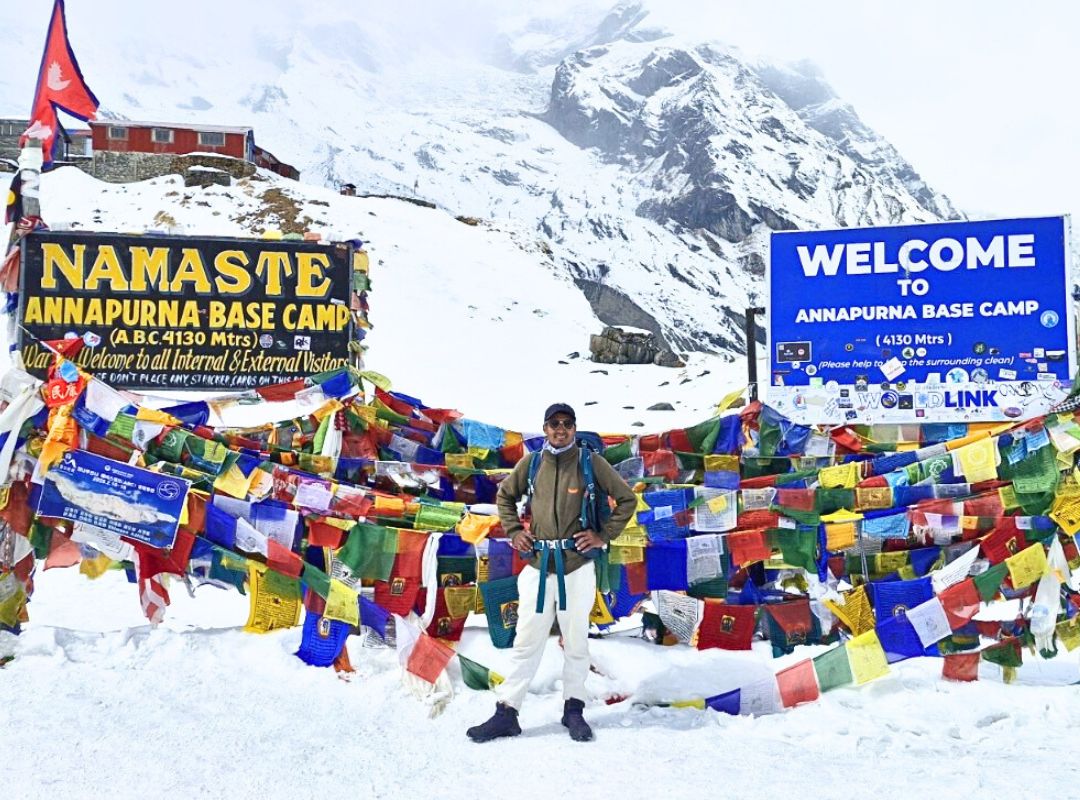
Nepal has always been a top destination for adventure lovers from around the world, and trekking in Nepal in 2026 is going to be another grand year.
In 2025, Nepal went viral multiple times for its beautiful villages, breathtaking mountain vistas, and generous hospitality. Not to mention, the political uproar by Gen-Z also caught the attention of the world.
The world is changing every year, we are changing every year, and the Himalayas are changing every year. The new year means there will be new rules, new adventurous routes, and new challenges.
In 2025, we witnessed a significant shift in the trekking and peak climbing landscape in Nepal, as the Tourism Board of Nepal made solo trekking rules stricter and introduced new rules of 8,000-meter mountaineering.
In 2026, we are going ahead with the same rules but with better trekking infrastructure and well-established trails. Learn about everything you can expect while trekking in Nepal 2026.
We have shared general information about trekking in Nepal along with our top trekking programs for 2026 in this blog.
What to expect during trekking in Nepal in 2026?
Trekking in Nepal in 2026 is going to be an adventurous, culturally enriching, and special experience, just like every year. Kathmandu will be ground zero for the majority of trekkers.
From here, you will travel to different trekking regions, either taking a short domestic flight or driving alongside rolling hills and lovely towns.
If you trek in Nepal with Leaf Holidays, we will accompany you from the moment you land in Kathmandu.
Our team will welcome you at the Kathmandu Airport and escort you to the hotel. We will pre-plan the whole trip and arrange all necessary logistics, including a reliable guide and permits.
You will complete the choice of your trek with our trained and experienced guide and friendly porter. Although the treks are adventure and nature-focused, we will do our best to present the Nepali culture, food, practices, beliefs, and traditions as much as possible.
Both solo and experienced trekkers can trek with us in Nepal in 2026. We have many trekking packages in all trekking regions in Nepal. So, trekkers of all ages, fitness, and interests will find something for themselves.
Below, we have made lists of things that you can expect during trekking in Nepal 2026:
Well-organized trips by Leaf Holidays:
We, Leaf Holidays, are one of the oldest and highly reputed trekking and tour companies in Nepal. With over 23+ years of expertise in the mountains, we have assisted many travelers from around the world in their journeys in Nepal.
In 2026, we want to become a one-stop travel solution for all tourists visiting Nepal. We are fully prepared to make your trips hassle-free and safe. With our experienced team and deep knowledge, you can do any trek, tour, or peak climbing with confidence.
Not only that, but we also specialize in Kailash Mansarovar tours from Nepal and organize Tibet and Bhutan tours. You can travel in Nepal or to multiple countries with us.
Welcoming Nepali community:
Mountains win the hearts of travelers in Nepal, and Nepali people make them feel at home. You will feel like you belong to this place. It is rare to see such kind and invested people in this age and time who genuinely care about you.
You will be literally welcomed at all homes. Ask for help from anyone in any part of Nepal, and they will go above and beyond to help you. Tourists do not feel discriminated against, and there is no hostility toward them in Nepal, unlike most other countries.
Delicious momo and other Nepalese street food:
Nepalese people take their momo seriously. You will taste the most delicious momo while traveling in Nepal. From the street side momo to momo from an upscale restaurant, you will have many options.
Apart from that, you will try many other Nepalese foods during your trip. It will be a journey of flavors for your palate. While traveling in the mountains, you will have simple food made from organic, locally sourced ingredients.
Responsible adventure:
Nepal is slowly but continuously showing up for responsible tourism and climate improvement. Many trekking agencies, including us, are advocating for sustainable travel and working closely with local NGOs to give back to nature and the mountain community.
Better safety:
Nepal is taking the safety of its tourists seriously more than ever. The TIMS Card is made a mandatory permit for all foreign trekkers. It helps the Nepalese government to keep track of travelers in Nepal and provide necessary assistance during an emergency.
Foreigners can obtain the TIMS Card through a government-registered trekking agency like Leaf Holidays. It makes trekking with a local travel company compulsory for trekkers.
Improved trekking infrastructure:
As the peak trekking season in Nepal begins to approach, the locals begin trail maintenance. The trails are secured, bridges are rebuilt if needed, and clear signboards are placed on the major trekking routes.
Likewise, locals begin to prepare their teahouses and lodges to welcome the trekkers. They stock fuel, ingredients, and all other essentials. Similarly, hotels in major cities get ready to cater to tourists.
Clearer regulations:
In 2026, one thing that every traveler visiting Nepal can look forward to is clearer regulations. Official government sites are updated with clear information on permits and trek rules.
You can expect faster helicopter evacuation systems and better coordination with trekking agencies. All the rules are clearly stated, so you will not have confusion.
International standard services with heart-warming Nepalese hospitality:
Another major thing you can expect during trekking in Nepal in 2026 is a finer standard of service and a much richer experience of Nepalese hospitality.
Many world-class hotels and restaurant chains are opening in Kathmandu, Pokhara, Lumbini, Chitwan, and other touristy areas. Locals are leaning towards providing top-notch service while upholding Nepalese hospitality.
What is it like trekking in Nepal?
Trekking in Nepal or trekking in the Himalayas is very different from trekking in other mountain ranges around the world. In the Himalayas, there is no easy trek because every trek demands multiple days of walking through various elevations and rugged terrain.
Some treks are definitely not as demanding as others, but that doesn’t mean they are easy. For instance, the Ghorepani Poon Hill trek and the Everest View trek are two of the most famous beginner treks in Nepal.
They are marketed as a beginner-friendly trek, but not an easy trek. Trekkers have to walk 5 to 6 hours a day on average, and the terrain ascends and descends throughout the way.
So, it is very important that trekkers understand this and prepare physically and mentally accordingly. In the Himalayas, you test your limits, and success is only assured if you are ready to push your limits.
So, are you ready to push your limits?
Below, we have shared some general details of things that trekkers face while trekking in Nepal:
Logistics arranged by your trekking company:
If you are trekking with a local travel agency (which you should), all the logistics for your trip will be handled by your company. You do not have to worry about permits, transportation, accommodation, or even finding a guide. Your travel company will take care of all these things. It makes trekking hassle-free.
Accommodation in simple lodges or tea houses:
Lodges and tea houses are two of the most common accommodations on the trekking routes in Nepal. Both of these are simple accommodations, but teahouses offer much basic service compared to lodges.
Teahouses are generally found on circuit trek routes or in the remotest trekking regions. Whereas lodges are found mainly on commercialized trekking routes.
The accommodations on the trekking routes offer twin-shared rooms and common washrooms. Single rooms are very limited and only available in some places.
Simple meals and limited choices:
Trekkers have meals in the lodges/teahouses along the trek routes. Famous trek routes have better food options than less popular routes.
Some common food items that trekkers have while trekking in Nepal are thukpa, dal bhat, fried rice, momo, noodles, stew, curries, Tibetan bread, pasta, porridge, pancakes, and soups.
In some routes, you will also find sandwiches, burgers, pizzas, etc. Meat dishes are limited, but eggs are available in many places. It is best to stick to vegetarian meals once you go above 3,500 meters because refrigeration is not that good in the high mountains.
Basic services cost extra money:
Services such as charging, WiFi, and hot showers cost extra money in the lodges and teahouses. Usually, these expenses are not covered in your trek package cost, and you have to bear them yourself.
Weird right? But resources are limited in the Himalayas, and due to the inaccessibility of the region, everything comes at a cost.
Luxury accommodation and amenities in a few trek routes:
Luxury accommodation is limited to treks like EBC and Ghorepani Poon Hill. You can find luxury accommodation in some other places, like Jomsom and Kagbeni.
For upscale services and amenities, you can do a luxury trek in Nepal. Imagine high-end lodges with sleek interiors, cloud-like mattresses, insulated rooms, and en-suite rooms with hot showers.
*You do not need to pay extra money for hot showers, WiFi, and charging in luxury lodges.
Varying altitude and environment:
Trekking involves hiking to higher elevations. Ascending up to 5,500 meters is normal during most treks in Nepal. You will reach this altitude over several days of hiking.
The trail mostly starts around 800 to 1,600 meters and gradually ascends to high elevation. You will spend nights at different altitudes and also spend acclimatization days.
Limited communication:
There is a very limited communication infrastructure in the Himalayas. The mobile network and WiFi are not reliable. Once you go above 3,000 meters, you will find no network on the majority of trek routes.
Guide and porter:
Trekking with a guide and porter is normal in Nepal. Most trekking packages include both a guide and a porter. Some may not include porter, but those packages also do not include porter charges.
The guide and porter ensure your safety and comfort during the trek. You will gain in-depth knowledge about the region and its locals. The journey also became less burdensome and more chill with the guide and porter.
Tips:
Travelers are encouraged to tip their guide and porter after the trek. It is a well-practiced culture in Nepal and helps guide and porters sustain with this work. Tips are not covered in the trek package costs. So, trekkers have to budget it separately.
What are the restricted area treks in Nepal?
There are a handful of restricted areas in Nepal, such as Manslu, Upper Dolpo, Upper Mustang, etc. These areas are restricted for foreigners because of their proximity to the Tibetan border.
Additionally, the restricted areas also have a fragile ecosystem and ingenious Nepali groups. To protect and preserve them, limiting tourist flow in those regions is necessary.
Although there is no limit on the number of permits that are issued every year for restricted areas in Nepal, the high price of these permits and the demanding trails keep the majority of tourists away from these regions.
Things that every trekker should know before trekking in Nepal 2026
Below, we have shared some general information about trekking in Nepal. Every traveler, beginner or experienced, should know these things about trekking in Nepal.
- Trek difficulty: Trekking in Nepal is not easy. It involves uphill walking and major altitude gain (yes, even on beginner-friendly treks). You can find both moderate and advanced trekking options. Based on your fitness and previous trekking experience, choose the trek you want to do.
- Altitude sickness: High altitude has a risk of altitude sickness if you are not acclimatized. Its symptoms are headache, breathlessness, nausea, dizziness, vomiting, loss of appetite, insomnia, etc. Trekking with these symptoms is not easy, and if not treated, the symptoms can progress, which is worse. So, we take acclimatization seriously in Nepal, and most itineraries have inbuilt rest days.
- Fitness: Booking a trek in Nepal as per your fitness level is crucial. It ensures you are challenged enough to help you progress to advanced routes. Doing an advanced trek on your first go can go quite wrong. You can hurt yourself, get sick, over-exhaustion, and may not even complete the trek.
- Best time: Nepal has two best trekking seasons- spring (March to May) and autumn (September to November). These seasons have perfect weather and climate for trekking. On the other hand, winter (December to February) and summer/monsoon (June to August) are considered off-season for trekking in Nepal due to unfavorable weather conditions. Trekking in the offseason is also possible, but with proper precautions and preparation.
- Travel insurance: To do any trek in Nepal with a local travel agency, foreigners need to buy travel insurance covering helicopter evacuation. It is a mandatory requirement.
- Permits: Every region has different trek permits. Trekking packages are inclusive of the permit fees, and your travel agency will help you obtain the permits.
- Nepal travel visa: Travelers have to get the Nepal travel visa by themselves. The visa fee is also included in the trekking packages. An on-arrival travel visa is available for travelers from many countries. You can learn about the Nepal travel visa in detail on this site.
- Trekking clothes and gear: Trekking clothes and gear are also not covered in the trek packages. Trekkers have to buy them. For the best options and price, we recommend buying trekking clothes and gear in Kathmandu. A rental option is also available for many trekking gears.
2026 top trek recommendations in Nepal
We have listed our top trek recommendations for 2026 in different regions below:
Everest region:
| Trek Package | Difficulty Level | Best For |
| Everest Base Camp trek | Moderate/difficult | Everyone |
| Everest Base Camp trek with helicopter return | Moderate/difficult | Everyone (much more achievable than standard EBC trek) and trekkers looking for something special |
| Everest View trek | Moderate | Beginner trekkers looking for a short trip in the Everest region |
| Gokyo Lakes trek | Moderate/difficult | Both beginner and experienced trekkers looking for alternative to EBC trek |
| Everest Three Passes trek | Strenuous | Experienced trekkers with previous high altitude experience and strong fitness |
| Luxury Everest Base Camp trek | Moderate/difficult | Trekkers who want to enjoy premium amenities |
Annapurna region:
| Trek Package | Difficulty Level | Best For |
| Ghorepani Poon Hill trek | Moderate | Everyone looking for a short trek with stunning mountain vistas in the Annapurna region |
| Annapurna Base Camp trek | Moderate/difficult | Both beginner and experienced trekkers |
| Annapurna Circuit trek | Challenging | Experienced trekkers with good fitness |
| Annapurna Circuit trek with Tlicho Lake | Strenuous | Experienced trekkers with good fitness and something special |
| Mardi Himal trek | Moderate/difficult | Good alternative to ABC trek |
Langtang region:
| Trek Package | Difficulty Level | Best For |
| Langtang Valley trek | Moderate/difficult | Both beginner and experienced trekkers |
| Tamang Heritage trek | Moderate | Trekkers looking for a low altitude trek and journey culturally rich |
| Langtang Valley with Gosaikunda Lake trek | Challenging | Experienced trekkers with good fitness |
| Gosaikunda Lake trek | Moderate/difficult | A short, adventurous trek in the Langtang region |
Restricted area trekking:
| Trek Package | Difficulty Level | Best For |
| Upper Mustang trek | Challenging | Experienced trekkers with good fitness |
| Manaslu Circuit trek | Challenging | Experienced trekkers with good fitness and great alternative to Annapurna Circuit trek |
| Upper Dolpo trek | Very demanding | Trekkers looking for a remote camping trek |
| Nar Phu Valley trek | Challenging | Trekkers looking for a remote, authentic trek in the western Himalayas in Nepal |
| Kanchenjunga Circuit trek | Very demanding | If you want to do the ultimate circuit trek untouched by tourists |
Trek with peak climbing:
| Trek Package | Difficulty Level | Best For |
| EBC trek with Island Peak Climbing | Alpine PD+ (physically and mentally very demanding) | Beginner friendly but requires previous high altitude experience and strong fitness |
| EBC trek with Lobuche Peak Climbing | Alpine PD+ (physically and mentally very demanding) | First time climbers with previous experience on advanced trekking routes in Nepal and strong fitness |
Why choose Nepal for trekking in 2026?
Nepal offers an array of trekking routes that are suitable for all age groups and fitness levels. You will also find budget-friendly and luxury trek options. There is something for everyone in Nepal.
- Great mountain vistas: If you want to see the most stunning mountain vistas, you have to visit Nepal. Nepal is home to hundreds of mountains, and the views during the trek are worth all the challenges trekkers face.
- Adventure: What is adventure for you? For Nepalese, exploring the remotest corners of the Himalayas is an adventure. Trekking in Nepal is like going on the most adventurous journey. It has nature, thrill, excitement, peace, and cultural encounters.
- Cultural diversity: Every trek will introduce you to some Nepalese ethnic groups who call the Himalayas their home. From Kathmandu to 5,000 meters high in the mountains, you will meet with many Nepali communities and see their lifestyle and culture.
- Biodiversity: While trekking in Nepal, you also explore the abundant flora and fauna of the Himalayas. Most treks begin from sub-tropical hilly forests and ascend to the alpine zone. Some lucky trekkers even get to spot red pandas, snow leopards, and rare birds.
- Value for your money: The experience you will get in Nepal compared to other trekking destinations is unmatchable. Every penny you spend while trekking in Nepal in 2026 will be worth it.
- Incredible hospitality and civic sense: Nepalese people are known for their hospitality, and it doesn’t matter whether you are a luxury or budget traveler. Likewise, Nepalese people are humble, kind, and friendly. Everyone follows general civic rules.
Final thoughts
Trekking in Nepal in 2026 could be very adventurous and a lifetime experience if you are well-prepared. This blog aims to provide you with a general idea of trekking in Nepal 2026.
We will be posting many follow-up blogs on different topics related to trekking in Nepal. For now, if you have any questions, feel free to talk to our travel consultants.
If you have prepared your mind for trekking in Nepal, then this is the perfect time to book your trip and start your trek preparation. The next peak trekking season begins in March. We have started taking bookings.

Table of Contents

Need Help? Ask to Travel Expert