
- Mt. Kailash Tour
- Kailash Mansarovar Overland Tour
- Mount Kailash Yatra By Helicopter
- Kailash Yatra via Lucknow
- Kailash Mansarovar Tour via Lhasa
- Kailash Lhasa EBC Tour From Beijing
- Kailash Heli tour via Kerung
- Kailash Tour via Lhasa In Kerung Out
- Lhasa EBC Kailash Tour
- Kailash Heli Tour
- Kailash Mansarovar Yatra
- Kailash Nandi Kora
- Kailash Tour via Humla Simikot – 20 Days
- Mount Kailash Tour : Best Package and Cost for 2025
- Trekking
- Tours
- Outbound
- Activities
- Company
- Travel Info
- Blogs
- Contact


WhatsApp +977-9851035239

Email Us [email protected]
Kailash Tour via Humla Simikot – 20 Days



Trip Duration
20 Days
Trip Difficulty
Moderate
Max. Altitude
5,000m. / 16,404ft.
Activity
tour, sightseeing
Destination
Tibet
Group Size
2-100+
Accommodation
3/4 star Hotel in Kathmandu & Normal Hotel in Tibet part
Meals
Vegetarian Breakfast, Lunch, DinnerHighlights of Kailash Tour via Humla Simikot – 20 Days
- Hike through secluded Himalayan landscapes to witness their breathtaking beauty in Nepal and Tibet.
- Explore historical religious sites and holy shrines to expand your knowledge about the spiritual importance of this area.
- Participate in the demanding kora (circumambulation practice) which exists around Mount Kailash often considered sacred for numerous religious worshipers.
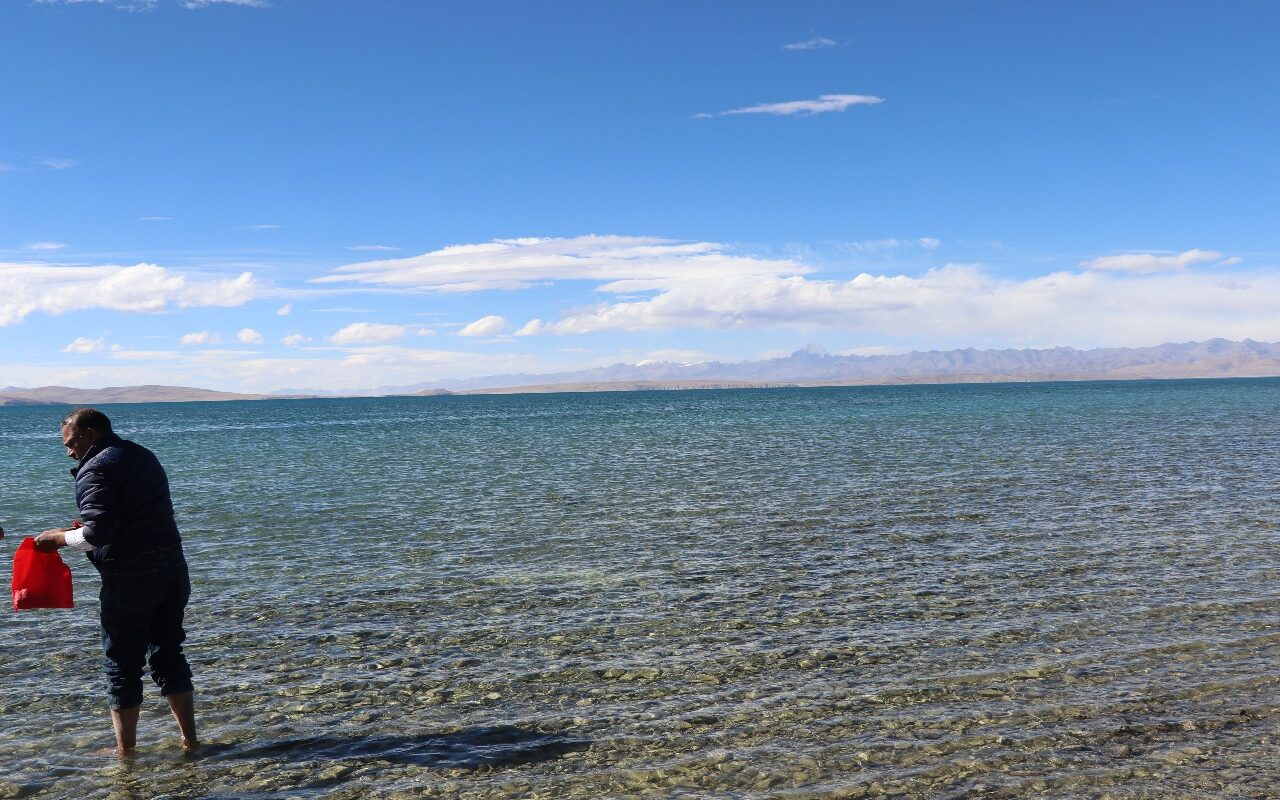
- Witness the serene beauty of Manasarovar Lake which Hinduism and Buddhism consider sacred among all the lakes.
- Explore scenic rural settlements while talking with indigenous people who will share their cultural heritage and ancestral customs.
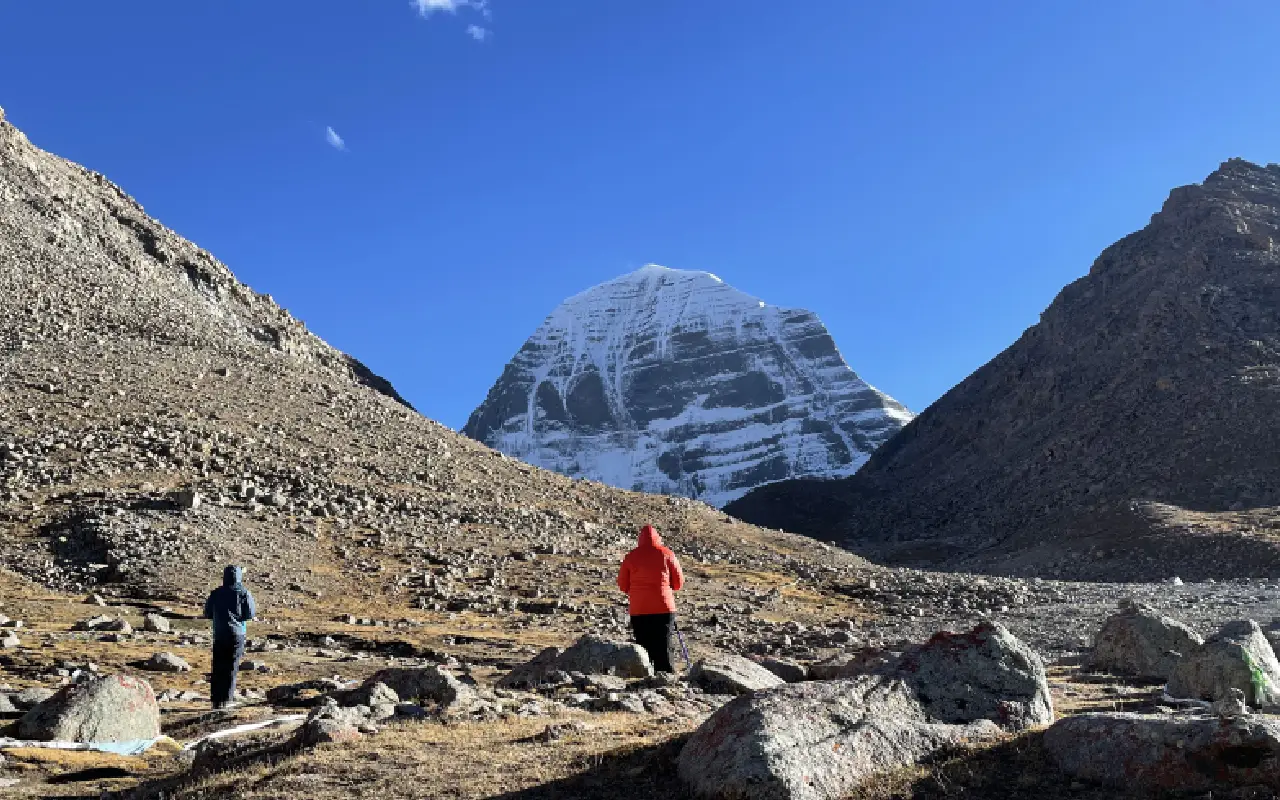
- Experience stunning vistas of the mountaintop environment with its main attraction being Mount Kailash along with its neighboring impressive peaks.
- Experience the challenging terrain along with natural diversity when they travel through Humla.
- Get accompanied by professional guides during the trip to protect your safety as well as providing comfort services throughout the journey.
- Discover a comprehensive adventure which combines cultural enrichment, personal transformation, and spiritual discovery at this authentic lifetime experience.

Need Help? Ask to Travel Expert
Trip Overview of Kailash Tour via Humla Simikot – 20 Days
The Kailash Tour via Humla Simikot spans 20 days to guide travelers through Nepal and Tibet’s spiritual and remote regions. The tour starts from Kathmandu where visitors explore heritage sites before taking flights to Nepalgunj and Simikot which leads to the entry point of Humla. An exhilarating trail across Himalayan wilderness starts from this point as travelers trek through Nepalese towns and verdant valleys to achieve necessary acclimatization en route to the Tibetan border at Hilsa.
The entrance into Tibet takes travelers to Purang (Taklakot) which functions as a prospering Tibetan market town that exhibits Tibetan and Nepalese cultural influences. The pilgrimage route guides travelers to Tirthapuri which is a significant Guru Rinpoche pilgrimage site featuring natural hot springs where devotees cleanse themselves. The archaeological site Garuda Valley stands as a wonder because ancient scholars believe it marks the location of the Shang Shung civilization which existed before Tibetan Buddhism emerged while tourists use Darchen as their base for visiting sacred Mount Kailash.
The spiritual journey to Kailash Kora stands as the main highlight during this tour because it provides pilgrims from around the world the opportunity to walk around Mount Kailash as part of their holy ritual. All trekking leads to Dira Puk Monastery where travelers can first view Mount Kailash closely but they must continue climbing up to reach Dolma La Pass (5,630m) which stands as the highest holy point of the entire expedition. The path leads down from Dolma La to Dzutul Puk Monastery where meditation caves exist along the way before ending at Darchen to conclude the demanding spiritual journey.
Travelers who complete the Kora will reach Lake Manasarovar (4,590m) which holds sacred status in both Hindu and Buddhist traditions as the most holy lake because it allows ritual bathing and meditation at its peaceful waters. A scenic drive across the Tibetan Plateau leads travelers through Saga and Keyrong where they can admire vast landscapes before witnessing distant Himalayan peaks. The Nepal-Tibet border crossing completes the entire journey which begins in Mount Kailash and ends in Kathmandu after experiencing breathtaking heights and profound spiritual experiences.
When is the best time for the Kailash Tour?
The Kailash Tour via Humla Simikot provides memorable yearly tours during any season. The most favorable periods to begin the spiritual journey of Kailash Tour via Humla Simikot are the months from April to June in spring and September to October in autumn. Both spring from April to June and autumn from September to October deliver favorable weather that elevates the trekking experience and brings satisfaction to tourists.
Mild and pleasant conditions prevail during the spring season thus making trekking possible throughout daytime. The spring season showcases a favorable climate for trekking while nature creates a special display of colorful blossoms and rich foliage across the landscapes during this particular time. Travelers during this season find themselves immersed in the peaceful Himalayan landscapes because the trails remain less busy compared to busy seasons which enable deep connection with the tranquil setting.
During the autumn season the summer monsoon fades while clear air and blue skies appear. During this season visitor can witness breathtaking views that include Mount Kailash and all surrounding peaks since the mountains stand out against the blue sky background. The sacred Lake Manasarovar creates special spiritual conditions for meditation in autumn which improve the entire pilgrimage experience.
The Kailash Tour exists throughout every month but visiting during these most suitable travel periods produces the ideal atmosphere for enjoyment and comfort.
What to expect during the Kailash Tour?
Travelers participating in Kailash Tour via Humla Simikot experience a complete transformation through their exposure to breathtaking landscapes while enjoying rich cultural encounters plus deep spiritual significance. An expanded outline of what visitor’s encounter is provided below:
- Stunning Scenery
This tour grants visitor’s extraordinary scenery of breathtaking Himalayan Mountain ranges. During the tour through Humla people experience the dramatic shift between Humla’s lush valley landscapes and Mount Kailash’s rough barren terrain. Travelers on the tour will traverse beautiful hiking paths while crossing high mountain passes at Nara La along with endless views of snowy peaks and tranquil rivers and endless skies above. The visual experience forms a vital part of the trekking tour because different natural sights appear at each successive turn on the route.
- Cultural Immersion
Travelers booking the Kailash Tour will find cultural encounters among their most valued moments because they allow connections with Tibetan communities. The tour provides encounters with welcoming local people and opportunities to discover the customs of the People alongside their ordinary activities. The sight of Tibetan nomadic people combined with visits to ancient shrines Dira Puk and Dzutul Puk enables understanding of Tibetan Buddhist practices and regional traditions. The experience becomes first established by engaging with local rituals and festivals as they occur, providing an enriched cultural understanding of the area.
- Challenging Treks
Traveling on the Kailash Tour becomes physically challenging because it involves multiple days of high-altitude trekking that needs suitable fitness levels. The journey requires extensive hiking during days with particular segments requiring 5 to 7 hours of climbing across challenging surfaces. Activity in the region contains complex terrain features alongside changing climatic patterns and demanding uphills and downhills starting from Darchen to Kailash Mountain. Acclimatization stands as the essential practice to prevent altitude sickness while travelers need both mental and physical preparation before starting their journey.
- Spiritual Significance
Mount Kailash stands as a venerated holy peak across the globe which draws numerous spiritual devotees across Hinduism and Buddhism and Jainism and Bon religion. The Kora stands as the final stop of the tour because this sacred practice of mountain circumambulation grants blessings that purify one’s spiritual essence. The Kora creates an intensely spiritual environment among travelers since every movement represents both purpose and sacred respect. Visitors who practice prayers and meditation at Lake Manasarovar alongside other sacred sites will intensify their spiritual experience.
- Unique Experiences
Among the distinctive experiences of the Kailash Tour stands Tirthapuri which offers both hot springs together with spiritual value where devotees frequently perform self-cleansing rituals. The tour allows visitors to join community religious rituals and watch active religious practices of the local people through temple and lake offerings. The visit to Tibetan holy sites helps travelers connect with spiritual energy while showing them the fundamental religious beliefs of the Tibetan people.
- High-Altitude Environment
This travel route operates above 4,500 meters (14,764 feet) in altitude. Visitors to these regions need proper preparation to handle typical altitude travel difficulties that range from altitude sickness to swiftly changing weather patterns. The area presents large swinging temperatures that affect nighttime conditions, so travelers need to bundle up with multiple clothing layers combined with proper equipment. Hydration along with proper acclimatization time makes up essential strategies that help achieve both safety and enjoyment during the trek.
- A Sense of Accomplishment
Traveling to Kailash involves much more than ending at the destination as it offers an intimate exploration of self-development and revelation about oneself. Combining the physical obstacles of the trek with religious encounters and cultural education leads to a deep sense of success. Travelers experience deep rejuvenation along with clarity when they review their experiences through the journey according to numerous reports making it an exceptionally memorable adventure.
Meals during the Kailash Tour
Meals function as vital components of the Kailash Tour via Humla Simikot because they offer nourishment together with cultural food experiences to travelers. Tour participants can expect the following dining plan throughout their travel period.
There are numerous eating options under the meal plan because it features both Tibetan regional dishes together with international cuisine, so different dietary preferences receive proper accommodation. Tourists can savor typical local and Western food options on the Kailash Tour via Humla Simikot such as momos and thukpa soup together with rice along with lentils and seasonal vegetables but also pasta and sandwiches.
The schedule includes daily servings of breakfast followed by lunch with dinner as the final meal. Hot porridge with eggs and bread paired with tea or coffee make up how most people start their day. Travelers eat their packed lunch during trekking, but they can enjoy a restful dinner at campsites where they spend time reflecting on their day’s experiences.
We cater to diverse dietary needs that each traveler may have. During the Kailash Tour, please let us know about your dietary needs including vegetarian, vegan, gluten-free and any allergies before the start date. We will make every effort to serve your dietary requirements by providing a satisfactory dining experience during your entire tour time.
The advance notification of dietary needs allows us to modify our meal selection so you can enjoy your time in this sacred destination better.
Accommodation on the Kailash Tour
Travellers can find comfortable lodging facilities at each stop during their Kailash Tour via Humla Simikot. The accommodation selection for this tour consists of tourist facilities such as guesthouses as well as lodges together with tents which create a comforting space to unwind after daily trekking. Apart from shared housing facilities tourists will find welcoming local neighborhoods that extend their traditional hospitality.
- Single supplementary
Additional private accommodations known as single supplementary facilities can be obtained by travelers, but they need to pay an extra fee. Tourists who select single supplementary accommodation can have exclusive rooms or tents throughout their tour for individualized privacy. Individual accommodation allows visitors to expend leisure time alone thus creating the perfect chance for personal time after finishing tours for the day.
Prior notification about your preference for single supplementary accommodation is vital because the availability depends on both location and season. This option enables travelers to manage their vacation according to their individual preferences and makes the Kailash Tour a more customized and pleasurable experience.
How difficult is the Kailash Tour?
The Kailash Tour via Simikot gains its reputation from its exquisite terrains together with religious importance even though it provides demanding trekking activities to travelers. Several key aspects make the Kailash Tour via Simikot trek an arduous adventure.
- Altitude and Acclimatization: A primary obstacle on the Kailash Tour emerges from the high elevation that exceeds 5000 meters (16,404 feet). The high elevation makes altitude sickness develop into a serious medical threat. A safe experience can only be achieved through gradual altitude adjustment since it remains a crucial requirement for trekking. The process of body adjustment requires both scheduled downtime with planned breaks alongside proper hydration and sufficient nourishment throughout acclimatization. Identifying early signs of altitude sickness which include headaches and nausea, and dizziness will help protect your safety during an ascent.
- Terrain and Trekking Conditions: Various terrain conditions exist along the Kailash Tour including well-kept walking paths along with rocky, rough ground. Certain climbing and descending sections present a challenge to the body especially when accompanied by altitude effects because the changes in elevation are steep. Visitors need to get ready for weather that changes unpredictably throughout the area. Travelers need appropriate equipment such as sturdy hiking boots together with trekking poles and suitable weather clothing for safety and comfort during navigations.
- Physical Fitness and Preparation: Previous trekking experience brings advantages, but the Kailash Tour remains accessible to people without any prior trekking background. The trek needs moderate physical fitness to succeed since it demands both endurance and stamina. Before starting the journey, trekkers should follow a fitness preparation program that includes cardiovascular exercises and strength and flexibility training. Ease the physical strain of the Kailash Tour through specific training trails that replicate the combination of height gain and trek times.
- Mental Resilience and Preparation: The success rate of completing the Kailash Tour depends heavily on the combination of physical fitness together with mental resilience. The journey demands both mental strength and mental focus to deal with obstacles with purpose and optimism. Preparing mentally for facing journey challenges becomes easier by setting achievable expectations and keeping plans adaptable. Working together with an open mind and maintaining humor allows individuals to grasp more out of their adventure despite encountering obstacles.
- Support and Guidance: Professional guides together with skilled porters accompany Kailash Tour participants to provide essential support needed for a secure trekking experience. Local guides possess comprehensive knowledge that extends to the area’s landscape, cultural elements and all safety procedures necessary for the trek. A dependable support team minimizes stress levels during treks while providing betters quality experiences to let travelers concentrate solely on their journey.
- Cultural and Spiritual Significance: Kailash tours deliver both extensive physical obstacles combined with deep spiritual, cultural encounters. During their trip trekkers will witness significant religious landmarks while getting familiar with Tibetan local practices and ancestral heritage. Exploring these cultural elements enables trekkers to gain better motivation alongside a stronger purpose which makes their exertion worthwhile. Visitors who undertake the pilgrimage to visit Kailash discover a new depth of meaning within their trek which motivates them to conquer their challenges.
Preparation required for the tour
The Kailash Tour which begins from Simikot demands proper preparation to guarantee both safety and enjoyable trekking conditions. The following guide provides step-by-step preparation for this extraordinary journey.
Physical Conditioning
- Build Endurance: The development of endurance requires beginning your fitness journey at least several months before starting the trek. Your goal should be cardiovascular activities including. hiking, jogging, cycling and swimming because they develop your endurance strength.
- Strength Training: Strength training exercises will help enhance overall muscle strength by focusing on leg muscles together with core strength development. The combination of squats, lunges and planks serves as effective exercises.
- Practice Hiking: Regular hiking practices on different types of terrain will prepare you for the actual conditions encountered during the Kailash trek. Build your body strength for hard trekking conditions by increasing both distance and elevation during your hiking training.
Mental Preparation
- Stay Positive: Positive thinking remains vital throughout the demanding journey of the trek because physical and mental toughness can be challenging.
- Set Realistic Expectations: You should establish reasonable expectations since the trek demands multiple extended walking durations along with unpredictable climatic variations. Your ability to adjust your plans against unexpected problems will help you handle these difficulties successfully.
Gear and Equipment
- Footwear: You should purchase a pair of suitable hiking boots which fit well and provide comfort. To prevent blisters and discomfort during the trek break your boots in before you start.
- Clothing: Select an appropriate clothing setup that combines multiple layered items for temperature adjustment. The apparel selection should contain skin-drying base layers together with insulating layers over top of a water-resistant outer shell. Clothing essentials for the hike should include protective hats along with gloves and a reliable trekking jacket.
- Trekking Gear: An important part of trekking necessitates carrying safety equipment like trekking poles together with a dependable backpack and sleeping bags along with important personal supplies such as headlamps and first aid items and hydrating gear.
Acclimatization Strategy
- Plan for Rest Days: Accommodate rest days within your itinerary because these days help your body adjust to elevated altitudes. The prevention of altitude sickness requires this approach to remain effective.
- Stay Hydrated: Based on expert recommendations you should maintain adequate hydration through water consumption which supports both acclimatization and general well-being. You should have water purification tablets or equipment that provides clean drinking water.
Health and Safety
- Consult a doctor: Get Professional Advice by visiting a doctor in advance for a medical exam especially if you already have health problems. Learn about what altitude sickness looks like and research whether Diamox might be necessary as medical treatment.
- Travel Insurance: Purchase thorough travel insurance which protects high-altitude trekking while also offering emergency evacuation among its coverage.
Cultural Awareness
- Learn About Local Customs: Make efforts to understand the cultural customs that prevail in each location you will visit. Your experience along with interactions with local communities will improve by showing proper respect toward their customs and social protocols.
- Spiritual Preparation: Individuals taking the trek for religious purposes should dedicate time for spiritual self-reflection regarding their journey’s purpose.
Documentation and Permits
- Check Travel Requirements: Verify all travel requirements by having your passport valid for six months after departure. Visitors need to verify their requirements for Nepalese visas as well as Tibetan permits before planning the Kailash Tour.
- Keep Copies of Important Documents: Create backup copies of your passport and travel insurance along with formal medical information to keep safely separate from originals. Set these documents away from your original documents for safekeeping during your trip.
Private/ Group joining
Private Trip
The Private Kailash Tour caters to individual trekking groups who prefer private customized journeys. With this plan you get full independence to choose your preferred dates of travel while building an itinerary that matches your desired progression and interests. A customized itinerary enables your guide to deliver personalized service while adapting to your specifications regarding hiking lengths and choice of places to stay as well as viewpoints. The tour allows complete customization so you can choose between basic lodges up to luxurious accommodation options. The exclusive nature of your experience creates a more profound cultural connection to the local environment and setting throughout your spiritual trip.
Group joining
Travelers who seek group experiences should consider the Group Joining Kailash Tour as an ideal option. With this option you get predetermined travel routes that have standardized departure schedules for simple preparation and social interaction. Joining a group for travel will improve the journey by enabling you to share stories and develop friendships and receive support when navigating tough trekking sessions. Group tours combine shared costs with experienced local guides to deliver both financial savings and cultural and landscape knowledge to participants.
Check the following fixed departure dates for group tours to identify the best dates that match your preferred time period.
What are the permits required for the Kailash Tour via Humla Simikot
The Kailash Tour through Humla Simikot demands multiple necessary permits to complete your trip officially and successfully. The following section provides an extensive breakdown of permits needed for the Kailash Tour via Humla Simikot.
- Nepalese Visa
- Requirement: All overseas travelers need proper Nepalese visa authorization to gain entry into the country.
- Application: Visa applications are available to travelers at both Tribhuvan International Airport and the entry points of Nepalese land borders in Kathmandu.
- Duration: Visitors have three types of visa options through the Nepalese Visa program depending on how long they plan to stay: 15 days, 30 days or 90 days.
- Restricted Area Permit for Humla District
- Requirement: The touristic district of Simikot within Humla District requires specific permission to visit from authorities. Travelers need to get permission from a specified source in order to access the territory.
- Application: Trekking agencies which are registered in Nepal usually organize this permit for tourists.
- Cost: Trekking groups will have to pay fees that depend on both their days of stay and the number of members in their group.
- Tibet Travel Permit
- Requirement: Travelers need to obtain a Tibet Travel Permit because they plan to visit Mount Kailash which resides in Tibet.
- Application: A tour operator located in Nepal or China usually takes charge of this permit acquisition process.
- Note: A Tibet Travel Permit becomes available only after application through a registered travel agency because the government issues this permit exclusively to professional agencies.
- Alien Travel Permit
- Requirement: Foreign nationals need a Requirement to visit specific regions within Tibet including both the Mount Kailash area.
- Application: The tour operator works with the Tibet Travel Permit application through their channels.
- Mount Kailash and Manasarovar Lake Permit
- Requirement: The authorities require special permission in the form of permits for travelers who want to see Mount Kailash and Manasarovar Lake.
- Application: Tour operators bundle most permits together when they offer their packages to travelers.
- Chinese Visa
- Requirement: The entry requirement for Tibet demands all visitors to obtain a valid Chinese visa.
- Application: Tour operators work together with the Tibet Travel Permit to obtain this visa.
Detail Itinerary of Kailash Tour via Humla Simikot – 20 Days
Day 01: Arrival in Kathmandu
Kathmandu becomes your destination today as you arrive in the dynamic capital of Nepal. Your arrival will introduce you to both the welcoming atmosphere of local traditions and the active atmosphere of the city. Your first priority after the short hotel transport should be to relax during an afternoon period focused on altitude adaptation. Spend time in Thamel district where you will find shops along with cafes combined with the special charm that defines this historic city. The thrilling experience is about to begin so make sure you are ready.
Max Elevation: 1,350 m | Duration: 30 Min Drive to Hotel
Highest Altitude
1350m. (Kathmandu)
Meals
Veg. Breakfast, Lunch & Dinner
Accommodation
HotelDay 02: Sightseeing in Kathmandu & Trek Preparation
Today marks the beginning of our complete sightseeing journey throughout Kathmandu. You can admire panoramic views of the city while visiting Swayambhunath Stupa which locals call the Monkey Temple. The historic Kathmandu Durbar Square presents visitors with a collection of ancient temples and royal palaces among its premises. The day gives us both an opportunity to discover the cultural treasures of the city while we complete our trekking gear selection to guarantee safety on our upcoming adventure.
Max Elevation: 1,350 m | Duration: Full Day
Highest Altitude
1350m. (Kathmandu)Meals
Veg. Breakfast, Lunch & DinnerAccommodation
HotelDay 03: Fly to Nepalgunj and Stay
The day starts with a scenic flight that takes us to Nepalgunj which stands as a bustling city of various cultures in Terai’s plains. Once we reach the destination we will move directly to our hotel building for rest and refreshment. The day offers time for both commercial exploits in vibrant markets and dining at different food stalls followed by necessary rest for the upcoming journey.
Max Elevation: 150 m | Duration: 50 Minutes Flight & Transfer to Hotel
Highest Altitude
150m. (Nepalgunj)Meals
Veg. Breakfast, Lunch & DinnerAccommodation
HotelDay 04: Fly to Simikot and Trek to Dharapuri
A short flight from breakfast brings us to Simikot to access the isolated Humla region. From the airplane we can witness breathtaking Himalayan views which will shape our upcoming trek experience. As our first stop we start hiking towards Dharapuri village to experience traditional local living at its best. The pathway takes us through vibrant wildlife areas where we become used to mountainous elevation.
Max Elevation: 2,300 m | Duration: 20 Min Flight
Highest Altitude
2300m. (Dharapuri)Meals
Veg. Breakfast, Lunch & DinnerAccommodation
GuesthouseDay 05: Trek to Kermi
Today’s journey directs us toward Kermi while entering further into Humla’s heartland. The trek takes us past terraced agricultural fields which lead us to tour local villages while exposing us to authentic rural lifestyle. As we walk the path the natural environment provides us with sounds while spectacular Himalayan mountain views reveal themselves step by step. We finally reach Kermi offering peace and relaxation after spending our day trekking through this region.
Max Elevation: 2,860 m | Duration: 5-6 hrs
Highest Altitude
2800m. (Kermi)Meals
Veg. Breakfast, Lunch & DinnerAccommodation
GuesthouseDay 06: Trek to Yalbang
Our journey leads us from Yalbang while we traverse picturesque areas decorated with wildflowers and forested regions. The hiking trail reveals stunning mountain peak views which make our path visually engaging. The journey offers us opportunities to meet local shepherds who help us observe how traditional communities practice their way of life in the region. After a night in Yalbang we will have time to relax and experience the relaxed setting.
Max Elevation: 2,879 m | Duration: 6-7 hrs
Highest Altitude
2879m. (Yalbang)Meals
Veg. Breakfast, Lunch & DinnerAccommodation
GuesthouseDay 07: Trek to Tumkot
The journey to Tumkot leads us deeper into the mountain ridge where beautiful Himalayan vistas progressively become more visible. Our path leads through diverse geographic features that include heavy forests followed by open grasslands and gives us the opportunity to observe exceptional wildlife species. When we reach Tumkot we will establish our campsite while being enveloped by the peaceful atmosphere of this secluded location.
Max Elevation: 3,073 m | Duration: 5-6 hrs
Highest Altitude
3073m. (Tumkot)Meals
Veg. Breakfast, Lunch & DinnerAccommodation
GuesthouseDay 08: Trek to Yari
Our Yari expedition starts today through challenging terrain which will lead us upwards while delivering intense altitude elevation experiences. A majestic alpine scenery takes over the land as we witness dramatic peaks and valleys throughout our journey. We face rigorous physical obstacles during the trip, yet the immense rewards include discovering the pristine natural beauty and sacred energy present in this distant wilderness.
Max Elevation: 3,663 m | Duration: 6-7 hrs
Highest Altitude
3663m. (Yari)Meals
Veg. Breakfast, Lunch & DinnerAccommodation
GuesthouseDay 09: Trek to Hilsa via Nara La Pass
We will cross the Nara La Pass today because it stands as the most captivating attraction of our trek. Rising higher offers breathtaking views of surrounding valleys and mountains as our reward. The journey toward Hilsa exposes us to peaceful natural scenes that appear with our approach to the Tibetan frontier. Tonight, we will set our tents in Hilsa while the spirit of exploration maintains its momentum.
Max Elevation: 3,647 m | Duration: 6 hrs
Highest Altitude
3647m. (Hilsa)Meals
Veg. Breakfast, Lunch & DinnerAccommodation
GuesthouseDay 10: Trek to Purang
Our morning travel leads us to Purang where we experience less haste in our journey. The hiking path traverses special Tibetan terrain which includes villages consisting of traditional structures as well as historic monasteries. We can spend time in Purang to experience its cultural richness and walk through its charming streets.
Max Elevation: 3,772 m | Duration: 3-4 hrs
Highest Altitude
3772m. (Purang)Meals
Veg. Breakfast, Lunch & DinnerAccommodation
HotelDay 11: Purang to Monster & Sightseeing in Tirthapuri
Our journey leads us next to Monster as we visit the important religious site of Tirthapuri during transit. The important religious site serves pilgrims while providing panoramic views across numerous mountains. The exploration of Tirthapuri enables us to experience its spiritual atmosphere while reflecting on our journey before moving forward to stay at Monster for the night.
Max Elevation: 4,450 m | Duration: 4-5 hrs
Highest Altitude
1450m. (Tirthapuri)Meals
Veg. Breakfast, Lunch & DinnerAccommodation
GuesthouseDay 12: Sightseeing of Garuda Valley & Transfer to Darchen
Our expedition today centers on the mystical Garuda Valley because of its remarkable rock formations and religious value. Once we complete our sightseeing our transportation moves to Darchen which marks the beginning of the Kora journey surrounding Mount Kailash. This sacred pilgrimage approaches as we stare at the magnificent Mount Kailash while getting ready.
Max Elevation: 4,560 m | Duration: 3-4 hrs
Highest Altitude
4560m. (Darchen)Meals
Veg. Breakfast, Lunch & DinnerAccommodation
GuesthouseDay 13: First Day of Kora: Hike to Dira Puk Monastery
Our pilgrimage around Mount Kailash officially commences today. The Dira Puk Monastery stands as an essential religious location where our pilgrimage begins during day one. The magnificent beauty of the Himalayas during our hike will constantly inspire us as we stay connected to this magnificent sacred land.
Max Elevation: 5,120 m | Duration: 5-6 hrs
Highest Altitude
5120m. (Dira Puk Monastery)Meals
Veg. Breakfast, Lunch & DinnerAccommodation
GuesthouseDay 14: Second Day of Kora: Hike to Dzutul-Puk
Today we proceed with the Kora towards Dzutul-Puk. Physical obstacles during the trek remain manageable because the beautiful surroundings and strong religious atmosphere maintain our determination and positive attitude. Along our holy journey we will probably meet other pilgrims who join us in experiencing worship and spiritual revelation near Mount Kailash’s essence.
Max Elevation: 4,790 m | Duration: 6-7 hrs
Highest Altitude
4790m. (Dzutul-Puk)Meals
Veg. Breakfast, Lunch & DinnerAccommodation
GuesthouseDay 15: Third Day of Kora: Hike to Darchen & Manasarovar
The Kora ends at Darchen then proceeds to peaceful Manasarovar Lake. The calm waters of this holy lake show the mountain peaks of Kailash as it creates a peaceful environment for spiritual meditation and contemplation. This sacred place allows us to experience its peaceful beauty which deepens our spiritual journey.
Max Elevation: 4,560 m | Duration: 3-4 hrs
Highest Altitude
4560m. (Manasarovar)Meals
Veg. Breakfast, Lunch & DinnerAccommodation
GuesthouseDay 16: Tour of Manasarovar Lake
Today serves as our day to explore the breathtaking Manasarovar Lake. Our visit will include walking the shores and admiring the stunning vistas of this spiritual lake body. We can focus on personal contemplation in the peaceful environment which allows us to receive spiritual energy from our surroundings.
Max Elevation: 4,590 m | Duration: 4-5 hrs
Highest Altitude
4590m. (Manasarovar Lake)Meals
Veg. Breakfast, Lunch & DinnerAccommodation
GuesthouseDay 17: Drive from Manasarovar to Saga
The journey from Manasarovar to Saga will take us through the endless Tibetan countryside during a lengthy drive. Our travel will allow us to observe the distinctive remote landscapes of the region while meeting native communities during our trip. Our time in Saga comes to an end as we spend our night thinking about all we have achieved together.
Max Elevation: 4,600 m | Duration: 8-9 hrs
Highest Altitude
4600m. (Saga)Meals
Veg. Breakfast, Lunch & DinnerAccommodation
HotelDay 18: Drive from Saga to Keyrong
Our destination today leads us through the scenic route between Saga and Keyrong while showing us breathtaking mountain views and breathtaking valley landscapes. Traveling through this path reveals information about local traditions while we can potentially visit rural settlements during our journey. After reaching Keyrong town we will have time to discover the region while spending our last night in Tibet.
Max Elevation: 3,080 m | Duration: 4-5 hrs
Highest Altitude
3080m. (Keyrong)Meals
Veg. Breakfast, Lunch & DinnerAccommodation
HotelDay 19: Drive to the Border and Further to Kathmandu
The last day of travel begins with a border approach followed by a direct journey to Kathmandu. The scenic drive gives us our last view of the stunning landscapes before we begin our return to Kathmandu’s lively atmosphere while remembering our exceptional adventure.
Max Elevation: 1,400 m | Duration: 5-6 hrs
Highest Altitude
1300m. (Kathmandu)Meals
Veg. Breakfast, Lunch & DinnerAccommodation
HotelDay 20: Final Departure
The Kailash Tour ends with us conserving lovely memories from our path’s natural wonders and sacred moments and personal connections. We finish our morning meal while preparing to leave and carry back all memories and tales that will stay with us forever.
Max Elevation: 1,350 m
Highest Altitude
1350m. (Kathmandu)Meals
BreakfastAccommodation
HotelIncludes and Excludes
What is included?
- Permits required during the tour.
- Flights included in the itinerary.
- Meals throughout the tour.
- Accommodation during the tour.
- A professional guide.
- Transportation during the tour.
- Any required passes.
What is excluded?
- Nepal visa.
- Personal expenses.
- International flights.
- Travel insurance.
- Beverages
- Tips/ Gratitude.
Frequently Asked Questions
When is the optimal period to participate in the Kailash Tour?
Travelers can pursue the Kailash Tour at any time, yet the most favorable periods stretch from April through June in the spring season and September until October in autumn. These months provide pleasant atmospheric conditions which combine with great visibility for trekking at comfortable levels. The monsoon and winter seasons should be avoided since they threaten both comfort and safety during the Kailash Tour.
What minimum physical condition should travelers have for participating in the Kailash Tour?
A moderate fitness level serves as a requirement for the tour because you will need to walk across high altitudes while adapting to different terrain types. The process of physical exercise through hiking and walking helps you build fitness levels required to tackle future challenges. During your travel you should pay attention to your physical well-being and follow proper acclimatization procedures.
Which permits are mandatory for experiencing the Kailash Tour?
To visit Kailash necessary permits, include a Nepalese visa together with restricted area permissions for Humla territory and Tibet Travel Permit authorization. A trekking agency that is registered in Nepal handles the process of obtaining these permits. You need to obtain all required permits ahead of time to achieve a trouble-free travel experience.
What facilities will be available for accommodation during this tour?
The Kailash tour provides different lodging alternatives which span from easy hotel stays in towns to fundamental lodges combined with camp accommodations in isolated locations. Customers can expect clean facilities and basic services, but the level of amenities remains below what cities offer in their hotels. Additional privacy needs can be fulfilled by booking single supplementary accommodation which incurs an extra cost.
Which type of food will be served throughout the tour duration?
Experienced cooks prepare both local and international dishes as part of the typical meal offerings during the Kailash Tour. The necessary food choices extend across various food categories to serve multiple dietary needs and requirements. Travelers who need specific dietary accommodations should notify their tour operator before the journey to obtain suitable meal services.
Does travel insurance become compulsory during the Kailash Tour?
Travelers planning to visit Kailash need to obtain comprehensive travel insurance since it offers vital coverage. Travel insurance policies should provide coverage for medical emergencies together with medical evacuations and policy cancellations prompted by unexpected circumstances. During your travel to remote regions such protection provides additional reassurance
How much time does the Kailash Tour require and which locations will travelers visit?
A 20-day Kailash Tour through Humla Simikot features all necessary travel arrangements together with trekking activities and religious sightseeing destinations. The tour consists of multiple trekking challenges as well as sacred site excursions together with opportunities to interact with local culture. The itinerary dedicates each day to achieve a proper mix between discovery activities and rest periods for adjustment.
Are there available group slots for Kailash Tour departures?
Group departures exist for Kailash Tour tours which offer members the chance to connect with other travelers during their experience. Review the set departure dates which tour operators offer for group travel since these make up their schedule. A group booking tends to be more cost-effective than individual private tours.
When preparing for the Kailash Tour, which items should I bring?
Preparing for the Kailash Tour demands appropriate equipment such as hiking gear as well as heat-appropriate outerwear and personal effects adjusted to mountain conditions. Packaging for Kailash Tour includes purchasing an excellent backpack alongside comfortable boots and adaptable layers to handle changing weather. The preparation should include bringing personal medications and first-aid items in addition to essential permits.
Trip Reviews
Need Help? Ask to Travel Expert
You May Also Like
Similar Trips

Kailash Heli Tour
 12 Days
 USD 3150
Kailash Heli tour via Kerung
12 Days USD 3100
Kailash Lhasa EBC Tour From Beijing
15 Days USD 3700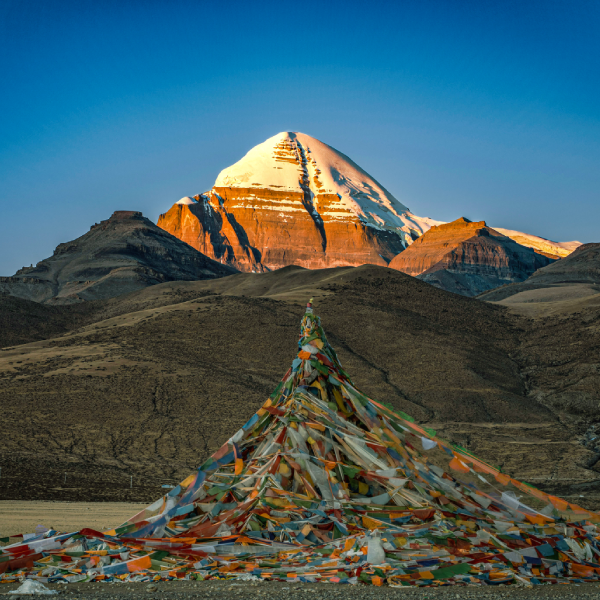
Kailash Mansarovar Overland Tour
16 Days USD 2800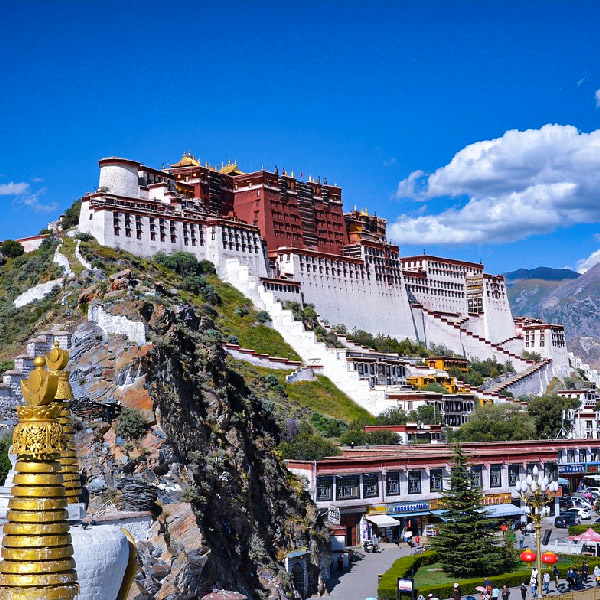
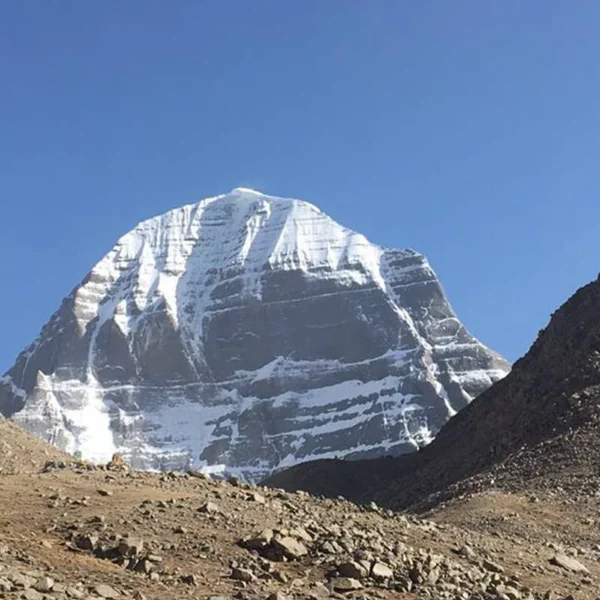
Kailash Mansarovar Yatra
15 Days USD 2800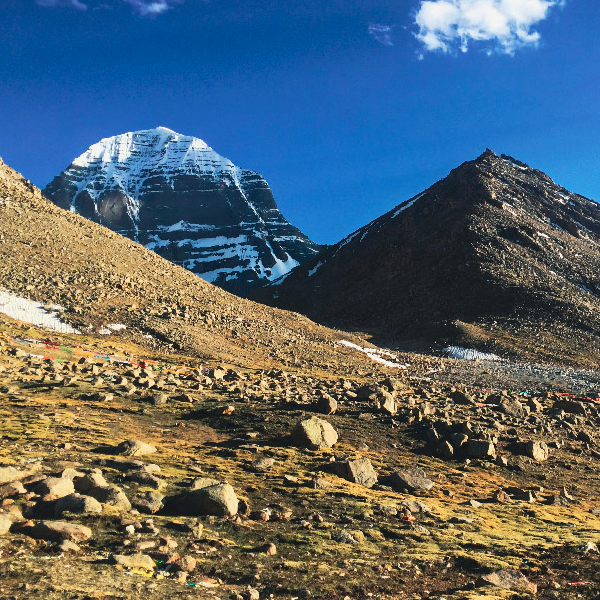
Kailash Nandi Kora
17 Days USD 3000
Kailash Tour via Lhasa In Kerung Out
16 Days USD 3100
Kailash Yatra via Lucknow
10 Days USD 3000
Lhasa EBC Kailash Tour
17 Days USD 3300
Mount Kailash Yatra By Helicopter
12 Days USD 3200