
- Mt. Kailash Tour
- Kailash Mansarovar Overland Tour
- Mount Kailash Yatra By Helicopter
- Kailash Yatra via Lucknow
- Kailash Mansarovar Tour via Lhasa
- Kailash Lhasa EBC Tour From Beijing
- Kailash Heli tour via Kerung
- Kailash Tour via Lhasa In Kerung Out
- Lhasa EBC Kailash Tour
- Kailash Heli Tour
- Kailash Mansarovar Yatra
- Kailash Nandi Kora
- Kailash Tour via Humla Simikot – 20 Days
- Mount Kailash Tour : Best Package and Cost for 2025
- Trekking
- Tours
- Outbound
- Activities
- Company
- Travel Info
- Blogs
- Contact


WhatsApp +977-9851035239

Email Us [email protected]
Altitude Sickness During Kailash Mansarovar Yatra
02 January 2026 By Leaf Holidays
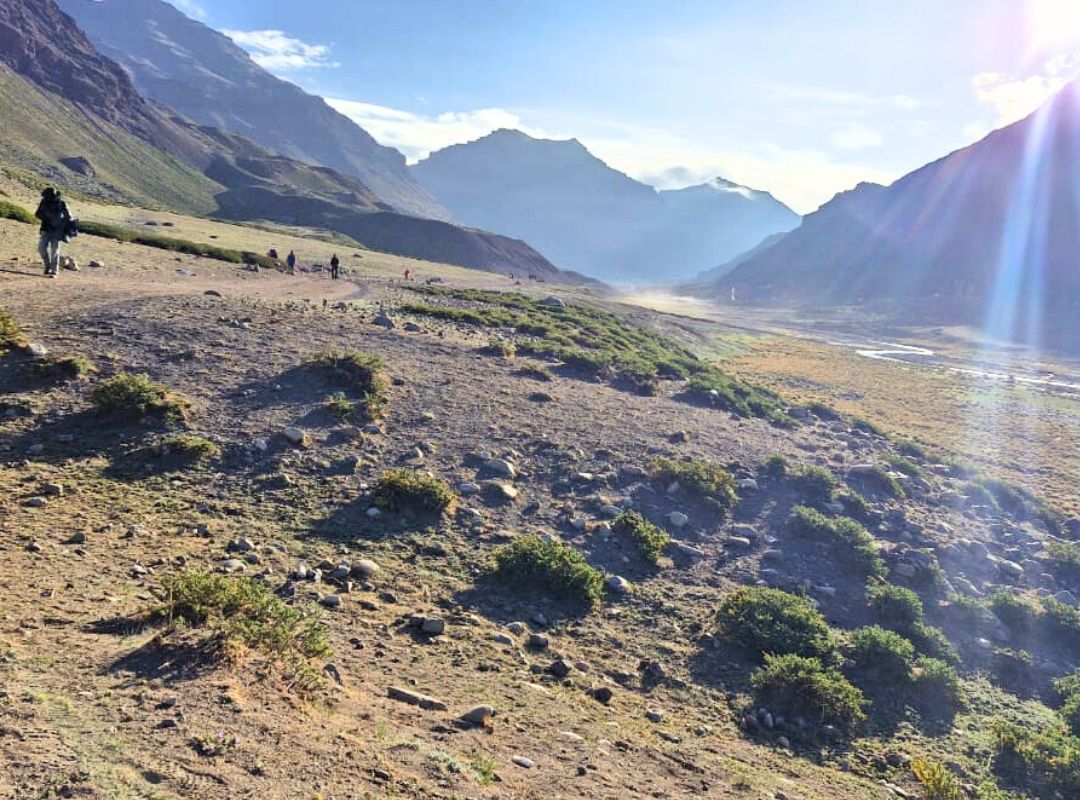
Read this blog to learn about altitude sickness during Kailash Mansarovar Yatra. This blog is easy to read and understand. It will provide all the information on high altitude traveling and dealing with its effects.
Mount Kailash and Mansarovar Lake are located in one of the highest parts of the world, the Tibetan Autonomous Region. You will travel 4,000 meters above sea level during the Kailash Mansarovar Yatra.
And the highest altitude travelers reach on this trip is 5,630 meters (Dolma La Pass). Every year, the strong faith of devotees brings them to Kailash Mansarovar from all around the world.
But they usually fail to comprehend the altitude they will experience during this sacred pilgrimage. Altitude sickness during the Kailash Mansarovar Yatra is quite common, and most pilgrims overlook it during their preparation for the trip.
Kailash Mansarovar Yatra has long been seen as a pilgrimage, so travelers give the religious side of the journey much more priority. High altitude is something that is less talked about.
So, even though pilgrims know they will be traveling to high altitude during the Kailash Mansarovar Yatra, they do not realize its consequences, nor do they prepare for it.
In this guide, you will learn everything about altitude sickness during Kailash Mansarovar Yatra. We will discuss its cause, symptoms, and preventive measures and share helpful tips.
Do not miss out on this information about altitude sickness during Kailash Mansarovar Yatra. This information can make a huge difference to your safety and journey during the Kailash tour.
First, let’s talk about the altitude gain during the Kailash Mansarovar Yatra.
Kailash Mansarovar altitude
Below, we have shared the altitude gain during two popular Kailash Mansarovar Yatra routes:
Kailash Mansarovar Yatra overland route:
If you are doing the Kailash Mansarovar Yatra from Kathmandu, you will begin the journey from 1,324 meters. From Kathmandu, you will travel to Kerung at 2,900 meters.
Kathmandu to Kerung will be the first high-altitude jump. Then, you will travel to Saga at 4,640 meters the next day. It is the major altitude jump, and if you are not acclimatized, suffering from altitude sickness is inevitable.
Therefore, we have added an acclimatization day in Kerung, which lowers the risk of altitude sickness.
Kailash Mansarovar Yatra from Lhasa:
Likewise, if you are doing the Kailash Mansarovar Yatra from Lhasa, you are most likely to begin the journey in Kathmandu at 1,324 meters. Lhasa is one of the highest cities in the world at 3,650 meters.
You can reach Lhasa in under one and a half hours by flight from Kathmandu. So, you gain more than 2,000 meters in a very short time. It includes a high risk of altitude sickness.
So, we have included an acclimatization in Lhasa too. After Lhasa, you will spend a night in Shigatse at 3,860 meters and travel to Saga at 4,640 meters.
Spending a night in Shigatse is best for acclimatization because you will ascend Kora La (5,010 m) and Kamba La (4,794 m) passes on the way from Lhasa to Shigatse. It means you will ascend high and sleep at a low altitude, which is the golden key of acclimatization.
You see, regardless of the route you follow, quick elevation gain is given during the Kailash Mansarovar Yatra. So, it is important that you understand how to navigate high altitude.
Kailash Mansarovar Yatra altitude table and chart:
In the table below, you can see the elevation of places you may spend a night at during the Kailash Mansarovar Yatra as per your itinerary:
| Locations | Altitude |
| Kathmandu | 1,324 m/4,344 ft |
| Lhasa | 3,650 m/11,975 ft |
| Shigatse | 3,860 m/12,664 ft |
| Simikot | 2,901 m/9,518 ft |
| Hilsa | 3,640 m/11,942 ft |
| Taklakot | 4,755 m/15,600 ft |
| Timure | 1,760 m/5,774 ft |
| Kerung | 2,900 m/9,514 ft |
| Saga | 4,640 m/15,223 ft |
| Mansarovar Lake | 4,590 m/15,059 ft |
| Darchen | 4,670 m/15,321 ft |
| Dira-Puk | 5,210 m/17,093 ft |
| Dolma La Pass | 5,630 m/18,471 ft |
| ZuthulPhuk | 4,760 m/15,616 ft |
| Dolma La Pass | 5,630 m/18,471 ft |
Kailash Mansarovar overland tour altitude chart:
The chart below shows the elevation fluctuation if you do the Kailash Mansarovar overland tour:

Kailash Mansarovar Yatra from Lhasa altitude chart:
The chart below shows the elevation fluctuation if you start the Kailash Mansarovar Yatra from Lhasa:

Effects of high altitude during Kailash Mansarovar Yatra
You can see how drastically the altitude fluctuates during the Kailash Mansarovar Yatra in the above charts. The fluctuation in elevation brings a change in climate, oxygen levels, and air pressure.
The higher you ascend, the lower the oxygen level gets. Most humans are not used to low oxygen levels, so if they do not adjust to high altitude, the risk of altitude sickness increases.
This is the reason why we highly emphasize including acclimatization days in your Kailash Mansarovar Yatra itinerary.
Constant climate change:
One of the first things you will experience during the Kailash Mansarovar Yatra is climate change. As you travel from one place to another, you will feel the climate getting colder. It is because the temperature drops the higher you ascend in the Himalayas.
Even during the peak summer months, June and July, the climate is cold, and you have to wear warm clothes. So, we recommend pilgrims pack enough warm clothes and a high-quality outer layer to protect them from cold weather.
Reduced oxygen levels:
The higher you ascend, the lower the oxygen level drops. Between 4,500 meters and 5,000 meters, the oxygen level is nearly 40% lower than at sea level.
It is a huge oxygen level gap to adjust to for someone who has never been exposed to high altitude. Some travelers adjust to high altitude just fine, but some don’t.
Acute Mountain Sickness (AMS):
Acute Mountain Sickness, or altitude sickness, is the result of not acclimatizing. If your body does not acclimate, it will begin to suffer symptoms like headache, vomiting, dizziness, breathlessness, nausea, etc.
Suffering from these symptoms while traveling is not easy, and the higher you ascend, the worse your symptoms can get. So, addressing the altitude sickness symptoms is important before you ascend any further.
*Please do not take altitude sickness symptoms lightly. It can ruin your trip. Likewise, if the symptoms are not treated on time, they can progress and make it worse.
Increased heart rate and blood pressure:
Because the oxygen level drops at high altitude, your heart has to work harder to deliver oxygen all around your body. So, travelers with heart conditions or hypertension may feel discomfort.
This is the reason why we strongly advise travelers with medical conditions to consult their doctor about the Kailash Mansarovar Yatra.
Cold-related stress:
The Kailash Mansarovar area is cold. If you are very sensitive to cold, we recommend that you consider this trip once. Or, talk to our experienced travel consultants to see what we can offer to help you bear the cold during the trip.
The climate is cold even in summer. Near Dolma La Pass, chilly winds and exposure to cold can be too much for some travelers. So, definitely think twice before signing up for the Kailash Kora.
How to manage high altitude during Kailash Mansarovar tour?
Managing high altitude during the Kailash Mansarovar tour is the most important aspect of the journey. With the right preparation, support, pacing, and awareness, altitude sickness risk and other altitude-related issues can be minimized significantly.
Understand the altitude profile of the Kailash Mansarovar trip and include acclimatization days accordingly:
We have already shared the altitude profile of the Kailash Mansarovar trip above. Whatever route you choose, you will follow the same altitude profile from Saga.
If you are completely new to high altitude trips, consider traveling to somewhere above 2,500 meters before the Kailash Mansarovar tour begins. It is highly recommended.
Alternatively, you can go on a day hike and incorporate endurance training in your daily life. As per your fitness and past high altitude experience, add acclimatization days in your Kailash Mansarovar tour itinerary.
Take it slow and maintain a steady pace:
Avoid exertion on your first 2-3 days of the trip. We understand your excitement level, but you have to calm yourself and relax to adjust to the high altitude. Walk slowly and rest.
During Kailash Kora, take frequent breaks to catch your breath and ascend slowly. Maintain a steady pace to avoid getting tired quickly. Enjoy the journey. You do not have to rush or meet anyone’s pace.
Keep yourself hydrated:
One of the most helpful pieces of advice we can give to anyone planning to do the Kailash Mansarovar Yatra is to keep themselves hydrated during the trip. A dehydrated person is much more likely to suffer from altitude sickness than a hydrated person.
Drink small sips of water frequently. Aim to drink at least 2 liters of water daily. Drink warm water because it is easy on your body in a cold climate. Likewise, drink herbal tea, soups, and other soupy foods.
Ginger-honey tea is our favorite drink for hydration. It does wonders for acclimatization. Similarly, you can carry electrolytes for instant hydration during the journey.
Eat carbohydrate-rich food:
While traveling to high altitude and especially during the Kailash Kora, you will spend more energy than you may have imagined. So, you have to be well-fed. Carbohydrate-rich meals keep you full for a long time and provide ample energy.
We recommend having easily digestible meals such as rice, chapati, potatoes, porridge, soups, and broths. Avoid overeating and oily/spicy food during the Kailash Mansarovar tour.
Get your 8 hours of sleep:
High altitude can ruin your sleep, but you have to get at least 7 to 8 hours of sleep daily to be in the best condition. At high altitude, your body and mind will not function properly if they are not well rested. So, have warm teas and snuggle yourself into warm blankets to get a good night’s sleep daily.
Keep yourself warm at all times:
We cannot emphasize how important it is to keep yourself warm during the Kailash Mansarovar tour. Cold can lead to altitude sickness and discomfort. You have to wear clothes in layers for proper insulation.
At Kailash Mansarovar, your normal sweater and jacket will not be enough. You need thermals and outerwear that are designed for high altitude or the Himalayas.
Check out our Kailash Mansarovar Yatra packing list to learn more about the clothes and gear.
Listen to your body and pay attention to early signs of altitude sickness:
We have shared the symptoms of altitude sickness above. If you see these symptoms, you have to inform your guide right away and get medicine.
Our guides are trained to provide first aid for altitude sickness during Kailash Mansarovar tour, so you do not need to worry about their judgment. They also have many years of firsthand experience.
Similarly, listen to your body. If you feel any discomfort or stress, share with your guide. It is normal to feel uncomfortable at high altitude, but you have to address it on time and properly to reduce the risk of altitude sickness or any other complications.
Mental preparation for high altitude during the Kailash Mansarovar Yatra
During the Kailash Mansarovar Yatra, your body not only experiences the physical challenges of high altitude but also sees mental challenges. For example, dealing with a cold climate is not only physically challenging but also mentally taxing.
Cold weather can make traveling tough. Similarly, low oxygen level means your mind is also experiencing pressure. It is crucial that you understand the consequences of high-altitude traveling and have a positive attitude.
Practice deep breathing techniques and focus on the spiritual aspect of the yatra. If you feel anxious, do not ignore it; address it.
????️ Calm mind = better oxygen utilization.
Helpful tips for altitude sickness during Kailash Mansarovar Yatra
- Do not avoid the importance of fitness for the Kailash Mansarovar Yatra. You do not have to do any advanced training for this trip, but regular walking and simple exercises are needed. If your stamina is good, you will not get out of breath quickly, and it also lowers the risk of altitude sickness.
- We cannot emphasize the importance of a steady pace during the Kailash Kora. During the Kailash Kora, you will walk on rugged trails that constantly ascend. Steady pace increases Kailash Kora’s success.
- You may be doing the Kailash Kora with your friends and family, but it is not necessary to keep walking with them. Everybody has their own pace. Follow your own pace and do not try to match anyone else.
- Resting and recovering are other crucial things. Do not overexert your body and get ample rest daily. You will feel fresh and recharged.
- We have already shared how important it is to keep yourself hydrated during the Kailash Mansarovar Yatra. But drinking water constantly can get annoying. So, you can use a water bladder. It makes drinking water easy.
- Do not drink alcohol or smoke during the trip. They can dehydrate you and increase the risk of altitude sickness. Similarly, consume caffeine (tea/coffee) in limited amounts, too.
- Do not have any medicine without your guide’s knowledge.
- Use trekking poles during the Kailas Kora. It will remove pressure from your body and help you with unwanted exertion.
- Protect your head, hands, and feet at all times. Keep them warm.
Final thoughts
You do not have to worry about altitude sickness during Kailash Mansarovar Yatra. We do our best to help our travelers acclimatize and also monitor their health during the trip.
We have shared all important information about altitude sickness during Kailash Mansarovar Yatra in this blog. We hope it will help you during your journey.
If you have any questions or confusion, feel free to contact us. Note that high altitude traveling always includes altitude sickness risks, and it is nothing to worry about if you are well aware and prepared for it. the


Need Help? Ask to Travel Expert